S.Amdt. 3232
What it does: Adds SEC. 1068. SENSE OF CONGRESS ON CONTRIBUTIONS OF AFRICAN AMERICANS TO THE ARMED FORCES on page 280, line 22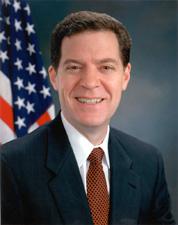 Sen. Sam Brownback (R-KS)
What it changes
1 change to S. 2400
Adds SEC. 1068. SENSE OF CONGRESS ON CONTRIBUTIONS OF AFRICAN AMERICANS TO THE ARMED FORCES on page 280, line 22
Adds a sectionPrinted pageInserted: SEC. 1068. SENSE OF CONGRESS ON CONTRIBUTIONS OF AFRICAN AMERICANS TO THE ARMED FORCES.
Inserted: (a) Findings.--Congress makes the following findings:
Inserted: (1) From the inception of our Nation, many African Americans have given their lives in service to this country in order that Americans could enjoy freedom and prosperity.
Inserted: (2) Nowhere is this sacrifice more apparent than in the history of the Armed Forces of the United States, and in the current fight against the threat of terrorism within the United States and abroad.
Inserted: (3) It is important to recognize the extraordinary contributions of African American soldiers enlisted in the Armed Forces during the era of segregation, when these brave soldiers fought valiantly to ensure freedom and democracy for Americans that they were not, in many instances, able to enjoy.
Inserted: (4) In September 1945, Secretary of War Robert P. Patterson appointed a board of 3 general officers, which became known as the Gillem Board, to investigate the policy of the United States Army with respect to African Americans and to prepare a new policy that would provide for the efficient use of African Americans in the Army.
Inserted: (5) The April 1946 Gillem Board report, titled "Utilization of Negro Manpower in the Postwar Army Policy," concluded that the future policy of the Army should be to "eliminate, at the earliest practicable moment, any special consideration based on race."
Inserted: (6) On October 29, 1947, the President's Committee on Civil Rights issued a landmark report titled "To Secure These Rights", which condemned segregation, in particular segregation in the Armed Forces. The report recommended legislation and administrative action "to end immediately all discrimination and segregation based on race, color, creed or national origin in . . . all branches of the Armed Services."
Inserted: (7) On July 26, 1948, President Truman signed Executive Order 9981, which stated that "there shall be equality of treatment and opportunity for all persons in the armed services without regard to race, color, religion, or national origin." The order also established the President's Committee on Equality of Treatment and Opportunity in the Armed Services, which included two African American members among its initial members.
Inserted: (8) On April 1, 1949, Secretary of Defense Louis Johnson issued a directive to the Secretaries of the Army, Navy, and Air Force that stated that it was the policy of the Department of Defense that there should be equality of treatment and opportunity for all in the armed services, and that "qualified Negro personnel shall be assigned to fill any type of position . . . without regard to race."
Inserted: (9) On May 11, 1949, Secretary of Defense Louis Johnson approved the integration plans of the Air Force, but rejected those of the Army and the Navy.
Inserted: (10) On June 7, 1949, Secretary of Defense Louis Johnson accepted a revised Navy integration plan.
Show 9 more inserted paragraphsShow less
Inserted: (11) On March 13, 1950, the Army agreed to abolish its 10 percent recruitment quota for African Americans.
Inserted: (12) On March 18, 1951, The Department of Defense announced that all basic training within the United States had been integrated.
Inserted: (13) In October 1953, the Army announced that 95 percent of African American soldiers in the Army were serving in integrated units.
Inserted: (b) Sense of Congress.--It is the sense of Congress--
Inserted: (1) to apologize for the racial segregation that was enforced by the United States Government upon African American soldiers who defended the United States prior to the desegregation of the Armed Forces;
Inserted: (2) that the United States has been richly blessed by the contributions and sacrifices of African Americans;
Inserted: (3) that the African Americans who served in the Armed Forces of the United States were heroes who were willing to see beyond their own oppression and envision a future society that would be fully inclusive of all citizens, regardless of their race; and
Inserted: (4) because of the sacrifices of these heroes, our Nation has prospered and grown into a symbol of freedom emulated by countries around the world.
Inserted: (c) Claims Not Authorized.--This section shall not be construed to authorize any claim against the United States and shall not be construed as a settlement of any claim against the United States.
Original wording
On page 280, after line 22, insert the following:
Read automatically from the Congressional Record. Check the original before relying on it.
As printed
SA 3232. Mr. BROWNBACK submitted an amendment intended to be proposed by him to the bill S. 2400, to authorize appropriations for fiscal year 2005 for military activities of the Department of Defense, for military construction, and for defense activities of the Department of Energy, to prescribe personnel strengths for such fiscal year for the Armed Services, and for other purposes; which was ordered to lie on the table, as follows:
On page 280, after line 22, insert the following:
SEC. 1068. SENSE OF CONGRESS ON CONTRIBUTIONS OF AFRICAN AMERICANS TO THE ARMED FORCES.
(a) Findings.--Congress makes the following findings:
(1) From the inception of our Nation, many African Americans have given their lives in service to this country in order that Americans could enjoy freedom and prosperity.
(2) Nowhere is this sacrifice more apparent than in the history of the Armed Forces of the United States, and in the current fight against the threat of terrorism within the United States and abroad.
(3) It is important to recognize the extraordinary contributions of African American soldiers enlisted in the Armed Forces during the era of segregation, when these brave soldiers fought valiantly to ensure freedom and democracy for Americans that they were not, in many instances, able to enjoy.
(4) In September 1945, Secretary of War Robert P. Patterson appointed a board of 3 general officers, which became known as the Gillem Board, to investigate the policy of the United States Army with respect to African Americans and to prepare a new policy that would provide for the efficient use of African Americans in the Army.
(5) The April 1946 Gillem Board report, titled “Utilization of Negro Manpower in the Postwar Army Policy,” concluded that the future policy of the Army should be to “eliminate, at the earliest practicable moment, any special consideration based on race.”
(6) On October 29, 1947, the President's Committee on Civil Rights issued a landmark report titled “To Secure These Rights”, which condemned segregation, in particular segregation in the Armed Forces. The report recommended legislation and administrative action “to end immediately all discrimination and segregation based on race, color, creed or national origin in . . . all branches of the Armed Services.”
(7) On July 26, 1948, President Truman signed Executive Order 9981, which stated that “there shall be equality of treatment and opportunity for all persons in the armed services without regard to race, color, religion, or national origin.” The order also established the President's Committee on Equality of Treatment and Opportunity in the Armed Services, which included two African American members among its initial members.
(8) On April 1, 1949, Secretary of Defense Louis Johnson issued a directive to the Secretaries of the Army, Navy, and Air Force that stated that it was the policy of the Department of Defense that there should be equality of treatment and opportunity for all in the armed services, and that “qualified Negro personnel shall be assigned to fill any type of position . . . without regard to race.”
(9) On May 11, 1949, Secretary of Defense Louis Johnson approved the integration plans of the Air Force, but rejected those of the Army and the Navy.
(10) On June 7, 1949, Secretary of Defense Louis Johnson accepted a revised Navy integration plan.
(11) On March 13, 1950, the Army agreed to abolish its 10 percent recruitment quota for African Americans.
(12) On March 18, 1951, The Department of Defense announced that all basic training within the United States had been integrated.
(13) In October 1953, the Army announced that 95 percent of African American soldiers in the Army were serving in integrated units.
(b) Sense of Congress.--It is the sense of Congress--
(1) to apologize for the racial segregation that was enforced by the United States Government upon African American soldiers who defended the United States prior to the desegregation of the Armed Forces;
(2) that the United States has been richly blessed by the contributions and sacrifices of African Americans;
(3) that the African Americans who served in the Armed Forces of the United States were heroes who were willing to see beyond their own oppression and envision a future society that would be fully inclusive of all citizens, regardless of their race; and
(4) because of the sacrifices of these heroes, our Nation has prospered and grown into a symbol of freedom emulated by countries around the world.
(c) Claims Not Authorized.--This section shall not be construed to authorize any claim against the United States and shall not be construed as a settlement of any claim against the United States.
Legislative Activity
Stay on top of the latest movement without scrolling through every action
Senate amendment submitted
May 20, 2004