To express the sense of the Senate that federal standards should be established to protect United States chemical facilities from terrorist attacks.
What it does: Inserts new text wherever appropriate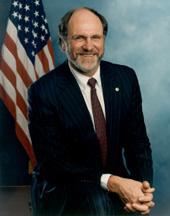 Sen. Jon S. Corzine (D-NJ)
Inserts new text wherever appropriate
InsertsInserted: (a) Findings.--The Senate finds that--
Inserted: (1) On February 6, 2002, Director of Central Intelligence George Tenet testified that "[A]l Qaeda or other terrorist groups might also try to launch conventional attacks against the chemical or nuclear industrial infrastructure of the United States to cause widespread toxic or radiological damage."
Inserted: (2) On April 27, 2005, the GAO found that "Experts" agree that the nation's chemical facilities present an attractive target for terrorists intent on causing massive damage. For example, the Department of Justice has concluded that the risk of an attempt in the foreseeable future to cause an industrial chemical release is both real and credible. Terrorist attacks involving the theft or release of certain chemicals could significantly impact the health and safety of millions of Americans, disrupt the local or regional economy, or impact other critical infrastructures that rely on chemicals, such as drinking water and wastewater treatment systems."
Inserted: (3) As of May 2005, according to data collected pursuant to the Risk Management Plan (RMP) of the Environmental Protection Agency (EPA), a worst-case release of chemicals from 2237 facilities would potentially affect between 10,000 and 99,999 people, a release from 493 facilities would potentially affect between 100,000 and 999,000, and a release from 111 facilities would potentially affect over one million.
Inserted: (4) On April 27, 2005, the GAO found that EPA RMP data was based on a release from a single vessel or pipe rather than the entire quantity on site and that "[A]n attack that breached multiple chemical vessels simultaneously could result in a larger release with potentially more severe consequences than those outlined in 'worst-case' scenarios."
Inserted: (5) On April 27, 2005, the GAO found that "Despite efforts by DHS to assess facility vulnerabilities and suggest security improvements, no one has comprehensively assessed security at facilities that house chemicals nationwide." GAO further testified that "EPA officials estimated in 2003, that voluntary initiatives led by industry associations only reach a portion of the 15,000 RMP facilities. Further, EPA and DHS have stated publicly that voluntary efforts alone are not sufficient to assure the public of the industry's preparedness."
Inserted: (6) On June 15, 2005, Thomas P. Dunne, Deputy Assistant Administrator for the Office of Solid Waste and Emergency Response of the EPA testified that "[O]nly a fraction of U.S. hazardous chemical facilities are currently subject to Federal security requirements" and that "we cannot be sure that every high-risk chemical facility has taken voluntary action to secure itself against terrorism."
Inserted: (7) On June 15, 2005, Robert Stephan, Acting Undersecretary for Information Analysis and Infrastructure Protection and Assistant Secretary for Infrastructure Protection at the Department of Homeland Security testified that the Department "has concluded that from the regulatory perspective, the existing patchwork of authorities does not permit us to regulate the industry effectively." Stephan further testified that "[I]t has become clear that the entirely voluntary efforts of [chemical facility] companies alone will not sufficiently address security for the entire sector" and that "The Department should develop enforceable performance standards . . ."
Inserted: (8) The Senate Committee on Homeland Security and Governmental Affairs, through a series of valuable and wide-ranging hearings, has demonstrated bipartisan commitment to effective Congressional action to protect Americans against a possible terrorist attack against chemical facilities.
Inserted: (B) Sense of the Senate.--It is the Sense of the Senate that the Congress should pass legislation establishing enforceable federal standards to protect against a terrorist attack on chemical facilities within the United States.
The amendment doesn't say where this goes; the clerk decides.
Original wording
At the appropriate place insert the following:
Read automatically from the Congressional Record. Check the original before relying on it.
As printed
At the appropriate place insert the following:
(a) Findings.--The Senate finds that--
(1) On February 6, 2002, Director of Central Intelligence George Tenet testified that “[A]l Qaeda or other terrorist groups might also try to launch conventional attacks against the chemical or nuclear industrial infrastructure of the United States to cause widespread toxic or radiological damage.”
(2) On April 27, 2005, the GAO found that “Experts” agree that the nation's chemical facilities present an attractive target for terrorists intent on causing massive damage. For example, the Department of Justice has concluded that the risk of an attempt in the foreseeable future to cause an industrial chemical release is both real and credible. Terrorist attacks involving the theft or release of certain chemicals could significantly impact the health and safety of millions of Americans, disrupt the local or regional economy, or impact other critical infrastructures that rely on chemicals, such as drinking water and wastewater treatment systems.”
(3) As of May 2005, according to data collected pursuant to the Risk Management Plan (RMP) of the Environmental Protection Agency (EPA), a worst-case release of chemicals from 2237 facilities would potentially affect between 10,000 and 99,999 people, a release from 493 facilities would potentially affect between 100,000 and 999,000, and a release from 111 facilities would potentially affect over one million.
(4) On April 27, 2005, the GAO found that EPA RMP data was based on a release from a single vessel or pipe rather than the entire quantity on site and that “[A]n attack that breached multiple chemical vessels simultaneously could result in a larger release with potentially more severe consequences than those outlined in ‘worst-case' scenarios.”
(5) On April 27, 2005, the GAO found that “Despite efforts by DHS to assess facility vulnerabilities and suggest security improvements, no one has comprehensively assessed security at facilities that house chemicals nationwide.” GAO further testified that “EPA officials estimated in 2003, that voluntary initiatives led by industry associations only reach a portion of the 15,000 RMP facilities. Further, EPA and DHS have stated publicly that voluntary efforts alone are not sufficient to assure the public of the industry's preparedness.”
(6) On June 15, 2005, Thomas P. Dunne, Deputy Assistant Administrator for the Office of Solid Waste and Emergency Response of the EPA testified that “[O]nly a fraction of U.S. hazardous chemical facilities are currently subject to Federal security requirements” and that “we cannot be sure that every high-risk chemical facility has taken voluntary action to secure itself against terrorism.”
(7) On June 15, 2005, Robert Stephan, Acting Undersecretary for Information Analysis and Infrastructure Protection and Assistant Secretary for Infrastructure Protection at the Department of Homeland Security testified that the Department “has concluded that from the regulatory perspective, the existing patchwork of authorities does not permit us to regulate the industry effectively.” Stephan further testified that “[I]t has become clear that the entirely voluntary efforts of [chemical facility] companies alone will not sufficiently address security for the entire sector” and that “The Department should develop enforceable performance standards . . .”
(8) The Senate Committee on Homeland Security and Governmental Affairs, through a series of valuable and wide-ranging hearings, has demonstrated bipartisan commitment to effective Congressional action to protect Americans against a possible terrorist attack against chemical facilities.
(B) Sense of the Senate.--It is the Sense of the Senate that the Congress should pass legislation establishing enforceable federal standards to protect against a terrorist attack on chemical facilities within the United States.
Legislative Activity
Stay on top of the latest movement without scrolling through every action
Senate amendment proposed (on the floor): Amendment SA 1208 proposed by Senator Corzine.(consideration: CR S8249-8250; text: CR S8249)
July 14, 2005
View full timeline
Senate amendment proposed (on the floor): Amendment SA 1208 proposed by Senator Corzine.(consideration: CR S8249-8250; text: CR S8249)
July 14, 2005
Senate amendment agreed to: Amendment SA 1208 agreed to in Senate by Unanimous Consent.
July 14, 2005
Amendment SA 1208 proposed by Senator Corzine. (consideration: CR S8249-8250; text: CR S8249) To express the sense of the Senate that federal standards should be established to protect United States chemical facilities from terrorist attacks.
July 14, 2005
Amendment SA 1208 agreed to in Senate by Unanimous Consent.
July 14, 2005
Senate amendment submitted
July 11, 2005