S.Amdt. 1485
What it does: Adds SEC. 1205. SENSE OF CONGRESS ON UNITED STATES PARTICIPATION IN REVIEW CONFERENCES OF THE PARTIES TO TREATY ON THE NON-PROLIFERATION OF NUCLEAR WEAPONS on page 296, line 19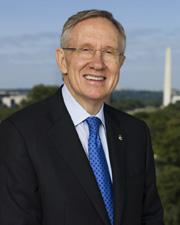 Sen. Harry Reid (D-NV)
What it changes
1 change to S. 1042
Adds SEC. 1205. SENSE OF CONGRESS ON UNITED STATES PARTICIPATION IN REVIEW CONFERENCES OF THE PARTIES TO TREATY ON THE NON-PROLIFERATION OF NUCLEAR WEAPONS on page 296, line 19
Adds a sectionPrinted pageInserted: SEC. 1205. SENSE OF CONGRESS ON UNITED STATES PARTICIPATION IN REVIEW CONFERENCES OF THE PARTIES TO TREATY ON THE NON-PROLIFERATION OF NUCLEAR WEAPONS.
Inserted: (a) Findings.--Congress makes the following findings:
Inserted: (1) The Treaty on the Non-Proliferation of Nuclear Weapons, done at Washington, London, and Moscow July 1, 1968 (21 UST 483) (hereinafter referred to as the "Nuclear Non-Proliferation Treaty"), which has 188 party countries, is the centerpiece of the international regime to prevent the spread of nuclear weapons.
Inserted: (2) Since 1975, a Review Conference of the Parties to the Treaty on the Non-Proliferation of Nuclear Weapons has been held every five years to review the Nuclear Non-Proliferation Treaty, evaluate the progress has been made, and assess the additional steps that must be carried out to prevent the spread of nuclear weapons.
Inserted: (3) The Nuclear Non-Proliferation Treaty must be strengthened to respond to current proliferation challenges, and the leadership of the United States is crucial in such effort.
Inserted: (4) The United States was represented at each of the first four Review Conferences, which were held during 1975, 1980, 1985, and 1990, by an official no lower than the equivalent of a Deputy Secretary of State, who reported directly to the Secretary of State, and at the last two conferences, which were held during 1995 and 2000, the United States was represented by the Vice President and the Secretary of State.
Inserted: (5) The Assistant Secretary for Arms Control of the Department of State, who reports to the Secretary of State through the Undersecretary for Arms Control and International Security Affairs and the Deputy Secretary of State, represented the United States at the 2005 Review Conference and was the lowest-level representative ever to represent the United States at a Review Conference.
Inserted: (6) The level of United States representation at Review Conferences affects the ability of the United States Government to exert leadership in strengthening the international nuclear nonproliferation regime.
Inserted: (b) Sense of Congress.--It is the sense of Congress that--
Inserted: (1) the Secretary of State should represent the United States at all future Review Conferences of the Parties to the Treaty on the Non-Proliferation of Nuclear Weapons;
Inserted: (2) not later than 90 days prior to the start of each Review Conference or any preparatory conference to the Nuclear Non-Proliferation Treaty, the President should submit to Congress a plan that outlines the United States objectives for the Review Conference or preparatory conference and a comprehensive strategy for achieving such objectives; and
Inserted: (3) not later than 90 days after the conclusion of a Review Conference or any such preparatory conference or, with respect to the Review Conference held during 2005, not later than 90 days after the date of enactment of this Act, the President should submit to Congress an after-action review of the Review Conference or preparatory conference, including an assessment of which United States objectives related to strengthening international nuclear nonproliferation efforts were achieved and which such objectives were not achieved during the Review Conference or preparatory conference.
Original wording
On page 296, after line 19, insert the following:
Read automatically from the Congressional Record. Check the original before relying on it.
As printed
SA 1485. Mr. REID submitted an amendment intended to be proposed by him to the bill S. 1042, to authorize appropriations for fiscal year 2006 for military activities of the Department of Defense, for military construction, and for defense activities of the Department of Energy, to prescribe personnel strengths for such fiscal year for the Armed Forces, and for other purposes; which was ordered to lie on the table; as follows:
On page 296, after line 19, insert the following:
SEC. 1205. SENSE OF CONGRESS ON UNITED STATES PARTICIPATION IN REVIEW CONFERENCES OF THE PARTIES TO TREATY ON THE NON-PROLIFERATION OF NUCLEAR WEAPONS.
(a) Findings.--Congress makes the following findings:
(1) The Treaty on the Non-Proliferation of Nuclear Weapons, done at Washington, London, and Moscow July 1, 1968 (21 UST 483) (hereinafter referred to as the “Nuclear Non-Proliferation Treaty”), which has 188 party countries, is the centerpiece of the international regime to prevent the spread of nuclear weapons.
(2) Since 1975, a Review Conference of the Parties to the Treaty on the Non-Proliferation of Nuclear Weapons has been held every five years to review the Nuclear Non-Proliferation Treaty, evaluate the progress has been made, and assess the additional steps that must be carried out to prevent the spread of nuclear weapons.
(3) The Nuclear Non-Proliferation Treaty must be strengthened to respond to current proliferation challenges, and the leadership of the United States is crucial in such effort.
(4) The United States was represented at each of the first four Review Conferences, which were held during 1975, 1980, 1985, and 1990, by an official no lower than the equivalent of a Deputy Secretary of State, who reported directly to the Secretary of State, and at the last two conferences, which were held during 1995 and 2000, the United States was represented by the Vice President and the Secretary of State.
(5) The Assistant Secretary for Arms Control of the Department of State, who reports to the Secretary of State through the Undersecretary for Arms Control and International Security Affairs and the Deputy Secretary of State, represented the United States at the 2005 Review Conference and was the lowest-level representative ever to represent the United States at a Review Conference.
(6) The level of United States representation at Review Conferences affects the ability of the United States Government to exert leadership in strengthening the international nuclear nonproliferation regime.
(b) Sense of Congress.--It is the sense of Congress that--
(1) the Secretary of State should represent the United States at all future Review Conferences of the Parties to the Treaty on the Non-Proliferation of Nuclear Weapons;
(2) not later than 90 days prior to the start of each Review Conference or any preparatory conference to the Nuclear Non-Proliferation Treaty, the President should submit to Congress a plan that outlines the United States objectives for the Review Conference or preparatory conference and a comprehensive strategy for achieving such objectives; and
(3) not later than 90 days after the conclusion of a Review Conference or any such preparatory conference or, with respect to the Review Conference held during 2005, not later than 90 days after the date of enactment of this Act, the President should submit to Congress an after-action review of the Review Conference or preparatory conference, including an assessment of which United States objectives related to strengthening international nuclear nonproliferation efforts were achieved and which such objectives were not achieved during the Review Conference or preparatory conference.
Legislative Activity
Stay on top of the latest movement without scrolling through every action
Senate amendment submitted
July 25, 2005