S.Amdt. 3743
What it does: Adds SEC. __. SCREENING OF MUNICIPAL SOLID WASTE wherever appropriate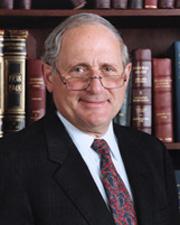 Sen. Carl Levin (D-MI)
What it changes
1 change to H.R. 4939
Adds SEC. __. SCREENING OF MUNICIPAL SOLID WASTE wherever appropriate
Adds a sectionInserted: SEC. __. SCREENING OF MUNICIPAL SOLID WASTE.
Inserted: (a) Findings.--Congress finds, based on the review of the Office of the Inspector General of the Department of Homeland Security of the effectiveness of screening by the Bureau of Customs and Border Protection of trucks carrying Canadian municipal solid waste, that--
Inserted: (1) the Bureau does not have an effective method of screening and inspecting the 350 truckloads of municipal solid waste that enter the United States daily through the Detroit and Port Huron ports of entry;
Inserted: (2) the effectiveness of technologies used as of the date of enactment of this Act to test for the presence of radiation in municipal solid waste is limited;
Inserted: (3) visual presentation of vehicle and cargo inspection systems does not allow for easily distinguishing drugs, weapons, and other contraband in municipal solid waste; and
Inserted: (4)(A) physical inspections of municipal solid waste are of limited value because it is difficult to thoroughly inspect compacted municipal solid waste to identify illegal cargo; and
Inserted: (B) relatively few physical inspections are performed because the inspections are labor intensive.
Inserted: (b) Definitions.--In this section:
Inserted: (1) Bureau.--The term " Bureau" means the Bureau of Customs and Border Protection.
Inserted: (2) Commercial motor vehicle.--The term "commercial motor vehicle" has the meaning given the term in section 31101 of title 49, United States Code.
Inserted: (3) Commissioner.--The term "Commissioner" means the Commissioner of the Bureau.
Inserted: (4) Municipal solid waste.--The term "municipal solid waste" includes sludge (as defined in section 1004 of the Solid Waste Disposal Act (42 U.S.C. 6903)).
Show 7 more inserted paragraphsShow less
Inserted: (c) Report to Congress.--Not later than 90 days after the date of enactment of this Act, the Commissioner shall submit to Congress a report that identifies the actions that the Bureau will take to achieve the same level of effectiveness in the screening of municipal solid waste for the presence of chemical, nuclear, biological, and radiological weapons, as those methodologies and
Inserted: technologies used by the Bureau to screen for those materials in other items of commerce entering the United States through commercial motor vehicle transport.
Inserted: (d) Impact on Commercial Motor Vehicles.--The Secretary shall deny entry into the United States for any commercial motor vehicle carrying municipal solid waste until the Secretary certifies to Congress that the methodologies and technologies used by the Bureau to screen for and detect the presence of chemical, nuclear, biological, and radiological weapons in municipal solid waste are as effective as the methodologies and technologies used by the Bureau to screen for those materials in other items of commerce entering the United States through commercial motor vehicle transport if--
Inserted: (1) the Commissioner fails to submit the report under subsection (c);
Inserted: (2) the report under subsection (c) fails to identify methodologies and technologies that could be feasibly and reasonably implemented by the Bureau to achieve the level of effectiveness in the screening of municipal solid waste described in subsection (c); or
Inserted: (3)(A) the report under subsection (c) sufficiently identifies methodologies and technologies that could be feasibly and reasonably implemented by the Bureau to achieve the level of effectiveness in the screening of municipal solid waste described in that subsection; but
Inserted: (B) the Commissioner fails to fully implement the actions identified in the report before date that is 90 days after the date on which the report is submitted.
The amendment doesn't say where this goes; the clerk decides.
Original wording
At the appropriate place, insert the following:
Read automatically from the Congressional Record. Check the original before relying on it.
As printed
SA 3743. Mr. LEVIN (for himself, Ms. Stabenow, Mr. Coleman, and Mr. Voinovich) submitted an amendment intended to be proposed by him to the bill H.R. 4939, making emergency supplemental appropriations for the fiscal year ending September 30, 2006, and for other purposes; which was ordered to lie on the table; as follows:
At the appropriate place, insert the following:
SEC. __. SCREENING OF MUNICIPAL SOLID WASTE.
(a) Findings.--Congress finds, based on the review of the Office of the Inspector General of the Department of Homeland Security of the effectiveness of screening by the Bureau of Customs and Border Protection of trucks carrying Canadian municipal solid waste, that--
(1) the Bureau does not have an effective method of screening and inspecting the 350 truckloads of municipal solid waste that enter the United States daily through the Detroit and Port Huron ports of entry;
(2) the effectiveness of technologies used as of the date of enactment of this Act to test for the presence of radiation in municipal solid waste is limited;
(3) visual presentation of vehicle and cargo inspection systems does not allow for easily distinguishing drugs, weapons, and other contraband in municipal solid waste; and
(4)(A) physical inspections of municipal solid waste are of limited value because it is difficult to thoroughly inspect compacted municipal solid waste to identify illegal cargo; and
(B) relatively few physical inspections are performed because the inspections are labor intensive.
(b) Definitions.--In this section:
(1) Bureau.--The term “ Bureau” means the Bureau of Customs and Border Protection.
(2) Commercial motor vehicle.--The term “commercial motor vehicle” has the meaning given the term in section 31101 of title 49, United States Code.
(3) Commissioner.--The term “Commissioner” means the Commissioner of the Bureau.
(4) Municipal solid waste.--The term “municipal solid waste” includes sludge (as defined in section 1004 of the Solid Waste Disposal Act (42 U.S.C. 6903)).
(c) Report to Congress.--Not later than 90 days after the date of enactment of this Act, the Commissioner shall submit to Congress a report that identifies the actions that the Bureau will take to achieve the same level of effectiveness in the screening of municipal solid waste for the presence of chemical, nuclear, biological, and radiological weapons, as those methodologies and
technologies used by the Bureau to screen for those materials in other items of commerce entering the United States through commercial motor vehicle transport.
(d) Impact on Commercial Motor Vehicles.--The Secretary shall deny entry into the United States for any commercial motor vehicle carrying municipal solid waste until the Secretary certifies to Congress that the methodologies and technologies used by the Bureau to screen for and detect the presence of chemical, nuclear, biological, and radiological weapons in municipal solid waste are as effective as the methodologies and technologies used by the Bureau to screen for those materials in other items of commerce entering the United States through commercial motor vehicle transport if--
(1) the Commissioner fails to submit the report under subsection (c);
(2) the report under subsection (c) fails to identify methodologies and technologies that could be feasibly and reasonably implemented by the Bureau to achieve the level of effectiveness in the screening of municipal solid waste described in subsection (c); or
(3)(A) the report under subsection (c) sufficiently identifies methodologies and technologies that could be feasibly and reasonably implemented by the Bureau to achieve the level of effectiveness in the screening of municipal solid waste described in that subsection; but
(B) the Commissioner fails to fully implement the actions identified in the report before date that is 90 days after the date on which the report is submitted.
Legislative Activity
Stay on top of the latest movement without scrolling through every action
Senate amendment submitted
May 1, 2006