S.Amdt. 4891
What it does: Adds Subtitle H--Sense of the Senate Regarding Excessive Big Oil Chief Executive Officer Compensation SEC. 1771. SENSE OF THE SENATE at the end of title XVII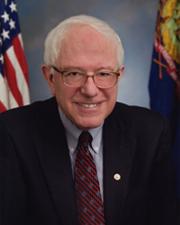 Sen. Bernard Sanders (I-VT)
What it changes
1 change to S. 3036
Adds Subtitle H--Sense of the Senate Regarding Excessive Big Oil Chief Executive Officer Compensation SEC. 1771. SENSE OF THE SENATE at the end of title XVII
Adds a sectionInserted: Subtitle H--Sense of the Senate Regarding Excessive Big Oil Chief Executive Officer Compensation SEC. 1771. SENSE OF THE SENATE.
Inserted: (a) Findings.--The Senate finds that--
Inserted: (1) the national average price for a gallon of gasoline has increased from the price of $1.47 per gallon during the week President George W. Bush took office in January 2001 to, as of the date of enactment of this Act, an all-time high of approximately $4.00 per gallon;
Inserted: (2) the price of a barrel of oil has increased during the administration of George W. Bush, from $30.63 in January 2001 to as high as $135 in May 2008;
Inserted: (3) the average household with children will spend approximately $5,030 on transportation fuel costs in 2008, an increase of 164 percent or $3,127 more than 2001 transportation fuel costs;
Inserted: (4) while the price of gasoline has continued to skyrocket, median household income, adjusted for inflation, has declined by $982 from $50,566 in 2000 to $49,584 in 2006, making it harder for families of the United States to afford the basic necessities of life;
Inserted: (5) while the price of gasoline has continued to skyrocket, 36,500,000 citizens of the United States lived in poverty during 2006, an increase of 4,900,000 above the 2000 level, the year before President Bush took office;
Inserted: (6) 63 percent of respondents of a March 2008 Gallup Poll stated that high gasoline prices have caused hardships for the respondents;
Inserted: (7) according to a Gallup Poll carried out on June 3, 2008, 55 percent of the citizens of the United States stated that they are worse off financially than the prior year, marking the first time in the 32-year history of the Gallop Poll that more than 50 percent of the respondents of that question provided a negative assessment;
Inserted: (8) while the citizens of the United States continue to pay record-breaking prices at the gas pump, the chief executive officers of big oil companies have been rewarded with excessive retirement and annual compensation packages;
Inserted: (9) in 2005, Lee Raymond, the former chief executive officer of Exxon-Mobil, received a total retirement package of at least $398,000,000, among the richest compensation packages in United States corporate history;
Inserted: (10) in 2006, Ray Irani, the chief executive officer of Occidental Petroleum (the largest oil producer in the State of Texas), received over $400,000,000 in total compensation, 1 of the largest single-year payouts in United States corporate history;
Show 5 more inserted paragraphsShow less
Inserted: (11) in 2007, David J. O'Reilly, the chief executive officer of Chevron, received $34,610,000 in total compensation;
Inserted: (12) in 2007, Rex Tillerson, the chief executive officer of ExxonMobil, received $21,000,000 in total compensation;
Inserted: (13) in 2007, Jim Mulva, the chief executive officer of ConocoPhillips, received $15,100,000 in total compensation; and
Inserted: (14) in 2007, Bob R. Simpson, the chief executive officer of XTO Energy (1 of the largest independent oil and gas producers in the United States), received $72,700,000 in total compensation.
Inserted: (b) Sense of the Senate.--It is the sense of the Senate that at a time during which the citizens of the United States continue to pay record-breaking prices for gasoline, chief executive officers of big oil companies should not receive for total annual compensation an amount greater than $5,000,000.
Original wording
At the end of title XVII, add the following:
Read automatically from the Congressional Record. Check the original before relying on it.
As printed
SA 4891. Mr. SANDERS submitted an amendment intended to be proposed by him to the bill S. 3036, to direct the Administrator of the Environmental Protection Agency to establish a program to decrease emissions of greenhouse gases, and for other purposes; which was ordered to lie on the table; as follows:
At the end of title XVII, add the following:
Subtitle H--Sense of the Senate Regarding Excessive Big Oil Chief Executive Officer Compensation SEC. 1771. SENSE OF THE SENATE.
(a) Findings.--The Senate finds that--
(1) the national average price for a gallon of gasoline has increased from the price of $1.47 per gallon during the week President George W. Bush took office in January 2001 to, as of the date of enactment of this Act, an all-time high of approximately $4.00 per gallon;
(2) the price of a barrel of oil has increased during the administration of George W. Bush, from $30.63 in January 2001 to as high as $135 in May 2008;
(3) the average household with children will spend approximately $5,030 on transportation fuel costs in 2008, an increase of 164 percent or $3,127 more than 2001 transportation fuel costs;
(4) while the price of gasoline has continued to skyrocket, median household income, adjusted for inflation, has declined by $982 from $50,566 in 2000 to $49,584 in 2006, making it harder for families of the United States to afford the basic necessities of life;
(5) while the price of gasoline has continued to skyrocket, 36,500,000 citizens of the United States lived in poverty during 2006, an increase of 4,900,000 above the 2000 level, the year before President Bush took office;
(6) 63 percent of respondents of a March 2008 Gallup Poll stated that high gasoline prices have caused hardships for the respondents;
(7) according to a Gallup Poll carried out on June 3, 2008, 55 percent of the citizens of the United States stated that they are worse off financially than the prior year, marking the first time in the 32-year history of the Gallop Poll that more than 50 percent of the respondents of that question provided a negative assessment;
(8) while the citizens of the United States continue to pay record-breaking prices at the gas pump, the chief executive officers of big oil companies have been rewarded with excessive retirement and annual compensation packages;
(9) in 2005, Lee Raymond, the former chief executive officer of Exxon-Mobil, received a total retirement package of at least $398,000,000, among the richest compensation packages in United States corporate history;
(10) in 2006, Ray Irani, the chief executive officer of Occidental Petroleum (the largest oil producer in the State of Texas), received over $400,000,000 in total compensation, 1 of the largest single-year payouts in United States corporate history;
(11) in 2007, David J. O'Reilly, the chief executive officer of Chevron, received $34,610,000 in total compensation;
(12) in 2007, Rex Tillerson, the chief executive officer of ExxonMobil, received $21,000,000 in total compensation;
(13) in 2007, Jim Mulva, the chief executive officer of ConocoPhillips, received $15,100,000 in total compensation; and
(14) in 2007, Bob R. Simpson, the chief executive officer of XTO Energy (1 of the largest independent oil and gas producers in the United States), received $72,700,000 in total compensation.
(b) Sense of the Senate.--It is the sense of the Senate that at a time during which the citizens of the United States continue to pay record-breaking prices for gasoline, chief executive officers of big oil companies should not receive for total annual compensation an amount greater than $5,000,000.
Legislative Activity
Stay on top of the latest movement without scrolling through every action
Senate amendment submitted
June 5, 2008