S.Amdt. 5317
What it does: Adds SEC. 344. ALTERNATIVE AVIATION FUEL INITIATIVE on page 81, line 6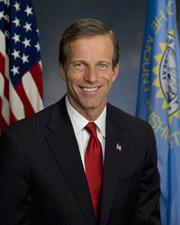 Sen. John Thune (R-SD)
What it changes
1 change to S. 3001
Adds SEC. 344. ALTERNATIVE AVIATION FUEL INITIATIVE on page 81, line 6
Adds a sectionPrinted pageInserted: SEC. 344. ALTERNATIVE AVIATION FUEL INITIATIVE.
Inserted: (a) Findings.--Congress makes the following findings:
Inserted: (1) Dependence on foreign sources of oil is detrimental to the national security of the United States due to possible disruptions in supply.
Inserted: (2) The Department of Defense is the largest single consumer of fuel in the United States.
Inserted: (3) The United States Air Force is the largest consumer of fuel in the Department of Defense.
Inserted: (4) The skyrocketing price of fuel is having a significant budgetary impact on the Department of Defense.
Inserted: (5) The United States Air Force uses about 2,600,000,000 gallons of jet fuel a year, or 10 percent of the entire domestic market in aviation fuel.
Inserted: (6) The fuel costs of the Air Force have tripled over the past four years, costing nearly $6,000,000,000 in 2007, up from $2,000,000,000 in 2003. During the same period, its consumption of fuel decreased by 10 percent.
Inserted: (7) The Air Force is committed to environmentally friendly energy solutions.
Inserted: (8) The Air Force has developed an energy program (in this section referred to as the "Air Force Energy Program") to certify the entire Air Force aircraft fleet for operations on a 50/50 synthetic fuel blend by not later than June 30, 2011, and to acquire 50 percent of its domestic aviation fuel requirement from a domestically-sourced synthetic fuel blend, at prices equal to or less than market prices for petroleum-based alternatives, that exhibits a more favorable environmental footprint across all major contaminates of concern, by not later than December 31, 2016.
Inserted: (9) The Air Force Energy Program will provide options to reduce the use of foreign oil, by focusing on expanding alternative energy options that provide favorable environmental attributes as compared to currently-available options.
Inserted: (b) Continuation of Initiatives.--
Show 24 more inserted paragraphsShow less
Inserted: (1) In general.--The Secretary of the Air Force shall continue the alternative aviation fuel initiatives of the Air Force in order to--
Inserted: (A) certify the entire Air Force aircraft fleet for operations on a 50/50 synthetic fuel blend by not later than June 30, 2011;
Inserted: (B) acquire 50 percent of its domestic aviation fuel requirement from a domestically-sourced synthetic fuel blend by not later than December 31, 2016, provided that--
Inserted: (i) the lifecycle greenhouse gas emissions associated with the production and combustion of such fuel shall not be greater than such emissions from conventional fuels that are used in the same application; and
Inserted: (ii) synthetic fuel prices are equal to or less than market prices for petroleum-based alternatives;
Inserted: (C) take actions in collaboration with the commercial aviation industry and equipment manufacturers to spur the development of a domestic alternative aviation fuel industry; and
Inserted: (D) take actions in collaboration with other Federal agencies, the commercial sector, and academia to solicit for and test the next generation of environmentally-friendly alternative aviation fuels.
Inserted: (2) Annual report.--Within 60 days after enactment and annually thereafter, the Secretary of Defense, in consultation with the Secretary of the Air Force, shall submit to Congress a report on the progress of the alternative aviation fuel initiative program, including--
Inserted: (A) the status of aircraft fleet certification, until complete;
Inserted: (B) the quantities of domestically-sourced synthetic fuels purchased for use by the Air Force in the fiscal year ending in such year;
Inserted: (C) progress made against published goals for such fiscal year;
Inserted: (D) the status of recovery plans to achieve any goals set for previous years that were not achieved; and
Inserted: (E) the establishment of goals and objectives for the current fiscal year.
Inserted: (c) Air Force as Host to Alternative Energy Projects.--
Inserted: (1) In general.--In order to generate revenue and provide increased security for base energy sources, the Secretary of the Air Force shall--
Inserted: (A) by not later than 180 days after the date of the enactment of this Act, identify 10 installations or other facilities of the Air Force that could be suitable sites to host alternative energy projects that yield at least 10 megawatts of energy or commercial quantities of fuel or that use break-through technologies;
Inserted: (B) establish a development program to solicit project concepts for suitable sites;
Inserted: (C) solicit proposals for specific alternative energy projects for each suitable site;
Inserted: (D) execute the design and operation of projects that are privately funded, privately developed, and privately operated on property leased by the Air Force to support such projects; and
Inserted: (E) continue to seek and explore opportunities for alternative energy projects in addition to those identified in accordance with subparagraph (A).
Inserted: (2) Annual report.--Within 60 days after enactment, and annually thereafter, the Secretary of Defense, in consultation with the Secretary of the Air Force, shall submit to Congress an annual report on the progress made in hosting alternative energy projects on Air Force installations, including--
Inserted: (A) projects solicited or closed in the previous year;
Inserted: (B) projects expected to be solicited in the next year; and
Inserted: (C) efforts to seek and explore further opportunities to identify suitable sites to host alternative energy projects as required by paragraph (1)(E).
Original wording
On page 81, before line 6, insert the following:
Read automatically from the Congressional Record. Check the original before relying on it.
As printed
SA 5317. Mr. THUNE submitted an amendment intended to be proposed by him to the bill S. 3001, to authorize appropriations for fiscal year 2009 for military activities of the Department of Defense, for military construction, and for defense activities of the Department of Energy, to prescribe military personnel strengths for such fiscal year, and for other purposes; which was ordered to lie on the table; as follows:
On page 81, before line 6, insert the following:
SEC. 344. ALTERNATIVE AVIATION FUEL INITIATIVE.
(a) Findings.--Congress makes the following findings:
(1) Dependence on foreign sources of oil is detrimental to the national security of the United States due to possible disruptions in supply.
(2) The Department of Defense is the largest single consumer of fuel in the United States.
(3) The United States Air Force is the largest consumer of fuel in the Department of Defense.
(4) The skyrocketing price of fuel is having a significant budgetary impact on the Department of Defense.
(5) The United States Air Force uses about 2,600,000,000 gallons of jet fuel a year, or 10 percent of the entire domestic market in aviation fuel.
(6) The fuel costs of the Air Force have tripled over the past four years, costing nearly $6,000,000,000 in 2007, up from $2,000,000,000 in 2003. During the same period, its consumption of fuel decreased by 10 percent.
(7) The Air Force is committed to environmentally friendly energy solutions.
(8) The Air Force has developed an energy program (in this section referred to as the “Air Force Energy Program”) to certify the entire Air Force aircraft fleet for operations on a 50/50 synthetic fuel blend by not later than June 30, 2011, and to acquire 50 percent of its domestic aviation fuel requirement from a domestically-sourced synthetic fuel blend, at prices equal to or less than market prices for petroleum-based alternatives, that exhibits a more favorable environmental footprint across all major contaminates of concern, by not later than December 31, 2016.
(9) The Air Force Energy Program will provide options to reduce the use of foreign oil, by focusing on expanding alternative energy options that provide favorable environmental attributes as compared to currently-available options.
(b) Continuation of Initiatives.--
(1) In general.--The Secretary of the Air Force shall continue the alternative aviation fuel initiatives of the Air Force in order to--
(A) certify the entire Air Force aircraft fleet for operations on a 50/50 synthetic fuel blend by not later than June 30, 2011;
(B) acquire 50 percent of its domestic aviation fuel requirement from a domestically-sourced synthetic fuel blend by not later than December 31, 2016, provided that--
(i) the lifecycle greenhouse gas emissions associated with the production and combustion of such fuel shall not be greater than such emissions from conventional fuels that are used in the same application; and
(ii) synthetic fuel prices are equal to or less than market prices for petroleum-based alternatives;
(C) take actions in collaboration with the commercial aviation industry and equipment manufacturers to spur the development of a domestic alternative aviation fuel industry; and
(D) take actions in collaboration with other Federal agencies, the commercial sector, and academia to solicit for and test the next generation of environmentally-friendly alternative aviation fuels.
(2) Annual report.--Within 60 days after enactment and annually thereafter, the Secretary of Defense, in consultation with the Secretary of the Air Force, shall submit to Congress a report on the progress of the alternative aviation fuel initiative program, including--
(A) the status of aircraft fleet certification, until complete;
(B) the quantities of domestically-sourced synthetic fuels purchased for use by the Air Force in the fiscal year ending in such year;
(C) progress made against published goals for such fiscal year;
(D) the status of recovery plans to achieve any goals set for previous years that were not achieved; and
(E) the establishment of goals and objectives for the current fiscal year.
(c) Air Force as Host to Alternative Energy Projects.--
(1) In general.--In order to generate revenue and provide increased security for base energy sources, the Secretary of the Air Force shall--
(A) by not later than 180 days after the date of the enactment of this Act, identify 10 installations or other facilities of the Air Force that could be suitable sites to host alternative energy projects that yield at least 10 megawatts of energy or commercial quantities of fuel or that use break-through technologies;
(B) establish a development program to solicit project concepts for suitable sites;
(C) solicit proposals for specific alternative energy projects for each suitable site;
(D) execute the design and operation of projects that are privately funded, privately developed, and privately operated on property leased by the Air Force to support such projects; and
(E) continue to seek and explore opportunities for alternative energy projects in addition to those identified in accordance with subparagraph (A).
(2) Annual report.--Within 60 days after enactment, and annually thereafter, the Secretary of Defense, in consultation with the Secretary of the Air Force, shall submit to Congress an annual report on the progress made in hosting alternative energy projects on Air Force installations, including--
(A) projects solicited or closed in the previous year;
(B) projects expected to be solicited in the next year; and
(C) efforts to seek and explore further opportunities to identify suitable sites to host alternative energy projects as required by paragraph (1)(E).
Legislative Activity
Stay on top of the latest movement without scrolling through every action
Senate amendment submitted
September 9, 2008