An amendment numbered 23 printed in Part C of House Report 111-143 to create the Global Clean Energy Exchange Program a program to strengthen research, educational exchange, and international cooperation with the aim of promoting the development and deployment of clean and efficient energy technologies.
What it does: Adds SEC. 11__. GLOBAL CLEAN ENERGY EXCHANGE PROGRAM at the end of subtitle A of title XI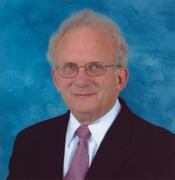 Rep. Howard L. Berman (D-CA)
Description
Amendment creates the Global Clean Energy Exchange Program to strengthen research, educational exchange, and international cooperation with the aim of promoting the development and deployment of clean and efficient energy technologies.
What it changes
1 change to H.R. 2410
We couldn't match these changes to the text of H.R. 2410, so they're shown as written.
Adds SEC. 11__. GLOBAL CLEAN ENERGY EXCHANGE PROGRAM at the end of subtitle A of title XI
Adds a sectionInserted: SEC. 11__. GLOBAL CLEAN ENERGY EXCHANGE PROGRAM.
Inserted: (a) Program Establishment.--The Secretary of State is authorized to establish a program to strengthen research, educational exchange, and international cooperation with the aim of promoting the development and deployment of clean and efficient energy technologies in order to reduce global greenhouse gas emissions, address issues of energy poverty in developing countries, and extend the reach of United States technologies and ingenuity that would be beneficial to developing countries. The program authorized under this subsection shall be carried out pursuant to the authorities of the Mutual Educational and Cultural Exchange Act of 1961 (22 U.S.C. 2451 et seq.) and may be referred to as the "Global Clean Energy Exchange Program".
Inserted: (b) Definitions.--In this section:
Inserted: (1) Clean and efficient energy technology.--The term "clean and efficient energy technology" means an energy supply or end-use technology--
Inserted: (A) such as--
Inserted: (i) solar technology;
Inserted: (ii) wind technology;
Inserted: (iii) geothermal technology;
Inserted: (iv) hydroelectric technology
Inserted: (v) alternative fuels; and
Inserted: (vi) carbon capture technology; and
Inserted: (B) that, over its life cycle and compared to a similar technology already in commercial use--
Show 24 more inserted paragraphsShow less
Inserted: (i) is reliable, affordable, economically viable, socially acceptable, and compatible with the needs and norms of the country involved;
Inserted: (ii) results in--
Inserted: (I) reduced emissions of greenhouse gases; or
Inserted: (II) increased geological sequestration; and
Inserted: (iii) may--
Inserted: (I) substantially lower emissions of air pollutants; or
Inserted: (II) generate substantially smaller or less hazardous quantities of solid or liquid waste.
Inserted: (2) Geological sequestration.--The term "geological sequestration" means the capture and long-term storage in a geological formation of a greenhouse gas from an energy producing facility, which prevents the release of greenhouse gases into the atmosphere.
Inserted: (3) Greenhouse gas.--The term "greenhouse gas" means--
Inserted: (A) carbon dioxide;
Inserted: (B) methane;
Inserted: (C) nitrous oxide;
Inserted: (D) hydrofluorocarbons;
Inserted: (E) perfluorocarbons;
Inserted: (F) sulfur hexafluoride; or
Inserted: (G) nitrogen trifluoride.
Inserted: (c) Elements.--The program authorized under subsection (a) shall contain the following elements:
Inserted: (1) The financing of studies, research, instruction, and other educational activities dedicated to developing clean and efficient energy technologies--
Inserted: (A) by or to United States citizens and nationals in foreign universities, governments, organizations, companies, or other institutions, and
Inserted: (B) by or to citizens and nationals of foreign countries in United States universities, governments, organizations, companies, or other institutions.
Inserted: (2) The financing of visits and exchanges between the United States and other countries of students, trainees, teachers, instructors, professors, researchers, entrepreneurs, and other persons who study, teach, and conduct research in subjects such as the physical sciences, environmental science, public policy, economics, urban planning, and other subjects and focus on developing and commercially deploying clean and efficient energy technologies.
Inserted: (d) Access.--The Secretary of State shall ensure that the program authorized under subsection (a) is available to--
Inserted: (1) historically Black colleges and universities that are part B institutions (as such term is defined in section 322(2) of the Higher Education Act of 1965 (20 U.S.C. 1061(2))), Hispanic-serving institutions (as such term is defined in section 502(5) of such Act (20 U.S.C. 1101a(5))), Tribal Colleges or Universities (as such term is defined in section 316 of such Act (20 U.S.C. 1059c)), and other minority institutions (as such term is defined in section 365(3) of such Act (20 U.S.C. 1067k(3))), and to the students, faculty, and researchers at such colleges, universities, and institutions; and
Inserted: (2) small business concerns owned and controlled by socially and economically disadvantaged individuals, small business concerns owned and controlled by women, and small business concerns owned and controlled by veterans (as such terms are defined in section 8(d)(3) of the Small Business Act (15 U.S.C. 637(d)(3))).
Original wording
At the end of subtitle A of title XI, insert the following:
Read automatically from the Congressional Record. Check the original before relying on it.
As printed
At the end of subtitle A of title XI, insert the following:
SEC. 11__. GLOBAL CLEAN ENERGY EXCHANGE PROGRAM.
(a) Program Establishment.--The Secretary of State is authorized to establish a program to strengthen research, educational exchange, and international cooperation with the aim of promoting the development and deployment of clean and efficient energy technologies in order to reduce global greenhouse gas emissions, address issues of energy poverty in developing countries, and extend the reach of United States technologies and ingenuity that would be beneficial to developing countries. The program authorized under this subsection shall be carried out pursuant to the authorities of the Mutual Educational and Cultural Exchange Act of 1961 (22 U.S.C. 2451 et seq.) and may be referred to as the “Global Clean Energy Exchange Program”.
(b) Definitions.--In this section:
(1) Clean and efficient energy technology.--The term “clean and efficient energy technology” means an energy supply or end-use technology--
(A) such as--
(i) solar technology;
(ii) wind technology;
(iii) geothermal technology;
(iv) hydroelectric technology
(v) alternative fuels; and
(vi) carbon capture technology; and
(B) that, over its life cycle and compared to a similar technology already in commercial use--
(i) is reliable, affordable, economically viable, socially acceptable, and compatible with the needs and norms of the country involved;
(ii) results in--
(I) reduced emissions of greenhouse gases; or
(II) increased geological sequestration; and
(iii) may--
(I) substantially lower emissions of air pollutants; or
(II) generate substantially smaller or less hazardous quantities of solid or liquid waste.
(2) Geological sequestration.--The term “geological sequestration” means the capture and long-term storage in a geological formation of a greenhouse gas from an energy producing facility, which prevents the release of greenhouse gases into the atmosphere.
(3) Greenhouse gas.--The term “greenhouse gas” means--
(A) carbon dioxide;
(B) methane;
(C) nitrous oxide;
(D) hydrofluorocarbons;
(E) perfluorocarbons;
(F) sulfur hexafluoride; or
(G) nitrogen trifluoride.
(c) Elements.--The program authorized under subsection (a) shall contain the following elements:
(1) The financing of studies, research, instruction, and other educational activities dedicated to developing clean and efficient energy technologies--
(A) by or to United States citizens and nationals in foreign universities, governments, organizations, companies, or other institutions, and
(B) by or to citizens and nationals of foreign countries in United States universities, governments, organizations, companies, or other institutions.
(2) The financing of visits and exchanges between the United States and other countries of students, trainees, teachers, instructors, professors, researchers, entrepreneurs, and other persons who study, teach, and conduct research in subjects such as the physical sciences, environmental science, public policy, economics, urban planning, and other subjects and focus on developing and commercially deploying clean and efficient energy technologies.
(d) Access.--The Secretary of State shall ensure that the program authorized under subsection (a) is available to--
(1) historically Black colleges and universities that are part B institutions (as such term is defined in section 322(2) of the Higher Education Act of 1965 (20 U.S.C. 1061(2))), Hispanic-serving institutions (as such term is defined in section 502(5) of such Act (20 U.S.C. 1101a(5))), Tribal Colleges or Universities (as such term is defined in section 316 of such Act (20 U.S.C. 1059c)), and other minority institutions (as such term is defined in section 365(3) of such Act (20 U.S.C. 1067k(3))), and to the students, faculty, and researchers at such colleges, universities, and institutions; and
(2) small business concerns owned and controlled by socially and economically disadvantaged individuals, small business concerns owned and controlled by women, and small business concerns owned and controlled by veterans (as such terms are defined in section 8(d)(3) of the Small Business Act (15 U.S.C. 637(d)(3))).
Legislative Activity
Stay on top of the latest movement without scrolling through every action
House amendment offered
June 10, 2009
View full timeline
House amendment offered
June 10, 2009
House amendment agreed to: On agreeing to the Berman amendment (A022) Agreed to by voice vote.
June 10, 2009 • 4:55 PM
House amendment offered/reported by : Amendment (A022) offered by Mr. Berman.(consideration: CR H6505-6506; text: CR H6505)
June 10, 2009 • 4:49 PM
Amendment agreed to Committee of the Whole
June 10, 2009 • 4:55 PM
Amendment (A022) offered by Mr. Berman. (consideration: CR H6505-6506; text: CR H6505)
June 10, 2009 • 4:49 PM
On agreeing to the Berman amendment (A022) Agreed to by voice vote.
June 10, 2009 • 4:55 PM