An amendment numbered 5 printed in House Report 111-3 to eliminate changes and additional funding for the HOPE for Homeowners program.
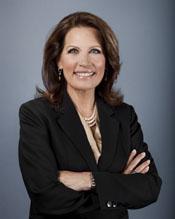 Rep. Michele Bachmann (R-MN)
Description
Amendment sought to eliminate changes and additional funding for the HOPE for Homeowners program.
Legislative Activity
Stay on top of the latest movement without scrolling through every action
House amendment offered
January 15, 2009
View full timeline
House amendment offered
January 15, 2009
Amendment failed in Committee of the Whole
January 15, 2009 • 1:55 PM
Roll call votes on amendments in House
January 15, 2009 • 1:55 PM
House amendment not agreed to: On agreeing to the Bachmann amendment (A005) Failed by recorded vote: 142 - 282 (Roll no. 21).
January 15, 2009 • 1:55 PM
House amendment offered/reported by : Amendment (A005) offered by Mrs. Bachmann.(consideration: CR H360-363, H366-367; text: CR H361)
January 15, 2009 • 12:43 PM
Amendment (A005) offered by Mrs. Bachmann. (consideration: CR H360-363, H366-367; text: CR H361)
January 15, 2009 • 12:43 PM
On agreeing to the Bachmann amendment (A005) Failed by recorded vote: 142 - 282 (Roll no. 21).
January 15, 2009 • 1:55 PM
Votes
1 roll call on this amendment
Text
Offered
TARP REFORM AND ACCOUNTABILITY ACT OF 2009
The Committee resumed its sitting.
Amendment No. 4 Offered by Mr. Holt
The CHAIR. It is now in order to consider amendment No. 4 printed in
House Report 111-3.
Mr. HOLT. Mr. Chairman, I have an amendment at the desk.
The CHAIR. The Clerk will designate the amendment.
The text of the amendment is as follows:
Amendment No. 4 offered by Mr. Holt:
Page 19, after line 20, insert the following:
SEC. 108. TREASURY FACILITATED AUCTION.
Section 113(b) of the Emergency Economic Stabilization Act
of 2008 (12 U.S.C. 5223(b)) is amended to read as follows:
``(b) Use of Market Mechanisms.--
``(1) In general.--In making purchases under this Act, the
Secretary shall--
``(A) make such purchases at the lowest price that the
Secretary determines to be consistent with the purposes of
this Act; and
``(B) maximize the efficiency of the use of taxpayer
resources by using market mechanisms, including auctions or
reverse auctions, where appropriate.
``(2) Auction facilitation.--
``(A) In general.--The Secretary shall, in coordination
with institutions that volunteer to participate, and not
using any funds under this title for purchases, facilitate an
auction of troubled assets owned by such institutions to
third party purchasers.
``(B) Report.--If the auction described in subparagraph (A)
does not take place within the 3 month period following the
date of the enactment of the TARP Reform and Accountability
Act of 2009, the Secretary shall issue a report to the
Congress stating--
``(i) why such auction has not taken place; and
``(ii) by what mechanism the Secretary feels that troubled
assets could most expeditiously be valued and liquidated.''.
The CHAIR. Pursuant to House Resolution 62, the gentleman from New
Jersey (Mr. Holt) and a Member opposed each will control 5 minutes.
The Chair recognizes the gentleman from New Jersey.
Mr. HOLT. Mr. Chairman, my amendment is simple and straightforward.
One of the difficulties with the troubled assets is assigning values
to them. One way of doing that is through auctions. This amendment
encourages--in fact, directs--the Secretary, without using taxpayer
funds, to facilitate an auction. It will allow the TARP assets to be
valued and should help to liquidate and dispose of those assets in the
way that was intended.
{time} 1230
Now, I should say that this amendment, although approved by the Rules
Committee, is also included in its entirety in the manager's amendment
as accepted.
Modification to Amendment No. 4 Offered by Mr. Holt
Mr. HOLT. Therefore, I ask unanimous consent to modify the amendment
before us in a manner that is before you at the desk.
The CHAIR. The Clerk will report the modification.
The Clerk read as follows:
Modification to amendment No. 4 offered by Mr. Holt:
Amendment No. 4 is modified to read as follows:
Page 7, line 18, strike the quotation marks and the last
period.
Page 7, after line 18, insert the following new subsection:
``(h) Reconsideration.--
``(1) Any institution that has submitted, pursuant to
procedures established by the Secretary and in consultation
with the appropriate Federal banking agencies, an application
for assistance under this title that has been denied by the
Secretary, may seek reconsideration of its application from
the Financial Stability Oversight Board within 30 days.
``(2) The Oversight Board shall promptly review such
requests for reconsideration and provide its findings and
conclusions to the Secretary within 30 days after receipt of
such a request.
``(3) Pendency of a request for reconsideration pursuant to
this subsection shall not in any way impede or stay the
ability of the appropriate Federal banking agencies from
taking any supervisory or other action necessary with respect
to the safety and soundness of the institution.
Page 63, line 15, strike ``(g)'' and insert ``(i)''.
Mr. HOLT (during the reading). Mr. Chairman, I ask that the amendment
be considered as read.
The CHAIR. Is there objection to the request of the gentleman from
New Jersey?
There was no objection.
The CHAIR. Is there objection to modifying the amendment?
Mr. GARRETT of New Jersey. Mr. Chairman, reserving the right to
object, I appreciate the gentleman's initial amendment, and I think I
appreciate the gentleman's intention of the subsequent amendment.
Can the gentleman explain the reason why the gentleman is on the
floor with the subsequent amendment as opposed to having proposed that
amendment through the regular committee process?
Mr. HOLT. Will the gentleman yield?
Mr. GARRETT of New Jersey. I yield to the gentleman from New Jersey.
Mr. HOLT. Yes, I can explain. I submitted both of these amendments
for committee consideration and for Rules Committee consideration. It
was my understanding that they were both included in the manager's
amendment, and, in fact, the chairman tells me that it was his
intention to include both of them in the manager's amendment. Only one
of them was actually included in the manager's amendment. So I'm asking
unanimous consent to modify the one amendment that is already in the
manager's amendment but also approved for floor consideration to
represent the one that was not included in the manager's amendment but
should have been.
Mr. GARRETT of New Jersey. Reclaiming my time, wasn't your amendment,
I'm told, dated, though, just this morning?
Mr. HOLT. If the Member who controls the floor would yield to
Chairman Frank, I think we can get a better explanation.
Mr. GARRETT of New Jersey. I will let the chairman speak during his
time. So you're not aware, though?
Reclaiming my time, I'm looking at it as January 15, 2009, 9:59 a.m.,
which would have been this morning.
Mr. HOLT. That is because I learned only this morning that it was not
included in the manager's amendment, as I had understood and been led
to believe, and, therefore, I typed it up so that it could be
considered on the floor.
Mr. GARRETT of New Jersey. Thank you.
At this point, Mr. Chairman, I object to the modification.
The CHAIR. The gentleman from New Jersey (Mr. Holt) is recognized on
the original amendment.
Mr. FRANK of Massachusetts. Would the gentleman yield to me?
Mr. HOLT. I yield to the chairman.
Mr. FRANK of Massachusetts. I just want to express my disappointment
at this lack of comity. I had the explanation. There was an error that
was
[[Page H360]]
not the gentleman from New Jersey's fault. The gentleman from New
Jersey (Mr. Garrett) on the other side asked him a question to which he
could not have had the answer because he was not in control of the
process. I was willing to give the answer. I don't know why the
gentleman from New Jersey would refuse to allow it since he suggested
things that were not accurate as to this.
The gentleman has already objected, and that will stand as a
precedent that we will all follow in certain cases, but the refusal to
allow an explanation really dismays me.
The gentleman from New Jersey (Mr. Holt) submitted this amendment on
Tuesday. We had some questions about the form of it. He and I had
conversations yesterday in which we came to an agreement that this part
of the amendment would be easily accepted, that other parts would not
be. So he modified it, and he modified it yesterday, and the formal
modification was what we then came to. So he submitted it in a timely
fashion on Tuesday in a bigger version. We agreed yesterday to remove
part of it and leave this part of it. The gentleman has in every case
acted in a timely fashion. He exceeded the conversations we had. My
error and misunderstanding of my instructions led to the wrong
amendment being put in order at the Rules Committee rather than this
revised version.
Mr. HOLT. Reclaiming my time to talk about the substance, let me ask
the Chair the time remaining, please.
The CHAIR. The gentleman has 2\1/2\ minutes remaining.
Mr. HOLT. Mr. Chairman, one of the problems that needs to be
addressed is something that has outraged the country, my constituents,
Mr. Garrett's constituents, I'm sure many. It occurred when TARP funds
were denied to a bank, awarded to another bank. The first bank then was
overtaken by the second bank using, presumably, TARP funds. This was
not something that taxpayers appreciated.
In Mr. Frank's legislation before us today, there are some
protections against that happening. I would like to see still further
protections against that happening, and I believe the taxpayers would,
and, in fact, I believe Mr. Garrett would because the gentleman has
expressed concern about choosing winners and losers, using TARP funds
where the Treasury will say, well, this institution is not worthy of
TARP funds, that institution is worthy of TARP funds, and the one that
gets the funds can take over the loser. That is what so many taxpayers
have found outrageous. I think that's what Mr. Garrett has spoken
against.
The amendment that I am asking to have considered would simply allow
that entity denied the TARP funds to appeal. It would provide some
insurance, meager perhaps, against the kind of National City Bank
occurrence from happening again. It would provide a certain measure of
protection against a winner overtaking a loser only because of the
decisions of the Treasury. It's a small protection but I think a
valuable protection, and I wish that the gentleman, my colleague from
New Jersey, were more amenable to it.
I would be happy to yield any remaining seconds to the chairman of
the committee if he has further comment.
Mr. FRANK of Massachusetts. Yes. It is to say that the gentleman has
a very good idea. I regret that what I believe to be obstruction kept
us from incorporating it, but I will be strongly urging the
administration to work with us to see that this is made a part of the
overall proposal.
Mr. HOLT. Mr. Chairman, I yield back the balance of my time.
Mr. GARRETT of New Jersey. Mr. Chairman, I rise to claim time in
opposition to the amendment.
The CHAIR. The gentleman from New Jersey (Mr. Garrett) is recognized
for 5 minutes.
Mr. GARRETT of New Jersey. To the gentleman from New Jersey on the
amendment that's actually before us I'm in general agreement with and
also with the amendment that he proposed through his U.C., I believe
that I also would be in favor of that as well. The general idea sounds
basically like what we think alike on in how do you add that protection
to the taxpayer and also to the little bank that's being bought out.
And were we in a different situation where this bill actually was going
to have the force of law and be signed into law by the President, there
may be some expediency as far as necessary in order to get this thing
through as we speak here today.
But we have already heard from the chairman and the point has been
made repeatedly that this underlying piece of legislation that we're
talking about here today is not going anywhere, and that's a shame
because there are a number of other provisions in the underlying bill
that are important as is the provision that you're suggesting.
What is disconcerting is that good amendments such as this and, quite
honestly, some other good amendments from both sides of the aisle that
I've heard about just literally as I'm sitting here talking to people
didn't have the opportunity to go through the process and to be fleshed
out, and I'm not saying your bill needed any more fleshing out, but
needed to have a hearing and have experts on both sides of the equation
give their 2 cents to.
As I sit here right now, it sounds like a good idea. I'm not sure
whether there might be some aspects of it from the banking community
that they may say tweak it here or what have it there. That, of course,
is the whole process of the committee process. And as you know,
unfortunately, we didn't have a hearing. We didn't have a markup. And
had we done that, I'm sure you would have been right there making that
case and I probably would have been right there saying great amendment.
Mr. HOLT. Will the gentleman yield?
Mr. GARRETT of New Jersey. I sure will.
Mr. HOLT. Putting aside the gentleman's sense of the ultimate
disposition of this legislation, I would ask wouldn't he like to make
it as good as possible as we are considering it now and wouldn't he
care to reconsider his objection?
Mr. GARRETT of New Jersey. Reclaiming my time, I'm not going to
reconsider my objection for the underlying reason of amendments that
I'm just seeing 10 minutes ago or less without having the opportunity
to consider the ramifications that they may have. As good as they
sound, as much as I think I 99 percent or so would support them had we
gone through the process, I'm not going to withdraw my objection.
But I will say this, that should the good chairman decide to do what
I think is appropriate here, and that is to go forward with additional
hearings and additional legislation and additional opportunities to
direct the next administration on the $350 billion that he's about to
get and who knows how many other pieces of authorization of dollars
that he has, I hope that the chairman will actually afford all of us
from both sides the opportunity to present this amendment and other
amendments as well to go through and be vetted in the committee process
and at which time I give my pledge to work from this side of the aisle
with the gentleman to do all that I can to see that it facilitates
through should the chairman actually give us that opportunity.
Mr. Chairman, I yield back the balance of my time.
Mr. HOLT. Mr. Chairman, I ask, with disappointment at the gentleman's
obstreperousness and intransigence, to withdraw amendment No. 4 because
it is unnecessary. It's already included in the manager's amendment.
The CHAIR. Without objection, the amendment is withdrawn.
There was no objection.
Amendment No. 5 Offered by Mrs. Bachmann
The CHAIR. It is now in order to consider amendment No. 5 printed in
House Report 111-3.
Mrs. BACHMANN. Mr. Chairman, I have an amendment at the desk.
The CHAIR. The Clerk will designate the amendment.
The Clerk designated the amendment.
The CHAIR. Pursuant to House Resolution 62, the gentlewoman from
Minnesota (Mrs. Bachmann) and a Member opposed each will control 5
minutes.
The Chair recognizes the gentlewoman from Minnesota.
Mrs. BACHMANN. Mr. Chairman, I rise now to offer an amendment to the
bill before us, H.R. 384, which would strike the bill's misguided
provisions that, in effect, water down important taxpayer protections
in the hope for homeowners----
Point of Order
Mr. FRANK of Massachusetts. Point of order, Mr. Chairman.
[[Page H361]]
The CHAIR. The gentleman will state his point of order.
Mr. FRANK of Massachusetts. The gentlewoman is referring to amendment
No. 6. She offered amendment No. 5.
Mrs. BACHMANN. Mr. Chairman, I am going in order of the amendments. I
am going in order of the amendments as they're offered.
Parliamentary Inquiry
Mr. FRANK of Massachusetts. Parliamentary inquiry, Mr. Chairman.
The CHAIR. The gentleman will state his inquiry.
Mr. FRANK of Massachusetts. We had No. 5 first, and the gentleman
said No. 5. No. 5 is the auto amendment. The order we were given had
No. 5 as the automobile one.
Mrs. BACHMANN. Mr. Chairman, I am going according to the rule.
The CHAIR. The gentlewoman may proceed.
{time} 1245
Mrs. BACHMANN. Thank you, Mr. Chairman
Mr. FRANK of Massachusetts. Mr. Chairman, point of order.
Under the rule, amendment No. 5, which was introduced, deals with
automobiles, not with the subject of this. The gentlewoman introduced,
was asked for amendment 5, rose and introduced, we were told it was No.
5. That deals with automobiles.
The CHAIR. The gentlewoman has the time for 5 minutes on her
amendment, No. 5. Regarding automobiles?
Mrs. BACHMANN. No, Mr. Chairman.
The CHAIR. Amendment No. 5 is pending.
Mr. FRANK of Massachusetts. If I could make a point of order.
Apparently we were given a misprinted copy of the rule. So I apologize.
The copy of the rule we got was misprinted, and the order was reversed
on the copy we got.
The CHAIR. Without objection, the Clerk will report the amendment.
There was no objection.
The Clerk read as follows:
Amendment No. 5 offered by Mrs. Bachmann:
Strike line 1 on page 65 and all that follows through page
69, line 2.
The CHAIR. The gentlewoman from Minnesota may continue.
Mrs. BACHMANN. Thank you, Mr. Chairman.
Again, I rise to offer my amendment to H.R. 384, which would strike
the bill's misguided provisions that would water down the important
taxpayer protections in the Hope for Homeowners Program.
When the majority created this program, Mr. Chair, 3 months ago, it
was not that long ago, Mr. Chair, they promised that it would help a
lofty 400,000 families who were behind on mortgage payments and
possibly facing foreclosure.
This was a worthy goal, Mr. Chairman, but it seems that the majority
created a government program for which there has been very little
public demand.
With a little over 300 applications in the pipeline, it's clear that
this program has been an enormous waste of time, of energy, of money
and of other taxpayer resources. Just 12 days ago, Mr. Chair, as of
January 3, 2009, the Hope for Homeowners Program, which cost taxpayers
$300 billion, can be credited with helping, not 400,000 families, just
13 families actually refinance.
So what will the majority do? How far will they go to prove that
their failing program is a success and not a boondoggle?
Unfortunately, Mr. Chair, today we are seeing the answer before this
body. My Democrat colleagues are willing to strip out the essential
taxpayer protections in an effort to spur more participation in this
program.
Mr. Chair, we are talking about taxpayer protections which were
already weak at their very best light. In the underlying bill, they are
virtually nonexistent. The people who will benefit, the participants,
will no longer be required to pay any up-front premiums. In other
words, Mr. Chair, they will have no skin in the game, which was
originally required to help sustain this program.
The annual premiums are even significantly decreased under H.R. 384
and, in fact, the Federal Housing Administration is given the authority
to weigh them all together whenever they see fit.
These two mechanisms were common sense. They were regularly touted,
with all due respect, by our Chairman Frank and other supporters of
Hope for Homeowners as important safeguards to protect the taxpayers
when the program was established. We agreed to that.
Yet today they seek to eliminate those protections from title V.
Additionally, title V removes the requirement in the current program
that ensures taxpayers will receive a home equity appreciation share as
payment for the taxpayers' investment through Hope for Homeowners.
In other words, people will be permitted to receive assistance from
the government to pay their mortgages, but should their home values
rise, they can make a profit, and they won't have to give anything back
to those same taxpayers who lent them a helping hand in the first place
to keep their home.
Our chairman, again, explained this issue best once upon a time when
our chairman stated you are not going to get a program approved that
helps people refinance loans on their homes and then allows them to
turn around the following year and make a profit on that home. However,
that's exactly the direction that the bill before us, H.R. 384, takes
for this program.
This bill scales back the haircut that lenders must take to
participate in Hope for Homeowners from 90 percent to 93 percent of the
loan-to-value ratio, but it simultaneously removes the already weak
taxpayer protections that are in the program.
This provision also authorizes payments to servicers for every loan
ensured under the Hope For Homeowners Program.
While I too have concerns that some servicers may not be refinancing
loans as quickly or as often as they could, this is real. The bill's
language, unfortunately, is so vague, Mr. Chairman, so open ended, that
servicers could be paid billions of dollars in return for refinancing
loans.
This provision essentially increases the risk to the cost of the
taxpayers while reducing the burden on investors and servicers to
submit bad loans to the government for modification, not the direction
we want to go, I submit.
Title V also allows taxpayer dollars authorized under TARP to be used
to further fund Hope for Homeowners should it run out of the 300
billion the program has already received. What that means is that this
bill gives an already failing government program an unlimited supply of
tax dollars under TARP should they run out of money. Now how in the
world does this make sense for American taxpayers?
The CHAIR. The time of the gentlewoman has expired.
Mrs. BACHMANN. Thank you, Mr. Chair. I will just finish this
sentence.
At the very least shouldn't we wait to see how the current $300
billion, yes, billion, should be spent.
If this is near the end of my time, Mr. Chair, I would submit my
remarks for the Record.
It's as if the Democrats are predicting that their own program will
face a shortfall due to re-defaults or some other course of events. At
the very least, this is a self-fulfilling prophecy. With an unlimited
supply of funds on which to draw, there will be no incentive to improve
and HOPE for Homeowners will continue to bleed taxpayers dry without
any benefit to the homeowners it is meant to help.
Mr. Chair, U.S. Secretary of Housing and Urban Development Steve
Preston recently stated that the HOPE for Homeowners program has been a
failure, in part, because ``Congress dotted the i's and crossed the t's
for [HUD], and unfortunately it has made this program tough to use.''
Yet here we are again watching Democrats legislate their way to the
impossible--only this time they have rejected even the appearance of
protecting taxpayers.
I urge my colleagues to support my amendment and restore what little
taxpayer protection was in place in the HOPE for Homeowners program.
Mr. FRANK of Massachusetts. Mr. Chairman, I claim the time in
opposition. I apologize again. The Rules Committee report was
misprinted. It listed them in the wrong order, so I apologize to the
gentlewoman. That's why we were reacting to a misprint.
I oppose this in part because----
The CHAIR. Is the gentleman opposed to the amendment?
Mr. FRANK of Massachusetts. I claim the time in opposition.
The CHAIR. The gentleman is recognized for 5 minutes.
Mr. FRANK of Massachusetts. The proposal that the gentlewoman singled
[[Page H362]]
out to object to is a recommendation from Mr. Preston, the Bush
administration Secretary of HUD.
Members have pointed out that the Hope for Homeowners Program has not
worked, and we are disappointed.
It hasn't worked because, I think, we have tightened it up
excessively. What we are trying to do here is relax it. Part of the
impetus for this came from the secretary of HUD and the commissioner of
the FHA, Mr. Montgomery, two Bush appointees.
In an article of December 17 from the Washington Post, which I will
submit for the Record, Secretary Preston said that we have made this
much too implicated and much too restrictive.
He singled out, as one of the provisions that was objectionable, the
provision the gentlewoman from Minnesota just talked about. It's the
secretary of HUD who told us to drop that if we wanted to make it
workable.
How do you do that, Preston said? That was legislated. The article
says it becomes more difficult to get people to refinance.
So we have on the one hand Republicans correctly pointing out that
our effort for Hope for Homeowners failed, but we don't want that to be
a permanent failure. We want to improve it. Now when we put in the
improvements, some of which were recommended by the secretary of HUD,
we were told that that's going to be too generous.
So this is kind of like the question that you were asked who do you
like better, your mother or your father? There is no right answer.
Should the program be very tough, should it be very relaxed? Whatever
we do, people are going to oppose it. That's because, and there is--and
I go back to 2007 when we voted on the subprime bill. I go back to the
Wall Street Journal editorial at that time and this morning. There are
people who do not want us to respond to the foreclosure crisis.
Now, responding it to it will be uneven because it's a messy problem.
But people who voted in 2007 against banning irresponsible subprime
loans, I am not surprised that they don't want us to be effective right
now. And I am not surprised--I am a little surprised that they would
single out our effort to act on a recommendation of Secretary Preston
to correct this.
[From the Washington Post, Dec. 17, 2008]
HUD Chief Calls Aid on Mortgages a Failure
(By Dina ElBoghdady)
Secretary of Housing and Urban Development Steve Preston
said the centerpiece of the federal government's effort to
help struggling homeowners has been a failure and he's
blaming Congress.
The three-year program was supposed to help 400,000
borrowers avoid foreclosure. But it has attracted only 312
applications since its October launch because it is too
expensive and onerous for lenders and borrowers alike,
Preston said in an interview.
``What most people don't understand is that this program
was designed to the detail by Congress,'' Preston said.
``Congress dotted the i's and crossed the t's for us, and
unfortunately it has made this program tough to use.''
The criticism comes as Congress prepares to weigh in with
further plans to help distressed borrowers facing
foreclosures, which are at the root of the financial
meltdown. This week, House Speaker Nancy Pelosi (D-Calif.)
demanded that the Treasury Department use some of the money
from the $700 billion emergency rescue package to help at-
risk homeowners.
One of several federal and state foreclosure prevention
initiatives facing difficulties, HUD's Hope for Homeowners
program has been especially hamstrung. For instance, a
program launched by the Federal Deposit Insurance Corp. on
behalf of IndyMac Bank customers has modified more than 3,500
mortgages in two months of operation.
Rep. Barney Frank (D-Mass.), who helped steer the HUD
program through Congress, said some of the federal bailout
money should be used to revamp it. Frank acknowledged the
initiative has its problems, but he blamed them on the Bush
administration.
``That's partly their fault,'' said Frank, chairman of the
House Financial Services Committee. ``The administration was
critical of the program and kept putting pressure on us to
make it cheaper and more restrictive. . . . If it hadn't been
for the Bush administration's opposition, we would have
written it in a better way in the first place.''
The goal of the program, run by the Federal Housing
Administration, was to allow borrowers who owe more than
their homes are worth to refinance into more affordable 30-
year fixed-rate mortgages insured by the government.
But part of the problem is that the program's success
hinges on the lenders' willingness to participate.
Congress originally allowed the FHA to insure new loans for
only 90 percent of a home's value. With home prices plunging,
borrowers who have little or no equity in their homes and
cannot otherwise come up with the remaining 10 percent
qualify only if the lender forgives this balance. Lenders
balked.
Late last month, Congress granted HUD permission to
increase the amount that's insured and the department decided
to guarantee up to 96.5 percent of the value of new loans.
Preston in the interview praised that change. But its impact
remains unclear.
``Getting the lenders to agree . . . has been our biggest
challenge,'' said Peyton Herbert, director of foreclosure
services at HomeFree USA, a housing counseling firm in
Hyattsville. ``They want dollar for dollar what's owed on
that loan or something close to it. That's the fly in the
ointment.''
The list of impediments goes on. Borrowers who participate
in the program must pay hefty fees and high interest rates,
and they must split any increased value with the federal
government when the home is sold.
``You're paying a premium to borrow the money already, and
that ought to be enough,'' said John Taylor, chief executive
of the National Community Reinvestment Coalition. ``To me
this falls into the category of, we want your firstborn.''
A further hindrance: The mortgage payment must exceed 31
percent of a borrower's income as of March, which does not
help people who have since fallen into trouble.
Add to that the fact that borrowers must also provide two-
years of financial records and sign a statement that they did
not give false or misleading information on their original
loan application and the bar gets even higher. It becomes
even more difficult to attract borrowers who took out loans
without verifying their income.
``How do you do that?'' Preston said. ``That was
legislated.''
For all those reasons, FHA Commissioner Brian Montgomery
said he got an earful from agitated lenders, housing
counselors and real estate agents at a seminar last month in
Atlanta designed to educate housing professionals about the
Hope for Homeowners program.
``What we thought would be a civil and cordial exchange
with the several hundred people gathered turned into an
almost rock-throwing episode,'' Montgomery said.
He said Capitol Hill lawmakers were hampered by a
philosophical divide within their ranks when they cobbled the
program together and that led to a compromise that made
little sense.
``There were two philosophies on the Hill: Let's throw the
barn door open and help as many people as we can regardless
of the reasons. Or we need to make them pay because they
should have known what they were doing,'' Montgomery said.
``They found some middle philosophical ground, but that
philosophical middle ground made [the program] unworkable.''
Montgomery complained that any minor adjustment to the
program must be passed through an oversight board, which
further slows the FHA's response time.
Frank called Montgomery's assessment of Congress's handling
of the legislation ``dishonest.''
As for oversight, he said the board is made up of Bush
appointees. ``Shame on them if that's the problem.''
Frank acknowledged, however, that concessions had to be
made to make the program palatable to the American public.
This is why borrowers who take part in it must share any
gains from appreciation in home values with the government.
``You're not going to get a program approved that helps
people refinance loans on their homes and then allows them to
turn around the following year and make a profit on that
home,'' Frank said.
Frank provided a letter he wrote to Treasury Secretary
Henry M. Paulson Jr. in late November urging him to use the
bailout money Congress approved for rescuing the financial
markets to reduce the upfront and annual fees, because these
are reducing use of the Hope for Homeowners program.
In another letter to Paulson, Preston, Federal Reserve
Chairman Ben Bernanke and FDIC Chairman Sheila C. Bair, Frank
made a few more suggestions and praised HUD's decision to
increase the proportion of loans that the FHA can insure to
96.5 percent from 90 percent.
But yesterday, he said the FHA's leadership in these trying
times has been a ``disappointment.''
Montgomery said Frank's ire at his agency is misdirected.
``Barney Frank may have a beef with some of the
Republicans,'' he said, ``but he shouldn't have a beef with
us.''
I would ask how much time is remaining on our side.
The CHAIR. The gentleman from Massachusetts has 2\1/2\ minutes
remaining.
Mr. FRANK of Massachusetts. How much time on the other side?
The CHAIR. The time is expired.
Mr. FRANK of Massachusetts. Then I would yield my remaining time to
the gentlewoman from California, who has been the House leader in
fighting foreclosures.
Ms. WATERS. Thank you so much, Mr. Chairman, and Members.
I had to come to the floor in defense of the Hope for Homeowners
Program, simply because I think that the
[[Page H363]]
gentlelady from Minnesota does not understand this program, just as she
has demonstrated that she did not understand the subprime meltdown and
the problems that caused us to be in this economic crisis based on
statements that she made earlier.
I am here to not only give support to the Hope For Homeowners Program
and oppose her amendment, but I would like to remind our Members that
one in six American homeowners is currently under water on their
mortgages, owe more on their home than it's worth, and Hope For
Homeowners is a critical program for struggling homeowners who are
under water on their mortgages. The principal write down in home for
homeowners is key to helping families get into more affordable homes.
If this program is not changed in this bill, foreclosures would
continue to rise. In 2008, foreclosures were up a record 81 percent
with 861,664 families losing their home to foreclosure. Credit Suisse
estimates that 8 million American homes will enter foreclosure in the
next 4 years.
It's one thing to object to programs even when the chairman was
trying to work with everybody and getting their input and taking their
suggestions, which led to the original bill.
But to have objection now to improving the program, based on
information we have gotten from the Federal Reserve, who suggested
precisely the amendments that are being done, is just not
understandable.
I would ask my colleagues to disregard the attack on the Hope For
Homeowners Program by the gentlelady from Minnesota and support
homeowners and one more effort to keep homeowners in their homes,
recognizing that many of them are under water now, precisely meaning
that they are not worth what they contracted for in the mortgage that
they have.
I think that we should be understanding of that. I think we should be
supportive of homeowners being able to work with their lenders to get a
writedown and to have these mortgages modified or refinanced through
FHA so that they, again, can keep their homes.
The CHAIR. The question is on the amendment offered by the
gentlewoman from Minnesota (Mrs. Bachmann).
The question was taken; and the Chair announced that the noes
appeared to have it.
Mrs. BACHMANN. Mr. Chairman, I demand a recorded vote.
The CHAIR. Pursuant to clause 6 of rule XVIII, further proceedings on
the amendment offered by the gentlewoman from Minnesota will be
postponed.
Announcement by the Chair
The CHAIR. The Chair understands that amendment No. 6 will not be
offered.
Mr. FRANK of Massachusetts. Parliamentary inquiry, Mr. Chairman.
The CHAIR. The gentleman is recognized.
Mr. FRANK of Massachusetts. Because I was confused before by the
Rules Committee report misprint, what's the amendment that's not going
to be offered that was to be offered by whom?
The CHAIR. The amendment is amendment No. 6 offered by the
gentlewoman from Minnesota.
Mr. FRANK of Massachusetts. Parliamentary inquiry. Is that the one
that would have stricken the aid for the automobile industry?
The CHAIR. The Chair is not aware of the content of the amendment.
Mr. FRANK of Massachusetts. But amendment No. 6 as printed now, as we
understand it, is the one that would strike aid to the automobile
industry. So we understand that will not be offered?
The CHAIR. Amendment No. 6 will not be offered.
Amendment No. 7 Offered by Mr. Patrick J. Murphy of Pennsylvania
The CHAIR. It is now in order to consider amendment No. 7 printed in
House Report 111-3.
Mr. PATRICK J. MURPHY of Pennsylvania. Mr. Chairman, I have an
amendment at the desk.
The CHAIR. The Clerk will designate the amendment.
The text of the amendment is as follows:
Amendment No. 7 offered by Mr. Patrick J. Murphy of
Pennsylvania:
Page 74, after line 17, add the following new title (and
conform the Table of Contents accordingly):
TITLE VIII--AGENCY MBS PURCHASE PROGRAM DISCLOSURE
SEC. 801. DISCLOSURE REQUIRED.
Not later than 1 month after the date of the enactment of
this Act, the Chairman of the Board of Governors of the
Federal Reserve System shall issue to the Congress a report
disclosing--
(1) the details of the competitive request for proposal
process that was used to select the investment managers of
the Federal Reserve System's Agency Mortgage-Backed Security
Purchase Program announced by the Federal Reserve System on
November 25, 2008;
(2) all details of the contracts, including contract price,
made between the Federal Reserve System and such investment
managers; and
(3) steps that each such investment manager has taken to
ensure that the investment manager has appropriately
segregated the investment management team that implements the
Agency Mortgage-Backed Security Purchase Program from other
advisory and propriety trading activities undertaken by the
investment manager and the members of the investment
management team.
The CHAIR. Pursuant to House Resolution 62, the gentleman from
Pennsylvania (Mr. Patrick J. Murphy) and a Member opposed each will
control 5 minutes.
The Chair recognizes the gentleman from Pennsylvania.
Mr. PATRICK J. MURPHY of Pennsylvania. Mr. Chairman, I yield myself
as much time as I may consume.
Mr. Chairman, last fall we had to take emergency action to try and
stop the falling stock market and weakening credit markets. But I was
not pleased when it took a subpoena threat to force financial
institutions to release program details about the TARP, the Troubled
Asset Relief Program.
Mr. Chairman, most folks in America are not aware, but the Federal
Reserve, shortly before Thanksgiving, announced a half a trillion
dollar effort to purchase MBS, Mortgage-Backed Securities, and
contracted with four outside investment firms to manage it.
With another $500 billion, half a trillion dollars at stake, Mr.
Chairman, we cannot let or allow history to repeat itself.
{time} 1300
We demand the details of the Fed's MBS program, and it is our duty to
demand the information about how the Federal Reserve will run this
program.
For example, the Fed has refused to make clear details about how they
chose the four firms and who will manage the purchases. They have
refused to share how much those firms are getting paid. And it is still
unclear what steps have been taken to ensure strict conflict of
interest provisions are put in place so that these four firms are not
given an unfair market advantage because of their role in the mortgage
backed securities program. Despite half a trillion dollars at stake,
Mr. Chairman, there are still too many things we do not know.
Mr. Chairman, my amendment is simple. It will force the Fed to do
three things.
First, it will force the Federal Reserve to disclose the details of
the request process used to select the investment managers.
Second, it would force the Fed to disclose the details of the
contracts reached with these four investment managers, including price.
And, third, it will force the Fed to disclose the steps that each
investment manager has taken to ensure that the program is free of
conflicts of interest or an unfair advantage.
Despite many requests from my office and news organizations, we have
been unable to get the information relating to these contracts. With
$500 billion and the public trust at stake, this information is not too
much to ask or an undue burden on the Federal Reserve.
I urge my colleagues to support my amendment.
Mr. Chairman, I reserve the balance of my time.
Mr. GARRETT of New Jersey. Mr. Chairman, I ask unanimous consent to
claim the time in opposition, but I am not in opposition to the
amendment.
The CHAIR. Without objection, the gentleman is recognized for 5
minutes.
There was no objection.
Mr. GARRETT of New Jersey. I yield myself 3 minutes.
I think the intention and the language of the amendment is good, and
I support the amendment to the underlying bill. There are just two
points I want to make.
[[Page H364]]
First of all, to the chairman, I support his comments the other day
in committee when we had the Federal Reserve folks there when he said
that he is going to be conducting hearings on the Federal Reserve come
February. At that time I asked Mr. Cohen from the Fed if any of the
provisions in the bill that we were looking at or discussing at the
time, we didn't actually have the bill before us as a committee markup,
would any of these provisions apply to the Fed as far as the way they
conduct themselves in the future, and his answer was in essence no.
What you are trying to do now is to at least put something in this
legislation to apply to it.
I commend the chairman for saying that we need to do a further
investigation on the Fed on their expansive growth of power and
authority and their use of it.
With that said, my only regret is that this type of provision was not
included in the first TARP, because, once again, as I have said before
and others have said on the floor as well, we have already spent $350
billion. Now, it wasn't on an asset acquisition program, but that is
what the initial bill was intended to be. The initial TARP was a
program to buy up toxic assets from the banks, and had we gone through
regular order at that time, we could have had language in the original
TARP bill to say that language like this, full disclosure, regulation
on how everything is performed and who the managers are and so on and
so forth, could have been done in the first TARP 1.
Unfortunately, that wasn't done. We rushed through the process at
that time. We rushed through without a full hearing on it, we rushed
through without a markup, and we were not allowed, and I assume the
gentleman was not facilitated with, an opportunity to offer such
language in the first TARP 1 at that time, not necessarily with regard
to the Fed as here, but with how TARP 1 would spend the money and how
TARP 1 would be looking for the same accountability.
I will close on this, just saying I commend the gentleman here. I
will support his amendment and hopefully look forward to working with
the chairman in February to have those hearings with regard to the Fed
to get this job done thoroughly.
I reserve the balance of my time.
Mr. PATRICK J. MURPHY of Pennsylvania. Mr. Chairman, I appreciate any
colleague from New Jersey's support of our bill and the effort for
transparency and accountability.
At this time, Mr. Chairman, I would like to yield such time as he may
consume to the gentleman from Massachusetts (Mr. Frank).
Mr. FRANK of Massachusetts. I thank the gentleman. It is a very
important amendment.
The suggestion by the gentleman from New Jersey that if this had been
put forward by a Member in September it would have been rejected has no
basis. A number of Members did put forward changes at that point which
we accepted. I think the reason this did not come forward is this: This
is here because it is tied into the TARP. I should say that this is as
much as can be done, and I commend the gentleman for his initiative. We
need to do much more with the Federal Reserve.
Last September, the Federal Reserve and the Treasury came to us,
congressional leadership, the leadership of the committees, and said
the Federal Reserve is going to give $80 billion to AIG. I asked Mr.
Bernanke if he had $80 billion. He said, ``I have $800 billion.''
We had not previously focused on a statute from the thirties that
gives the Fed of the ability to lend money it has control of to any
entity where he thinks it is sufficiently collateralized. That has much
moved since September, only since September. We were very shortly out
of session. That is why in early February we will have a hearing in
which we will ask the Fed to account for all of this.
Now, we are able to do this here because part of the Fed's program is
collateralized to some extent or capitalized by the TARP so we have a
hook there. The reason this wasn't offered in the fall, my guess is
that nobody at that point anticipated that the Fed would be in
conjunction with the TARP capitalizing this.
By the way, I also accept the compliment about this process. We have
been told that we were doing this too quickly, exactly as we did too
quickly last time. But the fact this amendment is before us contradicts
that. A large number of amendments have been put forward, because this
has been in discussion in the House for some time.
So we could have done it in September. Nobody anticipated at that
point, at least we did not, the extent to which the Fed would mushroom
in this case. My guess is they didn't either, that they had a more
optimistic view of the economy.
At any rate, this does a good job of giving us this information where
there is a linkage between the Federal Reserve and TARP money. But that
is not enough. The gentleman has done the most that we can do in this
bill.
Beginning in February we will start having hearings, and I do
believe, yes, we have to examine the enormous grant of power given to
the Federal Reserve under this statute from the Depression. It has been
very rarely used. It was used I think in one of the financial crises of
the nineties.
This is a phenomenon that really grew. So Members will understand,
when the Federal Reserve granted $29 billion to the creditors of Bear
Stearns, we thought that was a lot of money at the time. It turns out
to have been a rounding error in what they are doing. So, yes, it is
time for us now that they have mushroomed this, and I don't say this
critically, we have to look into it.
The CHAIR. The gentleman's time has expired.
Mr. GARRETT of New Jersey. Again, I support the gentleman's
underlying amendment and will support the vote on it. But as I hear the
chairman's comments, I am sitting here with regard to the idea that
amendments were allowed, that this could have been done through TARP 1
through an amendment.
I am sitting hear racking my brain. To the best of my knowledge,
there were no amendments that were going through on the floor on this
at this time, so the gentleman or myself would not have been allowed to
do that, and I know that we did not have a hearing or a markup in
committee on TARP 1, so there was absolutely no possibility at that
time for the chairman to entertain either your amendment or my
amendment or anyone else's amendment. Of course, we didn't have a
markup, so there was not an opportunity for either one of us to confer.
Mr. FRANK of Massachusetts. Will the gentleman yield?
Mr. GARRETT of New Jersey. No, I will just close on my point.
There was not an opportunity during the first go round with TARP 1.
There may have been ideas discussed, there may have been ideas that
were floated up and down and with the chairman's discussions with the
White House and what have you as to which is the best way to implement
TARP 1 and what have you. But to the best of my knowledge, there was no
committee hearing, there was no markup, there was no avenue for us to
make formal amendments during the regular course of progress during
that sequence of time, and that is the unfortunate aspect of this.
Yes, I support the amendment. Yes, I will be working with the
chairman on the work with regard to the work with the Fed. But no with
regard to the process we have gone through in the past; no with the
opportunity of anyone from either side of the aisle to have an
opportunity to enter amendments, discussion or otherwise in the
committee meetings, since there was no markup, neither on the floor as
well.
Finally we are beginning to go in the right direction as far as
allowing amendments, but we are still not going in the right direction
as far as allowing full committee meetings.
We still are not going in the right direction, where we would be
allowed to have a full committee hearing on this, where we could have
vetted this and the other ideas that had come before. The gentleman
from New Jersey, for example, had what I thought was a good idea, and
had we had the opportunity there to vet that through process, we
probably would be standing right here now and supporting that and
getting that in this bill as well.
If this House would only go by the rules of the House and regular
order, we would be doing better for the American public. We would be
passing legislation that would be protecting the
[[Page H365]]
American taxpayer. We would be passing legislation actually providing
for the transparency and accountability I think that both of us want,
both on the original $350 billion and on this $350 billion.
We have not done that, unfortunately, in the past, and,
unfortunately, quite candidly, we are not doing that that here as well.
I yield back the balance of my time.
The CHAIR. The question is on the amendment offered by the gentleman
from Pennsylvania (Mr. Patrick J. Murphy).
The question was taken; and the Chair announced that the ayes
appeared to have it.
Mr. PATRICK J. MURPHY of Pennsylvania. Mr. Chairman, I demand a
recorded vote.
The CHAIR. Pursuant to clause 6 of rule XVIII, further proceedings on
the amendment offered by the gentleman from Pennsylvania will be
postponed.
Announcement by the Chair
The CHAIR. Pursuant to clause 6 of rule XVIII, proceedings will now
resume on those amendments printed in House Report 111-3 on which
further proceedings were postponed, in the following order:
Amendment No. 1 by Mr. Frank of Massachusetts.
Amendment No. 3 by Mr. Hensarling of Texas.
Amendment No. 5 by Mrs. Bachmann of Minnesota.
Amendment No. 7 by Mr. Patrick J. Murphy of Pennsylvania.
The Chair will reduce to 5 minutes the time for any electronic vote
after the first vote in this series.
Amendment No. 1 Offered by Mr. Frank of Massachusetts
The CHAIR. The unfinished business is the demand for a recorded vote
on the amendment offered by the gentleman from Massachusetts (Mr.
Frank) on which further proceedings were postponed and on which the
ayes prevailed by voice vote.
The Clerk will redesignate the amendment.
The Clerk redesignated the amendment.
Recorded Vote
The CHAIR. A recorded vote has been demanded.
A recorded vote was ordered.
The vote was taken by electronic device, and there were--ayes 275,
noes 152, not voting 12, as follows:
[Roll No. 19]
AYES--275
Abercrombie
Ackerman
Adler (NJ)
Andrews
Arcuri
Baca
Baird
Baldwin
Barrow
Barton (TX)
Bean
Becerra
Berkley
Berman
Berry
Biggert
Bishop (GA)
Bishop (NY)
Blumenauer
Boccieri
Bono Mack
Boren
Boswell
Boyd
Brady (PA)
Braley (IA)
Bright
Brown, Corrine
Butterfield
Camp
Campbell
Capito
Capps
Capuano
Cardoza
Carnahan
Carson (IN)
Castle
Castor (FL)
Chandler
Childers
Clarke
Clay
Cleaver
Clyburn
Cohen
Connolly (VA)
Conyers
Cooper
Costa
Costello
Courtney
Crowley
Cuellar
Cummings
Dahlkemper
Davis (AL)
Davis (CA)
Davis (IL)
Davis (TN)
DeFazio
DeGette
Delahunt
DeLauro
Dent
Diaz-Balart, M.
Dicks
Dingell
Donnelly (IN)
Doyle
Driehaus
Edwards (MD)
Edwards (TX)
Ehlers
Ellison
Ellsworth
Engel
Eshoo
Etheridge
Farr
Fattah
Filner
Foster
Frank (MA)
Fudge
Gerlach
Giffords
Gillibrand
Gonzalez
Gordon (TN)
Grayson
Green, Al
Green, Gene
Grijalva
Gutierrez
Hall (NY)
Halvorson
Hare
Harman
Hastings (FL)
Heinrich
Herseth Sandlin
Higgins
Hill
Himes
Hinchey
Hinojosa
Hirono
Hodes
Hoekstra
Holt
Honda
Hoyer
Inslee
Israel
Jackson (IL)
Jackson-Lee (TX)
Jenkins
Johnson (GA)
Johnson, E. B.
Kagen
Kanjorski
Kaptur
Kennedy
Kildee
Kilpatrick (MI)
Kilroy
Kind
King (NY)
Kissell
Klein (FL)
Kosmas
Kratovil
Kucinich
Lance
Langevin
Larsen (WA)
Larson (CT)
LaTourette
Lee (CA)
Levin
Lewis (GA)
Lipinski
LoBiondo
Loebsack
Lofgren, Zoe
Lowey
Lujan
Lynch
Maffei
Maloney
Markey (CO)
Markey (MA)
Marshall
Massa
Matheson
Matsui
McCarthy (NY)
McCollum
McCotter
McDermott
McGovern
McHugh
McMahon
McNerney
Meek (FL)
Meeks (NY)
Melancon
Michaud
Miller (MI)
Miller (NC)
Miller, George
Mitchell
Mollohan
Moore (KS)
Moore (WI)
Moran (KS)
Moran (VA)
Murphy (CT)
Murphy, Patrick
Murtha
Nadler (NY)
Napolitano
Neal (MA)
Norton
Nye
Oberstar
Obey
Olver
Ortiz
Pallone
Pascrell
Pastor (AZ)
Payne
Perlmutter
Perriello
Peters
Petri
Pierluisi
Pingree (ME)
Polis (CO)
Pomeroy
Price (NC)
Rahall
Rangel
Reichert
Reyes
Richardson
Rodriguez
Ros-Lehtinen
Ross
Rothman (NJ)
Roybal-Allard
Ruppersberger
Rush
Ryan (OH)
Salazar
Sanchez, Linda T.
Sanchez, Loretta
Sarbanes
Schakowsky
Schauer
Schiff
Schmidt
Schock
Schrader
Schwartz
Scott (GA)
Scott (VA)
Serrano
Shea-Porter
Sherman
Sires
Skelton
Slaughter
Smith (NJ)
Smith (WA)
Souder
Space
Speier
Spratt
Stark
Stearns
Stupak
Sutton
Tanner
Tauscher
Teague
Thompson (CA)
Thompson (MS)
Tiahrt
Tiberi
Tierney
Titus
Tonko
Towns
Tsongas
Turner
Upton
Van Hollen
Velazquez
Visclosky
Walz
Wasserman Schultz
Waters
Watson
Watt
Waxman
Weiner
Welch
Wexler
Wilson (OH)
Woolsey
Wu
Yarmuth
NOES--152
Aderholt
Akin
Alexander
Altmire
Austria
Bachmann
Bachus
Barrett (SC)
Bartlett
Bilbray
Bilirakis
Bishop (UT)
Blackburn
Blunt
Boehner
Bonner
Boozman
Boustany
Brady (TX)
Broun (GA)
Brown (SC)
Brown-Waite, Ginny
Buchanan
Burgess
Burton (IN)
Buyer
Calvert
Cantor
Cao
Carney
Carter
Cassidy
Chaffetz
Coble
Coffman (CO)
Cole
Conaway
Crenshaw
Culberson
Davis (KY)
Deal (GA)
Doggett
Dreier
Duncan
Emerson
Fallin
Flake
Fleming
Forbes
Fortenberry
Foxx
Franks (AZ)
Frelinghuysen
Gallegly
Garrett (NJ)
Gingrey (GA)
Gohmert
Goodlatte
Granger
Graves
Griffith
Guthrie
Hall (TX)
Harper
Hastings (WA)
Heller
Hensarling
Herger
Holden
Hunter
Inglis
Issa
Johnson (IL)
Johnson, Sam
Jones
Jordan (OH)
King (IA)
Kingston
Kirk
Kirkpatrick (AZ)
Kline (MN)
Lamborn
Latham
Latta
Lee (NY)
Lewis (CA)
Linder
Lucas
Luetkemeyer
Lummis
Lungren, Daniel E.
Mack
Manzullo
Marchant
McCarthy (CA)
McCaul
McClintock
McHenry
McIntyre
McKeon
McMorris Rodgers
Mica
Miller (FL)
Miller, Gary
Minnick
Murphy, Tim
Myrick
Neugebauer
Nunes
Olson
Paul
Paulsen
Pence
Peterson
Pitts
Platts
Poe (TX)
Posey
Price (GA)
Putnam
Radanovich
Rehberg
Roe (TN)
Rogers (AL)
Rogers (KY)
Rogers (MI)
Rohrabacher
Rooney
Roskam
Royce
Ryan (WI)
Scalise
Sensenbrenner
Shadegg
Shimkus
Shuster
Simpson
Smith (NE)
Smith (TX)
Taylor
Terry
Thompson (PA)
Thornberry
Walden
Wamp
Westmoreland
Whitfield
Wilson (SC)
Wittman
Wolf
Young (AK)
Young (FL)
NOT VOTING--12
Bordallo
Boucher
Christensen
Diaz-Balart, L.
Faleomavaega
Sablan
Sessions
Sestak
Shuler
Snyder
Solis (CA)
Sullivan
{time} 1337
Messrs. HOLDEN, CRENSHAW, McINTYRE, and CASSIDY changed their vote
from ``aye'' to ``no.''
Messrs. WATT, HOEKSTRA, OLVER, and Mrs. BIGGERT changed their vote
from ``no'' to ``aye.''
So the amendment was agreed to.
The result of the vote was announced as above recorded.
(By unanimous consent, Ms. Zoe Lofgren of California was allowed to
speak out of order.)
Announcing the Birth of Molly Hannah Sherman
Ms. ZOE LOFGREN of California. Mr. Chairman, I rise to make a very
happy announcement.
Our colleague, Congressman Brad Sherman, and his wife, Lisa, had
their first child last night--a beautiful baby girl. Molly Hannah
Sherman is 7 pounds, 15.6 ounces. I am pleased to report that mother
and baby are doing splendidly and that the father is expected to
recover.
Announcement by the Chair
The CHAIR. Without objection, 5-minute voting will continue.
There was no objection.
Amendment No. 3 Offered by Mr. Hensarling
The CHAIR. The unfinished business is the demand for a recorded vote
on the amendment offered by the gentleman from Texas (Mr. Hensarling)
on which further proceedings were postponed and on which the noes
prevailed by voice vote.
The Clerk will redesignate the amendment.
The Clerk redesignated the amendment.
Recorded Vote
The CHAIR. A recorded vote has been demanded.
[[Page H366]]
A recorded vote was ordered.
The CHAIR. This is a 5-minute vote.
The vote was taken by electronic device, and there were--ayes 151,
noes 274, not voting 14, as follows:
[Roll No. 20]
AYES--151
Aderholt
Akin
Alexander
Austria
Bachmann
Bachus
Barrett (SC)
Bartlett
Barton (TX)
Biggert
Bilbray
Bilirakis
Bishop (UT)
Blackburn
Blunt
Boehner
Bonner
Bono Mack
Boozman
Boustany
Brady (TX)
Broun (GA)
Brown (SC)
Brown-Waite, Ginny
Buchanan
Burgess
Burton (IN)
Buyer
Calvert
Camp
Campbell
Cantor
Cao
Capito
Carter
Cassidy
Castle
Chaffetz
Coffman (CO)
Cole
Conaway
Culberson
Cummings
Davis (KY)
Diaz-Balart, M.
Dreier
Duncan
Ellsworth
Fallin
Flake
Fleming
Forbes
Foxx
Franks (AZ)
Frelinghuysen
Gallegly
Garrett (NJ)
Gingrey (GA)
Gohmert
Goodlatte
Granger
Graves
Guthrie
Hall (TX)
Harper
Hastings (WA)
Hensarling
Herger
Hoekstra
Hunter
Inglis
Issa
Jenkins
Johnson, Sam
Jordan (OH)
King (IA)
King (NY)
Kline (MN)
Lamborn
Lance
Latham
LaTourette
Latta
Lee (NY)
Lewis (CA)
Linder
LoBiondo
Lucas
Luetkemeyer
Lummis
Lungren, Daniel E.
Mack
Manzullo
Marchant
McCarthy (CA)
McCaul
McClintock
McCotter
McHenry
McHugh
McKeon
McMorris Rodgers
Mica
Miller (FL)
Miller, Gary
Minnick
Murphy, Tim
Myrick
Neugebauer
Nunes
Olson
Paul
Paulsen
Pence
Petri
Pitts
Poe (TX)
Posey
Price (GA)
Radanovich
Rehberg
Reichert
Rogers (AL)
Rogers (KY)
Rogers (MI)
Rooney
Ros-Lehtinen
Royce
Ryan (WI)
Scalise
Schmidt
Schock
Sensenbrenner
Shadegg
Shuster
Simpson
Smith (NE)
Smith (NJ)
Smith (TX)
Souder
Stearns
Thompson (PA)
Thornberry
Tiahrt
Tiberi
Walden
Westmoreland
Wilson (SC)
Wittman
Wolf
Young (FL)
NOES--274
Abercrombie
Ackerman
Adler (NJ)
Altmire
Andrews
Arcuri
Baca
Baird
Baldwin
Barrow
Bean
Becerra
Berkley
Berman
Berry
Bishop (GA)
Bishop (NY)
Blumenauer
Boccieri
Bordallo
Boren
Boswell
Boyd
Brady (PA)
Braley (IA)
Bright
Brown, Corrine
Butterfield
Capps
Capuano
Cardoza
Carnahan
Carney
Carson (IN)
Castor (FL)
Chandler
Childers
Clarke
Clay
Cleaver
Clyburn
Coble
Cohen
Connolly (VA)
Conyers
Cooper
Costa
Costello
Courtney
Crenshaw
Crowley
Cuellar
Dahlkemper
Davis (AL)
Davis (CA)
Davis (IL)
Davis (TN)
DeFazio
DeGette
Delahunt
DeLauro
Dent
Dicks
Dingell
Doggett
Donnelly (IN)
Doyle
Driehaus
Edwards (MD)
Edwards (TX)
Ehlers
Ellison
Emerson
Engel
Eshoo
Etheridge
Farr
Fattah
Filner
Fortenberry
Foster
Frank (MA)
Fudge
Gerlach
Giffords
Gillibrand
Gonzalez
Gordon (TN)
Grayson
Green, Al
Green, Gene
Griffith
Grijalva
Gutierrez
Hall (NY)
Halvorson
Hare
Harman
Hastings (FL)
Heinrich
Heller
Herseth Sandlin
Higgins
Hill
Himes
Hinchey
Hinojosa
Hirono
Hodes
Holden
Holt
Honda
Hoyer
Inslee
Israel
Jackson (IL)
Jackson-Lee (TX)
Johnson (GA)
Johnson (IL)
Johnson, E. B.
Jones
Kagen
Kanjorski
Kaptur
Kennedy
Kildee
Kilpatrick (MI)
Kilroy
Kind
Kingston
Kirk
Kirkpatrick (AZ)
Kissell
Klein (FL)
Kosmas
Kratovil
Kucinich
Langevin
Larsen (WA)
Larson (CT)
Lee (CA)
Levin
Lewis (GA)
Lipinski
Loebsack
Lofgren, Zoe
Lowey
Lujan
Lynch
Maffei
Maloney
Markey (CO)
Markey (MA)
Marshall
Massa
Matheson
Matsui
McCarthy (NY)
McCollum
McDermott
McGovern
McIntyre
McMahon
McNerney
Meek (FL)
Meeks (NY)
Melancon
Michaud
Miller (MI)
Miller (NC)
Miller, George
Mitchell
Mollohan
Moore (KS)
Moore (WI)
Moran (KS)
Moran (VA)
Murphy (CT)
Murphy, Patrick
Murtha
Nadler (NY)
Napolitano
Neal (MA)
Norton
Nye
Oberstar
Obey
Olver
Ortiz
Pallone
Pascrell
Pastor (AZ)
Payne
Perlmutter
Perriello
Peters
Peterson
Pierluisi
Pingree (ME)
Platts
Polis (CO)
Pomeroy
Price (NC)
Putnam
Rahall
Rangel
Reyes
Richardson
Rodriguez
Roe (TN)
Rohrabacher
Roskam
Ross
Rothman (NJ)
Roybal-Allard
Ruppersberger
Ryan (OH)
Salazar
Sanchez, Linda T.
Sanchez, Loretta
Sarbanes
Schakowsky
Schauer
Schiff
Schrader
Schwartz
Scott (GA)
Scott (VA)
Serrano
Shea-Porter
Sherman
Shimkus
Sires
Skelton
Slaughter
Smith (WA)
Space
Speier
Spratt
Stark
Stupak
Sutton
Tanner
Tauscher
Taylor
Teague
Thompson (CA)
Thompson (MS)
Tierney
Titus
Tonko
Towns
Tsongas
Turner
Upton
Van Hollen
Velazquez
Visclosky
Walz
Wamp
Wasserman Schultz
Waters
Watson
Watt
Waxman
Weiner
Welch
Wexler
Whitfield
Wilson (OH)
Woolsey
Wu
Yarmuth
Young (AK)
NOT VOTING--14
Boucher
Christensen
Deal (GA)
Diaz-Balart, L.
Faleomavaega
Rush
Sablan
Sessions
Sestak
Shuler
Snyder
Solis (CA)
Sullivan
Terry
Announcement by the Chair
The CHAIR (during the vote). There are 2 minutes remaining in this
vote.
{time} 1347
Messrs. FRANK of Massachusetts and OBERSTAR changed their vote from
``aye'' to ``no.''
So the amendment was rejected.
The result of the vote was announced as above recorded.
Amendment No. 5 Offered by Mrs. Bachmann
The CHAIR. The unfinished business is the demand for a recorded vote
on the amendment offered by the gentlewoman from Minnesota (Mrs.
Bachmann) on which further proceedings were postponed and on which the
noes prevailed by voice vote.
The Clerk will redesignate the amendment.
The Clerk redesignated the amendment.
Recorded Vote
The CHAIR. A recorded vote has been demanded.
A recorded vote was ordered.
The CHAIR. This is a 5-minute vote.
The vote was taken by electronic device, and there were--ayes 142,
noes 282, not voting 15, as follows:
[Roll No. 21]
AYES--142
Aderholt
Akin
Alexander
Austria
Bachmann
Bachus
Barrett (SC)
Bartlett
Biggert
Bilbray
Bilirakis
Bishop (UT)
Blackburn
Blunt
Boehner
Bonner
Bono Mack
Boozman
Boustany
Brady (TX)
Broun (GA)
Brown (SC)
Brown-Waite, Ginny
Burton (IN)
Buyer
Calvert
Camp
Campbell
Cantor
Cao
Capito
Carter
Cassidy
Chaffetz
Coble
Coffman (CO)
Cole
Conaway
Crenshaw
Culberson
Davis (KY)
Dreier
Duncan
Emerson
Fallin
Flake
Fleming
Forbes
Foxx
Franks (AZ)
Frelinghuysen
Gallegly
Garrett (NJ)
Gingrey (GA)
Gohmert
Goodlatte
Granger
Graves
Guthrie
Hall (TX)
Harper
Hastings (WA)
Hensarling
Herger
Hoekstra
Hunter
Inglis
Issa
Jenkins
Johnson (IL)
Johnson, Sam
Jordan (OH)
King (IA)
Kingston
Kirk
Kline (MN)
Lamborn
Lance
Latham
Latta
Lee (NY)
Lewis (CA)
Linder
LoBiondo
Lucas
Luetkemeyer
Lummis
Lungren, Daniel E.
Mack
Manzullo
Marchant
McCarthy (CA)
McCaul
McClintock
McCotter
McHenry
McKeon
McMorris Rodgers
Mica
Miller (FL)
Miller, Gary
Moran (KS)
Myrick
Neugebauer
Nunes
Olson
Paul
Paulsen
Pence
Petri
Poe (TX)
Posey
Price (GA)
Putnam
Radanovich
Rehberg
Roe (TN)
Rogers (AL)
Rogers (KY)
Rogers (MI)
Rooney
Roskam
Royce
Ryan (WI)
Scalise
Sensenbrenner
Shadegg
Shimkus
Shuster
Simpson
Smith (NE)
Smith (TX)
Stearns
Thompson (PA)
Thornberry
Tiahrt
Wamp
Westmoreland
Whitfield
Wilson (SC)
Wittman
Young (FL)
NOES--282
Abercrombie
Ackerman
Adler (NJ)
Altmire
Andrews
Arcuri
Baca
Baird
Baldwin
Barrow
Barton (TX)
Bean
Becerra
Berkley
Berman
Berry
Bishop (GA)
Bishop (NY)
Blumenauer
Boccieri
Bordallo
Boren
Boswell
Boyd
Brady (PA)
Braley (IA)
Bright
Brown, Corrine
Buchanan
Burgess
Butterfield
Capps
Capuano
Cardoza
Carnahan
Carney
Carson (IN)
Castle
Castor (FL)
Chandler
Childers
Clarke
Clay
Cleaver
Clyburn
Cohen
Connolly (VA)
Conyers
Cooper
Costa
Costello
Courtney
Crowley
Cuellar
Cummings
Dahlkemper
Davis (AL)
Davis (CA)
Davis (IL)
Davis (TN)
DeFazio
DeGette
Delahunt
DeLauro
Dent
Diaz-Balart, M.
Dicks
Dingell
Doggett
Donnelly (IN)
Doyle
Driehaus
Edwards (MD)
Edwards (TX)
Ehlers
Ellison
Ellsworth
Engel
Eshoo
Etheridge
Farr
Fattah
Filner
Fortenberry
Foster
Frank (MA)
Fudge
Gerlach
Giffords
Gillibrand
Gonzalez
Gordon (TN)
Grayson
Green, Al
Green, Gene
Griffith
Grijalva
Gutierrez
Hall (NY)
Halvorson
Hare
Harman
Hastings (FL)
Heinrich
Heller
Herseth Sandlin
Higgins
Hill
Himes
Hinchey
Hinojosa
Hirono
Hodes
Holden
Holt
Honda
Hoyer
Inslee
Israel
Jackson (IL)
[[Page H367]]
Jackson-Lee (TX)
Johnson (GA)
Johnson, E. B.
Jones
Kagen
Kanjorski
Kaptur
Kennedy
Kildee
Kilpatrick (MI)
Kilroy
Kind
King (NY)
Kirkpatrick (AZ)
Kissell
Klein (FL)
Kosmas
Kratovil
Kucinich
Langevin
Larsen (WA)
Larson (CT)
LaTourette
Lee (CA)
Levin
Lewis (GA)
Lipinski
Loebsack
Lofgren, Zoe
Lowey
Lujan
Lynch
Maffei
Maloney
Markey (CO)
Markey (MA)
Marshall
Massa
Matheson
Matsui
McCarthy (NY)
McCollum
McDermott
McGovern
McHugh
McIntyre
McMahon
McNerney
Meek (FL)
Meeks (NY)
Melancon
Michaud
Miller (MI)
Miller (NC)
Miller, George
Minnick
Mitchell
Mollohan
Moore (KS)
Moran (VA)
Murphy (CT)
Murphy, Patrick
Murphy, Tim
Murtha
Nadler (NY)
Napolitano
Neal (MA)
Norton
Nye
Oberstar
Obey
Olver
Ortiz
Pallone
Pascrell
Pastor (AZ)
Payne
Perlmutter
Perriello
Peters
Peterson
Pierluisi
Pingree (ME)
Pitts
Platts
Polis (CO)
Pomeroy
Price (NC)
Rahall
Rangel
Reichert
Reyes
Richardson
Rodriguez
Rohrabacher
Ros-Lehtinen
Ross
Rothman (NJ)
Roybal-Allard
Ruppersberger
Ryan (OH)
Sablan
Salazar
Sanchez, Linda T.
Sanchez, Loretta
Sarbanes
Schakowsky
Schauer
Schiff
Schmidt
Schock
Schrader
Schwartz
Scott (GA)
Scott (VA)
Serrano
Shea-Porter
Sherman
Sires
Skelton
Slaughter
Smith (NJ)
Smith (WA)
Souder
Space
Speier
Spratt
Stark
Stupak
Sutton
Tanner
Tauscher
Taylor
Teague
Thompson (CA)
Thompson (MS)
Tiberi
Tierney
Titus
Towns
Tsongas
Turner
Upton
Van Hollen
Velazquez
Visclosky
Walden
Walz
Wasserman Schultz
Waters
Watson
Watt
Waxman
Weiner
Welch
Wexler
Wilson (OH)
Wolf
Woolsey
Wu
Yarmuth
Young (AK)
NOT VOTING--15
Boucher
Christensen
Deal (GA)
Diaz-Balart, L.
Faleomavaega
Moore (WI)
Rush
Sessions
Sestak
Shuler
Snyder
Solis (CA)
Sullivan
Terry
Tonko
Announcement by the Chair
The CHAIR (during the vote). Two minutes remaining in this vote.
{time} 1354
Mr. DANIEL E. LUNGREN of California changed his vote from ``no'' to
``aye.''
So the amendment was rejected.
The result of the vote was announced as above recorded.
Stated against:
Mr. TONKO. Mr. Chair, on rollcall No. 21, I was unavoidably detained.
Had I been present, I would have voted ``no.''
Amendment No. 7 Offered by Mr. Patrick J. Murphy of Pennsylvania
The CHAIR. The unfinished business is the demand for a recorded vote
on the amendment offered by the gentleman from Pennsylvania (Mr.
Patrick J. Murphy) on which further proceedings were postponed and on
which the ayes prevailed by voice vote.
The Clerk will redesignate the amendment.
The Clerk redesignated the amendment.
Recorded Vote
The CHAIR. A recorded vote has been demanded.
A recorded vote was ordered.
The CHAIR. This is a 5-minute vote.
The vote was taken by electronic device, and there were--ayes 426,
noes 0, not voting 13, as follows:
[Roll No. 22]
AYES--426
Abercrombie
Ackerman
Aderholt
Adler (NJ)
Akin
Alexander
Altmire
Andrews
Arcuri
Austria
Baca
Bachmann
Bachus
Baird
Baldwin
Barrett (SC)
Barrow
Bartlett
Barton (TX)
Bean
Becerra
Berkley
Berman
Berry
Biggert
Bilbray
Bilirakis
Bishop (GA)
Bishop (NY)
Bishop (UT)
Blackburn
Blumenauer
Blunt
Boccieri
Boehner
Bonner
Bono Mack
Boozman
Bordallo
Boren
Boswell
Boustany
Boyd
Brady (PA)
Brady (TX)
Braley (IA)
Bright
Broun (GA)
Brown (SC)
Brown, Corrine
Brown-Waite, Ginny
Buchanan
Burgess
Burton (IN)
Butterfield
Buyer
Calvert
Camp
Campbell
Cantor
Cao
Capito
Capps
Capuano
Cardoza
Carnahan
Carney
Carson (IN)
Carter
Cassidy
Castle
Castor (FL)
Chaffetz
Chandler
Childers
Clarke
Clay
Cleaver
Clyburn
Coble
Coffman (CO)
Cohen
Cole
Conaway
Connolly (VA)
Conyers
Cooper
Costa
Costello
Courtney
Crenshaw
Crowley
Cuellar
Culberson
Cummings
Dahlkemper
Davis (AL)
Davis (CA)
Davis (IL)
Davis (KY)
Davis (TN)
DeFazio
DeGette
Delahunt
DeLauro
Dent
Diaz-Balart, M.
Dicks
Dingell
Doggett
Donnelly (IN)
Doyle
Dreier
Driehaus
Duncan
Edwards (MD)
Edwards (TX)
Ehlers
Ellison
Ellsworth
Emerson
Engel
Eshoo
Etheridge
Fallin
Farr
Fattah
Filner
Flake
Fleming
Forbes
Fortenberry
Foster
Foxx
Frank (MA)
Franks (AZ)
Frelinghuysen
Fudge
Gallegly
Garrett (NJ)
Gerlach
Giffords
Gillibrand
Gingrey (GA)
Gohmert
Gonzalez
Goodlatte
Gordon (TN)
Granger
Graves
Grayson
Green, Al
Green, Gene
Griffith
Grijalva
Guthrie
Gutierrez
Hall (NY)
Hall (TX)
Halvorson
Hare
Harman
Harper
Hastings (FL)
Hastings (WA)
Heinrich
Heller
Hensarling
Herger
Herseth Sandlin
Higgins
Hill
Himes
Hinchey
Hinojosa
Hirono
Hodes
Hoekstra
Holden
Holt
Honda
Hoyer
Hunter
Inglis
Inslee
Israel
Issa
Jackson (IL)
Jackson-Lee (TX)
Jenkins
Johnson (GA)
Johnson (IL)
Johnson, E. B.
Johnson, Sam
Jones
Jordan (OH)
Kagen
Kanjorski
Kaptur
Kennedy
Kildee
Kilpatrick (MI)
Kilroy
Kind
King (IA)
King (NY)
Kingston
Kirk
Kirkpatrick (AZ)
Kissell
Klein (FL)
Kline (MN)
Kosmas
Kratovil
Kucinich
Lamborn
Lance
Langevin
Larsen (WA)
Larson (CT)
Latham
LaTourette
Latta
Lee (CA)
Lee (NY)
Levin
Lewis (CA)
Lewis (GA)
Linder
Lipinski
LoBiondo
Loebsack
Lofgren, Zoe
Lowey
Lucas
Luetkemeyer
Lujan
Lummis
Lungren, Daniel E.
Lynch
Mack
Maffei
Maloney
Manzullo
Marchant
Markey (CO)
Markey (MA)
Marshall
Massa
Matheson
Matsui
McCarthy (CA)
McCarthy (NY)
McCaul
McClintock
McCollum
McCotter
McDermott
McGovern
McHenry
McHugh
McIntyre
McKeon
McMahon
McMorris Rodgers
McNerney
Meek (FL)
Meeks (NY)
Melancon
Mica
Michaud
Miller (FL)
Miller (MI)
Miller (NC)
Miller, Gary
Miller, George
Minnick
Mitchell
Mollohan
Moore (KS)
Moore (WI)
Moran (KS)
Moran (VA)
Murphy (CT)
Murphy, Patrick
Murphy, Tim
Murtha
Myrick
Nadler (NY)
Napolitano
Neal (MA)
Neugebauer
Norton
Nunes
Nye
Oberstar
Obey
Olson
Olver
Ortiz
Pallone
Pascrell
Pastor (AZ)
Paul
Paulsen
Payne
Pence
Perlmutter
Perriello
Peters
Peterson
Petri
Pierluisi
Pingree (ME)
Pitts
Platts
Poe (TX)
Polis (CO)
Pomeroy
Posey
Price (GA)
Price (NC)
Putnam
Radanovich
Rahall
Rangel
Rehberg
Reichert
Reyes
Richardson
Rodriguez
Roe (TN)
Rogers (AL)
Rogers (KY)
Rogers (MI)
Rohrabacher
Rooney
Ros-Lehtinen
Roskam
Ross
Rothman (NJ)
Roybal-Allard
Royce
Ruppersberger
Ryan (OH)
Ryan (WI)
Sablan
Salazar
Sanchez, Linda T.
Sanchez, Loretta
Sarbanes
Scalise
Schakowsky
Schauer
Schiff
Schmidt
Schock
Schrader
Schwartz
Scott (GA)
Scott (VA)
Sensenbrenner
Serrano
Shadegg
Shea-Porter
Sherman
Shimkus
Shuster
Simpson
Sires
Skelton
Slaughter
Smith (NE)
Smith (NJ)
Smith (TX)
Smith (WA)
Souder
Space
Speier
Spratt
Stark
Stearns
Stupak
Sutton
Tanner
Tauscher
Taylor
Teague
Thompson (CA)
Thompson (MS)
Thompson (PA)
Thornberry
Tiahrt
Tiberi
Tierney
Titus
Tonko
Towns
Tsongas
Turner
Upton
Van Hollen
Velazquez
Visclosky
Walden
Walz
Wamp
Wasserman Schultz
Waters
Watson
Watt
Waxman
Weiner
Welch
Westmoreland
Wexler
Whitfield
Wilson (OH)
Wilson (SC)
Wittman
Wolf
Woolsey
Wu
Yarmuth
Young (AK)
Young (FL)
NOT VOTING--13
Boucher
Christensen
Deal (GA)
Diaz-Balart, L.
Faleomavaega
Rush
Sessions
Sestak
Shuler
Snyder
Solis (CA)
Sullivan
Terry
Announcement by the Chair
The CHAIR (during the vote). There is 1 minute remaining in this
vote.
{time} 1403
Mr. MORAN of Virginia changed his vote from ``no'' to ``aye.''
So the amendment was agreed to.
The result of the vote was announced as above recorded.
Mr. MORAN of Virginia. Mr. Chairman, I move that the Committee do now
rise.
The motion was agreed to.
Accordingly, the Committee rose; and the Speaker pro tempore (Ms.
Berkley) having assumed the chair, Mr. Salazar, Chair of the Committee
of the Whole House on the State of the Union, reported that that
Committee, having had under consideration the bill (H.R. 384) to reform
the Troubled Assets Relief Program of the Secretary of the Treasury and
ensure accountability under such Program, and for other purposes, had
come to no resolution thereon.
[[Page H368]]
____________________