S.Amdt. 3069
What it does: Adds TITLE __--COMBATING ELDER ABUSE AND SILVER ALERTS wherever appropriate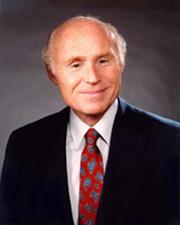 Sen. Herb Kohl (D-WI)
What it changes
1 change to H.R. 3590
Adds TITLE __--COMBATING ELDER ABUSE AND SILVER ALERTS wherever appropriate
Adds a titleInserted: TITLE __--COMBATING ELDER ABUSE AND SILVER ALERTS
Inserted: SEC. _11. SHORT TITLE.
Inserted: This title may be cited as the "Combating Elder Abuse and National Silver Alert Act of 2009".
Inserted: Subtitle A--Elder Abuse Victims Act of 2009 SEC. _21. SHORT TITLE.
Inserted: This subtitle may be cited as the "Elder Abuse Victims Act of 2009".
Inserted: PART I--ELDER ABUSE VICTIMS
Inserted: SEC. _31. ANALYSIS, REPORT, AND RECOMMENDATIONS RELATED TO ELDER JUSTICE PROGRAMS.
Inserted: (a) In General.--Subject to the availability of appropriations to carry out this section, the Attorney General, in consultation with the Secretary of Health and Human Services, shall carry out the following:
Inserted: (1) Study.--Conduct a study of laws and practices relating to elder abuse, neglect, and exploitation, which shall include--
Inserted: (A) a comprehensive description of State laws and practices relating to elder abuse, neglect, and exploitation;
Inserted: (B) a comprehensive analysis of the effectiveness of such State laws and practices; and
Inserted: (C) an examination of State laws and practices relating to specific elder abuse, neglect, and exploitation issues, including--
Show 233 more inserted paragraphsShow less
Inserted: (i) the definition of--
Inserted: (I) "elder";
Inserted: (II) "abuse";
Inserted: (III) "neglect";
Inserted: (IV) "exploitation"; and
Inserted: (V) such related terms the Attorney General determines to be appropriate;
Inserted: (ii) mandatory reporting laws, with respect to--
Inserted: (I) who is a mandated reporter;
Inserted: (II) to whom must they report and within what time frame; and
Inserted: (III) any consequences for not reporting;
Inserted: (iii) evidentiary, procedural, sentencing, choice of remedies, and data retention issues relating to pursuing cases relating to elder abuse, neglect, and exploitation;
Inserted: (iv) laws requiring reporting of all nursing home deaths to the county coroner or to some other individual or entity;
Inserted: (v) fiduciary laws, including guardianship and power of attorney laws;
Inserted: (vi) laws that permit or encourage banks and bank employees to prevent and report suspected elder abuse, neglect, and exploitation;
Inserted: (vii) laws relating to fraud and related activities in connection with mail, telemarketing, or the Internet;
Inserted: (viii) laws that may impede research on elder abuse, neglect, and exploitation;
Inserted: (ix) practices relating to the enforcement of laws relating to elder abuse, neglect, and exploitation; and
Inserted: (x) practices relating to other aspects of elder justice.
Inserted: (2) Development of plan.--Develop objectives, priorities, policies, and a long-term plan for elder justice programs and activities relating to--
Inserted: (A) prevention and detection of elder abuse, neglect, and exploitation;
Inserted: (B) intervention and treatment for victims of elder abuse, neglect, and exploitation;
Inserted: (C) training, evaluation, and research related to elder justice programs and activities; and
Inserted: (D) improvement of the elder justice system in the United States.
Inserted: (3) Report.--Not later than 2 years after the date of enactment of this Act, submit to the chairman and ranking member of the Special Committee on Aging of the Senate, and the Speaker and minority leader of the House of Representatives, and the Secretary of Health and Human Services, and make available to the States, a report that contains--
Inserted: (A) the findings of the study conducted under paragraph (1);
Inserted: (B) a description of the objectives, priorities, policies, and a long-term plan developed under paragraph (2); and
Inserted: (C) a list, description, and analysis of the best practices used by States to develop, implement, maintain, and improve elder justice systems, based on such findings.
Inserted: (b) GAO Recommendations.--Not later than 18 months after the date of enactment of this Act, the Comptroller General shall review existing Federal programs and initiatives in the Federal criminal justice system relevant to elder justice and shall submit to Congress--
Inserted: (1) a report on such programs and initiatives; and
Inserted: (2) any recommendations the Comptroller General determines are appropriate to improve elder justice in the United States.
Inserted: (c) Authorization of Appropriations.--There are authorized to be appropriated to carry out this section $6,000,000 for each of the fiscal years 2010 through 2016.
Inserted: SEC. _32. VICTIM ADVOCACY GRANTS.
Inserted: (a) Grants Authorized.--The Attorney General, after consultation with the Secretary of Health and Human Services, may award grants to eligible entities to study the special needs of victims of elder abuse, neglect, and exploitation.
Inserted: (b) Authorized Activities.--Funds awarded pursuant to subsection (a) shall be used for pilot programs that--
Inserted: (1) develop programs for and provide training to health care, social, and protective services providers, law enforcement, fiduciaries (including guardians), judges and court personnel, and victim advocates; and
Inserted: (2) examine special approaches designed to meet the needs of victims of elder abuse, neglect, and exploitation.
Inserted: (c) Authorization of Appropriations.--There are authorized to be appropriated to carry out this section $3,000,000 for each of the fiscal years 2010 through 2016.
Inserted: SEC. _33. SUPPORTING LOCAL PROSECUTORS AND COURTS IN ELDER JUSTICE MATTERS.
Inserted: (a) Grants Authorized.--Subject to the availability of appropriations under this section, the Attorney General, after consultation with the Secretary of Health and Human Services, shall award grants to eligible entities to provide training, technical assistance, policy development, multidisciplinary coordination, and other types of support to local prosecutors and courts handling elder justice-related cases, including--
Inserted: (1) funding specially designated elder justice positions or units in local prosecutors' offices and local courts; and
Inserted: (2) funding the creation of a Center for the Prosecution of Elder Abuse, Neglect, and Exploitation to advise and support local prosecutors and courts nationwide in the pursuit of cases involving elder abuse, neglect, and exploitation.
Inserted: (b) Authorization of Appropriations.--There are authorized to be appropriated to carry out this section $6,000,000 for each of the fiscal years 2010 through 2016.
Inserted: SEC. _34. SUPPORTING STATE PROSECUTORS AND COURTS IN ELDER JUSTICE MATTERS.
Inserted: (a) In General.--Subject to the availability of appropriations under this section, the Attorney General, after consultation with the Secretary of Health and Human Services, shall award grants to eligible entities to provide training, technical assistance, multidisciplinary coordination, policy development, and other types of support to State prosecutors and courts, employees of State Attorneys General, and Medicaid Fraud Control Units handling elder justice-related matters.
Inserted: (b) Creating Specialized Positions.--Grants under this section may be made for--
Inserted: (1) the establishment of specially designated elder justice positions or units in State prosecutors' offices and State courts; and
Inserted: (2) the creation of a position to coordinate elder justice-related cases, training, technical assistance, and policy development for State prosecutors and courts.
Inserted: (c) Authorization of Appropriations.--There are authorized to be appropriated to carry out this section $6,000,000 for each of the fiscal years 2010 through 2016.
Inserted: SEC. _35. SUPPORTING LAW ENFORCEMENT IN ELDER JUSTICE MATTERS.
Inserted: (a) In General.--Subject to the availability of appropriations under this section, the Attorney General, after consultation with the Secretary of Health and Human Services, the Postmaster General, and the Chief Postal Inspector for the United States Postal Inspection Service, shall award grants to eligible entities to provide training, technical assistance, multidisciplinary coordination, policy development, and other types of support to police, sheriffs, detectives, public safety officers, corrections personnel, and other first responders who handle elder justice-related matters, to fund specially designated elder justice positions or units designed to support first responders in elder justice matters.
Inserted: (b) Authorization of Appropriations.--There are authorized to be appropriated to carry out this section $8,000,000 for each of the fiscal years 2010 through 2016.
Inserted: SEC. _36. EVALUATIONS.
Inserted: (a) Grants Under This Part.--
Inserted: (1) In general.--In carrying out the grant programs under this part, the Attorney General shall--
Inserted: (A) require each recipient of a grant to use a portion of the funds made available through the grant to conduct a validated evaluation of the effectiveness of the activities carried out through the grant by such recipient; or
Inserted: (B) as the Attorney General considers appropriate, use a portion of the funds available under this part for a grant program under this part to provide assistance to an eligible entity to conduct a validated evaluation of the effectiveness of the activities carried out through such grant program by each of the grant recipients.
Inserted: (2) Applications.--
Inserted: (A) Submission.--To be eligible to receive a grant under this part, an entity shall submit an application to the Attorney General at such time, in such manner, and containing such information as the Attorney General may require, which shall include--
Inserted: (i) a proposal for the evaluation required in accordance with paragraph (1)(A); and
Inserted: (ii) the amount of assistance under paragraph (1)(B) the entity is requesting, if any.
Inserted: (B) Review and assistance.--
Inserted: (i) In general.--An employee of the Department of Justice, after consultation with an employee of the Department of Health and Human Services with expertise in evaluation methodology, shall review each application described in subparagraph (A) and determine whether the methodology described in the proposal under subparagraph (A)(i) is adequate to gather meaningful information.
Inserted: (ii) Denial.--If the reviewing employee determines the methodology described in such proposal is inadequate, the reviewing employee shall recommend that the Attorney General deny the application for the grant, or make recommendations for how the application should be amended.
Inserted: (iii) Notice to applicant.--If the Attorney General denies the application on the basis of such proposal, the Attorney General shall inform the applicant of the reasons the application was denied, and offer assistance to the applicant in modifying the proposal.
Inserted: (b) Other Grants.--Subject to the availability of appropriations under this section, the Attorney General shall award grants to appropriate entities to conduct validated evaluations of grant activities that are funded by Federal funds not provided under this part, or other funds, to reduce elder abuse, neglect, and exploitation.
Inserted: (c) Authorization of Appropriations.--There are authorized to be appropriated to carry out this section $7,000,000 for each of the fiscal years 2010 through 2016.
Inserted: SEC. _37. DEFINITIONS.
Inserted: In this part:
Inserted: (1) Elder.--The term "elder" means an individual age 60 or older.
Inserted: (2) Elder justice.--The term "elder justice" means--
Inserted: (A) from a societal perspective, efforts to--
Inserted: (i) prevent, detect, treat, intervene in, and prosecute elder abuse, neglect, and exploitation; and
Inserted: (ii) protect elders with diminished capacity while maximizing their autonomy; and
Inserted: (B) from an individual perspective, the recognition of an elder's rights, including the right to be free of abuse, neglect, and exploitation.
Inserted: (3) Eligible entities.--The term "eligible entity" means a State or local government agency, Indian tribe or tribal organization, or any other public or nonprofit private entity that is engaged in and has expertise in issues relating to elder justice or a field necessary to promote elder justice efforts.
Inserted: PART II--ELDER SERVE VICTIM GRANT PROGRAMS
Inserted: SEC. _41. ESTABLISHMENT OF ELDER SERVE VICTIM GRANT PROGRAMS.
Inserted: (a) Establishment.--The Attorney General, acting through the Director of the Office of Victims of Crime of the Department of Justice (in this section referred to as the "Director"), shall, subject to appropriations, carry out a three-year grant program to be known as the Elder Serve Victim grant program (in this section referred to as the "Program") to provide grants to eligible entities to establish programs to facilitate and coordinate programs described in subsection (e) for victims of elder abuse.
Inserted: (b) Eligibility Requirements for Grantees.--To be eligible to receive a grant under the Program, an entity must meet the following criteria:
Inserted: (1) Eligible crime victim assistance program.--The entity is a crime victim assistance program receiving a grant under the Victims of Crime Act of 1984 (42 U.S.C. 1401 et seq.) for the period described in subsection (c)(2) with respect to the grant sought under this section.
Inserted: (2) Coordination with local community based agencies and services.--The entity shall demonstrate to the satisfaction of the Director that such entity has a record of community coordination or established contacts with other county and local services that serve elderly individuals.
Inserted: (3) Ability to create ecrt on timely basis.--The entity shall demonstrate to the satisfaction of the Director the ability of the entity to create, not later than 6 months after receiving such grant, an Emergency Crisis Response Team program described in subsection (e)(1) and the programs described in subsection (e)(2).
Inserted: For purposes of meeting the criteria described in paragraph (2), for each year an entity receives a grant under this section the entity shall provide a record of community coordination or established contacts described in such paragraph through memoranda of understanding, contracts, subcontracts, and other such documentation.
Inserted: (c) Administrative Provisions.--
Inserted: (1) Consultation.--Each program established pursuant to this section shall be developed and carried out in consultation with the following entities, as appropriate:
Inserted: (A) Relevant Federal, State, and local public and private agencies and entities, relating to elder abuse, neglect, and exploitation and other crimes against elderly individuals.
Inserted: (B) Local law enforcement including police, sheriffs, detectives, public safety officers, corrections personnel, prosecutors, medical examiners, investigators, and coroners.
Inserted: (C) Long-term care and nursing facilities.
Inserted: (2) Grant period.--Grants under the Program shall be issued for a three-year period.
Inserted: (3) Locations.--The Program shall be carried out in six geographically and demographically diverse locations, taking into account--
Inserted: (A) the number of elderly individuals residing in or near an area; and
Inserted: (B) the difficulty of access to immediate short-term housing and health services for victims of elder abuse.
Inserted: (d) Personnel.--In providing care and services, each program established pursuant to this section may employ a staff to assist in creating an Emergency Crisis Response Teams under subsection (e)(1).
Inserted: (e) Use of Grants.--
Inserted: (1) Emergency crisis response team.--Each entity that receives a grant under this section shall use such grant to establish an Emergency Crisis Response Team program by not later than the date that is six months after the entity receives the grant. Under such program the following shall apply:
Inserted: (A) Such program shall include immediate, short-term emergency services, including shelter, care services, food, clothing, transportation to medical or legal appointment as appropriate, and any other life services deemed necessary by the entity for victims of elder abuse.
Inserted: (B) Such program shall provide services to victims of elder abuse, including those who have been referred to the program through the adult protective services agency of the local law enforcement or any other relevant law enforcement or referral agency.
Inserted: (C) A victim of elder abuse may not receive short-term housing under the program for more than 30 consecutive days.
Inserted: (D) The entity that established the program shall enter into arrangements with the relevant local law enforcement agencies so that the program receives quarterly reports from such agencies on elder abuse.
Inserted: (2) Additional services required to be provided.--Not later than one year after the date an entity receives a grant under this section, such entity shall have established the following programs (and community collaborations to support such programs):
Inserted: (A) Counseling.--A program that provides counseling and assistance for victims of elder abuse accessing health care, educational, pension, or other benefits for which seniors may be eligible under Federal or applicable State law.
Inserted: (B) Mental health screening.--A program that provides mental health screenings for victims of elder abuse to identify and seek assistance for potential mental health disorders such as depression or substance abuse.
Inserted: (C) Emergency legal advocacy.--A program that provides legal advocacy for victims of elder abuse and, as appropriate, their families.
Inserted: (D) Job placement assistance.--A program that provides job placement assistance and information on employment, training, or volunteer opportunities for victims of elder abuse.
Inserted: (E) Bereavement counseling.--A program that provides bereavement counseling for families of victims of elder abuse.
Inserted: (F) Other services.--A program that provides such other care, services, and assistance as the entity considers appropriate for purposes of the program.
Inserted: (f) Technical Assistance.--The Director shall enter into contracts with private entities with experience in elder abuse coordination or victim services to provide such technical assistance to grantees under this section as the entity determines appropriate.
Inserted: (g) Reports to Congress.--Not later than 12 months after the commencement of the Program, and annually thereafter, the entity shall submit a report to the Chairman and Ranking Member of the Committee on the Judiciary of the House of Representatives, and the Chairman and Ranking Member of the Special Committee on Aging of the Senate. Each report shall include the following:
Inserted: (1) A description and assessment of the implementation of the Program.
Inserted: (2) An assessment of the effectiveness of the Program in providing care and services to seniors, including a comparative assessment of effectiveness for each of the locations designated under subsection (c)(3) for the Program.
Inserted: (3) An assessment of the effectiveness of the coordination for programs described in subsection (e) in contributing toward the effectiveness of the Program.
Inserted: (4) Such recommendations as the entity considers appropriate for modifications of the Program in order to better provide care and services to seniors.
Inserted: (h) Definitions.--For purposes of this section:
Inserted: (1) Elder abuse.--The term "elder abuse" means any type of violence or abuse, whether mental or physical, inflicted upon an elderly individual, and any type of criminal financial exploitation of an elderly individual.
Inserted: (2) Elderly individual.--The term "elderly individual" means an individual who is age 60 or older.
Inserted: (i) Authorization of Appropriations.--There is authorized to be appropriated for the Department of Justice to carry out this section $3,000,000 for each of the fiscal years 2010 through 2012.
Inserted: Subtitle B--National Silver Alert SEC. _51. SHORT TITLE.
Inserted: This subtitle may be cited as the "National Silver Alert Act".
Inserted: SEC. _52. DEFINITIONS.
Inserted: For purposes of this subtitle:
Inserted: (1) State.--The term "State" means each of the 50 States, the District of Columbia, the Commonwealth of Puerto Rico, the United States Virgin Islands, Guam, American Samoa, and the Commonwealth of the Northern Mariana Islands.
Inserted: (2) Missing senior.--The term "missing senior" refers to any individual who--
Inserted: (A) is reported to, or identified by, a law enforcement agency as a missing person; and
Inserted: (B) meets the requirements to be designated as a missing senior, as determined by the State in which the individual is reported or identified as a missing person.
Inserted: SEC. _53. SILVER ALERT COMMUNICATIONS NETWORK.
Inserted: The Attorney General shall, subject to the availability of appropriations under section _57, establish a national Silver Alert communications network within the Department of Justice to provide assistance to regional and local search efforts for missing seniors through the initiation, facilitation, and promotion of local elements of the network (known as Silver Alert plans) in coordination with States, units of local government, law enforcement agencies, and other concerned entities with expertise in providing services to seniors.
Inserted: SEC. _54. SILVER ALERT COORDINATOR.
Inserted: (a) National Coordinator Within Department of Justice.--The Attorney General shall designate an individual of the Department of Justice to act as the national coordinator of the Silver Alert communications network. The individual so designated shall be known as the Silver Alert Coordinator of the Department of Justice (referred to in this subtitle as the "Coordinator").
Inserted: (b) Duties of the Coordinator.--In acting as the national coordinator of the Silver Alert communications network, the Coordinator shall--
Inserted: (1) work with States to encourage the development of additional Silver Alert plans in the network;
Inserted: (2) establish voluntary guidelines for States to use in developing Silver Alert plans that will promote compatible and integrated Silver Alert plans throughout the United States, including--
Inserted: (A) a list of the resources necessary to establish a Silver Alert plan;
Inserted: (B) criteria for evaluating whether a situation warrants issuing a Silver Alert, taking into consideration the need for the use of such Alerts to be limited in scope because the effectiveness of the Silver Alert communications network may be affected by overuse, including criteria to determine--
Inserted: (i) whether the mental capacity of a senior who is missing, and the circumstances of his or her disappearance, warrant the issuance a Silver Alert; and
Inserted: (ii) whether the individual who reports that a senior is missing is an appropriate and credible source on which to base the issuance of a Silver Alert;
Inserted: (C) a description of the appropriate uses of the Silver Alert name to readily identify the nature of search efforts for missing seniors; and
Inserted: (D) recommendations on how to protect the privacy, dignity, independence, and autonomy of any missing senior who may be the subject of a Silver Alert;
Inserted: (3) develop proposed protocols for efforts to recover missing seniors and to reduce the number of seniors who are reported missing, including protocols for procedures that are needed from the time of initial notification of a law enforcement agency that the senior is missing through the time of the return of the senior to family, guardian, or domicile, as appropriate, including--
Inserted: (A) public safety communications protocol;
Inserted: (B) case management protocol;
Inserted: (C) command center operations;
Inserted: (D) reunification protocol; and
Inserted: (E) incident review, evaluation, debriefing, and public information procedures;
Inserted: (4) work with States to ensure appropriate regional coordination of various elements of the network;
Inserted: (5) establish an advisory group to assist States, units of local government, law enforcement agencies, and other entities involved in the Silver Alert communications network with initiating, facilitating, and promoting Silver Alert plans, which shall include--
Inserted: (A) to the maximum extent practicable, representation from the various geographic regions of the United States; and
Inserted: (B) members who are--
Inserted: (i) representatives of senior citizen advocacy groups, law enforcement agencies, and public safety communications;
Inserted: (ii) broadcasters, first responders, dispatchers, and radio station personnel; and
Inserted: (iii) representatives of any other individuals or organizations that the Coordinator determines are necessary to the success of the Silver Alert communications network; and
Inserted: (6) act as the nationwide point of contact for--
Inserted: (A) the development of the network; and
Inserted: (B) regional coordination of alerts for missing seniors through the network.
Inserted: (c) Coordination.--
Inserted: (1) Coordination with other agencies.--The Coordinator shall coordinate and consult with the Secretary of Transportation, the Federal Communications Commission, the Assistant Secretary for Aging of the Department of Health and Human Services, the head of the Missing Alzheimer's Disease Patient Alert Program, and other appropriate offices of the Department of Justice in carrying out activities under this subtitle.
Inserted: (2) State and local coordination.--The Coordinator shall consult with local broadcasters and State and local law enforcement agencies in establishing minimum standards under section _55 and in carrying out other activities under this subtitle, as appropriate.
Inserted: (d) Annual Reports.--Not later than one year after the date of enactment of this Act, and annually thereafter, the Coordinator shall submit to Congress a report on the activities of the Coordinator and the effectiveness and status of the Silver Alert plans of each State that has established or is in the process of establishing such a plan. Each such report shall include--
Inserted: (1) a list of States that have established Silver Alert plans;
Inserted: (2) a list of States that are in the process of establishing Silver Alert plans;
Inserted: (3) for each State that has established such a plan, to the extent the data is available--
Inserted: (A) the number of Silver Alerts issued;
Inserted: (B) the number of individuals located successfully;
Inserted: (C) the average period of time between the issuance of a Silver Alert and the location of the individual for whom such Alert was issued;
Inserted: (D) the State agency or authority issuing Silver Alerts, and the process by which Silver Alerts are disseminated;
Inserted: (E) the cost of establishing and operating such a plan;
Inserted: (F) the criteria used by the State to determine whether to issue a Silver Alert; and
Inserted: (G) the extent to which missing individuals for whom Silver Alerts were issued crossed State lines;
Inserted: (4) actions States have taken to protect the privacy and dignity of the individuals for whom Silver Alerts are issued;
Inserted: (5) ways that States have facilitated and improved communication about missing individuals between families, caregivers, law enforcement officials, and other authorities; and
Inserted: (6) any other information the Coordinator determines to be appropriate.
Inserted: SEC. _55. MINIMUM STANDARDS FOR ISSUANCE AND DISSEMINATION OF ALERTS THROUGH SILVER ALERT COMMUNICATIONS NETWORK.
Inserted: (a) Establishment of Minimum Standards.--Subject to subsection (b), the Coordinator shall establish minimum standards for--
Inserted: (1) the issuance of alerts through the Silver Alert communications network; and
Inserted: (2) the extent of the dissemination of alerts issued through the network.
Inserted: (b) Limitations.--
Inserted: (1) Voluntary participation.--The minimum standards established under subsection (a) of this section, and any other guidelines and programs established under section _54, shall be adoptable on a voluntary basis only.
Inserted: (2) Dissemination of information.--The minimum standards shall, to the maximum extent practicable (as determined by the Coordinator in consultation with State and local law enforcement agencies), provide that appropriate information relating to the special needs of a missing senior (including health care needs) are disseminated to the appropriate law enforcement, public health, and other public officials.
Inserted: (3) Geographic areas.--The minimum standards shall, to the maximum extent practicable (as determined by the Coordinator in consultation with State and local law enforcement agencies), provide that the dissemination of an alert through the Silver Alert communications network be limited to the geographic areas which the missing senior could reasonably reach, considering the missing senior's circumstances and physical and mental condition, the modes of transportation available to the missing senior, and the circumstances of the disappearance.
Inserted: (4) Age requirements.--The minimum standards shall not include any specific age requirement for an individual to be classified as a missing senior for purposes of the Silver Alert communication network. Age requirements for determinations of whether an individual is a missing senior shall be determined by each State, and may vary from State to State.
Inserted: (5) Privacy and civil liberties protections.--The minimum standards shall--
Inserted: (A) ensure that alerts issued through the Silver Alert communications network comply with all applicable Federal, State, and local privacy laws and regulations; and
Inserted: (B) include standards that specifically provide for the protection of the civil liberties and sensitive medical information of missing seniors.
Inserted: (6) State and local voluntary coordination.--In carrying out the activities under subsection (a), the Coordinator may not interfere with the current system of voluntary coordination between local broadcasters and State and local law enforcement agencies for purposes of the Silver Alert communications network.
Inserted: SEC. _56. TRAINING AND OTHER RESOURCES.
Inserted: (a) Training and Educational Programs.--The Coordinator shall make available to States, units of local government, law enforcement agencies, and other concerned entities that are involved in initiating, facilitating, or promoting Silver Alert plans, including broadcasters, first responders, dispatchers, public safety communications personnel, and radio station personnel--
Inserted: (1) training and educational programs related to the Silver Alert communication network and the capabilities, limitations, and anticipated behaviors of missing seniors, which shall be updated regularly to encourage the use of new tools, technologies, and resources in Silver Alert plans; and
Inserted: (2) informational materials, including brochures, videos, posters, and websites to support and supplement such training and educational programs.
Inserted: (b) Coordination.--The Coordinator shall coordinate--
Inserted: (1) with the Assistant Secretary for Aging of the Department of Health and Human Services in developing the training and educational programs and materials under subsection (a); and
Inserted: (2) with the head of the Missing Alzheimer's Disease Patient Alert Program within the Department of Justice, to determine if any existing material with respect to training programs or educational materials developed or used as subtitle of such Patient Alert Program are appropriate and may be used for the programs under subsection (a).
Inserted: SEC. _57. AUTHORIZATION OF APPROPRIATIONS FOR THE SILVER ALERT COMMUNICATIONS NETWORK.
Inserted: There are authorized to be appropriated to the Department of Justice such sums as may be necessary to carry out the Silver Alert communications network as authorized under this subtitle.
Inserted: SEC. _58. GRANT PROGRAM FOR SUPPORT OF SILVER ALERT PLANS.
Inserted: (a) Grant Program.--Subject to the availability of appropriations to carry out this section, the Attorney General shall carry out a program to provide grants to States for the development and enhancement of programs and activities for the support of Silver Alert plans and the Silver Alert communications network.
Inserted: (b) Activities.--Activities funded by grants under the program under subsection (a) may include--
Inserted: (1) the development and implementation of education and training programs, and associated materials, relating to Silver Alert plans;
Inserted: (2) the development and implementation of law enforcement programs, and associated equipment, relating to Silver Alert plans;
Inserted: (3) the development and implementation of new technologies to improve Silver Alert communications; and
Inserted: (4) such other activities as the Attorney General considers appropriate for supporting the Silver Alert communications network.
Inserted: (c) Federal Share.--The Federal share of the cost of any activities funded by a grant under the program under subsection (a) may not exceed 50 percent.
Inserted: (d) Distribution of Grants on Geographic Basis.--The Attorney General shall, to the maximum extent practicable, ensure the distribution of grants under the program under subsection (a) on an equitable basis throughout the various regions of the United States.
Inserted: (e) Administration.--The Attorney General shall prescribe requirements, including application requirements, for grants under the program under subsection (a).
Inserted: (f) Authorization of Appropriations.--
Inserted: (1) There is authorized to be appropriated to the Department of Justice $5,000,000 for each of the fiscal years 2010 through 2014 to carry out this section and, in addition, $5,000,000 for each of the fiscal years 2010 through 2014 to carry out subsection (b)(3).
Inserted: (2) Amounts appropriated pursuant to the authorization of appropriations in paragraph (1) shall remain available until expended.
Inserted: SEC. _59. SAMMY KIRK VOLUNTARY ELECTRONIC MONITORING PROGRAM.
Inserted: (a) Program Authorized.--The Attorney General, after consultation with the Secretary of Health and Human Services, is authorized to award grants to States and units of local government to carry out programs to provide voluntary electronic monitoring services to elderly individuals to assist in the location of such individuals if such individuals are reported as missing.
Inserted: (b) Authorization of Appropriations.--There are authorized to be appropriated to carry out this section $2,000,000 for each of the fiscal years 2010 through 2014.
Inserted: (c) Designation.--The grant program authorized under this section shall be referred to as the "Sammy Kirk Voluntary Electronic Monitoring Program".
Inserted: Subtitle C--Kristen's Act Reauthorization SEC. _61. SHORT TITLE.
Inserted: This subtitle may be cited as "Kristen's Act Reauthorization of 2009".
Inserted: SEC. _62. FINDINGS.
Inserted: Congress finds the following:
Inserted: (1) Every year thousands of adults become missing due to advanced age, diminished mental capacity, or foul play. Often there is no information regarding the whereabouts of these adults and many of them are never reunited with their families.
Inserted: (2) Missing adults are at great risk of both physical harm and sexual exploitation.
Inserted: (3) In most cases, families and local law enforcement officials have neither the resources nor the expertise to undertake appropriate search efforts for a missing adult.
Inserted: (4) The search for a missing adult requires cooperation and coordination among Federal, State, and local law enforcement agencies and assistance from distant communities where the adult may be located.
Inserted: (5) Federal assistance is urgently needed to help with coordination among such agencies.
Inserted: SEC. _63. GRANTS FOR THE ASSISTANCE OF ORGANIZATIONS TO FIND MISSING ADULTS.
Inserted: (a) Grants.--
Inserted: (1) Grant program.--Subject to the availability of appropriations to carry out this section, the Attorney General shall make competitive grants to public agencies or nonprofit private organizations, or combinations thereof, to--
Inserted: (A) maintain a national resource center and information clearinghouse for missing and unidentified adults;
Inserted: (B) maintain a national, interconnected database for the purpose of tracking missing adults who are determined by law enforcement to be endangered due to age, diminished mental capacity, or the circumstances of disappearance, when foul play is suspected or circumstances are unknown;
Inserted: (C) coordinate public and private programs that locate or recover missing adults or reunite missing adults with their families;
Inserted: (D) provide assistance and training to law enforcement agencies, State and local governments, elements of the criminal justice system, nonprofit organizations, and individuals in the prevention, investigation, prosecution, and treatment of cases involving missing adults;
Inserted: (E) provide assistance to families in locating and recovering missing adults; and
Inserted: (F) assist in public notification and victim advocacy related to missing adults.
Inserted: (2) Applications.--The Attorney General shall periodically solicit applications for grants under this section by publishing a request for applications in the Federal Register and by posting such a request on the website of the Department of Justice.
Inserted: (b) Other Duties.--The Attorney General shall--
Inserted: (1) coordinate programs relating to missing adults that are funded by the Federal Government; and
Inserted: (2) encourage coordination between State and local law enforcement and public agencies and nonprofit private organizations receiving a grant pursuant to subsection (a).
Inserted: SEC. _64. AUTHORIZATION OF APPROPRIATIONS.
Inserted: There are authorized to be appropriated to carry out this subtitle $4,000,000 for each of fiscal years 2010 through 2020.
The amendment doesn't say where this goes; the clerk decides.
Original wording
At the appropriate place, insert the following:
Read automatically from the Congressional Record. Check the original before relying on it.
As printed
SA 3069. Mr. KOHL submitted an amendment intended to be proposed by him to the bill H.R. 3590, to amend the Internal Revenue Code of 1986 to modify the first-time homebuyers credit in the case of members of the Armed Forces and certain other Federal employees, and for other purposes; which was ordered to lie on the table; as follows:
At the appropriate place, insert the following:
TITLE __--COMBATING ELDER ABUSE AND SILVER ALERTS
SEC. _11. SHORT TITLE.
This title may be cited as the “Combating Elder Abuse and National Silver Alert Act of 2009”.
Subtitle A--Elder Abuse Victims Act of 2009 SEC. _21. SHORT TITLE.
This subtitle may be cited as the “Elder Abuse Victims Act of 2009”.
PART I--ELDER ABUSE VICTIMS
SEC. _31. ANALYSIS, REPORT, AND RECOMMENDATIONS RELATED TO ELDER JUSTICE PROGRAMS.
(a) In General.--Subject to the availability of appropriations to carry out this section, the Attorney General, in consultation with the Secretary of Health and Human Services, shall carry out the following:
(1) Study.--Conduct a study of laws and practices relating to elder abuse, neglect, and exploitation, which shall include--
(A) a comprehensive description of State laws and practices relating to elder abuse, neglect, and exploitation;
(B) a comprehensive analysis of the effectiveness of such State laws and practices; and
(C) an examination of State laws and practices relating to specific elder abuse, neglect, and exploitation issues, including--
(i) the definition of--
(I) “elder”;
(II) “abuse”;
(III) “neglect”;
(IV) “exploitation”; and
(V) such related terms the Attorney General determines to be appropriate;
(ii) mandatory reporting laws, with respect to--
(I) who is a mandated reporter;
(II) to whom must they report and within what time frame; and
(III) any consequences for not reporting;
(iii) evidentiary, procedural, sentencing, choice of remedies, and data retention issues relating to pursuing cases relating to elder abuse, neglect, and exploitation;
(iv) laws requiring reporting of all nursing home deaths to the county coroner or to some other individual or entity;
(v) fiduciary laws, including guardianship and power of attorney laws;
(vi) laws that permit or encourage banks and bank employees to prevent and report suspected elder abuse, neglect, and exploitation;
(vii) laws relating to fraud and related activities in connection with mail, telemarketing, or the Internet;
(viii) laws that may impede research on elder abuse, neglect, and exploitation;
(ix) practices relating to the enforcement of laws relating to elder abuse, neglect, and exploitation; and
(x) practices relating to other aspects of elder justice.
(2) Development of plan.--Develop objectives, priorities, policies, and a long-term plan for elder justice programs and activities relating to--
(A) prevention and detection of elder abuse, neglect, and exploitation;
(B) intervention and treatment for victims of elder abuse, neglect, and exploitation;
(C) training, evaluation, and research related to elder justice programs and activities; and
(D) improvement of the elder justice system in the United States.
(3) Report.--Not later than 2 years after the date of enactment of this Act, submit to the chairman and ranking member of the Special Committee on Aging of the Senate, and the Speaker and minority leader of the House of Representatives, and the Secretary of Health and Human Services, and make available to the States, a report that contains--
(A) the findings of the study conducted under paragraph (1);
(B) a description of the objectives, priorities, policies, and a long-term plan developed under paragraph (2); and
(C) a list, description, and analysis of the best practices used by States to develop, implement, maintain, and improve elder justice systems, based on such findings.
(b) GAO Recommendations.--Not later than 18 months after the date of enactment of this Act, the Comptroller General shall review existing Federal programs and initiatives in the Federal criminal justice system relevant to elder justice and shall submit to Congress--
(1) a report on such programs and initiatives; and
(2) any recommendations the Comptroller General determines are appropriate to improve elder justice in the United States.
(c) Authorization of Appropriations.--There are authorized to be appropriated to carry out this section $6,000,000 for each of the fiscal years 2010 through 2016.
SEC. _32. VICTIM ADVOCACY GRANTS.
(a) Grants Authorized.--The Attorney General, after consultation with the Secretary of Health and Human Services, may award grants to eligible entities to study the special needs of victims of elder abuse, neglect, and exploitation.
(b) Authorized Activities.--Funds awarded pursuant to subsection (a) shall be used for pilot programs that--
(1) develop programs for and provide training to health care, social, and protective services providers, law enforcement, fiduciaries (including guardians), judges and court personnel, and victim advocates; and
(2) examine special approaches designed to meet the needs of victims of elder abuse, neglect, and exploitation.
(c) Authorization of Appropriations.--There are authorized to be appropriated to carry out this section $3,000,000 for each of the fiscal years 2010 through 2016.
SEC. _33. SUPPORTING LOCAL PROSECUTORS AND COURTS IN ELDER JUSTICE MATTERS.
(a) Grants Authorized.--Subject to the availability of appropriations under this section, the Attorney General, after consultation with the Secretary of Health and Human Services, shall award grants to eligible entities to provide training, technical assistance, policy development, multidisciplinary coordination, and other types of support to local prosecutors and courts handling elder justice-related cases, including--
(1) funding specially designated elder justice positions or units in local prosecutors' offices and local courts; and
(2) funding the creation of a Center for the Prosecution of Elder Abuse, Neglect, and Exploitation to advise and support local prosecutors and courts nationwide in the pursuit of cases involving elder abuse, neglect, and exploitation.
(b) Authorization of Appropriations.--There are authorized to be appropriated to carry out this section $6,000,000 for each of the fiscal years 2010 through 2016.
SEC. _34. SUPPORTING STATE PROSECUTORS AND COURTS IN ELDER JUSTICE MATTERS.
(a) In General.--Subject to the availability of appropriations under this section, the Attorney General, after consultation with the Secretary of Health and Human Services, shall award grants to eligible entities to provide training, technical assistance, multidisciplinary coordination, policy development, and other types of support to State prosecutors and courts, employees of State Attorneys General, and Medicaid Fraud Control Units handling elder justice-related matters.
(b) Creating Specialized Positions.--Grants under this section may be made for--
(1) the establishment of specially designated elder justice positions or units in State prosecutors' offices and State courts; and
(2) the creation of a position to coordinate elder justice-related cases, training, technical assistance, and policy development for State prosecutors and courts.
(c) Authorization of Appropriations.--There are authorized to be appropriated to carry out this section $6,000,000 for each of the fiscal years 2010 through 2016.
SEC. _35. SUPPORTING LAW ENFORCEMENT IN ELDER JUSTICE MATTERS.
(a) In General.--Subject to the availability of appropriations under this section, the Attorney General, after consultation with the Secretary of Health and Human Services, the Postmaster General, and the Chief Postal Inspector for the United States Postal Inspection Service, shall award grants to eligible entities to provide training, technical assistance, multidisciplinary coordination, policy development, and other types of support to police, sheriffs, detectives, public safety officers, corrections personnel, and other first responders who handle elder justice-related matters, to fund specially designated elder justice positions or units designed to support first responders in elder justice matters.
(b) Authorization of Appropriations.--There are authorized to be appropriated to carry out this section $8,000,000 for each of the fiscal years 2010 through 2016.
SEC. _36. EVALUATIONS.
(a) Grants Under This Part.--
(1) In general.--In carrying out the grant programs under this part, the Attorney General shall--
(A) require each recipient of a grant to use a portion of the funds made available through the grant to conduct a validated evaluation of the effectiveness of the activities carried out through the grant by such recipient; or
(B) as the Attorney General considers appropriate, use a portion of the funds available under this part for a grant program under this part to provide assistance to an eligible entity to conduct a validated evaluation of the effectiveness of the activities carried out through such grant program by each of the grant recipients.
(2) Applications.--
(A) Submission.--To be eligible to receive a grant under this part, an entity shall submit an application to the Attorney General at such time, in such manner, and containing such information as the Attorney General may require, which shall include--
(i) a proposal for the evaluation required in accordance with paragraph (1)(A); and
(ii) the amount of assistance under paragraph (1)(B) the entity is requesting, if any.
(B) Review and assistance.--
(i) In general.--An employee of the Department of Justice, after consultation with an employee of the Department of Health and Human Services with expertise in evaluation methodology, shall review each application described in subparagraph (A) and determine whether the methodology described in the proposal under subparagraph (A)(i) is adequate to gather meaningful information.
(ii) Denial.--If the reviewing employee determines the methodology described in such proposal is inadequate, the reviewing employee shall recommend that the Attorney General deny the application for the grant, or make recommendations for how the application should be amended.
(iii) Notice to applicant.--If the Attorney General denies the application on the basis of such proposal, the Attorney General shall inform the applicant of the reasons the application was denied, and offer assistance to the applicant in modifying the proposal.
(b) Other Grants.--Subject to the availability of appropriations under this section, the Attorney General shall award grants to appropriate entities to conduct validated evaluations of grant activities that are funded by Federal funds not provided under this part, or other funds, to reduce elder abuse, neglect, and exploitation.
(c) Authorization of Appropriations.--There are authorized to be appropriated to carry out this section $7,000,000 for each of the fiscal years 2010 through 2016.
SEC. _37. DEFINITIONS.
In this part:
(1) Elder.--The term “elder” means an individual age 60 or older.
(2) Elder justice.--The term “elder justice” means--
(A) from a societal perspective, efforts to--
(i) prevent, detect, treat, intervene in, and prosecute elder abuse, neglect, and exploitation; and
(ii) protect elders with diminished capacity while maximizing their autonomy; and
(B) from an individual perspective, the recognition of an elder's rights, including the right to be free of abuse, neglect, and exploitation.
(3) Eligible entities.--The term “eligible entity” means a State or local government agency, Indian tribe or tribal organization, or any other public or nonprofit private entity that is engaged in and has expertise in issues relating to elder justice or a field necessary to promote elder justice efforts.
PART II--ELDER SERVE VICTIM GRANT PROGRAMS
SEC. _41. ESTABLISHMENT OF ELDER SERVE VICTIM GRANT PROGRAMS.
(a) Establishment.--The Attorney General, acting through the Director of the Office of Victims of Crime of the Department of Justice (in this section referred to as the “Director”), shall, subject to appropriations, carry out a three-year grant program to be known as the Elder Serve Victim grant program (in this section referred to as the “Program”) to provide grants to eligible entities to establish programs to facilitate and coordinate programs described in subsection (e) for victims of elder abuse.
(b) Eligibility Requirements for Grantees.--To be eligible to receive a grant under the Program, an entity must meet the following criteria:
(1) Eligible crime victim assistance program.--The entity is a crime victim assistance program receiving a grant under the Victims of Crime Act of 1984 (42 U.S.C. 1401 et seq.) for the period described in subsection (c)(2) with respect to the grant sought under this section.
(2) Coordination with local community based agencies and services.--The entity shall demonstrate to the satisfaction of the Director that such entity has a record of community coordination or established contacts with other county and local services that serve elderly individuals.
(3) Ability to create ecrt on timely basis.--The entity shall demonstrate to the satisfaction of the Director the ability of the entity to create, not later than 6 months after receiving such grant, an Emergency Crisis Response Team program described in subsection (e)(1) and the programs described in subsection (e)(2).
For purposes of meeting the criteria described in paragraph (2), for each year an entity receives a grant under this section the entity shall provide a record of community coordination or established contacts described in such paragraph through memoranda of understanding, contracts, subcontracts, and other such documentation.
(c) Administrative Provisions.--
(1) Consultation.--Each program established pursuant to this section shall be developed and carried out in consultation with the following entities, as appropriate:
(A) Relevant Federal, State, and local public and private agencies and entities, relating to elder abuse, neglect, and exploitation and other crimes against elderly individuals.
(B) Local law enforcement including police, sheriffs, detectives, public safety officers, corrections personnel, prosecutors, medical examiners, investigators, and coroners.
(C) Long-term care and nursing facilities.
(2) Grant period.--Grants under the Program shall be issued for a three-year period.
(3) Locations.--The Program shall be carried out in six geographically and demographically diverse locations, taking into account--
(A) the number of elderly individuals residing in or near an area; and
(B) the difficulty of access to immediate short-term housing and health services for victims of elder abuse.
(d) Personnel.--In providing care and services, each program established pursuant to this section may employ a staff to assist in creating an Emergency Crisis Response Teams under subsection (e)(1).
(e) Use of Grants.--
(1) Emergency crisis response team.--Each entity that receives a grant under this section shall use such grant to establish an Emergency Crisis Response Team program by not later than the date that is six months after the entity receives the grant. Under such program the following shall apply:
(A) Such program shall include immediate, short-term emergency services, including shelter, care services, food, clothing, transportation to medical or legal appointment as appropriate, and any other life services deemed necessary by the entity for victims of elder abuse.
(B) Such program shall provide services to victims of elder abuse, including those who have been referred to the program through the adult protective services agency of the local law enforcement or any other relevant law enforcement or referral agency.
(C) A victim of elder abuse may not receive short-term housing under the program for more than 30 consecutive days.
(D) The entity that established the program shall enter into arrangements with the relevant local law enforcement agencies so that the program receives quarterly reports from such agencies on elder abuse.
(2) Additional services required to be provided.--Not later than one year after the date an entity receives a grant under this section, such entity shall have established the following programs (and community collaborations to support such programs):
(A) Counseling.--A program that provides counseling and assistance for victims of elder abuse accessing health care, educational, pension, or other benefits for which seniors may be eligible under Federal or applicable State law.
(B) Mental health screening.--A program that provides mental health screenings for victims of elder abuse to identify and seek assistance for potential mental health disorders such as depression or substance abuse.
(C) Emergency legal advocacy.--A program that provides legal advocacy for victims of elder abuse and, as appropriate, their families.
(D) Job placement assistance.--A program that provides job placement assistance and information on employment, training, or volunteer opportunities for victims of elder abuse.
(E) Bereavement counseling.--A program that provides bereavement counseling for families of victims of elder abuse.
(F) Other services.--A program that provides such other care, services, and assistance as the entity considers appropriate for purposes of the program.
(f) Technical Assistance.--The Director shall enter into contracts with private entities with experience in elder abuse coordination or victim services to provide such technical assistance to grantees under this section as the entity determines appropriate.
(g) Reports to Congress.--Not later than 12 months after the commencement of the Program, and annually thereafter, the entity shall submit a report to the Chairman and Ranking Member of the Committee on the Judiciary of the House of Representatives, and the Chairman and Ranking Member of the Special Committee on Aging of the Senate. Each report shall include the following:
(1) A description and assessment of the implementation of the Program.
(2) An assessment of the effectiveness of the Program in providing care and services to seniors, including a comparative assessment of effectiveness for each of the locations designated under subsection (c)(3) for the Program.
(3) An assessment of the effectiveness of the coordination for programs described in subsection (e) in contributing toward the effectiveness of the Program.
(4) Such recommendations as the entity considers appropriate for modifications of the Program in order to better provide care and services to seniors.
(h) Definitions.--For purposes of this section:
(1) Elder abuse.--The term “elder abuse” means any type of violence or abuse, whether mental or physical, inflicted upon an elderly individual, and any type of criminal financial exploitation of an elderly individual.
(2) Elderly individual.--The term “elderly individual” means an individual who is age 60 or older.
(i) Authorization of Appropriations.--There is authorized to be appropriated for the Department of Justice to carry out this section $3,000,000 for each of the fiscal years 2010 through 2012.
Subtitle B--National Silver Alert SEC. _51. SHORT TITLE.
This subtitle may be cited as the “National Silver Alert Act”.
SEC. _52. DEFINITIONS.
For purposes of this subtitle:
(1) State.--The term “State” means each of the 50 States, the District of Columbia, the Commonwealth of Puerto Rico, the United States Virgin Islands, Guam, American Samoa, and the Commonwealth of the Northern Mariana Islands.
(2) Missing senior.--The term “missing senior” refers to any individual who--
(A) is reported to, or identified by, a law enforcement agency as a missing person; and
(B) meets the requirements to be designated as a missing senior, as determined by the State in which the individual is reported or identified as a missing person.
SEC. _53. SILVER ALERT COMMUNICATIONS NETWORK.
The Attorney General shall, subject to the availability of appropriations under section _57, establish a national Silver Alert communications network within the Department of Justice to provide assistance to regional and local search efforts for missing seniors through the initiation, facilitation, and promotion of local elements of the network (known as Silver Alert plans) in coordination with States, units of local government, law enforcement agencies, and other concerned entities with expertise in providing services to seniors.
SEC. _54. SILVER ALERT COORDINATOR.
(a) National Coordinator Within Department of Justice.--The Attorney General shall designate an individual of the Department of Justice to act as the national coordinator of the Silver Alert communications network. The individual so designated shall be known as the Silver Alert Coordinator of the Department of Justice (referred to in this subtitle as the “Coordinator”).
(b) Duties of the Coordinator.--In acting as the national coordinator of the Silver Alert communications network, the Coordinator shall--
(1) work with States to encourage the development of additional Silver Alert plans in the network;
(2) establish voluntary guidelines for States to use in developing Silver Alert plans that will promote compatible and integrated Silver Alert plans throughout the United States, including--
(A) a list of the resources necessary to establish a Silver Alert plan;
(B) criteria for evaluating whether a situation warrants issuing a Silver Alert, taking into consideration the need for the use of such Alerts to be limited in scope because the effectiveness of the Silver Alert communications network may be affected by overuse, including criteria to determine--
(i) whether the mental capacity of a senior who is missing, and the circumstances of his or her disappearance, warrant the issuance a Silver Alert; and
(ii) whether the individual who reports that a senior is missing is an appropriate and credible source on which to base the issuance of a Silver Alert;
(C) a description of the appropriate uses of the Silver Alert name to readily identify the nature of search efforts for missing seniors; and
(D) recommendations on how to protect the privacy, dignity, independence, and autonomy of any missing senior who may be the subject of a Silver Alert;
(3) develop proposed protocols for efforts to recover missing seniors and to reduce the number of seniors who are reported missing, including protocols for procedures that are needed from the time of initial notification of a law enforcement agency that the senior is missing through the time of the return of the senior to family, guardian, or domicile, as appropriate, including--
(A) public safety communications protocol;
(B) case management protocol;
(C) command center operations;
(D) reunification protocol; and
(E) incident review, evaluation, debriefing, and public information procedures;
(4) work with States to ensure appropriate regional coordination of various elements of the network;
(5) establish an advisory group to assist States, units of local government, law enforcement agencies, and other entities involved in the Silver Alert communications network with initiating, facilitating, and promoting Silver Alert plans, which shall include--
(A) to the maximum extent practicable, representation from the various geographic regions of the United States; and
(B) members who are--
(i) representatives of senior citizen advocacy groups, law enforcement agencies, and public safety communications;
(ii) broadcasters, first responders, dispatchers, and radio station personnel; and
(iii) representatives of any other individuals or organizations that the Coordinator determines are necessary to the success of the Silver Alert communications network; and
(6) act as the nationwide point of contact for--
(A) the development of the network; and
(B) regional coordination of alerts for missing seniors through the network.
(c) Coordination.--
(1) Coordination with other agencies.--The Coordinator shall coordinate and consult with the Secretary of Transportation, the Federal Communications Commission, the Assistant Secretary for Aging of the Department of Health and Human Services, the head of the Missing Alzheimer's Disease Patient Alert Program, and other appropriate offices of the Department of Justice in carrying out activities under this subtitle.
(2) State and local coordination.--The Coordinator shall consult with local broadcasters and State and local law enforcement agencies in establishing minimum standards under section _55 and in carrying out other activities under this subtitle, as appropriate.
(d) Annual Reports.--Not later than one year after the date of enactment of this Act, and annually thereafter, the Coordinator shall submit to Congress a report on the activities of the Coordinator and the effectiveness and status of the Silver Alert plans of each State that has established or is in the process of establishing such a plan. Each such report shall include--
(1) a list of States that have established Silver Alert plans;
(2) a list of States that are in the process of establishing Silver Alert plans;
(3) for each State that has established such a plan, to the extent the data is available--
(A) the number of Silver Alerts issued;
(B) the number of individuals located successfully;
(C) the average period of time between the issuance of a Silver Alert and the location of the individual for whom such Alert was issued;
(D) the State agency or authority issuing Silver Alerts, and the process by which Silver Alerts are disseminated;
(E) the cost of establishing and operating such a plan;
(F) the criteria used by the State to determine whether to issue a Silver Alert; and
(G) the extent to which missing individuals for whom Silver Alerts were issued crossed State lines;
(4) actions States have taken to protect the privacy and dignity of the individuals for whom Silver Alerts are issued;
(5) ways that States have facilitated and improved communication about missing individuals between families, caregivers, law enforcement officials, and other authorities; and
(6) any other information the Coordinator determines to be appropriate.
SEC. _55. MINIMUM STANDARDS FOR ISSUANCE AND DISSEMINATION OF ALERTS THROUGH SILVER ALERT COMMUNICATIONS NETWORK.
(a) Establishment of Minimum Standards.--Subject to subsection (b), the Coordinator shall establish minimum standards for--
(1) the issuance of alerts through the Silver Alert communications network; and
(2) the extent of the dissemination of alerts issued through the network.
(b) Limitations.--
(1) Voluntary participation.--The minimum standards established under subsection (a) of this section, and any other guidelines and programs established under section _54, shall be adoptable on a voluntary basis only.
(2) Dissemination of information.--The minimum standards shall, to the maximum extent practicable (as determined by the Coordinator in consultation with State and local law enforcement agencies), provide that appropriate information relating to the special needs of a missing senior (including health care needs) are disseminated to the appropriate law enforcement, public health, and other public officials.
(3) Geographic areas.--The minimum standards shall, to the maximum extent practicable (as determined by the Coordinator in consultation with State and local law enforcement agencies), provide that the dissemination of an alert through the Silver Alert communications network be limited to the geographic areas which the missing senior could reasonably reach, considering the missing senior's circumstances and physical and mental condition, the modes of transportation available to the missing senior, and the circumstances of the disappearance.
(4) Age requirements.--The minimum standards shall not include any specific age requirement for an individual to be classified as a missing senior for purposes of the Silver Alert communication network. Age requirements for determinations of whether an individual is a missing senior shall be determined by each State, and may vary from State to State.
(5) Privacy and civil liberties protections.--The minimum standards shall--
(A) ensure that alerts issued through the Silver Alert communications network comply with all applicable Federal, State, and local privacy laws and regulations; and
(B) include standards that specifically provide for the protection of the civil liberties and sensitive medical information of missing seniors.
(6) State and local voluntary coordination.--In carrying out the activities under subsection (a), the Coordinator may not interfere with the current system of voluntary coordination between local broadcasters and State and local law enforcement agencies for purposes of the Silver Alert communications network.
SEC. _56. TRAINING AND OTHER RESOURCES.
(a) Training and Educational Programs.--The Coordinator shall make available to States, units of local government, law enforcement agencies, and other concerned entities that are involved in initiating, facilitating, or promoting Silver Alert plans, including broadcasters, first responders, dispatchers, public safety communications personnel, and radio station personnel--
(1) training and educational programs related to the Silver Alert communication network and the capabilities, limitations, and anticipated behaviors of missing seniors, which shall be updated regularly to encourage the use of new tools, technologies, and resources in Silver Alert plans; and
(2) informational materials, including brochures, videos, posters, and websites to support and supplement such training and educational programs.
(b) Coordination.--The Coordinator shall coordinate--
(1) with the Assistant Secretary for Aging of the Department of Health and Human Services in developing the training and educational programs and materials under subsection (a); and
(2) with the head of the Missing Alzheimer's Disease Patient Alert Program within the Department of Justice, to determine if any existing material with respect to training programs or educational materials developed or used as subtitle of such Patient Alert Program are appropriate and may be used for the programs under subsection (a).
SEC. _57. AUTHORIZATION OF APPROPRIATIONS FOR THE SILVER ALERT COMMUNICATIONS NETWORK.
There are authorized to be appropriated to the Department of Justice such sums as may be necessary to carry out the Silver Alert communications network as authorized under this subtitle.
SEC. _58. GRANT PROGRAM FOR SUPPORT OF SILVER ALERT PLANS.
(a) Grant Program.--Subject to the availability of appropriations to carry out this section, the Attorney General shall carry out a program to provide grants to States for the development and enhancement of programs and activities for the support of Silver Alert plans and the Silver Alert communications network.
(b) Activities.--Activities funded by grants under the program under subsection (a) may include--
(1) the development and implementation of education and training programs, and associated materials, relating to Silver Alert plans;
(2) the development and implementation of law enforcement programs, and associated equipment, relating to Silver Alert plans;
(3) the development and implementation of new technologies to improve Silver Alert communications; and
(4) such other activities as the Attorney General considers appropriate for supporting the Silver Alert communications network.
(c) Federal Share.--The Federal share of the cost of any activities funded by a grant under the program under subsection (a) may not exceed 50 percent.
(d) Distribution of Grants on Geographic Basis.--The Attorney General shall, to the maximum extent practicable, ensure the distribution of grants under the program under subsection (a) on an equitable basis throughout the various regions of the United States.
(e) Administration.--The Attorney General shall prescribe requirements, including application requirements, for grants under the program under subsection (a).
(f) Authorization of Appropriations.--
(1) There is authorized to be appropriated to the Department of Justice $5,000,000 for each of the fiscal years 2010 through 2014 to carry out this section and, in addition, $5,000,000 for each of the fiscal years 2010 through 2014 to carry out subsection (b)(3).
(2) Amounts appropriated pursuant to the authorization of appropriations in paragraph (1) shall remain available until expended.
SEC. _59. SAMMY KIRK VOLUNTARY ELECTRONIC MONITORING PROGRAM.
(a) Program Authorized.--The Attorney General, after consultation with the Secretary of Health and Human Services, is authorized to award grants to States and units of local government to carry out programs to provide voluntary electronic monitoring services to elderly individuals to assist in the location of such individuals if such individuals are reported as missing.
(b) Authorization of Appropriations.--There are authorized to be appropriated to carry out this section $2,000,000 for each of the fiscal years 2010 through 2014.
(c) Designation.--The grant program authorized under this section shall be referred to as the “Sammy Kirk Voluntary Electronic Monitoring Program”.
Subtitle C--Kristen's Act Reauthorization SEC. _61. SHORT TITLE.
This subtitle may be cited as “Kristen's Act Reauthorization of 2009”.
SEC. _62. FINDINGS.
Congress finds the following:
(1) Every year thousands of adults become missing due to advanced age, diminished mental capacity, or foul play. Often there is no information regarding the whereabouts of these adults and many of them are never reunited with their families.
(2) Missing adults are at great risk of both physical harm and sexual exploitation.
(3) In most cases, families and local law enforcement officials have neither the resources nor the expertise to undertake appropriate search efforts for a missing adult.
(4) The search for a missing adult requires cooperation and coordination among Federal, State, and local law enforcement agencies and assistance from distant communities where the adult may be located.
(5) Federal assistance is urgently needed to help with coordination among such agencies.
SEC. _63. GRANTS FOR THE ASSISTANCE OF ORGANIZATIONS TO FIND MISSING ADULTS.
(a) Grants.--
(1) Grant program.--Subject to the availability of appropriations to carry out this section, the Attorney General shall make competitive grants to public agencies or nonprofit private organizations, or combinations thereof, to--
(A) maintain a national resource center and information clearinghouse for missing and unidentified adults;
(B) maintain a national, interconnected database for the purpose of tracking missing adults who are determined by law enforcement to be endangered due to age, diminished mental capacity, or the circumstances of disappearance, when foul play is suspected or circumstances are unknown;
(C) coordinate public and private programs that locate or recover missing adults or reunite missing adults with their families;
(D) provide assistance and training to law enforcement agencies, State and local governments, elements of the criminal justice system, nonprofit organizations, and individuals in the prevention, investigation, prosecution, and treatment of cases involving missing adults;
(E) provide assistance to families in locating and recovering missing adults; and
(F) assist in public notification and victim advocacy related to missing adults.
(2) Applications.--The Attorney General shall periodically solicit applications for grants under this section by publishing a request for applications in the Federal Register and by posting such a request on the website of the Department of Justice.
(b) Other Duties.--The Attorney General shall--
(1) coordinate programs relating to missing adults that are funded by the Federal Government; and
(2) encourage coordination between State and local law enforcement and public agencies and nonprofit private organizations receiving a grant pursuant to subsection (a).
SEC. _64. AUTHORIZATION OF APPROPRIATIONS.
There are authorized to be appropriated to carry out this subtitle $4,000,000 for each of fiscal years 2010 through 2020.
Legislative Activity
Stay on top of the latest movement without scrolling through every action
Senate amendment submitted
December 8, 2009