S.Amdt. 2253
What it does: Adds SEC. 122_. ENERGY MARKETS at the end of the bill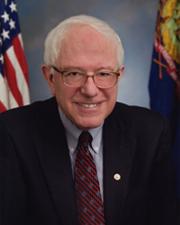 Sen. Bernard Sanders (I-VT)
What it changes
1 change to S. 3240 · shown in the bill's text
Adds SEC. 122_. ENERGY MARKETS at the end of the bill
Adds a sectionIn S. 3240 · Placed on Calendar Senate
(2) commence consultation with the Secretary of the Interior to complete the collection and removal of Canada geese from the applicable National Park Service land to ensure that the removal is completed by not later than August 1, 2012.
Inserted: SEC. 122_. ENERGY MARKETS.
Inserted: (a) Findings.--Congress finds that--
Inserted: (1) the Commodity Futures Trading Commission was created as an independent agency, in 1974, with a mandate--
Inserted: (A) to enforce and administer the Commodity Exchange Act (7 U.S.C. 1 et seq.);
Inserted: (B) to ensure market integrity;
Inserted: (C) to protect market users from fraud and abusive trading practices; and
Inserted: (D) to prevent and prosecute manipulation of the price of any commodity in interstate commerce;
Inserted: (2) Congress declared in section 4a of the Commodity Exchange Act (7 U.S.C. 6a) that excessive speculation imposes an undue and unnecessary burden on interstate commerce;
Inserted: (3) title VII of the Dodd-Frank Wall Street Reform and Consumer Protection Act (15 U.S.C. 8301 et seq.) (and amendments made by that Act) required the Commission to establish position limits "to diminish, eliminate, or prevent excessive speculation" for trading in crude oil, gasoline, heating oil, diesel fuel, jet fuel, and other physical commodity derivatives by January 17, 2011;
Inserted: (4) the Commission has failed to impose position limits to diminish, eliminate, or prevent excessive oil and gasoline speculation as required by law;
Inserted: (5) according to an article published in Forbes on February 27, 2012, excessive oil speculation "translates out into a premium for gasoline at the pump of $.56 a gallon" based on a recent report from Goldman Sachs;
Inserted: (6) on May 25, 2012--
Show 14 more inserted paragraphsShow less
Inserted: (A) the supply of commercial crude oil in the United States was higher than the supply was on May 22, 2009, when the national average price for a gallon of regular unleaded gasoline was less than $2.45; and
Inserted: (B) demand for gasoline in the United States was lower than demand was on May 22, 2009;
Inserted: (7) on June 6, 2012, the national average price of regular unleaded gasoline was $3.57 a gallon, more than $1 per gallon more than 3 years ago when commercial crude oil supplies were lower and demand was higher;
Inserted: (8) during the last quarter of 2011, according to the International Energy Agency--
Inserted: (A) the world oil supply rose by 1,300,000 barrels per day while demand only increased by 700,000 barrels per day; but
Inserted: (B) the price of Texas light sweet crude rose by more than 12 percent;
Inserted: (9) on November 3, 2011, Gary Gensler, the Chairman of the Commodity Futures Trading Commission testified before the Senate Permanent Subcommittee on Investigations that "80 to 87 percent of the [oil futures] market" is dominated by "financial participants, swap dealers, hedge funds, and other financials," a figure that has more than doubled over the prior decade;
Inserted: (10) excessive oil and gasoline speculation is creating major market disturbances that prevent the market from accurately reflecting the forces of supply and demand; and
Inserted: (11) the Commodity Futures Trading Commission has a responsibility--
Inserted: (A) to ensure that the price discovery for oil and gasoline accurately reflects the fundamentals of supply and demand; and
Inserted: (B) to take immediate action to implement strong and meaningful position limits to regulated exchange markets to eliminate excessive oil speculation.
Inserted: (b) Actions.--Notwithstanding any other provision of law, not later than 30 days after the date of enactment of this Act, the Commodity Futures Trading Commission shall use the authority of the Commission (including emergency powers, if necessary)--
Inserted: (1) to implement position limits that will diminish, eliminate, or prevent excessive speculation in the trading of crude oil, gasoline, heating oil, diesel fuel, jet fuel, and other physical commodity derivatives as required under title VII of the Dodd-Frank Wall Street Reform and Consumer Protection Act (15 U.S.C. 8301 et seq.) (and amendments made by that Act); and
Inserted: (2) to curb immediately the role of excessive speculation in any contract market within the jurisdiction and control of the Commission, on or through which energy futures or swaps are traded.
Original wording
At the end of the bill, add the following:
Read automatically from the Congressional Record. Check the original before relying on it.
As printed
SA 2253. Mr. SANDERS (for himself and Mr. Blumenthal) submitted an amendment intended to be proposed by him to the bill S. 3240, to reauthorize agricultural programs through 2017, and for other purposes; which was ordered to lie on the table; as follows:
At the end of the bill, add the following:
SEC. 122_. ENERGY MARKETS.
(a) Findings.--Congress finds that--
(1) the Commodity Futures Trading Commission was created as an independent agency, in 1974, with a mandate--
(A) to enforce and administer the Commodity Exchange Act (7 U.S.C. 1 et seq.);
(B) to ensure market integrity;
(C) to protect market users from fraud and abusive trading practices; and
(D) to prevent and prosecute manipulation of the price of any commodity in interstate commerce;
(2) Congress declared in section 4a of the Commodity Exchange Act (7 U.S.C. 6a) that excessive speculation imposes an undue and unnecessary burden on interstate commerce;
(3) title VII of the Dodd-Frank Wall Street Reform and Consumer Protection Act (15 U.S.C. 8301 et seq.) (and amendments made by that Act) required the Commission to establish position limits “to diminish, eliminate, or prevent excessive speculation” for trading in crude oil, gasoline, heating oil, diesel fuel, jet fuel, and other physical commodity derivatives by January 17, 2011;
(4) the Commission has failed to impose position limits to diminish, eliminate, or prevent excessive oil and gasoline speculation as required by law;
(5) according to an article published in Forbes on February 27, 2012, excessive oil speculation “translates out into a premium for gasoline at the pump of $.56 a gallon” based on a recent report from Goldman Sachs;
(6) on May 25, 2012--
(A) the supply of commercial crude oil in the United States was higher than the supply was on May 22, 2009, when the national average price for a gallon of regular unleaded gasoline was less than $2.45; and
(B) demand for gasoline in the United States was lower than demand was on May 22, 2009;
(7) on June 6, 2012, the national average price of regular unleaded gasoline was $3.57 a gallon, more than $1 per gallon more than 3 years ago when commercial crude oil supplies were lower and demand was higher;
(8) during the last quarter of 2011, according to the International Energy Agency--
(A) the world oil supply rose by 1,300,000 barrels per day while demand only increased by 700,000 barrels per day; but
(B) the price of Texas light sweet crude rose by more than 12 percent;
(9) on November 3, 2011, Gary Gensler, the Chairman of the Commodity Futures Trading Commission testified before the Senate Permanent Subcommittee on Investigations that “80 to 87 percent of the [oil futures] market” is dominated by “financial participants, swap dealers, hedge funds, and other financials,” a figure that has more than doubled over the prior decade;
(10) excessive oil and gasoline speculation is creating major market disturbances that prevent the market from accurately reflecting the forces of supply and demand; and
(11) the Commodity Futures Trading Commission has a responsibility--
(A) to ensure that the price discovery for oil and gasoline accurately reflects the fundamentals of supply and demand; and
(B) to take immediate action to implement strong and meaningful position limits to regulated exchange markets to eliminate excessive oil speculation.
(b) Actions.--Notwithstanding any other provision of law, not later than 30 days after the date of enactment of this Act, the Commodity Futures Trading Commission shall use the authority of the Commission (including emergency powers, if necessary)--
(1) to implement position limits that will diminish, eliminate, or prevent excessive speculation in the trading of crude oil, gasoline, heating oil, diesel fuel, jet fuel, and other physical commodity derivatives as required under title VII of the Dodd-Frank Wall Street Reform and Consumer Protection Act (15 U.S.C. 8301 et seq.) (and amendments made by that Act); and
(2) to curb immediately the role of excessive speculation in any contract market within the jurisdiction and control of the Commission, on or through which energy futures or swaps are traded.
Legislative Activity
Stay on top of the latest movement without scrolling through every action
Senate amendment submitted
June 11, 2012