S.Amdt. 1119
What it does: Adds SEC. 12___. SENSE OF CONGRESS REGARDING UNITED STATES FARM POLICIES at the end of subtitle C of title XII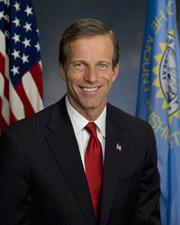 Sen. John Thune (R-SD)
What it changes
1 change to S. 954 · shown in the bill's text
Adds SEC. 12___. SENSE OF CONGRESS REGARDING UNITED STATES FARM POLICIES at the end of subtitle C of title XII
Adds a sectionIn S. 954 · Placed on Calendar Senate
(f) Authorization of Appropriations.--There are authorized to be appropriated such sums as are necessary to carry out this section for each of fiscal years 2014 through 2019.
Inserted: SEC. 12___. SENSE OF CONGRESS REGARDING UNITED STATES FARM POLICIES.
Inserted: (a) Findings.--Congress finds that--
Inserted: (1) farming is a uniquely high-risk undertaking that is vital to the United States economy and well-being, as well as to the ability to feed a growing and hungry world;
Inserted: (2) commodity prices are inherently linked to the laws of supply and demand;
Inserted: (3) Congress has never demonstrated that Congress knows better than the market regarding what the proper price for a commodity should be in any given year and, especially, over the course of multiple years in the future;
Inserted: (4) historically, when Congress has set fixed floor prices for commodities at artificially high levels to address low prices and depressed markets, the policies have created market-distorting cycles under which farmers have planted excessive acres of an over-supplied commodity in order to capture Government assistance, which significantly increased Federal outlays at taxpayer expense as prices continued to decline;
Inserted: (5)(A) commodities are traded worldwide, and the United States is the leading producer of many of the basic commodities in the world; and
Inserted: (B) therefore, the planting decisions American farmers make can impact prices farmers receive around the world;
Inserted: (6) Federal assistance provided when Congress has set fixed floor prices for commodities at artificially high levels linked to planting decisions creates oversupplied and depressed markets affecting farmers in the United States and overseas and raises concerns regarding--
Inserted: (A) United States commitments to international trading partners, as agreed to in the World Trade Organization Uruguay Round; and
Inserted: (B) whether such policies could lead to disputes before the World Trade Organization;
Inserted: (7) the United States recently lost a dispute before the World Trade Organization, costing United States taxpayers millions of dollars to maintain current farm policy and avoid retaliation;
Show 16 more inserted paragraphsShow less
Inserted: (8) recent crop prices have reached record highs, but market demands are signaling a trend for lower price levels;
Inserted: (9) future Federal farm policies that create artificially high crop price floors, especially if the price floors are linked to planting decisions, may result in a new era of taxpayer-funded Federal farm program outlays rather than a market-driven farm economy; and
Inserted: (10) addressing market-based risks, such as declining or depressed prices, is difficult because providing assistance in a declining or depressed market can make the situation worse and cause significant unintended consequences for the farmer, the Federal taxpayer, the land, and markets in the United States and around the world.
Inserted: (b) Sense of Congress.--It is the Sense of Congress that--
Inserted: (1) it is critical to reform Federal farm policy to make that policy--
Inserted: (A) more market-oriented; and
Inserted: (B) an effective risk management tool for United States farmers;
Inserted: (2) Congress should develop market-oriented programs that--
Inserted: (A) assist with price or market risks only when needed;
Inserted: (B) treat crops equitably; and
Inserted: (C) limit the potential risk for market distortion that may make disputes before the World Trade Organization more difficult to defend;
Inserted: (3) Congress should not establish any farm assistance program that includes high fixed target prices or planting requirements, especially in combination, due to the risk that such a program will--
Inserted: (A) distort markets;
Inserted: (B) influence planting decisions; or
Inserted: (C) jeopardize vital natural resources, such as soil and water, particularly in sensitive areas prone to natural disasters or with fragile ecosystems; and
Inserted: (4) Congress should not require farmers to choose between assistance programs that cover fundamentally different risks as it forces farmers to make choices based on an unforeseeable future.
Original wording
At the end of subtitle C of title XII, add the following:
Read automatically from the Congressional Record. Check the original before relying on it.
As printed
SA 1119. Mr. THUNE (for himself, Mr. Durbin, Mr. Roberts, Mr. Brown, Mr. Johanns, Mr. Johnson of South Dakota, Mr. Grassley, and Mr. Donnelly) submitted an amendment intended to be proposed by him to the bill S. 954, to reauthorize agricultural programs through 2018; which was ordered to lie on the table; as follows:
At the end of subtitle C of title XII, add the following:
SEC. 12___. SENSE OF CONGRESS REGARDING UNITED STATES FARM POLICIES.
(a) Findings.--Congress finds that--
(1) farming is a uniquely high-risk undertaking that is vital to the United States economy and well-being, as well as to the ability to feed a growing and hungry world;
(2) commodity prices are inherently linked to the laws of supply and demand;
(3) Congress has never demonstrated that Congress knows better than the market regarding what the proper price for a commodity should be in any given year and, especially, over the course of multiple years in the future;
(4) historically, when Congress has set fixed floor prices for commodities at artificially high levels to address low prices and depressed markets, the policies have created market-distorting cycles under which farmers have planted excessive acres of an over-supplied commodity in order to capture Government assistance, which significantly increased Federal outlays at taxpayer expense as prices continued to decline;
(5)(A) commodities are traded worldwide, and the United States is the leading producer of many of the basic commodities in the world; and
(B) therefore, the planting decisions American farmers make can impact prices farmers receive around the world;
(6) Federal assistance provided when Congress has set fixed floor prices for commodities at artificially high levels linked to planting decisions creates oversupplied and depressed markets affecting farmers in the United States and overseas and raises concerns regarding--
(A) United States commitments to international trading partners, as agreed to in the World Trade Organization Uruguay Round; and
(B) whether such policies could lead to disputes before the World Trade Organization;
(7) the United States recently lost a dispute before the World Trade Organization, costing United States taxpayers millions of dollars to maintain current farm policy and avoid retaliation;
(8) recent crop prices have reached record highs, but market demands are signaling a trend for lower price levels;
(9) future Federal farm policies that create artificially high crop price floors, especially if the price floors are linked to planting decisions, may result in a new era of taxpayer-funded Federal farm program outlays rather than a market-driven farm economy; and
(10) addressing market-based risks, such as declining or depressed prices, is difficult because providing assistance in a declining or depressed market can make the situation worse and cause significant unintended consequences for the farmer, the Federal taxpayer, the land, and markets in the United States and around the world.
(b) Sense of Congress.--It is the Sense of Congress that--
(1) it is critical to reform Federal farm policy to make that policy--
(A) more market-oriented; and
(B) an effective risk management tool for United States farmers;
(2) Congress should develop market-oriented programs that--
(A) assist with price or market risks only when needed;
(B) treat crops equitably; and
(C) limit the potential risk for market distortion that may make disputes before the World Trade Organization more difficult to defend;
(3) Congress should not establish any farm assistance program that includes high fixed target prices or planting requirements, especially in combination, due to the risk that such a program will--
(A) distort markets;
(B) influence planting decisions; or
(C) jeopardize vital natural resources, such as soil and water, particularly in sensitive areas prone to natural disasters or with fragile ecosystems; and
(4) Congress should not require farmers to choose between assistance programs that cover fundamentally different risks as it forces farmers to make choices based on an unforeseeable future.
Legislative Activity
Stay on top of the latest movement without scrolling through every action
Senate amendment submitted
May 23, 2013