In the nature of a substitute.
What it does: Replaces the resolution's text with a full substitute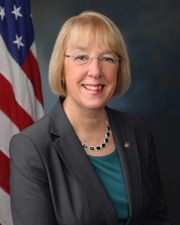 Sen. Patty Murray (D-WA)
What it changes
1 change to H.Con.Res. 25 · shown in the resolution's text
Replaces the resolution's text with a full substitute
Replaces the full textEverything after the resolving clauseIn H.Con.Res. 25 · Placed on Calendar Senate
SECTION 1. CONCURRENT RESOLUTION ON THE BUDGET FOR FISCAL YEAR 2014.
(a) Declaration.--
[struck: The ]Congress[struck: determines and ]declares that this [inserted: resolution is the ]concurrent resolution[struck: establishes][inserted: on] the budget for fiscal year 2014 and [inserted: that this resolution ]sets forth [inserted: the ]appropriate budgetary levels for fiscal years [inserted: 2013 and ]2015 through 2023.(b) Table of Contents.--The table of contents for this concurrent resolution is as follows:
Sec. 1. Concurrent resolution on the budget for fiscal year 2014.
TITLE I--RECOMMENDED LEVELS AND AMOUNTS
Sec. 101. Recommended levels and amounts.
Struck: Sec. 102. Major functional categories.
Inserted: Sec. 102. Social Security.
Inserted: Sec. 103. Postal Service discretionary administrative expenses.
Inserted: Sec. 104. Major functional categories.
TITLE II--RECONCILIATION
Sec. 201. Reconciliation in the
[struck: House of Representatives][inserted: Senate].Struck: TITLE III--RECOMMENDED LEVELS FOR FISCAL YEARS 2030, 2040, AND 2050
Struck: Sec. 301. Long-term budgeting.
TITLE
[struck: IV][inserted: III]--RESERVE FUNDSStruck: Sec. 401. Reserve fund for the repeal of the 2010 health care laws.
Struck: Sec. 402. Deficit-neutral reserve fund for the reform of the 2010 health care laws.
Struck: Sec. 403. Deficit-neutral reserve fund related to the Medicare provisions of the 2010 health care laws.
Struck: Sec. 404. Deficit-neutral reserve fund for the sustainable growth rate of the Medicare program.
Sec.
[struck: 405][inserted: 301]. Deficit-neutral reserve fund[struck: for reforming the tax code][inserted: to replace sequestration].Struck: Sec. 406. Deficit-neutral reserve fund for trade agreements.
Struck: Sec. 407. Deficit-neutral reserve fund for revenue measures.
Struck: Sec. 408. Deficit-neutral reserve fund for rural counties and schools.
Struck: Sec. 409. Implementation of a deficit and long-term debt reduction agreement.
Show 25 more struck paragraphsShow less
Struck: TITLE V--ESTIMATES OF DIRECT SPENDING
Struck: Sec. 501. Direct spending.
Struck: TITLE VI--BUDGET ENFORCEMENT
Struck: Sec. 601. Limitation on advance appropriations.
Struck: Sec. 602. Concepts and definitions.
Struck: Sec. 603. Adjustments of aggregates, allocations, and appropriate budgetary levels.
Struck: Sec. 604. Limitation on long-term spending.
Struck: Sec. 605. Budgetary treatment of certain transactions.
Struck: Sec. 606. Application and effect of changes in allocations and aggregates.
Struck: Sec. 607. Congressional Budget Office estimates.
Struck: Sec. 608. Transfers from the general fund of the treasury to the highway trust fund that increase public indebtedness.
Struck: Sec. 609. Separate allocation for overseas contingency operations/ global war on terrorism.
Struck: Sec. 610. Exercise of rulemaking powers.
Struck: TITLE VII--POLICY STATEMENTS
Struck: Sec. 701. Policy statement on economic growth and job creation.
Struck: Sec. 702. Policy statement on tax reform.
Struck: Sec. 703. Policy statement on Medicare.
Struck: Sec. 704. Policy statement on Social Security.
Struck: Sec. 705. Policy statement on higher education affordability.
Struck: Sec. 706. Policy statement on deficit reduction through the cancellation of unobligated balances.
Struck: Sec. 707. Policy statement on responsible stewardship of taxpayer dollars.
Struck: Sec. 708. Policy statement on deficit reduction through the reduction of unnecessary and wasteful spending.
Struck: Sec. 709. Policy statement on unauthorized spending.
Struck: TITLE VIII--SENSE OF THE HOUSE PROVISIONS
Struck: Sec. 801. Sense of the House on the importance of child support enforcement.
Inserted: Sec. 302. Deficit-neutral reserve funds to promote employment and job growth.
Inserted: Sec. 303. Deficit-neutral reserve funds to assist working families and children.
Inserted: Sec. 304. Deficit-neutral reserve funds for early childhood education.
Inserted: Sec. 305. Deficit-neutral reserve fund for tax relief.
Inserted: Sec. 306. Reserve fund for tax reform.
Inserted: Sec. 307. Deficit-neutral reserve fund to invest in clean energy and preserve the environment.
Inserted: Sec. 308. Deficit-neutral reserve fund for investments in America's infrastructure.
Inserted: Sec. 309. Deficit-neutral reserve fund for America's servicemembers and veterans.
Inserted: Sec. 310. Deficit-neutral reserve fund for higher education.
Inserted: Sec. 311. Deficit-neutral reserve funds for health care.
Inserted: Sec. 312. Deficit-neutral reserve fund for investments in our Nation's counties and schools.
Inserted: Sec. 313. Deficit-neutral reserve fund for a farm bill.
Show 91 more inserted paragraphsShow less
Inserted: Sec. 314. Deficit-neutral reserve fund for investments in water infrastructure and resources.
Inserted: Sec. 315. Deficit-neutral reserve fund for pension reform.
Inserted: Sec. 316. Deficit-neutral reserve fund for housing finance reform.
Inserted: Sec. 317. Deficit-neutral reserve fund for national security.
Inserted: Sec. 318. Deficit-neutral reserve fund for overseas contingency operations.
Inserted: Sec. 319. Deficit-neutral reserve fund for terrorism risk insurance.
Inserted: Sec. 320. Deficit-neutral reserve fund for postal reform.
Inserted: Sec. 321. Deficit-reduction reserve fund for Government reform and efficiency.
Inserted: Sec. 322. Deficit-neutral reserve fund to improve Federal benefit processing.
Inserted: Sec. 323. Deficit-neutral reserve fund for legislation to improve voter registration and the voting experience in Federal elections.
Inserted: Sec. 324. Deficit-reduction reserve fund to promote corporate tax fairness.
Inserted: Sec. 325. Deficit-neutral reserve fund for improving Federal forest management.
Inserted: Sec. 326. Deficit-neutral reserve fund for financial transparency.
Inserted: Sec. 327. Deficit-neutral reserve fund to promote manufacturing in the United States.
Inserted: Sec. 328. Deficit-reduction reserve fund for report elimination or modification.
Inserted: Sec. 329. Deficit-neutral reserve fund for the minimum wage.
Inserted: Sec. 330. Deficit-neutral reserve fund to improve health outcomes and lower costs for children in Medicaid.
Inserted: Sec. 331. Deficit-neutral reserve fund to improve Federal workforce development, job training, and reemployment programs.
Inserted: Sec. 332. Deficit-neutral reserve fund for repeal of medical device tax.
Inserted: Sec. 333. Deficit-neutral reserve fund prohibiting Medicare vouchers.
Inserted: Sec. 334. Deficit-neutral reserve fund for equal pay for equal work.
Inserted: Sec. 335. Deficit-neutral reserve fund relating to women's health care.
Inserted: Sec. 336. Deficit-neutral reserve fund to require State-wide budget neutrality in the calculation of the Medicare hospital wage index floor.
Inserted: Sec. 337. Deficit-neutral reserve fund for the promotion of investment and job growth in United States manufacturing, oil and gas production, and refining sectors.
Inserted: Sec. 338. Deficit-neutral reserve fund to allow States to enforce State and local use tax laws.
Inserted: Sec. 339. Deficit-neutral reserve fund relating to the definition of full-time employee.
Inserted: Sec. 340. Deficit-neutral reserve fund relating to the labeling of genetically engineered fish.
Inserted: Sec. 341. Deficit-neutral reserve fund for the families of America's servicemembers and veterans.
Inserted: Sec. 342. Deficit-neutral reserve fund relating to establishing a biennial budget and appropriations process.
Inserted: Sec. 343. Deficit-neutral reserve fund relating to the repeal or reduction of the estate tax.
Inserted: Sec. 344. Deficit-neutral reserve fund for disabled veterans and their survivors.
Inserted: Sec. 345. Deficit reduction fund for no budget, no OMB pay.
Inserted: Sec. 346. Deficit-neutral reserve fund relating hardrock mining reform.
Inserted: Sec. 347. Deficit-neutral reserve fund to end "too big to fail" subsidies or funding advantage for wall street mega-banks (over $500,000,000,000 in total assets).
Inserted: Sec. 348. Deficit-neutral reserve fund relating to authorizing children eligible for health care under laws administered by Secretary of Veterans Affairs to retain such eligibility until age 26.
Inserted: Sec. 349. Deficit-neutral reserve fund for State and local law enforcement.
Inserted: Sec. 350. Deficit-neutral reserve fund to establish a national network for manufacturing innovation.
Inserted: Sec. 351. Deficit-neutral reserve fund relating to ensure that any carbon emissions standards must be cost effective, based on the best available science, and benefit low-income and middle class families.
Inserted: Sec. 352. Deficit-neutral reserve fund to address the eligibility criteria for certain unlawful immigrant individuals with respect to certain health insurance plans.
Inserted: Sec. 353. Deficit-neutral reserve fund to ensure no financial institution is above the law regardless of size.
Inserted: Sec. 354. Deficit-neutral reserve fund relating to helping homeowners and small businesses mitigate against flood loss.
Inserted: Sec. 355. Deficit-neutral reserve fund to restore family health care flexibility by repealing the health savings account and flexible spending account restrictions in the health care law.
Inserted: Sec. 356. Deficit-neutral reserve fund for BARDA and the BioShield Special Reserve Fund.
Inserted: Sec. 357. Deficit-reduction reserve fund for postal reform.
Inserted: Sec. 358. Deficit-neutral reserve fund to broaden the effects of the sequester, including allowing Members of Congress to donate a portion of their salaries to charity or to the Department of the Treasury during sequestration.
Inserted: Sec. 359. Deficit-neutral reserve fund to ensure the Bureau of Land Management collaborates with western states to prevent the listing of the sage-grouse.
Inserted: Sec. 360. Deficit-Reduction Reserve Fund for Eminent Domain Abuse Prevention.
Inserted: Sec. 361. Deficit-neutral reserve fund for export promotion.
Inserted: Sec. 362. Deficit-neutral reserve fund for the prohibition on funding of the Medium Extended Air Defense System.
Inserted: Sec. 363. Deficit-neutral reserve fund to increase the capacity of agencies to ensure effective contract management and contract oversight.
Inserted: Sec. 364. Deficit-neutral reserve fund for investments in air traffic control services.
Inserted: Sec. 365. Deficit-neutral reserve fund to address prescription drug abuse in the United States.
Inserted: Sec. 366. Deficit-neutral reserve fund to support rural schools and districts.
Inserted: Sec. 367. Deficit-neutral reserve fund to strengthen enforcement of free trade agreement provisions relating to textile and apparel articles.
Inserted: Sec. 368. Deficit-neutral reserve fund to assist low-income seniors.
Inserted: Sec. 369. Reserve fund to end offshore tax abuses by large corporations.
Inserted: Sec. 370. Deficit-neutral reserve fund to ensure that domestic energy sources can meet emissions rules.
Inserted: Sec. 371. Deficit-neutral reserve fund relating to increasing funding for the inland waterways system.
Inserted: Sec. 372. Deficit-neutral reserve fund for achieving full auditability of the financial statements of the Department of Defense by 2017.
Inserted: Sec. 373. Deficit-neutral reserve fund relating to sanctions with respect to Iran.
Inserted: Sec. 374. Deficit-neutral reserve fund to prevent restrictions to public access to fishing downstream of dams owned by the Corps of Engineers.
Inserted: Sec. 375. Deficit-neutral reserve fund to address the disproportionate regulatory burdens on community banks.
Inserted: Sec. 376. Deficit-neutral reserve fund to authorize provision of per diem payments for provision of services to dependents of homeless veterans under laws administered by Secretary of Veterans Affairs.
Inserted: Sec. 377. Deficit-neutral reserve fund to support programs related to the nuclear missions of the Department of Defense and the National Nuclear Security Administration.
Inserted: Sec. 378. Deficit-neutral reserve fund to phase-in any changes to individual or corporate tax systems.
Inserted: Sec. 379. Deficit-neutral reserve fund relating to increases in aid for tribal education programs.
Inserted: Sec. 380. Deficit-neutral reserve fund to expedite exports from the United States.
Inserted: Sec. 381. Deficit-neutral reserve fund relating to supporting the reauthorization of the payments in lieu of taxes program at levels roughly equivalent to property tax revenues lost due to the presence of Federal land.
Inserted: Sec. 382. Deficit-neutral reserve fund to ensure that the United States will not negotiate or support treaties that violate Americans' Second Amendment rights under the Constitution of the United States.
Inserted: Sec. 383. Deficit-neutral reserve fund to increase funding for Federal investments in biomedical research.
Inserted: Sec. 384. Deficit-neutral reserve fund to uphold Second Amendment rights and prevent the United States from entering into the United Nations Arms Trade Treaty.
Inserted: TITLE IV--BUDGET PROCESS
Inserted: Subtitle A--Budget Enforcement
Inserted: Sec. 401. Discretionary spending limits for fiscal years 2013 and 2014, program integrity initiatives, and other adjustments.
Inserted: Sec. 402. Point of order against advance appropriations.
Inserted: Sec. 403. Adjustments for sequestration or sequestration replacement.
Inserted: Sec. 404. Senate point of order against provisions of appropriations legislation that constitute changes in mandatory programs affecting the Crime Victims Fund.
Inserted: Sec. 405. Supermajority enforcement.
Inserted: Sec. 406. Prohibiting the use of guarantee fees as an offset.
Inserted: Subtitle B--Other Provisions
Inserted: Sec. 411. Oversight of Government performance.
Inserted: Sec. 412. Budgetary treatment of certain discretionary administrative expenses.
Inserted: Sec. 413. Application and effect of changes in allocations and aggregates.
Inserted: Sec. 414. Adjustments to reflect changes in concepts and definitions.
Inserted: Sec. 415. Exercise of rulemaking powers.
Inserted: Sec. 416. Congressional budget office estimates.
Inserted: TITLE V--OTHER MATTERS
Inserted: Sec. 501. To require transparent reporting on the ongoing costs to taxpayers of Obamacare.
Inserted: Sec. 502. To require fuller reporting on possible costs to taxpayers of Obamacare.
Inserted: Sec. 503. To require fuller reporting on possible costs to taxpayers of any budget submitted by the President.
Inserted: Sec. 504. Sense of Senate on underutilized facilities of the National Aeronautics and Space Administration and their potential use.
TITLE I--RECOMMENDED LEVELS AND AMOUNTS
SEC. 101. RECOMMENDED LEVELS AND AMOUNTS.
The following budgetary levels are appropriate for each of fiscal years
[struck: 2014][inserted: 2013] through 2023:(1) Federal revenues.--For purposes of the enforcement of this
[struck: concurrent ]resolution:Struck: (A) The recommended levels of Federal revenues are as follows: Fiscal year 2014: $2,270,932,000,000. Fiscal year 2015: $2,606,592,000,000. Fiscal year 2016: $2,778,891,000,000. Fiscal year 2017: $2,903,673,000,000. Fiscal year 2018: $3,028,951,000,000. Fiscal year 2019: $3,149,236,000,000. Fiscal year 2020: $3,284,610,000,000. Fiscal year 2021: $3,457,009,000,000. Fiscal year 2022: $3,650,699,000,000. Fiscal year 2023: $3,832,145,000,000.
Struck: (B) The amounts by which the aggregate levels of Federal revenues should be changed are as follows: Fiscal year 2014: $0. Fiscal year 2015: $0. Fiscal year 2016: $0. Fiscal year 2017: $0. Fiscal year 2018: $0. Fiscal year 2019: $0. Fiscal year 2020: $0. Fiscal year 2021: $0. Fiscal year 2022: $0. Fiscal year 2023: $0.
Struck: (2) New budget authority.--For purposes of the enforcement of this concurrent resolution, the appropriate levels of total new budget authority are as follows: Fiscal year 2014: $2,769,406,000,000. Fiscal year 2015: $2,681,581,000,000. Fiscal year 2016: $2,857,258,000,000. Fiscal year 2017: $2,988,083,000,000. Fiscal year 2018: $3,104,777,000,000. Fiscal year 2019: $3,281,142,000,000. Fiscal year 2020: $3,414,838,000,000. Fiscal year 2021: $3,540,165,000,000. Fiscal year 2022: $3,681,407,000,000. Fiscal year 2023: $3,768,151,000,000.
Struck: (3) Budget outlays.--For purposes of the enforcement of this concurrent resolution, the appropriate levels of total budget outlays are as follows: Fiscal year 2014: $2,815,079,000,000. Fiscal year 2015: $2,736,849,000,000. Fiscal year 2016: $2,850,434,000,000. Fiscal year 2017: $2,958,619,000,000. Fiscal year 2018: $3,079,296,000,000. Fiscal year 2019: $3,231,642,000,000. Fiscal year 2020: $3,374,336,000,000. Fiscal year 2021: $3,495,489,000,000. Fiscal year 2022: $3,667,532,000,000. Fiscal year 2023: $3,722,071,000,000.
Show 72 more struck paragraphsShow less
Struck: (4) Deficits (on-budget).--For purposes of the enforcement of this concurrent resolution, the amounts of the deficits (on- budget) are as follows: Fiscal year 2014: -$544,147,000,000. Fiscal year 2015: -$130,257,000,000. Fiscal year 2016: -$71,544,000,000. Fiscal year 2017: -$54,947,000,000. Fiscal year 2018: -$50,345,000,000. Fiscal year 2019: -$82,405,000,000. Fiscal year 2020: -$89,726,000,000. Fiscal year 2021: -$38,480,000,000. Fiscal year 2022: -$16,833,000,000. Fiscal year 2023: $110,073,000,000.
Struck: (5) Debt subject to limit.--The appropriate levels of the public debt are as follows: Fiscal year 2014: $17,776,278,000,000. Fiscal year 2015: $18,086,450,000,000. Fiscal year 2016: $18,343,824,000,000. Fiscal year 2017: $18,635,129,000,000. Fiscal year 2018: $18,938,669,000,000. Fiscal year 2019: $19,267,212,000,000. Fiscal year 2020: $19,608,732,000,000. Fiscal year 2021: $19,900,718,000,000. Fiscal year 2022: $20,162,755,000,000. Fiscal year 2023: $20,319,503,000,000.
Struck: (6) Debt held by the public.--The appropriate levels of debt held by the public are as follows: Fiscal year 2014: $12,849,621,000,000. Fiscal year 2015: $13,069,788,000,000. Fiscal year 2016: $13,225,569,000,000. Fiscal year 2017: $13,362,146,000,000. Fiscal year 2018: $13,485,102,000,000. Fiscal year 2019: $13,648,470,000,000. Fiscal year 2020: $13,836,545,000,000. Fiscal year 2021; $13,992,649,000,000. Fiscal year 2022: $14,154,363,000,000. Fiscal year 2023: $14,210,984,000,000.
Struck: SEC. 102. MAJOR FUNCTIONAL CATEGORIES.
Struck: The Congress determines and declares that the appropriate levels of new budget authority and outlays for fiscal years 2014 through 2023 for each major functional category are:
Struck: (1) National Defense (050): Fiscal year 2014:
Struck: (A) New budget authority, $560,225,000,000.
Struck: (B) Outlays, $579,235,000,000. Fiscal year 2015:
Struck: (A) New budget authority, $574,359,000,000.
Struck: (B) Outlays, $563,976,000,000. Fiscal year 2016:
Struck: (A) New budget authority, $585,556,000,000.
Struck: (B) Outlays, $570,288,000,000. Fiscal year 2017:
Struck: (A) New budget authority, $598,822,000,000.
Struck: (B) Outlays, $575,457,000,000. Fiscal year 2018:
Struck: (A) New budget authority, $612,125,000,000.
Struck: (B) Outlays, $582,678,000,000. Fiscal year 2019:
Struck: (A) New budget authority, $625,445,000,000.
Struck: (B) Outlays, $600,508,000,000. Fiscal year 2020:
Struck: (A) New budget authority, $639,780,000,000.
Struck: (B) Outlays, $614,250,000,000. Fiscal year 2021:
Struck: (A) New budget authority, $654,096,000,000.
Struck: (B) Outlays, $628,265,000,000. Fiscal year 2022:
Struck: (A) New budget authority, $671,181,000,000.
Struck: (B) Outlays, $649,221,000,000. Fiscal year 2023:
Struck: (A) New budget authority, $688,640,000,000.
Struck: (B) Outlays, $660,461,000,000.
Struck: (2) International Affairs (150): Fiscal year 2014:
Struck: (A) New budget authority, $41,010,000,000.
Struck: (B) Outlays, $42,005,000,000. Fiscal year 2015:
Struck: (A) New budget authority, $39,357,000,000.
Struck: (B) Outlays, $40,876,000,000. Fiscal year 2016:
Struck: (A) New budget authority, $40,355,000,000.
Struck: (B) Outlays, $40,019,000,000. Fiscal year 2017:
Struck: (A) New budget authority, $41,343,000,000.
Struck: (B) Outlays, $39,821,000,000. Fiscal year 2018:
Struck: (A) New budget authority, $42,342,000,000.
Struck: (B) Outlays, $39,922,000,000. Fiscal year 2019:
Struck: (A) New budget authority, $43,349,000,000.
Struck: (B) Outlays, $40,248,000,000. Fiscal year 2020:
Struck: (A) New budget authority, $44,366,000,000.
Struck: (B) Outlays, $41,070,000,000. Fiscal year 2021:
Struck: (A) New budget authority, $44,898,000,000.
Struck: (B) Outlays, $41,970,000,000. Fiscal year 2022:
Struck: (A) New budget authority, $46,240,000,000.
Struck: (B) Outlays, $43,208,000,000. Fiscal year 2023:
Struck: (A) New budget authority, $47,304,000,000.
Struck: (B) Outlays, $44,030,000,000.
Struck: (3) General Science, Space, and Technology (250): Fiscal year 2014:
Struck: (A) New budget authority, $27,733,000,000.
Struck: (B) Outlays, $27,811,000,000. Fiscal year 2015:
Struck: (A) New budget authority, $28,318,000,000.
Struck: (B) Outlays, $28,193,000,000. Fiscal year 2016:
Struck: (A) New budget authority, $28,994,000,000.
Struck: (B) Outlays, $28,641,000,000. Fiscal year 2017:
Struck: (A) New budget authority, $29,677,000,000.
Struck: (B) Outlays, $29,251,000,000. Fiscal year 2018:
Struck: (A) New budget authority, $30,386,000,000.
Struck: (B) Outlays, $29,932,000,000. Fiscal year 2019:
Struck: (A) New budget authority, $31,088,000,000.
Struck: (B) Outlays, $30,574,000,000. Fiscal year 2020:
Struck: (A) New budget authority, $31,798,000,000.
Struck: (B) Outlays, $31,275,000,000. Fiscal year 2021:
Struck: (A) New budget authority, $32,506,000,000.
Struck: (B) Outlays, $31,886,000,000. Fiscal year 2022:
Struck: (A) New budget authority, $33,244,000,000.
Struck: (B) Outlays, $32,609,000,000. Fiscal year 2023:
Struck: (A) New budget authority, $33,991,000,000.
Struck: (B) Outlays, $33,344,000,000.
Struck: (4) Energy (270): Fiscal year 2014:
Struck: (A) New budget authority, -$1,218,000,000.
Struck: (B) Outlays, $1,366,000,000. Fiscal year 2015:
Struck: (A) New budget authority, $1,527,000,000.
Inserted: (A) The recommended levels of Federal revenues are as follows:
[struck: (B) Outlays, $2,024,000,000. ]Fiscal year[struck: 2016:][inserted: 2013: $2,038,311,000,000.]Struck: (A) New budget authority, $1,433,000,000.
[struck: (B) Outlays, $984,000,000. ]Fiscal year[struck: 2017:][inserted: 2014: $2,290,932,000,000.]Struck: (A) New budget authority, $1,570,000,000.
Struck: (B) Outlays, $1,091,000,000. Fiscal year 2018:
Struck: (A) New budget authority, $1,764,000,000.
Struck: (B) Outlays, $1,331,000,000. Fiscal year 2019:
Show 5 more struck paragraphsShow less
Struck: (A) New budget authority, $1,932,000,000.
Struck: (B) Outlays, $1,612,000,000. Fiscal year 2020:
Struck: (A) New budget authority, $2,121,000,000.
Struck: (B) Outlays, $1,864,000,000. Fiscal year 2021:
Struck: (A) New budget authority, $2,200,000,000.
[struck: (B) Outlays, $2,039,000,000. ]Fiscal year[struck: 2022:][inserted: 2015: $2,646,592,000,000.]Struck: (A) New budget authority, $2,105,000,000.
Struck: (B) Outlays, $1,989,000,000. Fiscal year 2023:
Struck: (A) New budget authority, -$12,000,000.
Struck: (B) Outlays, -$147,000,000.
Show 4 more struck paragraphsShow less
Struck: (5) Natural Resources and Environment (300): Fiscal year 2014:
Struck: (A) New budget authority, $38,146,000,000.
Struck: (B) Outlays, $41,002,000,000. Fiscal year 2015:
Struck: (A) New budget authority, $37,457,000,000.
[struck: (B) Outlays, $40,169,000,000. ]Fiscal year 2016:[inserted: $2,833,891,000,000.]Struck: (A) New budget authority, $36,445,000,000.
[struck: (B) Outlays, $39,860,000,000. ]Fiscal year 2017:[inserted: $2,973,673,000,000.]Struck: (A) New budget authority, $37,295,000,000.
[struck: (B) Outlays, $39,612,000,000. ]Fiscal year 2018:[inserted: $3,111,061,000,000.]Struck: (A) New budget authority, $38,120,000,000.
[struck: (B) Outlays, $39,378,000,000. ]Fiscal year 2019:[inserted: $3,245,117,000,000.]Struck: (A) New budget authority, $38,552,000,000.
[struck: (B) Outlays, $39,655,000,000. ]Fiscal year 2020:[inserted: $3,400,144,000,000.]Struck: (A) New budget authority, $39,530,000,000.
[struck: (B) Outlays, $40,167,000,000. ]Fiscal year 2021:[inserted: $3,592,212,000,000.]Struck: (A) New budget authority, $39,730,000,000.
[struck: (B) Outlays, $40,332,000,000. ]Fiscal year 2022:[inserted: $3,800,500,000,000.]Struck: (A) New budget authority, $40,124,000,000.
[struck: (B) Outlays, $40,330,000,000. ]Fiscal year 2023:[inserted: $3,991,775,000,000.]Struck: (A) New budget authority, $39,792,000,000.
Struck: (B) Outlays, $39,382,000,000.
Struck: (6) Agriculture (350): Fiscal year 2014:
Struck: (A) New budget authority, $21,731,000,000.
Inserted: (B) The amounts by which the aggregate levels of Federal revenues should be changed are as follows:
[struck: (B) Outlays, $20,377,000,000. ]Fiscal year[struck: 2015:][inserted: 2013: $0,000,000.]Struck: (A) New budget authority, $16,737,000,000.
[struck: (B) Outlays, $16,452,000,000. ]Fiscal year[struck: 2016:][inserted: 2014: $20,000,000,000.]Struck: (A) New budget authority, $21,254,000,000.
[struck: (B) Outlays, $20,827,000,000. ]Fiscal year[struck: 2017:][inserted: 2015: $40,000,000,000.]Struck: (A) New budget authority, $19,344,000,000.
[struck: (B) Outlays, $18,856,000,000. ]Fiscal year[struck: 2018:][inserted: 2016: $55,000,000,000.]Struck: (A) New budget authority, $18,776,000,000.
[struck: (B) Outlays, $18,238,000,000. ]Fiscal year[struck: 2019:][inserted: 2017: $70,000,000,000.]Struck: (A) New budget authority, $19,087,000,000.
[struck: (B) Outlays, $18,461,000,000. ]Fiscal year[struck: 2020:][inserted: 2018: $82,110,000,000.]Struck: (A) New budget authority, $19,380,000,000.
[struck: (B) Outlays, $18,864,000,000. ]Fiscal year[struck: 2021:][inserted: 2019: $95,881,000,000.]Struck: (A) New budget authority, $19,856,000,000.
[struck: (B) Outlays, $19,365,000,000. ]Fiscal year[struck: 2022:][inserted: 2020: $115,534,000,000.]Struck: (A) New budget authority, $19,736,000,000.
[struck: (B) Outlays, $19,244,000,000. ]Fiscal year[struck: 2023:][inserted: 2021: $135,203,000,000.]Struck: (A) New budget authority, $20,335,000,000.
Struck: (B) Outlays, $19,859,000,000.
Struck: (7) Commerce and Housing Credit (370): Fiscal year 2014:
Struck: (A) New budget authority, $2,548,000,000.
[struck: (B) Outlays, -$9,000,000,000.. ]Fiscal year[struck: 2015:][inserted: 2022: $149,801,000,000.]Struck: (A) New budget authority, -$7,818,000,000.
[struck: (B) Outlays, -$19,413,000,000. ]Fiscal year[struck: 2016:][inserted: 2023: $159,630,000,000.]Struck: (A) New budget authority, -$7,398,000,000.
Struck: (B) Outlays, -$21,697,000,000. Fiscal year 2017:
Struck: (A) New budget authority, -$6,328,000,000.
Struck: (B) Outlays, -$22,908,000,000. Fiscal year 2018:
Show 139 more struck paragraphsShow less
Struck: (A) New budget authority, -$2,946,000,000.
Struck: (B) Outlays, -$20,314,000,000. Fiscal year 2019:
Struck: (A) New budget authority, -$866,000,000.
Struck: (B) Outlays, -$23,410,000,000. Fiscal year 2020:
Struck: (A) New budget authority, -$579,000,000.
Struck: (B) Outlays, -$22,954,000,000. Fiscal year 2021:
Struck: (A) New budget authority, -$295,000,000.
Struck: (B) Outlays, -$17,517,000,000. Fiscal year 2022:
Struck: (A) New budget authority, -$1,076,000,000.
Struck: (B) Outlays, -$19,406,000,000. Fiscal year 2023:
Struck: (A) New budget authority, -$1,200,000,000.
Struck: (B) Outlays, -$20,654,000,000.
Struck: (8) Transportation (400): Fiscal year 2014:
Struck: (A) New budget authority, $87,056,000,000.
Struck: (B) Outlays, $93,142,000,000. Fiscal year 2015:
Struck: (A) New budget authority, $40,030,000,000.
Struck: (B) Outlays, $82,089,000,000. Fiscal year 2016:
Struck: (A) New budget authority, $81,453,000,000.
Struck: (B) Outlays, $74,235,000,000. Fiscal year 2017:
Struck: (A) New budget authority, $91,498,000,000.
Struck: (B) Outlays, $85,791,000,000. Fiscal year 2018:
Struck: (A) New budget authority, $68,776,000,000.
Struck: (B) Outlays, $84,548,000,000. Fiscal year 2019:
Struck: (A) New budget authority, $92,602,000,000.
Struck: (B) Outlays, $82,681,000,000. Fiscal year 2020:
Struck: (A) New budget authority, $72,693,000,000.
Struck: (B) Outlays, $84,625,000,000. Fiscal year 2021:
Struck: (A) New budget authority, $92,988,000,000.
Struck: (B) Outlays, $85,244,000,000. Fiscal year 2022:
Struck: (A) New budget authority, $74,694,000,000.
Struck: (B) Outlays, $85,945,000,000. Fiscal year 2023:
Struck: (A) New budget authority, $99,499,000,000.
Struck: (B) Outlays, $86,906,000,000.
Struck: (9) Community and Regional Development (450): Fiscal year 2014:
Struck: (A) New budget authority, $8,533,000,000.
Struck: (B) Outlays, $27,669,000,000. Fiscal year 2015:
Struck: (A) New budget authority, $8,401,000,000.
Struck: (B) Outlays, $22,978,000,000. Fiscal year 2016:
Struck: (A) New budget authority, $8,341,000,000.
Struck: (B) Outlays, $16,911,000,000. Fiscal year 2017:
Struck: (A) New budget authority, $8,442,000,000.
Struck: (B) Outlays, $13,910,000,000. Fiscal year 2018:
Struck: (A) New budget authority, $8,556,000,000.
Struck: (B) Outlays, $10,925,000,000. Fiscal year 2019:
Struck: (A) New budget authority, $8,766,000,000.
Struck: (B) Outlays, $9,787,000,000. Fiscal year 2020:
Struck: (A) New budget authority, $8,962,000,000.
Struck: (B) Outlays, $9,418,000,000. Fiscal year 2021:
Struck: (A) New budget authority, $9,172,000,000.
Struck: (B) Outlays, $9,283,000,000. Fiscal year 2022:
Struck: (A) New budget authority, $9,424,000,000.
Struck: (B) Outlays, $9,209,000,000. Fiscal year 2023:
Struck: (A) New budget authority, $9,641,000,000.
Struck: (B) Outlays, $9,271,000,000.
Struck: (10) Education, Training, Employment, and Social Services (500): Fiscal year 2014:
Struck: (A) New budget authority, $56,440,000,000.
Struck: (B) Outlays, $77,310,000,000. Fiscal year 2015:
Struck: (A) New budget authority, $73,848,000,000.
Struck: (B) Outlays, $77,042,000,000. Fiscal year 2016:
Struck: (A) New budget authority, $85,577,000,000.
Struck: (B) Outlays, $84,250,000,000. Fiscal year 2017:
Struck: (A) New budget authority, $95,462,000,000.
Struck: (B) Outlays, $93,615,000,000. Fiscal year 2018:
Struck: (A) New budget authority, $100,910,000,000.
Struck: (B) Outlays, $99,755,000,000. Fiscal year 2019:
Struck: (A) New budget authority, $95,734,000,000.
Struck: (B) Outlays, $95,741,000,000. Fiscal year 2020:
Struck: (A) New budget authority, $97,329,000,000.
Struck: (B) Outlays, $97,270,000,000. Fiscal year 2021:
Struck: (A) New budget authority, $98,900,000,000.
Struck: (B) Outlays, $98,917,000,000. Fiscal year 2022:
Struck: (A) New budget authority, $99,965,000,000.
Struck: (B) Outlays, $100,219,000,000. Fiscal year 2023:
Struck: (A) New budget authority, $101,606,000,000.
Struck: (B) Outlays, $101,780,000,000.
Struck: (11) Health (550): Fiscal year 2014:
Struck: (A) New budget authority, $363,762,000,000.
Struck: (B) Outlays, $378,695,000,000. Fiscal year 2015:
Struck: (A) New budget authority, $358,156,000,000.
Struck: (B) Outlays, $353,470,000,000. Fiscal year 2016:
Struck: (A) New budget authority, $359,280,000,000.
Struck: (B) Outlays, $362,833,000,000. Fiscal year 2017:
Struck: (A) New budget authority, $375,308,000,000.
Struck: (B) Outlays, $375,956,000,000. Fiscal year 2018:
Struck: (A) New budget authority, $387,073,000,000.
Struck: (B) Outlays, $386,264,000,000. Fiscal year 2019:
Struck: (A) New budget authority, $393,079,000,000.
Struck: (B) Outlays, $392,141,000,000. Fiscal year 2020:
Struck: (A) New budget authority, $422,229,000,000.
Struck: (B) Outlays, $410,876,000,000. Fiscal year 2021:
Struck: (A) New budget authority, $420,834,000,000.
Struck: (B) Outlays, $419,365,000,000. Fiscal year 2022:
Struck: (A) New budget authority, $441,207,000,000.
Struck: (B) Outlays, $439,353,000,000. Fiscal year 2023:
Struck: (A) New budget authority, $456,935,000,000.
Struck: (B) Outlays, $455,134,000,000.
Struck: (12) Medicare (570): Fiscal year 2014:
Struck: (A) New budget authority, $515,944,000,000.
Struck: (B) Outlays, $515,713,000,000. Fiscal year 2015:
Struck: (A) New budget authority, $534,494,000,000.
Struck: (B) Outlays, $534,400,000,000. Fiscal year 2016:
Struck: (A) New budget authority, $581,788,000,000.
Struck: (B) Outlays, $581,834,000,000. Fiscal year 2017:
Struck: (A) New budget authority, $597,570,000,000.
Struck: (B) Outlays, $597,637,000,000. Fiscal year 2018:
Struck: (A) New budget authority, $621,384,000,000.
Struck: (B) Outlays, $621,480,000,000. Fiscal year 2019:
Struck: (A) New budget authority, $679,457,000,000.
Struck: (B) Outlays, $679,661,000,000. Fiscal year 2020:
Struck: (A) New budget authority, $723,313,000,000.
Struck: (B) Outlays, $723,481,000,000. Fiscal year 2021:
Struck: (A) New budget authority, $770,764,000,000.
Struck: (B) Outlays, $771,261,000,000. Fiscal year 2022:
Struck: (A) New budget authority, $845,828,000,000.
Struck: (B) Outlays, $843,504,000,000. Fiscal year 2023:
Struck: (A) New budget authority, $875,417,000,000.
Struck: (B) Outlays, $874,988,000,000.
Struck: (13) Income Security (600): Fiscal year 2014:
Struck: (A) New budget authority, $509,418,000,000.
Struck: (B) Outlays, $508,082,000,000. Fiscal year 2015:
Struck: (A) New budget authority, $480,285,000,000.
Struck: (B) Outlays, $476,897,000,000. Fiscal year 2016:
Struck: (A) New budget authority, $487,623,000,000.
Struck: (B) Outlays, $487,046,000,000. Fiscal year 2017:
Struck: (A) New budget authority, $484,222,000,000.
Struck: (B) Outlays, $479,516,000,000. Fiscal year 2018:
Struck: (A) New budget authority, $484,653,000,000.
Struck: (B) Outlays, $475,612,000,000. Fiscal year 2019:
Struck: (A) New budget authority, $495,065,000,000.
Struck: (B) Outlays, $490,660,000,000. Fiscal year 2020:
Struck: (A) New budget authority, $501,101,000,000.
Struck: (B) Outlays, $496,983,000,000. Fiscal year 2021:
Struck: (A) New budget authority, $505,927,000,000.
Struck: (B) Outlays, $501,832,000,000. Fiscal year 2022:
Struck: (A) New budget authority, $515,637,000,000.
Struck: (B) Outlays, $516,362,000,000. Fiscal year 2023:
Struck: (A) New budget authority, $510,654,000,000.
Struck: (B) Outlays, $506,354,000,000.
Struck: (14) Social Security (650): Fiscal year 2014:
Inserted: (2) New budget authority.--For purposes of the enforcement of this resolution, the appropriate levels of total new budget authority are as follows:
Inserted: Fiscal year 2013: $3,054,195,000,000.
Inserted: Fiscal year 2014: $2,963,749,000,000.
Inserted: Fiscal year 2015: $3,046,506,000,000.
Inserted: Fiscal year 2016: $3,211,506,000,000.
Inserted: Fiscal year 2017: $3,386,445,000,000.
Inserted: Fiscal year 2018: $3,568,528,000,000.
Inserted: Fiscal year 2019: $3,779,446,000,000.
Inserted: Fiscal year 2020: $3,973,331,000,000.
Inserted: Fiscal year 2021: $4,136,110,000,000.
Inserted: Fiscal year 2022: $4,350,282,000,000.
Inserted: Fiscal year 2023: $4,492,138,000,000.
Show 591 more inserted paragraphsShow less
Inserted: (3) Budget outlays.--For purposes of the enforcement of this resolution, the appropriate levels of total budget outlays are as follows:
Inserted: Fiscal year 2013: $2,956,295,000,000.
Inserted: Fiscal year 2014: $2,997,884,000,000.
Inserted: Fiscal year 2015: $3,082,375,000,000.
Inserted: Fiscal year 2016: $3,240,376,000,000.
Inserted: Fiscal year 2017: $3,382,809,000,000.
Inserted: Fiscal year 2018: $3,542,197,000,000.
Inserted: Fiscal year 2019: $3,749,797,000,000.
Inserted: Fiscal year 2020: $3,926,818,000,000.
Inserted: Fiscal year 2021: $4,103,496,000,000.
Inserted: Fiscal year 2022: $4,323,224,000,000.
Inserted: Fiscal year 2023: $4,451,446,000,000.
Inserted: (4) Deficits.--For purposes of the enforcement of this resolution, the amounts of the deficits are as follows:
Inserted: Fiscal year 2013: $917,984,000,000.
Inserted: Fiscal year 2014: $706,952,000,000.
Inserted: Fiscal year 2015: $435,783,000,000.
Inserted: Fiscal year 2016: $406,486,000,000.
Inserted: Fiscal year 2017: $409,137,000,000.
Inserted: Fiscal year 2018: $431,136,000,000.
Inserted: Fiscal year 2019: $504,680,000,000.
Inserted: Fiscal year 2020: $526,674,000,000.
Inserted: Fiscal year 2021: $511,283,000,000.
Inserted: Fiscal year 2022: $522,724,000,000.
Inserted: Fiscal year 2023: $459,672,000,000.
Inserted: (5) Public debt.--Pursuant to section 301(a)(5) of the Congressional Budget Act of 1974, the appropriate levels of the public debt are as follows:
Inserted: Fiscal year 2013: $17,113,638,000,000.
Inserted: Fiscal year 2014: $18,008,333,000,000.
Inserted: Fiscal year 2015: $18,626,857,000,000.
Inserted: Fiscal year 2016: $19,222,298,000,000.
Inserted: Fiscal year 2017: $19,871,057,000,000.
Inserted: Fiscal year 2018: $20,558,744,000,000.
Inserted: Fiscal year 2019: $21,312,959,000,000.
Inserted: Fiscal year 2020: $22,094,877,000,000.
Inserted: Fiscal year 2021: $22,863,179,000,000.
Inserted: Fiscal year 2022: $23,634,787,000,000.
Inserted: Fiscal year 2023: $24,364,925,000,000.
Inserted: (6) Debt held by the public.--The appropriate levels of debt held by the public are as follows:
Inserted: Fiscal year 2013: $12,274,763,000,000.
Inserted: Fiscal year 2014: $13,059,985,000,000.
Inserted: Fiscal year 2015: $13,588,003,000,000.
Inserted: Fiscal year 2016: $14,081,252,000,000.
Inserted: Fiscal year 2017: $14,574,683,000,000.
Inserted: Fiscal year 2018: $15,081,187,000,000.
Inserted: Fiscal year 2019: $15,669,625,000,000.
Inserted: Fiscal year 2020: $16,297,499,000,000.
Inserted: Fiscal year 2021: $16,929,319,000,000.
Inserted: Fiscal year 2022: $17,600,005,000,000.
Inserted: Fiscal year 2023: $18,229,414,000,000.
Inserted: SEC. 102. SOCIAL SECURITY.
Inserted: (a) Social Security Revenues.--For purposes of Senate enforcement under sections 302 and 311 of the Congressional Budget Act of 1974, the amounts of revenues of the Federal Old-Age and Survivors Insurance Trust Fund and the Federal Disability Insurance Trust Fund are as follows:
Inserted: Fiscal year 2013: $669,920,000,000.
Inserted: Fiscal year 2014: $731,717,000,000.
Inserted: Fiscal year 2015: $766,392,000,000.
Inserted: Fiscal year 2016: $812,200,000,000.
Inserted: Fiscal year 2017: $861,554,000,000.
Inserted: Fiscal year 2018: $908,130,000,000.
Inserted: Fiscal year 2019: $951,691,000,000.
Inserted: Fiscal year 2020: $994,855,000,000.
Inserted: Fiscal year 2021: $1,038,909,000,000.
Inserted: Fiscal year 2022: $1,083,586,000,000.
Inserted: Fiscal year 2023: $1,129,163,000,000.
Inserted: (b) Social Security Outlays.--For purposes of Senate enforcement under sections 302 and 311 of the Congressional Budget Act of 1974, the amounts of outlays of the Federal Old-Age and Survivors Insurance Trust Fund and the Federal Disability Insurance Trust Fund are as follows:
Inserted: Fiscal year 2013: $634,822,000,000.
Inserted: Fiscal year 2014: $711,355,000,000.
Inserted: Fiscal year 2015: $756,949,000,000.
Inserted: Fiscal year 2016: $805,969,000,000.
Inserted: Fiscal year 2017: $856,933,000,000.
Inserted: Fiscal year 2018: $907,679,000,000.
Inserted: Fiscal year 2019: $962,040,000,000.
Inserted: Fiscal year 2020: $1,022,374,000,000.
Inserted: Fiscal year 2021: $1,086,431,000,000.
Inserted: Fiscal year 2022: $1,154,554,000,000.
Inserted: Fiscal year 2023: $1,227,009,000,000.
Inserted: (c) Social Security Administrative Expenses.--In the Senate, the amounts of new budget authority and budget outlays of the Federal Old-Age and Survivors Insurance Trust Fund and the Federal Disability Insurance Trust Fund for administrative expenses are as follows:
Inserted: Fiscal year 2013:
Inserted: (A) New budget authority, $5,643,000,000.
Inserted: (B) Outlays, $5,658,000,000.
Inserted: Fiscal year 2014:
Inserted: (A) New budget authority, $5,782,000,000.
Inserted: (B) Outlays, $5,801,000,000.
Inserted: Fiscal year 2015:
Inserted: (A) New budget authority, $5,966,000,000.
Inserted: (B) Outlays, $5,941,000,000.
Inserted: Fiscal year 2016:
Inserted: (A) New budget authority, $6,174,000,000.
Inserted: (B) Outlays, $6,144,000,000.
Inserted: Fiscal year 2017:
Inserted: (A) New budget authority, $6,390,000,000.
Inserted: (B) Outlays, $6,358,000,000.
Inserted: Fiscal year 2018:
Inserted: (A) New budget authority, $6,617,000,000.
Inserted: (B) Outlays, $6,584,000,000.
Inserted: Fiscal year 2019:
Inserted: (A) New budget authority, $6,844,000,000.
Inserted: (B) Outlays, $6,810,000,000.
Inserted: Fiscal year 2020:
Inserted: (A) New budget authority, $7,070,000,000.
Inserted: (B) Outlays, $7,036,000,000.
Inserted: Fiscal year 2021:
Inserted: (A) New budget authority, $7,301,000,000.
Inserted: (B) Outlays, $7,266,000,000.
Inserted: Fiscal year 2022:
Inserted: (A) New budget authority, $7,541,000,000.
Inserted: (B) Outlays, $7,505,000,000.
Inserted: Fiscal year 2023:
Inserted: (A) New budget authority, $7,789,000,000.
Inserted: (B) Outlays, $7,751,000,000.
Inserted: SEC. 103. POSTAL SERVICE DISCRETIONARY ADMINISTRATIVE EXPENSES.
Inserted: In the Senate, the amounts of new budget authority and budget outlays of the Postal Service for discretionary administrative expenses are as follows:
Inserted: Fiscal year 2013:
Inserted: (A) New budget authority, $255,000,000.
Inserted: (B) Outlays, $255,000,000.
Inserted: Fiscal year 2014:
Inserted: (A) New budget authority, $262,000,000.
Inserted: (B) Outlays, $262,000,000.
Inserted: Fiscal year 2015:
Inserted: (A) New budget authority, $272,000,000.
Inserted: (B) Outlays, $272,000,000.
Inserted: Fiscal year 2016:
Inserted: (A) New budget authority, $284,000,000.
Inserted: (B) Outlays, $283,000,000.
Inserted: Fiscal year 2017:
Inserted: (A) New budget authority, $295,000,000.
Inserted: (B) Outlays, $294,000,000.
Inserted: Fiscal year 2018:
Inserted: (A) New budget authority, $308,000,000.
Inserted: (B) Outlays, $307,000,000.
Inserted: Fiscal year 2019:
Inserted: (A) New budget authority, $319,000,000.
Inserted: (B) Outlays, $318,000,000.
Inserted: Fiscal year 2020:
Inserted: (A) New budget authority, $332,000,000.
Inserted: (B) Outlays, $331,000,000.
Inserted: Fiscal year 2021:
Inserted: (A) New budget authority, $345,000,000.
Inserted: (B) Outlays, $344,000,000.
Inserted: Fiscal year 2022:
Inserted: (A) New budget authority, $357,000,000.
Inserted: (B) Outlays, $356,000,000.
Inserted: Fiscal year 2023:
Inserted: (A) New budget authority, $371,000,000.
Inserted: (B) Outlays, $370,000,000.
Inserted: SEC. 104. MAJOR FUNCTIONAL CATEGORIES.
Inserted: Congress determines and declares that the appropriate levels of new budget authority and outlays for fiscal years 2013 through 2023 for each major functional category are:
Inserted: (1) National Defense (050):
Inserted: Fiscal year 2013:
Inserted: (A) New budget authority, $648,215,000,000.
Inserted: (B) Outlays, $658,250,000,000.
Inserted: Fiscal year 2014:
Inserted: (A) New budget authority, $560,243,000,000.
Inserted: (B) Outlays, $599,643,000,000.
Inserted: Fiscal year 2015:
Inserted: (A) New budget authority, $567,553,000,000.
Inserted: (B) Outlays, $575,701,000,000.
Inserted: Fiscal year 2016:
Inserted: (A) New budget authority, $575,019,000,000.
Inserted: (B) Outlays, $575,203,000,000.
Inserted: Fiscal year 2017:
Inserted: (A) New budget authority, $582,648,000,000.
Inserted: (B) Outlays, $573,557,000,000.
Inserted: Fiscal year 2018:
Inserted: (A) New budget authority, $590,411,000,000.
Inserted: (B) Outlays, $574,884,000,000.
Inserted: Fiscal year 2019:
Inserted: (A) New budget authority, $598,867,000,000.
Inserted: (B) Outlays, $587,226,000,000.
Inserted: Fiscal year 2020:
Inserted: (A) New budget authority, $607,454,000,000.
Inserted: (B) Outlays, $595,192,000,000.
Inserted: Fiscal year 2021:
Inserted: (A) New budget authority, $616,137,000,000.
Inserted: (B) Outlays, $603,369,000,000.
Inserted: Fiscal year 2022:
Inserted: (A) New budget authority, $625,569,000,000.
Inserted: (B) Outlays, $617,186,000,000.
Inserted: Fiscal year 2023:
Inserted: (A) New budget authority, $636,480,000,000.
Inserted: (B) Outlays, $621,603,000,000.
Inserted: (2) International Affairs (150):
Inserted: Fiscal year 2013:
Inserted: (A) New budget authority, $58,425,000,000.
Inserted: (B) Outlays, $48,716,000,000.
Inserted: Fiscal year 2014:
Inserted: (A) New budget authority, $47,883,000,000.
Inserted: (B) Outlays, $47,508,000,000.
Inserted: Fiscal year 2015:
Inserted: (A) New budget authority, $46,367,000,000.
Inserted: (B) Outlays, $46,830,000,000.
Inserted: Fiscal year 2016:
Inserted: (A) New budget authority, $47,521,000,000.
Inserted: (B) Outlays, $46,580,000,000.
Inserted: Fiscal year 2017:
Inserted: (A) New budget authority, $48,666,000,000.
Inserted: (B) Outlays, $46,792,000,000.
Inserted: Fiscal year 2018:
Inserted: (A) New budget authority, $49,831,000,000.
Inserted: (B) Outlays, $47,157,000,000.
Inserted: Fiscal year 2019:
Inserted: (A) New budget authority, $51,004,000,000.
Inserted: (B) Outlays, $47,707,000,000.
Inserted: Fiscal year 2020:
Inserted: (A) New budget authority, $52,194,000,000.
Inserted: (B) Outlays, $48,729,000,000.
Inserted: Fiscal year 2021:
Inserted: (A) New budget authority, $52,898,000,000.
Inserted: (B) Outlays, $49,801,000,000.
Inserted: Fiscal year 2022:
Inserted: (A) New budget authority, $54,417,000,000.
Inserted: (B) Outlays, $51,209,000,000.
Inserted: Fiscal year 2023:
Inserted: (A) New budget authority, $55,664,000,000.
Inserted: (B) Outlays, $52,212,000,000.
Inserted: (3) General Science, Space, and Technology (250):
Inserted: Fiscal year 2013:
Inserted: (A) New budget authority, $29,154,000,000.
Inserted: (B) Outlays, $28,949,000,000.
Inserted: Fiscal year 2014:
Inserted: (A) New budget authority, $29,700,000,000.
Inserted: (B) Outlays, $29,426,000,000.
Inserted: Fiscal year 2015:
Inserted: (A) New budget authority, $30,301,000,000.
Inserted: (B) Outlays, $30,022,000,000.
Inserted: Fiscal year 2016:
Inserted: (A) New budget authority, $31,019,000,000.
Inserted: (B) Outlays, $30,553,000,000.
Inserted: Fiscal year 2017:
Inserted: (A) New budget authority, $31,749,000,000.
Inserted: (B) Outlays, $31,229,000,000.
Inserted: Fiscal year 2018:
Inserted: (A) New budget authority, $32,508,000,000.
Inserted: (B) Outlays, $31,962,000,000.
Inserted: Fiscal year 2019:
Inserted: (A) New budget authority, $33,264,000,000.
Inserted: (B) Outlays, $32,655,000,000.
Inserted: Fiscal year 2020:
Inserted: (A) New budget authority, $34,030,000,000.
Inserted: (B) Outlays, $33,408,000,000.
Inserted: Fiscal year 2021:
Inserted: (A) New budget authority, $34,795,000,000.
Inserted: (B) Outlays, $34,073,000,000.
Inserted: Fiscal year 2022:
Inserted: (A) New budget authority, $35,590,000,000.
Inserted: (B) Outlays, $34,851,000,000.
Inserted: Fiscal year 2023:
Inserted: (A) New budget authority, $36,396,000,000.
Inserted: (B) Outlays, $35,643,000,000.
Inserted: (4) Energy (270):
Inserted: Fiscal year 2013:
Inserted: (A) New budget authority, $6,243,000,000.
Inserted: (B) Outlays, $9,122,000,000.
Inserted: Fiscal year 2014:
Inserted: (A) New budget authority, $4,465,000,000.
Inserted: (B) Outlays, $5,270,000,000.
Inserted: Fiscal year 2015:
Inserted: (A) New budget authority, $4,061,000,000.
Inserted: (B) Outlays, $4,078,000,000.
Inserted: Fiscal year 2016:
Inserted: (A) New budget authority, $4,185,000,000.
Inserted: (B) Outlays, $3,563,000,000.
Inserted: Fiscal year 2017:
Inserted: (A) New budget authority, $4,309,000,000.
Inserted: (B) Outlays, $3,822,000,000.
Inserted: Fiscal year 2018:
Inserted: (A) New budget authority, $4,489,000,000.
Inserted: (B) Outlays, $4,105,000,000.
Inserted: Fiscal year 2019:
Inserted: (A) New budget authority, $4,622,000,000.
Inserted: (B) Outlays, $4,316,000,000.
Inserted: Fiscal year 2020:
Inserted: (A) New budget authority, $4,803,000,000.
Inserted: (B) Outlays, $4,538,000,000.
Inserted: Fiscal year 2021:
Inserted: (A) New budget authority, $4,875,000,000.
Inserted: (B) Outlays, $4,696,000,000.
Inserted: Fiscal year 2022:
Inserted: (A) New budget authority, $5,000,000,000.
Inserted: (B) Outlays, $4,862,000,000.
Inserted: Fiscal year 2023:
Inserted: (A) New budget authority, $5,072,000,000.
Inserted: (B) Outlays, $4,913,000,000.
Inserted: (5) Natural Resources and Environment (300):
Inserted: Fiscal year 2013:
Inserted: (A) New budget authority, $44,150,000,000.
Inserted: (B) Outlays, $41,682,000,000.
Inserted: Fiscal year 2014:
Inserted: (A) New budget authority, $43,019,000,000.
Inserted: (B) Outlays, $43,121,000,000.
Inserted: Fiscal year 2015:
Inserted: (A) New budget authority, $42,872,000,000.
Inserted: (B) Outlays, $43,165,000,000.
Inserted: Fiscal year 2016:
Inserted: (A) New budget authority, $44,055,000,000.
Inserted: (B) Outlays, $44,394,000,000.
Inserted: Fiscal year 2017:
Inserted: (A) New budget authority, $45,500,000,000.
Inserted: (B) Outlays, $45,681,000,000.
Inserted: Fiscal year 2018:
Inserted: (A) New budget authority, $47,245,000,000.
Inserted: (B) Outlays, $47,014,000,000.
Inserted: Fiscal year 2019:
Inserted: (A) New budget authority, $48,036,000,000.
Inserted: (B) Outlays, $48,112,000,000.
Inserted: Fiscal year 2020:
Inserted: (A) New budget authority, $49,596,000,000.
Inserted: (B) Outlays, $49,435,000,000.
Inserted: Fiscal year 2021:
Inserted: (A) New budget authority, $50,174,000,000.
Inserted: (B) Outlays, $50,074,000,000.
Inserted: Fiscal year 2022:
Inserted: (A) New budget authority, $51,331,000,000.
Inserted: (B) Outlays, $50,862,000,000.
Inserted: Fiscal year 2023:
Inserted: (A) New budget authority, $52,759,000,000.
Inserted: (B) Outlays, $51,703,000,000.
Inserted: (6) Agriculture (350):
Inserted: Fiscal year 2013:
Inserted: (A) New budget authority, $22,373,000,000.
Inserted: (B) Outlays, $28,777,000,000.
Inserted: Fiscal year 2014:
Inserted: (A) New budget authority, $22,550,000,000.
Inserted: (B) Outlays, $21,136,000,000.
Inserted: Fiscal year 2015:
Inserted: (A) New budget authority, $20,180,000,000.
Inserted: (B) Outlays, $19,909,000,000.
Inserted: Fiscal year 2016:
Inserted: (A) New budget authority, $19,717,000,000.
Inserted: (B) Outlays, $19,283,000,000.
Inserted: Fiscal year 2017:
Inserted: (A) New budget authority, $19,780,000,000.
Inserted: (B) Outlays, $19,289,000,000.
Inserted: Fiscal year 2018:
Inserted: (A) New budget authority, $19,613,000,000.
Inserted: (B) Outlays, $19,087,000,000.
Inserted: Fiscal year 2019:
Inserted: (A) New budget authority, $19,908,000,000.
Inserted: (B) Outlays, $19,301,000,000.
Inserted: Fiscal year 2020:
Inserted: (A) New budget authority, $20,379,000,000.
Inserted: (B) Outlays, $19,878,000,000.
Inserted: Fiscal year 2021:
Inserted: (A) New budget authority, $20,588,000,000.
Inserted: (B) Outlays, $20,116,000,000.
Inserted: Fiscal year 2022:
Inserted: (A) New budget authority, $21,105,000,000.
Inserted: (B) Outlays, $20,626,000,000.
Inserted: Fiscal year 2023:
Inserted: (A) New budget authority, $21,421,000,000.
Inserted: (B) Outlays, $20,959,000,000.
Inserted: (7) Commerce and Housing Credit (370):
Inserted: Fiscal year 2013:
Inserted: (A) New budget authority, $-30,498,000,000.
Inserted: (B) Outlays, $-24,504,000,000.
Inserted: Fiscal year 2014:
Inserted: (A) New budget authority, $16,201,000,000.
Inserted: (B) Outlays, $4,408,000,000.
Inserted: Fiscal year 2015:
Inserted: (A) New budget authority, $10,733,000,000.
Inserted: (B) Outlays, $-2,394,000,000.
Inserted: Fiscal year 2016:
Inserted: (A) New budget authority, $11,112,000,000.
Inserted: (B) Outlays, $-4,110,000,000.
Inserted: Fiscal year 2017:
Inserted: (A) New budget authority, $11,827,000,000.
Inserted: (B) Outlays, $-5,624,000,000.
Inserted: Fiscal year 2018:
Inserted: (A) New budget authority, $14,224,000,000.
Inserted: (B) Outlays, $-3,938,000,000.
Inserted: Fiscal year 2019:
Inserted: (A) New budget authority, $16,885,000,000.
Inserted: (B) Outlays, $-6,483,000,000.
Inserted: Fiscal year 2020:
Inserted: (A) New budget authority, $16,984,000,000.
Inserted: (B) Outlays, $-6,238,000,000.
Inserted: Fiscal year 2021:
Inserted: (A) New budget authority, $17,099,000,000.
Inserted: (B) Outlays, $-981,000,000.
Inserted: Fiscal year 2022:
Inserted: (A) New budget authority, $17,226,000,000.
Inserted: (B) Outlays, $-2,004,000,000.
Inserted: Fiscal year 2023:
Inserted: (A) New budget authority, $17,334,000,000.
Inserted: (B) Outlays, $-3,032,000,000.
Inserted: (8) Transportation (400):
Inserted: Fiscal year 2013:
Inserted: (A) New budget authority, $100,501,000,000.
Inserted: (B) Outlays, $93,656,000,000.
Inserted: Fiscal year 2014:
Inserted: (A) New budget authority, $88,556,000,000.
Inserted: (B) Outlays, $94,621,000,000.
Inserted: Fiscal year 2015:
Inserted: (A) New budget authority, $88,419,000,000.
Inserted: (B) Outlays, $95,092,000,000.
Inserted: Fiscal year 2016:
Inserted: (A) New budget authority, $89,319,000,000.
Inserted: (B) Outlays, $95,855,000,000.
Inserted: Fiscal year 2017:
Inserted: (A) New budget authority, $90,186,000,000.
Inserted: (B) Outlays, $96,577,000,000.
Inserted: Fiscal year 2018:
Inserted: (A) New budget authority, $91,115,000,000.
Inserted: (B) Outlays, $96,478,000,000.
Inserted: Fiscal year 2019:
Inserted: (A) New budget authority, $91,977,000,000.
Inserted: (B) Outlays, $97,757,000,000.
Inserted: Fiscal year 2020:
Inserted: (A) New budget authority, $93,143,000,000.
Inserted: (B) Outlays, $99,308,000,000.
Inserted: Fiscal year 2021:
Inserted: (A) New budget authority, $94,330,000,000.
Inserted: (B) Outlays, $101,593,000,000.
Inserted: Fiscal year 2022:
Inserted: (A) New budget authority, $95,586,000,000.
Inserted: (B) Outlays, $103,395,000,000.
Inserted: Fiscal year 2023:
Inserted: (A) New budget authority, $96,864,000,000.
Inserted: (B) Outlays, $105,364,000,000.
Inserted: (9) Community and Regional Development (450):
Inserted: Fiscal year 2013:
Inserted: (A) New budget authority, $51,911,000,000.
Inserted: (B) Outlays, $38,409,000,000.
Inserted: Fiscal year 2014:
Inserted: (A) New budget authority, $24,995,500,000.
Inserted: (B) Outlays, $29,779,500,000.
Inserted: Fiscal year 2015:
Inserted: (A) New budget authority, $25,362,000,000.
Inserted: (B) Outlays, $31,033,000,000.
Inserted: Fiscal year 2016:
Inserted: (A) New budget authority, $25,808,000,000.
Inserted: (B) Outlays, $29,233,000,000.
Inserted: Fiscal year 2017:
Inserted: (A) New budget authority, $26,360,000,000.
Inserted: (B) Outlays, $29,216,000,000.
Inserted: Fiscal year 2018:
Inserted: (A) New budget authority, $26,442,000,000.
Inserted: (B) Outlays, $27,660,000,000.
Inserted: Fiscal year 2019:
Inserted: (A) New budget authority, $26,610,000,000.
Inserted: (B) Outlays, $26,831,000,000.
Inserted: Fiscal year 2020:
Inserted: (A) New budget authority, $27,212,000,000.
Inserted: (B) Outlays, $26,873,000,000.
Inserted: Fiscal year 2021:
Inserted: (A) New budget authority, $27,828,000,000.
Inserted: (B) Outlays, $27,154,000,000.
Inserted: Fiscal year 2022:
Inserted: (A) New budget authority, $28,461,000,000.
Inserted: (B) Outlays, $27,487,000,000.
Inserted: Fiscal year 2023:
Inserted: (A) New budget authority, $29,098,000,000.
Inserted: (B) Outlays, $27,953,000,000.
Inserted: (10) Education, Training, Employment, and Social Services (500):
Inserted: Fiscal year 2013:
Inserted: (A) New budget authority, $77,536,000,000.
Inserted: (B) Outlays, $82,279,000,000.
Inserted: Fiscal year 2014:
Inserted: (A) New budget authority, $78,349,000,000.
Inserted: (B) Outlays, $86,546,000,000.
Inserted: Fiscal year 2015:
Inserted: (A) New budget authority, $89,537,000,000.
Inserted: (B) Outlays, $96,269,000,000.
Inserted: Fiscal year 2016:
Inserted: (A) New budget authority, $106,927,000,000.
Inserted: (B) Outlays, $98,922,000,000.
Inserted: Fiscal year 2017:
Inserted: (A) New budget authority, $117,961,000,000.
Inserted: (B) Outlays, $111,494,000,000.
Inserted: Fiscal year 2018:
Inserted: (A) New budget authority, $123,744,000,000.
Inserted: (B) Outlays, $122,679,000,000.
Inserted: Fiscal year 2019:
Inserted: (A) New budget authority, $119,139,000,000.
Inserted: (B) Outlays, $117,997,000,000.
Inserted: Fiscal year 2020:
Inserted: (A) New budget authority, $120,411,000,000.
Inserted: (B) Outlays, $119,806,000,000.
Inserted: Fiscal year 2021:
Inserted: (A) New budget authority, $122,546,000,000.
Inserted: (B) Outlays, $121,459,000,000.
Inserted: Fiscal year 2022:
Inserted: (A) New budget authority, $124,565,000,000.
Inserted: (B) Outlays, $123,422,000,000.
Inserted: Fiscal year 2023:
Inserted: (A) New budget authority, $126,825,000,000.
Inserted: (B) Outlays, $125,845,000,000.
Inserted: (11) Health (550):
Inserted: Fiscal year 2013:
Inserted: (A) New budget authority, $365,206,000,000.
Inserted: (B) Outlays, $361,960,000,000.
Inserted: Fiscal year 2014:
Inserted: (A) New budget authority, $420,326,000,000.
Inserted: (B) Outlays, $415,573,000,000.
Inserted: Fiscal year 2015:
Inserted: (A) New budget authority, $500,356,000,000.
Inserted: (B) Outlays, $493,639,000,000.
Inserted: Fiscal year 2016:
Inserted: (A) New budget authority, $554,680,000,000.
Inserted: (B) Outlays, $560,173,000,000.
Inserted: Fiscal year 2017:
Inserted: (A) New budget authority, $611,908,000,000.
Inserted: (B) Outlays, $614,248,000,000.
Inserted: Fiscal year 2018:
Inserted: (A) New budget authority, $648,773,000,000.
Inserted: (B) Outlays, $648,945,000,000.
Inserted: Fiscal year 2019:
Inserted: (A) New budget authority, $685,879,000,000.
Inserted: (B) Outlays, $684,985,000,000.
Inserted: Fiscal year 2020:
Inserted: (A) New budget authority, $732,529,000,000.
Inserted: (B) Outlays, $721,193,000,000.
Inserted: Fiscal year 2021:
Inserted: (A) New budget authority, $764,934,000,000.
Inserted: (B) Outlays, $763,469,000,000.
Inserted: Fiscal year 2022:
Inserted: (A) New budget authority, $808,026,000,000.
Inserted: (B) Outlays, $806,172,000,000.
Inserted: Fiscal year 2023:
Inserted: (A) New budget authority, $852,829,000,000.
Inserted: (B) Outlays, $851,028,000,000.
Inserted: (12) Medicare (570):
Inserted: Fiscal year 2013:
Inserted: (A) New budget authority, $511,692,000,000.
Inserted: (B) Outlays, $511,240,000,000.
Inserted: Fiscal year 2014:
Inserted: (A) New budget authority, $535,596,000,000.
Inserted: (B) Outlays, $535,067,000,000.
Inserted: Fiscal year 2015:
Inserted: (A) New budget authority, $540,503,000,000.
Inserted: (B) Outlays, $540,205,000,000.
Inserted: Fiscal year 2016:
Inserted: (A) New budget authority, $586,873,000,000.
Inserted: (B) Outlays, $586,662,000,000.
Inserted: Fiscal year 2017:
Inserted: (A) New budget authority, $602,495,000,000.
Inserted: (B) Outlays, $602,085,000,000.
Inserted: Fiscal year 2018:
Inserted: (A) New budget authority, $626,619,000,000.
Inserted: (B) Outlays, $626,319,000,000.
Inserted: Fiscal year 2019:
Inserted: (A) New budget authority, $687,071,000,000.
Inserted: (B) Outlays, $686,851,000,000.
Inserted: Fiscal year 2020:
Inserted: (A) New budget authority, $734,468,000,000.
Inserted: (B) Outlays, $734,051,000,000.
Inserted: Fiscal year 2021:
Inserted: (A) New budget authority, $782,452,000,000.
Inserted: (B) Outlays, $782,386,000,000.
Inserted: Fiscal year 2022:
Inserted: (A) New budget authority, $855,410,000,000.
Inserted: (B) Outlays, $855,061,000,000.
Inserted: Fiscal year 2023:
Inserted: (A) New budget authority, $883,491,000,000.
Inserted: (B) Outlays, $883,062,000,000.
Inserted: (13) Income Security (600):
Inserted: Fiscal year 2013:
Inserted: (A) New budget authority, $544,094,000,000.
Inserted: (B) Outlays, $542,998,000,000.
Inserted: Fiscal year 2014:
Inserted: (A) New budget authority, $530,103,000,000.
Inserted: (B) Outlays, $526,954,000,000.
Inserted: Fiscal year 2015:
Inserted: (A) New budget authority, $528,197,000,000.
Inserted: (B) Outlays, $524,043,000,000.
Inserted: Fiscal year 2016:
Inserted: (A) New budget authority, $537,117,000,000.
Inserted: (B) Outlays, $536,196,000,000.
Inserted: Fiscal year 2017:
Inserted: (A) New budget authority, $536,006,000,000.
Inserted: (B) Outlays, $531,153,000,000.
Inserted: Fiscal year 2018:
Inserted: (A) New budget authority, $538,914,000,000.
Inserted: (B) Outlays, $529,716,000,000.
Inserted: Fiscal year 2019:
Inserted: (A) New budget authority, $565,188,000,000.
Inserted: (B) Outlays, $560,677,000,000.
Inserted: Fiscal year 2020:
Inserted: (A) New budget authority, $578,159,000,000.
Inserted: (B) Outlays, $573,775,000,000.
Inserted: Fiscal year 2021:
Inserted: (A) New budget authority, $592,348,000,000.
Inserted: (B) Outlays, $587,965,000,000.
Inserted: Fiscal year 2022:
Inserted: (A) New budget authority, $611,644,000,000.
Inserted: (B) Outlays, $612,070,000,000.
Inserted: Fiscal year 2023:
Inserted: (A) New budget authority, $619,422,000,000.
Inserted: (B) Outlays, $614,921,000,000.
Inserted: (14) Social Security (650):
Inserted: Fiscal year 2013:
Inserted: (A) New budget authority, $52,803,000,000.
Inserted: (B) Outlays, $52,883,000,000.
Inserted: Fiscal year 2014:
(A) New budget authority, $27,506,000,000.
(B) Outlays, $27,616,000,000.
[struck: Fiscal year 2015:]Inserted: Fiscal year 2015:
(A) New budget authority, $30,233,000,000.
(B) Outlays, $30,308,000,000.
[struck: Fiscal year 2016:]Inserted: Fiscal year 2016:
(A) New budget authority, $33,369,000,000.
(B) Outlays, $33,407,000,000.
[struck: Fiscal year 2017:]Inserted: Fiscal year 2017:
(A) New budget authority, $36,691,000,000.
(B) Outlays, $36,691,000,000.
[struck: Fiscal year 2018:]Inserted: Fiscal year 2018:
(A) New budget authority, $40,005,000,000.
(B) Outlays, $40,005,000,000.
[struck: Fiscal year 2019:]Inserted: Fiscal year 2019:
(A) New budget authority, $43,421,000,000.
(B) Outlays, $43,421,000,000.
[struck: Fiscal year 2020:]Inserted: Fiscal year 2020:
(A) New budget authority, $46,954,000,000.
(B) Outlays, $46,954,000,000.
[struck: Fiscal year 2021:]Inserted: Fiscal year 2021:
(A) New budget authority, $50,474,000,000.
(B) Outlays, $50,474,000,000.
[struck: Fiscal year 2022:]Inserted: Fiscal year 2022:
(A) New budget authority, $54,235,000,000.
(B) Outlays, $54,235,000,000.
[struck: Fiscal year 2023:]Inserted: Fiscal year 2023:
(A) New budget authority, $58,441,000,000.
(B) Outlays, $58,441,000,000.
(15) Veterans Benefits and Services (700):
[struck: Fiscal year 2014:]Inserted: Fiscal year 2013:
(A) New budget authority,
[struck: $145,730,000,000][inserted: $140,646,000,000].(B) Outlays,
[struck: $145,440,000,000][inserted: $138,860,000,000].[struck: Fiscal year 2015:]Inserted: Fiscal year 2014:
(A) New budget authority,
[struck: $149,792,000,000][inserted: $145,488,000,000].(B) Outlays,
[struck: $149,313,000,000][inserted: $145,254,000,000].[struck: Fiscal year 2016:]Inserted: Fiscal year 2015:
(A) New budget authority,
[struck: $162,051,000,000][inserted: $150,218,000,000].(B) Outlays,
[struck: $161,441,000,000][inserted: $149,672,000,000].[struck: Fiscal year 2017:]Inserted: Fiscal year 2016:
(A) New budget authority,
[struck: $160,947,000,000][inserted: $162,493,000,000].(B) Outlays,
[struck: $160,117,000,000][inserted: $161,876,000,000].[struck: Fiscal year 2018:]Inserted: Fiscal year 2017:
(A) New budget authority,
[struck: $159,423,000,000][inserted: $161,405,000,000].(B) Outlays,
[struck: $158,565,000,000][inserted: $160,549,000,000].[struck: Fiscal year 2019:]Inserted: Fiscal year 2018:
(A) New budget authority,
[struck: $171,032,000,000][inserted: $159,902,000,000].(B) Outlays,
[struck: $170,144,000,000][inserted: $159,031,000,000].[struck: Fiscal year 2020:]Inserted: Fiscal year 2019:
(A) New budget authority,
[struck: $175,674,000,000][inserted: $171,529,000,000].(B) Outlays,
[struck: $174,791,000,000][inserted: $170,622,000,000].[struck: Fiscal year 2021:]Inserted: Fiscal year 2020:
(A) New budget authority,
[struck: $179,585,000,000][inserted: $176,188,000,000].(B) Outlays,
[struck: $178,655,000,000][inserted: $175,286,000,000].[struck: Fiscal year 2022:]Inserted: Fiscal year 2021:
(A) New budget authority,
[struck: $191,294,000,000][inserted: $180,118,000,000].(B) Outlays,
[struck: $190,344,000,000][inserted: $179,169,000,000].[struck: Fiscal year 2023:]Inserted: Fiscal year 2022:
(A) New budget authority,
[struck: $187,945,000,000][inserted: $191,846,000,000].(B) Outlays,
[struck: $186,882,000,000][inserted: $190,875,000,000].Struck: (16) Administration of Justice (750): Fiscal year 2014:
Inserted: Fiscal year 2023:
(A) New budget authority,
[struck: $51,933,000,000][inserted: $188,517,000,000].(B) Outlays,
[struck: $53,376,000,000][inserted: $187,433,000,000].[struck: Fiscal year 2015:]Struck: (A) New budget authority, $53,116,000,000.
Struck: (B) Outlays, $52,918,000,000. Fiscal year 2016:
Struck: (A) New budget authority, $56,644,000,000.
Struck: (B) Outlays, $55,745,000,000. Fiscal year 2017:
Show 140 more struck paragraphsShow less
Struck: (A) New budget authority, $56,712,000,000.
Struck: (B) Outlays, $57,949,000,000. Fiscal year 2018:
Struck: (A) New budget authority, $58,586,000,000.
Struck: (B) Outlays, $59,859,000,000. Fiscal year 2019:
Struck: (A) New budget authority, $60,495,000,000.
Struck: (B) Outlays, $60,666,000,000. Fiscal year 2020:
Struck: (A) New budget authority, $62,400,000,000.
Struck: (B) Outlays, $61,878,000,000. Fiscal year 2021:
Struck: (A) New budget authority, $64,507,000,000.
Struck: (B) Outlays, $63,950,000,000. Fiscal year 2022:
Struck: (A) New budget authority, $70,150,000,000.
Struck: (B) Outlays, $69,561,000,000. Fiscal year 2023:
Struck: (A) New budget authority, $72,809,000,000.
Struck: (B) Outlays, $72,195,000,000.
Struck: (17) General Government (800): Fiscal year 2014:
Struck: (A) New budget authority, $23,225,000,000.
Struck: (B) Outlays, $24,172,000,000. Fiscal year 2015:
Struck: (A) New budget authority, $21,922,000,000.
Struck: (B) Outlays, $20,749,000,000. Fiscal year 2016:
Struck: (A) New budget authority, $23,263,000,000.
Struck: (B) Outlays, $22,559,000,000. Fiscal year 2017:
Struck: (A) New budget authority, $23,814,000,000.
Struck: (B) Outlays, $23,435,000,000. Fiscal year 2018:
Struck: (A) New budget authority, $24,573,000,000.
Struck: (B) Outlays, $24,158,000,000. Fiscal year 2019:
Struck: (A) New budget authority, $25,454,000,000.
Struck: (B) Outlays, $24,803,000,000. Fiscal year 2020:
Struck: (A) New budget authority, $26,293,000,000.
Struck: (B) Outlays, $25,645,000,000. Fiscal year 2021:
Struck: (A) New budget authority, $27,178,000,000.
Struck: (B) Outlays, $26,566,000,000. Fiscal year 2022:
Struck: (A) New budget authority, $27,821,000,000.
Struck: (B) Outlays, $27,219,000,000. Fiscal year 2023:
Struck: (A) New budget authority, $28,717,000,000.
Struck: (B) Outlays, $28,116,000,000.
Struck: (18) Net Interest (900): Fiscal year 2014:
Struck: (A) New budget authority, $341,099,000,000.
Struck: (B) Outlays, $341,099,000,000. Fiscal year 2015:
Struck: (A) New budget authority, $367,647,000,000.
Struck: (B) Outlays, $367,647,000,000. Fiscal year 2016:
Struck: (A) New budget authority, $405,960,000,000.
Struck: (B) Outlays, $405,960,000,000. Fiscal year 2017:
Struck: (A) New budget authority, $476,448,000,000.
Struck: (B) Outlays, $476,448,000,000. Fiscal year 2018:
Struck: (A) New budget authority, $555,772,000,000.
Struck: (B) Outlays, $555,772,000,000. Fiscal year 2019:
Struck: (A) New budget authority, $613,411,000,000.
Struck: (B) Outlays, $613,411,000,000. Fiscal year 2020:
Struck: (A) New budget authority, $661,810,000,000.
Struck: (B) Outlays, $661,810,000,000. Fiscal year 2021:
Struck: (A) New budget authority, $694,647,000,000.
Struck: (B) Outlays, $694,647,000,000. Fiscal year 2022:
Struck: (A) New budget authority, $723,923,000,000.
Struck: (B) Outlays, $723,923,000,000. Fiscal year 2023:
Struck: (A) New budget authority, $745,963,000,000.
Struck: (B) Outlays, $745,963,000,000.
Struck: (19) Allowances (920): Fiscal year 2014:
Struck: (A) New budget authority, -$59,061,000,000.
Struck: (B) Outlays, -$44,044,000,000. Fiscal year 2015:
Struck: (A) New budget authority, -$58,840,000,000.
Struck: (B) Outlays, -$53,255,000,000. Fiscal year 2016:
Struck: (A) New budget authority, -$65,587,000,000.
Struck: (B) Outlays, -$59,258,000,000. Fiscal year 2017:
Struck: (A) New budget authority, -$71,859,000,000.
Struck: (B) Outlays, -$65,151,000,000. Fiscal year 2018:
Struck: (A) New budget authority, -$77,299,000,000.
Struck: (B) Outlays, -$71,278,000,000. Fiscal year 2019:
Struck: (A) New budget authority, -$82,155,000,000.
Struck: (B) Outlays, -$76,769,000,000. Fiscal year 2020:
Struck: (A) New budget authority, -$85,543,000,000.
Struck: (B) Outlays, -$81,785,000,000. Fiscal year 2021:
Struck: (A) New budget authority, -$89,377,000,000.
Struck: (B) Outlays, -$85,845,000,000. Fiscal year 2022:
Struck: (A) New budget authority, -$88,897,000,000.
Struck: (B) Outlays, -$85,661,000,000. Fiscal year 2023:
Struck: (A) New budget authority, -$92,469,000,000.
Struck: (B) Outlays, -$89,323,000,000.
Struck: (20) Government-wide savings (930): Fiscal year 2014:
Struck: (A) New budget authority, -$9,407,000,000.
Struck: (B) Outlays, -$6,660,000,000. Fiscal year 2015:
Struck: (A) New budget authority, -$21,577,000,000.
Struck: (B) Outlays, -$9,971,000,000. Fiscal year 2016:
Struck: (A) New budget authority, -$17,617,000,000.
Struck: (B) Outlays, -$8,873,000,000. Fiscal year 2017:
Struck: (A) New budget authority, -$13,371,000,000.
Struck: (B) Outlays, -$6,739,000,000. Fiscal year 2018:
Struck: (A) New budget authority, -$11,556,000,000.
Struck: (B) Outlays, -$3,340,000,000. Fiscal year 2019:
Struck: (A) New budget authority, -$9,584,000,000.
Struck: (B) Outlays, -$703,000,000. Fiscal year 2020:
Struck: (A) New budget authority, -$8,457,000,000.
Struck: (B) Outlays, $1,740,000,000. Fiscal year 2021:
Struck: (A) New budget authority, -$7,094,000,000.
Struck: (B) Outlays, $3,666,000,000. Fiscal year 2022:
Struck: (A) New budget authority, -$21,151,000,000.
Struck: (B) Outlays, -$2,703,000,000. Fiscal year 2023:
Struck: (A) New budget authority, -$35,807,000,000.
Struck: (B) Outlays, -$13,555,000,000.
Struck: (21) Undistributed Offsetting Receipts (950): Fiscal year 2014:
Struck: (A) New budget authority, -$75,946,000,000.
Struck: (B) Outlays, -$75,946,000,000. Fiscal year 2015:
Struck: (A) New budget authority, -$80,864,000,000.
Struck: (B) Outlays, -$80,864,000,000. Fiscal year 2016:
Struck: (A) New budget authority, -$86,525,000,000.
Struck: (B) Outlays, -$86,525,000,000. Fiscal year 2017:
Struck: (A) New budget authority, -$90,525,000,000.
Struck: (B) Outlays, -$90,525,000,000. Fiscal year 2018:
Struck: (A) New budget authority, -$91,645,000,000.
Struck: (B) Outlays, -$91,645,000,000. Fiscal year 2019:
Struck: (A) New budget authority, -$99,220,000,000.
Struck: (B) Outlays, -$99,220,000,000. Fiscal year 2020:
Struck: (A) New budget authority, - $101,316,000,000.
Struck: (B) Outlays, -$101,316,000,000. Fiscal year 2021:
Struck: (A) New budget authority, - $106,332,000,000.
Struck: (B) Outlays, -$106,332,000,000. Fiscal year 2022:
Struck: (A) New budget authority, - $109,276,000,000.
Struck: (B) Outlays, -$109,276,000,000. Fiscal year 2023:
Struck: (A) New budget authority, - $115,049,000,000.
Struck: (B) Outlays, -$115,049,000,000.
Struck: (22) Overseas Contingency Operations/Global War on Terrorism (970): Fiscal year 2014:
Struck: (A) New budget authority, $93,000,000,000.
Struck: (B) Outlays, $46,621,000,000. Fiscal year 2015:
Struck: (A) New budget authority, $35,000,000,000.
Struck: (B) Outlays, $40,851,000,000. Fiscal year 2016:
Struck: (A) New budget authority, $35,000,000,000.
Struck: (B) Outlays, $39,948,000,000. Fiscal year 2017:
Struck: (A) New budget authority, $35,000,000,000.
Struck: (B) Outlays, $38,789,000,000. Fiscal year 2018:
Struck: (A) New budget authority, $35,000,000,000.
Struck: (B) Outlays, $37,451,000,000. Fiscal year 2019:
Struck: (A) New budget authority, $35,000,000,000.
Struck: (B) Outlays, $37,570,000,000. Fiscal year 2020:
Struck: (A) New budget authority, $35,000,000,000.
Struck: (B) Outlays, $37,431,000,000. Fiscal year 2021:
Struck: (A) New budget authority, $35,000,000,000.
Struck: (B) Outlays, $37,466,000,000. Fiscal year 2022:
Struck: (A) New budget authority, $35,000,000,000.
Struck: (B) Outlays, $38,102,000,000. Fiscal year 2023:
Struck: (A) New budget authority, $35,000,000,000.
Struck: (B) Outlays, $37,694,000,000.
Inserted: (16) Administration of Justice (750):
Inserted: Fiscal year 2013:
Inserted: (A) New budget authority, $53,094,000,000.
Inserted: (B) Outlays, $57,120,000,000.
Inserted: Fiscal year 2014:
Inserted: (A) New budget authority, $66,526,000,000.
Inserted: (B) Outlays, $55,445,000,000.
Inserted: Fiscal year 2015:
Inserted: (A) New budget authority, $56,476,000,000.
Inserted: (B) Outlays, $57,912,000,000.
Inserted: Fiscal year 2016:
Inserted: (A) New budget authority, $59,937,000,000.
Show 158 more inserted paragraphsShow less
Inserted: (B) Outlays, $62,665,000,000.
Inserted: Fiscal year 2017:
Inserted: (A) New budget authority, $59,940,000,000.
Inserted: (B) Outlays, $65,090,000,000.
Inserted: Fiscal year 2018:
Inserted: (A) New budget authority, $61,751,000,000.
Inserted: (B) Outlays, $63,405,000,000.
Inserted: Fiscal year 2019:
Inserted: (A) New budget authority, $63,708,000,000.
Inserted: (B) Outlays, $63,959,000,000.
Inserted: Fiscal year 2020:
Inserted: (A) New budget authority, $65,672,000,000.
Inserted: (B) Outlays, $65,153,000,000.
Inserted: Fiscal year 2021:
Inserted: (A) New budget authority, $67,840,000,000.
Inserted: (B) Outlays, $67,246,000,000.
Inserted: Fiscal year 2022:
Inserted: (A) New budget authority, $70,695,000,000.
Inserted: (B) Outlays, $70,066,000,000.
Inserted: Fiscal year 2023:
Inserted: (A) New budget authority, $76,218,000,000.
Inserted: (B) Outlays, $75,564,000,000.
Inserted: (17) General Government (800):
Inserted: Fiscal year 2013:
Inserted: (A) New budget authority, $24,000,000,000.
Inserted: (B) Outlays, $27,263,000,000.
Inserted: Fiscal year 2014:
Inserted: (A) New budget authority, $23,616,000,000.
Inserted: (B) Outlays, $24,527,000,000.
Inserted: Fiscal year 2015:
Inserted: (A) New budget authority, $24,258,000,000.
Inserted: (B) Outlays, $24,540,000,000.
Inserted: Fiscal year 2016:
Inserted: (A) New budget authority, $24,995,000,000.
Inserted: (B) Outlays, $24,616,000,000.
Inserted: Fiscal year 2017:
Inserted: (A) New budget authority, $25,640,000,000.
Inserted: (B) Outlays, $25,247,000,000.
Inserted: Fiscal year 2018:
Inserted: (A) New budget authority, $26,497,000,000.
Inserted: (B) Outlays, $26,039,000,000.
Inserted: Fiscal year 2019:
Inserted: (A) New budget authority, $27,377,000,000.
Inserted: (B) Outlays, $26,724,000,000.
Inserted: Fiscal year 2020:
Inserted: (A) New budget authority, $28,210,000,000.
Inserted: (B) Outlays, $27,520,000,000.
Inserted: Fiscal year 2021:
Inserted: (A) New budget authority, $29,089,000,000.
Inserted: (B) Outlays, $28,437,000,000.
Inserted: Fiscal year 2022:
Inserted: (A) New budget authority, $29,996,000,000.
Inserted: (B) Outlays, $29,353,000,000.
Inserted: Fiscal year 2023:
Inserted: (A) New budget authority, $30,900,000,000.
Inserted: (B) Outlays, $30,304,000,000.
Inserted: (18) Net Interest (900):
Inserted: Fiscal year 2013:
Inserted: (A) New budget authority, $331,271,000,000.
Inserted: (B) Outlays, $331,271,000,000.
Inserted: Fiscal year 2014:
Inserted: (A) New budget authority, $342,703,000,000.
Inserted: (B) Outlays, $342,703,000,000.
Inserted: Fiscal year 2015:
Inserted: (A) New budget authority, $370,274,000,000.
Inserted: (B) Outlays, $370,274,000,000.
Inserted: Fiscal year 2016:
Inserted: (A) New budget authority, $419,485,000,000.
Inserted: (B) Outlays, $419,485,000,000.
Inserted: Fiscal year 2017:
Inserted: (A) New budget authority, $506,103,000,000.
Inserted: (B) Outlays, $506,103,000,000.
Inserted: Fiscal year 2018:
Inserted: (A) New budget authority, $608,623,000,000.
Inserted: (B) Outlays, $608,623,000,000.
Inserted: Fiscal year 2019:
Inserted: (A) New budget authority, $683,623,000,000.
Inserted: (B) Outlays, $683,623,000,000.
Inserted: Fiscal year 2020:
Inserted: (A) New budget authority, $752,067,000,000.
Inserted: (B) Outlays, $752,067,000,000.
Inserted: Fiscal year 2021:
Inserted: (A) New budget authority, $806,870,000,000.
Inserted: (B) Outlays, $806,870,000,000.
Inserted: Fiscal year 2022:
Inserted: (A) New budget authority, $859,077,000,000.
Inserted: (B) Outlays, $859,077,000,000.
Inserted: Fiscal year 2023:
Inserted: (A) New budget authority, $905,971,000,000.
Inserted: (B) Outlays, $905,971,000,000.
Inserted: (19) Allowances (920):
Inserted: Fiscal year 2013:
Inserted: (A) New budget authority, $99,868,000,000.
Inserted: (B) Outlays, $3,853,000,000.
Inserted: Fiscal year 2014:
Inserted: (A) New budget authority, $31,869,500,000.
Inserted: (B) Outlays, $39,233,500,000.
Inserted: Fiscal year 2015:
Inserted: (A) New budget authority, $1,469,000,000.
Inserted: (B) Outlays, $32,941,000,000.
Inserted: Fiscal year 2016:
Inserted: (A) New budget authority, $-35,734,000,000.
Inserted: (B) Outlays, $2,211,000,000.
Inserted: Fiscal year 2017:
Inserted: (A) New budget authority, $-42,592,000,000.
Inserted: (B) Outlays, $-20,253,000,000.
Inserted: Fiscal year 2018:
Inserted: (A) New budget authority, $-51,675,000,000.
Inserted: (B) Outlays, $-36,471,000,000.
Inserted: Fiscal year 2019:
Inserted: (A) New budget authority, $-61,088,000,000.
Inserted: (B) Outlays, $-48,910,000,000.
Inserted: Fiscal year 2020:
Inserted: (A) New budget authority, $-68,207,000,000.
Inserted: (B) Outlays, $-61,194,000,000.
Inserted: Fiscal year 2021:
Inserted: (A) New budget authority, $-76,108,000,000.
Inserted: (B) Outlays, $-70,697,000,000.
Inserted: Fiscal year 2022:
Inserted: (A) New budget authority, $-84,378,000,000.
Inserted: (B) Outlays, $-80,463,000,000.
Inserted: Fiscal year 2023:
Inserted: (A) New budget authority, $-92,680,000,000.
Inserted: (B) Outlays, $-89,556,000,000.
Inserted: (20) Undistributed Offsetting Receipts (950):
Inserted: Fiscal year 2013:
Inserted: (A) New budget authority, $-76,489,000,000.
Inserted: (B) Outlays, $-76,489,000,000.
Inserted: Fiscal year 2014:
Inserted: (A) New budget authority, $-75,946,000,000.
Inserted: (B) Outlays, $-75,946,000,000.
Inserted: Fiscal year 2015:
Inserted: (A) New budget authority, $-80,864,000,000.
Inserted: (B) Outlays, $-80,864,000,000.
Inserted: Fiscal year 2016:
Inserted: (A) New budget authority, $-86,391,000,000.
Inserted: (B) Outlays, $-86,391,000,000.
Inserted: Fiscal year 2017:
Inserted: (A) New budget authority, $-90,137,000,000.
Inserted: (B) Outlays, $-90,137,000,000.
Inserted: Fiscal year 2018:
Inserted: (A) New budget authority, $-90,503,000,000.
Inserted: (B) Outlays, $-90,503,000,000.
Inserted: Fiscal year 2019:
Inserted: (A) New budget authority, $-97,574,000,000.
Inserted: (B) Outlays, $-97,574,000,000.
Inserted: Fiscal year 2020:
Inserted: (A) New budget authority, $-98,916,000,000.
Inserted: (B) Outlays, $-98,916,000,000.
Inserted: Fiscal year 2021:
Inserted: (A) New budget authority, $-103,177,000,000.
Inserted: (B) Outlays, $-103,177,000,000.
Inserted: Fiscal year 2022:
Inserted: (A) New budget authority, $-105,117,000,000.
Inserted: (B) Outlays, $-105,117,000,000.
Inserted: Fiscal year 2023:
Inserted: (A) New budget authority, $-108,885,000,000.
Inserted: (B) Outlays, $-108,885,000,000.
TITLE II--RECONCILIATION
SEC. 201. RECONCILIATION IN THE
[struck: HOUSE OF REPRESENTATIVES][inserted: SENATE].Struck: (a) Submissions of Spending Reduction.--The House committees named in subsection (b) shall submit, not later than ______, 2013, recommendations to the Committee on the Budget of the House of Representatives. After receiving those recommendations, such committee shall report to the House a reconciliation bill carrying out all such recommendations without substantive revision.
Struck: (b) Instructions.--
[struck: (][inserted: Not later than October ]1[struck: ) ][inserted: , 2013, the ]Committee on[struck: agriculture.--The Committee on Agriculture][inserted: Finance of the Senate] shall[struck: submit][inserted: report] changes in laws[struck: ][inserted: , bills, or resolutions ]within its jurisdiction[struck: sufficient ]to[struck: reduce][inserted: increase] the[struck: deficit by at least $1,000,000,000 ][inserted: total level of revenues by $975,000,000,000 ]for the period of fiscal years 2013 through 2023.Struck: (2) Committee on education and the workforce.--The Committee on Education and the Workforce shall submit changes in laws within its jurisdiction sufficient to reduce the deficit by at least $1,000,000,000 for the period of fiscal years 2013 through 2023.
Struck: (3) Committee on energy and commerce.--The Committee on Energy and Commerce shall submit changes in laws within its jurisdiction sufficient to reduce the deficit by at least $1,000,000,000 for the period of fiscal years 2013 through 2023.
Struck: (4) Committee on financial services.--The Committee on Financial Services shall submit changes in laws within its jurisdiction sufficient to reduce the deficit by at least $1,000,000,000 for the period of fiscal years 2013 through 2023.
Struck: (5) Committee on the judiciary.--The Committee on the Judiciary shall submit changes in laws within its jurisdiction sufficient to reduce the deficit by at least $1,000,000,000 for the period of fiscal years 2013 through 2023.
Show 9 more struck paragraphsShow less
Struck: (6) Committee on natural resources.--The Committee on Natural Resources shall submit changes in laws within its jurisdiction sufficient to reduce the deficit by at least $1,000,000,000 for the period of fiscal years 2013 through 2023.
Struck: (7) Committee on oversight and government reform.--The Committee on Oversight and Government Reform shall submit changes in laws within its jurisdiction sufficient to reduce the deficit by at least $1,000,000,000 for the period of fiscal years 2013 through 2023.
Struck: (8) Committee on ways and means.--The Committee on Ways and Means shall submit changes in laws within its jurisdiction sufficient to reduce the deficit by at least $1,000,000,000 for the period of fiscal years 2013 through 2023.
Struck: TITLE III--RECOMMENDED LEVELS FOR FISCAL YEARS 2030, 2040, AND 2050
Struck: SEC. 301. LONG-TERM BUDGETING.
Struck: The following are the recommended revenue, spending, and deficit levels for each of fiscal years 2030, 2040, and 2050 as a percent of the gross domestic product of the United States:
Struck: (1) Federal revenues.--The appropriate levels of Federal revenues are as follows: Fiscal year 2030: 19.1 percent. Fiscal year 2040: 19.1 percent. Fiscal year 2050: 19.1 percent.
Struck: (2) Budget outlays.--The appropriate levels of total budget outlays are not to exceed: Fiscal year 2030: 19.1 percent. Fiscal year 2040: 19.1 percent. Fiscal year 2050: 19.1 percent.
Struck: (3) Deficits.--The appropriate levels of deficits are not to exceed: Fiscal year 2030: 0 percent. Fiscal year 2040: 0 percent. Fiscal year 2050: 0 percent.
TITLE
[struck: IV][inserted: III]--RESERVE FUNDSStruck: SEC. 401. RESERVE FUND FOR THE REPEAL OF THE 2010 HEALTH CARE LAWS.
Struck: In the House, the chair of the Committee on the Budget may revise the allocations, aggregates, and other appropriate levels in this concurrent resolution for the budgetary effects of any bill or joint resolution, or amendment thereto or conference report thereon, that only consists of a full repeal the Patient Protection and Affordable Care Act and the health care-related provisions of the Health Care and Education Reconciliation Act of 2010.
Struck: SEC. 402. DEFICIT-NEUTRAL RESERVE FUND FOR THE REFORM OF THE 2010 HEALTH CARE LAWS.
Struck: In the House, the chair of the Committee on the Budget may revise the allocations, aggregates, and other appropriate levels in this concurrent resolution for the budgetary effects of any bill or joint resolution, or amendment thereto or conference report thereon, that reforms or replaces the Patient Protection and Affordable Care Act or the Health Care and Education Reconciliation Act of 2010, if such measure would not increase the deficit for the period of fiscal years 2014 through 2023.
Show 4 more struck paragraphsShow less
Struck: SEC. 403. DEFICIT-NEUTRAL RESERVE FUND RELATED TO THE MEDICARE PROVISIONS OF THE 2010 HEALTH CARE LAWS.
Struck: In the House, the chair of the Committee on the Budget may revise the allocations, aggregates, and other appropriate levels in this concurrent resolution for the budgetary effects of any bill or joint resolution, or amendment thereto or conference report thereon, that repeals all or part of the decreases in Medicare spending included in the Patient Protection and Affordable Care Act or the Health Care and Education Reconciliation Act of 2010, if such measure would not increase the deficit for the period of fiscal years 2014 through 2023.
Struck: SEC. 404. DEFICIT-NEUTRAL RESERVE FUND FOR THE SUSTAINABLE GROWTH RATE OF THE MEDICARE PROGRAM.
Struck: In the House, the chair of the Committee on the Budget may revise the allocations, aggregates, and other appropriate levels in this concurrent resolution for the budgetary effects of any bill or joint resolution, or amendment thereto or conference report thereon, that includes provisions amending or superseding the system for updating payments under section 1848 of the Social Security Act, if such measure would not increase the deficit for the period of fiscal years 2014 through 2023.
SEC.
[struck: 405][inserted: 301]. DEFICIT-NEUTRAL RESERVE FUND[struck: FOR REFORMING THE TAX CODE][inserted: TO REPLACE SEQUESTRATION].Struck: In the House, if the Committee on Ways and Means reports a bill or joint resolution that reforms the Internal Revenue Code of 1986, the chair of the Committee on the Budget may revise the allocations, aggregates, and other appropriate levels in this concurrent resolution for the budgetary effects of any such bill or joint resolution, or amendment thereto or conference report thereon, if such measure would not increase the deficit for the period of fiscal years 2014 through 2023.
Struck: SEC. 406. DEFICIT-NEUTRAL RESERVE FUND FOR TRADE AGREEMENTS.
Struck: In the House, the chair of the Committee on the Budget may revise the allocations, aggregates, and other appropriate levels in this concurrent resolution for the budgetary effects of any bill or joint resolution reported by the Committee on Ways and Means, or amendment thereto or conference report thereon, that implements a trade agreement, but only if such measure would not increase the deficit for the period of fiscal years 2014 through 2023.
Struck: SEC. 407. DEFICIT-NEUTRAL RESERVE FUND FOR REVENUE MEASURES.
Show 2 more struck paragraphsShow less
Struck: In the House, the chair of the Committee on the Budget may revise the allocations, aggregates, and other appropriate levels in this concurrent resolution for the budgetary effects of any bill or joint resolution reported by the Committee on Ways and Means, or amendment thereto or conference report thereon, that decreases revenue, but only if such measure would not increase the deficit for the period of fiscal years 2014 through 2023.
Struck: SEC. 408. DEFICIT-NEUTRAL RESERVE FUND FOR RURAL COUNTIES AND SCHOOLS.
[struck: In the House, the chair ][inserted: The Chairman ]of the Committee on the Budget [inserted: of the Senate ]may revise the allocations[inserted: of a committee or committees], aggregates, and other appropriate levels and limits in this resolution for[struck: the budgetary effects of any bill or joint resolution][inserted: one or more bills, joint resolutions, amendments, motions], or[struck: amendment thereto or conference report thereon, that makes changes to or provides for the reauthorization][inserted: conference reports that amend section 251A of the Balanced Budget and Emergency Deficit Control Act] of[struck: the Secure Rural Schools and Community Self Determination ][inserted: 1985 (2 U.S.C. 901a) or section 901(e) of the American Taxpayer Relief ]Act of[struck: 2000][inserted: 2012] (Public Law[struck: 106-393][inserted: 112-240]) [inserted: to repeal or revise the enforcement procedures established under those sections, ]by the amounts provided[struck: by that][inserted: in such] legislation for those purposes,[struck: if ][inserted: provided that ]such legislation[struck: requires sustained yield timber harvests obviating][inserted: would not increase the deficit over] the[struck: need for funding under P.L][inserted: period of the total of fiscal years 2013 through 2023].[struck: 106-393 in the future and would not increase][inserted: For purposes of determining deficit-neutrality under this section,] the[struck: deficit or direct spending for fiscal year 2014, ][inserted: Chairman may include the estimated effects of any amendment or amendments to ]the[struck: period ][inserted: discretionary spending limits in section 251(c) ]of[struck: fiscal years 2014 through 2018, or the period][inserted: the Balanced Budget and Emergency Deficit Control Act] of[struck: fiscal years 2014 through 2023][inserted: 1985 (2 U.S.C. 901(c))].Struck: SEC. 409. IMPLEMENTATION OF A DEFICIT AND LONG-TERM DEBT REDUCTION AGREEMENT.
Struck: In the House, the chair of the Committee on the Budget may revise the allocations, aggregates, and other appropriate levels in this concurrent resolution to accommodate the enactment of a deficit and long-term debt reduction agreement if it includes permanent spending reductions and reforms to direct spending programs.
Struck: TITLE V--ESTIMATES OF DIRECT SPENDING
Struck: SEC. 501. DIRECT SPENDING.
Show 45 more struck paragraphsShow less
Struck: (a) Means-tested Direct Spending.--
Struck: (1) For means-tested direct spending, the average rate of growth in the total level of outlays during the 10-year period preceding fiscal year 2014 is 6.7 percent.
Struck: (2) For means-tested direct spending, the estimated average rate of growth in the total level of outlays during the 10-year period beginning with fiscal year 2014 is 6.2 percent under current law.
Struck: (3) The following reforms are proposed in this concurrent resolution for means-tested direct spending:
Struck: (A) In 1996, a Republican Congress and a Democratic president reformed welfare by limiting the duration of benefits, giving States more control over the program, and helping recipients find work. In the five years following passage, child-poverty rates fell, welfare caseloads fell, and workers' wages increased. This budget applies the lessons of welfare reform to both the Supplemental Nutrition Assistance Program and Medicaid.
Struck: (B) For Medicaid, this budget converts the Federal share of Medicaid spending into a flexible State allotment tailored to meet each State's needs, indexed for inflation and population growth. Such a reform would end the misguided one-size-fits-all approach that has tied the hands of State governments. Instead, each State would have the freedom and flexibility to tailor a Medicaid program that fits the needs of its unique population. Moreover, this budget repeals the Medicaid expansions in the President's health care law, relieving State governments of its crippling one-size- fits-all enrollment mandates.
Struck: (C) For the Supplemental Nutrition Assistance Program, this budget converts the program into a flexible State allotment tailored to meet each State's needs, increases in the Department of Agriculture Thrifty Food Plan index and beneficiary growth. Such a reform would provide incentives for States to ensure dollars will go towards those who need them most. Additionally, it requires that more stringent work requirements and time limits apply under the program.
Struck: (b) Nonmeans-tested Direct Spending.--
Struck: (1) For nonmeans-tested direct spending, the average rate of growth in the total level of outlays during the 10-year period preceding fiscal year 2014 is 5.9 percent.
Struck: (2) For nonmeans-tested direct spending, the estimated average rate of growth in the total level of outlays during the 10-year period beginning with fiscal year 2014 is 5.3 percent under current law.
Struck: (3) The following reforms are proposed in this concurrent resolution for nonmeans-tested direct spending:
Struck: (A) For Medicare, this budget advances policies to put seniors, not the Federal Government, in control of their health care decisions. Those in or near retirement will see no changes, while future retirees would be given a choice of private plans competing alongside the traditional fee-for-service Medicare program. Medicare would provide a premium-support payment either to pay for or offset the premium of the plan chosen by the senior, depending on the plan's cost. The Medicare premium-support payment would be adjusted so that the sick would receive higher payments if their conditions worsened; lower-income seniors would receive additional assistance to help cover out- of-pocket costs; and wealthier seniors would assume responsibility for a greater share of their premiums. Putting seniors in charge of how their health care dollars are spent will force providers to compete against each other on price and quality. This market competition will act as a real check on widespread waste and skyrocketing health care costs.
Struck: (B) In keeping with a recommendation from the National Commission on Fiscal Responsibility and Reform, this budget calls for Federal employees-- including Members of Congress and congressional staff-- to make greater contributions toward their own retirement.
Struck: TITLE VI--BUDGET ENFORCEMENT
Struck: SEC. 601. LIMITATION ON ADVANCE APPROPRIATIONS.
Struck: (a) Findings.--The House finds the following:
Struck: (1) The Veterans Health Care Budget and Reform Transparency Act of 2009 provides advance appropriations for the following veteran medical care accounts: Medical Services, Medical Support and Compliance, and Medical Facilities.
Struck: (2) The President has yet to submit a budget request as required under section 1105(a) of title 31, United States Code, including the request for the Department of Veterans Affairs, for fiscal year 2014, hence the request for veteran medical care advance appropriations for fiscal year 2015 is unavailable as of the writing of this concurrent resolution.
Struck: (3) This concurrent resolution reflects the most up-to-date estimate on veterans' health care needs included in the President's fiscal year 2013 request for fiscal year 2015.
Struck: (b) In General.--In the House, except as provided for in subsection (c), any bill or joint resolution, or amendment thereto or conference report thereon, making a general appropriation or continuing appropriation may not provide for advance appropriations.
Struck: (c) Exceptions.--An advance appropriation may be provided for programs, projects, activities, or accounts referred to in subsection (d)(1) or identified in the report to accompany this concurrent resolution or the joint explanatory statement of managers to accompany this concurrent resolution under the heading "Accounts Identified for Advance Appropriations".
Struck: (d) Limitations.--For fiscal year 2015, the aggregate level of advance appropriations shall not exceed--
Struck: (1) $55,483,000,000 for the following programs in the Department of Veterans Affairs--
Struck: (A) Medical Services;
Struck: (B) Medical Support and Compliance; and
Struck: (C) Medical Facilities accounts of the Veterans Health Administration; and
Struck: (2) $28,852,000,000 in new budget authority for all programs identified pursuant to subsection (c).
Struck: (e) Definition.--In this section, the term "advance appropriation" means any new discretionary budget authority provided in a bill or joint resolution, or amendment thereto or conference report thereon, making general appropriations or any new discretionary budget authority provided in a bill or joint resolution making continuing appropriations for fiscal year 2015.
Struck: SEC. 602. CONCEPTS AND DEFINITIONS.
Struck: Upon the enactment of any bill or joint resolution providing for a change in budgetary concepts or definitions, the chair of the Committee on the Budget may adjust any allocations, aggregates, and other appropriate levels in this concurrent resolution accordingly.
Struck: SEC. 603. ADJUSTMENTS OF AGGREGATES, ALLOCATIONS, AND APPROPRIATE BUDGETARY LEVELS.
Struck: (a) Adjustments of Discretionary and Direct Spending Levels.--If a committee (other than the Committee on Appropriations) reports a bill or joint resolution, or amendment thereto or conference report thereon, providing for a decrease in direct spending (budget authority and outlays flowing therefrom) for any fiscal year and also provides for an authorization of appropriations for the same purpose, upon the enactment of such measure, the chair of the Committee on the Budget may decrease the allocation to such committee and increase the allocation of discretionary spending (budget authority and outlays flowing therefrom) to the Committee on Appropriations for fiscal year 2014 by an amount equal to the new budget authority (and outlays flowing therefrom) provided for in a bill or joint resolution making appropriations for the same purpose.
Struck: (b) Adjustments to Implement Discretionary Spending Caps and to Fund Veterans' Programs and Overseas Contingency Operations/Global War on Terrorism.--
Struck: (1) Findings.--(A) The President has not submitted a budget for fiscal year 2014 as required pursuant to section 1105(a) of title 31, United States Code, by the date set forth in that section.
Struck: (B) In missing the statutory date by which the budget must be submitted, this will be the fourth time in five years the President has not complied with that deadline.
Struck: (C) This concurrent resolution reflects the levels of funding for veterans' medical programs as set forth in the President's fiscal year 2013 budget request.
Struck: (2) President's budget submission.--In order to take into account any new information included in the budget submission by the President for fiscal year 2014, the chair of the Committee on the Budget may adjust the allocations, aggregates, and other appropriate budgetary levels for veterans' programs, Overseas Contingency Operations/Global War on Terrorism, or the 302(a) allocation to the Committee on Appropriations set forth in the report of this concurrent resolution to conform with section 251(c) of the Balanced Budget and Emergency Deficit Control Act of 1985 (as adjusted by section 251A of such Act).
Struck: (3) Revised congressional budget office baseline.--The chair of the Committee on the Budget may adjust the allocations, aggregates, and other appropriate budgetary levels to reflect changes resulting from technical and economic assumptions in the most recent baseline published by the Congressional Budget Office.
Struck: (c) Determinations.--For the purpose of enforcing this concurrent resolution on the budget in the House, the allocations and aggregate levels of new budget authority, outlays, direct spending, new entitlement authority, revenues, deficits, and surpluses for fiscal year 2014 and the period of fiscal years 2014 through fiscal year 2023 shall be determined on the basis of estimates made by the chair of the Committee on the Budget and such chair may adjust such applicable levels of this concurrent resolution.
Struck: SEC. 604. LIMITATION ON LONG-TERM SPENDING.
Struck: (a) In General.--In the House, it shall not be in order to consider a bill or joint resolution reported by a committee (other than the Committee on Appropriations), or an amendment thereto or a conference report thereon, if the provisions of such measure have the net effect of increasing direct spending in excess of $5,000,000,000 for any period described in subsection (b).
Struck: (b) Time Periods.--The applicable periods for purposes of this section are any of the four consecutive ten fiscal-year periods beginning with fiscal year 2024.
Struck: SEC. 605. BUDGETARY TREATMENT OF CERTAIN TRANSACTIONS.
Struck: (a) In General.--Notwithstanding section 302(a)(1) of the Congressional Budget Act of 1974, section 13301 of the Budget Enforcement Act of 1990, and section 4001 of the Omnibus Budget Reconciliation Act of 1989, the report accompanying this concurrent resolution on the budget or the joint explanatory statement accompanying the conference report on any concurrent resolution on the budget shall include in its allocation under section 302(a) of the Congressional Budget Act of 1974 to the Committee on Appropriations amounts for the discretionary administrative expenses of the Social Security Administration and the United States Postal Service.
Struck: (b) Special Rule.--For purposes of applying sections 302(f) and 311 of the Congressional Budget Act of 1974, estimates of the level of total new budget authority and total outlays provided by a measure shall include any off-budget discretionary amounts.
Inserted: SEC. 302. DEFICIT-NEUTRAL RESERVE FUNDS TO PROMOTE EMPLOYMENT AND JOB GROWTH.
(
[struck: c][inserted: a])[struck: Adjustments][inserted: Employment and Job Growth].--The[struck: chair][inserted: Chairman] of the Committee on the Budget [inserted: of the Senate ]may[struck: adjust][inserted: revise] the allocations[inserted: of a committee or committees], aggregates, and other appropriate levels [inserted: in this resolution ]for[struck: legislation reported by the Committee on Oversight and Government Reform that reforms ][inserted: one or more bills, joint resolutions, amendments, motions, or conference reports related to employment and job growth, by ]the[struck: Federal retirement system, if ][inserted: amounts provided in such legislation for those purposes, provided that ]such[struck: adjustments do][inserted: legislation would] not[struck: cause a net increase in][inserted: increase the deficit over either] the[struck: deficit for ][inserted: period of the total of ]fiscal[struck: year 2014 and ][inserted: years 2013 through 2018 or ]the period of [inserted: the total of ]fiscal years[struck: 2014][inserted: 2013] through 2023.Struck: SEC. 606. APPLICATION AND EFFECT OF CHANGES IN ALLOCATIONS AND AGGREGATES.
Struck: (a) Application.--Any adjustments of the allocations, aggregates, and other appropriate levels made pursuant to this concurrent resolution shall--
Inserted: (b) Small Business Assistance.--The Chairman of the Committee on the Budget of the Senate may revise the allocations of a committee or committees, aggregates, and other appropriate levels in this resolution for one or more bills, joint resolutions, amendments, motions, or conference reports that provide assistance to small businesses, by the amounts provided in such legislation for those purposes, provided that such legislation would not increase the deficit over either the period of the total of fiscal years 2013 through 2018 or the period of the total of fiscal years 2013 through 2023.
Inserted: (c) Unemployment Relief.--The Chairman of the Committee on the Budget of the Senate may revise the allocations of a committee or committees, aggregates, and other appropriate levels in this resolution for one or more bills, joint resolutions, amendments, motions, or conference reports that provide assistance to the unemployed, or improve the unemployment compensation program, by the amounts provided in such legislation for those purposes, provided that such legislation would not increase the deficit over either the period of the total of fiscal years 2013 through 2018 or the period of the total of fiscal years 2013 through 2023.
Inserted: (d) Trade and International Agreements.--The Chairman of the Committee on the Budget of the Senate may revise the allocations of a committee or committees, aggregates, and other appropriate levels in this resolution for one or more bills, joint resolutions, amendments, motions, or conference reports related to trade, including Trade Adjustment Assistance programs, trade enforcement, (including requiring timely and time-limited investigations into the evasion of antidumping and countervailing duties), or international agreements for economic assistance, by the amounts provided in such legislation for those purposes, provided that such legislation would not increase the deficit over either the period of the total of fiscal years 2013 through 2018 or the period of the total of fiscal years 2013 through 2023.
Inserted: SEC. 303. DEFICIT-NEUTRAL RESERVE FUNDS TO ASSIST WORKING FAMILIES AND CHILDREN.
Inserted: (a) Income Support.--The Chairman of the Committee on the Budget of the Senate may revise the allocations of a committee or committees, aggregates, and other appropriate levels in this resolution for one or more bills, joint resolutions, amendments, motions, or conference reports related to the Social Services Block Grant (SSBG), the Temporary Assistance for Needy Families (TANF) program, child support enforcement programs, or other assistance to working families, by the amounts provided in such legislation for those purposes, provided that such legislation would not increase the deficit over either the period of the total of fiscal years 2013 through 2018 or the period of the total of fiscal years 2013 through 2023.
Inserted: (b) Housing Assistance.--The Chairman of the Committee on the Budget of the Senate may revise the allocations of a committee or committees, aggregates, and other appropriate levels in this resolution for one or more bills, joint resolutions, amendments, motions, or conference reports related to housing assistance, which may include working family rental assistance, or assistance provided through the Housing Trust Fund, by the amounts provided in such legislation for those purposes, provided that such legislation would not increase the deficit over either the period of the total of fiscal years 2013 through 2018 or the period of the total of fiscal years 2013 through 2023.
Inserted: (c) Child Welfare.--The Chairman of the Committee on the Budget of the Senate may revise the allocations of a committee or committees, aggregates, and other appropriate levels in this resolution for one or more bills, joint resolutions, amendments, motions, or conference reports related to child welfare programs, which may include the Federal foster care payment system, by the amounts provided in such legislation for those purposes, provided that such legislation would not increase the deficit over either the period of the total of fiscal years 2013 through 2018 or the period of the total of fiscal years 2013 through 2023.
Inserted: SEC. 304. DEFICIT-NEUTRAL RESERVE FUNDS FOR EARLY CHILDHOOD EDUCATION.
Inserted: (a) Pre-Kindergarten.--The Chairman of the Committee on the Budget of the Senate may revise the allocations of a committee or committees, aggregates, and other appropriate levels in this resolution for one or more bills, joint resolutions, amendments, motions, or conference reports related to a pre-kindergarten program or programs to serve low-income children, by the amounts provided in such legislation for those purposes, provided that such legislation would not increase the deficit over either the period of the total of fiscal years 2013 through 2018 or the period of the total of fiscal years 2013 through 2023.
Inserted: (b) Child Care.--The Chairman of the Committee on the Budget of the Senate may revise the allocations of a committee or committees, aggregates, and other appropriate levels in this resolution for one or more bills, joint resolutions, amendments, motions, or conference reports related to child care assistance for working families, by the amounts provided in such legislation for those purposes, provided that such legislation would not increase the deficit over either the period of the total of fiscal years 2013 through 2018 or the period of the total of fiscal years 2013 through 2023.
Inserted: (c) Home Visiting.--The Chairman of the Committee on the Budget of the Senate may revise the allocations of a committee or committees, aggregates, and other appropriate levels in this resolution for one or more bills, joint resolutions, amendments, motions, or conference reports related to a home visiting program or programs serving low-income mothers-to-be and low-income families, by the amounts provided in such legislation for those purposes, provided that such legislation would not increase the deficit over either the period of the total of fiscal years 2013 through 2018 or the period of the total of fiscal years 2013 through 2023.
Inserted: SEC. 305. DEFICIT-NEUTRAL RESERVE FUND FOR TAX RELIEF.
Show 265 more inserted paragraphsShow less
Inserted: The Chairman of the Committee on the Budget of the Senate may revise the allocations of a committee or committees, aggregates, and other appropriate levels in this resolution for one or more bills, joint resolutions, amendments, motions, or conference reports that provide tax relief, including extensions of expiring tax relief or refundable tax relief, relief that supports innovation by United States enterprises, relief for low and middle income families or relief that expands the ability of startup companies to benefit from the credit for research and experimentation expenses, by the amounts provided in such legislation for those purposes, provided that the provisions in such legislation would not increase the deficit over either the period of the total of fiscal years 2013 through 2018 or the period of the total of fiscal years 2013 through 2023.
Inserted: SEC. 306. RESERVE FUND FOR TAX REFORM.
Inserted: The Chairman of the Committee on the Budget of the Senate may revise the allocations of a committee or committees, aggregates, and other appropriate levels in this resolution for one or more bills, joint resolutions, amendments, motions, or conference reports that reform the Internal Revenue Code of 1986 to ensure a sustainable revenue base that leads to a fairer, more progressive, and more efficient tax system than currently exists, and to a more competitive business environment for United States enterprises, by the amounts provided in such legislation for those purposes, provided that the provisions in such legislation would not increase the deficit over either the period of the total of fiscal years 2013 through 2018 or the period of the total of fiscal years 2013 through 2023.
Inserted: SEC. 307. DEFICIT-NEUTRAL RESERVE FUND TO INVEST IN CLEAN ENERGY AND PRESERVE THE ENVIRONMENT.
Inserted: The Chairman of the Committee on the Budget of the Senate may revise the allocations of a committee or committees, aggregates, and other appropriate levels in this resolution for one or more bills, joint resolutions, amendments, motions, or conference reports related to--
Inserted: (1) the reduction of our Nation's dependence on imported energy and the investment of receipts from domestic energy production;
Inserted: (2) energy conservation and renewable energy development, or new or existing approaches to clean energy financing;
Inserted: (3) the Low-Income Home Energy Assistance Program;
Inserted: (4) low-income weatherization and energy efficiency retrofit programs;
Inserted: (5) Federal programs for land and water conservation and acquisition;
Inserted: (6) greenhouse gas emissions levels;
Inserted: (7) the preservation, restoration, or protection of the Nation's public lands, oceans, coastal areas, or aquatic ecosystems;
Inserted: (8) agreements between the United States and jurisdictions of the former Trust Territory;
Inserted: (9) wildland fire management activities;
Inserted: (10) the restructure of the nuclear waste program; or
Inserted: (11) to provide assistance for fishery disasters declared by the Secretary of Commerce during 2012;
Inserted: by the amounts provided in such legislation for those purposes, provided that such legislation would not increase the deficit over either the period of the total of fiscal years 2013 through 2018 or the period of the total of fiscal years 2013 through 2023.
Inserted: SEC. 308. DEFICIT-NEUTRAL RESERVE FUND FOR INVESTMENTS IN AMERICA'S INFRASTRUCTURE.
Inserted: The Chairman of the Committee on the Budget of the Senate may revise the allocations of a committee or committees, aggregates, and other appropriate levels in this resolution for one or more bills, joint resolutions, amendments, motions, or conference reports that provide for Federal investment in the infrastructure of the United States, which may include projects for transportation, housing, energy, water, telecommunications, including promoting investments in broadband infrastructure to expedite deployment of broadband to rural areas, or financing through tax credit bonds, by the amounts provided in such legislation for those purposes, provided that such legislation would not increase the deficit over either the period of the total of fiscal years 2013 through 2018 or the period of the total of fiscal years 2013 through 2023.
Inserted: SEC. 309. DEFICIT-NEUTRAL RESERVE FUND FOR AMERICA'S SERVICEMEMBERS AND VETERANS.
Inserted: The Chairman of the Committee on the Budget of the Senate may revise the allocations of a committee or committees, aggregates, and other appropriate levels in this resolution for one or more bills, joint resolutions, amendments, motions, or conference reports related to--
Inserted: (1) eligibility for both military retired pay and veterans' disability compensation (concurrent receipt);
Inserted: (2) the reduction or elimination of the offset between Survivor Benefit Plan annuities and Veterans' Dependency and Indemnity Compensation;
Inserted: (3) the improvement of disability benefits or the process of evaluating and adjudicating benefit claims for members of the Armed Forces or veterans;
Inserted: (4) the infrastructure needs of the Department of Veterans Affairs, including constructing or leasing space, to include leases of major medical facilities, and maintenance of Department facilities;
Inserted: (5) supporting the transition of servicemembers to the civilian workforce, including by expanding or improving education, job training, and workforce development benefits, or other programs for servicemembers or veterans, which may include streamlining the process associated with Federal and State credentialing requirements; or
Inserted: (6) supporting additional efforts to increase access to health care for veterans in rural areas through telehealth and other programs that reduce the need for such veterans to travel long distances to a medical facility of the Department of Veterans Affairs;
Inserted: by the amounts provided in such legislation for those purposes, provided that such legislation would not increase the deficit over either the period of the total of fiscal years 2013 through 2018 or the period of the total of fiscal years 2013 through 2023.
Inserted: SEC. 310. DEFICIT-NEUTRAL RESERVE FUND FOR HIGHER EDUCATION.
Inserted: The Chairman of the Committee on the Budget of the Senate may revise the allocations of a committee or committees, aggregates, and other appropriate levels in this resolution for one or more bills, joint resolutions, amendments, motions, or conference reports that make higher education more accessible and affordable, which may include legislation to increase college enrollment and completion rates for low-income students, standardize financial aid award letters, or promote college savings, by the amounts provided in such legislation for those purposes, provided that such legislation would not increase the deficit over either the period of the total of fiscal years 2013 through 2018 or the period of the total of fiscal years 2013 through 2023.
Inserted: SEC. 311. DEFICIT-NEUTRAL RESERVE FUNDS FOR HEALTH CARE.
Inserted: (a) Physician Reimbursement.--The Chairman of the Committee on the Budget of the Senate may revise the allocations of a committee or committees, aggregates, and other appropriate levels in this resolution for one or more bills, joint resolutions, amendments, motions, or conference reports that increase payments made under, or permanently reform or replace, the Medicare Sustainable Growth Rate (SGR) formula, by the amounts provided in such legislation for those purposes, provided that the provisions in such legislation would not increase the deficit over either the period of the total of fiscal years 2013 through 2018 or the period of the total of fiscal years 2013 through 2023.
Inserted: (b) Extension of Expiring Health Care Policies.--The Chairman of the Committee on the Budget of the Senate may revise the allocations of a committee or committees, aggregates, and other appropriate levels in this resolution for one or more bills, joint resolutions, amendments, motions, or conference reports that extend expiring Medicare, Medicaid, or other health provisions, by the amounts provided in such legislation for those purposes, provided that such legislation would not increase the deficit over either the period of the total of fiscal years 2013 through 2018 or the period of the total of fiscal years 2013 through 2023.
Inserted: (c) Health Care Improvement.--The Chairman of the Committee on the Budget of the Senate may revise the allocations of a committee or committees, aggregates, and other appropriate levels in this resolution for one or more bills, joint resolutions, amendments, motions, or conference reports that promote improvements to health care delivery systems, which may include changes that increase care quality, encourage efficiency, focus on chronic illness, or improve care coordination, improve overall population health, promote health equity or reduce health disparities, and that improve the fiscal sustainability of health care spending over the long term, by the amounts provided in such legislation for those purposes, provided that such legislation would not increase the deficit over either the period of the total of fiscal years 2013 through 2018 or the period of the total of fiscal years 2013 through 2023.
Inserted: (d) Therapy Caps.--The Chairman of the Committee on the Budget of the Senate may revise the allocations of a committee or committees, aggregates, and other appropriate levels in this resolution for one or more bills, joint resolutions, amendments, motions, or conference reports that protect access to outpatient therapy services (including physical therapy, occupational therapy, and speech-language pathology services) through measures such as repealing or increasing the current outpatient therapy caps, by the amounts provided in such legislation for those purposes, provided that such legislation would not increase the deficit over either the period of the total of fiscal years 2013 through 2018 or the period of the total of fiscal years 2013 through 2023.
Inserted: (e) Drug Safety.--The Chairman of the Committee on the Budget of the Senate may revise the allocations of a committee or committees, aggregates, and other appropriate levels in this resolution for one or more bills, joint resolutions, amendments, motions, or conference reports relating to drug safety, which may include legislation that permits the safe importation of prescription drugs approved by the Food and Drug Administration from a specified list of countries, by the amounts provided in such legislation for those purposes, provided that such legislation would not increase the deficit over either the period of the total of fiscal years 2013 through 2018 or the period of the total of fiscal years 2013 through 2023.
Inserted: SEC. 312. DEFICIT-NEUTRAL RESERVE FUND FOR INVESTMENTS IN OUR NATION'S COUNTIES AND SCHOOLS.
Inserted: The Chairman of the Committee on the Budget of the Senate may revise the allocations of a committee or committees, aggregates, and other appropriate levels in this resolution for one or more bills, joint resolutions, amendments, motions, or conference reports that make changes to or provide for the reauthorization of the Secure Rural Schools and Community Self Determination Act of 2000 (Public Law 106-393) or make changes to chapter 69 of title 31, United States Code (commonly known as the "Payments in Lieu of Taxes Act of 1976"), or both, by the amounts provided in such legislation for those purposes, provided that such legislation would not increase the deficit over either the period of the total of fiscal years 2013 through 2018 or the period of the total of fiscal years 2013 through 2023.
Inserted: SEC. 313. DEFICIT-NEUTRAL RESERVE FUND FOR A FARM BILL.
Inserted: The Chairman of the Committee on the Budget of the Senate may revise the allocations of a committee or committees, aggregates, and other appropriate levels in this resolution for one or more bills, joint resolutions, amendments, motions, or conference reports that provide for the reauthorization of the Food, Conservation, and Energy Act of 2008 (Public Law 110-246; 122 Stat. 1651) or prior Acts, authorize similar or related programs, provide for revenue changes, or any combination of the purposes under this section, by the amounts provided in such legislation for those purposes, provided that such legislation would not increase the deficit over either the period of the total of fiscal years 2013 through 2018 or the period of the total of fiscal years 2013 through 2023.
Inserted: SEC. 314. DEFICIT-NEUTRAL RESERVE FUND FOR INVESTMENTS IN WATER INFRASTRUCTURE AND RESOURCES.
Inserted: The Chairman of the Committee on the Budget of the Senate may revise the allocations of a committee or committees, aggregates, and other appropriate levels in this resolution for one or more bills, joint resolutions, amendments, motions, or conference reports that relate to water infrastructure programs or make changes to the collection and expenditure of the Harbor Maintenance Tax (subchapter A of chapter 36 of the Internal Revenue Code of 1986), by the amounts provided in such legislation for those purposes, provided that such legislation would not increase the deficit over either the period of the total of fiscal years 2013 through 2018 or the period of the total of fiscal years 2013 through 2023.
Inserted: SEC. 315. DEFICIT-NEUTRAL RESERVE FUND FOR PENSION REFORM.
Inserted: The Chairman of the Committee on the Budget of the Senate may revise the allocations of a committee or committees, aggregates, and other appropriate levels in this resolution for one or more bills, joint resolutions, amendments, motions, or conference reports to strengthen and reform the pension system, by the amounts provided in such legislation for those purposes, provided that such legislation would not increase the deficit over either the period of the total of fiscal years 2013 through 2018 or the period of the total of fiscal years 2013 through 2023.
Inserted: SEC. 316. DEFICIT-NEUTRAL RESERVE FUND FOR HOUSING FINANCE REFORM.
Inserted: The Chairman of the Committee on the Budget of the Senate may revise the allocations of a committee or committees, aggregates, and other appropriate levels in this resolution for one or more bills, joint resolutions, amendments, motions, or conference reports that promote appropriate access to mortgage credit for individuals and families or examine the role of government in the secondary mortgage market, which may include legislation to restructure government-sponsored enterprises, or provide for mortgage refinance opportunities, by the amounts provided in such legislation for those purposes, provided that such legislation would not increase the deficit over either the period of the total of fiscal years 2013 through 2018 or the period of the total of fiscal years 2013 through 2023.
Inserted: SEC. 317. DEFICIT-NEUTRAL RESERVE FUND FOR NATIONAL SECURITY.
Inserted: The Chairman of the Committee on the Budget of the Senate may revise the allocations of a committee or committees, aggregates, and other appropriate levels in this resolution for one or more bills, joint resolutions, amendments, motions, or conference reports that support Department of Defense auditability and acquisition reform efforts, which may include legislation that limits the use of incremental funding, or that promotes affordability or appropriate contract choice, by the amounts provided in such legislation for those purposes, provided that such legislation would not increase the deficit over either the period of the total of fiscal years 2013 through 2018 or the period of the total of fiscal years 2013 through 2023.
Inserted: SEC. 318. DEFICIT-NEUTRAL RESERVE FUND FOR OVERSEAS CONTINGENCY OPERATIONS.
Inserted: The Chairman of the Committee on the Budget of the Senate may revise the allocations of a committee or committees, aggregates, and other appropriate levels and limits in this resolution for one or more bills, joint resolutions, amendments, motions, or conference reports related to the support of Overseas Contingency Operations, by the amounts provided in such legislation for those purposes, provided that such legislation would not increase the deficit over either the period of the total of fiscal years 2013 through 2018 or the period of the total of fiscal years 2013 through 2023.
Inserted: SEC. 319. DEFICIT-NEUTRAL RESERVE FUND FOR TERRORISM RISK INSURANCE.
Inserted: The Chairman of the Committee on the Budget of the Senate may revise the allocations of a committee or committees, aggregates, and other appropriate levels in this resolution for one or more bills, joint resolutions, amendments, motions, or conference reports that make changes to or provide for the reauthorization of the Terrorism Risk Insurance Act (Public Law 107-297; 116 Stat. 2322), by the amounts provided in such legislation for those purposes, provided that such legislation would not increase the deficit over either the period of the total of fiscal years 2013 through 2018 or the period of the total of fiscal years 2013 through 2023.
Inserted: SEC. 320. DEFICIT-NEUTRAL RESERVE FUND FOR POSTAL REFORM.
Inserted: The Chairman of the Committee on the Budget of the Senate may revise the allocations of a committee or committees, aggregates, and other appropriate levels in this resolution for one or more bills, joint resolutions, amendments, motions, or conference reports to strengthen and reform the United States Postal Service, by the amounts provided in such legislation for those purposes, provided that such legislation would not increase the deficit over either the period of the total of fiscal years 2013 through 2018 or the period of the total of fiscal years 2013 through 2023.
Inserted: SEC. 321. DEFICIT-REDUCTION RESERVE FUND FOR GOVERNMENT REFORM AND EFFICIENCY.
Inserted: The Chairman of the Committee on the Budget of the Senate may revise the allocations of a committee or committees, aggregates, and other appropriate levels in this resolution for one or more bills, joint resolutions, amendments, motions, or conference reports that achieve savings through the use of performance data or scientifically rigorous evaluation methodologies for the elimination, consolidation, or reform of Federal programs, agencies, offices, and initiatives, or the sale of Federal property, or the reduction of duplicative Federal financial literacy programs, or the reduction of duplicative Federal housing assistance programs or the reduction of duplicative Federal grant programs within the Department of Justice, or the reduction of duplicative Federal unmanned aircraft programs, or the reduction of duplicative Federal science, technology, engineering, and mathematics programs or the reduction of duplicative Federal economic development programs or the reduction of duplicative Federal support for entrepreneurs programs, or the reduction of duplicative preparedness grants by the Federal Emergency Management Agency or the reduction of duplicative Federal green building programs, or the reduction of duplicative Federal diesel emissions programs, or the reduction of duplicative early learning child care programs, or the reduction of duplicative domestic food assistance programs, or the reduction of duplicative teacher quality programs, or the reduction of duplicative food safety programs, or the reduction of duplicative Defense language and cultural training programs, or the reduction of duplicative nuclear nonproliferation programs, or reduce improper payments, and reduce the deficit over either the period of the total of fiscal years 2013 through 2018 or the period of the total of fiscal years 2013 through 2023. The Chairman may also make adjustments to the Senate's pay-as-you-go ledger over 6 and 11 years to ensure that the deficit reduction achieved is used for deficit reduction only. The adjustments authorized under this section shall be of the amount of deficit reduction achieved.
Inserted: SEC. 322. DEFICIT-NEUTRAL RESERVE FUND TO IMPROVE FEDERAL BENEFIT PROCESSING.
Inserted: The Chairman of the Committee on the Budget of the Senate may revise the allocations of a committee or committees, aggregates, and other appropriate levels in this resolution for one or more bills, joint resolutions, amendments, motions, or conference reports related to business process changes at the Office of Personnel Management, which may include processing times for Federal employee benefits or other efficiencies or operational changes, by the amounts provided in such legislation for those purposes, provided that such legislation would not increase the deficit over either the period of the total of fiscal years 2013 through 2018 or the period of the total of fiscal years 2013 through 2023.
Inserted: SEC. 323. DEFICIT-NEUTRAL RESERVE FUND FOR LEGISLATION TO IMPROVE VOTER REGISTRATION AND THE VOTING EXPERIENCE IN FEDERAL ELECTIONS.
Inserted: The Chairman of the Committee on the Budget of the Senate may revise the allocations of a committee or committees, aggregates, and other appropriate levels and limits in this resolution for one or more bills, joint resolutions, amendments, motions, or conference reports related to the improvement of voter registration and the voting experience in Federal elections, which may include funding measures or other measures addressing voter registration or election reform, by the amounts provided by that legislation for those purposes, provided that such legislation would not increase the deficit over either the period of the total of fiscal years 2013 through 2018 or the period of the total of fiscal years 2013 through 2023.
Inserted: SEC. 324. DEFICIT-REDUCTION RESERVE FUND TO PROMOTE CORPORATE TAX FAIRNESS.
Inserted: The Chairman of the Committee on the Budget of the Senate may reduce the allocations of a committee or committees, aggregates, and other appropriate levels in this resolution for one or more bills, joint resolutions, amendments, motions, or conference reports related to corporate income taxes, which may include measures addressing loopholes used by large profitable corporations that pay no Federal income tax and use such savings to reduce the deficit. The Chairman may also make adjustment to the Senate's pay-as-you-go ledger over 6 and 11 years to ensure that the deficit reduction achieved is used for deficit reduction only. The adjustments authorized under this section shall be of the amount of deficit reduction achieved.
Inserted: SEC. 325. DEFICIT-NEUTRAL RESERVE FUND FOR IMPROVING FEDERAL FOREST MANAGEMENT.
Inserted: The Chairman of the Committee on the Budget of the Senate may revise the allocations of a committee or committees, aggregates, and other appropriate levels in this resolution for one or more bills, joint resolutions, amendments, motions, or conference reports relating to the management of Federal forest lands, which may include--
Inserted: (1) the increase of timber production within sustainable levels;
Inserted: (2) the protection of communities from wildfires, or the enhancement of forest resilience to insects or disease; or
Inserted: (3) the improvement, protection, or restoration of watersheds and forest ecosystems; by the amounts provided in such legislation for those purposes, provided that such legislation would not increase the deficit over either the period of the total of fiscal years 2013 through 2018 or the period of the total of fiscal years 2013 through 2023.
Inserted: SEC. 326. DEFICIT-NEUTRAL RESERVE FUND FOR FINANCIAL TRANSPARENCY.
Inserted: The Chairman of the Committee on the Budget of the Senate may revise the allocations of a committee or committees, aggregates, and other appropriate levels in this resolution for one or more bills, joint resolutions, amendments, motions, or conference reports to increase the transparency of financial and performance information for Federal agencies, by the amounts provided in such legislation for those purposes, provided that such legislation would not increase the deficit over either the period of the total of fiscal years 2013 through 2018 or the period of the total of fiscal years 2013 through 2023.
Inserted: SEC. 327. DEFICIT-NEUTRAL RESERVE FUND TO PROMOTE MANUFACTURING IN THE UNITED STATES.
Inserted: The Chairman of the Committee on the Budget of the Senate may revise the allocations of a committee or committees, aggregates, and other appropriate levels in this resolution for one or more bills, joint resolutions, amendments, motions, or conference reports related to investment in the manufacturing sector of the United States, which may include educational or research and development initiatives, public-private partnerships, or other programs, by the amounts provided in such legislation for those purposes, provided that such legislation would not increase the deficit over either the period of the total of fiscal years 2013 through 2018 or the period of the total of fiscal years 2013 through 2023.
Inserted: SEC. 328. DEFICIT-REDUCTION RESERVE FUND FOR REPORT ELIMINATION OR MODIFICATION.
Inserted: The Chairman of the Committee on the Budget of the Senate may revise the allocations of a committee or committees, aggregates, and other appropriate levels in this resolution for one or more bills, joint resolutions, amendments, motions, or conference reports that achieve savings through the elimination, modification, or the reduction in frequency of congressionally mandated reports from Federal agencies, and reduce the deficit over either the period of the total of fiscal years 2013 through 2018 or the period of the total of fiscal years 2013 through 2023. The Chairman may also make adjustments to the Senate's pay-as-you-go ledger over 6 and 11 years to ensure that the deficit reduction achieved is used for deficit reduction only. The adjustments authorized under this section shall be of the amount of deficit reduction achieved.
Inserted: SEC. 329. DEFICIT-NEUTRAL RESERVE FUND FOR THE MINIMUM WAGE.
Inserted: The Chairman of the Committee on the Budget of the Senate may revise the allocations of a committee or committees, aggregates, and other appropriate levels and limits in this resolution for one or more bills, joint resolutions, amendments, motions, or conference reports related to income inequality, which may include an increase in the minimum wage, by the amounts provided in such legislation for that purpose, provided that such legislation would not increase the deficit over either the period of the total fiscal years 2013 through 2018 or the period of the total of fiscal years 2013 through 2023.
Inserted: SEC. 330. DEFICIT-NEUTRAL RESERVE FUND TO IMPROVE HEALTH OUTCOMES AND LOWER COSTS FOR CHILDREN IN MEDICAID.
Inserted: (a) Protecting Medicaid for America's Children.--The Chairman of the Committee on the Budget of the Senate may revise the allocations of a committee or committees, aggregates, and other appropriate levels in this resolution for one or more bills, joint resolutions, amendments, motions, or conference reports that preserve Medicaid's role in protecting children's health care, by the amounts provided in such legislation for those purposes, provided that such legislation would not increase the deficit over either the period of the total of fiscal years 2013 through 2018 or the period of the total of fiscal years 2013 through 2023.
Inserted: (b) Medically Complex Children.--The Chairman of the Committee on the Budget of the Senate may revise the allocations of a committee or committees, aggregates, and other appropriate levels in this resolution for one or more bills, joint resolutions, amendments, motions, or conference reports that improve the health outcomes and lowers costs for medically complex children in Medicaid, which may include creating or expanding integrated delivery models or improving care coordination, by the amounts provided in such legislation for those purposes, provided that such legislation would not increase the deficit over either the period of the total of fiscal years 2013 through 2018 or the period of the total of fiscal years 2013 through 2023.
Inserted: (c) Oral Health Care for Children With Medicaid Coverage.--The Chairman of the Committee on the Budget of the Senate may revise the allocations of a committee or committees, aggregates, and other appropriate levels in this resolution for one or more bills, joint resolutions, amendments, motions, or conference reports that improve the oral health outcomes for children covered by Medicaid, including legislation that may allow for risk-based disease prevention and comprehensive, coordinated chronic disease treatment approaches, by the amounts provided in such legislation for those purposes, provided that such legislation would not increase the deficit over either the period of the total of fiscal years 2013 through 2018 or the period of the total of fiscal years 2013 through 2023.
Inserted: SEC. 331. DEFICIT-NEUTRAL RESERVE FUND TO IMPROVE FEDERAL WORKFORCE DEVELOPMENT, JOB TRAINING, AND REEMPLOYMENT PROGRAMS.
Inserted: The Chairman of the Committee on the Budget of the Senate may revise the allocations of a committee or committees, aggregates, and other appropriate levels in this resolution for one or more bills, joint resolutions, amendments, motions, or conference reports that would ensure effective administration, reduce inefficient overlap, improve access, and enhance outcomes of Federal workforce development, youth and adult job training, and reemployment programs, by the amounts provided in such legislation for those purposes, provided that such legislation would not increase the deficit over either the period of the total of fiscal years 2013 through 2018 or the period of the total of fiscal years 2013 through 2023.
Inserted: SEC. 332. DEFICIT-NEUTRAL RESERVE FUND FOR REPEAL OF MEDICAL DEVICE TAX.
Inserted: The Chairman of the Senate Committee on the Budget may revise the allocations of a committee or committees, aggregates, and other appropriate levels in this resolution for one or more bills, joint resolutions, amendments, amendments between the House and the Senate, motions, or conference reports related to innovation, high quality manufacturing jobs, and economic growth, including the repeal of the 2.3 percent excise tax on medical device manufacturers, by the amounts provided in such legislation for that purpose, provided that such legislation would not increase the deficit over either the period of the total of fiscal years 2013 through 2018 or the period of the total of fiscal years 2013 through 2023.
Inserted: SEC. 333. DEFICIT-NEUTRAL RESERVE FUND PROHIBITING MEDICARE VOUCHERS.
Inserted: The Chairman of the Committee on the Budget of the Senate may revise the allocations of a committee or committees, aggregates, and other appropriate levels in this resolution for one or more bills, joint resolutions, amendments, motions, or conference reports related to access for Medicare beneficiaries, which may include legislation that provides beneficiary protections from voucher payments, by the amounts provided in such legislation for those purposes, provided that such legislation would not increase the deficit over either the period of the total of fiscal years 2013 through 2018 or the period of the total of fiscal years 2013 through 2023.
Inserted: SEC. 334. DEFICIT-NEUTRAL RESERVE FUND FOR EQUAL PAY FOR EQUAL WORK.
Inserted: The Chairman of the Committee on the Budget of the Senate may revise the allocations of a committee or committees, aggregates, and other appropriate levels in this resolution for one or more bills, joint resolutions, amendments, amendments between the Houses, motions, or conference reports related to efforts to ensure equal pay policies and practices, by the amounts provided in such legislation for those purposes, provided that such legislation would not increase the deficit over either the period of the total of fiscal years 2013 through 2018 or the period of the total of fiscal years 2013 through 2023.
Inserted: SEC. 335. DEFICIT-NEUTRAL RESERVE FUND RELATING TO WOMEN'S HEALTH CARE.
Inserted: The Chairman of the Committee on the Budget of the Senate may revise the allocations of a committee or committees, aggregates, and other appropriate levels in this resolution for one or more bills, joint resolutions, amendments, motions, or conference reports related to women's access to health care, which may include the protection of basic primary and preventative health care, family planning and birth control, or employer-provided contraceptive coverage for women's health care, by the amounts provided in such legislation for these purposes, provided that such legislation does not increase the deficit or revenues over either the period of the total of fiscal years 2013 through 2018 or the period of the total of fiscal years 2013 through 2023.
Inserted: SEC. 336. DEFICIT-NEUTRAL RESERVE FUND TO REQUIRE STATE-WIDE BUDGET NEUTRALITY IN THE CALCULATION OF THE MEDICARE HOSPITAL WAGE INDEX FLOOR.
Inserted: The Chairman of the Committee on the Budget of the Senate may revise the allocations of a committee or committees, aggregates, and other appropriate levels in this resolution for one or more bills, joint resolutions, amendments, motions, or conference reports that would adjust Medicare outlays, by the amounts provided in such legislation for those purposes, provided that such legislation would not increase the deficit over either the period of the total of fiscal years 2013 through 2018 or the period of the total of fiscal years 2013 through 2023.
Inserted: SEC. 337. DEFICIT-NEUTRAL RESERVE FUND FOR THE PROMOTION OF INVESTMENT AND JOB GROWTH IN UNITED STATES MANUFACTURING, OIL AND GAS PRODUCTION, AND REFINING SECTORS.
Inserted: The Chairman of the Committee on the Budget of the Senate may revise the allocations of a committee or committees, aggregates, and other appropriate levels in this resolution for 1 or more bills, joint resolutions, amendments, motions, or conference reports that may result in strong growth in manufacturing, oil and gas production, and refining sectors of the economy through the approval and construction of the Keystone XL Pipeline without raising new revenue, by the amounts provided in the legislation for those purposes, provided that the legislation would not increase the deficit over either the period of the total of fiscal years 2013 through 2018 or the period of the total of fiscal years 2013 through 2023.
Inserted: SEC. 338. DEFICIT-NEUTRAL RESERVE FUND TO ALLOW STATES TO ENFORCE STATE AND LOCAL USE TAX LAWS.
Inserted: The Chairman of the Committee on the Budget of the Senate may revise the allocations of any committee or committees, aggregates, and other appropriate levels in this resolution for one or more bills, joint resolutions, amendments, motions, or conference reports related to allowing States to enforce State and local use taxes already owed under State law on remote sales by the amounts provided in such legislation for those purposes, provided that such legislation would not increase the deficit over either the period of the total of fiscal years 2013 through 2018 or the period of the total of fiscal years 2013 through 2023 and provided that such legislation may include requirements that States recognize the value of small businesses to the United States economy by exempting the remote sales of business inputs from sales and use taxes.
Inserted: SEC. 339. DEFICIT-NEUTRAL RESERVE FUND RELATING TO THE DEFINITION OF FULL-TIME EMPLOYEE.
Inserted: The Chairman of the Committee on the Budget of the Senate may revise the allocations of a committee or committees, aggregates, and other appropriate levels in this resolution for one or more bills, joint resolutions, amendments, motions, or conference reports related to employer penalties in the Patient Protection and Affordable Care Act, which may include restoring a sensible definition of "full-time employee", provided that such legislation does not increase the deficit or revenues over either the period of the total of fiscal years 2013 through 2018 or the period of the total of fiscal years 2013 through 2023.
Inserted: SEC. 340. DEFICIT-NEUTRAL RESERVE FUND RELATING TO THE LABELING OF GENETICALLY ENGINEERED FISH.
Inserted: The Chairman of the Committee on the Budget of the Senate may revise the allocations of a committee or committees, aggregates, and other appropriate levels in this resolution for 1 or more bills, joint resolutions, amendments, amendments between the Houses, motions, or conference reports relating to the labeling of genetically engineered fish, without raising new revenue, by the amounts provided in the legislation for those purposes, provided that the legislation would not increase the deficit over either the period of the total of fiscal years 2013 through 2018 or the period of the total of fiscal years 2013 through 2023.
Inserted: SEC. 341. DEFICIT-NEUTRAL RESERVE FUND FOR THE FAMILIES OF AMERICA'S SERVICEMEMBERS AND VETERANS.
Inserted: The Chairman of the Committee on the Budget of the Senate may revise the allocations of a committee or committees, aggregates, and other appropriate levels in this resolution for one or more bills, joint resolutions, amendments, motions, or conference reports relating to support for the families of members of the Armed Forces and veterans, including--
Inserted: (1) expanding educational opportunities;
Inserted: (2) providing increased access to job training and placement services;
Inserted: (3) tracking and reporting on suicides of family members of members of the Armed Forces;
Inserted: (4) ensuring access to high-quality and affordable healthcare; or
Inserted: (5) improving military housing;
Inserted: by the amounts provided in such legislation for those purposes, provided that such legislation would not increase the deficit over either the period of the total of fiscal years 2013 through 2018 or the period of the total of fiscal years 2013 through 2023.
Inserted: SEC. 342. DEFICIT-NEUTRAL RESERVE FUND RELATING TO ESTABLISHING A BIENNIAL BUDGET AND APPROPRIATIONS PROCESS.
Inserted: The Chairman of the Committee on the Budget of the Senate may revise the allocations of a committee or committees, aggregates, and other appropriate levels in this resolution for one or more bills, joint resolutions, amendments, motions, or conference reports relating to establishing a biennial budget and appropriations process, by the amounts provided in such legislation for those purposes, provided that such legislation would not increase the deficit over either the period of the total of fiscal years 2013 through 2018 or the period of the total of fiscal years 2013 through 2023.
Inserted: SEC. 343. DEFICIT-NEUTRAL RESERVE FUND RELATING TO THE REPEAL OR REDUCTION OF THE ESTATE TAX.
Inserted: The Chairman of the Committee on the Budget of the Senate may revise the allocations of a committee or committees, aggregates, and other appropriate levels in this resolution for one or more bills, joint resolutions, amendments, amendments between the Houses, motions, or conference reports relating to the repeal or reduction of the estate tax, by the amounts provided in such legislation for those purposes, provided that such legislation would not increase the deficit over either the period of the total of fiscal years 2013 through 2018 or the period of the total of fiscal years 2013 through 2023.
Inserted: SEC. 344. DEFICIT-NEUTRAL RESERVE FUND FOR DISABLED VETERANS AND THEIR SURVIVORS.
Inserted: The Chairman of the Committee on the Budget of the Senate may revise the allocations of a committee or committees, aggregates, and other appropriate levels and limits in this resolution for one or more bills, joint resolutions, amendments, motions, or conference reports related to protecting the benefits of disabled veterans and their survivors, which may not include a chained CPI, by the amounts provided in that legislation for that purpose, provided that such legislation would not increase the deficit over either the period of the total fiscal years 2013 through 2018 or the period of the total of fiscal years 2013 through 2023.
Inserted: SEC. 345. DEFICIT REDUCTION FUND FOR NO BUDGET, NO OMB PAY.
Inserted: The Chairman of the Senate Committee on the Budget shall reduce allocations, pursuant to section 302(a) of the Congressional Budget Act of 1974, equal to amounts withheld pursuant to one or more bills, joint resolutions, amendments, amendments between houses, motions, or conference reports related to the federal budget process, which may include prohibiting paying the salaries of either the Director of the Office of Management and Budget (OMB), the OMB Deputy Director, or the OMB Deputy Director for Management, or all three officials, for the period of time after which the President fails to submit a budget, pursuant to section 1105 of title 31, United States Code, and until the day the President submits a budget to Congress.
Inserted: SEC. 346. DEFICIT-NEUTRAL RESERVE FUND RELATING HARDROCK MINING REFORM.
Inserted: The Chairman of the Committee on the Budget of the Senate may revise the allocations of a committee or committees, aggregates, and other appropriate levels in this resolution for 1 or more bills, joint resolutions, amendments, amendments between the Houses, motions, or conference reports relating to Federal land management, which may include provisions relating to budget deficit reduction, establishment of a reclamation fund, imposition of a locatable mineral royalty, revenue sharing with States, and improvements to the permitting process, by the amounts provided in the legislation for those purposes, provided that the legislation would not increase the deficit over either the period of the total of fiscal years 2013 through 2018 or the period of the total of fiscal years 2013 through 2023.
Inserted: SEC. 347. DEFICIT-NEUTRAL RESERVE FUND TO END "TOO BIG TO FAIL" SUBSIDIES OR FUNDING ADVANTAGE FOR WALL STREET MEGA-BANKS (OVER $500,000,000,000 IN TOTAL ASSETS).
Inserted: The Chairman of the Senate Committee on the Budget may revise the allocations of a committee or committees, aggregates, and other appropriate levels in this resolution for one or more bills, joint resolutions, amendments, amendments between houses, motions, or conference reports related to any subsidies or funding advantage relative to other competitors received by bank holding companies with over $500,000,000,000 in total assets, which may include elimination of any subsidies or funding advantage relative to other competitors resulting from the perception of Federal assistance to prevent receivership, or any subsidies or funding advantage relative to other competitors resulting from the perception of Federal assistance to facilitate exit from receivership, or to realign market incentives to protect the taxpayer, except in the case of Federal assistance provided in response to a natural disaster, without raising new revenue, by the amounts provided in such legislation for that purpose, provided that such legislation would not increase the deficit over either the period of the total of fiscal years 2014 through 2018 or the period of the total of fiscal years 2014 through 2023.
Inserted: SEC. 348. DEFICIT-NEUTRAL RESERVE FUND RELATING TO AUTHORIZING CHILDREN ELIGIBLE FOR HEALTH CARE UNDER LAWS ADMINISTERED BY SECRETARY OF VETERANS AFFAIRS TO RETAIN SUCH ELIGIBILITY UNTIL AGE 26.
Inserted: The Chairman of the Committee on the Budget of the Senate may revise the allocations of a committee or committees, aggregates, and other appropriate levels in this resolution for one or more bills, joint resolutions, amendments, amendments between the Houses, motions, or conference reports relating to authorizing children who are eligible to receive health care furnished under laws administered by the Secretary of Veterans Affairs to retain such eligibility until age 26, by the amounts provided in such legislation for those purposes, provided that such legislation would not increase the deficit over either the period of the total of fiscal years 2013 through 2018 or the period of the total of fiscal years 2013 through 2023.
Inserted: SEC. 349. DEFICIT-NEUTRAL RESERVE FUND FOR STATE AND LOCAL LAW ENFORCEMENT.
Inserted: The Chairman of the Senate Committee on the Budget may revise the allocations, aggregates, and other levels in this resolution by the amounts provided by a bill, joint resolution, amendment, motion, or conference report to support State and local law enforcement, which may include investing in State formula grants, to aid State and local law enforcement and criminal justice systems in implementing innovative, evidence-based approaches to crime prevention and control, including strategies such as specialty courts, multi-jurisdictional task forces, technology improvement, and information sharing systems, provided that such legislation would not increase the deficit over either the period of the total of fiscal years 2013 through 2018 or the period of the total of fiscal years 2013 through 2023.
Inserted: SEC. 350. DEFICIT-NEUTRAL RESERVE FUND TO ESTABLISH A NATIONAL NETWORK FOR MANUFACTURING INNOVATION.
Inserted: The Chairman of the Committee on the Budget of the Senate may revise the allocations of a committee or committees, aggregates, and other appropriate levels in this resolution for one or more bills, joint resolutions, amendments, motions, or conference reports that relate to accelerating the development and deployment of advanced manufacturing technologies, advancing competitiveness, improving the speed and infrastructure with which small- and medium-sized enterprises and supply chains commercialize new processes and technologies, and informing industry-driven education and training, by the amounts provided in such legislation for those purposes, provided that such legislation would not increase the deficit over either the period of the total of fiscal years 2013 through 2018 or the period of the total of fiscal years 2013 through 2023.
Inserted: SEC. 351. DEFICIT-NEUTRAL RESERVE FUND RELATING TO ENSURE THAT ANY CARBON EMISSIONS STANDARDS MUST BE COST EFFECTIVE, BASED ON THE BEST AVAILABLE SCIENCE, AND BENEFIT LOW-INCOME AND MIDDLE CLASS FAMILIES.
Inserted: The Chairman of the Committee on the Budget of the Senate may revise the allocations of a committee or committees, aggregates, and other appropriate levels in this resolution for one or more bills, joint resolutions, amendments, motions, or conference reports relating to carbon emission standards, that any such standards must be cost effective, based on best available science and benefit low-income and middle class families, by the amounts provided in such legislation for those purposes, provided that such legislation would not increase the deficit over either the period of the total of fiscal years 2013 through 2018 or the period of the total of fiscal years 2013 through 2023.
Inserted: SEC. 352. DEFICIT-NEUTRAL RESERVE FUND TO ADDRESS THE ELIGIBILITY CRITERIA FOR CERTAIN UNLAWFUL IMMIGRANT INDIVIDUALS WITH RESPECT TO CERTAIN HEALTH INSURANCE PLANS.
Inserted: The Chairman of the Committee on the Budget of the Senate may revise the allocations of a committee or committees, aggregates, and other appropriate levels in this resolution for one or more bills, joint resolutions, amendments, amendments between the Houses, motions, or conference reports related to limiting undocumented immigrants from qualifying for federally subsidized health insurance coverage, by the amounts provided in such legislation for those purposes, provided that such legislation would not increase the deficit over either the period of the total of fiscal years 2013 through 2018 or the period of the total of fiscal years 2013 through 2023.
Inserted: SEC. 353. DEFICIT-NEUTRAL RESERVE FUND TO ENSURE NO FINANCIAL INSTITUTION IS ABOVE THE LAW REGARDLESS OF SIZE.
Inserted: The Chairman of the Committee on the Budget of the Senate may revise the allocations of a committee or committees, aggregates, and other appropriate levels in this resolution for one or more bills, joint resolutions, amendments, amendments between the Houses, motions, or conference reports relating to criminal liability of a financial institution operating in the United States, which may include measures to address the criminal prosecution of a large financial institution operating in the United States or executives of a large financial institution operating in the United States, including for wrongdoing relating to money laundering or violation of sanctions laws, by the amounts provided in such legislation for those purposes, provided that such legislation would not increase the deficit over either the period of the total of fiscal years 2013 through 2018 or the period of the total of fiscal years 2013 through 2023.
Inserted: SEC. 354. DEFICIT-NEUTRAL RESERVE FUND RELATING TO HELPING HOMEOWNERS AND SMALL BUSINESSES MITIGATE AGAINST FLOOD LOSS.
Inserted: The Chairman of the Committee on the Budget of the Senate may revise the allocations of a committee or committees, aggregates, and other appropriate levels in this resolution for one or more bills, joint resolutions, amendments, amendments between the Houses, motions, or conference reports relating to providing better coordination among flood mitigation programs to meet the unmet mitigation needs of homeowners and small businesses, by the amounts provided in such legislation for those purposes, provided that such legislation would not increase the deficit over either the period of the total of fiscal years 2013 through 2018 or the period of the total of fiscal years 2013 through 2023.
Inserted: SEC. 355. DEFICIT-NEUTRAL RESERVE FUND TO RESTORE FAMILY HEALTH CARE FLEXIBILITY BY REPEALING THE HEALTH SAVINGS ACCOUNT AND FLEXIBLE SPENDING ACCOUNT RESTRICTIONS IN THE HEALTH CARE LAW.
Inserted: The Chairman of the Senate Committee on the Budget may revise the allocations of a committee or committees, aggregates, and other appropriate levels in this resolution for one or more bills, joint resolutions, amendments, amendments between houses, motions, or conference reports that restore families' health care flexibility, which may include repealing tax increases on tax-advantaged accounts in the Patient Protection and Affordable Care Act (Public Law 111-148; Stat. 119), without raising revenue, by the amounts provided in such legislation for that purpose, provided that such legislation would not increase the deficit over either the period of the total of fiscal years 2014 through 2018 or the period of the total of fiscal years 2014 through 2023.
Inserted: SEC. 356. DEFICIT-NEUTRAL RESERVE FUND FOR BARDA AND THE BIOSHIELD SPECIAL RESERVE FUND.
Inserted: The Chairman of the Committee on the Budget of the Senate may revise the allocations of a committee or committees, aggregates, and other appropriate levels in this resolution for one or more bills, joint resolutions, amendments, motions, or conference reports that may provide for full funding for the Biomedical Advanced Research and Development Authority under section 319L of the Public Health Serve Act (42 U.S.C. 247d-7e) and the Special Reserve Fund under Section 319-F2 of the Public Health Service Act (42 U.S.C. 247d-6b) without raising new revenue by the amounts provided in such authorizing legislation for those purposes, provided that such legislation does not increase the deficit over either the period of the total of fiscal years 2013 through 2018 or the period of the total of fiscal years 2013 through 2023.
Inserted: SEC. 357. DEFICIT-REDUCTION RESERVE FUND FOR POSTAL REFORM.
Inserted: The Chairman of the Committee on the Budget of the Senate may revise the allocations of a committee or committees, aggregates, and other appropriate levels in this resolution for one or more bills, joint resolutions, amendments, motions, or conference reports related to the United States Postal Service, which may include measures addressing the nonprofit postal discount for State and national political committees, and use such savings to reduce the deficit. The Chairman may also make adjustments to the Senate's pay-as-you-go ledger over 6 and 11 years to ensure that the deficit reduction achieved is used for deficit reduction only. The adjustments authorized under this section shall be of the amount of deficit reduction achieved.
Inserted: SEC. 358. DEFICIT-NEUTRAL RESERVE FUND TO BROADEN THE EFFECTS OF THE SEQUESTER, INCLUDING ALLOWING MEMBERS OF CONGRESS TO DONATE A PORTION OF THEIR SALARIES TO CHARITY OR TO THE DEPARTMENT OF THE TREASURY DURING SEQUESTRATION.
Inserted: The Chairman of the Committee on the Budget of the Senate may revise the allocations of a committee or committees, aggregates, and other appropriate levels in this resolution for one or more bills, joint resolutions, amendments, motions, or conference reports that are related to broadening the impact of the sequester, which may include allowing Members of Congress to donate 20 percent of their salaries to charity or to the Department of the Treasury if the enforcement procedures established under section 251A of the Balanced Budget and Emergency Deficit Control Act of 1985 and section 901(e) of the American Taxpayer Relief Act of 2012 go into, or remain in effect, provided that such legislation would not increase the deficit over either the period of the total of fiscal years 2013 through 2018 or the period of the total of fiscal years 2013 through 2023.
Inserted: SEC. 359. DEFICIT-NEUTRAL RESERVE FUND TO ENSURE THE BUREAU OF LAND MANAGEMENT COLLABORATES WITH WESTERN STATES TO PREVENT THE LISTING OF THE SAGE-GROUSE.
Inserted: The Chairman of the Committee on the Budget of the Senate may revise the allocations of a committee or committees, aggregates, and other appropriate levels in this resolution for 1 or more bills, joint resolutions, amendments, amendments between the Houses, motions, or conference reports that would improve the management of public land and natural resources, by the amounts provided in the legislation for those purposes, provided that the legislation would not increase the deficit over either the period of the total of fiscal years 2013 through 2018 or the period of the total of fiscal years 2013 through 2023.
Inserted: SEC. 360. DEFICIT-REDUCTION RESERVE FUND FOR EMINENT DOMAIN ABUSE PREVENTION.
Inserted: The Chairman of the Senate Committee on the Budget shall reduce allocations, pursuant to section 302(a) of the Congressional Budget Act of 1974, equal to amounts withheld pursuant to one or more bills, joint resolutions, amendments, amendments between the Houses, motions, or conference reports related to federal economic development assistance, which may include amendments to the eligibility of a State or local government to receive benefits, including restricting benefits when eminent domain has been used to take private property and transfer it to another private use, and reduce the deficit over either the period of the total of fiscal years 2013 through 2018 or the period of the total of fiscal years 2013 through 2023. The Chairman may also make adjustments to the Senate's pay-as-you-go ledger over 6 and 11 years to ensure that the deficit reduction achieved is used for deficit reduction only. The adjustments authorized under this section shall be of the amount of deficit reduction achieved.
Inserted: SEC. 361. DEFICIT-NEUTRAL RESERVE FUND FOR EXPORT PROMOTION.
Inserted: The Chairman of the Committee on the Budget of the Senate may revise the allocations of a committee or committees, aggregates, and other appropriate levels in this resolution for one or more bills, joint resolutions, amendments, motions, or conference reports that relate to promoting exports, which may include providing the President with trade promotion authority, by the amounts provided in such legislation for those purposes, provided that such legislation would not increase the deficit over either the period of the total of fiscal years 2013 through 2018 or the period of the total of fiscal years 2013 through 2023.
Inserted: SEC. 362. DEFICIT-NEUTRAL RESERVE FUND FOR THE PROHIBITION ON FUNDING OF THE MEDIUM EXTENDED AIR DEFENSE SYSTEM.
Inserted: The Chairman of the Committee on the Budget of the Senate may revise the allocations of a committee or committees, aggregates, and other appropriate levels in this resolution for one or more bills, joint resolutions, amendments, amendments between Houses, motions, or conference reports relating to prohibiting use of funds for defense programs not authorized by law, which may include the Medium Extended Air Defense System (MEADS), without raising new revenue, by the amounts provided in such legislation for that purpose, provided that such legislation would not increase the deficit over either the period of the total of fiscal years 2013 through 2018 or the period of the total of fiscal years 2013 through 2023.
Inserted: SEC. 363. DEFICIT-NEUTRAL RESERVE FUND TO INCREASE THE CAPACITY OF AGENCIES TO ENSURE EFFECTIVE CONTRACT MANAGEMENT AND CONTRACT OVERSIGHT.
Inserted: The Chairman of the Committee on the Budget of the Senate may revise the allocations of a committee or committees, aggregates, and other appropriate levels in this resolution for one or more bills, joint resolutions, amendments, motions, or conference reports that would increase the capacity of Federal agencies to ensure effective contract management and contract oversight, including efforts such as additional personnel and training for Inspectors General at each agency, new reporting requirements for agencies to track their responses to and actions taken in response to Inspector General recommendations, urging the President to appoint permanent Inspectors General at agencies where there is currently a vacancy, and any other effort to ensure accountability from contractors and increase the capacity of Inspectors General to rout out waste, fraud, and abuse in all government contracting efforts, by the amounts provided in such legislation for those purposes, provided that such legislation would not increase the deficit over either the period of the total of fiscal years 2013 through 2018 or the period of the total of fiscal years 2013 through 2023.
Inserted: SEC. 364. DEFICIT-NEUTRAL RESERVE FUND FOR INVESTMENTS IN AIR TRAFFIC CONTROL SERVICES.
Inserted: The Chairman of the Committee on the Budget of the Senate may revise the allocations of a committee or committees, aggregates, and other appropriate levels in this resolution for one or more bills, joint resolutions, amendments, amendments between the Houses, motions, or conference reports relating to Federal investment in civil air traffic control services, which may include air traffic management at airport towers across the United States or at facilities of the Federal Aviation Administration, by the amounts provided in such legislation for those purposes, provided that such legislation would not increase the deficit over either the period of the total of fiscal years 2013 through 2018 or the period of the total of fiscal years 2013 through 2023.
Inserted: SEC. 365. DEFICIT-NEUTRAL RESERVE FUND TO ADDRESS PRESCRIPTION DRUG ABUSE IN THE UNITED STATES.
Inserted: The Chairman of the Committee on the Budget of the Senate may revise the allocations of a committee or committees, aggregates, and other appropriate levels in this resolution for one or more bills, joint resolutions, amendments, motions, or conference reports related to addressing prescription drug abuse, by the amounts provided in such legislation for those purposes, provided that such legislation would not increase the deficit over either the period of the total of fiscal years 2013 through 2018 or the period of the total of fiscal years 2013 through 2023.
Inserted: SEC. 366. DEFICIT-NEUTRAL RESERVE FUND TO SUPPORT RURAL SCHOOLS AND DISTRICTS.
Inserted: The Chairman of the Committee on the Budget of the Senate may revise the allocations of a committee or committees, aggregates, and other appropriate levels in this resolution for one or more bills, joint resolutions, amendments, motions, or conference reports related to the establishment of the Office of Rural Education Policy within the Department of Education, which could include a clearinghouse for information related to the challenges of rural schools and districts or providing technical assistance within the Department of Education on rules and regulations that impact rural schools and districts, provided that such legislation would not increase the deficit over either the period of the total of fiscal years 2013 through 2018 or the period of the total of fiscal years 2013 through 2023.
Inserted: SEC. 367. DEFICIT-NEUTRAL RESERVE FUND TO STRENGTHEN ENFORCEMENT OF FREE TRADE AGREEMENT PROVISIONS RELATING TO TEXTILE AND APPAREL ARTICLES.
Inserted: The Chairman of the Committee on the Budget of the Senate may revise the allocations of a committee or committees, aggregates, and other appropriate levels in this resolution for one or more bills, joint resolutions, amendments, motions, or conference reports that relate to strengthening the enforcement of provisions of free trade agreements that relate to textile and apparel articles, which may include increased training with respect to, and monitoring and verification of, textile and apparel articles, by the amounts provided in such legislation for those purposes, provided that such legislation would not increase the deficit over either the period of the total of fiscal years 2013 through 2018 or the period of the total of fiscal years 2013 through 2023.
Inserted: SEC. 368. DEFICIT-NEUTRAL RESERVE FUND TO ASSIST LOW-INCOME SENIORS.
Inserted: The Chairman of the Committee on the Budget of the Senate may revise the allocations of a committee or committees, aggregates, and other appropriate levels in this resolution for one or more bills, joint resolutions, amendments, amendments between the Houses, motions, or conference reports relating to the Older Americans Act of 1965, which may include congregate and home-delivered meals programs, or other assistance to low-income seniors, by the amounts provided in such legislation for those purposes, provided that such legislation would not increase the deficit over either the period of the total of fiscal years 2013 through 2018 or the period of the total of fiscal years 2013 through 2023.
Inserted: SEC. 369. RESERVE FUND TO END OFFSHORE TAX ABUSES BY LARGE CORPORATIONS.
Inserted: The Chairman of the Senate Committee on the Budget may revise the allocations of a committee or committees, aggregates, and other appropriate levels and limits in this resolution for one or more bills, joint resolutions, amendments, amendments between the Houses, motions, or conference reports related to corporate income taxes, which may include measures to end offshore tax abuses used by large corporations, or measures providing for comprehensive tax reform that ensures a revenue structure that is more efficient, leads to a more competitive business environment, and may result in additional rate or deficit reductions, provided that such legislation would not increase the deficit over either the period of the total of fiscal years 2013 through 2018 or the period of the total of fiscal years 2013 through 2023.
Inserted: SEC. 370. DEFICIT-NEUTRAL RESERVE FUND TO ENSURE THAT DOMESTIC ENERGY SOURCES CAN MEET EMISSIONS RULES.
Inserted: The Chairman of the Committee on the Budget of the Senate may revise the allocations of a committee or committees, aggregates, and other appropriate levels in this resolution for 1 or more bills, joint resolutions, amendments, motions, or conference reports that are related to the research, development, and demonstration necessary for domestically abundant energy sources and current energy technologies to comply with present and future greenhouse gas emissions rules while still remaining economically competitive, by the amounts provided in the legislation for those purposes, provided that the legislation would not increase the deficit over either the period of the total of fiscal years 2013 through 2018 or the period of the total of fiscal years 2013 through 2023.
Inserted: SEC. 371. DEFICIT-NEUTRAL RESERVE FUND RELATING TO INCREASING FUNDING FOR THE INLAND WATERWAYS SYSTEM.
Inserted: The Chairman of the Committee on the Budget of the Senate may revise the allocations of a committee or committees, aggregates, and other appropriate levels in this resolution for one or more bills, joint resolutions, amendments, amendments between the Houses, motions, or conference reports relating to funding the inland waterways system, by the amounts provided in such legislation for those purposes, provided that such legislation would not increase the deficit over either the period of the total of fiscal years 2013 through 2018 or the period of the total of fiscal years 2013 through 2023.
Inserted: SEC. 372. DEFICIT-NEUTRAL RESERVE FUND FOR ACHIEVING FULL AUDITABILITY OF THE FINANCIAL STATEMENTS OF THE DEPARTMENT OF DEFENSE BY 2017.
Inserted: The Chairman of the Committee on the Budget of the Senate may revise the allocations of a committee or committees, aggregates, and other appropriate levels in this resolution for one or more bills, joint resolutions, amendments, amendments between Houses, motions, or conference reports relating to achieving full auditability of the financial statements Department of Defense by 2017, without raising new revenue, by the amounts provided in such legislation for that purpose, provided that such legislation would not increase the deficit over either the period of the total of fiscal years 2013 through 2018 or the period of the total of fiscal years 2013 through 2023.
Inserted: SEC. 373. DEFICIT-NEUTRAL RESERVE FUND RELATING TO SANCTIONS WITH RESPECT TO IRAN.
Inserted: The Chairman of the Committee on the Budget of the Senate may revise the allocations of a committee or committees, aggregates, and other appropriate levels in this resolution for one or more bills, joint resolutions, amendments, amendments between the Houses, motions, or conference reports relating to Iran, which may include efforts to clarify that the clearance and settlement of euro-denominated transactions through European Union financial institutions may not result in the evasion of or otherwise undermine the impact of sanctions imposed with respect to Iran by the United States and the European Union (including provisions designed to strictly limit the access of the Government of Iran to its foreign exchange reserves and the facilitation of transactions on behalf of sanctioned entities), by the amounts provided in such legislation for those purposes, provided that such legislation would not increase the deficit over either the period of the total of fiscal years 2013 through 2018 or the period of the total of fiscal years 2013 through 2023.
Inserted: SEC. 374. DEFICIT-NEUTRAL RESERVE FUND TO PREVENT RESTRICTIONS TO PUBLIC ACCESS TO FISHING DOWNSTREAM OF DAMS OWNED BY THE CORPS OF ENGINEERS.
Inserted: The Chairman of the Committee on the Budget of the Senate may revise the allocations of a committee or committees, aggregates, and other appropriate levels in this resolution for 1 or more bills, joint resolutions, amendments, motions, or conference reports relating to prohibiting the Corps of Engineers from restricting public access to waters downstream of a Corps of Engineers dam, without raising new revenue, by the amounts provided in the legislation for those purposes, provided that the legislation would not increase the deficit over either the period of the total of fiscal years 2013 through 2018 or the period of the total of fiscal years 2013 through 2023.
Inserted: SEC. 375. DEFICIT-NEUTRAL RESERVE FUND TO ADDRESS THE DISPROPORTIONATE REGULATORY BURDENS ON COMMUNITY BANKS.
Inserted: The Chairman of the Senate Committee on the Budget may revise the allocations of a committee or committees, aggregates, and other appropriate levels in this resolution for one or more bills, joint resolutions, amendments, amendments between the Houses, motions, or conference reports relating to alleviating disproportionate regulatory burdens on community banks, by the amounts provided in such legislation for that purpose, provided that such legislation would not increase the deficit over either the period of the total of fiscal years 2013 through 2018 or the period of the total of fiscal years 2013 through 2023.
Inserted: SEC. 376. DEFICIT-NEUTRAL RESERVE FUND TO AUTHORIZE PROVISION OF PER DIEM PAYMENTS FOR PROVISION OF SERVICES TO DEPENDENTS OF HOMELESS VETERANS UNDER LAWS ADMINISTERED BY SECRETARY OF VETERANS AFFAIRS.
Inserted: The Chairman of the Committee on the Budget of the Senate may revise the allocations of a committee or committees, aggregates, and other appropriate levels in this resolution for one or more bills, joint resolutions, amendments, amendments between both Houses, motions, or conference reports related to care, services, or benefits for homeless veterans, which may include providing per diem payments for the furnishing of care for dependents of homeless veterans, without raising new revenue, by the amounts provided in such legislation for those purposes, provided that such legislation would not increase the deficit over either the period of the total of fiscal years 2013 through 2018 or the period of the total of fiscal years 2013 through 2023.
Inserted: SEC. 377. DEFICIT-NEUTRAL RESERVE FUND TO SUPPORT PROGRAMS RELATED TO THE NUCLEAR MISSIONS OF THE DEPARTMENT OF DEFENSE AND THE NATIONAL NUCLEAR SECURITY ADMINISTRATION.
Inserted: The Chairman of the Committee on the Budget of the Senate may revise the allocations of a committee or committees, aggregates, and other appropriate levels in this resolution for one or more bills, joint resolutions, amendments, motions, or conference reports that support programs related to the nuclear missions of the Department of Defense and the National Nuclear Security Administration, by the amounts provided in such legislation for those purposes, provided that such legislation would not increase the deficit over either the period of the total of fiscal years 2013 through 2018 or the period of the total of fiscal years 2013 through 2023.
Inserted: SEC. 378. DEFICIT-NEUTRAL RESERVE FUND TO PHASE-IN ANY CHANGES TO INDIVIDUAL OR CORPORATE TAX SYSTEMS.
Inserted: The Chairman of the Committee on the Budget of the Senate may revise the allocations of a committee or committees, aggregates, and other appropriate levels in this resolution for one or more bills, joint resolutions, amendments, motions, or conference reports relating to the phase-in of any changes to the individual or corporate tax systems, including any changes to individual or corporate income tax exclusions, exemptions, deductions, or credits, by the amounts provided in such legislation for those purposes, provided that such legislation would not increase the deficit over either the period of the total of fiscal years 2013 through 2018 or the period of the total of fiscal years 2013 through 2023.
Inserted: SEC. 379. DEFICIT-NEUTRAL RESERVE FUND RELATING TO INCREASES IN AID FOR TRIBAL EDUCATION PROGRAMS.
Inserted: The Chairman of the Committee on the Budget of the Senate may revise the allocations of a committee or committees, aggregates, and other appropriate levels in this resolution for one or more bills, joint resolutions, amendments, amendments between the Houses, motions, or conference reports relating to increases in aid for tribal education programs, including the Tribally Controlled Postsecondary Career and Technical Institutions Program administered by the Department of Education, by the amounts provided in such legislation for those purposes, provided that such legislation would not increase the deficit over either the period of the total of fiscal years 2014 through 2018 or the period of the total of fiscal years 2014 through 2023.
Inserted: SEC. 380. DEFICIT-NEUTRAL RESERVE FUND TO EXPEDITE EXPORTS FROM THE UNITED STATES.
Inserted: The Chairman of the Committee on the Budget of the Senate may revise the allocations of a committee or committees, aggregates, and other appropriate levels in this resolution for 1 or more bills, joint resolutions, amendments, motions, or conference reports related to promoting the export of goods, including manufactured goods, from the United States through reform of environmental laws, which may include the regulation of greenhouse gas emissions produced outside the United States by goods exported from the United States, without raising new revenue, by the amounts provided in the legislation for those purposes, provided that the legislation would not increase the deficit over either the period of the total of fiscal years 2013 through 2018 or the period of the total of fiscal years 2013 through 2023.
Inserted: SEC. 381. DEFICIT-NEUTRAL RESERVE FUND RELATING TO SUPPORTING THE REAUTHORIZATION OF THE PAYMENTS IN LIEU OF TAXES PROGRAM AT LEVELS ROUGHLY EQUIVALENT TO PROPERTY TAX REVENUES LOST DUE TO THE PRESENCE OF FEDERAL LAND.
Inserted: The Chairman of the Committee on the Budget of the Senate may revise the allocations of a committee or committees, aggregates, and other appropriate levels in this resolution for 1 or more bills, joint resolutions, amendments, amendments between the Houses, motions, or conference reports relating to that make changes to or provide for the reauthorization of the Payment in Lieu of Taxes program at levels roughly equivalent to lost tax revenues due to the presence of Federal land without raising new revenue, by the amounts provided in the legislation for those purposes, provided that the legislation would not increase the deficit over either the period of the total of fiscal years 2013 through 2018 or the period of the total of fiscal years 2013 through 2023.
Inserted: SEC. 382. DEFICIT-NEUTRAL RESERVE FUND TO ENSURE THAT THE UNITED STATES WILL NOT NEGOTIATE OR SUPPORT TREATIES THAT VIOLATE AMERICANS' SECOND AMENDMENT RIGHTS UNDER THE CONSTITUTION OF THE UNITED STATES.
Inserted: The Chairman of the Committee on the Budget of the Senate may revise the allocations of a committee or committees, aggregates, and other appropriate levels in this resolution for one or more bills, joint resolutions, amendments, amendments between the Houses, motions, or conference reports relating to the implementation of treaties, including upholding the constitutional rights of citizens of the United States when treaties are negotiated, by the amounts provided in such legislation for those purposes, provided that such legislation would not increase the deficit over either the period of the total of fiscal years 2013 through 2018 or the period of the total of fiscal years 2013 through 2023.
Inserted: SEC. 383. DEFICIT-NEUTRAL RESERVE FUND TO INCREASE FUNDING FOR FEDERAL INVESTMENTS IN BIOMEDICAL RESEARCH.
Inserted: The Chairman of the Committee on the Budget of the Senate may revise the allocations of a committee or committees, aggregates, and other appropriate levels in this resolution for one or more bills, joint resolutions, amendments, motions, or conference reports related to Federal investments in biomedical research, by the amounts provided in such legislation for those purposes, provided that such legislation would not increase the deficit over either the period of the total of fiscal years 2013 through 2018 or the period of the total of fiscal years 2013 through 2023.
Inserted: SEC. 384. DEFICIT-NEUTRAL RESERVE FUND TO UPHOLD SECOND AMENDMENT RIGHTS AND PREVENT THE UNITED STATES FROM ENTERING INTO THE UNITED NATIONS ARMS TRADE TREATY.
Inserted: The Chairman of the Committee on the Budget of the Senate may revise the allocations of a committee or committees, aggregates, and other appropriate levels in this resolution for one or more bills, joint resolutions, amendments, motions, or conference reports that relate to upholding Second Amendment rights, which shall include preventing the United States from entering into the United Nations Arms Trade Treaty, by the amounts provided in such legislation for those purposes, provided that such legislation would not increase the deficit or revenues over either the period of the total of fiscal years 2013 through 2018 or the period of the total of fiscal years 2013 through 2023.
Inserted: TITLE IV-- BUDGET PROCESS
Inserted: Subtitle A--Budget Enforcement SEC. 401. DISCRETIONARY SPENDING LIMITS FOR FISCAL YEARS 2013 AND 2014, PROGRAM INTEGRITY INITIATIVES, AND OTHER ADJUSTMENTS.
Inserted: (a) Senate Point of Order.--
Inserted: (1) In general.--Except as otherwise provided in this resolution, it shall not be in order in the Senate to consider any bill or joint resolution (or amendment, motion, or conference report on that bill or joint resolution) that would cause the discretionary spending limits in this section to be exceeded.
Inserted: (2) Supermajority waiver and appeals.--
Inserted: (A) Waiver.--This subsection may be waived or suspended in the Senate only by the affirmative vote of three-fifths of the Members, duly chosen and sworn.
Inserted: (B) Appeals.--Appeals in the Senate from the decisions of the Chair relating to any provision of this subsection shall be limited to 1 hour, to be equally divided between, and controlled by, the appellant and the manager of the bill or joint resolution. An affirmative vote of three-fifths of the Members of the Senate, duly chosen and sworn, shall be required to sustain an appeal of the ruling of the Chair on a point of order raised under this subsection.
Inserted: (b) Senate Discretionary Spending Limits.--In the Senate and as used in this section, the term "discretionary spending limit" means--
Inserted: (1) for fiscal year 2013--
Inserted: (A) for the security category, $684,000,000,000 in budget authority; and
Inserted: (B) for the nonsecurity category, $359,000,000,000 in budget authority; and
Inserted: (2) for fiscal year 2014--
Inserted: (A) for the revised security category, $497,352,000,000 in budget authority; and
Inserted: (B) for the revised nonsecurity category, $469,023,000,000 in budget authority; as adjusted in conformance with the adjustment procedures in this resolution.
Inserted: (c) Adjustments in the Senate.--
Inserted: (1) In general.--After a bill or joint resolution relating to any matter described in paragraph (2) or (3) is placed on the calendar, or upon the offering of an amendment or motion thereto, or the laying down of an amendment between the Houses or a conference report thereon--
Inserted: (A) the Chairman of the Committee on the Budget of the Senate may adjust the discretionary spending limits, budgetary aggregates, and allocations pursuant to section 302(a) of the Congressional Budget Act of 1974, by the amount of new budget authority in that measure for that purpose and the outlays flowing therefrom; and
Inserted: (B) following any adjustment under subparagraph (A), the Committee on Appropriations of the Senate may report appropriately revised suballocations pursuant to section 302(b) of the Congressional Budget Act of 1974 to carry out this subsection.
Inserted: (2) Matters described.--Matters referred to in paragraph (1) are as follows:
Inserted: (A) Emergency requirements.--Measures making appropriations in a fiscal year for emergency requirements (and so designated pursuant to section 251(b)(2)(A)(i) of the Balanced Budget and Emergency Deficit Control Act of 1985).
Inserted: (B) Disability reviews and redeterminations.--Measures making appropriations in a fiscal year for continuing disability reviews and redeterminations (consistent with section 251(b)(2)(B) of the Balanced Budget and Emergency Deficit Control Act of 1985).
Inserted: (C) Health care fraud and abuse.--Measures making appropriations in a fiscal year for health care fraud and abuse control (consistent with section 251(b)(2)(C) of the Balanced Budget and Emergency Deficit Control Act of 1985).
Inserted: (D) Disaster relief.--Measures making appropriations for disaster relief (and so designated pursuant to section 251(b)(2)(D) of the Balanced Budget and Emergency Deficit Control Act of 1985).
Inserted: (3) Adjustments for overseas contingency operations.--
Inserted: (A) Adjustments.--The Chairman of the Committee on the Budget of the Senate may adjust the discretionary spending limits, allocations to the Committee on Appropriations of the Senate, and aggregates for one or more--
Inserted: (i) bills reported by the Committee on Appropriations of the Senate or passed by the House of Representatives;
Inserted: (ii) joint resolutions or amendments reported by the Committee on Appropriations of the Senate;
Inserted: (iii) amendments between the Houses received from the House of Representatives or Senate amendments offered by the authority of the Committee on Appropriations of the Senate; or
Inserted: (iv) conference reports;
Inserted: making appropriations for overseas contingency operations by the amounts provided in such legislation for those purposes (and so designated pursuant to section 251(b)(2)(A)(ii) of the Balanced Budget and Emergency Deficit Control Act of 1985), up to the amounts specified in subparagraph (B).
Inserted: (B) Amounts specified.--The amounts specified are--
Inserted: (i) for fiscal year 2013, $99,670,000,000 in budget authority (and outlays flowing therefrom); and
Inserted: (ii) for fiscal year 2014, $50,000,000,000 in budget authority (and outlays flowing therefrom).
Inserted: (d) Definitions.--In this section--
Inserted: (1) the term "nonsecurity category" means all discretionary appropriations not included in the security category;
Inserted: (2) the term "revised nonsecurity category" means all discretionary appropriations other than in budget function 050;
Inserted: (3) the term "revised security category" means discretionary appropriations in budget function 050; and
Inserted: (4) the term "security category" means discretionary appropriations associated with agency budgets for the Department of Defense, the Department of Homeland Security, the Department of Veterans Affairs, the National Nuclear Security Administration, the intelligence community management account (95-0401-0-1-054), and all budget accounts in budget function 150 (international affairs).
Inserted: SEC. 402. POINT OF ORDER AGAINST ADVANCE APPROPRIATIONS.
Inserted: (a) In General.--
Inserted: (1) Point of order.--Except as provided in subsection (b), it shall not be in order in the Senate to consider any bill, joint resolution, motion, amendment, amendment between the Houses, or conference report that would provide an advance appropriation.
Inserted: (2) Definition.--In this section, the term "advance appropriation" means any new budget authority provided in a bill or joint resolution making appropriations for fiscal year 2014 that first becomes available for any fiscal year after 2014 or any new budget authority provided in a bill or joint resolution making appropriations for fiscal year 2015 that first becomes available for any fiscal year after 2015.
Inserted: (b) Exceptions.--Advance appropriations may be provided--
Inserted: (1) for fiscal years 2015 and 2016 for programs, projects, activities, or accounts identified in the joint explanatory statement of managers accompanying this resolution under the heading "Accounts Identified for Advance Appropriations" in an aggregate amount not to exceed $28,852,000,000 in new budget authority in each year;
Inserted: (2) for the Corporation for Public Broadcasting; and
Inserted: (3) for the Department of Veterans Affairs for the Medical Services, Medical Support and Compliance, and Medical Facilities accounts of the Veterans Health Administration.
Inserted: (c) Supermajority Waiver and Appeal.--
Inserted: (1) Waiver.--In the Senate, subsection (a) may be waived or suspended only by an affirmative vote of three-fifths of the Members, duly chosen and sworn.
Inserted: (2) Appeal.--An affirmative vote of three-fifths of the Members of the Senate, duly chosen and sworn, shall be required to sustain an appeal of the ruling of the Chair on a point of order raised under subsection (a).
Inserted: (d) Form of Point of Order.--A point of order under subsection (a) may be raised by a Senator as provided in section 313(e) of the Congressional Budget Act of 1974.
Inserted: (e) Conference Reports.--When the Senate is considering a conference report on, or an amendment between the Houses in relation to, a bill, upon a point of order being made by any Senator pursuant to this section, and such point of order being sustained, such material contained in such conference report shall be stricken, and the Senate shall proceed to consider the question of whether the Senate shall recede from its amendment and concur with a further amendment, or concur in the House amendment with a further amendment, as the case may be, which further amendment shall consist of only that portion of the conference report or House amendment, as the case may be, not so stricken. Any such motion in the Senate shall be debatable. In any case in which such point of order is sustained against a conference report (or Senate amendment derived from such conference report by operation of this subsection), no further amendment shall be in order.
Inserted: (f) Inapplicability.--In the Senate, section 402 of S. Con. Res. 13 (111th Congress) shall no longer apply.
Inserted: SEC. 403. ADJUSTMENTS FOR SEQUESTRATION OR SEQUESTRATION REPLACEMENT.
Inserted: (a) Adjustments Under Current Law.--If the enforcement procedures established under section 251A of the Balanced Budget and Emergency Deficit Control Act of 1985 and section 901(e) of the American Taxpayer Relief Act of 2012 go into, or remain in effect, the Chairman of the Committee on the Budget of the Senate may adjust the allocation called for in section 302(a) of the Congressional Budget Act of 1974 (2 U.S.C. 633(a)) to the appropriate committee or committees of the Senate, and may adjust all other budgetary aggregates, allocations, levels, and limits contained in this resolution, as necessary, consistent with such enforcement.
Inserted: (b) Adjustments if Amended.--If a measure becomes law that amends the discretionary spending limits established under section 251(c) of the Balanced Budget and Emergency Deficit Control Act of 1985, the adjustments to discretionary spending limits under section 251(b) of that Act, or the enforcement procedures established under section 251A of that Act or section 901(e) of the American Taxpayer Relief Act of 2012, the Chairman of the Committee on the Budget of the Senate may adjust the allocation called for in section 302(a) of the Congressional Budget Act of 1974 (2 U.S.C. 633(a)) to the appropriate committee or committees of the Senate, and may adjust all other budgetary aggregates, allocations, levels, and limits contained in this resolution, as necessary, consistent with such measure.
Inserted: SEC. 404. SENATE POINT OF ORDER AGAINST PROVISIONS OF APPROPRIATIONS LEGISLATION THAT CONSTITUTE CHANGES IN MANDATORY PROGRAMS AFFECTING THE CRIME VICTIMS FUND.
Inserted: (a) In General.--In the Senate, it shall not be in order to consider any appropriations legislation, including any amendment thereto, motion in relation thereto, or conference report thereon, that includes any provision or provisions affecting the Crime Victims Fund (as established by section 1402 of Public Law 98-473 (42 U.S.C. 10601)) which constitutes a change in a mandatory program that would have been estimated as affecting direct spending or receipts under section 252 of the Balanced Budget and Emergency Deficit Control Act of 1985 (as in effect prior to September 30, 2002) were they included in legislation other than appropriations legislation. A point of order pursuant to this section shall be raised against such provision or provisions as described in subsections (d) and (e).
Inserted: (b) Determination.--The determination of whether a provision is subject to a point of order pursuant to this section shall be made by the Committee on the Budget of the Senate.
Inserted: (c) Supermajority Waiver and Appeal.--This section may be waived or suspended in the Senate only by an affirmative vote of three-fifths of the Members, duly chosen and sworn. An affirmative vote of three-fifths of the Members of the Senate, duly chosen and sworn, shall be required to sustain an appeal of the ruling of the Chair on a point of order raised under this section.
Inserted: (d) General Point of Order.--It shall be in order for a Senator to raise a single point of order that several provisions of a bill, resolution, amendment, motion, or conference report violate this section. The Presiding Officer may sustain the point of order as to some or all of the provisions against which the Senator raised the point of order. If the Presiding Officer so sustains the point of order as to some of the provisions (including provisions of an amendment, motion, or conference report) against which the Senator raised the point of order, then only those provisions (including provision of an amendment, motion, or conference report) against which the Presiding Officer sustains the point of order shall be deemed stricken pursuant to this section. Before the Presiding Officer rules on such a point of order, any Senator may move to waive such a point of order as it applies to some or all of the provisions against which the point of order was raised. Such a motion to waive is amendable in accordance with rules and precedents of the Senate. After the Presiding Officer rules on such a point of order, any Senator may appeal the ruling of the Presiding Officer on such a point of order as it applies to some or all of the provisions on which the Presiding Officer ruled.
Inserted: (e) Form of the Point of Order.--When the Senate is considering a conference report on, or an amendment between the Houses in relation to, a bill, upon a point of order being made by any Senator pursuant to this section, and such point of order being sustained, such material contained in such conference report or amendment shall be deemed stricken, and the Senate shall proceed to consider the question of whether the Senate shall recede from its amendment and concur with a further amendment, or concur in the House amendment with a further amendment, as the case may be, which further amendment shall consist of only that portion of the conference report or House amendment, as the case may be, not so stricken. Any such motion shall be debatable. In any case in which such point of order is sustained against a conference report (or Senate amendment derived from such conference report by operation of this subsection), no further amendment shall be in order.
Inserted: SEC. 405. SUPERMAJORITY ENFORCEMENT.
Inserted: Section 425(a)(1) and (2) of the Congressional Budget Act of 1974 shall be subject to the waiver and appeal requirements of subsections (c)(2) and (d)(3) of section 904 of the Congressional Budget Act of 1974.
Inserted: SEC. 406. PROHIBITING THE USE OF GUARANTEE FEES AS AN OFFSET.
Inserted: (a) Purpose.--The purpose of this section is to ensure that increases in guarantee fees charged by Fannie Mae and Freddie Mac shall not be used to offset provisions that increase the deficit.
Inserted: (b) Budgetary Rule.--In the Senate, for purposes of determining budgetary impacts to evaluate points of order under this resolution and the Congressional Budget Act of 1974, this resolution, any previous resolution, and any subsequent budget resolution, provisions contained in any bill, resolution, amendment, motion, or conference report that increases any guarantee fees of Fannie Mae and Freddie Mac shall not be scored with respect to the level of budget authority, outlays, or revenues contained in such legislation.
Inserted: Subtitle B--Other Provisions SEC. 411. OVERSIGHT OF GOVERNMENT PERFORMANCE.
Inserted: In the Senate, all committees are directed to review programs and tax expenditures within their jurisdiction to identify waste, fraud, abuse, or duplication, and increase the use of performance data to inform committee work. Committees are also directed to review the matters for congressional consideration identified on the Government Accountability Office's High Risk list and the annual report to reduce program duplication. Based on these oversight efforts and performance reviews of programs within their jurisdiction, committees are directed to include recommendations for improved governmental performance in their annual views and estimates reports required under section 301(d) of the Congressional Budget Act of 1974 to the Committees on the Budget.
Inserted: SEC. 412. BUDGETARY TREATMENT OF CERTAIN DISCRETIONARY ADMINISTRATIVE EXPENSES.
Inserted: In the Senate, notwithstanding section 302(a)(1) of the Congressional Budget Act of 1974, section 13301 of the Budget Enforcement Act of 1990, and section 2009a of title 39, United States Code, the joint explanatory statement accompanying the conference report on any concurrent resolution on the budget shall include in its allocations under section 302(a) of the Congressional Budget Act of 1974 to the Committees on Appropriations amounts for the discretionary administrative expenses of the Social Security Administration and of the Postal Service.
Inserted: SEC. 413. APPLICATION AND EFFECT OF CHANGES IN ALLOCATIONS AND AGGREGATES.
Inserted: (a) Application.--Any adjustments of allocations and aggregates made pursuant to this resolution shall--
(1) apply while that measure is under consideration;
(2) take effect upon the enactment of that measure; and
(3) be published in the Congressional Record as soon as practicable.
(b) Effect of Changed Allocations and Aggregates.--Revised allocations and aggregates resulting from these adjustments shall be considered for the purposes of the Congressional Budget Act of 1974 as allocations and aggregates
[struck: included][inserted: contained] in this[struck: concurrent ]resolution.Struck: (c) Budget Compliance.--(1) The consideration of any bill or joint resolution, or amendment thereto or conference report thereon, for which the chair of the Committee on the Budget makes adjustments or revisions in the allocations, aggregates, and other appropriate levels of this concurrent resolution shall not be subject to the points of order set forth in clause 10 of rule XXI of the Rules of the House of Representatives or section 604.
Struck: (2) Section 314(f) of the Congressional Budget Act of 1974 shall not apply in the House of Representatives to any bill, joint resolution, or amendment that provides new budget authority for a fiscal year or to any conference report on any such bill or resolution, if--
Struck: (A) the enactment of that bill or resolution;
Struck: (B) the adoption and enactment of that amendment; or
Show 154 more struck paragraphsShow less
Struck: (C) the enactment of that bill or resolution in the form recommended in that conference report; would not cause the appropriate allocation of new budget authority made pursuant to section 302(a) of such Act for that fiscal year to be exceeded or the sum of the limits on the security and non-security category in section 251A of the Balanced Budget and Emergency Deficit Control Act as reduced pursuant to such section.
Struck: SEC. 607. CONGRESSIONAL BUDGET OFFICE ESTIMATES.
Struck: (a) Findings.--The House finds the following:
Struck: (1) Costs of Federal housing loans and loan guarantees are treated unequally in the budget. The Congressional Budget Office uses fair-value accounting to measure the costs of Fannie Mae and Freddie Mac, but determines the cost of other Federal housing programs on the basis of the Federal Credit Reform Act of 1990 ("FCRA").
Struck: (2) The fair-value accounting method uses discount rates which incorporate the risk inherent to the type of liability being estimated in addition to Treasury discount rates of the proper maturity length. In contrast, cash-basis accounting solely uses the discount rates of the Treasury, failing to incorporate risks such as prepayment and default risk.
Struck: (3) The Congressional Budget Office estimates that the $635 billion of loans and loan guarantees issued in 2013 alone would generate budgetary savings of $45 billion over their lifetime using FCRA accounting. However, these same loans and loan guarantees would have a lifetime cost of $11 billion under fair-value methodology.
Struck: (4) The majority of loans and guarantees issued in 2013 would show deficit reduction of $9.1 billion under FCRA methodology, but would increase the deficit by $4.7 billion using fair-value accounting.
Struck: (b) Fair Value Estimates.--Upon the request of the chair or ranking member of the Committee on the Budget, any estimate prepared by the Director of the Congressional Budget Office for a measure under the terms of title V of the Congressional Budget Act of 1974, "credit reform", as a supplement to such estimate shall, to the extent practicable, also provide an estimate of the current actual or estimated market values representing the "fair value" of assets and liabilities affected by such measure.
Struck: (c) Fair Value Estimates for Housing Programs.--Whenever the Director of the Congressional Budget Office prepares an estimate pursuant to section 402 of the Congressional Budget Act of 1974 of the costs which would be incurred in carrying out any bill or joint resolution and if the Director determines that such bill or joint resolution has a cost related to a housing or residential mortgage program under the FCRA, then the Director shall also provide an estimate of the current actual or estimated market values representing the "fair value" of assets and liabilities affected by the provisions of such bill or joint resolution that result in such cost.
Struck: (d) Enforcement.--If the Director of the Congressional Budget Office provides an estimate pursuant to subsection (b) or (c), the chair of the Committee on the Budget may use such estimate to determine compliance with the Congressional Budget Act of 1974 and other budgetary enforcement controls.
Struck: SEC. 608. TRANSFERS FROM THE GENERAL FUND OF THE TREASURY TO THE HIGHWAY TRUST FUND THAT INCREASE PUBLIC INDEBTEDNESS.
Struck: For purposes of the Congressional Budget Act of 1974, the Balanced Budget and Emergency Deficit Control Act of 1985, or the rules or orders of the House of Representatives, a bill or joint resolution, or an amendment thereto or conference report thereon, that transfers funds from the general fund of the Treasury to the Highway Trust Fund shall be counted as new budget authority and outlays equal to the amount of the transfer in the fiscal year the transfer occurs.
Struck: SEC. 609. SEPARATE ALLOCATION FOR OVERSEAS CONTINGENCY OPERATIONS/ GLOBAL WAR ON TERRORISM.
Struck: (a) Allocation.--In the House, there shall be a separate allocation to the Committee on Appropriations for overseas contingency operations/ global war on terrorism. For purposes of enforcing such separate allocation under section 302(f) of the Congressional Budget Act of 1974, the "first fiscal year" and the "total of fiscal years" shall be deemed to refer to fiscal year 2014. Such separate allocation shall be the exclusive allocation for overseas contingency operations/global war on terrorism under section 302(a) of such Act. Section 302(c) of such Act shall not apply to such separate allocation. The Committee on Appropriations may provide suballocations of such separate allocation under section 302(b) of such Act. Spending that counts toward the allocation established by this section shall be designated pursuant to section 251(b)(2)(A)(ii) of the Balanced Budget and Emergency Deficit Control Act of 1985.
Struck: (b) Adjustment.--In the House, for purposes of subsection (a) for fiscal year 2014, no adjustment shall be made under section 314(a) of the Congressional Budget Act of 1974 if any adjustment would be made under section 251(b)(2)(A)(ii) of the Balanced Budget and Emergency Deficit Control Act of 1985.
Struck: SEC. 610. EXERCISE OF RULEMAKING POWERS.
Struck: The House adopts the provisions of this title--
Struck: (1) as an exercise of the rulemaking power of the House of Representatives and as such they shall be considered as part of the rules of the House of Representatives, and these rules shall supersede other rules only to the extent that they are inconsistent with other such rules; and
Struck: (2) with full recognition of the constitutional right of the House of Representatives to change those rules at any time, in the same manner, and to the same extent as in the case of any other rule of the House of Representatives.
Struck: TITLE VII--POLICY STATEMENTS
Struck: SEC. 701. POLICY STATEMENT ON ECONOMIC GROWTH AND JOB CREATION.
Struck: (a) Findings.--The House finds the following:
Struck: (1) Although the U.S. economy technically emerged from recession roughly four years ago, the recovery has felt more like a malaise than a rebound with the unemployment rate still elevated and real economic growth essentially flat in the final quarter of 2012.
Struck: (2) The enormous build-up of Government debt in the past four years has worsened the already unsustainable course of Federal finances and is an increasing drag on the U.S. economy.
Struck: (3) During the recession and early stages of recovery, the Government took a variety of measures to try to boost economic activity. Despite the fact that these stimulus measures added over $1 trillion to the debt, the economy continues to perform at a sub-par trend.
Struck: (4) Investors and businesses make decisions on a forward- looking basis. They know that today's large debt levels are simply tomorrow's tax hikes, interest rate increases, or inflation - and they act accordingly. It is this debt overhang, and the uncertainty it generates, that is weighing on U.S. growth, investment, and job creation.
Struck: (5) Economists have found that the key to jump-starting U.S. economic growth and job creation is tangible action to rein in the growth of Government spending with the aim of getting debt under control.
Struck: (6) Stanford economist John Taylor has concluded that reducing Government spending now would "reduce the threats of higher taxes, higher interest rates and a fiscal crisis", and would therefore provide an immediate stimulus to the economy.
Struck: (7) Federal Reserve Chairman Ben Bernanke has stated that putting in place a credible plan to reduce future deficits "would not only enhance economic performance in the long run, but could also yield near-term benefits by leading to lower long-term interest rates and increased consumer and business confidence." (8) Lowering spending would boost market confidence and lessen uncertainty, leading to a spark in economic expansion, job creation, and higher wages and income.
Struck: (b) Policy on Economic Growth and Job Creation.--It is the policy of this resolution to promote faster economic growth and job creation. By putting the budget on a sustainable path, this resolution ends the debt-fueled uncertainty holding back job creators. Reforms to the tax code put American businesses and workers in a better position to compete and thrive in the 21st century global economy. This resolution targets the regulatory red tape and cronyism that stack the deck in favor of special interests. All of the reforms in this resolution serve as means to the larger end of growing the economy and expanding opportunity for all Americans.
Struck: SEC. 702. POLICY STATEMENT ON TAX REFORM.
Struck: (a) Findings.--The House finds the following:
Struck: (1) A world-class tax system should be simple, fair, and promote (rather than impede) economic growth. The U.S. tax code fails on all three counts - it is notoriously complex, patently unfair, and highly inefficient. The tax code's complexity distorts decisions to work, save, and invest, which leads to slower economic growth, lower wages, and less job creation.
Struck: (2) Since 2001 alone, there have been more than 3,250 changes to the code. Many of the major changes over the years have involved carving out special preferences, exclusions, or deductions for various activities or groups. These loopholes add up to more than $1 trillion per year and make the code unfair, inefficient, and very complex.
Struck: (3) These tax preferences are disproportionately used by upper-income individuals. For instance, the top 1 percent of taxpayers reap about 3 times as much benefit from special tax credits and deductions (excluding refundable credits) than the middle class and 13 times as much benefit than the lowest income quintile.
Struck: (4) The large amount of tax preferences that pervade the code end up narrowing the tax base by as much as 50 percent. A narrow tax base, in turn, requires much higher tax rates to raise a given amount of revenue.
Struck: (5) The National Taxpayer Advocate reports that taxpayers spent 6.1 billion hours in 2012 complying with tax requirements.
Struck: (6) Standard economic theory shows that high marginal tax rates dampen the incentives to work, save, and invest, which reduces economic output and job creation. Lower economic output, in turn, mutes the intended revenue gain from higher marginal tax rates.
Struck: (7) Roughly half of U.S. active business income and half of private sector employment are derived from business entities (such as partnerships, S corporations, and sole proprietorships) that are taxed on a "pass-through" basis, meaning the income flows through to the tax returns of the individual owners and is taxed at the individual rate structure rather than at the corporate rate. Small businesses in particular tend to choose this form for Federal tax purposes, and the top Federal rate on such small business income reaches 44.6 percent. For these reasons, sound economic policy requires lowering marginal rates on these pass-through entities.
Struck: (8) The U.S. corporate income tax rate (including Federal, State, and local taxes) sums to just over 39 percent, the highest rate in the industrialized world. The total Federal marginal tax rate on corporate income now reaches 55 percent, when including the shareholder-level tax on dividends and capital gains. Tax rates this high suppress wages and discourage investment and job creation, distort business activity, and put American businesses at a competitive disadvantage with foreign competitors.
Struck: (9) By deterring potential investment, the U.S. corporate tax restrains economic growth and job creation. The U.S. tax rate differential with other countries also fosters a variety of complicated multinational corporate behaviors intended to avoid the tax, which have the effect of moving the tax base offshore, destroying American jobs, and decreasing corporate revenue.
Struck: (10) The "worldwide" structure of U.S. international taxation essentially taxes earnings of U.S. firms twice, putting them at a significant competitive disadvantage with competitors with more competitive international tax systems.
Struck: (11) Reforming the U.S. tax code to a more competitive international system would boost the competitiveness of U.S. companies operating abroad and it would also greatly reduce tax avoidance.
Struck: (12) The tax code imposes costs on American workers through lower wages, on consumers in higher prices, and on investors in diminished returns.
Struck: (13) Revenues have averaged 18 percent of the economy throughout modern American history. Revenues rise above this level under current law to 19.1 percent of the economy, and - if the spending restraints in this budget are enacted - this level is sufficient to fund Government operations over time.
Struck: (14) Attempting to raise revenue through tax increases to meet out-of-control spending would sink the economy.
Struck: (15) Closing tax loopholes to fund spending does not constitute fundamental tax reform.
Struck: (16) The goal of tax reform should be to curb or eliminate loopholes and use those savings to lower tax rates across the board - not to fund more wasteful Government spending. Tax reform should be revenue-neutral and should not be an excuse to raise taxes on the American people.
Struck: (b) Policy on Tax Reform.--It is the policy of this resolution that Congress should enact legislation during fiscal year 2014 that provides for a comprehensive reform of the U.S. tax code to promote economic growth, create American jobs, increase wages, and benefit American consumers, investors, and workers through revenue-neutral fundamental tax reform, which should be reported by the Committee on Ways and Means to the House not later than December 31, 2013, that--
Struck: (1) simplifies the tax code to make it fairer to American families and businesses and reduces the amount of time and resources necessary to comply with tax laws;
Struck: (2) substantially lowers tax rates for individuals, with a goal of achieving a top individual rate of 25 percent and consolidating the current seven individual income tax brackets into two brackets with a first bracket of 10 percent;
Struck: (3) repeals the Alternative Minimum Tax;
Struck: (4) reduces the corporate tax rate to 25 percent; and
Struck: (5) transitions the tax code to a more competitive system of international taxation.
Struck: SEC. 703. POLICY STATEMENT ON MEDICARE.
Struck: (a) Findings.--The House finds the following:
Struck: (1) More than 50 million Americans depend on Medicare for their health security.
Struck: (2) The Medicare Trustees Report has repeatedly recommended that Medicare's long-term financial challenges be addressed soon. Each year without reform, the financial condition of Medicare becomes more precarious and the threat to those in or near retirement becomes more pronounced. According to the Congressional Budget Office--
Struck: (A) the Hospital Insurance Trust Fund will be exhausted in 2023 and unable to pay scheduled benefits; and
Struck: (B) Medicare spending is growing faster than the economy and Medicare outlays are currently rising at a rate of 6.2 percent per year, and under the Congressional Budget Office's alternative fiscal scenario, direct spending on Medicare is projected to exceed 7 percent of GDP by 2040 and reach 13 percent of GDP by 2085.
Struck: (3) The President's health care law created a new Federal agency called the Independent Payment Advisory Board ("IPAB") empowered with unilateral authority to cut Medicare spending. As a result of that law--
Struck: (A) IPAB will be tasked with keeping the Medicare per capita growth below a Medicare per capita target growth rate. Prior to 2018, the target growth rate is based on the five-year average of overall inflation and medical inflation. Beginning in 2018, the target growth rate will be the five-year average increase in the nominal Gross Domestic Product (GDP) plus one percentage point;
Struck: (B) the fifteen unelected, unaccountable bureaucrats of IPAB will make decisions that will reduce seniors access to care;
Struck: (C) the nonpartisan Office of the Medicare Chief Actuary estimates that the provider cuts already contained in the Affordable Care Act will force 15 percent of hospitals, skilled nursing facilities, and home health agencies to close in 2019; and
Struck: (D) additional cuts from the IPAB board will force even more health care providers to close their doors, and the Board should be repealed.
Struck: (4) Failing to address this problem will leave millions of American seniors without adequate health security and younger generations burdened with enormous debt to pay for spending levels that cannot be sustained.
Struck: (b) Policy on Medicare Reform.--It is the policy of this resolution to protect those in or near retirement from any disruptions to their Medicare benefits and offer future beneficiaries the same health care options available to Members of Congress.
Struck: (c) Assumptions.--This resolution assumes reform of the Medicare program such that:
Struck: (1) Current Medicare benefits are preserved for those in or near retirement.
Struck: (2) For future generations, when they reach eligibility, Medicare is reformed to provide a premium support payment and a selection of guaranteed health coverage options from which recipients can choose a plan that best suits their needs.
Struck: (3) Medicare will maintain traditional fee-for-service as an option.
Struck: (4) Medicare will provide additional assistance for lower- income beneficiaries and those with greater health risks.
Struck: (5) Medicare spending is put on a sustainable path and the Medicare program becomes solvent over the long-term.
Struck: SEC. 704. POLICY STATEMENT ON SOCIAL SECURITY.
Struck: (a) Findings.--The House finds the following:
Struck: (1) More than 55 million retirees, individuals with disabilities, and survivors depend on Social Security. Since enactment, Social Security has served as a vital leg on the "three-legged stool" of retirement security, which includes employer provided pensions as well as personal savings.
Struck: (2) The Social Security Trustees Report has repeatedly recommended that Social Security's long-term financial challenges be addressed soon. Each year without reform, the financial condition of Social Security becomes more precarious and the threat to seniors and those receiving Social Security disability benefits becomes more pronounced:
Struck: (A) In 2016, the Disability Insurance Trust Fund will be exhausted and program revenues will be unable to pay scheduled benefits.
Struck: (B) In 2033, the combined Old-Age and Survivors and Disability Trust Funds will be exhausted, and program revenues will be unable to pay scheduled benefits.
Struck: (C) With the exhaustion of the Trust Funds in 2033, benefits will be cut 25 percent across the board, devastating those currently in or near retirement and those who rely on Social Security the most.
Struck: (3) The recession and continued low economic growth have exacerbated the looming fiscal crisis facing Social Security. The most recent CBO projections find that Social Security will run cash deficits of $1.319 trillion over the next 10 years.
Struck: (4) Lower-income Americans rely on Social Security for a larger proportion of their retirement income. Therefore, reforms should take into consideration the need to protect lower-income Americans' retirement security.
Struck: (5) The Disability Insurance program provides an essential income safety net for those with disabilities and their families. According to the Congressional Budget Office (CBO), between 1970 and 2012, the number of people receiving disability benefits (both disabled workers and their dependent family members) has increased by over 300 percent from 2.7 million to over 10.9 million. This increase is not due strictly to population growth or decreases in health. David Autor and Mark Duggan have found that the increase in individuals on disability does not reflect a decrease in self-reported health. CBO attributes program growth to changes in demographics, changes in the composition of the labor force and compensation, as well as Federal policies.
Struck: (6) If this program is not reformed, families who rely on the lifeline that disability benefits provide will face benefit cuts of up to 25 percent in 2016, devastating individuals who need assistance the most.
Struck: (7) Americans deserve action by the President, the House, and the Senate to preserve and strengthen Social Security. It is critical that bipartisan action be taken to address the looming insolvency of Social Security. In this spirit, this resolution creates a bipartisan opportunity to find solutions by requiring policymakers to ensure that Social Security remains a critical part of the safety net.
Struck: (b) Policy Statement on Social Security.--It is the policy of this resolution that Congress should work on a bipartisan basis to make Social Security sustainably solvent. This resolution assumes reform of a current law trigger, such that:
Struck: (1) If in any year the Board of Trustees of the Federal Old-Age and Survivors Insurance Trust Fund and the Federal Disability Insurance Trust Fund annual Trustees Report determines that the 75-year actuarial balance of the Social Security Trust Funds is in deficit, and the annual balance of the Social Security Trust Funds in the 75th year is in deficit, the Board of Trustees shall, no later than September 30 of the same calendar year, submit to the President recommendations for statutory reforms necessary to achieve a positive 75-year actuarial balance and a positive annual balance in the 75th- year. Recommendations provided to the President must be agreed upon by both Public Trustees of the Board of Trustees.
Struck: (2) Not later than December 1 of the same calendar year in which the Board of Trustees submit their recommendations, the President shall promptly submit implementing legislation to both Houses of Congress including his recommendations necessary to achieve a positive 75-year actuarial balance and a positive annual balance in the 75th year. The Majority Leader of the Senate and the Majority Leader of the House shall introduce the President's legislation upon receipt.
Struck: (3) Within 60 days of the President submitting legislation, the committees of jurisdiction to which the legislation has been referred shall report the bill which shall be considered by the full House or Senate under expedited procedures.
Struck: (4) Legislation submitted by the President shall--
Struck: (A) protect those in or near retirement;
Struck: (B) preserve the safety net for those who count on Social Security the most, including those with disabilities and survivors;
Struck: (C) improve fairness for participants;
Struck: (D) reduce the burden on, and provide certainty for, future generations; and
Struck: (E) secure the future of the Disability Insurance program while addressing the needs of those with disabilities today and improving the determination process.
Struck: SEC. 705. POLICY STATEMENT ON HIGHER EDUCATION AFFORDABILITY.
Struck: (a) Findings.--The House finds the following:
Struck: (1) A well-educated workforce is critical to economic, job, and wage growth.
Struck: (2) More than 21 million students are enrolled in American colleges and universities.
Struck: (3) Over the last decade, tuition and fees have been growing at an unsustainable rate. Between the 2001-2002 Academic Year and the 2011-2012 Academic Year:
Struck: (A) Published tuition and fees for in-State students at public four-year colleges and universities increased at an average rate of 5.6 percent per year beyond the rate of general inflation.
Struck: (B) Published tuition and fees for in-State students at public two-year colleges and universities increased at an average rate of 3.8 percent per year beyond the rate of general inflation.
Struck: (C) Published tuition and fees for in-State students at private four-year colleges and universities increased at an average rate of 2.6 percent per year beyond the rate of general inflation.
Struck: (4) Over that same period, Federal financial aid has increased 140 percent beyond the rate of general inflation.
Struck: (5) This spending has failed to make college more affordable.
Struck: (6) In his 2012 State of the Union Address, President Obama noted that, "We can't just keep subsidizing skyrocketing tuition; we'll run out of money." (7) American students are chasing ever-increasing tuition with ever-increasing debt. According to the Federal Reserve Bank of New York, student debt nearly tripled between 2004 and 2012, and now stands at nearly $1 trillion. Student debt now has the second largest balance after mortgage debt.
Struck: (8) Students are carrying large debt loads and too many fail to complete college or end up defaulting on these loans due to their debt burden and a weak economy and job market.
Struck: (9) Based on estimates from the Congressional Budget Office, the Pell Grant Program will face a fiscal shortfall beginning in fiscal year 2015 and continuing in each subsequent year in the current budget window.
Struck: (10) Failing to address these problems will jeopardize access and affordability to higher education for America's young people.
Struck: (b) Policy on Higher Education Affordability.--It is the policy of this resolution to address the root drivers of tuition inflation, by--
Struck: (1) targeting Federal financial aid to those most in need;
Struck: (2) streamlining programs that provide aid to make them more effective;
Struck: (3) maintaining the maximum Pell grant award level at $5,645 in each year of the budget window; and
Struck: (4) removing regulatory barriers in higher education that act to restrict flexibility and innovative teaching, particularly as it relates to non-traditional models such as online coursework and competency-based learning.
Struck: SEC. 706. POLICY STATEMENT ON DEFICIT REDUCTION THROUGH THE CANCELLATION OF UNOBLIGATED BALANCES.
Struck: (a) Findings.--The House finds the following:
Struck: (1) According to the last available estimate from the Office of Management and Budget, Federal agencies were expected to hold $698 billion in unobligated balances at the close of fiscal year 2013.
Struck: (2) These funds represent direct and discretionary spending made available by Congress that remains available for expenditure beyond the fiscal year for which they are provided.
Struck: (3) In some cases, agencies are granted funding and it remains available for obligation indefinitely.
Struck: (4) The Congressional Budget and Impoundment Control Act of 1974 requires the Office of Management and Budget to make funds available to agencies for obligation and prohibits the Administration from withholding or cancelling unobligated funds unless approved by an act of Congress.
Struck: (5) Greater congressional oversight is required to review and identify potential savings from unneeded balances of funds.
Struck: (b) Policy Statement on Deficit Reduction Through the Cancellation of Unobligated Balances.--Congressional committees shall through their oversight activities identify and achieve savings through the cancellation or rescission of unobligated balances that neither abrogate contractual obligations of the Government nor reduce or disrupt Federal commitments under programs such as Social Security, veterans' affairs, national security, and Treasury authority to finance the national debt.
Struck: (c) Deficit Reduction.--Congress, with the assistance of the Government Accountability Office, the Inspectors General, and other appropriate agencies should make it a high priority to review unobligated balances and identify savings for deficit reduction.
Struck: SEC. 707. POLICY STATEMENT ON RESPONSIBLE STEWARDSHIP OF TAXPAYER DOLLARS.
Struck: (a) Findings.--The House finds the following:
Struck: (1) The House of Representatives cut budgets for Members of Congress, House committees, and leadership offices by 5 percent in 2011 and an additional 6.4 percent in 2012.
Struck: (2) The House of Representatives achieved savings of $36.5 million over three years by consolidating House operations and renegotiating contracts.
Struck: (b) Policy.--It is the policy of this resolution that:
Struck: (1) The House of Representatives must be a model for the responsible stewardship of taxpayer resources and therefore must identify any savings that can be achieved through greater productivity and efficiency gains in the operation and maintenance of House services and resources like printing, conferences, utilities, telecommunications, furniture, grounds maintenance, postage, and rent. This should include a review of policies and procedures for acquisition of goods and services to eliminate any unnecessary spending. The Committee on House Administration should review the policies pertaining to the services provided to Members and committees of the House, and should identify ways to reduce any subsidies paid for the operation of the House gym, barber shop, salon, and the House dining room.
Struck: (2) No taxpayer funds may be used to purchase first class airfare or to lease corporate jets for Members of Congress.
Struck: SEC. 708. POLICY STATEMENT ON DEFICIT REDUCTION THROUGH THE REDUCTION OF UNNECESSARY AND WASTEFUL SPENDING.
Struck: (a) Findings.--The House finds the following:
Struck: (1) The Government Accountability Office ("GAO") is required by law to identify examples of waste, duplication, and overlap in Federal programs, and has so identified dozens of such examples.
Struck: (2) In testimony before the Committee on Oversight and Government Reform, the Comptroller General has stated that addressing the identified waste, duplication, and overlap in Federal programs "could potentially save tens of billions of dollars." (3) In 2011 and 2012, the Government Accountability Office issued reports showing excessive duplication and redundancy in Federal programs including--
Struck: (A) 209 "Science, Technology, Engineering, and Mathematics" ("STEM") education programs in 13 different Federal agencies at a cost of $3 billion annually;
Struck: (B) 200 separate Department of Justice crime prevention and victim services grant programs with an annual cost of $3.9 billion in 2010;
Struck: (C) 20 different Federal entities administer 160 housing programs and other forms of Federal assistance for housing with a total cost of $170 billion in 2010;
Struck: (D) 17 separate Homeland Security preparedness grant programs that spent $37 billion between fiscal year 2011 and 2012;
Struck: (E) 13 programs, 3 tax benefits, and one loan program to reduce diesel emissions; and
Struck: (F) 94 different initiatives run by 11 different agencies to encourage "green building" in the private sector.
Struck: (4) The Federal Government spends about $80 billion each year for information technology. GAO has identified broad acquisition failures, waste, and unnecessary duplication in the Government's information technology infrastructure. Experts have estimated that eliminating these problems could save 25 percent - or $20 billion - of the Government's annual information technology budget.
Struck: (5) Federal agencies reported an estimated $108 billion in improper payments in fiscal year 2012.
Struck: (6) Under clause 2 of Rule XI of the Rules of the House of Representatives, each standing committee must hold at least one hearing during each 120 day period following its establishment on waste, fraud, abuse, or mismanagement in Government programs.
Struck: (7) According to the Congressional Budget Office, by fiscal year 2014, 42 laws will expire, possibly resulting in $685 billion in unauthorized appropriations. Timely reauthorizations of these laws would ensure assessments of program justification and effectiveness.
Struck: (8) The findings resulting from congressional oversight of Federal Government programs should result in programmatic changes in both authorizing statutes and program funding levels.
Struck: (b) Policy Statement on Deficit Reduction Through the Reduction of Unnecessary and Wasteful Spending.--Each authorizing committee annually shall include in its Views and Estimates letter required under section 301(d) of the Congressional Budget Act of 1974 recommendations to the Committee on the Budget of programs within the jurisdiction of such committee whose funding should be reduced or eliminated.
Struck: SEC. 709. POLICY STATEMENT ON UNAUTHORIZED SPENDING.
Struck: It is the policy of this resolution that the committees of jurisdiction should review all unauthorized programs funded through annual appropriations to determine if the programs are operating efficiently and effectively. Committees should reauthorize those programs that in the committees' judgment should continue to receive funding.
Struck: TITLE VIII--SENSE OF THE HOUSE PROVISIONS
Struck: SEC. 801. SENSE OF THE HOUSE ON THE IMPORTANCE OF CHILD SUPPORT ENFORCEMENT.
Struck: It is the sense of the House that--
Struck: (1) additional legislative action is needed to ensure that States have the necessary resources to collect all child support that is owed to families and to allow them to pass 100 percent of support on to families without financial penalty; and
Struck: (2) when 100 percent of child support payments are passed to the child, rather than administrative expenses, program integrity is improved and child support participation increases.
Struck: Passed the House of Representatives March 21, 2013.
Inserted: (c) Budget Committee Determinations.--For purposes of this resolution the levels of new budget authority, outlays, direct spending, new entitlement authority, revenues, deficits, and surpluses for a fiscal year or period of fiscal years shall be determined on the basis of estimates made by the Committee on the Budget of the Senate.
Inserted: SEC. 414. ADJUSTMENTS TO REFLECT CHANGES IN CONCEPTS AND DEFINITIONS.
Inserted: Upon the enactment of a bill or joint resolution providing for a change in concepts or definitions, the Chairman of the Committee on the Budget of the Senate may make adjustments to the levels and allocations in this resolution in accordance with section 251(b) of the Balanced Budget and Emergency Deficit Control Act of 1985.
Inserted: SEC. 415. EXERCISE OF RULEMAKING POWERS.
Inserted: Congress adopts the provisions of this title--
Inserted: (1) as an exercise of the rulemaking power of the Senate, and as such they shall be considered as part of the rules of the Senate and such rules shall supersede other rules only to the extent that they are inconsistent with such other rules; and
Inserted: (2) with full recognition of the constitutional right of the Senate to change those rules at any time, in the same manner, and to the same extent as is the case of any other rule of the Senate.
Inserted: SEC. 416. CONGRESSIONAL BUDGET OFFICE ESTIMATES.
Inserted: (a) Request for Supplemental Estimates.--In the case of any legislative provision to which this section applies, the Congressional Budget Office, with the assistance of the Joint Committee on Taxation, shall prepare, to the extent practicable, as a supplement to the cost estimate for legislation affecting revenues, an estimate of the revenue changes in connection with such provision that incorporates the macroeconomic effects of the policy being analyzed. Any macroeconomic impact statement under the preceding sentence shall be accompanied by a written statement fully disclosing the economic, technical, and behavioral assumptions that were made in producing--
Inserted: (1) such estimate; and
Inserted: (2) the conventional estimate in connection with such provision.
Inserted: (b) Legislative Provisions to Which This Section Applies.--This section shall apply to any legislative provision--
Show 27 more inserted paragraphsShow less
Inserted: (1) which proposes a change or changes to law that the Congressional Budget Office determines, pursuant to a conventional fiscal estimate, has a revenue impact in excess of $5,000,000,000 in any fiscal year; or
Inserted: (2) with respect to which the chair or ranking member of the Committee on the Budget of either the Senate or the House of Representatives has requested an estimate described in subsection (a).
Inserted: TITLE V--OTHER MATTERS
Inserted: SEC. 501. TO REQUIRE TRANSPARENT REPORTING ON THE ONGOING COSTS TO TAXPAYERS OF OBAMACARE.
Inserted: When the Congressional Budget Office releases its annual Update to the Budget and Economic Outlook, the Congressional Budget Office shall report changes in direct spending and revenue associated with the Patient Protection and Affordable Care Act (Public Law 111-148) and the Health Care and Education Reconciliation Act of 2010 (Public Law 111-152), including the net impact on deficit, both with on-budget and off-budget effects. The information shall be similar to that provided in Table 2 of the Congressional Budget Office's March 20, 2010 estimate of the budgetary effects of the Health Care and Education Reconciliation Act of 2010 and the Patient Protection and Affordable Care Act (PPACA), as passed by the Senate.
Inserted: SEC. 502. TO REQUIRE FULLER REPORTING ON POSSIBLE COSTS TO TAXPAYERS OF OBAMACARE.
Inserted: When the Congressional Budget Office releases its annual update to the Budget and Economic Outlook, the Congressional Budget Office shall provide an analysis of the budgetary effects of 30 percent, 50 percent, and 100 percent of Americans losing employer sponsored health insurance and accessing coverage through Federal or State exchanges.
Inserted: SEC. 503. TO REQUIRE FULLER REPORTING ON POSSIBLE COSTS TO TAXPAYERS OF ANY BUDGET SUBMITTED BY THE PRESIDENT.
Inserted: When the Congressional Budget Office submits its report to Congress relating to a budget submitted by the President for a fiscal year under section 1105 of title 31, United States Code, such report shall contain--
Inserted: (1) an estimate of the pro rata cost for taxpayers who will file individual income tax returns for taxable years ending during such fiscal year of any deficit that would result from the budget; and
Inserted: (2) an analysis of the budgetary effects described in paragraph (1).
Inserted: SEC. 504. SENSE OF SENATE ON UNDERUTILIZED FACILITIES OF THE NATIONAL AERONAUTICS AND SPACE ADMINISTRATION AND THEIR POTENTIAL USE.
Inserted: (a) Findings.--The Senate finds the following:
Inserted: (1) The National Aeronautics and Space Administration (NASA) is the ninth largest real property holder of the Federal Government, with more than 124,000 acres and more than 4,900 buildings and other structures with a replacement value of more than $30,000,000,000.
Inserted: (2) The annual operation and maintenance costs of the National Aeronautics and Space Administration have increased steadily, and, as of 2012, the Administration has more than $2,300,000,000 in annual deferred maintenance costs.
Inserted: (3) According to Office of Inspector General (OIG) of the National Aeronautics and Space Administration, the Administration continues to retain real property that is underutilized, does not have identified future mission uses, or is duplicative of other assets in its real property inventory.
Inserted: (4) The Office of Inspector General, the Government Accountability Office (GAO), and Congress have identified the aging and duplicative infrastructure of the National Aeronautics and Space Administration as a high priority and longstanding management challenge.
Inserted: (5) In the NASA Authorization Act of 2010, Congress directed the National Aeronautics and Space Administration to examine its real property assets and downsize to fit current and future missions and expected funding levels, paying particular attention to identifying and removing unneeded or duplicative infrastructure.
Inserted: (6) The Office of Inspector General found at least 33 facilities, including wind tunnels, test stands, airfields, and launch infrastructure, that were underutilized or for which National Aeronautics and Space Administration managers could not identify a future mission use and that the need for these facilities have declined in recent years as a result of changes in the mission focus of the Administration, the condition and obsolescence of some facilities, and the advent of alternative testing methods.
Inserted: (7) The Office of Inspector General found that the National Aeronautics and Space Administration has taken steps to minimize the costs of continuing to maintain some of these facilities by placing them in an inactive state or leasing them to other parties.
Inserted: (8) The National Aeronautics and Space Administration has a series of initiatives underway that, in the judgment of the Office of Inspector General, are "positive steps towards 'rightsizing' its real property footprint", and the Office of Inspector General has concluded that "it is imperative that NASA move forward aggressively with its infrastructure reduction efforts".
Inserted: (9) Existing and emerging United States commercial launch and exploration capabilities are providing cargo transportation to the International Space Station and offer the potential for providing crew support, access to the International Space Station, and missions to low Earth orbit while the National Aeronautics and Space Administration focuses its efforts on heavy-lift capabilities and deep space missions.
Inserted: (10) National Aeronautics and Space Administration facilities and property that are underutilized, duplicative, or no longer needed for Administration requirements could be utilized by commercial users and State and local entities, resulting in savings for the Administration and a reduction in the burden of the Federal Government to fund space operations.
Inserted: (b) Sense of Senate.--It is the sense of the Senate that the levels in this concurrent resolution assume--
Inserted: (1) the National Aeronautics and Space Administration should move forward with plans to reduce its infrastructure and, to the greatest extent practicable, make property available for lease to a government or private tenant or report the property to the General Services Administration (GSA) for sale or transfer to another entity;
Inserted: (2) the National Aeronautics and Space Administration should pursue opportunities for streamlined sale or lease of property and facilities, including for exclusive use, to a private entity, or expedited conveyance or transfer to a State or political subdivision, municipality, instrumentality of a State, or Department of Transportation-licensed launch site operators for the promotion of commercial or scientific space activity and for developing and operating space launch facilities; and
Inserted: (3) leasing or transferring underutilized facilities and properties to commercial space entities or State or local governments will reduce operation and maintenance costs for the National Aeronautics and Space Administration, save money for the Federal Government, and promote commercial space and the exploration goals of the Administration and the United States.
Original wording
Strike all after the resolving clause, and insert the following:
Read automatically from the Congressional Record. Check the original before relying on it.
As printed
SA 2006. Mrs. MURRAY proposed an amendment to the concurrent resolution H. Con. Res. 25, establishing the budget for the United States Government for fiscal year 2014 and setting forth appropriate budgetary levels for fiscal years 2015 through 2023; as follows:
Strike all after the resolving clause, and insert the following:
SECTION 1. CONCURRENT RESOLUTION ON THE BUDGET FOR FISCAL YEAR 2014.
(a) Declaration.--Congress declares that this resolution is the concurrent resolution on the budget for fiscal year 2014 and that this resolution sets forth the appropriate budgetary levels for fiscal years 2013 and 2015 through 2023.
(b) Table of Contents.--The table of contents for this concurrent resolution is as follows:
Sec. 1. Concurrent resolution on the budget for fiscal year 2014.
TITLE I--RECOMMENDED LEVELS AND AMOUNTS
Sec. 101. Recommended levels and amounts.
Sec. 102. Social Security.
Sec. 103. Postal Service discretionary administrative expenses.
Sec. 104. Major functional categories.
TITLE II--RECONCILIATION
Sec. 201. Reconciliation in the Senate.
TITLE III--RESERVE FUNDS
Sec. 301. Deficit-neutral reserve fund to replace sequestration.
Sec. 302. Deficit-neutral reserve funds to promote employment and job growth.
Sec. 303. Deficit-neutral reserve funds to assist working families and children.
Sec. 304. Deficit-neutral reserve funds for early childhood education.
Sec. 305. Deficit-neutral reserve fund for tax relief.
Sec. 306. Reserve fund for tax reform.
Sec. 307. Deficit-neutral reserve fund to invest in clean energy and preserve the environment.
Sec. 308. Deficit-neutral reserve fund for investments in America's infrastructure.
Sec. 309. Deficit-neutral reserve fund for America's servicemembers and veterans.
Sec. 310. Deficit-neutral reserve fund for higher education.
Sec. 311. Deficit-neutral reserve funds for health care.
Sec. 312. Deficit-neutral reserve fund for investments in our Nation's counties and schools.
Sec. 313. Deficit-neutral reserve fund for a farm bill.
Sec. 314. Deficit-neutral reserve fund for investments in water infrastructure and resources.
Sec. 315. Deficit-neutral reserve fund for pension reform.
Sec. 316. Deficit-neutral reserve fund for housing finance reform.
Sec. 317. Deficit-neutral reserve fund for national security.
Sec. 318. Deficit-neutral reserve fund for overseas contingency operations.
Sec. 319. Deficit-neutral reserve fund for terrorism risk insurance.
Sec. 320. Deficit-neutral reserve fund for postal reform.
Sec. 321. Deficit-reduction reserve fund for Government reform and efficiency.
Sec. 322. Deficit-neutral reserve fund to improve Federal benefit processing.
Sec. 323. Deficit-neutral reserve fund for legislation to improve voter registration and the voting experience in Federal elections.
Sec. 324. Deficit-reduction reserve fund to promote corporate tax fairness.
Sec. 325. Deficit-neutral reserve fund for improving Federal forest management.
Sec. 326. Deficit-neutral reserve fund for financial transparency.
Sec. 327. Deficit-neutral reserve fund to promote manufacturing in the United States.
Sec. 328. Deficit-reduction reserve fund for report elimination or modification.
Sec. 329. Deficit-neutral reserve fund for the minimum wage.
Sec. 330. Deficit-neutral reserve fund to improve health outcomes and lower costs for children in Medicaid.
Sec. 331. Deficit-neutral reserve fund to improve Federal workforce development, job training, and reemployment programs.
Sec. 332. Deficit-neutral reserve fund for repeal of medical device tax.
Sec. 333. Deficit-neutral reserve fund prohibiting Medicare vouchers.
Sec. 334. Deficit-neutral reserve fund for equal pay for equal work.
Sec. 335. Deficit-neutral reserve fund relating to women's health care.
Sec. 336. Deficit-neutral reserve fund to require State-wide budget neutrality in the calculation of the Medicare hospital wage index floor.
Sec. 337. Deficit-neutral reserve fund for the promotion of investment and job growth in United States manufacturing, oil and gas production, and refining sectors.
Sec. 338. Deficit-neutral reserve fund to allow States to enforce State and local use tax laws.
Sec. 339. Deficit-neutral reserve fund relating to the definition of full-time employee.
Sec. 340. Deficit-neutral reserve fund relating to the labeling of genetically engineered fish.
Sec. 341. Deficit-neutral reserve fund for the families of America's servicemembers and veterans.
Sec. 342. Deficit-neutral reserve fund relating to establishing a biennial budget and appropriations process.
Sec. 343. Deficit-neutral reserve fund relating to the repeal or reduction of the estate tax.
Sec. 344. Deficit-neutral reserve fund for disabled veterans and their survivors.
Sec. 345. Deficit reduction fund for no budget, no OMB pay.
Sec. 346. Deficit-neutral reserve fund relating hardrock mining reform.
Sec. 347. Deficit-neutral reserve fund to end “too big to fail” subsidies or funding advantage for wall street mega-banks (over $500,000,000,000 in total assets).
Sec. 348. Deficit-neutral reserve fund relating to authorizing children eligible for health care under laws administered by Secretary of Veterans Affairs to retain such eligibility until age 26.
Sec. 349. Deficit-neutral reserve fund for State and local law enforcement.
Sec. 350. Deficit-neutral reserve fund to establish a national network for manufacturing innovation.
Sec. 351. Deficit-neutral reserve fund relating to ensure that any carbon emissions standards must be cost effective, based on the best available science, and benefit low-income and middle class families.
Sec. 352. Deficit-neutral reserve fund to address the eligibility criteria for certain unlawful immigrant individuals with respect to certain health insurance plans.
Sec. 353. Deficit-neutral reserve fund to ensure no financial institution is above the law regardless of size.
Sec. 354. Deficit-neutral reserve fund relating to helping homeowners and small businesses mitigate against flood loss.
Sec. 355. Deficit-neutral reserve fund to restore family health care flexibility by repealing the health savings account and flexible spending account restrictions in the health care law.
Sec. 356. Deficit-neutral reserve fund for BARDA and the BioShield Special Reserve Fund.
Sec. 357. Deficit-reduction reserve fund for postal reform.
Sec. 358. Deficit-neutral reserve fund to broaden the effects of the sequester, including allowing Members of Congress to donate a portion of their salaries to charity or to the Department of the Treasury during sequestration.
Sec. 359. Deficit-neutral reserve fund to ensure the Bureau of Land Management collaborates with western states to prevent the listing of the sage-grouse.
Sec. 360. Deficit-Reduction Reserve Fund for Eminent Domain Abuse Prevention.
Sec. 361. Deficit-neutral reserve fund for export promotion.
Sec. 362. Deficit-neutral reserve fund for the prohibition on funding of the Medium Extended Air Defense System.
Sec. 363. Deficit-neutral reserve fund to increase the capacity of agencies to ensure effective contract management and contract oversight.
Sec. 364. Deficit-neutral reserve fund for investments in air traffic control services.
Sec. 365. Deficit-neutral reserve fund to address prescription drug abuse in the United States.
Sec. 366. Deficit-neutral reserve fund to support rural schools and districts.
Sec. 367. Deficit-neutral reserve fund to strengthen enforcement of free trade agreement provisions relating to textile and apparel articles.
Sec. 368. Deficit-neutral reserve fund to assist low-income seniors.
Sec. 369. Reserve fund to end offshore tax abuses by large corporations.
Sec. 370. Deficit-neutral reserve fund to ensure that domestic energy sources can meet emissions rules.
Sec. 371. Deficit-neutral reserve fund relating to increasing funding for the inland waterways system.
Sec. 372. Deficit-neutral reserve fund for achieving full auditability of the financial statements of the Department of Defense by 2017.
Sec. 373. Deficit-neutral reserve fund relating to sanctions with respect to Iran.
Sec. 374. Deficit-neutral reserve fund to prevent restrictions to public access to fishing downstream of dams owned by the Corps of Engineers.
Sec. 375. Deficit-neutral reserve fund to address the disproportionate regulatory burdens on community banks.
Sec. 376. Deficit-neutral reserve fund to authorize provision of per diem payments for provision of services to dependents of homeless veterans under laws administered by Secretary of Veterans Affairs.
Sec. 377. Deficit-neutral reserve fund to support programs related to the nuclear missions of the Department of Defense and the National Nuclear Security Administration.
Sec. 378. Deficit-neutral reserve fund to phase-in any changes to individual or corporate tax systems.
Sec. 379. Deficit-neutral reserve fund relating to increases in aid for tribal education programs.
Sec. 380. Deficit-neutral reserve fund to expedite exports from the United States.
Sec. 381. Deficit-neutral reserve fund relating to supporting the reauthorization of the payments in lieu of taxes program at levels roughly equivalent to property tax revenues lost due to the presence of Federal land.
Sec. 382. Deficit-neutral reserve fund to ensure that the United States will not negotiate or support treaties that violate Americans' Second Amendment rights under the Constitution of the United States.
Sec. 383. Deficit-neutral reserve fund to increase funding for Federal investments in biomedical research.
Sec. 384. Deficit-neutral reserve fund to uphold Second Amendment rights and prevent the United States from entering into the United Nations Arms Trade Treaty.
TITLE IV--BUDGET PROCESS
Subtitle A--Budget Enforcement
Sec. 401. Discretionary spending limits for fiscal years 2013 and 2014, program integrity initiatives, and other adjustments.
Sec. 402. Point of order against advance appropriations.
Sec. 403. Adjustments for sequestration or sequestration replacement.
Sec. 404. Senate point of order against provisions of appropriations legislation that constitute changes in mandatory programs affecting the Crime Victims Fund.
Sec. 405. Supermajority enforcement.
Sec. 406. Prohibiting the use of guarantee fees as an offset.
Subtitle B--Other Provisions
Sec. 411. Oversight of Government performance.
Sec. 412. Budgetary treatment of certain discretionary administrative expenses.
Sec. 413. Application and effect of changes in allocations and aggregates.
Sec. 414. Adjustments to reflect changes in concepts and definitions.
Sec. 415. Exercise of rulemaking powers.
Sec. 416. Congressional budget office estimates.
TITLE V--OTHER MATTERS
Sec. 501. To require transparent reporting on the ongoing costs to taxpayers of Obamacare.
Sec. 502. To require fuller reporting on possible costs to taxpayers of Obamacare.
Sec. 503. To require fuller reporting on possible costs to taxpayers of any budget submitted by the President.
Sec. 504. Sense of Senate on underutilized facilities of the National Aeronautics and Space Administration and their potential use.
TITLE I--RECOMMENDED LEVELS AND AMOUNTS
SEC. 101. RECOMMENDED LEVELS AND AMOUNTS.
The following budgetary levels are appropriate for each of fiscal years 2013 through 2023:
(1) Federal revenues.--For purposes of the enforcement of this resolution:
(A) The recommended levels of Federal revenues are as follows:
Fiscal year 2013: $2,038,311,000,000.
Fiscal year 2014: $2,290,932,000,000.
Fiscal year 2015: $2,646,592,000,000.
Fiscal year 2016: $2,833,891,000,000.
Fiscal year 2017: $2,973,673,000,000.
Fiscal year 2018: $3,111,061,000,000.
Fiscal year 2019: $3,245,117,000,000.
Fiscal year 2020: $3,400,144,000,000.
Fiscal year 2021: $3,592,212,000,000.
Fiscal year 2022: $3,800,500,000,000.
Fiscal year 2023: $3,991,775,000,000.
(B) The amounts by which the aggregate levels of Federal revenues should be changed are as follows:
Fiscal year 2013: $0,000,000.
Fiscal year 2014: $20,000,000,000.
Fiscal year 2015: $40,000,000,000.
Fiscal year 2016: $55,000,000,000.
Fiscal year 2017: $70,000,000,000.
Fiscal year 2018: $82,110,000,000.
Fiscal year 2019: $95,881,000,000.
Fiscal year 2020: $115,534,000,000.
Fiscal year 2021: $135,203,000,000.
Fiscal year 2022: $149,801,000,000.
Fiscal year 2023: $159,630,000,000.
(2) New budget authority.--For purposes of the enforcement of this resolution, the appropriate levels of total new budget authority are as follows:
Fiscal year 2013: $3,054,195,000,000.
Fiscal year 2014: $2,963,749,000,000.
Fiscal year 2015: $3,046,506,000,000.
Fiscal year 2016: $3,211,506,000,000.
Fiscal year 2017: $3,386,445,000,000.
Fiscal year 2018: $3,568,528,000,000.
Fiscal year 2019: $3,779,446,000,000.
Fiscal year 2020: $3,973,331,000,000.
Fiscal year 2021: $4,136,110,000,000.
Fiscal year 2022: $4,350,282,000,000.
Fiscal year 2023: $4,492,138,000,000.
(3) Budget outlays.--For purposes of the enforcement of this resolution, the appropriate levels of total budget outlays are as follows:
Fiscal year 2013: $2,956,295,000,000.
Fiscal year 2014: $2,997,884,000,000.
Fiscal year 2015: $3,082,375,000,000.
Fiscal year 2016: $3,240,376,000,000.
Fiscal year 2017: $3,382,809,000,000.
Fiscal year 2018: $3,542,197,000,000.
Fiscal year 2019: $3,749,797,000,000.
Fiscal year 2020: $3,926,818,000,000.
Fiscal year 2021: $4,103,496,000,000.
Fiscal year 2022: $4,323,224,000,000.
Fiscal year 2023: $4,451,446,000,000.
(4) Deficits.--For purposes of the enforcement of this resolution, the amounts of the deficits are as follows:
Fiscal year 2013: $917,984,000,000.
Fiscal year 2014: $706,952,000,000.
Fiscal year 2015: $435,783,000,000.
Fiscal year 2016: $406,486,000,000.
Fiscal year 2017: $409,137,000,000.
Fiscal year 2018: $431,136,000,000.
Fiscal year 2019: $504,680,000,000.
Fiscal year 2020: $526,674,000,000.
Fiscal year 2021: $511,283,000,000.
Fiscal year 2022: $522,724,000,000.
Fiscal year 2023: $459,672,000,000.
(5) Public debt.--Pursuant to section 301(a)(5) of the Congressional Budget Act of 1974, the appropriate levels of the public debt are as follows:
Fiscal year 2013: $17,113,638,000,000.
Fiscal year 2014: $18,008,333,000,000.
Fiscal year 2015: $18,626,857,000,000.
Fiscal year 2016: $19,222,298,000,000.
Fiscal year 2017: $19,871,057,000,000.
Fiscal year 2018: $20,558,744,000,000.
Fiscal year 2019: $21,312,959,000,000.
Fiscal year 2020: $22,094,877,000,000.
Fiscal year 2021: $22,863,179,000,000.
Fiscal year 2022: $23,634,787,000,000.
Fiscal year 2023: $24,364,925,000,000.
(6) Debt held by the public.--The appropriate levels of debt held by the public are as follows:
Fiscal year 2013: $12,274,763,000,000.
Fiscal year 2014: $13,059,985,000,000.
Fiscal year 2015: $13,588,003,000,000.
Fiscal year 2016: $14,081,252,000,000.
Fiscal year 2017: $14,574,683,000,000.
Fiscal year 2018: $15,081,187,000,000.
Fiscal year 2019: $15,669,625,000,000.
Fiscal year 2020: $16,297,499,000,000.
Fiscal year 2021: $16,929,319,000,000.
Fiscal year 2022: $17,600,005,000,000.
Fiscal year 2023: $18,229,414,000,000.
SEC. 102. SOCIAL SECURITY.
(a) Social Security Revenues.--For purposes of Senate enforcement under sections 302 and 311 of the Congressional Budget Act of 1974, the amounts of revenues of the Federal Old-Age and Survivors Insurance Trust Fund and the Federal Disability Insurance Trust Fund are as follows:
Fiscal year 2013: $669,920,000,000.
Fiscal year 2014: $731,717,000,000.
Fiscal year 2015: $766,392,000,000.
Fiscal year 2016: $812,200,000,000.
Fiscal year 2017: $861,554,000,000.
Fiscal year 2018: $908,130,000,000.
Fiscal year 2019: $951,691,000,000.
Fiscal year 2020: $994,855,000,000.
Fiscal year 2021: $1,038,909,000,000.
Fiscal year 2022: $1,083,586,000,000.
Fiscal year 2023: $1,129,163,000,000.
(b) Social Security Outlays.--For purposes of Senate enforcement under sections 302 and 311 of the Congressional Budget Act of 1974, the amounts of outlays of the Federal Old-Age and Survivors Insurance Trust Fund and the Federal Disability Insurance Trust Fund are as follows:
Fiscal year 2013: $634,822,000,000.
Fiscal year 2014: $711,355,000,000.
Fiscal year 2015: $756,949,000,000.
Fiscal year 2016: $805,969,000,000.
Fiscal year 2017: $856,933,000,000.
Fiscal year 2018: $907,679,000,000.
Fiscal year 2019: $962,040,000,000.
Fiscal year 2020: $1,022,374,000,000.
Fiscal year 2021: $1,086,431,000,000.
Fiscal year 2022: $1,154,554,000,000.
Fiscal year 2023: $1,227,009,000,000.
(c) Social Security Administrative Expenses.--In the Senate, the amounts of new budget authority and budget outlays of the Federal Old-Age and Survivors Insurance Trust Fund and the Federal Disability Insurance Trust Fund for administrative expenses are as follows:
Fiscal year 2013:
(A) New budget authority, $5,643,000,000.
(B) Outlays, $5,658,000,000.
Fiscal year 2014:
(A) New budget authority, $5,782,000,000.
(B) Outlays, $5,801,000,000.
Fiscal year 2015:
(A) New budget authority, $5,966,000,000.
(B) Outlays, $5,941,000,000.
Fiscal year 2016:
(A) New budget authority, $6,174,000,000.
(B) Outlays, $6,144,000,000.
Fiscal year 2017:
(A) New budget authority, $6,390,000,000.
(B) Outlays, $6,358,000,000.
Fiscal year 2018:
(A) New budget authority, $6,617,000,000.
(B) Outlays, $6,584,000,000.
Fiscal year 2019:
(A) New budget authority, $6,844,000,000.
(B) Outlays, $6,810,000,000.
Fiscal year 2020:
(A) New budget authority, $7,070,000,000.
(B) Outlays, $7,036,000,000.
Fiscal year 2021:
(A) New budget authority, $7,301,000,000.
(B) Outlays, $7,266,000,000.
Fiscal year 2022:
(A) New budget authority, $7,541,000,000.
(B) Outlays, $7,505,000,000.
Fiscal year 2023:
(A) New budget authority, $7,789,000,000.
(B) Outlays, $7,751,000,000.
SEC. 103. POSTAL SERVICE DISCRETIONARY ADMINISTRATIVE EXPENSES.
In the Senate, the amounts of new budget authority and budget outlays of the Postal Service for discretionary administrative expenses are as follows:
Fiscal year 2013:
(A) New budget authority, $255,000,000.
(B) Outlays, $255,000,000.
Fiscal year 2014:
(A) New budget authority, $262,000,000.
(B) Outlays, $262,000,000.
Fiscal year 2015:
(A) New budget authority, $272,000,000.
(B) Outlays, $272,000,000.
Fiscal year 2016:
(A) New budget authority, $284,000,000.
(B) Outlays, $283,000,000.
Fiscal year 2017:
(A) New budget authority, $295,000,000.
(B) Outlays, $294,000,000.
Fiscal year 2018:
(A) New budget authority, $308,000,000.
(B) Outlays, $307,000,000.
Fiscal year 2019:
(A) New budget authority, $319,000,000.
(B) Outlays, $318,000,000.
Fiscal year 2020:
(A) New budget authority, $332,000,000.
(B) Outlays, $331,000,000.
Fiscal year 2021:
(A) New budget authority, $345,000,000.
(B) Outlays, $344,000,000.
Fiscal year 2022:
(A) New budget authority, $357,000,000.
(B) Outlays, $356,000,000.
Fiscal year 2023:
(A) New budget authority, $371,000,000.
(B) Outlays, $370,000,000.
SEC. 104. MAJOR FUNCTIONAL CATEGORIES.
Congress determines and declares that the appropriate levels of new budget authority and outlays for fiscal years 2013 through 2023 for each major functional category are:
(1) National Defense (050):
Fiscal year 2013:
(A) New budget authority, $648,215,000,000.
(B) Outlays, $658,250,000,000.
Fiscal year 2014:
(A) New budget authority, $560,243,000,000.
(B) Outlays, $599,643,000,000.
Fiscal year 2015:
(A) New budget authority, $567,553,000,000.
(B) Outlays, $575,701,000,000.
Fiscal year 2016:
(A) New budget authority, $575,019,000,000.
(B) Outlays, $575,203,000,000.
Fiscal year 2017:
(A) New budget authority, $582,648,000,000.
(B) Outlays, $573,557,000,000.
Fiscal year 2018:
(A) New budget authority, $590,411,000,000.
(B) Outlays, $574,884,000,000.
Fiscal year 2019:
(A) New budget authority, $598,867,000,000.
(B) Outlays, $587,226,000,000.
Fiscal year 2020:
(A) New budget authority, $607,454,000,000.
(B) Outlays, $595,192,000,000.
Fiscal year 2021:
(A) New budget authority, $616,137,000,000.
(B) Outlays, $603,369,000,000.
Fiscal year 2022:
(A) New budget authority, $625,569,000,000.
(B) Outlays, $617,186,000,000.
Fiscal year 2023:
(A) New budget authority, $636,480,000,000.
(B) Outlays, $621,603,000,000.
(2) International Affairs (150):
Fiscal year 2013:
(A) New budget authority, $58,425,000,000.
(B) Outlays, $48,716,000,000.
Fiscal year 2014:
(A) New budget authority, $47,883,000,000.
(B) Outlays, $47,508,000,000.
Fiscal year 2015:
(A) New budget authority, $46,367,000,000.
(B) Outlays, $46,830,000,000.
Fiscal year 2016:
(A) New budget authority, $47,521,000,000.
(B) Outlays, $46,580,000,000.
Fiscal year 2017:
(A) New budget authority, $48,666,000,000.
(B) Outlays, $46,792,000,000.
Fiscal year 2018:
(A) New budget authority, $49,831,000,000.
(B) Outlays, $47,157,000,000.
Fiscal year 2019:
(A) New budget authority, $51,004,000,000.
(B) Outlays, $47,707,000,000.
Fiscal year 2020:
(A) New budget authority, $52,194,000,000.
(B) Outlays, $48,729,000,000.
Fiscal year 2021:
(A) New budget authority, $52,898,000,000.
(B) Outlays, $49,801,000,000.
Fiscal year 2022:
(A) New budget authority, $54,417,000,000.
(B) Outlays, $51,209,000,000.
Fiscal year 2023:
(A) New budget authority, $55,664,000,000.
(B) Outlays, $52,212,000,000.
(3) General Science, Space, and Technology (250):
Fiscal year 2013:
(A) New budget authority, $29,154,000,000.
(B) Outlays, $28,949,000,000.
Fiscal year 2014:
(A) New budget authority, $29,700,000,000.
(B) Outlays, $29,426,000,000.
Fiscal year 2015:
(A) New budget authority, $30,301,000,000.
(B) Outlays, $30,022,000,000.
Fiscal year 2016:
(A) New budget authority, $31,019,000,000.
(B) Outlays, $30,553,000,000.
Fiscal year 2017:
(A) New budget authority, $31,749,000,000.
(B) Outlays, $31,229,000,000.
Fiscal year 2018:
(A) New budget authority, $32,508,000,000.
(B) Outlays, $31,962,000,000.
Fiscal year 2019:
(A) New budget authority, $33,264,000,000.
(B) Outlays, $32,655,000,000.
Fiscal year 2020:
(A) New budget authority, $34,030,000,000.
(B) Outlays, $33,408,000,000.
Fiscal year 2021:
(A) New budget authority, $34,795,000,000.
(B) Outlays, $34,073,000,000.
Fiscal year 2022:
(A) New budget authority, $35,590,000,000.
(B) Outlays, $34,851,000,000.
Fiscal year 2023:
(A) New budget authority, $36,396,000,000.
(B) Outlays, $35,643,000,000.
(4) Energy (270):
Fiscal year 2013:
(A) New budget authority, $6,243,000,000.
(B) Outlays, $9,122,000,000.
Fiscal year 2014:
(A) New budget authority, $4,465,000,000.
(B) Outlays, $5,270,000,000.
Fiscal year 2015:
(A) New budget authority, $4,061,000,000.
(B) Outlays, $4,078,000,000.
Fiscal year 2016:
(A) New budget authority, $4,185,000,000.
(B) Outlays, $3,563,000,000.
Fiscal year 2017:
(A) New budget authority, $4,309,000,000.
(B) Outlays, $3,822,000,000.
Fiscal year 2018:
(A) New budget authority, $4,489,000,000.
(B) Outlays, $4,105,000,000.
Fiscal year 2019:
(A) New budget authority, $4,622,000,000.
(B) Outlays, $4,316,000,000.
Fiscal year 2020:
(A) New budget authority, $4,803,000,000.
(B) Outlays, $4,538,000,000.
Fiscal year 2021:
(A) New budget authority, $4,875,000,000.
(B) Outlays, $4,696,000,000.
Fiscal year 2022:
(A) New budget authority, $5,000,000,000.
(B) Outlays, $4,862,000,000.
Fiscal year 2023:
(A) New budget authority, $5,072,000,000.
(B) Outlays, $4,913,000,000.
(5) Natural Resources and Environment (300):
Fiscal year 2013:
(A) New budget authority, $44,150,000,000.
(B) Outlays, $41,682,000,000.
Fiscal year 2014:
(A) New budget authority, $43,019,000,000.
(B) Outlays, $43,121,000,000.
Fiscal year 2015:
(A) New budget authority, $42,872,000,000.
(B) Outlays, $43,165,000,000.
Fiscal year 2016:
(A) New budget authority, $44,055,000,000.
(B) Outlays, $44,394,000,000.
Fiscal year 2017:
(A) New budget authority, $45,500,000,000.
(B) Outlays, $45,681,000,000.
Fiscal year 2018:
(A) New budget authority, $47,245,000,000.
(B) Outlays, $47,014,000,000.
Fiscal year 2019:
(A) New budget authority, $48,036,000,000.
(B) Outlays, $48,112,000,000.
Fiscal year 2020:
(A) New budget authority, $49,596,000,000.
(B) Outlays, $49,435,000,000.
Fiscal year 2021:
(A) New budget authority, $50,174,000,000.
(B) Outlays, $50,074,000,000.
Fiscal year 2022:
(A) New budget authority, $51,331,000,000.
(B) Outlays, $50,862,000,000.
Fiscal year 2023:
(A) New budget authority, $52,759,000,000.
(B) Outlays, $51,703,000,000.
(6) Agriculture (350):
Fiscal year 2013:
(A) New budget authority, $22,373,000,000.
(B) Outlays, $28,777,000,000.
Fiscal year 2014:
(A) New budget authority, $22,550,000,000.
(B) Outlays, $21,136,000,000.
Fiscal year 2015:
(A) New budget authority, $20,180,000,000.
(B) Outlays, $19,909,000,000.
Fiscal year 2016:
(A) New budget authority, $19,717,000,000.
(B) Outlays, $19,283,000,000.
Fiscal year 2017:
(A) New budget authority, $19,780,000,000.
(B) Outlays, $19,289,000,000.
Fiscal year 2018:
(A) New budget authority, $19,613,000,000.
(B) Outlays, $19,087,000,000.
Fiscal year 2019:
(A) New budget authority, $19,908,000,000.
(B) Outlays, $19,301,000,000.
Fiscal year 2020:
(A) New budget authority, $20,379,000,000.
(B) Outlays, $19,878,000,000.
Fiscal year 2021:
(A) New budget authority, $20,588,000,000.
(B) Outlays, $20,116,000,000.
Fiscal year 2022:
(A) New budget authority, $21,105,000,000.
(B) Outlays, $20,626,000,000.
Fiscal year 2023:
(A) New budget authority, $21,421,000,000.
(B) Outlays, $20,959,000,000.
(7) Commerce and Housing Credit (370):
Fiscal year 2013:
(A) New budget authority, $-30,498,000,000.
(B) Outlays, $-24,504,000,000.
Fiscal year 2014:
(A) New budget authority, $16,201,000,000.
(B) Outlays, $4,408,000,000.
Fiscal year 2015:
(A) New budget authority, $10,733,000,000.
(B) Outlays, $-2,394,000,000.
Fiscal year 2016:
(A) New budget authority, $11,112,000,000.
(B) Outlays, $-4,110,000,000.
Fiscal year 2017:
(A) New budget authority, $11,827,000,000.
(B) Outlays, $-5,624,000,000.
Fiscal year 2018:
(A) New budget authority, $14,224,000,000.
(B) Outlays, $-3,938,000,000.
Fiscal year 2019:
(A) New budget authority, $16,885,000,000.
(B) Outlays, $-6,483,000,000.
Fiscal year 2020:
(A) New budget authority, $16,984,000,000.
(B) Outlays, $-6,238,000,000.
Fiscal year 2021:
(A) New budget authority, $17,099,000,000.
(B) Outlays, $-981,000,000.
Fiscal year 2022:
(A) New budget authority, $17,226,000,000.
(B) Outlays, $-2,004,000,000.
Fiscal year 2023:
(A) New budget authority, $17,334,000,000.
(B) Outlays, $-3,032,000,000.
(8) Transportation (400):
Fiscal year 2013:
(A) New budget authority, $100,501,000,000.
(B) Outlays, $93,656,000,000.
Fiscal year 2014:
(A) New budget authority, $88,556,000,000.
(B) Outlays, $94,621,000,000.
Fiscal year 2015:
(A) New budget authority, $88,419,000,000.
(B) Outlays, $95,092,000,000.
Fiscal year 2016:
(A) New budget authority, $89,319,000,000.
(B) Outlays, $95,855,000,000.
Fiscal year 2017:
(A) New budget authority, $90,186,000,000.
(B) Outlays, $96,577,000,000.
Fiscal year 2018:
(A) New budget authority, $91,115,000,000.
(B) Outlays, $96,478,000,000.
Fiscal year 2019:
(A) New budget authority, $91,977,000,000.
(B) Outlays, $97,757,000,000.
Fiscal year 2020:
(A) New budget authority, $93,143,000,000.
(B) Outlays, $99,308,000,000.
Fiscal year 2021:
(A) New budget authority, $94,330,000,000.
(B) Outlays, $101,593,000,000.
Fiscal year 2022:
(A) New budget authority, $95,586,000,000.
(B) Outlays, $103,395,000,000.
Fiscal year 2023:
(A) New budget authority, $96,864,000,000.
(B) Outlays, $105,364,000,000.
(9) Community and Regional Development (450):
Fiscal year 2013:
(A) New budget authority, $51,911,000,000.
(B) Outlays, $38,409,000,000.
Fiscal year 2014:
(A) New budget authority, $24,995,500,000.
(B) Outlays, $29,779,500,000.
Fiscal year 2015:
(A) New budget authority, $25,362,000,000.
(B) Outlays, $31,033,000,000.
Fiscal year 2016:
(A) New budget authority, $25,808,000,000.
(B) Outlays, $29,233,000,000.
Fiscal year 2017:
(A) New budget authority, $26,360,000,000.
(B) Outlays, $29,216,000,000.
Fiscal year 2018:
(A) New budget authority, $26,442,000,000.
(B) Outlays, $27,660,000,000.
Fiscal year 2019:
(A) New budget authority, $26,610,000,000.
(B) Outlays, $26,831,000,000.
Fiscal year 2020:
(A) New budget authority, $27,212,000,000.
(B) Outlays, $26,873,000,000.
Fiscal year 2021:
(A) New budget authority, $27,828,000,000.
(B) Outlays, $27,154,000,000.
Fiscal year 2022:
(A) New budget authority, $28,461,000,000.
(B) Outlays, $27,487,000,000.
Fiscal year 2023:
(A) New budget authority, $29,098,000,000.
(B) Outlays, $27,953,000,000.
(10) Education, Training, Employment, and Social Services (500):
Fiscal year 2013:
(A) New budget authority, $77,536,000,000.
(B) Outlays, $82,279,000,000.
Fiscal year 2014:
(A) New budget authority, $78,349,000,000.
(B) Outlays, $86,546,000,000.
Fiscal year 2015:
(A) New budget authority, $89,537,000,000.
(B) Outlays, $96,269,000,000.
Fiscal year 2016:
(A) New budget authority, $106,927,000,000.
(B) Outlays, $98,922,000,000.
Fiscal year 2017:
(A) New budget authority, $117,961,000,000.
(B) Outlays, $111,494,000,000.
Fiscal year 2018:
(A) New budget authority, $123,744,000,000.
(B) Outlays, $122,679,000,000.
Fiscal year 2019:
(A) New budget authority, $119,139,000,000.
(B) Outlays, $117,997,000,000.
Fiscal year 2020:
(A) New budget authority, $120,411,000,000.
(B) Outlays, $119,806,000,000.
Fiscal year 2021:
(A) New budget authority, $122,546,000,000.
(B) Outlays, $121,459,000,000.
Fiscal year 2022:
(A) New budget authority, $124,565,000,000.
(B) Outlays, $123,422,000,000.
Fiscal year 2023:
(A) New budget authority, $126,825,000,000.
(B) Outlays, $125,845,000,000.
(11) Health (550):
Fiscal year 2013:
(A) New budget authority, $365,206,000,000.
(B) Outlays, $361,960,000,000.
Fiscal year 2014:
(A) New budget authority, $420,326,000,000.
(B) Outlays, $415,573,000,000.
Fiscal year 2015:
(A) New budget authority, $500,356,000,000.
(B) Outlays, $493,639,000,000.
Fiscal year 2016:
(A) New budget authority, $554,680,000,000.
(B) Outlays, $560,173,000,000.
Fiscal year 2017:
(A) New budget authority, $611,908,000,000.
(B) Outlays, $614,248,000,000.
Fiscal year 2018:
(A) New budget authority, $648,773,000,000.
(B) Outlays, $648,945,000,000.
Fiscal year 2019:
(A) New budget authority, $685,879,000,000.
(B) Outlays, $684,985,000,000.
Fiscal year 2020:
(A) New budget authority, $732,529,000,000.
(B) Outlays, $721,193,000,000.
Fiscal year 2021:
(A) New budget authority, $764,934,000,000.
(B) Outlays, $763,469,000,000.
Fiscal year 2022:
(A) New budget authority, $808,026,000,000.
(B) Outlays, $806,172,000,000.
Fiscal year 2023:
(A) New budget authority, $852,829,000,000.
(B) Outlays, $851,028,000,000.
(12) Medicare (570):
Fiscal year 2013:
(A) New budget authority, $511,692,000,000.
(B) Outlays, $511,240,000,000.
Fiscal year 2014:
(A) New budget authority, $535,596,000,000.
(B) Outlays, $535,067,000,000.
Fiscal year 2015:
(A) New budget authority, $540,503,000,000.
(B) Outlays, $540,205,000,000.
Fiscal year 2016:
(A) New budget authority, $586,873,000,000.
(B) Outlays, $586,662,000,000.
Fiscal year 2017:
(A) New budget authority, $602,495,000,000.
(B) Outlays, $602,085,000,000.
Fiscal year 2018:
(A) New budget authority, $626,619,000,000.
(B) Outlays, $626,319,000,000.
Fiscal year 2019:
(A) New budget authority, $687,071,000,000.
(B) Outlays, $686,851,000,000.
Fiscal year 2020:
(A) New budget authority, $734,468,000,000.
(B) Outlays, $734,051,000,000.
Fiscal year 2021:
(A) New budget authority, $782,452,000,000.
(B) Outlays, $782,386,000,000.
Fiscal year 2022:
(A) New budget authority, $855,410,000,000.
(B) Outlays, $855,061,000,000.
Fiscal year 2023:
(A) New budget authority, $883,491,000,000.
(B) Outlays, $883,062,000,000.
(13) Income Security (600):
Fiscal year 2013:
(A) New budget authority, $544,094,000,000.
(B) Outlays, $542,998,000,000.
Fiscal year 2014:
(A) New budget authority, $530,103,000,000.
(B) Outlays, $526,954,000,000.
Fiscal year 2015:
(A) New budget authority, $528,197,000,000.
(B) Outlays, $524,043,000,000.
Fiscal year 2016:
(A) New budget authority, $537,117,000,000.
(B) Outlays, $536,196,000,000.
Fiscal year 2017:
(A) New budget authority, $536,006,000,000.
(B) Outlays, $531,153,000,000.
Fiscal year 2018:
(A) New budget authority, $538,914,000,000.
(B) Outlays, $529,716,000,000.
Fiscal year 2019:
(A) New budget authority, $565,188,000,000.
(B) Outlays, $560,677,000,000.
Fiscal year 2020:
(A) New budget authority, $578,159,000,000.
(B) Outlays, $573,775,000,000.
Fiscal year 2021:
(A) New budget authority, $592,348,000,000.
(B) Outlays, $587,965,000,000.
Fiscal year 2022:
(A) New budget authority, $611,644,000,000.
(B) Outlays, $612,070,000,000.
Fiscal year 2023:
(A) New budget authority, $619,422,000,000.
(B) Outlays, $614,921,000,000.
(14) Social Security (650):
Fiscal year 2013:
(A) New budget authority, $52,803,000,000.
(B) Outlays, $52,883,000,000.
Fiscal year 2014:
(A) New budget authority, $27,506,000,000.
(B) Outlays, $27,616,000,000.
Fiscal year 2015:
(A) New budget authority, $30,233,000,000.
(B) Outlays, $30,308,000,000.
Fiscal year 2016:
(A) New budget authority, $33,369,000,000.
(B) Outlays, $33,407,000,000.
Fiscal year 2017:
(A) New budget authority, $36,691,000,000.
(B) Outlays, $36,691,000,000.
Fiscal year 2018:
(A) New budget authority, $40,005,000,000.
(B) Outlays, $40,005,000,000.
Fiscal year 2019:
(A) New budget authority, $43,421,000,000.
(B) Outlays, $43,421,000,000.
Fiscal year 2020:
(A) New budget authority, $46,954,000,000.
(B) Outlays, $46,954,000,000.
Fiscal year 2021:
(A) New budget authority, $50,474,000,000.
(B) Outlays, $50,474,000,000.
Fiscal year 2022:
(A) New budget authority, $54,235,000,000.
(B) Outlays, $54,235,000,000.
Fiscal year 2023:
(A) New budget authority, $58,441,000,000.
(B) Outlays, $58,441,000,000.
(15) Veterans Benefits and Services (700):
Fiscal year 2013:
(A) New budget authority, $140,646,000,000.
(B) Outlays, $138,860,000,000.
Fiscal year 2014:
(A) New budget authority, $145,488,000,000.
(B) Outlays, $145,254,000,000.
Fiscal year 2015:
(A) New budget authority, $150,218,000,000.
(B) Outlays, $149,672,000,000.
Fiscal year 2016:
(A) New budget authority, $162,493,000,000.
(B) Outlays, $161,876,000,000.
Fiscal year 2017:
(A) New budget authority, $161,405,000,000.
(B) Outlays, $160,549,000,000.
Fiscal year 2018:
(A) New budget authority, $159,902,000,000.
(B) Outlays, $159,031,000,000.
Fiscal year 2019:
(A) New budget authority, $171,529,000,000.
(B) Outlays, $170,622,000,000.
Fiscal year 2020:
(A) New budget authority, $176,188,000,000.
(B) Outlays, $175,286,000,000.
Fiscal year 2021:
(A) New budget authority, $180,118,000,000.
(B) Outlays, $179,169,000,000.
Fiscal year 2022:
(A) New budget authority, $191,846,000,000.
(B) Outlays, $190,875,000,000.
Fiscal year 2023:
(A) New budget authority, $188,517,000,000.
(B) Outlays, $187,433,000,000.
(16) Administration of Justice (750):
Fiscal year 2013:
(A) New budget authority, $53,094,000,000.
(B) Outlays, $57,120,000,000.
Fiscal year 2014:
(A) New budget authority, $66,526,000,000.
(B) Outlays, $55,445,000,000.
Fiscal year 2015:
(A) New budget authority, $56,476,000,000.
(B) Outlays, $57,912,000,000.
Fiscal year 2016:
(A) New budget authority, $59,937,000,000.
(B) Outlays, $62,665,000,000.
Fiscal year 2017:
(A) New budget authority, $59,940,000,000.
(B) Outlays, $65,090,000,000.
Fiscal year 2018:
(A) New budget authority, $61,751,000,000.
(B) Outlays, $63,405,000,000.
Fiscal year 2019:
(A) New budget authority, $63,708,000,000.
(B) Outlays, $63,959,000,000.
Fiscal year 2020:
(A) New budget authority, $65,672,000,000.
(B) Outlays, $65,153,000,000.
Fiscal year 2021:
(A) New budget authority, $67,840,000,000.
(B) Outlays, $67,246,000,000.
Fiscal year 2022:
(A) New budget authority, $70,695,000,000.
(B) Outlays, $70,066,000,000.
Fiscal year 2023:
(A) New budget authority, $76,218,000,000.
(B) Outlays, $75,564,000,000.
(17) General Government (800):
Fiscal year 2013:
(A) New budget authority, $24,000,000,000.
(B) Outlays, $27,263,000,000.
Fiscal year 2014:
(A) New budget authority, $23,616,000,000.
(B) Outlays, $24,527,000,000.
Fiscal year 2015:
(A) New budget authority, $24,258,000,000.
(B) Outlays, $24,540,000,000.
Fiscal year 2016:
(A) New budget authority, $24,995,000,000.
(B) Outlays, $24,616,000,000.
Fiscal year 2017:
(A) New budget authority, $25,640,000,000.
(B) Outlays, $25,247,000,000.
Fiscal year 2018:
(A) New budget authority, $26,497,000,000.
(B) Outlays, $26,039,000,000.
Fiscal year 2019:
(A) New budget authority, $27,377,000,000.
(B) Outlays, $26,724,000,000.
Fiscal year 2020:
(A) New budget authority, $28,210,000,000.
(B) Outlays, $27,520,000,000.
Fiscal year 2021:
(A) New budget authority, $29,089,000,000.
(B) Outlays, $28,437,000,000.
Fiscal year 2022:
(A) New budget authority, $29,996,000,000.
(B) Outlays, $29,353,000,000.
Fiscal year 2023:
(A) New budget authority, $30,900,000,000.
(B) Outlays, $30,304,000,000.
(18) Net Interest (900):
Fiscal year 2013:
(A) New budget authority, $331,271,000,000.
(B) Outlays, $331,271,000,000.
Fiscal year 2014:
(A) New budget authority, $342,703,000,000.
(B) Outlays, $342,703,000,000.
Fiscal year 2015:
(A) New budget authority, $370,274,000,000.
(B) Outlays, $370,274,000,000.
Fiscal year 2016:
(A) New budget authority, $419,485,000,000.
(B) Outlays, $419,485,000,000.
Fiscal year 2017:
(A) New budget authority, $506,103,000,000.
(B) Outlays, $506,103,000,000.
Fiscal year 2018:
(A) New budget authority, $608,623,000,000.
(B) Outlays, $608,623,000,000.
Fiscal year 2019:
(A) New budget authority, $683,623,000,000.
(B) Outlays, $683,623,000,000.
Fiscal year 2020:
(A) New budget authority, $752,067,000,000.
(B) Outlays, $752,067,000,000.
Fiscal year 2021:
(A) New budget authority, $806,870,000,000.
(B) Outlays, $806,870,000,000.
Fiscal year 2022:
(A) New budget authority, $859,077,000,000.
(B) Outlays, $859,077,000,000.
Fiscal year 2023:
(A) New budget authority, $905,971,000,000.
(B) Outlays, $905,971,000,000.
(19) Allowances (920):
Fiscal year 2013:
(A) New budget authority, $99,868,000,000.
(B) Outlays, $3,853,000,000.
Fiscal year 2014:
(A) New budget authority, $31,869,500,000.
(B) Outlays, $39,233,500,000.
Fiscal year 2015:
(A) New budget authority, $1,469,000,000.
(B) Outlays, $32,941,000,000.
Fiscal year 2016:
(A) New budget authority, $-35,734,000,000.
(B) Outlays, $2,211,000,000.
Fiscal year 2017:
(A) New budget authority, $-42,592,000,000.
(B) Outlays, $-20,253,000,000.
Fiscal year 2018:
(A) New budget authority, $-51,675,000,000.
(B) Outlays, $-36,471,000,000.
Fiscal year 2019:
(A) New budget authority, $-61,088,000,000.
(B) Outlays, $-48,910,000,000.
Fiscal year 2020:
(A) New budget authority, $-68,207,000,000.
(B) Outlays, $-61,194,000,000.
Fiscal year 2021:
(A) New budget authority, $-76,108,000,000.
(B) Outlays, $-70,697,000,000.
Fiscal year 2022:
(A) New budget authority, $-84,378,000,000.
(B) Outlays, $-80,463,000,000.
Fiscal year 2023:
(A) New budget authority, $-92,680,000,000.
(B) Outlays, $-89,556,000,000.
(20) Undistributed Offsetting Receipts (950):
Fiscal year 2013:
(A) New budget authority, $-76,489,000,000.
(B) Outlays, $-76,489,000,000.
Fiscal year 2014:
(A) New budget authority, $-75,946,000,000.
(B) Outlays, $-75,946,000,000.
Fiscal year 2015:
(A) New budget authority, $-80,864,000,000.
(B) Outlays, $-80,864,000,000.
Fiscal year 2016:
(A) New budget authority, $-86,391,000,000.
(B) Outlays, $-86,391,000,000.
Fiscal year 2017:
(A) New budget authority, $-90,137,000,000.
(B) Outlays, $-90,137,000,000.
Fiscal year 2018:
(A) New budget authority, $-90,503,000,000.
(B) Outlays, $-90,503,000,000.
Fiscal year 2019:
(A) New budget authority, $-97,574,000,000.
(B) Outlays, $-97,574,000,000.
Fiscal year 2020:
(A) New budget authority, $-98,916,000,000.
(B) Outlays, $-98,916,000,000.
Fiscal year 2021:
(A) New budget authority, $-103,177,000,000.
(B) Outlays, $-103,177,000,000.
Fiscal year 2022:
(A) New budget authority, $-105,117,000,000.
(B) Outlays, $-105,117,000,000.
Fiscal year 2023:
(A) New budget authority, $-108,885,000,000.
(B) Outlays, $-108,885,000,000.
TITLE II--RECONCILIATION
SEC. 201. RECONCILIATION IN THE SENATE.
Not later than October 1, 2013, the Committee on Finance of the Senate shall report changes in laws, bills, or resolutions within its jurisdiction to increase the total level of revenues by $975,000,000,000 for the period of fiscal years 2013 through 2023.
TITLE III--RESERVE FUNDS
SEC. 301. DEFICIT-NEUTRAL RESERVE FUND TO REPLACE SEQUESTRATION.
The Chairman of the Committee on the Budget of the Senate may revise the allocations of a committee or committees, aggregates, and other appropriate levels and limits in this resolution for one or more bills, joint resolutions, amendments, motions, or conference reports that amend section 251A of the Balanced Budget and Emergency Deficit Control Act of 1985 (2 U.S.C. 901a) or section 901(e) of the American Taxpayer Relief Act of 2012 (Public Law 112-240) to repeal or revise the enforcement procedures established under those sections, by the amounts provided in such legislation for those purposes, provided that such legislation would not increase the deficit over the period of the total of fiscal years 2013 through 2023. For purposes of determining deficit-neutrality under this section, the Chairman may include the estimated effects of any amendment or amendments to the discretionary spending limits in section 251(c) of the Balanced Budget and Emergency Deficit Control Act of 1985 (2 U.S.C. 901(c)).
SEC. 302. DEFICIT-NEUTRAL RESERVE FUNDS TO PROMOTE EMPLOYMENT AND JOB GROWTH.
(a) Employment and Job Growth.--The Chairman of the Committee on the Budget of the Senate may revise the allocations of a committee or committees, aggregates, and other appropriate levels in this resolution for one or more bills, joint resolutions, amendments, motions, or conference reports related to employment and job growth, by the amounts provided in such legislation for those purposes, provided that such legislation would not increase the deficit over either the period of the total of fiscal years 2013 through 2018 or the period of the total of fiscal years 2013 through 2023.
(b) Small Business Assistance.--The Chairman of the Committee on the Budget of the Senate may revise the allocations of a committee or committees, aggregates, and other appropriate levels in this resolution for one or more bills, joint resolutions, amendments, motions, or conference reports that provide assistance to small businesses, by the amounts provided in such legislation for those purposes, provided that such legislation would not increase the deficit over either the period of the total of fiscal years 2013 through 2018 or the period of the total of fiscal years 2013 through 2023.
(c) Unemployment Relief.--The Chairman of the Committee on the Budget of the Senate may revise the allocations of a committee or committees, aggregates, and other appropriate levels in this resolution for one or more bills, joint resolutions, amendments, motions, or conference reports that provide assistance to the unemployed, or improve the unemployment compensation program, by the amounts provided in such legislation for those purposes, provided that such legislation would not increase the deficit over either the period of the total of fiscal years 2013 through 2018 or the period of the total of fiscal years 2013 through 2023.
(d) Trade and International Agreements.--The Chairman of the Committee on the Budget of the Senate may revise the allocations of a committee or committees, aggregates, and other appropriate levels in this resolution for one or more bills, joint resolutions, amendments, motions, or conference reports related to trade, including Trade Adjustment Assistance programs, trade enforcement, (including requiring timely and time-limited investigations into the evasion of antidumping and countervailing duties), or international agreements for economic assistance, by the amounts provided in such legislation for those purposes, provided that such legislation would not increase the deficit over either the period of the total of fiscal years 2013 through 2018 or the period of the total of fiscal years 2013 through 2023.
SEC. 303. DEFICIT-NEUTRAL RESERVE FUNDS TO ASSIST WORKING FAMILIES AND CHILDREN.
(a) Income Support.--The Chairman of the Committee on the Budget of the Senate may revise the allocations of a committee or committees, aggregates, and other appropriate levels in this resolution for one or more bills, joint resolutions, amendments, motions, or conference reports related to the Social Services Block Grant (SSBG), the Temporary Assistance for Needy Families (TANF) program, child support enforcement programs, or other assistance to working families, by the amounts provided in such legislation for those purposes, provided that such legislation would not increase the deficit over either the period of the total of fiscal years 2013 through 2018 or the period of the total of fiscal years 2013 through 2023.
(b) Housing Assistance.--The Chairman of the Committee on the Budget of the Senate may revise the allocations of a committee or committees, aggregates, and other appropriate levels in this resolution for one or more bills, joint resolutions, amendments, motions, or conference reports related to housing assistance, which may include working family rental assistance, or assistance provided through the Housing Trust Fund, by the amounts provided in such legislation for those purposes, provided that such legislation would not increase the deficit over either the period of the total of fiscal years 2013 through 2018 or the period of the total of fiscal years 2013 through 2023.
(c) Child Welfare.--The Chairman of the Committee on the Budget of the Senate may revise the allocations of a committee or committees, aggregates, and other appropriate levels in this resolution for one or more bills, joint resolutions, amendments, motions, or conference reports related to child welfare programs, which may include the Federal foster care payment system, by the amounts provided in such legislation for those purposes, provided that such legislation would not increase the deficit over either the period of the total of fiscal years 2013 through 2018 or the period of the total of fiscal years 2013 through 2023.
SEC. 304. DEFICIT-NEUTRAL RESERVE FUNDS FOR EARLY CHILDHOOD EDUCATION.
(a) Pre-Kindergarten.--The Chairman of the Committee on the Budget of the Senate may revise the allocations of a committee or committees, aggregates, and other appropriate levels in this resolution for one or more bills, joint resolutions, amendments, motions, or conference reports related to a pre-kindergarten program or programs to serve low-income children, by the amounts provided in such legislation for those purposes, provided that such legislation would not increase the deficit over either the period of the total of fiscal years 2013 through 2018 or the period of the total of fiscal years 2013 through 2023.
(b) Child Care.--The Chairman of the Committee on the Budget of the Senate may revise the allocations of a committee or committees, aggregates, and other appropriate levels in this resolution for one or more bills, joint resolutions, amendments, motions, or conference reports related to child care assistance for working families, by the amounts provided in such legislation for those purposes, provided that such legislation would not increase the deficit over either the period of the total of fiscal years 2013 through 2018 or the period of the total of fiscal years 2013 through 2023.
(c) Home Visiting.--The Chairman of the Committee on the Budget of the Senate may revise the allocations of a committee or committees, aggregates, and other appropriate levels in this resolution for one or more bills, joint resolutions, amendments, motions, or conference reports related to a home visiting program or programs serving low-income mothers-to-be and low-income families, by the amounts provided in such legislation for those purposes, provided that such legislation would not increase the deficit over either the period of the total of fiscal years 2013 through 2018 or the period of the total of fiscal years 2013 through 2023.
SEC. 305. DEFICIT-NEUTRAL RESERVE FUND FOR TAX RELIEF.
The Chairman of the Committee on the Budget of the Senate may revise the allocations of a committee or committees, aggregates, and other appropriate levels in this resolution for one or more bills, joint resolutions, amendments, motions, or conference reports that provide tax relief, including extensions of expiring tax relief or refundable tax relief, relief that supports innovation by United States enterprises, relief for low and middle income families or relief that expands the ability of startup companies to benefit from the credit for research and experimentation expenses, by the amounts provided in such legislation for those purposes, provided that the provisions in such legislation would not increase the deficit over either the period of the total of fiscal years 2013 through 2018 or the period of the total of fiscal years 2013 through 2023.
SEC. 306. RESERVE FUND FOR TAX REFORM.
The Chairman of the Committee on the Budget of the Senate may revise the allocations of a committee or committees, aggregates, and other appropriate levels in this resolution for one or more bills, joint resolutions, amendments, motions, or conference reports that reform the Internal Revenue Code of 1986 to ensure a sustainable revenue base that leads to a fairer, more progressive, and more efficient tax system than currently exists, and to a more competitive business environment for United States enterprises, by the amounts provided in such legislation for those purposes, provided that the provisions in such legislation would not increase the deficit over either the period of the total of fiscal years 2013 through 2018 or the period of the total of fiscal years 2013 through 2023.
SEC. 307. DEFICIT-NEUTRAL RESERVE FUND TO INVEST IN CLEAN ENERGY AND PRESERVE THE ENVIRONMENT.
The Chairman of the Committee on the Budget of the Senate may revise the allocations of a committee or committees, aggregates, and other appropriate levels in this resolution for one or more bills, joint resolutions, amendments, motions, or conference reports related to--
(1) the reduction of our Nation's dependence on imported energy and the investment of receipts from domestic energy production;
(2) energy conservation and renewable energy development, or new or existing approaches to clean energy financing;
(3) the Low-Income Home Energy Assistance Program;
(4) low-income weatherization and energy efficiency retrofit programs;
(5) Federal programs for land and water conservation and acquisition;
(6) greenhouse gas emissions levels;
(7) the preservation, restoration, or protection of the Nation's public lands, oceans, coastal areas, or aquatic ecosystems;
(8) agreements between the United States and jurisdictions of the former Trust Territory;
(9) wildland fire management activities;
(10) the restructure of the nuclear waste program; or
(11) to provide assistance for fishery disasters declared by the Secretary of Commerce during 2012;
by the amounts provided in such legislation for those purposes, provided that such legislation would not increase the deficit over either the period of the total of fiscal years 2013 through 2018 or the period of the total of fiscal years 2013 through 2023.
SEC. 308. DEFICIT-NEUTRAL RESERVE FUND FOR INVESTMENTS IN AMERICA'S INFRASTRUCTURE.
The Chairman of the Committee on the Budget of the Senate may revise the allocations of a committee or committees, aggregates, and other appropriate levels in this resolution for one or more bills, joint resolutions, amendments, motions, or conference reports that provide for Federal investment in the infrastructure of the United States, which may include projects for transportation, housing, energy, water, telecommunications, including promoting investments in broadband infrastructure to expedite deployment of broadband to rural areas, or financing through tax credit bonds, by the amounts provided in such legislation for those purposes, provided that such legislation would not increase the deficit over either the period of the total of fiscal years 2013 through 2018 or the period of the total of fiscal years 2013 through 2023.
SEC. 309. DEFICIT-NEUTRAL RESERVE FUND FOR AMERICA'S SERVICEMEMBERS AND VETERANS.
The Chairman of the Committee on the Budget of the Senate may revise the allocations of a committee or committees, aggregates, and other appropriate levels in this resolution for one or more bills, joint resolutions, amendments, motions, or conference reports related to--
(1) eligibility for both military retired pay and veterans' disability compensation (concurrent receipt);
(2) the reduction or elimination of the offset between Survivor Benefit Plan annuities and Veterans' Dependency and Indemnity Compensation;
(3) the improvement of disability benefits or the process of evaluating and adjudicating benefit claims for members of the Armed Forces or veterans;
(4) the infrastructure needs of the Department of Veterans Affairs, including constructing or leasing space, to include leases of major medical facilities, and maintenance of Department facilities;
(5) supporting the transition of servicemembers to the civilian workforce, including by expanding or improving education, job training, and workforce development benefits, or other programs for servicemembers or veterans, which may include streamlining the process associated with Federal and State credentialing requirements; or
(6) supporting additional efforts to increase access to health care for veterans in rural areas through telehealth and other programs that reduce the need for such veterans to travel long distances to a medical facility of the Department of Veterans Affairs;
by the amounts provided in such legislation for those purposes, provided that such legislation would not increase the deficit over either the period of the total of fiscal years 2013 through 2018 or the period of the total of fiscal years 2013 through 2023.
SEC. 310. DEFICIT-NEUTRAL RESERVE FUND FOR HIGHER EDUCATION.
The Chairman of the Committee on the Budget of the Senate may revise the allocations of a committee or committees, aggregates, and other appropriate levels in this resolution for one or more bills, joint resolutions, amendments, motions, or conference reports that make higher education more accessible and affordable, which may include legislation to increase college enrollment and completion rates for low-income students, standardize financial aid award letters, or promote college savings, by the amounts provided in such legislation for those purposes, provided that such legislation would not increase the deficit over either the period of the total of fiscal years 2013 through 2018 or the period of the total of fiscal years 2013 through 2023.
SEC. 311. DEFICIT-NEUTRAL RESERVE FUNDS FOR HEALTH CARE.
(a) Physician Reimbursement.--The Chairman of the Committee on the Budget of the Senate may revise the allocations of a committee or committees, aggregates, and other appropriate levels in this resolution for one or more bills, joint resolutions, amendments, motions, or conference reports that increase payments made under, or permanently reform or replace, the Medicare Sustainable Growth Rate (SGR) formula, by the amounts provided in such legislation for those purposes, provided that the provisions in such legislation would not increase the deficit over either the period of the total of fiscal years 2013 through 2018 or the period of the total of fiscal years 2013 through 2023.
(b) Extension of Expiring Health Care Policies.--The Chairman of the Committee on the Budget of the Senate may revise the allocations of a committee or committees, aggregates, and other appropriate levels in this resolution for one or more bills, joint resolutions, amendments, motions, or conference reports that extend expiring Medicare, Medicaid, or other health provisions, by the amounts provided in such legislation for those purposes, provided that such legislation would not increase the deficit over either the period of the total of fiscal years 2013 through 2018 or the period of the total of fiscal years 2013 through 2023.
(c) Health Care Improvement.--The Chairman of the Committee on the Budget of the Senate may revise the allocations of a committee or committees, aggregates, and other appropriate levels in this resolution for one or more bills, joint resolutions, amendments, motions, or conference reports that promote improvements to health care delivery systems, which may include changes that increase care quality, encourage efficiency, focus on chronic illness, or improve care coordination, improve overall population health, promote health equity or reduce health disparities, and that improve the fiscal sustainability of health care spending over the long term, by the amounts provided in such legislation for those purposes, provided that such legislation would not increase the deficit over either the period of the total of fiscal years 2013 through 2018 or the period of the total of fiscal years 2013 through 2023.
(d) Therapy Caps.--The Chairman of the Committee on the Budget of the Senate may revise the allocations of a committee or committees, aggregates, and other appropriate levels in this resolution for one or more bills, joint resolutions, amendments, motions, or conference reports that protect access to outpatient therapy services (including physical therapy, occupational therapy, and speech-language pathology services) through measures such as repealing or increasing the current outpatient therapy caps, by the amounts provided in such legislation for those purposes, provided that such legislation would not increase the deficit over either the period of the total of fiscal years 2013 through 2018 or the period of the total of fiscal years 2013 through 2023.
(e) Drug Safety.--The Chairman of the Committee on the Budget of the Senate may revise the allocations of a committee or committees, aggregates, and other appropriate levels in this resolution for one or more bills, joint resolutions, amendments, motions, or conference reports relating to drug safety, which may include legislation that permits the safe importation of prescription drugs approved by the Food and Drug Administration from a specified list of countries, by the amounts provided in such legislation for those purposes, provided that such legislation would not increase the deficit over either the period of the total of fiscal years 2013 through 2018 or the period of the total of fiscal years 2013 through 2023.
SEC. 312. DEFICIT-NEUTRAL RESERVE FUND FOR INVESTMENTS IN OUR NATION'S COUNTIES AND SCHOOLS.
The Chairman of the Committee on the Budget of the Senate may revise the allocations of a committee or committees, aggregates, and other appropriate levels in this resolution for one or more bills, joint resolutions, amendments, motions, or conference reports that make changes to or provide for the reauthorization of the Secure Rural Schools and Community Self Determination Act of 2000 (Public Law 106-393) or make changes to chapter 69 of title 31, United States Code (commonly known as the “Payments in Lieu of Taxes Act of 1976”), or both, by the amounts provided in such legislation for those purposes, provided that such legislation would not increase the deficit over either the period of the total of fiscal years 2013 through 2018 or the period of the total of fiscal years 2013 through 2023.
SEC. 313. DEFICIT-NEUTRAL RESERVE FUND FOR A FARM BILL.
The Chairman of the Committee on the Budget of the Senate may revise the allocations of a committee or committees, aggregates, and other appropriate levels in this resolution for one or more bills, joint resolutions, amendments, motions, or conference reports that provide for the reauthorization of the Food, Conservation, and Energy Act of 2008 (Public Law 110-246; 122 Stat. 1651) or prior Acts, authorize similar or related programs, provide for revenue changes, or any combination of the purposes under this section, by the amounts provided in such legislation for those purposes, provided that such legislation would not increase the deficit over either the period of the total of fiscal years 2013 through 2018 or the period of the total of fiscal years 2013 through 2023.
SEC. 314. DEFICIT-NEUTRAL RESERVE FUND FOR INVESTMENTS IN WATER INFRASTRUCTURE AND RESOURCES.
The Chairman of the Committee on the Budget of the Senate may revise the allocations of a committee or committees, aggregates, and other appropriate levels in this resolution for one or more bills, joint resolutions, amendments, motions, or conference reports that relate to water infrastructure programs or make changes to the collection and expenditure of the Harbor Maintenance Tax (subchapter A of chapter 36 of the Internal Revenue Code of 1986), by the amounts provided in such legislation for those purposes, provided that such legislation would not increase the deficit over either the period of the total of fiscal years 2013 through 2018 or the period of the total of fiscal years 2013 through 2023.
SEC. 315. DEFICIT-NEUTRAL RESERVE FUND FOR PENSION REFORM.
The Chairman of the Committee on the Budget of the Senate may revise the allocations of a committee or committees, aggregates, and other appropriate levels in this resolution for one or more bills, joint resolutions, amendments, motions, or conference reports to strengthen and reform the pension system, by the amounts provided in such legislation for those purposes, provided that such legislation would not increase the deficit over either the period of the total of fiscal years 2013 through 2018 or the period of the total of fiscal years 2013 through 2023.
SEC. 316. DEFICIT-NEUTRAL RESERVE FUND FOR HOUSING FINANCE REFORM.
The Chairman of the Committee on the Budget of the Senate may revise the allocations of a committee or committees, aggregates, and other appropriate levels in this resolution for one or more bills, joint resolutions, amendments, motions, or conference reports that promote appropriate access to mortgage credit for individuals and families or examine the role of government in the secondary mortgage market, which may include legislation to restructure government-sponsored enterprises, or provide for mortgage refinance opportunities, by the amounts provided in such legislation for those purposes, provided that such legislation would not increase the deficit over either the period of the total of fiscal years 2013 through 2018 or the period of the total of fiscal years 2013 through 2023.
SEC. 317. DEFICIT-NEUTRAL RESERVE FUND FOR NATIONAL SECURITY.
The Chairman of the Committee on the Budget of the Senate may revise the allocations of a committee or committees, aggregates, and other appropriate levels in this resolution for one or more bills, joint resolutions, amendments, motions, or conference reports that support Department of Defense auditability and acquisition reform efforts, which may include legislation that limits the use of incremental funding, or that promotes affordability or appropriate contract choice, by the amounts provided in such legislation for those purposes, provided that such legislation would not increase the deficit over either the period of the total of fiscal years 2013 through 2018 or the period of the total of fiscal years 2013 through 2023.
SEC. 318. DEFICIT-NEUTRAL RESERVE FUND FOR OVERSEAS CONTINGENCY OPERATIONS.
The Chairman of the Committee on the Budget of the Senate may revise the allocations of a committee or committees, aggregates, and other appropriate levels and limits in this resolution for one or more bills, joint resolutions, amendments, motions, or conference reports related to the support of Overseas Contingency Operations, by the amounts provided in such legislation for those purposes, provided that such legislation would not increase the deficit over either the period of the total of fiscal years 2013 through 2018 or the period of the total of fiscal years 2013 through 2023.
SEC. 319. DEFICIT-NEUTRAL RESERVE FUND FOR TERRORISM RISK INSURANCE.
The Chairman of the Committee on the Budget of the Senate may revise the allocations of a committee or committees, aggregates, and other appropriate levels in this resolution for one or more bills, joint resolutions, amendments, motions, or conference reports that make changes to or provide for the reauthorization of the Terrorism Risk Insurance Act (Public Law 107-297; 116 Stat. 2322), by the amounts provided in such legislation for those purposes, provided that such legislation would not increase the deficit over either the period of the total of fiscal years 2013 through 2018 or the period of the total of fiscal years 2013 through 2023.
SEC. 320. DEFICIT-NEUTRAL RESERVE FUND FOR POSTAL REFORM.
The Chairman of the Committee on the Budget of the Senate may revise the allocations of a committee or committees, aggregates, and other appropriate levels in this resolution for one or more bills, joint resolutions, amendments, motions, or conference reports to strengthen and reform the United States Postal Service, by the amounts provided in such legislation for those purposes, provided that such legislation would not increase the deficit over either the period of the total of fiscal years 2013 through 2018 or the period of the total of fiscal years 2013 through 2023.
SEC. 321. DEFICIT-REDUCTION RESERVE FUND FOR GOVERNMENT REFORM AND EFFICIENCY.
The Chairman of the Committee on the Budget of the Senate may revise the allocations of a committee or committees, aggregates, and other appropriate levels in this resolution for one or more bills, joint resolutions, amendments, motions, or conference reports that achieve savings through the use of performance data or scientifically rigorous evaluation methodologies for the elimination, consolidation, or reform of Federal programs, agencies, offices, and initiatives, or the sale of Federal property, or the reduction of duplicative Federal financial literacy programs, or the reduction of duplicative Federal housing assistance programs or the reduction of duplicative Federal grant programs within the Department of Justice, or the reduction of duplicative Federal unmanned aircraft programs, or the reduction of duplicative Federal science, technology, engineering, and mathematics programs or the reduction of duplicative Federal economic development programs or the reduction of duplicative Federal support for entrepreneurs programs, or the reduction of duplicative preparedness grants by the Federal Emergency Management Agency or the reduction of duplicative Federal green building programs, or the reduction of duplicative Federal diesel emissions programs, or the reduction of duplicative early learning child care programs, or the reduction of duplicative domestic food assistance programs, or the reduction of duplicative teacher quality programs, or the reduction of duplicative food safety programs, or the reduction of duplicative Defense language and cultural training programs, or the reduction of duplicative nuclear nonproliferation programs, or reduce improper payments, and reduce the deficit over either the period of the total of fiscal years 2013 through 2018 or the period of the total of fiscal years 2013 through 2023. The Chairman may also make adjustments to the Senate's pay-as-you-go ledger over 6 and 11 years to ensure that the deficit reduction achieved is used for deficit reduction only. The adjustments authorized under this section shall be of the amount of deficit reduction achieved.
SEC. 322. DEFICIT-NEUTRAL RESERVE FUND TO IMPROVE FEDERAL BENEFIT PROCESSING.
The Chairman of the Committee on the Budget of the Senate may revise the allocations of a committee or committees, aggregates, and other appropriate levels in this resolution for one or more bills, joint resolutions, amendments, motions, or conference reports related to business process changes at the Office of Personnel Management, which may include processing times for Federal employee benefits or other efficiencies or operational changes, by the amounts provided in such legislation for those purposes, provided that such legislation would not increase the deficit over either the period of the total of fiscal years 2013 through 2018 or the period of the total of fiscal years 2013 through 2023.
SEC. 323. DEFICIT-NEUTRAL RESERVE FUND FOR LEGISLATION TO IMPROVE VOTER REGISTRATION AND THE VOTING EXPERIENCE IN FEDERAL ELECTIONS.
The Chairman of the Committee on the Budget of the Senate may revise the allocations of a committee or committees, aggregates, and other appropriate levels and limits in this resolution for one or more bills, joint resolutions, amendments, motions, or conference reports related to the improvement of voter registration and the voting experience in Federal elections, which may include funding measures or other measures addressing voter registration or election reform, by the amounts provided by that legislation for those purposes, provided that such legislation would not increase the deficit over either the period of the total of fiscal years 2013 through 2018 or the period of the total of fiscal years 2013 through 2023.
SEC. 324. DEFICIT-REDUCTION RESERVE FUND TO PROMOTE CORPORATE TAX FAIRNESS.
The Chairman of the Committee on the Budget of the Senate may reduce the allocations of a committee or committees, aggregates, and other appropriate levels in this resolution for one or more bills, joint resolutions, amendments, motions, or conference reports related to corporate income taxes, which may include measures addressing loopholes used by large profitable corporations that pay no Federal income tax and use such savings to reduce the deficit. The Chairman may also make adjustment to the Senate's pay-as-you-go ledger over 6 and 11 years to ensure that the deficit reduction achieved is used for deficit reduction only. The adjustments authorized under this section shall be of the amount of deficit reduction achieved.
SEC. 325. DEFICIT-NEUTRAL RESERVE FUND FOR IMPROVING FEDERAL FOREST MANAGEMENT.
The Chairman of the Committee on the Budget of the Senate may revise the allocations of a committee or committees, aggregates, and other appropriate levels in this resolution for one or more bills, joint resolutions, amendments, motions, or conference reports relating to the management of Federal forest lands, which may include--
(1) the increase of timber production within sustainable levels;
(2) the protection of communities from wildfires, or the enhancement of forest resilience to insects or disease; or
(3) the improvement, protection, or restoration of watersheds and forest ecosystems; by the amounts provided in such legislation for those purposes, provided that such legislation would not increase the deficit over either the period of the total of fiscal years 2013 through 2018 or the period of the total of fiscal years 2013 through 2023.
SEC. 326. DEFICIT-NEUTRAL RESERVE FUND FOR FINANCIAL TRANSPARENCY.
The Chairman of the Committee on the Budget of the Senate may revise the allocations of a committee or committees, aggregates, and other appropriate levels in this resolution for one or more bills, joint resolutions, amendments, motions, or conference reports to increase the transparency of financial and performance information for Federal agencies, by the amounts provided in such legislation for those purposes, provided that such legislation would not increase the deficit over either the period of the total of fiscal years 2013 through 2018 or the period of the total of fiscal years 2013 through 2023.
SEC. 327. DEFICIT-NEUTRAL RESERVE FUND TO PROMOTE MANUFACTURING IN THE UNITED STATES.
The Chairman of the Committee on the Budget of the Senate may revise the allocations of a committee or committees, aggregates, and other appropriate levels in this resolution for one or more bills, joint resolutions, amendments, motions, or conference reports related to investment in the manufacturing sector of the United States, which may include educational or research and development initiatives, public-private partnerships, or other programs, by the amounts provided in such legislation for those purposes, provided that such legislation would not increase the deficit over either the period of the total of fiscal years 2013 through 2018 or the period of the total of fiscal years 2013 through 2023.
SEC. 328. DEFICIT-REDUCTION RESERVE FUND FOR REPORT ELIMINATION OR MODIFICATION.
The Chairman of the Committee on the Budget of the Senate may revise the allocations of a committee or committees, aggregates, and other appropriate levels in this resolution for one or more bills, joint resolutions, amendments, motions, or conference reports that achieve savings through the elimination, modification, or the reduction in frequency of congressionally mandated reports from Federal agencies, and reduce the deficit over either the period of the total of fiscal years 2013 through 2018 or the period of the total of fiscal years 2013 through 2023. The Chairman may also make adjustments to the Senate's pay-as-you-go ledger over 6 and 11 years to ensure that the deficit reduction achieved is used for deficit reduction only. The adjustments authorized under this section shall be of the amount of deficit reduction achieved.
SEC. 329. DEFICIT-NEUTRAL RESERVE FUND FOR THE MINIMUM WAGE.
The Chairman of the Committee on the Budget of the Senate may revise the allocations of a committee or committees, aggregates, and other appropriate levels and limits in this resolution for one or more bills, joint resolutions, amendments, motions, or conference reports related to income inequality, which may include an increase in the minimum wage, by the amounts provided in such legislation for that purpose, provided that such legislation would not increase the deficit over either the period of the total fiscal years 2013 through 2018 or the period of the total of fiscal years 2013 through 2023.
SEC. 330. DEFICIT-NEUTRAL RESERVE FUND TO IMPROVE HEALTH OUTCOMES AND LOWER COSTS FOR CHILDREN IN MEDICAID.
(a) Protecting Medicaid for America's Children.--The Chairman of the Committee on the Budget of the Senate may revise the allocations of a committee or committees, aggregates, and other appropriate levels in this resolution for one or more bills, joint resolutions, amendments, motions, or conference reports that preserve Medicaid's role in protecting children's health care, by the amounts provided in such legislation for those purposes, provided that such legislation would not increase the deficit over either the period of the total of fiscal years 2013 through 2018 or the period of the total of fiscal years 2013 through 2023.
(b) Medically Complex Children.--The Chairman of the Committee on the Budget of the Senate may revise the allocations of a committee or committees, aggregates, and other appropriate levels in this resolution for one or more bills, joint resolutions, amendments, motions, or conference reports that improve the health outcomes and lowers costs for medically complex children in Medicaid, which may include creating or expanding integrated delivery models or improving care coordination, by the amounts provided in such legislation for those purposes, provided that such legislation would not increase the deficit over either the period of the total of fiscal years 2013 through 2018 or the period of the total of fiscal years 2013 through 2023.
(c) Oral Health Care for Children With Medicaid Coverage.--The Chairman of the Committee on the Budget of the Senate may revise the allocations of a committee or committees, aggregates, and other appropriate levels in this resolution for one or more bills, joint resolutions, amendments, motions, or conference reports that improve the oral health outcomes for children covered by Medicaid, including legislation that may allow for risk-based disease prevention and comprehensive, coordinated chronic disease treatment approaches, by the amounts provided in such legislation for those purposes, provided that such legislation would not increase the deficit over either the period of the total of fiscal years 2013 through 2018 or the period of the total of fiscal years 2013 through 2023.
SEC. 331. DEFICIT-NEUTRAL RESERVE FUND TO IMPROVE FEDERAL WORKFORCE DEVELOPMENT, JOB TRAINING, AND REEMPLOYMENT PROGRAMS.
The Chairman of the Committee on the Budget of the Senate may revise the allocations of a committee or committees, aggregates, and other appropriate levels in this resolution for one or more bills, joint resolutions, amendments, motions, or conference reports that would ensure effective administration, reduce inefficient overlap, improve access, and enhance outcomes of Federal workforce development, youth and adult job training, and reemployment programs, by the amounts provided in such legislation for those purposes, provided that such legislation would not increase the deficit over either the period of the total of fiscal years 2013 through 2018 or the period of the total of fiscal years 2013 through 2023.
SEC. 332. DEFICIT-NEUTRAL RESERVE FUND FOR REPEAL OF MEDICAL DEVICE TAX.
The Chairman of the Senate Committee on the Budget may revise the allocations of a committee or committees, aggregates, and other appropriate levels in this resolution for one or more bills, joint resolutions, amendments, amendments between the House and the Senate, motions, or conference reports related to innovation, high quality manufacturing jobs, and economic growth, including the repeal of the 2.3 percent excise tax on medical device manufacturers, by the amounts provided in such legislation for that purpose, provided that such legislation would not increase the deficit over either the period of the total of fiscal years 2013 through 2018 or the period of the total of fiscal years 2013 through 2023.
SEC. 333. DEFICIT-NEUTRAL RESERVE FUND PROHIBITING MEDICARE VOUCHERS.
The Chairman of the Committee on the Budget of the Senate may revise the allocations of a committee or committees, aggregates, and other appropriate levels in this resolution for one or more bills, joint resolutions, amendments, motions, or conference reports related to access for Medicare beneficiaries, which may include legislation that provides beneficiary protections from voucher payments, by the amounts provided in such legislation for those purposes, provided that such legislation would not increase the deficit over either the period of the total of fiscal years 2013 through 2018 or the period of the total of fiscal years 2013 through 2023.
SEC. 334. DEFICIT-NEUTRAL RESERVE FUND FOR EQUAL PAY FOR EQUAL WORK.
The Chairman of the Committee on the Budget of the Senate may revise the allocations of a committee or committees, aggregates, and other appropriate levels in this resolution for one or more bills, joint resolutions, amendments, amendments between the Houses, motions, or conference reports related to efforts to ensure equal pay policies and practices, by the amounts provided in such legislation for those purposes, provided that such legislation would not increase the deficit over either the period of the total of fiscal years 2013 through 2018 or the period of the total of fiscal years 2013 through 2023.
SEC. 335. DEFICIT-NEUTRAL RESERVE FUND RELATING TO WOMEN'S HEALTH CARE.
The Chairman of the Committee on the Budget of the Senate may revise the allocations of a committee or committees, aggregates, and other appropriate levels in this resolution for one or more bills, joint resolutions, amendments, motions, or conference reports related to women's access to health care, which may include the protection of basic primary and preventative health care, family planning and birth control, or employer-provided contraceptive coverage for women's health care, by the amounts provided in such legislation for these purposes, provided that such legislation does not increase the deficit or revenues over either the period of the total of fiscal years 2013 through 2018 or the period of the total of fiscal years 2013 through 2023.
SEC. 336. DEFICIT-NEUTRAL RESERVE FUND TO REQUIRE STATE-WIDE BUDGET NEUTRALITY IN THE CALCULATION OF THE MEDICARE HOSPITAL WAGE INDEX FLOOR.
The Chairman of the Committee on the Budget of the Senate may revise the allocations of a committee or committees, aggregates, and other appropriate levels in this resolution for one or more bills, joint resolutions, amendments, motions, or conference reports that would adjust Medicare outlays, by the amounts provided in such legislation for those purposes, provided that such legislation would not increase the deficit over either the period of the total of fiscal years 2013 through 2018 or the period of the total of fiscal years 2013 through 2023.
SEC. 337. DEFICIT-NEUTRAL RESERVE FUND FOR THE PROMOTION OF INVESTMENT AND JOB GROWTH IN UNITED STATES MANUFACTURING, OIL AND GAS PRODUCTION, AND REFINING SECTORS.
The Chairman of the Committee on the Budget of the Senate may revise the allocations of a committee or committees, aggregates, and other appropriate levels in this resolution for 1 or more bills, joint resolutions, amendments, motions, or conference reports that may result in strong growth in manufacturing, oil and gas production, and refining sectors of the economy through the approval and construction of the Keystone XL Pipeline without raising new revenue, by the amounts provided in the legislation for those purposes, provided that the legislation would not increase the deficit over either the period of the total of fiscal years 2013 through 2018 or the period of the total of fiscal years 2013 through 2023.
SEC. 338. DEFICIT-NEUTRAL RESERVE FUND TO ALLOW STATES TO ENFORCE STATE AND LOCAL USE TAX LAWS.
The Chairman of the Committee on the Budget of the Senate may revise the allocations of any committee or committees, aggregates, and other appropriate levels in this resolution for one or more bills, joint resolutions, amendments, motions, or conference reports related to allowing States to enforce State and local use taxes already owed under State law on remote sales by the amounts provided in such legislation for those purposes, provided that such legislation would not increase the deficit over either the period of the total of fiscal years 2013 through 2018 or the period of the total of fiscal years 2013 through 2023 and provided that such legislation may include requirements that States recognize the value of small businesses to the United States economy by exempting the remote sales of business inputs from sales and use taxes.
SEC. 339. DEFICIT-NEUTRAL RESERVE FUND RELATING TO THE DEFINITION OF FULL-TIME EMPLOYEE.
The Chairman of the Committee on the Budget of the Senate may revise the allocations of a committee or committees, aggregates, and other appropriate levels in this resolution for one or more bills, joint resolutions, amendments, motions, or conference reports related to employer penalties in the Patient Protection and Affordable Care Act, which may include restoring a sensible definition of “full-time employee”, provided that such legislation does not increase the deficit or revenues over either the period of the total of fiscal years 2013 through 2018 or the period of the total of fiscal years 2013 through 2023.
SEC. 340. DEFICIT-NEUTRAL RESERVE FUND RELATING TO THE LABELING OF GENETICALLY ENGINEERED FISH.
The Chairman of the Committee on the Budget of the Senate may revise the allocations of a committee or committees, aggregates, and other appropriate levels in this resolution for 1 or more bills, joint resolutions, amendments, amendments between the Houses, motions, or conference reports relating to the labeling of genetically engineered fish, without raising new revenue, by the amounts provided in the legislation for those purposes, provided that the legislation would not increase the deficit over either the period of the total of fiscal years 2013 through 2018 or the period of the total of fiscal years 2013 through 2023.
SEC. 341. DEFICIT-NEUTRAL RESERVE FUND FOR THE FAMILIES OF AMERICA'S SERVICEMEMBERS AND VETERANS.
The Chairman of the Committee on the Budget of the Senate may revise the allocations of a committee or committees, aggregates, and other appropriate levels in this resolution for one or more bills, joint resolutions, amendments, motions, or conference reports relating to support for the families of members of the Armed Forces and veterans, including--
(1) expanding educational opportunities;
(2) providing increased access to job training and placement services;
(3) tracking and reporting on suicides of family members of members of the Armed Forces;
(4) ensuring access to high-quality and affordable healthcare; or
(5) improving military housing;
by the amounts provided in such legislation for those purposes, provided that such legislation would not increase the deficit over either the period of the total of fiscal years 2013 through 2018 or the period of the total of fiscal years 2013 through 2023.
SEC. 342. DEFICIT-NEUTRAL RESERVE FUND RELATING TO ESTABLISHING A BIENNIAL BUDGET AND APPROPRIATIONS PROCESS.
The Chairman of the Committee on the Budget of the Senate may revise the allocations of a committee or committees, aggregates, and other appropriate levels in this resolution for one or more bills, joint resolutions, amendments, motions, or conference reports relating to establishing a biennial budget and appropriations process, by the amounts provided in such legislation for those purposes, provided that such legislation would not increase the deficit over either the period of the total of fiscal years 2013 through 2018 or the period of the total of fiscal years 2013 through 2023.
SEC. 343. DEFICIT-NEUTRAL RESERVE FUND RELATING TO THE REPEAL OR REDUCTION OF THE ESTATE TAX.
The Chairman of the Committee on the Budget of the Senate may revise the allocations of a committee or committees, aggregates, and other appropriate levels in this resolution for one or more bills, joint resolutions, amendments, amendments between the Houses, motions, or conference reports relating to the repeal or reduction of the estate tax, by the amounts provided in such legislation for those purposes, provided that such legislation would not increase the deficit over either the period of the total of fiscal years 2013 through 2018 or the period of the total of fiscal years 2013 through 2023.
SEC. 344. DEFICIT-NEUTRAL RESERVE FUND FOR DISABLED VETERANS AND THEIR SURVIVORS.
The Chairman of the Committee on the Budget of the Senate may revise the allocations of a committee or committees, aggregates, and other appropriate levels and limits in this resolution for one or more bills, joint resolutions, amendments, motions, or conference reports related to protecting the benefits of disabled veterans and their survivors, which may not include a chained CPI, by the amounts provided in that legislation for that purpose, provided that such legislation would not increase the deficit over either the period of the total fiscal years 2013 through 2018 or the period of the total of fiscal years 2013 through 2023.
SEC. 345. DEFICIT REDUCTION FUND FOR NO BUDGET, NO OMB PAY.
The Chairman of the Senate Committee on the Budget shall reduce allocations, pursuant to section 302(a) of the Congressional Budget Act of 1974, equal to amounts withheld pursuant to one or more bills, joint resolutions, amendments, amendments between houses, motions, or conference reports related to the federal budget process, which may include prohibiting paying the salaries of either the Director of the Office of Management and Budget (OMB), the OMB Deputy Director, or the OMB Deputy Director for Management, or all three officials, for the period of time after which the President fails to submit a budget, pursuant to section 1105 of title 31, United States Code, and until the day the President submits a budget to Congress.
SEC. 346. DEFICIT-NEUTRAL RESERVE FUND RELATING HARDROCK MINING REFORM.
The Chairman of the Committee on the Budget of the Senate may revise the allocations of a committee or committees, aggregates, and other appropriate levels in this resolution for 1 or more bills, joint resolutions, amendments, amendments between the Houses, motions, or conference reports relating to Federal land management, which may include provisions relating to budget deficit reduction, establishment of a reclamation fund, imposition of a locatable mineral royalty, revenue sharing with States, and improvements to the permitting process, by the amounts provided in the legislation for those purposes, provided that the legislation would not increase the deficit over either the period of the total of fiscal years 2013 through 2018 or the period of the total of fiscal years 2013 through 2023.
SEC. 347. DEFICIT-NEUTRAL RESERVE FUND TO END “TOO BIG TO FAIL” SUBSIDIES OR FUNDING ADVANTAGE FOR WALL STREET MEGA-BANKS (OVER $500,000,000,000 IN TOTAL ASSETS).
The Chairman of the Senate Committee on the Budget may revise the allocations of a committee or committees, aggregates, and other appropriate levels in this resolution for one or more bills, joint resolutions, amendments, amendments between houses, motions, or conference reports related to any subsidies or funding advantage relative to other competitors received by bank holding companies with over $500,000,000,000 in total assets, which may include elimination of any subsidies or funding advantage relative to other competitors resulting from the perception of Federal assistance to prevent receivership, or any subsidies or funding advantage relative to other competitors resulting from the perception of Federal assistance to facilitate exit from receivership, or to realign market incentives to protect the taxpayer, except in the case of Federal assistance provided in response to a natural disaster, without raising new revenue, by the amounts provided in such legislation for that purpose, provided that such legislation would not increase the deficit over either the period of the total of fiscal years 2014 through 2018 or the period of the total of fiscal years 2014 through 2023.
SEC. 348. DEFICIT-NEUTRAL RESERVE FUND RELATING TO AUTHORIZING CHILDREN ELIGIBLE FOR HEALTH CARE UNDER LAWS ADMINISTERED BY SECRETARY OF VETERANS AFFAIRS TO RETAIN SUCH ELIGIBILITY UNTIL AGE 26.
The Chairman of the Committee on the Budget of the Senate may revise the allocations of a committee or committees, aggregates, and other appropriate levels in this resolution for one or more bills, joint resolutions, amendments, amendments between the Houses, motions, or conference reports relating to authorizing children who are eligible to receive health care furnished under laws administered by the Secretary of Veterans Affairs to retain such eligibility until age 26, by the amounts provided in such legislation for those purposes, provided that such legislation would not increase the deficit over either the period of the total of fiscal years 2013 through 2018 or the period of the total of fiscal years 2013 through 2023.
SEC. 349. DEFICIT-NEUTRAL RESERVE FUND FOR STATE AND LOCAL LAW ENFORCEMENT.
The Chairman of the Senate Committee on the Budget may revise the allocations, aggregates, and other levels in this resolution by the amounts provided by a bill, joint resolution, amendment, motion, or conference report to support State and local law enforcement, which may include investing in State formula grants, to aid State and local law enforcement and criminal justice systems in implementing innovative, evidence-based approaches to crime prevention and control, including strategies such as specialty courts, multi-jurisdictional task forces, technology improvement, and information sharing systems, provided that such legislation would not increase the deficit over either the period of the total of fiscal years 2013 through 2018 or the period of the total of fiscal years 2013 through 2023.
SEC. 350. DEFICIT-NEUTRAL RESERVE FUND TO ESTABLISH A NATIONAL NETWORK FOR MANUFACTURING INNOVATION.
The Chairman of the Committee on the Budget of the Senate may revise the allocations of a committee or committees, aggregates, and other appropriate levels in this resolution for one or more bills, joint resolutions, amendments, motions, or conference reports that relate to accelerating the development and deployment of advanced manufacturing technologies, advancing competitiveness, improving the speed and infrastructure with which small- and medium-sized enterprises and supply chains commercialize new processes and technologies, and informing industry-driven education and training, by the amounts provided in such legislation for those purposes, provided that such legislation would not increase the deficit over either the period of the total of fiscal years 2013 through 2018 or the period of the total of fiscal years 2013 through 2023.
SEC. 351. DEFICIT-NEUTRAL RESERVE FUND RELATING TO ENSURE THAT ANY CARBON EMISSIONS STANDARDS MUST BE COST EFFECTIVE, BASED ON THE BEST AVAILABLE SCIENCE, AND BENEFIT LOW-INCOME AND MIDDLE CLASS FAMILIES.
The Chairman of the Committee on the Budget of the Senate may revise the allocations of a committee or committees, aggregates, and other appropriate levels in this resolution for one or more bills, joint resolutions, amendments, motions, or conference reports relating to carbon emission standards, that any such standards must be cost effective, based on best available science and benefit low-income and middle class families, by the amounts provided in such legislation for those purposes, provided that such legislation would not increase the deficit over either the period of the total of fiscal years 2013 through 2018 or the period of the total of fiscal years 2013 through 2023.
SEC. 352. DEFICIT-NEUTRAL RESERVE FUND TO ADDRESS THE ELIGIBILITY CRITERIA FOR CERTAIN UNLAWFUL IMMIGRANT INDIVIDUALS WITH RESPECT TO CERTAIN HEALTH INSURANCE PLANS.
The Chairman of the Committee on the Budget of the Senate may revise the allocations of a committee or committees, aggregates, and other appropriate levels in this resolution for one or more bills, joint resolutions, amendments, amendments between the Houses, motions, or conference reports related to limiting undocumented immigrants from qualifying for federally subsidized health insurance coverage, by the amounts provided in such legislation for those purposes, provided that such legislation would not increase the deficit over either the period of the total of fiscal years 2013 through 2018 or the period of the total of fiscal years 2013 through 2023.
SEC. 353. DEFICIT-NEUTRAL RESERVE FUND TO ENSURE NO FINANCIAL INSTITUTION IS ABOVE THE LAW REGARDLESS OF SIZE.
The Chairman of the Committee on the Budget of the Senate may revise the allocations of a committee or committees, aggregates, and other appropriate levels in this resolution for one or more bills, joint resolutions, amendments, amendments between the Houses, motions, or conference reports relating to criminal liability of a financial institution operating in the United States, which may include measures to address the criminal prosecution of a large financial institution operating in the United States or executives of a large financial institution operating in the United States, including for wrongdoing relating to money laundering or violation of sanctions laws, by the amounts provided in such legislation for those purposes, provided that such legislation would not increase the deficit over either the period of the total of fiscal years 2013 through 2018 or the period of the total of fiscal years 2013 through 2023.
SEC. 354. DEFICIT-NEUTRAL RESERVE FUND RELATING TO HELPING HOMEOWNERS AND SMALL BUSINESSES MITIGATE AGAINST FLOOD LOSS.
The Chairman of the Committee on the Budget of the Senate may revise the allocations of a committee or committees, aggregates, and other appropriate levels in this resolution for one or more bills, joint resolutions, amendments, amendments between the Houses, motions, or conference reports relating to providing better coordination among flood mitigation programs to meet the unmet mitigation needs of homeowners and small businesses, by the amounts provided in such legislation for those purposes, provided that such legislation would not increase the deficit over either the period of the total of fiscal years 2013 through 2018 or the period of the total of fiscal years 2013 through 2023.
SEC. 355. DEFICIT-NEUTRAL RESERVE FUND TO RESTORE FAMILY HEALTH CARE FLEXIBILITY BY REPEALING THE HEALTH SAVINGS ACCOUNT AND FLEXIBLE SPENDING ACCOUNT RESTRICTIONS IN THE HEALTH CARE LAW.
The Chairman of the Senate Committee on the Budget may revise the allocations of a committee or committees, aggregates, and other appropriate levels in this resolution for one or more bills, joint resolutions, amendments, amendments between houses, motions, or conference reports that restore families' health care flexibility, which may include repealing tax increases on tax-advantaged accounts in the Patient Protection and Affordable Care Act (Public Law 111-148; Stat. 119), without raising revenue, by the amounts provided in such legislation for that purpose, provided that such legislation would not increase the deficit over either the period of the total of fiscal years 2014 through 2018 or the period of the total of fiscal years 2014 through 2023.
SEC. 356. DEFICIT-NEUTRAL RESERVE FUND FOR BARDA AND THE BIOSHIELD SPECIAL RESERVE FUND.
The Chairman of the Committee on the Budget of the Senate may revise the allocations of a committee or committees, aggregates, and other appropriate levels in this resolution for one or more bills, joint resolutions, amendments, motions, or conference reports that may provide for full funding for the Biomedical Advanced Research and Development Authority under section 319L of the Public Health Serve Act (42 U.S.C. 247d-7e) and the Special Reserve Fund under Section 319-F2 of the Public Health Service Act (42 U.S.C. 247d-6b) without raising new revenue by the amounts provided in such authorizing legislation for those purposes, provided that such legislation does not increase the deficit over either the period of the total of fiscal years 2013 through 2018 or the period of the total of fiscal years 2013 through 2023.
SEC. 357. DEFICIT-REDUCTION RESERVE FUND FOR POSTAL REFORM.
The Chairman of the Committee on the Budget of the Senate may revise the allocations of a committee or committees, aggregates, and other appropriate levels in this resolution for one or more bills, joint resolutions, amendments, motions, or conference reports related to the United States Postal Service, which may include measures addressing the nonprofit postal discount for State and national political committees, and use such savings to reduce the deficit. The Chairman may also make adjustments to the Senate's pay-as-you-go ledger over 6 and 11 years to ensure that the deficit reduction achieved is used for deficit reduction only. The adjustments authorized under this section shall be of the amount of deficit reduction achieved.
SEC. 358. DEFICIT-NEUTRAL RESERVE FUND TO BROADEN THE EFFECTS OF THE SEQUESTER, INCLUDING ALLOWING MEMBERS OF CONGRESS TO DONATE A PORTION OF THEIR SALARIES TO CHARITY OR TO THE DEPARTMENT OF THE TREASURY DURING SEQUESTRATION.
The Chairman of the Committee on the Budget of the Senate may revise the allocations of a committee or committees, aggregates, and other appropriate levels in this resolution for one or more bills, joint resolutions, amendments, motions, or conference reports that are related to broadening the impact of the sequester, which may include allowing Members of Congress to donate 20 percent of their salaries to charity or to the Department of the Treasury if the enforcement procedures established under section 251A of the Balanced Budget and Emergency Deficit Control Act of 1985 and section 901(e) of the American Taxpayer Relief Act of 2012 go into, or remain in effect, provided that such legislation would not increase the deficit over either the period of the total of fiscal years 2013 through 2018 or the period of the total of fiscal years 2013 through 2023.
SEC. 359. DEFICIT-NEUTRAL RESERVE FUND TO ENSURE THE BUREAU OF LAND MANAGEMENT COLLABORATES WITH WESTERN STATES TO PREVENT THE LISTING OF THE SAGE-GROUSE.
The Chairman of the Committee on the Budget of the Senate may revise the allocations of a committee or committees, aggregates, and other appropriate levels in this resolution for 1 or more bills, joint resolutions, amendments, amendments between the Houses, motions, or conference reports that would improve the management of public land and natural resources, by the amounts provided in the legislation for those purposes, provided that the legislation would not increase the deficit over either the period of the total of fiscal years 2013 through 2018 or the period of the total of fiscal years 2013 through 2023.
SEC. 360. DEFICIT-REDUCTION RESERVE FUND FOR EMINENT DOMAIN ABUSE PREVENTION.
The Chairman of the Senate Committee on the Budget shall reduce allocations, pursuant to section 302(a) of the Congressional Budget Act of 1974, equal to amounts withheld pursuant to one or more bills, joint resolutions, amendments, amendments between the Houses, motions, or conference reports related to federal economic development assistance, which may include amendments to the eligibility of a State or local government to receive benefits, including restricting benefits when eminent domain has been used to take private property and transfer it to another private use, and reduce the deficit over either the period of the total of fiscal years 2013 through 2018 or the period of the total of fiscal years 2013 through 2023. The Chairman may also make adjustments to the Senate's pay-as-you-go ledger over 6 and 11 years to ensure that the deficit reduction achieved is used for deficit reduction only. The adjustments authorized under this section shall be of the amount of deficit reduction achieved.
SEC. 361. DEFICIT-NEUTRAL RESERVE FUND FOR EXPORT PROMOTION.
The Chairman of the Committee on the Budget of the Senate may revise the allocations of a committee or committees, aggregates, and other appropriate levels in this resolution for one or more bills, joint resolutions, amendments, motions, or conference reports that relate to promoting exports, which may include providing the President with trade promotion authority, by the amounts provided in such legislation for those purposes, provided that such legislation would not increase the deficit over either the period of the total of fiscal years 2013 through 2018 or the period of the total of fiscal years 2013 through 2023.
SEC. 362. DEFICIT-NEUTRAL RESERVE FUND FOR THE PROHIBITION ON FUNDING OF THE MEDIUM EXTENDED AIR DEFENSE SYSTEM.
The Chairman of the Committee on the Budget of the Senate may revise the allocations of a committee or committees, aggregates, and other appropriate levels in this resolution for one or more bills, joint resolutions, amendments, amendments between Houses, motions, or conference reports relating to prohibiting use of funds for defense programs not authorized by law, which may include the Medium Extended Air Defense System (MEADS), without raising new revenue, by the amounts provided in such legislation for that purpose, provided that such legislation would not increase the deficit over either the period of the total of fiscal years 2013 through 2018 or the period of the total of fiscal years 2013 through 2023.
SEC. 363. DEFICIT-NEUTRAL RESERVE FUND TO INCREASE THE CAPACITY OF AGENCIES TO ENSURE EFFECTIVE CONTRACT MANAGEMENT AND CONTRACT OVERSIGHT.
The Chairman of the Committee on the Budget of the Senate may revise the allocations of a committee or committees, aggregates, and other appropriate levels in this resolution for one or more bills, joint resolutions, amendments, motions, or conference reports that would increase the capacity of Federal agencies to ensure effective contract management and contract oversight, including efforts such as additional personnel and training for Inspectors General at each agency, new reporting requirements for agencies to track their responses to and actions taken in response to Inspector General recommendations, urging the President to appoint permanent Inspectors General at agencies where there is currently a vacancy, and any other effort to ensure accountability from contractors and increase the capacity of Inspectors General to rout out waste, fraud, and abuse in all government contracting efforts, by the amounts provided in such legislation for those purposes, provided that such legislation would not increase the deficit over either the period of the total of fiscal years 2013 through 2018 or the period of the total of fiscal years 2013 through 2023.
SEC. 364. DEFICIT-NEUTRAL RESERVE FUND FOR INVESTMENTS IN AIR TRAFFIC CONTROL SERVICES.
The Chairman of the Committee on the Budget of the Senate may revise the allocations of a committee or committees, aggregates, and other appropriate levels in this resolution for one or more bills, joint resolutions, amendments, amendments between the Houses, motions, or conference reports relating to Federal investment in civil air traffic control services, which may include air traffic management at airport towers across the United States or at facilities of the Federal Aviation Administration, by the amounts provided in such legislation for those purposes, provided that such legislation would not increase the deficit over either the period of the total of fiscal years 2013 through 2018 or the period of the total of fiscal years 2013 through 2023.
SEC. 365. DEFICIT-NEUTRAL RESERVE FUND TO ADDRESS PRESCRIPTION DRUG ABUSE IN THE UNITED STATES.
The Chairman of the Committee on the Budget of the Senate may revise the allocations of a committee or committees, aggregates, and other appropriate levels in this resolution for one or more bills, joint resolutions, amendments, motions, or conference reports related to addressing prescription drug abuse, by the amounts provided in such legislation for those purposes, provided that such legislation would not increase the deficit over either the period of the total of fiscal years 2013 through 2018 or the period of the total of fiscal years 2013 through 2023.
SEC. 366. DEFICIT-NEUTRAL RESERVE FUND TO SUPPORT RURAL SCHOOLS AND DISTRICTS.
The Chairman of the Committee on the Budget of the Senate may revise the allocations of a committee or committees, aggregates, and other appropriate levels in this resolution for one or more bills, joint resolutions, amendments, motions, or conference reports related to the establishment of the Office of Rural Education Policy within the Department of Education, which could include a clearinghouse for information related to the challenges of rural schools and districts or providing technical assistance within the Department of Education on rules and regulations that impact rural schools and districts, provided that such legislation would not increase the deficit over either the period of the total of fiscal years 2013 through 2018 or the period of the total of fiscal years 2013 through 2023.
SEC. 367. DEFICIT-NEUTRAL RESERVE FUND TO STRENGTHEN ENFORCEMENT OF FREE TRADE AGREEMENT PROVISIONS RELATING TO TEXTILE AND APPAREL ARTICLES.
The Chairman of the Committee on the Budget of the Senate may revise the allocations of a committee or committees, aggregates, and other appropriate levels in this resolution for one or more bills, joint resolutions, amendments, motions, or conference reports that relate to strengthening the enforcement of provisions of free trade agreements that relate to textile and apparel articles, which may include increased training with respect to, and monitoring and verification of, textile and apparel articles, by the amounts provided in such legislation for those purposes, provided that such legislation would not increase the deficit over either the period of the total of fiscal years 2013 through 2018 or the period of the total of fiscal years 2013 through 2023.
SEC. 368. DEFICIT-NEUTRAL RESERVE FUND TO ASSIST LOW-INCOME SENIORS.
The Chairman of the Committee on the Budget of the Senate may revise the allocations of a committee or committees, aggregates, and other appropriate levels in this resolution for one or more bills, joint resolutions, amendments, amendments between the Houses, motions, or conference reports relating to the Older Americans Act of 1965, which may include congregate and home-delivered meals programs, or other assistance to low-income seniors, by the amounts provided in such legislation for those purposes, provided that such legislation would not increase the deficit over either the period of the total of fiscal years 2013 through 2018 or the period of the total of fiscal years 2013 through 2023.
SEC. 369. RESERVE FUND TO END OFFSHORE TAX ABUSES BY LARGE CORPORATIONS.
The Chairman of the Senate Committee on the Budget may revise the allocations of a committee or committees, aggregates, and other appropriate levels and limits in this resolution for one or more bills, joint resolutions, amendments, amendments between the Houses, motions, or conference reports related to corporate income taxes, which may include measures to end offshore tax abuses used by large corporations, or measures providing for comprehensive tax reform that ensures a revenue structure that is more efficient, leads to a more competitive business environment, and may result in additional rate or deficit reductions, provided that such legislation would not increase the deficit over either the period of the total of fiscal years 2013 through 2018 or the period of the total of fiscal years 2013 through 2023.
SEC. 370. DEFICIT-NEUTRAL RESERVE FUND TO ENSURE THAT DOMESTIC ENERGY SOURCES CAN MEET EMISSIONS RULES.
The Chairman of the Committee on the Budget of the Senate may revise the allocations of a committee or committees, aggregates, and other appropriate levels in this resolution for 1 or more bills, joint resolutions, amendments, motions, or conference reports that are related to the research, development, and demonstration necessary for domestically abundant energy sources and current energy technologies to comply with present and future greenhouse gas emissions rules while still remaining economically competitive, by the amounts provided in the legislation for those purposes, provided that the legislation would not increase the deficit over either the period of the total of fiscal years 2013 through 2018 or the period of the total of fiscal years 2013 through 2023.
SEC. 371. DEFICIT-NEUTRAL RESERVE FUND RELATING TO INCREASING FUNDING FOR THE INLAND WATERWAYS SYSTEM.
The Chairman of the Committee on the Budget of the Senate may revise the allocations of a committee or committees, aggregates, and other appropriate levels in this resolution for one or more bills, joint resolutions, amendments, amendments between the Houses, motions, or conference reports relating to funding the inland waterways system, by the amounts provided in such legislation for those purposes, provided that such legislation would not increase the deficit over either the period of the total of fiscal years 2013 through 2018 or the period of the total of fiscal years 2013 through 2023.
SEC. 372. DEFICIT-NEUTRAL RESERVE FUND FOR ACHIEVING FULL AUDITABILITY OF THE FINANCIAL STATEMENTS OF THE DEPARTMENT OF DEFENSE BY 2017.
The Chairman of the Committee on the Budget of the Senate may revise the allocations of a committee or committees, aggregates, and other appropriate levels in this resolution for one or more bills, joint resolutions, amendments, amendments between Houses, motions, or conference reports relating to achieving full auditability of the financial statements Department of Defense by 2017, without raising new revenue, by the amounts provided in such legislation for that purpose, provided that such legislation would not increase the deficit over either the period of the total of fiscal years 2013 through 2018 or the period of the total of fiscal years 2013 through 2023.
SEC. 373. DEFICIT-NEUTRAL RESERVE FUND RELATING TO SANCTIONS WITH RESPECT TO IRAN.
The Chairman of the Committee on the Budget of the Senate may revise the allocations of a committee or committees, aggregates, and other appropriate levels in this resolution for one or more bills, joint resolutions, amendments, amendments between the Houses, motions, or conference reports relating to Iran, which may include efforts to clarify that the clearance and settlement of euro-denominated transactions through European Union financial institutions may not result in the evasion of or otherwise undermine the impact of sanctions imposed with respect to Iran by the United States and the European Union (including provisions designed to strictly limit the access of the Government of Iran to its foreign exchange reserves and the facilitation of transactions on behalf of sanctioned entities), by the amounts provided in such legislation for those purposes, provided that such legislation would not increase the deficit over either the period of the total of fiscal years 2013 through 2018 or the period of the total of fiscal years 2013 through 2023.
SEC. 374. DEFICIT-NEUTRAL RESERVE FUND TO PREVENT RESTRICTIONS TO PUBLIC ACCESS TO FISHING DOWNSTREAM OF DAMS OWNED BY THE CORPS OF ENGINEERS.
The Chairman of the Committee on the Budget of the Senate may revise the allocations of a committee or committees, aggregates, and other appropriate levels in this resolution for 1 or more bills, joint resolutions, amendments, motions, or conference reports relating to prohibiting the Corps of Engineers from restricting public access to waters downstream of a Corps of Engineers dam, without raising new revenue, by the amounts provided in the legislation for those purposes, provided that the legislation would not increase the deficit over either the period of the total of fiscal years 2013 through 2018 or the period of the total of fiscal years 2013 through 2023.
SEC. 375. DEFICIT-NEUTRAL RESERVE FUND TO ADDRESS THE DISPROPORTIONATE REGULATORY BURDENS ON COMMUNITY BANKS.
The Chairman of the Senate Committee on the Budget may revise the allocations of a committee or committees, aggregates, and other appropriate levels in this resolution for one or more bills, joint resolutions, amendments, amendments between the Houses, motions, or conference reports relating to alleviating disproportionate regulatory burdens on community banks, by the amounts provided in such legislation for that purpose, provided that such legislation would not increase the deficit over either the period of the total of fiscal years 2013 through 2018 or the period of the total of fiscal years 2013 through 2023.
SEC. 376. DEFICIT-NEUTRAL RESERVE FUND TO AUTHORIZE PROVISION OF PER DIEM PAYMENTS FOR PROVISION OF SERVICES TO DEPENDENTS OF HOMELESS VETERANS UNDER LAWS ADMINISTERED BY SECRETARY OF VETERANS AFFAIRS.
The Chairman of the Committee on the Budget of the Senate may revise the allocations of a committee or committees, aggregates, and other appropriate levels in this resolution for one or more bills, joint resolutions, amendments, amendments between both Houses, motions, or conference reports related to care, services, or benefits for homeless veterans, which may include providing per diem payments for the furnishing of care for dependents of homeless veterans, without raising new revenue, by the amounts provided in such legislation for those purposes, provided that such legislation would not increase the deficit over either the period of the total of fiscal years 2013 through 2018 or the period of the total of fiscal years 2013 through 2023.
SEC. 377. DEFICIT-NEUTRAL RESERVE FUND TO SUPPORT PROGRAMS RELATED TO THE NUCLEAR MISSIONS OF THE DEPARTMENT OF DEFENSE AND THE NATIONAL NUCLEAR SECURITY ADMINISTRATION.
The Chairman of the Committee on the Budget of the Senate may revise the allocations of a committee or committees, aggregates, and other appropriate levels in this resolution for one or more bills, joint resolutions, amendments, motions, or conference reports that support programs related to the nuclear missions of the Department of Defense and the National Nuclear Security Administration, by the amounts provided in such legislation for those purposes, provided that such legislation would not increase the deficit over either the period of the total of fiscal years 2013 through 2018 or the period of the total of fiscal years 2013 through 2023.
SEC. 378. DEFICIT-NEUTRAL RESERVE FUND TO PHASE-IN ANY CHANGES TO INDIVIDUAL OR CORPORATE TAX SYSTEMS.
The Chairman of the Committee on the Budget of the Senate may revise the allocations of a committee or committees, aggregates, and other appropriate levels in this resolution for one or more bills, joint resolutions, amendments, motions, or conference reports relating to the phase-in of any changes to the individual or corporate tax systems, including any changes to individual or corporate income tax exclusions, exemptions, deductions, or credits, by the amounts provided in such legislation for those purposes, provided that such legislation would not increase the deficit over either the period of the total of fiscal years 2013 through 2018 or the period of the total of fiscal years 2013 through 2023.
SEC. 379. DEFICIT-NEUTRAL RESERVE FUND RELATING TO INCREASES IN AID FOR TRIBAL EDUCATION PROGRAMS.
The Chairman of the Committee on the Budget of the Senate may revise the allocations of a committee or committees, aggregates, and other appropriate levels in this resolution for one or more bills, joint resolutions, amendments, amendments between the Houses, motions, or conference reports relating to increases in aid for tribal education programs, including the Tribally Controlled Postsecondary Career and Technical Institutions Program administered by the Department of Education, by the amounts provided in such legislation for those purposes, provided that such legislation would not increase the deficit over either the period of the total of fiscal years 2014 through 2018 or the period of the total of fiscal years 2014 through 2023.
SEC. 380. DEFICIT-NEUTRAL RESERVE FUND TO EXPEDITE EXPORTS FROM THE UNITED STATES.
The Chairman of the Committee on the Budget of the Senate may revise the allocations of a committee or committees, aggregates, and other appropriate levels in this resolution for 1 or more bills, joint resolutions, amendments, motions, or conference reports related to promoting the export of goods, including manufactured goods, from the United States through reform of environmental laws, which may include the regulation of greenhouse gas emissions produced outside the United States by goods exported from the United States, without raising new revenue, by the amounts provided in the legislation for those purposes, provided that the legislation would not increase the deficit over either the period of the total of fiscal years 2013 through 2018 or the period of the total of fiscal years 2013 through 2023.
SEC. 381. DEFICIT-NEUTRAL RESERVE FUND RELATING TO SUPPORTING THE REAUTHORIZATION OF THE PAYMENTS IN LIEU OF TAXES PROGRAM AT LEVELS ROUGHLY EQUIVALENT TO PROPERTY TAX REVENUES LOST DUE TO THE PRESENCE OF FEDERAL LAND.
The Chairman of the Committee on the Budget of the Senate may revise the allocations of a committee or committees, aggregates, and other appropriate levels in this resolution for 1 or more bills, joint resolutions, amendments, amendments between the Houses, motions, or conference reports relating to that make changes to or provide for the reauthorization of the Payment in Lieu of Taxes program at levels roughly equivalent to lost tax revenues due to the presence of Federal land without raising new revenue, by the amounts provided in the legislation for those purposes, provided that the legislation would not increase the deficit over either the period of the total of fiscal years 2013 through 2018 or the period of the total of fiscal years 2013 through 2023.
SEC. 382. DEFICIT-NEUTRAL RESERVE FUND TO ENSURE THAT THE UNITED STATES WILL NOT NEGOTIATE OR SUPPORT TREATIES THAT VIOLATE AMERICANS' SECOND AMENDMENT RIGHTS UNDER THE CONSTITUTION OF THE UNITED STATES.
The Chairman of the Committee on the Budget of the Senate may revise the allocations of a committee or committees, aggregates, and other appropriate levels in this resolution for one or more bills, joint resolutions, amendments, amendments between the Houses, motions, or conference reports relating to the implementation of treaties, including upholding the constitutional rights of citizens of the United States when treaties are negotiated, by the amounts provided in such legislation for those purposes, provided that such legislation would not increase the deficit over either the period of the total of fiscal years 2013 through 2018 or the period of the total of fiscal years 2013 through 2023.
SEC. 383. DEFICIT-NEUTRAL RESERVE FUND TO INCREASE FUNDING FOR FEDERAL INVESTMENTS IN BIOMEDICAL RESEARCH.
The Chairman of the Committee on the Budget of the Senate may revise the allocations of a committee or committees, aggregates, and other appropriate levels in this resolution for one or more bills, joint resolutions, amendments, motions, or conference reports related to Federal investments in biomedical research, by the amounts provided in such legislation for those purposes, provided that such legislation would not increase the deficit over either the period of the total of fiscal years 2013 through 2018 or the period of the total of fiscal years 2013 through 2023.
SEC. 384. DEFICIT-NEUTRAL RESERVE FUND TO UPHOLD SECOND AMENDMENT RIGHTS AND PREVENT THE UNITED STATES FROM ENTERING INTO THE UNITED NATIONS ARMS TRADE TREATY.
The Chairman of the Committee on the Budget of the Senate may revise the allocations of a committee or committees, aggregates, and other appropriate levels in this resolution for one or more bills, joint resolutions, amendments, motions, or conference reports that relate to upholding Second Amendment rights, which shall include preventing the United States from entering into the United Nations Arms Trade Treaty, by the amounts provided in such legislation for those purposes, provided that such legislation would not increase the deficit or revenues over either the period of the total of fiscal years 2013 through 2018 or the period of the total of fiscal years 2013 through 2023.
TITLE IV-- BUDGET PROCESS
Subtitle A--Budget Enforcement SEC. 401. DISCRETIONARY SPENDING LIMITS FOR FISCAL YEARS 2013 AND 2014, PROGRAM INTEGRITY INITIATIVES, AND OTHER ADJUSTMENTS.
(a) Senate Point of Order.--
(1) In general.--Except as otherwise provided in this resolution, it shall not be in order in the Senate to consider any bill or joint resolution (or amendment, motion, or conference report on that bill or joint resolution) that would cause the discretionary spending limits in this section to be exceeded.
(2) Supermajority waiver and appeals.--
(A) Waiver.--This subsection may be waived or suspended in the Senate only by the affirmative vote of three-fifths of the Members, duly chosen and sworn.
(B) Appeals.--Appeals in the Senate from the decisions of the Chair relating to any provision of this subsection shall be limited to 1 hour, to be equally divided between, and controlled by, the appellant and the manager of the bill or joint resolution. An affirmative vote of three-fifths of the Members of the Senate, duly chosen and sworn, shall be required to sustain an appeal of the ruling of the Chair on a point of order raised under this subsection.
(b) Senate Discretionary Spending Limits.--In the Senate and as used in this section, the term “discretionary spending limit” means--
(1) for fiscal year 2013--
(A) for the security category, $684,000,000,000 in budget authority; and
(B) for the nonsecurity category, $359,000,000,000 in budget authority; and
(2) for fiscal year 2014--
(A) for the revised security category, $497,352,000,000 in budget authority; and
(B) for the revised nonsecurity category, $469,023,000,000 in budget authority; as adjusted in conformance with the adjustment procedures in this resolution.
(c) Adjustments in the Senate.--
(1) In general.--After a bill or joint resolution relating to any matter described in paragraph (2) or (3) is placed on the calendar, or upon the offering of an amendment or motion thereto, or the laying down of an amendment between the Houses or a conference report thereon--
(A) the Chairman of the Committee on the Budget of the Senate may adjust the discretionary spending limits, budgetary aggregates, and allocations pursuant to section 302(a) of the Congressional Budget Act of 1974, by the amount of new budget authority in that measure for that purpose and the outlays flowing therefrom; and
(B) following any adjustment under subparagraph (A), the Committee on Appropriations of the Senate may report appropriately revised suballocations pursuant to section 302(b) of the Congressional Budget Act of 1974 to carry out this subsection.
(2) Matters described.--Matters referred to in paragraph (1) are as follows:
(A) Emergency requirements.--Measures making appropriations in a fiscal year for emergency requirements (and so designated pursuant to section 251(b)(2)(A)(i) of the Balanced Budget and Emergency Deficit Control Act of 1985).
(B) Disability reviews and redeterminations.--Measures making appropriations in a fiscal year for continuing disability reviews and redeterminations (consistent with section 251(b)(2)(B) of the Balanced Budget and Emergency Deficit Control Act of 1985).
(C) Health care fraud and abuse.--Measures making appropriations in a fiscal year for health care fraud and abuse control (consistent with section 251(b)(2)(C) of the Balanced Budget and Emergency Deficit Control Act of 1985).
(D) Disaster relief.--Measures making appropriations for disaster relief (and so designated pursuant to section 251(b)(2)(D) of the Balanced Budget and Emergency Deficit Control Act of 1985).
(3) Adjustments for overseas contingency operations.--
(A) Adjustments.--The Chairman of the Committee on the Budget of the Senate may adjust the discretionary spending limits, allocations to the Committee on Appropriations of the Senate, and aggregates for one or more--
(i) bills reported by the Committee on Appropriations of the Senate or passed by the House of Representatives;
(ii) joint resolutions or amendments reported by the Committee on Appropriations of the Senate;
(iii) amendments between the Houses received from the House of Representatives or Senate amendments offered by the authority of the Committee on Appropriations of the Senate; or
(iv) conference reports;
making appropriations for overseas contingency operations by the amounts provided in such legislation for those purposes (and so designated pursuant to section 251(b)(2)(A)(ii) of the Balanced Budget and Emergency Deficit Control Act of 1985), up to the amounts specified in subparagraph (B).
(B) Amounts specified.--The amounts specified are--
(i) for fiscal year 2013, $99,670,000,000 in budget authority (and outlays flowing therefrom); and
(ii) for fiscal year 2014, $50,000,000,000 in budget authority (and outlays flowing therefrom).
(d) Definitions.--In this section--
(1) the term “nonsecurity category” means all discretionary appropriations not included in the security category;
(2) the term “revised nonsecurity category” means all discretionary appropriations other than in budget function 050;
(3) the term “revised security category” means discretionary appropriations in budget function 050; and
(4) the term “security category” means discretionary appropriations associated with agency budgets for the Department of Defense, the Department of Homeland Security, the Department of Veterans Affairs, the National Nuclear Security Administration, the intelligence community management account (95-0401-0-1-054), and all budget accounts in budget function 150 (international affairs).
SEC. 402. POINT OF ORDER AGAINST ADVANCE APPROPRIATIONS.
(a) In General.--
(1) Point of order.--Except as provided in subsection (b), it shall not be in order in the Senate to consider any bill, joint resolution, motion, amendment, amendment between the Houses, or conference report that would provide an advance appropriation.
(2) Definition.--In this section, the term “advance appropriation” means any new budget authority provided in a bill or joint resolution making appropriations for fiscal year 2014 that first becomes available for any fiscal year after 2014 or any new budget authority provided in a bill or joint resolution making appropriations for fiscal year 2015 that first becomes available for any fiscal year after 2015.
(b) Exceptions.--Advance appropriations may be provided--
(1) for fiscal years 2015 and 2016 for programs, projects, activities, or accounts identified in the joint explanatory statement of managers accompanying this resolution under the heading “Accounts Identified for Advance Appropriations” in an aggregate amount not to exceed $28,852,000,000 in new budget authority in each year;
(2) for the Corporation for Public Broadcasting; and
(3) for the Department of Veterans Affairs for the Medical Services, Medical Support and Compliance, and Medical Facilities accounts of the Veterans Health Administration.
(c) Supermajority Waiver and Appeal.--
(1) Waiver.--In the Senate, subsection (a) may be waived or suspended only by an affirmative vote of three-fifths of the Members, duly chosen and sworn.
(2) Appeal.--An affirmative vote of three-fifths of the Members of the Senate, duly chosen and sworn, shall be required to sustain an appeal of the ruling of the Chair on a point of order raised under subsection (a).
(d) Form of Point of Order.--A point of order under subsection (a) may be raised by a Senator as provided in section 313(e) of the Congressional Budget Act of 1974.
(e) Conference Reports.--When the Senate is considering a conference report on, or an amendment between the Houses in relation to, a bill, upon a point of order being made by any Senator pursuant to this section, and such point of order being sustained, such material contained in such conference report shall be stricken, and the Senate shall proceed to consider the question of whether the Senate shall recede from its amendment and concur with a further amendment, or concur in the House amendment with a further amendment, as the case may be, which further amendment shall consist of only that portion of the conference report or House amendment, as the case may be, not so stricken. Any such motion in the Senate shall be debatable. In any case in which such point of order is sustained against a conference report (or Senate amendment derived from such conference report by operation of this subsection), no further amendment shall be in order.
(f) Inapplicability.--In the Senate, section 402 of S. Con. Res. 13 (111th Congress) shall no longer apply.
SEC. 403. ADJUSTMENTS FOR SEQUESTRATION OR SEQUESTRATION REPLACEMENT.
(a) Adjustments Under Current Law.--If the enforcement procedures established under section 251A of the Balanced Budget and Emergency Deficit Control Act of 1985 and section 901(e) of the American Taxpayer Relief Act of 2012 go into, or remain in effect, the Chairman of the Committee on the Budget of the Senate may adjust the allocation called for in section 302(a) of the Congressional Budget Act of 1974 (2 U.S.C. 633(a)) to the appropriate committee or committees of the Senate, and may adjust all other budgetary aggregates, allocations, levels, and limits contained in this resolution, as necessary, consistent with such enforcement.
(b) Adjustments if Amended.--If a measure becomes law that amends the discretionary spending limits established under section 251(c) of the Balanced Budget and Emergency Deficit Control Act of 1985, the adjustments to discretionary spending limits under section 251(b) of that Act, or the enforcement procedures established under section 251A of that Act or section 901(e) of the American Taxpayer Relief Act of 2012, the Chairman of the Committee on the Budget of the Senate may adjust the allocation called for in section 302(a) of the Congressional Budget Act of 1974 (2 U.S.C. 633(a)) to the appropriate committee or committees of the Senate, and may adjust all other budgetary aggregates, allocations, levels, and limits contained in this resolution, as necessary, consistent with such measure.
SEC. 404. SENATE POINT OF ORDER AGAINST PROVISIONS OF APPROPRIATIONS LEGISLATION THAT CONSTITUTE CHANGES IN MANDATORY PROGRAMS AFFECTING THE CRIME VICTIMS FUND.
(a) In General.--In the Senate, it shall not be in order to consider any appropriations legislation, including any amendment thereto, motion in relation thereto, or conference report thereon, that includes any provision or provisions affecting the Crime Victims Fund (as established by section 1402 of Public Law 98-473 (42 U.S.C. 10601)) which constitutes a change in a mandatory program that would have been estimated as affecting direct spending or receipts under section 252 of the Balanced Budget and Emergency Deficit Control Act of 1985 (as in effect prior to September 30, 2002) were they included in legislation other than appropriations legislation. A point of order pursuant to this section shall be raised against such provision or provisions as described in subsections (d) and (e).
(b) Determination.--The determination of whether a provision is subject to a point of order pursuant to this section shall be made by the Committee on the Budget of the Senate.
(c) Supermajority Waiver and Appeal.--This section may be waived or suspended in the Senate only by an affirmative vote of three-fifths of the Members, duly chosen and sworn. An affirmative vote of three-fifths of the Members of the Senate, duly chosen and sworn, shall be required to sustain an appeal of the ruling of the Chair on a point of order raised under this section.
(d) General Point of Order.--It shall be in order for a Senator to raise a single point of order that several provisions of a bill, resolution, amendment, motion, or conference report violate this section. The Presiding Officer may sustain the point of order as to some or all of the provisions against which the Senator raised the point of order. If the Presiding Officer so sustains the point of order as to some of the provisions (including provisions of an amendment, motion, or conference report) against which the Senator raised the point of order, then only those provisions (including provision of an amendment, motion, or conference report) against which the Presiding Officer sustains the point of order shall be deemed stricken pursuant to this section. Before the Presiding Officer rules on such a point of order, any Senator may move to waive such a point of order as it applies to some or all of the provisions against which the point of order was raised. Such a motion to waive is amendable in accordance with rules and precedents of the Senate. After the Presiding Officer rules on such a point of order, any Senator may appeal the ruling of the Presiding Officer on such a point of order as it applies to some or all of the provisions on which the Presiding Officer ruled.
(e) Form of the Point of Order.--When the Senate is considering a conference report on, or an amendment between the Houses in relation to, a bill, upon a point of order being made by any Senator pursuant to this section, and such point of order being sustained, such material contained in such conference report or amendment shall be deemed stricken, and the Senate shall proceed to consider the question of whether the Senate shall recede from its amendment and concur with a further amendment, or concur in the House amendment with a further amendment, as the case may be, which further amendment shall consist of only that portion of the conference report or House amendment, as the case may be, not so stricken. Any such motion shall be debatable. In any case in which such point of order is sustained against a conference report (or Senate amendment derived from such conference report by operation of this subsection), no further amendment shall be in order.
SEC. 405. SUPERMAJORITY ENFORCEMENT.
Section 425(a)(1) and (2) of the Congressional Budget Act of 1974 shall be subject to the waiver and appeal requirements of subsections (c)(2) and (d)(3) of section 904 of the Congressional Budget Act of 1974.
SEC. 406. PROHIBITING THE USE OF GUARANTEE FEES AS AN OFFSET.
(a) Purpose.--The purpose of this section is to ensure that increases in guarantee fees charged by Fannie Mae and Freddie Mac shall not be used to offset provisions that increase the deficit.
(b) Budgetary Rule.--In the Senate, for purposes of determining budgetary impacts to evaluate points of order under this resolution and the Congressional Budget Act of 1974, this resolution, any previous resolution, and any subsequent budget resolution, provisions contained in any bill, resolution, amendment, motion, or conference report that increases any guarantee fees of Fannie Mae and Freddie Mac shall not be scored with respect to the level of budget authority, outlays, or revenues contained in such legislation.
Subtitle B--Other Provisions SEC. 411. OVERSIGHT OF GOVERNMENT PERFORMANCE.
In the Senate, all committees are directed to review programs and tax expenditures within their jurisdiction to identify waste, fraud, abuse, or duplication, and increase the use of performance data to inform committee work. Committees are also directed to review the matters for congressional consideration identified on the Government Accountability Office's High Risk list and the annual report to reduce program duplication. Based on these oversight efforts and performance reviews of programs within their jurisdiction, committees are directed to include recommendations for improved governmental performance in their annual views and estimates reports required under section 301(d) of the Congressional Budget Act of 1974 to the Committees on the Budget.
SEC. 412. BUDGETARY TREATMENT OF CERTAIN DISCRETIONARY ADMINISTRATIVE EXPENSES.
In the Senate, notwithstanding section 302(a)(1) of the Congressional Budget Act of 1974, section 13301 of the Budget Enforcement Act of 1990, and section 2009a of title 39, United States Code, the joint explanatory statement accompanying the conference report on any concurrent resolution on the budget shall include in its allocations under section 302(a) of the Congressional Budget Act of 1974 to the Committees on Appropriations amounts for the discretionary administrative expenses of the Social Security Administration and of the Postal Service.
SEC. 413. APPLICATION AND EFFECT OF CHANGES IN ALLOCATIONS AND AGGREGATES.
(a) Application.--Any adjustments of allocations and aggregates made pursuant to this resolution shall--
(1) apply while that measure is under consideration;
(2) take effect upon the enactment of that measure; and
(3) be published in the Congressional Record as soon as practicable.
(b) Effect of Changed Allocations and Aggregates.--Revised allocations and aggregates resulting from these adjustments shall be considered for the purposes of the Congressional Budget Act of 1974 as allocations and aggregates contained in this resolution.
(c) Budget Committee Determinations.--For purposes of this resolution the levels of new budget authority, outlays, direct spending, new entitlement authority, revenues, deficits, and surpluses for a fiscal year or period of fiscal years shall be determined on the basis of estimates made by the Committee on the Budget of the Senate.
SEC. 414. ADJUSTMENTS TO REFLECT CHANGES IN CONCEPTS AND DEFINITIONS.
Upon the enactment of a bill or joint resolution providing for a change in concepts or definitions, the Chairman of the Committee on the Budget of the Senate may make adjustments to the levels and allocations in this resolution in accordance with section 251(b) of the Balanced Budget and Emergency Deficit Control Act of 1985.
SEC. 415. EXERCISE OF RULEMAKING POWERS.
Congress adopts the provisions of this title--
(1) as an exercise of the rulemaking power of the Senate, and as such they shall be considered as part of the rules of the Senate and such rules shall supersede other rules only to the extent that they are inconsistent with such other rules; and
(2) with full recognition of the constitutional right of the Senate to change those rules at any time, in the same manner, and to the same extent as is the case of any other rule of the Senate.
SEC. 416. CONGRESSIONAL BUDGET OFFICE ESTIMATES.
(a) Request for Supplemental Estimates.--In the case of any legislative provision to which this section applies, the Congressional Budget Office, with the assistance of the Joint Committee on Taxation, shall prepare, to the extent practicable, as a supplement to the cost estimate for legislation affecting revenues, an estimate of the revenue changes in connection with such provision that incorporates the macroeconomic effects of the policy being analyzed. Any macroeconomic impact statement under the preceding sentence shall be accompanied by a written statement fully disclosing the economic, technical, and behavioral assumptions that were made in producing--
(1) such estimate; and
(2) the conventional estimate in connection with such provision.
(b) Legislative Provisions to Which This Section Applies.--This section shall apply to any legislative provision--
(1) which proposes a change or changes to law that the Congressional Budget Office determines, pursuant to a conventional fiscal estimate, has a revenue impact in excess of $5,000,000,000 in any fiscal year; or
(2) with respect to which the chair or ranking member of the Committee on the Budget of either the Senate or the House of Representatives has requested an estimate described in subsection (a).
TITLE V--OTHER MATTERS
SEC. 501. TO REQUIRE TRANSPARENT REPORTING ON THE ONGOING COSTS TO TAXPAYERS OF OBAMACARE.
When the Congressional Budget Office releases its annual Update to the Budget and Economic Outlook, the Congressional Budget Office shall report changes in direct spending and revenue associated with the Patient Protection and Affordable Care Act (Public Law 111-148) and the Health Care and Education Reconciliation Act of 2010 (Public Law 111-152), including the net impact on deficit, both with on-budget and off-budget effects. The information shall be similar to that provided in Table 2 of the Congressional Budget Office's March 20, 2010 estimate of the budgetary effects of the Health Care and Education Reconciliation Act of 2010 and the Patient Protection and Affordable Care Act (PPACA), as passed by the Senate.
SEC. 502. TO REQUIRE FULLER REPORTING ON POSSIBLE COSTS TO TAXPAYERS OF OBAMACARE.
When the Congressional Budget Office releases its annual update to the Budget and Economic Outlook, the Congressional Budget Office shall provide an analysis of the budgetary effects of 30 percent, 50 percent, and 100 percent of Americans losing employer sponsored health insurance and accessing coverage through Federal or State exchanges.
SEC. 503. TO REQUIRE FULLER REPORTING ON POSSIBLE COSTS TO TAXPAYERS OF ANY BUDGET SUBMITTED BY THE PRESIDENT.
When the Congressional Budget Office submits its report to Congress relating to a budget submitted by the President for a fiscal year under section 1105 of title 31, United States Code, such report shall contain--
(1) an estimate of the pro rata cost for taxpayers who will file individual income tax returns for taxable years ending during such fiscal year of any deficit that would result from the budget; and
(2) an analysis of the budgetary effects described in paragraph (1).
SEC. 504. SENSE OF SENATE ON UNDERUTILIZED FACILITIES OF THE NATIONAL AERONAUTICS AND SPACE ADMINISTRATION AND THEIR POTENTIAL USE.
(a) Findings.--The Senate finds the following:
(1) The National Aeronautics and Space Administration (NASA) is the ninth largest real property holder of the Federal Government, with more than 124,000 acres and more than 4,900 buildings and other structures with a replacement value of more than $30,000,000,000.
(2) The annual operation and maintenance costs of the National Aeronautics and Space Administration have increased steadily, and, as of 2012, the Administration has more than $2,300,000,000 in annual deferred maintenance costs.
(3) According to Office of Inspector General (OIG) of the National Aeronautics and Space Administration, the Administration continues to retain real property that is underutilized, does not have identified future mission uses, or is duplicative of other assets in its real property inventory.
(4) The Office of Inspector General, the Government Accountability Office (GAO), and Congress have identified the aging and duplicative infrastructure of the National Aeronautics and Space Administration as a high priority and longstanding management challenge.
(5) In the NASA Authorization Act of 2010, Congress directed the National Aeronautics and Space Administration to examine its real property assets and downsize to fit current and future missions and expected funding levels, paying particular attention to identifying and removing unneeded or duplicative infrastructure.
(6) The Office of Inspector General found at least 33 facilities, including wind tunnels, test stands, airfields, and launch infrastructure, that were underutilized or for which National Aeronautics and Space Administration managers could not identify a future mission use and that the need for these facilities have declined in recent years as a result of changes in the mission focus of the Administration, the condition and obsolescence of some facilities, and the advent of alternative testing methods.
(7) The Office of Inspector General found that the National Aeronautics and Space Administration has taken steps to minimize the costs of continuing to maintain some of these facilities by placing them in an inactive state or leasing them to other parties.
(8) The National Aeronautics and Space Administration has a series of initiatives underway that, in the judgment of the Office of Inspector General, are “positive steps towards ‘rightsizing' its real property footprint”, and the Office of Inspector General has concluded that “it is imperative that NASA move forward aggressively with its infrastructure reduction efforts”.
(9) Existing and emerging United States commercial launch and exploration capabilities are providing cargo transportation to the International Space Station and offer the potential for providing crew support, access to the International Space Station, and missions to low Earth orbit while the National Aeronautics and Space Administration focuses its efforts on heavy-lift capabilities and deep space missions.
(10) National Aeronautics and Space Administration facilities and property that are underutilized, duplicative, or no longer needed for Administration requirements could be utilized by commercial users and State and local entities, resulting in savings for the Administration and a reduction in the burden of the Federal Government to fund space operations.
(b) Sense of Senate.--It is the sense of the Senate that the levels in this concurrent resolution assume--
(1) the National Aeronautics and Space Administration should move forward with plans to reduce its infrastructure and, to the greatest extent practicable, make property available for lease to a government or private tenant or report the property to the General Services Administration (GSA) for sale or transfer to another entity;
(2) the National Aeronautics and Space Administration should pursue opportunities for streamlined sale or lease of property and facilities, including for exclusive use, to a private entity, or expedited conveyance or transfer to a State or political subdivision, municipality, instrumentality of a State, or Department of Transportation-licensed launch site operators for the promotion of commercial or scientific space activity and for developing and operating space launch facilities; and
(3) leasing or transferring underutilized facilities and properties to commercial space entities or State or local governments will reduce operation and maintenance costs for the National Aeronautics and Space Administration, save money for the Federal Government, and promote commercial space and the exploration goals of the Administration and the United States.
Legislative Activity
Stay on top of the latest movement without scrolling through every action
Senate amendment agreed to: Amendment SA 2006 agreed to in Senate by Unanimous Consent.
October 16, 2013
View full timeline
Senate amendment agreed to: Amendment SA 2006 agreed to in Senate by Unanimous Consent.
October 16, 2013
Senate amendment submitted
October 16, 2013
Senate amendment proposed (on the floor): Amendment SA 2006 proposed by Senator Murray.(consideration: CR S7532)
October 16, 2013
Amendment SA 2006 proposed by Senator Murray. (consideration: CR S7532) In the nature of a substitute.
October 16, 2013
Amendment SA 2006 agreed to in Senate by Unanimous Consent.
October 16, 2013