S.Amdt. 2435
What it does: Adds SEC. 1082. SENSE OF CONGRESS ON BENEFITS OF USING SIMULATORS at the end of subtitle H of title X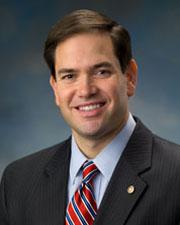 Sen. Marco Rubio (R-FL)
What it changes
1 change to S. 1197 · shown in the bill's text
Adds SEC. 1082. SENSE OF CONGRESS ON BENEFITS OF USING SIMULATORS at the end of subtitle H of title X
Adds a sectionIn S. 1197 · Placed on Calendar Senate
(e) Date for Submittal of Comptroller General of the United States Report.--Subsection (d) of such section is amended by striking "December 30, 2013" and inserting "December 31, 2014".
Inserted: SEC. 1082. SENSE OF CONGRESS ON BENEFITS OF USING SIMULATORS.
Inserted: (a) Findings.--Congress makes the following findings:
Inserted: (1) The use of technologies such as virtual reality and modeling and simulation tools provides cost-effective training, operational simulation, and mission rehearsal for members of the Armed Forces.
Inserted: (2) Leveraging such technologies is an especially relevant supplement to live training given the future of declining defense budgets.
Inserted: (3) The implementation by the Air Force Agency for Modeling and Simulation of virtual reality centers is part of a coordinated effort to broaden the use of virtual training methods.
Inserted: (4) Those centers use a variety of training tools that give members of the Armed Forces and developers alike a realistic training experience that contributes to improved readiness and system effectiveness.
Inserted: (5) Organizations like the United States Army Program Executive Office for Simulation, Training, and Instrumentation would benefit from increased utilization of virtual reality and modeling and simulations tools.
Inserted: (6) Modeling and simulation tools can provide powerful planning and training capabilities to expose a member of the Armed Forces to the complexities and uncertainties of combat before ever leaving the member's home station. For example, the Naval Air Warfare Center Training Systems Division integrates the science of learning with performance-based training focused on improving the performance of members of the Army and Marine Corps and measures the effectiveness of such training. The Naval Air Warfare Center Training Systems Division continually engages members of the Army and Marine Corps to understand challenges, solve problems, create new capabilities, and provide essential support.
Inserted: (7) In an era of decreased live training, the use of simulation training can help ensure that military units are better trained, more capable, and more confident when compared to units that do not have access to modern simulation training technologies.
Inserted: (8) Simulation training can be a cost-effective means for units to improve combat readiness and tactical decisionmaking skills and ultimately to save lives.
Inserted: (9) The Department of Defense could mitigate many of the training challenges of the future in a fiscally austere environment by strengthening collaboration between government, industry, and academia.
Inserted: (b) Sense of Congress.--It is the sense of Congress that--
Show 2 more inserted paragraphsShow less
Inserted: (1) the use of simulators offers cost savings to the Department of Defense and can contribute to training members of the Armed Forces for combat; and
Inserted: (2) existing synergies between the Department of Defense and entities in the private sector should continue to provide members of the Armed Forces with the best simulation experience possible.
Original wording
At the end of subtitle H of title X, add the following:
Read automatically from the Congressional Record. Check the original before relying on it.
As printed
SA 2435. Mr. RUBIO (for himself and Mr. Nelson) submitted an amendment intended to be proposed by him to the bill S. 1197, to authorize appropriations for fiscal year 2014 for military activities of the Department of Defense, for military construction, and for defense activities of the Department of Energy, to prescribe military personnel strengths for such fiscal year, and for other purposes; which was ordered to lie on the table; as follows:
At the end of subtitle H of title X, add the following:
SEC. 1082. SENSE OF CONGRESS ON BENEFITS OF USING SIMULATORS.
(a) Findings.--Congress makes the following findings:
(1) The use of technologies such as virtual reality and modeling and simulation tools provides cost-effective training, operational simulation, and mission rehearsal for members of the Armed Forces.
(2) Leveraging such technologies is an especially relevant supplement to live training given the future of declining defense budgets.
(3) The implementation by the Air Force Agency for Modeling and Simulation of virtual reality centers is part of a coordinated effort to broaden the use of virtual training methods.
(4) Those centers use a variety of training tools that give members of the Armed Forces and developers alike a realistic training experience that contributes to improved readiness and system effectiveness.
(5) Organizations like the United States Army Program Executive Office for Simulation, Training, and Instrumentation would benefit from increased utilization of virtual reality and modeling and simulations tools.
(6) Modeling and simulation tools can provide powerful planning and training capabilities to expose a member of the Armed Forces to the complexities and uncertainties of combat before ever leaving the member's home station. For example, the Naval Air Warfare Center Training Systems Division integrates the science of learning with performance-based training focused on improving the performance of members of the Army and Marine Corps and measures the effectiveness of such training. The Naval Air Warfare Center Training Systems Division continually engages members of the Army and Marine Corps to understand challenges, solve problems, create new capabilities, and provide essential support.
(7) In an era of decreased live training, the use of simulation training can help ensure that military units are better trained, more capable, and more confident when compared to units that do not have access to modern simulation training technologies.
(8) Simulation training can be a cost-effective means for units to improve combat readiness and tactical decisionmaking skills and ultimately to save lives.
(9) The Department of Defense could mitigate many of the training challenges of the future in a fiscally austere environment by strengthening collaboration between government, industry, and academia.
(b) Sense of Congress.--It is the sense of Congress that--
(1) the use of simulators offers cost savings to the Department of Defense and can contribute to training members of the Armed Forces for combat; and
(2) existing synergies between the Department of Defense and entities in the private sector should continue to provide members of the Armed Forces with the best simulation experience possible.
Legislative Activity
Stay on top of the latest movement without scrolling through every action
Senate amendment submitted
November 20, 2013