S.Amdt. 3757
What it does: Adds SEC. 1015. NATIONAL GUARD DRUG INTERDICTION AND COUNTER-DRUG ACTIVITIES at the end of subtitle B of title X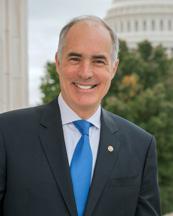 Sen. Robert P. Casey Jr. (D-PA)
What it changes
1 change to S. 2410 · shown in the bill's text
Adds SEC. 1015. NATIONAL GUARD DRUG INTERDICTION AND COUNTER-DRUG ACTIVITIES at the end of subtitle B of title X
Adds a sectionIn S. 2410 · Placed on Calendar Senate
"SEC. 1004. ADDITIONAL SUPPORT FOR COUNTER-DRUG ACTIVITIES AND ACTIVITIES TO COUNTER TRANSNATIONAL ORGANIZED CRIME.".
Inserted: SEC. 1015. NATIONAL GUARD DRUG INTERDICTION AND COUNTER-DRUG ACTIVITIES.
Inserted: (a) Findings.--Congress makes the following findings:
Inserted: (1) Since 1989, the National Guard has worked with law enforcement agencies and community-based organizations through the National Guard Counterdrug Program to address the gap between Department of Defense and State and local institutions to perform interdiction and anti-drug activities that contribute to the defense of the United States against narco-trafficking and transnational organized crime threats.
Inserted: (2) The link between drug trafficking organizations and criminal networks is well documented, as drug traffickers have diversified their activities to include trafficking in weapons, humans, cash, and counterfeit goods. These criminal networks have grown in size and influence posing a significant threat to national security.
Inserted: (3) According to the National Guard Association of the United States, the five National Guard Counterdrug Training Centers located throughout the United States have provided essential training to over 680,000 law enforcement officials, military personnel, and coalition forces since their inception.
Inserted: (4) The Department of Defense has continually reduced the funding for the National Guard Counterdrug Program since its fiscal year 2013 request and has eliminated funding for the National Guard Counterdrug Training Centers in the fiscal year 2015 request.
Inserted: (b) Sense of Congress.--It is the sense of Congress that--
Inserted: (1) the National Guard Counterdrug Training Centers' mission of providing combatant commands, law enforcement agencies, community-based organizations, and military personnel with training and support to enhance their capabilities to detect, interdict, disrupt, and curtail drug trafficking plays a role in United States efforts to combat narcotics trafficking and transnational organized crime;
Inserted: (2) a sustainable funding solution that keeps the National Guard Counterdrug Training Centers operational and that meets the requirement for training and support for law enforcement agencies, community-based organizations, and military personnel to combat narcotics trafficking and transnational organized crime is needed;
Inserted: (3) the Secretary of Defense should consult with the Chief of the National Guard Bureau, and as appropriate, with the Attorney General and the Secretary of Homeland Security, on--
Inserted: (A) how best to meet the requirement for training and support for law enforcement agencies, community-based organizations, and military personnel to combat narcotics trafficking and transnational organized crime;
Inserted: (B) what role the National Guard Counterdrug Training Centers should play; and
Show 7 more inserted paragraphsShow less
Inserted: (C) whether a partnership between the Office of the Secretary of Defense, the National Guard Bureau, the Department of Justice, and the Department of Homeland Security is appropriate;
Inserted: (4) efforts should be made to align National Guard Counterdrug Training Centers' activities with key United States counternarcotics policies and programs, including the Department of Defense Counternarcotics and Global Threats strategy, the President's National Drug Control Strategy, and the President's Strategy to Combat Transnational Organized Crime; and
Inserted: (5) the Secretary of Defense should ensure that the existing National Guard Counterdrug Training Centers continue operations to achieve their full mission until a sustainable funding solution is developed and implemented.
Inserted: (c) Activities.--Section 112 of title 32, United States Code, is amended--
Inserted: (1) in subsection (a) by adding at the end the following new paragraph:
Inserted: "(4) The operation of five regionally located National Guard Counter-drug Training Centers within the United States for the purposes of providing counter-drug related training to Federal, State, and local law enforcement personnel, as well as for foreign law enforcement personnel participating in the National Guard State Partnership Program."; and
Inserted: (2) in subsection (h)(1), by inserting "and activities that counter threats posed by local, State, and transnational criminal organizations engaged in drug smuggling and associated illicit activities within and on their borders, as" after "drug demand reduction activities".
Original wording
At the end of subtitle B of title X, add the following:
Read automatically from the Congressional Record. Check the original before relying on it.
As printed
SA 3757. Mr. CASEY submitted an amendment intended to be proposed by him to the bill S. 2410, to authorize appropriations for fiscal year 2015 for military activities of the Department of Defense, for military construction, and for defense activities of the Department of Energy, to prescribe military personnel strengths for such fiscal year, and for other purposes; which was ordered to lie on the table; as follows:
At the end of subtitle B of title X, add the following:
SEC. 1015. NATIONAL GUARD DRUG INTERDICTION AND COUNTER-DRUG ACTIVITIES.
(a) Findings.--Congress makes the following findings:
(1) Since 1989, the National Guard has worked with law enforcement agencies and community-based organizations through the National Guard Counterdrug Program to address the gap between Department of Defense and State and local institutions to perform interdiction and anti-drug activities that contribute to the defense of the United States against narco-trafficking and transnational organized crime threats.
(2) The link between drug trafficking organizations and criminal networks is well documented, as drug traffickers have diversified their activities to include trafficking in weapons, humans, cash, and counterfeit goods. These criminal networks have grown in size and influence posing a significant threat to national security.
(3) According to the National Guard Association of the United States, the five National Guard Counterdrug Training Centers located throughout the United States have provided essential training to over 680,000 law enforcement officials, military personnel, and coalition forces since their inception.
(4) The Department of Defense has continually reduced the funding for the National Guard Counterdrug Program since its fiscal year 2013 request and has eliminated funding for the National Guard Counterdrug Training Centers in the fiscal year 2015 request.
(b) Sense of Congress.--It is the sense of Congress that--
(1) the National Guard Counterdrug Training Centers' mission of providing combatant commands, law enforcement agencies, community-based organizations, and military personnel with training and support to enhance their capabilities to detect, interdict, disrupt, and curtail drug trafficking plays a role in United States efforts to combat narcotics trafficking and transnational organized crime;
(2) a sustainable funding solution that keeps the National Guard Counterdrug Training Centers operational and that meets the requirement for training and support for law enforcement agencies, community-based organizations, and military personnel to combat narcotics trafficking and transnational organized crime is needed;
(3) the Secretary of Defense should consult with the Chief of the National Guard Bureau, and as appropriate, with the Attorney General and the Secretary of Homeland Security, on--
(A) how best to meet the requirement for training and support for law enforcement agencies, community-based organizations, and military personnel to combat narcotics trafficking and transnational organized crime;
(B) what role the National Guard Counterdrug Training Centers should play; and
(C) whether a partnership between the Office of the Secretary of Defense, the National Guard Bureau, the Department of Justice, and the Department of Homeland Security is appropriate;
(4) efforts should be made to align National Guard Counterdrug Training Centers' activities with key United States counternarcotics policies and programs, including the Department of Defense Counternarcotics and Global Threats strategy, the President's National Drug Control Strategy, and the President's Strategy to Combat Transnational Organized Crime; and
(5) the Secretary of Defense should ensure that the existing National Guard Counterdrug Training Centers continue operations to achieve their full mission until a sustainable funding solution is developed and implemented.
(c) Activities.--Section 112 of title 32, United States Code, is amended--
(1) in subsection (a) by adding at the end the following new paragraph:
“(4) The operation of five regionally located National Guard Counter-drug Training Centers within the United States for the purposes of providing counter-drug related training to Federal, State, and local law enforcement personnel, as well as for foreign law enforcement personnel participating in the National Guard State Partnership Program.”; and
(2) in subsection (h)(1), by inserting “and activities that counter threats posed by local, State, and transnational criminal organizations engaged in drug smuggling and associated illicit activities within and on their borders, as” after “drug demand reduction activities”.
Legislative Activity
Stay on top of the latest movement without scrolling through every action
Senate amendment submitted
July 31, 2014