S.Amdt. 1736Senate116th Congress (2019-2021)
S.Amdt. 1736
Sponsored by 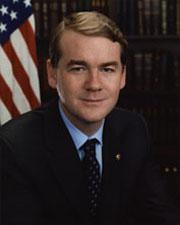 Sen. Michael F. Bennet (D-CO)
Sen. Michael F. Bennet (D-CO)Submitted June 24, 2020
Legislative Activity
Stay on top of the latest movement without scrolling through every action
Floor
Latest Action
Senate amendment submitted
June 24, 2020
Text
Submitted
SA 1736. Mr. BENNET submitted an amendment intended to be proposed by
him to the bill S. 4049, to authorize appropriations for fiscal year
2021 for military activities of the Department of Defense, for military
construction, and for defense activities of the Department of Energy,
to prescribe military personnel strengths for such fiscal year, and for
other purposes; which was ordered to lie on the table; as follows:

At the appropriate place, insert the following:

SEC. ___. REPORT ON THE EFFECTS OF COVID-19 MOBILIZATION ON
THE BEHAVIORAL AND PHYSICAL HEALTH OF THE
NATIONAL GUARD.

(a) In General.--The Chief of the National Guard Bureau
shall submit a report to Congress on the effects of COVID-19
mobilization on the behavioral and physical health of the
National Guard.
(b) Content of Report.--The report described in subsection
(a) shall--
(1) include results of a thorough analysis of COVID-19
surveillance efforts, psychological health, and prevention
programming data to describe the impact of COVID-19 on
National Guard members' mental health, including any changes
in reported anxiety, depression, mood disorders, or risky
behaviors;
(2) include an analysis of National Guard members who
contracted COVID-19 and what accommodations or access to care
they received;
(3) take into account the degree to which employment and
economic stressors, reductions in pay, and workplace-induced
precarity increased stress on National Guard members during
COVID-19;
(4) describe an evidence-based leadership response model
for the National Guard that includes a summary of resources
available to National Guard members during deployment to the
COVID-19 pandemic;
(5) examine potential increases in substance misuse and
risky behaviors that may increase under COVID-19
mobilization;
(6) identify barriers to access to healthcare, including
physical and behavioral health care, during a member's COVID-
19 deployment such as--
(A) lack of TRICARE providers near a service member's or
eligible dependent's location;
(B) lack of appointments available with TRICARE providers
in the service member's or eligible dependent's location;
(C) barriers to receiving healthcare, including
appointments for behavioral health, for service members and
their eligible dependents, in an area served by a military
medical treatment facility; and
(D) lack of availability of telehealth and other technology
enabled options; and
(7) identify increases to access to healthcare and use of
healthcare, including physical and behavioral health, for
service members and their eligible family members, such as--
(A) the number of service members and eligible dependents
who, as a result of orders in response to the COVID-19
pandemic, became TRICARE eligible;
(B) the rate of utilization of TRICARE benefits to obtain
healthcare during their time of eligibility;
(C) receiving healthcare, to include physical and
behavioral health, at a military medical treatment facility
during their time as eligible beneficiaries; and
(D) the rate of utilization of telehealth and other
technologies to receive healthcare, to include physical and
behavioral health, during their time of eligibility.
______