S.Amdt. 4680Senate117th Congress (2021-2023)2nd degree
S.Amdt. 4680
Sponsored by 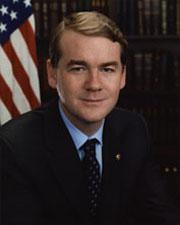 Sen. Michael F. Bennet (D-CO)
Sen. Michael F. Bennet (D-CO)Submitted November 16, 2021
Legislative Activity
Stay on top of the latest movement without scrolling through every action
Floor
Latest Action
Senate amendment submitted
November 16, 2021
Text
Submitted
SA 4680. Mr. BENNET (for himself, Mr. Hickenlooper, and Mr. Cramer)
submitted an amendment intended to be proposed to amendment SA 3867
submitted by Mr. Reed and intended to be proposed to the bill H.R.
4350, to authorize appropriations for fiscal year 2022 for military
activities of the Department of Defense, for military construction, and
for defense activities of the Department of Energy, to prescribe
military personnel strengths for such

[[Page S8275]]

fiscal year, and for other purposes; which was ordered to lie on the
table; as follows:

At the end of subtitle A of title XV, add the following:

SEC. 1516. RESEARCH AND EDUCATIONAL ACTIVITIES TO SUPPORT
SPACE TECHNOLOGY DEVELOPMENT.

(a) In General.--Not later than 180 days after the date of
the enactment of this Act, the Secretary of the Air Force and
the Chief of Space Operations, in coordination with the Chief
Technology and Innovation Office of the Space Force, may
carry out research and educational activities to support
space technology development.
(b) Activities.--Activities carried out under subsection
(a) shall support the research, development, and
demonstration needs of the Space Force, including by
addressing and facilitating the advancement of capabilities
related to--
(1) space domain awareness;
(2) position, navigation, and timing;
(3) autonomy;
(4) data analytics;
(5) communications;
(6) space-based power generation;
(7) space applications for cybersecurity; and
(8) any other matter the Secretary of the Air Forces
considers relevant.
(c) Education and Training.--Activities carried out under
subsection (a) shall--
(1) promote education and training for students in order to
support the future national security space workforce of the
United States; and
(2) explore opportunities for international collaboration.
______