S.Amdt. 4778Senate117th Congress (2021-2023)2nd degree
S.Amdt. 4778
Sponsored by 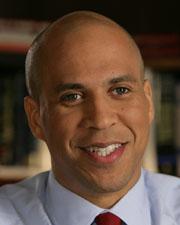 Sen. Cory A. Booker (D-NJ)
Sen. Cory A. Booker (D-NJ)Submitted November 17, 2021
Legislative Activity
Stay on top of the latest movement without scrolling through every action
Floor
Latest Action
Senate amendment submitted
November 17, 2021
Text
Submitted
SA 4778. Mr. BOOKER (for himself, Mr. Cornyn, Mr. Coons, Mr. Portman,
Mr. Graham, and Mr. Carper) submitted an amendment intended to be
proposed to amendment SA 3867 submitted by Mr. Reed and intended to be
proposed to the bill H.R. 4350, to authorize appropriations for fiscal
year 2022 for military activities of the Department of Defense, for
military construction, and for defense activities of the Department of
Energy, to prescribe military personnel strengths for such fiscal year,
and for other purposes; which was ordered to lie on the table; as
follows:

At the end of title X, add the following:

Subtitle H--Preventing Future Pandemics

SEC. 1071. SHORT TITLE.

This subtitle may be cited as the ``Preventing Future
Pandemics Act of 2021''.

SEC. 1072. DEFINITIONS.

In this subtitle:
(1) Wildlife market.--The term ``wildlife market''--
(A) means a commercial market or subsection of a commercial
market--
(i) where live mammalian or avian wildlife is held,
slaughtered, or sold for human consumption as food or
medicine whether the animals originated in the wild or in a
captive environment; and
(ii) that delivers a product in communities where
alternative nutritional or protein sources are readily
available and affordable; and
(B) does not include--
(i) markets in areas where no other practical alternative
sources of protein or meat

[[Page S8387]]

exists, such as wildlife markets in rural areas on which
indigenous people and rural local communities rely to feed
themselves and their families; and
(ii) dead wild game and fish processors.
(2) Commercial trade in live wildlife.--The term
``commercial trade in live wildlife''--
(A) means commercial trade in live wildlife for human
consumption as food or medicine; and
(B) does not include--
(i) fish;
(ii) invertebrates;
(iii) amphibians and reptiles; and
(iv) the meat of ruminant game species--

(I) traded in markets in countries with effective
implementation and enforcement of scientifically based,
nationally implemented policies and legislation for
processing, transport, trade, and marketing; and
(II) sold after being slaughtered and processed under
sanitary conditions.

(3) One health.--The term ``One Health'' means a
collaborative, multi-sectoral, and transdisciplinary approach
working at the local, regional, national, and global levels
with the goal of achieving optimal health outcomes that
recognizes the interconnection between--
(A) people, animals, both wild and domestic, and plants;
and
(B) the environment shared by such people, animals, and
plants.
(4) Appropriate congressional committees.--The term
``appropriate congressional committees'' means--
(A) the Committee on Foreign Relations of the Senate;
(B) the Committee on Appropriations of the Senate;
(C) the Committee on Foreign Affairs of the House of
Representatives; and
(D) the Committee on Appropriations of the House of
Representatives.

SEC. 1073. STUDY ON RISK OF WILDLIFE MARKETS ON THE EMERGENCE
OF NOVEL VIRAL PATHOGENS.

(a) Study.--Not later than 30 days after the date of the
enactment of this Act, the Secretary of State, in
consultation with the Administrator of the United States
Agency for International Development, the Secretary of Health
and Human Services, the Secretary of the Interior, and the
Secretary of Agriculture shall enter into an agreement with
the National Academies of Sciences, Engineering, and Medicine
to evaluate the risk wildlife markets pose to human health
through the emergence or reemergence of pathogens and
activities to reduce the risk of zoonotic spillover. The
study shall evaluate--
(1) the impact of physical proximity to and the role of
human use of terrestrial wildlife for food or medicine on the
emergence or reemergence of pathogens, including novel
pathogens;
(2) the conditions at live wildlife markets and within the
associated supply chain that elevate risk factors leading to
such emergence, reemergence, or transmission of pathogens,
including sanitary conditions and the physical proximity of
animals;
(3) animal taxa that present a high risk of contributing to
zoonotic spillover and the associated risk factors that
increase the emergence, reemergence, or transmission of
pathogens;
(4) emerging pathogen risk reduction measures and control
options across wildlife markets and the associated supply
chain; and
(5) the methods by which the United States might work with
international partners to effectively promote diversified,
culturally appropriate alternative sources of nutritious
food, protein, and related income in communities that
currently rely upon the human use of wildlife as food or
medicine for subsistence, while ensuring that existing
natural habitats are not fragmented, degraded, or destroyed
and that human pressure on natural habitats is not increased
by this process.
(b) Report.--Not later than 1 year after the date of the
agreement under subsection (a), the Secretaries described in
such subsection shall submit a report on the findings of the
study described in such subsection to--
(1) the appropriate congressional committees;
(2) the Committee on Health, Education, Labor, and Pensions
and the Committee on Agriculture, Nutrition, and Forestry of
the Senate; and
(3) the Committee on Energy and Commerce and the Committee
on Agriculture of the House of Representatives.
(c) Authorization of Appropriations..--There is authorized
to be appropriated such sums as are necessary for the
development of the study described in this section.

SEC. 1074. DETERMINATION OF RISK.

Not later than 90 days after the completion of the study in
section 1073, the Director of the Centers for Disease Control
and Prevention, in coordination with the heads of other
relevant departments and agencies, including the Department
of Agriculture, the Department of the Interior, and the
United States Agency for International Development, and after
consideration of such study after public notice and comment,
shall publicly release a list of taxa that the Director,
taking into account other risk factors examined in the study,
determines present a high risk of contributing to the
spillover of zoonotic pathogens capable of causing pandemics.
The list shall be reviewed annually and updated as necessary
by the Director, following additional public notice and
comment.

SEC. 1075. SENSE OF CONGRESS.

It is the sense of Congress that global institutions,
including the Food and Agriculture Organization of the United
Nations (FAO), the World Organisation for Animal Health
(OIE), the World Health Organization (WHO), and the United
Nations Environment Programme (UNEP), together with leading
intergovernmental and nongovernmental organizations,
veterinary and medical colleges, the Department of State, and
the United States Agency for International Development
(USAID), should promote the paradigm of One Health as an
effective and integrated way to address the complexity of
emerging disease threats, and should support improved
community health, biodiversity conservation, forest
conservation and management, sustainable agriculture, and
safety of livestock, domestic animals, and wildlife in
developing countries, particularly in tropical landscapes
where there is an elevated risk of zoonotic disease spill
over.

SEC. 1076. STATEMENT OF POLICY.

It is the policy of the United States to--
(1) support the availability of scalable and sustainable
alternative sources of protein and nutrition for local
communities, where appropriate, in order to minimize human
reliance on the commercial trade in live wildlife for human
consumption;
(2) support foreign governments to--
(A) reduce commercial trade in live wildlife for human
consumption;
(B) transition from the commercial trade in live wildlife
for human consumption to sustainably produced alternate
protein and nutritional sources;
(C) establish and effectively manage and protect natural
habitat, including protected and conserved areas and the
lands of Indigenous peoples and local communities,
particularly in countries with tropical forest hotspots for
emerging diseases; and
(D) strengthen public health capacity, particularly in
countries where there is a high risk of emerging zoonotic
viruses and other infectious diseases;
(3) respect the rights and needs of indigenous peoples and
local communities dependent on such wildlife for nutritional
needs and food security; and
(4) facilitate international cooperation by working with
international partners through intergovernmental,
international, and nongovernmental organizations such as the
United Nations to--
(A) lead a resolution at the United Nations Security
Council or General Assembly and World Health Assembly
outlining the danger to human and animal health from emerging
zoonotic infectious diseases, with recommendations for
implementing the closure of wildlife markets and prevention
of the commercial trade in live wildlife for human
consumption, except where the consumption of wildlife is
necessary for local food security or where such actions would
significantly disrupt a readily available and irreplaceable
food supply;
(B) raise awareness and build stakeholder engagement
networks, including civil society, the private sector, and
local and regional governments on the dangerous potential of
wildlife markets as a source of zoonotic diseases and reduce
demand for the consumption of wildlife through evidence-based
behavior change programs, while ensuring that existing
wildlife habitat is not encroached upon or destroyed as part
of this process;
(C) encourage and support alternative forms of sustainable
food production, farming, and shifts to sustainable sources
of protein and nutrition instead of terrestrial wildlife,
where able and appropriate, and reduce consumer demand for
terrestrial and freshwater wildlife through enhanced local
and national food systems, especially in areas where wildlife
markets play a significant role in meeting subsistence needs
while ensuring that existing wildlife habitat is not
encroached upon or destroyed as part of this process; and
(D) strive to increase biosecurity and hygienic standards
implemented in farms, gathering centers, transport, and
market systems around the globe, especially those
specializing in the provision of products intended for human
consumption.

SEC. 1077. PREVENTION OF FUTURE ZOONOTIC SPILLOVER EVENTS.

(a) In General.--The Secretary of State and the
Administrator of the United States Agency for International
Development, in consultation with the Director of the United
States Fish and Wildlife Service, the Secretary of
Agriculture, the Director of the Centers for Disease Control
and Prevention, and the heads of other relevant departments
and agencies, shall work with foreign governments,
multilateral entities, intergovernmental organizations,
international partners, private sector partners, and
nongovernmental organizations to carry out activities
supporting the following objectives, recognizing that
multiple interventions will likely be necessary to make an
impact, and that interventions will need to be tailored to
the situation to--
(1) immediately close wildlife markets which contain taxa
listed pursuant to section 1074 and uncontrolled, unsanitary,
or illicit wildlife markets and prevent associated commercial
trade in live wildlife, placing a priority focus on countries
with significant markets for live wildlife for human
consumption, high-volume commercial trade and associated
markets, trade in and across

[[Page S8388]]

urban centers, and trade for luxury consumption or where
there is no dietary necessity--
(A) through existing treaties, conventions, and agreements;
(B) by amending existing protocols or agreements;
(C) by pursuing new protocols; or
(D) by other means of international coordination;
(2) improve regulatory oversight and reduce commercial
trade in live wildlife and eliminate practices identified to
contribute to zoonotic spillover and emerging pathogens;
(3) prevent commercial trade in live wildlife through
programs that combat wildlife trafficking and poaching,
including by--
(A) providing assistance to improve law enforcement;
(B) detecting and deterring the illegal import, transit,
sale, and export of wildlife;
(C) strengthening such programs to assist countries through
legal reform;
(D) improving information sharing and enhancing
capabilities of participating foreign governments;
(E) supporting efforts to change behavior and reduce demand
for such wildlife products;
(F) leveraging United States private sector technologies
and expertise to scale and enhance enforcement responses to
detect and prevent such trade; and
(G) strengthening collaboration with key private sector
entities in the transportation industry to prevent and report
the transport of such wildlife and wildlife products;
(4) leverage strong United States bilateral relationships
to support new and existing inter-Ministerial collaborations
or Task Forces that can serve as regional One Health models;
(5) build local agricultural and food safety capacity by
leveraging expertise from the United States Department of
Agriculture (USDA) and institutions of higher education with
agricultural or natural resource expertise;
(6) work through international organizations to develop a
set of objective risk-based metrics that provide a cross-
country comparable measure of the level of risk posed by
wildlife trade and marketing and can be used to track
progress nations make in reducing risks, identify where
resources should be focused, and potentially leverage a peer
influence effect;
(7) prevent the degradation and fragmentation of forests
and other intact ecosystems to minimize interactions between
wildlife and human and livestock populations that could
contribute to spillover events and zoonotic disease
transmission, including by providing assistance or supporting
policies to, for example--
(A) conserve, protect, and restore the integrity of such
ecosystems;
(B) support the rights and needs of Indigenous People and
local communities and their ability to continue their
effective stewardship of their traditional lands and
territories;
(C) support the establishment and effective management of
protected areas, prioritizing highly intact areas; and
(D) prevent activities that result in the destruction,
degradation, fragmentation, or conversion of intact forests
and other intact ecosystems and biodiversity strongholds,
including by governments, private sector entities, and
multilateral development financial institutions;
(8) offer appropriate alternative livelihood and worker
training programs and enterprise development to wildlife
traders, wildlife breeders, and local communities whose
members are engaged in the commercial trade in live wildlife
for human consumption;
(9) ensure that the rights of Indigenous Peoples and local
communities are respected and their authority to exercise
these rights is protected;
(10) strengthen global capacity for prevention, prediction,
and detection of novel and existing zoonoses with pandemic
potential, including the support of innovative technologies
in coordination with the United States Agency for
International Development, the Centers for Disease Control
and Prevention, and other relevant departments and agencies;
and
(11) support the development of One Health systems at the
local, regional, national, and global levels in coordination
with the United States Agency for International Development,
the Centers for Disease Control and Prevention, and other
relevant departments and agencies, particularly in emerging
infectious disease hotspots, through a collaborative,
multisectoral, and transdisciplinary approach that recognizes
the interconnections among people, animals, plants, and their
shared environment to achieve equitable and sustainable
health outcomes.
(b) Activities.--
(1) Global cooperation.--The United States Government,
working through the United Nations and its components, as
well as international organization such as Interpol, the Food
and Agriculture Organization of the United Nations, and the
World Organisation for Animal Health, and in furtherance of
the policies described in section 1076, shall--
(A) collaborate with other member states, issue
declarations, statements, and communiques urging countries to
close wildlife markets, and prevent commercial trade in live
wildlife for human consumption; and
(B) urge increased enforcement of existing laws to end
wildlife trafficking.
(2) International coalitions.--The Secretary of State shall
seek to build new, and support existing, international
coalitions focused on closing wildlife markets and preventing
commercial trade in live wildlife for human consumption, with
a focus on the following efforts:
(A) Providing assistance and advice to other governments in
the adoption of legislation and regulations to close wildlife
markets and associated trade over such timeframe and in such
manner as to minimize the increase of wildlife trafficking
and poaching.
(B) Creating economic and enforcement pressure for the
immediate shut down of wildlife markets which contain taxa
listed pursuant to section 1074 and uncontrolled, unsanitary,
or illicit wildlife markets and their supply chains to
prevent their operation.
(C) Providing assistance and guidance to other governments
on measures to prohibit the import, export, and domestic
commercial trade in live wildlife for the purpose of human
consumption.
(D) Implementing risk reduction interventions and control
options to address zoonotic spillover along the supply chain
for the wildlife market system.
(E) Engaging and receiving guidance from key stakeholders
at the ministerial, local government, and civil society
level, including Indigenous Peoples, in countries that will
be impacted by this subtitle and where wildlife markets and
associated wildlife trade are the predominant source of meat
or protein, in order to mitigate the impact of any
international efforts on food security, nutrition, local
customs, conservation methods, or cultural norms.
(F) Promoting private sector engagement and public-private
partnerships with industry groups (such as the transportation
industry) to address transport and movement of live wildlife
to supply the commercial trade in live wildlife for human
consumption.
(c) United States Agency for International Development.--
(1) Sustainable food systems funding.--
(A) Authorization of appropriations.--In addition to any
other amounts provided for such purposes, there is authorized
to be appropriated such sums as necessary for each fiscal
year from 2021 through 2030 to the United States Agency for
International Development to reduce demand for consumption of
wildlife from wildlife markets and support shifts to
diversified alternative and sustainably produced sources of
nutritious food and protein in communities that rely upon the
consumption of wildlife for food security, while ensuring
that existing wildlife habitat is not encroached upon or
destroyed as part of this process, using a multisectoral
approach and including support for demonstration programs.
(B) Activities.--The Bureau for Development, Democracy and
Innovation (DDI), the Bureau for Resilience and Food Security
(RFS), and the Bureau for Global Health (GH) of the United
States Agency for International Development shall, in
partnership with United States and international institutions
of higher education and nongovernmental organizations, co-
develop approaches focused on safe, sustainable food systems
that support and incentivize the replacement of terrestrial
wildlife in diets, while ensuring that existing wildlife
habitat is not encroached upon or destroyed as part of this
process.
(2) Addressing threats and causes of zoonotic disease
outbreaks.--The Administrator of the United States Agency for
International Development, in consultation with the Secretary
of the Interior, shall increase activities in United States
Agency for International Development programs related to
conserving biodiversity, combating wildlife trafficking,
sustainable landscapes, global health, food security, and
resilience in order to address the threats and causes of
zoonotic disease outbreaks, including through--
(A) education;
(B) capacity building;
(C) strengthening human, livestock, and wildlife health
monitoring systems of pathogens of zoonotic origin to support
early detection and reporting of novel and known pathogens
for emergence of zoonotic disease and strengthening cross-
sectoral collaboration to align risk reduction approaches in
consultation with the Director of the Centers for Disease
Control and the Secretary of Health and Human Services;
(D) improved domestic and wild animal disease monitoring
and control at production and market levels;
(E) development of alternative livelihood opportunities
where possible;
(F) preventing degradation and fragmentation of forests and
other intact ecosystems and restoring the integrity of such
ecosystems, particularly in tropical countries, to prevent
the creation of new pathways for zoonotic pathogen
transmission that arise from interactions among wildlife,
humans, and livestock populations;
(G) minimizing interactions between domestic livestock and
wild animals in markets and captive production;
(H) supporting shifts from wildlife markets to diversified,
safe, affordable, and accessible alternative sources of
protein and nutrition through enhanced local and national
food systems while ensuring that existing wildlife habitat is
not encroached upon or destroyed as part of this process;

[[Page S8389]]

(I) improving community health, forest management
practices, and safety of livestock production in tropical
landscapes, particularly in hotspots for zoonotic spillover
and emerging infectious diseases;
(J) preventing degradation and fragmentation of forests and
other intact ecosystems, particularly in tropical countries,
to minimize interactions between wildlife, human, and
livestock populations that could contribute to spillover
events and zoonotic disease transmission, including by
providing assistance or supporting policies to--
(i) conserve, protect, and restore the integrity of such
ecosystems; and
(ii) support the rights of Indigenous People and local
communities and their ability to continue their effective
stewardship of their intact traditional lands and
territories; and
(K) supporting development and use of multi-data sourced
predictive models and decisionmaking tools to identify areas
of highest probability of zoonotic spillover and to determine
cost-effective monitoring and mitigation approaches; and
(L) other relevant activities described in section 1076
that are within the mandate of the United States Agency for
International Development.
(3) Immediate relief funding to stabilize protected
areas.--The Administrator of the United States Agency for
International Development and the Secretary of State are
authorized to administer immediate relief funding to
stabilize protected areas and conservancies.
(d) Staffing Requirements.--The Administrator of the United
States Agency for International Development, in collaboration
with the United States Fish and Wildlife Service, the United
States Department of Agriculture Animal and Plant Health
Inspection Service, the Centers for Disease Control and
Prevention, and other Federal entities as appropriate, is
authorized to hire additional personnel--
(1) to undertake programs aimed at reducing the risks of
endemic and emerging infectious diseases and exposure to
antimicrobial resistant pathogens;
(2) to provide administrative support and resources to
ensure effective and efficient coordination of funding
opportunities and sharing of expertise from relevant United
States Agency for International Development bureaus and
programs, including emerging pandemic threats;
(3) to award funding to on-the-ground projects;
(4) to provide project oversight to ensure accountability
and transparency in all phases of the award process; and
(5) to undertake additional activities under this subtitle.
(e) Reporting Requirements.--
(1) United states department of state.--
(A) In general.--Not later than 180 days after the date of
the enactment of this Act, and annually thereafter until
2030, the Secretary of State and the Administrator of the
United States Agency for International Development shall
submit to the appropriate congressional committees a report--
(i) describing--

(I) the actions taken pursuant to this subtitle, including
through the application of findings and recommendations
generated from the study required by section 1073 and the
provision of United States technical assistance;
(II) the impact and effectiveness of international
cooperation on shutting down wildlife markets;
(III) the impact and effectiveness of international
cooperation on disrupting, deterring, and ultimately ending
wildlife trafficking; and
(IV) the impact and effectiveness of international
cooperation on preventing the import, export, and domestic
commercial trade in live wildlife for the purpose of human
use as food or medicine, while accounting for the
differentiated needs of vulnerable populations who depend
upon such wildlife as a predominant source of meat or
protein; and

(ii) identifying--

(I) foreign countries that continue to enable the operation
of wildlife markets as defined by this subtitle and the
associated trade of wildlife products for human use as food
or medicine that feeds such markets;
(II) foreign governments, networks, or individuals who aid
and abet or otherwise facilitate illicit wildlife
trafficking; and
(III) recommendations for incentivizing or enforcing
compliance with laws and policies to close wildlife markets
that contain taxa listed pursuant to section 1074 and
uncontrolled, unsanitary, or illicit wildlife markets and end
the associated commercial trade in live wildlife for human
use as food or medicine, which may include visa restrictions
and other diplomatic or economic tools.

(B) Form.--The report required under this paragraph shall
be submitted in unclassified form, but may include a
classified annex.
(2) United states agency for international development.--
Not later than 180 days after the date of the enactment of
this Act, the Administrator of the United States Agency for
International Development shall submit to the appropriate
congressional committees a report--
(A) describing the actions taken pursuant to this subtitle;
(B) describing the impact and effectiveness of key
strategies for reducing demand for consumption of such
wildlife and associated wildlife markets;
(C) summarizing additional personnel hired with funding
authorized under this subtitle, including the number hired in
each bureau; and
(D) describing partnerships developed with other
institutions of higher learning and nongovernmental
organizations.

SEC. 1078. PROHIBITION OF IMPORT, EXPORT, AND SALE OF CERTAIN
LIVE WILD ANIMALS FOR HUMAN CONSUMPTION.

(a) Prohibition.--
(1) In general.--Chapter 3 of title 18, United States Code,
is amended by inserting after section 43 the following:

``SEC. 44. PROHIBITION OF IMPORT, EXPORT, AND SALE OF CERTAIN
LIVE WILD ANIMALS FOR HUMAN CONSUMPTION.

``(a) Definitions.--In this section--
``(1) the phrase `human consumption' shall include all
consumption as food or medicine except consumption that is
incidental to legal and regulated hunting, fishing, or
trapping activities for subsistence, sport, or recreation;
``(2) the term `live wild animal' means a live wild mammal,
bird, reptile, or amphibian, whether or not bred, hatched, or
born in captivity with the exception of ruminants; and
``(3) the term `wild' has the meaning given that term in
section 42.
``(b) Prohibitions.--It shall be unlawful for any person--
``(1) to import or export any live wild animal for human
consumption as food or medicine;
``(2) to sell for human consumption as food or medicine a
live wild animal, including through sale or purchase at a
live animal market; or
``(3) to attempt to commit any act described in paragraph
(1) or (2).
``(c) Penalties.--
``(1) In general.--Any person who knowingly violates
subsection (b) shall be fined not more than $100,000,
imprisoned for not more than 5 years, or both.
``(2) Multiple violations.--Each violation of subsection
(b) shall constitute a separate offense.
``(3) Venue.--A violation of subsection (b) may be
prosecuted in the judicial district in which the violation
first occurred and any judicial district in which the
defendant sold the live wild animal.
``(d) Enforcement.--The provisions of this section, and any
regulations issued pursuant thereto, shall be enforced by the
Secretary of the Interior. The Secretary of the Interior may
utilize by agreement, with or without reimbursement, the
personnel, services, equipment, and facilities of any other
Federal agency or any State agency or Indian Tribe for
purposes of enforcing this section.''.
(2) Conforming amendment.--The table of sections for
chapter 3 of title 18, United States Code, is amended by
inserting after the item relating to section 43 the
following:

``44. Prohibition of import, export, and sale of certain live wild
animals for human consumption.''.
(b) Funding.--There is authorized to be appropriated to
carry out section 44 of title 18, United States Code, as
added by subsection (a)--
(1) $25,000,000 for each of fiscal years 2021 through 2030
for the United States Fish and Wildlife Service; and
(2) $10,000, 000 for each of fiscal years 2021 through 2030
for the Department of Justice.

SEC. 1079. LAW ENFORCEMENT ATTACHE DEPLOYMENT.

(a) In General.--Beginning in fiscal year 2021, the
Secretary of the Interior, acting through the Director of the
United States Fish and Wildlife Service, in consultation with
the Secretary of State, shall require the Chief of Law
Enforcement of the United States Fish and Wildlife Service to
hire, train, and deploy not fewer than 50 new United States
Fish and Wildlife Service law enforcement attaches, and
appropriate additional support staff, at one or more United
States embassies, consulates, commands, or other facilities--
(1) in one or more countries designated as a focus country
or a country of concern in the most recent report submitted
under section 201 of the Eliminate, Neutralize, and Disrupt
Wildlife Trafficking Act of 2016 (16 U.S.C. 7621); and
(2) in such additional countries or regions, as determined
by the Secretary of Interior, that are known or suspected to
be a source of illegal trade of species listed--
(A) as threatened species or endangered species under the
Endangered Species Act of 1973 (16 U.S.C. 1531 et seq.); or
(B) under appendix I of the Convention on International
Trade in Endangered Species of Wild Fauna and Flora, done at
Washington March 3, 1973 (27 UST 1087; TIAS 8249).
(b) Funding.--There is authorized to be appropriated to
carry out this section $150,000,000 for each of fiscal years
2021 through 2030.

SEC. 1080. ONE HEALTH TASK FORCE.

(a) Establishment.--There is established a task force to be
known as the ``One Health Task Force''.
(b) Duties of Task Force.--The duties of the Task Force
shall be to--
(1) ensure an integrated approach across the Federal
Government and globally to the prevention of, early detection
of, preparedness for, and response to zoonotic spillover and
the outbreak and transmission of zoonotic diseases that may
pose a threat to public health security;
(2) not later than 1 year after the date of the enactment
of this Act, develop and publish, on a publicly accessible
website, a plan

[[Page S8390]]

for global biosecurity and zoonotic disease prevention and
response that leverages expertise in public health, consumer
education and communication, behavior change, wildlife
health, wildlife conservation, livestock production,
veterinary health, food safety, sustainable forest
management, community-based conservation, rural food
security, and indigenous rights to coordinate zoonotic
disease surveillance internationally, including support for
One Health institutions around the world that can prevent and
provide early detection of zoonotic outbreaks; and
(3) expand the scope of the implementation of the White
House's Global Health Security Strategy to more robustly
support the prevention of zoonotic spillover and respond to
zoonotic disease investigations and outbreaks by establishing
a 10-year strategy with specific Federal Government domestic
and international goals, priorities, and timelines for
action, including to--
(A) recommend policy actions and mechanisms in developing
countries to reduce the risk of zoonotic spillover and
zoonotic disease emergence and transmission, including in
support of those activities described in section 1077;
(B) identify new mandates, authorities, and incentives
needed to strengthen the global zoonotic disease plan under
paragraph (2);
(C) define and list priority areas as countries or regions
determined to be of high risk for zoonotic disease emergence,
as well as based on, but not limited to, factors that include
wildlife biodiversity, livestock production, human population
density, and active drivers of disease emergence such as land
use change, including forest degradation and loss,
intensification of livestock production, and wildlife trade;
(D) prioritize engagement in programs that target tropical
countries and regions experiencing high rates of biodiversity
loss, deforestation, forest degradation, and land conversion
and countries with significant markets for live wildlife for
human consumption; and
(E) identify and recommend actions to address existing gaps
in efforts to prevent and respond to domestic zoonotic
disease emergence and transmission.
(c) Membership.--
(1) In general.--The members of the Task Force established
pursuant to subsection (a) shall be composed of
representatives from each of the following agencies:
(A) One permanent Chairperson at the level of Deputy
Assistant Secretary or above from the following agencies, to
rotate every 2 years in an order to be determined by the
Administrator:
(i) The Department of Agriculture or the Animal and Plant
Health Inspection Service.
(ii) The Department of Health and Human Services or the
Centers for Disease Control and Prevention.
(iii) The Department of the Interior or the United States
Fish and Wildlife Service.
(iv) The Department of State.
(v) The United States Agency for International Development.
(vi) The National Security Council.
(B) At least 13 additional members, with at least 1 from
each of the following agencies:
(i) The Centers for Disease Control and Prevention.
(ii) The Department of Agriculture.
(iii) The Department of Defense.
(iv) The Department of State.
(v) The Environmental Protection Agency.
(vi) The National Science Foundation.
(vii) The National Institutes of Health.
(viii) The National Institute of Standards and Technology.
(ix) The Office of Science and Technology Policy.
(x) The United States Agency for International Development.
(xi) The United States Fish and Wildlife Service.
(xii) The Department of Homeland Security, FEMA.
(xiii) United States Customs and Border Protection.
(2) Timing of appointments.--Appointments to the Task Force
shall be made not later than 30 days after the date of the
enactment of this Act.
(3) Terms.--
(A) In general.--Each member shall be appointed for a term
of 2 years.
(B) Vacancies.--Any member appointed to fill a vacancy
occurring before the expiration of the term for which the
member's predecessor was appointed shall be appointed only
for the remainder of that term. A member may serve after the
expiration of that term until a successor has been appointed.
(d) Meeting.--
(1) Initial meeting.--The Task Force shall hold its initial
meeting not later than 45 days after the final appointment of
all members under subsection (c)(2).
(2) Meetings.--
(A) In general.--The Task Force shall meet at the call of
the Chairperson.
(B) Quorum.--Eight members of the Task Force shall
constitute a quorum, but a lesser number may hold hearings.
(e) Compensation.--
(1) Prohibition of compensation.--Except as provided in
paragraph (2), members of the Task Force may not receive
additional pay, allowances, or benefits by reason of their
service on the Task Force.
(2) Travel expenses.--Each member shall receive travel
expenses, including per diem in lieu of subsistence, in
accordance with applicable provisions under subchapter I of
chapter 57 of title 5, United States Code.
(f) Reports.--
(1) Report to task force.--Not later than 6 months after
the date of the enactment of this Act and annually
thereafter, the Federal agencies listed in subsection (c)
shall submit a report to the Task Force containing a detailed
statement with respect to the results of any programming
within their agencies that addresses the goals of zoonotic
spillover and disease prevention.
(2) Report to congress.--Not later than 1 year after the
date of the enactment of this Act and annually thereafter,
the Task Force shall submit to the appropriate congressional
committees and the National Security Advisor a report
containing a detailed statement of the recommendations of the
Council pursuant to subsection (b).
(g) FACA.--Section 14(a)(2)(B) of the Federal Advisory
Committee Act shall not apply to the Task Force. This task
force shall be authorized for 7 years after the date of the
enactment of this Act and up to an additional 2 years at the
discretion of the Task Force Chair.

SEC. 1081. RESERVATION OF RIGHTS.

Nothing in this subtitle shall restrict or otherwise
prohibit--
(1) legal and regulated hunting, fishing, or trapping
activities for subsistence, sport, or recreation; or
(2) the lawful domestic and international transport of
legally harvested fish or wildlife trophies.
______