To amend the Federal Cybersecurity Enhancement Act of 2015 to require Federal agencies to obtain exemptions from certain cybersecurity requirements in order to avoid compliance with those requirements.
What it does: Adds SEC. 123. FEDERAL CYBERSECURITY REQUIREMENTS at the end of title I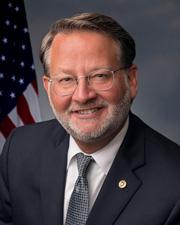 Sen. Gary C. Peters (D-MI)
What it changes
1 change to S. 3600 · shown in the bill's text
Adds SEC. 123. FEDERAL CYBERSECURITY REQUIREMENTS at the end of title I
Adds a sectionIn S. 3600 · Placed on Calendar Senate
Section 3520A(e)(2) of title 44, United States Code, is amended by striking "upon the expiration of the 2-year period that begins on the date the Comptroller General submits the report under paragraph (1) to Congress" and inserting "January 31, 2030".
Inserted: SEC. 123. FEDERAL CYBERSECURITY REQUIREMENTS.
Inserted: (a) Exemption From Federal Requirements.--Section 225(b)(2) of the Federal Cybersecurity Enhancement Act of 2015 (6 U.S.C. 1523(b)(2)) is amended to read as follows:
Inserted: "(2) Exception.--
Inserted: "(A) In general.--A particular requirement under paragraph (1) shall not apply to an agency information system of an agency if--
Inserted: "(i) with respect to the agency information system, the head of the agency submits to the Director an application for an exemption from the particular requirement, in which the head of the agency personally certifies to the Director with particularity that--
Inserted: "(I) operational requirements articulated in the certification and related to the agency information system would make it excessively burdensome to implement the particular requirement;
Inserted: "(II) the particular requirement is not necessary to secure the agency information system or agency information stored on or transiting the agency information system; and
Inserted: "(III) the agency has taken all necessary steps to secure the agency information system and agency information stored on or transiting the agency information system;
Inserted: "(ii) the head of the agency or the designee of the head of the agency has submitted the certification described in clause (i) to the appropriate congressional committees and any other congressional committee with jurisdiction over the agency; and
Inserted: "(iii) the Director grants the exemption from the particular requirement.
Inserted: "(B) Duration of exemption.--
Inserted: "(i) In general.--An exemption granted under subparagraph (A) shall expire on the date that is 1 year after the date on which the Director granted the exemption.
Show 11 more inserted paragraphsShow less
Inserted: "(ii) Renewal.--Upon the expiration of an exemption granted to an agency under subparagraph (A), the head of the agency may apply for an additional exemption.".
Inserted: (b) Report on Exemptions.--Section 3554(c)(1) of title 44, United States Code, as amended by section 103(c) of this title, is amended--
Inserted: (1) in subparagraph (C), by striking "and" at the end;
Inserted: (2) in subparagraph (D), by striking the period at the end and inserting "; and"; and
Inserted: (3) by adding at the end the following:
Inserted: "(E) with respect to any exemption the Director of the Office of Management and Budget has granted the agency under section 225(b)(2) of the Federal Cybersecurity Enhancement Act of 2015 (6 U.S.C. 1523(b)(2)) that is effective on the date of submission of the report--
Inserted: "(i) an identification of each particular requirement from which any agency information system (as defined in section 2210 of the Homeland Security Act of 2002 (6 U.S.C. 660)) is exempted; and
Inserted: "(ii) for each requirement identified under clause (i)--
Inserted: "(I) an identification of the agency information system described in clause (i) exempted from the requirement; and
Inserted: "(II) an estimate of the date on which the agency will to be able to comply with the requirement.".
Inserted: (c) Effective Date.--The amendments made by this section shall take effect on the date that is 1 year after the date of enactment of this Act.
Original wording
At the end of title I, add the following:
Read automatically from the Congressional Record. Check the original before relying on it.
As printed
SA 4953. Mr. PETERS (for himself and Mr. Portman) proposed an amendment to the bill S. 3600, to improve the cybersecurity of the Federal Government, and for other purposes; as follows:
At the end of title I, add the following:
SEC. 123. FEDERAL CYBERSECURITY REQUIREMENTS.
(a) Exemption From Federal Requirements.--Section 225(b)(2) of the Federal Cybersecurity Enhancement Act of 2015 (6 U.S.C. 1523(b)(2)) is amended to read as follows:
“(2) Exception.--
“(A) In general.--A particular requirement under paragraph (1) shall not apply to an agency information system of an agency if--
“(i) with respect to the agency information system, the head of the agency submits to the Director an application for an exemption from the particular requirement, in which the head of the agency personally certifies to the Director with particularity that--
“(I) operational requirements articulated in the certification and related to the agency information system would make it excessively burdensome to implement the particular requirement;
“(II) the particular requirement is not necessary to secure the agency information system or agency information stored on or transiting the agency information system; and
“(III) the agency has taken all necessary steps to secure the agency information system and agency information stored on or transiting the agency information system;
“(ii) the head of the agency or the designee of the head of the agency has submitted the certification described in clause (i) to the appropriate congressional committees and any other congressional committee with jurisdiction over the agency; and
“(iii) the Director grants the exemption from the particular requirement.
“(B) Duration of exemption.--
“(i) In general.--An exemption granted under subparagraph (A) shall expire on the date that is 1 year after the date on which the Director granted the exemption.
“(ii) Renewal.--Upon the expiration of an exemption granted to an agency under subparagraph (A), the head of the agency may apply for an additional exemption.”.
(b) Report on Exemptions.--Section 3554(c)(1) of title 44, United States Code, as amended by section 103(c) of this title, is amended--
(1) in subparagraph (C), by striking “and” at the end;
(2) in subparagraph (D), by striking the period at the end and inserting “; and”; and
(3) by adding at the end the following:
“(E) with respect to any exemption the Director of the Office of Management and Budget has granted the agency under section 225(b)(2) of the Federal Cybersecurity Enhancement Act of 2015 (6 U.S.C. 1523(b)(2)) that is effective on the date of submission of the report--
“(i) an identification of each particular requirement from which any agency information system (as defined in section 2210 of the Homeland Security Act of 2002 (6 U.S.C. 660)) is exempted; and
“(ii) for each requirement identified under clause (i)--
“(I) an identification of the agency information system described in clause (i) exempted from the requirement; and
“(II) an estimate of the date on which the agency will to be able to comply with the requirement.”.
(c) Effective Date.--The amendments made by this section shall take effect on the date that is 1 year after the date of enactment of this Act.
Legislative Activity
Stay on top of the latest movement without scrolling through every action
Senate amendment agreed to: Amendment SA 4953 agreed to in Senate by Unanimous Consent.
March 1, 2022
View full timeline
Senate amendment agreed to: Amendment SA 4953 agreed to in Senate by Unanimous Consent.
March 1, 2022
Senate amendment proposed (on the floor): Amendment SA 4953 proposed by Senator Peters.
March 1, 2022
Senate amendment submitted
March 1, 2022
Amendment SA 4953 proposed by Senator Peters. (consideration: CR S897; text: CR S897) To amend the Federal Cybersecurity Enhancement Act of 2015 to require Federal agencies to obtain exemptions from certain cybersecurity requirements in order to avoid compliance with those requirements.
March 1, 2022
Amendment SA 4953 agreed to in Senate by Unanimous Consent.
March 1, 2022