S.Amdt. 6219
What it does: Adds Subtitle G--International Pandemic Preparedness SEC. 1281. SHORT TITLE at the end of title XII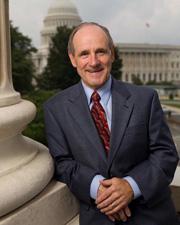 Sen. James E. Risch (R-ID)
What it changes
1 change to S.Amdt. 5499 · shown in S.Amdt. 5499's text
Adds Subtitle G--International Pandemic Preparedness SEC. 1281. SHORT TITLE at the end of title XII
Adds a sectionIn S.Amdt. 5499 as proposed
(2) Form of report.--The report required by paragraph (1) shall be submitted in unclassified form but may contain a classified annex.
Inserted: Subtitle G--International Pandemic Preparedness SEC. 1281. SHORT TITLE.
Inserted: This subtitle may be cited as the "International Pandemic Preparedness and COVID-19 Response Act of 2022".
Inserted: SEC. 1282. DEFINITIONS.
Inserted: In this subtitle:
Inserted: (1) Appropriate congressional committees.--The term "appropriate congressional committees" means--
Inserted: (A) the Committee on Foreign Relations of the Senate;
Inserted: (B) the Committee on Appropriations of the Senate;
Inserted: (C) the Committee on Foreign Affairs of the House of Representatives; and
Inserted: (D) the Committee on Appropriations of the House of Representatives.
Inserted: (2) Global health security agenda; ghsa.--The terms "Global Health Security Agenda" and "GHSA" mean the multi-sectoral initiative launched in 2014, and renewed in 2018, that brings together countries, regions, international organizations, nongovernmental organizations, and the private sector--
Inserted: (A) to elevate global health security as a national-level priority;
Inserted: (B) to share best practices; and
Show 418 more inserted paragraphsShow less
Inserted: (C) to facilitate national capacity to comply with and adhere to--
Inserted: (i) the International Health Regulations (2005);
Inserted: (ii) the international standards and guidelines established by the World Organisation for Animal Health;
Inserted: (iii) United Nations Security Council Resolution 1540 (2004);
Inserted: (iv) the Convention on the Prohibition of the Development, Production and Stockpiling of Bacteriological and Toxin Weapons and on their Destruction, done at Washington, London, and Moscow, April 10, 1972 (commonly referred to as the "Biological Weapons Convention");
Inserted: (v) the Global Health Security Agenda 2024 Framework; and
Inserted: (vi) other relevant frameworks that contribute to global health security.
Inserted: (3) Global health security index .--The term "Global Health Security Index" means the comprehensive assessment and benchmarking of health security and related capabilities across the countries that make up the States Parties to the International Health Regulations (2005).
Inserted: (4) Global health security initiative.--The term "Global Health Security Initiative" means the informal network of countries and organizations that came together in 2001, to undertake concerted global action to strengthen public health preparedness and response to chemical, biological, radiological, and nuclear threats, including pandemic influenza.
Inserted: (5) IHR (2005) monitoring and evaluation framework.--The term "IHR (2005) Monitoring and Evaluation Framework" means the framework through which the World Health Organization and the State Parties to the International Health Regulations, as amended in 2005, review, measure, and assess core country public health capacities and ensure mutual accountability for global health security under the International Health Regulations (2005), including through the Joint External Evaluations, simulation exercises, and after-action reviews.
Inserted: (6) Joint external evaluation.--The term "Joint External Evaluation" means the voluntary, collaborative, multi-sectoral process facilitated by the World Health Organization--
Inserted: (A) to assess country capacity to prevent, detect, and rapidly respond to public health risks occurring naturally or due to deliberate or accidental events;
Inserted: (B) to assess progress in achieving the targets under the International Health Regulations (2005); and
Inserted: (C) to recommend priority actions.
Inserted: (7) Key stakeholders.--The term "key stakeholders" means actors engaged in efforts to advance global health security programs and objectives, including--
Inserted: (A) national and local governments in partner countries;
Inserted: (B) other bilateral donors;
Inserted: (C) international, regional, and local organizations, including private, voluntary, nongovernmental, and civil society organizations, including faith-based and indigenous organizations;
Inserted: (D) international, regional, and local financial institutions;
Inserted: (E) representatives of historically marginalized groups, including women, youth, and indigenous peoples;
Inserted: (F) the private sector, including medical device, technology, pharmaceutical, manufacturing, logistics, and other relevant companies; and
Inserted: (G) public and private research and academic institutions.
Inserted: (8) One health approach.--The term "One Health approach" means the collaborative, multi-sectoral, and transdisciplinary approach toward achieving optimal health outcomes in a manner that recognizes the interconnection between people, animals, plants, and their shared environment.
Inserted: (9) Pandemic preparedness.--The term "pandemic preparedness" refers to the actions taken to establish and sustain the capacity and capabilities necessary to rapidly identify, prevent, protect against, and respond to the emergence, reemergence, and spread of pathogens of pandemic potential.
Inserted: (10) Partner country.--The term "partner country" means a foreign country in which the relevant Federal departments and agencies are implementing United States foreign assistance for global health security and pandemic prevention and preparedness under this section.
Inserted: (11) Relevant federal departments and agencies.--The term "relevant Federal departments and agencies" means any Federal department or agency implementing United States policies and programs relevant to the advancement of United States global health security and diplomacy overseas, which may include--
Inserted: (A) the Department of State;
Inserted: (B) the United States Agency for International Development;
Inserted: (C) the Department of Health and Human Services;
Inserted: (D) the Department of Defense;
Inserted: (E) the Defense Threat Reduction Agency;
Inserted: (F) the Millennium Challenge Corporation;
Inserted: (G) the Development Finance Corporation;
Inserted: (H) the Peace Corps; and
Inserted: (I) any other department or agency that the President determines to be relevant for these purposes.
Inserted: (12) Resilience.--The term "resilience" means the ability of people, households, communities, systems, institutions, countries, and regions to reduce, mitigate, withstand, adapt to, and quickly recover from shocks and stresses in a manner that reduces chronic vulnerability to the emergence, reemergence, and spread of pathogens of pandemic potential and facilitates inclusive growth.
Inserted: (13) Respond and response.--The terms "respond" and "response" mean the actions taken to counter an infectious disease.
Inserted: (14) USAID.--The term "USAID" means the United States Agency for International Development.
Inserted: SEC. 1283. ENHANCING THE UNITED STATES' INTERNATIONAL RESPONSE TO THE COVID-19 PANDEMIC.
Inserted: (a) Statement of Policy Regarding International Cooperation to End the COVID-19 Pandemic.--It is the policy of the United States to lead and implement a comprehensive and coordinated international response to end the COVID-19 pandemic in a manner that recognizes the critical role that multilateral and regional organizations can and should play in pandemic prevention, preparedness, and response, including by--
Inserted: (1) seeking adoption of a United Nations Security Council resolution that--
Inserted: (A) declares pandemics, including the COVID-19 pandemic, to be threats to international peace and security; and
Inserted: (B) urges member states to address such threats by aligning their health preparedness plans with international best practices, including practices established by the Global Health Security Agenda, to improve country capacity to prevent, detect, and respond to infectious disease threats of pandemic potential;
Inserted: (2) advancing efforts to reform the World Health Organization to serve as an effective, normative, and coordinating body that is capable of aligning member countries around a strategic operating plan to detect, contain, treat, and deter the further spread of COVID-19;
Inserted: (3) providing timely, appropriate levels of financial support to United Nations agencies, multilateral facilities, and other partners responding to the COVID-19 pandemic;
Inserted: (4) prioritizing United States foreign assistance for the COVID-19 response in the world's most vulnerable countries and regions;
Inserted: (5) encouraging other donor governments to similarly increase contributions to the United Nations agencies, multilateral facilities, and other partners responding to the COVID-19 pandemic in the world's poorest and most vulnerable countries;
Inserted: (6) working with key stakeholders to accelerate progress toward meeting and exceeding, as practicable, global COVID-19 vaccination goals;
Inserted: (7) engaging with key overseas stakeholders, including through multilateral facilities such as the COVID-19 Vaccines Global Access initiative (referred to in this section as "COVAX") and the Access to COVID-19 Tools (ACT) Accelerator initiative;
Inserted: (8) expanding bilateral efforts, including through the United States International Development Finance Corporation, to accelerate the development, manufacturing, local production, and efficient and equitable distribution of--
Inserted: (A) vaccines and related raw materials to meet or exceed the vaccination goals referred to in paragraph (6); and
Inserted: (B) global health commodities, including supplies to combat COVID-19 and to help immediately disrupt the transmission of SARS-CoV-2;
Inserted: (9) supporting global COVID-19 vaccine distribution strategies that--
Inserted: (A) strengthen underlying health systems for global health security and pandemic prevention, preparedness, and response; and
Inserted: (B) ensure that people living in vulnerable and marginalized communities, including women, do not face undue barriers to vaccination;
Inserted: (10) working with key stakeholders, including the World Bank Group, the United Nations, the International Monetary Fund, the United States International Development Finance Corporation, and other relevant regional and bilateral financial institutions, to address the economic and financial implications of the COVID-19 pandemic, while taking into account the differentiated needs of disproportionately affected, vulnerable, and marginalized populations;
Inserted: (11) entering into discussions with vaccine manufacturing companies to support partnerships, with the goal of ensuring adequate global supply of vaccines, which may include necessary components and raw materials;
Inserted: (12) establishing clear timelines, benchmarks, and goals for COVID-19 response strategies and activities under this section; and
Inserted: (13) generating commitments of resources in support of the vaccination goals referred to in paragraph (6).
Inserted: (b) Global COVID-19 Vaccine Distribution and Delivery.--
Inserted: (1) Accelerating global vaccine distribution strategy.--The President shall develop a strategy to expand access to, and accelerate the global distribution of, COVID-19 vaccines to other countries. This strategy shall--
Inserted: (A) identify the countries that--
Inserted: (i) have the highest infection and death rates due to COVID-19;
Inserted: (ii) have the lowest COVID-19 vaccination rates; and
Inserted: (iii) face the most difficult political, logistical, and financial challenges to obtaining and delivering COVID-19 vaccines;
Inserted: (B) describe the basis and metrics used to identify the countries described in subparagraph (A);
Inserted: (C) identify which countries and regions will be prioritized and targeted for COVID-19 vaccine delivery, and the rationale for such prioritization;
Inserted: (D) describe efforts that the United States is making to increase COVID-19 vaccine manufacturing capacity, both domestically and internationally, as appropriate, through support for the establishment or refurbishment of regional manufacturing hubs in South America, Southern Africa, and South Asia, including through the provision of international development finance;
Inserted: (E) estimate when, how many, and which types of vaccines will be provided by the United States Government bilaterally and through COVAX;
Inserted: (F) describe efforts to encourage international partners to take actions similar to the efforts referred to in subparagraph (D);
Inserted: (G) describe how the United States Government will ensure the efficient delivery of COVID-19 vaccines to intended recipients, including United States citizens residing overseas;
Inserted: (H) identify complementary United States foreign assistance that will facilitate vaccine readiness, distribution, delivery, monitoring, and administration activities;
Inserted: (I) describe how the United States Government will ensure the efficient delivery and administration of COVID-19 vaccines to United States citizens residing overseas, including through the donation of vaccine doses to United States embassies and consulates, as appropriate, giving priority to--
Inserted: (i) countries in which United States citizens are deemed ineligible or low priority in the national vaccination deployment plan; and
Inserted: (ii) countries that are not presently distributing a COVID-19 vaccine that--
Inserted: (I) has been licensed or authorized for emergency use by the Food and Drug Administration; or
Inserted: (II) has met the necessary criteria for safety and efficacy established by the World Health Organization;
Inserted: (J) summarize the United States Government's efforts to encourage and facilitate technology sharing and the licensing of intellectual property, to the extent necessary, to support the adequate and timely supply of vaccines and vaccine components to meet the vaccination goals specified in subsection (a)(6), giving due consideration to avoiding undermining intellectual property innovation and intellectual property rights protections with respect to vaccine development;
Inserted: (K) describe the roles, responsibilities, tasks, and, as appropriate, the authorities of the Secretary of State, the USAID Administrator, the Secretary of Health and Human Services, the Director of the Centers for Disease Control and Prevention, the Chief Executive Officer of the United States International Development Finance Corporation, and the heads of other relevant Federal departments and agencies with respect to the implementation of the strategy;
Inserted: (L) describe how the Department of State and USAID will coordinate with the Secretary of Health and Human Services and the heads of other relevant Federal agencies--
Inserted: (i) to expedite the export and distribution of Federally purchased vaccines to countries in need; and
Inserted: (ii) to ensure that such vaccines will not be wasted;
Inserted: (M) summarize the United States public diplomacy strategies for branding and addressing vaccine misinformation and hesitancy within partner countries; and
Inserted: (N) describe efforts that the United States is making to help countries disrupt the current transmission of COVID-19, utilizing medical products and medical supplies.
Inserted: (2) Submission of strategy.--Not later than 90 days after the date of the enactment of this Act, the Secretary of State shall submit the strategy described in paragraph (1) to--
Inserted: (A) the appropriate congressional committees;
Inserted: (B) the Committee on Health, Education, Labor, and Pensions of the Senate; and
Inserted: (C) the Committee on Energy and Commerce of the House of Representatives.
Inserted: (c) Leveraging United States Bilateral Global Health Programs for the International COVID-19 Response.--Amounts appropriated or otherwise made available to carry out section 104 of the Foreign Assistance Act (22 U.S.C. 2151b) may be used in countries receiving United States foreign assistance--
Inserted: (1) to combat the COVID-19 pandemic, including through the sharing of COVID-19 vaccines; and
Inserted: (2) to support related activities, including--
Inserted: (A) strengthening vaccine readiness;
Inserted: (B) reducing vaccine hesitancy and misinformation;
Inserted: (C) delivering and administering COVID-19 vaccines;
Inserted: (D) strengthening health systems and global supply chains as necessary for global health security and pandemic preparedness, prevention, and response;
Inserted: (E) supporting global health workforce planning, training, and management for pandemic preparedness, prevention, and response;
Inserted: (F) enhancing transparency, quality, and reliability of public health data;
Inserted: (G) increasing bidirectional testing, including screening for symptomatic and asymptomatic cases; and
Inserted: (H) building laboratory capacity.
Inserted: (d) Roles of the Department of State, USAID, and the Department of Health and Human Services in International Pandemic Response.--
Inserted: (1) Designation of lead agencies for coordination of the united states' international response to infectious disease outbreaks with severe or pandemic potential.--The President shall designate relevant Federal departments and agencies, including the Department of State, USAID, and the Department of Health and Human Services (including the Centers for Disease Control and Prevention), to lead specific aspects of the United States international response to outbreaks of emerging high-consequence infectious disease threats.
Inserted: (2) Notification.--Not later than 120 days after the date of the enactment of this Act, the President shall notify the appropriate congressional committees, the Committee on Health, Education, Labor, and Pensions of the Senate, and the Committee on Energy and Commerce of the House of Representatives of the designations made pursuant to paragraph (1), including detailed descriptions of the roles and responsibilities of each relevant department and agency.
Inserted: (e) USAID Disaster Surge Capacity.--
Inserted: (1) Disaster surge capacity.--Amounts appropriated or otherwise made available to carry out part I and chapter 4 of part II of the Foreign Assistance Act of 1961 (22 U.S.C. 2151 and 2346), including funds made available for "Assistance for Europe, Eurasia and Central Asia", may be used, in addition to amounts otherwise made available for such purposes, for the cost (including support costs) of individuals detailed to or employed by USAID whose primary responsibility is to carry out programs in response to global health emergencies and natural or manmade disasters.
Inserted: (2) Notification.--Not later than 15 days before making funds available to address manmade disasters pursuant to paragraph (1), the Secretary of State or the USAID Administrator shall notify the appropriate congressional committees of such intended action.
Inserted: SEC. 1284. INTERNATIONAL PANDEMIC PREVENTION AND PREPAREDNESS.
Inserted: (a) United States International Activities to Advance Global Health Security and Diplomacy Strategy and Report.--
Inserted: (1) In general.--The President shall develop, update, maintain, and advance a comprehensive strategy for improving United States global health security and diplomacy for pandemic prevention, preparedness which, consistent with the purposes of this subtitle, shall --
Inserted: (A) clearly articulate United States policy goals related to pandemic prevention, preparedness, and response, including through actions to strengthen diplomatic leadership and the effectiveness of United States foreign assistance for global health security through advancement of a One Health approach, the Global Health Security Agenda, the International Health Regulations (2005), and other relevant frameworks that contribute to pandemic prevention and preparedness;
Inserted: (B) establish specific and measurable goals, benchmarks, timetables, performance metrics, and monitoring and evaluation plans for United States foreign policy and assistance for global health security that promote learning and adaptation and reflect international best practices relating to global health security, transparency, and accountability;
Inserted: (C) establish transparent mechanisms to improve coordination and avoid duplication of effort between and among the relevant Federal departments and agencies, partner countries, donor countries, the private sector, multilateral organizations, and other key stakeholders;
Inserted: (D) prioritize working with partner countries with--
Inserted: (i) demonstrated need, as identified through the Joint External Evaluation process, the Global Health Security Index classification of health systems, national action plans for health security, Global Health Security Agenda, other risk-based assessments, and complementary or successor indicators of global health security and pandemic preparedness; and
Inserted: (ii) demonstrated commitment to transparency, including budget and global health data transparency, complying with the International Health Regulations (2005), investing in domestic health systems, and achieving measurable results;
Inserted: (E) reduce long-term reliance upon United States foreign assistance for global health security by--
Inserted: (i) ensuring that United States global health assistance authorized under this subtitle is strategically planned and coordinated in a manner that delivers immediate impact and contributes to enduring results, including through efforts to enhance community capacity and resilience to infectious disease threats and emergencies; and
Inserted: (ii) ensuring partner country ownership of global health security strategies, data, programs, and outcomes and improved domestic resource mobilization, co-financing, and appropriate national budget allocations for global health security and pandemic prevention, preparedness, and response;
Inserted: (F) assist partner countries in building the technical capacity of relevant ministries, systems, and networks to prepare, execute, monitor, and evaluate national action plans for global health security and pandemic prevention, preparedness, and response that are developed with input from key stakeholders, including mechanism to enhance budget and global health data transparency, as necessary and appropriate;
Inserted: (G) support and align United States foreign assistance authorized under this subtitle with such national action plans for health security and pandemic prevention, preparedness, and response, as appropriate;
Inserted: (H) facilitate communication and collaboration, as appropriate, among local stakeholders in support of country-led strategies and initiatives to better identify and prevent health impacts related to deforestation, climate-related events, and increased unsafe interactions between wildlife, livestock, and people contributing to the emergence, reemergence, and spread of zoonoses;
Inserted: (I) support global health budget and workforce planning in partner countries, consistent with the purposes of this subtitle, including training in financial management and budget and global health data transparency;
Inserted: (J) strengthen linkages between complementary bilateral and multilateral foreign assistance programs, including efforts of the World Bank, the World Health Organization, the Global Fund to Fight AIDS, Tuberculosis, and Malaria, and Gavi, the Vaccine Alliance, that contribute to the development of more resilient health systems and global supply chains for global health security and pandemic prevention, preparedness, and response in partner countries with the capacity, resources, and personnel required to prevent, detect, and respond to infectious disease threats; and
Inserted: (K) support innovation and partnerships with the private sector, health organizations, civil society, nongovernmental, faith-based and indigenous organizations, and health research and academic institutions to improve pandemic prevention, preparedness, and response, including for the development and deployment of effective and accessible infectious disease tracking tools, diagnostics, therapeutics, and vaccines.
Inserted: (2) Submission of strategy.--
Inserted: (A) In general.--Not later than 180 days after the date of the enactment of this Act, the President, in consultation with the heads of the relevant Federal departments and agencies, shall submit the strategy required under paragraph (1) to--
Inserted: (i) the appropriate congressional committees;
Inserted: (ii) the Committee on Health, Education, Labor, and Pensions of the Senate; and
Inserted: (iii) the Committee on Energy and Commerce of the House of Representatives.
Inserted: (B) Agency-specific plans.--The strategy required under paragraph (1) shall include specific implementation plans from each relevant Federal department and agency that describe--
Inserted: (i) the anticipated contributions of the Federal department or agency, including technical, financial, and in-kind contributions, to implement the strategy; and
Inserted: (ii) the efforts of the Federal department or agency to ensure that the activities and programs carried out pursuant to the strategy are designed to achieve maximum impact and long-term sustainability.
Inserted: (3) Annual report.--
Inserted: (A) In general.--Not later than 1 year after the submission of the strategy pursuant to paragraph (2), and not later than October 1 of each year thereafter, the President shall submit a report to the committees referred to in paragraph (2)(A) that describes the status of the implementation of such strategy.
Inserted: (B) Contents.--Each report submitted pursuant to subparagraph (A) shall--
Inserted: (i) identify any substantial changes made to the strategy during the preceding calendar year;
Inserted: (ii) describe the progress made in implementing the strategy, including specific information related to the progress toward improving countries' ability to detect, prevent, and respond to infectious disease threats, such as COVID-19 and Ebola;
Inserted: (iii) identify--
Inserted: (I) the indicators used to establish benchmarks and measure results over time; and
Inserted: (II) the mechanisms for reporting such results in an open and transparent manner;
Inserted: (iv) contain a transparent, open, and detailed accounting of obligations by relevant Federal departments and agencies to implement the strategy, including, to the extent practicable, for each such Federal department and agency, the statutory source of obligated funds, the amounts obligated, implementing partners and sub-partners, targeted beneficiaries, and activities supported; and
Inserted: (v) the efforts of the relevant Federal department or agency to ensure that the activities and programs carried out pursuant to the strategy are designed to achieve maximum impact and enduring results, including through specific activities to strengthen health systems for global health security and pandemic prevention, preparedness, and response, as appropriate.
Inserted: (C) Form.--The strategy and reports required under this subsection shall be submitted in unclassified form, but may contain a classified annex.
Inserted: (b) Establishment of the United States Global Health Security Agenda Interagency Review Council.--
Inserted: (1) Statement of policy.--It is the policy of the United States--
Inserted: (A) to promote and invest in global health security and pandemic prevention, preparedness, and response as a core national and security interest;
Inserted: (B) to advance the aims of the Global Health Security Agenda;
Inserted: (C) to collaborate with other countries to promote early detection and mitigation of infectious disease threats before such threats become pandemics; and
Inserted: (D) to encourage and support other countries to advance pandemic prevention and preparedness by investing in resilient and sustainable health systems for global health security and pandemic prevention and preparedness.
Inserted: (2) Establishment.--The President shall establish a Global Health Security Agenda Interagency Review Council (referred to in this section as the "Council") to carry out the activities described in paragraphs (4) and (7).
Inserted: (3) Meetings.--The Council shall meet not fewer than 4 times each year to advance its mission and fulfill its responsibilities.
Inserted: (4) General responsibilities.--The Council shall--
Inserted: (A) provide policy-level recommendations to participating agencies regarding Global Health Security Agenda goals, objectives, and implementation, and other international efforts to strengthen pandemic preparedness and response;
Inserted: (B) facilitate interagency, multi-sectoral engagement to carry out GHSA implementation;
Inserted: (C) provide a forum for raising and working to resolve interagency disagreements concerning the GHSA, and other international efforts to strengthen pandemic preparedness and response;
Inserted: (D) review the progress toward, and work to resolve challenges in achieving, United States commitments under the GHSA, including commitments to assist other countries in achieving the GHSA targets; and
Inserted: (E) consider, among other issues--
Inserted: (i) the status of United States financial commitments to the GHSA in the context of commitments by other donors, and the contributions of partner countries to achieve the GHSA targets;
Inserted: (ii) the progress toward the milestones outlined in--
Inserted: (I) GHSA national plans for countries in which the United States Government has committed to assist in implementing the GHSA; and
Inserted: (II) annual work plans outlining agency priorities for implementing the GHSA; and
Inserted: (iii) the external evaluations of United States and partner country capabilities to address infectious disease threats, including the ability to achieve the targets outlined within the World Health Organization's Joint External Evaluation Tool, and gaps identified by such external evaluations.
Inserted: (5) Participation.--The Council--
Inserted: (A) shall be headed by the Assistant to the President for National Security Affairs, in coordination with the heads of relevant Federal agencies; and
Inserted: (B) should consist of representatives each of the relevant Federal departments and agencies, as determined by the President.
Inserted: (6) Responsibilities of federal departments and agencies.--The Assistant to the President for National Security Affairs and the Council may not assume any responsibilities or authorities of the head of any Federal department, agency, or office, including the foreign affairs responsibilities and authorities of the Secretary of State to oversee the implementation of programs and policies that advance global health security within foreign countries.
Inserted: (7) Specific roles and responsibilities.--
Inserted: (A) In general.--The heads of the agencies referred to in paragraph (5) shall--
Inserted: (i) make the implementation of the GHSA and global pandemic preparedness a high priority within their respective agencies;
Inserted: (ii) include activities related to the GHSA and global pandemic preparedness within their respective agencies' strategic planning and budget processes;
Inserted: (iii) designate a senior-level official to be responsible for the implementation of this subsection;
Inserted: (iv) designate, in accordance with paragraph (5), an appropriate representative at the Assistant Secretary level or higher to participate on the Council;
Inserted: (v) keep the Council apprised of GHSA-related activities undertaken within their respective agencies;
Inserted: (vi) maintain responsibility for agency-related programmatic functions in coordination with other relevant Federal agencies, governments in partner countries, country teams, and GHSA in-country teams;
Inserted: (vii) coordinate with other Federal agencies that are identified in this section--
Inserted: (I) to satisfy programmatic goals; and
Inserted: (II) to further facilitate coordination of country teams, implementers, and donors in partner countries; and
Inserted: (viii) coordinate across national health security action plans and with GHSA and other appropriate partners to which the United States is providing assistance.
Inserted: (B) Additional roles and responsibilities.--In addition to the roles and responsibilities described subparagraph (A), the heads of relevant Federal departments and agencies should carry out their respective roles and responsibilities described in--
Inserted: (i) Executive Order 13747 (81 Fed. Reg. 78701; relating to Advancing the Global Health Security Agenda to Achieve a World Safe and Secure from Infectious Disease Threats); and
Inserted: (ii) National Security Directive on United States Global Leadership to Strengthen the International COVID-19 Response and to Advance Global Health Security and Biological Preparedness, issued on January 21, 2021.
Inserted: (c) Organization of United States International Activities to Advance Global Health Security and Diplomacy.--
Inserted: (1) Establishment.--There is established, within the Department of State, the position of Special Representative for United States International Activities to Advance Global Health Security and Diplomacy Overseas (referred to in this section as the "Special Representative").
Inserted: (2) Appointment; qualifications.--The Special Representative--
Inserted: (A) shall be appointed by the President, by and with the advice and consent of the Senate;
Inserted: (B) shall report to the Secretary of State; and
Inserted: (C) shall have--
Inserted: (i) demonstrated knowledge and experience in the fields of development and public health, epidemiology, or medicine; and
Inserted: (ii) relevant diplomatic, policy, and political expertise.
Inserted: (3) Authorities.--The Special Representative may--
Inserted: (A) operate internationally to carry out the purposes of this section;
Inserted: (B) ensure effective coordination, management, and oversight of United States foreign policy, diplomatic efforts, and foreign assistance funded with amounts appropriated to carry out this subtitle to advance the relevant elements of the United States Global Health Security and Diplomacy Strategy developed pursuant to subsection (a) by--
Inserted: (i) formulating, issuing, and updating related policy guidance;
Inserted: (ii) establishing, in coordination with USAID and the Department of Health and Human Services, unified auditing, monitoring, and evaluation plans;
Inserted: (iii) avoiding duplication of effort and working to resolve policy, program, and funding disputes among the relevant Federal departments and agencies;
Inserted: (iv) leading diplomatic efforts to identify and address current and emerging threats to global health security;
Inserted: (v) ensuring, in consultation with the Secretary of Health and Human Services and the USAID Administrator, effective representation of the United States in relevant international forums, including the World Health Organization, the World Health Assembly, and meetings of the Global Health Security Agenda and of the Global Health Security Initiative;
Inserted: (vi) working to enhance coordination with, and transparency among, the governments of partner countries and key stakeholders, including the private sector;
Inserted: (vii) promoting greater donor and national investment in partner countries to build health systems and supply chains for global health security and pandemic prevention and preparedness;
Inserted: (viii) securing bilateral and multilateral financing commitments to advance the Global Health Security Agenda, in coordination with relevant Federal departments and agencies, including through funding for the financing mechanism described in section 1285; and
Inserted: (ix) providing regular updates to the appropriate congressional committees, the Committee on Health, Education, Labor, and Pensions of the Senate, and the Committee on Energy and Commerce of the House of Representatives regarding the fulfillment of the activities described in this paragraph;
Inserted: (C) represent the United States in the multilateral, catalytic financing mechanism described in section 1285;
Inserted: (D) utilize detailees, on a reimbursable or nonreimbursable basis, from relevant Federal departments and agencies and hire personal service contractors, who may operate domestically and internationally, to ensure that the Office of the Special Representative has access to the highest quality experts available to the United States Government to carry out the functions under this subtitle; and
Inserted: (E) perform such other functions as the Secretary of State may assign.
Inserted: (d) Strengthening Health Systems for Global Health Security and Pandemic Prevention and Preparedness.--
Inserted: (1) Statement of policy.--It is the policy of the United States to ensure that bilateral global health assistance programs are effectively managed and coordinated, as necessary and appropriate to achieve the purposes of this subtitle, to contribute to the strengthening of health systems for global health security and pandemic prevention, preparedness, and response in each country in which such programs are carried out.
Inserted: (2) Coordination.--The USAID Administrator shall work with the Global Malaria Coordinator, the United States Global AIDS Coordinator, the Special Representative for Global Health Diplomacy at the Department of State, and, as appropriate, the Secretary of Health and Human Services, to identify areas of collaboration and coordination in countries with global health programs and activities undertaken by USAID pursuant to the United States Leadership Against HIV/AIDS, Tuberculosis, and Malaria Act of 2003 (Public Law 108-25) and other relevant statutes to ensure that such activities contribute to the strengthening of health systems for global health security and pandemic prevention and preparedness.
Inserted: (e) International Pandemic Early Warning Network.--
Inserted: (1) In general.--The Secretary of State and the Secretary of Health and Human Services, in coordination with the USAID Administrator, the Director of the Centers for Disease Control and Prevention, and the heads of the other relevant Federal departments and agencies, should work with the World Health Organization and other key stakeholders to establish or strengthen effective early warning systems, at the partner country, regional, and international levels, that utilize innovative information and analytical tools and robust review processes to track, document, analyze, and forecast infectious disease threats with epidemic and pandemic potential.
Inserted: (2) Report.--Not later than 1 year after the date of the enactment of this Act, and annually thereafter for the following 4 years, the Secretary of State, in coordination with the Secretary of Health and Human Services and the heads of the other relevant Federal departments and agencies, shall submit a report to the appropriate congressional committees, the Committee on Health, Education, Labor, and Pensions of the Senate, and the Committee on Energy and Commerce of the House of Representatives that describes United States Government efforts and opportunities to establish or strengthen effective early warning systems to detect infectious disease threats internationally.
Inserted: (f) International Emergency Operations.--
Inserted: (1) Sense of congress.--It is the sense of Congress that it is essential to enhance the capacity of key stakeholders to effectively operationalize early warning and execute multi-sectoral emergency operations during an infectious disease outbreak, particularly in countries and areas that deliberately withhold critical global health data and delay access during an infectious disease outbreak in advance of the next infectious disease outbreak with pandemic potential.
Inserted: (2) Public health emergencies of international concern.--The Secretary of State, in coordination with the Secretary of Health and Human Services, should work with the World Health Organization and like-minded member states to adopt an approach toward assessing infectious disease threats under the International Health Regulations (2005) for the World Health Organization to identify and transparently communicate, on an ongoing basis, varying levels of risk leading up to a declaration by the Director General of the World Health Organization of a Public Health Emergency of International Concern for the duration and in the aftermath of such declaration.
Inserted: (3) Emergency operations.--The Secretary of State and the Secretary of Health and Human Services, in coordination with the USAID Administrator, the Director of the Centers for Disease Control and Prevention, and the heads of other relevant Federal departments and agencies, and consistent with the requirements under the International Health Regulations (2005) and the objectives of the World Health Organization's Health Emergencies Programme, the Global Health Security Agenda, and national actions plans for health security, shall work, in cooperation with the World Health Organization, with partner countries and other key stakeholders to support the establishment, strengthening, and rapid response capacity of global health emergency operations centers, at the partner country and international levels, including efforts--
Inserted: (A) to collect and share public health data, assess risk, and operationalize early warning;
Inserted: (B) to secure, including through utilization of stand-by arrangements and emergency funding mechanisms, the staff, systems, and resources necessary to execute cross-sectoral emergency operations during the 48-hour period immediately following an infectious disease outbreak with pandemic potential; and
Inserted: (C) to organize and conduct emergency simulations.
Inserted: SEC. 1285. INTERNATIONAL FINANCING MECHANISM FOR GLOBAL HEALTH SECURITY AND PANDEMIC PREVENTION AND PREPAREDNESS.
Inserted: (a) Defined Term.--In this section, the term "eligible partner country" means a country in which the Fund for Global Health Security and Pandemic Prevention and Preparedness established pursuant to subsection (b) may finance global health security and pandemic prevention and preparedness assistance programs under this subtitle based on--
Inserted: (1) the country's demonstrated need, as identified through the IHR (2005) Monitoring and Evaluation Framework, the Global Health Security Index classification of health systems, national action plans for health security, the World Organization for Animal Health's Performance of Veterinary Services evaluation, and other complementary or successor indicators of global health security and pandemic prevention and preparedness; and
Inserted: (2) the country's commitment to transparency, including--
Inserted: (A) budget and global health data transparency;
Inserted: (B) its compliance with the International Health Regulations (2005);
Inserted: (C) investments in domestic health systems; and
Inserted: (D) the achievement of measurable results.
Inserted: (b) Establishment of Fund for Global Health Security and Pandemic Prevention and Preparedness.--
Inserted: (1) Negotiations.--The Secretary of State, in coordination with the USAID Administrator, the Secretary of Health and Human Services, and the heads of other relevant Federal departments and agencies, as necessary and appropriate, should seek to enter into negotiations with donors, relevant United Nations agencies, including the World Health Organization, and other key multilateral stakeholders, to establish--
Inserted: (A) a multilateral, catalytic financing mechanism for global health security and pandemic prevention and preparedness, which may be formed as financial intermediary fund of the World Bank and be known as the Fund for Global Health Security and Pandemic Prevention and Preparedness (referred to in this section as "the Fund"), in accordance with the provisions of this subsection; and
Inserted: (B) a Technical Advisory Panel to the Fund, in accordance with subsection (e).
Inserted: (2) Purposes.--The purposes of the Fund should be--
Inserted: (A) to close critical gaps in global health security and pandemic prevention and preparedness; and
Inserted: (B) to work with, and build the capacity of, eligible partner countries in the areas of global health security, infectious disease control, and pandemic prevention and preparedness in order to--
Inserted: (i) prioritize capacity building and financing availability in eligible partner countries;
Inserted: (ii) incentivize countries to prioritize the use of domestic resources for global health security and pandemic prevention and preparedness;
Inserted: (iii) leverage governmental, nongovernmental, and private sector investments;
Inserted: (iv) regularly respond to and evaluate progress based on clear metrics and benchmarks, such as those developed through the IHR (2005) Monitoring and Evaluation Framework and the Global Health Security Index;
Inserted: (v) align with and complement ongoing bilateral and multilateral efforts and financing, including through the World Bank, the World Health Organization, the Global Fund to Fight AIDS, Tuberculosis, and Malaria, the Coalition for Epidemic Preparedness and Innovation, and Gavi, the Vaccine Alliance; and
Inserted: (vi) help countries accelerate and achieve compliance with the International Health Regulations (2005) and fulfill the Global Health Security Agenda 2024 Framework not later than 8 years after the date on which the Fund is established, in coordination with the ongoing Joint External Evaluation national action planning process.
Inserted: (3) Executive board.--
Inserted: (A) In general.--The Fund should be governed by a transparent and accountable body (referred to in this section as the "Executive Board"), which should--
Inserted: (i) function as a partnership with, and through full engagement by, donor governments, eligible partner countries, and independent civil society; and
Inserted: (ii) be composed of not more than 21 representatives of governments, foundations, academic institutions, independent civil society, indigenous people, vulnerable communities, frontline health workers, and the private sector with demonstrated commitment to carrying out the purposes of the Fund and upholding transparency and accountability requirements.
Inserted: (B) Duties.--The Executive Board should--
Inserted: (i) be charged with approving strategies, operations, and grant making authorities such that it is able to conduct effective fiduciary, monitoring, and evaluation efforts, and other oversight functions;
Inserted: (ii) determine operational procedures to enable the Fund to effectively fulfill its mission;
Inserted: (iii) provide oversight and accountability for the Fund in collaboration with the Inspector General established pursuant to subsection (d)(5)(A)(i);
Inserted: (iv) develop and utilize a mechanism to obtain formal input from eligible partner countries, independent civil society, and implementing entities relative to program design, review, and implementation and associated lessons learned; and
Inserted: (v) coordinate and align with other multilateral financing and technical assistance activities, and with the activities of the United States and other nations leading pandemic prevention, preparedness, and response activities in partner countries, as appropriate.
Inserted: (C) Composition.--The Executive Board should include--
Inserted: (i) representatives of the governments of founding member countries who, in addition to meeting the requirements under subparagraph (A), qualify based upon--
Inserted: (I) meeting an established initial contribution threshold, which should be not less than 10 percent of the country's total initial contributions; and
Inserted: (II) demonstrating a commitment to supporting the International Health Regulations (2005);
Inserted: (ii) a geographically diverse group of members from donor countries, academic institutions, independent civil society, including faith-based and indigenous organizations, and the private sector who are selected on the basis of their experience and commitment to innovation, best practices, and the advancement of global health security objectives;
Inserted: (iii) representatives of the World Health Organization, to serve in an observer status; and
Inserted: (iv) the chair of the Global Health Security Agenda Steering Group, to serve in an observer status.
Inserted: (D) Contributions.--Each government or private sector entity represented on the Executive Board should agree to make annual contributions to the Fund in an amount that is not less than the minimum amount determined by the Executive Board.
Inserted: (E) Qualifications.--Individuals appointed to the Executive Board should have demonstrated knowledge and experience across a variety of sectors, including human and animal health, agriculture, development, defense, finance, research, and academia.
Inserted: (F) Conflicts of interest.--All Executive Board members should be required to recuse themselves from matters presenting conflicts of interest, including financing decisions relating to such countries, bodies, and institutions.
Inserted: (G) United states representation.--
Inserted: (i) Founding member.--The Secretary of State should seek--
Inserted: (I) to establish the United States as a founding member of the Fund; and
Inserted: (II) to ensure the United States is represented on the Executive Board by an officer or employee of the United States who has been appointed by the President.
Inserted: (ii) Effective and termination dates.--
Inserted: (I) Effective date.--This subparagraph shall take effect on the date on which the Secretary of State submits to Congress a certified copy of the agreement establishing the Fund.
Inserted: (II) Termination date.--The membership established pursuant to clause (i) shall terminate upon the date of termination of the Fund.
Inserted: (H) Removal procedures.--The Fund should establish procedures for the removal of members of the Executive Board who--
Inserted: (i) engage in a consistent pattern of human rights abuses;
Inserted: (ii) fail to uphold global health data transparency requirements; or
Inserted: (iii) otherwise violate the established standards of the Fund, including in relation to corruption.
Inserted: (4) Enforceability.--Any agreement concluded under the authorities provided under this subsection shall be legally effective and binding upon the United States, in accordance with the terms of the agreement--
Inserted: (A) upon the enactment of appropriate implementing legislation that provides for the approval of the specific agreement or agreements, including attachments, annexes, and supporting documentation, as appropriate; or
Inserted: (B) if concluded and submitted as a treaty, upon the approval by the Senate of the resolution of ratification of such treaty.
Inserted: (c) Authorities.--
Inserted: (1) Program objectives.--
Inserted: (A) In general.--In carrying out the purpose described in subsection (b), the Fund, acting through the Executive Board, should--
Inserted: (i) develop grant making requirements to be administered by an independent technical review panel comprised of entities barred from applying for funding or support;
Inserted: (ii) provide grants, including challenge grants, technical assistance, concessional lending, catalytic investment funds, and
Inserted: other innovative funding mechanisms, in coordination with ongoing bilateral and multilateral United States assistance efforts, as appropriate--
Inserted: (I) to help eligible partner countries close critical gaps in health security, as identified through the IHR (2005) Monitoring and Evaluation Framework, the Global Health Security Index classification of health systems, and national action plans for health security and other complementary or successor indicators of global health security and pandemic prevention and preparedness; and
Inserted: (II) to support measures that enable such countries, at both the national and subnational levels, and in partnership with civil society and the private sector, to strengthen and sustain resilient health systems and supply chains for global health security and pandemic prevention and preparedness with the resources, capacity, and personnel required to prevent, detect, and respond to infectious disease threats before they become pandemics;
Inserted: (iii) leverage the expertise, capabilities, and resources of proven, existing agencies and organizations to effectively target and manage resources for impact, including through alignment with, and co-financing of, complementary programs, as appropriate, in accordance with subparagraph (C); and
Inserted: (iv) develop recommendations for a mechanism for assisting countries that are at high risk for the emergence or reemergence of pathogens with pandemic potential to participate in the Global Health Security Agenda and the Joint External Evaluations.
Inserted: (B) Activities supported.--The activities to be supported by the Fund should include efforts--
Inserted: (i) to enable eligible partner countries to formulate and implement national health security and pandemic prevention and preparedness action plans, advance action packages under the Global Health Security Agenda, and adopt and uphold commitments under the International Health Regulations (2005) and complementary or successor indicators of global health security and pandemic prevention and preparedness, as appropriate;
Inserted: (ii) to support global health security budget planning in eligible partner countries, including training in public financial management, integrated and transparent budget and global health data and human resource information systems;
Inserted: (iii) to strengthen the health security workforce, including hiring, training, and deploying experts and other essential staff, including community health workers, to improve frontline prevention of, and monitoring and preparedness for, unknown, new, emerging, or reemerging pathogens of pandemic potential, including capacity to surge and manage additional staff during emergencies;
Inserted: (iv) to improve the quality of community health worker programs as the foundation of pandemic preparedness and response through application of appropriate assessment tools;
Inserted: (v) to improve--
Inserted: (I) infection prevention and control;
Inserted: (II) the protection of healthcare workers, including community health workers; and
Inserted: (III) access to water and sanitation within healthcare settings;
Inserted: (vi) to combat the threat of antimicrobial resistance;
Inserted: (vii) to strengthen laboratory capacity and promote biosafety and biosecurity through the provision of material and technical assistance;
Inserted: (viii) to reduce the risk of--
Inserted: (I) bioterrorism;
Inserted: (II) the emergence, reemergence, or spread of zoonotic disease (whether through loss of natural habitat, the commercial trade in wildlife for human consumption, or other means); and
Inserted: (III) accidental biological release;
Inserted: (ix) to build technical capacity to manage, as appropriate, supply chains for global health security and pandemic prevention and preparedness through effective forecasting, procurement, warehousing, and delivery from central warehouses to points of service in the public and private sectors;
Inserted: (x) to enable bilateral, regional, and international partnerships and cooperation, including through pandemic early warning systems and emergency operations centers, to identify and address transnational infectious disease threats exacerbated by natural and man-made disasters, human displacement, and zoonotic infection;
Inserted: (xi) to establish partnerships for the sharing of best practices and enabling eligible countries to meet targets and indicators under the IHR (2005) Monitoring and Evaluation Framework, the Global Health Security Index classification of health systems, and national action plans for health security relating to the prevention, detection, and treatment of neglected tropical diseases;
Inserted: (xii) to develop and utilize metrics to monitor and evaluate programmatic performance and identify best practices, including in accordance with the IHR (2005) Monitoring and Evaluation Framework, including Joint External Evaluation benchmarks, Global Health Security Agenda targets, and Global Health Security Index indicators;
Inserted: (xiii) to develop and deploy mechanisms to enhance and independently monitor the transparency and accountability of global health security and pandemic prevention and preparedness programs and data, in compliance with the International Health Regulations (2005), including through the sharing of trends, risks, and lessons learned;
Inserted: (xiv) to promote broad participation in health emergency planning and advisory bodies, including by women and frontline health workers;
Inserted: (xv) to develop and implement simulation exercises, to produce and release after action reports, and to address related gaps;
Inserted: (xvi) to support countries in conducting Joint External Evaluations;
Inserted: (xvii) to improve disease surveillance capacity in partner counties, including at the community level, to improve such countries' capacity to detect and respond to known and unknown pathogens and zoonotic infectious diseases; and
Inserted: (xviii) to support governments through coordinated and prioritized assistance efforts to prevent the emergence, reemergence, or spread of zoonotic diseases caused by deforestation, commercial trade in wildlife for human consumption, climate-related events, and unsafe interactions between wildlife, livestock, and people.
Inserted: (C) Implementation of program objectives.--In carrying out the objectives described in subparagraph (A), the Fund should work to eliminate duplication and waste by upholding strict transparency and accountability standards and coordinating its programs and activities with key partners working to advance global health security and pandemic prevention and preparedness, including--
Inserted: (i) governments, independent civil society, nongovernmental, faith-based, and indigenous organizations, research and academic institutions, and private sector entities in eligible partner countries;
Inserted: (ii) the pandemic early warning systems and emergency operations centers to be established under subsections (e) and (f) of section 284;
Inserted: (iii) the World Health Organization;
Inserted: (iv) the Global Health Security Agenda;
Inserted: (v) the Global Health Security Initiative;
Inserted: (vi) the Global Fund to Fight AIDS, Tuberculosis and Malaria;
Inserted: (vii) the United Nations Office for the Coordination of Humanitarian Affairs, UNICEF, and other relevant funds, programs, and specialized agencies of the United Nations;
Inserted: (viii) Gavi, the Vaccine Alliance;
Inserted: (ix) the Coalition for Epidemic Preparedness Innovations;
Inserted: (x) the World Organisation for Animal Health;
Inserted: (xi) the United Nations Environment Programme;
Inserted: (xii) the Food and Agriculture Organization;
Inserted: (xiii) the Global Polio Eradication Initiative; and
Inserted: (xiv) the Special Representative for United States International Activities to Advance Global Health Security and Diplomacy Overseas described in section 1284(c).
Inserted: (2) Priority.--In providing assistance under this subsection, the Fund should give priority to low-and lower middle income countries with--
Inserted: (A) low scores on the Global Health Security Index classification of health systems;
Inserted: (B) measurable gaps in global health security and pandemic prevention and preparedness identified under the IHR (2005) Monitoring and Evaluation Framework and national action plans for health security;
Inserted: (C) demonstrated political and financial commitment to pandemic prevention and preparedness; and
Inserted: (D) demonstrated commitment to--
Inserted: (i) upholding global health budget and data transparency and accountability standards;
Inserted: (ii) complying with the International Health Regulations (2005);
Inserted: (iii) investing in domestic health systems; and
Inserted: (iv) achieving measurable results.
Inserted: (3) Eligible grant recipients.--Governments and nongovernmental, faith-based and indigenous organizations should be eligible to receive grants described in this subsection.
Inserted: (d) Administration.--
Inserted: (1) Appointments.--The Executive Board of the Fund should appoint--
Inserted: (A) an Administrator, who should be responsible for managing the day-to-day operations of the Fund; and
Inserted: (B) an independent Inspector General, who should be responsible for monitoring grants implementation and proactively safeguarding against conflicts of interests.
Inserted: (2) Authority to accept and solicit contributions.--The Fund should be authorized to solicit and accept contributions from governments, the private sector, foundations, individuals, and nongovernmental entities of all kinds.
Inserted: (3) Accountability; conflicts of interest; criteria for programs.--As part of the negotiations described in subsection (b)(1), the Secretary of the State, consistent with paragraph (4), shall--
Inserted: (A) take such actions as may be necessary to ensure that the Fund will have in effect adequate procedures and standards to account for and monitor the use of funds contributed to the Fund, including the cost of administering the Fund;
Inserted: (B) seek to ensure there is agreement to put in place a conflict of interest policy to ensure fairness and a high standard of ethical conduct in the Fund's decision-making processes, including proactive procedures to screen staff for conflicts of interest and measures to address any conflicts, such as--
Inserted: (i) potential divestments of interests;
Inserted: (ii) prohibition from engaging in certain activities;
Inserted: (iii) recusal from certain decision-making and administrative processes; and
Inserted: (iv) representation by an alternate board member; and
Inserted: (C) seek agreement on the criteria that should be used to determine the programs and activities that should be assisted by the Fund.
Inserted: (4) Selection of partner countries, projects, and recipients.--The Executive Board should establish--
Inserted: (A) eligible partner country selection criteria, including transparent metrics to measure and assess global health security and pandemic prevention and preparedness strengths and vulnerabilities in countries seeking assistance;
Inserted: (B) minimum standards for ensuring eligible partner country ownership and commitment to long-term results, including requirements for domestic budgeting, resource mobilization, and co-investment;
Inserted: (C) criteria for the selection of projects to receive support from the Fund;
Inserted: (D) standards and criteria regarding qualifications of recipients of such support; and
Inserted: (E) such rules and procedures as may be necessary--
Inserted: (i) for cost-effective management of the Fund; and
Inserted: (ii) to ensure transparency and accountability in the grant-making process.
Inserted: (5) Additional transparency and accountability requirements.--
Inserted: (A) Inspector general.--
Inserted: (i) In general.--The Secretary of State shall seek to ensure that the Fund maintains and independent Office of the Inspector General, appointed pursuant to paragraph (1)(B), who--
Inserted: (I) is fully enabled to operate independently and transparently;
Inserted: (II) is supported by and with the requisite resources and capacity to regularly conduct and publish, on a publicly accessible website, rigorous financial, programmatic, and reporting audits and investigations of the Fund and its grantees, including subgrantees; and
Inserted: (III) establishes an investigative unit that--
Inserted: (aa) develops an oversight mechanism to ensure that grant funds are not diverted to illicit or corrupt purposes or activities; and
Inserted: (bb) submits an annual report to the Executive Board describing its activities, investigations, and results.
Inserted: (ii) Sense of congress on corruption.--It is the sense of Congress that--
Inserted: (I) corruption within global health programs contribute directly to the loss of human life and cannot be tolerated; and
Inserted: (II) in making financial recoveries relating to a corrupt act or criminal conduct committed by a grant recipient, as determined by the Inspector General, the responsible grant recipient should be assessed at a recovery rate of up to 150 percent of such loss.
Inserted: (B) Administrative expenses; financial tracking systems.--The Secretary of State shall seek to ensure the Fund establishes, maintains, and makes publicly available--
Inserted: (i) a system to track the administrative and management costs of the Fund on a quarterly basis; and
Inserted: (ii) a system to track the amount of funds disbursed to each grant recipient and subrecipient during each grant's fiscal cycle.
Inserted: (C) Exemption from duties and taxes.--The Secretary should ensure that the Fund adopts rules that condition grants upon agreement by the relevant national authorities in an eligible partner country to exempt from duties and taxes all products financed by such grants, including procurements by any principal or subrecipient for the purpose of carrying out such grants.
Inserted: (e) Technical Advisory Panel.--
Inserted: (1) In general.--There should be an Technical Advisory Panel to the Fund.
Inserted: (2) Appointments.--The members of the Technical Advisory Panel should be composed of--
Inserted: (A) a geographically diverse group of individuals that includes representation from low- and middle-income countries;
Inserted: (B) individuals with experience and leadership in the fields of development, global health, epidemiology, medicine, biomedical research, and social sciences; and
Inserted: (C) representatives of relevant United Nations agencies, including the World Health Organization, and nongovernmental, faith-based, and indigenous organizations with on-the ground experience in implementing global health programs in low and lower-middle income countries.
Inserted: (3) Responsibilities.--The Technical Advisory Panel should provide advice and guidance to the Executive Board of the Fund on the development and implementation of programs and projects to be assisted by the Fund and on leveraging donations to the Fund.
Inserted: (4) Prohibition on payment of compensation.--
Inserted: (A) In general.--Except for travel expenses (including per diem in lieu of subsistence), no member of the Technical Advisory Panel should receive compensation for services performed as a member of the Board.
Inserted: (B) United states representative.--Notwithstanding any other provision of law (including an international agreement), a representative of the United States on the Technical Advisory Panel may not accept compensation for services performed as a member of the Technical Advisory Panel, except that such representative may accept travel expenses, including per diem in lieu of subsistence, while away from the representative's home or regular place of business in the performance of services for the Technical Advisory Panel.
Inserted: (5) Conflicts of interest.--Members of the Technical Advisory Panel should be required--
Inserted: (A) to disclose any potential conflicts of interest before serving on the Technical Advisory Panel; and
Inserted: (B) to recuse themselves from any matters that present any conflicts of interest during their service on the Technical Advisory Panel.
Inserted: (f) Reports to Congress.--
Inserted: (1) Status report.--Not later than 180 days after the date of the enactment of this Act, the Secretary of State, in coordination with the USAID Administrator, and the heads of other relevant Federal departments and agencies, shall submit a report to the appropriate congressional committees that describes the progress of international negotiations to establish the Fund.
Inserted: (2) Annual report.--
Inserted: (A) In general.--Not later than 1 year after the date on which the Fund is established, and annually thereafter for the duration of the Fund, the Secretary of State shall submit a report on the activities of the Fund to the appropriate congressional committees.
Inserted: (B) Report elements.--The report required under subparagraph (A) shall describe--
Inserted: (i) the goals of the Fund;
Inserted: (ii) the programs, projects, and activities supported by the Fund;
Inserted: (iii) private and governmental contributions to the Fund; and
Inserted: (iv) the criteria utilized to determine the programs and activities that should be assisted by the Fund, including baselines, targets, desired outcomes, measurable goals, and extent to which those goals are being achieved.
Inserted: (3) GAO report on effectiveness.--Not later than 2 years after the date on which the Fund is established, the Comptroller General of the United States shall submit a report to the appropriate congressional committees that evaluates the effectiveness of the Fund, including--
Inserted: (A) the effectiveness of the programs, projects, and activities supported by the Fund; and
Inserted: (B) an assessment of the merits of continued United States participation in the Fund.
Inserted: (g) United States Contributions.--
Inserted: (1) In general.--Subject to paragraph (4)(C), the President may release Federal funding that has been appropriated by Congress for United States contributions to the Fund.
Inserted: (2) Notification.--The Secretary of State shall notify the appropriate congressional committees not later than 15 days before making a contribution to the Fund of--
Inserted: (A) the amount of the proposed contribution;
Inserted: (B) the total of funds contributed by other donors; and
Inserted: (C) the national interests served by United States participation in the Fund.
Inserted: (3) Limitation.--During the 5-year period beginning on the date of the enactment of this Act, the cumulative total of United States contributions to the Fund may not exceed 33 percent of the total contributions to the Fund from all sources.
Inserted: (4) Withholdings.--
Inserted: (A) Support for acts of international terrorism.--If the Secretary of State determines that the Fund has provided assistance to a country, the government of which the Secretary of State has determined, for purposes of section 620A of the Foreign Assistance Act of 1961 (22 U.S.C. 2371) has repeatedly provided support for acts of international terrorism, the United States shall withhold from its contribution to the Fund for the next fiscal year an amount equal to the amount expended by the Fund to the government of such country.
Inserted: (B) Excessive salaries.--If the Secretary of State determines that the salary during any of the first 5 fiscal years beginning after the date of the enactment of this Act of any individual employed by the Fund exceeds the salary of the Vice President of the United States for such fiscal year, the United States should withhold from its contribution for the following fiscal year an amount equal to the aggregate difference between the 2 salaries.
Inserted: (C) Accountability certification requirement.--The Secretary of State may withhold not more than 20 percent of planned United States contributions to the Fund until the Secretary certifies to the appropriate congressional committees that the Fund has established procedures to provide access by the Office of Inspector General of the Department of State, as cognizant Inspector General, the Inspector General of the Department of Health and Human Services, the USAID Inspector General, and the Comptroller General of the United States to the Fund's financial data and other information relevant to United States contributions to the Fund (as determined by the Inspector General of the Department of State, in consultation with the Secretary of State).
Inserted: SEC. 1286. GENERAL PROVISIONS.
Inserted: (a) Authorization of Appropriations.--
Inserted: (1) In general.--There is authorized to be appropriated to the Secretary, for the 5-year period beginning on October 1, 2022, $5,000,000,000, which--
Inserted: (A) shall be used to carry out sections 1284 and 1285, in consultation with the appropriate congressional committees and subject to the requirements under chapters 1 and 10 of part I and section 634A of the Foreign Assistance Act of 1961 (22 U.S.C. 2151 et seq.); and
Inserted: (B) may include support for--
Inserted: (i) enhancing pandemic prevention, preparedness, and response in partner countries through implementation of the Global Health Security and Diplomacy Strategy developed pursuant to section 1284; and
Inserted: (ii) United States contributions to a multilateral, catalytic financing mechanism for global health security and pandemic prevention and preparedness described in section 1285.
Inserted: (2) Exception.--Section 110 of the Trafficking Victims Protection Act of 2000 (22 U.S.C. 7107) shall not apply to assistance made available pursuant to this subsection.
Inserted: (b) Compliance With the Foreign Aid Transparency and Accountability Act of 2016.--Section 2(3) of the Foreign Aid Transparency and Accountability Act of 2016 (Public Law 114-191; 22 U.S.C. 2394c note) is amended--
Inserted: (1) in subparagraph (D), by striking "and" at the end;
Inserted: (2) in subparagraph (E), by striking the period at the end and inserting "; and"; and
Inserted: (3) by adding at the end the following:
Inserted: "(F) the International Pandemic Preparedness and COVID-19 Response Act of 2022.".
Inserted: SEC. 1287. SUNSET.
Inserted: This subtitle, and the amendments to this subtitle, shall cease to be effective on September 30, 2027.
Original wording
At the end of title XII, insert the following:
Read automatically from the Congressional Record. Check the original before relying on it.
As printed
SA 6219. Mr. RISCH (for himself and Mr. Menendez) submitted an amendment intended to be proposed to amendment SA 5499 submitted by Mr. Reed (for himself and Mr. Inhofe) and intended to be proposed to the bill H.R. 7900, to authorize appropriations for fiscal year 2023 for military activities of the Department of Defense, for military construction, and for defense activities of the Department of Energy, to prescribe military personnel strengths for such fiscal year, and for other purposes; which was ordered to lie on the table; as follows:
At the end of title XII, insert the following:
Subtitle G--International Pandemic Preparedness SEC. 1281. SHORT TITLE.
This subtitle may be cited as the “International Pandemic Preparedness and COVID-19 Response Act of 2022”.
SEC. 1282. DEFINITIONS.
In this subtitle:
(1) Appropriate congressional committees.--The term “appropriate congressional committees” means--
(A) the Committee on Foreign Relations of the Senate;
(B) the Committee on Appropriations of the Senate;
(C) the Committee on Foreign Affairs of the House of Representatives; and
(D) the Committee on Appropriations of the House of Representatives.
(2) Global health security agenda; ghsa.--The terms “Global Health Security Agenda” and “GHSA” mean the multi-sectoral initiative launched in 2014, and renewed in 2018, that brings together countries, regions, international organizations, nongovernmental organizations, and the private sector--
(A) to elevate global health security as a national-level priority;
(B) to share best practices; and
(C) to facilitate national capacity to comply with and adhere to--
(i) the International Health Regulations (2005);
(ii) the international standards and guidelines established by the World Organisation for Animal Health;
(iii) United Nations Security Council Resolution 1540 (2004);
(iv) the Convention on the Prohibition of the Development, Production and Stockpiling of Bacteriological and Toxin Weapons and on their Destruction, done at Washington, London, and Moscow, April 10, 1972 (commonly referred to as the “Biological Weapons Convention”);
(v) the Global Health Security Agenda 2024 Framework; and
(vi) other relevant frameworks that contribute to global health security.
(3) Global health security index .--The term “Global Health Security Index” means the comprehensive assessment and benchmarking of health security and related capabilities across the countries that make up the States Parties to the International Health Regulations (2005).
(4) Global health security initiative.--The term “Global Health Security Initiative” means the informal network of countries and organizations that came together in 2001, to undertake concerted global action to strengthen public health preparedness and response to chemical, biological, radiological, and nuclear threats, including pandemic influenza.
(5) IHR (2005) monitoring and evaluation framework.--The term “IHR (2005) Monitoring and Evaluation Framework” means the framework through which the World Health Organization and the State Parties to the International Health Regulations, as amended in 2005, review, measure, and assess core country public health capacities and ensure mutual accountability for global health security under the International Health Regulations (2005), including through the Joint External Evaluations, simulation exercises, and after-action reviews.
(6) Joint external evaluation.--The term “Joint External Evaluation” means the voluntary, collaborative, multi-sectoral process facilitated by the World Health Organization--
(A) to assess country capacity to prevent, detect, and rapidly respond to public health risks occurring naturally or due to deliberate or accidental events;
(B) to assess progress in achieving the targets under the International Health Regulations (2005); and
(C) to recommend priority actions.
(7) Key stakeholders.--The term “key stakeholders” means actors engaged in efforts to advance global health security programs and objectives, including--
(A) national and local governments in partner countries;
(B) other bilateral donors;
(C) international, regional, and local organizations, including private, voluntary, nongovernmental, and civil society organizations, including faith-based and indigenous organizations;
(D) international, regional, and local financial institutions;
(E) representatives of historically marginalized groups, including women, youth, and indigenous peoples;
(F) the private sector, including medical device, technology, pharmaceutical, manufacturing, logistics, and other relevant companies; and
(G) public and private research and academic institutions.
(8) One health approach.--The term “One Health approach” means the collaborative, multi-sectoral, and transdisciplinary approach toward achieving optimal health outcomes in a manner that recognizes the interconnection between people, animals, plants, and their shared environment.
(9) Pandemic preparedness.--The term “pandemic preparedness” refers to the actions taken to establish and sustain the capacity and capabilities necessary to rapidly identify, prevent, protect against, and respond to the emergence, reemergence, and spread of pathogens of pandemic potential.
(10) Partner country.--The term “partner country” means a foreign country in which the relevant Federal departments and agencies are implementing United States foreign assistance for global health security and pandemic prevention and preparedness under this section.
(11) Relevant federal departments and agencies.--The term “relevant Federal departments and agencies” means any Federal department or agency implementing United States policies and programs relevant to the advancement of United States global health security and diplomacy overseas, which may include--
(A) the Department of State;
(B) the United States Agency for International Development;
(C) the Department of Health and Human Services;
(D) the Department of Defense;
(E) the Defense Threat Reduction Agency;
(F) the Millennium Challenge Corporation;
(G) the Development Finance Corporation;
(H) the Peace Corps; and
(I) any other department or agency that the President determines to be relevant for these purposes.
(12) Resilience.--The term “resilience” means the ability of people, households, communities, systems, institutions, countries, and regions to reduce, mitigate, withstand, adapt to, and quickly recover from shocks and stresses in a manner that reduces chronic vulnerability to the emergence, reemergence, and spread of pathogens of pandemic potential and facilitates inclusive growth.
(13) Respond and response.--The terms “respond” and “response” mean the actions taken to counter an infectious disease.
(14) USAID.--The term “USAID” means the United States Agency for International Development.
SEC. 1283. ENHANCING THE UNITED STATES' INTERNATIONAL RESPONSE TO THE COVID-19 PANDEMIC.
(a) Statement of Policy Regarding International Cooperation to End the COVID-19 Pandemic.--It is the policy of the United States to lead and implement a comprehensive and coordinated international response to end the COVID-19 pandemic in a manner that recognizes the critical role that multilateral and regional organizations can and should play in pandemic prevention, preparedness, and response, including by--
(1) seeking adoption of a United Nations Security Council resolution that--
(A) declares pandemics, including the COVID-19 pandemic, to be threats to international peace and security; and
(B) urges member states to address such threats by aligning their health preparedness plans with international best practices, including practices established by the Global Health Security Agenda, to improve country capacity to prevent, detect, and respond to infectious disease threats of pandemic potential;
(2) advancing efforts to reform the World Health Organization to serve as an effective, normative, and coordinating body that is capable of aligning member countries around a strategic operating plan to detect, contain, treat, and deter the further spread of COVID-19;
(3) providing timely, appropriate levels of financial support to United Nations agencies, multilateral facilities, and other partners responding to the COVID-19 pandemic;
(4) prioritizing United States foreign assistance for the COVID-19 response in the world's most vulnerable countries and regions;
(5) encouraging other donor governments to similarly increase contributions to the United Nations agencies, multilateral facilities, and other partners responding to the COVID-19 pandemic in the world's poorest and most vulnerable countries;
(6) working with key stakeholders to accelerate progress toward meeting and exceeding, as practicable, global COVID-19 vaccination goals;
(7) engaging with key overseas stakeholders, including through multilateral facilities such as the COVID-19 Vaccines Global Access initiative (referred to in this section as “COVAX”) and the Access to COVID-19 Tools (ACT) Accelerator initiative;
(8) expanding bilateral efforts, including through the United States International Development Finance Corporation, to accelerate the development, manufacturing, local production, and efficient and equitable distribution of--
(A) vaccines and related raw materials to meet or exceed the vaccination goals referred to in paragraph (6); and
(B) global health commodities, including supplies to combat COVID-19 and to help immediately disrupt the transmission of SARS-CoV-2;
(9) supporting global COVID-19 vaccine distribution strategies that--
(A) strengthen underlying health systems for global health security and pandemic prevention, preparedness, and response; and
(B) ensure that people living in vulnerable and marginalized communities, including women, do not face undue barriers to vaccination;
(10) working with key stakeholders, including the World Bank Group, the United Nations, the International Monetary Fund, the United States International Development Finance Corporation, and other relevant regional and bilateral financial institutions, to address the economic and financial implications of the COVID-19 pandemic, while taking into account the differentiated needs of disproportionately affected, vulnerable, and marginalized populations;
(11) entering into discussions with vaccine manufacturing companies to support partnerships, with the goal of ensuring adequate global supply of vaccines, which may include necessary components and raw materials;
(12) establishing clear timelines, benchmarks, and goals for COVID-19 response strategies and activities under this section; and
(13) generating commitments of resources in support of the vaccination goals referred to in paragraph (6).
(b) Global COVID-19 Vaccine Distribution and Delivery.--
(1) Accelerating global vaccine distribution strategy.--The President shall develop a strategy to expand access to, and accelerate the global distribution of, COVID-19 vaccines to other countries. This strategy shall--
(A) identify the countries that--
(i) have the highest infection and death rates due to COVID-19;
(ii) have the lowest COVID-19 vaccination rates; and
(iii) face the most difficult political, logistical, and financial challenges to obtaining and delivering COVID-19 vaccines;
(B) describe the basis and metrics used to identify the countries described in subparagraph (A);
(C) identify which countries and regions will be prioritized and targeted for COVID-19 vaccine delivery, and the rationale for such prioritization;
(D) describe efforts that the United States is making to increase COVID-19 vaccine manufacturing capacity, both domestically and internationally, as appropriate, through support for the establishment or refurbishment of regional manufacturing hubs in South America, Southern Africa, and South Asia, including through the provision of international development finance;
(E) estimate when, how many, and which types of vaccines will be provided by the United States Government bilaterally and through COVAX;
(F) describe efforts to encourage international partners to take actions similar to the efforts referred to in subparagraph (D);
(G) describe how the United States Government will ensure the efficient delivery of COVID-19 vaccines to intended recipients, including United States citizens residing overseas;
(H) identify complementary United States foreign assistance that will facilitate vaccine readiness, distribution, delivery, monitoring, and administration activities;
(I) describe how the United States Government will ensure the efficient delivery and administration of COVID-19 vaccines to United States citizens residing overseas, including through the donation of vaccine doses to United States embassies and consulates, as appropriate, giving priority to--
(i) countries in which United States citizens are deemed ineligible or low priority in the national vaccination deployment plan; and
(ii) countries that are not presently distributing a COVID-19 vaccine that--
(I) has been licensed or authorized for emergency use by the Food and Drug Administration; or
(II) has met the necessary criteria for safety and efficacy established by the World Health Organization;
(J) summarize the United States Government's efforts to encourage and facilitate technology sharing and the licensing of intellectual property, to the extent necessary, to support the adequate and timely supply of vaccines and vaccine components to meet the vaccination goals specified in subsection (a)(6), giving due consideration to avoiding undermining intellectual property innovation and intellectual property rights protections with respect to vaccine development;
(K) describe the roles, responsibilities, tasks, and, as appropriate, the authorities of the Secretary of State, the USAID Administrator, the Secretary of Health and Human Services, the Director of the Centers for Disease Control and Prevention, the Chief Executive Officer of the United States International Development Finance Corporation, and the heads of other relevant Federal departments and agencies with respect to the implementation of the strategy;
(L) describe how the Department of State and USAID will coordinate with the Secretary of Health and Human Services and the heads of other relevant Federal agencies--
(i) to expedite the export and distribution of Federally purchased vaccines to countries in need; and
(ii) to ensure that such vaccines will not be wasted;
(M) summarize the United States public diplomacy strategies for branding and addressing vaccine misinformation and hesitancy within partner countries; and
(N) describe efforts that the United States is making to help countries disrupt the current transmission of COVID-19, utilizing medical products and medical supplies.
(2) Submission of strategy.--Not later than 90 days after the date of the enactment of this Act, the Secretary of State shall submit the strategy described in paragraph (1) to--
(A) the appropriate congressional committees;
(B) the Committee on Health, Education, Labor, and Pensions of the Senate; and
(C) the Committee on Energy and Commerce of the House of Representatives.
(c) Leveraging United States Bilateral Global Health Programs for the International COVID-19 Response.--Amounts appropriated or otherwise made available to carry out section 104 of the Foreign Assistance Act (22 U.S.C. 2151b) may be used in countries receiving United States foreign assistance--
(1) to combat the COVID-19 pandemic, including through the sharing of COVID-19 vaccines; and
(2) to support related activities, including--
(A) strengthening vaccine readiness;
(B) reducing vaccine hesitancy and misinformation;
(C) delivering and administering COVID-19 vaccines;
(D) strengthening health systems and global supply chains as necessary for global health security and pandemic preparedness, prevention, and response;
(E) supporting global health workforce planning, training, and management for pandemic preparedness, prevention, and response;
(F) enhancing transparency, quality, and reliability of public health data;
(G) increasing bidirectional testing, including screening for symptomatic and asymptomatic cases; and
(H) building laboratory capacity.
(d) Roles of the Department of State, USAID, and the Department of Health and Human Services in International Pandemic Response.--
(1) Designation of lead agencies for coordination of the united states' international response to infectious disease outbreaks with severe or pandemic potential.--The President shall designate relevant Federal departments and agencies, including the Department of State, USAID, and the Department of Health and Human Services (including the Centers for Disease Control and Prevention), to lead specific aspects of the United States international response to outbreaks of emerging high-consequence infectious disease threats.
(2) Notification.--Not later than 120 days after the date of the enactment of this Act, the President shall notify the appropriate congressional committees, the Committee on Health, Education, Labor, and Pensions of the Senate, and the Committee on Energy and Commerce of the House of Representatives of the designations made pursuant to paragraph (1), including detailed descriptions of the roles and responsibilities of each relevant department and agency.
(e) USAID Disaster Surge Capacity.--
(1) Disaster surge capacity.--Amounts appropriated or otherwise made available to carry out part I and chapter 4 of part II of the Foreign Assistance Act of 1961 (22 U.S.C. 2151 and 2346), including funds made available for “Assistance for Europe, Eurasia and Central Asia”, may be used, in addition to amounts otherwise made available for such purposes, for the cost (including support costs) of individuals detailed to or employed by USAID whose primary responsibility is to carry out programs in response to global health emergencies and natural or manmade disasters.
(2) Notification.--Not later than 15 days before making funds available to address manmade disasters pursuant to paragraph (1), the Secretary of State or the USAID Administrator shall notify the appropriate congressional committees of such intended action.
SEC. 1284. INTERNATIONAL PANDEMIC PREVENTION AND PREPAREDNESS.
(a) United States International Activities to Advance Global Health Security and Diplomacy Strategy and Report.--
(1) In general.--The President shall develop, update, maintain, and advance a comprehensive strategy for improving United States global health security and diplomacy for pandemic prevention, preparedness which, consistent with the purposes of this subtitle, shall --
(A) clearly articulate United States policy goals related to pandemic prevention, preparedness, and response, including through actions to strengthen diplomatic leadership and the effectiveness of United States foreign assistance for global health security through advancement of a One Health approach, the Global Health Security Agenda, the International Health Regulations (2005), and other relevant frameworks that contribute to pandemic prevention and preparedness;
(B) establish specific and measurable goals, benchmarks, timetables, performance metrics, and monitoring and evaluation plans for United States foreign policy and assistance for global health security that promote learning and adaptation and reflect international best practices relating to global health security, transparency, and accountability;
(C) establish transparent mechanisms to improve coordination and avoid duplication of effort between and among the relevant Federal departments and agencies, partner countries, donor countries, the private sector, multilateral organizations, and other key stakeholders;
(D) prioritize working with partner countries with--
(i) demonstrated need, as identified through the Joint External Evaluation process, the Global Health Security Index classification of health systems, national action plans for health security, Global Health Security Agenda, other risk-based assessments, and complementary or successor indicators of global health security and pandemic preparedness; and
(ii) demonstrated commitment to transparency, including budget and global health data transparency, complying with the International Health Regulations (2005), investing in domestic health systems, and achieving measurable results;
(E) reduce long-term reliance upon United States foreign assistance for global health security by--
(i) ensuring that United States global health assistance authorized under this subtitle is strategically planned and coordinated in a manner that delivers immediate impact and contributes to enduring results, including through efforts to enhance community capacity and resilience to infectious disease threats and emergencies; and
(ii) ensuring partner country ownership of global health security strategies, data, programs, and outcomes and improved domestic resource mobilization, co-financing, and appropriate national budget allocations for global health security and pandemic prevention, preparedness, and response;
(F) assist partner countries in building the technical capacity of relevant ministries, systems, and networks to prepare, execute, monitor, and evaluate national action plans for global health security and pandemic prevention, preparedness, and response that are developed with input from key stakeholders, including mechanism to enhance budget and global health data transparency, as necessary and appropriate;
(G) support and align United States foreign assistance authorized under this subtitle with such national action plans for health security and pandemic prevention, preparedness, and response, as appropriate;
(H) facilitate communication and collaboration, as appropriate, among local stakeholders in support of country-led strategies and initiatives to better identify and prevent health impacts related to deforestation, climate-related events, and increased unsafe interactions between wildlife, livestock, and people contributing to the emergence, reemergence, and spread of zoonoses;
(I) support global health budget and workforce planning in partner countries, consistent with the purposes of this subtitle, including training in financial management and budget and global health data transparency;
(J) strengthen linkages between complementary bilateral and multilateral foreign assistance programs, including efforts of the World Bank, the World Health Organization, the Global Fund to Fight AIDS, Tuberculosis, and Malaria, and Gavi, the Vaccine Alliance, that contribute to the development of more resilient health systems and global supply chains for global health security and pandemic prevention, preparedness, and response in partner countries with the capacity, resources, and personnel required to prevent, detect, and respond to infectious disease threats; and
(K) support innovation and partnerships with the private sector, health organizations, civil society, nongovernmental, faith-based and indigenous organizations, and health research and academic institutions to improve pandemic prevention, preparedness, and response, including for the development and deployment of effective and accessible infectious disease tracking tools, diagnostics, therapeutics, and vaccines.
(2) Submission of strategy.--
(A) In general.--Not later than 180 days after the date of the enactment of this Act, the President, in consultation with the heads of the relevant Federal departments and agencies, shall submit the strategy required under paragraph (1) to--
(i) the appropriate congressional committees;
(ii) the Committee on Health, Education, Labor, and Pensions of the Senate; and
(iii) the Committee on Energy and Commerce of the House of Representatives.
(B) Agency-specific plans.--The strategy required under paragraph (1) shall include specific implementation plans from each relevant Federal department and agency that describe--
(i) the anticipated contributions of the Federal department or agency, including technical, financial, and in-kind contributions, to implement the strategy; and
(ii) the efforts of the Federal department or agency to ensure that the activities and programs carried out pursuant to the strategy are designed to achieve maximum impact and long-term sustainability.
(3) Annual report.--
(A) In general.--Not later than 1 year after the submission of the strategy pursuant to paragraph (2), and not later than October 1 of each year thereafter, the President shall submit a report to the committees referred to in paragraph (2)(A) that describes the status of the implementation of such strategy.
(B) Contents.--Each report submitted pursuant to subparagraph (A) shall--
(i) identify any substantial changes made to the strategy during the preceding calendar year;
(ii) describe the progress made in implementing the strategy, including specific information related to the progress toward improving countries' ability to detect, prevent, and respond to infectious disease threats, such as COVID-19 and Ebola;
(iii) identify--
(I) the indicators used to establish benchmarks and measure results over time; and
(II) the mechanisms for reporting such results in an open and transparent manner;
(iv) contain a transparent, open, and detailed accounting of obligations by relevant Federal departments and agencies to implement the strategy, including, to the extent practicable, for each such Federal department and agency, the statutory source of obligated funds, the amounts obligated, implementing partners and sub-partners, targeted beneficiaries, and activities supported; and
(v) the efforts of the relevant Federal department or agency to ensure that the activities and programs carried out pursuant to the strategy are designed to achieve maximum impact and enduring results, including through specific activities to strengthen health systems for global health security and pandemic prevention, preparedness, and response, as appropriate.
(C) Form.--The strategy and reports required under this subsection shall be submitted in unclassified form, but may contain a classified annex.
(b) Establishment of the United States Global Health Security Agenda Interagency Review Council.--
(1) Statement of policy.--It is the policy of the United States--
(A) to promote and invest in global health security and pandemic prevention, preparedness, and response as a core national and security interest;
(B) to advance the aims of the Global Health Security Agenda;
(C) to collaborate with other countries to promote early detection and mitigation of infectious disease threats before such threats become pandemics; and
(D) to encourage and support other countries to advance pandemic prevention and preparedness by investing in resilient and sustainable health systems for global health security and pandemic prevention and preparedness.
(2) Establishment.--The President shall establish a Global Health Security Agenda Interagency Review Council (referred to in this section as the “Council”) to carry out the activities described in paragraphs (4) and (7).
(3) Meetings.--The Council shall meet not fewer than 4 times each year to advance its mission and fulfill its responsibilities.
(4) General responsibilities.--The Council shall--
(A) provide policy-level recommendations to participating agencies regarding Global Health Security Agenda goals, objectives, and implementation, and other international efforts to strengthen pandemic preparedness and response;
(B) facilitate interagency, multi-sectoral engagement to carry out GHSA implementation;
(C) provide a forum for raising and working to resolve interagency disagreements concerning the GHSA, and other international efforts to strengthen pandemic preparedness and response;
(D) review the progress toward, and work to resolve challenges in achieving, United States commitments under the GHSA, including commitments to assist other countries in achieving the GHSA targets; and
(E) consider, among other issues--
(i) the status of United States financial commitments to the GHSA in the context of commitments by other donors, and the contributions of partner countries to achieve the GHSA targets;
(ii) the progress toward the milestones outlined in--
(I) GHSA national plans for countries in which the United States Government has committed to assist in implementing the GHSA; and
(II) annual work plans outlining agency priorities for implementing the GHSA; and
(iii) the external evaluations of United States and partner country capabilities to address infectious disease threats, including the ability to achieve the targets outlined within the World Health Organization's Joint External Evaluation Tool, and gaps identified by such external evaluations.
(5) Participation.--The Council--
(A) shall be headed by the Assistant to the President for National Security Affairs, in coordination with the heads of relevant Federal agencies; and
(B) should consist of representatives each of the relevant Federal departments and agencies, as determined by the President.
(6) Responsibilities of federal departments and agencies.--The Assistant to the President for National Security Affairs and the Council may not assume any responsibilities or authorities of the head of any Federal department, agency, or office, including the foreign affairs responsibilities and authorities of the Secretary of State to oversee the implementation of programs and policies that advance global health security within foreign countries.
(7) Specific roles and responsibilities.--
(A) In general.--The heads of the agencies referred to in paragraph (5) shall--
(i) make the implementation of the GHSA and global pandemic preparedness a high priority within their respective agencies;
(ii) include activities related to the GHSA and global pandemic preparedness within their respective agencies' strategic planning and budget processes;
(iii) designate a senior-level official to be responsible for the implementation of this subsection;
(iv) designate, in accordance with paragraph (5), an appropriate representative at the Assistant Secretary level or higher to participate on the Council;
(v) keep the Council apprised of GHSA-related activities undertaken within their respective agencies;
(vi) maintain responsibility for agency-related programmatic functions in coordination with other relevant Federal agencies, governments in partner countries, country teams, and GHSA in-country teams;
(vii) coordinate with other Federal agencies that are identified in this section--
(I) to satisfy programmatic goals; and
(II) to further facilitate coordination of country teams, implementers, and donors in partner countries; and
(viii) coordinate across national health security action plans and with GHSA and other appropriate partners to which the United States is providing assistance.
(B) Additional roles and responsibilities.--In addition to the roles and responsibilities described subparagraph (A), the heads of relevant Federal departments and agencies should carry out their respective roles and responsibilities described in--
(i) Executive Order 13747 (81 Fed. Reg. 78701; relating to Advancing the Global Health Security Agenda to Achieve a World Safe and Secure from Infectious Disease Threats); and
(ii) National Security Directive on United States Global Leadership to Strengthen the International COVID-19 Response and to Advance Global Health Security and Biological Preparedness, issued on January 21, 2021.
(c) Organization of United States International Activities to Advance Global Health Security and Diplomacy.--
(1) Establishment.--There is established, within the Department of State, the position of Special Representative for United States International Activities to Advance Global Health Security and Diplomacy Overseas (referred to in this section as the “Special Representative”).
(2) Appointment; qualifications.--The Special Representative--
(A) shall be appointed by the President, by and with the advice and consent of the Senate;
(B) shall report to the Secretary of State; and
(C) shall have--
(i) demonstrated knowledge and experience in the fields of development and public health, epidemiology, or medicine; and
(ii) relevant diplomatic, policy, and political expertise.
(3) Authorities.--The Special Representative may--
(A) operate internationally to carry out the purposes of this section;
(B) ensure effective coordination, management, and oversight of United States foreign policy, diplomatic efforts, and foreign assistance funded with amounts appropriated to carry out this subtitle to advance the relevant elements of the United States Global Health Security and Diplomacy Strategy developed pursuant to subsection (a) by--
(i) formulating, issuing, and updating related policy guidance;
(ii) establishing, in coordination with USAID and the Department of Health and Human Services, unified auditing, monitoring, and evaluation plans;
(iii) avoiding duplication of effort and working to resolve policy, program, and funding disputes among the relevant Federal departments and agencies;
(iv) leading diplomatic efforts to identify and address current and emerging threats to global health security;
(v) ensuring, in consultation with the Secretary of Health and Human Services and the USAID Administrator, effective representation of the United States in relevant international forums, including the World Health Organization, the World Health Assembly, and meetings of the Global Health Security Agenda and of the Global Health Security Initiative;
(vi) working to enhance coordination with, and transparency among, the governments of partner countries and key stakeholders, including the private sector;
(vii) promoting greater donor and national investment in partner countries to build health systems and supply chains for global health security and pandemic prevention and preparedness;
(viii) securing bilateral and multilateral financing commitments to advance the Global Health Security Agenda, in coordination with relevant Federal departments and agencies, including through funding for the financing mechanism described in section 1285; and
(ix) providing regular updates to the appropriate congressional committees, the Committee on Health, Education, Labor, and Pensions of the Senate, and the Committee on Energy and Commerce of the House of Representatives regarding the fulfillment of the activities described in this paragraph;
(C) represent the United States in the multilateral, catalytic financing mechanism described in section 1285;
(D) utilize detailees, on a reimbursable or nonreimbursable basis, from relevant Federal departments and agencies and hire personal service contractors, who may operate domestically and internationally, to ensure that the Office of the Special Representative has access to the highest quality experts available to the United States Government to carry out the functions under this subtitle; and
(E) perform such other functions as the Secretary of State may assign.
(d) Strengthening Health Systems for Global Health Security and Pandemic Prevention and Preparedness.--
(1) Statement of policy.--It is the policy of the United States to ensure that bilateral global health assistance programs are effectively managed and coordinated, as necessary and appropriate to achieve the purposes of this subtitle, to contribute to the strengthening of health systems for global health security and pandemic prevention, preparedness, and response in each country in which such programs are carried out.
(2) Coordination.--The USAID Administrator shall work with the Global Malaria Coordinator, the United States Global AIDS Coordinator, the Special Representative for Global Health Diplomacy at the Department of State, and, as appropriate, the Secretary of Health and Human Services, to identify areas of collaboration and coordination in countries with global health programs and activities undertaken by USAID pursuant to the United States Leadership Against HIV/AIDS, Tuberculosis, and Malaria Act of 2003 (Public Law 108-25) and other relevant statutes to ensure that such activities contribute to the strengthening of health systems for global health security and pandemic prevention and preparedness.
(e) International Pandemic Early Warning Network.--
(1) In general.--The Secretary of State and the Secretary of Health and Human Services, in coordination with the USAID Administrator, the Director of the Centers for Disease Control and Prevention, and the heads of the other relevant Federal departments and agencies, should work with the World Health Organization and other key stakeholders to establish or strengthen effective early warning systems, at the partner country, regional, and international levels, that utilize innovative information and analytical tools and robust review processes to track, document, analyze, and forecast infectious disease threats with epidemic and pandemic potential.
(2) Report.--Not later than 1 year after the date of the enactment of this Act, and annually thereafter for the following 4 years, the Secretary of State, in coordination with the Secretary of Health and Human Services and the heads of the other relevant Federal departments and agencies, shall submit a report to the appropriate congressional committees, the Committee on Health, Education, Labor, and Pensions of the Senate, and the Committee on Energy and Commerce of the House of Representatives that describes United States Government efforts and opportunities to establish or strengthen effective early warning systems to detect infectious disease threats internationally.
(f) International Emergency Operations.--
(1) Sense of congress.--It is the sense of Congress that it is essential to enhance the capacity of key stakeholders to effectively operationalize early warning and execute multi-sectoral emergency operations during an infectious disease outbreak, particularly in countries and areas that deliberately withhold critical global health data and delay access during an infectious disease outbreak in advance of the next infectious disease outbreak with pandemic potential.
(2) Public health emergencies of international concern.--The Secretary of State, in coordination with the Secretary of Health and Human Services, should work with the World Health Organization and like-minded member states to adopt an approach toward assessing infectious disease threats under the International Health Regulations (2005) for the World Health Organization to identify and transparently communicate, on an ongoing basis, varying levels of risk leading up to a declaration by the Director General of the World Health Organization of a Public Health Emergency of International Concern for the duration and in the aftermath of such declaration.
(3) Emergency operations.--The Secretary of State and the Secretary of Health and Human Services, in coordination with the USAID Administrator, the Director of the Centers for Disease Control and Prevention, and the heads of other relevant Federal departments and agencies, and consistent with the requirements under the International Health Regulations (2005) and the objectives of the World Health Organization's Health Emergencies Programme, the Global Health Security Agenda, and national actions plans for health security, shall work, in cooperation with the World Health Organization, with partner countries and other key stakeholders to support the establishment, strengthening, and rapid response capacity of global health emergency operations centers, at the partner country and international levels, including efforts--
(A) to collect and share public health data, assess risk, and operationalize early warning;
(B) to secure, including through utilization of stand-by arrangements and emergency funding mechanisms, the staff, systems, and resources necessary to execute cross-sectoral emergency operations during the 48-hour period immediately following an infectious disease outbreak with pandemic potential; and
(C) to organize and conduct emergency simulations.
SEC. 1285. INTERNATIONAL FINANCING MECHANISM FOR GLOBAL HEALTH SECURITY AND PANDEMIC PREVENTION AND PREPAREDNESS.
(a) Defined Term.--In this section, the term “eligible partner country” means a country in which the Fund for Global Health Security and Pandemic Prevention and Preparedness established pursuant to subsection (b) may finance global health security and pandemic prevention and preparedness assistance programs under this subtitle based on--
(1) the country's demonstrated need, as identified through the IHR (2005) Monitoring and Evaluation Framework, the Global Health Security Index classification of health systems, national action plans for health security, the World Organization for Animal Health's Performance of Veterinary Services evaluation, and other complementary or successor indicators of global health security and pandemic prevention and preparedness; and
(2) the country's commitment to transparency, including--
(A) budget and global health data transparency;
(B) its compliance with the International Health Regulations (2005);
(C) investments in domestic health systems; and
(D) the achievement of measurable results.
(b) Establishment of Fund for Global Health Security and Pandemic Prevention and Preparedness.--
(1) Negotiations.--The Secretary of State, in coordination with the USAID Administrator, the Secretary of Health and Human Services, and the heads of other relevant Federal departments and agencies, as necessary and appropriate, should seek to enter into negotiations with donors, relevant United Nations agencies, including the World Health Organization, and other key multilateral stakeholders, to establish--
(A) a multilateral, catalytic financing mechanism for global health security and pandemic prevention and preparedness, which may be formed as financial intermediary fund of the World Bank and be known as the Fund for Global Health Security and Pandemic Prevention and Preparedness (referred to in this section as “the Fund”), in accordance with the provisions of this subsection; and
(B) a Technical Advisory Panel to the Fund, in accordance with subsection (e).
(2) Purposes.--The purposes of the Fund should be--
(A) to close critical gaps in global health security and pandemic prevention and preparedness; and
(B) to work with, and build the capacity of, eligible partner countries in the areas of global health security, infectious disease control, and pandemic prevention and preparedness in order to--
(i) prioritize capacity building and financing availability in eligible partner countries;
(ii) incentivize countries to prioritize the use of domestic resources for global health security and pandemic prevention and preparedness;
(iii) leverage governmental, nongovernmental, and private sector investments;
(iv) regularly respond to and evaluate progress based on clear metrics and benchmarks, such as those developed through the IHR (2005) Monitoring and Evaluation Framework and the Global Health Security Index;
(v) align with and complement ongoing bilateral and multilateral efforts and financing, including through the World Bank, the World Health Organization, the Global Fund to Fight AIDS, Tuberculosis, and Malaria, the Coalition for Epidemic Preparedness and Innovation, and Gavi, the Vaccine Alliance; and
(vi) help countries accelerate and achieve compliance with the International Health Regulations (2005) and fulfill the Global Health Security Agenda 2024 Framework not later than 8 years after the date on which the Fund is established, in coordination with the ongoing Joint External Evaluation national action planning process.
(3) Executive board.--
(A) In general.--The Fund should be governed by a transparent and accountable body (referred to in this section as the “Executive Board”), which should--
(i) function as a partnership with, and through full engagement by, donor governments, eligible partner countries, and independent civil society; and
(ii) be composed of not more than 21 representatives of governments, foundations, academic institutions, independent civil society, indigenous people, vulnerable communities, frontline health workers, and the private sector with demonstrated commitment to carrying out the purposes of the Fund and upholding transparency and accountability requirements.
(B) Duties.--The Executive Board should--
(i) be charged with approving strategies, operations, and grant making authorities such that it is able to conduct effective fiduciary, monitoring, and evaluation efforts, and other oversight functions;
(ii) determine operational procedures to enable the Fund to effectively fulfill its mission;
(iii) provide oversight and accountability for the Fund in collaboration with the Inspector General established pursuant to subsection (d)(5)(A)(i);
(iv) develop and utilize a mechanism to obtain formal input from eligible partner countries, independent civil society, and implementing entities relative to program design, review, and implementation and associated lessons learned; and
(v) coordinate and align with other multilateral financing and technical assistance activities, and with the activities of the United States and other nations leading pandemic prevention, preparedness, and response activities in partner countries, as appropriate.
(C) Composition.--The Executive Board should include--
(i) representatives of the governments of founding member countries who, in addition to meeting the requirements under subparagraph (A), qualify based upon--
(I) meeting an established initial contribution threshold, which should be not less than 10 percent of the country's total initial contributions; and
(II) demonstrating a commitment to supporting the International Health Regulations (2005);
(ii) a geographically diverse group of members from donor countries, academic institutions, independent civil society, including faith-based and indigenous organizations, and the private sector who are selected on the basis of their experience and commitment to innovation, best practices, and the advancement of global health security objectives;
(iii) representatives of the World Health Organization, to serve in an observer status; and
(iv) the chair of the Global Health Security Agenda Steering Group, to serve in an observer status.
(D) Contributions.--Each government or private sector entity represented on the Executive Board should agree to make annual contributions to the Fund in an amount that is not less than the minimum amount determined by the Executive Board.
(E) Qualifications.--Individuals appointed to the Executive Board should have demonstrated knowledge and experience across a variety of sectors, including human and animal health, agriculture, development, defense, finance, research, and academia.
(F) Conflicts of interest.--All Executive Board members should be required to recuse themselves from matters presenting conflicts of interest, including financing decisions relating to such countries, bodies, and institutions.
(G) United states representation.--
(i) Founding member.--The Secretary of State should seek--
(I) to establish the United States as a founding member of the Fund; and
(II) to ensure the United States is represented on the Executive Board by an officer or employee of the United States who has been appointed by the President.
(ii) Effective and termination dates.--
(I) Effective date.--This subparagraph shall take effect on the date on which the Secretary of State submits to Congress a certified copy of the agreement establishing the Fund.
(II) Termination date.--The membership established pursuant to clause (i) shall terminate upon the date of termination of the Fund.
(H) Removal procedures.--The Fund should establish procedures for the removal of members of the Executive Board who--
(i) engage in a consistent pattern of human rights abuses;
(ii) fail to uphold global health data transparency requirements; or
(iii) otherwise violate the established standards of the Fund, including in relation to corruption.
(4) Enforceability.--Any agreement concluded under the authorities provided under this subsection shall be legally effective and binding upon the United States, in accordance with the terms of the agreement--
(A) upon the enactment of appropriate implementing legislation that provides for the approval of the specific agreement or agreements, including attachments, annexes, and supporting documentation, as appropriate; or
(B) if concluded and submitted as a treaty, upon the approval by the Senate of the resolution of ratification of such treaty.
(c) Authorities.--
(1) Program objectives.--
(A) In general.--In carrying out the purpose described in subsection (b), the Fund, acting through the Executive Board, should--
(i) develop grant making requirements to be administered by an independent technical review panel comprised of entities barred from applying for funding or support;
(ii) provide grants, including challenge grants, technical assistance, concessional lending, catalytic investment funds, and
other innovative funding mechanisms, in coordination with ongoing bilateral and multilateral United States assistance efforts, as appropriate--
(I) to help eligible partner countries close critical gaps in health security, as identified through the IHR (2005) Monitoring and Evaluation Framework, the Global Health Security Index classification of health systems, and national action plans for health security and other complementary or successor indicators of global health security and pandemic prevention and preparedness; and
(II) to support measures that enable such countries, at both the national and subnational levels, and in partnership with civil society and the private sector, to strengthen and sustain resilient health systems and supply chains for global health security and pandemic prevention and preparedness with the resources, capacity, and personnel required to prevent, detect, and respond to infectious disease threats before they become pandemics;
(iii) leverage the expertise, capabilities, and resources of proven, existing agencies and organizations to effectively target and manage resources for impact, including through alignment with, and co-financing of, complementary programs, as appropriate, in accordance with subparagraph (C); and
(iv) develop recommendations for a mechanism for assisting countries that are at high risk for the emergence or reemergence of pathogens with pandemic potential to participate in the Global Health Security Agenda and the Joint External Evaluations.
(B) Activities supported.--The activities to be supported by the Fund should include efforts--
(i) to enable eligible partner countries to formulate and implement national health security and pandemic prevention and preparedness action plans, advance action packages under the Global Health Security Agenda, and adopt and uphold commitments under the International Health Regulations (2005) and complementary or successor indicators of global health security and pandemic prevention and preparedness, as appropriate;
(ii) to support global health security budget planning in eligible partner countries, including training in public financial management, integrated and transparent budget and global health data and human resource information systems;
(iii) to strengthen the health security workforce, including hiring, training, and deploying experts and other essential staff, including community health workers, to improve frontline prevention of, and monitoring and preparedness for, unknown, new, emerging, or reemerging pathogens of pandemic potential, including capacity to surge and manage additional staff during emergencies;
(iv) to improve the quality of community health worker programs as the foundation of pandemic preparedness and response through application of appropriate assessment tools;
(v) to improve--
(I) infection prevention and control;
(II) the protection of healthcare workers, including community health workers; and
(III) access to water and sanitation within healthcare settings;
(vi) to combat the threat of antimicrobial resistance;
(vii) to strengthen laboratory capacity and promote biosafety and biosecurity through the provision of material and technical assistance;
(viii) to reduce the risk of--
(I) bioterrorism;
(II) the emergence, reemergence, or spread of zoonotic disease (whether through loss of natural habitat, the commercial trade in wildlife for human consumption, or other means); and
(III) accidental biological release;
(ix) to build technical capacity to manage, as appropriate, supply chains for global health security and pandemic prevention and preparedness through effective forecasting, procurement, warehousing, and delivery from central warehouses to points of service in the public and private sectors;
(x) to enable bilateral, regional, and international partnerships and cooperation, including through pandemic early warning systems and emergency operations centers, to identify and address transnational infectious disease threats exacerbated by natural and man-made disasters, human displacement, and zoonotic infection;
(xi) to establish partnerships for the sharing of best practices and enabling eligible countries to meet targets and indicators under the IHR (2005) Monitoring and Evaluation Framework, the Global Health Security Index classification of health systems, and national action plans for health security relating to the prevention, detection, and treatment of neglected tropical diseases;
(xii) to develop and utilize metrics to monitor and evaluate programmatic performance and identify best practices, including in accordance with the IHR (2005) Monitoring and Evaluation Framework, including Joint External Evaluation benchmarks, Global Health Security Agenda targets, and Global Health Security Index indicators;
(xiii) to develop and deploy mechanisms to enhance and independently monitor the transparency and accountability of global health security and pandemic prevention and preparedness programs and data, in compliance with the International Health Regulations (2005), including through the sharing of trends, risks, and lessons learned;
(xiv) to promote broad participation in health emergency planning and advisory bodies, including by women and frontline health workers;
(xv) to develop and implement simulation exercises, to produce and release after action reports, and to address related gaps;
(xvi) to support countries in conducting Joint External Evaluations;
(xvii) to improve disease surveillance capacity in partner counties, including at the community level, to improve such countries' capacity to detect and respond to known and unknown pathogens and zoonotic infectious diseases; and
(xviii) to support governments through coordinated and prioritized assistance efforts to prevent the emergence, reemergence, or spread of zoonotic diseases caused by deforestation, commercial trade in wildlife for human consumption, climate-related events, and unsafe interactions between wildlife, livestock, and people.
(C) Implementation of program objectives.--In carrying out the objectives described in subparagraph (A), the Fund should work to eliminate duplication and waste by upholding strict transparency and accountability standards and coordinating its programs and activities with key partners working to advance global health security and pandemic prevention and preparedness, including--
(i) governments, independent civil society, nongovernmental, faith-based, and indigenous organizations, research and academic institutions, and private sector entities in eligible partner countries;
(ii) the pandemic early warning systems and emergency operations centers to be established under subsections (e) and (f) of section 284;
(iii) the World Health Organization;
(iv) the Global Health Security Agenda;
(v) the Global Health Security Initiative;
(vi) the Global Fund to Fight AIDS, Tuberculosis and Malaria;
(vii) the United Nations Office for the Coordination of Humanitarian Affairs, UNICEF, and other relevant funds, programs, and specialized agencies of the United Nations;
(viii) Gavi, the Vaccine Alliance;
(ix) the Coalition for Epidemic Preparedness Innovations;
(x) the World Organisation for Animal Health;
(xi) the United Nations Environment Programme;
(xii) the Food and Agriculture Organization;
(xiii) the Global Polio Eradication Initiative; and
(xiv) the Special Representative for United States International Activities to Advance Global Health Security and Diplomacy Overseas described in section 1284(c).
(2) Priority.--In providing assistance under this subsection, the Fund should give priority to low-and lower middle income countries with--
(A) low scores on the Global Health Security Index classification of health systems;
(B) measurable gaps in global health security and pandemic prevention and preparedness identified under the IHR (2005) Monitoring and Evaluation Framework and national action plans for health security;
(C) demonstrated political and financial commitment to pandemic prevention and preparedness; and
(D) demonstrated commitment to--
(i) upholding global health budget and data transparency and accountability standards;
(ii) complying with the International Health Regulations (2005);
(iii) investing in domestic health systems; and
(iv) achieving measurable results.
(3) Eligible grant recipients.--Governments and nongovernmental, faith-based and indigenous organizations should be eligible to receive grants described in this subsection.
(d) Administration.--
(1) Appointments.--The Executive Board of the Fund should appoint--
(A) an Administrator, who should be responsible for managing the day-to-day operations of the Fund; and
(B) an independent Inspector General, who should be responsible for monitoring grants implementation and proactively safeguarding against conflicts of interests.
(2) Authority to accept and solicit contributions.--The Fund should be authorized to solicit and accept contributions from governments, the private sector, foundations, individuals, and nongovernmental entities of all kinds.
(3) Accountability; conflicts of interest; criteria for programs.--As part of the negotiations described in subsection (b)(1), the Secretary of the State, consistent with paragraph (4), shall--
(A) take such actions as may be necessary to ensure that the Fund will have in effect adequate procedures and standards to account for and monitor the use of funds contributed to the Fund, including the cost of administering the Fund;
(B) seek to ensure there is agreement to put in place a conflict of interest policy to ensure fairness and a high standard of ethical conduct in the Fund's decision-making processes, including proactive procedures to screen staff for conflicts of interest and measures to address any conflicts, such as--
(i) potential divestments of interests;
(ii) prohibition from engaging in certain activities;
(iii) recusal from certain decision-making and administrative processes; and
(iv) representation by an alternate board member; and
(C) seek agreement on the criteria that should be used to determine the programs and activities that should be assisted by the Fund.
(4) Selection of partner countries, projects, and recipients.--The Executive Board should establish--
(A) eligible partner country selection criteria, including transparent metrics to measure and assess global health security and pandemic prevention and preparedness strengths and vulnerabilities in countries seeking assistance;
(B) minimum standards for ensuring eligible partner country ownership and commitment to long-term results, including requirements for domestic budgeting, resource mobilization, and co-investment;
(C) criteria for the selection of projects to receive support from the Fund;
(D) standards and criteria regarding qualifications of recipients of such support; and
(E) such rules and procedures as may be necessary--
(i) for cost-effective management of the Fund; and
(ii) to ensure transparency and accountability in the grant-making process.
(5) Additional transparency and accountability requirements.--
(A) Inspector general.--
(i) In general.--The Secretary of State shall seek to ensure that the Fund maintains and independent Office of the Inspector General, appointed pursuant to paragraph (1)(B), who--
(I) is fully enabled to operate independently and transparently;
(II) is supported by and with the requisite resources and capacity to regularly conduct and publish, on a publicly accessible website, rigorous financial, programmatic, and reporting audits and investigations of the Fund and its grantees, including subgrantees; and
(III) establishes an investigative unit that--
(aa) develops an oversight mechanism to ensure that grant funds are not diverted to illicit or corrupt purposes or activities; and
(bb) submits an annual report to the Executive Board describing its activities, investigations, and results.
(ii) Sense of congress on corruption.--It is the sense of Congress that--
(I) corruption within global health programs contribute directly to the loss of human life and cannot be tolerated; and
(II) in making financial recoveries relating to a corrupt act or criminal conduct committed by a grant recipient, as determined by the Inspector General, the responsible grant recipient should be assessed at a recovery rate of up to 150 percent of such loss.
(B) Administrative expenses; financial tracking systems.--The Secretary of State shall seek to ensure the Fund establishes, maintains, and makes publicly available--
(i) a system to track the administrative and management costs of the Fund on a quarterly basis; and
(ii) a system to track the amount of funds disbursed to each grant recipient and subrecipient during each grant's fiscal cycle.
(C) Exemption from duties and taxes.--The Secretary should ensure that the Fund adopts rules that condition grants upon agreement by the relevant national authorities in an eligible partner country to exempt from duties and taxes all products financed by such grants, including procurements by any principal or subrecipient for the purpose of carrying out such grants.
(e) Technical Advisory Panel.--
(1) In general.--There should be an Technical Advisory Panel to the Fund.
(2) Appointments.--The members of the Technical Advisory Panel should be composed of--
(A) a geographically diverse group of individuals that includes representation from low- and middle-income countries;
(B) individuals with experience and leadership in the fields of development, global health, epidemiology, medicine, biomedical research, and social sciences; and
(C) representatives of relevant United Nations agencies, including the World Health Organization, and nongovernmental, faith-based, and indigenous organizations with on-the ground experience in implementing global health programs in low and lower-middle income countries.
(3) Responsibilities.--The Technical Advisory Panel should provide advice and guidance to the Executive Board of the Fund on the development and implementation of programs and projects to be assisted by the Fund and on leveraging donations to the Fund.
(4) Prohibition on payment of compensation.--
(A) In general.--Except for travel expenses (including per diem in lieu of subsistence), no member of the Technical Advisory Panel should receive compensation for services performed as a member of the Board.
(B) United states representative.--Notwithstanding any other provision of law (including an international agreement), a representative of the United States on the Technical Advisory Panel may not accept compensation for services performed as a member of the Technical Advisory Panel, except that such representative may accept travel expenses, including per diem in lieu of subsistence, while away from the representative's home or regular place of business in the performance of services for the Technical Advisory Panel.
(5) Conflicts of interest.--Members of the Technical Advisory Panel should be required--
(A) to disclose any potential conflicts of interest before serving on the Technical Advisory Panel; and
(B) to recuse themselves from any matters that present any conflicts of interest during their service on the Technical Advisory Panel.
(f) Reports to Congress.--
(1) Status report.--Not later than 180 days after the date of the enactment of this Act, the Secretary of State, in coordination with the USAID Administrator, and the heads of other relevant Federal departments and agencies, shall submit a report to the appropriate congressional committees that describes the progress of international negotiations to establish the Fund.
(2) Annual report.--
(A) In general.--Not later than 1 year after the date on which the Fund is established, and annually thereafter for the duration of the Fund, the Secretary of State shall submit a report on the activities of the Fund to the appropriate congressional committees.
(B) Report elements.--The report required under subparagraph (A) shall describe--
(i) the goals of the Fund;
(ii) the programs, projects, and activities supported by the Fund;
(iii) private and governmental contributions to the Fund; and
(iv) the criteria utilized to determine the programs and activities that should be assisted by the Fund, including baselines, targets, desired outcomes, measurable goals, and extent to which those goals are being achieved.
(3) GAO report on effectiveness.--Not later than 2 years after the date on which the Fund is established, the Comptroller General of the United States shall submit a report to the appropriate congressional committees that evaluates the effectiveness of the Fund, including--
(A) the effectiveness of the programs, projects, and activities supported by the Fund; and
(B) an assessment of the merits of continued United States participation in the Fund.
(g) United States Contributions.--
(1) In general.--Subject to paragraph (4)(C), the President may release Federal funding that has been appropriated by Congress for United States contributions to the Fund.
(2) Notification.--The Secretary of State shall notify the appropriate congressional committees not later than 15 days before making a contribution to the Fund of--
(A) the amount of the proposed contribution;
(B) the total of funds contributed by other donors; and
(C) the national interests served by United States participation in the Fund.
(3) Limitation.--During the 5-year period beginning on the date of the enactment of this Act, the cumulative total of United States contributions to the Fund may not exceed 33 percent of the total contributions to the Fund from all sources.
(4) Withholdings.--
(A) Support for acts of international terrorism.--If the Secretary of State determines that the Fund has provided assistance to a country, the government of which the Secretary of State has determined, for purposes of section 620A of the Foreign Assistance Act of 1961 (22 U.S.C. 2371) has repeatedly provided support for acts of international terrorism, the United States shall withhold from its contribution to the Fund for the next fiscal year an amount equal to the amount expended by the Fund to the government of such country.
(B) Excessive salaries.--If the Secretary of State determines that the salary during any of the first 5 fiscal years beginning after the date of the enactment of this Act of any individual employed by the Fund exceeds the salary of the Vice President of the United States for such fiscal year, the United States should withhold from its contribution for the following fiscal year an amount equal to the aggregate difference between the 2 salaries.
(C) Accountability certification requirement.--The Secretary of State may withhold not more than 20 percent of planned United States contributions to the Fund until the Secretary certifies to the appropriate congressional committees that the Fund has established procedures to provide access by the Office of Inspector General of the Department of State, as cognizant Inspector General, the Inspector General of the Department of Health and Human Services, the USAID Inspector General, and the Comptroller General of the United States to the Fund's financial data and other information relevant to United States contributions to the Fund (as determined by the Inspector General of the Department of State, in consultation with the Secretary of State).
SEC. 1286. GENERAL PROVISIONS.
(a) Authorization of Appropriations.--
(1) In general.--There is authorized to be appropriated to the Secretary, for the 5-year period beginning on October 1, 2022, $5,000,000,000, which--
(A) shall be used to carry out sections 1284 and 1285, in consultation with the appropriate congressional committees and subject to the requirements under chapters 1 and 10 of part I and section 634A of the Foreign Assistance Act of 1961 (22 U.S.C. 2151 et seq.); and
(B) may include support for--
(i) enhancing pandemic prevention, preparedness, and response in partner countries through implementation of the Global Health Security and Diplomacy Strategy developed pursuant to section 1284; and
(ii) United States contributions to a multilateral, catalytic financing mechanism for global health security and pandemic prevention and preparedness described in section 1285.
(2) Exception.--Section 110 of the Trafficking Victims Protection Act of 2000 (22 U.S.C. 7107) shall not apply to assistance made available pursuant to this subsection.
(b) Compliance With the Foreign Aid Transparency and Accountability Act of 2016.--Section 2(3) of the Foreign Aid Transparency and Accountability Act of 2016 (Public Law 114-191; 22 U.S.C. 2394c note) is amended--
(1) in subparagraph (D), by striking “and” at the end;
(2) in subparagraph (E), by striking the period at the end and inserting “; and”; and
(3) by adding at the end the following:
“(F) the International Pandemic Preparedness and COVID-19 Response Act of 2022.”.
SEC. 1287. SUNSET.
This subtitle, and the amendments to this subtitle, shall cease to be effective on September 30, 2027.
Legislative Activity
Stay on top of the latest movement without scrolling through every action
Senate amendment submitted
September 29, 2022