To authorize certain major medical facility projects for the Department of Veterans Affairs.
Legislative Activity
Stay on top of the latest movement without scrolling through every action
View full timeline
Introduced in House
June 5, 2003
Sponsor introductory remarks on measure. (CR E1156)
June 5, 2003
Referred to the House Committee on Veterans' Affairs.
June 5, 2003
-Provision incorporated. See H. R. 1720, Section 3.
June 24, 2003
Certain provisions incorporated. See S. 1156, Title II, Section 211.
November 19, 2003
Floor Debate
19 membersWhat members said about H.R. 2349 on the floor
 CDRLE
CDRLE CHS
CHS RS
RS BB+14
BB+14
Floor Debate
19 membersWhat members said about H.R. 2349 on the floor
Madam Speaker, I yield myself such time as I may consume. Madam Speaker, I rise in support of S. 1156, as amended, the Veterans Health Care, Capital Assets and Business Improvement Act of 2003. This…
Madam Speaker, I yield myself such time as I may consume.
Madam Speaker, I rise in support of S. 1156, as amended, the Veterans Health Care, Capital Assets and Business Improvement Act of 2003.
This legislation draws the best from provisions offered in this body and the Senate. I have worked closely on the bill with the chairman of the Subcommittee on Health, the gentleman from Connecticut (Mr. Simmons). I want to thank him for his graciousness and the hard work. I would also like to thank the gentleman from New Jersey (Mr. Smith) and also the ranking member, the gentleman from Illinois (Mr. Evans), for their assistance in finalizing this bill.
I am very pleased that the bill includes important provisions from H.R. 2433, as amended, a bill I introduced with the support of the gentleman from Connecticut (Mr. Simmons). I also appreciate the persistence of the gentleman from California (Mr. Thompson), who will be speaking, in ensuring that these tests were brought to light in the items that we would be bringing before in this piece of legislation.
This bill will take important steps to remedy the serious wrong done to some of our veterans during the Cold War era. The military conducted a series of about 50 tests over almost a decade to determine the effects of the number of biological and chemical exposures to military operations and whether such exposures could be adequately protected. Many of these veterans participated without their knowledge, and too often veterans who participated in these tests were not properly protected from exposure to the number of stimulants as well as, occasionally, live agents. These agents included sarin and VX nerve gas, as well as biological war agents including Q fever and rabbit fever.
The military has now completed a number of investigations into the operations of the Deseret Test Center and concluded that as many as 6,000 veterans may have been involved. Veteran participation is unacceptable, and we recognize this, and we are concerned; and we want to assure them that if they are suffering lasting health consequence that we will do something about this.
I am very pleased that this legislation does something about that. This bill provides high-priority eligibility for the next 2 years to allow them to seek and receive VA treatment for the health problems including those that may be related to the problems, especially to the exposure of these hazardous agents.
This authority will allow them, and it will not adequately compensate them for what they have gone through, but we are at least beginning to try to correct the situation that we find ourselves in. Allowing them to have their health care concerns addressed may begin to give them the peace of mind this Nation owes them.
I am also pleased the final bill includes many provisions on the bill H.R. 1720, as amended. Madam Speaker, this bill authorizes many worthy construction projects to which the VA has given high priority. Unfortunately, the VA major medical construction has suffered for years as Congress has waited for the results of the CARES program, which is Capital Assets Realignment for Enhanced Services. I hope now that VA is about to approve a final plan, Congress will see fit to provide the appropriations VA requires to invest in its outdated infrastructure that we know is lacking. So we are hoping that we can do more as the report comes out.
A provision in our bill is designed to assure Congress that we are also adequately informed of some less positive developments that may result from this process, facility closures, staff realignments, as well as consolidations that may affect many veterans.
I am also pleased that this bill would give us both the assurance of this notification and the time to respond to these developments. Regardless of its outcome, CARES gave us at least one thing of value and that is the information that it has provided us. Last fall, the VA came forward with data that confirmed the ongoing concerns. I, along with my good friend, the gentleman from Texas (Mr. Ortiz), have talked about the veterans of south
Texas. I know the gentleman from Texas (Mr. Ortiz) will be speaking today. They suffered long, miserable journeys, up to 6 hours one way, to receive hospital care and some specialized services. And I do not think that anyone knew many of our veterans had the worst access to acute hospital care in the Nation like in south Texas.
I am pleased this bill will require the VA to report to us on the steps it intends to take to resolve this long-lasting problem in south Texas.
This bill will also provide new benefits to former prisoners of war. Under the current law, neither Jessica Lynch nor her comrades who suffered internment in Iraq would be eligible to receive outpatient dental care from the VA. Why? Because they were in captivity for fewer than 90 days. Veterans who have experienced the trauma associated with being prisoners of war deserve dental care regardless of the time of the captivity.
This bill will also do away with these veterans medication co- payments. Surely we can all agree that these veterans have paid enough. This bill will extend and enhance long-term care and mental health programs. The VA continues to study how it will provide care in the future. Congress must remain vigilant about the programs that are needed by some of the most vulnerable veterans in the system.
I am pleased we have continued to support two internal watchdogs to monitor and report to Congress on the methods of improving mental health programs within the VA for the seriously mentally ill and for victims of post-traumatic stress disorder.
With troops who have seen the consequences of combat still in the field, we need the VA permanent programs to be available to both men and women who have trouble readjusting to civilian life.
Madam Speaker, there are numerous additional provisions in the bill that will allow the VA to provide better care to our veterans. I would like to thank the committee leadership and the staff for their hard work on this bill.
Madam Speaker, I rise in support of S. 1156, as amended, the Veterans Health Care, Capital Asset And Business Improvement Act of 2003. The bill draws the best from provisions offered in this body and in the Senate. I have worked closely on this bill with the Chairman of the Health Subcommittee, Mr. Simmons. I would also like to thank Chairman Smith and Ranking Member Evans for their assistance in finalizing this bill.
I am most pleased that the bill includes important provisions from H.R. 2433, as amended, a bill I introduced with the support of my Chairman, Mr. Simmons. I also appreciate the persistence of the gentleman from California, Mike Thompson in ensuring that these tests were brought to light. This bill will take important steps to remedy a serious wrong done to some veterans during the Cold War era. The military conducted a series of about 50 tests over almost a decade to determine the effect of a number of biological and chemical exposures on military operations and whether such exposures could be adequately detected. Too often veterans who participated, sometimes unwittingly, in these tests were not properly protected from exposures to a number of stimulants and, occasionally, live agents. These agents included Sarin and VX nerve gas as well as biological war agents including Q fever and rabbit fever.
The military has now completed a number of investigations into the operations of the Deseret Test Center and concluded that as many as 6000 veterans may have been involved. Veteran participants are understandably concerned and want assurances that they are not suffering lasting health consequences related to these tests. This bill provides high-priority health care eligibility to these veterans for the next two years to allow them to seek and receive VA treatment for any health problems, including those they believe may be related to exposures to these hazardous agents. This authority will never adequately compensate veterans for their participation in dangerous tests, but allowing them to have their health care concerns addressed may begin to give them the peace-of-mind the nation owes them.
I am also pleased that the final bill includes many of the provisions from H.R. 1720, as amended. Madam Speaker, this bill authorizes many worthy construction projects to which VA has given high priority. Unfortunately, VA's major medical construction has languished for years as Congress has waited for the results of the Capital Assets Realignment for Enhanced Services (CARES) study. I hope now that VA is about to approve a final plan, Congress will see fit to provide the appropriations VA requires to invest in its outdated infrastructure. If so, this will be a positive outcome of CARES. A provision of our bill is designed to ensure Congress that we are also adequately informed of some less positive developments that may result from this process-- facility closures, staff reassignments and consolidations that may affect many veterans. I am pleased that this bill will give us both the assurance of this notification and the time to respond to these developments.
Regardless of its outcomes, CARES gave us at least one thing of value--information. Last fall, VA came forward with data that confirm ongoing concerns I, along with my good friend Solomon Ortiz, have had about the veterans of South Texas. We knew they often suffered long, miserable journeys--up to 6 hours one way--to receive hospital care and some specialized services, but I don't think anyone knew many of our veterans had the worst access to acute hospital care in the nation! I am pleased this bill will require VA to report to us on steps it intends to take to resolve this longstanding problem.
This bill will provide new benefits to former prisoners-of-war. Under current law, neither Jessica Lynch nor her comrades who suffered internment in Iraq would be eligible to receive outpatient dental care from the VA. Why? Because they were in captivity for fewer than 90 days. While this limitation on eligibility was based on a rationale, it now seems capricious. Veterans who have experienced the trauma associated with being a prisoner of war deserve dental care regardless of their time in captivity. This bill will also do away with these veterans' medication copayments. Surely we can all agree that these veterans have paid enough.
This bill will extend and enhance long-term care and mental health problems. As VA continues to study how it will provide health care in the future Congress must remain vigilant about these programs that consume many resources but are needed by some of the most vulnerable veterans in the system. I am pleased we will also require two internal watchdogs that have made solid recommendations for improving mental health programs to continue to report to Congress on the VA's services for the seriously mentally ill and for veterans with Post-Traumatic Stress Disorder. With troops who have seen the consequences of combat still in the field we will need VA's pre-eminent programs to be available to the men and women who have trouble readjusting to civilian life.
Madam Speaker, there are a number of additional provisions in this bill that will allow VA to provide better care to our veterans. I thank the Committee leadership and the staff for their hard work on the bill and want to commend it to all of my colleagues.
Madam Speaker, I reserve the balance of my time.
Madam Speaker, I yield 2 minutes to the gentleman from Illinois (Mr. Evans), the ranking Democrat.
Madam Speaker, I yield 3 minutes to the gentleman from California (Mr. Filner).
Mr. Speaker, I yield 3\1/2\ minutes to the gentlewoman from Nevada (Ms. Berkley), a member of the committee.
Mr. Speaker, I yield 3 minutes to the gentlewoman from California (Ms. Millender-McDonald).
Mr. Speaker, I yield 3 minutes to the gentleman from California (Mr. Thompson), who has been in the forefront of the issue of Project SHAD and Project 112.
Mr. Speaker, I yield 2 minutes to the gentleman from Texas (Mr. Ortiz), whom we consider our dean, who is also responsible for some of this legislation.
(Mr. ORTIZ asked and was given permission to revise and extend his remarks.)
Mr. Speaker, I yield myself such time as I may consume.
Mr. Speaker, let me take this opportunity, first of all, to thank the gentleman from New Jersey (Chairman Smith) and the gentleman from Illinois (Chairman Simmons) for their hard work on this particular bill.
I also want to take time to also recognize our leading Democrat, the gentleman from Illinois (Mr. Evans), for his hard work on this specific bill. I also want to take this opportunity to thank all the Members who participated to make this happen, such as the gentleman from Texas (Mr. Ortiz) and the gentleman from California (Mr. Thompson), as well as those on the Republican side.
Mr. Speaker, I have no further requests for time, and I yield back the balance of my time.
Madam Speaker, I rise to support the Veterans Health Care, Capital Asset and Business Improvement Act of 2003. I want to start out by thanking the gentleman from New Jersey (Mr. Smith) again for his…
Madam Speaker, I rise to support the Veterans Health Care, Capital Asset and Business Improvement Act of 2003. I want to start out by thanking the gentleman from New Jersey (Mr. Smith) again for his willingness to work closely with me and the Democratic members of the committee to develop this as a final package. Credit goes to the gentleman from Connecticut (Mr. Simmons) and the ranking member, the gentleman from Texas (Mr. Rodriguez), for moving these measures to the floor today.
The bill anticipates the final approval of the CARES plan, identifying Congress's priorities requiring notification of major initiatives that come before the plan. I will continue to work behind the curtain and in front of the public to get this legislation passed.
The bill memorializes two great friends of mine: Bob Stump, who was an advocate for veterans throughout his career. We truly miss him not being on the committee anymore. He was a great American, and we salute his courage in standing up for what he believed in. Also, Jesse Brown, a veterans advocate as well, the former Secretary of Veterans Affairs for veterans. And we recognize these contributions of these two veterans with the passage of this bill.
This is a laudable effort for improving services for elderly and mentally-ill veterans. It strives to make VA the first choice. I am proud of the committee's work.
Madam Speaker, I rise to support the Veterans Health Care, Capital Asset and Business Improvement Act of 2003. I want to thank Chairman Smith for his ongoing commitment to veterans and his willingness to work closely with us on the development of this final package.
There are many important provisions in this bill. I appreciate the good bipartisan work of Chairman Simmons and Ranking Member Rodriguez in shepherding these measures from the Health Subcommittee to our consideration of a final conference package on the floor today.
This bill anticipates the final approval of the National Capital Asset Realignment for Enhanced Services (CARES) Plan. This Plan may set the framework for the first significant investment in the VA medical care system's infrastructure in several years. We are now way behind in making the needed investments--some estimate that the deficit is as high as $6 billion in delayed VA projects. VA's Phase I Study in VISN 12 has offered interested parties a view to the future under a CARES- like process. I had to look no further than upstate Illinois to see how the administration might handle the hundreds of new proposals it has on tap if most of the recommendations in the Draft CARES Plan are adopted.
The answers I received about the plan for VISN 12 were unsettling. This is particularly true since this Phase I study is the prototype for the larger National plan. VA planned to close one of the divisions of VA Chicago without sure funding for a modern new bed tower at the other division. This replacement facility was, in my view and many others, the linchpin to a successful integration. There are still no plans to develop the on-site multispecialty outpatient clinic veterans were promised.
This spring I introduced H.R. 2349 which authorized funds to construct the new bed tower at the West Side division of VA in Chicago. It also attempted to hold VA's feet to the fire to fund and build the new bed tower by prohibiting VA from disposing of the closed facility until it began construction on its replacement. Instead of the restrictions I put on VA in my bill, I have agreed to establish priorities for spending appropriations designated for CARES projects. This conference package gives the highest priority to facilities, such as West Side, that are needed to replace capacity at facilities that CARES will recommend closing, consolidating or converting in some fashion. It also gives high priorities to projects that remedy life safety and seismic deficiencies.
My bill contained additional projects that are worthy of our appropriators' consideration. It authorizes $48,600,000 for the correction of seismic deficiencies in San Diego, California, and $50,000,000 for medical care and research renovations in West Haven, Connecticut. My bill included lease authority for Las Vegas. We have since learned that VA's needs there may be evolving and settled on appropriating advance planning funds in the amount of $25,000,000 for a major medical facility project there.
The bill also adopts language inspired by a provision introduced by my friend from Kansas, Dennis Moore. His bill has tremendous and broad- based support in this body. The provision requires VA to notify Congress in writing of actions proposed under the CARES initiative that would result in medical facility closures, significant staff realignments or medical facility consolidations and prohibits VA from taking these actions before 45 days following the notification or 30 days of continuous session of Congress.
I plan to continue to look behind the CARES process to ensure that VA is making its decisions in the best interest of veterans--not the bottom line.
In addition to honoring my friend, the late Jesse Brown, the former Secretary ``for'' Veterans Affairs by naming the VA Medical Center (West Side Division) in Chicago for him, this final package will name the Prescott VA Medical Center for our Committee's former Chairman, and my personal friend, the late Bob Stump. We honor two true veterans' advocates with the passage of this bill, and I am pleased to be associated with it.
Madam Speaker, I am pleased that we are finally able to authorize VA to provide health care to certain Filipino World War II veterans of the Philippines Commonwealth Army and former Philippines ``New Scouts'' who permanently reside in the United States, in the same manner as provided to U.S. veterans. I commend my colleague, Mr. Filner, for his persistence in seeing this to fruition.
Several years ago, my friend from California, Mike Thompson, discovered that many veterans had participated in a series of dangerous tests to identify the military's ability to detect and protect itself from biological and chemical attacks. His doggedness led the military to admit responsibility for conducting these tests which involved spraying American troops with agents that were, in some cases, extremely potent. The ranking member of the Health Subcommittee, Ciro Rodriguez, saw an opportunity to do some justice for these veterans by giving them access to VA health care for any condition for two years. This will allow these veterans to seek care for conditions they believe may be related to their exposures. I am pleased to support this provision.
This bill is laudable for improving services for elderly and mentally ill veterans. One provision allows VA authority to provide work skills training and development services, employment support services and job development and placement services as part of a more comprehensive rehabilitation package. This is likely to improve the therapeutic outcomes for seriously mentally ill veterans, homeless veterans and veterans with substance use disorders--those who can truly benefit from hands-on job coaching services. It extends authority for VA to provide properties foreclosed under its home loan program to nonprofit homeless service providers. VA has made extensive use of this authority and nonprofits have provided many nights of care to homeless veterans as a result.
The bill extend VA's authority to provide a range of non- institutional extended care services and a mandate to provide medically necessary, institutional nursing care services to severely service- connected disabled veterans through December 31, 2008. It allows VA to extend and add a site to its important pilot program on assisted living for veterans. It provides earmarked funding for specialized mental health services for veterans in each of the next three fiscal years. It also continues the reports of two important VA advisory groups who have made a series of solid recommendations to the Under Secretary for Health and the Congress about programs for seriously mentally ill veterans and veterans with post-traumatic stress disorder.
Finally, this bill strives to make VA an employer of choice. We have reached one of those rare compromises that seem to offer something to everyone by creating a new appointment and promotion authority for certain clinical personnel, such as clinical psychologists, social workers, audiologists, kinesiologists, and others in the Veterans Health Administration (VHA). This authority will allow these employees to enjoy some of the same protections other Federal workers have, but will also provide VA with greater hiring and promotion flexibility. Some health care workers, mostly nursing assistants, will enjoy Saturday premium pay under this bill. It will allow VA to appoint employees of the Veterans' Canteen Service taking into consideration their time in service in that capacity. We have offered VHA the authority to hire chiropractors to enhance the types of health care services it routinely offers veterans.
Madam Speaker, I am proud of the Committee's work on this bill and encourage all of my colleagues to approve it.
Madam Speaker, I move to suspend the rules and pass the Senate bill (S. 1156) to amend title 38, United States Code, to improve and enhance provision of health care for veterans, to authorize major…
Madam Speaker, I move to suspend the rules and pass the Senate bill (S. 1156) to amend title 38, United States Code, to improve and enhance provision of health care for veterans, to authorize major construction projects and other facilities matters for the Department of Veterans Affairs, to enhance and improve authorities relating to the administration of personnel of the Department of Veterans Affairs, and for other purposes.
Madam Speaker, I yield such time as he may consume to the gentleman from Connecticut (Mr. Simmons), the chairman of our Subcommittee on Health, who is the prime author of this legislation.
Madam Speaker, I yield 3 minutes to the gentleman from Indiana (Mr. Buyer), the distinguished chairman of our Subcommittee on Oversight and Investigations.
(Mr. BUYER asked and was given permission to revise and extend his remarks.)
Madam Speaker, I yield 2 minutes to the distinguished gentleman from Arizona (Mr. Renzi), a member of the committee, and a very active one at that.
(Mr. RENZI asked and was given permission to revise and extend his remarks.)
Mr. Speaker, because there have been so many requests for time on our side, as well as on the Democratic side, I ask unanimous consent that we extend this debate by 10 minutes equally divided between the minority and majority.
Mr. Speaker, I yield 2 minutes to the gentleman from Colorado (Mr. Hefley), the distinguished chairman of the Committee on Standards of Official Conduct.
Mr. Speaker, I yield 2 minutes to the distinguished gentleman from Colorado (Mr. Beauprez), who along with the gentleman from Colorado (Mr. Hefley) worked very, very hard for the Fitzsimons Hospital, and I am very grateful for their help.
(Mr. BEAUPREZ asked and was given permission to revise and extend his remarks.)
Mr. Speaker, I yield 1 minute to my good friend, the gentleman from Nevada (Mr. Gibbons).
(Mr. GIBBONS asked and was given permission to revise and extend his remarks.)
Mr. Speaker, I yield 2 minutes to the distinguished gentleman from Nebraska (Mr. Osborne).
Mr. Speaker, I yield 2 minutes to the distinguished gentleman from Florida (Mr. Miller), and thank him for the great work he did on the Pensacola Outpatient Clinic, the $45 million that he was instrumental in putting in there.
Mr. Speaker, I yield 1 minute to the gentleman from Ohio (Mr. Tiberi), and thank the gentleman for his work on the Columbus, Ohio project which has advance planning funds to the tune of $9 million in this bill.
Mr. Speaker, I yield 1 minute to the gentleman from Connecticut (Mr. Simmons).
Mr. Speaker, I yield myself the balance of my time.
Mr. Speaker, first of all, I thank the gentleman from Illinois (Mr. Evans). Again, we have collaborated on a bill working with the subcommittee chairman, the gentleman from Connecticut (Mr. Simmons), and the ranking member, the gentleman from Texas (Mr. Rodriguez), and we have produced an extraordinarily good piece of legislation.
We worked with the other body, and I want to thank Senator Arlen Specter, the chairman, and the ranking member, Senator Graham. There was give and take, obviously. We began working on this very comprehensive product last spring. Again, this is a combination of a number of bills rolled and packaged into one bill. Project Shad was mentioned earlier by my colleague from California, and the gentleman from Texas (Mr. Rodriguez) mentioned it as well. This bill is not everything we would like. The next time I find a bill on this floor that is will be the first time.
We did pass over to the other body the full money for the Columbus project, and we got back advance planning funding from the other body. While it is not everything we wanted, it certainly will ensure that that project goes forward. The $9 million is not chump change and will be sufficient to get the job done. I want to assure my colleagues we have done our due diligence. This is a very good piece of veterans legislation.
I want to thank our staff, Pat Ryan; John Bradley, who is the staff director for the subcommittee; Kingston Smith, our deputy chief counsel; Jeannie McNally; Mary McDermott; Peter Dickinson; Steve Kirkland; Bernie Dotson; Summer Larson; Kathleen Greve; Delores Dunn; Paige McManus; Devon Seibert; and Veronica Crowe. As my colleague mentioned, we have had great cooperation with our friends on the other side of the aisle.
Again, this is a quintessential bipartisan piece of legislation, something that this entire body can be proud of, and it will advance the ball significantly when it comes to veterans health care as well as the construction project.
Let me also remind my colleagues that we have passed over to the other body H.R. 11 and another bill that I sponsored and a bill that the gentleman from Kansas (Mr. Moran) sponsored in the last Congress, and they never came back. They listed a number of projects that should have but did not get funded and were not authorized. Now, finally in this Congress, under the great leadership of the gentleman from Connecticut (Mr. Simmons), we have gotten that product back from the Senate, and it will go to President Bush for his signature. This is a great day for veterans. Again, I thank all of my colleagues for their cooperation and leadership.
Mr. Speaker, I include for the Record a joint explanatory statement.
Explanatory Statement on S. 1156, as Amended, Veterans Health Care,
Capital Asset, and Business Improvement Act of 2003
S. 1156, as amended, the Veterans Health Care, Capital
Asset, and Business Improvement Act of 2003 (``Compromise
Agreement'') reflects a negotiated agreement reached by the
Senate and House of Representatives Committees on Veterans'
Affairs concerning provisions in a number of bills considered
by the House and Senate during the 1st session of the 108th
Congress. The measures considered in this compromise are: S.
1156, as amended, as reported by the Senate Committee on
Veterans' Affairs on November 10, 2003; S. 1815 introduced on
November 4, 2003 (``Senate Bill''); H.R. 2357, as amended,
passed the House on July 21, 2003; H.R. 2433,
as amended, passed the House on September 10, 2003; H.R.
1720, as amended, passed the House on October 29, 2003; H.R.
3260, as introduced in the House on October 8, 2003; and H.R.
3387, as introduced in the House on October 29, 2003 (``House
Bill'').
The House and Senate Committees on Veterans' Affairs have
prepared the following explanation of the Compromise
Agreement. Differences between the provisions contained in
the Compromise Agreement and the related provisions of the
Senate bill and the House bills are noted, except for
clerical corrections, conforming changes made necessary by
the Compromise Agreement, and minor drafting, technical, and
clarifying changes.
Mr. Speaker, I yield back the balance of my time.
Mr. Speaker, on that I demand the yeas and nays.
Madam Speaker, I thank the gentleman from New Jersey (Mr. Smith) the distinguished chairman of the Committee on Veterans' Affairs, for all the hard work that he has done over the course of this year,…
Madam Speaker, I thank the gentleman from New Jersey (Mr. Smith) the distinguished chairman of the Committee on Veterans' Affairs, for all the hard work that he has done over the course of this year, and in previous years, in an effort to bring this legislation to final passage today. He is truly a friend of America's veterans.
Madam Speaker, the bill before us combines substantial portions of seven House and Senate bills dealing with veterans health care matters. As the Subcommittee on Health chairman, I am pleased that we are proposing to rebuild substantial portions of the Department of Veterans Affairs aging capital infrastructure, which is a fancy way of saying their hospital and health care facilities.
Most Members know that America cares for her veterans more than any other country in the world and has provided health care facilities for her veterans for over 100 years. That is the good news. Regrettably, the bad news is that many of these facilities, which provide excellent health care services to our veterans, show signs of aging. They need upgrading or replacement, and that is one of the purposes of the bill before us today.
This legislation is the result of compromise between the House and the Senate. It is the product of many minds. And I am grateful to my ranking member, the gentleman from Texas (Mr. Rodriguez) for all of his help in bringing us to this point here today.
In summary, the bill would authorize six new medical building probables at a total cost of $276.6 million in Chicago, San Diego, West Haven, Lebanon, Beckley, and Pensacola. It also authorizes advance planning of $86.5 million for the Veterans Administration to design five new projects in Denver, Colorado, Columbus, Ohio, Pittsburgh, Pennsylvania, Las Vegas, Nevada, and East Central, Florida. I am confident these projects will be funded once they are fully designed with the authorization provided in this bill.
The Denver project, for example, is a joint venture involving the Veterans Administration and the Air Force to establish a new Fitzsimmons Hospital Center. We believe this project will move forward with $26 million from the VA added to $4 million from the Air Force. And I thank my colleagues, the gentleman from Colorado (Mr. Beauprez) and the gentleman from Colorado (Mr. Hefley) for all of their hard work on this project.
Another very important planning project in our bill is for Columbus, Ohio. It would relocate and expand an existing VA clinic to available Federal property. And while this committee wanted to provide the full authorization this year, and, in fact, this body did so, that was opposed by the other body. In the spirit of compromise the committees agreed to provide $9 million for advance planning for the new clinic in Columbus. I thank the gentleman from Ohio (Mr. Hobson) for his leadership and help with this matter. I personally look forward to going out to Ohio, hopefully, in the company of Secretary Principi, to review the project.
In Pittsburgh, Pennsylvania, the VA needs a new health facility to replace two aging hospitals, both of which are over 50 years old. The committee has agreed to provide planning funds of $9 million for this project as well.
In addition to these projects, the bill with also delegate to Secretary Principi the ability to prioritize construction projects coming out of VA's so-called ``CARES'' process, provided appropriations to support these projects would be available. And we are confident this approach is a responsible way to proceed. With this delegation of authority to the Secretary, however, we also impose some limits on the VA in this bill. If, for example, as a result of CARES, the Secretary is closing VA medical facilities, or significantly reducing health care staff or consolidating two or more hospitals, we request that VA report these plans to Congress and wait 60 days before proceeding.
In closing, Madam Speaker, I would like to mention two hospital or facility naming pieces of this legislation. First of all, I had the honor as a member of the Committee on Armed Services to serve under Chairman Bob Stump, who also was a distinguished chairman of the Committee on Veterans' Affairs. There is no truer friend to America's veterans than Bob Stump. And we lost him earlier this year, unfortunately, to a long illness. But we wanted to memorialize his service to American veterans in an appropriate and respectful way, which is why our bill names the Prescott, Arizona, VA Medical Center the Bob Stump Department of Veterans Affairs Medical Center.
As well, I want to honor a very distinguished veteran from my own district, John McGuirk, a native of Connecticut, who enlisted in the United States Navy during World War II, serving as a salvage diver. He hazarded death and injury every day of his service, serving in the South Pacific from Pearl Harbor to Manila in the Philippines, including service aboard the salvage ship U.S.S. Laysan Island.
John McGuirk was instrumental in establishing a community-based outreach clinic in New London, Connecticut, on the grounds of the U.S. Coast Guard Academy. And this legislation will memorialize him by naming this clinic after him.
Madam Speaker, I urge all Members to vote in support of final passage of this legislation, the Veterans Health Care Capital Asset and Business Improvement Act of 2003.
Mr. Speaker, I would like to briefly respond to the gentleman from Ohio (Mr. Tiberi) to say that it is a start, it is a good start, and we are going to be with the gentleman all the way. I look forward to coming to Ohio with Secretary Principi to visit the facility.
I would also like to thank the subcommittee staff director, John Bradley, and the minority staff director, Susan Edgerton for their hard work, and I would like to make a comment. Over 100 years ago, the U.S. Marine Corps was dispatched to China to relieve the diplomatic legations in that country that were under great pressure from the Boxer Rebellion, and when they came back, they adopted the term ``gung-ho.'' To be gung-ho, to be enthusiastic, to be filled with vigor for something. But the term ``gung-ho'' comes from the Chinese. I see the gentleman from Illinois (Mr. Evans) is smiling, he probably knows, which means work together.
Under the leadership of the chairman and the ranking member, we have worked together on this legislation, and we have accomplished something that we have not accomplished for 5 years, which is an authorization bill, hopefully, heading to the White House for the President's signature.
Mr. Speaker, I thank the gentleman for yielding me the time. Mr. Speaker, I am proud to speak today in support of the Veterans Health Care Capital Asset and Business Improvement Act of 2003. Like…
Mr. Speaker, I thank the gentleman for yielding me the time.
Mr. Speaker, I am proud to speak today in support of the Veterans Health Care Capital Asset and Business Improvement Act of 2003.
Like many systems in the VA, the Denver Medical Veterans Center in Colorado was constructed about 50 years ago primarily to provide low- volume inpatient care to our veteran population in Colorado. Today, we have an opportunity to provide health care in a much more efficient manner.
This legislation, as has already been mentioned, will allow for the relocation of the VA hospital to the new Fitzsimons campus. Such relocation would allow for a modern facility to deliver modern health care on a state-of-the-art medical campus. The VA would be able to continue the synergistic University of Colorado partnership which will provide numerous operational efficiencies, as well as access to an extensive staff of doctors, technicians and specialists. S. 1156 would authorize this critical relocation.
It is my belief that the savings in operational efficiencies at Fitzsimons in itself will pay for the construction of the new hospital. Construction of a new hospital at Fitzsimons also allows for the ability to build a much-needed spinal cord injury center.
This new hospital and the strengthened partnership holds potential for cutting edge enhancements in veteran health care through collaborative research with the university. The unparalleled quality of health care that will be afforded to our veterans with this unique partnership is not something that we should deny our veterans. In addition to the university and the VA, this legislation authorizes the DOD to join the Fitzsimons VA partnership to provide health care to the nearby Buckley Air Force Base. Many of us believe that the new Fitzsimons VA Hospital may become a new model for delivery of health care for our veteran population.
Regardless of where our veterans happen to live, they deserve the best care possible, and as the House votes today on this measure, I ask that we all keep in mind the long-term planning mission of the VA, which is to improve access to and the quality and
cost-effectiveness of veteran health care.
I want to particularly thank and commend my colleagues, the gentleman from Colorado (Mr. Hefley), especially the gentleman from New Jersey (Mr. Smith), the chairman; and the gentleman from Connecticut (Mr. Simmons), subcommittee chairman; the gentleman from Texas (Mr. Rodriguez), the subcommittee ranking member, and the gentleman from Illinois (Mr. Evans), the ranking member, for their passionate, unrelenting service on behalf of our veterans and for bringing this legislation to the floor. I commend them, and I also thank my colleagues in the other body for looking favorably on this critical project. I strongly support the passage of S. 1156.
Mr. Speaker, I am proud to speak today in support of S. 1156, the Veterans Health Care Capital Asset and Business Improvement Act of 2003. Many facilities in the VA healthcare system are run-down, decrepit buildings that are not conducive to providing quality healthcare to our veterans.
The Denver Veterans Medical Center in Colorado was constructed about 50 years ago primarily to provide low-volume inpatient care to our veteran population. In Colorado today, we have an opportunity to provide health care in a much more efficient manner.
The Denver Veterans Medical Center in its decaying state is faced with two main alternatives with regard to their facility. The first alternative is to invest in the renovation of this facility to make it capable of handling the medical needs of our current veteran population, and the changing needs of that population over the next 20 years. After such a renovation, not only would the VA still be left with a 50-year old buildings, but it would also be an orphaned medical center, as the University of Colorado Health Science Center--the VA partner for 50 years--is relocating to the redeveloping Fitzsimons Army Base.
The second alternative is to relocate the VA Hospital to the new Fitzsimons campus, as well. Such relocation would allow for a modern facility to deliver modern health care on a state of the art medical campus. The VA would be able to continue the synergistic University of Colorado partnership, which will provide numerous operational efficiencies as well as access to an extensive staff of doctors, technicians, and specialists. S. 1156 would authorize this critical relocation.
It is my belief that the savings in operational efficiencies at Fitzsimons in itself will pay for the construction of the new hospital. Construction of a new hospital at Fitzsimons also allows for the ability to build a much-needed Spinal Cord Injury center.
One final reason construction of a new VA hospital at Fitzsimons is a better option, lies in the hospital's potential for cutting-edge enhancements in veteran health care through collaborative research with the university. The unparallel quality of healthcare that will be afforded to veterans with this unique partnership is not something we can deny to our veterans. Additionally, this legislation authorizes the DOD to join in the Fitzsimons VA partnership to provide healthcare to the nearby Buckley Air Force Base. Many of us believe that the new Fitzsimons VA Hospital may become a new model for delivery of healthcare for our military veterans.
Regardless of where our veterans happen to live, they deserve the best care possible. As the House votes on this measure today, I ask that we all keep in mind the long-term planning mission of the VA: ``to improve access to, and the quality and cost effectiveness of, veterans health care.'' I would like to thank my colleagues Mr. Hefley, Chairman Smith and Chairman Simmons for their leadership on their efforts to bring this measure to the floor. I also thank my colleagues in the other body for looking favorably on this critical project. I strongly support S. 1156 and hope my colleagues will join me in passing this important legislation.
Show 8 more
Mr. Speaker, I thank the gentleman from Texas for his leadership in this issue. Mr. Speaker, I rise today in support of this legislation which contains so many worthwhile VA medical construction…
Mr. Speaker, I thank the gentleman from Texas for his leadership in this issue.
Mr. Speaker, I rise today in support of this legislation which contains so many worthwhile VA medical construction projects across the country, including a medical complex in southern Nevada. I would like to thank the gentleman from New Jersey (Mr. Smith), the Committee on Veterans' Affairs chairman, and the gentleman from Illinois (Mr. Evans), the ranking member, for working closely with me and other members on this important measure.
Southern Nevada's veterans population is one of the fastest growing in the United States. The VA predicts that the number of annual visits by veterans in the Las Vegas Valley to their primary health care clinic will rise from 200,000 to more than a half a million by 2010. That is a mere 7 years from now, and the number of hospital beds needed to serve the veterans in my community will increase by 50 percent.
The VA is already struggling to address and meet the current demands on the VA health care structure in the Las Vegas valley. Last year, 1,500 southern Nevada veterans were sent to neighboring States because we could not provide the needed services locally. This is a terrible burden on those veterans and their families. They should not have to travel hundreds of miles across the country for needed care.
In addition, due to the decrepit conditions and structural deficiencies, the VA evacuated the Addelier D. Guy VA Clinic in Las Vegas after only 5 years in operation, forcing veterans to rely on a string of temporary clinics scattered across the Las Vegas Valley. I cannot tell my colleagues what a travesty it is when I see 80-year-old veterans waiting for a shuttle in 110 degree temperature in the middle of Las Vegas summers, waiting for a shuttle to pick them up to take them from one location to another for their health care needs. It is a horrible sight to see and must be corrected as quickly as possible.
In short, southern Nevada is facing a veterans health care crisis. Recently, the Department of Veterans' Affairs released the CARES document which proposes $4.6 billion worth of VA construction projects across the country. The CARES initiative directs funding to construct new facilities in areas where veterans populations are growing such as the Las Vegas Valley. Because of the explosive growth in the number of veterans living in and around Las Vegas, the CARES initiative calls for the construction of a full-scale medical facility, including a full- service patient care hospital and outpatient clinic and a comprehensive long-term care nursing facility of which we have none of those.
To fully understand the current health and medical care needs of the 5 million veterans and veteran services that will be needed in the next 20 years, the CARES Commission evaluated the plan and heard testimony in 38 public hearings across the country, including Las Vegas, from veterans, Members of Congress, VA employees, local government officials and veteran service groups. I commend the work of the CARES Commission. This process was done with our veterans squarely in mind, focused not only on those areas that have multiple facilities but also on the fastest growing regions, like southern Nevada, which lack the facilities needed to keep pace with the sudden influx of veterans from other areas of the country. Any plan to address shortcomings in veterans' care must reflect the need to expand services in areas where our veterans live.
This bill that I speak of, and that we are here today to discuss, authorizes the Secretary of the VA to provide $25 million to carry out the advance planning of a full-scale VA medical complex in Las Vegas, Nevada, as outlined through the draft of the CARES plan. This authorization is the first step in addressing the health care crisis of the veterans in southern Nevada.
I urge my colleagues to support this legislation. I cannot tell my colleagues how important it is to the veterans across the country.
Mr. Speaker, I rise in strong support of the Department of Veterans Affairs Long-Term Care and Personnel Authorities Enhancement Act of 2003. I would like to thank the gentleman from New Jersey…
Mr. Speaker, I rise in strong support of the Department of Veterans Affairs Long-Term Care and Personnel Authorities Enhancement Act of 2003. I would like to thank the gentleman from New Jersey (Chairman Smith) and the gentleman from Illinois (Ranking Member Evans) for their commitment to veterans issues and their steadfast leadership and dedication to those men and women who have served us admirably in this country and throughout the world.
I want to also thank the gentleman from Connecticut (Mr. Simmons), subcommittee chair, and the gentleman from Texas (Mr. Rodriguez), the ranking member, for their dedication and leadership. They are all steadfast in ensuring that veterans have their proper stay in terms of care.
Another person who has worked tirelessly for the committee and for Filipino veterans is my colleague and friend from California (Mr. Filner). His commitment and resolve has been stellar on behalf of these veterans whom we both serve.
This bill, Mr. Speaker, is a long time coming. There are many, many good measures in this bill. I applaud the committee for doing good and timely work.
Mr. Speaker, addressing the current and future needs of our veterans must continue to be a national top priority. There is one important measure in this bill, though, that has been particularly close to me for the past several years. I want to applaud and thank members of the Committee on Veterans' Affairs for including the authorization to provide hospital and nursing home care and medical services to Filipino World War II veterans of the Philippines Commonwealth Army and former Philippines New Scouts in the same manner that is provided for other U.S. veterans and who reside permanently in the United States.
Currently, there are 11,000 World War II Filipino veterans who are citizens or legal residents of the United States. Many of these brave veterans are in their seventies and eighties and in desperate need of health benefits, and I am proud to represent many of them in my district. Passage of this language provides health benefits to these brave men, as well as benefiting our communities across the country.
I represent a district with approximately 35,000 Filipinos, the largest population of Filipino veterans in America. And for several years now, I have put my heart and soul into the welfare of many Filipino veterans who have asked me to help them in their struggle for recognition and equity in acquiring benefits.
I have witnessed firsthand how providing these long overdue health benefits will affect our families, our neighborhoods, our friends and, ultimately, our communities. I urge my colleagues to support this very important legislation on behalf of all of our veterans, and especially these Filipino veterans who have waited long enough.
Finally, I want to commend the committee on H.R. 2297, the Veterans Benefit Act of 2003, which passed the floor last night. This legislation addressed many issues that are also very important to the Filipino community. H.R. 2297 included language that extended eligibility for burial in the National Cemeteries to new Filipino scouts.
For this, Mr. Speaker, and for all other reasons and the great provisions of this bill, I want to thank the committee, and especially thank the Secretary of Veterans Affairs, Secretary Principi, for his leadership and guidance.
Mr. Speaker, I rise today to urge my colleagues to vote in favor of S. 1156--Department of Veterans Affairs Long-Term Personnel Authorities Act of 2003. This bill represents a step in the right…
Mr. Speaker, I rise today to urge my colleagues to vote in favor of S. 1156--Department of Veterans Affairs Long-Term Personnel Authorities Act of 2003. This bill represents a step in the right direction for many of our veteran communities.
In the interest of my constituents, this bill and the language contained within brings to the forefront the problems at the San Juan VA Medical Center and opens opportunities to provide immediate relief for the Veterans in Puerto Rico to receive the care they need and deserve.
Through the actions of these two committees, the Democrats and Republicans alike, they have sent a clear message of appreciation to the over 140,000 Puerto Rican veterans for their service in defense of our shared values. Puerto Ricans have served proudly in every armed conflict since the First World War. The language in this bill acknowledges the value of their service.
Currently, there are over 5,000 Puerto Rican men and women who are serving in the armed forces in Iraq, Afghanistan, Guantanamo and many other regions throughout the world. The language in this bill sends the right message to these young men and women that when they serve their Nation well, the United States Congress will serve them well.
I congratulate my colleagues on a job well done. Through long hours of deliberation and patient listening and understanding, both chambers of this Congress have come to what I believe is an impressive piece of bipartisan work. Now, it is my hope that the Secretary will move swiftly to reprogram the necessary funds to build a new bed tower at the San Juan VA Medical Center. Without the additional dollars mentioned in this bill, the San Juan VA Medical Center would have been forced to provide services with a bed loss of 120. This would have put additional burdens on a facility, which the C.A.R.E.S. Committee has deemed to be spatially deficient. The Committees understood this and worked to include language to encourage the Secretary to move forward.
The construction of the new bed tower will allow the San Juan VA Medical Center to provide safer and more modern services for the immediate future to the veterans and the service people returning from Iraq and Afghanistan.
I would like to personally thank Chairman Smith, the Ranking Member, Mr. Filner, Ms. Corrine Brown and the other members of the committee for working with me on these vital projects. The report language is more than a listing of projects--it is sending the right message to the 140,000 veterans in Puerto Rico; it sends the right message to the 5,000 Puerto Ricans who have been called to active service in Iraq, and it certainly sends the right message to the families of the 13 Puerto Ricans who have sacrificed their lives this year in service of the United States against the war on terror.
I look forward to continually working with my colleagues in both chambers to provide for the veterans in Puerto Rico. Again, I thank my colleagues for working so diligently on these first steps to improve healthcare for our veterans and urge my colleagues to vote ``yes'' to approve this bill.
Madam Speaker, this is excellent bipartisan legislation, not only between the Members of this body but also between the House and the Senate. This is a good compromise, not only with regard to major…
Madam Speaker, this is excellent bipartisan legislation, not only between the Members of this body but also between the House and the Senate. This is a good compromise, not only with regard to major facility construction, whether it is to improve, renovate, replace, update and establish new health care facilities around the country. That is an excellent portion of this bill.
I would like to bring to my colleagues' attention that included in this compromise package is some legislation I authored to ensure the ethical treatment and safety of veterans who participate in VA medical research. We spend a lot of money on VA medical research, and there have been some incidents over the years whereby veterans have been harmed. And just the title of what it is called, Human Subject Protection, by calling humans subjects, it even sort of desensitizes the issue that there is a human being here at stake.
The VA medical research human subject protections section of this bill does the following:
We will establish an independent office to oversee research and compliance and assurance.
This bill will also provide that the new office counsels the Under Secretary for Health on all matters related to the protection of human research subjects, research misconduct and impropriety, and also the ethical conduct of research, and research safety.
That office shall investigate allegations of research, misconduct and impropriety; suspend or restrict research
to ensure the safety and ethical treatment of human subjects; and assure compliance in the conduct of research.
The director of the office shall conduct periodic inspections at research facilities, observe external accreditation site visits, investigate allegations of research misconduct and improprieties.
This bill also requires the immediate notification of the Under Secretary for Health when endangerment of human research subjects is evident or suspected and requires that Congress be notified when research misconduct or impropriety has been discovered.
This bill provides that funding for the new office would be independent from the Office of Research and Development.
Finally, the bill mandates that the Comptroller General of the United States conduct a study of the effectiveness of this new office and submit a report to Congress by January 1, 2006.
I want to thank all Members of the House Committee on Veterans' Affairs and the Senate for including this language in section IV of the bill. In particular, I want to thank the gentleman from New Jersey (Mr. Smith) and the ranking member, the gentleman from Illinois (Mr. Evans), and the ranking member of the Subcommittee on Oversight and Investigations, the gentlewoman from Oregon (Ms. Hooley), for co- sponsoring the legislation. Also, in particular, the gentleman from Connecticut (Mr. Simmons) and the ranking member, the gentleman from Texas (Mr. Rodriguez), for this bill at the subcommittee level, for bringing this to the attention of all of our colleagues. This is good legislation and good work, and I thank everyone for their efforts.

Madam Speaker, I also rise in support of S. 1156 as it comes to the House. As I said yesterday on the floor of the House and I will say again to the chairman of the Committee on Veterans' Affairs and…
Madam Speaker, I also rise in support of S. 1156 as it comes to the House.
As I said yesterday on the floor of the House and I will say again to the chairman of the Committee on Veterans' Affairs and the ranking member, the gentleman from New Jersey (Mr. Smith) and the gentleman from Illinois (Mr. Evans), if we take the benefits package that we passed yesterday and the health package that we will pass today, the sum together of these make this year one of the most productive years ever for benefits and health care for our Nation's veterans.
I want to congratulate our leadership on that.
Let me just speak quickly to two of the provisions in this bill. One of them provides access to the veterans medical facilities to all Filipino World War II veterans who legally reside in the United States. This is a benefit that comes from my bill, H.R. 664, and for which I have been fighting for many years, and I thank all the folks involved, the gentleman from Connecticut (Chairman Simmons), the gentleman from Texas (Ranking Member Rodriguez), as well as Veterans' Affairs Secretary Principi for bringing this to the floor today.
The Filipino soldiers during World War II helped us win the war in the Pacific, and their brave, courageous stands in the epic battles of Bataan and Corregidor, their critical participation in guerrilla warfare that slowed up the Japanese advance, caused them to suffer greatly after the war when the Congress of 1946 deprived them of the very benefits in both health and benefits that they had been promised.
These veterans are now in their seventies and eighties. Their most urgent need is health care. So it is with great joy that I urge my colleagues to vote for this bill. It will restore dignity and honor to these brave veterans where over 50 years of injustice burns in their hearts. Their sons and daughters and they themselves, I know, are watching this floor today and are going to have great celebration when we pass this bill later on.
What we are saying here today is that these veterans are indeed United States veterans, and we are going to begin remedying the historical injustice that we inflicted upon them. We will make good on the promise of America for these brave veterans.
In addition, as has been mentioned, this bill contains major medical investments in many areas of this country, including San Diego, California. The average health care facility in the VA is more than 50 years old. So we have to update these buildings. The building in San Diego is in dire need of seismic correction, and it is one of 60 projects that the VA has identified that need these seismic corrections. So we cannot turn our heads away without acting any longer. We cannot continue to leave VA patients and employees in harm's way.
For all these reasons and more, I urge passage of Senate bill 1156.
Mr. Speaker, let me tell my colleagues this is a good bill. This recognizes needs that have gone unmet for in some cases seems like generations, and I am not going to go through and describe the bill…
Mr. Speaker, let me tell my colleagues this is a good bill. This recognizes needs that have gone unmet for in some cases seems like generations, and I am not going to go through and describe the bill in its totality because other speakers have done it better than I can, but let me just say an area that I am particularly interested in is the authorization for the Secretary of Veterans' Affairs to enter into a contract in the amount of $26 million for the advance planning and engineering for the VA medical facility project at the former Fitzsimons Army Medical Center site in Aurora, Colorado.
As the gentleman from Connecticut (Mr. Simmons) said, the University of Colorado Hospital is moving to this new medical campus, which is really going to be something to see when it is completed, and they have cooperated with the veterans hospital over the years, and now to bring the veterans hospital out there with the savings
that goes with that, it is going to be a magnificent medical facility.
The VA Medical Center at Fitzsimons, with this co-location with the Colorado Health Sciences Center and University of Colorado Hospital will be a veteran-friendly, state-of-the-art medical campus providing veterans with highly specialized medical needs with easy access to the best diagnostic and treatment programs that America can provide for veterans anywhere in America.
The Denver Veterans Medical Center's relocation is a unique opportunity to provide solid and constructive solutions to the challenges of aging facilities issues and new facilities costs while providing enhanced quality of medical care for veterans.
I believe that co-locating the Denver Veterans Medical Center with the University of Colorado Hospital will achieve the goals of providing the most modern, comprehensive and cost-effective medical care that our Nation can provide our veterans.
Congress has a duty to provide the best medical care it can to our Nation's veterans, and we must always strive for the very best health care services it can by utilizing the most cost-effective measures available, and for this reason, I am very much in support of Senate bill 1156 and encourage my colleagues to vote for it.
I have said it before, and so I am being redundant, but I will say it again, no one cares more about the veterans of this Nation than the gentleman from New Jersey (Mr. Smith) and the gentleman from Connecticut (Mr. Simmons), and they have just done a magnificent job of putting this bill together with the limitations we have. It is a wonderful bill.
Mr. Speaker, I will not say many of the things that a lot of my colleagues have already said on the floor today, but I do want to say thank you to our chairman, the gentleman from New Jersey (Mr.…
Mr. Speaker, I will not say many of the things that a lot of my colleagues have already said on the floor today, but I do want to say thank you to our chairman, the gentleman from New Jersey (Mr. Smith), our subcommittee chairman, the gentleman from Illinois (Mr. Simmons), and certainly the ranking member. In fact, I thank all the members of the Committee on Veterans' Affairs on both sides of the aisle.
I want to say that the first district of Florida probably includes some of the most striking examples of access to care challenges that this country ever had. I have almost 100,000 veterans that live in the Panhandle. All of them are eligible to receive health care through the VA. Pensacola ranks in the top 10 in veteran populations in the Nation, and Fort Walton Beach tops that list.
Despite these numbers, our community-based outpatient clinic in Pensacola treats twice the number of Panhandle veterans than it was designed to do. Veterans in Fort Walton and farther east must travel to the other side of Eglin Air Force Base, which spans over 700 square miles in the middle of my district, in order to even reach the Pensacola clinic. For VA in-patient care, all of my patients must go to Biloxi, Mississippi, a trip upwards of 200 miles for some of my residents.
I would say in VA's budget submission for this fiscal year, the Pensacola facility was described as ``obsolete.'' This description does not even come close to painting an accurate picture of the crowded and totally inadequate facility. The time to move forward on providing a new facility is now, and this bill sets the pace.
I am proud that the Naval Hospital Pensacola has been ahead of the bell curve on the implementation of co-sharing agreements, as has the 96th Medical Group at Eglin Air Force Base. Whereas both facilities have the potential to set the pace for the rest of the Nation in regards to issues of VA and DOD resource-sharing, the CARES Commission report acknowledges this in its ``highest priority project request'' for land to build a replacement Pensacola clinic at the Naval Hospital Pensacola, with the Navy to provide contract hospitalization for medicine and surgical care.
This bill, Mr. Speaker, underscores the solidarity amongst all stakeholders in this endeavor. I would say that nothing makes me prouder than to represent the veterans of northwest Florida, and I urge my colleagues to support S. 1156.
Mr. Speaker, I thank the ranking member for yielding me time. Mr. Speaker, I rise today in support of this bill. It includes a number of provisions that are of critical importance to our veterans…
Mr. Speaker, I thank the ranking member for yielding me time.
Mr. Speaker, I rise today in support of this bill. It includes a number of provisions that are of critical importance to our veterans community. One such inclusion is based on the bill authored by the gentleman from Texas (Mr. Rodriguez) that would provide health care free of charge to veterans who participated in what are known as Project 112 and Project SHAD. These projects were a series of over 100 tests that subjected our servicemen and our servicewomen to harmful chemical and biological agents and possibly to decontaminates now believed to be harmful. While we still have a long way to go in getting to the bottom of this issue, this bill provides important care to our veterans who, in many cases, unknowingly participated in these trials. I commend the gentleman from Texas (Mr. Rodriguez) and the other members of the committee for working to provide for this critical health care provision.
My own experience with this came when a constituent of mine called and said that he had participated in Project SHAD. He and a number of his shipmates now have cancer, and he wanted help.
After 3 years of investigation, the Department of Defense revealed last year that these tests involved live agents, in some cases, VX nerve gas, sarin nerve gas, and E. coli. The Department of Defense describes VX as one of the most lethal substances ever synthesized, and sarin, as we all know, was used in that tragic terrorist attack, not only tragic, but deadly terrorist attack, on the Tokyo subway a few years ago. We put at least 5,000 of our servicemembers at risk by exposing them to these hazardous agents.
We have a duty to rectify this disgraceful conduct on the part of the Department of Defense. Project 112 and Project SHAD and similar cases of chemical and biological testing involving servicemembers are issues of trust and integrity. Our military personnel put their trust in our government to protect them, and our integrity has been compromised because, nearly 40 years later, we are still not protecting them.
I urge all Members of this House to vote for this bill and take one step towards renewing this trust in our veterans, whom we so respect and so depend upon.
Show 6 more
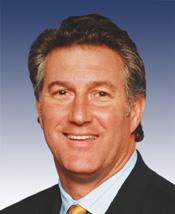
Madam Speaker, I want to begin by commending the chairman, the gentleman from New Jersey (Mr. Smith), and the gentleman from Illinois (Mr. Evans), the gentleman from Connecticut (Mr. Simmons), and…
Madam Speaker, I want to begin by commending the chairman, the gentleman from New Jersey (Mr. Smith), and the gentleman from Illinois (Mr. Evans), the gentleman from Connecticut (Mr. Simmons), and the gentleman from Texas (Mr. Rodriguez) for their hard work in crafting a comprehensive bill that gives great improvements to veterans health care programs.
It is imperative at this time especially that we honor the service of veterans and provide for the quality of life they have helped foster for their years of service to us and this Nation.
This bill ensures the VA health care system will continue to provide the highest quality health care services to our Nation's patriots.
I would like to take a minute to highlight a provision in this bill that honors the memory of a veteran that served in this body. Congressman Bob Stump dedicated his life to the service of this country, first in World War II as a Navy medic, then as an elected official in the State of Arizona, and also in the House of Representatives here in Washington.
Throughout his career, he devoted his efforts to taking care of men and women in uniform on and off the battlefield who committed themselves to defend this Nation and our Constitution. As the previous chairman of the House Committee on Veterans' Affairs, he worked for over 20 years in support of increased health care benefits for veterans and in strengthening the Montgomery GI Bill to allow veterans to have greater access to education and training.
This bill honors the legacy of Bob Stump and his steadfast commitment to veterans by renaming the Prescott Veterans Affairs Medical Center in Prescott, Arizona, the Bob Stump Veterans Affairs Medical Center.
I would like to thank members of his staff, Delores Dunn, Joanne Keeane, and Susan Hosinpellar, who continue to carry on the tradition of his service. It is they who brought forward this idea, along with the Arizona delegation who helped make it happen. It is a fitting tribute to one of our Nation's greatest heroes.
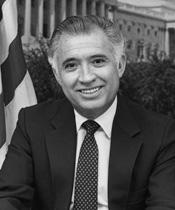
Mr. Speaker, I thank the gentleman for yielding me time. Mr. Speaker, this bill requires a plan for in-patient services for veterans in south Texas by January 31, 2004, either through VA or through…
Mr. Speaker, I thank the gentleman for yielding me time.
Mr. Speaker, this bill requires a plan for in-patient services for veterans in south Texas by January 31, 2004, either through VA or through contracts with private hospitals.
Of course, I would like to thank my good friend, the gentleman from Ohio (Mr. Hobson), for his help in finding more health services for our veterans; and also my good friend, the gentleman from New Jersey (Chairman Smith); the gentleman from Illinois (Chairman Simmons), my good friend; the gentleman from Illinois (Mr. Evans); and, of course, the gentleman from Texas (Mr. Rodriguez), who intervened at a critical point to ensure south Texas was kept in this bill.
In my district I have four military installations. Through the years, we know what happens when a veteran gets ready to retire. What he does is he moves close to a military installation. Well, in this case the hospital that we had was shut down several years ago. But now under this bill and with this contract that they are talking about, opening up for in-patient care, it gives hope to the veterans who live in the area.
Mr. Speaker, we have veterans from the Second World War and the Korean War. Some of them are bed-ridden, and it takes 6 to 7 hours for them to go to the nearest VA hospital, which happens to be in San Antonio. I think that part of the healing process is the idea of being close to your family. But when you are removed from your family and have to travel and take that patient away from his family to a point that is 200 to 300 miles away, it does not work.
They deserve no less than this. The Lord knows that these VA patients and veterans have waited for a long, long time.
I am glad that this bill is also honoring my good friend that I got to know for a long time, Bob Stump from Arizona. I am glad that we are honoring his memory.
Please, I ask my friends to vote for this bill.
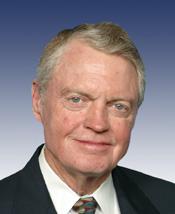
Mr. Speaker, I would like to especially thank the gentleman from New Jersey (Chairman Smith), the gentleman from Connecticut (Chairman Simmons), and the gentleman from Texas (Mr. Rodriguez) for their…
Mr. Speaker, I would like to especially thank the gentleman from New Jersey (Chairman Smith), the gentleman from Connecticut (Chairman Simmons), and the gentleman from Texas (Mr. Rodriguez) for their work on this bill. It is an excellent piece of legislation.
Mr. Speaker, the biggest veterans health care issue in my district, which is largely rural, is access. We have a great many veterans who are driving hundreds of miles and sometimes many hours to a clinic; and as a result, many of them, particularly the oldest and the sickest, simply cannot get there. They do not have access. Also, of course, they are facing waiting lists sometimes of several months.
Mr. Speaker, what I did was I submitted legislation to provide vouchers for health care to local hospitals. That legislation is not in this particular bill. However, this legislation expresses the sense of Congress that the Secretary of Veterans Affairs should take steps to ensure that an appropriate mix of facilities and clinical staff is available for health care for veterans residing in rural areas. I really applaud members for getting that in there, because I think that is badly needed.
In addition, the legislation also contains a requirement that 120 days after the date of enactment of this legislation, the Secretary of Veterans Affairs shall submit to the Committee on Veterans' Affairs of the Senate and the House a report describing the steps the Secretary is taking to improve access to health care for veterans residing in rural areas.
So I applaud Members for getting that in there and also requiring at least a 120-day report. We appreciate this. I would like to thank my colleagues for including these important provisions, and thank them for this bill. I urge support.
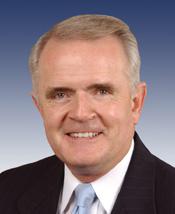
Mr. Speaker, in honor of our former friend and colleague, a World War II veteran, the veterans' great friend across this country, the late Bob Stump, I rise in strong support of this legislation, S.…
Mr. Speaker, in honor of our former friend and colleague, a World War II veteran, the veterans' great friend across this country, the late Bob Stump, I rise in strong support of this legislation, S. 1156, the Department of Veterans Affairs Long-Term Care and Personnel Authorities Enhancement Act of 2003. I want to add my voice in support of those who have already spoken in support of this legislation.
This bill goes a long way in providing our Nation's veterans with the medical care that they have earned and deserve. The long-term health care that this bill provides communities across the country, including southern Nevada, is desperately needed. Southern Nevada, as you have already heard, has one of the highest, fastest-growing veterans populations in the country; and their needs have far outstrip the current care capacity of the current VA facilities in the area.
Fulfilling the current and future health care needs of our veterans must remain a high priority. I applaud the commitment of our colleagues in the House, especially the Nevada delegation, in meeting the needs of Nevada's veterans. I also applaud the work of my
colleagues in the other Chamber on this bill.
I urge my colleagues in the House to support S. 1156. The assistance it provides to Nevada's veterans and veterans across this country is long overdue.
Mr. Speaker, I am very disappointed that this final bill does not fully authorize a new veterans health care facility in central Ohio, as was done in the House bill we approved earlier this year,…
Mr. Speaker, I am very disappointed that this final bill does not fully authorize a new veterans health care facility in central Ohio, as was done in the House bill we approved earlier this year, thanks to the hard work by the gentleman from Ohio (Chairman Hobson), my central Ohio colleague; but as importantly, the gentleman from New Jersey (Chairman Smith) and the subcommittee chairman, the gentleman from Connecticut (Mr. Simmons), who worked extremely hard to get that commitment in the bill that we passed here, a facility badly in need of expansion. That $90 million represented a beginning-to-end commitment that this House made. This bill before us includes only $9 million for planning purposes. That cut was made by the other body, and is something that we in the House knew nothing about, were not consulted with, and we are stuck with the version before us today.
The money included in this bill for the new central Ohio veterans' facility is a start for an area long underserved by the veterans administration, but it is only a start. I want to assure the veterans community in central Ohio that I am committed to finishing the job and making a new expanded health care facility a reality in the years to come.
Mr. Speaker, as a strong supporter of the military, I am pleased to support this legislation, which enhances veterans health care. I am especially pleased that this bill also honors George E. Wahlen,…
Mr. Speaker, as a strong supporter of the military, I am pleased to support this legislation, which enhances veterans health care.
I am especially pleased that this bill also honors George E. Wahlen, Utah's only living Medal of Honor winner. George Wahlen is a dedicated American and Utah is proud to pay tribute to his service by renaming the Salt Lake Veterans Affairs Medical Center in his honor.
George Wahlen's twenty-year service to this nation as a soldier was not his only contribution. Even now, he continues to serve as an advocate for both active troops and veterans. I am proud to honor this patriot, just as I am proud of all Americans who serve their country.
Bill Text
Latest available legislative text
        [Congressional Bills 108th Congress]
[From the U.S. Government Publishing Office]
[H.R. 2349 Introduced in House (IH)]

108th CONGRESS
1st Session
H. R. 2349

To authorize certain major medical facility projects for the Department
of Veterans Affairs.

_______________________________________________________________________

IN THE HOUSE OF REPRESENTATIVES

June 5, 2003

Mr. Evans (for himself, Mr. Simmons, Mr. Gutierrez, Mr. Filner, Ms.
Berkley, and Mrs. Davis of California) introduced the following bill;
which was referred to the Committee on Veterans' Affairs

_______________________________________________________________________

A BILL

To authorize certain major medical facility projects for the Department
of Veterans Affairs.

Be it enacted by the Senate and House of Representatives of the
United States of America in Congress assembled,

SECTION 1. AUTHORIZATION OF MAJOR MEDICAL FACILITY PROJECTS.

The Secretary of Veterans Affairs may carry out the following major
medical facility projects, with each project to be carried out in the
amount specified for that project:
(1) Construction of a new bed tower to consolidate two
inpatient sites of care in inner city Chicago at the West Side
Division of the Department of Veterans Affairs health care
system in Chicago, Illinois, in an amount not to exceed
$98,500,000.
(2) Construction in Clark County, Nevada, of a facility for
(A) a multispecialty outpatient clinic to replace the leased
Las Vegas ambulatory care center, and (B) a satellite office
for the Veterans Benefits Administration, in an amount not to
exceed $97,300,000.
(3) Seismic corrections to strengthen Medical Center
Building 1 of the Department of Veterans Affairs health care
system in San Diego, California, in an amount not to exceed
$48,600,000.
(4) A project for (A) renovation of all inpatient care
wards at the West Haven, Connecticut, facility of the
Department of Veterans Affairs health system in Connecticut to
improve the environment of care and enhance safety, privacy,
and accessibility, and (B) establishment of a consolidated
medical research facility at that facility, in an amount not to
exceed $50,000,000.

SEC. 2. AUTHORIZATION OF APPROPRIATIONS.

(a) In General.--There is authorized to be appropriated to the
Secretary of Veterans Affairs for fiscal year 2004 for the
Construction, Major Projects, account $294,400,000 for the projects
authorized in section 1.
(b) Limitation.--The projects authorized in section 1 may only be
carried out using--
(1) funds appropriated for fiscal year 2004 pursuant to the
authorization of appropriations in subsection (a);
(2) funds appropriated for Construction, Major Projects,
for a fiscal year before fiscal year 2004 that remain available
for obligation; and
(3) funds appropriated for Construction, Major Projects,
for fiscal year 2004 for a category of activity not specific to
a project.

SEC. 3. AUTHORIZATION OF MAJOR MEDICAL FACILITY LEASE.

The Secretary of Veterans Affairs may enter into a lease for an
outpatient clinic in Charlotte, North Carolina, in an amount not to
exceed $3,000,000.

SEC. 4. LIMITATION ON DISPOSAL OF LAKESIDE DIVISION, DEPARTMENT OF
VETERANS AFFAIRS MEDICAL FACILITIES, CHICAGO, ILLINOIS.

(a) Limitation.--No funds available to the Secretary of Veterans
Affairs may be used for disposal of the Lakeside Division facility of
the Department of Veterans Affairs medical facilities in Chicago,
Illinois, until the Secretary has entered into a contract to construct
a new bed tower at the West Side Medical Center of the Department of
Veterans Affairs in Chicago, Illinois.
(b) Definition.-- For purposes of this section, the term
``disposal'', with respect to the Lakeside Division facility, includes
entering into a long-term lease or sharing agreement under which a
party other than the Secretary has operational control of the facility.
<all>