To amend part D of title XVIII of the Social Security Act, as added by the Medicare Prescription Drug, Improvement, and Modernization Act of 2003, to provide for negotiation of fair prices for Medicare prescription drugs.
Legislative Activity
Stay on top of the latest movement without scrolling through every action
Referred to the Subcommittee on Health.
December 17, 2003
View full timeline
Introduced in House
December 8, 2003
Referred to the Committee on Energy and Commerce, and in addition to the Committee on Ways and Means, for a period to be subsequently determined by the Speaker, in each case for consideration of such provisions as fall within the jurisdiction of the committee concerned.
December 8, 2003
Floor Debate
13 membersWhat members said about H.R. 3672 on the floor
 DP
DP LMS
LMS DMC
DMC SB
SB PAD+8
PAD+8
Floor Debate
13 membersWhat members said about H.R. 3672 on the floor
Mr. Speaker, by direction of the Committee on Rules, I call up House Resolution 638 and ask for its immediate consideration. Mr. Speaker, for the purpose of debate only, I yield the customary 30…
Mr. Speaker, by direction of the Committee on Rules, I call up House Resolution 638 and ask for its immediate consideration.
Mr. Speaker, for the purpose of debate only, I yield the customary 30 minutes to my colleague and friend, the gentlewoman from New York (Ms. Slaughter), pending which I yield myself such time as I may consume. During consideration of this resolution, all time yielded is for the purpose of debate only.
Mr. Speaker, H. Res. 638 provides for separate consideration of three different measures. The rule provides that when these measures are agreed to, each will be engrossed as one bill and sent to the other body.
Mr. Speaker, this week communities across this country are participating in activities associated with Cover the Uninsured Week. Why? Well, because almost 44 million Americans have zero health insurance.
These 44 million Americans live in sleepy towns and bustling towns all across America in each and every one of our districts. They are children and adults. They are families. The majority are hardworking men and women just trying to make a living, provide for their families and offer their children opportunities they may never have had.
Yet nearly 44 million of our constituents are living every day without health insurance coverage. They are living without the security of knowing that they have a family doctor to call upon when they are sick and when it comes to time for their annual checkup. They are living without the security of knowing that when their child is ill, whether it is just a bad bug or a life-threatening ailment, they can access emergency care or see a specialist.
Without a doubt, the major reason people do not have health insurance is because they simply cannot afford it. In fact, 71 percent of the uninsured forego health insurance because of the cost.
As I have come to find, for every 1 percent increase in health insurance premiums, 300,000 more individuals go without health insurance. Whether in the halls of Congress, at the Washington think tanks, among not-for-profit organizations, in the boardrooms of businesses or at the corner coffee shops, everyone is talking about what they believe is the remedy to one of the toughest questions ever asked: How do we stop sky-rocketing health insurance costs and get more people insured?
Quite frankly, I think we have talked long enough. Mr. Speaker, it is time we place on the table the best market-based solutions to provide more Americans with access to quality and affordable health care. So here we are.
Today and tomorrow, this House will debate and consider three legislative solutions. These steps in the right direction will address this larger challenge by focusing on the three major pieces to the puzzle: access, quality and affordability.
The rule we are debating today will allow us to consider legislation to improve upon and strengthen flexible spending accounts, address the sky-rocketing costs of medical liability insurance, and allow small businesses to join together through association health plans.
As I begin to talk in greater detail about each of these initiatives, they may sound rather familiar to my colleagues and to those watching C-SPAN this morning. That is because the House has already considered each of these initiatives in one way, shape or form already, but so far they are going nowhere in the other body. So let us give them one more opportunity.
The first part of our health security plan will improve upon and strengthen flexible spending accounts or FSAs. FSAs allow workers to put money from their paychecks into an account, tax free, to pay for health care expenses. Employees spend this money on health services, giving them responsibility over their own health care decisions and spending.
While FSAs are a great concept and have worked well under current law, the money contributed by employees have actually forfeited to the employer at the end of the year if it is not used. That means use it or lose it.
Our plan would allow up to $500 of that money to be carried over into the following year. If an employee gets to keep $500 in unused money, they will have a greater incentive to make wise decisions about their spending.
Mr. Speaker, we see a barrier standing in the way of access to quality and affordable health care so we are trying to knock it down. It is a solution.
In the second part of our plan, we will revisit a critical initiative to address a growing and dangerous problem in our legal system that impacts each and every one of us, if not today, then tomorrow or in the future. I am talking about our medical liability system, a system that must be reformed if health care in America is to remain affordable.
The medical liability crisis in America is virtually everywhere, but one of the places that we are seeing the most frightening and tangible effects of this crisis is in the area of prenatal care and delivery. This crisis is turning the very necessary treatment of prenatal care into a luxury, sometimes totally unavailable to far too many women.
It is estimated that about one in 10 obstetricians nationwide have actually stopped delivering babies. The crisis is most acute in rural areas where obstetricians are already in short supply. In my State of Ohio, professional liability insurance premiums have increased by 60 percent in the past 2 years. Sixty percent. According to a recent survey, more than 58 percent of responding Ohio OB-GYNs have been forced to make changes to their practice, such as quitting obstetrics all together, retiring, or relocating because of the unaffordability and unavailability of medical liability insurance. Fifty-eight percent of Ohio's obstetricians.
These statistics reflect the reality of real people in our cities and towns who are cutting back their practices or closing up all together. Just last month, an article ran in my local paper about a baby doctor in Columbus, Ohio, facing the prospect of a third year in which he and his OB-GYN partners have seen their malpractice insurance rise by 40 percent or more. He is leaving his practice to teach residents at the local hospital. His two other partners are leaving too, one to an early retirement and the other to Utah, where she will not have to pay malpractice premiums as large as the ones in Ohio. They say they do not have a choice, they have to leave. Together, just this one practice will leave 4,500 patients looking for new doctors. That is 4,500 women who have relied on these talented doctors for years, in just this single practice, with no one to turn to.
One of these women is 7 months pregnant with her fourth child. At 7 months along, she is looking for another doctor to deliver her baby.
This example is not uncommon to my State. It is not only affecting the doctors who currently practice, but it is affecting future doctors and patients. Recently, the chairman of an OB-GYN residency department in Ohio said he is even unable to train future OB-GYNs. He said that due to high liability premiums, it is difficult to find faculty to teach obstetrics residents. When counseling his students, he encourages them to still choose obstetrics as a profession, but now he offers a warning: just pick the right State, a State with good medical liability reforms. He also said in the past 2 years not a single one of his OB- GYN residents set up practice in Ohio.
The strides our country has made in reducing maternal and infant mortality rates through quality prenatal care are now being jeopardized. Across America, too many expectant moms are foregoing essential prenatal care, and they are asking, who will deliver my baby? I am concerned that without a change, the future of pregnant women's health is in serious jeopardy.
The American people are fed up with abusive personal injury practices, aggravating frivolous lawsuits, and a health care system that is getting more expensive and less accessible as a result. That is why we are here today. That is why we must pass this important initiative. The Congressional Budget Office estimates that when our plan is enacted, premiums for medical malpractice insurance ultimately would be an average of 25 to 30 percent less than they are now.
Mr. Speaker, we see a barrier standing in the way of access to quality and affordability in health care, so we are trying to knock it down. It is a solution.
And the third piece of our puzzle will help address skyrocketing health care costs where they hurt the most, small businesses. When you consider that small businesses employ 50 percent of employees across our country, it is troubling to learn that 60 percent of the uninsured work for small businesses. They are uninsured because small business owners cannot afford to pay the cost of health insurance for their workers. The Small Business Health Fairness Act brings the benefits enjoyed by corporate America to these small businesses.
This important initiative will allow small businesses to create association health plans, or AHPs. AHPs will enable small businesses to join together through existing trade associations to purchase health insurance for their workers at a lower cost than what is available to them now. It is the wholesale strength-in-numbers approach that will allow these groups of small businesses to band together to negotiate for lower prices on health insurance than individual employees could secure on their own.
AHPs will save small businesses an average of 13 percent on their employee health care costs, which means more small business employees will have access to affordable health care coverage. And there is no question that 13 percent will be better spent by employers expanding their businesses by hiring unemployed Americans.
Mr. Speaker, once again we see a barrier stand in the way of access to quality and affordable health care, so we are trying to knock it down. Once again, it is a solution.
We have laid our common-sense solutions on the table, and now it is time to put them to work. I urge my colleagues to join me in implementing these critical initiatives that will help control the cost of health care in this country.
Mr. Speaker, I reserve the balance of my time.
Mr. Speaker, I am very pleased to yield 2 minutes to the gentlewoman from West Virginia (Mrs. Capito), who has such a passion for health care concerns for her constituents.
Mr. Speaker, I yield myself such time as I may consume.
Mr. Speaker, buttressed by our colleagues in the other body who are holding all these bills hostages, certainly they would like to have us give up, but when 58 percent of the OB-GYNs in Ohio are changing or leaving their practices, it is exactly the right time to turn up heat on these bills, and that is exactly what we are doing.
Mr. Speaker, I yield 2\1/2\ minutes to the gentleman from Texas (Mr. Sam Johnson).
Mr. Speaker, I yield 2 minutes to the gentleman from Washington (Mr. Nethercutt).
Mr. Speaker, I am very pleased to yield 3 minutes to the gentleman from Florida (Mr. Weldon), who, as a doctor, has personal knowledge of how this stuff works.
Mr. Speaker, I yield myself such time as I may consume.
I may have misheard my colleague earlier when I thought she said that CBO estimates on the premiums for medical malpractice insurance would be very small. If that is the case, I am sorry, but let me just let the record stand that CBO estimates predict that under this very act, premiums for medical malpractice insurance ultimately would be an average of 25 to 30 percent below what they are under current law. Twenty-five to 30 percent below the premiums that we have currently is not a small amount. It is very, very significant.
Mr. Speaker, I reserve the balance of my time.
Mr. Speaker, I yield myself such time as I may consume.
Mr. Speaker, I cannot stress enough the importance of moving forward with these solution-based initiatives. We have a chance here now to make a difference in the lives of hardworking Americans across this great Nation. So let us put a stop to the politicizing of the plight of the uninsured. Let us help the small business owners insure their employees. Let us help Americans have more say about how their health care dollars are spent. Let us help these pregnant women and their babies who have no doctors to deliver them and care for them. Let us help the 58 percent of OB-GYNs in Ohio that have to leave or change their practices than stay in the profession they have chosen.
Mr. Speaker, I urge my colleagues in the strongest way to support this rule and the underlying legislation.
Mr. Speaker, I yield back the balance of my time, and I move the previous question on the resolution.
Mr. Speaker, I yield myself such time as I may consume. Mr. Speaker, two wrongs do not make a right, and three wrongs do not make a right, and passing bad legislation a second and third time will not…
Mr. Speaker, I yield myself such time as I may consume.
Mr. Speaker, two wrongs do not make a right, and three wrongs do not make a right, and passing bad legislation a second and third time will not make it a good bill. And I do not believe the Senate is going to like it a bit better. As a matter of fact, if the problem is the United States Senate, the other body, it would seem to me that we could take the bill over to the other body and find out exactly what the problem is and not take the time of the House over and over passing a bill that will go nowhere.
Last year, the House considered and passed the legislation that is identical to two of the bills considered under the rule, and I do not believe the people of this great Nation sent us here to change the number on a bill and pass it again during the same Congress.
Instead of playing these legislative games, we should be working on the grave issues that face this country. Americans are out of work, the Federal deficit is reaching all-time highs, American troops are in even greater danger in Iraq, the serious abuses of Iraqi prisoners and the failure to find weapons of mass destruction in Iraq should be aggressively investigated, and our hard-earned reputation and relationships throughout the world are in a shambles. So why, Mr. Speaker, are we on the floor of the people's House doing the same thing we did last year?
Why are we wasting valuable time reconsidering the bills that were passed and sent to the other body? The bills do nothing to help the more than 40 million uninsured Americans. It is shameful, with so many issues facing this Nation, that so many pieces of good legislation languish while we waste valuable floor time on bills that have already been passed and are not expired.
Why are we not considering bipartisan legislation to expand access to preventive health care services and to education programs that help to reduce unintended pregnancies, reduce infections of sexually transmitted diseases? And why are we not considering legislation that would allow children of deployed servicemembers to remain at their public schools in the event of a temporary residences change? Why do we not consider legislation to keep law enforcement uniforms out of the hands of criminals and terrorists? Why are we not on the floor debating and passing important bipartisan genetic nondiscrimination legislation?
This replay game is not even an effort to improve the earlier work. The bills are not new and improved. Last year's medical malpractice legislation was considered under a closed rule, and this year the same malpractice legislation is subject to a closed rule. In the Committee on Rules hearing on each of the medical malpractice bills, Democrats offered a total of 39 amendments. Zero were made in order. Last year, the rule on the association health plans, the AHP bill, was restrictive, allowing only one amendment. This year, the same AHP bill with a new number is subject to a restrictive rule and again only one amendment is made in order.
I make the point again, Mr. Speaker, there is no change in the bill that has already passed the House.
Mr. Speaker, it does not help the millions of uninsured Americans at all. The wealthy are able to take advantage of the health savings accounts, but the poor are not. The uninsured will continue to be the uninsured.
H.R. 4281 suffers from the same fatal maladies as last year's bill creating the AHPs. The Congressional Budget Office found that under this proposal, now this is very important, the Congressional Budget Office found that under the proposal passed that the premiums would increase for 80 percent of workers in small firms, and that 100,000 of the sickest workers would lose coverage all together.
The bill would eliminate the protection of over 1,000 State consumer protection laws and vital State oversight. AHPs are likely to destabilize the health insurance market. Over 850 organizations oppose this legislation, including the National Governors' Association, the National Conference of State Legislators, and the National Association of Insurance Commissioners.
The cure offered by the same medical malpractice bill is worse than the disease. Just like last year's bill, the bill ignores the major player in rising malpractice insurance premiums: the insurance corporations. Why we do that, I do not know; but they are continually left out of this equation. Proponents want to blame the jury awards for rising insurance premiums, but a study by Americans for Insurance Reform reported that rising insurance premiums are in no way tied to jury awards.
Nothing in the bill requires the insurance corporations to lower premiums for medical malpractice insurance. Nothing in this bill requires the insurance companies to pass along to the physicians any savings the corporations might gain from this legislation.
And, disappointingly, nothing in this bill gets rid of incompetent doctors.
Statistics say that 5 percent of doctors are responsible for 54 percent of all medical malpractice claims paid. Logic cries out that those 5 percent of doctors be dealt with. Now, this legislation punishes injured patients with valuable claims against negligent or reckless physicians and allows repeatedly reckless doctors to continue to practice medicine. We should weed out the 5 percent of physicians causing most of the harm and who force the insurance to pay again and again for their mistakes.
We should stop playing games and consider legislation that will really help patients and that will really aid the doctors in providing quality health care. What we need is a reasonable regulation of the insurance industry, aggressive removal of bad doctors, and affordable prescription drugs.
Mr. Speaker, my concern goes beyond this obvious waste of time and resources and the poor substance of these three bills. Once again, the House is denied the opportunity to engage in full and open debate. Members are being muzzled. This abuse of process is becoming the norm rather than the exception.
Excluding H. Res. 638, the Committee on Rules has produced 22 rules this year: one open rule, 14 restrictive, five closed, and two procedurals. Debate is narrowed and stifled. Amendments and policy alternatives routinely are made out of order and not allowed on the floor. The body is elected to deliberate and debate, but the process is becoming much less democratic and much less deliberative.
This abuse of power and process harms this institution and does nothing to help the over 40 million Americans without health care insurance. Reconsideration and repassage of these bills is a meaningless exhibition of political theater, and I urge my colleagues to vote ``no'' on this rule so the House can get down to some serious work on behalf of the American people.
I must also say, Mr. Speaker, that I am particularly aggrieved at the portion of this bill that allows the pharmaceutical companies and the producers of medical devices to get off without being sued.
Mr. Speaker, I reserve the balance of my time.
Mr. Speaker, I yield 6\1/2\ minutes to the gentleman from Ohio (Mr. Brown).
Mr. Speaker, will the gentleman yield?
Not only for the drug industry, Mr. Speaker, but for the
people who manufacture medical devices. I know that is hard to believe, given that the drug companies just cleaned up from the Medicare bill passed here, but they are indemnified in this bill if the FDA has approved what they are doing.
Mr. Speaker, this is the same FDA that just last week threw science overboard and declined to approve a drug that has been found safe in 36 countries and by 24 of 29 scientists that studied it for the FDA. I do not trust the FDA anymore. But the FDA gives it approval, and then says citizens will have no recourse.
Mr. Speaker, if the gentleman would continue to yield, there is no punitive damage; none. In addition to that, just last week it was reported that science in the United States is falling considerably behind. We are no longer the leaders. This is the same leading by this FDA. I am very sorry to see that in this bill, and I believe most Americans will not approve it being in this bill. Frankly, I hope the Senate will again refuse to take it up.
Mr. Speaker, I yield 3 minutes to the gentleman from Oregon (Mr. DeFazio).
Mr. Speaker, I yield 2 minutes to the gentleman from Maryland (Mr. Cardin).
Mr. Speaker, I yield myself 1 minute. CBO reports that proponents of limiting malpractice liability argue greater savings in health care, possible through reductions in practice of defensive medicine. However, the defensive medicine is motivated less by liability than by the physicians, by the money it generates for them. And on the basis of existing studies and its own research, the Congressional Budget Office says savings from reducing defensive medicine would be very small.
Also, there is no evidence that restriction on tort liability reduced medical spending.
Mr. Speaker, I am pleased to yield 3 minutes to the gentleman from Illinois (Mr. Emanuel).
Mr. Speaker, let me yield myself 1 minute to respond to my colleague who did misunderstand what I was saying. The speaker had said that practicing defensive medicine was one of the reasons that the costs were so high. What the CBO has said was that defensive medicine is motivated less by liability concerns than the income it generates for the physician. On the basis of CBO's own studies and research, they believe that savings from reducing defensive medicine would be very small.
Mr. Speaker, I am pleased to yield 2 minutes to the gentleman from New Jersey (Mr. Pallone).
Mr. Speaker, I yield myself the balance of my time.
Mr. Speaker, I will be asking for a ``no'' vote on the previous question. If the previous question is defeated, I will offer an amendment to the rule that will allow the House to add two more important health-related bills to this multibill rule.
Since we are revoting on health initiatives that have already passed the House in some form in this Congress, I think we should take this opportunity to consider two other very important pieces of healthcare- related legislation. My amendment would allow for the consideration of a bipartisan drug reimportation legislation. If the purpose of this rule and these bills is to restate our commitment to House-passed health-related matters, this bill certainly deserves to be included. It has been passed several times. Drug reimportation legislation would provide relief for millions of Americans including the over 40 million uninsured. The House overwhelmingly passed similar legislation last year but it is worth
considering again, now that the Secretary of Health and Human Services has said that he supports reimporting drugs from Canada.
The second bill would amend the Medicare Prescription Drug Act to provide for negotiation of fair prices for Medicare prescription drugs. I cannot think of a more important correction to the Medicare prescription drug bill than fixing the irresponsible language in that bill that prohibits the Federal Government from negotiating lower prices for prescription drugs for our Nation's senior citizens.
Let me emphasize that a ``no'' vote on the previous question will not stop consideration of the three bills already covered by the rule. It will allow the House to add these two important health bills to this multibill rule. However, a ``yes'' vote will block Members from considering two more critical health initiatives. Again, I urge a ``no'' vote on the previous question.
Mr. Speaker, I ask unanimous consent that the text of the amendment be printed in the Record immediately prior to the vote on the previous question.
Mr. Speaker, I yield back the balance of my time.
Mr. Speaker, on that I demand the yeas and nays.
Mr. Speaker, the House today considered a rule providing for the consideration of three bills that are intended to solve our nation's insurance crisis which has reached epidemic proportions. Today,…
Mr. Speaker, the House today considered a rule providing for the consideration of three bills that are intended to solve our nation's insurance crisis which has reached epidemic proportions. Today, an estimated 43 million in the United States have no health insurance. About 60 percent of those, approximately 24 million, are employed by a small business or are a member of a family whose income derives in some way from a small business. The skyrocketing prices of malpractice liability is driving insurance premiums up and making it impossible for employers of 500 or less individuals to afford the high cost of health care.
The bills being debated today while seeking to address these issues does so unfortunately, by providing the wrong solutions. Today, the House will once again bring up a bill to create Associated Health Plans (AHP). Providing a permanent solution to the uninsured is critical to our nation's economy because Small Businesses, the engine of our nation's economic growth because they create about 75 percent of new jobs in America, deserve a sound and permanent solution to the affordable health care.
Mr. Speaker I oppose the rule that will control the disposition of these bills primarily because it does not provide for Democrats to include their measures in solving the issue of the uninsured. The proposed rule only makes in order a substitute amendment and not an amendment to the underlying bill. Stacking the deck against the Democratic efforts to ensure that the legislation has a sense of balance and accurate in addressing the need of the American people.
Additionally, Mr. Speaker, I must also express my displeasure with the majority's efforts to address the current malpractice crisis. As a former family doctor I am fully aware of the feeling many doctors have about being forced out of practice by very high insurance premiums. The Republican bill, H.R. 4280 does not address the problem, however.
According to the Institute of Medicine, ``At least 44,000 and perhaps as many as 98,000 Americans die in hospitals each year as a result of medical errors. Deaths due to preventable adverse events exceed the deaths attributable to motor vehicle accidents (43,458), breast cancer (42,297) or AIDS (16,516).'' The IOM estimates annual costs to the economy of medical errors between $17 billion and $29 billion. Congress would better serve the public with legislation that promotes patient safety, rather than overriding state-law deterrents that help prevent patient deaths and injuries.
Instead of reducing the costs of medical malpractice and defective products, the majority's approach would shift costs onto injured individuals, their families, voluntary organizations and taxpayers. Not only are the provisions unfair to victims, they also sacrifice the principles of market economics and private property long professed by the bill's conservative advocates.
Furthermore, punitive damages are rarely awarded in medical malpractices cases, but the threat of punitive damages is important to deterring reckless disregard for patient safety by HMOs, nursing homes, and drug and medical device manufacturers. The $250,000 cap on non- economic damages awards are for non-economic loss (pain and suffering resulting from injuries such as lost child-bearing ability, disfigurement, and paralysis) compensate for the human suffering caused by medical negligence and defective medical products.
These damages generally account for 35 to 40 percent of a jury's award. Typically, such damages exceed $250,000 only in cases of NAIC Level 6 injury severity or higher--that is cases involving permanent significant injuries. Thus, the cap will not affect patients with minor injuries; instead, it targets only victims of injuries such as deafness, blindness, loss of limb or organ, paraplegia, or severe brain damage. Since the cap makes no allowance for inflation, its arbitrary limits become more unjust as each day passes.
I implore my colleagues to reject this rule and H.R. 4280 and support the Conyers-Dingle substitute. The Democratic substitute does not restrict the rights of injured patients who file meritorious claims. It requires certification, with civil penalties, that a pleading is not frivolous, factually inaccurate or designed to harass. It includes a 3- year statute of limitation; establishes an alternative dispute resolution process; limits suits for punitive damages; and applies 50% of awards from any punitive damages to a patient safety fund at HHS. Finally, it requires insurance companies to develop a plan to give 50% of their savings to reductions in medical malpractice rates for doctors.
The Democratic substitute also addresses the causes of rising medical malpractice insurance rates by creating a new commission to evaluate the causes of the malpractice premium crisis and recommend solutions, including a medical reinsurance program, risk distribution among health providers and other changes that might avoid such increases in the future.
Because experience has shown that capping damages will not lower malpractice insurance rates for doctors, the Democratic substitute promotes competition in the marketplace so doctors can get lower insurance rates. The five states with the highest malpractice insurance premiums in the country in 2002 already had damage caps. Only insurance reform will help bring down rates. The Democratic substitute specifically requires the newly created commission to study various insurance reform proposals, particularly repealing the medical malpractice insurance exemption under the McCarran-Ferguson Act (which would foster competition).
Mr. Speaker, we need a real malpractice relief, I urge my colleagues to put partisan gamesmanship aside and pass health legislation that our nation is so badly in need of.
Mr. Speaker, I thank the gentlewoman for yielding me this time. I am almost a little embarrassed to be here today. This country is dealing with serious problems in Iraq, this country is dealing with…
Mr. Speaker, I thank the gentlewoman for yielding me this time. I am almost a little embarrassed to be here today. This country is dealing with serious problems in Iraq, this country is dealing with serious unemployment problems. In Ohio, we have lost 1 out of 6 manufacturing jobs. This country is facing incredible confusion with the new Medicare bill and seniors are sorting through 50 Medicare cards to get a 10 or 15 percent discount while drug prices go up 15 or 20 percent a year, yet we are here today to debate issues which have already passed in the House and bills that clearly will not make a dent in the problem of the uninsured, the 40 some million uninsured.
Instead of debating proven solutions, solutions that we know will work, but solutions that just might, they just might hurt the drug industry and the insurance industry, they might be bills the insurance companies do not like, instead of working on bills that expand access to health insurance, the Republican leadership has chosen to pat itself on the back. They are frittering away the Cover the Uninsured Week by reconsidering bills which have already passed this House, bills that cater to the insurance industry, some of the biggest contributors to President Bush and the Republican Party, bills that give away the Federal Treasury to the drug industry, industries that give tens of millions of dollars to Republican leadership and to President Bush, and bills that help the HMO industry by sheltering them from liability.
These bills will not necessarily reduce the number of uninsured, but we know they will undermine hard-fought State insurance laws, they will cover some small number of employers at the expense of others, they will provide tax shelters to people who already have coverage, and they will perpetuate the type of high-deductible coverage that actually discourages people from seeking preventive care.
Republican leadership will spend this week, Cover the Uninsured Week, trying to cull out the uninsured issue so they can hand out more tax breaks to their HMO and insurance companies and prescription drug company contributors and butter up more of their campaign contributors.
The President's budget does not spend a dime on the uninsured, but it will cut $24 million from the Medicaid program, clearly a program that works and which has helped millions of America's elderly and poor families.
The President's plan will increase the number of uninsured. My Republican colleagues would also cut the Medicaid program by billions, stripping health insurance coverage from the most vulnerable among us.
So let me see, the Republican bills protect the drug companies and the HMOs from harm they cause their patients, they destabilize the entire small group insurance market to buck State insurance laws, and they give tax breaks to the already insured. I am sure none of this has anything to do with the fact this is an election year, President Bush is out raising $200 million, Republican leadership is trying to equal that amount of money, and so much of it comes from the drug industry, the insurance industry and the HMOs.
Now, this is my Republican friend's response to the fact that 43 million people in this country are uninsured. It is outrageous that we are voting for a second time on these issues. It is not just futile; frankly, it is shameful.
The other side of the aisle were talking about the malpractice crisis for physicians which is very real in many places. The gentlewoman from New York said this bill has liability protections, not just helping the doctors but for the drug industry?
I yield to the gentlewoman from New York.
So to make sure I understand this, the FDA, the same FDA that has begun to throw overboard science, the same FDA that is clamping down on Americans going to Canada for less expensive drugs, the same FDA that approves prescription drugs, if they approve them, this FDA which is way too controlled by the drug industry, which is controlled and influenced by the drug industry, if they approve a new drug, even if that drug is found to be unsafe and injures hundreds of thousands of people, there is no liability? There is no way to bring suit?
Mr. Speaker, the previous gentleman would not yield to my colleague, but it is the FDA's own assistant commissioner, Mr. Hubbard, who said they have seen no unsafe drugs from Canada but have found…
Mr. Speaker, the previous gentleman would not yield to my colleague, but it is the FDA's own assistant commissioner, Mr. Hubbard, who said they have seen no unsafe drugs from Canada but have found adulterated drugs in our relatively unregulated secondary wholesale market. So the gentleman is wrong on that. He said he has seen them. He ought to contact the FDA.
Mr. Speaker, there is some room for agreement here. There is a problem in the affordability of insurance, health insurance for many Americans and businesses, medical malpractice insurance for many doctors. But guess what? It has spilled over into car insurance, homeowners insurance, personal liability insurance. It seems to be a big crisis in the health insurance industry. And is it that there is this whole new tide of claims in these areas? No, it is because the industry mismanaged its funds.
It is an industry that is exempt from antitrust laws of the United States of America. They can and do collude to fix prices, redline people, and choose who they want to cover and who they do not. So they are sticking it to the docs and the American people and American businesses who buy health insurance in all lines of insurance.
So one logical thing to do would be to subject the health insurance industry to the same rules that every other industry in the United States of America has to follow, make them follow antitrust laws, do not allow them to collude to set prices. But since they are such generous contributors to the other side of the aisle and to the President, oh, no, we are not going to make them like other industries, we are not going to make them competitive, let us give them a little gift here. We are going to go after other ways of dealing with this problem.
Of course, the other way of dealing with this problem is exactly the same bill passed by the House of Representatives last year which is not going to pass the Senate. So why are we here today? We are here today because they want to remind their political contributors they did this last year and they can do it again this year. The Senate is not going to do it. They do not want to really legislate. They do not want to come up with compromises that might pass.
There is a problem in affordability and access. There is a problem for both citizens and for docs to get the health insurance that they need. We are losing specialties. All those things are true, but their conclusion is to bail out their friends, the HMOs, the pharmaceutical companies, the insurance industry, not to help the docs, because there is not going to be a bill, and not to help the American people get affordable health insurance.
Mr. Speaker, there are better ways to deal with this problem. A number of States have adopted things that are called soft caps. The bill the other side of the aisle is trying to pass here today was brought up by initiative petition in my State. We hear people in America want this legislation. Guess what? In my State, which I think is a pretty good cross-section, the initiative for hard caps at $250,000 when people saw the egregious things that happen to some people through negligence, was rejected 4 to 1. The other side of the aisle is telling us the American people want this solution. No, the American people want access to their doctors, and they want access to affordable health insurance. But the other side is not going to do either of those things today because it would go against the economic interests of some of their most generous political contributors.
This is identical to legislation passed in the House of Representatives last year, but here we are doing it again for political purposes, not legislative purposes.
Show 8 more
Mr. Speaker, I thank the gentlewoman from New York for yielding me this time. I rise in strong support of the motion of the gentleman from Texas (Mr. Frost) to move the previous question and allow a…
Mr. Speaker, I thank the gentlewoman from New York for yielding me this time. I rise in strong support of the motion of the gentleman from Texas (Mr. Frost) to move the previous question and allow a vote on the two bills that are essential to lowering health care costs and helping
Americans afford their prescription drugs.
I would like to note the irony that today in the House of Representatives we are dealing with health care, the Senate is dealing with health care, and Senator Kerry is dealing with the issue of the uninsured and health care. The only person missing from this debate is the President of the United States, who still lacks an agenda as it relates to health care.
As we are focusing on health care costs, for the last 6 years the cost of prescription drugs in this country have gone up on average 18 percent. This year alone they are going to go up 18 percent. They are projected to go up next year 20 percent. That is five times the rate of inflation. The two bills that this motion would bring up on the floor would make an immediate and lasting impact on the cost of prescription drugs that our seniors are being asked to pay and our taxpayers are being asked to also pay. People from around the world come to America for their medical care. Yet Americans are forced to go around the world for their medications. That is wrong, and we can do better.
Just recently, the CEOs of Walgreens and CVS now came out in favor of allowing people to buy their drugs in Canada and in Europe. Secretary of Health and Human Services Tommy Thompson, who has opposed it, now supports allowing Americans to buy their prescription drugs in Canada and in Europe. The Secretary of Health and Human Services uses Lipitor. Where is that made? Ireland. The difference between that Lipitor that he buys and the people in Canada and Europe is that in the United States that costs 67 percent more here in the United States than it does in Europe and Canada, yet it is made from the same factory in Ireland and we import it into this country. It is distributed worldwide from one country.
Last year alone we imported $14.5 billion worth of prescription drugs. They are safe. The only thing different with those drugs from anywhere else in the world is those drugs here in the United States at our pharmacy cost 50 to 60 percent more here in the United States than they do in Canada and in Europe. It is high time we bring competition and choice to market and bring prices down. This legislation would allow us to do that.
In addition to that, half the States in the country now have legislation or some ability allowing people to buy prescription drugs in Canada and Europe. Congress has passed this on a bipartisan basis. It is not a Democrat-Republican issue. It is between right versus wrong. It is high time we bring this legislation back up and give people real financial relief from a cost where inflation is running 2 percent, prescription drug costs are running close to 20 percent each year for the last 6 years. It is time we bring competition to bear on the market and allow prices to drop through choice and through competition.
I would hope that my colleagues on the other side, given that 83 Members voted for this, allow this legislation to bear so we can finally force the other Chamber to allow prescription drugs prices to be driven down. This is about cost, cost, cost. When somebody tells you it is not about money, it is about money. The prescription drug companies have a hold on this Congress. It is time we break the hold and allow the voices of our constituents to be heard and the pressure on their wallets to be relieved.
Mr. Speaker, I thank the gentlewoman for yielding me this time. Yes, I do confess to being a doctor. I practiced medicine for 15 years before I was elected to the House of Representatives. I still…
Mr. Speaker, I thank the gentlewoman for yielding me this time. Yes, I do confess to being a doctor. I practiced medicine for 15 years before I was elected to the House of Representatives. I still see patients. I see them once a month. I want to address the issue in this rule of medical malpractice reform. A lot of people when they debate the issues surrounding the need for medical malpractice reform and reining in all of these plaintiffs' attorneys who are advertising on television, a lot of focus is on the size of the judgments and the costs, the legal fees associated with this system. But the real burden on our health care system is the high cost of defensive medicine.
What is defensive medicine? I can tell you exactly what defensive medicine is because I practiced it for 15 years. I spent daily between $300 and $3,000 a day unnecessarily. Primary care providers, they do not like to talk about this because it gets them in trouble with their insurance companies, not with their medical malpractice insurance companies but with the Blue Cross/Blue Shields and the Aetnas. The executives of those companies, if they hear doctors saying that they are spending money unnecessarily, they get very upset and they try to clamp down on it.
But how does it work? You come in and you have a headache, you have just lost your job or you have got problems at home. You order a CAT scan, anyway, just because you are worried that you might miss something. And you see the next patient and you are worried about this. Some of you may listen to me and say, oh, this is just rhetoric, this is just hot air. This has been studied scientifically. They studied it in California. They studied it before and after the medical malpractice reforms went through. They discovered that just in the Medicare plan alone that for one diagnosis of heart disease, we are probably spending in excess of $600 million a year unnecessarily just within Medicare, just within one disease, because of defensive medicine.
They passed medical malpractice reform in California. They looked at a reduction in costs with no increased incidence of complications, what we call morbidity and mortality. In other words, quality stayed the same and costs went down. The only way to explain that, the researchers said, is a reduction in defensive medicine. What does this mean? This means if you want to save Medicare money so we can afford prescription drugs, pass medical malpractice reform. If you want to reduce the number of uninsured, pass medical malpractice reform. If you want to reduce the cost of health insurance for American businesses so they can be more competitive in the international marketplace, pass medical malpractice reform.
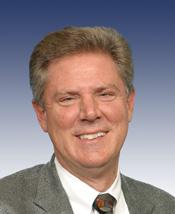
Mr. Speaker, I have been on the floor yesterday as well as earlier today essentially pointing out that the Republicans who have now said that this is the week of the uninsured, that somehow this is…
Mr. Speaker, I have been on the floor yesterday as well as earlier today essentially pointing out that the Republicans who have now said that this is the week of the uninsured, that somehow this is the week they are going to pass legislation to help the uninsured are, in fact, doing nothing of the kind. We face a health care crisis in this country. It is a crisis that is based primarily on cost because the cost of health care keeps going up and also because more and more people have no health insurance. Nothing that is being presented in these bills today and tomorrow is going to do anything major to bring costs down for the patients or for those people who are now uninsured.
I oppose the rule because I think there should be an opportunity to bring up some Democratic measures that would do exactly that, reduce the costs of health care and also cover more people. Specifically, I know it has already been mentioned with regard to cost, is the idea of reimportation from Canada and other countries. We all know that that saves the consumer money. Why not let us have an opportunity to bring that up? The Republicans are wrong in not allowing it to be brought up.
Secondly, let us amend the Medicare prescription drug bill so that we can have negotiated price reductions. Let the Medicare agency, let the Federal Government negotiate prices to bring prices down. This is what other countries do. This is what we do with our VA and with our military. It is a way of lowering costs. But beyond that for the uninsured, allow us as Democrats to bring up other measures. We have a measure that would allow the nearly elderly, those who are over 55, not yet eligible for Medicare, to buy into the Medicare program so that they can be insured. That is the second largest group around this country that have no health insurance right now.
In addition to that, we have a very successful bipartisan program called S-CHIP that insures a lot of the kids around this country who were uninsured. Let us amend that bill. Let us bring up an amendment that would allow us to expand the S-CHIP program to cover the parents of the kids. These are people that are working, they are lower-income but they are working, and they cannot get health insurance on the job.
Let us also address the problem that small businesses have. The Democrats have another proposal, a piece of legislation that would increase what small businesses can do in terms of tax deductions if they provide health care for their employees. The Republicans do not allow us to do this. They are doing nothing to deal with the crisis of health care in terms of cost and the uninsured.
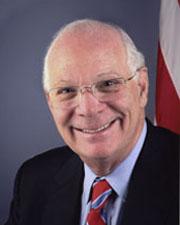
Mr. Speaker, first let me thank the gentlewoman from New York for yielding me this time. I was listening to her comments. I just want to concur in that this is a very unusual process. Once again we…
Mr. Speaker, first let me thank the gentlewoman from New York for yielding me this time. I was listening to her comments. I just want to concur in that this is a very unusual process. Once again we are not going to have full debate and the opportunity to offer amendments. Although we might be getting used to it because it seems to be the norm around here, we should never be silent as to how this is wrong. We should have an opportunity to offer amendments. We should have an opportunity for an open process. We should have an opportunity to debate a bill on its merits. And we are not going to get that chance.
Mr. Speaker, let me mention just two matters that affect the people that I represent in Maryland and the reason I took this time. First, I agree with the previous speaker on this side of the aisle that we should be doing something to bring down the cost of prescription medicines in this country. That is why I will vote against ordering the previous question, because I think we should have a debate on the floor dealing with the cost of medicines which is still the number one problem that I hear when I go to my town hall meetings. The second issue deals with these association health plans. I went to the Committee on Rules and asked for an amendment that would exempt States from these association health plans if the State requested it and they had a small-market reform which already provided help for their small businesses. In my State of Maryland, the adoption of the association health plans will actually be counterproductive. There will be fewer companies that will be offering health care benefits than there are today. That is why Governor Ehrlich has opposed that plan and many other Governors around the Nation have done the same. But I am not even going to have an opportunity to offer that amendment that would give the States the opportunity to continue their initiative. After all, I thought we believed in States rights here and the ability of States to be able to move forward with initiatives to cover their uninsured. But no, this bill works just the opposite. That is why many of our States we have heard from would oppose the association health plans in the way that it is currently drafted.
Mr. Speaker, I regret that the Committee on Rules did not allow that amendment to be made in order nor did they allow any amendment to be made in order. That is not the way that we should be operating in this body. It does not speak to the democratic process. Therefore, I would oppose the rule.
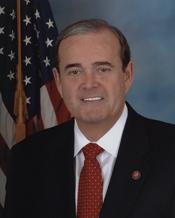
Mr. Speaker, I rise today to oppose the rule that refuses to allow for an open debate or the ability to offer amendments to the medical malpractice legislation brought to the floor today by the…
Mr. Speaker, I rise today to oppose the rule that refuses to allow for an open debate or the ability to offer amendments to the medical malpractice legislation brought to the floor today by the Republican leadership.
We have a medical malpractice crisis in downstate Illinois. Doctors are leaving the area at an alarming rate.
There is not a simple solution to this complex problem. Some believe that restricting or capping damages that victims of malpractice receive alone will solve the problem. Others believe that placing restrictions on the insurance industry is the answer. There have been many studies on the issue reaching conflicting conclusions on the cause of the problem or the solution.
However, one thing is clear. If we do not have the ability to put all of the issues on the table for consideration, and if we do not have the ability to debate each issue and offer amendments on medical malpractice legislation, we will not be able to solve the problem.
The bill before us today is identical to the bill passed by the House that has been tied up in the Senate for months. The bill restricts or caps damages that a victim of malpractice can receive. However, the bill does nothing to restrict premiums that insurance companies can charge doctors or health care providers. It does nothing to stop or restrict the frivolous lawsuits that clog our court system and the bill does nothing to establish an alternative arbitration system to settle claims outside of the court system.
If we are serious about finding real solutions to the crisis rather than scoring political points, the Republican leadership should allow for open debate on all points of view and allow members to offer amendments to the bill to be considered and vote them up or down.
Unfortunately, they have restricted debate on the bill and have refused to allow any amendments to be offered, debated or considered. It is--take it or leave it as is with little debate and no amendments-- no room to compromise.
I will vote no on the closed rule prohibiting amendments and restricting debate, and I will vote to recommit the bill so that we can come back to the floor with a bill that fully addresses all issues putting everything on the table for consideration and adoption.
I urge my colleagues to join me.
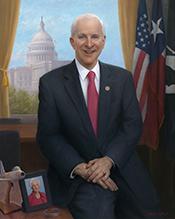
Mr. Speaker, I am appalled at some of the rhetoric going on around here. The FDA is doing a good job. The FDA is controlling drugs. I have seen drugs out of Canada that are not good, so I think they…
Mr. Speaker, I am appalled at some of the rhetoric going on around here. The FDA is doing a good job. The FDA is controlling drugs. I have seen drugs out of Canada that are not good, so I think they are doing a good job.
Mr. Speaker, I want to say I am here today to support the rule for H.R. 4280, the Small Business Health Fairness Act. The state of health care in America is reaching a crisis level. Costs continue to escalate annually at unprecedented rates. Our employers are being forced to drop health care coverage. This disproportionately affects small businesses burdened with shopping for health insurance in the costly small group markets. Large employers bring bargaining clout to the table when they work with insurance companies. Small businesses have fewer employees, and thus have little or no bargaining power. Not only that, but large employers and unions are exempt from burdensome State mandates already. These mandates dictate what health plans must cover and vary from State to State. Small employers do not have that luxury.
We know that more than 60 percent of the uninsured Americans either work for a small business or are dependent upon someone who does. The clear course of action here is to help our small businesses afford health coverage by giving them those same opportunities that unions and large businesses have. Association health plans or AHPs do just that. Small businesses would be able to group together in bona fide trade associations. AHPs would then be able to use economies of scale to their advantage and provide more affordable health care for working families while avoiding administrative costs of State mandates. According to the CBO, AHPs would save small business owners and their employees as much as 25 percent on their health insurance.
I was pleased to see that the Senate task force on the uninsured included association health plans in their report just this week. They are not the only solution to the uninsured in America, but they are certainly an important part of any solution. This is a bipartisan bill. The time to act is now. I urge a yes vote on the rule and on the bill.
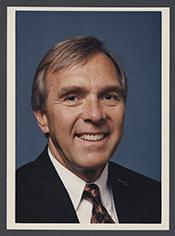
Mr. Speaker, Washington State is facing a health care crisis because medical liability lawsuits have run amok. We are one of 19 States in the country that is in a health care crisis. We have lost 500…
Mr. Speaker, Washington State is facing a health care crisis because medical liability lawsuits have run amok. We are one of 19 States in the country that is in a
health care crisis. We have lost 500 doctors because they could not afford medical liability insurance in my State. What this means is women who are seeking an OB-GYN in some of our communities cannot find one to deliver their babies. That is a crisis. Emergency rooms are not able to stay open 24 hours a day; that is a crisis. We are losing doctors to Idaho, right across the line from my State.
As a member of the Medical Malpractice Crisis Task Force, I am pleased to support H.R. 4280, the Health Act, and pleased to support the rule. It is the right thing to do. There is every reason in the world that critics of any reform can try to give to mask the concept that we have to address the issue of medical liability reform first. We will not do that until we pass a bill in this House and we pass a bill in the other body so there can be communication and discussion and resolution of this problem.
To do nothing does not solve the problem, Mr. Speaker. So I am pleased that this HEALTH Act is being brought up again. We have to make sure we establish again and again and again the commitment of the House to medical liability reform, because doctors, hospitals, nurses, and patients are at risk if we do not change this system, modify this system, reform this system with a commonsense proposal that will lower costs and premiums so that doctors can stay in business. The damage that is being done here is that we are losing very good physicians and hospitals are at risk, risking closing, and also nurses are leaving the practice. They are going elsewhere because they are concerned about the liability insurance that they cannot get in States like mine. I urge my colleagues, vote for this measure, vote again in this House to pass it. Then let us urge the other body to adopt the same sort of commonsense reform. We can do that. I urge my colleagues to support the rule and the bill.
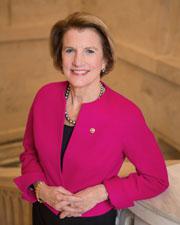
Mr. Speaker, I wish to speak about the medical liability reform bill. Being from a State like West Virginia, we have been in crisis for many years, and I am exceedingly frustrated that we are not…
Mr. Speaker, I wish to speak about the medical liability reform bill.
Being from a State like West Virginia, we have been in crisis for many years, and I am exceedingly frustrated that we are not able to pass this bill and get it to the President for signature. We have passed this bill seven times, while our colleagues in the other Chamber have not acted on this. As a result, we are a Nation faced with torts gone wild.
Mr. Speaker, the medical liability crisis our Nation is faced with is not a recent development. It has been an ever-present problem of varying degrees over the last 3 decades. Some States, like California, have been proactive and enacted tort reforms 3 decades ago. The California reforms, commonly referred to as MICRA, resulted in significantly limiting the increase in medical liability premiums as compared to the rest of the Nation.
The other States' premiums have risen over three times as much as those in California. Doctors are retiring, moving, and throwing up their hands in frustration across this land. Access, affordability, and quality of our health care is at stake.
Mr. Speaker, some State legislatures have acted recently to change their respective tort law system for medical liability claims. I am proud to say my own State of West Virginia has been a leader in this. However, this much-needed reform is now vulnerable to judicial review and can be ruled unconstitutional.
Other States, like Pennsylvania, are specifically prohibited by their State constitution from considering such reforms. Mr. Speaker, this is why a Federal reform is so desperately needed. This reform will defer to State tort law where it is present, but will serve as a backstop for States where the respective State supreme court rules against the new laws.
Mr. Speaker, it is time to take control of the health care costs that are spiraling out of control due to a legal system gone wild. Our Nation's health care is at risk.
Bill Text
Latest available legislative text
        [Congressional Bills 108th Congress]
[From the U.S. Government Publishing Office]
[H.R. 3672 Introduced in House (IH)]

1st Session
H. R. 3672

To amend part D of title XVIII of the Social Security Act, as added by
the Medicare Prescription Drug, Improvement, and Modernization Act of
2003, to provide for negotiation of fair prices for Medicare
prescription drugs.

_______________________________________________________________________

IN THE HOUSE OF REPRESENTATIVES

December 8, 2003

Mr. Edwards (for himself, Ms. Pelosi, Mr. Hoyer, Mr. Clyburn, Mr.
Dingell, Mr. Rangel, Mr. Berry, Mr. Brown of Ohio, Mr. Stark, Mr.
Spratt, Mr. George Miller of California, Mr. Matsui, Mr. Waxman, Ms.
Schakowsky, Mr. Pallone, Mr. Obey, Mr. Bishop of New York, Mr. Moore,
Mr. Michaud, Mr. Bell, Mr. Van Hollen, Mr. Davis of Tennessee, Mr.
Stenholm, Mr. Frost, Mr. Levin, Mr. Ortiz, Mr. Hinojosa, Mr. Rodriguez,
Mrs. Lowey, Mr. Ross, Mrs. McCarthy of New York, Mr. Green of Texas,
Mr. Lewis of Georgia, Mr. Ackerman, Ms. Waters, Ms. Eddie Bernice
Johnson of Texas, Mr. Hoeffel, Mr. Tierney, Mr. Weiner, Mr. Hinchey,
Mr. Sandlin, Mrs. Maloney, Mr. McDermott, Mr. Moran of Virginia, Ms.
Linda T. Sanchez of California, Mr. Crowley, Mr. Ruppersberger, Ms.
McCollum, Mr. Grijalva, Ms. Majette, Mr. Delahunt, Mr. McNulty, Mr.
Lantos, Mr. Cardoza, Mr. Lynch, Ms. Kilpatrick, Mr. Price of North
Carolina, Mr. Bishop of Georgia, Mr. Kleczka, Ms. Norton, Mr. Olver,
Mr. Ryan of Ohio, Mr. Baird, Mr. Owens, Mr. Udall of New Mexico, Ms.
Jackson-Lee of Texas, Ms. Kaptur, Mr. Ballance, Mr. Case, Ms. Solis,
Mr. Cooper, Mr. Emanuel, Mr. Taylor of Mississippi, Mr. Davis of
Illinois, Mr. Kildee, Mr. Schiff, and Mr. Meek of Florida) introduced
the following bill; which was referred to the Committee on Energy and
Commerce, and in addition to the Committee on Ways and Means, for a
period to be subsequently determined by the Speaker, in each case for
consideration of such provisions as fall within the jurisdiction of the
committee concerned

_______________________________________________________________________

A BILL

To amend part D of title XVIII of the Social Security Act, as added by
the Medicare Prescription Drug, Improvement, and Modernization Act of
2003, to provide for negotiation of fair prices for Medicare
prescription drugs.

Be it enacted by the Senate and House of Representatives of the
United States of America in Congress assembled,

SECTION 1. NEGOTIATING FAIR PRICES FOR MEDICARE PRESCRIPTION DRUGS.

Section 1860D-11 of the Social Security Act, as added by section
101(a) of the Medicare Prescription Drug, Improvement, and
Modernization Act of 2003, is amended by striking subsection (i)
(relating to noninterference) and by inserting the following:
``(i) Authority to Negotiate Prices With Manufacturers.--In order
to ensure that beneficiaries enrolled under prescription drug plans and
MA-PD plans pay the lowest possible price, the Secretary shall have
authority similar to that of other Federal entities that purchase
prescription drugs in bulk to negotiate contracts with manufacturers of
covered part D drugs, consistent with the requirements and in
furtherance of the goals of providing quality care and containing costs
under this part.''.
<all>