Disabled Servicemembers Adapted Housing Assistance Act of 2003
Legislative Activity
Stay on top of the latest movement without scrolling through every action
View full timeline
Introduced in House
February 13, 2003
Referred to the House Committee on Veterans' Affairs.
February 13, 2003
Referred to the Subcommittee on Benefits.
March 12, 2003
Subcommittee Hearings Held.
April 10, 2003
Subcommittee Consideration and Mark-up Session Held.
May 7, 2003
Forwarded by Subcommittee to Full Committee by Unanimous Consent.
May 7, 2003
Provision incorporated. See H. R. 1460, Section 4.
May 15, 2003
Provision incorporated. See H. R. 2297, as amended, Title IV, Section 401.
November 19, 2003
Floor Debate
10 membersWhat members said about H.R. 761 on the floor
 MHM
MHM CHS
CHS RRLE
RRLE BF+5
BF+5
Floor Debate
10 membersWhat members said about H.R. 761 on the floor
Mr. Speaker, I yield myself such time as I may consume. Mr. Speaker, I rise today in strong support of H.R. 2297, as amended, the Veterans Benefits Act of 2003. I would like to thank the chairman,…
Mr. Speaker, I yield myself such time as I may consume.
Mr. Speaker, I rise today in strong support of H.R. 2297, as amended, the Veterans Benefits Act of 2003. I would like to thank the chairman, the gentleman from New Jersey (Mr. Smith) and the ranking member, the gentleman from Illinois (Mr. Evans), for their leadership on the full committee and their successful negotiations with the Senate. I also would like to personally thank my good friend, the chairman of the subcommittee, the gentleman from South Carolina (Mr. Brown), for his leadership and bipartisan spirit shown in considering these bills assigned to our subcommittee. It definitely has been a pleasure working with Chairman Brown and his staff.
The Veterans Benefits Act of 2003 includes provisions drawn from many bills introduced by Members of both sides of the aisle. Our Nation's servicemembers and veterans have earned and their families deserve all the benefits provided under H.R. 2297 and, indeed, they certainly deserve much, much more.
Mr. Speaker, I am proud to be a sponsor and cosponsor of many of these measures that have been incorporated in H.R. 2297, including provisions aimed to make the home loan benefit for members of the Guard and Reserves permanent, to improve veterans education benefits, enhance self-employment opportunities, and expand employment counseling and job search assistance for servicemembers returning to civilian life after separating from military installations overseas.
H.R. 2297 provides for more equitable and rational treatment for surviving spouses and Filipino World War II veterans, of which I also fully support. It allows former prisoners of war to qualify for certain presumption of service connection and adds sclerosis of the liver to the diseases considered presumptively disabling for POWs. The Gold Star wives will benefit from our efforts to allow them to remarry after age 57 without losing the dependency and indemnity compensation, educational, and home loan benefits that they currently receive. This measure is long overdue and represents substantial progress.
I also support provisions brought forth by the other body which will increase education benefits for the spouses, surviving spouses, and dependent children for totally and permanently disabled and deceased servicemembers.
Mr. Speaker, the provisions in this package will benefit servicemembers and veterans from my State of Maine as well as their families. It will help others all around the country as well. I fully support H.R. 2297, as amended, and urge my colleagues to do the same.
Mr. Speaker, I rise today in strong support of H.R. 2297, as amended, the Veterans Benefits Package of 2003.
I would like to thank Chairman Smith and Ranking Member Lane Evans for their leadership on the full committee and their successful negotiations with the Senate.
I would also like to personally thank Chairman Brown and his staff for the cooperative manner shown in introducing and considering bills assigned to our subcommittee. It has been a pleasure working with him and his staff.
As is the custom of the House Committee on Veterans Affairs, a large number of bills considered by the Subcommittee on Benefits have been included in the Veterans Benefits Act of 2003.
I am pleased that H.R. 2294 which I introduced to extend the Veterans' Advisory Committee on Education is included as section 307 of H.R. 2297, as amended. The Veterans Advisory Committee provides useful information to the Congress and should be continued.
I am also pleased that H.R. 3239 which I introduced to extend the Veterans' Advisory Committee on Minority Veterans is included as section 703 of H.R. 2297, as amended. This committee brings to the attention of the Congress specific issues of concern to African- American, Native America, Hispanic American, and Asian-Pacific Island American veterans. I know that the Native American veterans of Maine, as well as all minority veterans, will continue to benefit from the counsel and advice provided by this committee.
I am original cosponsor of H.R. 761 introduced by our ranking Democratic member of the full committee, Lane Evans, to permit seriously disabled servicemembers to apply for grants to adapt their homes before being discharged from military service. This provision included as section 401 will enable seriously disabled servicemembers to begin the process of obtaining suitable housing while on active duty.
I joined our Ranking Democratic Member Lane Evans in introducing H.R. 1257 to make the home loan program of the Department of Veterans Affairs for members of the Select Reserve a permanent program. This provision is included as section 403 of H.R. 2297, as amended. That bill also provided for an equalization of the fees paid by reservists and active duty veterans. Although the fees were not equalized in the final bill, I note that the rates have been reduced to a nominal amount of 0.25 percent above that charged to active duty servicemembers and veterans. As we know, reservists are an integral part of this Nation's total force. Making their home loan benefits permanent and reducing the fees they must pay acknowledges their service in a tangible way.
I am an original cosponsor of H.R. 1460 introduced by Mr. Renzi to provide additional opportunities for service-disabled veterans to contract with the Federal Government. Unfortunately, the record of contracts awarded to service-disabled veterans by Federal agencies is dismal and getting worse. Provisions from H.R. 1460 are included in section 308 of H.R. 2297, as amended. I hope that Federal agencies will take seriously their responsibility to contract with small businesses owned or controlled by service-disabled veterans. Under the provision, the committees expect that the Small Business Administration will accept the determinations of the Secretary of Veterans Affairs with respect to the definition of service-connection.
I joined my good friend and neighbor Mr. Bradley in introducing H.R. 2164 to provide an extension in the period of eligibility for educational benefits provided to certain children of disabled and deceased veterans, when those children are called to full time duty in the National Guard. This provision is included in section 303 of H.R. 2297, as amended.
I am an original cosponsor of H.R. 2285 introduced by Mr. Simpson to require the Secretary of Labor to provide staffing at overseas locations to servicemembers who are separating from active duty. This provision is included as section 309 of H.R. 2297, as amended. It is unfortunate that the Secretary of Labor has not followed the lead of the Secretary of Veterans Affairs in making these services available at overseas locations. This bill will require the Secretary of Labor to do so.
I joined our chairman on the full committee, Chris Smith, our ranking Democratic member on the full committee. Lane Evans and our subcommittee chairman, Henry Brown, in introducing H.R. 2297 which provided the basis for this larger bill. I appreciate the efforts made by the chairman of the full committee as well as Chairman Brown to operate in a bipartisan manner.
Although H.R. 3392, introduced by our Democratic Ranking Member Lane Evans and myself to improve the adjudication of claims for benefits was not considered by the House committee during this session, I note that provisions similar to that bill are included as section 701 of H.R. 2297, as amended.
I am also a cosponsor of many other bills included in H.R. 2297, as amended. As a freshman Member of Congress, I am proud to have been able to introduce and cosponsor legislation which will improve the lives of our Nation's veterans.
The House Committee on Veterans Affairs has a reputation of serving veterans in a bipartisan manner. This bill reflects that spirit of cooperation.
Our Nation's servicemembers and veterans have earned--and their families deserve--all the benefits provided under H.R. 2297, as amended.
Indeed, they deserve so much more.
Mr. Speaker, the provisions in this package will benefit servicemembers and veterans from my State of Maine as well as their families. It will help others around the country as well.
I fully support H.R. 2297, as amended, and urge my colleagues to do the same.
Mr. Speaker, I reserve the balance of my time.
Mr. Speaker, I yield 2 minutes to the gentleman from Illinois (Mr. Evans), who has fought for veterans for a number of years.
Mr. Speaker, I yield 4 minutes to the gentleman from California (Mr. Filner).
Mr. Speaker, I yield 2 minutes to the gentleman from Ohio (Mr. Strickland), who has fought for veterans issues for a number of years.
Mr. Speaker, I yield myself the balance of my time.
Mr. Speaker, in closing, I would like to once again thank the gentleman from New Jersey (Mr. Smith) and the ranking member, the gentleman from Illinois (Mr. Evans), for all their work, as well as the chairman of the Subcommittee on Benefits, the gentleman from South Carolina (Mr. Brown). I think our servicemen, our veterans in this country, can be very proud of the way the Committee on Veterans' Affairs has handled itself this year in a bipartisan manner, looking out for veterans in this country for all the work that they do as well.
I would also like to thank staff on both the Republican and Democratic side for working together in a bipartisan way. The only way we are ever going to move forward and get veterans issues addressed in Congress is by working together in a bipartisan manner. I wish actually some other committees here in Congress would look at the way the Committee on Veterans' Affairs operates and act as bipartisanly.
Mr. Speaker, I yield back the balance of my time.
Mr. Speaker, I move to suspend the rules and pass the bill (H.R. 1460) to amend title 38, United States Code, to permit the use of education benefits under such title for certain entrepreneurship…
Mr. Speaker, I move to suspend the rules and pass the bill (H.R. 1460) to amend title 38, United States Code, to permit the use of education benefits under such title for certain entrepreneurship courses, to permit veterans enrolled in a vocational rehabilitation program under chapter 31 of such title to have self- employment as a vocational goal, and for other purposes, as amended.
Mr. Speaker, I yield myself such time as I may consume.
Mr. Speaker, before I begin discussing our bill, Mr. Speaker, I would like to note with great sadness the passing of the former chairman of the Committee on Veterans Affairs, Bob Stump. Bob was a great friend to all of those who served in the Armed Forces since his own Naval experience as a Navy corpsman serving in the South Pacific during World War II. Although you did not see Bob making the rounds on the Sunday morning talk shows, his words, and especially his actions and deeds, spoke volumes about his dedication to all those who serve and have served our country in the United States military.
Bob served in Congress for 26 years. He was chairman of the House Committee on Veterans Affairs from 1995 to 2000, and then chaired the House Committee on Armed Services until his retirement in December of 2002. He has left a lasting legacy of service to our country, and he will be dearly missed.
On behalf of the Committee on Veterans Affairs, I want to express our condolences to his wife, Nancy, his children, Karen, Hoot, and Bruce, and to his grandchildren as well.
Mr. Speaker, I rise today in strong support of H.R. 1460, as amended, the Veterans Entrepreneurial and Benefits Improvement Act of 2003. The Committee on Veterans Affairs reported H.R. 1460 unanimously on May 15 as a result of the initiative of the gentleman from Arizona (Mr. Renzi), who introduced the bill. This bill was introduced following a hearing on the state of veterans employment on February 5 at which the gentleman from Arizona (Mr. Renzi) highlighted the seriously inadequate performance of Federal agencies in reaching out to disabled veteran- owned businesses. Since then, the ranking member, the gentleman from Illinois (Mr. Evans), and I have worked closely with the chairman, the gentleman from Illinois (Mr. Manzullo), and the ranking member, the gentlewoman from New York (Ms. Velazquez), of the Committee on Small Business with respect to section 3 of the bill on which the Committee on Small Business had jurisdiction.
I am pleased that we have been able to formulate language agreeable to both committees, and I want to thank the gentleman from Illinois (Mr. Manzullo) and the gentlewoman from New York (Ms. Velazquez) for their cooperative efforts.
Mr. Speaker, disabled American veterans deserve a full opportunity to participate in the economic system that they fought so hard to defend. Section 2 of the bill would make improvements to the veteran and service-disabled veteran's small business opportunities by authorizing for the first time the use of VA education benefits to pay for nondegree/noncredit courses. These courses are offered by the Small Business Development Center and the National Veterans Business Development Corporation.
Section 3 of the bill has been, if you want to look at it one way, almost 23 years in the making. It contains a disabled veterans contracting preference provision derived from the 1980 White House Conference on Small Business convened by then-President Jimmy Carter.
The 1981 consultant report of the SBA Veterans Project and the 1999 report of the bipartisan Congressional Commission on Servicemembers and Veterans Transition Assistance made similar-type recommendations.
This provision for the first time would authorize Federal agencies to create sole-source contracts for disabled veteran-owned and -controlled small businesses. It would also furnish Federal agencies discretionary authority to restrict contracts to disabled veteran-owned and - controlled businesses if at least two such concerns were qualified to bid on the contract. This is the first time Federal contracting officers will have such authority.
Section 3 would also create a 4-year pilot in the Department of Veterans Affairs, service-disabled veterans-controlled businesses, and would have the same contracting priority as SBA's 8(a) program for socially and economically disadvantaged small business.
For all other Federal agencies, service-connected disabled-veteran- owned and -controlled businesses would be accorded priority to be awarded procurement contracts above the women-owned and HUBZone priorities, but just below 8(a) priorities.
In all cases, to be eligible for these procurement preferences, veterans who own and control small businesses would need to have at least a 10 percent service-connected disability.
The Federal Government, Mr. Speaker, contracts for about $235 billion in goods and services annually. America's sons and daughters who became disabled in their service to the Nation will
now have some of the same types of contracting preferences accorded to other deserving groups.
Section 4 of the bill, Mr. Speaker, would extend VA's specially adapted housing grant to severely disabled service members prior to separation from active duty service. Under current law, an otherwise eligible servicemember may not apply for home modification assistance until he or she is actually separated from the military or placed on the temporary-disabled retirement list.
I want to commend the gentleman from Illinois (Mr. Evans) for his leadership in putting together this important provision.
Section 5 would reinstate the Department of Veterans Affairs' vendee loan programs, which the VA administratively terminated last January. I want to thank the gentleman for joining me for authoring this provision.
When a purchaser agrees to buy a foreclosed VA home, VA often offers to finance the sale by establishing a vendee loan to encourage the prompt sale of a home. Vendee loans are made at market interest rates and often require a down payment. Borrowers are assessed a 2.25 percent funding fee that is paid in each case. The vendee loan program is based on sound business principles, and there is an ample body of empirical evidence to suggest that offering vendee financing is highly cost effective to the government. In March, for example, of 2002, a Booz, Allen, Hamilton study found that cost effectiveness of vendee loan financing, their report said that the government would save $16 million a year starting in 1999.
Finally, section 6 of the bill would repeal the existing 2-year limitation on accrued benefits so that a veteran survivor may receive the full amount of an award and of benefits and may not be penalized if VA does not process the claim in a timely manner. This section is derived from H.R. 241, legislation that I introduced earlier this year.
Finally, I want to thank especially the good leadership that the gentleman from Arizona (Mr. Renzi) has provided in shaping this legislation. As always, I wanted to thank my good friend and colleague, the gentleman from Illinois (Mr. Evans), for his work on this, as well as the gentleman from Maine (Mr. Michaud) who is representing the minority in presenting this bill to the floor today and for his good work as ranking member of the subcommittee.
Mr. Speaker, I reserve the balance of my time.
Mr. Speaker, I yield such time as he may consume to the distinguished gentleman from Arizona (Mr. Renzi), the author of the bill.
Mr. Speaker, I yield myself an additional minute.
I again want to thank my friends on the other side of the aisle for their good hard work on this legislation, and I especially want to thank the extraordinary work by the author of it, the gentleman from Arizona (Mr. Renzi). This is a bill that will help so many of our veterans who are service-connected disabled who are in the business realm to get the kind of government contracts that they are deserving of and hopefully will lead to greater wealth and a capability on their part to provide for their families and for their loved ones.
This is a good bill. It is pro-business, it is pro-veteran, and it deserves the support of everybody in this Chamber.
Mr. Speaker, again, I want to thank our subcommittee chairman, the gentleman from South Carolina (Mr. Brown), and again, the gentleman from Maine (Mr. Michaud), who is the ranking member, for their work on this bill, for marking it up and bringing it forward to the full committee where we marked it up and passed it unanimously.
Mr. Speaker, I have no further requests for time, and I yield back the balance of our time.
Mr. Speaker, on that I demand the yeas-and- nays.
The yeas-and-nays were ordered.
Mr. Speaker, I move to suspend the rules and concur in the Senate amendment to the bill (H.R. 2297) to amend title 38, United States Code, to improve benefits under laws administered by the Secretary…
Mr. Speaker, I move to suspend the rules and concur in the Senate amendment to the bill (H.R. 2297) to amend title 38, United States Code, to improve benefits under laws administered by the Secretary of Veterans Affairs, and for other purposes.
Mr. Speaker, I yield myself such time as I may consume.
Mr. Speaker, the Senate amendment to H.R. 2297 reflects an agreement with the other body on comparable House and Senate bills. The Veterans Benefits Act of 2003 includes almost all of the provisions that were contained in the bill when the House originally considered it, as well as several other worthwhile provisions contained in S. 1136, which the Senate passed on October 31.
Mr. Speaker, the Chairman of our Subcommittee on Benefits, the distinguished gentleman from South Carolina, will describe several of those important provisions, some seven titles in all, approximately 40 provisions, and I will yield to him in just a moment to do so. But let me briefly touch on the benefits this bill contains and who will be affected by it.
Mr. Speaker, many surviving spouses of veterans who die of a service- related cause will qualify for restoration of benefits taken away when they remarry. Former prisoners of war will find it easier to qualify for veterans benefits that they so richly deserve. Disabled veterans who own businesses will find it easier to sell their goods and services to the Federal Government. The surviving children of those killed in the line of duty will now receive a college-assisted payment that is 13 percent higher than the current benefit. Reservists who want to use the VA home loan program will now be charged a lower fee.
Mr. Speaker, following on the heels of our historic enactment of legislation to provide concurrent receipt benefits to over 250,000 severely disabled military retirees, this bill is a further testament to Congress' commitment to aiding those who serve our country in the Armed Forces. There are many other important provisions in this measure, and I do urge my colleagues to review them. And, again, my good friend and colleague, as well as the ranking member, will be going into further detail.
I would especially like to congratulate the Chair and Ranking Member of our Subcommittee on Benefits, the gentleman from South Carolina (Mr. Brown) and the gentleman from Maine (Mr. Michaud) for holding hearings this year on a variety of important issues affecting veterans. I am pleased that
their efforts on the subcommittee pulled together in truly bipartisan fashion all of these disparate elements into this omnibus bill to advance the needs of our veterans.
And, again, I always like to thank, because we work hand in glove, my good friend and colleague, the gentleman from Illinois (Mr. Evans), for his work on this legislation as well.
Mr. Speaker, I reserve the balance of my time.
Mr. Speaker, I yield such time as he may consume to the gentleman from South Carolina (Mr. Brown), the distinguished chairman of our Subcommittee on Benefits.
Mr. Speaker, I yield myself such time as I may consume.
Mr. Speaker, I want to thank the gentleman from California (Mr. Filner) for his kind remarks and also point out that he has been indefatigable in fighting for the Filipino veterans, and thank the gentleman for his hard work, which has been incorporated in this bill.
Mr. Speaker, I yield 2 minutes to the gentlewoman from Florida (Ms. Ginny Brown-Waite).
Mr. Speaker, I reserve the balance of my time.
Mr. Speaker, I yield myself such time as I may consume.
Mr. Speaker, I thank our colleagues on the other side of the aisle, all of the staff who have worked for days, weeks and months on this legislation through the hearing process. There are seven titles and close to 40 provisions in this bill. It is a very comprehensive omnibus bill, and so many Members made a difference in its content.
I would like to say we break a lot of new ground in this legislation, including the legislation dealing with veterans' businesses so that set-asides, sole source procurements, and the benefits accruing thereon will go to veterans themselves. In the past, veterans have gotten so little of the Federal procurement dollars--only 0.13 of 1 percent-- which is unconscionable. This legislation now gives discretionary authority government-wide so we can again facilitate these important businesses.
Let me also point out that provision, just like the whole bill which is backed by virtually every veteran service organization in the country--that particular provision--on veterans' businesses has 36 military and veterans organizations backing it from a broad spectrum. From the largest Hispanic organization to the Black Veterans for Social Justice, we have a good cross-spectrum of people backing this provision because our veterans who have served so ably and are disabled are absolutely deserving of this legislation.
I thank the gentleman from Arizona (Mr. Renzi) for his leadership on this particular provision. He actually introduced the bill which is incorporated here in our final product. Mr. Renzi has been a champion of veterans benefits, and I thank him.
Mr. Speaker, I also thank Senator Rockefeller, who was instrumental in encouraging a strong text for this provision. I also thank our counterparts in the Senate, Senator Graham and the chairman of the Committee on Veterans' Affairs, Senator Specter, for their work on this legislation and their spirit of cooperation.
Mr. Speaker, I include for the Record a joint explanatory statement describing all of the provisions including the compromise agreement that we have reached with the other body.
Explanatory Statement on Senate Amendment to House Bill, H.R. 2297, as
Amended
H.R. 2297, as amended, the Veterans Benefits Act of 2003,
reflects a Compromise Agreement reached by the House and
Senate Committees on Veterans' Affairs (``the Committees'')
on the following bills considered in the House and Senate
during the 108th Congress: H.R. 1257; H.R. 1460, as amended;
H.R. 2297, as amended (``House Bill''); and S. 1132, as
amended (``Senate Bill''). H.R. 1257 passed the House on May
22, 2003; H.R. 1460, as amended, passed the House on June 24,
2003; H.R. 2297, as amended, passed the House on October 8,
2003; S. 1132, as amended, passed the Senate on October 31,
2003.
The House and Senate Committees on Veterans' Affairs have
prepared the following explanation of H.R. 2297, as amended
(``Compromise Agreement''). Differences between the
provisions contained in the Compromise Agreement and the
related provisions of H.R. 1257, H.R. 1460, as amended, H.R.
2297, as amended, and S. 1132, as amended, are noted in this
document, except for clerical corrections, conforming changes
made necessary by the Compromise Agreement, and minor
drafting, technical, and clarifying changes.
Mr. Speaker, I yield back the balance of my time.
Mr. Speaker, I too want to share the words and the memories of Congressman Bob Stump. I am privileged to serve a major portion of the district in Arizona that he served so greatly for many, many…
Mr. Speaker, I too want to share the words and the memories of Congressman Bob Stump. I am privileged to serve a major portion of the district in Arizona that he served so greatly for many, many years and more so, to learn more about him through the experience of his staff members who now work for me here in Washington. In addition, what I have learned greatly with serving with the Committee on Veterans Affairs under his mentorship and leadership has been a great influence on me.
I thank the gentleman from New Jersey (Mr. Smith) for those words, and to the gentleman from Maine (Mr. Michaud) I am also grateful. I will pass those on at the ceremony honoring Bob Stump this Wednesday in Arizona.
Mr. Speaker, I am pleased to stand here today in support of the thousands of service-disabled veteran small business owners across the Nation who want to do business with the Federal Government. The distinguished members of our community and the successful small businesses are an integral part of the backbone of our economy; the same economy they fought for so bravely; the same economy that they gave their personal sacrifice to preserve and protect.
I want to thank the gentleman from New Jersey (Mr. Smith), the chairman, because it is he who saw this many years ago and helped pull together the various portions of this legislation to build a bill that the gentleman from Illinois (Mr. Evans), the ranking member, has supported, the gentleman from Illinois (Mr. Manzullo), the gentlewoman from New York (Ms. Velazquez), and also our distinguished ranking member on the subcommittee, the gentleman from Maine (Mr. Michaud). I also want to thank the gentleman from South Carolina (Mr. Brown) for allowing me to move forward this legislation, though it came under jurisdiction of his committee, and I especially want to thank the Committee on Veterans Affairs staff for their leadership and guidance in developing this legislation. They put a lot of hours into making this bill a reality.
This bill is a first step in improving our current practice of contracting opportunities, and I look forward to working with the Committee on Veterans Affairs in the future and with the Committee on Small Business to further extend these small business opportunities.
Our purpose in introducing this legislation was to give service- disabled business owners and Federal contractors the tools they need to meet the government-wide statutory goal of 3 percent established in Public Law 106-50. When the Committee on Veterans Affairs held an oversight hearing chaired by our committee chairman, the gentleman from New Jersey (Mr. Smith), on February 5, the state of veterans entrepreneurship program was discouraging to hear. In many cases, there were only several agencies that had Federal contracts with any of our service-disabled veterans and many did not even reach 1 percent. This is unacceptable and our veterans deserve better.
This bill sets out to lift these barriers that have denied service- disabled veterans the opportunities to fully participate in Federal contracting, and we are morally bound to promote the successful employment of those who have borne the battle and bear the scars of freedom for all Americans.
For the first time, this legislation, H.R. 1460, will allow veterans to use the Montgomery GI bill to educate themselves and to take entrepreneurial courses from small business centers. The National Veterans Business Development Centers Corporation will also be included in their ability to teach many of our veterans. This gives veterans the business education and training they need to successfully operate small businesses, and it is a real investment towards improving our economy and our veterans' livelihood.
Secondly, we recognize certified small business owners as a source of Federal procurement programs. Service-disabled veterans have a tougher journey ahead of them when they return from duty with a disability, and these veterans are comprised of individuals of all races and both genders. Veterans have earned the right to compete for contracts on the same level as other classes of individuals.
We hope that in the future those who have served within the Department of Defense and have provided homeland security will also have a priority in contracting with DOD and the Department of Homeland Security.
Small business-contracting Federal officers will note that Public Law 106-50 directed the creation of a database of small businesses that have identified themselves as being owned by service-disabled American veterans. This has been a labor intensive task, and I commend the Department of Veterans Affairs for their progress in realizing this effort. It is critically important that our Federal contractors have access to this information and be able to identify veteran-owned businesses that qualify for prime and subcontractor awards.
This legislation is a beginning. This tool can be used by veteran contracting officers to find service-disabled veteran businesses and help them achieve the statutory goal of 3 percent.
I want to thank again the gentleman from New Jersey (Mr. Smith) for his leadership and his kindness towards me and generosity. I thank everyone on the Committee on Veterans Affairs, and I hope disabled American veterans will find a way now to help grow their businesses and prosper.
Mr. Speaker, I yield myself such time as I may consume. Mr. Speaker, I rise today to express my strong support for H.R. 1460, the Veterans Entrepreneurship and Benefits Improvement Act of 2003, which…
Mr. Speaker, I yield myself such time as I may consume.
Mr. Speaker, I rise today to express my strong support for H.R. 1460, the Veterans Entrepreneurship and Benefits Improvement Act of 2003, which I am a proud co-sponsor of. I also would like to thank the chairman of the committee, the gentleman from New Jersey (Mr. Smith); the ranking member, the gentleman from Illinois (Mr. Evans); and the chairman of the Subcommittee on Benefits, the gentleman from South Carolina (Mr. Brown), for their work in bringing this important legislation to the floor.
This bill includes several provisions related to veterans who are owners of small businesses or who aspire to be.
I appreciate the efforts of the chairman, the gentleman from Illinois (Mr. Manzullo); and the ranking member, the gentlewoman from New York (Ms. Velazquez); as well as the staff of the Committee on Small Business for their assistance with those provisions.
H.R. 1460 would authorize the use of VA education assistance to pay for nondegree and noncredit business courses at approved institutions. This will enable veterans to obtain educational opportunities that meet their small business goals. This legislation would also improve the ability of service-disabled veterans who own small businesses to do business with the Federal Government.
As a member of both the Committee on Small Business and the Committee on Veterans Affairs, I am pleased that we are considering this legislation to help service-disabled veterans to obtain government contracts. These men and women who have sacrificed so much for this country, they are disabled as a result of their service to our Nation. The least that we can do is to say if you own a small business, then you should have the opportunity to obtain contracts from the Federal Government.
I am particularly disappointed about the number of service-disabled veterans who are obtaining Federal contracts. The number is already unacceptably small, and it has actually decreased over the past year. As Angela Styles of the Office of Management and Budget testified earlier this year, the Federal Government's record for contracts to service-disabled veterans is abysmal.
This bill will help improve that record. Section 4 of the bill includes provisions from H.R. 761, introduced by the ranking member, the gentleman from Illinois (Mr. Evans), and by the chairman, the gentleman from New Jersey (Mr. Smith). These provisions would allow servicemembers such as those seriously disabled during the Iraq War to obtain special adapted housing grants before being discharged from military service. These grants are available only to the most severely disabled veterans.
Under current law, servicemembers with severe disabilities may have their hospital discharge delayed if, for example, they do not have a wheelchair-accessible home available. But we can speed up the process by giving them their assistance immediately. Since they will meet the requirements as soon as they are discharged, there is no reason to delay providing them with assistance while their discharge is pending. This is a sensible, cost-effective and humane provision.
Section 5 of the bill would reinstate a particularly effective VA vendee home loan program, and I am puzzled as to what the reasons were for terminating such an effective, cost-saving program; and I am pleased that Congress is taking action to reinstate it.
H.R. 1460 also includes a provision of H.R. 241, which removes the time limitation on accrued benefits paid to the families of veterans who died while a claim for veterans benefits is pending. I have veterans in my district in Maine with claims which have been pending for many years. I hope none of them passes away while waiting for a decision. Should they do so, I want their families to see the full retroactive benefit to which the veteran is entitled.
I urge all Members to support this bill.
Finally, Mr. Speaker, I note with sadness the passing of a long-time friend of this Nation's veterans and former chair of our committee, Bob Stump. Although I did not have the opportunity to work with Mr. Stump, I appreciate the legacy of bipartisan cooperation he has left with the Committee on Veterans Affairs, similar to the gentleman from New Jersey (Chairman Smith).
I would like to extend my sympathy and that of all members of this body to his wife and his children.
Mr. Speaker, I reserve the balance of my time.
Mr. Speaker, I have no further requests for time, and I yield back the balance of my time.
Show 8 more
Mr. Speaker, I support H.R. 1460, the Veterans' Entrepreneurship and Benefits Improvement Act of 2003 and urge passage by this Chamber. I would like to thank Chris Smith, chairman of the full…
Mr. Speaker, I support H.R. 1460, the Veterans' Entrepreneurship and Benefits Improvement Act of 2003 and urge passage by this Chamber. I would like to thank Chris Smith, chairman of the full committee, the Benefits Subcommittee chairman, Henry Brown and ranking member, Michael Michaud, for their hard work in bringing this legislation to the floor. I also want to acknowledge the contributions of Don Manzullo and Nydia Velazquez, chairman and ranking member of the House Small Business Committee, along with their respective staffs for assisting us in crafting this legislation.
I am proud to be an original cosponsor of this bill as it provides increased opportunities for veterans to develop their entrepreneurial skills and become successful small business owners. Mr. Speaker, H.R. 1460 is a good bill and a step in the right direction with respect to its small business contracting provisions. The Federal Government engages in procurement contracts of up to $235 billion a year. Surely, service-disabled veteran small business owners deserve an opportunity to participate in this system.
Section 2 authorizes the use of VA education assistance to pay for nondegree and noncredit business courses at approved institutions. This provision should expand the educational and training opportunities for service-disabled veterans.
Section 3 authorizes Federal agency contracting officers to create sole source and restricted competition contracts for ``certified'' service-disabled veteran small business owners; requires the collection of relevant data and a report to Congress on service-disabled small business owners; and establishes a 4-year pilot program at the Department of Veterans Affairs through which service-disabled veteran small business owners would receive equal priority among all small business programs.
Section 4 is derived from a bill, H.R. 761, which I introduced. It would allow servicemembers to apply for and receive a grant for specially adapted housing while still in military service. This legislation was prompted by reports of seriously disabled servicemembers having to remain hospitalized until they were discharged from military services because they could not obtain a grant for specially adapted housing until after leaving military service. Without such a grant they were unable to obtain accessible housing. There is no question that these servicemembers will be discharged from military service. In order to qualify for the specially adapted housing grant, severe disabilities incompatible with continued military service are required. I hope that the Senate will act quickly to pass this legislation. I do not want to see severely disabled servicemembers from the recent Iraq war unnecessarily hospitalized due to the lack of accessible housing.
Section 5 reinstates the VA's vendee loan program. The vendee loan program is a successful program that allows VA to finance loans to a new veteran or non-veteran purchaser when the prior loan has been foreclosed upon and VA has received the property. By allowing vendee loans, the VA is able to sell the property more quickly and at a higher cost than is possible with conventional financing. VA abruptly ended this program earlier this year. I strongly favor its reinstatement.
Finally, section 6 would allow a surviving spouse or dependent children to receive accrued benefits if the veteran dies while a claim for VA periodic monetary benefits is being processed. Currently there is a 2-year time
limit on the retroactive period. I have introduced legislation to allow family members to continue the claims of veterans who die while a claim is pending. This provision is a good first step. The government should not be allowed to deny retroactive payments when the government's inaction is responsible for delayed adjudication of a claim.
Again, I thank my colleagues on the Veterans' Affairs Committee for their hard work and I urge my colleagues to vote to pass this legislation.
Mr. Speaker, I thank the gentleman for yielding me this time, and we are, of course, supporting H.R. 2297, a bill that incorporates many provisions that have been discussed at the House Committee on…
Mr. Speaker, I thank the gentleman for yielding me this time, and we are, of course, supporting H.R. 2297, a bill that incorporates many provisions that have been discussed at the House Committee on Veterans' Affairs and in the Senate Committee on Veterans' Affairs, and it includes provisions that upgrade benefits in many, many areas.
I would suspect, Mr. Chairman, that if this bill was taken one by one in terms of the provisions in there and the health bill that we hope will follow sometime later today, veterans across the Nation would understand that we are really keeping our promise to our Nation's veterans in both our benefits and our health provisions.
I would say to the chairman of the full committee, the gentleman from New Jersey (Mr. Smith) and to the ranking member, the gentleman from Illinois (Mr. Evans), the combination of the benefit and the health bill probably represents one of the most productive years in the history of this Congress in terms of veterans' benefits and veterans' health care. So I thank the chairman, and I thank the ranking member for bringing all these provisions together and working so hard and allowing Members from both sides of the aisle to contribute. There are provisions in these bills that represent both Democratic and Republican contributions, and I think that is the way we ought to behave here, and that is what this bill represents.
I just want to add a few comments to what has been stated previously. Two provisions which I helped to write are in the bill. The first involves a cause for which I have been fighting ever since I became a Member of Congress, and it is exceptionally gratifying to see progress on an important issue, and that is restoring the rightful benefits to Filipino World War II veterans.
Many of us know that after being drafted into service by President Franklin Delano Roosevelt, after bravely fighting alongside soldiers from the U.S. mainland, many Filipino veterans were deprived of their promised benefits by the Congress of 1946. In the intervening years, many of these veterans have emigrated to the United States and have become American citizens. This bill will increase the compensation received by one part of the Filipino Armed Forces, and that is the new Filipino Scouts.
They had been given what is called the ``peso rate'' in their disability compensation. That is one-half of what an American soldier would get. And they have been receiving that peso rate since the end of the war, whether they have lived in the United States or in the Philippines. For these that live in the United States, their cost of living is equal to the veterans here, and paying half is just simply not acceptable. Upon the passage of this bill, the widows of the Filipino World War II veterans will also receive the full amount of their DIC benefits, and burial benefits for the new Scouts will also be restored. So this is justice restored after almost 60 years of being denied.
There is another provision which I am pleased to see in this bill, and that involves life insurance policies. The VA currently holds about 4,000 insurance policies, valued at about $23 million, on which payment has not been made because the VA has not been able to locate the identified beneficiary.
What will happen after this bill passes is that the VA can pay secondary benefits if we cannot locate the primary beneficiary. And if no beneficiary files within 4 years, the VA secretary may pay another appropriate relative. It is a shame to have Veterans paying for life insurance throughout
their lifetimes only to have their insurance unclaimed. So this will benefit the families of many of our veterans in this country.
Mr. Speaker, these are just two portions of the bill. There are many, many provisions which have been described by my colleagues. Again, I think it is a great advance for veterans to be able to receive the benefits that are in H.R. 2297, so I urge Members to support this bill.
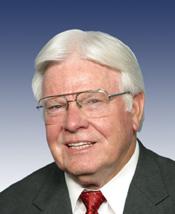
Mr. Speaker, as an original sponsor of H.R. 1460, as amended, the ``Veterans Entrepreneurship and Benefits Improvement Act of 2003. I encourage my colleagues to support this legislation. I commend…
Mr. Speaker, as an original sponsor of H.R. 1460, as amended, the ``Veterans Entrepreneurship and Benefits Improvement Act of 2003. I encourage my colleagues to support this legislation. I commend representative Renzi, Chairman Smith and Ranking Member Evans of the Committee on Veterans Affairs, and Chairman Manzullo and Ranking Member Velazquez of the Small Business Committee for bringing this important legislation to the floor for consideration.
I especially want to comment on sections two and three of the bill.
Section two would allow veterans, disabled veterans, dependents of totally disabled or deceased veterans, and active-duty members of the Selected Reserve to use their VA benefits to pursue pre- entrepreneurship and entrepreneurship courses offered under the auspices of Small Business Development Centers and the National Veterans Business Development Corporation. Small businesses in the last decade accounted for about 70 percent of the new jobs created in our economy.
The men and women who have served in our military indeed are engaging and resourceful individuals. Indeed, the 1999 report of the bipartisan Congressional Commission on Servicemembers and Veterans Transition Assistance found the following: ``a 5-year profile survey of veteran- owned businesses in Massachusetts conducted in the late 1980's and early 1990's showed that a pool of approximately 2,000 veterans engaged in micro businesses generated $74 million in taxable income for the Commonwealth of Massachusetts.'' And that is just in one state. With the availability of training under this bill, more veterans will be able to obtain the skills they need to start and grow their own small businesses. As Deputy Secretary of Veterans Affairs, Dr. Leo S. Mackay, Jr. testified at our April 30th hearing, ``the potential for positive effects on the economy, with enhanced competition and creativity within the marketplace, is significant.''
Section three of the bill would place disabled veteran-owned and controlled small businesses on a par with socially and economically disadvantaged veterans in the 8(a) contracting program for procurement contracts offered by the Department of Veterans Affairs for the next four years. This authority would apply to ``setaside'' and restricted competition contracts to be applied by contracting officers on a discretionary basis. For all Federal agencies, disabled veteran-owned and controlled small businesses would rank ahead of HUBZone and women- owned businesses in procurement preferences, but behind the 8(a) program. I find these types of preference as a needed `first step' because of two additional findings of the Transition Commission: first, ``Disabled-veteran entrepreneurs require additional assistance because these business owners encounter costs and impediments that are not factors for their non-disabled competitors. Second, as a matter of fundamental fairness, Congress should accord veterans a full opportunity to participate in the economic system that their service sustains.''
Lastly, Mr. Speaker, I would note for the Record that the current independent Task Force for Veterans Entrepreneurship, the aforementioned Transition Commission, the 1981 expert report of the SBA Veterans Project, and the 1980 White House Conference on Small Business all recommended some type of federal ``setaside'' authority for disabled-veteran owned and controlled small businesses in the purchase of goods and services.
I encourage my colleagues to support this legislation.
Mr. Speaker, I thank the gentleman for yielding me this time, and I am pleased we are here today to consider the Veterans Benefits Act of 2003, a bipartisan effort with no less than 37 substantive…
Mr. Speaker, I thank the gentleman for yielding me this time, and I am pleased
we are here today to consider the Veterans Benefits Act of 2003, a bipartisan effort with no less than 37 substantive provisions.
Mr. Speaker, I would like to highlight five of the provisions of this comprehensive bill which provides more than a billion dollars in improved benefits over 10 years.
Section 101 of the bill is long overdue. After years of trying to find the offsets, we are finally able to bring equity to those surviving spouses who lose their Dependency and Indemnity Compensation upon remarrying later in life. Section 101 would allow a surviving spouse who remarries after age 57 to retain DIC, as well as home loan and educational benefits. The gentleman from Florida (Mr. Bilirakis) has championed this cause for almost 15 years now, and I appreciate his dedication.
Small business is the bedrock of our economy. Section 301 of the bill would expand the Montgomery GI bill while authorizing educational assistance benefits for on-the-job training of less than 6 months in various types of self-employment training programs. Similarly, section 305 would allow, for the first time, servicemembers, veterans and certain dependents to enroll in entrepreneurship and pre- entrepreneurship courses offered by the Small Business Development Centers and the Veterans Business Development Corporation. I applaud the gentleman from Arizona (Mr. Renzi) for this provision, as well as provisions giving Federal agencies and departments new discretionary contracting authority to assist service-disabled veteran-owned businesses, another first.
Indeed, we, as a Nation, should accord veterans who become disabled in their service to this Nation a full opportunity to participate in the free enterprise system they have fought so hard to defend.
Section 309 would require the Department of Labor to go where its customers are to provide in-person Transitional Assistance Program services overseas, as VA has done since about 1992. I applaud the gentleman from Idaho (Mr. Simpson) and the gentleman from Texas (Mr. Reyes) for their long-standing work on this provision.
Lastly, section 402 of the bill increases the adapted housing and automobile allowances for disabled servicemembers. I applaud the chairman of the Senate Committee on Veterans' Affairs, Mr. Specter, along with the ranking member, Mr. Graham, for their many excellent contributions to this bill. I also applaud the former ranking member of the Senate Committee on Veterans' Affairs, Mr. Rockefeller, for his continued assistance.
In closing, I commend Chairman Smith, Ranking Member Evans, and Subcommittee on Benefits' Ranking Member Michaud for their leadership and diligent work on this bill, as well as the support they have given to me my first term as chairman of the Subcommittee on Benefits. I also want to recognize the good folks who make up the committee staff, many of whom put in long hours so we could consider this bill before we adjourned.
I wholeheartedly support H.R. 2297, as amended, and encourage the full House to support it as well.
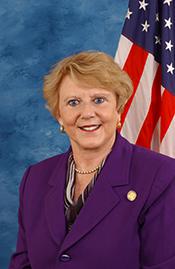
Mr. Speaker, I rise today to offer my support for H.R. 2297, the legislation that the Committee on Veterans' Affairs has worked so hard to pass this year. I want to commend the gentleman from New…
Mr. Speaker, I rise today to offer my support for H.R. 2297, the legislation that the Committee on Veterans' Affairs has worked so hard to pass this year. I want to commend the gentleman from New Jersey (Chairman Smith); the ranking member, the gentleman from Illinois (Mr. Evans); and the gentleman from South Carolina (Mr. Brown) for their steadfast leadership on veterans issues.
I also want to recognize the efforts of the gentleman from Arizona (Mr. Renzi) in drafting the Veterans Entrepreneurship Act of 2003, which is included in this legislation. Obviously, this bill will increase the opportunity afforded to veterans who spent their youth serving our country. Federal agencies will have the discretionary authority to sole source contracts for disabled veteran-owned businesses. Additionally, disabled veterans enrolled in school under a VA vocational rehab program will be allowed to declare self-employment as a vocational goal. Certainly this encourages entrepreneurship and business ownership. It clearly establishes a level playing field for those who have been wounded or injured while defending our freedom.
Very important to a lot of widows back home is that it addresses an injustice which has been suffered by military widows whose spouses died while on active duty or of a service-connected condition. They will no longer be denied the benefits earned by their first husband if they choose to remarry later in life. A military spouse already faces a life of sacrifice and hardship and should not be stripped of earned benefits because of a new-found love and companionship. We should not as a government be discouraging people to get married, and this bill corrects that injustice.
In a time of war, it is critically important that our servicemen and -women see that when they return home they will be welcomed by an eternally grateful Nation. This bill helps to express the gratitude that Congress has for our veterans of wars past and present.
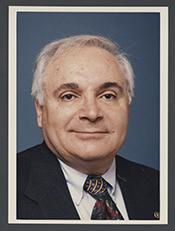
Mr. Speaker, I rise in strong support of H.R. 2297, the Veterans' Benefits Act of 2003. This bill addresses an issue that I have been working on for a number of years. Dependency and Indemnity…
Mr. Speaker, I rise in strong support of H.R. 2297, the Veterans' Benefits Act of 2003. This bill addresses an issue that I have been working on for a number of years. Dependency and Indemnity Compensation (DIC) is the benefit accorded to the surviving dependents of those members of the Armed Forces who died while on active duty or of a service-connected cause.
DIC is the only federal annuity program that does not allow a widow who is receiving compensation to remarry at an older age and retain her annuity. Earlier this year, I reintroduced legislation which provides that the remarriage of the surviving spouse of a veteran after age 55 shall not result in termination of Dependency and Indemnity Compensation.
I was pleased that my legislation was incorporated into H.R. 2297 when it passed the House in October. The bill that we are considering today, which was worked out with the Senate, slightly modifies my original provision to provide that a surviving spouse upon remarriage after age 57 would retain DIC, home loan and educational benefits eligibility. Surviving spouses who remarried after attaining age 57 prior to enactment of the Compromise Agreement would have one year to apply for reinstatement of these benefits.
I think it is a wonderful thing if an older person finds companionship, falls in love and decides to marry. I don't think we should be discouraging such marriages by making them financially burdensome. In these circumstances, it is often the case that both partners are living on fixed incomes. the prospect of one partner losing financial benefits as a result of the marriage is a real disincentive.
Once again, I would like to thank Chairman Smith, Ranking Member Evans, Benefits Subcommittee Chairman Brown and Subcommittee Ranking Member Michaud for working with me to include a DIC remarriage provision in H.R. 2297.
I urge my colleagues to support the bill before us today.
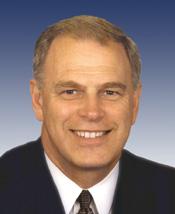
Mr. Speaker, I thank the gentleman for yielding me this time, and I thank him for his work on this legislation that offers important benefits to very deserving veterans and their families. There are…
Mr. Speaker, I thank the gentleman for yielding me this time, and I thank him for his work on this legislation that offers important benefits to very deserving veterans and their families.
There are many excellent provisions in this bill, and we should all support these provisions, including benefits to POWs and Filipino veterans. I would particularly like to thank the gentleman from Illinois (Mr. Evans) and his staff and the staff of the Committee on Veterans' Affairs for their work in putting an end to lending schemes that target our Nation's veterans.
Recently, I introduced legislation on making this type of predatory lending illegal, and I am happy to have this language incorporated into this legislation. Predatory lenders are preying on veterans by manipulating them into surrendering their veterans benefits for lump sums, lump sums that these lenders then charge interest rates on ranging from 39 to 106 percent. It is embarrassing that companies would prey on our Nation's veterans and seize the benefits that these veterans have earned through their service to our country. I am grateful that these provisions have been included in this legislation which make it clear that such practices are illegal and that predatory lenders who trick our veterans into surrendering their VA benefits will be in violation of the law.
Again, I would like to thank the gentleman from New Jersey (Mr. Smith), the chairman of the full committee, and the gentleman from Illinois (Mr. Evans), our ranking member, for their work; and I would especially like to thank the staffs on both the Republican and Democratic sides who worked so closely together to do those things which can make life better for our veterans.
Mr. Speaker, I want to thank the gentleman for yielding me this time and for his fine work on the Subcommittee on Benefits this year. We have really defined the impact that we have had by working on…
Mr. Speaker, I want to thank the gentleman for yielding me this time and for his fine work on the Subcommittee on Benefits this year.
We have really defined the impact that we have had by working on a bipartisan basis to achieve this. We have worked on a nonpartisan basis with our chairman, and the ranking members of other subcommittees, such as the gentleman from Maine (Mr. Michaud) and the gentleman from South Carolina (Mr. Brown), have worked with the other body in finalizing this legislation, and I think they deserve a strong salute from veterans across the country.
I am very proud to be an original cosponsor of many of the provisions contained in this act. I am especially pleased for children of veterans who were exposed to herbicides in Korea, and who now are suffering from spina bifida, like a lot of the kids that were exposed in the Vietnam War. We must realize we have an obligation to those children and their families, and I think we have started down that road as well.
The bill recognizes the contributions made by the Guard and Reserve in making their home loan program permanent and reducing the funding fees that they are charged. I am most pleased we are providing long- term benefits to our Gold Star wives of the Filipino Veterans. This bill also includes important veterans education benefits and extends business opportunities for veterans.
H.R. 2297 is a good bill, and I urge all my colleagues to show their support for our troops and Veterans by voting for it.
Show 1 more
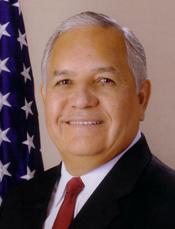
Mr. Speaker, I rise in support of H.R. 1460. The provisions of this legislation remove barriers to small business ownership for veterans. H.R. 1460 allows veterans to use their education benefits to…
Mr. Speaker, I rise in support of H.R. 1460. The provisions of this legislation remove barriers to small business ownership for veterans. H.R. 1460 allows veterans to use their education benefits to pay for non-degree or non-credit courses of entrepreneurship, enabling them to learn the skills that they will need when starting and running their own businesses. The bill additionally amends the Small Business Act to give small businesses owned by service disabled veterans the opportunity to secure sole source contracts from the Federal Government. By giving those participating in a veteran's rehabilitation program the chance to name self-employment as their vocational goal, H.R. 1460 makes entrepreneurship a viable career option for many for whom it was not before.
The passage of this legislation would mean a lot for those veterans who, like so many other Americans, dream of working for themselves. The opportunities that H.R. 1460 provides for self-employment are especially meaningful when salaried jobs can be so difficult to find. Large numbers of veterans live in my home district of El Paso, Texas where we unfortunately also have a high unemployment rate. A community like mine is a prime example of why we must provide veterans with the tools they need to become successful entrepreneurs. I urge my colleagues to join me in supporting this bipartisan legislation.
Bill Text
Latest available legislative text
        [Congressional Bills 108th Congress]
[From the U.S. Government Publishing Office]
[H.R. 761 Introduced in House (IH)]

108th CONGRESS
1st Session
H. R. 761

To amend title 38, United States Code, to authorize the Secretary of
Veterans' Affairs to provide adapted housing assistance to disabled
members of the Armed Forces who remain on active duty pending medical
separation.

_______________________________________________________________________

IN THE HOUSE OF REPRESENTATIVES

February 13, 2003

Mr. Evans (for himself, Mr. Smith of New Jersey, Mr. Rodriguez, Mr.
Filner, Mr. Renzi, Ms. Corrine Brown of Florida, Mr. Reyes, Mr.
Michaud, Ms. Jackson-Lee of Texas, Mr. Langevin, and Mr. Sanders)
introduced the following bill; which was referred to the Committee on
Veterans' Affairs

_______________________________________________________________________

A BILL

To amend title 38, United States Code, to authorize the Secretary of
Veterans' Affairs to provide adapted housing assistance to disabled
members of the Armed Forces who remain on active duty pending medical
separation.

Be it enacted by the Senate and House of Representatives of the
United States of America in Congress assembled,

SECTION 1. SHORT TITLE.

This Act may be cited as the ``Disabled Servicemembers Adapted
Housing Assistance Act of 2003''.

SEC. 2. AUTHORIZATION TO PROVIDE ADAPTED HOUSING ASSISTANCE TO CERTAIN
DISABLED MEMBERS OF THE ARMED FORCES WHO REMAIN ON ACTIVE
DUTY.

Section 2101 of title 38, United States Code, is amended by adding
at the end the following new subsection:
``(c)(1) The Secretary may provide assistance under subsection (a)
to a member of the Armed Forces serving on active duty who is suffering
from a disability described in paragraph (1), (2), or (3) of that
subsection if such disability is the result of an injury incurred or
disease contracted in or aggravated in line of duty in the active
military, naval, or air service. Such assistance shall be provided to
the same extent as assistance is provided under that subsection to
veterans eligible for assistance under that subsection and subject to
the requirements of the second sentence of that subsection.
``(2) The Secretary may provide assistance under subsection (b) to
a member of the Armed Forces serving on active duty who is suffering
from a disability described in subparagraph (A) or (B) of paragraph (1)
of that subsection if such disability is the result of an injury
incurred or disease contracted in or aggravated in line of duty in the
active military, naval, or air service. Such assistance shall be
provided to the same extent as assistance is provided under such
subsection to veterans eligible for assistance under that subsection
and subject to the requirements of paragraph (2) of that subsection.''.
<all>