Mr. Speaker, as the second anniversary of September 11 approaches, I rise this evening to pay tribute to our Nation's fallen firefighters, law enforcement officers and emergency medical service…
Mr. Speaker, as the second anniversary of September 11 approaches, I rise this evening to pay tribute to our Nation's fallen firefighters, law enforcement officers and emergency medical service personnel. Mr. Speaker, every day public service officers protect our families and possessions from fire, they keep our streets safe and are the first to respond to an emergency. Across this Nation, our public safety officers are dedicated and prepared. They truly embody the values and spirit that make America the great Nation that it is. These men and women are dedicated, and when we call on them, they risk their lives for all of us. Our firefighters, law enforcement officers and EMS workers are truly our hometown heroes. However, all too often these heroes must give their lives in the line of duty.
For the family of these brave souls, Congress created the Public Safety Officers Benefit. Since its inception 25 years ago, this important benefit has provided surviving families with financial assistance during their desperate times of need. However, a glitch in the law prevents some families from receiving the assistance. Heart attacks and strokes are among the greatest threat to public safety officers, especially firefighters. In fact, almost half of all firefighter deaths in the line of duty are due to heart attacks and strokes. Fighting fire is dangerous, exhausting and extremely stressful work. Indeed, a firefighter's chances of suffering a heart attack or stroke greatly increases when he or she puts on the gear and rushes into a building to fight a fire. Likewise, law enforcement officers, correction officers and EMS workers face daily situations that put stress and strain on their heart. Imagine the scenario where, while fighting a house fire, a company of firefighters tragically loses two of its members. One is killed by a piece of falling debris. The other dies of a heart attack in the same building. Under current law, the family of the firefighter who suffered the fatal blow to the head receives their benefit, but the family of the heart attack victim receives nothing.
It is wrong that these families are denied this benefit when their loved ones are suffering the loss of a loved one in our communities.
A constituent of mine, Mike Williams, of Bunnlevel, North Carolina, who works for the Office of State Fire Marshal, alerted me to this glitch in the law after Ms. Deborah Brooks, the widow of Thomas Brooks of Lumberton, North Carolina, was denied benefits because of this technicality in the law. Mr. Brooks, a master firefighter with the Lumberton Fire Department, tragically died of a heart attack after returning from several calls on an evening shift. They found him dead the next morning.
As part of his duties with the state fire marshal, Mike helps families file for public safety officer benefits, and he has received many benefit rejection letters from the U.S. Department of Justice. This rejection letter in Thomas Brooks' case was one too many. Mike wrote to me and asked that we investigate the situation. We tried with other Members of this Congress to correct that technicality in the law administratively. We found out it could not be done.
During the last Congress, I, along with my colleagues, introduced the Hometown Heroes Benefit Act to correct this technicality in the Public
Safety Officer Benefit. This bipartisan piece of legislation will allow the families of public safety officers who were killed by a heart attack or stroke while on duty within 24 hours after participating in a training exercise or responding to an emergency situation to receive the benefits that they are due.
Last year, the Committee on the Judiciary and the full House unanimously passed it. Unfortunately, we were not able to move the bill through the United States Senate before adjourning, despite the strong support from several Senators of both parties.
Earlier this year, the gentleman from Maryland (Mr. Hoyer), the gentleman from Pennsylvania (Mr. Weldon), the gentleman from Ohio (Mr. Oxley), and I introduced the Hometown Heroes Survival Benefit Act. The United States Senate has already unanimously passed a Senate bill, S. 459, a companion bill introduced by Senators Leahy and Graham.
Mr. Speaker, H.R. 929 is the kind of bipartisan legislation that we should be working on in this House. As of this afternoon, we have 273 cosponsors. I will remind my colleagues it takes 218 in this House to pass a bill. Both Democrats and Republicans are on board. More cosponsors are on the way.
I urge all of my colleagues to continue to sponsor H.R. 919, and I ask the House leadership to put this bill to a vote. It will pass unanimously. During this time of increasing awareness and concern regarding the threat of terrorism, we are calling on our public safety officers to work longer and harder than ever before. Our hometown heroes deserve to know that we support and appreciate their extraordinary bravery and heroism.
As we take time to remember those who were killed or injured in the attacks on September 11 this week, I urge my colleagues to support H.R. 919 and let public safety officers know we will continue to stand with them and with their families. We can do no less.
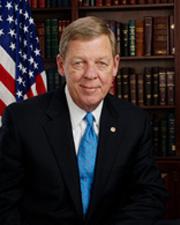 Rep. Johnny Isakson (R-GA)