Providing for motions to suspend the rules.
Legislative Activity
Stay on top of the latest movement without scrolling through every action
Motion to reconsider laid on the table Agreed to without objection.
June 26, 2003 • 2:52 PM
View full timeline
Introduced in House
June 25, 2003
The House Committee on Rules reported an original measure, H. Rept. 108-179, by Mr. Linder.
June 26, 2003
Placed on the House Calendar, Calendar No. 73.
June 26, 2003
Considered as privileged matter. (consideration: CR H5946-5951)
June 26, 2003 • 11:10 AM
DEBATE - The House proceeded with one hour of debate on H. Res. 297.
June 26, 2003 • 11:10 AM
The previous question was ordered without objection.
June 26, 2003 • 11:47 AM
POSTPONED ROLL CALL VOTE - At the conclusion of debate on H. Res. 297, the Chair put the question on adoption of the resolution and by voice vote, announced that the ayes had prevailed. Mr. McGovern demanded Yeas and Nays and the Chair postponed further proceedings on the question of adoption of the resolution until later in the legislative day.
June 26, 2003 • 11:48 AM
Considered as unfinished business. (consideration: CR H5973-5974)
June 26, 2003 • 2:44 PM
Passed/agreed to in House: On agreeing to the resolution Agreed to by recorded vote: 226 - 203 (Roll no. 323).(text: CR H5946)
June 26, 2003 • 2:52 PM
On agreeing to the resolution Agreed to by recorded vote: 226 - 203 (Roll no. 323). (text: CR H5946)
June 26, 2003 • 2:52 PM
Motion to reconsider laid on the table Agreed to without objection.
June 26, 2003 • 2:52 PM
Voting History
1 vote recorded • Roll call available
Floor Debate
23 membersWhat members said about H.Res. 297 on the floor
 LMS
LMS AS
AS DP
DP JPM
JPM BF+18
BF+18
Floor Debate
23 membersWhat members said about H.Res. 297 on the floor
Mr. Speaker, I thank the gentlewoman from Ohio for yielding me the customary 30 minutes, and I yield myself such time as I may consume. (Ms. SLAUGHTER asked and was given permission to revise and…
Mr. Speaker, I thank the gentlewoman from Ohio for yielding me the customary 30 minutes, and I yield myself such time as I may consume.
(Ms. SLAUGHTER asked and was given permission to revise and extend her remarks.)
Mr. Speaker, this is a very sad day for most of us. A program that has served America well and has given peace of mind and good health care to seniors for over 40 years is under threat today; and actually, what we know is going to be before us is the death of Medicare.
One of the saddest parts about this bill today is that the Democrats have no role in it. To all of my colleagues who showed up last night at the Committee on Rules, or this morning, actually, at the Committee on Rules with amendments that they thought that they could use to strengthen the bill, I apologize to you that there is no possibility in the world that you could do it. I hope that you did not hate yourself this morning for all the sleep that you lost for nothing.
Mr. Speaker, this rule is an affront to the democratic process. The underlying bill will harm every single one of the 40 million Americans served by Medicare. At 1 a.m. this morning, with absolutely no meaningful opportunity to review the almost 700-page prescription drug legislation, the Committee on Rules met to consider the resolution now before us. By now I should be used to it, but we cannot tolerate these continual attacks on democracy. When you refuse to allow half this House to speak and to give their amendments, you are cutting out half of the population of the United States from any participation in the legislation that goes on here. It defies reason and it defies common sense that political expediency and newspaper headlines could force this monumental legislation, probably the most monumental that any of us will do in our tenure in the Congress of the United States, to force it through the Chamber with little more than cursory consideration.
The other body, on the other hand, has spent over 2 weeks debating similar legislation. In stark contrast, we meet when nobody is around, up in the attic, as someone said today, and are permitted only 3 hours to discuss the largest overhaul of Medicare in its history. The people we represent would be disgusted if they understood how this issue is being handled.
We are not naming a post office here. We are considering, as I said, the most important change to Medicare since its creation. This decision will affect so many people. It is no simple undertaking, and it certainly deserves more debate than allowed by this rule.
To add even more confusion to the messy process, the Committee on Rules incorporated the so-called Health Savings Account bill into the rule for the Medicare overhaul legislation, so what we are doing here are two rules. So-called health savings accounts would create a new tax advantage, personal savings accounts, used to pay the out-of-pocket medical expenses. At first glance, perhaps it sounds innocuous. But when you look at the fine print, you see that it basically amounts to a $72 billion tax cut over the next 10 years while the Federal deficit continues to grow out of control. Even worse, it is a tax break with a destructive purpose: to threaten the traditional employer-based health care by actually encouraging companies to reduce their employees' health coverage.
Mr. Speaker, perhaps the most egregious problem with the legislation before us is it does nothing to address the skyrocketing prices of prescription drugs. Oh, sure, they will tell us that we can import drugs from Canada, but the fact of the matter is that an amendment inserted into the Senate
bill by one of our Senators says that it cannot be done unless it is certified by the Secretary of HHS, who has stated already that he will not do it. Therefore, any debate today about being able to import drugs is absolutely a farce.
The consumer price index on which Social Security cost-of-living adjustments are based rose 98 percent, and the prescription drug costs that are crippling older Americans rose even higher. Seniors on Medicare are expected to spend $1.8 trillion on prescription drugs over the next decade.
Today's Washington Post tells a story of Marie Urban of Cleveland. After her housing and Medicare payment, she has $459 a month for utilities, food, car insurance, taxes, and medication. She told The Post that some months she has 87 cents left over. This is wrong. She deserves better. A few years ago, as a temporary Band-Aid, I organized a bus load of seniors to travel to Canada to purchase medications at fractions of the prices charged in the American market. We had dozens more people interested than we could accommodate, but those who went saved anywhere from $100 to $650 on a 3-month supply of medication.
We are fortunate to live in an age when science provides the medications that cure illness and improve the quality of life and extend life. But the promise of the wonder drug is meaningless if you cannot afford to buy it. The skyrocketing price of prescription drugs is the number one concern of American seniors and, indeed, most Americans. H.R. 1 does nothing to freeze or reduce the exorbitant cost of prescription drugs. In fact, again, the idea of going to Canada and handing it out with one hand and taking it away with the other is something that the drug companies will be very happy about, because they have fought in every possible venue to keep the reimportation of drugs.
At the same time, we hoped that we might do what the Veterans Administration has done with great success. By negotiating for the people that they represent with the drug companies, they have been able to save many of their veterans a great deal of money. Seniors fear this bill is a rush to privatize Medicare. We saw the flop of Medicare+Choice when many, many private insurance companies pulled out completely on senior citizens, leaving many of them in parts of the United States completely uncovered. Indeed, they have told us again, they do not want to cover a prescription drug program. One hundred percent of the people they cover will buy medicine. This is not what they consider a good business proposition.
Forty years ago, Congress created the Medicare program because private industry would not offer health insurance to older people. Companies saw the older people as a threat to their profits. We should have learned this lesson in the 1960s, because nothing has changed; and now we are today taking away what is probably the most important issue to senior citizens, will they be able to get health care.
Don Young, who is the President of the Health Insurance Association of Americans, quoted here often, has said, ``We caution Congress against relying on drug only insurance as a mechanism to deliver a benefit.''
Ira Loss, an analyst with Washington Analysis, said, ``The private sector that is supposed to be excited about this isn't. It creates a new benefit program built around insurance products that do not exist and are likely to never exist.''
Mr. Speaker, this proposal would replace Medicare's guaranteed coverage with what is essentially a voucher program to purchase private insurance, assuming that there is an insurer willing to sell it to you. But those who want the traditional fee-for-service Medicare will be forced to pay higher premiums. We have no idea, for example, what Part B would cost because it is not in the bill, which is intended to force the beneficiaries out of traditional Medicare and into private insurance.
Mr. Speaker, senior citizens do not want this legislation. We have all received call after call and letter after letter beseeching us to oppose this plan. They did not contact me because they need prescription drug coverage. They called and wrote me because they know this bill will not provide them with the help they desperately need.
According to the Consumers Union, the average Medicare user spends $2,318 for prescription medicine. Under this plan, the out-of-pocket drugs would rise to $2,954 for the average senior on Medicare. So this program is a placebo, not a cure, legislation crafted to provide political cover for the majority, not provide prescription drug coverage for seniors. Some may argue that this is something better than nothing, but it is only a start and, frankly, what we have in Medicare has not been that bad. But as many of our constituents say, a bad bill is worse than no bill.
Mr. Speaker, this bill that will raise premiums and reduce their choices and dismantle Medicare is a very bad bill. I urge my colleagues to oppose the rule.
Mr. Speaker, I yield such time as she may consume to the gentlewoman from California (Ms. Woolsey).
(Ms. WOOLSEY asked and was given permission to revise and extend her remarks.)
Mr. Speaker, I yield such time as she may consume to the gentlewoman from California (Ms. Linda T. Sanchez.)
(Ms. LINDA T. SANCHEZ of California asked and was given permission to revise and extend her remarks.)
Mr. Speaker, I yield such time as she may consume to the gentlewoman from California (Ms. Solis).
(Ms. SOLIS asked and was given permission to revise and extend her remarks.)
Mr. Speaker, I yield such time as she may consume to the gentlewoman from California (Ms. Harman).
(Ms. HARMAN asked and was given permission to revise and extend her remarks.)
Mr. Speaker, I yield such time as she may consume to the gentlewoman from Wisconsin (Ms. Baldwin).
(Ms. BALDWIN asked and was given permission to revise and extend her remarks.)
Mr. Speaker, I yield such time as she may consume to the gentlewoman from California (Mrs. Capps).
(Mrs. CAPPS asked and was given permission to revise and extend her remarks.)
Mr. Speaker, I yield such time as she may consume to the gentlewoman from California (Ms. Watson).
(Ms. WATSON asked and was given permission to revise and extend her remarks.)
Mr. Speaker, I yield such time as she may consume to the gentlewoman from California (Mrs. Davis).
(Mrs. DAVIS of California asked and was given permission to revise and extend her remarks.)
Mr. Speaker, I yield such time as she may consume to the gentlewoman from Georgia (Ms. Majette).
(Ms. MAJETTE asked and was given permission to revise and extend her remarks.)
Mr. Speaker, I yield such time as she may consume to the gentlewoman from New York (Mrs. Maloney).
(Mrs. MALONEY asked and was given permission to revise and extend her remarks.)
Mr. Speaker, I yield such time as she may consume to the gentlewoman from Connecticut (Ms. DeLauro).
(Ms. DeLAURO asked and was given permission to revise and extend her remarks.)
Mr. Speaker, I yield such time as she may consume to the gentlewoman from Illinois (Ms. Schakowsky).
(Ms. SCHAKOWSKY asked and was given permission to revise and extend her remarks.)
Mr. Speaker, I yield such time as she may consume to the gentlewoman from California (Ms. Lee).
(Ms. LEE asked and was given permission to revise and extend her remarks.)
Mr. Speaker, I yield such time as she may consume to the gentlewoman from Minnesota (Ms. McCollum).
(Ms. McCOLLUM asked and was given permission to revise and extend her remarks.)
Mr. Speaker, I reserve the balance of my time.
Mr. Speaker, we have so little time to try to make any points here.
Mr. Speaker, I yield 2 minutes to the gentleman from Massachusetts (Mr. McGovern), a member of Committee on Rules.
Mr. Speaker, I yield 2 minutes to the gentleman from Ohio (Mr. Brown).
Mr. Speaker, I am pleased to yield such time as she may consume to the gentlewoman from California (Ms. Pelosi), the minority leader.
(Ms. PELOSI asked and was given permission to revise and extend her remarks.)
Mr. Speaker, I yield such time as she may consume to the gentlewoman from New York (Ms. Velazquez).
(Ms. VELAZQUEZ asked and was given permission to revise and extend her remarks.)
Mr. Speaker, I yield such time as she may consume to the gentlewoman from California (Ms. Waters).
(Ms. WATERS asked and was given permission to revise and extend her remarks.)
Mr. Speaker, I yield such time as she may consume to the gentlewoman from California (Mrs. Napolitano).
(Mrs. NAPOLITANO asked and was given permission to revise and extend her remarks.)
Mr. Speaker, I yield 2 minutes to the gentlewoman from California (Mrs. Capps).
(Mrs. CAPPS asked and was given permission to revise and extend her remarks.)
Mr. Speaker, I yield 1 minute to the gentleman from Rhode Island (Mr. Langevin).
Mr. Speaker, I yield 2 minutes to the gentleman from Oregon (Mr. DeFazio).
Mr. Speaker, I yield 2 minutes to the gentlewoman from Connecticut (Ms. DeLauro).
Mr. Speaker, I yield 2 minutes to the gentleman from Tennessee (Mr. Cooper).
(Mr. COOPER asked and was given permission to revise and extend his remarks.)
Mr. Speaker, I yield 1 minute to the gentleman from Illinois (Mr. Emanuel).
(Mr. EMANUEL asked and was given permission to revise and extend his remarks.)
Mr. Speaker, I yield 1 minute to the gentleman from Florida (Mr. Davis).
Mr. Speaker, I yield such time as he may consume to the gentleman from Massachusetts (Mr. Tierney).
(Mr. TIERNEY asked and was given permission to revise and extend his remarks.)
Mr. Speaker, we will pay attention to that.
Mr. Speaker, I yield such time as she may consume to the gentlewoman from Indiana (Ms. Carson).
(Ms. CARSON of Indiana asked and was given permission to revise and extend her remarks.)
Mr. Speaker, I yield 1 minute to the gentleman from Wisconsin (Mr. Kind).
(Mr. KIND asked and was given permission to revise and extend his remarks.)
Mr. Speaker, I yield 1 minute to the gentleman from California (Mr. Thompson).
(Mr. THOMPSON of California asked and was given permission to revise and extend his remarks.)
Mr. Speaker, I yield myself such time as I may consume.
Mr. Speaker, I am sure the gentleman from Georgia (Mr. Gingrey) is pleased that the Democrats tried to make the gentleman's amendment in order last night.
Mr. Speaker, I yield 2 minutes to the gentlewoman from California (Mrs. Tauscher).
Mr. Speaker, I yield such time as she may consume to the gentlewoman from the Virgin Islands (Mrs. Christensen).
(Mrs. CHRISTENSEN asked and was given permission to revise and extend her remarks.)
Mr. Speaker, I yield 2 minutes to the gentleman from California (Mr. Dooley).
Mr. Speaker, I yield myself the balance of my time.
Today, the House votes on the biggest change in Medicare in its 40- year history, a change that will affect 40 million Americans; but the Republican leaders have rigged the rules to prevent the House from voting on serious alternatives offered by Republicans and Democrats alike.
Mr. Speaker, I will call for a ``no'' vote on the previous question in the hope that the House gets the chance to consider an additional alternative that the Republican leaders fear. If the previous question is defeated, I will offer an amendment to the rule that will make in order the Dooley prescription drug alternative substitute. It makes all senior citizens enrolled in Medicare part B eligible for prescription drug assistance without increasing their premiums. Unlike the Republican bill, it has no sickness penalty or doughnut hole that seniors can fall through. Unlike the Republican bill, it does not encourage companies to drop seniors' existing drug plans.
Let me make it clear that a ``no'' vote on the previous question will not stop the consideration of H.R. 1. It will simply allow the House to vote on the Dooley substitute. However, a ``yes'' vote on the previous question will prevent the House from voting. I urge a ``no'' vote.
Mr. Speaker, I ask unanimous consent that the text of the amendment be printed in the Record immediately prior to the vote on the previous question.
Mr. Speaker, I yield back the balance of my time.
Mr. Speaker, I object to the vote on the ground that a quorum is not present and make the point of order that a quorum is not present.
Mr. Speaker, I demand a recorded vote.
Mr. Speaker, due to family reasons, I was unable to vote on rollcall No. 227: H. Res. 159. Had I been present, I would have voted ``yes.'' Mr. Speaker, due to family reasons, I was unable vote on…
Mr. Speaker, due to family reasons, I was unable to vote on rollcall No. 227: H. Res. 159. Had I been present, I would have voted ``yes.''
Mr. Speaker, due to family reasons, I was unable vote on rollcall No. 228: H. Res. 195. Had I been present, I would have voted ``yes.''
Mr. Speaker, due to family reasons, I was unable to vote on rollcall No. 229: H.R. 1465. Had I been present, I would have voted ``yes.''
Mr. Speaker, due to family reasons, I was unable to vote on rollcall No. 230: S. 222. Had I been present, I would have voted ``yes.''
Mr. Speaker, due to family reasons, I was unable to vote on rollcall No. 231: S. 273. Had I been present, I would have voted ``yes.''
Mr. Speaker, due to family reasons, I was unable to vote on rollcall No. 232: S. 763. Had I been present, I would have voted ``yes.''
Mr. Speaker, due to family reasons, I was unable to vote on rollcall No. 233: H. Amdt. to H. J. Res. 4. Had I been present, I would have voted ``no.''
Mr. Speaker, due to family reasons, I was unable to vote on rollcall No. 234: Final passage of H. J. Res. 4. Had I been present, I would have voted ``yes.''
Mr. Speaker, due to family reasons, I was unable to vote on rollcall No. 235: Motion to suspend the rules and pass H. Res. 231. Had I been present, I would have voted ``yes.''
Mr. Speaker, due to family reasons, I was unable to vote on rollcall No. 236: on agreeing to H. Res. 257. Had I been present, I would have voted ``no.''
Mr. Speaker, due to family reasons, I was unable to vote on rollcall No. 237: Motion to suspend the rules and pass H. Res. 177. Had I been present, I would have voted ``yes.''
Mr. Speaker, due to family reasons, I was unable to vote on rollcall No. 238: Motion to suspend the rules and pass H. Res. 201. Had I been present, I would have voted ``yes.''
Mr. Speaker, due to family reasons, I was unable to vote on rollcall No. 239: H.R. 1954. Had I been present, I would have voted ``yes.''
Mr. Speaker, due to family reasons, I was unable to vote on rollcall No. 240: H. Amdt. 154 to H.R. 760. Had I been present, I would have voted ``yes.''
Mr. Speaker, due to family reasons, I was unable to vote on rollcall No. 241: Motion to Recommit to H.R. 760. Had I been present, I would have voted ``yes.''
Mr. Speaker, due to family reasons, I was unable to vote on rollcall No. 242: final passage of H.R. 760. Had I been present, I would have voted ``no.''
Mr. Speaker, due to family reasons, I was unable to vote on rollcall No. 243: On Ordering the Previous Question for H. Res. 256. Had I been present, I would have voted ``yes.''
Mr. Speaker, due to family reasons, I was unable to vote on rollcall No. 244: H. Res. 258. Had I been present, I would have voted ``yes.''
Mr. Speaker, due to family reasons, I was unable to vote on rollcall No. 245: H. Res. 258. Had I been present, I would have voted ``yes.''
Mr. Speaker, due to family reasons, I was unable to vote on rollcall No. 246: on passage of H.R. 1474. Had I been present, I would have voted ``yes.''
Mr. Speaker, due to family reasons, I was unable to vote on rollcall No. 247: S. 222. Had I been present, I would have voted ``yes.''
Mr. Speaker, due to family reasons, I was unable to vote on rollcall No. 248: S. 273. Had I been present, I would have voted ``yes.''
Mr. Speaker, due to family reasons, I was unable to vote on rollcall No. 249: H.R. 1610. Had I been present, I would have voted ``yes.''
Mr. Speaker, due to family reasons, I was unable to vote on rollcall No. 250: H. Con Res. 162. Had I been present, I would have voted ``yes.''
Mr. Speaker, due to family reasons, I was unable to vote on rollcall No. 251: S. 763. Had I been present, I would have voted ``yes.''
Mr. Speaker, due to family reasons, I was unable to vote on rollcall No. 252: H. Res. 263 to H.R. 2143. Had I been present, I would have voted ``yes.''
Mr. Speaker, due to family reasons, I was unable to vote on rollcall No. 253: H. Res. 263 to H.R. 2143. Had I been present, I would have voted ``No.''
Mr. Speaker, due to family reasons, I was unable to vote on rollcall No. 254: H. Amdt. 159 to H.R. 2143. Had I been present, I would have voted ``No.''
Mr. Speaker, due to family reasons, I was unable to vote on rollcall No. 255: Passage of H.R 2143. Had I been present, I would have voted ``yes.''
Mr. Speaker, due to family reasons, I was unable to vote on rollcall No. 256: H. Res. 252: Had I been present, I would have voted ``yes.''
Mr. Speaker, due to family reasons, I was unable to vote on rollcall No. 257: On ordering the previous question for H.R. 2115. Had I been present, I would have voted ``yes.''
Mr. Speaker, due to family reasons, I was unable to vote on rollcall No. 258: On agreeing to the rule for H.R. 2115. Had I been present, I would have voted ``yes.''
Mr. Speaker, due to family reasons, I was unable to vote on rollcall No. 259: On passage of H. Con. Res. 110. Had I been present I would have voted ``yes.''
Mr. Speaker, due to family reasons, I was unable to vote on rollcall No. 260: On passage of H.R. 1320. Had I been present I would have voted ``yes.''
Mr. Speaker, due to family reasons, I was unable to vote on rollcall No. 261: H.R. 2350. Had I been present, I would have voted ``yes.''
Mr. Speaker, due to family reasons, I was unable to vote on rollcall No. 262: H. Amdt. 5 to H.R. 2115. Had I been present, I would have voted ``yes.''
Mr. Speaker, due to family reasons, I was unable to vote on rollcall No. 263: H. Amdt. 4 to H.R. 2115. Had I been present, I would have voted ``yes.''
Mr. Speaker, due to family reasons, I was unable to vote on rollcall No. 264: On passage of H.R. 2115. Had I been present, I would have voted ``yes.''
Mr. Speaker, due to family reasons, I was unable to vote on rollcall No. 265: H. Res. 269 to H.R. 1115. Had I been present, I would have voted ``yes.''
Mr. Speaker, due to family reasons, I was unable to vote on rollcall No. 266: H. Res. 269 to H.R. 1115. Had I been present, I would have voted ``no.''
Mr. Speaker, due to family reasons, I was unable to vote on rollcall No. 268: H. Amdt.
168 to H.R. 1115. Had I been present, I would have voted ``yes.''
Mr. Speaker, due to family reasons, I was unable to vote on rollcall No. 269: H. Amdt. 169 to H.R. 1115. Had I been present, I would have voted ``yes.''
Mr. Speaker, due to family reasons, I was unable to vote on rollcall No. 270: H. Amdt. 170 to H.R. 1115. Had I been present, I would have voted ``yes.''
Mr. Speaker, due to family reasons, I was unable to vote on rollcall No. 271: Motion to Recommit to H.R. 1115. Had I been present, I would have voted ``yes.''
Mr. Speaker, due to family reasons, I was unable to vote on rollcall No. 272: Passage of H.R. 1115. Had I been present, I would have voted ``yes.''
Mr. Speaker, due to family reasons, I was unable to vote on rollcall No. 273: H. Res. 270 to H.R 1308. Had I been present, I would have voted ``no.''
Mr. Speaker, due to family reasons, I was unable to vote on rollcall No. 274: Rule for H.R. 1308. Had I been present, I would have voted ``no.''
Mr. Speaker, due to family reasons, I was unable to vote on rollcall No. 275: Motion to Instruct Conferees H.R. 1308. Had I been present, I would have voted ``yes.''
Mr. Speaker, due to family reasons, I was unable to vote on rollcall No. 276: H.R. 2254. Had I been present, I would have voted ``yes.''
Mr. Speaker, due to family reasons, I was unable to vote on rollcall No. 277: H. Con. Res. 220. Had I been present, I would have voted ``yes.''
Mr. Speaker, due to family reasons, I was unable to vote on rollcall No. 278: S. 703. Had I been present, I would have voted ``yes.''
Mr. Speaker, due to family reasons, I was unable to vote on rollcall No. 279: H. Res. 276. Had I been present, I would have voted ``yes.''
Mr. Speaker, due to family reasons, I was unable to vote on rollcall No. 280: H. Res. 171. Had I been present, I would have voted ``yes.''
Mr. Speaker, due to family reasons, I was unable to vote on rollcall No. 281: Passage of H.R. 658. Had I been present, I would have voted ``yes.''
Mr. Speaker, due to family reasons, I was unable to vote on rollcall No. 282: S. 342. Had I been present, I would have voted ``yes.''
Mr. Speaker, due to family reasons, I was unable to vote on rollcall No. 283: Passage of S. Con. Res. 43. Had I been present, I would have voted ``yes.''
Mr. Speaker, due to family reasons, I was unable to vote on rollcall No. 284: Previous Question to H. Res. 281. Had I been present, I would have voted ``no.''
Mr. Speaker, due to family reasons, I was unable to vote on rollcall No. 285: H. Res. 281 to H.R 8. Had I been present, I would have voted ``no.''
Mr. Speaker, due to family reasons, I was unable to vote on Rollcall No. 286: Approving the Journal. Had I been present, I would have voted ``yes.''
Mr. Speaker, due to family reasons, I was unable to vote on Rollcall No. 287: H. Amdt. 171 to H.R. 8. Had I been present, I would have voted ``yes.''
Mr. Speaker, due to family reasons, I was unable to vote on Rollcall No. 288: Passage of H.R. 8. Had I been present, I would have voted ``no''.
Mr. Speaker, due to family reasons, I was unable to vote on Rollcall No. 289: H. Res. 283 to H.R. 660. Had I been present, I would have voted ``yes.''
Mr. Speaker, due to family reasons, I was unable to vote on Rollcall No. 290: H. Res. 283 to H.R. 660. Had I been present, I would have voted ``no''.
Mr. Speaker, due to family reasons, I was unable to vote on Rollcall No. 291: H. Amdt. 172 to H.R. 1528. Had I been present, I would have voted ``yes.''
Mr. Speaker, due to family reasons, I was unable to vote on Rollcall No. 292: Motion to Recommit H.R. 1528. Had I been present, I would have voted ``yes.''
Mr. Speaker, due to family reasons, I was unable to vote on Rollcall No. 293: Passage of H.R. 1528. Had I been present, I would have voted ``no''.
Mr. Speaker, due to family reasons, I was unable to vote on Rollcall No. 294: Kind amendment to H.R. 660. Had I been present, I would have voted ``yes.''
Mr. Speaker, due to family reasons, I was unable to vote on Rollcall No. 295: On motion to recommit with instructions to H.R. 660. Had I been present, I would have voted ``yes.''
Mr. Speaker, due to family reasons, I was unable to vote on Rollcall No. 296: On final passage to H.R. 660. Had I been present, I would have voted ``yes.''
Mr. Speaker, due to family reasons, I was unable to vote on Rollcall No. 297: H. Res. 264. Had I been present, I would have voted ``yes.''
Mr. Speaker, due to family reasons, I was unable to vote on Rollcall No. 298: H. Res. 177. Had I been present, I would have voted ``yes.''
Mr. Speaker, due to family reasons, I was unable to vote on Rollcall No. 299: H. Con. Res. 209. Had I been present, I would have voted ``yes.''
Mr. Speaker, due to family reasons, I was unable to vote on Rollcall No. 300: Passage of H.R. 2465. Had I been present, I would have voted ``yes.''
Mr. Speaker, due to family reasons, I was unable to vote on Rollcall No. 301: Previous Question to H. Res. 293. Had I been present, I would have voted ``no''.
Mr. Speaker, due to family reasons, I was unable to vote on Rollcall No. 302: Agreeing to H. Res. 293. Had I been present, I would have voted ``no''.
Mr. Speaker, due to family reasons, I was unable to vote on Rollcall No. 303: Passage of H.R. 923. Had I been present, I would have voted ``yes.''
Mr. Speaker, due to family reasons, I was unable to vote on Rollcall No. 304: H.R. 1460. Had I been present, I would have voted ``yes.''
Mr. Speaker, due to family reasons, I was unable to vote on Rollcall No. 305: On sustaining the ruling of the chair on H.R. 2555. Had I been present, I would have voted ``no''.
Mr. Speaker, due to family reasons, I was unable to vote on Rollcall No. 306: Sustain ruling of the chair on H.R. 2555. Had I been present, I would have voted ``yes.''
Mr. Speaker, due to family reasons, I was unable to vote on Rollcall No. 307: H. Amdt. 176 to H.R. 2555. Had I been present, I would have voted ``yes.''
Mr. Speaker, due to family reasons, I was unable to vote on Rollcall No. 308: H. Amdt. 183 to H.R. 2555. Had I been present, I would have voted ``yes.''
Mr. Speaker, due to family reasons, I was unable to vote on Rollcall No. 309: H. Amdt. 188 to H.R. 2555. Had I been present, I would have voted ``no''.
Mr. Speaker, due to family reasons, I was unable to vote on Rollcall No. 310: Passage of H.R. 2555. Had I been present, I would have voted ``yes.''
Mr. Speaker, due to family reasons, I was unable to vote on Rollcall No. 311: Passage to H.R. 1416. Had I been present, I would have voted ``yes.''
Mr. Speaker, due to family reasons, I was unable to vote on Rollcall No. 312: S. 858. Had I been present, I would have voted ``yes.''
Mr. Speaker, due to family reasons, I was unable to vote on Rollcall No. 313: H.R. 2474. Had I been present, I would have voted ``yes.''
Mr. Speaker, due to family reasons, I was unable to vote on Rollcall No. 314: H. J. Res. 49. Had I been present, I would have voted ``yes.''
Mr. Speaker, due to family reasons, I was unable to vote on Rollcall No. 315: H. Con. Res. 49. Had I been present, I would have voted ``yes.''
Mr. Speaker, due to family reasons, I was unable to vote on Rollcall No. 316: H. Res. 199. Had I been present, I would have voted ``yes.''
Mr. Speaker, due to family reasons, I was unable to vote on Rollcall No. 317: H. Res. 294. Had I been present, I would have voted ``yes.''
Mr. Speaker, due to family reasons, I was unable to vote on Rollcall No. 318: On the Hastings amendment to H.R. 2417. Had I been present, I would have voted ``yes.''
Mr. Speaker, due to family reasons, I was unable to vote on Rollcall No. 319: On the Kucinich amendment to H.R. 2417. Had I been present, I would have voted ``no''.
Mr. Speaker, due to family reasons, I was unable to vote on Rollcall No. 320: On the Lee amendment to H.R. 2417. Had I been present, I would have voted ``yes.''
Mr. Speaker, due to family reasons, I was unable to vote on Rollcall No. 321: H. Res. 299 to H.R. 1 and H.R. 2596. Had I been present, I would have voted ``no''.
Mr. Speaker, due to family reasons, I was unable to vote on Rollcall No. 322: H. Res. 299 to H.R. 1 and H.R. 2596. Had I been present, I would have voted ``no''.
Mr. Speaker, due to family reasons, I was unable to vote on Rollcall No. 323: H. Res. 297 to H.R. 1 and H.R. 2596. Had I been present, I would have voted ``no''.
Mr. Speaker, due to family reasons, I was unable to vote on Rollcall No. 324: Ordering the previous question on H. Res. 298. Had I been present, I would have voted ``yes.''
Mr. Speaker, due to family reasons, I was unable to vote on Rollcall No. 325: Passage of H.R. 2559. Had I been present, I would have voted ``yes.''
Mr. Speaker, due to family reasons, I was unable to vote on Rollcall No. 326: Passage of H. Res. 277. Had I been present, I would have voted ``yes.''
Mr. Speaker, due to family reasons, I was unable to vote on Rollcall No. 327: On approval of the Journal. Had I been present, I would have voted ``yes.''
Mr. Speaker, due to family reasons, I was unable to vote on Rollcall No. 328: H.R. 2596. Had I been present, I would have voted ``no''.
Mr. Speaker, due to family reasons, I was unable to vote on Rollcall No. 330: H. Amdt.
197 to H.R. 1. Had I been present, I would have voted ``no''.
Mr. Speaker, due to family reasons, I was unable to vote on Rollcall No. 331: Motion to recommit with instructions to H.R. 1. Had I been present, I would have voted ``yes.''
Mr. Speaker, due to family reasons, I was unable to vote on Rollcall No. 332: Final passage of H.R. 1. Had I been present, I would have voted ``no''.
Mr. Speaker, due to family reasons, I was unable to vote on Rollcall No. 333: On passage of H.R. 2417. Had I been present, I would have voted ``yes.''
Mr. Speaker, by direction of the Committee on Rules, I call up House Resolution 299 and ask for its immediate consideration. Mr. Speaker, for purposes of debate only, I yield the customary 30 minutes…
Mr. Speaker, by direction of the Committee on Rules, I call up House Resolution 299 and ask for its immediate consideration.
Mr. Speaker, for purposes of debate only, I yield the customary 30 minutes to the gentlewoman from New York (Ms. Slaughter), pending which I yield myself such time as I may consume. During consideration of this resolution, all time yielded is for the purposes of debate only.
Mr. Speaker, House Resolution 299 is a multi-part rule providing for the consideration of H.R. 1, the Medicare Prescription Drug and Modernization Act of 2003, and H.R. 2596, the Health Savings and Affordability Act of 2003.
This rule provides for consideration of H.R. 1 under a modified closed rule, an appropriate rule for such a delicate, complex, and historic piece of legislation. The rule provides for 3 hours of general debate equally divided between the chairmen and ranking minority members of the Committee on Energy and Commerce and the Committee on Ways and Means. The rule waives all points of order against consideration of H.R. 1.
After general debate it will be in order to consider an amendment printed in the report accompanying this resolution, if offered, by the gentleman from New York (Mr. Rangel) or his designee and debatable for 1 hour. All points of order are waived against the amendment. Finally, the rule permits the minority to offer a motion to recommit to H.R. 1 with or without instructions.
Section 2 of this rule provides for the consideration of H.R. 2596, the Health Savings and Affordability Act of 2003, either today, the legislative day of June 26, or tomorrow, June 27, under a closed rule. The rule provides 1 hour of general debate in the House equally divided and controlled by the chairman and ranking minority member of the Committee on Ways and Means. All points of order against the consideration of H.R. 2596 are waived. Finally, the rule provides for one motion to recommit with or without instructions.
I would like to take a moment to clarify for my colleagues that upon passage of both pieces of legislation, the text of H.R. 2596 shall be added as a new matter at the end of H.R. 1. In simple terms, these two bills will become one. However, this bill does not preclude either bill from moving forward independently.
Finally, the remaining sections of this rule provide for some housekeeping provisions and provisions which will allow this body to move forward in the appropriations process.
Mr. Speaker, today is a historic day. For years now, seniors across this country have consistently voiced to Congress the same major concerns: the skyrocketing costs of prescription drugs. Their concerns are not perceived; they are very, very real. Each year, a typical senior pays approximately $1,300 on prescription drugs, filling about 22 prescriptions on average. Today, the House will consider a plan to give all seniors a prescription drug benefit through Medicare.
In passing this bill, as I believe we will do before this day is over, we will renew America's promise to our seniors, reduce the cost of prescription drugs, and revolutionize medicine in the 21st century.
I would like to thank the gentleman from California (Chairman Thomas) and the gentleman from Louisiana (Chairman Tauzin) for their exemplary cooperation, their remarkable leadership, and inspiring vision they have provided on this complex, yet very much-needed legislation. I would like to take a moment just to give special thanks to them for working so closely with me on a couple of provisions that will greatly benefit cancer patients and hospitals across the country. Included in this legislation is immediate Medicare coverage for oral anticancer drugs through a demonstration project that will offer extraordinary support to seniors who are fighting cancer. It will enable them to afford the newest lifesaving medicines in the comfort of their own homes, rather than be hooked up to chemotherapies by infusions in a hospital or clinical setting.
I also commend the chairmen's interest and support in assisting hospitals who serve a disproportionate number of uninsured and indigent populations. Hospitals across this country, including many of our Nation's children's hospitals, will be better able to serve their patients with over $3 billion in additional funding. Finally, rural hospitals are finally getting their fair share: $27.2 billion.
Since 1965, Medicare has provided a guarantee of health care coverage for more than 40 million seniors. Today, our seniors are counting on the stability, longevity, and integrity of this program for their secure retirement. But if we do not act and pass this bill before us today, the future of Medicare will be certain: certain bankruptcy. Our inaction will have sealed the fate
for one of our Nation's most trusted programs.
So today, we will do two long-overdue things. First, we will modernize Medicare to save it for future seniors; and, second, we will provide the much-needed prescription drug coverage.
The prescription drug package the House is considering here today will provide the same universal guaranteed Medicare health services as those that currently exist. If you are 65 or older, you qualify for Medicare, and you qualify for this benefit. It is that simple. And we provide significant and immediate savings for seniors on their medicines. Specifically, this plan provides Medicare beneficiaries with a prescription drug discount card offering over 25 percent in savings, catastrophic protections, giving seniors 100 percent coverage for out- of-control drug costs beyond $3,500 year, and full assistance for our neediest citizens.
Equally important, this rule makes in order a provision establishing health savings accounts, a revolutionary tool, so that every American, not just seniors, can set aside savings now for their medical expenses, tax-free. With over 40 million uninsured, this is so important, and the plan provides for a catch-up provision so that seniors can take advantage and set aside more money more quickly.
Mr. Speaker, this is a remedy for what ails America's uninsured. Our plan is designed for those people who might be shut out of work-based coverage and offers all Americans, regardless of their income or age, access to health coverage with no bureaucracy or costly mandates.
Finally, this package includes chronic care management for all Medicare beneficiaries.
Mr. Speaker, one-third of Medicare beneficiaries have one or more chronic illnesses. This provision will help better manage diseases, reduce health care costs, and enhance health and quality of life.
So here we are at a major crossroad. Seniors continue to tell us that adding a prescription drug benefit to Medicare is not some pie-in-the- sky policy that they would merely prefer become law. No. The majority of seniors are telling us that they cannot go another year without help, without any assistance, without any help with their drug costs, and without access to higher-quality health care.
Therefore, some questions need to be asked for those who will come forward in the next few hours and oppose this package. Ask them: How is this package not an improvement for our seniors who have no coverage and are struggling to pay for their medications? And ask them: How is the huge prescription drug savings that will result from this plan not useful to seniors? Ask them: How is bringing Medicare into the 21st century and saving it for future generations not wise for our children, our grandchildren, and our great grandchildren?
Now, some of my colleagues will no doubt put forth $1 trillion, pie- in-the-sky plans. These packages would bust any budget, Republican, Democrat, or otherwise. As a matter of fact, the Democrat substitute actually is larger than the sum of two budgets. The Democrat Spratt budget had $528 billion for Medicare, and the Democrat Blue Dog budget had $400 billion dedicated to Medicare. That is a total of $920 billion. But the Democrat substitute that they are offering today is over $1 trillion, more than the combination of those two Democrat budgets. Mr. Speaker, that is unacceptable.
Mr. Speaker, the lack of prescription drug coverage under Medicare is exactly what age discrimination looks like in 2003. Seniors are the last group of people who are forced to pay retail costs for their medications and, Mr. Speaker, that should be enough of a violation of civil rights to get even the ACLU involved.
I said just a moment ago that today is a historic day, and it is. Today we apply a little common sense by recognizing that health care is simply not what it was 30 years ago, and that Medicare is not what it was 30 years ago. It must change to keep up. Today, we will take the first steps in creating the next generation of quality health care, a new era where prescription drugs make regular doctor visits less frequent, where cutting-edge treatments make hospital stays nearly obsolete in the future, and where lifesaving medications reduce formerly deadly diseases to mere manageable symptoms within longer and healthier lives.
Today I urge my colleagues to be bold, to be courageous, to show leadership, and to take America's health care system into a new frontier, a place where it has needed to go for far too long now. Time is precious and so are our seniors. I urge this Congress to pass the underlying rule and approve H.R. 1, the Medicare Improvement and Prescription Drug Act of 2003.
Mr. Speaker, I reserve the balance of my time.
Mr. Speaker, I yield 3 minutes to the gentleman from Kentucky (Mr. Fletcher) for some substantive remarks. Dr. Fletcher is a member of the Committee on Energy and Commerce and also a member of the medical profession, and we look forward to what he has to add to this debate.
Mr. Speaker, I yield 2 minutes to the gentleman from New Hampshire (Mr. Bradley).
Mr. Speaker, I am pleased to yield such time as he may consume to the gentleman from California (Mr. Issa), my distinguished colleague.
(Mr. ISSA asked and was given permission to revise and extend his remarks.)
Mr. Speaker, I am pleased to yield such time as he may consume to the gentleman from California (Mr. DREIER), my distinguished colleague, the chairman of the Committee on Rules, who led us through our hearing on this last night to the historic conclusion today on the floor.
(Mr. DREIER asked and was given permission to revise and extend his remarks.)
Mr. Speaker, I yield myself such time as I may consume.
In response to the gentlewoman from California (Mrs. Capps), who we both share an abiding concern about cancer patients and their treatment, I would just like to set the record straight in that the bill on the floor today increases oncology practice expenses by $190 million. That is 83 percent over their current payment, and it is 50 percent higher than any other specialty. It also includes an average sales price plus 12 percent for 2 years. Now, that is $240 to $250 million on top of a $190 million increase in practice expenses.
In addition to that, we have provided for oral cancer therapies, the new, upcoming way to treat cancer, so that chemotherapies are not the only treatment that seniors can get. They can stay home and take a pill in their own surroundings rather than go be hooked up to some infusion device.
These are wonderful steps forward for the cancer community.
I yield to the gentlewoman from California.
Reclaiming my time, I disagree with the gentlewoman's analysis of how it works. There is a provision that will allow physicians to stockpile, if they prefer.
But on to another issue, Mr. Speaker. There were statements made earlier that there were no cost savings in this bill, by a former speaker. There are cost savings. There is group purchasing and insurance benefits, a 25 to 30 percent savings. There is a discount card, 15 to 20 percent savings. There is a Medicare best price, $18 billion in savings. Average wholesale price reform, $15 billion in savings. There is Hatch-Waxman reforms and reimportation reforms, all generating savings. And that is how we are able to expand and generate better treatment for seniors through the upcoming years.
Mr. Speaker, I reserve the balance of my time.
Mr. Speaker, I continue to reserve the balance of my time.
Mr. Speaker, I yield 2 minutes to the gentleman from Georgia (Mr. Gingrey), another physician in our conference.
Mr. Speaker, I yield 2 minutes to the gentleman from Kentucky (Mr. Whitfield), a member of the Committee on Energy and Commerce.
Mr. Speaker, I yield myself such time as I may consume.
Mr. Speaker, passing this plan is the right thing to do. It makes the kind of commonsense changes to the health care system in this country that the American public needs. Adding this Medicare benefit will renew our promise to our seniors. It will reduce the cost of prescription drugs, and it will revolutionize medicine for the 21st century. Seniors deserve this assistance now. They deserved it yesterday. They deserved it last week; and actually, they deserved it last year. It is time for this body to act. I urge my colleagues to support this fair rule and pass the needed reform today.
Mr. Speaker, I yield back the balance of my time, and I move the previous question on the resolution.
Madam Speaker, I thank the gentleman from Georgia for yielding me this time, and I yield myself 5\1/2\ minutes. This resolution is simple. It allows the Republican leadership to consider suspension…
Madam Speaker, I thank the gentleman from Georgia for yielding me this time, and I yield myself 5\1/2\ minutes.
This resolution is simple. It allows the Republican leadership to consider suspension bills on Wednesdays. Current rules allow this body to consider suspension bills on Mondays and Tuesdays. A special provision in the rules allows the majority to place items under the suspension of the rules on Wednesday as well. That special provision expires soon, and it is my understanding that the majority would like to extend it through the 108th Congress.
Madam Speaker, I am rising today to strongly oppose this resolution, and I urge my colleagues to vote ``no'' and defeat the resolution. I have serious concerns about not only the suspension process but about the way this House is being managed. Suspensions should be reserved for noncontroversial items that do not require lengthy debate by the full House. Controversial issues or substantive issues should not be brought to the House floor under the suspension process, a process that allows little debate and no amendments.
But, Madam Speaker, this House is becoming a place where trivial issues get debated passionately and important ones not at all. The majority of this House already allows far too little debate on critical issues facing the American people. Later today, we will debate the most sweeping changes to Medicare since the program was created 38 years ago. Two days ago, I asked the chairman of the Committee on Rules when as a Member of the House I could examine this hugely important bill, and I was told emphatically that it would be available online yesterday morning. So I got up early yesterday morning, and I logged on at home; but there was no bill. I checked again during the day, but again no bill. Finally at 11:50 p.m. last night, we were given a copy of the bill and told the Committee on Rules would hold an emergency meeting an hour later to consider this bill, and we reported the rule at 5 a.m. this morning.
Why the rush to do this bill in the middle of the night? Is this bill so important, so time sensitive that the Republicans need to force it through the Committee on Rules in the dead of night? When I asked the distinguished chairman of the Committee on Rules why it was considered an emergency hearing, all he could tell me was that he called the emergency hearing because it is his prerogative as chairman of the committee and he wanted to do it this way. We had only an hour to look at this final bill, a bill that is close to 700 pages long.
This process, Madam Speaker, is disgraceful. It demeans this body, and it insults the American people who rely on us to read, to debate, and to vote knowledgeably on legislation. It is clear that the Republican leadership wants to rush this bill through this body as quickly as possible. The other body has already spent 2 weeks debating this bill. They will consider over 70 amendments before they are done. Republicans and Democrats alike have been able to bring their amendments to the floor in the other body and to be heard and to debate these issues. Fifty-eight amendments on the Medicare bill were brought to the Committee on Rules this morning. Only one substitute was made in order. Everything else, including some very thoughtful amendments offered by Republicans, was denied. We will have a grand total of 4 hours to discuss a bill that will fundamentally change the way 40 million Americans pay for the medicines that they need.
This process is awful, Madam Speaker; and this resolution will make it worse. The question is quite simple. Rather than naming more post offices on Wednesdays, why do we not have more debate? What is wrong, for example, with this House spending a few days or even a week on the Medicare prescription drug bill? Why not let more Members, Democrats and Republicans alike, have an opportunity to be heard? We obviously have the time; otherwise you would not be here asking for more suspensions to be scheduled. I understand that the majority has a responsibility to run the House, to move legislation through this process. The Committee on Rules can be a tool in that effort; but under this Republican leadership, the Committee on Rules has become not a tool but a weapon, a weapon that stifles debate, that shuts Members and their constituents out of the legislative process, destroys the committee process and harms the public interest, all behind closed doors and often in the middle of the night.
As Members know, and the American people are noticing, the Committee on Rules is where the sausage gets made and it is not pretty.
The facts speak for themselves. Two thirds of the rules reported by this committee in the 106th Congress were closed or restricted. That increased almost three-fourths in the 107th Congress. In fact, less than 30 percent of the rules reported by this committee in the 107th Congress were open. And so far this year of the 52 rules reported by the Committee on Rules six have been open rules, six of 52.
All of this may sound like Inside Baseball to most Americans, but as we can see with the prescription drug bill this stuff matters. In the House of Representatives process determines a great deal, and lately, Madam Speaker, the process around here has been lousy.
When they were in the minority, Republicans consistently complained about their treatment by the then Democratic majority. So if this is payback for the way Democrats ran the House, then call it payback, but please do not claim that this is fair and balanced when it is clearly not. Americans are better served with an open democratic process. It is in the public interest to allow the full and free debate and to have many people and many different points of view heard and considered by Members of the people's House.
In 1994, while still in the minority, Chairman Dreier gave a speech about the undemocratic nature of the Committee on Rules. In that speech he said that ``the arrogance of power with which they prevent Members, rank-and-file Democrats and Republicans, from being able to offer amendments, that is what really creates the outrage here.'' The wisdom of his words still apply today. The arrogance of power is indeed a dangerous thing.
Madam Speaker, I reserve the balance of my time.
Madam Speaker, I yield 5 minutes to the distinguished gentleman from Texas (Mr. Frost), the ranking member on the House Committee on Rules.
(Mr. FROST asked and was given permission to revise and extend his remarks.)
Madam Speaker, I yield 3\1/2\ minutes to the distinguished gentleman from Florida (Mr. Hastings), another member of the Committee on Rules.
Madam Speaker, I yield 2 minutes to the gentlewoman from Ohio (Ms. Kaptur).
Madam Speaker, I yield 2\1/2\ minutes to the gentleman from Illinois (Mr. Emanuel).
Madam Speaker, I yield 2 minutes to the gentleman from Texas (Mr. Green).
Madam Speaker, I yield 5\1/2\ minutes to the gentleman from Massachusetts (Mr. Frank).
Madam Speaker, I yield myself the balance of my time.
First of all, let me echo a point that was made by my colleague from Massachusetts about the importance of the amendment process and how it promotes congressional accountability. Let me read my colleagues a quote: ``What does the ability to offer an amendment have to do with accountability? If a Member has the power to
offer an amendment, he can no longer claim to support one thing, but then say that he was blocked in his effort to make a change in the law. In addition, with more floor votes and more clear issues, Members will be forced to take clear positions with their votes. That is exactly what the American people want: fewer excuses and more elected officials who actually stand for something.''
That quote, Madam Speaker, was made by the distinguished chairman of the Committee on Rules, the gentleman from California (Mr. Dreier). I agree with that quote.
The gentleman from Georgia (Mr. Linder), my friend, seems confused as to why we are having this debate. He has asked for the amendment resolution to be read over and over, so let me try to clear something up. The reason why we are having this debate today is because we believe that this House is becoming a place where trivial issues get debated passionately, and important ones, not at all. The fact that what they are asking for is an additional day to debate essentially nonconsequential, trivial issues bothers us because we are constantly being told by the majority that we do not have enough time to make everybody's amendments in order. We do not have enough time to allow this House to deliberate. We do not have enough time to make sure that the democratic process works, and that all Members, Democrats and Republicans, have an opportunity to have their constituents' voices be heard on this House floor. So that is why we are having this debate.
We are having it in a particularly passionate way today because of what went on earlier this morning in the Committee on Rules. The prescription drug bill, perhaps one of the most important pieces of legislation that we will deal with, an issue that impacts 40 million of our senior citizens in this country, this bill was brought to the Committee on Rules in the middle of the night, and virtually every amendment and all of the substitutes except one were ruled out of order, were denied. So these people will not have an opportunity to be heard on the floor today.
I mean, we are stunned. We are shocked. We are appalled that on a bill this important that they are rushing it to the floor under an extremely restrictive process, limiting debate so that we are not going to have much of a debate here on this House floor.
In the other body they have been debating it for 2 weeks, over 70 amendments, and they are still debating it; but here in the people's House, we are supposed to represent the people. We are supposed to be the body of government closest to the people. We are being told that we have to do it in a matter of a few hours, let us do it quickly, no amendments and get out of here. That is not the way to do it.
This is too important; and for some of us who worry that they are trying to privatize and weaken Medicare, it is appalling that we do not have an opportunity to have amendments on this floor to protect Medicare, to make sure that it does not wither on the vine, to make sure that it is there for future generations.
That is what is at stake here. That is what we are talking about is so important.
I want to close by making an appeal to some of my Republican colleagues who routinely come before the Committee on Rules and, like many Democrats, get routinely shut out of the process. Many of them were there last night, early this morning, at 2:00, 3:00, 4:00 in the morning trying to get their amendments made in order, very thoughtful amendments. They were shut out of the process. I want to speak to them just for one second and urge them to join with us in voting against this resolution. Send a message to your leadership that everybody in this Congress deserves respect and everybody should be heard, that the constituents that I represent are as important as the constituents that you represent, are as important as the constituents that are represented by the Speaker of the House and the majority leader of this Chamber.
So this is an important vote, and the debate we are having today is very relevant and very relevant to the topic at hand. So I urge my colleagues on both sides of the aisle to vote ``no'' on this. We are spending too much time naming post offices and not enough time debating the issues that real people care about. So I urge a ``no'' vote.
Madam Speaker, I yield back the remainder of my time.
Madam Speaker, I object to the vote on the ground that a quorum is not present and make the point of order that a quorum is not present.
Madam Speaker, the disrespect that the majority has for the democratic process is evident today. The majority brings this to the floor, does not deign to discuss it. Perhaps they are going to wait…
Madam Speaker, the disrespect that the majority has for the democratic process is evident today.
The majority brings this to the floor, does not deign to discuss it. Perhaps they are going to wait until they have the very last word, which they are entitled to under the rule; but I do not understand why they should think it is not worth their time and energy to discuss the issues we are trying to solve.
I will yield to the gentleman from Georgia on his time.
Madam Speaker, I am happy to yield.
Madam Speaker, reclaiming my time, I thank the gentleman for confirming my point. He said the Clerk has read it twice. Okay, America. You have heard specifically the language read twice. You should be grateful for that.
There are philosophical implications here. We have been meeting only on an average of 2\1/2\ days a week. You are now going to make 3 out of 2\1/2\ days eligible for suspensions.
The chairman of the Committee on Rules said previously, 25 years ago the Democrats went from 1 day to 2. That was 2 days out of 4 days. You have shrunk the time we are in session and increased the amount for suspensions.
The refusal to discuss this announcement, arrogantly, Hey, I read the rule, what more do you want, is what we are getting at.
What we have here is what political philosophers have called authoritarian democracy. It is a view that as long as ultimately a majority ratifies a result, that is all that counts. Well, that is a very unfortunate view of democracy. It is not the view of democracy of the U.S. Constitution, of the Rules of the House of Representatives, or any self-respecting parliamentary democracy.
What we want to have is debate. What we want to have is to air for the public. We are here as the representative body for a great democracy. What is important is not simply the result, not simply your ability, which I envy, to get your Members to vote in a majority for things that they do not like. You are going to produce a majority today for a prescription drug bill for which most of your Members are going to go home and take a prescription drug to cure the headache and the stomach ache and the backache and the twisted arms that they are going to get either from voting for it or after voting for it. But you can get them to do it.
Well, here is what happens. In fact, the chairman of the Committee on Rules said as we debated this in the Committee on Rules, it is partly because there is such a narrow majority that you have to go to these tactics. That is backwards. The narrower the majority in the House, the more respect there ought to be for the procedural forums that allow things not to be forced.
Here is what we have: an ideologically driven majority on the Republican side, very much controlled on key issues by their most extreme ideological cohort, and they are determined to put legislation through that many of their Members do not like. And the key, by the way, is not yes or no on the final bill. This is where you go on suspension. It is a terrible abuse of the democratic process to take a complex issue like we had on Israel yesterday, and I voted for it, but I would have liked to have voted for some amendments. I would like to be able to affirm that Israel has a right of self-defense, but ought to consider as a matter of prudence and as a matter of their own self- interests whether or not they should use it as often as they are entitled to. But it comes up on suspension.
And the important questions are often not ``yes'' or ``no,'' but ``yes, but,'' and ``no, except.'' You do not allow that. You bring them up under suspension because this is your view, only the end result counts. If you can get a majority for the end result, the debate process gets collapsed; and whether or not there are amendments, whether or not there is any modification, that is not allowed.
Here is why: there are people on the Republican side who campaign in their own districts on one set of principles and then come here and enable exactly the opposite to become the law of the land. And here is how they do it. They say to people, oh, I would not vote on that. We are going to vote next week on whether or not, or 2 weeks, whether or not you should be allowed to receive Federal money for secular purposes, and then deny employment to people because you do not like their religion. That is what is going to be up. And we are not going to get to vote on this if past practice is any guide, because we have twice asked to vote on that specific issue; and the Republicans said, no, no, we do not want you to vote on that.
The reason is that if their Members had to vote individually on that, many of them would have to vote not to allow that discrimination because that is what they told people they stand for. So what the Republicans will do will be to bring forward what we call a rule. It is a procedure which will prevent people from voting on the very issue that they claim to support. And then having voted to prevent themselves from voting, they will go to their own constituents and say, you know, I agree; but I was not given a chance to vote. That is what we are dealing with.
That is what happens when you have more suspensions, and this is very relevant to this rule. You take things like the Israel resolution and resolutions on the war and on the troops and on genetically modified foods, all of those were resolutions which I supported, but with which I had some subordinate cause differences. I would have liked to have been able to participate in a democratic process to try to amend them, I think, to strengthen them.
You were afraid, you in the majority, Madam Speaker, to allow that to happen. You wanted to make some political points, so you bring these forward in an unamendable form and you say to people, you are going to have to vote for it. Even if you only agree with 90 percent, we are not going to let you try and change or modify the 10 percent, because then we will say, oh, you are not patriotic, you are not a supporter of the State of Israel, you are not a supporter of the American economy.
That is an abuse of the process, because democracy does not simply means the end result. It means an open process of debate. It means letting people try to change each other's minds. It means letting the American people through the media understand what is going on. What we have is a systemic process here not to allow that.
Madam Speaker, it is not a matter of time. We are told we do not have enough time.
By the way, when I came here and was told by the majority, well, that is the way it used to be. No, it was not. By the way, to the extent that there were abuses in the past, I objected. When I was in the majority, I helped lead a change in the rules because too often, both sides in a conference report took the same position. And I fought for the rights of minorities to take 20 minutes on the conference report.
Madam Speaker, when I came here, we had something called the 5-minute rule. We debated. We yielded to each other. We debated defense bills for 3, 4, and 5 days.
The majority, in the interests of making sure that it gets its Members to do whatever they are told to do without being embarrassed on subordinate issues, has beaten down democracy. They have collapsed democracy into meaning simply the end product. And debates on amendments and public discussion, as evidenced by this today, hey, I read the rule; what do you need? Well, democracy needs debate, discussion. It needs a joinder of the issues, and we do not get that. And we do not get it, as I said, primarily to protect; and we have Members who are not as conservative as the center of gravity on the Republican Party, and I apologize to some in the Republican Party for saying ``center of gravity,'' because I know to many of them ``center'' is a dirty word.
So there are moderate Republicans, so-called, who do not agree with their party's positions. What they are now doing is voting with their party on a series of procedures that disallow democracy, disallow debate, disallow amendments, and that allows them then to appear to be for certain positions when they have voted to collapse them. That is why this rule is a great disservice to democracy.
Show 8 more
Mr. Speaker, the first revision I would like to make to my very good friend and the role that I play was leading us through this morning as we did, in fact, as has been pointed out, beginning late at…
Mr. Speaker, the first revision I would like to make to my very good friend and the role that I play was leading us through this morning as we did, in fact, as has been pointed out, beginning late at night. We began late at night because we were all working together to fashion a bill which I am convinced that at the end of the day will enjoy bipartisan support in this House of Representatives.
It has been the gentleman from Illinois (Mr. Hastert), the Speaker, who, as the author of this legislation, has been in the lead on not only the issue of bringing about measures to strengthen and protect and improve Medicare but also to put into place a very important expansion of medical savings accounts, which I joined him in championing for many, many years.
This is a historic day, as many as have said; and my colleague, the gentlewoman from Ohio (Ms. Pryce), has been working diligently over the last several days and weeks and months to get us here.
I mentioned the gentleman from Illinois (Speaker Hastert). There are lots of other people, the gentleman from California (Mr. Thomas), the chairman of the Committee on Ways and Means; the gentleman from Louisiana (Mr. Tauzin), the chairman of the Committee on Energy and Commerce; but I would like to talk about the Representatives who did at 12:50 this morning appear before the Committee on Rules.
The gentleman from Oregon (Mr. Walden) represented the Committee on Energy and Commerce and did a wonderful job; but no one has been more intimately involved in dealing with health care issues than the gentlewoman from Connecticut (Mrs. Johnson), and I was very impressed with the fact that she was able, in her presentation before the Committee on Rules, over a 90-minute period, to deal with virtually every question that came forward; and, Mr. Speaker, it was so apparent that her grasp of this issue, coupled with her commitment to ensure that our senior citizens finally have the opportunity for the first time under the structure put in place for Medicare have access to affordable prescription drugs; and, Mr. Speaker, it was very interesting to note that while there was bipartisan praise for the gentlewoman from Connecticut (Mrs. Johnson) as this hearing began at 12:50 this morning, the final panel that came before us at probably about 4:30 or so, I cannot remember exactly what time it was, maybe 4:15 this morning, had a Democrat on the final panel praising the gentlewoman from Connecticut (Mrs. Johnson), not necessarily agreeing with everything that she said, but praising her for the fine work that she has involved herself in on this issue.
I believe that as we look at what it is that we are trying to do here there are so many very important and positive developments that have taken place. I know my friend from Ohio has just mentioned the very important issue of the disproportionate share of hospitals that provide assistance under Medicaid. Increasing the level of funding for those hospitals that are shouldering that responsibility has been one of the challenges that the Los Angeles area, which I am honored to represent, has faced; and we, I believe, are going to be able to help deal with that.
At the same time, I have to say that in looking at some of the things that have been said that were critical of this rule and of the measure, first on the rule, Mr. Speaker, we have put into place what I believe is a very fair rule. In the 107th Congress we all know that we dealt with this issue, and there was no substitute made in order. So in this Congress we have done that, but in bringing the health savings accounts, which are a very important item, designed to provide incentives for people to make choices and plan for their long-term health care needs by bringing this measure in with our very important Medicare package, what we have done is we have provided the minority with three opportunities, the substitute and two opportunities to offer motions to recommit, and there was no substitute offered on the other and I suspect we would have made that. We conceivably could have had four opportunities for the minority, if they had submitted those to us, that would have been made in order; and we, as the majority, have basically one opportunity and that is our bill.
I acknowledge that as members of the majority we have been able under Speaker Hastert's leadership to put this package together; but anyone who claims that we are not giving an opportunity to the minority for their proposals to be considered is really wrong, and we have provided the proposal which was submitted to us by the ranking minority member of the Committee
on Ways and Means and ranking minority member on the Committee on Energy and Commerce. So I believe we are going to, as this debate proceeds, find that there are Democrats who will want to join with us; and I congratulate them for understanding the fact that this is going to be the first opportunity to truly provide access to affordable prescription drugs to our senior citizens.
I will tell my colleagues, Mr. Speaker, in voting ``no'' on this package, at the end of the day we will see Members saying no to our attempt to put into place a program that will meet that very important need. So I just want to say that I know there a lot of staff people who have been involved in this, and I particularly want to express my appreciation to the members of the Committee on Rules, very ably led staff on our side by my friend Billy Pitts, and we on this committee had members on both the Democratic and the Republican side who did meet from 12:50 this morning until our filing of the rule by the gentlewoman from Ohio (Ms. Pryce) and I at 6:20 this morning.
And the reason we did it is that this is such an important issue. The reason we did it is that we want to make sure that we get this done for the American people, and I am convinced that our chance to come together has been made possible by all those who were involved in this, and I thank my friend for yielding me the time.
Mr. Speaker, I rise today against this rule. Members should have an opportunity to vote on an enhanced version of the bipartisan Senate bill. That is the Blue Dog prescription drug benefit bill.…
Mr. Speaker, I rise today against this rule. Members should have an opportunity to vote on an enhanced version of the bipartisan Senate bill. That is the Blue Dog prescription drug benefit bill. Unfortunately for seniors across this country, our friends across the aisle have disallowed a debate on this better bill. It is better because it has a guaranteed fall-back, which means if seniors cannot get a PPO, they will have Medicare. It is better because there are no premium supports, which means seniors are not going to be penalize for staying in Medicare; and it is better because it does not privatize Medicare. Medicare is an important program that has saved the lives of many seniors, and an inclusion of a prescription drug benefit deserves an open debate.
Mr. Speaker, I urge opposition to this rule so the Blue Dog proposal can be debated and seniors can have the best coverage that we can afford at this time.
Mr. Speaker, today I rise in opposition to the rule of the Republican Medicare Prescription Drug Bill, H.R. 1. It serves only one purpose-- ensuring that the voices of several in the Democratic Party are never heard on this critical issue.
I stand here on behalf of the Blue Dog Coalition--a group which engaged in this debate by crafting a moderate, affordable prescription drug alternative that would have appealed to Members on both sides of the aisle. But this
body will never consider the Blue Dog substitute, because the Rules Committee denied us the opportunity to debate our proposal and have a vote on the House floor.
As you know, the Blue Dogs are a group of fiscally conservative Democrats, who are committed--as a coalition--to the passage of a prescription drug benefit that fits within our $400 billion budget window. On Tuesday evening, the Coalition formally endorsed legislation based upon the bipartisan Senate Medicare bill (S. 1).
The Senate has come together to develop a strong bipartisan benefit. It is not perfect. But, in recent years, the perfect has become the enemy of the good and, unfortunately, the perfect is out of our price range. The Senate offers America's seniors a good benefit. It carries a monthly premium of $35. A deductible of $275. A 50 percent cost-share through the first $4500 of drug spending. And, it offers a catastrophic benefit that kicks in after beneficiaries have spent $3700 out of pocket. Further, it corrects a variety of inadequacies in our Medicare reimbursement system for rural providers. And, it does all of this without putting Medicare on the path to privatization. But, with a score of $389 billion, there was some room for improvements. And, that is just what the Blue Dog Coalition has done.
We have strengthened the rural provider package by accelerating the start dates to 2004. And, we have improved the adjustments made to the wage index labor share--dropping the labor share to 62 percent.
We have built upon the Senate's critically important fall-back provisions. The fall-back means that seniors--such as those living in rural areas without two or more plans providing service--will always have access to a drug benefit. We have provided an additional layer of stability for those seniors, by requiring the fall-back plans to contract for two years as opposed to one.
We have included the Senate Generic drug amendment, which has been scored by CBO as a cost-saver because it streamlines and clarifies the process by which generic medications can be brought to market. This will increase the amount of affordable medications available to all of our seniors.
We have incorporated disclosure requirements, to ensure that our plans are fully demonstrating how savings are passed on to our beneficiaries.
We allow the Secretary to negotiate on behalf of all Medicare beneficiaries for the best prices possible.
We permit the re-importation of medications from Canada, provided that the Secretary certifies that such action would not jeopardize the health and safety of the American public.
We allow Medicare to operate as the primary payor for all dually eligible beneficiaries, lifting some of the financial burden off of the shoulders of our states.
We allow a portion of employer contributions to be counted towards the beneficiary out of pocket limits, encouraging our employers to continue sponsoring retiree health plans.
And we are able to make these improvements within the confines of the $400 billion budget allocation.
Unfortunately, the Congressional Budget Office was not able to complete a score on our legislation prior to the convening of the Rules Committee. However, the majority of the changes we have made to the already-scored Senate bill were based upon Senate amendments that have either been introduced and passed or are pending introduction. As such, they have all been scored by CBO for their sponsoring offices. The availability of that information has allowed the Blue Dogs to say with certainty that this legislation fits within the $400 billion budget window.
But, Members with questions about the Blue Dog substitute will never have the opportunity to pose them because the rule has prevented all debate on this alternative. Medicare is a complex program and the debate on the addition of a new prescription drug benefit cannot be a simple one. Voices should be heard, debate should be had, and all options should be fully explored before one course of action is decided upon. Unfortunately--to the detriment of this body and America's seniors--that is not happening.
I urge my colleagues to oppose this rule, and in doing so allow the House of Representatives to give this critical issue the open and deliberate debate that it fully deserves.
Mr. Speaker, I rise in opposition to this bill which fails to provide women with the affordable and reliable Medicare prescription drug coverage that they desperately need and deserve. Mr. Speaker, I…
Mr. Speaker, I rise in opposition to this bill which fails to provide women with the affordable and reliable Medicare prescription drug coverage that they desperately need and deserve.
Mr. Speaker, I urge my colleagues to vote against this sham of a bill. It seeks to privatize Medicare and does not provide a real, guaranteed, affordable drug benefit that our seniors desperately need.
When I am home in Wisconsin, one of the issues I hear most about, in the grocery store, on the street, at the airport baggage claim, or in meetings from Monroe to Baraboo, is that seniors cannot afford to pay their prescription drug coverage. Seniors send me receipts for their drug bills and ask me how they are supposed to afford their rising drug costs on a fixed budget.
The Republican drug bill on the floor today is not going to provide seniors with the relief they deserve. Instead of providing a real, affordable prescription drug benefit, this bill seeks to privatize the Medicare program. It is my belief that privatization of Medicare is unwarranted. Medicare has been a vital component of our Nation's health care system since its creation in 1965. In fact, Medicare was originally created because private insurance plans were simply not providing health insurance to seniors and people with disabilities. For nearly 40 years, Medicare has done the job that private insurers would not--or could not--do.
Why then, would we rely on private insurers to provide a Medicare prescription drug benefit to our Nation's seniors? This bill relies on private insurers to provide a prescription drug benefit. Seniors would have to join HMOs and private insurance plans to get the benefit. The prices and benefits under this private coverage would vary from region to region, so that a senior in Wisconsin would have to pay a different premium than a senior in Florida. These geographic disparities are simply unacceptable.
There are no assurances in this bill that prescription drugs would be affordable. In fact, this bill takes no steps to stop or slow the skyrocketing cost of prescription drugs. Instead, this bill provides partial coverage of drug spending until $2,000 and then leaves seniors high and dry. There is a huge gap in coverage where seniors may pay 100 percent out of pocket and continue paying premiums, until they reach a high out-of-pocket cap. Half of all seniors will fall into this gaping hole. I believe seniors deserve affordable drug coverage, and we should not help some seniors cover their drug costs while leaving others out in the cold.
Lastly, the Republican drug plan does not offer the same benefit to everyone on Medicare. This plan calls for ``means-testing'' for Medicare benefits, meaning seniors with higher incomes would have to pay more money out-of-pocket before they reach the catastrophic limit. This provision would fundamentally change the Medicare program. Since its inception in 1965, the central promise of Medicare was that it would provide a consistent benefit for everyone, and means-testing would violate this promise.
I support the Democratic proposal that will be offered as an amendment today. This proposal would add a new Part D in Medicare to provide voluntary prescription drug coverage for all Medicare beneficiaries. This proposal would provide the same benefits, premiums, and cost sharing for all beneficiaries no matter where they live. It would guarantee fair drug prices by giving the Secretary of the Department of Health and Human Services the authority to use the collective bargaining clout of all 40 million Medicare beneficiaries to negotiate drug prices. The savings would then be passed on to seniors. In addition, the Democratic proposal makes drugs more affordable by allowing the safe reimportation of drugs from Canada and makes lower cost generic drugs available more quickly. Unlike the Republican bill, there are no gaps in coverage in the Democratic proposal. Coverage is provided for any drug a senior's doctor provides. Seniors would be able to choose where to fill their prescriptions and would not have to join an HMO or private insurance plan to get drug coverage. This is the proposal seniors have been asking for, not one full of complexities and gaps in coverage like the Republican plan we will vote on shortly.
Today we are voting on a bill that is a sham. It is a sad mockery of what seniors in our country deserve. Instead of providing a comprehensive Medicare prescription drug benefit for America's seniors, the Republicans have decided to make sure this bill suits the big drug companies and leads down the road of privatizing Medicare. This is just plain wrong for the retirees of the greatest generation, who worked hard, lived through the depression, won a war, and raised their families.
Seniors need a comprehensive prescription drug benefit that is affordable and dependable for all--with no gaps or gimmicks in coverage. The Republican proposal fails on all these counts, and I urge my colleagues to vote against it.
Madam Speaker, by direction of the Committee on Rules, I call up House Resolution 297 and ask for its immediate consideration. Madam Speaker, for the purpose of debate only, I yield the customary 30…
Madam Speaker, by direction of the Committee on Rules, I call up House Resolution 297 and ask for its immediate consideration.
Madam Speaker, for the purpose of debate only, I yield the customary 30 minutes to the gentleman from Massachusetts (Mr. McGovern), pending which I yield myself such time as I may consume. During consideration of this resolution, all time yielded is for the purpose of debate only.
Madam Speaker, H. Res. 297 is a simple, straightforward measure that authorizes the Speaker to entertain motions to suspend the rules on Wednesdays for the remainder of the 108th Congress. I strongly supported this proposal and urge all of my colleagues in the House to join with me in approving this measure.
This past Monday, the Rules Subcommittee on Technology and the House, which I chair, held a hearing to consider this very proposal. The chairman of the Committee on Rules testified on this proposal, and the subcommittee gathered testimony from the minority whip, the gentleman from Maryland (Mr. Hoyer), and the gentleman from Massachusetts (Mr. Frank) as well.
During the debate on H. Res. 297, I urge my colleagues to keep their remarks to the underlying measure, rather than use this modest proposal as an excuse to debate other matters. Extending the Speaker's ability to entertain motions to suspend the rules on Wednesdays provides the House leadership with another tool that can be used to easily move noncontroversial legislation through the Chamber.
By way of background, when the House convened on January 7, 2003, we adopted H. Res. 5, the House rules for the 108th Congress. Specifically, clause 1 of rule XV provides that it is in order for the House to entertain a motion to suspend the rules on Mondays, Tuesdays, and in the last 6 days of session
of Congress. That very same day, the House also approved a standing order that authorized the Speaker to entertain motions to suspend the rules on Wednesdays, through the second Wednesday in April. On April 30, 2003, the House adopted a unanimous consent agreement that extended the authority of the Speaker to entertain motions to suspend the rules through yesterday, June 25. There have been a total of 16 Wednesdays this year on which the House could have considered legislation under suspension of the rules. Through yesterday, this authority was exercised 13 times.
Entertaining motions to suspend the rules on Wednesdays has been a valuable and helpful tool for the House leadership. In fact, just a few weeks ago, the minority showed how much clout they can have actually in defeating these suspensions when they opposed two Senate-passed public lands bills and both measures failed under suspension of the rules. Eventually, we brought both measures back to the floor where they were overwhelmingly approved. There is simply no evidence to support any claim that permitting the Speaker to entertain motions to suspend the rules on Wednesdays limits or infringes on the rights of the minority.
Madam Speaker, approving this resolution is the right thing to do.
Madam Speaker, I reserve the balance of my time.
Madam Speaker, on my time, I would like to ask the Clerk to reread the rule.
Madam Speaker, I thought I was correct. This is a rule on suspensions, not on Medicare.
Madam Speaker, I continue to reserve the balance of my time.
Madam Speaker, will the gentleman yield?
Madam Speaker, I am happy to give the gentleman 2 minutes.
Madam Speaker, I have explained this rule, and the Clerk has
read it twice. I do not know what the gentleman does not understand about it or what needs to be discussed about it. This was a rule that was passed in April under unanimous consent. If the gentleman wants to discuss the rule, I will be delighted to engage him. But if the gentleman wants to discuss something else, he is all on his own.
Madam Speaker, I yield myself such time as I may consume.
I do not agree with my Massachusetts colleague who said it is dumbing down democracy to do suspensions and not have amendments. To get to a conclusion at many times is good for the process, good for the country.
Madam Speaker, I yield back the balance of my time, and I move the previous question on the resolution.
The previous question was ordered.
Mr. Speaker, this bill is a sham. It does not provide adequate prescription drug benefit. Este projecto de ley no ayudara a los ancionos. No ayudara ni a nuestras madres ni a nuestras abuelitas.…
Mr. Speaker, this bill is a sham. It does not provide adequate prescription drug benefit.
Este projecto de ley no ayudara a los ancionos. No ayudara ni a nuestras madres ni a nuestras abuelitas.
(English translation of the above statement is as follows:)
It will not help our mothers, nor our grandmothers.
Mr. Speaker, I rise to call attention to the American women who will be disproportionately impacted by Medicare reform. The reality we must confront is that women simply live longer than men--about 19 years into retirement, while men can expect to live 15 years. So although this means we have longer to cherish our mothers and grandmothers, it also means that women are more susceptible to multiple and chronic illness, and require more long-term care needs.
It is no surprise then that women comprise the majority of Medicare. In fact, we constitute 58 percent of the Medicare population at 65, and 71 percent at the age of 85. Yet even more crucial is the fact that four out of five of America's elderly women are widowed and almost half live out their days alone. Compound
this misfortune with the reality that these widowed women are four times more likely, and a single or divorced woman are five times more likely, to live in poverty after retirement than a married man.
America's elderly women, many of whom live alone and in poverty, have higher out-of-pocket health care costs and are now being denied access to a secure and responsible Medicare prescription drug plan under the Republican Plan. Almost 8 out of 10 women on Medicare use prescription drugs regularly, though most pay for these medications out-of-pocket. Now we are telling these women, who already spend 20 percent more on prescription drugs than their male counterparts, that they must navigate the privatized ropes, and we can only hope, not guarantee, that they will have affordable coverage and monthly premiums. Even middle-class women who have made wise financial planning decisions will quickly find that high drug costs may undermine any retirement security they have worked hard to establish.
My district, which is predominately Latino, will be one of the hardest hit by this new legislation. Latina women make up the largest minority percentage (58 percent) on Medicare with incomes less than $10,000. These minority women historically rely on public, rather than private, health insurance. Now, we are stripping their only health coverage security and implementing a new, privatized and completely unmapable plan!
Have we not learned our lessons from Medicare+Choice that private plans do not participate in many regions, that their premiums and benefits vary greatly by geographic are, that participation by Medicare HMO's has been unstable, and that private plans are not less costly than traditional Medicare?
By 2025, Latinos are expected to comprise 18 percent of the elderly population and they are continually encountering strategically placed barriers that hinder their equal right to quality health care.
Let's not forget all the mothers, grandmothers, and sisters now and in the future for whom Medicare represents a lifeline to a healthy retirement. Who wants to tell the millions of hard working women who take care of their families that once again, because of irresponsible and unbalanced tax cuts, their health care and prescription drug needs will be sacrificed?
Mr. Speaker, I oppose this unacceptable bill that is particularly harmful to senior women. Mr. Speaker, I rise to talk about older women and their need for a real prescription drug benefit. The…
Mr. Speaker, I oppose this unacceptable bill that is particularly harmful to senior women.
Mr. Speaker, I rise to talk about older women and their need for a real prescription drug benefit. The legislation we have before us represents a hollow substitute for a bona fide Medicare prescription drug benefit. Some will claim that the Republican Medicare reform
legislation provides a prescription drug benefit and declare success. Well, Mr. Speaker, we aren't fooling anyone.
We aren't fooling Donna Koski, from San Diego, who cannot afford her medication. She wrote to tell me, ``HMOs are no longer helping us with the cost [of drugs]. I worked and paid taxes all my life, raised five kids in California and now have five grandkids. I can't afford rent or so many things that I once took for granted would be there when I retired. What is to become of senior citizens [like me]?'' We aren't fooling Sidney and Edith Horwitz, from La Jolla, who told me. ``Figure out a way to give us drug benefits without joining a HMO. Deregulation and outsourcing to private companies has been a travesty to consumers.''
Mr. Speaker, my constituents want an affordable prescription drug benefit that will be there when they need it. They do not want to privatize Medicare. However, the bill we will discuss dismantles Medicare and does nothing to lower prescription drug prices. This proposal eliminates the security of traditional Medicare by requiring it to compete with private plans in 2010. It would transform Medicare from a defined benefit to a defined contribution program and ultimately eliminate Medicare as we know it. Because, private Medicare plans tend to aggressively recruit younger and healthier seniors, open competition will mean rising out-of-pocket costs for the vast majority who would choose the stable benefits and premiums of traditional Medicare. The result of open competition will be the transformation of today's universal, national risk pool into a multitude of regional pools segmented by age, income, residence and health status. To many, this transformation sounds more like a scheme than meaningful reform.
Our seniors need more stability and certainty than this--especially older women who are counting on Congress to provide a real solution to the rising cost of prescription drugs. Women, literally, are the face of Medicare. They constitute 58 percent of the Medicare population at 65. They constitute 71 percent of the Medicare population at 85. Women have a greater rate of health problems since they live longer. They have lower incomes, which make access to affordable prescription drugs more difficult. More than 1 in 3 women on Medicare (nearly 7 million) lack prescription drug coverage.
The Republication Medicare reform plan will only perpetuate these health care disparities. Where is the benefit for our seniors who are living on a fixed income and cannot afford to pay out-of-pocket during the coverage gap? Where is the benefit for the women who, because they were stay-at-home mothers and did not earn a pension, cannot afford the prescription drugs they desperately need?
For my constituents, the Republican proposal is not good enough. I cannot support this legislation when I know we can do better. We are doing more than providing prescription drugs, we are legislating the future of Medicare.
Mr. Speaker, let me thank the gentlewoman from Ohio (Ms. Pryce) for her leadership in chairing our majority conference as well as her leadership on this issue and this rule. Mr. Speaker, I find it…
Mr. Speaker, let me thank the gentlewoman from Ohio (Ms. Pryce) for her leadership in chairing our majority conference as well as her leadership on this issue and this rule.
Mr. Speaker, I find it interesting to see and observe the number of people that have stood in line here to talk about this bill, even though CBO estimates that 93 percent of our seniors will take advantage of this bill. That means many of the sisters, mothers and family members that these Members have just spoken about will take
advantage of this legislation. As a matter of fact, I would imagine if we asked these Members how many of them take advantage of the Federal Health Benefit Plan, that probably the majority of them, if not all of them, choose to participate in that.
Now, we offer something here in this prescription drug bill that gives them a similar choice, and yet for some reason they seem to deride what we are doing.
This is the single most pressing health care issue facing our country: providing prescription drugs for our seniors. This bill does several things. One, it is a voluntary program. Two, it provides something that is affordable, not only affordable for seniors but affordable for taxpayers, and it is something that far exceeds anything that has been looked at or has had a reasonable opportunity of being passed that this Congress has ever put forth. It is flexible. It provides choice and security. It provides a modernization of Medicare that will address the concerns of prevention and chronic disease management which are so needed in this country.
It also prevents a catastrophic illness from bankrupting a family. Often a catastrophic illness can bankrupt a family, and we know of families that have saved money their entire life and then one illness in the family has bankrupted them. This bill absolutely prevents that from happening due to the cost of prescription drugs.
We also find that it helps a number of low income seniors, particularly women, and I am shocked that these Members would not stand up and support this bill, because women are particularly affected. Many women live on fixed incomes of Social Security and are having to choose between food and medicine. I saw them as a physician. I saw them as patients of mine. In Kentucky nearly 35 percent of Medicare beneficiaries will qualify for low income assistance under this bill.
Mr. Speaker, not only that but in Kentucky, Medicare recipients are spending 67 percent of their total prescription drug costs out-of- pocket, which is the highest in the Nation.
Additionally, with this bill, they were talking about Democrats not having input, but we had 30 hours of debate in the Committee on Energy and Commerce. As a matter of fact, a Democratic colleague of mine, the gentleman from Texas (Mr. Green) and I put forward an amendment for diabetes screening. We passed that. It is part of this bill.
So I think this is a tremendously important piece of legislation. Every senior will have reduced costs in the prescription drug expenses that they pay because the Federal Government will negotiate a lower price for these drugs. What we see here is an opportunity. We will negotiate a lower price for the prescription drugs.
Mr. Speaker, I would hope Members would support this rule and that Members would support this prescription drug bill.
Madam Speaker, I thank the gentleman for yielding me this time. Let us be very clear about what is happening on the floor today. The United States Senate has a procedure called a filibuster where…
Madam Speaker, I thank the gentleman for yielding me this time.
Let us be very clear about what is happening on the floor today. The United States Senate has a procedure called a filibuster where Members can get up and talk and fill time. Up until today the House does not have a filibuster. What we are doing is to pass a
bill, a change in our rules, that would create a filibuster on the floor of the House and prevent Members from having the opportunity to debate substantive matters.
Why do I say that? We are going to add an extra day of suspensions. Why do the Republicans want to add an extra day of suspensions? They want to use our valuable floor time for minor noncontroversial matters. Why do they want to use our valuable floor time for minor noncontroversial matters? Because they do not want to provide full debate on matters like changing Medicare and the new prescription drug plan. Why do they not want to provide full debate on Medicare and prescription drugs? They do not have enough time. There is not enough time for us to do this. Why do not we have enough time? Because they are bringing more noncontroversial bills to the floor.
It is very interesting. This is of course the oft remarked case of the young person who killed his parents and throws himself on the mercy of the court because he is an orphan.
Let us be very clear what the Republicans are doing. They do not want to debate the key substantive issues that face this country. What did they do in the rule last night, this morning? We were here until 5:15 a.m. this morning. Why were we here until 5:15 a.m. this morning in the Committee on Rules? Because our meeting did not start until 12:50 a.m. this morning. Why did it not start until 12:50 this morning? Because the Republicans did not want a meeting that would be widely covered by the press and it would be easily accessible to our Members to come and testify. A lot of very good Members, a lot of conscientious Members on both sides of the aisle stayed up. They were there at 12:50 a.m. and they testified until 5 a.m. this morning, and what did the Republicans on the Committee on Rules do? They told them thanks for coming but no thanks, they are not going to give them any time on the floor, they will not give them an amendment. They did this to some of their own Members as well as to Democrats. Why are they doing that? Because they do not want their own Members to have to vote on things that might be embarrassing for them when they go back to the next election.
So that brings us to where we are today. We are going to create a filibuster rule in the House. We are going to permit the Republican leadership to filibuster, to use our time, our valuable floor time, by bringing noncontroversial bills commending people for things they have done, naming facilities, all kinds of things. We used to just do those in a day or two. Now we are going to have 3 days of those bills and now, ``Oh, by the way, we will not have any time for you to offer your amendment on Medicare, we will not have any time for you to offer your amendment on prescription drugs. We have used up all our time. We have created another suspension day.''
Show 11 more

Mr. Speaker, I oppose this Republican Medicare bill, and I urge every woman, man, every American to read the fine print. There are gaping holes. There are problems. I will put this into the Record…
Mr. Speaker, I oppose this Republican Medicare bill, and I urge every woman, man, every American to read the fine print. There are gaping holes. There are problems. I will put this into the Record and I am totally opposed to this bill.
Mr. Speaker, the health of America's older women is at serious risk. Whatever Medicare Prescription Drug bill we pass will have an enormous impact on older women, both now and in the future, and women are concerned.
More than half of Medicare recipients age 65 are women; by age 85, 71 percent are women. And most older women live on fixed incomes. Older women tend to have more chronic health conditions than men, and eight of ten women on Medicare use prescription drugs regularly.
In the face of these facts, the ``bait and switch'' tactics of the Republican Medicare Prescription Drug bill are simply outrageous. Seniors think we're giving them help with high cost drugs. They think we're offering them supplemental insurance--guaranteed, cheaper and permanent--to ease their burden of skyrocketing drug costs on fixed incomes. But the Republican bill is a cruel trick. Seniors who are sickest and taking expensive medications--mostly women on fixed incomes--get a little bit of help with the first 2000 bucks of drug expenses. But then they get the ``donut hole''--a big fat zero until they pay a $3000 ransom to get more help with their drug bills.
The fiscal irresponsibility of the Republican bill is stunning and illogical. Instead of putting the purchasing power of America's seniors to work as a huge bargaining chip to lower prescription drug costs, the Republicans prohibit the Secretary of HHS from negotiating for lower drug prices on behalf of seniors. The Democrats believe prescription drugs should be affordable for seniors--but our amendments to have the Secretary negotiate on seniors' behalf were defeated.
The height of hypocrisy in the Republican bill is the fact that it actually discourages employers from continuing to offer drug coverage for retired seniors who have already paid health insurance premiums throughout their working lives. The Congressional Budget Office estimates that a third of employers will drop retiree drug benefit coverage if the Republic bill becomes law.
Frankly, the Republican Medicare Prescription Drug bill is cruel. This is not compassionate conservatism. It is blatant bias against elderly, against women, and against the poor. It is the first step in doing away with Medicare as an entitlement and it is the first step toward dividing our elderly into the needy and those who can afford to ``buy out''. The purpose of Medicare was to help the elderly with needed care as they age, and to do it with dignity and not on the basis of ability to pay.
Prescription drug coverage would save money in the long term because drug therapies can be substituted for more costly treatments like hospitalization and surgery. But what seniors--men and women--need and want is help that they can understand and can rely on, not the ``bait and switch'' of the Republican plan.
Madam Speaker, I thank the gentleman from Massachusetts (Mr. McGovern) for yielding me this time. And the gentleman from Texas (Mr. Frost), the ranking member who is a most distinguished member of…
Madam Speaker, I thank the gentleman from Massachusetts (Mr. McGovern) for yielding me this time. And the gentleman from Texas (Mr. Frost), the ranking member who is a most distinguished member of the Committee on Rules, is very generous to my colleagues on other side when he says they will bring up nonsubstantive matters on the suspension calendar under the rule that is proposed now, to add a day where suspension matters of the rules can be brought to our attention.
I am not that generous because among the things that I believe that are likely to happen is that we are going to see substantive legislation here on the floor of the House under the suspension calendar. And when that happens that means it did not come to the Committee on Rules. Members did not have an opportunity to amend it. When it is here on the House floor they each have 20 minutes per side and one can bring the most major matter; for example, we were up last night, as has been pointed out, from 12:50 until 5:15 this morning in the Committee on Rules. That is all right, but would the Members believe that under this particular rule that is coming in the middle of a session that what we could also do is bring this same Medicare measure up if we wanted to under the majority provision?
I cannot say it too well, but I said to the chairman of the committee, why are we doing this in the middle of the night? It would seem to me that what we can do is work 9 to 5 Monday through Friday rather than having to have this lack of time. The American people send us up here to work. They do not send us up here to avoid time.
I yield to the gentleman from California.
Madam Speaker, reclaiming my time, the gentleman from Massachusetts (Mr. Frank) will speak to that a little later and tell us how tricky that is when they put matters on and Members cannot, for example, make a distinction between whether they want to vote yes or no and when many times they will want to vote no and find themselves in a box. I believe the gentleman from Massachusetts (Mr. Frank) will be able to explain it better than I.
The gentleman's chairman and mine, the gentleman's good friend and mine, Gerald Solomon, said the following: Every time we deny an open amendment process on an important piece of legislation, we are disenfranchising the people and their representatives from the legislative process. The people and their representatives are not being even treated as second class citizens. And what I said to the chairman is that roughly 48.9 percent of the people in this country are represented by Democrats.
Let me end by saying what Gerald Solomon said: The people are sick and tired of this political gamesmanship. They want back into their House, and they do want it open and democratic, not closed and dictatorial.
Anybody that believes that this measure is going to help this House of Representatives is participating in what Gerald Solomon described as a closed and dictatorial body, and time will tell.
Mr. Speaker, I oppose this Republican prescription bill because it provides elderly women with nothing more than a false sense of security. Mr. Speaker, I thank my colleague for yielding me the time.…
Mr. Speaker, I oppose this Republican prescription bill because it provides elderly women with nothing more than a false sense of security.
Mr. Speaker, I thank my colleague for yielding me the time.
Mr. Speaker, I rise in opposition to this rule and to the Medicare bill. The rule is unfair. The bill is unacceptable. It provides spotty coverage that will not help seniors with their expensive medications, and it reneges on a promise we have made to America's seniors and those with disabilities by ending Medicare as we have known it.
I want to speak about a provision in the bill that still cuts, even with yesterday's revisions, hundreds of millions of dollars for cancer care. A cut like this will be devastating to seniors with cancer.
If this bill is passed, cancer centers will close, especially satellite centers that are located close to where seniors live. Those that remain open will admit fewer patients and lay off oncology nurses.
Medicare beneficiaries do pay too much for their oncology medications. We all agree that we must fix this, but Medicare also pays way too little for essential oncology services. The overpayments for oncology drugs has been used to pay for treatments oncologists provide to cancer patients. So we must fix both parts of this problem.
The bill fixes overpayment of drugs, but still cuts some $300 million from cancer care to do it. The quality of cancer care will suffer.
The gentleman from Georgia (Mr. Norwood) and I submitted amendments last night to fix both parts of this problem and protect the quality of cancer care for all Americans, but these amendments were not made in order; and now seniors will not only not get sufficient prescription drug coverage but those with cancer, seniors with cancer, will see their treatments jeopardized, thwarted, cut off. What will seniors with cancer do?
I urge my colleagues to vote against the rule and against this bill.
Mr. Speaker, will the gentlewoman yield?
Mr. Speaker, I thank my colleague for yielding, and we do share a very strong interest in this issue, and we both also know that oncology services involve more than the oncologist, and, yes, this bill does raise from the terrible low cut that was originally in it some 12 percent; but it still leaves a huge vacuum for the services that are provided by oncology nurses, the whole panoply of outpatient and clinic setting services that patients who are receiving chemotherapy, which is such a devastating treatment to go through, need in order to maintain.
It is really a life-and-death situation for people who receive a diagnosis of cancer and then find out that they have to go to the doctor and get their medication, and then they have to find some way to have the services delivered because Medicare will not cover this wide comprehensive care in a cancer center, and that is what we need to have a full debate upon.
Madam Speaker, I thank the gentleman from Massachusetts (Mr. McGovern) for yielding me this time. What are the consequences of what we are talking about? I will give an example. When we were debating…
Madam Speaker, I thank the gentleman from Massachusetts (Mr. McGovern) for yielding me this time.
What are the consequences of what we are talking about? I will give an example. When we were debating the tax bill a couple weeks ago, we found out after the fact because we only had an hour to debate this major tax bill that 12 million children of working parents, 6\1/2\ million families, were left on the editing room floor not getting a tax cut that they were promised, a $1,000 tax cut. It costs us $3.5 billion to make those children whole while millionaires were getting their tax cut.
General Musharraf of Pakistan came to the White House the other day, walked out in 24 hours with a $3.5 billion check, equal to the amount it would be to keep the children, 12 million children, 6\1/2\ million families, the same amount of money to give them a full $1,000 child tax credit.
They do not have time to debate these things. They learn the consequences later that 12 million children, American children, have been left on the editing room floor because they did not have a lobbyist in the conference room. And we did not know this fact because we had to debate this bill and move it immediately within 1 hour. Six and one half million working families who make $12,000 a year, equal to what a Member of Congress earns in 1 month, yet General Musharraf of Pakistan walked out in 24 hours with that check, equal amount.
That is a consequence. It is a real consequence about whether we have time on the floor to debate these issues, give voice to our values and principles. Whether they are Democrats or Republicans, there are common values, common principles we can find.
Now, if we want to have noncontroversial time on the floor, that is fine. But find in your heart, in your mind, that same sense of justice for controversial issues to debate. Respect the public that we are here to give voice to their values, that we should debate those issues. That is just one consequence.
I had a bipartisan amendment on the prescription drug bill that would allow generics to come to market to compete with name brands to reduce prices. It would also allow us to import drugs from American-made drugs that are sold in Canada, Germany, and England at cheaper prices, that would bring market forces to bear, bring real competition, make drugs affordable, would save close to a half of $1 trillion. There was no room for this debate on prescription drugs for that amendment.
So whether we want noncontroversial, it is not controversial to me, but whether we have real issues debated here on this floor, so people can vote and be held accountable, that, to me, is significant. Let us have time to bring our common values and common principles, to debate them, and stand up in front of our public to let them know where we stand.
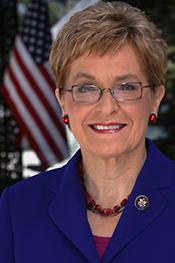
Madam Speaker, I thank the gentleman for yielding me this time and rise in strong opposition to this rule today. Imagine, a bill that will affect over 40 million people. But not until 2006 they tell…
Madam Speaker, I thank the gentleman for yielding me this time and rise in strong opposition to this rule today. Imagine, a bill that will affect over 40 million people. But not until 2006 they tell us, which is very interesting, and we do not even get a chance to read the bill before we vote on it. Last night, I was one of those people that managed to stay in the Committee on Rules until 5 a.m. this morning trying to amend this bill. I thought: ``What a punitive process.'' Yet this is how they are treating the American people, too. It will be harder on them than it was obviously on us staying up all night on this measure that is so vastly important to grandmothers, grandfathers, to older citizens across this country.
They want to privatize Medicare. They want to take this prescription drug benefit and put our seniors into Medicare HMOs. Try to find one that still exists in your area. And they denied me the opportunity to offer my amendment to permit the Secretary of Health and Human Services to have negotiated prices for prescription drugs. Everybody knows bulk buying gets one a better price. They denied me that ability, and not only that but in the base bill in section 8-1800 they forbid the Secretary of Health and Human Services to have negotiated prices to get people the best price for prescription drugs, moreover, in their bill, if a
person's drugs cost over $2,000 a year, well, it's just too bad. Seniors will have to pay between $2,000 and $4,000 for what they cannot afford. How many seniors earning $8,000 a year on Social Security can afford that?
What is the matter with you people? What is the matter with you?
And then they try to limit the amount of time for debate on the floor here. Let's look at negotiated prices on this accompanying chart, which I am trying to get in this bill, take this medicine for high blood pressure, for example, in Canada that costs about $152. In our country it costs about $182 if one goes to the regular drugstore. And if one has a negotiated price like the Department of Veterans Affairs has, you can get it for $102. The consumer saves all that money.
All my amendment tries to do is to use what the Department of Veterans Affairs does to have bulk buying, to have negotiated prices, and apply it to this program so we use the power of the people, the consumer power of the people, to get them the best price for prescription drugs. They will not allow my amendment on this floor today.
I should at least have the right to offer my amendment. You can vote no on it, but you have no right to do this to the senior citizens of our country. I urge my colleagues to vote no on this rule.
Mr. Speaker, this is a sad day for this House and, more importantly, it is a sad day for America's senior citizens. This bill is a complex and controversial $400 billion Medicare privatization plan…
Mr. Speaker, this is a sad day for this House and, more importantly, it is a sad day for America's senior citizens.
This bill is a complex and controversial $400 billion Medicare privatization plan that will affect the lives of 40 million senior citizens. For 38 years Medicare has been there for our parents and our grandparents, helping them live longer, more healthy lives. It is a sacred promise with the elderly of this country and this House is about to radically and fundamentally break that promise.
If that were not bad enough, the Republican leadership blocks out all amendments and all but one substitute to this bill. For example, this bill mandates for the first time a co-payment for senior citizens who receive Medicare home health care. I have been fighting for years to protect home health care from cuts, so I had an amendment before the Committee on Rules around 4:30 this morning to eliminate that co-pay because I think it is unfair and I think we should help seniors who use home health care, not charge them more money. But like every single other amendment, Democrat or Republican, my amendment was not made in order.
The other body has spent the last 2 weeks, Mr. Speaker, debating, discussing and amending their prescription drug bill. They seem to recognize that this is a big deal. So how much time do we give our seniors in this House? Not 2 weeks, not even 2 days. Three hours. What a terrible disservice to the people I represent, the people we all represent.
This bill ends Medicare as we know it and turns it into a convoluted, complicated voucher program of HMOs and PPOs and shifting coverage. It is a bill that leaves a huge gap in coverage, penalizing people for getting sick. It is a bill that moves us towards privatizing Medicare and leaves our seniors at the mercy of the insurance industry and the big drug companies. It is a bill that only a CEO could love. Senior citizens deserve a drug benefit within Medicare. They should not be left at the mercy of the HMO accountants who are more concerned with the bottom line and profit margins than with adequate health care.
Our substitute works like the rest of Medicare. It tackles the high cost of drugs and it guarantees our seniors meaningful, consistent prescription drug coverage. That is what our seniors deserve. I urge my colleagues to vote no on the rule and yes on the Democratic substitute.
Madam Speaker, I thank my colleague from Massachusetts for allowing me to talk on this rule, but mainly talk about a rule that will come up in a few minutes. Madam Speaker, a critical part of the…
Madam Speaker, I thank my colleague from Massachusetts for allowing me to talk on this rule, but mainly talk about a rule that will come up in a few minutes.
Madam Speaker, a critical part of the legislative process is to be able to amend legislation so that we can improve it. The rule on Medicare prescription drugs does not allow us to do that. The continued efforts by the leadership of the House to stifle debate on this issue can no longer be tolerated.
Although the rule does allow a substitute, which is better than last year, which I appreciate, there are so many other important amendments that should be debated on the floor on this, one of the most important issues this Congress will consider this year, this prescription drug package for our senior citizens.
The Committee on Energy and Commerce marked up this legislation for 3 days last week, the Democratic side offered dozens of amendments that would significantly improve the legislation. Several of these amendments were very close or tie votes, including one amendment that I offered to close that gap in coverage that is part of the so-called prescription drug benefit plan. That would close that doughnut hole that our seniors are going to fall into under the majority Republican plan. But the Committee on Rules would not let us offer these same amendments, amendments which should have been offered and may have passed on this floor.
One amendment was discussed by my colleague, the gentlewoman from Ohio, regarding a provision in this bill that prohibits the Health and Human Services Secretary from negotiating for cheaper prices for our seniors. That is just wrong. We do not prohibit the VA from doing it. We do not prohibit our States from doing it. In fact, the Committee on Energy and Commerce bill that passed allowed States to do that; yet we are saying that the Federal Government cannot get cheaper prices for our seniors. That amendment should be on this floor.
Madam Speaker, it is far too important for us to rush a debate on a prescription drug benefit for seniors and only have 1 day. The Senate has been debating this bill for the past 2 weeks, but in the House we are going to do this and rush it through in one afternoon. That is not the way our forefathers designed this House to legislate.
I urge my colleagues to oppose the rule when it comes up and obviously to oppose the underlying bill.
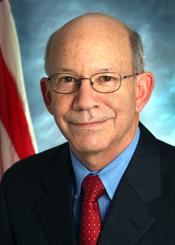
Mr. Speaker, I thank the gentlewoman for yielding me this time. We have heard a lot about the new benefits and protections that will be afforded by this bill. Unfortunately, most of the benefits and…
Mr. Speaker, I thank the gentlewoman for yielding me this time.
We have heard a lot about the new benefits and protections that will be afforded by this bill. Unfortunately, most of the benefits and protections will not go to seniors in need, they will go to the pharmaceutical and the insurance industry. This bill will do a good job of protecting the monopoly profits and price gouging by the pharmaceutical industry.
Perhaps the gentleman from Kentucky has not read or at least he doesn't understand the bill. Section 1801 prohibits the Federal Government, Medicare, from negotiating lower prices from the pharmaceutical industry, a provision inserted at the behest of the pharmaceutical industry to protect their profits. The VA negotiates very successfully, and that would lower the cost of drugs much more than the puny benefits in this bill at a cost of $400 billion. But, no, that is prohibited in this legislation.
The bill does not allow the reimportation of U.S. manufactured drugs from Canada because that would provide a greater benefit than the puny benefits in this bill. Here are three drugs: Tamoxifen. If we could just reimport, if Americans could just buy the drug by mail from Canada, they would save 90 percent. But a couple with a $4,500 a year drug bill will get a 22 percent benefit under this legislation. For Vioxx, for arthritis, 52 percent if you could just buy it in Canada and bring it back into this country. Under this bill, a 22 percent reduction for seniors who pay $4,500 a year for drugs. And then Xalatan, for glaucoma, a little closer, 33 percent from Canada, 22 percent under this bill.
So without any cost, without spending $400 billion and without spending a penny, but impinging on the profits of the pharmaceutical industry, we could provide much better benefits by negotiating or allowing reimportation.
But it does not stop there. It also benefits the insurance industry. It is going to drive seniors from Medicare into private insurance, provide subsidies to private insurance to provide unspecified benefits at a cost to be determined in the future when those benefits might become available in the year 2006, and they can be withdrawn at any time by those industries.
This is not the security our seniors deserve and it is outrageous that this should be offered without any amendments being allowed to this party.
Mr. Speaker, I rise to ask that the previous question be defeated so we can offer a real prescription drug benefit to seniors. It is unfortunate that the bill being offered by our Republican…
Mr. Speaker, I rise to ask that the previous question be defeated so we can offer a real prescription drug benefit to seniors. It is unfortunate that the bill being offered by our Republican colleagues is one that seniors are going to find is so complex that it is going to result in taxpayers displacing a lot of
private sector contributions which are already providing prescription drug benefits.
Why in the world would we design a drug benefit program where we are actually going to be trading taxpayer dollars for dollars that are already being spent by corporations for their retirees?
There is a better alternative, and that is the bill we would like to offer, that is, we take the $400 billion that President Bush has talked about, roll it into Medicare part B, and use a drug card much like President Bush has talked about which ensures that every senior will have access to negotiated prices which ensures that they have 10 to 20 percent savings. We do this without an increase in premiums. We also target seniors facing catastrophic health care costs by ensuring that after they have purchased drugs that cost $4,000, that the Federal Government will be there to pick up the vast majority of their drug costs from that point on.
We also recognize that there are a lot of seniors in this country that cannot afford the $4,000, so we provide a low-income benefit that provides significant assistance to all those seniors who have incomes less than 200 percent of poverty. This would ensure that 50 percent of the seniors on Medicare today would have a subsidized low-income benefit that would help provide them access to much-needed prescription drugs.
It is time for this Congress to come together and say, if seniors have a limited amount of resources, let us target those resources of those seniors that are in greatest need. Those are the seniors with very high drug costs and those seniors with the least ability to pay, and the system should be simple.
The Republican plan that we are going to be considering on the floor today provides seniors the benefit if they are low-income, but not if they have $6,000 in assets or a car that is too valuable. We need a plan that seniors can understand, that they do not need to be an accountant to figure out; and that is what our alternative would provide.
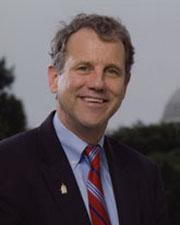
Mr. Speaker, I thank my friend from New York for yielding me the time. Mr. Speaker, we should reject this rule because H.R. 1 offers the wrong vision for Medicare. H.R. 1 asks every Member a…
Mr. Speaker, I thank my friend from New York for yielding me the time.
Mr. Speaker, we should reject this rule because H.R. 1 offers the wrong vision for Medicare. H.R. 1 asks every Member a fundamental question, what do you want Medicare to be? If you want Medicare coverage that is guaranteed, dependable, universal and fair, you will vote against H.R. 1. If you want Medicare to cover every senior everywhere, you will vote against H.R. 1. If you want Medicare to offer the same coverage to seniors on Park Avenue as seniors in Appalachian, Ohio, you will vote against H.R. 1.
But Mr. Speaker, if you want Medicare to offer unreliable, selective, discriminatory coverage, you will support H.R. 1. If you want Medicare to offer seniors in Appalachian, Ohio, less coverage than seniors on Park Avenue or no coverage at all, you will vote for H.R. 1. If you want Medicare to offer
rural seniors coverage, but at three or four times the price, then you will vote for H.R. 1. If you want a plan written by the drug companies and by the insurance companies because of their huge contributions to the Republican Party, if you want that, then you will vote for H.R. 1; and if you want a bill that will force people who now have prescription drug coverage, a bill that will force seniors who now have prescription drug coverage to drop that coverage, then you will vote for H.R. 1.
The gentleman from New York (Mr. Rangel) and the gentleman from Michigan (Mr. Dingell) will offer a substitute amendment with a different version of Medicare. The Rangel-Dingell substitute strengthens Medicare by adding a prescription drug benefit, no unaffordable cost sharing, no gaps in coverage. The Rangel-Dingell substitute would maintain Medicare's guaranteed coverage, remaining faithful to the trust Medicare has earned from America's seniors.
The Rangel-Dingell substitute harnesses seniors' purchasing power to demand better prices from the drug industry. My friend from Kentucky had it all wrong when he said the Republican plan does that. The Republican plan, because it was written by the drug companies, does nothing to bring prices down.
Vote ``no'' on the rule. Vote ``no'' on H.R. 1. Vote ``yes'' on the Rangel-Dingell substitute.
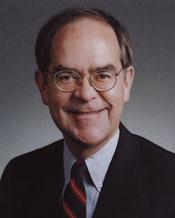
Mr. Speaker, I thank the gentlewoman for yielding me this time. Mr. Speaker, this should be a great day for this country. We should be on the verge of passing a real Medicare prescription drug…
Mr. Speaker, I thank the gentlewoman for yielding me this time.
Mr. Speaker, this should be a great day for this country. We should be on the verge of passing a real Medicare prescription drug benefit for our seniors. But, unfortunately, we are not. The Republican majority is rushing through a sham bill in this House in barely 24 hours. They would not let anybody see a copy of this bill until 11:50 p.m. last night. The Committee on Rules' deliberations began at 12:50 a.m. last night and lasted, as has been mentioned, until 4 a.m.
What are they afraid of? What are they hiding? And why would they not allow amendments like the Dooley amendment to be offered on this floor? It is my understanding in the other body that Senators Hagel, Ensign, and Clinton will be offering the Dooley approach as a substitute to that legislation. The other body has deliberated on this matter for some 2 weeks in the full light of day so that all senior citizens around this country, all families around this country, could pay attention to the details of this legislation and judge for themselves whether it is good medicine for the American people or not.
But not only is the Republican majority hiding the real substance of this bill, they have failed to learn the lessons of past efforts of this House to reform the health care system. Number one, health care legislation that works must not be partisan. This bill is almost an entirely Republican-only bill. That dooms it to failure from the start. Second, real health care reform must not be overly complex. This is one of the most complex bills that seniors could ever imagine facing. The red tape is incredible. And, third, this bill should not be overly burdensome to seniors, but it is. Watch out when your seniors back home realize they have to pay $35 a month for a very questionable benefit.
There is a donut hole in coverage, and that is almost too complex to explain in the 2 minutes I am allowed here, but this bill is so inferior to the Dooley bill, which solves these problems in a simple, clear and fair fashion. Under the Dooley bill, there is a zero monthly premium.
Mr. Speaker, I urge a ``no'' vote on the previous question.
Bill Text
Latest available legislative text
        [Congressional Bills 108th Congress]
[From the U.S. Government Publishing Office]
[H. Res. 297 Reported in House (RH)]

House Calendar No. 73
108th CONGRESS
1st Session
H. RES. 297

[Report No. 108-179]

Providing for consideration of motions to suspend the rules.

_______________________________________________________________________

IN THE HOUSE OF REPRESENTATIVES

June 26 (legislative day of June 25), 2003

Mr. Linder, from the Committee on Rules, reported the following
resolution; which was referred to the House Calendar and ordered to be
printed

_______________________________________________________________________

RESOLUTION

Providing for consideration of motions to suspend the rules.

Resolved, That during the remainder of the One Hundred Eighth
Congress, the Speaker many entertain motions that the House suspend the
rules on Wednesdays, as though under clause 1 of rule XV.

House Calendar No. 73

108th CONGRESS

1st Session

H. RES. 297

[Report No. 108-179]

_______________________________________________________________________

RESOLUTION

Providing for consideration of motions to suspend the rules.

_______________________________________________________________________

June 26 (legislative day of June 25), 2003

Referred to the House Calendar and ordered to be printed