Three Affiliated Tribes Health Facility Compensation Act
Legislative Activity
Stay on top of the latest movement without scrolling through every action
Became Public Law No: 108-437.
December 3, 2004
View full timeline
Introduced in Senate
May 23, 2003
Sponsor introductory remarks on measure. (CR S7145)
May 23, 2003
Read twice and referred to the Committee on Indian Affairs.
May 23, 2003
Committee on Indian Affairs. Hearings held. Hearings printed: S.Hrg. 108-164.
June 11, 2003
Committee on Indian Affairs. Ordered to be reported with an amendment in the nature of a substitute favorably.
July 16, 2003
Committee on Indian Affairs. Reported by Senator Campbell with an amendment. With written report No. 108-165.
October 15, 2003
Placed on Senate Legislative Calendar under General Orders. Calendar No. 308.
October 15, 2003
Passed Senate with an amendment by Unanimous Consent. (consideration: CR S13317; text of measure as reported in Senate: CR S13317; text as passed Senate: CR S13317)
October 27, 2003
Received in the House.
October 28, 2003 • 12:30 PM
Message on Senate action sent to the House.
October 28, 2003
Referred to the Committee on Resources, and in addition to the Committee on Energy and Commerce, for a period to be subsequently determined by the Speaker, in each case for consideration of such provisions as fall within the jurisdiction of the committee concerned.
October 28, 2003
Committee Consideration and Mark-up Session Held.
May 19, 2004
Reported by the Committee on Resources. H. Rept. 108-523, Part I.
June 3, 2004
House Committee on Energy and Commerce Granted an extension for further consideration ending not later than July 9, 2004.
June 3, 2004
Placed on the Union Calendar, Calendar No. 354.
July 9, 2004
Mr. Gibbons moved to suspend the rules and pass the bill.
November 17, 2004 • 4:50 PM
Considered under suspension of the rules. (consideration: CR H9844-9845)
November 17, 2004 • 4:50 PM
DEBATE - The House proceeded with forty minutes of debate on S. 1146.
November 17, 2004 • 4:50 PM
Passed/agreed to in House: On motion to suspend the rules and pass the bill Agreed to by voice vote.(text: CR H9844-9845)
November 17, 2004 • 4:58 PM
On motion to suspend the rules and pass the bill Agreed to by voice vote. (text: CR H9844-9845)
November 17, 2004 • 4:58 PM
Motion to reconsider laid on the table Agreed to without objection.
November 17, 2004 • 4:58 PM
Presented to President.
November 22, 2004
Signed by President.
December 3, 2004
Became Public Law No: 108-437.
December 3, 2004
Floor Debate
21 membersWhat members said about S. 1146 on the floor
 JB
JB AS
AS BNC
BNC CG
CG OJS+16
Floor Debate
21 membersWhat members said about S. 1146 on the floor
Mr. President, the legislation I am introducing today with Senators Cochran, Lincoln, Collins, Daschle, Jeffords, Clinton, Cantwell, and Johnson is entitled the Children's Dental Health Improvement…
Mr. President, the legislation I am introducing today with Senators Cochran, Lincoln, Collins, Daschle, Jeffords, Clinton, Cantwell, and Johnson is entitled the Children's Dental Health Improvement Act of 2003. This legislation is designed to improve the access and delivery of dental health services to our Nation's children through Medicaid, the State Children's Health Insurance Program, (SCHIP), the Indian Health Services, IHS, and our Nation's safety net of community health centers.
The oral health problems facing children are highlighted in a landmark report issued by the Surgeon General and the Department of Health and Human Services, HHS, in 2000 entitled ``Oral Health in America: A report of the Surgeon General'' in which he observed that our Nation is facing what amounts to ``a `silent epidemic' of dental and oral diseases.''
In fact, dental caries, which refers to both decayed teeth or filled cavities, is the most common childhood disease. According to the Surgeon General,``Among 5- to 17-years olds, dental caries is more than 5 times as common as a reported history of asthma and 7 times as common as hay fever.'' In short, dental care is, as the Surgeon General adds,``the most prevalent unmet health need among American children.''
I was pleased to chair a hearing in the Health, Education, Labor and Pensions Committee on June 25, 2002, entitled ``The Crisis in Children's Dental Health: A Silent Epidemic'' in which the Surgeon General, Dr. David Satcher, testified. Dr. Satcher's testimony was strong and compelling.
In his words, ``Over 108 million children and adults lack dental insurance, which is over 2.5 times the number who lack medical insurance.'' Dr. Satcher also highlight the following information specific to the oral health problems in children:
There are striking disparities in dental disease by income. Poor children suffer twice as much dental cries as their more affluent peers, and their disease is more likely to be untreated. These poor- nonpoor differences continue into adolescence. One out of four children in America is born into poverty, and children living below the poverty line--annual income of $17,000 for a family of four--have more severe and untreated decay.
Other birth defects such as hereditary ectodermal dysplasias, where all or most teeth are missing or misshapen, cause lifetime problems that can be devastating to children and adults.
Unintentional injuries, many of which include head, mouth, and neck injuries, are common in children.
Intentional injuries commonly affect the craniofacial tissues.
Tobacco-related oral lesions are prevalent in adolescents who currently use smokeless--spit tobacco.
Professional care is necessary for maintaining oral health, yet 25 percent of poor children have not seen a dentist before entering kindergarten.
Medical insurance is a strong predictor of access to dental care. Uninsured children are 2.5 times less likely than insured children to receive dental care. Children from families without dental insurance are three times more likely to have dental needs than children with either public or private insurance. For each child without medical insurance, there are at least 2.6 children without dental insurance.
Medicaid has not been able to fill the gap in providing dental care to poor children. Fewer than one in five Medicaid-covered children received a single dental visit in a recent year-long study period. While recent CMS data indicate progress in this area with 1 million more Medicaid-eligible children now receiving annual dental care than was the case in 1996, there is still a long way to go to ensuring greater access. Although new programs such as the State Children's Health Insurance Program, SCHIP, may increase the number of insured children, many will still be left without effective dental coverage.
The social impact of oral diseases in children is substantial. More than 51 million school hours are lost each year to dental-related illness. Poor children suffer nearly 12 times more restricted-activity days than children from higher income families. Pain and suffering due to untreated diseases can lead to problems in eating, speaking, and attending to learning.
Over 50 percent of 5- to 9-year-old children have at least one cavity or filling, and that proportion increases to 78 percent among 17-year- olds. Nevertheless, these figures represent improvements in the oral health of children compared to a generation ago.
The Senate also heard the testimony of Dr. Burton Edelstein, founding director of the Children's Dental Health Project; Dr. Gregory Chadwick, president of the American Dental Association; Dr. Lynn Douglass Moundon, director of oral health in the Arkansas Department of Health; Ed Martinez, chief executive officer at San Ysidro Health Center in California; and, Dr. Timothy Shriver, president and chief executive officer of Special Olympics, Inc.
Dr. Edelstein underscored the need for more attention to this issue. As he said, ``The too-widespread belief that childhood dental disease has been vanquished states in contrast to the thousands upon thousands of toothaches and acute abscesses experienced daily by America's children--many as young as 2 years of age.''
In endorsing this legislation, Dr. Chadwick added, ``. . . we cannot forget the fact that millions of people in this country--particularly children--aren't getting even basic preventive and restorative dental care. These children are out there suffering.''
The Children's Dental Health Improvement Act of 2003 seeks to end that suffering. One important provision in the bill would grant States flexibility
to provide dental coverage to low-income children through the State Children's Health Insurance Program, or SCHIP, just as States currently are able to do through Medicaid.
Unfortunately, SCHIP law prohibits coverage of children for services unless they are completely uninsured. As authors Ruth Almeida, Ian Hill, and Genevieve Kenney of an Urban Institute report entitled ``Does SCHIP Spell Better Dental Care for Children? An Early Look at New Initiatives write'', ``. . . many low-income children are covered by employer-based or other private health insurance for their medical care, but do not have a comprehensive dental benefit. Because these children are privately insured, they are not eligible for SCHIP and cannot avail themselves of dental coverage under SCHIP. Expanding SCHIP to furnish dental services on a wraparound basis to private covered low-income children without dental coverage could help achieve broader improvements in children's oral health.''
For low-income children with medical coverage but no dental insurance through the private sector, their only option would be to completely dump their private coverage for their children in order to access SCHIP coverage.
Instead, the Children's Dental Health Improvement Act of 2003 creates an option for States to provide low-income families with the ability to receive wraparound dental coverage through SCHIP without having to completely drop their private insurance. This reduces the crowd-out of private insurance, which was a priority of the Congress during passage of SCHIP, and it provides low-income children with dental services that other children in the same economic circumstance are already receiving through SCHIP.
In implementing such a change, I want to make it clear that I am in strong support of providing additional funding to SCHIP to ensure that these services are provided without reducing current levels of SCHIP funding. With those additional funds, I strongly believe that SCHIP, just as Medicaid, should provide services to low-income children who are both uninsured and underinsured. Children need a comprehensive set of child health services, including dental services, to ensure their appropriate health and development.
However, coverage for these services is often not enough. Even when children do have dental coverage, the access to care is often sorely lacking. Medicaid is the largest insurer of dental coverage to children. Yet despite the design of the Medicaid Program to ensure access to comprehensive services for children, including dental care, the inspector general of the Department of Health and Human Services reported in 1996 that only 18 percent of children eligible for Medicaid received even a single preventive dental service. The same report shows that no State provides preventive services to more than 50 percent of eligible children. The factors are complex but the primary one is due to limited dental participation in Medicaid.
According to GAO, in its September 2000 report entitled ``Oral Health: Factors Contributing to Low Use of Dental Services by Low- Income Populations.'' ``Of 39 states that provided information about dentists' participation in Medicaid, 23 reported that fewer than half of the states' dentists saw at least one Medicaid patient during 1999.'' Even worse, a 1998 survey by the National Conference of State Legislatures indicates that fewer than 20 percent of dentists participate in the Medicaid Program nationwide.
The GAO concludes poor participation rates by dentists is due in large part to poor reimbursement rates in Medicaid. As the GAO points out, ``Our analysis showed that Medicaid payment rates are often well below dentists' normal fees. Only 13 states had Medicaid rates that exceeded two-thirds of the average regional fees dentists charged. . . .''
Clearly, Medicaid is chronically underfunded with respect to dental care. The Surgeon General's report notes, ``On average, state Medicaid agencies contribute only 2.3 percent of their child health expenditures to dental care, whereas nationally, the percentage of all child health expenditures dedicated to dental care is more than 10 times that rate, almost 30 percent.''
The good news is that many States, including New Mexico, have taken recent actions to improve the participation of dentists in the Medicaid Program by raising low payment rates and reducing administrative requirements. These efforts were highlighted by the GAO in its September 2000 report. To further encourage such efforts, the ``Children's Dental Health Improvement Act of 2003'' provides $50 million annually as financial incentives and planning grants to States to undertake additional improvements in their Medicaid Programs delivery of dental health services to children.
In addition to Medicaid and SCHIP, the Federal Government administers other health care programs providing dental services or providers for low-income children and their families, including services administered by community health centers and the Indian Health Service, or IHS. Unfortunately, both of these programs are underfunded and, as the GAO found, ``report difficulty in meeting the dental needs of their target populations.''
For example, the GAO found that ``HHS and health center officials report that the demand for dental services significantly exceeds the [urban and rural health] centers' capacity to deliver it. In 1998 . . ., a little more than half of the nearly 700 health center grantees funded under this program had active dental programs.'' This is also true for public health departments across the country.
To assist the health centers and public health departments with this need, the Children's Dental Health Improvement Act of 2003 provides $40 million to community health centers and public health departments to expand dental health services through the hiring of additional dental health professionals to serve low-income populations.
This is particularly a problem that needs to be addressed in areas with severe dental health professional shortages, such as New Mexico. For example, New Mexico ranked next to last in the Nation with just 32.1 dentists per 100,000 population in 1998, according to HHS. This compares to the national average of 48.4 per 100,000. Moreover, the number of dentists in New Mexico declined by 7 percent between 1991 and 1998 while the State's population grew 12 percent. The result was a 17 percent decline in dentists per capita during the period.
With regard to American Indian and Alaska Native populations, the need is so great and the funding so little that a comprehensive solution is requiring throughout the IHS system. With respect to the unmet need, the GAO notes that ``American Indian and Alaska Native children aged 2 to 4 years old have five times the rate of decay that all children have.''
Unfortunately, the GAO adds, ``. . . about one-fourth of IHS' dentist positions at 269 IHS and tribal facilities were vacant in April 2000. Vacancies have been chronic at IHS facilities--in the past 5 years, at least 67 facilities have had one or more dentist positions vacant for at least a year. According to IHS officials, the primary reason for these vacancies is that IHS is unable to provide a competitive salary for new dentists . . .''
The GAO continues, ``The IHS' dental personnel shortages translate into a large unmet need for dental services among American Indians and Alaska Natives. IHS reports that only 24 percent of the eligible population had a dental visit in 1998. The personnel shortages have also reduced the scope of services that facilities are able to provide. According to IHS officials, available services have concentrated more on acute and emergency care, while routine and restorative care have dropped as a percentage of workload. Emergency services increased from one-fifth of the workload in 1990 to more than one-third of the workload in 1999.''
To help alleviate this workforce shortage, the Children's Dental Health Improvement Act of 2003 provides IHS with the authority to offer multiyear retention bonuses to dental providers offering services through the IHS and tribal programs.
The bill also provides for some technical amendments to ensure that tribal organizations and community health centers are allowed to apply for school-based dental sealant funding from the Centers for Disease Control and Prevention, or CDC.
The legislation also has a new provision that addresses a technical and unintended problem with the implementation of provisions changing the way Medicare graduate medical education, or GME, is funded. As background in the Balanced Budget Act of 1997, or BBA, Congress recognized the unfairness of subjecting dentistry to GME policies based on the oversupply of physician specialists by exempting dental residency positions from caps placed on the number of residents supported by Medicare GME.
However, the two provisions in that law--both enacted primarily to alleviate the impact on hospitals that decrease physician slots--have had the opposite impact on hospitals that increase their dental residency positions. While successful in achieving the purpose of reducing the number of physicians being trained, these provisions have hurt dentistry and access to oral health care in the United States and are contrary to the congressional goal in 1997 to increase the number of postgraduate dental residency slots. As a result, the legislation would exempt dental residency training positions from the 3-year rolling average provision used to calculate the number of residents for Medicare GME payments.
The bipartisan legislation I am introducing today would improve the access and delivery of dental health services to our Nation's children through Medicaid, SCHIP, IHS, and our Nation's safety net of community health centers. These problems are well documented and call out for congressional action as soon as possible.
I would like to thank the American Dental Association, the American Dental Education Association, the American Academy of Pediatric Dentistry, the National Association of Community Health Centers, Inc., the National Association of Children's Hospitals, the American Dental Hygienists' Association, and the Children's Dental Health Project for their outstanding support and/or their technical advice on this legislation. This bill is a result of their outstanding work.
In particular, I want to thank Dr. Burt Edelstein, Libby Mullin, and Ann De Biasi of the Children's Dental Health Project for their vast knowledge and technical assistance on this issue. I want to thank Judy Sherman of the American Dental Association, Myla Moss and Jack Bresch of the American Dental Education Association, Dr. Herber Simmons and Scott Litch of the American Academy of Pediatric Dentistry, Karen Sealander of the American Dental Hygienists' Association, Dr. Jim Richeson and Judy Kloss Bynum of the Academy of General Dentistry, Dr. Stephen Corbin of Special Olympics, Inc., and Dan Hawkins, Chris Koppen, and Roger Schwartz of the National Association of Community Health Centers, Inc., for their valuable insight, technical advice, and continued support for this legislation. I look forward to working with them all to ensure that we achieve increased access to oral health care for our children.
In addition to those organizations, I would like to thank the following groups for their support of the bill, whether in the past session of Congress or this year. They include: the Academy of General Dentistry, American Academy of Child and Adolescent Psychiatry, American Academy of Oral and Maxillofacial Pathology, American Academy of Periodontology, American Association of Dental Examiners, American Association of Dental Research, American Association of Endodontists, American Association of Public Health Dentistry, American Association of Oral and Maxillofacial Surgeons, American Association of Orthodontists, American Association of Women Dentists, American College of Dentists, American College of Preventive Medicine, American Dental Trade Association, American Public Health Association, American Society of Dentistry for Children, American Student Dental Association, Association of Clinicians for the Underserved, Association of Maternal and Child Health Programs, Association of State and Territorial Dental Directors, Dental Dealers of America, Dental Manufacturers of America, Inc., Family Voices, Hispanic Dental Association, International College of Dentists--USA, March of Dimes, National Association of City and County Health Officers, National Association of Local Boards of Health, National Dental Association, National Health Law Program, New Mexico Department of Health, Partnership for Prevention, Society of American Indian Dentists, Special Care Dentistry, and United Cerebral Palsy Associations.
Mr. President, I ask unanimous consent for the text of the bill to be printed in the Record.
Mr. President, today, I am introducing a bill with Senators Daschle, Boxer, and Lincoln that will be jointly introduced by Representatives Ciro Rodriguez, Hilda Solis, and others in the House of Representatives entitled the ``Hispanic Health Improvement Act of 2003.'' This bill addresses the tremendous health disparities that confront the Hispanic community in our Nation.
Even if you know the statistics, they remain shocking. Over one- third, a 35 percent of Hispanic adults lack health insurance. Despite that passage of the Children's Health Insurance Program, 27 percent of Latino children remain uninsured, which is sharp comparison to 9 percent of white, 18 percent of black and 17 percent of Asian/Pacific Islander children.
In testimony before the Senate Health, Education, Labor and Pensions Committee on September 23, 2002, on Hispanic health issues, Dr. Glenn Flores, chair of the Latin Consortium of the American Academy of Pediatrics Center for Child Health Research, added: ``Among uninsured poor children in the U.S., Latinos outnumber all other racial/ethnic groups, including whites: there are 1 million poor, uninsured Latino children, compared with 766,000 white, and 533,000 African-American poor, uninsured children. Although 1999 marked the first time in many years that the proportion of uninsured Latino children actually decreased (from 30 percent to 27 percent), recent national data suggest that outreach efforts to enroll Latino children have largely been unsuccessful. A Kaiser Commission report found that only 26 percent of parents of eligible uninsured children said that they had ever talked to someone or received information about Medicaid enrollment, and 46 percent of Spanish-speaking parents were unsuccessful at enrolling their uninsured children in Medicaid because materials were unavailable in Spanish.''
In order to address the lack of health care coverage, the legislation would expand CHIP to cover pregnant women and parents of children enrolled in CHIP. The legislation provides $50 million in grants to community-based groups to improve outreach and enrollment of children in Medicaid and CHIP with the grants targeted to Hispanic communities.
In addition, the bill eliminates a number of enrollment barriers within Medicaid.
And finally, it provides States the option to enroll legal immigrant pregnant women and children in Medicaid or CHIP. This comes from legislation introduced by Senator Graham earlier in this Congress.
In addition to poor coverage rates, according to the Centers for Disease Control and Prevention, or CDC, the Hispanic population has morbidity and mortality rates that more often than not exceed that of any other ethnic groups. For example, age-adjusted mortality rates for diabetes are over 50 percent higher among Hispanic persons than non- Hispanic whites. HIV infection rates are over 3 times those of non- Hispanic whites. Tuberculosis rates among Latino children are 13 times that of whites.
The legislation addresses these problems in a number of ways. In the area
of access and affordability, our bill requires an annual report to Congress on how federal programs are responding to improve the health status of Hispanic individuals with respect to diabetes, cancer, asthma, HIV infection, AIDS, substance abuse, and mental health. The bill provides $100 million for targeted diabetes prevention, education, school-based programs, and screening activities in the Hispanic community.
In addition, the legislation specifically addresses the problems facing communities along the U.S.-Mexico border, a 2,000-mile stretch of land that contains 11 million people, 5 of the 7 poorest metropolitan statistical areas in the country, and disease rates in some areas that are extraordinary. If the region were a state, the border would rank 1st in the number of uninsured, last in terms of per capita income, and 1st in a number of diseases.
As Dr. Francisco Cigarroa, president of the University of Texas Health Sciences Center at San Antonio, noted in testimony at the hearing last year on Hispanic health, ``Germs respect no INS regulations. We truly must work with our neighbors to the South if we are to avoid a major influx of new conditions and diseases. It can be seen so clearly on a map. Just as there are `rivers of commerce' there are `rivers of infectious disease' and though they may start at the Border, they are eventually seen all the way to the northern Border that we share with Canada.''
In response, the bill provides $200 million to border communities to improve health services and infrastructure along the U.S.-Mexico border.
The numbers I have cited thus far indicate what we do know. Almost as much of a concern is what we do not know with respect to the status of Hispanic health in this Nation. According to one study, only 22 percent of all articles published in major medical journals included non- English-speaking patients.
The bill provides funding to do additional research and work on reducing health disparities in this Nation. The various provisions include efforts to improve the recruitment and retention of Hispanic health professionals and programs that support training health professionals who can provide culturally competent and linguistically appropriate care. With respect to training more minority health professionals, Dr. Cigarroa said at last year's hearing, ``We should do this because it is the smart thing to do. If we fail to take steps to address the gap between the health of the majority population and the health of the Nation's rapidly growing minority populations, we are on a court leading to a collision. We are far too great a nation to allow this to happen.''
Representative Ciro Rodriguez, chairman of the Congressional Hispanic Caucus, and I, have worked together on this legislation to respond to the challenge before us with regard to coverage, access, and health disparities in the last Congress and have reintroduced the bill with the hope to move it forward this year.
Before closing, it should be noted that while the legislation puts forth a number of initiatives to address what are disproportionately Hispanic problems, each section of the bill, including those to reduce the number of uninsured and to improve access to care, would improve the overall health of our entire Nation regardless of race or ethnicity.
I ask unanimous consent that the text of the bill be printed in the Record.
Mr. President, I have sought recognition to explain the provisions of the ``Veterans Prescription Drugs Assistance Act of 2003,'' a bill that I have introduced today to assist Medicare-eligible…
Mr. President, I have sought recognition to explain the provisions of the ``Veterans Prescription Drugs Assistance Act of 2003,'' a bill that I have introduced today to assist Medicare-eligible veterans struggling with the costs of prescription medications.
I fully understand that Congress, and the President, are working very hard on legislation to take on the larger issue of providing a prescription drug benefit for all American seniors. I applaud that effort, and I will continue to work with my colleagues to see that Congress enacts legislation to help all seniors who struggle with the ever-increasing costs of necessary medications. But in the meantime, as Chairman of the Committee on Veterans Affairs, I offer legislation to allow Medicare-eligible veterans to obtain prescription drugs from the Department of Veterans Affairs, VA, at the significantly discounted costs that VA, as a high-volume purchaser of prescriptions medications, is able to secure in the marketplace.
Earlier this year, VA Secretary Anthony J. Principi was forced to limit access to VA care by suspending new enrollments of non-service- disabled middle and higher income veterans who were not enrolled for care as of January 17, 2003. The Secretary was forced to so act because the number of patients provided care by VA has more than doubled in just five years. And as a result, VA's medical care system has been overwhelmed and, as a consequence, VA has been unable to provide timely access to healthcare for all veterans who have sought it and appointment waiting times have grown to alarming levels. But in almost every news story that followed the Secretary's difficult decision, it was noted that many of the new enrollees who had overwhelmed VA's capacity to provide care were Medicare-eligible veterans who were able to get Medicare-financed care elsewhere--but who were seeking access to the relatively generous prescription drug program provided to veterans under VA care.
Currently, VA provides enrolled patients with prescription medications for $7.00 for each 30-day supply. But to get such prescriptions, the veteran must obtain the full range of medical care from VA. This fact, coupled with the Secretary's decision to close enrollment, means that veterans who are now--or who will be--eligible for Medicare who had not enrolled for VA care prior to January 17, 2003, will be unable to access VA's generous prescription drug benefits. This legislation would provide some relief for those veterans. In addition, I anticipate that it may induce some VA-enrolled Medicare-eligible veterans--those who were happy with their Medicare- financed care but who enrolled for VA care to gain access to VA- supplied drugs--to return to non-VA care with knowledge that they will be able to get their non-VA prescriptions filled through VA. Enactment of this provision, then, would reduce--not exacerbate--VA patient backlog numbers.
The premise of this legislation is straightforward: VA fills and distributes more than 100 million prescriptions each year for its 4.5 million veteran-patients. As a result, it has significant purchasing power--power which, coupled with VA's formulary program, allows it to negotiate very favorable prices for prescription drugs. According to the National Association of Chain Drug Stores, the average ``cash cost'' of a prescription in 2001 was $40.22. The average VA per- prescription cost in 2001 was $22.87--almost 50 percent less. The average per-prescription price paid by VA this year is up to just under $25--a slower growth rate than the 6.7 percent annual growth experienced in the population at large since 2001.
My purpose is to afford Medicare-eligible veterans access to such discounts. I do not propose that VA be directed to supply drugs to all Medicare-eligible veterans at VA expense, or even with a partial VA subsidy. VA has stated that such a mandate would divert VA funding-- which, clearly, is already stretched to the limit--away from VA priority patients: the service-connected, the poor, and those with special needs. I accept VA's statement of concern; I accept and I insist--that scarce funding be directed, first, to meet the needs of priority patients. This legislation, therefore, requires that VA recover the costs of drugs it supplies under this program from veterans who bring their prescriptions from outside doctors to VA.
I do not propose to tell VA in this bill how to recover these costs. VA is better positioned than I to make such judgments. Thus, my legislation provides flexibility to VA to design and test payment mechanisms to best accomplish cost recovery while still easing veterans' access to the drugs they need. It might be that enrollment fees, a copayment structure, or a simple ``cost-plus''--for administrative expenses pricing format--or some combination of those mechanisms--works best. And it might be that different approaches work best in different regions of the country. I intend for the VA to experiment with different pricing structures to determine what works best. But I also intend that veterans get a break on prescription drug pricing.
Those who would benefit from this program are World War II and Korean War veterans who answered their country's call over 50 years ago. As they age, many desperately need relief from high drug prices. My purpose is not to disparage the drug companies; their discoveries have truly been marvels. But that is precious little comfort to a Medicare participant who, whatever the drug's overall utility might be, cannot afford both the drug and food or shelter or heat. Many such persons reside in the Commonwealth of Pennsylvania where, just last month, a genuine titan in the industrial history of the United States, Bethlehem Steel, ceased to exist. Many retired steelworkers who are also veterans--and who never needed VA because of company-paid
benefits--have lost their health insurance coverage and, with it, prescription drug benefits. These people need a break. This bill could provide it.
The premise of this legislation is simple: veteran access to VA market-driven discounts. Yet, the assistance it could provide might be profound. I do hope that Congress will find a way to provide prescription drug benefits to all seniors. But for now, I urge my colleagues to support this bill so that the problem might be solved--or at least reduced--for seniors who served. They deserve it, and we should do it.
I ask unanimous consent that the text of this bill be printed in the Record.
Mr. President, I have sought recognition to explain briefly the provisions of the ``Department of Veterans Affairs Long- Term Care and Personnel Authorities Enhancement Act of 2003,'' a bill that I have introduced today.
Title I of the bill would extend through calendar year 2008 authorities that now specify that the Department of Veterans Affairs, VA, will provide to veterans enrolled for VA medical care outpatient- based long-term care services, such as Adult Day Health Care, Home Health Aide assistance, Non-Institutional Respite Care, and Home-based Primary Care. These services provide alternatives to institutional care and, in many cases, they obviate the need for institutional care by allowing veterans to remain in their own homes with care-giving assistance provided by VA.
In addition, this bill would lower, from 70 percent to 50 percent, the threshold level of service-connected disability that would qualify a veteran for highest-priority for institutional care should he or she need it. VA currently provides highest-priority access to hospital and outpatient clinic-based care to veterans who have suffered a service- connected disability rated by VA as 50 percent disabling or higher. Highest-priority access to inpatient-based long-term care services, however, is only granted by law to veterans who are 70 percent or more disabled, unless such care is needed specifically to treat a less- disabling service-connected disability. When this provision of law was enacted in 1999, Congress set the threshold for priority access to nursing home care at 70 percent, rather than at 50 percent, due primarily to concerns that a lower threshold--which was actively considered--might cause VA to be faced with an unforeseen level of demand that could not be met. Since then, however, VA has reported that ``there was only a small increase in the numbers of veterans 70 percent service-connected or greater who were estimated to need nursing home care but who actually received that care from VA.'' In light of that, I see no compelling reason to continue distinguishing between nursing home care and all other types of care that are made available to 50 percent or higher service-connected veterans on a highest-priority basis. This bill would provide, in effect, that hospital care, outpatient clinic-based care, and nursing home care will equally be made available to all such enrolled veterans.
Title I of the bill would also make technical changes to VA authority to contract for nursing home and adult day health care services by allowing VA to enter into agreements with providers under standards similar to those allowed by Medicare. According to VA, these changes will allow a greater number of smaller community-based providers to contract with VA by reducing the regulatory burdens placed upon them as a condition to contracting eligibility.
Title II of the bill authorizes major construction for long-term care facilities in Beckley, WV and Lebanon, PA. Each of these states has a substantial elderly population and each is need of expansion to their VA long-term care programs.
Title III of the bill would change current law to allow VA to more easily hire and retain certain clinical staff members. Under current law, VA hires many clinical professionals, such as physicians and nurses, under streamlined authorities set forth in title 38 of U.S. Code. But other key clinical professionals, such as clinical social workers, psychologists, and pharmacists, may only be hired through the standard ``civil service'' authorities specified in Title 5, U.S. Code. Further, members of such professions may only be paid and promoted in accordance with the standard civil service General Schedule, GS, pay scale. The process of hiring staff under these procedures is arduous and lengthy, consuming three months or more and placing VA at great competitive disadvantage in securing the services of best qualified candidates. This bill would convert many of these positions into ``hybrid Title 38'' status and permit VA greatly increased hiring and promotion flexibility, and compensation at special, locally-based, pay scales. Such clinicians, however, would retain their standard civil service grievance, vacation, and discipline protections.
Title III of the bill also contains provisions to correct a long- standing inequity relating to retirement benefits for certain part-time VA nurses; to expand a successful pilot program allowing for contract- physician disability compensation medical examinations; and to afford certain wage-grade canteen workers an opportunity to compete favorably for VA employment.
I urge my colleagues to support this legislation.
Mr. President, I ask unanimous consent that the text of this bill be printed in the Record.
Mr. President, I am pleased to provide for inclusion in the Congressional Record, the final cost estimate for S. 556, the Indian Health Care Improvement Act Amendments of 2003 prepared by the…
Mr. President, I am pleased to provide for inclusion in the Congressional Record, the final cost estimate for S. 556, the Indian Health Care Improvement Act Amendments of 2003 prepared by the Congressional Budget Office.
This estimate had not been completed in time to be filed with the Senate Report No. 108-411 on S. 556 that was filed on November 17, 2004.
S. 556 would reauthorize the Indian Health Care Improvement Act which sets forth the statutory framework for the Indian health system and was first enacted in 1976. The act was reauthorized in 1992. The goal of the 1976 act, as amended, is to raise the health status of Indians to achieve parity with that of other Americans.
American Indians and Alaska Natives rank at or near the bottom of nearly every health indicator when compared to the general U.S. population. Health studies indicate disproportionately higher mortality rates of alcoholism, between 670-770%; tuberculosis, 650%; diabetes, between 318-420% accidental injuries, 280%; suicide, 190%; and homicide, 210%, than other populations.
With the basic goals of the Act unrealized, the need for reauthorization grows greater. S. 556 would have provided an additional set of improvements to the Indian health care system--most notably, for facility construction, access to care through Medicaid cost-sharing waivers, and long-term planning through the establishment of a bipartisan commission to study the Indian health care system.
The reauthorization bill has been a work in progress since the 106th Congress when I introduced a bill to reauthorize the act. I have introduced a bill to reauthorize the act in every subsequent Congress. Over the course of the past three Congresses, the Committee has held eight hearings on the reauthorization with four hearings held in the 108th Congress alone.
I was particularly pleased to have Secretary Thompson testify before the Committee on July 21, 2004, regarding the administration's views on the proposed legislation. At this hearing, the Secretary expressed enthusiastic support of the proposed legislation and his desire to see it enacted this year.
This show of support was particularly important because we had been anticipating the administration's view for several months and were fast coming to the end of the 108th Congress.
At the hearing, Secretary Thompson committed his staff to immediately begin meeting with the bill committee staff to work on the bill. Much effort to advance this legislation had already been put forth by committee staff, tribal leaders and the Indian health community. With department staff working alongside committee staff, we anticipated swift passage of the bill.
However, swift passage did not happen and I am disappointed that the reauthorization did not get enacted this year. The committee staff worked diligently along with the administration and Indian tribal leaders until the very end of this Congress to finalize the bill for passage.
I believe that, in addition to the changes made prior to July, 2004, the committee was quite responsive to the department's concerns and suggestions in revising the bill.
In particular, the provisions for Medicare and health professional shortage areas were not included in the reported bill. The committee modified the establishment of creative funding programs such as the revolving loan funds and opted for studies for this type of funding mechanism instead--at the request of the administration.
There was substantial discussions at the eleventh hour regarding provisions governing urban Indians and non-eligible individuals. I believe the Federal responsibility to provide health care applies to individual Indians living in the urban centers, especially when it is remembered that Indians reside in urban areas primarily as a result of the Federal policy of relocation during the first half of the 20th Century.
In addition, in the course of negotiations, we were made aware of concerns dealing with the Veteran's Administration drug supply schedules and services to non-eligible individuals. A limited scope of services to certain non-eligibles has been a part of the Indian Health Care Improvement Act for years. Nevertheless, the Department and some tribes have different views of the scope of services.
In any event, the matter is being addressed in the courts. Any resolution we could offer would be better served by reviewing the decision of the courts and then thoroughly examining the matter instead of fixing what has not been determined by the courts to be a problem.
Likewise, I am concerned with what may be a desire to rollback the gains tribes have made in implementing the Indian Health Care Improvement Act and the Indian Self-Determination and Education Assistance Act.
The underlying policies and plain language of the both statutes should not be ignored and the commitment to self-governance needs to be respected when enacting any Indian legislation.
I certainly appreciated President Bush's Memorandum to Department Heads on ``The Government-to-Government Relationship with Tribal Governments'' dated September 30, 2004, in which he reiterated his support for the government-to-government relationship and tribal sovereignty. President Bush continued the long-standing policy of self- governance begun in 1970 by President Nixon.
The committee has continually upheld those principles and fought for expansions in self-governance, even over the objections of previous Administrations. I believe that retreating from those principles in enacting any Indian statutes would be inconsistent with the President's commitment as well as the will of Congress.
What I am particularly disappointed in having to set aside this year is the State Children's Health Insurance Program, SCHIP, improvements that we had worked on for several months. In mid-May, 2004, we were informed that the department lacked information regarding how many Indian children qualified for the program and how many Indian children were actually being served, despite clear statutory language mandating services to Indian children. Yet again, we find the most needy must continue to suffer until there is a serious effort to address these disparities.
There were many other Senators and committees which provided substantial assistance in seeking passage of this bill. Without the commitment and support of Majority Leader Bill Frist, we certainly could not have gotten as far as we did.
Senator Frist was constructively engaged very early on this bill and continued his support throughout the negotiations with the Administration.
Senator Stevens was also very supportive and committed to passage of this bill. His staff worked diligently also with the committee staff until the very end of the session.
Likewise, Senator Grassley also committed his staff in assisting the committee staff in developing significant improvements in the Medicaid provisions.
I cannot forget the work of Senator Hatch on this matter as well. Senator Hatch was instrumental in developing the Indian provisions in the SCHIP statute and assisted in seeking resolutions for many of the problems we found in SCHIP implementation.
I am leaving the Senate knowing that there are many issues left unresolved but I have every confidence that the Committee under the leadership of Senator McCain will continue to protect tribal sovereignty and uphold principles of tribal self-governance.
I do look forward to seeing a vigorous discussion on the reauthorization next year and believe that coordinated efforts ensure its passage.
I ask that the CBO cost estimate be printed in the Record.
S. 556--Indian Health Care Improvement Act Amendments of 2004
Summary: S. 556 would authorize the appropriation of such
sums as necessary through 2015 for the Indian Health Care
Improvement Act, the primary authorizing legislation for the
Indian Health Service (IHS). The bill also contains specific
authorizations for loans and loan guarantees for urban Indian
organizations and a commission on Indian health care. In
addition, the bill also would affect direct spending,
primarily through provisions that would make it easier for
IHS to enter into capital leases and make changes to the
Medicaid program.
CBO estimates that implementing S. 556 would cost $2.4
billion in 2005 and $31.8 billion over the 2005-2014 period,
assuming appropriation of the necessary amounts. We also
estimate that enacting the bill would increase direct
spending by $8 million in 2005, by $69 million over the 2005-
2009 period, and by $238 million over the 2005-2014 period.
S. 556 would preempt state licensing laws in certain cases,
and this preemption would be an intergovernmental mandate as
defined in the Unfunded Mandates Reform Act (UMRA); however,
CBO estimates that the costs of that mandate would be small
and would not approach the threshold established in UMRA ($60
million in 2004, adjusted annually for inflation). Other
provisions of the bill would establish new or expand existing
programs for Indian health care. It also would place new
requirements on Medicaid and the State Children's Health
Insurance Program (SCHIP) that would result in additional
spending of about $35 million over the 2005-2009 period. This
bill contains no private-sector mandates as defined in UMRA.
Estimated cost to the Federal Government: The estimated
budgetary impact of S. 556 is shown in Table 1. The costs of
this legislation fall within budget function 550 (health).
Mr. President, today I am introducing a bill to bring the United States into compliance with its obligations under the World Trade Organization. The basic thrust of the bill is simple--it repeals…
Mr. President, today I am introducing a bill to bring the United States into compliance with its obligations under the World Trade Organization.
The basic thrust of the bill is simple--it repeals section 801 of the Revenue Act of 1916 which the WTO Appellate Body found to be inconsistent with our responsibilities under Article VI of the GATT 1994 and the WTO Antidumping Agreement. Repealing section 801 will therefore bring the United States into conformity with its WTO obligations.
Section 801, which has been referred to as the Antidumping Act of 1916, allows private parties to sue importers of dumped imports in U.S. district courts, and also establishes criminal liability for importing dumped goods. While the provision is seldom used, there are several recent court cases pending in the United States where litigants have sued under the Antidumping Act of 1916.
I am introducing this legislation because I believe it is important that the United States comply with its WTO obligations. While we may not agree with each and every decision that comes out of the WTO, we should not pick and choose which decisions we will comply with. The bottom line is that the United States benefits greatly from a rules- based world trading system. We have had considerable success in bringing down foreign import barriers, and this has resulted in increased trade, economic growth, and more jobs right here in the United States. When we comply with adverse decisions we only strengthen our position in other cases where we challenge the impermissible import restraints of our trading partners, such as the de facto biotechnology moratorium adopted by the European Union, which continues to hurt farmers in Iowa and is now under challenge before the WTO. I want other countries to comply when we win, so I think it is important to comply when we lose.
I would also like to point out an important aspect of the bill I am introducing. The bill brings us into compliance with our WTO obligations, but it does not apply retroactively. I think retroactive application of repeal would be wrong in this case for a number of reasons.
First, the U.S. Supreme Court has held that under the constitutional due process standard, retroactive application of economic legislation is acceptable only where it is justified by a rational legislative purpose. To my knowledge, no one has yet articulated any reason, let alone a rational legislative purpose, for depriving litigants in U.S. courts of the opportunity for final adjudication of their disputes in this case. In fact, the Appellate Body Ruling itself does not call for a retroactive repeal of section 801 in order for the United States to conform to its WTO obligations. It seems to me that no rational legislative purpose is served by retroactive repeal of section 801 when the Appellate Body Report does not ask for retroactive repeal and the Administration has not explained why retroactive repeal is necessary.
The Supreme Court has also held that the justification for prospective application of legislation may not suffice for retroactive application of the same legislation. The justification for repeal of section 801 is to conform to our WTO obligations; again, if WTO compliance does not call for retroactive repeal, then the justification for repealing section 801 should not extend to a retroactive repeal of this provision.
Second, the administration and Congress have consistently taken the position that retroactive repeal is not necessary to ensure compliance with our WTO obligations in all cases, particularly in cases dealing with U.S. trade remedy laws. The Joint Report of the Committee of Finance, Committee on Agriculture, Nutrition, and Forestry, Committee on Government Affairs of the U.S. Senate which accompanied the legislation implementing the Uruguay Round Agreements Act explicitly noted that compliance with WTO panels in trade remedy cases applied prospectively only. The Joint Report continued that prospective application ``is consistent with the general principle in the GATT, and in the future WTO, that panel decisions do not have retroactive effect.''
This principle is fully consistent with the text of the WTO agreement itself. Article 19.1 of the Dispute Settlement Understanding states only that ``{w here a panel or the Appellate Body concludes that a measure is inconsistent with a covered agreement, it shall recommend that the Member concerned bring the measure into conformity with that Agreement. In addition to its recommendations, the panel or Appellate Body may suggest ways in which the Member concerned could implement the recommendations.'' Thus, the text of the WTO calls only for ``bringing the measure into conformity'' and not retroactive application of an Appellate Body decision.
To my knowledge, this is the position which has consistently been taken by the U.S. Government and the WTO Appellate Body. In fact, with the exception of one aberrant decision by a panel in the case of Australian Automotive Leather, WTO panels and the Appellate Body have continued to adhere to the general principle that retroactive compliance measures are inappropriate.
The panel ruling in Australian Automotive Leather is instructive. The WTO Dispute Settlement Body adopted a panel report that recommended the Australian recipient of a subsidy pay back the entire amount of the $30 million Australian dollar subsidy it had received. This recommendation went far beyond what the United States asked for. The United States sought only the return of the prospective value of the subsidy that the Australian automotive leather company had received. The United States argued that repayment of the entire subsidy was inappropriate and ultimately settled the dispute with Australia in a deal that required the automotive leather company to pay back $7.2 million Australian dollars to the Government of Australia, which reflected the prospective value of the subsidy. Thus, both U.S. law and U.S. trade policy conform to the general principle that compliance measures should be prospective in nature.
Finally, I believe that as a general matter, attempts at retroactive compliance with WTO rulings can make for bad trade policy. The intent of the rules-based trading system established under the WTO is to bring Members into compliance so that going forward international trade can be conducted on a level playing field. There is just no telling where efforts at retroactive compliance may lead. While in this instance the retroactive repeal of section 801 may seem clear-cut to some, it could set a dangerous precedent for future cases. Imagine if the WTO Appellate Body required or the U.S. Government advocated for retroactive application of a measure repealing the Extraterritorial Income Act/Foreign Sales Corporation tax regime. The result would be ludicrous.
Rather than foster the establishment of a level playing field, efforts at retroactive compliance may well distort markets to an extent even greater than the underlying measure that was found to be WTO inconsistent. We need to carefully consider whether retroactive repeal of a statutory provision is appropriate. I believe that considerations of judicial precedent, legislative intent, established practice under the GATT and the WTO, as well as good trade policy, all mitigate against the retroactive repeal of section 801.
I call upon my colleagues to support this bill repealing section 801. Passing the bill will bring us into compliance with our WTO obligations, demonstrate our continued commitment to the rules-based trading system, and strengthen our position in future cases where we prove successful in challenging impermissible import restraints erected by our trading partners.
I ask unanimous consent that the text of the bill be printed in the Record.
There being no objection the bill was ordered to be printed in the Record, as follows:
Mr. President, I rise to introduce the ``Women's Small Business Programs Improvement Act of 2003'' in recognition of the critical potential that women entrepreneurs hold for the Nation's economic…
Mr. President, I rise to introduce the ``Women's Small Business Programs Improvement Act of 2003'' in recognition of the critical potential that women entrepreneurs hold for the Nation's economic welfare. I am pleased to be joined by Senators Bond and Burns in offering this important legislation.
Today, women own nearly a third of the Nation's small businesses-- totaling nearly 7 million women-owned enterprises that contribute approximately $1.2 trillion to be economy annually. That number, however, does not include jointly owned businesses in which women play a major role but hold less than fifty percent of the ownership rights. So, the actual number of women with significant roles in business goes well beyond 7 million--and they are growing rapidly.
These figures reflect the successes that women entrepreneurs are having despite facing the same challenges for the past twenty years-- access to business assistance, access to capital, and access to Federal Government contract opportunities. The ``glass ceiling'' in corporate America that led many women to start a small business has been transformed into a another obstacle--``a glass doorway''--between women who want to start and grow businesses and the lending and Federal contract markets these women entrepreneurs seek to enter. Overcoming these obstacles requires that women are provided the business assistance tools they need, which we can ensure through the programs and services established within the Small Business Administration, SBA, specifically for women.
As the new Chair of the Committee on Small Business, I have been carefully examining the SBA's programs with a particular focus on the agency's initiatives that are intended to foster women-owned businesses. During the past year, witnesses and participants of the Committee's hearings and roundtables clearly identified the concerns of women business owners: the lack of business assistance programs for existing small businesses; scarcity of financial resources for start-up or expansion; limited opportunities for Federal Government contracts; and the need for specific research on women's business ownership.
In addition, we heard concerns from the Women's Business Centers and their advocates about the Women's Business Centers Sustainability Grants Program, which sunsets in 2003. These centers have been extraordinarily successful in providing assistance to women in all walks of life--those who once received public assistance but now operate businesses and create jobs; women transitioning from employee to small business employer; and establish women-business owners who create and manufacture products for sale at home and abroad. The Centers nurture women entrepreneurs through business and financial planning and help with critical issues like securing funding for startup and expansion. Despite these successes, however, funding questions have long plagued the program.
Adding to the information gained from its official activities, the Committee staff also conducted a review of all SBA funded and sponsored activities for women entrepreneurs, held discussions with women business leaders, and obtained information in the process of preparing for the reauthorization of SBA Non-Credit Programs.
Our findings support specific changes to ensure that the SBA will be more accountable in its delivery of programs and services through the Office of Women's Business Ownership. Specifically, based on the need and the impressive record of the Women's Business Centers, there is strong support for making the program permanent, provided that the SBA streamlines the grants administration processes. Improvements in the focus and operations for the National Women's Business Council and the Women's Interagency Committee on Women's Business Enterprise would also enhance their missions and ability to serve women entrepreneurs.
The bill I introduce today is designed to address these issues and improve the programs and services that the SBA delivers across the nation for women business owners through the Office of Women's Business Ownership, the Women's Business Centers Program, the National Women's Business Council, and the Interagency Committee on Women's Business Enterprise. The key elements of the bill's improvements will provide direction, consolidation and integration of existing programs that have been previously created to offer opportunities for women through their entrepreneurial endeavors.
The ``Women's Small Business Programs Improvement Act of 2003'' would improve the entrepreneurial environment for women seeking assistance and opportunity through Federal Government sponsored programs. A key to the success of this bill is the integration of all internal and external SBA programs and partnerships. The provisions in this bill are timely and in response to the many concerns of women business owners that I have received from my constituents in Maine and from across the country through the Small Business Committee.
Additionally, the bill makes the Women's Business Center a permanent program for existing eligible Centers so that women can depend on the experienced services of small business long-term counseling and small business education and training. The Centers have proven to be a great value the communities they serve so we must ensure that their programs and services continue to be available.
The ``Women's Small Business Programs Improvement Act of 2003'' ensure that women entrepreneurs at all stages of business ownership get the assistance they need so that success
through business growth is more easily obtained. And it achieves that goal, not by establish costly new initiatives, but by building on successful establish programs within the SBA and improving their delivery for the benefit of current and future women entrepreneurs.
As the Small Business Committee continues its work on legislation to reauthorize the SBA, we will be addressing all of the agency's programs. I look forward to working with my colleagues in the Senate to ensure that the provisions of this bill are included so the growth of women owned business in America can reach its full potential.
I ask unanimous consent that the text of the bill and a section-by- section analysis be printed into the Record.
Show 8 more
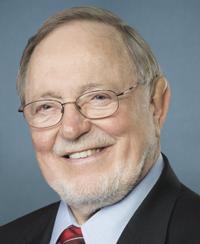
Mr. Speaker, I rise today to recognize a most distinguished public servant, Mr. David E. Schaffer, Senior Counsel on the Transportation Committee's Aviation Subcommittee. Mr. Schaffer is retiring…
Mr. Speaker, I rise today to recognize a most distinguished public servant, Mr. David E. Schaffer, Senior Counsel on the Transportation Committee's Aviation Subcommittee. Mr. Schaffer is retiring after twenty-six years of Federal service, including the past 20 years with the Committee. His unmatched knowledge in the field of aviation, as well as his engaging personality, will be sorely missed in the halls of Congress. David's work stands as a prime example of the good that can be accomplished through public service. The American people have been quite fortunate to have Mr. Schaffer's expertise and guidance throughout his career. Every single aviation law passed in the last two decades is marked with David's creative ideas and approaches. As an attachment to my remarks, a list of all aviation laws passed during David's tenure is included.
David's ability to work with people on both sides of the aisle serves as a major reason for the overwhelming bipartisan support aviation legislation has gathered over the last twenty years. His evenhanded and steady demeanor, as well as his thoughtful approach to a matter ensures that all ideas are heard, and that every opinion is considered. The relationships that David has cultivated among both government and industry officials has allowed for a free exchange of ideas on a wide variety of issues. Such exchanges have helped foster the growth of our nation's aviation industry. He has earned an immeasurable amount of respect from everyone with whom he has worked, including Members of Congress, staff, and those in the transportation community.
David began his career in public service in 1978, when he joined the Office of General Counsel of the Civil Aeronautics Board as an attorney, specializing in rules, legislation, and litigation involving small community air service, international air service, consumer protection, and charters. In 1984, he began work with the Aviation Subcommittee as an Assistant Minority Counsel, becoming the Chief Minority Counsel in 1992, and Majority Counsel in 1995. Throughout his tenure with the Aviation Subcommittee, he has been involved in all aspects of aviation legislation, including safety, security, airline competition, international air service, the Airport Improvement Program, air traffic control modernization, Federal Aviation Administration reform, and oversight of the Federal Aviation Administration, Transportation Security Administration, and the National Transportation Safety Board.
David's leadership proved critical in the weeks following the events of September 11, 2001. His experience played an essential role in creating the Aviation and Transportation Security Act, which helped restore confidence to the flying public. In a most precarious time for our nation, we were extremely fortunate to have someone like David Schaffer assisting us. Most recently, his assistance led to the successful passage of Vision 100, the FAA Reauthorization Act, which will have a lasting effect on the aviation industry for years to come.
Mr. Speaker, I ask all of my colleagues to join me in celebrating the retirement of David Schaffer, and wish him well in whatever venture he seeks next. I would also like to offer an extended note of gratitude on behalf of the previous Chairmen of the Transportation Committee and Aviation Subcommittee whom David has served with great distinction. We wish you good luck and again say thank you for all you have done for both the Congress as well as the American people.
Aviation Laws Passed During David Schaffer's Tenure
108th Congress
H.R. 2115, Vision 100--Century of Aviation Reauthorization
Act
S. 579, National Transportation Safety Board
Reauthorization Act of 2003
107th Congress
H.R. 2926, Air Transportation Safety and System
Stabilization Act
S. 1447, Aviation and Transportation Security Act
106th Congress
H.R. 1000, Wendell H. Ford Aviation Investment and Reform
Act for the 21st Century
S. 2440, Airport Security Improvement Act of 2000
105th Congress
H.R. 2476, To amend title 49, United States Code, to
require the National Transportation Safety Board and
individual foreign air carriers to address the needs of
families of passengers involved in aircraft accidents
involving foreign air carriers.
H.R. 2626, To make clarifications to the Pilot Records
Improvement Act of 1996, and for other purposes.
H.R. 2843, Aviation Medical Assistance Act of 1998
104th Congress
H.R. 3159, National Transportation Safety Board Amendments
of 1996
H.R. 3539, Federal Aviation Authorization Act of 1996
103rd Congress
H.R. 904, To amend the Airport and Airway Safety, Capacity,
Noise Improvement, and Inter-nodal Transportation Act of 1992
with respect to the establishment of the National Commission
to Ensure a Strong Competitive Airline Industry.
H.R. 2440, Independent Safety Board Act Amendments of 1994
H.R. 2739, Federal Aviation Administration Authorization
Act of 1994
S. 1458, General Aviation Revitalization Authorization Act
of 1994
102nd Congress
H.R. 5481, FAA Civil Penalty Administrative Assessment Act
of 1992
H.R. 6168, Airport and Airway Safety, Capacity, Noise
Improvement, and Intermodal Transportation Act of 1992
101st Congress
H.R. 968, Noise Reduction Reimbursement Act of 1989
H.R. 5732, Aviation Security Improvement Act of 1990
H.R. 3671, To amend the Federal Aviation Act of 1958 to
extend the civil penalty assessment demonstration program.
H.R. 5131, To amend the Federal Aviation Act of 1958 to
extend the civil penalty assessment demonstration program,
and for other purposes.
100th Congress
H.R. 2310, Airport and Airway Improvement Amendments of
1987
S. 623, Independent Safety Board Act Amendments of 1987
S. 1628, An original bill to extend the Aviation Insurance
Program for 5 years
99th Congress
S. 2703, Air Carrier Access Act of 1986
98th Congress
H.R. 5297, Civil Aeronautics Board Sunset Act of 1984
S. 197, A bill to direct the Secretary of the Department of
Transportation to conduct an independent study to determine
the adequacy of certain industry practices and Federal
Aviation Administration rules and regulations, and for other
purposes.
S. 1146, Aviation Drug-Trafficking Control Act
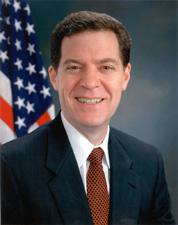
Mr. President, over 200 years ago, there was a dream that was America for a group of individuals who were brought to our shores in shackles. A dream so powerful that compelled a race of people to…
Mr. President, over 200 years ago, there was a dream that was America for a group of individuals who were brought to our shores in shackles. A dream so powerful that compelled a race of people to fight for the liberty of others when they were in bondage themselves. A dream that not only served as a catalyst for physical liberation in the African-American community but removed societal shackles from our culture and enabled us to realize the ideals set before us in the constitution--that all men are created equal under God.
Today, we celebrate this magnificent history. A history of people's quest for freedom that shaped this Nation into a symbol of freedom and democracy around the world. I am proud to stand here today with my colleagues and introduce once again to this body a bill that will create the National Museum of African American History and Culture.
I would specifically like to thank Senator Dodd, who is committed to honoring this history and has worked hard to get us to this point today. I look forward to working with him on this bill.
I would also like to thank Senator Ted Stevens for his leadership and commitment to this project as well. It means a great deal to have his support and I am grateful.
Senator Santorum has always been a supporter of this legislation and has given unwavering enthusiasm to this project since the 107th Congress. I look forward to working with him as well to finally complete this museum.
And I am grateful to all of the original cosponsors of this bill-- this is fantastic.
Mr. President, the national Museum of African American History and Culture Presidential Commission--signed into law by President Bush, stated that the time is now. Indeed the time is now to honor this incredible history that has shaped this great Nation.
I thank the Presidential Commission for their hard work and effort in recommending to Congress that we should build this museum and that there is sufficient interest in the philanthropic community to financially support this museum and that there are sufficient artifacts to fill this museum.
So many Americans will be able to share in the celebration of this museum--a uniquely American museum one that we can celebrate. I remember when I met with the dean of the Afro-
American studies at Howard University.
He told me of a story about his grandfather who finished a bowl the day the Emancipation Proclamation was authorized.
His grandfather decided to keep the bowl because it no longer was the property of a slave master but the man who made it--his grandfather.
Mr. President, the dean has this bowl in his home--an incredible piece of history and I am sure there are many more pieces out there waiting for a home--a national home.
Today, we are not just introducing a bill, we are completing a piece of American history by introducing the National Museum of African American History and Culture, which will create a museum to honor African-American contributions to this Nation--which is an extraordinary story of sacrifice and triumph.
This bill will create this museum within the Smithsonian Institution--America's premier museum complex. We have worked very had with the Smithsonian Institution to craft a bill that will compliment their programs--and indeed we have done just that.
This bill is very similar to the American Indian Museum, slated to open next year. And I know that the Smithsonian Institution will create another national treasure one that tells the story of African-Americans in this country--a proud history, a rich history.
This bill charges the board of regents of the Smithsonian Institution along with the Council of the National Museum to plan, build and construct a museum dedicated to celebrating nationally African-American history--which is American history.
In addition, this bill charges the Board of Regents with choosing a site on or adjacent to the national mall for the location of the museum.
Additionally, the bill establishes an education and program liaison section designed to work with educational institutions and museums across the country in order to promote African-American history.
Finally, the bill sets forth a Federal-private partnership for funding the museum and authorizes $17 million for the first year in order to begin implementation of the museum council, which will be comprised from a mixture of leading African-Americans from the museum, historical, and business communities.
Mr. President, it has been well over 70 years since the first commission was formed to seek ways to honor nationally the contributions of African-Americans.
It has always been my hope that this museum will not only showcase nationally the accomplishments of African-Americans--which are great-- but will also serve as a catalyst for racial reconciliation for our Nation. Indeed we have triumphed over our difficulties in this area, but we must continue to do more.
I do not pretend that this museum is a panacea for racial reconciliation. It is, however, a productive step in recognizing the important contributions and the debt all Americans owe to African- Americans.
Dr. Martin Luther King, Jr. once expressed his desire for this Nation, ``that the dark clouds of [misconceptions] will soon pass away and the deep fog of misunderstanding will be lifted from our fear- drenched communities and in some not too distant tomorrow the radiant stars of love and brotherhood will shine over our great nation with all their scintillating beauty.'' We are one step closer today--God bless.
Mr. President, I ask unanimous consent that the bill be printed in the Record after my remarks.
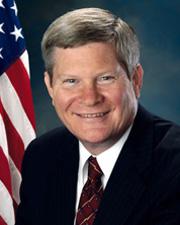
Mr. President, I rise today with my colleagues, Senators Kennedy, Clinton, Daschle, Breaux, Jeffords, Biden, Dodd, Bingaman, Hutchison, Campbell, Schumer, and Smith to introduce the Hepatitis C…
Mr. President, I rise today with my colleagues, Senators Kennedy, Clinton, Daschle, Breaux, Jeffords, Biden, Dodd, Bingaman, Hutchison, Campbell, Schumer, and Smith to introduce the Hepatitis C Epidemic Control and Prevention Act of 2003. I thank my colleagues for joining me in introducing this legislation that will improve the prevention, control, and medical management of hepatitis C.
Hepatitis C is the most common chronic bloodborne viral infection in the United States, and it is the seventh leading cause of death in our country. Almost 4 million U.S. citizens are infected with hepatitis C, and of those 2.7 million are chronically infected and at least 2.5 million do not receive any treatment, which results in the continued spread of this devastating, yet preventable illness. The estimated direct and indirect costs of hepatitis C infection are at least $600 million annually.
Symptoms of hepatitis C can include jaundice, fatigue, loss of appetite, and abdominal pain. While this disease may be asymptomatic in most patients initially, between 50 and 80 percent will develop a chronic infection, and of these half will eventually develop cirrhosis or cancer of the liver. While diagnostic tests are available to identify the disease, there is no vaccine to prevent hepatitis C, which makes prevention and control measures crucial to reducing its incidence and prevalence.
The importance of improving hepatitis C prevention and control activities was brought to my attention this past year by the family of Christen Graeber Winter. Christen was from Aberdeen, SD, and passed away 5 years ago at the age of 42. She had been very ill two decades earlier and required a blood transfusion. Christen became very sick a little over 5 years ago and was diagnosed with hepatitis C, a disease that she had contracted from that blood transfusion that she had so many years earlier. Christen died in 1998, and during the last months of her life she remained as active as possible and was committed to finishing up her bachelor's degree at Presentation College, even though she was very ill.
Everyone who knew Christen said she was a warm and caring person, and even towards the end of her life, she remained strong and was determined not to burden others with her deteriorating health. After her death, Christen's sister Carey started conducting research to learn about hepatitis C. She knew nothing of the disease and was surprised to learn how many people suffered from it. She learned that physicians are largely unaware of hepatitis C and therefore cases often go undetected. Carey is now a strong advocate of promoting increased funding for education, treatment, and prevention of this disease and has helped me understand how important it is that we in Congress establish the programs and appropriate the funds necessary to prevent needless deaths like the death of Christen.
The hepatitis C Epidemic Prevention and Control Act will help reduce the number of people affected by this horrible illness and prevent stories like Carey's sister from continuing. The bill requires that the Department of Health and Human Services develop and implement an integrated plan to combat
hepatitis C. While we know how to prevent the spread of this disease, there have been limited programs to educate health professionals, at- risk populations, and the general public on how to do so. This bill will focus on increasing knowledge and awareness of such infections among providers and patients.
In addition to education, surveillance, early detection, and counseling are important tools that must be used in order to control this disease. Less than 50 percent of local health departments providing counseling and only 23 percent provide testing for hepatitis C. This bill will require that CDC promote confidential testing programs by working with State and local governments in order to catch hepatitis C cases early. It will also provide access to important counseling activities in a variety of private and public health care settings to help patients reduce the risk of harm to themselves and others.
This important legislation is supported by a tripartisan coalition of my colleagues. We have recognized that hepatitis C is a preventable disease that can be halted with a strong emphasis on prevention and control. I do not want to see more cases like that of Carey's sister. We have an opportunity to make a real difference here, and I urge the Senate to support this bill.

Mr. President, It's a privilege to join my colleague, Senator Kay Bailey Hutchison, in introducing this legislation to address the growing problem of Hepatitis C. Senator Hutchison's leadership has…
Mr. President, It's a privilege to join my colleague, Senator Kay Bailey Hutchison, in introducing this legislation to address the growing problem of Hepatitis C. Senator Hutchison's leadership has been essential in preparing this proposal to help establish nationwide programs for Hepatitis C that have been so effective in Texas. We are also indebted to the leadership of Senator Smith, Senator Campbell, Senator Daschle, and many other colleagues on both sides of the aisle for taking action to reduce the serious toll of Hepatitis C on so many of our fellow citizens.
Hepatitis C is a rapidly growing health care crisis. More than 3.9 million Americans are infected with the virus, making it the nation's most common blood-borne viral illness, and the numbers continue to rise. 10,000 Americans die each year of chronic complications related to the virus. Hepatitis C virus infection is a major cause of death in AIDS patients, and nearly 40 percent of all HIV-positive people are also infected with Hepatitis C virus.
Hepatitis C leads to life-threatening conditions, including cirrhosis and liver cancer, which cost our country more than $600 million every year. This bill supports liver disease research to encourage the development of an effective vaccine against the virus.
Unlike Hepatitis A and B, there is currently no vaccine available to prevent this epidemic. It is critical that infected individuals are identified early, so that they can obtain treatment and take other steps to reduce the likelihood that the disease will lead to permanent liver damage or spread of the virus to others.
The bill we are introducing today takes a new approach to fighting this virus by establishing a nationwide plan to provide the most effective ways of prevention, control and medical management of Hepatitis C. The bill also seeks to increase knowledge and awareness of the infection by patients, health care professionals, and the public.
This strategy was successfully implemented in Texas. Public health counseling and testing sites were established to reach people at high risk for Hepatitis C, and to make referrals to health and social services. In the first year, more than 13,000 clients received counseling services, one-third of whom tested positive for Hepatitis C. In addition, media campaigns were conducted to alert the public to the dangers of Hepatitis C. The savings for Texas were estimated to be almost $500,000 a year.
Using this model, the Department of Health and Human Service will develop a plan to combat the Hepatitis C epidemic, with advice from the public including physicians, researchers, patients, and advocates. Confidential counseling and voluntary testing programs will be offered, as well as immunization against Hepatitis A and B. Individuals at high risk will be referred for further evaluation and management, including treatment with anti-viral therapy.
Our bill calls for Hepatitis C coordinators, to be assigned by CDC, at state, local, and tribal levels to carry out education and supervision of local health care workers. The Liver Disease Research Advisory Board will be established to assist and advise CDC on liver disease research. A confidential database will be created to enhance studies the epidemiology of the illness.
The fight against Hepatitis C must begin with the underserved populations who are disproportionately affected by the virus, especially minority populations, the uninsured, and veterans. We must also do all we can to protect hemophiliacs, renal dialysis patients, and AIDS patients.
Hepatitis C is a devastating disease, and this bill can be a major step in fighting it. I look forward to working with my colleagues to enact this bill into law.

Mr. President, I rise today to introduce the Bob Hope American Patriot Award Act of 2003. This legislation would create a presidential commemorative award for an individual or organization that…
Mr. President, I rise today to introduce the Bob Hope American Patriot Award Act of 2003. This legislation would create a presidential commemorative award for an individual or organization that demonstrates ``extraordinary love of this Nation and devotion to its citizens in the form of true patriotism.''
In addition, this legislation would honor one of the most respected figures in America, who for seven decades has served our Nation with his talents in entertainment. As many are familiar, I am speaking today of Bob Hope.
To celebrate Bob Hope's 100th birthday on May 29, 2003, this legislation would give the President the opportunity to annually recognize the wonderful trait of ``patriotism,'' so well exemplified by Hope throughout his lifetime. Mr. Hope has long demonstrated that entertainment can positively influence ``love of country and dedication to the spiritual well-being of America's troops.''
A master of the skills of acting and singing, Bob Hope may be the most talented and prolific entertainer of our time. Many of us will recall his work in the series of ``Road'' films with Bing Crosby and Dorothy Lamour. His expansive career has involved stage musical comedy, motion pictures, and live appearances at the USO shows.
On May 6, 1941, Bob Hope began a 50-year service with the United States Armed Forces, in which he did approximately 60 USO tours. He has toured
U.S. military stations all over the world, including Germany, the South Pacific, and Vietnam. Veterans and U.S. soldiers alike will always remember his variety shows, which included skits, dancers, specialty acts, and comedic monologues. These monologues were particularly touching as they commiserated with the daily travails of a soldier's life.
Over the years, Bob Hope has received well-deserved recognition for his dedication to our Nation. He has been honored with numerous awards, including the Congressional Gold Medal, the Presidential Medal of Freedom, and the Distinguished Service Medal from each of the branches of the military. Several years ago, I co-sponsored legislation naming him an Honorary Veteran for his humanitarian services to the U.S. Armed Forces.
Bob Hope epitomizes true patriotism and service to our country, and I cannot think of anybody better to name this new award after.
This legislation is important because it would not only carry on the name of such an honorable figure, but would recognize future individuals or organizations who have dedicated themselves to promoting the values of freedom, democracy, and goodwill. This award would be the first of its kind--honoring American civilians specifically for patriotism.
This legislation would give the President the authority to annually select either one individual or one organization to receive this commemorative award at a White House ceremony. The President would also be given the power to interpret the selection criteria and determine the form that the award would take, such as a plaque, medal or flag.
I believe this legislation is timely and befitting of both Mr. Hope and the great citizens of our Nation. In these challenging times, it is important to encourage and recognize Americans who have given so much to the cause of patriotism, asking for nothing in return.
My hope is that this award, established through this legislation, will both carry on the wonderful legacy of Bob Hope and bring awareness to the magnanimous spirit of our fellow citizens. I call on this body to enact this legislation promptly.
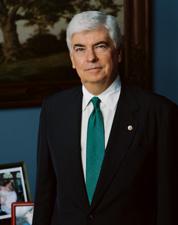
Mr. President, I rise to join with my colleague, Senator Brownback, in introducing legislation to create a National Museum of African American History and Culture within the Smithsonian Institution.…
Mr. President, I rise to join with my colleague, Senator Brownback, in introducing legislation to create a National Museum of African American History and Culture within the Smithsonian Institution.
This legislation will help ensure that the compelling stories and invaluable contributions of African-Americans to our national fabric will no longer be ignored, but shared with all Americans, indeed, all peoples of the world.
Senator Brownback introduced similar legislation in the last Congress, and I was pleased to be an original cosponsor of that bill. During my tenure as chairman of the Senate Rules Committee, I was pleased to work with my colleagues to pass legislation to establish the Presidential Commission on the National Museum of African American History and Culture Action Plan.
That Presidential Commission spent a year traveling across the nation, and at more than 50 meetings, heard the voices of African- Americans calling for a national place to tell their individual and collective stories. This long overdue legislation will provide such a place.
In their report issued last month, the Presidential Commission identified a mission statement for the proposed museum that states, in part:
The museum will give voice to the centrality of the African
American experience and will make it possible for all people
to understand the depth, complexity, and promise of the
American experience.
It is that very goal of completing the American story of our quest for freedom and truth by publicly incorporating the experience and contributions of African Americans--that is the essence of this legislation. This museum offers the promise and hope that all Americans can come to understand the full story of how this nation was formed.
Since 1929, efforts have been made to recognize the contributions and unique history of Americans of African descent. This museum offers an historic opportunity to document, preserve, and educate this history for generations to come. It is past time that we publicly acknowledge and incorporate the African American experience into our collective identity and this museum will provide the appropriate means for accomplishing that goal.
In brief, within 18 months of enactment, the Smithsonian Board of Regents will choose a site for this museum from among four sites listed in the bill. The bill directs that, prior to the selection, the Board of Regents will consult with the National Capital Planning Commission, the chairman of the Presidential Commission, Congressional oversight committees, and others.
In the meantime, the Smithsonian Board of Regents will appoint a 19 member council, comprised of leaders within the African-American community and others, to advise the regents on the development, design and construction of the museum. The museum will include exhibits and programs relating to all aspects of African American life, art, history, and culture from the time of slavery through present day.
The museum will also provide leadership to other museums and will collaborate with historically black colleges and universities and educational organizations to ensure the integrity of the exhibits and programming and to broaden the reach of its story and mission.
I am honored to be the lead Democratic sponsor of this legislation, and I look forward to working with my colleagues on the Rules Committee to seeing this bill enacted this year.

Mr. President, I rise today to express my strong support for the Veterans Prescription Drugs Assistance Act of 2003. As an original co-sponsor, I am pleased to join my colleague, the Chairman of the…
Mr. President, I rise today to express my strong support for the Veterans Prescription Drugs Assistance Act of 2003. As an original co-sponsor, I am pleased to join my colleague, the Chairman of the Veterans Affairs Committee, Senator Specter in introducing this important legislation that addresses the medical care needs of Medicare-eligible veterans. I applaud Senator Specter for his leadership on this important issue.
For several years, many veterans have not been able to receive timely health care from the Department of Veterans Affairs due to the long waiting lines created by the huge demand for prescription drugs. Under current policy, veterans are required to see a VA doctor before receiving their medication even when they have already
had a prescription written by a privately licensed physician. This policy has not only contributed to the long waiting lines, but it has denied care to service-connected and lower income veterans. It is a moral imperative that we correct this problem and I believe that this legislation is a step in the right direction.
As Chair of the VA-HUD and Independent Agencies Appropriations Subcommittee, my top priority is ensuring that the VA has adequate funding to provide accessible and quality care for our Nation's veterans. Unfortunately, despite record funding increases over the past few years, veterans must still wait for several months to see a VA doctor.
This past January, VA Secretary Principi had to take the unfortunate but necessary step of closing new enrollments to middle and higher income veterans who do not have service-connected disabilities. Many of these so-called Priority 8 veterans have Medicare insurance but do not have a prescription drug benefit. I recognize that the Congress and the President are trying to address the prescription drug issue for all American seniors and I will continue to fight to ensure that a Medicare prescription drug bill is enacted. Nevertheless, I believe that we need to raise awareness of the tragedy that many veterans suffer today to ensure that no matter what occurs during this session of Congress, they are not left behind.
This bill contains a number of important provisions but I highlight one particular measure. As I mentioned earlier, current policy requires veterans to see a VA doctor before having their prescription filled, even if they have had already seen a private doctor. This legislation allows eligible veterans to fill their prescriptions at the VA without having to see a VA doctor. This not only greatly streamlines the process and time for veterans to receive much-needed medications, but it also provides relief to the waiting lines so that our higher priority veterans can receive timely care. In other words, this legislation is a win-win for all veterans.
This legislation may not be perfect but it is important to begin a dialogue on the prescription drug needs of our nation's veterans. I welcome my colleagues' comments and comments from the Administration. I believe that we can resolve this matter this year. I thank my colleagues for their attention to this matter and I look forward to working with all of you over the next several weeks.
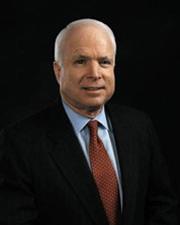
Mr. President, I am pleased to be joined this morning by Senators Hollings in introducing legislation to reauthorize the United States Fire Administration, USFA, for fiscal year 2004 through fiscal…
Mr. President, I am pleased to be joined this morning by Senators Hollings in introducing legislation to reauthorize the United States Fire Administration, USFA, for fiscal year 2004 through fiscal year 2006. This legislation would also re-establish the position of the U.S. Fire Administrator, which would serve in the new Department of Homeland Security.
USFA's mission is to reduce the loss of life and property because of fire and related emergencies. Each year, fire injures and kills more Americans than all other natural disasters combined. Death rates by fire in the Unites States are among the highest in the industrialized world.
The U.S. Fire Administration utilizes a number of tools to fulfill its mission. USFA's National Fire Data Center administers a national system for collecting, analyzing, and disseminating data and information on fire and other emergency incidents to state and local governments and the fire community. The National Fire Academy, NFA, is the premiere training academy for fire services. It is estimated that since 1975, over 1.4 million firefighters and other first-responders have benefitted from NFA training classes in emergency management, fire prevention, and anti-terrorism. USFA also engages in research, testing, and evaluation activities with public and private entities to promote and improve fire and life safety. Finally, USFA administers the popular Assistance to Firefighters Grant Program, which provides competitive grants to local fire departments for training, wellness and fitness programs, vehicles, firefighting equipment, and fire prevention.
The U.S. Fire Administrator plays an important role in our nation's fire control policy and homeland security initiatives by serving as the point-of-contact for the fire services. This position was eliminated in last year's legislation that established the Department of Homeland Security. On April 30, 2003, the Senate Committee on Commerce, Science, and Transportation heard testimony from many of the major fire service organizations regarding the importance of the U.S. Fire
Administrator position, and the need for the Administrator to serve as a representative of the fire services within the Department of Homeland Security. This legislation would re-establish this position.
Firefighting remains one of the most dangerous professions in the Unites States. We rely on firefighters to aid us in fires, accidents, and natural disasters. However, we have also witnessed the role that firefighters play as the first responders on the scene of any possible terrorist attack. It is important that we pass this legislation to ensure that the Federal government continues its appropriate role in helping our fire services adapt to this new challenge.
I urge my colleagues to support this legislation, and look forward to working with them to ensure timely passage of this legislation. I also ask unanimous consent that the text of the bill be printed in the Record.
Show 11 more

Mr. President, today I am introducing a bill to increase security and prevent terrorist attacks at our Nation's ports. Ports are extremely important to our nation's economy, especially to my State of…
Mr. President, today I am introducing a bill to increase security and prevent terrorist attacks at our Nation's ports.
Ports are extremely important to our nation's economy, especially to my State of California. The ports of LA, Long Beach, and Oakland handle 40 percent of our Nation's cargo and generate billions of dollars in economic activity each year in California alone.
The tragic events of September 11 demonstrated that we needed to make improvements in our nation's security. Our ports are no exception.
We have begun to make improvements. As a member of the Senate Commerce Committee, I served as a conferee on the port security bill that became law last November. This legislation mandated the creation of national and regional port security plans and better coordination of Federal, State, local, and private enforcement agencies. It also established a grant program for port authorities, waterfront operators, and state and local agencies to provide security infrastructure improvements such as video cameras and more secure fencing. In addition, it calls for the development of regulations to determine secure areas in ports and to limit access through background checks and a transportation security identification card.
This legislation was a good first step. But, we need to do more. And I believe we should harness the best of our high-tech capabilities to improve port security. That is why today I am introducing the High-Tech Port Security Act.
This legislation has three high tech improvements for our nation's ports.
First, the bill would require that all containers used in our Nation's ports be blast resistant. The U.S. Department of Homeland Security would develop a standard for such containers and would work with shipping companies to ensure that all new containers are blast resistant.
Second, the bill would require that all containers be inspected with advanced technology before leaving our ports and entering our roads, highways, and communities. The Department of Homeland Security would establish a standard for cargo screening technology and ensure that this technology is installed at all ports, so every incoming container is screened before it leaves the port. This is extremely important because currently only two to three percent of all containers are inspected.
Third, this bill will focus protection on the Nation's largest ports by establishing high tech command and control centers to coordinate and monitor security at the 20 busiest ports in the United States.
The technologies needed to secure our Nation's vital ports are available today, and they should start being used now. There is no time to lose. The vulnerability of our seaports is no secret; it is a well known gap in our homeland defense. This legislation will help close that gap.
Mr. President, today I am introducing a bill to increase security and prevent terrorist attacks at our Nation's ports. Ports are extremely important to our nation's economy, especially to my State of…
Mr. President, today I am introducing a bill to increase security and prevent terrorist attacks at our Nation's ports.
Ports are extremely important to our nation's economy, especially to my State of California. The ports of LA, Long Beach, and Oakland handle 40 percent of our Nation's cargo and generate billions of dollars in economic activity each year in California alone.
The tragic events of September 11 demonstrated that we needed to make improvements in our nation's security. Our ports are no exception.
We have begun to make improvements. As a member of the Senate Commerce Committee, I served as a conferee on the port security bill that became law last November. This legislation mandated the creation of national and regional port security plans and better coordination of Federal, State, local, and private enforcement agencies. It also established a grant program for port authorities, waterfront operators, and state and local agencies to provide security infrastructure improvements such as video cameras and more secure fencing. In addition, it calls for the development of regulations to determine secure areas in ports and to limit access through background checks and a transportation security identification card.
This legislation was a good first step. But, we need to do more. And I believe we should harness the best of our high-tech capabilities to improve port security. That is why today I am introducing the High-Tech Port Security Act.
This legislation has three high tech improvements for our nation's ports.
First, the bill would require that all containers used in our Nation's ports be blast resistant. The U.S. Department of Homeland Security would develop a standard for such containers and would work with shipping companies to ensure that all new containers are blast resistant.
Second, the bill would require that all containers be inspected with advanced technology before leaving our ports and entering our roads, highways, and communities. The Department of Homeland Security would establish a standard for cargo screening technology and ensure that this technology is installed at all ports, so every incoming container is screened before it leaves the port. This is extremely important because currently only two to three percent of all containers are inspected.
Third, this bill will focus protection on the Nation's largest ports by establishing high tech command and control centers to coordinate and monitor security at the 20 busiest ports in the United States.
The technologies needed to secure our Nation's vital ports are available today, and they should start being used now. There is no time to lose. The vulnerability of our seaports is no secret; it is a well known gap in our homeland defense. This legislation will help close that gap.

Mr. President, today I am introducing legislation that would restore a valuable--and statutorily mandate--service to our Nation's veterans and their families. In July 2002, Department of Veterans…
Mr. President, today I am introducing legislation that would restore a valuable--and statutorily mandate--service to our Nation's veterans and their families.
In July 2002, Department of Veterans Affairs Deputy Under Secretary for Health for Operations and Management Laura Miller sent a memo to Veterans Integrated Service Network Directors ordering them to ``ensure that no marketing activities to enroll new veterans occur within [their] networks.''
This memo cited an increased demand for VA health care services as the reason for this change in policy. While it is clear that more funding should be provided for VA health care and other programs, it is inappropriate for the VA to institute a policy to stop making veterans aware of the health care services for which they may be eligible.
I joined with a number of our colleagues last year in sending a letter to the President asking that this policy be immediately reversed. I regret that the VA's reply indicated that the Secretary of Veterans Affairs stands by this policy, which remains in effect.
The bill that I am introducing today, Veterans Outreach Protection Act, would rescind the policy issued in this memorandum and prohibit the VA from using Federal funding to enforce this policy. This bill is a companion to legislation introduced in the House by Congressman Paul Kanjorski earlier this year.
I have long been concerned that tens of thousands of our veterans are unaware of federal health care and other benefits for which they may be eligible. We can and should do more to educate our veterans and their families about these benefits, and to provide adequate funding to ensure that all veterans who wish to take advantage of their benefits are able to do so. Halting health care marketing activities is not the answer. Our brave veterans have earned these benefits. The Federal department that is charged with advocating for and providing benefits to our veterans should not be allowed to continue to restrict health care outreach activities.
In addition to this bill, I am currently working to draft legislation to improve VA-wide outreach efforts. Our veterans and their families have made great personal sacrifices to protect our freedoms. We owe them a great debt of gratitude. Making sure that our veterans know about the benefits that they have earned is an important first step in starting to reply this debt.
I ask unanimous consent that the text of my bill be printed in the Record.
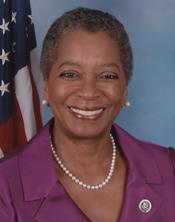
Mr. Speaker, I yield myself such time as I may consume. Mr. Speaker, in 1948, then Chairman George Gillette of the Three Affiliated Tribes of Fort Berthold, North Dakota, wept as a contract was…
Mr. Speaker, I yield myself such time as I may consume.
Mr. Speaker, in 1948, then Chairman George Gillette of the Three Affiliated Tribes of Fort Berthold, North Dakota, wept as a contract was signed to sell over 150,000 acres of tribal land to the U.S. Government to build the Garrison Dam. Through his grief, Chairman Gillette stated, ``We will sign this contract with a heavy heart. With a few scratches of the pen, we will sell the best part of our reservation. Right now, the future does not look good for us.''
Chairman Gillette was correct as 80 percent of the tribe was forcibly relocated, 94 percent of their agricultural land was destroyed and their hospital flooded. Today, 56 years later, Chairman Gillette can now smile as we finally authorize this health care facility.
Over this period of time, there has been one reason or another not to fulfill this promise made to the tribes. In fact, we are only here today because of the hard work and determined persistence of several people. The North Dakota delegation, led by Senator Conrad, the sponsor of this bill, has worked tirelessly to get this passed. Senators Conrad and Dorgan and our colleague, the gentleman from North Dakota (Mr. Pomeroy), deserve much of the credit. I also want to thank the gentleman from California (Mr. Pombo) for allowing this bill to come to the floor today.
I would truly be remiss, however, if I did not credit Tex Hall, chairman of the Three Affiliated Tribes of Fort Berthold, and Ranking Member Rahall of the Committee on Resources for all of their efforts to get us here today. Certainly there is a connection through the years from Chairman Gillette to Chairman Hall which has kept the drumbeat alive and steady not to give up the fight for this facility. Ranking Member Rahall heard that drum and took heed, making this bill a high priority. You see, Mr. Speaker, the gentleman from West Virginia knows all too well how promises made when resources are desired can quickly turn into devastated lands and broken promises. With that empathy, the gentleman from West Virginia kept pushing to get this bill heard today and I thank him.
Mr. Speaker, I urge my colleagues to support this bill.
Mr. Speaker, I yield such time as he may consume to the gentleman from North Dakota (Mr. Pomeroy).
Mr. Speaker, I yield back the balance of my time.
Mr. President, I rise today, joined by my colleague Senator Dorgan, to introduce the Three Affiliated Tribes Health Facility Compensation Act. This legislation fulfills a longstanding Federal…
Mr. President, I rise today, joined by my colleague Senator Dorgan, to introduce the Three Affiliated Tribes Health Facility Compensation Act. This legislation fulfills a longstanding Federal commitment to the Three Affiliated Tribes of Fort Berthold in my State of North Dakota.
In 1949, the Three Affiliated Tribes lost 156,000 acres of land, one- quarter of its land base, for the construction of the Garrison Dam along the Missouri River. Three hundred twenty five families--eighty percent of the tribal membership--were forcibly relocated. Ninety-four percent of the agricultural lands of these farmers and ranchers was destroyed. The Indian Health Service's hospital at the community of Elbowoods was completely flooded. At the time, the Federal Government committed to replacing the hospital.
On May 10, 1985, then Interior Secretary Donald P. Hodel signed a charter creating the Garrison Unit Joint Tribal Advisory Committee, which was charged with examining the effects of the construction of the Garrison Dam and Reservoir on the tribe and making recommendations on compensation. In its final report released on May 23, 1986, the committee found that the Three Affiliated Tribes were entitled to financial compensation as well as the replacement of lost infrastructure including its health facility. The committee specifically noted that the replacement of the health facility was an ``emergency need.''
In 1992, Congress acted on some of the committee's recommendations by passing the Three Affiliated Tribes and Standing Rock Sioux Tribe Equitable Compensation Act. However, at the time, due to budget limitations, Congress was not able to fulfill the commitments on infrastructure replacement. The Senate Committee on Indian Affairs in its report on the Act specifically noted that ``every effort should be made by the Administration and Congress to provide additional federal funding for these infrastructure priorities.'' More than 10 years later, many of the infrastructure priorities still have not been met.
The legislative history on this matter is clear, a commitment was made to the tribe that must be kept. The bill I am introducing will authorize $20 million to construct for a health facility on the Fort Berthold Indian Reservation to fulfill this longstanding promise to the Three Affiliated Tribes.
Mr. President, I rise today, joined by my colleague Senator Dorgan, to introduce the Three Affiliated Tribes Health Facility Compensation Act. This legislation fulfills a longstanding Federal…
Mr. President, I rise today, joined by my colleague Senator Dorgan, to introduce the Three Affiliated Tribes Health Facility Compensation Act. This legislation fulfills a longstanding Federal commitment to the Three Affiliated Tribes of Fort Berthold in my State of North Dakota.
In 1949, the Three Affiliated Tribes lost 156,000 acres of land, one- quarter of its land base, for the construction of the Garrison Dam along the Missouri River. Three hundred twenty five families--eighty percent of the tribal membership--were forcibly relocated. Ninety-four percent of the agricultural lands of these farmers and ranchers was destroyed. The Indian Health Service's hospital at the community of Elbowoods was completely flooded. At the time, the Federal Government committed to replacing the hospital.
On May 10, 1985, then Interior Secretary Donald P. Hodel signed a charter creating the Garrison Unit Joint Tribal Advisory Committee, which was charged with examining the effects of the construction of the Garrison Dam and Reservoir on the tribe and making recommendations on compensation. In its final report released on May 23, 1986, the committee found that the Three Affiliated Tribes were entitled to financial compensation as well as the replacement of lost infrastructure including its health facility. The committee specifically noted that the replacement of the health facility was an ``emergency need.''
In 1992, Congress acted on some of the committee's recommendations by passing the Three Affiliated Tribes and Standing Rock Sioux Tribe Equitable Compensation Act. However, at the time, due to budget limitations, Congress was not able to fulfill the commitments on infrastructure replacement. The Senate Committee on Indian Affairs in its report on the Act specifically noted that ``every effort should be made by the Administration and Congress to provide additional federal funding for these infrastructure priorities.'' More than 10 years later, many of the infrastructure priorities still have not been met.
The legislative history on this matter is clear, a commitment was made to the tribe that must be kept. The bill I am introducing will authorize $20 million to construct for a health facility on the Fort Berthold Indian Reservation to fulfill this longstanding promise to the Three Affiliated Tribes.
I thank my colleague for yielding me this time. Mr. Speaker, this bill corrects a long overdue problem. When the Missouri River was dammed in North Dakota as part of the Pick-Sloan water project, the…
I thank my colleague for yielding me this time.
Mr. Speaker, this bill corrects a long overdue problem. When the Missouri River was dammed in North Dakota as part of the Pick-Sloan water project, the resulting flood created a lake about the size of Rhode Island. The lake is still with us. A number of communities were flooded out in the course of creating the reservoir. One of them, Elbowoods, was a community that was part of the Three Affiliated Tribes Reservation in western North Dakota. Elbowoods had a hospital, a 28- bed, 35,000 square foot hospital, a most significant medical facility in that rural part of North Dakota, certainly the most significant medical facility serving the reservation.
In order to persuade the Three Affiliated Tribes, Mandan, Hidatsa and Arikare nations, to vote in favor of the dam and give up 156,000 acres under this reservoir, the Federal Government made a commitment to replace the hospital. The tribes in western North Dakota are still waiting. This authorization will authorize up to $20 million for the construction of this medical facility.
My colleagues, I am very familiar with this area. I have been there many, many times. I am acquainted with their medical facilities. They are grossly inadequate. This is an area where there are significant health needs and grossly inadequate facilities in which to meet them and a 50-year promise unmet by the Federal Government.
I certainly want to thank those that have made it possible for this bill to come to the floor, the gentleman from California (Mr. Pombo) and, of course, as was mentioned by the preceding speaker, the very aggressive, ongoing efforts by the gentleman from West Virginia (Mr. Rahall) to get this matter considered.
As I told the gentleman from California (Mr. Pombo), this matter is deeply important to me as a representative of North Dakota because I feel so strongly about the injustice of what was done with the flooding out of this hospital, promising another one and then never getting it done; so I am really deeply grateful that this has been allowed for consideration under the suspension calendar. I urge the unanimous adoption of it in the course of our deliberations.
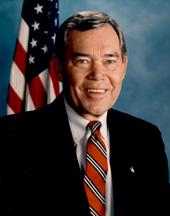
Mr. President, I ask unanimous consent that the Committee on Health, Education, Labor, and Pensions be authorized to meet in executive session during the session of the Senate on Wednesday, June 11,…
Mr. President, I ask unanimous consent that the Committee on Health, Education, Labor, and Pensions be authorized to meet in executive session during the session of the Senate on Wednesday, June 11, 2003. The following agenda will be considered:
S. 648, Pharmacy Education Aid Act of 2003.
Mr. President, I ask unanimous consent that the Committee on Indian Affairs be authorized to meet on Wednesday, June 11, 2003, at 10 a.m., in room 485 of the Russell Senate Office Building to conduct a hearing on the nomination of Charles W. Grim, D.D.S., to be the Director of the Indian Health Service at the Department of Health and Human Services; to be followed immediately by another hearing on S. 1146, to implement the recommendations of the Garrison Unit Joint Tribal Advisory Committee by providing authorization for the construction of a rural health care facility on the Fort Berthold Indian Reservation, ND.
Mr. President, I ask unanimous consent that the Committee on the Judiciary be authorized to meet to conduct a hearing on ``Judicial and Executive Nominations'' on Wednesday, June 11, 2003, at 9:30 a.m., in the Dirksen Senate Office Building Room 650.
Panel I: Senators.
Panel II: William H. Pryor, Jr., to be United States Circuit Judge for the Eleventh Circuit.
Panel III: Diane M. Stuart to be Director, Violence Against Women Office, United States Department of Justice.
Mr. President, I ask unanimous consent that the Joint Economic Committee be authorized to conduct a hearing in room 628 of the Dirksen Senate Office Building, Wednesday, June 11, 2003, from 9:30 a.m. to 1 p.m.
Mr. President, I ask unanimous consent that the Subcommittee on Competition, Foreign Commerce, and Infrastructure be authorized to meet on Wednesday, June 11, 2003, at 2:30 p.m.
Mr. President, I ask unanimous consent that the Permanent Subcommittee on Investigations of the Committee on Governmental Affairs be authorized to meet on Wednesday, June 11, 2003, at 9 a.m., for a hearing entitled ``Patient Safety: Instilling Hospitals with a Culture of Continuous Improvement.''
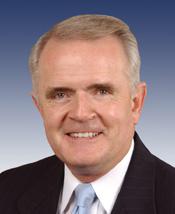
Mr. Speaker, I move to suspend the rules and pass the Senate bill (S. 1146) to implement the recommendations of the Garrison Unit Joint Tribal Advisory Committee by providing authorization for the…
Mr. Speaker, I move to suspend the rules and pass the Senate bill (S. 1146) to implement the recommendations of the Garrison Unit Joint Tribal Advisory Committee by providing authorization for the construction of a rural health care facility on the Fort Berthold Indian Reservation, North Dakota.
Mr. Speaker, I ask unanimous consent that all Members may have 5 legislative days to revise and extend their remarks and to include extraneous material on the bill now under consideration.
Mr. Speaker, I yield myself such time as I may consume.
Mr. Speaker, Senate 1146 was sponsored by the gentleman from North Dakota, Senator Kent Conrad. It was reported by unanimous consent of the House Resources Committee on June 3, 2004.
This legislation fulfills a government commitment to replace a U.S. Public Health Service hospital serving the members of the Three Affiliated Tribes of the Fort Berthold Reservation. In the late 1940s, the hospital was destroyed in a flood resulting from the construction of the Garrison Dam and Reservoir Project by the U.S. Army Corps of Engineers and the Bureau of Reclamation. The flood forced the relocation of many Indian families, and it is long overdue that Congress fulfills all components of its pledge to compensate the tribe. I urge the speedy adoption of this bill.
Mr. Speaker, I reserve the balance of my time.
Mr. Speaker, I yield myself such time as I may consume.
It marks a historic point in the Committee on Resources, having just passed its more than 200th piece of legislation under suspension in the House for the year which sets a record for not only the committee but I believe for the House in terms of legislation passed.
Mr. Speaker, I have no further requests for time, and I yield back the balance of my time.

Mr. President, I would like to announce for the information of the Senate and the public that a hearing has been scheduled before the Subcommittee on Public Lands and Forests. The hearing will be…
Mr. President, I would like to announce for the information of the Senate and the public that a hearing has been scheduled before the Subcommittee on Public Lands and Forests.
The hearing will be held on Thursday, June 19 at 2:30 p.m. in Room SD-366 of the Dirksen Senate Office Building.
The purpose of this oversight hearing is to gain an understanding of the grazing programs of the Bureau of Land Management and the Forest Service. The Subcommittee will receive testimony on grazing permit renewal, BLM's potential changes to grazing regulations, range monitoring, drought and other grazing issues. This hearing will also provide the basis for other grazing hearings that we may want to undertake at the subcommittee level as the year goes on.
Because of the limited time available for the hearings, witnesses may testify by invitation only. However, those wishing to submit written testimony for the hearing record should send two copies of their testimony to the Committee on Energy and Natural Resources, United States Senate, Washington, DC 20510-6150.
For further information, please contact Meghan Beal at 202-224-7556 or [email protected].
Mr. President, I would like to announce that the Committee on Indian Affairs will meet on Wednesday, June 11, 2003 at 10 a.m. in Room 485 of the Russell Senate Office Building to conduct a hearing on…
Mr. President, I would like to announce that the Committee on Indian Affairs will meet on Wednesday, June 11, 2003 at 10 a.m. in Room 485 of the Russell Senate Office Building to conduct a hearing on the Nomination of Charles W. Grim, D.D.S., to be the Director of the Indian
Health Service at the Department of Health and Human Services; to be followed immediately by another hearing on S. 1146, to implement the recommendations of the Garrison Unit Joint Tribal Advisory Committee by providing authorization for the construction of a rural health care facility on the Fort Berthold Indian Reservation, North Dakota.
Those wishing additional information may contact the Indian Affairs Committee at 224-2251.
Subcommittee on Public Lands and Forest
Bill Text
7 versions available
        [Congressional Bills 108th Congress]
[From the U.S. Government Publishing Office]
[S. 1146 Enrolled Bill (ENR)]

S.1146

One Hundred Eighth Congress

of the

United States of America

AT THE SECOND SESSION

Begun and held at the City of Washington on Tuesday,
the twentieth day of January, two thousand and four

An Act

To implement the recommendations of the Garrison Unit Joint Tribal
Advisory Committee by providing authorization for the construction of a
rural health care facility on the Fort Berthold Indian Reservation,
North Dakota.

Be it enacted by the Senate and House of Representatives of the
United States of America in Congress assembled,

SECTION 1. SHORT TITLE.

This Act may be cited as the ``Three Affiliated Tribes Health
Facility Compensation Act''.

SEC. 2. FINDINGS.

Congress finds that--
(1) in 1949, the United States assumed jurisdiction over more
than 150,000 prime acres on the Fort Berthold Indian Reservation,
North Dakota, for the construction of the Garrison Dam and
Reservoir;
(2) the reservoir flooded and destroyed vital infrastructure on
the reservation, including a hospital of the Indian Health Service;
(3) the United States made a commitment to the Three Affiliated
Tribes of the Fort Berthold Indian Reservation to replace the lost
infrastructure;
(4) on May 10, 1985, the Secretary of the Interior established
the Garrison Unit Joint Tribal Advisory Committee to examine the
effects of the Garrison Dam and Reservoir on the Fort Berthold
Indian Reservation;
(5) the final report of the Committee issued on May 23, 1986,
acknowledged the obligation of the Federal Government to replace
the infrastructure destroyed by the Federal action;
(6) the Committee on Indian Affairs of the Senate--
(A) acknowledged the recommendations of the final report of
the Committee in Senate Report No. 102-250; and
(B) stated that every effort should be made by the
Administration and Congress to provide additional Federal
funding to replace the lost infrastructure; and
(7) on August 30, 2001, the Chairman of the Three Affiliated
Tribes testified before the Committee on Indian Affairs of the
Senate that the promise to replace the lost infrastructure,
particularly the hospital, still had not been kept.
SEC. 3. RURAL HEALTH CARE FACILITY, FORT BERTHOLD INDIAN RESERVATION,
NORTH DAKOTA.
The Three Affiliated Tribes and Standing Rock Sioux Tribe Equitable
Compensation Act is amended--
(1) in section 3504 (106 Stat. 4732), by adding at the end the
following:
``(c) Authorization of Appropriations.--There are authorized to be
appropriated such sums as are necessary to carry out this section.'';
and
(2) by striking section 3511 (106 Stat. 4739) and inserting the
following:

``SEC. 3511. RURAL HEALTH CARE FACILITY, FORT BERTHOLD INDIAN
RESERVATION, NORTH DAKOTA.

``There are authorized to be appropriated to the Secretary of
Health and Human Services $20,000,000 for the construction of, and such
sums as are necessary for other expenses relating to, a rural health
care facility on the Fort Berthold Indian Reservation of the Three
Affiliated Tribes, North Dakota.''.

Speaker of the House of Representatives.

Vice President of the United States and
President of the Senate.