Congressional Responsibility for Immigration Act

Legislative Activity
Stay on top of the latest movement without scrolling through every action
Read twice and referred to the Committee on Finance. (text of measure as introduced: CR S10144-10145)
July 29, 2003
View full timeline
Introduced in Senate
July 29, 2003
Sponsor introductory remarks on measure. (CR S10144)
July 29, 2003
Read twice and referred to the Committee on Finance. (text of measure as introduced: CR S10144-10145)
July 29, 2003
Floor Debate
11 membersWhat members said about S. 1481 on the floor
 EMK
EMK RDF
RDF CJD
CJD AS
AS JR+6
JR+6
Floor Debate
11 membersWhat members said about S. 1481 on the floor
Mr. President, it is a privilege to join Senator Dodd and other colleagues in introducing the Head Start Coordination and School Readiness Act. Our goal is to reauthorize Head Start and continue this…
Mr. President, it is a privilege to join Senator Dodd and other colleagues in introducing the Head Start Coordination and School Readiness Act. Our goal is to reauthorize Head Start and continue this very successful federal program to prepare low-income children for school.
For nearly four decades, Head Start has enabled vulnerable, young pre-kindergarten children to enter school ready to learn. It provides a balanced educational curriculum to see that children develop early skills in reading, writing, and math, and positive social skills as well. It provides visits to doctors and dentists, and nutritious
meals to see that children are healthy. It provides outreach to parents to encourage them to participate actively in their child's early development.
It is clear that Head Start works. A federal evaluation found that Head Start children make gains during the program itself, and the gains continue when the children enter kindergarten. Once Head Start children complete their kindergarten year, they are near the national average of 100 in key areas, with scores of 93 in vocabulary, 96 in early writing, and 92 in early math.
In this legislation, we build on Head Start's proven track record and expand it to include thousands of low-income children who are not yet served by the program. We provide for better coordination of Head Start with state programs for low-income children. We strengthen Head Start's focus on school readiness and pre-literacy. We increase the education requirements and compensation for Head Start teachers. We provide greater accountability, including a high quality assessment of each Head Start program.
To strengthen Head Start, we have to begin by providing more resources for it. The need for Head Start is greater than ever. Child poverty is on the rise again. Today, only 60 percent of children eligible for Head Start participate in it. Over 312,000 three- and four-year-olds are left out because of the inadequate funding level of the program. Early Head Start serves only 3 percent of eligible infants and toddlers. It is shameful that 97 percent of the children eligible for Early Head Start have no access to it. It's long past time for Congress to expand access to Head Start to serve as many infants, toddlers, and preschool children as possible.
Throughout the 1990's, we tripled our investment, and Head Start expanded by 52 percent. But this year, the President's budget fails to reach out to a single new child. It provides only $148 million in additional funding for the coming year--only a quarter of the increase that Head Start received in recent years, and barely enough to cover inflation.
The bill that we introduce today will set a goal of fully funding Head Start over the next 5 years, in order to reach all eligible preschoolers. Each year, an additional 62,000 three- and four-year-olds would be served by the program. Funding will rise from $6.7 billion in the current fiscal year, to $8.5 billion in fiscal year 2004, and $16.3 billion in fiscal year 2008.
Early Head Start is an especially important lifeline for needy infants and toddlers. Research clearly shows its benefit to infants and toddlers and their families. Early Head Start children have larger vocabularies, lower levels of aggressive behavior, and higher levels of sustained attention than children not enrolled in the program. Parents are more likely to play with their children and read to them.
This bill will double the size of Early Head Start, providing resources to serve an additional 29,000 infants and toddlers each year, at an estimated cost of $1 billion in fiscal year 2004, and $3.2 billion in fiscal year 2008.
The current Federal-to-local structure of Head Start enables it to tailor its services to meet local community needs. Performance standards guarantee a high level of quality across all programs. Yet each program is unique and specifically adapted to the local community. Head Start is successful in serving Inuit children in Alaska, migrant- workers' children in Tennessee, and inner-city children in Boston. It is essential to maintain the ability of local Head Start programs to tailor their services to meet local community's needs.
To strengthen this coordination with local programs, our bill creates a Head Start Quality Improvement and Collaboration Office in every state to maximize services to Head Start children, align Head Start with kindergarten classrooms, and strengthen its local partnerships with other agencies. These offices will also work to expand training and technical assistance to Head Start grantees to better meet the goal of preparing children for school.
States will also have an active role in coordinating their early childhood programs and increasing their quality. Our bill designates an Early Care and Education Council in each State to conduct an inventory of children's needs in the state, develop unified data collection and make recommendations on coordination, technical assistance and training.
Over the past four decades, Head Start has built up quality and performance standards to guarantee a full range of services, so that children are educated in the basics about letters and numbers and books, and are also healthy, well-fed, and supported in stable and nurturing relationships. Head Start is a model program, and we can enhance its quality even more.
One way to do that is to strengthen Head Start's current literacy initiative. We know the key to later reading success is to get young children excited about letters and books and numbers. Our bill emphasizes language and literacy, by enhancing the literacy training required of Head Start teachers, by continuing to promote parent literacy, and by working to put more books into Head Start classrooms and into children's homes.
At the heart of Head Start's success are its teachers and staff. They are caring, committed persons who know the children they serve and are dedicated to improving their lives. They help children learn to identify letters of the alphabet and arrange the pieces of puzzles. They teach them to brush their teeth, wash their hands, make friends and follow rules. Yet their salary is still half the salary of kindergarten teachers, and turnover is high--11 percent a year.
Because a teacher's quality is directly related to a child's outcome, our bill sets a goal that every Head Start classroom has a teacher with a bachelor's degree within 8 years. It provides an additional $650 million over the next 5 years to see that teachers have the means to go back to school to earn a bachelor's degree, and it guarantees $3 billion over that period to see that teachers earn adequate wages to keep them in Head Start once they obtain their degree.
Finally, accountability is a cornerstone of excellence in education and should start early. Head Start should be accountable for its promise to provide safe and healthy learning environments, to support each child's individual pattern of development and learning, to cement community partnerships in services for children, and to involve parents in their child's growth.
Head Start reviews are already among the most extensive in the field. Every 3 years, a Federal and local team spends a week thoroughly examining every aspect of every Head Start program. They check everything from batteries in flashlights to how parents feel about the program. Our bill promotes even stronger monitoring of Head Start programs. It calls for periodic visits to programs, and strengthens annual reviews and plans for improvement.
Assessing outcomes for children is vital in promoting accountability and ensuring that the gains promised for Head Start children are actually achieved. But these steps have to be taken the right way.
Instead of rushing forward, as the Administration suggests, with a national assessment for every four-year-old in Head Start this fall, our bill calls on the National Academy of Sciences to guide the development and implementation of a high-quality assessment for Head Start children over the next four years. That assessment will be valid and reliable, fair to children from all backgrounds, balanced in what it measures, and assess the development of the whole child.
Unfortunately, the Administration and House Republicans have presented plans that would turn Head Start into Slow Start or No Start. It makes no sense to turn Head Start into a block grant to the states. To do so would dismantle the program and undermine Head Start's guarantees that children can see doctors and dentists, eat nutritious meals, and learn early academic and social skills. It would undermine the role of parents, who are better parents today, strong advocates, and enthusiastic volunteers as a result of Head Start.
The Head Start Coordination and School Readiness Act we are introducing today will keep Head Start on its successful path. I urge our colleagues on both sides of the aisle to join us in continuing and strengthening this program, and give children the head start they need and deserve to prepare for school and for life.
Mr. President, I ask unanimous consent that a letter of support and statement from the National Head Start Association be printed in the Record.
Mr. President, it is a privilege to join Senator Harkin and other colleagues on this legislation to protect the right to overtime pay for millions of working men and women across America. The Bush administration has just announced new regulations that would deny overtime protections to more than 8 million hard-working men and women, including an estimated 200,000 workers in Massachusetts. Firefighters, police officers, military reservists, nurses, retail clerks, medical technicians, tech workers and many others would be harmed by the new rules.
In the current failing economy, these workers depend more than ever on overtime pay to make ends meet and to pay their bills for housing, food, and health care. Overtime pay often constitutes as much as a quarter of their total pay, and the administration's proposal will mean an average pay cut of $161 a week for them.
Our bill states clearly that no worker currently eligible for overtime protection can be denied overtime pay as a result of the new regulations.
We know that overtime protections make an immense difference in preserving the 40-hour work week. For over half a century, the Fair Labor Standards Act has discouraged employers from requiring longer hours of work, by making overtime more expensive. Instead of relying on fewer workers forced to work longer hours, employers are likely to hire additional workers to meet the employer's needs. That result creates more jobs, and reduces the unfair exploitation of workers.
The Bush administration is the first administration in 70 years in which the number of private sector jobs has declined. Not since President Hoover have we been hemorrhaging jobs like this. How could any fair administration possibly adopt regulations that will increase overtime working hours, and reduce the need to hire additional workers?
According to the Congressional General Accounting Office, employees exempt from overtime pay are twice as likely to work overtime as those covered by the protection. Americans are working longer hours today than ever before--longer than in any other industrial nation. At least one in five employees now has a work week that exceeds 50 hours, let alone 40 hours.
Clearly, workers are already struggling to balance their families' needs with their work responsibilities. Requiring them to work more hours for less pay will add an even greater burden to this daily struggle. Protecting the 40-hour work week is vital to protecting the work-family balance for millions of Americans in communities in all parts of the nation.
Sixty-five years ago, President Roosevelt signed into law the Fair Labor Standards Act to establish a minimum wage and maximum work hours. It was the midst of the Great Depression and President Roosevelt told the country that ``if the hours of labor for the individual could be shortened . . . more people could be employed. If minimum wages could be established, each worker could get a living wage.''
Those words are as true in 2003 as they were in 1938. The economy has lost more private sector jobs during this economic decline than in any recession since the Great Depression. What can the administration be thinking, to come up with this shameful proposal to weaken the overtime protections on which millions of workers rely? Is the administration so desperate to prop up business profits that it's willing to punish workers to do it?
As Senator Harkin says, the President's policy is economic malpractice. Democrats will not sit idly by and watch Americans lose their jobs, their livelihoods, their homes, and their dignity. We will continue the fight to restore jobs to the economy, provide fair unemployment benefits, and raise the minimum wage. And we will do all we can to preserve the overtime protections on which so many Americans families depend. I urge my colleagues to support this essential legislation to keep the faith with the Nation's working families.
Mr. President, today I am introducing legislation to strengthen the Buy American Act of 1933, the statute that governs procurement by the federal government. The name of the act accurately and…
Mr. President, today I am introducing legislation to strengthen the Buy American Act of 1933, the statute that governs procurement by the federal government. The name of the act accurately and succinctly describes its purpose: to ensure that the federal government supports domestic companies and domestic workers by buying American-made goods.
While I a strong supporter of the act, I am concerned that, through abuse of its 5 broad waivers, the spirit--if not the letter--of the act is being weakened time and again.
It only makes sense, Mr. President, for the federal government to make every effort to purchase goods that are made in America. A law requiring this common-sense approach should not be necessary. Unfortunately, this law is necessary, and the way in which its many loopholes are being used also makes strengthening it necessary.
I have often heard my colleagues say on this floor that American-made goods are the best in the world. I could not agree more. This Congress should do more to ensure that the federal government adheres to this sentiment by enforcing and strengthening the provisions of the Buy American Act.
As we all know the United States manufacturing industry is hemorrhaging, as jobs and companies move overseas or are lost all together. According to the AFL-CIO, the United States has lost more than 2.4 million manufacturing jobs since April 1998. This disturbing trend is of particular concern in my home state of Wisconsin.
A March 2003 report by the Wisconsin State Department of Workforce Development notes that ``a combination of weak domestic and global demand, mergers and consolidations, automation, globalization of operations, and uncertainty surrounding war have caused employment in Wisconsin's manufacturing sector to shrink in recent years.'' The Department found that there were 594,100 manufacturing jobs in Wisconsin in 2000, and the Department estimates that this figure had dropped to 517,100 jobs by June of this year. More than 77,000 jobs lost in just 2\1/2\ years, Mr. President. And the people of my state can expect more of the same during the rest of this decade if we don't take action soon.
While the Department expects some sectors to experience an upturn by 2010, it estimates that the people of my state can still expect to lose thousands more manufacturing jobs by 2010.
Much of this can be blamed on flawed trade agreements that the United States has entered into in recent years. The trade policy of this country over the past several years has been appalling. The trade agreements into which we have entered have contributed to the loss of key employers, ravaging entire communities. But despite that clear evidence, we continue to see trade agreements being reached that will only aggravate this problem
This has to stop. We cannot afford to pursue trade policies that gut our manufacturing sector and send good jobs overseas. We cannot afford to undermine the protections we have established for workers, the environment, and for our public health and safety. And we cannot afford to squander our democratic heritage by entering into trade agreements that supercede our right to govern ourselves through open, democratic institutions.
I will be introducing legislation in the near future to address that problem directly by establishing minimum standards for the trade agreements into which our nation enters. That measure is a companion to a resolution that will be introduced in the other body by my colleague from Ohio [Mr. Brown].
Regrettably, some of the blame for the dire situation in which American manufacturing finds itself also lies in our own federal tax and procurement policies, some of which actually encourage American companies to move or incorporate abroad. The Buy American law was enacted 70 years ago to ensure that Federal procurement policies support American jobs.
Some argue that the Buy American Act has outlived its usefulness in today's global economy. I argue that it is as relevant today as it was when it was enacted in 1933. The passage of 70 years has not diminished the importance of this Act for American manufacturing companies or for those who are employed in this crucial sector of our economy. In fact, a strong argument can be made that this Act is even more necessary today than it was 70 years ago. With American jobs heading overseas at an alarming rate, the Government should be doing all it can to make sure that U.S. taxpayer dollars are spent to support American jobs.
Some argue that the Buy American Act is protectionist and anti-free trade. I disagree. Supporting American industry is not protectionist-- it is common sense. The erosion of our manufacturing base needs to be stopped, and Congress should support procurement and trade policies that help to ensure that we do not continue to lose portions of this vital segment of our economy.
The legislation that I introduce today, the Buy American Improvement Act, would strengthen the existing Act by tightening existing waivers and would require that information be provided to Congress and to the American people about how often the provisions of this Act are waived by Federal departments and agencies.
As I noted earlier, there are currently five primary waivers in the Buy American Act. The first allows an agency head to waive the Act's provisions if a determination is made that complying with the Act would be ``inconsistent with the public interest.'' I am concerned that this waiver, which includes no definition for what is ``inconsistent with the public interest'' is actually a gaping loophole that gives broad discretion to department secretaries and agency heads. My bill would clarify this so-called ``public interest'' waiver provision to prohibit it from being invoked by an agency or department head after a request for procurement (RFP) has been published in the Federal Register. Once the bidding process has begun, the Federal Government should not be able to pull an RFP by saying that it is in the ``public interest'' to do so. This determination, sometimes referred to as the Buy
American Act's national security waiver, should be made well in advance of placing a procurement up for bid.
The Buy American Act may also be waived if the head of the agency determines that the cost of the lowest-priced domestic product is ``unreasonable,'' and a system of price differentials is used to assist in making this determination. My bill would amend this waiver to require that preference be given to the American company if that company's bid is substantially similar to the lowest foreign bid or if the American company is the only domestic source for the item to be procured.
I have a long record of supporting efforts to help taxpayers get the most bang for their buck and of opposing wasteful Federal spending. I don't think anyone can argue that supporting American jobs is ``wasteful.'' We owe it to American manufacturers and their employees to make sure they get a fair shake. I would not support awarding a contract to an American company that is price gouging, but we should make every effort to ensure that domestic sources for goods needed by the Federal Government do not dry up because American companies have been slightly underbid by foreign competitors.
The Buy American Act also includes a waiver for goods bought by the Federal Government that will be used outside of the United States. There is no question that there will be occasions when the Federal Government will need to procure items quickly that will be used outside the United States, such as in a time of war. However, items that are bought on a regular basis and are used at foreign military bases or United States embassies, for example, could reasonably be procured from domestic sources and shipped to the location where they will be used. My bill would require an analysis of the difference in cost for obtaining articles, materials, or supplies that are used on a regular basis outside the United States, or that are not needed on an immediate basis, from an American company, including the cost of shipping, and a foreign company before issuing a waiver and awarding the contract to a foreign company.
The fourth waiver allowed under the Buy American Act states that the domestic source requirements of the Act may be waived if the articles to be procured are not available from domestic sources ``in sufficient and reasonably available commercial quantities and of a satisfactory quality.'' My bill would require that an agency or department head, prior to issuing such as waiver, conduct a study that determines that domestic production cannot be initiated to meet the procurement needs and that a comparable article, material, or supply is not available from an American company.
The newest Buy American Act waiver, which was enacted in 1994, exempts purchases of less than $2,500 from the domestic source requirements of the Act. While this waiver is not addressed in my bill, I have requested that the General Accounting Office conduct a study of this so-called ``micro purchase'' exemption, including how often it is used and its impact on American businesses.
My bill also strengthens the Buy American Act in four other ways.
First, it expands annual reporting requirements regarding the use of waivers that currently apply only to the Department of Defense to include all Federal departments and agencies. My bill specifies that these reports should include an itemized list of waivers, including the items procured, their dollar value, and their source. In addition, these reports would have to be made available on the Internet.
The bill also increases the minimum American-made content standard for qualification under the Act from the current 50 percent to 75 percent. The definition of what qualifies as an American-made product has been a source of much debate. To me, it seems clear that American- made means manufactured in this country. This classification is a source of pride for manufacturing workers around our country. The current 50 percent standard should be raised to a 75 percent minimum.
My bill also addresses the crucial issue of dual-use technologies and efforts to prevent them from falling into the hands of terrorists or countries of concern. My bill would prohibit the awarding of a contract or sub-contract to a foreign company to manufacture goods containing any item that is classified as a dual-use item on the Commerce Control List unless approval for such a contract has been obtained through the Export Administration Act process.
Finally, my bill would require the General Accounting Office to report to Congress with recommendations for defining the terms ``inconsistent with the public interest'' and ``unreasonable cost'' for purposes of invoking the corresponding waivers in the Act. I am concerned that both of these terms lack definitions, and that they can be very broadly interpreted by agency or department heads. GAO would be required to make recommendations for statutory definitions of both of these terms, as well as on establishing a consistent waiver process that can be used by all Federal agencies.
I am pleased that this legislation is supported by a broad array of business and labor groups including: Save American Manufacturing, the U.S. Business and Industry Council, the International Association of Machinists and Aerospace Workers, the Milwaukee Valve Company, and the National and Wisconsin AFL-CIO.
I ask unanimous consent that the text of the bill be printed in the Record.
Mr. President, I am pleased to be joined today by my colleague, the ranking member of the Committee on Health, Education, Labor, and Pensions, Senator Kennedy, and Senators Harkin, Mikulski,…
Mr. President, I am pleased to be joined today by my colleague, the ranking member of the Committee on Health, Education, Labor, and Pensions, Senator Kennedy, and Senators Harkin, Mikulski, Jeffords, Bingaman, Murray, Reed, Edwards, Clinton, Rockefeller and Daschle in introducing the Head Start School Readiness and Coordination Act.
Let's be clear about one fact: Head Start works. More than 21 million children have gone through Head Start since the program began in 1965 and currently around 900,000 children are enrolled.
Head Start has to be one of the most studied of all Federal programs. But, with each study, there is no question about the results--Head Start children are learning. Could they learn more? Could they make greater gains? That's what our bill is about.
Our bill has four basic points. Our bill will: strengthen the Head Start workforce by requiring stronger Head Start teacher credentials and wages more comparable to public school pre-kindergarten and kindergarten children; improve Head Start's academic focus, particularly instruction in preliteracy; expand Head Start to all eligible preschool children by 2008, including serving 200,000 infants and toddlers through Early Head Start by 2008; and, promote better coordination across all early care and education programs in every State.
The biggest problem today with Head Start is not the children Head Start serves, but the children who are left behind--those who are not participating in a Head Start program.
While the majority of Head Start children enter the program below national language and literacy norms for all children of similar ages, about 25 percent of children entering Head Start are extremely behind their peers. For these children, Head Start is a particularly important jump start to build school readiness skills.
If our goal is to help Head Start children make even greater gains than
they are currently making, then we need to raise the educational credentials of Head Start teachers. We require that within 3 years, all newly hired Head Start teachers must either have an Associate's degree or become enrolled in a program leading to an AA degree within a year from when they're hired. In addition, we require a teacher with a Bachelor's degree in every classroom over the next 8 years.
Currently, over half of State-funded pre-kindergarten programs require a teacher with a BA. We should require no less for Head Start children.
Unlike the House bill, we provide additional funding to meet this stronger teacher requirement--in fact, $3 billion over 5 years. The average Head Start annual salary is about $20,000. The average annual salary for a kindergarten teacher is $43,000. If we do not raise Head Start teacher salaries to be more in line with public school pre- kindergarten and kindergarten salaries, Head Start programs will never be able to attract and retain a stronger workforce.
Next, we improve the academic focus of Head Start. We require Head Start programs to align their curriculum and classroom practice with local school districts and state school readiness standards. We require every Head Start teacher to have on-going training in literacy instruction. And, we provide funds for more books for Head Start classrooms so that each classroom can truly be a literature-rich environment.
While the House bill does not even include enough funding to keep pace with inflation, our bill expands Head Start to all eligible preschoolers by 2008. In addition, we double the current setaside for Early Head Start from 10 percent of Head Start funding to 20 percent. To me, the earlier we can reach these children, the greater the likelihood that they can make even greater gains than current children, who, for the most part enter Head Start as 4 year-olds.
Last, this bill will promote better coordination across all early care and education programs in every state--without a block grant. We require that every state designate or create an advisory council on early care and education. The council will issue a report to serve as a roadmap for how States can better coordinate various early childhood programs and services.
An expanded State Head Start Collaboration office would work with the advisory council to ensure that Head Start fits into the big picture set by the state for early childhood education.
Children in Head Start can learn more. But, they can't learn more unless we require a stronger workforce and unless we invest the resources necessary to attract and retain that workforce. While I agree that we need to strengthen the literacy focus of Head Start, we cannot do it unless every Head Start teacher is provided with literacy training.
The Administration and House Republicans believe that we need a block grant to promote coordination and collaboration. I disagree. The block grant serves only to weaken the comprehensive services offered by every Head Start program.
Tell the 208,000 children who needed dental treatment, the 71,000 who needed speech and language help, the 21,961 who had developmental delays, the 47,280 who needed treatment for asthma, the 25,869 who had vision problems, and the 20,260 who had hearing problems, that they did not need the comprehensive services provided by Head Start.
Doctors don't water down medicine that's working, and neither should we when it comes to Head Start. But clearly House Republicans have chosen expediency over bipartisanship. That's wrong.
Our bill, the Head Start School Readiness and Coordination Act, will further improve Head Start, without weakening the comprehensive services that Head Start children need.
While we look forward to working with House and Senate Republicans in an effort to craft a bipartisan bill, we also wish to emphasize that we hold certain fundamental beliefs about Head Start that are in our bill and should be part of any final bill.
Last night my colleague, Senator Alexander, introduced legislation to promote better coordination and the creation of Head Start Centers of Excellence. His interest and creativity help stake a marker for basic principles that in addition to my bill should be part of any final bill. I agree with my colleague that there is consensus around improving school readiness, improving coordination, and increasing accountability. I look forward to working with Senator Alexander and Senator Gregg, the Chairman of the Senate Health, Education, Labor, and Pensions Committee and others who joined with me today in drafting a bipartisan bill to promote the strongest start possible for low income children prior to beginning kindergarten.
In the wake of the No Child Left Behind Act, now is not the time to leave Head Start children behind.
I ask unanimous consent that a short summary of the legislation be printed in the Record.
Mr. President, I have sought recognition to explain briefly the provisions of legislation I have introduced today that would direct the Secretary of the Army to award the Combat Medical Badge, CMB,…
Mr. President, I have sought recognition to explain briefly the provisions of legislation I have introduced today that would direct the Secretary of the Army to award the Combat Medical Badge, CMB, or a similar badge to be designed by the Secretary of the Army, to pilots and crew of the Army's helicopter medical ambulance units--commonly referred to by their call sign ``DUST OFF''--who have flown combat missions to rescue and aid wounded soldiers, sailors, airmen, and Marines.
The legacy of the DUST OFF mission was recently brought to my attention by a group of Pennsylvania constituents who have been sharing the DUST OFF story in an attempt to persuade the Army to recognize the service and sacrifice DUST OFF crews made, especially during the Vietnam War, in saving the lives of thousands of fallen comrades by extracting the wounded from forward positions to bases where they would receive life-saving medical care.
The Army began using helicopters to evacuate wounded soldiers during the Korean War. However, because of their smaller size, Korean War helicopters were used solely as a means of transporting the wounded from the combat zones. It was not until the early 1960's that a group of Army aviators envisioned using the newer, larger, UH-1A ``Huey'' helicopters to serve as mobile air ambulances where a medic and crew could provide life-saving treatment en route to the medical aide station.
The road to establish air ambulance units within the Army was rocky and uncertain. Combat commanders often considered the use of helicopters for this purpose a diversion of valuable resources. However, through determination, skill, and the American fighting spirit, air ambulance crews proved they were a valuable and reliable resource in providing support to the combat mission. Indeed, between 1962 and 1973, DUST OFF crews evacuated more than 900,000 allied military personnel and Vietnamese civilian casualties to medical assistance sites.
Captain John Temperelli, Jr. was the first commander of the 57th Medical Detachment, Helicopter Ambulance, who would lead the first DUST OFF unit in Vietnam. Army Captain Temperelli is considered the ``pioneer'' of DUST OFF; however, it was Army Major Charles L. Kelly, the unit's third commander, who would establish the traditions and the motto that DUST OFF crews hold sacred today.
Major Kelly, like his predecessors, believed in the mission of rescuing fallen comrades--so much so that he gave his life to the mission. On July 1, 1964, Major Kelly and his crew received a call to evacuate a wounded soldier. When they arrived, Major Kelly was instructed by an American advisor on the ground to leave the area; the landing zone was too ``hot.'' Major Kelly responded with the phrase that would become the DUST OFF motto: ``When I have your wounded.'' As Major Kelly hovered over the battlefield, an enemy bullet struck him in the heart; he was killed. It was with news of Major Kelly's death and the story of DUST OFF's dedication to the wounded that DUST OFF earned its permanency in the Army.
I recently received a book written by a Pennsylvania native, Army Chief Warrant Officer 5 Mike Novosel, titled DUSTOFF: The Memoir of an Army Aviator. Mr. Novosel--a Medal of Honor recipient who served two tours in Vietnam and was a veteran of two other wars--knows first hand the sacrifice, courage and dedication to duty that DUST OFF crews displayed in Vietnam and continue to display today. In his two tours as a DUST OFF pilot in Vietnam, Mr. Novosel flew 2,543 missions and extracted 5,589 wounded. In his book, Mr. Novosel shares many amazing stories of landing in ``hot'' landing zones to allow his medic and crew chief, who were also exposed to enemy fire, to rescue and care for the wounded. But as Mr. Novosel has said, his experience as a DUST OFF pilot was not uncommon. Thousands of brave soldiers risked their lives every day by flying into combat zones to evacuate the wounded.
I am honored that Mr. Novosel and others have brought the story of DUST OFF to my attention. It is my sincere hope that the Army will recognize DUST OFF pilots and crew with an appropriate badge which acknowledges the combat service of these brave individuals. When the War Department created the Combat Medical Badge, CMB, in WWII, as a companion to the Combat Infantryman Badge, CIB, it did so to recognize that ``medical aidmen . . . shared the same hazards and hardships of ground combat on a daily basis with the infantry soldier.'' DUST OFF pilots and crew equally shared the hazards and hardships of ground combat with the infantry soldier. The fact that they were not directly assigned or attached to a particular infantry unit--a fact that, under current Army policy, makes them eligible to receive a CIB or CMB-- should not bar special recognition of their service, service that one author has characterized as ``the brightest achievement of the U.S. Army in Vietnam.''
I had not introduced a bill until today because I wanted to hear testimony from DUST OFF participants about their experiences under fire. I also wanted to provide the Army with an opportunity to explain its position and, perhaps, rethink its opposition to the awarding of an appropriate designation to DUST OFF crew members. Earlier today, the Senate Committee on Veterans' Affairs held a hearing on the matter. Based on testimony offered today by three Vietnam veterans--Chief Warrant Officer, Ret., Michael J. Novosel, M.O.H., Chief Warrant Officer, Ret., John M. Travers, and Mr. William Fredrick ``Fred'' Castleberry--I am now more convinced than ever of the worthiness of this legislation. The Army again expressed its opposition today; I do hope that it will reconsider.
On the Vietnam Veterans Memorial are etched the names of over 400 medics, pilots, and crew that gave their lives so others might live. The forward thinking, enthusiasm, and dedication of DUST OFF crews in Vietnam are attributes seen in today's DUST OFF crews. I urge my colleagues to support this legislation which would recognize the nature of the service these individuals have performed, and continue to perform, while serving on DUST OFF crew.
I ask unanimous consent that the text of this bill be printed in the Record.
Mr. President, I rise today as a cosponsor of the Head Start School Readiness and Coordination Act. Since 1965, Head Start has provided comprehensive early childhood development, educational, health,…
Mr. President, I rise today as a cosponsor of the Head Start School Readiness and Coordination Act.
Since 1965, Head Start has provided comprehensive early childhood development, educational, health, nutritional, social and other services to low-income preschool children and their families. I believe our goal during the upcoming reauthorization must be to enhance, not dismantle, this essential program so it can continue its important and necessary work to lessen the effects of poverty and ensure that children are ready for school.
Head Start serves our poorest children and families but it does not reach enough of them. Although Head Start currently serves over 900,000 children, mainly 3- and 4-year-olds, 40 percent of eligible children, approximately 600,000, are currently not served. Early Head Start, arguably an even more critically important program for infants, toddlers and pregnant women given what we now know about early brain development, serves a mere 3 percent of those eligible.
Several measures are needed to improve Head Start while ensuring that its many important services are not reduced. We need to fully fund Head Start so that many more children can benefit. We need resources to improve the quality of Head Start teachers and adequately compensate them. And we need to improve coordination with child care and State- funded pre-kindergarten programs.
Unfortunately, the Administration's proposal and the House bill do none of these things. Instead they would create a block grant for States and, by doing so, eliminate both the program's Federal quality standards and the requirement for comprehensive services. With almost all States facing substantial budget deficits and many already cutting funding for early child care and pre-kindergarten programs, a block grant demonstration for one State, eight States, or more would jettison the Head Start guarantee of high quality programs and comprehensive services for our nation's low income children and families.
The Head Start School Readiness and Coordination Act preserves both the performance standards that ensure quality as well as the comprehensive services such as health screenings, immunizations, nutritious meals, emotional and behavioral supports, and direct support to parents of Head Start children. I will work hard to ensure that these important services are not diminished and that the effort to improve Head Start does not come at the expense or sacrifice of other aspects of the program.
A particular focus of mine during the past several education reauthorizations has been to ensure that our teachers get the training and continued professional development they need to help students succeed.
Currently, only 25 percent of Head Start teachers hold bachelor's degrees. A key provision in the Head Start School Readiness and Coordination Act would require all newly hired teachers to have a minimum of an Associate's degree and all classrooms to have a teacher with a Bachelor's degree by 2008. Importantly, the bill also provides funding for Head Start teachers to meet these requirements and to boost Head Start teacher's salaries to alleviate the shortage and turnover problem that currently exists. Head Start teachers typically earn half the salary of kindergarten teachers. If we expect a higher level of education from these teachers, then we must compensate them at higher levels.
Unfortunately, the House bill does not provide the means of achieving either of these goals. It is questionable whether the House bill even provides enough funding to cover the cost of inflation. It clearly does not provide funding to boost salaries or provide the additional educational training to achieve the degree requirements sought. Worse, the House bill reduces the minimum set-aside for training and technical assistance from 2 percent to 1 percent and introduces a cap of 2 percent. We will never attract and retain highly qualified teachers without financial support to enable their education and training and incentives to keep them in the Head Start program.
Another troubling aspect of both the Administration's proposal and House bill is that both would allow employment discrimination based on religion in Head Start programs run by religious groups.
Faith-based organizations are an integral part of Head Start, having already provided such services for years. We should continue to encourage their participation without allowing them to discriminate. Indeed, during the Health, Education, Labor and Pensions Committee hearing, the Administration witnesses were unable to provide any information on barriers faced by religious organizations in participating in Head Start, nor could they identify any research pointing to the efficacy of teaching by unified religious staff. I
will fight hard to prevent such discrimination in Head Start as I have in other bills moving through Congress.
I am pleased that provisions I worked on have also been included in The Head Start School Readiness and Coordination Act.
I am particularly pleased about the over-income provision that will allow more children to qualify whose families are above the poverty line but are still struggling to make ends meet. The parental involvement provisions will encourage the continuity of their involvement and improve the academic success of children in Head Start activities. The library and museum provisions will develop and enhance close collaborations of these institutions with Head Start programs to strengthen literacy skills and other educational outcomes for children.
I commend Senators Kennedy and Dodd on their work to draft this bill, and I urge my colleagues to consider and pass this important piece of legislation.
Show 7 more
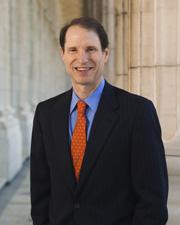
Mr. President, I believe the United States can fight terrorism ferociously without gutting civil liberties. The point of the legislation I am introducing today is to address concerns that have arisen…
Mr. President, I believe the United States can fight terrorism ferociously without gutting civil liberties. The point of the legislation I am introducing today is to address concerns that have arisen about the second part of this equation: an area of privacy that has gotten short shrift. That is the personal financial, medical and other data on millions of Americans that today is less than a mouseclick away from the computers of thousands of Federal bureaucrats. Access to and the use of that personal information by Federal bureaucrats is not protected by any comprehensive law.
The power of technology that allows the Federal Government to pry into the personal lives of millions of Americans is only beginning to be understood. It is a breath-taking power, and it has come partly to light through the Defense Department's Terrorism Information Awareness Program (TIA), and through the Transportation Security Administration's Computer Assisted Passenger Profiling System II or CAPPSII Program. These and more than two dozen other agencies wield that power with little or no restraint.
The legislation I am introducing with the support of a bipartisan group of privacy watchdog organizations, the Citizens' Protection in Federal Databases Act, will put the breaks on unchecked Federal data sweeps. It requires the Federal agencies with law enforcement or intelligence authority to share with Congress exactly what they are doing with private or public databases, why they are doing it, and most importantly, what, if any, privacy protections the agencies are affording the individuals' whose sensitive information is caught up in those databases.
The Citizens' Protection in Federal Databases Act also prohibits searches based on hypothetical scenarios.
Apparently, some government agencies are using valuable Federal resources chasing hypothetical situations dreamed up without regard to actual intelligence or law enforcement information.
The TIA Report to Congress in May of this year explained at length the program's intent to construct possible terrorist ``scenarios'' based on ``historical examples, estimated capabilities, and imagination.'' These scenarios would then be fed into database searches in an effort to substantiate the hypotheticals.
This Act bans such searches. This prohibition will promote the efficient use of Federal law enforcement time and money and help protect Americans from being subject to ``virtual goose chases.''
Since 9/11, there has been an abundance of stories regarding Americans being stopped, searched, or detained due to some mistaken information. For example, after 9/11, the FBI decided to share with companies across the country a list with names of people wanted for possible association with terrorism. This list, as part of ``Project Lookout,'' was sent to thousands of corporations, some of whom now use the list in lieu of background checks.
Here's the problem--this list is not necessarily accurate. First of all, the list quickly became obsolete as the FBI checked people off. That means even if people were cleared by the FBI of suspicion, their names were still on this list. Secondly, the list has been shared so many times, and passed from person to person, group to group--many names have become misspelled and now folks, due to one or two typos, are being stopped as suspected terrorists.
That story is just one example of what can happen when information is
mishandled. It is Congress's job to make sure mistakes like these do not happen.
The Citizens' Protection in Federal Databases Act is not the end of this issue. After shedding some light on what exactly is happening with personal information--the Congress must then address how to protect Americans from the misuse of this information.
I am happy to be working with a strong group of privacy advocates. The group includes the Electronic Privacy Information Center, the Electronic Frontier Foundation, the Center for Democracy and Technology, People for the American Way, the Free Congress Foundation, and the American Civil Liberties Union, and they have been instrumental in getting strong safeguards enacted against abuses in the TIA and other programs. I look forward to working with these groups, and my Senate colleagues, to see that this bill is enacted into law.
When tens of thousands of bureaucrats have at their fingertips all- too-easy access to such personal information from private and public databases as the use of passports, driver's licenses, credit cards, ATMs, airline tickets, and rental cars, the American people want to know what is happening to their information. They want to know who wants access to it and why. Their personal information deserves strong privacy protection, and that is what this legislation is all about.
I ask unanimous consent that the text of the bill be printed in the Record.
Mr. President, I rise today to introduce the Congressional Responsibility for Immigration Act, a bill to deny fast-track procedures to trade agreements that include immigration provisions. We have…
Mr. President, I rise today to introduce the Congressional Responsibility for Immigration Act, a bill to deny fast-track procedures to trade agreements that include immigration provisions. We have witnessed outrage in both parties and in both houses of Congress to the inclusion of ``temporary entry'' provisions in the Free Trade Agreements (``FTAs''), with Chile and Singapore. Members of the House and Senate Judiciary Committees, along with other concerned Members, have stated clearly that they never again want to see trade agreements that include immigration provisions. This bill will allow us to do more than rely on the vague assurances that the Office of the U.S. Trade Representative has offered in response to our strongly-held concerns-- it will provide a major deterrent that should prevent this Administration and future Administrations from ignoring Congress' authority over immigration policy. I am pleased that Senator Feinstein--who has led the fight against the inclusions of immigration provisions in the Chile and Singapore agreements--Senator Jeffords, and Senator Kennedy have joined me in introducing this bill.
This bill is simple and straightforward. It states that whenever the Senate considers legislation to implement a free trade agreement, any Senator could raise a point of order against the bill on the grounds that it includes an immigration provision. If the point of order were upheld, the bill would have to be considered under ordinary procedures, allowing us to amend it and strike provisions that violated our constitutional authority over immigration. Succeeding Administrations have told us for decades that they simply cannot pursue trade agreements without ``fast-track'' authority, and Congress has chosen to give that authority to the Executive Branch. Having surrendered some of our power, however, we must be all the more vigilant in ensuring that this surrender remains limited in scope.
It has been widely reported that the USTR considers the ``temporary entry'' provisions in the Chile and Singapore agreements to be models for future agreements. I have criticized those provisions because I share the concerns expressed by Senators Feinstein, Lindsey Graham, Sessions and others that the United States Trade Representative should not be in the business of amending domestic immigration laws, as these treaties do. The decision to include immigration provisions was not only unauthorized but also unnecessary to achieve the Administration's stated goals. Congress has already created the H-1B program, which allows foreign workers with specialized skills to work in the United States. That program was established after a lengthy process of public hearings, debate, and negotiation, and it has worked to help meet labor shortages and strengthen our economy. If the Administration feels that the program needs to be changed, or a new visa category created, it should have sought to do so through the ordinary legislative process.
By including immigration provisions in trade agreements, the Executive Branch not only usurps Congress' authority to create programs, but also to amend them if they prove to be unsuccessful. Any amendments that Congress makes to immigration policies that are made through trade agreements are subject to challenge as violations of those agreements. As a result, our hands are tied not just at the time of the negotiation, but for all future legislative activity as well. This is simply unacceptable--it was not the purpose of our trade agreements and it is neither a wise nor a constitutionally appropriate means of creating our immigration policy. We must pass this bill and restore our proper separation of powers.
I ask unanimous consent that the text of the bill be printed in the Record.
Mr. President, I rise today to introduce the Congressional Responsibility for Immigration Act, a bill to deny fast-track procedures to trade agreements that include immigration provisions. We have…
Mr. President, I rise today to introduce the Congressional Responsibility for Immigration Act, a bill to deny fast-track procedures to trade agreements that include immigration provisions. We have witnessed outrage in both parties and in both houses of Congress to the inclusion of ``temporary entry'' provisions in the Free Trade Agreements (``FTAs''), with Chile and Singapore. Members of the House and Senate Judiciary Committees, along with other concerned Members, have stated clearly that they never again want to see trade agreements that include immigration provisions. This bill will allow us to do more than rely on the vague assurances that the Office of the U.S. Trade Representative has offered in response to our strongly-held concerns-- it will provide a major deterrent that should prevent this Administration and future Administrations from ignoring Congress' authority over immigration policy. I am pleased that Senator Feinstein--who has led the fight against the inclusions of immigration provisions in the Chile and Singapore agreements--Senator Jeffords, and Senator Kennedy have joined me in introducing this bill.
This bill is simple and straightforward. It states that whenever the Senate considers legislation to implement a free trade agreement, any Senator could raise a point of order against the bill on the grounds that it includes an immigration provision. If the point of order were upheld, the bill would have to be considered under ordinary procedures, allowing us to amend it and strike provisions that violated our constitutional authority over immigration. Succeeding Administrations have told us for decades that they simply cannot pursue trade agreements without ``fast-track'' authority, and Congress has chosen to give that authority to the Executive Branch. Having surrendered some of our power, however, we must be all the more vigilant in ensuring that this surrender remains limited in scope.
It has been widely reported that the USTR considers the ``temporary entry'' provisions in the Chile and Singapore agreements to be models for future agreements. I have criticized those provisions because I share the concerns expressed by Senators Feinstein, Lindsey Graham, Sessions and others that the United States Trade Representative should not be in the business of amending domestic immigration laws, as these treaties do. The decision to include immigration provisions was not only unauthorized but also unnecessary to achieve the Administration's stated goals. Congress has already created the H-1B program, which allows foreign workers with specialized skills to work in the United States. That program was established after a lengthy process of public hearings, debate, and negotiation, and it has worked to help meet labor shortages and strengthen our economy. If the Administration feels that the program needs to be changed, or a new visa category created, it should have sought to do so through the ordinary legislative process.
By including immigration provisions in trade agreements, the Executive Branch not only usurps Congress' authority to create programs, but also to amend them if they prove to be unsuccessful. Any amendments that Congress makes to immigration policies that are made through trade agreements are subject to challenge as violations of those agreements. As a result, our hands are tied not just at the time of the negotiation, but for all future legislative activity as well. This is simply unacceptable--it was not the purpose of our trade agreements and it is neither a wise nor a constitutionally appropriate means of creating our immigration policy. We must pass this bill and restore our proper separation of powers.
I ask unanimous consent that the text of the bill be printed in the Record.

Mr. President, I rise today to express my strong support for the Head Start Readiness and Coordination Act, of which I am a proud original co-sponsor. I want to commend Senator Dodd and Senator…
Mr. President, I rise today to express my strong support for the Head Start Readiness and Coordination Act, of which I am a proud original co-sponsor. I want to commend Senator Dodd and Senator Kennedy for their hard work and commitment to making this bill the best it could be.
The Head Start Readiness and Coordination Act presents a clear contrast with what has been proposed by the Administration and what has been passed by the House of Representatives. What this Administration and the Republican Leaders in the House want to do will not provide a Head Start for children--it will be a giant step back. A step back from all of the great things that Head Start provides: family services, dental care, health care, and of course learning. We need to strengthen Head Start not weaken it. And we need to expand its reach, not limit it.
The way we create more opportunities for every child in New York and across the country is to build on our successes. And let met tell you Head Start has been a success since 1965. More than 20 million kids have benefited from this program. In this year alone, 50,000 New York families will participate.
And the trend every time reauthorization has come up is to build a program that helps even more children and their families. If it's not broken, don't fix it.
And that's what our ``Head Start Readiness and Coordination Act'' will do. We double the size of Early Head Start. We expand access to all eligible pre-schoolers. We provide better services for families and children who are still learning English--that's 25 percent of the Head Start population. And we improve coordination between the States so that children are ready for school and so that every child who needs it to have access to year-round care.
This bill builds on the remarkable success of the Clinton Administration in improving Head Start. During my husband's tenure in the White House, enrollment in Head Start increased by almost 30 percent and funding increased by 120 percent. In 1994, my husband created the Early Head program to provide critical care to infants who are in one of--if not the most--critical stage of development. And in the 1998 reauthorization, we doubled the Early Head Start program so that today it is serving 62,000 infants and toddlers.
The Clinton Administration also introduced outcome measures aligned with the successful performance standards to improve the quality of the program. And we ensured that 50 percent of all Head Start teachers have an Associates degree. At the time, many people said we were setting impossible standards, but today, the performance standards and outcomes are the backbone of every Head Start program, and the goal of 50 percent of teachers having Associates degrees has been exceeded.
So, I know that we can reform and improve Head Start. And that is why I will never support dismantling it. Head Start is more than just one of this country's most successful anti-poverty programs. It is a great equalizer. It is a place where a young girl might have a book read to her for the first time; a place where a young boy might have his first check-up, and a place where a mother or father might learn about nutrition, the early signs of lead poisoning, and how to encourage learning at home.
Head Start has lived up to its name and then some for millions of Americans. There is bipartisan support to preserve Head Start as we know it, to expand it, and to improve it. I look forward to working with my colleagues to make sure that this happens. We can do all of these great things without dismantling one of our greatest national endeavors for our children.

Mr. President, today I introduce the POPs, LRTAP POPs, and PIC Implementation Act of 2003, along with Senator Jeffords. This legislation implements the Stockholm Convention on Persistent Organic…
Mr. President, today I introduce the POPs, LRTAP POPs, and PIC Implementation Act of 2003, along with Senator Jeffords. This legislation implements the Stockholm Convention on Persistent Organic Pollutants (POPs), the Convention on Long-range Transboundary Air Pollution (LRTAP POPs), and the Rotterdam Convention on Prior Informed Consent Procedure for Certain Hazardous Chemicals and Pesticides in International Trade (PIC). With advice and consent by the Senate and with passage of this legislation, the United States will appropriately become an active participant in these important international agreements.
Persistent organic pollutants (POPs) are highly toxic and cause adverse health effects, including cancer, reproductive disorders, and immune system disruptions. POPs may not break down for years or decades, can travel long distances through air and water, and are known to bioaccumulate in living organisms. PCBs, DDT, and dioxin are examples of POPs. The Stockholm Convention on Persistent Organic Pollutants seeks to globally eliminate or severely restrict the production and use of 12 of the most dangerous pesticides and industrial chemicals, ensure the environmentally sound management of POPs waste, and prevent the emergence of new chemicals with POPs-like characteristics. To date, there are 151 signatories and 33 Parties to the Convention.
The legislation we are introducing today implements the key provision of the POPs Convention which allows additional chemicals to be added to the Convention. The bill amends the Toxic Substances Control Act to create a process by which the Administrator of the Environmental Protection Agency would consider regulating a newly listed chemical to the POPs Convention or to the LRTAP POPs Protocol. Beginning 1 year after a chemical is added by the international body, any person may petition the Administrator to commence a rulemaking if one has not been commenced. Providing mechanism to include additional chemicals at a future date, with opportunities for public involvement, ensures that the United States will fully implement the POPs Convention.
This bill includes two titles: the first title amends the Toxic Substances Control Act (TSCA) and the second title amends the Federal Insecticide, Fungicide, and Rodenticide Act (FIFRA). Senator Jeffords and I have worked exclusively to forge a compromise on the first title amending TSCA. The second title amending FIFRA will be considered by the Committee on Agriculture, Nutrition, and Forestry. The language in this bill amending FIFRA is intended to serve as a place holder until the Committee on Agriculture, Nutrition, and Forestry has the opportunity to consider that title. It does not represent a compromise on that title.
I believe that this adding mechanism includes appropriate checks and balances, and requires the Environmental Protection Agency to balance the relevant factors when determining how to regulate a newly-listed chemical. While
different parties would craft these provisions differently if starting with a clean slate, I believe that this legislation represents a solid compromise that will allow the United States to fulfill its obligations when Governor Whitman signed the POPs treaty, and will engage the United States as a leading member of the international community regarding toxic substances.

Mr. President, I rise to introduce the Native American Entrepreneurs Act of 2003. The purpose of this legislation is straightforward: it authorizes grants of $3 million in 2004, $4 million in 2005,…
Mr. President, I rise to introduce the Native American Entrepreneurs Act of 2003. The purpose of this legislation is straightforward: it authorizes grants of $3 million in 2004, $4 million in 2005, and $5 million in 2006 to qualified organizations to provide training and technical assistance to Native American entrepreneurs.
In my State of New Mexico and all across the country Native Americans still confront the problem of economic development, this in spite of the many efforts that have been made over time, both by Congress and by the tribes themselves. Over the last decade, some tribes have found a way to address this problem by focusing on the creation of gambling centers. But while these clearly have assisted many tribes, from where I sit this is at best a short- or medium-term solution that does not address the foremost issue at hand--that being how we help individual Native Americans acquire the business skills to become self-sufficient.
In the 106th Congress the Senate and the House passed legislation that created a program at the Small Business Administration that was designed to help disadvantaged individuals gain access to the technical training and funds. The bill--the Program for Investment in Microentrepreneurs Act of 1999, or PRIME--was drafted by several Senators, myself included, who felt it was imperative to encourage investment in microentrepreneurial activities in the United States. The reason for the effort was simple: microenterprise was a proven mechanism for enabling individuals on the periphery to obtain the capital and technical training needed to start their own business and move up the economic ladder in their community. It was also a proven mechanism for creating jobs, alleviating poverty, and stimulating economic development. It deserved to be pushed to the forefront of our legislative efforts in the Senate.
Under the PRIME legislation, organizations that provide technical assistance and loans to Native American communities are eligible for grants. But while diversity in grant award are mandated under the legislation, specific amounts mandated for Native Americans are not. The legislation I am introducing today would change that. The legislation provides additional funding to the PRIME Act for organizations that work with Native Americans specifically. In other words, the funding does not negate the possibility that further funds be provided to Native Americans under PRIME, nor, because it is additional funds over and above current authorization levels, does it cut into the funds that are now available to microenterprise organizations under PRIME. But it does ensure that organizations that serve only Native Americans get specific funding for their efforts.
I will be the first to admit that the authorization levels in this bill are modest, but they are feasible given the current budget environment. I will also admit that the bill carves out a small portion of the problem currently facing Native Americans, but I consider it to be a first step. I intend to address others problems in future legislation. The most important thing is that this bill, if enacted, will have an immediate and concrete impact in Native American communities in New Mexico and the rest of the country. I urge my colleagues to support it.

Mr. President, I rise to introduce legislation to repeal the current 50 percent tax deduction for business meals and entertainment expenses, and to restore the tax deduction to 80 percent gradually…
Mr. President, I rise to introduce legislation to repeal the current 50 percent tax deduction for business meals and entertainment expenses, and to restore the tax deduction to 80 percent gradually over a five-year period. I am joined by my good friends, Senators Ted Stevens and Thad Cochran, as cosponsors of this measure. Restoration of this deduction is essential to the livelihood of small and independent businesses as well as the food service, travel, tourism, and entertainment industries throughout the United States. These industries are being economically harmed as a result of the 50 percent tax deduction.
The business meals and entertainment expenses deduction was reduced from 80 percent to 50 percent in the Omnibus Budget Reconciliation Act of 1993, and went into effect on January 1, 1994. Its results have been detrimental to small businesses, the self-employed, and independent and traveling sales representatives. Research conducted by the National Restaurant Association (NRA) indicates that the great majority of business meal users are small businesses and of such businesses, one- fifth are self employed. On an average, business meal costs for small businesses is less than $15 per lunch. These groups rely on one-on-one meetings, usually during meals, for their marketing strategy, and the reduction of the business meals and entertainment deduction has impacted their marketing efforts.
An increase in the meal deduction would have a significant impact on the overall economy. Accompanying my statement is the NRA's State-by- State chart reflecting the estimated economic impact of increasing the business meal deductibility from 50 percent to 80 percent. The NRA estimates that an increase to 80 percent would increase business meal sales by $6 billion and create a $13 billion increase to the overall economy.
I urge my colleagues to join me in cosponsoring this important legislation. I ask unanimous consent that the NRA's State-by-State chart and the text of my bill be printed in the Record.
Bill Text
Latest available legislative text
        [Congressional Bills 108th Congress]
[From the U.S. Government Publishing Office]
[S. 1481 Introduced in Senate (IS)]

108th CONGRESS
1st Session
S. 1481

To prohibit the application of the trade authorities procedures with
respect to implementing bills that contain provisions regarding the
entry of aliens.

_______________________________________________________________________

IN THE SENATE OF THE UNITED STATES

July 29 (legislative day, July 21), 2003

Mr. Leahy (for himself, Mr. Jeffords, Mrs. Feinstein, and Mr. Kennedy)
introduced the following bill; which was read twice and referred to the
Committee on Finance

_______________________________________________________________________

A BILL

To prohibit the application of the trade authorities procedures with
respect to implementing bills that contain provisions regarding the
entry of aliens.

Be it enacted by the Senate and House of Representatives of the
United States of America in Congress assembled,

SECTION 1. SHORT TITLE.

This Act may be cited as the ``Congressional Responsibility for
Immigration Act''.

SEC. 2. LIMITATIONS ON TRADE AUTHORITIES PROCEDURES.

(a) In General.--Notwithstanding any other provision of law,
section 2103(b)(3) of the Bipartisan Trade Promotion Authority Act of
2002 (19 U.S.C. 3803(b)(3)) and the provisions of section 151 of the
Trade Act of 1974 (19 U.S.C. 2191) (trade authorities procedures) shall
not apply to any bill implementing a trade agreement between the United
States and any other country, if the implementing bill contains any
provision relating to the immigration laws of the United States or the
entry of aliens.
(b) Point of Order in Senate.--
(1) In general.--When the Senate is considering an
implementing bill, upon a point of order being made by any
Senator against any part of the implementing bill that contains
material in violation of subsection (a), and the point of order
is sustained by the Presiding Officer, the Senate shall cease
consideration of the implementing bill under the procedures
described in subsection (a).
(2) Waivers and appeals.--
(A) Waivers.--Before the Presiding Officer rules on
a point of order described in paragraph (1), any
Senator may move to waive the point of order and the
motion to waive shall not be subject to amendment. A
point of order described in paragraph (1) is waived
only by the affirmative vote of a majority of the
Members of the Senate, duly chosen and sworn.
(B) Appeals.--After the Presiding Officer rules on
a point of order under this paragraph, any Senator may
appeal the ruling of the Presiding Officer on the point
of order as it applies to some or all of the provisions
on which the Presiding Officer ruled. A ruling of the
Presiding Officer on a point of order described in
paragraph (1) is sustained unless a majority of the
Members of the Senate, duly chosen and sworn, vote not
to sustain the ruling.
(C) Debate.--Debate on a motion to waive under
subparagraph (A) or on an appeal of the ruling of the
Presiding Officer under subparagraph (B) shall be
limited to 1 hour. The time shall be equally divided
between, and controlled by, the Majority Leader and the
Minority Leader of the Senate, or their designees.
<all>