A bill to adjust the boundaries of Green Mountain National Forest.

Legislative Activity
Stay on top of the latest movement without scrolling through every action
View full timeline
Introduced in Senate
July 30, 2003
Sponsor introductory remarks on measure. (CR S10277-10278)
July 30, 2003
Read twice and referred to the Committee on Agriculture, Nutrition, and Forestry.
July 30, 2003
Senate Committee on Agriculture, Nutrition, and Forestry discharged by Unanimous Consent.(consideration: CR S15864-15865)
November 24, 2003
Senate Committee on Agriculture, Nutrition, and Forestry discharged by Unanimous Consent. (consideration: CR S15864-15865)
November 24, 2003
Passed Senate without amendment by Unanimous Consent. (text as passed Senate: CR S15864-15865)
November 24, 2003
Message on Senate action sent to the House.
November 25, 2003
Received in the House.
November 25, 2003 • 12:02 PM
Referred to the House Committee on Agriculture.
November 25, 2003
Referred to the Subcommittee on Department Operations, Oversight, Nutrition and Forestry.
December 3, 2003
Floor Debate
13 membersWhat members said about S. 1499 on the floor
 KBH
KBH JB
JB SC
SC JM
JM JB+8
JB+8
Floor Debate
13 membersWhat members said about S. 1499 on the floor
Mr. President, today I would like to pay tribute to a great Texan and a great American, Lance Armstrong. Last weekend, Lance sailed to his fifth consecutive victory in the Tour de France. On the…
Mr. President, today I would like to pay tribute to a great Texan and a great American, Lance Armstrong. Last weekend, Lance sailed to his fifth consecutive victory in the Tour de France. On the heels of his stunning victory, I am pleased to introduce the Cancer Survivorship Research and Quality of Life Act of 2003.
To some, Lance's victories might begin to seem routine, winning year after year after year. But when you dig beneath the surface, past the hype and drama of the Tour de France, you find that there's nothing routine about Lance Armstrong.
By now, nearly everyone knows that Lance is a cancer survivor. It has become common knowledge, not because Lance uses it as an excuse or to seek sympathy. We know it because Lance has used his megaphone as a sports hero to raise awareness of cancer research and survivorship. He has dedicated himself to helping others and turning his personal devastation into a legacy of hope for those afflicted with cancer. When he was diagnosed, he was given a 40 percent chance of living. His survival and amazing comeback have proved that cancer is not a death sentence.
Sixty-two percent of adults and 77 percent of children diagnosed with cancer this year will be alive 5 years from now. There are more than 9 million cancer survivors living today. These numbers are improving because of advances in detection and early diagnosis, effective treatments, and healthier lifestyles by survivors and those at risk.
We must continue our commitment to research so fewer people will experience cancer.
The bill I am introducing today expands cancer research by authorizing the Office of Cancer Survivorship within the National Cancer Institutes to study the long- and short-term physical psychological, social and economic effects of cancer. Research has shown that cancer survivors are often susceptible to other diseases. Expanding on this research will allow scientists and physicians to improve patients' quality of life and help prevent other diseases and disabilities.
Additionally, the bill expands the Centers for Disease Control programs to improve cancer survivorship. For example, the CDC will track the status of survivors to identify what health risks they face and the successful course of treatment they have utilized. Other programs will demonstrate how to prevent and control cancer, especially in medically underserved populations.
This legislation has the support of CDC and NCI. It also has the support of Lance Armstrong.
I have been privileged to meet with Lance on several occasions. He has never boasted of his athletic feats or touted his ability to master the world's toughest bicycle race. He speaks with passion of the Lance Armstrong Foundation and the work it does on behalf of cancer survivors and their families. When he mounts his bike each summer it is a symbol of hope for cancer survivors the world over.
This year's Tour de France was no exception. Many predicted Lance's defeat and he had to overcome illness, fatigue and crashes to reach the finish line. But he never gave up. The trademark dedication and perseverance that characterize him as an athlete and a survivor kicked in once again. He pedaled to victory over the course of 3 weeks, more than 2,100 miles and 84 hours of cycling, winning with a lead of 1 minute and 1 second.
It was truly a stunning end to a remarkable race.
The record-tying fifth consecutive win places Lance among cycling's elite. Only four others can claim five-time winner of the Tour de France among their accolades. Only one other man has won it consecutively. If Lance wins the yellow jersey next year, it would be a world record. But whether he breaks the record or not, he is a hero to all of us.
I ask my colleagues to join me in congratulating Lance Armstrong on a great victory and signing on as co-sponsors to this important legislation to help carry his message of survivorship to the Nation.
I ask unanimous consent that the text of the bill be printed in the Record.
Mr. President, I support Amtrak and believe we can have a viable national passenger rail system. Unfortunately, we are far from realizing that goal. Outside the Northeast Corridor (NEC), trains seldom run on time, and service is abysmal. Lateness is often measured in days, not hours. Several years ago, when the airlines on-time rate fell below 75 percent it was considered a national emergency. At Amtrak, on-time records under 50 percent are business as usual. Rail critics point to low ridership as the reason why we starve the national system. I contend that starvation is the reason for low ridership.
In the Northeast, a passenger can board a train here at Union Station and reasonably expect to be in New York City, about 225 miles away, in less than three hours. If one of my constituents buy a ticket from Austin to Fort Worth, a trip thirty-eight miles shorter than DC to New York, the best he can expect is that it will take four and one-half hours. Of course, the Texas Eagle makes its schedule only 35 percent of the time, so my constituent will likely waste even more time on this short trip. An Austin businessman may prefer not to deal with airport hassles for such a short flight, and he may want to avoid the traffic on I-35, but the train is not a reasonable option if he has a meeting in fort worth at a time certain.
This inequity cannot continue. Either we commit to building a rail transportation alternative for the entire Nation, or we abandon the pretense of Amtrak and turn it over to the States and private companies. Our motto for Amtrak is ``National or Nothing!''
Improving service on the national system will require creative thinking and innovative financing. We cannot continue to fund Amtrak just enough to keep it going until the next crisis. That is a road map for failure. Private investment, State participation, and the cooperation of the freight railroads are all essential to achieving service upgrades.
In Texas, most passenger trains are forced to operate at less than thirty miles per hour due to track conditions and freight operations. The national system needs at least $38 billion in capital improvements to allow trains to meet a reasonable schedule. Safety improvements alone will cost $13.8 billion. The Northeast Corridor needs roughly $10 billion to avoid an increased risk of accidents and a systemwide slowdown. Postponing these upgrades and repairs will only make them more expensive.
In the 1950s, President Eisenhower convinced the Nation to pay for the construction of the National Highway System. Fiscal realities have changed since then, and we must find a way to creatively finance the rail infrastructure needs of the nation without draining resources from alternative modes of transportation and other federal priorities. Municipal bonding and private investment are necessary components of any plan to restore and improve rail infrastructure.
Making this investment will not only improve passenger service, but also upgrade freight operations throughout the country. Outside the NEC, freight and passenger trains must run on the same tracks. In exchange for an investment in upgrading those tracks, the freight must agree to allow Amtrak to meet its schedule. I realize the critical role played by freight railroads in the American economy, and I know this industry has seen better days. That is why I urge them to work with us to achieve a mutually beneficial agreement. If we cooperate, freight railroads will enjoy capital improvements they could not otherwise hope to afford, as we secure the future of passenger rail in this country. It can be a win-win situation.
I was deeply disappointed to see Amtrak's proposed 5-year capital plan call for $9.1 billion in Federal funding, with more than $8 billion spent in the Northeast Corridor. The national system must receive more than the crumbs left over after the needs of the NEC have been met.
We will never have a better opportunity to accomplish this goal than right now. That is why I am introducing legislation along with Senators Lott, Burns, Snowe and Smith to begin to bring the national system up to Northeast Corridor standards. My bill will strengthen the Federal role by creating a National Passenger Rail Office at DOT, responsible for coordinating with States and the railroads to assure the national system receive the improvements necessary to operate an effective inter-city passenger rail system. The legislation authorizes $12 billion for Amtrak in operating assistance. Amtrak will be required to bring the national system up to an 80 percent on-time arrival rate. Once a route has enjoyed reasonable on-time performance, it can be fairly evaluated from a cost-benefit perspective. 80 percent is a modest goal, but it is not going to be easy to attain. If Amtrak is unable to meet performance requirements on a route, that route should be opened for bidding by other operators.
If we fail to enact real change in this reauthorization bill, we may run out of chances to obtain the elusive intermodal transportation system we profess to seek. We must decide whether we want to create a viable national system, or settle for a single rail corridor providing ever-deteriorating service to only one sector of the country. I will not support any proposal that does not put the national system on par with the Northeast Corridor. Today marks a new beginning, or the beginning of the end. It's national or nothing.
I ask unanimous consent that the text of the bill be printed in the Record.
Mr. President, the legislation I am introducing today with Senators Cochran, Landrieu, and Kerry entitled ``The Health Workforce Advisory Commission Act of 2003'' is designed to create a Health…
Mr. President, the legislation I am introducing today with Senators Cochran, Landrieu, and Kerry entitled ``The Health Workforce Advisory Commission Act of 2003'' is designed to create a Health Workforce Advisory Commission to review Federal health workforce policies and make recommendations on improving those policies.
In my own State of New Mexico, over 9 percent of our total workforce is employed in the health sector. The New Mexico work force is not dissimilar to the rest of the Nation, where the total health workforce comprises 10.5 percent of the total U.S. labor force.
By 2020, the total population of New Mexico is projected to grow 32 percent and the population over 65 is projected to grow 80 percent, compared to national growth projections of 18 percent and 53 percent, respectively. But who will care for these burgeoning populations? New Mexico ranks 33rd among States in physicians per capita, and we graduate fewer new physicians per 1,000,000 population than the entire United States.
The problem is not simply one of too few physicians however. New Mexico ranks 7th lowest among the States in per capita employment of Licensed Practical/Vocational Nurses and we have 7 nurse anesthetists per 100,000 population, while the national average is close to 9 per 100,000 population. New Mexico ranks 49th in the Nation in then number of dentists per capita. In fact, while the State's population grew in the 1990s by 12 percent, the number of dentists in New Mexico declined 7 percent in the same time period. Among the 50 States, New Mexico ranks 42nd in the number of pharmacists per 100,000 population.
We are reflection of a crisis occurring in States across the Nation: a critical shortage in multiple areas of the health workforce in the face of a changing population whose health care needs are only going to grow and increase in complexity.
It is estimated that by 2050 the U.S. will need to more than triple its number of long-term care workers; enrollment in nursing education programs has been declining of the last 8 years; vacancy rates for pharmacists in Federal facilities is up to 18 percent and 11 percent in public hospitals. At the same time, the number of practitioners other than physician grew rapidly in the 1990s. How does this growth interact with the simultaneous shortages in other areas? How should the workforce of the future best be structured to meet the rise in baby boomers and how should we prepare for this?
These are the issues that health workforce policies attempt to address. There has been, and continues to be, a significant investment on the part of Federal and State governments in measuring, monitoring, and analyzing the numbers and types of health professionals who are trained and practice in the U.S. but despite such efforts, there remain significant problems in determining the appropriate number, type, and distribution of such personnel needed to provide access to appropriate care for Americans. The underlying problem is that health workforce policies developed by various State and
Federal entities tend to be profession or position specific. What is lacking is a perspective on health workforce policies that is both interactive and global in nature. As health care becomes increasingly complex, and as the health needs of the Nation changes, it is imperative to have a means with which the dynamics of a changing health care market and health care workforce can be assessed and addressed.
We are all aware of the critical nursing shortages so many areas face now, the increasing difficulty in recruiting and retaining rural based physicians, the shortages of pharmacists and pharmacy techs, and of skilled laboratory technicians. And there are organizations focused on each of these specific issues; but these issues overlap in the marketplace and impact each other in ways we cannot currently define. It is as if there were a giant health care workforce machine with 500 interacting mechanisms and while there is a specific mechanic for each of these components, there is no mechanic looking at the machine as a whole. The health workforce is more than the sum of its individual parts, and in order to enact effective Federal workforce policies, this must be reflected in the analysis and creation of such policies. HWAC is designed to do that.
For these reasons, we have introduced legislation that will create a new health workforce commission, or HWAC for short. This legislation requires the creation of a national advisory commission to review and make recommendations pertaining to Federal health workforce policies. Specifically, it will: Review federal health workforce policy under the following Acts and their titles: Social Security Act, titles 18 & 19; Public Health Service Act Titles 7 & 8, NIH, DOD, and VA and other pertinent Acts and titles; Analyze and make recommendations to improve the methods used to measure and monitor the U.S. health workforce and the relationship between numbers and mix of such personnel and access to appropriate health care; Review health workforce policies and other factors and their impact on the ability of the health care system to provide optimal medical and health care services; Analyze and make recommendations pertaining to federal incentives, financial, regulatory, and otherwise, and federal programs currently in place to promote the education of an appropriate number and mix of health professionals to provide access to appropriate health care for U.S. citizens; Analyze and make recommendations about the appropriate supply and distribution of physicians, nurses, and other health professionals and personnel to achieve a health care system that is safe, effective, patient centered, timely, equitable, and efficient; Analysis of the role(s) and global implications of internationally trained physicians, nurses, and other health professionals and personnel in the U.S. workforce; Analyze and make recommendations about achieving the appropriate diversity of the U.S. health workforce.
The Commission will be represented by national experts in health workforce issues, the commissioned corps of the Public Health Service, a wide spectrum of health professionals and personnel, and be geographically balanced in its representation. The Commission will work closely with other state and Federal advisory panels that deal with professional or work specific issues of health workforce policy. Membership in the Commission will be chosen by the Comptroller General, with representation from a diverse group of fields in health care, including members who are recognized for their policy expertise in health workforce measurement, monitoring, and analysis, health services, economic and other workforce related research and technology assessments. At least 25 percent of the members are to be health care providers from rural areas, in order to ensure a geographic balance in representation. Through the creation of HWAC, a nodal focus of information gathering, sharing, analysis, and implementation of the knowledge created about the dynamics of the U.S. health workforce will be put into place.
This legislation was created with significant input and assistance from a variety of national organizations representing a cross section of the spectrum of the U.S. health workforce. Organizations that have expressed support for this bill include: American College of Physicians--American Society of Internal Medicine, the American Clinical Laboratory Association, the National Organization of Nurse Practitioner Faculties, the American Society of Health-System Pharmacists, the American Chiropractic Association, the National Rural Health Association, the Commissioned Officers Association of the USPHS, and the Therapeutic Communities of America.
I ask unanimous consent that the text of the bill be printed in the Record.
Mr. President, I am introducing two bills today with Senator Domenici to address a technical problem with H.R. 2854 that potentially causes problems for the State of New Mexico. We continue to believe that New Mexico meets the definition of a ``qualifying state'' under the legislative language but introduce these two bills to clarify that New Mexico is such a State. I ask unanimous consent that the text of both bills to be printed in the Record.
Mr. President, I rise today to introduce the Multi- employer Pension Security Act of 2003. This bill will strengthen and protect the defined pension benefits of thousands of workers. These workers…
Mr. President, I rise today to introduce the Multi- employer Pension Security Act of 2003. This bill will strengthen and protect the defined pension benefits of thousands of workers. These workers have no other choice than to participate in the pension fund that their employer offers. However, it is not just the employees who need these plans to be reformed, but many employers realize that to be fiducially responsible that these reforms need to be made as well.
Nearly 44 million working Americans participate in defined benefit pension plans. Of that amount, almost ten million people, approximately 25 percent of all those who have defined pensions, participate in multi-employer plans. Single-employer plans are completely managed under a different system. Although recent policy debate has focused primarily on single-employer plans, my reasoning in introducing this legislation today is to broaden the pension plan debate by dealing with the myriad of problems facing multi-employer pension plans.
This bill, the ``Multi-employer Pension Security Act,'' will provide millions of active and retired workers who participate in these plans with the long-term security of knowing their promised benefits will be funded and safeguarded. This reform legislation is necessary and long overdue.
The funding levels in single-employer pension plans have been greatly affected by stock market losses, a sluggish economy and record-low interest rates. These events have impacted multi-employer plans also. However, the issues affecting multi-employer plans are much broader than that. These plans operate under a fundamentally different structure. The main difference between single and multi-employer plans is that there is no minimum funding level required in multi-employer plans. Losses can mount until simply there is no more money and benefits cannot be paid to the participants in multi-employer pension plans. My bill will correct his deficiency in current law.
This proposed legislation would address the lack of adequate funding standards existing within the multi-employer pension plan system. Also hardworking employees who participate in these multi-employer pension funds do not currently have the guarantee of insurance. When a multi- employer pension plan is defunct or goes bankrupt, there is no Pension Benefit Guaranty Corporation (PBGC) to rely on--because multi-employer plans do not fall under the guise of the PBGC structure. My bill will address that and give the folks participating in a multi-employer plan the same governmental oversight as provided to participants of single- employer plans.
Again, I introduce the Multi-employer Pension Security Act today because we, as a nation, must tackle these issues now to prevent further deterioration of these plans and we must be willing to assure our constituents that their promised pensions are available to them as retirees currently and in the future. Single-employer plans must not be the only pension plan that Congress considers changes to because we are also responsible to the almost ten million Americans participating in multi-employer pension plans as well. I urge my colleagues to consider this legislation. We must engage in a discussion that will lead to positive changes in multi-employer pension plans now.
Mr. President, I rise today to introduce the Fair Tax Act of 2003. This bill will promote freedom, fairness, and economic opportunity by repealing the income tax and other taxes, abolishing the Internal Revenue Service, and enacting a national sales tax.
The Fair Tax, commonly referred to as a national sales tax, is a necessary piece of tax reform that, should it pass, upon its inception would uproot our current unjust progressive tax code and replace it with a simpler, fairer one.
I believe our antiquated tax code, that was implemented in 1913, and has since been modified numerous times, is overly complicated and desperately in need of an overhaul. We are well beyond rectifying the unfairness in our current system by tinkering around the edges. All Americans are in dire need of unbiased sweeping tax reform--and the fair tax is just that.
The Fair Tax Act of 2003 would repeal the individual income tax, the corporate tax, capital gains taxes, all payroll taxes, the self- employment tax and the estate and gift taxes in lieu of a 23 percent tax on the final sale of all goods and services. The eradication of these taxes will not only bring about equality within our tax system, it will also bring about simplicity.
This bill will also provide for tax relief for business-to-business transactions. These transactions, including used product transactions which have already been taxed, are not subject to the sales tax, thereby abrogating any double taxation.
Social Security and Medicare benefits would remain untouched under the Fair Tax bill. There would be no financial reductions to either one of these vital programs. Instead, the source of the trust fund revenue for these two programs would be replaced simply by a sales tax revenue instead of a payroll tax revenue.
And lastly, under this bill, every American would receive a monthly rebate check equal to spending up to the Federal poverty level according to the Department of Health and Human Services guidelines. This rebate would ensure that no American pays taxes on the purchase of necessities.
The Fair Tax creates a fairer, simpler code that allows every American the freedom to determine his or her own priorities and opportunities.
Ronald Reagan once said, ``I believe we really can, however, say that God did give mankind virtually unlimited gifts to invent, produce and create. And for that reason alone, it would be wrong for governments to devise a tax structure or economic system that suppresses and denies those gifts.''
I couldn't agree more.
And as long as we continue to operate under our current skewed tax code, we will continue to suppress and deny these unlimited gifts to the American people who would otherwise thrive boundlessly under the Fair Tax.
Mr. President, today I am introducing the ``Our Democracy, Our Airwaves Act.'' This legislation is designed to increase the flow of political information in broadcast media and to reduce the cost to…
Mr. President, today I am introducing the ``Our Democracy, Our Airwaves Act.'' This legislation is designed to increase the flow of political information in broadcast media and to reduce the cost to candidates of educating the electorate on their candidacy.
Consistent with broadcasters' obligations to serve the public interest in exchange for being licensed to use the public airwaves, the bill would require broadcast licensees to air a minimum of two hours per week of candidate-centered or issue-centered programming before a primary or general Federal election. This legislation also would establish a program to provide candidates and national committees of political parties vouchers that they may use for political advertisements on radio and television broadcast stations. An annual spectrum use fee paid by broadcasters would fund the voucher system. Finally, the bill would require broadcast television and radio stations to provide candidates and parties with non-preemptible advertising time at the lowest rate provided to any other advertiser.
At a recent Committee hearing I chaired on the public interest obligations of broadcasters, it became apparent that local broadcasters are not adequately covering political campaigns as part of their local newscasts. The hearing examined the results of a study prepared by the Lear Center Local News Archive, which found that over a seven-week period from September 18, 2002 through November 4, 2002, 56 percent of the top-rated half-hour news broadcasts did not contain a single political campaign story. In the 44 percent of broadcasts that did contain campaign coverage, the average campaign story was 89 seconds long. When campaigned stories did air, only 28 percent contained stories where candidates spoke with the average sound bit being 12 seconds long.
This study illustrates the pressures on political candidates to raise money because they are forced to gain the public's attention through the use of costly advertisements. Our democracy is stronger when a candidate's success is achieved by ideas, not by dollars, and when an electorate is informed by facts, not 12-second sound bites. I ask unanimous consent that the text of the bill be printed in the Record.
Mr. President, today, by request, I am introducing the Passenger Rail Investment Reform Act, the Administration's long-awaited legislative proposal for restructuring Amtrak and the intercity passenger rail program. In doing so, I want to express my appreciation to Transportation Secretary Mineta and departing Deputy Secretary Michael Jackson for meeting their commitment to me in April to deliver the Administration's proposal before the August recess. I also want to credit the work of the Amtrak Reform Council, the basis for several elements of the Administration's plan.
Amtrak began operation in 1971 as a for-profit corporation and was to be free of all Federal support by 1973. Throughout its history, including between 1997 and 2001, Amtrak led Congress to believe that profitability, or at least operational self-sufficiency was achievable. But 32 years after its establishment, Amtrak is running annual deficits exceeding $1 billion; has run up a debt of nearly $5 billion; continues to operate trains that lose over $400 per passenger; and yet still has less than 1 percent of the intercity travel market. Clearly, reform is needed.
I hope the legislation I am introducing today will serve as the basis for developing a consensus about the future of Amtrak and intercity rail passenger service. Even Amtrak supporters should admit that without significant restructuring, the passenger rail program cannot be entrusted with billions of dollars of additional financial support from the taxpayers, as some are proposing, particularly financing outside of the annual appropriations process, which at least gives Congress the ability to adjust Amtrak's funding based on its performance and use of taxpayer dollars. Nor, in my view, should high-speed rail projects go forward until the Amtrak problem is solved.
My priority is to establish a network of train service that makes economic sense, minimizes subsidies at all levels of government, and provides fair and open competition for Amtrak. The Administration's proposal is a good start. Federal support for intercity passenger rail service would be modeled after the existing transit program and consist of capital funding matched by the States and managed through a ``full funding grant agreement'' process. States, rather than the Federal Government, would be responsible for funding operating losses after a transition period.
Following the recommendation of the Amtrak Reform Council, the legislation would divide Amtrak into an operating company which would operate train services, and an infrastructure company which would maintain the Northeast Corridor (NEC). After a transition period, the services provided by both companies would be subject to competition through competitive bidding. The NEC would be restored to a state of good repair, and leased to and managed by an interstate compact. Amtrak would not be privatized but would have to compete with companies in the private sector, ensuring a lower-cost solution for the taxpayers.
I intend to hold a hearing on the Administration's bill and the bill being introduced today by Senator Hutchison, the Chairman of the Subcommittee on Surface Transportation and Merchant Marine. If a consensus can be reached on a responsible proposal to fund and reform Amtrak and provide for an improved rail passenger program, the Committee will mark up legislation in the fall.
I ask unanimous consent that the text of the bill be printed in the Record.
Mr. President, today, Senator Conrad and I are introducing legislation that would greatly benefit out domestic economy. Our legislation would increase the cash flow of many struggling American…
Mr. President, today, Senator Conrad and I are introducing legislation that would greatly benefit out domestic economy. Our legislation would increase the cash flow of many struggling American companies, thus helping them hire and retain workers and fund capital investments.
The legislation involves the ``net operating loss'' (``NOL'') rules under the Internal Revenue Code. The NOL carryback and carryover rules are designed to allow taxpayers to smooth out swings in business income that result from business cycle fluctuations and unexpected financial losses.
Last year's economic stimulus bill, the ``Job Creation and Worker Assistance Act of 2002,'' allowed NOLs arising in 2001 and 2002 to be carried back five years, rather than two years, as otherwise would be provided under the tax law. The 2002 Act also removed a limitation that the corporate alternative minimum tax (``AMT'') unfairly places on these carrybacks. The 2002 Act thus gave taxpayers in many sectors of the economy an enhanced ability to increase their cash flow through refunds of income taxes paid in prior years.
Unfortunately, the same uncertain economic conditions that led to the enactment of last year's stimulus bill have continued. Many taxpayers are continuing to incur unexpected financial losses in 2003.
The legislation that we are introducing today would simply extend the 2002 Act's NOL carryback rules to cover NOLs arising in 2003 and to NOLs that may arise in 2004 and 2005.
I urge my colleagues to support this important legislation, which would give much needed relief to U.S. employers and would provide an additional jump start to our economy.
Mr. President, I rise today to introduce legislation with my colleague, Senator Conrad, which will allow affiliated life and non-life insurance companies to file consolidated tax returns. The rules currently on the books do not allow such consolidation, for reasons that are outdated and no longer applicable.
In general, consolidated return provisions under current law were enacted so that the members of an affiliated group of corporations could file a single tax return. The right to file a ``consolidated'' return is generally available irrespective of the nature or variety of the businesses conducted by the affiliated corporations. The purpose behind consolidated returns is simply to tax a complete business entity rather than its component parts individually. Whether an enterprise's businesses are operated as divisions within one corporation or as subsidiary corporations with a common parent company, a business entity should generally be taxed as a single entity and be allowed to file its return accordingly.
Corporate groups that include life insurance companies, however, are denied the ability to file a single consolidated return until they have been affiliated for a least five years. Even after this five year period, they are subject to two additional limitations that do not apply to any other type of group: first, non-life insurance companies must be members of the affiliated group for five years before their losses may be used to offset life insurance company income, and second, non-life insurance affiliated losses, including current year losses and any carryover losses, that may offset life insurance company taxable income are limited to the lesser of 35 percent of life insurance company's taxable income or 35 percent of the non-life insurance company's losses.
There are no sound reasons to deny affiliated groups that include life insurance companies the same unrestricted ability to file consolidated returns that is available to other financial intermediaries, and corporations in general. Allowing the members of an affiliated group of corporations to file a consolidated return prevents the business enterprise's structure from obscuring the fact that the true gain or loss of the business enterprise is the aggregate of each of the members of the affiliated group. The limitations contained in present law are so clearly without policy justification that they should be repealed.
Our legislation will repeal the two five-year limitations for taxable years
beginning after this year, and it will phase out the 35 percent limitation over seven years. The staff of the Joint Committee on Taxation has recommended repeal of two of the three limitations addressed by my bill--on the grounds of needless complexity. The third limitation is, in effect, merely a minimum tax on life insurance company income. That limitation should have been repealed when the alternative minimum tax was enacted, and certainly has no place in the tax laws today.
We hope our colleagues will join us as cosponsors of this bipartisan, much-needed legislation.
Show 8 more
Mr. President, it is a privilege to join my colleagues Senator Hutchison, Senator Harkin and Senator Feinstein in introducing the Cancer Survivorship and Quality of Life Act. It is fitting that we…
Mr. President, it is a privilege to join my colleagues Senator Hutchison, Senator Harkin and Senator Feinstein in introducing the Cancer Survivorship and Quality of Life Act. It is fitting that we are introducing this important legislation today. Just three days ago, as the world knows, Lance Armstrong, the champion cyclist from Texas, won his 5th consecutive Tour de France. His triumph is an extraordinary achievement in and of itself, and it is even more extraordinary, because just 6 years ago, he was diagnosed with a form of cancer-- testicular cancer--that is often curable when detected early, but that in his case had already spread to his abdomen, his lungs, and brain. Twenty-five years ago, he probably would not have survived. But with the treatment and therapy now available and the same fighting spirit that made him a winner yesterday, he won the battle against cancer and became a worldwide symbol of courage and achievement.
His success is also a vivid symbol of the rapid progress being made in the ongoing battle against cancer. Never before have there been such high rates of survival for what used to be an overwhelmingly deadly disease. Cancer research has brought new and more sensitive screening tests and more accurate and less invasive diagnostic procedures. Greater arrays of treatments are available that can cure cancer completely or keep it at bay for many years.
As a result of these medical and technological advances, over half of all adults and over three-quarters of all children diagnosed with cancer today will be living five years from now and often far longer. Experts now refer to many forms of cancer as ``chronic diseases'' illnesses that never go away, but can be treated in ways enabling patients to focus on living instead of preparing for death.
In the United States today, there are almost 10 million cancer survivors, and 40 percent of them are younger than 65. The financial cost is large. Direct costs for cancer care and the indirect costs to the economy are now estimated at $180 billion dollars per year. But more important than the financial costs are the devastating personal and emotional costs to the patients, their families and loved ones, and their caregivers as well. Almost a quarter of adults with cancer are parents who have a child 18 years old or younger living at home. Nearly 1.3 million people will be diagnosed with cancer this year--3,500 persons each and every day.
The National Cancer Institute and other federal agencies now devote the majority of their funds to diagnosing and treating cancer, and we need to continue strong federal support for these purposes. Greater support is clearly needed to deal with the issues affecting survivors. Many cancer survivors say that equally important is the ``non-medical'' care that they have received, and that is the purpose of the bill we are introducing today.
The Cancer Survivorship Research and Quality of Life Act creates a Cancer Survivorship Office in the National Institutes of Health and a Cancer Control Center in the Centers for Disease Control and Prevention to develop effective ways to improve the quality of life for patients with cancer and their families. Such efforts include education of patients about their cancer, their options for treatment, and how and when to ask for a second opinion. They also include information about support networks and other services in their community.
Under our bill, the Centers for Disease Control and the National Cancer Institute will work together to expand their data collection to include information about survivors and improvements in the care of individuals newly diagnosed with cancer, such as successful treatments, rehabilitation, and nutritional and exercise programs. Currently, there is no effective way for new information to be widely shared. Patients who are cancer survivors or who have family members or loved ones with cancer understand the importance of this information. We introduce this bill with the full support of the Lance Armstrong Foundation, which has brought the issue of cancer survivorship to our national attention. I urge the Senate to give our legislation the priority it deserves.
Mr. President, over the past few months, the Medicare debate has focused our attention on a range of issues related to the future of health care in America. Central to our debate has been how to pay…
Mr. President, over the past few months, the Medicare debate has focused our attention on a range of issues related to the future of health care in America. Central to our debate has been how to pay for the dramatically rising costs of health care and whether we can afford a prescription drug benefit to treat the disease of an aging population.
The Medicare and Medicaid programs currently spend $84 billion annually on five major chronic diseases, diabetes, heart disease, depression, cancer and arthritis. We have discussed options for paying for the treatment of these diseases, but have spent far less time exploring ways to prevent them in the first place.
I believe that disease prevention and the promotion of healthier lifestyles offers us an excellent opportunity to begin reversing the steep rise in health care costs we are facing today. Public health experts unanimously agree that people who maintain active healthy lifestyles dramatically reduce their risk of contracting chronic diseases. A physically fit population results in a decrease in health care costs, reduced government spending, fewer illnesses and improved worker productivity.
Given the tremendous benefits exercise provides, I believe we have a duty to create as many incentives as possible to get Americans off the coach and up and moving. With this in mind, I have introduced the Workforce Health Improvement Program, WHIP Act. The WHIP Act mirrors similar legislation introduced by Rep. Pat Toomey, R-PA, in the House of Representatives and would allow for the favorable tax treatment of health club memberships as an employee benefit.
Specifically, it would clarify an employer's right to deduct the cost of subsidizing or providing health club benefits for their employees. In addition, this legislation would exclude the wellness benefit from being considered income for the employees, i.e., employer contributions to the cost of health club fees would not be taxable income for employees.
Current law already permits businesses to deduct the cost of on-site workout facilities, which are provided for the benefit of employees on a pre-tax basis. However, if a business wants, or needs, to outsource these health benefits, they and/or their employees are required to bear the full cost.
The WHIP Act would correct this inequity in the current tax code to the benefit of many smaller businesses and their employees. It also would be an important step in reversing the devastating health trend that our country is facing by promoting physical activity, reducing obesity and preventing disease.
According to the Surgeon General's ``Call to Action to Prevent disease Overweight and Obesity,'' published in 2001, there are 300,000 deaths a year in the United States that are associated with overweight and obesity. Repair physical activity reduces the risk of developing or dying from some of the leading causes of illness and death in the United States.
Further, physical activity can: reduce the risk of dying prematurely; reduce the risk of dying prematurely of heart disease; reduce the risk of developing diabetes; reduce the risk of developing high blood pressure; help reduce blood pressure in people who already have high blood pressure; reduce the risk of developing colon and other types of cancer; reduce feelings of depression and anxiety; help control weight; help build and maintain healthy bones, muscles, and joints; help older adults become stronger and better able to move about without falling; promote psychological well-being.
Public Health experts unanimously agree that active lifestyles result in decreased health care costs, reduced governmental spending, fewer illnesses, and improved worker productivity.
I ask you to join me in supporting this preventive health and fitness bill.
Mr. President, today I am introducing a bill to expand the boundaries of the Green Mountain National Forest. This will allow for the inclusion of lands that have already been purchased using Land and…
Mr. President, today I am introducing a bill to expand the boundaries of the Green Mountain National Forest. This will allow for the inclusion of lands that have already been purchased using Land and Water Conservation Fund dollars to be brought into the boundaries of the national forest providing them full statutory protection. The Forest Service supports this administrative action and has been extremely helpful in providing the information needed for this legislation.
It is with pride that I can say that since I came to Congress in 1975 and began to seek funding for land acquisition in 1977 we Vermonters have seen the Green Mountain National Forest expand from approximately 264,100 acres to over 387,500 acres in size. This 123,400 acre expansion will provide unmeasured opportunities for the American public.
While there is much debate over the future management of our Nation's national forests today, this should not diminish their importance. In Vermont, where approximately five percent of land base is in federal ownership, these lands are treasured for the opportunities they provide not only to Vermonters, but to all who enjoy the Green Mountain National Forest. This includes recreational activities from camping, hiking, mountain biking, and skiiing to job opportunities provided through timber management activities, the ski industry, and other support services, as well as for their intrinsic value by providing that certain lands are set aside for in their natural state through wilderness protection and other special designations.
I am concerned that some will argue that we need to reduce our land acquisition dollars and to better manage what we already have. I do not dispute the need for better management, but I wholeheartedly disagree with reducing our land acquisition efforts. At one time this Nation believed that our boundaries were limitless. Today we realize that land is a finite resource and as more is acquired for development less will available for the American public to acquire for Federal ownership. There will come a time when the only land one can freely access, thereby avoiding the ``No Trespassing'' signs, will be our Federal, State, and county lands. Visionaries see what tomorrow will bring and prepare for that today--those who are still building upon our public land base have that vision.
At the turn of the century, the 20th century that is, there existed that vision, between then Chief of the Forest
Service Gifford Pinchot and President Theodore Roosevelt who together expanded the boundaries of the national forests immensely. We continue to need that vision, as seen by the efforts by those on the Green Mountain National Forest, in continuing to fund land acquisition into the future.
This need, for providing the American public with unfettered access to open lands, is of significant importance to those who live east of the Mississippi; where more than 50 percent of the American public are within three hours of their national forests, but only have access to approximately one-quarter of the national forest land. I hope that my colleagues will join me in supporting this bill and continue to carry that vision on the future to build upon our national forest system as we start the 21st century.
Mr. President, today I am introducing a bill to expand the boundaries of the Green Mountain National Forest. This will allow for the inclusion of lands that have already been purchased using Land and…
Mr. President, today I am introducing a bill to expand the boundaries of the Green Mountain National Forest. This will allow for the inclusion of lands that have already been purchased using Land and Water Conservation Fund dollars to be brought into the boundaries of the national forest providing them full statutory protection. The Forest Service supports this administrative action and has been extremely helpful in providing the information needed for this legislation.
It is with pride that I can say that since I came to Congress in 1975 and began to seek funding for land acquisition in 1977 we Vermonters have seen the Green Mountain National Forest expand from approximately 264,100 acres to over 387,500 acres in size. This 123,400 acre expansion will provide unmeasured opportunities for the American public.
While there is much debate over the future management of our Nation's national forests today, this should not diminish their importance. In Vermont, where approximately five percent of land base is in federal ownership, these lands are treasured for the opportunities they provide not only to Vermonters, but to all who enjoy the Green Mountain National Forest. This includes recreational activities from camping, hiking, mountain biking, and skiiing to job opportunities provided through timber management activities, the ski industry, and other support services, as well as for their intrinsic value by providing that certain lands are set aside for in their natural state through wilderness protection and other special designations.
I am concerned that some will argue that we need to reduce our land acquisition dollars and to better manage what we already have. I do not dispute the need for better management, but I wholeheartedly disagree with reducing our land acquisition efforts. At one time this Nation believed that our boundaries were limitless. Today we realize that land is a finite resource and as more is acquired for development less will available for the American public to acquire for Federal ownership. There will come a time when the only land one can freely access, thereby avoiding the ``No Trespassing'' signs, will be our Federal, State, and county lands. Visionaries see what tomorrow will bring and prepare for that today--those who are still building upon our public land base have that vision.
At the turn of the century, the 20th century that is, there existed that vision, between then Chief of the Forest
Service Gifford Pinchot and President Theodore Roosevelt who together expanded the boundaries of the national forests immensely. We continue to need that vision, as seen by the efforts by those on the Green Mountain National Forest, in continuing to fund land acquisition into the future.
This need, for providing the American public with unfettered access to open lands, is of significant importance to those who live east of the Mississippi; where more than 50 percent of the American public are within three hours of their national forests, but only have access to approximately one-quarter of the national forest land. I hope that my colleagues will join me in supporting this bill and continue to carry that vision on the future to build upon our national forest system as we start the 21st century.

Mr. President, I am pleased to once again join with the Senator from Arizona, Senator McCain, in introducing legislation that we believe will significantly improve media coverage of elections and…
Mr. President, I am pleased to once again join with the Senator from Arizona, Senator McCain, in introducing legislation that we believe will significantly improve media coverage of elections and reduce the negative impact that skyrocketing TV advertising costs have on Federal campaigns. And I am very glad that the Senator from Illinois, Senator Durbin, has again joined us as an original cosponsor of this bill.
Although broadcast advertising is one of the most effective forms of communication in our democracy, it also diminishes the quality of our electoral process in two ways. First, broadcasters often fail to provide adequate coverage to the issues in elections, focusing instead on the horse race, if they cover elections at all. Second, the extraordinarily high cost of advertising time fuels the insatiable need for candidates to spend more and more time fundraising instead of talking with voters. These two problems interact to undermine the great promise that television has for promoting democratic discourse in our country.
It need not be this way. The public owns the airwaves and licenses them to broadcasters. Broadcasters pay nothing for their use of this scarce and very valuable public resource. Their only ``payment'' is a promise to serve the public interest, a promise that often goes unfulfilled. A study by the Committee for the Study of the American Electorate found that only 18 percent of gubernatorial, senatorial and congressional debates held in 2000 were televised by network TV and an additional 18 percent were covered by PBS or small independent TV stations. More than 63 percent were not televised at all. This is shocking in a democracy that depends on information and open debate.
The bill we introduce today addresses these problems by requiring broadcast stations to devote a reasonable amount of air time to election programming. It would also direct the FCC to create a voucher system in which candidates and parties would receive vouchers they could use for paid radio or TV advertising time, financed by a broadcast spectrum usage fee. Candidates would qualify for vouchers based on a ratio matched to the amount of small dollar donations they raise.
Our proposal would allow candidates to leverage their grassroots fundraising and would provide greater campaign resources to candidates without requiring them to become more beholden to special interests. The proposal would also make air time available to political parties, which could be directed to underfunded candidates and challengers who have a harder and harder time getting their message out under the current system as the costs of advertising continue to rise.
Senator McCain and I remain devoted to improving the way our electoral process functions and reducing the impact of big money on our democracy. This bill will advance that cause in a very significant and necessary way. I look forward to working with my colleagues to fine tune this bill and enact it into law. Together we can make campaigns less expensive, and more informative, using the public airwaves as a tool to improve our democracy.
Mr. President, the introduction of the Tobacco Market Transition Act is an important milestone for tens of thousands of farmers. I am proud to have been part of the bipartisan working group that…
Mr. President, the introduction of the Tobacco Market Transition Act is an important milestone for tens of thousands of farmers. I am proud to have been part of the bipartisan working group that crafted this bill.
For decades, thousands of farmers in my state have depended on their tobacco quotas. They made significant investments in equipment and land. They paid into the no-net cost assessment program knowing that the quota system they were locked into would provide for them. They didn't get rich--most of the farmers in my State will tell you that their tobacco profits allowed them to send their children to college or just pay the bills.
But that financial security has been eroded. The Federal quota is at an all-time low. In fact, just in the past five years tobacco farmers have seen their quotas cut in half. That same time has been particularly difficult for my farmers, who have had to adjust to the dwindling quota while losing their crops and in some cases their entire farms to three hurricanes, a massive ice storm and a severe drought.
It is time to end the Federal quota system. It is time to give these hard working men and women a chance to transition to other crops or to retire with dignity. And for those who want to continue to grow tobacco, we must end the antiquated quota system and give them a chance to compete with foreign producers just as if they were growing any other crop like corn or sweet potatoes.
Of course, this isn't just another crop. This is tobacco and the tobacco leaf is used to make addictive, deadly products. We must address that fact. I am certain that before the year is out, the Senate Health, Education and Labor Committee, of which I am a member, will consider relevant legislation to protect public health. I welcome that committee's efforts. But in the debate surrounding the tobacco industry, we cannot lose sight of the fact that thousands of honest, hard working people depend on the leaf for their economic livelihood.
People like Blythe and Gwendolyn Casey of Kinston, NC. Mr. and Ms. Casey began farming tobacco decades ago. They made a decent living doing what they loved. As the years passed, they increased their production and made substantial investments in equipment and regulation barns. They paid into the no-net cost assessment program and played by the rules. They never got rich, but they were confident their investments would allow them to one day retire and remain on their farm.
Through no fault of their own, they've watched the value of their quota essentially disappear. When they began farming, they never thought they would reach retirement age mired in debt. The Caseys, and thousands of tobacco farming families in eastern North Carolina face a bleak financial future unless Congress acts.
The Federal quota system has reached a crisis point and we must intervene. The Tobacco Market Transition Act is our best chance to stave off economic disaster for tens of thousands of farmers.
This bill represents a compromise literally years in the making. This bill is not perfect. But this bill could be the last hope for farmers.
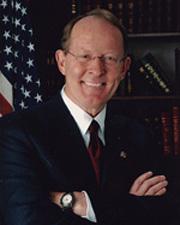
Mr. President, I am proud to cosponsor the Tobacco Market Transition Act of 2003, which is a vital piece of legislation to farmers in Tennessee and other tobacco producing States. As our citizens and…
Mr. President, I am proud to cosponsor the Tobacco Market Transition Act of 2003, which is a vital piece of legislation to farmers in Tennessee and other tobacco producing States. As our citizens and government respond to the dangers of cigarettes and tobacco, farmers and farm communities that have depended on this crop are contending with challenges greater than just the decrease in
demand. Tobacco growing quotas, the leasing of those quotas, and the Federal price support system have combined with decreasing demand to form the ``perfect storm'' to afflict tobacco farmers.
I grew up in east Tennessee, and small family tobacco farms were a part of the lifestyle and economic vitality in our region. Tobacco farmers are currently suffering because of government programs and declining demand for their crops. The number of tobacco farmers in Tennessee has decreased from more than 35,000 farms in 1980 to fewer than 15,000 today. Revenue from tobacco in Tennessee has declined by $25 million over the same period.
This bill will provide a short term bridge to tobacco growers and quota holders, and the communities in which they live. Tennesseans who own quotas will receive a fair transition away from lease income they have received. Growers will receive transition payments as well. The buyout would last over six years and mean roughly $2 billion to the family farmers, quota lease owners, and communities in Tennessee.
Tobacco farming will continue to be faced with challenges, but successful passage of this legislation will provide a safety net to farmers and their communities. I applaud the work of Senator McConnell on this important legislation and will work with him and our other cosponsors to provide the transition our tobacco farming communities desperately need.
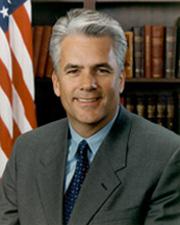
Mr. President, I ask unanimous consent that the Agriculture Committee be discharged from further consideration of S. 1499 and that the Senate proceed to its immediate consideration. Mr. President, I…
Mr. President, I ask unanimous consent that the Agriculture Committee be discharged from further consideration of S. 1499 and that the Senate proceed to its immediate consideration.
Mr. President, I ask unanimous consent that the bill be read three times and passed; that the motion to reconsider be laid upon the table; and that any statements relating to the bill be printed in the Record.
Show 1 more
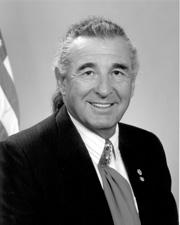
Mr. President, I ask unanimous consent that the text of the ``Bob Hope Arlington Honors Act of 2003,'' legislation authorizing the burial of Bob Hope at Arlington National Cemetery, be printed in the…
Mr. President, I ask unanimous consent that the text of the ``Bob Hope Arlington Honors Act of 2003,'' legislation authorizing the burial of Bob Hope at Arlington National Cemetery, be printed in the Congressional Record.
Bill Text
3 versions available
        [Congressional Bills 108th Congress]
[From the U.S. Government Publishing Office]
[S. 1499 Referred in House (RFH)]

1st Session
S. 1499

_______________________________________________________________________

IN THE HOUSE OF REPRESENTATIVES

November 25, 2003

Referred to the Committee on Agriculture

_______________________________________________________________________

AN ACT

To adjust the boundaries of Green Mountain National Forest.

Be it enacted by the Senate and House of Representatives of the
United States of America in Congress assembled,

SECTION 1. GREEN MOUNTAIN NATIONAL FOREST EXPANSION.

(a) In General.--The boundaries of the Green Mountain National
Forest are modified to include all parcels of land depicted on the
forest maps entitled ``Green Mountain Expansion Area Map I'' and
``Green Mountain Expansion Area Map II'', each dated February 20, 2002,
which shall be on file and available for public inspection in the
Office of the Chief of the Forest Service, Washington, District of
Columbia.
(b) Management.--Federally owned land delineated on the maps
acquired for National Forest purposes shall continue to be managed in
accordance with the laws (including regulations) applicable to the
National Forest System.
(c) Land and Water Conservation Fund.--For the purposes of section
7 of the Land and Water Conservation Fund Act of 1965 (16 U.S.C. 460l-
9), the boundaries of the Green Mountain National Forest, as adjusted
by this Act, shall be considered to be the boundaries of the national
forest as of January 1, 1965.

Passed the Senate November 24, 2003.

Attest:

EMILY J. REYNOLDS,

Secretary.