Native American Fish and Wildlife Resources Management Act of 2004
 Sen. Daniel K. Inouye (D-HI)
Legislative Activity
Stay on top of the latest movement without scrolling through every action
Committee on Indian Affairs. Ordered to be reported with an amendment in the nature of a substitute favorably.
July 21, 2004
View full timeline
Introduced in Senate
April 7, 2004
Sponsor introductory remarks on measure. (CR S3937)
April 7, 2004
Read twice and referred to the Committee on Indian Affairs. (text of measure as introduced: CR S3937-3944)
April 7, 2004
Committee on Indian Affairs. Hearings held. Hearings printed: S.Hrg. 108-563.
April 29, 2004
Committee on Indian Affairs. Ordered to be reported with an amendment in the nature of a substitute favorably.
July 21, 2004
Floor Debate
15 membersWhat members said about S. 2301 on the floor

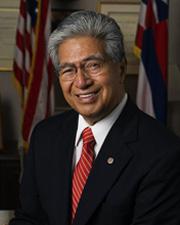
 +10
Floor Debate
15 membersWhat members said about S. 2301 on the floor
Mr. President, I am grateful for the distinguished majority leader's remarks and for the tremendous work he has done in helping to bring this bill to the floor at this time, without which I don't…
Madam President, during the last several years, I have been deeply concerned with the rise of antisemitism in countries throughout the world, including countries that have traditionally been among…
Mr. President, today I rise to join my good friend from Illinois, Senator Durbin, in reintroducing the Homeland Security Education Act. Our legislation would improve science, math, and foreign…
Mr. President, I am pleased to be joined today by a number of my colleagues representing southern and northern border States, including Senators Kyl, Dorgan, Schumer, Clinton, and Boxer in…
Mr. President, I rise today to introduce with my colleague, the chairman of the Judiciary Committee, Mr. Hatch, a bill relating to an issue I talked a lot on the floor about this morning and…
Show 8 more

Mr. President, senior citizens expected the Congress and the President to work together to provide prescription drug benefits under Medicare. Instead, Republicans in Congress and President Bush…

Mr. President, I ask unanimous consent that the Committee on Banking, Housing, and Urban Affairs be authorized to meet during the session of the Senate on Thursday, April 29, 2004, at 10 a.m., to…

Mr. President, today I am joined by Senator Brownback in introducing important legislation aimed at ensuring that our medically underserved communities have access to the doctors they need. This bill…

Mr. President, I rise today to introduce two joint resolutions to fight predatory mortgage lending. The resolutions would strike down the Office of the Comptroller of the Currency's recent…

Mr. President, today I rise to introduce an uncontroversial piece of legislation that I hope will receive prompt committee action and will make its way quickly to the President's desk for his…

Mr. President, I am honored to introduce a bill on behalf of Senator Frank Lautenberg and myself to authorize the renaming of the main post office in Fair Lawn, NJ as the Mary Ann Collura Post…
Mr. President, I would like to announce that the Committee on Indian Affairs will meet on Wednesday, April 28, 2004, at 10 a.m. in room 485 of the Russell Senate Office Building to conduct a hearing…
Mr. President, I rise to introduce a discussion draft bill that has been developed by Indian tribal governments to provide for the improvement of the management of Indian fish and wildlife resources…
Show 2 more

Mr. President, I announce that the Committee on Agriculture, Nutrition, and Forestry will conduct a hearing on May 6, 2004 in SD-106 at 10 a.m. The purpose of this hearing will be to discuss Biomass…

Mr. President, I ask unanimous consent that the text of the bill be printed in the Record.
Bill Text
Latest available legislative text
        [Congressional Bills 108th Congress]
[From the U.S. Government Publishing Office]
[S. 2301 Introduced in Senate (IS)]

108th CONGRESS
2d Session
S. 2301

To improve the management of Indian fish and wildlife and gathering
resources, and for other purposes.

_______________________________________________________________________

IN THE SENATE OF THE UNITED STATES

April 7, 2004

Mr. Inouye introduced the following bill; which was read twice and
referred to the Committee on Indian Affairs

_______________________________________________________________________

A BILL

To improve the management of Indian fish and wildlife and gathering
resources, and for other purposes.

Be it enacted by the Senate and House of Representatives of the
United States of America in Congress assembled,

SECTION 1. SHORT TITLE; TABLE OF CONTENTS.

(a) Short Title.--This Act may be cited as the ``Native American
Fish and Wildlife Resources Management Act of 2004''.
(b) Table of Contents.--The table of contents of this Act is as
follows:

TITLE I--GENERAL PROVISIONS

Sec. 101. Findings.
Sec. 102. Purposes.
Sec. 103. Definitions.
TITLE II--TRIBAL FISH AND WILDLIFE PROGRAMS

Sec. 201. Management of Tribal Fish and Wildlife Programs.
Sec. 202. Education in Tribal Fish and Wildlife Resource Management.
Sec. 203. Tribal Fish Hatchery Assistance Program.
TITLE III--ALASKA NATIVE FISH AND WILDLIFE PROGRAMS

Sec. 301. Management of Native Fish and Wildlife Programs in Alaska.
Sec. 302. Subsistence Resources and Management Planning.
Sec. 303. Alaska Native Seafood and Resource Marketing Assistance
Program.
TITLE IV--TRIBAL SEAFOOD AND RESOURCE MARKETING ASSISTANCE PROGRAM

Sec. 401. Establishment of Tribal Seafood and Resource Marketing
Assistance Program.
Sec. 402. Market Development Loan and Grants Program.
TITLE V--TRIBAL BUFFALO CONSERVATION AND MANAGEMENT [to be developed]

TITLE VI--MISCELLANEOUS PROVISIONS.

Sec. 601. Authorization of Appropriations.
Sec. 602. Regulations.
Sec. 603. Savings.
Sec. 604. Severability.

TITLE I--GENERAL PROVISIONS

SEC. 101. FINDINGS.

Congress finds that--
(1) the United States and Indian tribes have a government-
to-government relationship;
(2) Indian tribes exercise governmental authority over
their citizens and their lands, and retain all aspects of their
inherent sovereignty not explicitly ceded to the United States;
(3) the wise use and sustainable management of tribal fish
and wildlife resources has a direct effect on the economic
security and health and welfare of Indian tribes;
(4) Indian tribes retain the sovereign governmental
authority to exercise some aspects of civil jurisdiction over
non-members on their reservations, including the exercise of
some aspects of civil jurisdiction on non-trust lands;
(5) Federal canons of construction require that any
modification of a treaty must be expressly provided for by the
Congress;
(6) the United States has a trust responsibility to
protect, conserve, and manage tribal natural resources,
including fish and wildlife and gathering resources, consistent
with the rights reserved by Indian tribes as reflected in
treaties and other agreements with the United States, and
judicial decrees;
(7) the United States trust responsibility extends to all
Federal agencies and departments, and absent a clear expression
of Congressional intent to the contrary, the United States has
a duty to administer Federal fish and wildlife conservation
laws and resource management programs in a manner consistent
with its fiduciary obligation to honor and protect the rights
reserved by Indian tribes as reflected in treaties and other
agreements with the United States, and judicial decrees;
(8) Federal statutes and regulations affecting tribal fish
and wildlife resources and management activities shall be
interpreted in accordance with long-standing principles of
Federal-Indian law, statutes, and judicial decrees which inform
the relationship between Indian tribal governments and the
United States;
(9) the United States recognizes that fish and wildlife
resources located on tribal lands, in regional tribal resource
management areas, and in ceded territory in which hunting,
fishing, and gathering rights reserved by Indian tribes in
treaties and other agreements with the United States, and in
judicial decrees, continue to provide sustenance, cultural
enrichment, and economic stability for Indian tribes through
employment in resource management occupations;
(10) Indian tribal governments retain sovereign
governmental authority and jurisdiction to regulate hunting and
fishing activities on tribal lands as well as governmental
authority to regulate the hunting and fishing activities of
tribal citizens on lands outside of reservation boundaries;
(11) Indian tribal governments serve as co-managers of fish
and wildlife resources with governments of other tribes,
States, and the United States, sharing management
responsibilities for fish and wildlife resources pursuant to
treaties and agreements with the United States, statutes, and
judicial decrees;
(12) since time immemorial, Indian cultures, religious
beliefs and customs have centered around their relationships
with fish, wildlife, and gathering resources, and Indian people
have relied on these resources for food, shelter, clothing,
tools, and trade;
(13) Indian fish and wildlife resources are renewable and
manageable natural resources that are among the most valuable
tribal assets and which are vital to the well-being of Indian
people;
(14) Indian lands contain millions of acres of natural
lakes, woodlands, and impoundments, thousand of perennial
streams, and tens of millions of acres of wildlife habitat;
(15) Indian and Alaska Native fish and wildlife programs
contribute significantly to the conservation and enhancement of
fish, wildlife, and gathering resources, including those
resources which are classified as threatened or endangered;
(16) Federal, State, and tribal fish hatcheries produce
tens of millions of salmon, steelhead, walleye, and other fish
species annually, benefitting both Indian and non-Indian sport
and commercial fisheries in the United States and Canada, and
serving Indian subsistence and ceremonial needs;
(17) Indian reservations and Alaska Native communities
continue to suffer from the highest rates of unemployment in
the nation, and the current economic infrastructure and capital
base of many tribes and Native communities does not provide
adequate support to take advantage of economic opportunities;
(18) comprehensive and improvement management of Indian
fish and wildlife resources will yield greater economic
returns, enhance Indian self-determination, strengthen tribal
self-governance, promote employment opportunities, and improve
the social, cultural, and economic well-being of Indian and
neighboring communities;
(19) the United States has a responsibility to provide
assistance to Indian tribes to--
(A) enable integrated management and regulation of
hunting, fishing, trapping, and gathering activities on
tribal lands, including the protection, conservation,
and enhancement of resource populations and habitats
upon which the meaningful exercise of Indian rights
depend;
(B) develop integrated resource management plans,
cooperative management agreements, and regulations
addressing hunting, fishing, trapping, and gathering
activities on tribal lands, including the protection,
conservation, and enhancement of resource populations
and habitats upon which the meaningful exercise of
subsistence activities depend;
(C) maintain fish hatcheries and other facilities
and structures required for the prudent management,
enhancement, and mitigation of fish and wildlife
resources; and
(D) assist Indian tribal governments in developing
and enhancing economic opportunities associated with
the conservation and management of fish and wildlife
resources;
(20) the United States is committed to the goal of
supporting and enhancing tribal self-government, tribal self-
sufficiency, and the economic development of Native communities
as expressed through numerous Federal statutes; and
(21) while the existing network of Federal laws and
programs provide a framework for the protection and management
of Indian fish and wildlife resources, gathering resources, and
the operation and maintenance of Indian fish production
programs and facilities, an integrated and comprehensive
approach to these programs will help to ensure the coordination
of Federal agency activities with those of Indian tribal
governments as well as the efficiency and effectiveness of
Federal and tribal government programs.

SEC. 102. PURPOSES.

The purposes of this Act are--
(1) to reaffirm and protect Indian hunting, fishing,
trapping, and gathering rights, and to provide for the
conservation, prudent management, enhancement, orderly
development, and wise use of the resources upon which the
meaningful exercise of Indian tribal rights depend;
(2) to enhance and maximize tribal capability and capacity
to meaningfully participate in managing fish and wildlife
resources for the continuing benefit of Indian people, and in
co-managing shared resources for the benefit of the Nation, in
a manner consistent with the exercise of tribal hunting,
fishing, trapping, and gathering rights and the United States
trust responsibility to protect the rights reserved by Indian
tribes in treaties with the United States and tribal resources;
(3) to support the Federal policy of Indian self-
determination and tribal self-governance by authorizing and
encouraging government-to-government relations and cooperative
agreements amongst Federal, State, local, and tribal
governments, as well as international agencies and commissions
responsible for multijurisdictional decision-making regarding
fish and wildlife resources;
(4) to authorize and establish an Indian Fish Hatchery
Assistance Program that may be administered by Indian tribal
governments to address Indian hatchery needs and fulfill tribal
co-management responsibilities;
(5) to authorize and establish an Indian Fish and Wildlife
Resource Management Education Assistance and Cooperative
Research Unit Program to promote and develop full tribal
technical capability and competence in managing fish and
wildlife resource programs and to authorize the Secretary of
the Interior, the Secretary of Commerce, the Secretary of
Agriculture, and other Federal agencies to enter into
cooperative agreements with Indian tribal governments and
tribal organizations, colleges, universities, and nonprofit
organizations for the administration of tribal fish and
wildlife cooperative research units;
(6) to establish a buffalo conservation and management
program; and
(7) to authorize and establish an Indian Seafood and
Resource Marketing Assistance Program within the Department of
Commerce, to provide assistance to and support for the efforts
of tribal governments to develop and enhance domestic and
international markets for seafood, seafood products, and other
natural resources.

SEC. 103. DEFINITIONS.

For purposes of this Act--
(1) the term ``Bureau'' means the Bureau of Indian Affairs
within the U.S. Department of the Interior;
(2) the term ``ceded territory'' means land ceded by an
Indian tribe or tribes in a treaty with the United States upon
which the tribe or tribes retain hunting, fishing, and
gathering rights;
(3) the terms ``co-management'' or ``cooperative
management'' mean a process involving two or more governments
or governmentally-chartered entities jointly exercising their
respective jurisdiction over or responsibilities for the
management or use of a fish or wildlife resource during some
phase of the life cycle of that resource;
(4) the term ``cooperative agreement'' means a written
agreement entered into by two or more governments or parties
agreeing to work together to actively protect, conserve,
enhance, restore, or otherwise manage fish and wildlife
resources;
(5) the term ``Indian fish hatchery'' means any single-
purpose or multi-purpose facility in which the spawning,
hatching, rearing, holding, caring for, or stocking of fish
takes place including related research and diagnostic fish
health facilities, and which is--
(A) owned or operated by an Indian tribal
government, the Bureau of Indian Affairs, or the U.S.
Fish and Wildlife Service on Indian lands;
(B) owned or operated by any government agency
pursuant to Federal statute and has as one of its
purposes the mitigation, compensation, restoration, or
recovery of fish resources subject to reserved tribal
treaty rights and for which an Indian tribe has entered
into a cooperative agreement or for which an Indian
tribe has petitioned the administering agency to enter
into a cooperative agreement for the co-management of
fish resources;
(C) owned or operated by a State government or a
State institution of higher education, and for which an
Indian tribe or tribes have entered into a cooperative
management agreement;
(6) the term ``fish hatchery maintenance'' means work that
is required at periodic intervals to prolong the life of a fish
hatchery, hatchery components, and associated equipment, in
order to prevent the need for premature replacement or repair;
(7) the term ``fish hatchery rehabilitation'' means non-
cyclical work that is required to address the physical
deterioration and functional obsolescence of a fish hatchery
building, structure, or other facility component, or to repair
damage, or to repair damage resulting from aging, natural
phenomena, and other causes, including work to repair, modify,
or improve facility components to enhance their original
function, the application of technological advances, and the
replacement or acquisition of capital equipment, such as, among
others, fish distribution tanks, vehicles, and standby
generators;
(8) the term ``forest land management activity'' has the
same meaning given to such term in section 304(4) of the Indian
Forest Resources Management Act (25 U.S.C. 3103(4));
(9) the term ``Indian'' means a member of an Indian tribe
as defined in section 4 of the Indian Self-Determination and
Education Assistance Act (25 U.S.C. 450b(d));
(10) the term ``Indian fish and wildlife organization''
means a commission, authority, or other entity chartered by one
or more Indian tribal governments for the purpose of
representing or coordinating tribal interests in pursuing
resource management or rights protection goals and strategies;
(11) the term ``Indian fish and wildlife'' means any
species of animal or plant life for which Indians have a right
to fish, hunt, trap, or gather for subsistence, ceremonial,
recreational, or commercial purposes, or for which an Indian
tribal government has management or co-management
responsibilities;
(12) the term ``Indian lands'' means all land within the
limits of any Indian reservation which is held in trust by the
United States, a former Indian reservation in the State of
Oklahoma, dependent Indian communities within the borders of
the United States whether within or without the limits of a
State, and all Indian allotments for which there is a
restriction against alienation;
(13) the term ``Indian reservation'' means any reservation
of land for an Indian tribe established pursuant to treaties,
Acts of Congress or Executive Orders, public domain Indian
allotments, former Indian reservations in Oklahoma, and
dependent Indian communities within the borders of the United
States whether within or without the limits of a State;
(14) the term ``Indian tribe'' means an Indian tribe as
defined in section 4 of the Indian Self-Determination and
Education Assistance Act (25 U.S.C. 450b(e)), which is
recognized as eligible for the special programs and services
provided by the United States to Indians because of their
status as Indians;
(15) the term ``integrated resource management plan'' means
a plan developed pursuant to the process used by a tribal
government to assess resources and to identify comprehensive
management objectives including the quality of life, production
goals, and landscape descriptions of all designated resources
that may include, but are not limited to, water, fish,
wildlife, forestry, agriculture, minerals, recreation,
community, and municipal resources, and may include tribal
codes and plans related to such resources;
(16) the term ``regional resource management areas'' means
those areas in which an Indian tribal government as a right to
fish, hunt, gather, or trap for subsistence, ceremonial, or
commercial purposes, or in which an Indian tribal government
has management or co-management responsibilities;
(17) the term ``reserved rights'' means those rights and
authorities of an Indian tribal government retained by the
Indian tribe in treaties with the United States, including the
right to continue to harvest natural resources within ceded
lands and customary use areas and the access necessary to
exercise those rights;
(18) the term ``resource management activities'' means all
activities performed in managing tribal fish, wildlife,
gathering, and related outdoor recreation and resources,
including but not limited to--
(A) the conduct of fish and wildlife population and
life history investigations, habitat investigations,
habitat mitigation, enhancement, rehabilitation and
restoration projects and programs, harvest management,
and use studies;
(B) the development and implementation of surveys,
inventories, geographic information system programs,
and integrated resource management plans for Indian
lands, regional resource management areas or
traditional use areas;
(C) fish production and hatchery management;
(D) the development, implementation, and
enforcement of tribal fish and wildlife codes,
ordinances and regulations;
(E) the development of tribal conservation
programs, including employment and training of tribal
conservation enforcement officers;
(F) judicial services;
(G) public use and information management and
general administration; and
(H) participation in joint or cooperative
management of fish and wildlife resources on a regional
basis with Federal, State, tribal, local, or
international authorities;
(19) the term ``Secretary'' means the Secretary of the U.S.
Department of the Interior;
(20) The term ``seafood'' means any plant or animal that
may be gathered, collected, or harvested in marine or fresh
water;
(21) The term ``traditional use area'' means lands that
Indian tribes and their members have historically, culturally,
and geographically used for spiritual, social, political,
economic, and sustenance purposes;
(22) The term ``tribal co-management'' means the sharing of
decision-making, resource information, and management
responsibilities with one or more governments in local,
regional, national, and international fish and wildlife
resource management processes;
(23) The term ``tribal government'' means the governing
body of an Indian tribe; and
(24) The term ``tribal organization'' has the meaning given
to such term in section 4 of the Indian Self-Determination and
Educational Assistance Act (25 U.S.C. 450b), including tribal
fish and wildlife organizations.

TITLE II--TRIBAL FISH AND WILDLIFE PROGRAMS

tribal management of indian fish, wildlife, and gathering resources

SEC. 201. MANAGEMENT OBJECTIVES.

(a) Consistent with provisions of the Indian Self-Determination and
Educational Assistance Act (25 U.S.C. 450b et seq.), the Secretary
shall support tribal administration of Indian fish and wildlife
resource management activities to achieve the following objectives:
(1) To carry out the government-to-government relationship
between Indian tribal governments and the United States in the
management of Indian fish and wildlife resources.
(2) To protect Indian hunting, fishing, and gathering
rights reserved by Indian tribe in treaties with the United
States, or guaranteed to Indian tribes by the United States
through statute, Executive Order, or court decree.
(3) To provide for the development and enhancement of the
capacities of Indian tribal governments to manage Indian fish
and wildlife resources.
(4) To protect, conserve and enhance Indian fish and
wildlife resources that are important to the subsistence,
cultural enrichment, and economic development of Indian
communities.
(5) To promote the development and use of Indian fish and
wildlife resources for the maximum benefit of Indian people, by
managing tribal resources in accordance with tribally-developed
integrated resource management plans which provide for the
comprehensive management of all natural resources.
(6) To selectively develop and increase production of
certain fish and wildlife resources.
(7) To support the inclusion of tribal co-management or
cooperative activities in local, regional, national, or
international decision-making processes and forums.
(8) To develop and increase the production of fish,
wildlife, and gathering resources so as to better meet tribal
subsistence, ceremonial, recreational, and commercial needs.
(b) Management Program.--
(1) In order to achieve the objectives set forth in
subsection (a), the Secretary, in full consultation with Indian
tribal governments and tribal organizations, shall establish
the Tribal Fish and Wildlife Resource Management Program which
shall be administered consistent with the provisions of the
Indian Self-Determination and Educational Assistance Act (25
U.S.C. 450b et seq.).
(2) The Secretary shall promote tribal management of tribal
fish, wildlife, trapping, and gathering resources, and
implementation of this Act, through contracts, cooperative
agreements, or grants under the Indian Self-Determination and
Educational Assistance Act (25 U.S.C. 450b et seq.), or other
Federal laws.
(3) Upon the request of an Indian tribal government or
tribal organization, the Secretary shall enter into a contract,
cooperative agreement, or a grant under the Indian Self-
Determination and Educational Assistance Act with the tribal
government or tribal organization to plan, conduct, or
administer any program of the Department of the Interior, or
portion thereof, which affects tribal fish and wildlife
resources and which is currently administered by the Secretary
without regard to the agency or office of the Department of the
Interior or the organizational level within the Department.
(4) Upon the request of an Indian tribal government or
tribal organization, the Secretary shall enter into a
cooperative agreement with the tribal government or tribal
organization to address management issues affecting tribal fish
and wildlife resources.
(c) Management Activities.--Tribal fish and wildlife resource
management activities carried out under the program established in
subsection (b) may include, but shall not be limited to--
(1) the conduct of fish and wildlife population and life
history investigations, habitat investigations, habitat
mitigation, enhancement, rehabilitation and restoration
projects and programs, harvest management, and use studies;
(2) the development and implementation of integrated
resource management plans for tribal lands or regional resource
management areas, surveys, and inventories;
(3) fish production and hatchery management;
(4) the development, implementation, and enforcement of
tribal fish and wildlife codes, ordinances, and regulations;
(5) the development of tribal conservation programs,
including employment and training of tribal conservation
enforcement officers;
(6) judicial services;
(7) public use and information management and general
administration; and
(8) participation in joint or cooperative management of
fish and wildlife resources on a regional basis with Federal,
State, tribal, and local or international authorities.
(d) Survey and Report.--
(1) Upon the request of an Indian tribal government, the
Secretary shall cause to be conducted a survey for the
reservation of that tribal government, which shall include but
not be limited to--
(A) a review of existing tribal codes, ordinances,
and regulations governing the management of fish and
wildlife resources;
(B) an assessment of the need to update and revise
tribal codes, ordinances, and regulations governing
tribal fish and wildlife resource protection and use;
(C) a determination and documentation of the needs
for tribal conservation officers, tribal fisheries, and
wildlife biologists, and other professionals to
administer tribal fish and wildlife resources
management programs;
(D) an assessment of the need to provide training
to and develop curricula for tribal fish and wildlife
resource personnel, including tribal conservation
officers, tribal fisheries, and wildlife biologists,
and other professionals to administer tribal fish and
wildlife resource management programs;
(E) an assessment of the need for training of
Federal agency staff in matters pertaining to Federal-
tribal relations and the significance of fish and
wildlife to tribal communities;
(F) an assessment of the effects of Federal
resource management activities on tribal fish and
wildlife resources; and
(G) a determination and documentation of the
condition of tribal fish and wildlife resources.
(2) The Secretary is authorized to enter into contracts or
provide grants to Indian tribal governments or tribal
organizations under the authority of the Indian Self-
Determination and Educational Assistance Act for the purpose of
carrying out the survey.
(3) Within one year of the date of enactment of this Act,
the Secretary shall submit to the Congress a report on the
results of the survey conducted under the authority of
subsection (1) of this section.
(e) Tribal Fish and Wildlife Resource Management Plans.--
(1) In order to fulfill the management objectives set forth
in subsection (a), a tribal fish and wildlife resource
management plan shall be developed and implemented in the
following manner:
(A) pursuant to a self-determination contract or
self-governance compact under the authority of the
Indian Self-Determination and Education Assistance Act,
an Indian tribal government may develop or implement a
tribal fish and wildlife management plan.
(B) Subject to the provisions of subparagraph (C),
the tribal government shall have broad discretion in
designing and carrying out the planning process.
(C) If a tribal government elects not to contract
for the development or implementation of a tribal fish
and wildlife management plan, the Secretary shall
develop and implement the plan in consultation with the
affected tribal government.
(D) Whether developed directly by the tribal
government or by the Secretary, the plan shall--
(i) determine the condition of fish and
wildlife resources and habitat conditions;
(ii) identify specific tribal fish and
wildlife resources goals and objectives;
(iii) establish management objectives for
fish and wildlife resources;
(iv) define critical values of the tribal
government and its members and provide for
comprehensive management objectives;
(v) be developed through public meetings;
(vi) use the public meeting records,
existing survey documents, reports, and other
research from Federal agencies and tribal
colleges, State or community colleges, or other
tribal education or research institutions; and
(vii) be completed within three years of
the initiation of activity to establish the
plan.
(2) Tribal fish and wildlife management plans developed and
approved under this section shall govern the management and
administration of tribal fish and wildlife resources by the
Bureau of Indian Affairs and the Indian tribal government.
(f) Tribal Management in Regional Resource Management Areas.--
(1) Review.--To achieve the objectives set forth in section
210(a), the Secretary and the Secretaries of Commerce and
Agriculture shall review existing programs involving the multi-
jurisdictional management of fish, wildlife and gathering
resources in regional resource management areas, for the
purpose of determining the need for Indian representation,
program adequacy and staffing needs to appropriately represent
the interests of member tribes.
(2) Contracts or grants.--The Secretary is authorized to
enter into contracts or provide grants to Indian tribal
governments or tribal organizations under the authority of the
Indian Self-Determination and Educational Assistance Act for
the purpose of completing this review.
(3) Report.--Within one year of the date of enactment of
this Act, the Secretary, in consultation with the Secretaries
of Commerce and Agriculture, shall submit a report to the
Congress based upon the review conducted under subsection (1)
of this section assessing fish and wildlife program adequacy
and staff needs, and the condition of fish and wildlife
resources in regional resource management areas.
(g) Assistance.--The Secretary is authorized to provide financial
and technical assistance to enable Indian tribal governments to--
(1) update and revise tribal codes, ordinances, and
regulations governing tribal fish and wildlife resource
protection and use;
(2) employ tribal conservation officers, tribal fisheries
and wildlife biologists, and other professionals to administer
Indian fish and wildlife resource management programs;
(3) providing training for tribal fish and wildlife
resource personnel including tribal conservation officers under
a curriculum that incorporates law enforcement, fish and
wildlife conservation, identification and resource management
principles and techniques; and
(4) enable tribal governments and tribal conservation
agencies to enter into cooperative law enforcement agreements,
which may include provisions for additional training and cross-
deputization of tribal law enforcement staff, with local,
State, and Federal jurisdiction for the enforcement of laws and
regulations pertaining to fish and wildlife resources.
(h) Federal Activities.--
(1) Consultation and coordination.--In conducting
management activities under their respective authorities, the
Secretary, in coordination with the Secretaries of Commerce and
Agriculture, shall--
(A) consult with and seek the participation of
Indian tribal governments on matters affecting tribal
fish and wildlife resources in a manner consistent with
the United States trust responsibility and the
government-to-government relationship between Indian
tribal governments and the United States;
(B) ensure that Federal agency staff are adequately
trained in issues pertaining to impacts of agency
actions on tribal fish and wildlife resources;
(C) investigate opportunities for Indian tribal
governments to perform land management activities on
Federal land which affect tribal fish and wildlife
resources;
(D) develop a formal, written assessment of how
Federal resource management activities are affecting
tribal use of and access to tribal fish and wildlife
resources; and
(E) include rights reserved by tribal governments
in treaties with the United States in assessments of
environmental baselines.
(2) Protection of information.--Notwithstanding any other
provision of law, the Secretary shall not disclose, nor cause
the disclosure of any information conveyed to an agency under
the Secretary's administrative responsibilities pursuant to
this Act to any person, party, or entity, including other
Federal agencies, that is made available to the Secretary by an
Indian tribal government or a member of an Indian tribe and
which is--
(A) related to the administration of the United
States trust responsibility for Indian lands and
resources; and
(B) declared by the tribal government or individual
member of an Indian tribe to be culturally-sensitive,
proprietary, or in any manner confidential.
(3) Fees and access.--Upon the request of an Indian tribal
government, the Secretary and the Secretary of Agriculture are
authorized to--
(A) provide fish and wildlife resources to an
Indian tribal government from Federal lands
administered by agencies under their respective
administrative responsibility without permit or charge
to the Indian tribe having an historical relationship
to such lands, so long as--
(i) an agreement is entered into between
the Indian tribal government and the Secretary
or Secretary of Agriculture which contains
sufficient information and conditions regarding
the location, quantity, timing, and methods
associated with the provision of fish and
wildlife resources to ensure compatibility with
applicable agency management plans; and
(ii) the request does not adversely affect
the ability of the agency to carry out its
responsibilities under the applicable
management plan;
(B) provide access to Federal lands under their
respective administrative responsibility for tribal
traditional cultural or customary purposes without
permit or fee; and
(C) temporarily close to general public use, one or
more specific portions of Federal lands under their
respective administrative responsibility in order to
protect the privacy of the activities referenced in
subsection (B), provided that any such closure shall be
limited to the smallest practicable area for the
minimum period necessary in a manner consistent with
the purpose and intent of the American Indian Religious
Freedom Act (42 U.S. C. 1996).
(4) Effect on existing rights.--Nothing in this section
shall be construed to limit, modify, or amend existing rights
of any Indian tribal government under treaty, statute, or other
agreement to access and use fish and wildlife resources.

SEC. 202. EDUCATION IN TRIBAL FISH AND WILDLIFE RESOURCE MANAGEMENT.

(a) Cooperative Research and Training Program.--
(1) The Secretary, the Secretary of Agriculture, the
Secretary of Commerce, or other Federal agencies as
appropriate, are authorized to enter into cooperative
agreements with colleges and universities, tribal community
colleges, Indian tribal governments, and tribal organizations,
and with nonprofit organizations, for the establishment of
cooperative research and training units.
(2) In order to facilitate the full development of research
and training units and to support the educational objectives of
this title, the Secretary, and the Secretaries of Agriculture
and Commerce, as well as other Federal agencies, shall--
(A) assign appropriate scientific personnel to
serve at the cooperative unit, through the agreement of
the cooperating parties;
(B) apply Indian preference in hiring policies;
(C) provide financial assistance, including
reasonable compensation, for the work of researchers on
fish and wildlife ecology and resource management
projects funded under this Act or other authorizing
legislation;
(D) supply equipment for the use of cooperative
unit operations;
(E) provide for the incidental expenses of Federal
personnel and employees of cooperating tribal
governments and tribal organizations associated with
cooperative units; and
(F) integrate cooperative research unit programs
with the training and educational opportunities and
programs of Indian community colleges to the greatest
extent possible.
(b) Scholarship Program.--
(1) The Secretary is authorized to provide natural resource
management scholarships to Indians enrolled as full-time
students in accredited programs for post-secondary and graduate
natural resource management-related fields of study.
(2) A natural resource management scholarship recipient
shall be required to enter into an obligated service agreement
in which the recipient agrees to accept employment, following
the completion of the recipient's course of study, with an
Indian tribal government, a tribal organization, the Bureau of
Indian Affairs, or the U.S. Fish and Wildlife Service for one
year for each year the recipient receives scholarship
assistance.
(3) The Secretary shall not deny scholarship assistance
under this subsection solely on the basis of an applicant's
scholastic achievement if the applicant has been admitted to
and remains in good standing in an accredited post-secondary or
graduate institution.
(c) Fish and Wildlife Education Outreach.--The Secretary shall
conduct, with the full and active participation of Indian tribal
governments, a natural resource education outreach program to explain
and stimulate interest in all aspects of tribal natural resource
management and to generate interest in natural resource management
careers, such as fisheries or wildlife biologists or in natural
resource management.
(d) Postgraduate Recruitment.--The Secretary shall establish and
maintain a program to attract professional Indian fish and wildlife
biologists, as well as professionals in other natural resource
management fields, who have graduated from post-secondary institutions
or graduate schools for employment by Indian tribal governments, tribal
organizations, the Bureau of Indian Affairs, or the U.S. Fish and
Wildlife Service, in exchange for the Secretary's assumption of all or
a portion of the professional's outstanding educational loans,
depending upon the period of employment.
(e) Fish and Wildlife Biologist Intern Program.--
(1) The Secretary shall, with the full and active
participation of Indian tribal governments, establish a Fish
and Wildlife Resources Intern Program for at least 20 Indian
fish and wildlife resources intern positions.
(A) Intern positions shall be in addition to the
forester intern positions authorized in section 314(a)
of the National Indian Forest Resources Management Act
(25 U.S.C. 3113(a)).
(B) Individuals selected to participate in the
intern program shall be enrolled full-time in approved
post-secondary institutions or graduate schools in
curricula leading to advanced degrees in
natural resource management-related fields.
(C) The Secretary shall pay all costs of tuition,
books, fees, and living expenses incurred by Indian
interns in natural resource management programs while
attending approved study programs.
(D) An Indian fish and wildlife resources intern
shall be required to enter into an obligated service
agreement to serve in a professional fish or wildlife
resources management-related capacity with an Indian
tribal government, a tribal organization, the Bureau of
Indian Affairs, or a U.S. Fish and Wildlife Service
program serving tribal fish and wildlife resources
management objectives, for one year for each year of
education for which the Secretary assumes the intern's
educational costs under subsection (2).
(E) An Indian fish and wildlife resources intern
shall be required to report for service to the
employing entity during any break in the intern's
course of study of more than 3 weeks duration. Time
spent in such service shall be counted toward
satisfaction of the intern's obligated service.
(f) Cooperative Education Program.--
(1) The Secretary shall maintain a cooperative education
program for the purpose of recruiting promising Indian students
who are enrolled in secondary schools, tribal colleges,
community colleges, and other post-secondary institutions or
graduate schools for employment as professional fisheries or
wildlife biologists or other resource management related
professional positions with an Indian tribal government, a
tribal organization, the Bureau of Indian Affairs, or with the
U.S. Fish and Wildlife Service serving or benefitting Indian
lands.
(2) The Secretary shall pay all costs for tuition, books,
and fees of an Indian student who is enrolled in a course of
study at an educational institution with which the Secretary
has entered into a cooperative agreement, and who is interested
in pursuing a career with an Indian tribal government, tribal
organization, the Bureau of Indian Affairs, or the U.S. Fish
and Wildlife Service serving or benefitting Indian lands.
(3) Financial need shall not be a requirement to receive
assistance under the program authorized in paragraph (1).
(4) A recipient of assistance under the program authorized
in paragraph (1) shall be required to enter into an obligated
service agreement to serve as professional fish or wildlife
biologist or other resource management related professional
with an Indian tribal government, a tribal organization, the
Bureau of Indian Affairs, or the U.S. Fish and Wildlife
Service, for one year for each year that the Secretary assumes
the recipient's educational costs pursuant to paragraph (2).
(g) Public Education Regarding Tribal Fish and Wildlife
Resources.--
(1) The Secretary is authorized to establish within the
Secretary's office the position of Tribal Education Coordinator
to--
(A) enhance communications between Indian tribal
governments and the United States relating to the
management of tribal fish and wildlife resources or the
role of tribal governments in the co-management of fish
and wildlife resources; and
(B) implement a program to educate the public about
the sovereign status of Indian tribal governments and
the rights reserved by tribal governments in treaties
with the United States, as well as the benefits of
constructive relations among tribal governments, State,
and local governments, and Federal agencies;
(2) The responsibilities and duties of the Tribal Education
Coordinator shall include--
(A) the development of an educational program for
local and State governments and Federal agencies
regarding the United States obligations to support and
implement treaties, statutes, executive orders and
court decrees related to the management of fish and
wildlife resources;
(B) encouraging Federal agencies and State
governments to establish and pursue cooperative and
collaborative government-to-government relationships
with Indian tribal governments in the management of
natural resources; and
(C) providing reports to the Committee on Indian
Affairs of the U.S. Senate and the Committee on
Resources of the U.S. House of Representatives by
September 30th of each year on the progress of the
Tribal Education Coordinator in carrying out these
activities.
(h) Adequacy of Programs.--The Secretary shall provide
administrative oversight of the programs described in this section
until a sufficient number of Indian personnel are available to
administer tribal fish and wildlife resource management programs on
tribal lands and resource management areas.
(i) Obligated Service; Breach of Contract.--
(1) Obligated service.--Where an individual enters into an
agreement for obligated service in return for financial
assistance under any provision of this section, the Secretary
shall promulgate such regulations as are necessary to provide
for an offer of employment to the recipient of such assistance
as required by such provision. Where an offer of employment is
not reasonably made, the regulations shall provide that such
service shall no longer be required.
(2) Breach of contract.--Where an individual fails to
accept a reasonable offer of employment in fulfillment of such
obligated service or unreasonably terminates or fails to
perform the duties of such employment, the Secretary shall
require a repayment of the financial assistance provided to the
individual by the Secretary, pro rated for the amount of time
of obligated service that was performed, together with interest
on such amount which would be payable if at the time the
amounts were paid, they were loans bearing interest at the
maximum legal prevailing rate, as determined by the Secretary
of the Treasury.

SEC. 203. TRIBAL FISH HATCHERY ASSISTANCE PROGRAM.

(a) Program.--The Secretary, in consultation with the Secretary of
Commerce, and with the full and active participation of Indian tribal
governments, shall establish and administer a Tribal Fish Hatchery
Assistance program for the production and distribution of fish of the
species, strain, number, size, and quality to assist Indian tribal
governments to develop tribal hatcheries and enhance fshery resources
on tribal lands to meet tribal resource needs, including but not
limited to tribal subsistence, ceremonial and commercial fishery needs.
(b) Report.--Within one year of the date of enactment of this Act,
the Secretary, in consultation with the Secretary of Commerce, and with
the full and active participation of Indian tribal governments, shall
submit a report to the Congress which shall--
(1) identify the facilities that comprise the Tribal Fish
Hatchery Program;
(2) the maintenance, rehabilitation, and the construction
needs of such facilities;
(3) identify criteria and procedures to be used in
evaluating and ranking fish hatchery maintenance and
rehabilitation project proposals submitted by Indian tribal
governments; and
(4) provide a plan for the administration and cost-
effective operation of the Tribal Fish Hatchery Assistance
Program.
(c) Contracts.--The Secretary, and the Secretary of Commerce, are
authorized to enter into a contract or annual funding agreement under
the authority of the Indian Self-Determination and Educational
Assistance Act with an Indian tribal government to plan, conduct, and
administer the Tribal Fish Hatchery Program, or any portion of the
Program.
(d) Fish Hatchery Operating Agreements.--Upon the petition of
an Indian tribal government or a tribal organization seeking to co-
manage a facility or complex of facilities, the Secretary, and the
Secretary of Commerce, are authorized to enter into agreements with
entities owning or operating hatcheries defined under section 103(5)(B)
of this Act and an Indian tribal government or tribal organization
which provides for the manner in which each hatchery facility is to be
operated so as to mitigate or recover tribal fish resources subject to
rights reserved by the tribal government in treaties with the United
States.

TITLE III--ALASKA NATIVE FISH AND WILDLIFE PROGRAMS

SEC. 301. DEFINITIONS.

For purposes of this title--
(1) the term ``Alaska Native'' means a citizen of the
United States who is a person of one-fourth degree or more
Alaska Indian (including Tsimshian Indians not enrolled in the
Metlakatla Indian Community) Eskimo, or Aleut blood, or
combination thereof, including, in the absence of proof of a
minimum blood quantum, any citizen of the United States who is
regarded as an Alaska Native by the Native village or Native
group of which he claims to be a member and whose father or
mother is, or, if deceased, was regarded as an Alaska Native by
any village or group, as defined in section 1602(b) of the
Alaska Native Claims Settlement Act;
(2) the term ``Native village'' means ``any tribe, band,
clan, group, village, community, or association in the State of
Alaska listed in sections 1610 and 1615 of this title, and
which the Secretary determines was, on the 1970 census
enumeration date, composed of twenty-five or more Natives'' as
defined in section 1602(c) of the Alaska Native Claims
Settlement Act;
(3) the term ``Regional Corporation'' means an Alaska
Native Regional Corporation established under the laws of the
State of Alaska as defined in section 1602(g) of the Alaska
Native Claims Settlement Act;
(4) the term ``Village Corporation'' means an Alaska Native
Village Corporation organized under the laws of the State of
Alaska as a business for profit or non-profit corporation to
hold, invest, manage, and/or distribute lands, property, funds,
and other rights and assets for and in behalf of a Native
Village as defined in section 1602(j) of the Alaska Native
Claims Settlement Act; and
(5) the term ``Alaska Native fish and wildlife
organization'' means a commission, authority or other entity
chartered for the primary purpose of assisting in the
development of tribal natural resource management capacity and
technical capabilities.

SEC. 302. MANAGEMENT OF ALASKA NATIVE TRIBAL GOVERNMENT INDIAN FISH AND
WILDLIFE RESOURCE MANAGEMENT PROGRAMS IN ALASKA.

(a) Management Objectives.--Consistent with provisions of the
Indian Self-Determination and Educational Assistance Act (25 U.S.C.
450b et seq.), the Secretary shall support tribal administration of
Indian fish and wildlife resource management activities to achieve the
following objectives:
(1) To carry out the government-to-government relationship
between Indian tribal governments and the United States in the
management of Indian fish and wildlife resources.
(2) To provide for the development and enhancement of the
capacity of Indian tribal governments to participate in
management of Indian fish and wildlife resources.
(3) To protect, conserve and enhance Indian fish and
wildlife resources.
(4) To promote the development and use of Indian fish and
wildlife resources for the maximum benefit of Alaska Native
people, by managing Indian fish and wildlife resources in
accordance with tribally-developed integrated resource
management plans which provide for the cooperative management
of all natural resources within tribal lands.
(5) To selectively develop and increase production of
certain Indian fish and wildlife resources.
(6) To support the inclusion of Alaska Native tribal co-
management or cooperative activities in local, regional, State,
national, or international decision-making processes and
forums.
(7) To develop and increase the production of fish,
wildlife and gathering resources so as to better meet Alaska
Native subsistence, ceremonial, recreational and commercial
needs.
(b) Management Program.--
(1) In order to achieve the objectives set forth in
subsection (a), the Secretary, in full consultation with Indian
tribal governments and Alaska Native fish and wildlife
organizations, shall establish the Alaska Native Fish and
Wildlife Resource Management Program which shall be
administered consistent with the provisions of the Indian Self-
Determination and Educational Assistance Act (25 U.S.C. 450b et
seq.).
(2) The Secretary shall promote meaningful Indian tribal
government involvement in the management of Indian fish and
wildlife resources, and implementation of this Act, through
contracts, compacts, cooperative agreements, or grants under
the Indian Self-Determination and Educational Assistance act
(25 U.S.C. 450b et seq.), or other Federal laws.
(3) Upon the request of an Indian tribal government or
Alaska Native fish and wildlife organization, the Secretary
shall enter into a contract, compact, cooperative agreement, or
a grant under the Indian Self-Determination and Educational
Assistance Act with the Indian tribal government or Alaska
Native fish and wildlife organization to plan, conduct, or
administer any program of the Department of the Interior, or
portion thereof, which affects Indian fish and wildlife
resources, and which is currently administered by the Secretary
without regard to the agency or office of the Department of the
Interior or the organizational level within the Department.
(4) Upon the request of an Indian tribal government or
Alaska Native fish and wildlife organization, the Secretary
shall enter into a cooperative agreement with the tribal
government or Alaska Native fish and wildlife organization to
address management issues affecting Indian fish and wildlife
resources.
(c) Management Activities.--Indian fish and wildlife resource
management activities carried out under the program established in
subsection (b) may include, but shall not be limited to:
(1) the conduct of fish and wildlife population and life
history investigations, habitat investigations, habitat
mitigation, enhancement, rehabilitation and restoration
projects and programs, harvest management, and use studies;
(2) the development and implementation of integrated
resource management plans for tribal lands or traditional use
areas;
(3) fish and other aquatic species production and hatchery
management;
(4) the development, implementation, and enforcement of
Indian tribal government fish and wildlife codes, ordinances,
and regulations;
(5) the development of Indian tribal government
conservation programs, including employment and training of
tribal conservation enforcement officers;
(6) judicial services;
(7) public use and information management and general
administration; and
(8) participation in joint or cooperative management of
fish and wildlife resources on a regional basis with Federal,
State, tribal, and local or international authorities.
(d) Survey and Report.--
(1) Upon the request of an Indian tribal government, the
Secretary shall cause to be conducted a survey of the
traditional use area of that tribal government, which shall
include but not be limited to:
(A) a review of existing Indian tribal government
codes, ordinances, and regulations governing their
members and others in relation to the management of
Indian fish and wildlife resources;
(B) an assessment of the need to update and revise
Indian tribal government codes, ordinances, and
regulations governing Indian fish and wildlife resource
protection and use;
(C) a determination and documentation of the needs
for tribal conservation officers, tribal fisheries and
wildlife biologists, tribal fisheries and wildlife
technicians, and other professionals to administer and
implement Indian fish and wildlife resources management
programs;
(D) an assessment of the need to provide training
to and develop curricula for tribal fish and wildlife
resource personnel, including tribal conservation
officers, tribal fisheries and wildlife biologists,
tribal fisheries and wildlife technicians, and other
professionals to administer and implement tribal fish
and wildlife resource management programs. Such
curricula shall include the incorporation of
traditional ecological knowledge as well as the
traditional;
(E) an assessment of the need for training of
Federal agency staff in matters pertaining to the
relations between the United States and Indian tribes
and the significance of Indian fish and wildlife to
Native villages;
(F) an assessment of the effects of Federal and
State resource management activities on Indian fish,
and wildlife resources; and
(G) a determination and documentation of the
condition of those Indian fish and wildlife resources.
(2) The Secretary is authorized to enter into contracts,
compacts, or provide grants to Indian tribal governments or
Alaska Native fish and wildlife organizations under the
authority of the Indian Self-Determination and Educational
Assistance Act for the purpose of carrying out the survey.
(3) Within one year of the date of enactment of this Act,
the Secretary shall submit to the Congress a report on the
results of the survey conducted under the authority of
subsection (1) of this section.
(e) Indian Fish and Wildlife Resource Management Plans.--
(1) In order to fulfill the management objectives set forth
in subsection (a), an Indian fish and wildlife resource
management plan shall be developed and implemented in the
following manner:
(A) Pursuant to a self-determination contract or
self-governance compact under the authority of the
Indian Self-Determination and Education Assistance Act,
an Indian tribal government or an Alaska Native fish
and wildlife organization may develop or implement an
Indian fish and wildlife management plan.
(B) Subject to the provisions of subparagraph (C),
the Indian tribal government shall have broad
discretion in designing and carrying out the planning
process.
(C) If an Indian tribal government elects not to
contract for the development or implementation of a
tribal fish and wildlife management plan, the Secretary
shall develop and implement the plan in consultation
with the affected tribal government.
(D) Whether developed directly by the tribal
government or by the Secretary, the plan shall--
(i) determine the condition of Indian fish
and wildlife resources and habitat conditions;
(ii) identify specific Indian fish and
wildlife resources goals and objectives;
(iii) establish cooperative management
objectives for Indian fish and wildlife
resources;
(iv) define critical values of the Indian
tribal government and its members and provide
for comprehensive management objectives;
(v) be developed through a public meeting
process;
(vi) apply the public meeting records,
existing survey documents, reports, and other
research from Federal and State agencies,
community colleges, or other education or
research institutions; and
(vii) be completed within three years of
the initiation of activity to establish the
plan.
(2) An Indian fish and wildlife management plan developed
and approved under this section shall govern the management and
administration of Indian fish and wildlife resources by the
Bureau of Indian Affairs and the tribal government.
(f) Tribal Management in Traditional Use Areas.--
(1) Review.--To achieve the objectives set forth in section
302(a), the Secretary and the Secretaries of Commerce and
Agriculture shall review existing programs involving the
management of Indian fish and wildlife resources in the
traditional use areas of Indian tribal governments, for the
purpose of determining the need for the meaningful involvement
of tribal governments, program adequacy, and staffing needs to
appropriately represent the interests of tribal governments.
(2) Contracts or grants.--The Secretary is authorized to
enter into contracts, compacts, or provide grants to Indian
tribal governments or Alaska Native fish and wildlife
organizations under the authority of the Indian Self-
Determination and Educational Assistance Act for the purpose of
completing this review.
(3) Report.--Within one year of the date of enactment of
this Act, the Secretary, in consultation with the Secretaries
of Commerce and Agriculture, shall submit a report to the
Congress based upon the review conducted under subsection (1)
of this section assessing fish and wildlife program adequacy
and staff needs, and the condition of Indian fish and wildlife
resources in the traditional use areas of tribal governments.
(g) Assistance.--The Secretary is authorized to provide financial
and technical assistance to enable Indian tribal governments to--
(1) update and revise tribal government codes, ordinances,
and regulations governing Indian fish and wildlife resource
protection and use;
(2) employ tribal conservation officers, tribal fisheries
and wildlife biologists, tribal fish and wildlife technicians,
and other professionals to administer and implement Indian fish
and wildlife resource management programs;
(3) provide training for tribal fish and wildlife resource
personnel including tribal conservation officers under a
curriculum that incorporates law enforcement, fish and wildlife
conservation, identification and resource management principles
and techniques. Such curricula shall also include the
incorporation of traditional ecological knowledge as well as
the traditional management strategies and techniques of Alaska
Native people; and
(4) enable tribal governments and Alaska Native fish and
wildlife organizations to enter into cooperative law
enforcement agreements, which may include provisions for
additional training and cross-deputization of tribal law
enforcement staff, with local, State and Federal jurisdiction
for the enforcement of laws and regulations pertaining to
Indian fish and wildlife resources.
(h) Federal Activities.--
(1) Consultation and coordination.--In conducting
management activities under their respective authorities, the
Secretary, in coordination with the Secretaries of Commerce and
Agriculture, shall--
(A) consult with and seek the participation of
Indian tribal governments on all matters affecting
Indian fish and wildlife resources in a manner
consistent with the United States trust responsibility,
(B) ensure that Federal agency staff are adequately
trained in issues pertaining to impacts of agency
actions on Indian fish and wildlife resources;
(C) investigate opportunities for Indian tribal
governments to perform cooperative land management
activities on Federal and other lands that affect
Indian fish and wildlife resources; and
(D) develop a formal, written assessment of how
Federal resource management activities are affecting
tribal use of and access to Indian fish and wildlife
resources and the traditional use areas of Indian
tribal governments.
(2) Protection of information.--Notwithstanding any other
provision of law, the Secretary shall not disclose, nor cause
the disclosure of any information conveyed to an agency under
the Secretary's administrative responsibilities pursuant to
this Act to any person, party, or entity, including other
Federal agencies, that is made available to the Secretary by an
Indian tribal government or a member of an Indian tribe and
which is--
(A) related to the administration of the United
States trust responsibility for Indian lands and
resources; and
(B) declared by the tribal government or individual
member of an Indian tribe to be culturally-sensitive,
proprietary, or in any manner confidential.
(3) Fees and access.--Upon the request of an Indian tribal
government, the Secretary and the Secretary of Agriculture are
authorized to--
(A) provide fish and wildlife resources to an
Indian tribal government from Federal lands
administered by agencies under their respective
administrative responsibility without permit or charge
to the Indian tribe having an historical, cultural, or
geographical relationship to such lands, so long as--
(i) an agreement is entered into between
the Indian tribal government and the Secretary
or Secretary of Agriculture which contains
sufficient information and conditions regarding
the location, quantity, timing, and methods
associated with the provision of Indian fish
and wildlife resources to ensure compatibility
with applicable agency management plans; and
(ii) the request does not adversely affect
the ability of the agency to carry out its
responsibilities under the applicable
management plan;
(B) provide access to Federal lands under their
respective administrative responsibility for tribal
traditional cultural or customary purposes without
permit or fee; and
(C) temporarily close to general public use, one or
more specific portions of Federal lands under their
respective administrative responsibility in order to
protect the privacy of the activities referenced in
subsection (B), provided that any such closure shall be
limited to the smallest practicable area for the
minimum period necessary in a manner consistent with
the purpose and intent of the American Indian Religious
Freedom Act (42 U.S.C. 1996).
(4) Effect on existing rights.--Nothing in this section
shall be construed to limit, modify, or amend existing rights
of any Indian tribal government under statute or other
agreement to access and use Indian fish and wildlife resources.

SEC. 303. ALASKA NATIVE TRIBAL GOVERNMENT SEAFOOD AND RESOURCE
MARKETING ASSISTANCE PROGRAM.

(a) The Secretary of Commerce shall establish an Alaska Native
Seafood and Resource Marketing Assistance Program to enable
participating Indian tribal governments and Alaska Native fish and
wildlife organizations to develop the necessary infrastructure and
marketing systems to effectively promote their products domestically
and internationally.
(b) Within one year of the date of enactment of this Act, working
with participating Indian tribal governments, the Secretary of Commerce
shall develop and submit a report to the Committee on Indian Affairs of
the U.S. Senate and the Committee on Resources of the U.S. House of
Representatives, that contains recommendations for legislation to
provide subsidies and other Federal support, permissive taxing and
coordinated training, promotions, and Alaska Native Tribal product
labeling as well as other initiatives, that hold the potential to
significantly enhance the ability of tribal governments to assure that
fair and equitable prices are associated with seafood, bison, reindeer,
muskox, yak, and other produced and harvested natural resources related
products.
(c) Within one year of the date of enactment of this Act, the U.S.
Food and Drug Administration, in consultation with Indian tribal
governments, shall prepare a report to the Committee on Indian Affairs
of the U.S. Senate and the Committee on Resources of the U.S. House of
Representatives, that contains recommendations for legislation that
would enable Indian tribal governments to be recognized as competent
processing authorities as well as recommendations for the provision of
technical assistance to tribal enterprises so as to ensure that
seafood, buffalo, reindeer, muskox, yak, and other harvested natural
resource products are safe for consumption.

TITLE IV--TRIBAL SEAFOOD AND RESOURCE MARKETING ASSISTANCE PROGRAM

SEC. 401. ESTABLISHMENT.

(a) The Secretary of Commerce shall establish a Tribal Seafood and
Resource Marketing Assistance Program to enable participating Indian
tribal governments and tribal organizations to develop the necessary
infrastructure and marketing systems to effectively promote their
products domestically and internationally.
(b) Within one year of the date of enactment of this Act, working
with participating Indian tribal governments, the Secretary of Commerce
shall develop and submit a report to the Committee on Indian Affairs of
the U.S. Senate and the Committee on Resources of the U.S. House of
Representatives, that contains recommendations for legislation to
provide subsidies and other Federal support, permissive taxing and
coordinated training and promotions, as well as other initiatives, that
hold the potential to significantly enhance the ability of tribal
governments to assure that fair and equitable prices are associated
with harvested natural resources and seafood products.
(c) Within one year of the date of enactment of this Act, the U.S.
Food and Drug Administration, in consultation with Indian tribal
governments, shall prepare a report to the Committee on Indian Affairs
of the U.S. Senate and the Committee on Resources of the U.S. House of
Representatives, that contains recommendations for legislation that
would enable Indian tribal governments to be recognized as competent
processing authorities as well as recommendations for the provision of
technical assistance to tribal enterprises so as to ensure that seafood
and other harvested natural resource products are safe for consumption.
(d) Health Issues. [to be developed]

SEC. 402. MARKETING DEVELOPMENT GRANTS AND LOAN PROGRAM. [TO BE
DEVELOPED]

(a) Grants for Market Research and Pilot Programs.
(b) Loans for Infrastructure Development.

TITLE V--TRIBAL BISON CONSERVATION AND MANAGEMENT [to be developed]

TITLE VI--MISCELLANEOUS PROVISIONS

SEC. 601. REGULATIONS.

Except as otherwise provided by this Act, the Secretary shall
promulgate final regulations for the implementation of this Act within
18 months of the date of enactment of this Act with the full and active
participation of Indian tribal governments.

SEC. 602. SEVERABILITY.

If any section or provision of this Act is held invalid, it is the
intent of the Congress that the remaining sections or provisions shall
continue in full force and effect.

SEC. 603. SAVINGS.

(a) Nothing in this Act shall be construed to--
(1) diminish or expand the United States trust
responsibility for tribal fish and wildlife resources, or any
legal obligation or remedy arising out of the United States
trust responsibility;
(2) alter, abridge, repeal, or affect any valid, existing
agreement between an agency of the United States and an Indian
tribal government;
(3) alter, abridge, diminish, repeal, or affect the
reserved rights of any Indian tribal government established by
treaty, executive order, or other applicable laws or court
decrees.

TITLE VII--AUTHORIZATION OF APPROPRIATIONS

There are authorized to be appropriated such sums as may be
necessary to carry out the purposes of this Act.

<all>