Critical Access to Clinical Lab Services Act of 2004
Legislative Activity
Stay on top of the latest movement without scrolling through every action
Read twice and referred to the Committee on Finance.
May 17, 2004
View full timeline
Introduced in Senate
May 17, 2004
Sponsor introductory remarks on measure. (CR S5536)
May 17, 2004
Read twice and referred to the Committee on Finance.
May 17, 2004
Floor Debate
3 membersWhat members said about S. 2426 on the floor
 RDFBN
RDFBN CJD
CJD
Floor Debate
3 membersWhat members said about S. 2426 on the floor
Mr. President, today I am introducing legislation that will enhance and strengthen transition services that are provided to our military personnel. This past weekend, people around our country…
Mr. President, today I am introducing legislation that will enhance and strengthen transition services that are provided to our military personnel.
This past weekend, people around our country honored our military personnel by marking Armed Forces Day. That day was even more poignant this year as we recognize the service and sacrifice of the thousands of brave men and women who are currently in harm's way in Iraq, Afghanistan, and elsewhere around the globe. These men and women serve with distinction and honor, and we owe them our heartfelt gratitude.
We also owe them our best effort to ensure that they receive the benefits to which their service in our Armed Forces has entitled them. I have heard time and again from military personnel and veterans who are frustrated with the system by which they apply for benefits or appeal claims for benefits. I have long been concerned that tens of thousands of our veterans are unaware of Federal health care and other benefits for which they may be eligible, and I have undertaken numerous legislative and oversight efforts to ensure that the Department of Veterans Affairs makes outreach to our veterans and their families a priority. Our brave veterans have earned these benefits, and VA outreach regarding health care and other benefits is especially important as we welcome home a new generation of veterans who are serving in Iraq and in the fight against terrorism. Our veterans and their families have made great personal sacrifices to protect our freedoms. We owe them a great debt of gratitude. Making sure that our veterans know about the benefits that they have earned is an important first step in starting to repay this debt.
While we should do more to support our veterans, we must also ensure that the men and women who are currently serving in our Armed Forces receive adequate pay and benefits, as well as services that help them to make the transition from active duty to civilian life. I am concerned that we are not doing enough to support our men and women in uniform as they prepare to retire or otherwise separate from the service or, in the case of members of our National Guard and Reserve, to demobilize from active duty assignments and return to their civilian lives while staying in the military or preparing to separate from the military. We must ensure that their service and sacrifice, which is much lauded during times of conflict, is not forgotten once the battles have ended and our troops have come home.
My bill, the Veterans Enhanced Transition Services Act (VETS Act), will help to ensure that all military personnel have access to the same transition services as they prepare to leave the military to reenter civilian life, or, in the case of members of the National Guard and Reserve, as they prepare to demobilize from active duty assignments and return to their civilian lives and jobs or education while remaining in the military.
I have heard from a number of Wisconsinites and military and veterans service organizations that our men and women in uniform do not all have access to the same transition counseling and medical services as they are demobilizing from service in Iraq, Afghanistan, and elsewhere. I have long been concerned about reports of uneven provision of services from base to base and from service to service. All of our men and women in uniform have pledged to serve our country, and all of them, at the very least, deserve to have access to the same services in return.
My bill will help to ensure that all military personnel receive the same services by making a number of improvements to the existing Transition Assistance Program/Disabled Transition Assistance Program (TAP/DTAP) and to the Benefits Delivery at Discharge program, by improving the process by which military personnel who are being demobilized or discharged receive medical examinations and mental health assessments, and by ensuring that military and veterans service organizations and state departments of veterans affairs are able to play an active role in assisting military personnel with the difficult decisions that are often involved in the process of discharging or demobilizing.
Under current law, the Department of Defense, together with the Departments of Veterans Affairs (VA) and Labor, provide pre-separation counseling for military personnel who are preparing to leave the service. This counseling provides service members with valuable information about benefits that they have earned through their service to our country such as education benefits through the GI Bill and health care and other benefits through the VA. Personnel also learn about programs such as Troops to Teachers and have access to employment assistance for themselves and, where appropriate, their spouses.
My bill would ensure that members of demobilizing National Guard and Reserve personnel are able to participate in this important counseling prior to being demobilized. In addition, my bill would require state- based follow-up within 180 of demobilization to give demobilized personnel the opportunity to follow up on any questions or concerns that they may have during a regular unit training period. Currently, most of the responsibility for getting information about benefits and programs falls on the military personnel. The Department of Defense should make every effort to ensure that all members participate in this important program, and that is what my bill would do.
My bill would help to improve the uniformity of services provided to personnel by directing the Secretary of Defense to ensure that consistent Transition Assistance Program/Disabled Transition Assistance Program briefings occur across the services and at all demobilization/ discharge locations and to ensure that there are programs that are directed to the specific needs of active duty and National Guard and Reserve personnel as appropriate. It also includes a provision to ensure that personnel who are on the temporary disability retired list and who are being retired or discharged
from alternate locations will have access to transition services at a location that is reasonably convenient to them.
In addition, my bill would enhance the information that is presented to members by requiring that pre-separation counseling include the provision of information regarding certification and licensing requirements in civilian occupations and information on identifying military occupations that have civilian counterparts.
In response to concerns I have heard from a number of my constituents, the bill also directs the Secretaries of Defense and Labor to jointly explore ways in which DoD training and certification standards could be coordinated with state laws relating to the training and certification standards for corresponding civilian occupations.
Participation in pre-separation counseling through a TAP/DTAP program is a valuable tool for personnel as they transition back to civilian life. My bill is in no way intended to lengthen the time that military personnel spend away from their families or to provide them with information that is not relevant to their civilian lives or that they otherwise do not need. In order to ensure that this information remains a valuable tool and does not become a burden to demobilizing members of the National Guard and Reserve who experience multiple deployments for active duty assignments, my bill clarifies that participation in the Department of Labor's transitional services employment will not be required if a member has previously participated in the program or if a member will be returning to school or to a job that he or she held before being called to active duty.
My bill would make similar improvements to the joint DoD-VA Benefits Delivery at Discharge program, which assists personnel in applying for VA disability benefits before they are discharged from the military, to cover all discharging military installations and military hospitals to ensure that all personnel with service-connected disabilities have the same opportunity to receive this important service. This very successful program has helped to cut the red tape and to speed the processing time for many veterans who are entitled to VA disability benefits.
I have long been concerned about the immediate and long-term health effects that military deployments have on our men and women in uniform. I regret that, too often, the burden of responsibility for proving that a condition is related to military service falls on the personnel themselves. Our men and women in uniform deserve the benefit of the doubt, and should not have to fight the Department of Defense or the VA for benefits that they have earned through their service to our nation.
For example, since coming to the Senate in 1993, I have worked to focus attention on the health effects that are being experienced by military personnel who served in the Persian Gulf War. More than ten years after the end of the Gulf War, we still don't know why so many veterans of that conflict are experiencing medical problems. Of the nearly 700,000 U.S. military personnel who served in the Persian Gulf War in 1990 and 1991, more than 100,000 have suffered from an array of symptoms that have become known as Gulf War Syndrome. Military personnel who are currently deployed to the region face many of the same conditions that existed in the early 1990s. I have repeatedly pressed the Departments of Defense and Veterans Affairs to work to unlock the mystery of this illness and to study the role that exposure to depleted uranium may play in this condition. We owe it to these personnel to find these answers, and to ensure that those who are currently serving in the Persian Gulf region are adequately protected from the many possible causes of Gulf War Syndrome.
Part of this process is to ensure that the Department of Defense carries out its responsibility to provide post-deployment physicals for military personnel. I am deeply concerned about stories of personnel who are experiencing long delays as they wait for their post-deployment physicals and who end up choosing not to have these important physicals in order to get home to their families that much sooner. I am equally concerned about reports that some personnel who did not receive such a physical--either by their own choice or because such a physical was not available--are now having trouble as they apply for benefits for a service-connected condition.
For these reasons, my bill would require that the Department of Defense abide by current law and provide post-demobilization physicals to all military personnel, and would prohibit any waiver of these physicals. I firmly believe, as do the military and veterans groups that support my bill, that our men and women in uniform are entitled to a prompt, high quality physical examination as part of the demobilization process. These individuals have voluntarily put themselves into harm's way for our benefit. We should ensure that the Department of Defense makes every effort to determine whether they have experienced--or could experience--any health effects as a result of their service.
In light of concerns raised by many that each service and each installation uses a different process for demobilization physicals, my bill would require the Secretary of Defense to set minimum standards for these important medical examinations and to ensure that these standards are applied uniformly at all installations and by all branches of the Armed Forces.
My bill also would strengthen current law by ensuring that these medical examinations also include a mental health screening and assessment. Our men and women in uniform serve in difficult circumstances far from home, and too many of them witness or experience violence and horrific situations that most of us cannot even begin to imagine. These men and women, many of whom are just out of high school or college when they sign up, may suffer long-term mental and physical fallout from their experiences and may feel reluctant to seek counseling or other assistance to deal with their experiences.
My bill would improve mental health services for demobilizing military personnel by requiring that the content and standards for the mental health screening and assessment that are developed by the Secretary include content and standards for screening acute and delayed onset post-traumatic stress disorder (PTSD), and, specifically, questions to identify all stressors experienced by military personnel that have the potential to lead to PTSD. Some Wisconsinites have told me that they are concerned that the multiple deployments of our National Guard and Reserve could lead to chronic PTSD, which could have its roots in an experience from a previous deployment and which could come to the surface by a triggering event that is experienced on a current deployment. The same is true for full-time military personnel who have served in a variety of places over their careers.
We can and should do more to ensure that the mental health of our men and women in uniform is a top priority, and that the stigma that is too often attached to seeking assistance is ended. One step in this process is to ensure that personnel who have symptoms of PTSD and related illnesses have access to appropriate clinical services, either through DoD or through the VA, which is required in my bill.
My legislation also requires the Secretaries of Defense and Veterans Affairs to report to Congress on planning for identification, intervention, and treatment of personnel with PTSD and related conditions and for appropriate training of DoD, military, and VA personnel with respect to PTSD and related conditions.
My bill will also ensure that the DoD and the VA take appropriate actions to ensure that personnel receive appropriate follow-up care for any other physical or mental conditions that are found--or suspected to have been found--as a result of a post-deployment medical examination, including care and treatment at a DoD or VA facility and any other care, treatment, or services that are required.
In addition, in order to ensure that all military personnel who are eligible for medical benefits for the VA learn about and receive them, my bill requires that, as part of the demobilization process, assistance be provided to eligible members to enroll in the VA health care system.
My bill also requires that the medical records of all separating service members be transmitted to the VA and that DoD and the VA conduct a study
on how to improve coordination and cooperation between the two Departments to support the provision of benefits to members and veterans, including: compatibility of health care filing systems, consistency of claims forms, consistency of medical examination forms, and creating shared electronic database with appropriate privacy protections.
My bill would also make improvements to the DoD demobilization and discharge processes by ensuring that members of military and veterans service organizations (MSOs and VSOs) are able to counsel personnel on options for benefits and other important questions. The demobilization and discharge process presents our service members with a sometimes confusing and often overwhelming amount of information and paperwork that must be digested and sometimes signed in a very short period of time. My bill would authorize a ``veteran to veteran'' counseling program that will give military personnel the opportunity to speak with fellow veterans who have been through this process and who may be able to offer important advice about benefits and other choices that military personnel have to make.
Under current law, the Secretary of Defense may make use of the services provided by MSOs and VSOs as part of the transition process. But these groups tell me that they are not always allowed access to transition briefings that are conducted for our personnel. In order to help facilitate the new veteran-to-veteran program, my bill would require the Secretary to ensure that representatives of MSOs, VSOs, and state departments of veterans affairs are invited to participate in all TAP/DTAP and BDD programs. In addition, my bill requires that these dedicated veterans, who give so much of their time and of themselves to serving their fellow veterans and their families, are able to gain access to military installations, military hospitals, and VA hospitals in order to provide this important service. By and large, Mr. President, these groups are able to speak with our military personnel at hospitals and other facilities. But I am disturbed by reports that some of these groups were having a hard time gaining access to these facilities in order to visit with our troops. For that reason, I have included this access requirement in my bill.
I want to stress that my bill in no way requires military personnel to speak with members of MSOs or VSOs if they do not wish to do so. It merely ensures that our men and women in uniform have this option.
Finally, my bill would authorize the Secretary of Defense to create a program to help military personnel get college credit for applicable military training. The Wisconsin State Department of Veterans Affairs has such a program, called the Academic Credit for Military Experience (ACME) program. The National Veterans Training Institute cites ACME as a national model for helping veterans to obtain college credit for training that they received while in the military. Such a program would help our veterans to maximize their GI Bill benefits, to avoid taking classes that repeat their military training, and to earn their degrees that much faster.
I am pleased that this legislation is supported by a wide range of groups that are dedicated to serving our men and women in uniform and veterans and their families. These groups include: the American Legion, the Enlisted Association of the National Guard of the United States; the Paralyzed Veterans of America; the Reserve Officers Association; the Veterans of Foreign Wars; the Wisconsin Department of Veterans Affairs, the Wisconsin National Guard; the American Legion, Department of Wisconsin; Disabled American Veterans, Department of Wisconsin; the Wisconsin Paralyzed Veterans of America; the Veterans of Foreign Wars, Department of Wisconsin; and the Wisconsin State Council, Vietnam Veterans of America.
I ask unanimous consent that the full text of my bill be printed in the Record.
Mr. President, today I introduce legislation that will overturn a new regulation that is putting critical access hospitals (CAH) at risk by arbitrarily lowering the Medicare reimbursement for…
Mr. President, today I introduce legislation that will overturn a new regulation that is putting critical access hospitals (CAH) at risk by arbitrarily lowering the Medicare reimbursement for laboratory services. Sixty rural hospitals in Nebraska will be negatively impacted unless this legislation is reversed.
This legislation would repeal a Center for Medicare and Medicaid Services' (CMS) regulation that would prohibit critical access hospitals from being reimbursed at-cost for laboratory services, unless patients are ``physically present in a critical access hospital'' when laboratory specimens are collected. Many CAHs provide laboratory services in rural health clinics (RHCs) and nursing homes in smaller, neighboring communities, as well as in home-health settings; however, the elimination of cost-based reimbursements may make it prohibitive for them to continue offering off-site laboratory testing. In short, under the new regulation, lab services would not be reimbursed by CMS unless the patient is at the facility where testing will occur.
This change jeopardizes rural Americans' access to care by imposing an additional burden on the frail elderly by requiring them to visit the hospital to get simple lab tests done. The additional time and expense incurred by the patient is unnecessary if the CAH is willing and able to conduct tests at the point of patient care and transport it back to the hospital for analysis.
Congress created the CAH program in 1997 to ensure that those in isolated, rural communities have access to health care. To protect the viability of these hospitals, often a community's only source of vital health care services, Congress established cost-based reimbursement for Medicare inpatient and outpatient services--regardless of where the services are provided. The new regulation would fundamentally alter this well-established practice.
We have tried to work with CMS to change the rule. In November of 2003, I was joined by 28 Senators in a bipartisan letter to the Administrator of CMS asking for his assistance in constructing a rule that does not penalize CAHs for offering off-site laboratory services. Unfortunately, CMS responded that the rule would stay intact.
I am pleased to be joined in this effort by Senator Susan Collins. Senator Collins has been a strong advocate for rural health care, and I look forward to working together on this legislation.
The Nebraska critical access hospitals affected by the regulation are:
Harlan County Health System in Alma, Fillmore County
Hospital in Geneva, Pawnee County Memorial Hospital in Pawnee
City, Niobrara Valley Hospital Corporation in Lynch, Thayer
County Health Services in Hebron, Kimball County Hospital
in Kimball, Kearney County Health Services/Hospital in
Minden, Saunders County Health Services in Wahoo,
Henderson Health Care Services in
Henderson, Community Memorial Hospital in Syracuse, Garden
County Hospital & Nursing Home in Oshkosh, Franklin County
Memorial Hospital in Franklin, Genoa Community Hospital in
Genoa.
Gothenburg Memorial Hospital in Gothenburg, Annie Jeffrey
Memorial County Health Center in Osceola, Brodstone Memorial
Nuckolls County Hospital in Superior, Webster County
Community Hospital in Red Cloud, Tilden Community Hospital in
Tilden, Morrill County Community Hospital in Bridgeport,
Jefferson Community Health Center in Fairbury, Memorial
Hospital in Aurora, Oakland Memorial Hospital in Oakland, St.
Francis Memorial Hospital in West Point.
Alegent Health Memorial Hospital in Schuyler, Nemaha County
Hospital in Auburn, Brown County Hospital in Ainsworth,
Antelope Memorial Hospital in Neligh, Cozad Community
Hospital in Cozad, Litzenberg Memorial County Hospital in
Central City, Avera St. Anthony's Hospital in O'Neill, Warren
Memorial Hospital in Friend, Creighton Area Health Services
in Creighton, Butler County Health Care Center in David City,
Rock County Hospital in Bassett, Boone County Health Center
in Albion, Callaway District Hospital in Callaway, York
General Hospital in York.
Howard County Community Hospital in St. Paul, Memorial
Hospital CAH in Seward, Dundy County Hospital in Benkelman,
Chadron Community Hospital Health Services in Chadron, St.
Mary's Hospital in Nebraska City, West Holt Memorial Hospital
in Atkinson, Cherry County Hospital in Valentine, Providence
Medical Center in Wayne, Plainview Public Hospital in
Plainview, Osmond General Hospital in Osmond, Tri Valley
Health System in Cambridge, Pender Community Hospital in
Pender.
Johnson County Hospital in Tecumseh, Chase County Community
Hospital in Imperial, Community Medical Center in Falls City,
Valley County Hospital in Ord, Crete Area Medical Center in
Crete, Ogallala Community Hospital in Ogallala, Perkins
County Health Services in Grant, Memorial Health Center in
Sidney, Gordon Memorial Hospital District in Gordon, Memorial
Community Hospital in Blair, Box Butte General Hospital in
Alliance.
Mr. President, today I introduce legislation that will overturn a new regulation that is putting critical access hospitals (CAH) at risk by arbitrarily lowering the Medicare reimbursement for…
Mr. President, today I introduce legislation that will overturn a new regulation that is putting critical access hospitals (CAH) at risk by arbitrarily lowering the Medicare reimbursement for laboratory services. Sixty rural hospitals in Nebraska will be negatively impacted unless this legislation is reversed.
This legislation would repeal a Center for Medicare and Medicaid Services' (CMS) regulation that would prohibit critical access hospitals from being reimbursed at-cost for laboratory services, unless patients are ``physically present in a critical access hospital'' when laboratory specimens are collected. Many CAHs provide laboratory services in rural health clinics (RHCs) and nursing homes in smaller, neighboring communities, as well as in home-health settings; however, the elimination of cost-based reimbursements may make it prohibitive for them to continue offering off-site laboratory testing. In short, under the new regulation, lab services would not be reimbursed by CMS unless the patient is at the facility where testing will occur.
This change jeopardizes rural Americans' access to care by imposing an additional burden on the frail elderly by requiring them to visit the hospital to get simple lab tests done. The additional time and expense incurred by the patient is unnecessary if the CAH is willing and able to conduct tests at the point of patient care and transport it back to the hospital for analysis.
Congress created the CAH program in 1997 to ensure that those in isolated, rural communities have access to health care. To protect the viability of these hospitals, often a community's only source of vital health care services, Congress established cost-based reimbursement for Medicare inpatient and outpatient services--regardless of where the services are provided. The new regulation would fundamentally alter this well-established practice.
We have tried to work with CMS to change the rule. In November of 2003, I was joined by 28 Senators in a bipartisan letter to the Administrator of CMS asking for his assistance in constructing a rule that does not penalize CAHs for offering off-site laboratory services. Unfortunately, CMS responded that the rule would stay intact.
I am pleased to be joined in this effort by Senator Susan Collins. Senator Collins has been a strong advocate for rural health care, and I look forward to working together on this legislation.
The Nebraska critical access hospitals affected by the regulation are:
Harlan County Health System in Alma, Fillmore County
Hospital in Geneva, Pawnee County Memorial Hospital in Pawnee
City, Niobrara Valley Hospital Corporation in Lynch, Thayer
County Health Services in Hebron, Kimball County Hospital
in Kimball, Kearney County Health Services/Hospital in
Minden, Saunders County Health Services in Wahoo,
Henderson Health Care Services in
Henderson, Community Memorial Hospital in Syracuse, Garden
County Hospital & Nursing Home in Oshkosh, Franklin County
Memorial Hospital in Franklin, Genoa Community Hospital in
Genoa.
Gothenburg Memorial Hospital in Gothenburg, Annie Jeffrey
Memorial County Health Center in Osceola, Brodstone Memorial
Nuckolls County Hospital in Superior, Webster County
Community Hospital in Red Cloud, Tilden Community Hospital in
Tilden, Morrill County Community Hospital in Bridgeport,
Jefferson Community Health Center in Fairbury, Memorial
Hospital in Aurora, Oakland Memorial Hospital in Oakland, St.
Francis Memorial Hospital in West Point.
Alegent Health Memorial Hospital in Schuyler, Nemaha County
Hospital in Auburn, Brown County Hospital in Ainsworth,
Antelope Memorial Hospital in Neligh, Cozad Community
Hospital in Cozad, Litzenberg Memorial County Hospital in
Central City, Avera St. Anthony's Hospital in O'Neill, Warren
Memorial Hospital in Friend, Creighton Area Health Services
in Creighton, Butler County Health Care Center in David City,
Rock County Hospital in Bassett, Boone County Health Center
in Albion, Callaway District Hospital in Callaway, York
General Hospital in York.
Howard County Community Hospital in St. Paul, Memorial
Hospital CAH in Seward, Dundy County Hospital in Benkelman,
Chadron Community Hospital Health Services in Chadron, St.
Mary's Hospital in Nebraska City, West Holt Memorial Hospital
in Atkinson, Cherry County Hospital in Valentine, Providence
Medical Center in Wayne, Plainview Public Hospital in
Plainview, Osmond General Hospital in Osmond, Tri Valley
Health System in Cambridge, Pender Community Hospital in
Pender.
Johnson County Hospital in Tecumseh, Chase County Community
Hospital in Imperial, Community Medical Center in Falls City,
Valley County Hospital in Ord, Crete Area Medical Center in
Crete, Ogallala Community Hospital in Ogallala, Perkins
County Health Services in Grant, Memorial Health Center in
Sidney, Gordon Memorial Hospital District in Gordon, Memorial
Community Hospital in Blair, Box Butte General Hospital in
Alliance.
Mr. President, I rise today with Senators Kennedy, Reed, Bingaman, Clinton, Sarbanes, Reid, Akaka, Johnson, Stabenow, Corzine, Lautenberg and Durbin to introduce the ``Student Bill of Rights.'' This…
Mr. President, I rise today with Senators Kennedy, Reed, Bingaman, Clinton, Sarbanes, Reid, Akaka, Johnson, Stabenow, Corzine, Lautenberg and Durbin to introduce the ``Student Bill of Rights.'' This bill is critical to ensuring that every child in America receives the educational opportunity that is the foundation of America's promise of equal opportunity for all.
The Student Bill of Rights attempts to ensure that every American child has an equal opportunity to receive a good education--including, highly qualified teachers, challenging curricula, small classes, current textbooks, quality libraries, and up-to-date technology--to all students in all schools in a State. Current law requires that schools within the same district provide comparable educational services. This bill would extend that basic protection to the State level by requiring comparability across school districts. And, this bill would help ensure that States comply with State or Federal court orders concerning the fairness of their public school systems.
Fifty years ago, Brown vs. Board of Education struck down segregation in law. Fifty years later, we know that just because there is no segregation in law does not mean that it does not persist in fact. Fifty years after Brown v. Board of Education, our education system remains largely separate and unequal.
All too often, whether an American child is taught by a high quality teacher in a small class, has access to the best courses and instructional materials, goes to school in a new, modern building, and otherwise benefits from educational resources that have been shown to be essential to a quality education, still depends on where the child's family can afford to live. In fact, the United States ranks last among developed countries in the difference in the quality of schools available to wealthy and low-income children. This is simply unacceptable, and it is why the Student Bill of Rights is so important to our children's ability to achieve academically, to gain the skills they need to be responsible, participating citizens in our diverse democracy, and to compete and succeed in the global economy.
Of course, factors besides resources are also important to academic achievement--supportive parents, motivated peers, and positive role models in the community, just to name a few. But at the same time, we also know that adequate resources are vital to providing students with the opportunity to receive a solid education.
This bill does not represent a radical notion. Last Congress, 42 Senators and 183 Representatives voted for similar legislation that Mr. Fattah offered in the other body and I offered here in the Senate. A radical notion is the idea that a country founded on the principle of equal opportunity for all can continue to accept an educational system that provides real educational opportunity for just a select few.
When he signed the No Child Left Behind Act two years ago, President Bush promised that the Federal Government would make sure schools have the resources necessary to meet the new law's requirements. This year alone, the President's budget resolution underfunds the law by $9.4 billion. The President's budget also fails to fully funding the Federal Government's commitment to special education--leaving families and local communities struggling to make up the difference. We will never close the achievement gap as long as our nation's most disadvantaged students in the neediest schools are forced to make do with far less than other students. The Federal Government needs to become a more equal partner in funding education.
States need to do more, too. At the federal level we have created programs to help ensure that students from low-income communities start school healthy and ready to learn and to succeed in school once they get there. Programs such as Head Start, the School Lunch Program, The Children's Health Insurance Program and Title I, all assist in meeting the needs of low-income kids from their very first days.
In the end, this bill is about the simple fact that the quality of a child's education should not be determined by their zip code. The Student Bill of Rights will help ensure that each and every child's school has the resources to provide them with a decent education, and in turn, an equal opportunity for a successful future.
I urge my colleagues to join me in supporting the Student Bill of Rights, and I ask unanimous consent that the text of the bill be printed in the Record.
Bill Text
Latest available legislative text
        [Congressional Bills 108th Congress]
[From the U.S. Government Publishing Office]
[S. 2426 Introduced in Senate (IS)]

108th CONGRESS
2d Session
S. 2426

To amend title XVIII of the Social Security Act to clarify the
treatment of payment under the medicare program for clinical laboratory
tests furnished by critical access hospitals.

_______________________________________________________________________

IN THE SENATE OF THE UNITED STATES

May 17, 2004

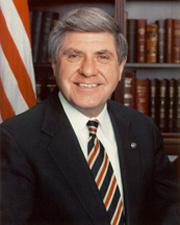
Mr. Nelson of Nebraska (for himself and Ms. Collins) introduced the
following bill; which was read twice and referred to the Committee on
Finance

_______________________________________________________________________

A BILL

To amend title XVIII of the Social Security Act to clarify the
treatment of payment under the medicare program for clinical laboratory
tests furnished by critical access hospitals.

Be it enacted by the Senate and House of Representatives of the
United States of America in Congress assembled,

SECTION 1. SHORT TITLE.

This Act may be cited as the ``Critical Access to Clinical Lab
Services Act of 2004''.

SEC. 2. CLARIFICATION OF PAYMENT FOR CLINICAL LABORATORY TESTS
FURNISHED BY CRITICAL ACCESS HOSPITALS.

(a) In General.--Section 1834(g)(4) of the Social Security Act (42
U.S.C. 1395m(g)(4)) is amended--
(1) in the heading, by striking ``No beneficiary cost-
sharing for'' and inserting ``Treatment of''; and
(2) by adding at the end the following new sentence: ``For
purposes of the preceding sentence and section 1861(mm)(3),
clinical diagnostic laboratory services furnished by a critical
access hospital shall be treated as being furnished as part of
outpatient critical access services without regard to whether--
``(A) the individual with respect to whom such
services are furnished is physically present in the
critical access hospital at the time the specimen is
collected;
``(B) such individual is registered as an
outpatient on the records of, and receives such
services directly from, the critical access hospital;
or
``(C) payment is (or, but for this subsection,
would be) available for such services under the fee
schedule established under section 1833(h).''.
(b) Effective Date.--The amendments made by subsection (a) shall
apply to cost reporting periods beginning on or after October 1, 2003.
<all>