Missing Child Cold Case Review Act of 2004

Legislative Activity
Stay on top of the latest movement without scrolling through every action
Referred to the Subcommittee on Government Efficiency and Financial Management.
November 3, 2004
View full timeline
Introduced in Senate
May 18, 2004
Sponsor introductory remarks on measure. (CR S5610-5611)
May 18, 2004
Read twice and referred to the Committee on the Judiciary. (text of measure as introduced: CR S5611)
May 18, 2004
Sponsor introductory remarks on measure. (CR S8668)
July 22, 2004
Senate Committee on the Judiciary discharged by Unanimous Consent.(consideration: CR S10277)
October 1, 2004
Senate Committee on the Judiciary discharged by Unanimous Consent. (consideration: CR S10277)
October 1, 2004
Passed Senate without amendment by Unanimous Consent. (text: CR S10277)
October 1, 2004
Received in the House.
October 4, 2004 • 12:31 PM
Message on Senate action sent to the House.
October 4, 2004
Referred to the House Committee on Government Reform.
October 4, 2004
Referred to the Subcommittee on Government Efficiency and Financial Management.
November 3, 2004
Floor Debate
14 membersWhat members said about S. 2435 on the floor
PJL OGH
OGH JG
JG JE
JE RS+9
RS+9
Floor Debate
14 membersWhat members said about S. 2435 on the floor
Mr. President, I am pleased to introduce with Senator Hatch the Department of Justice Appropriations Authorization Act, Fiscal Years 2005 through 2007. I thank Senator Hatch, the chairman of the…
Mr. President, I am pleased to introduce with Senator Hatch the Department of Justice Appropriations Authorization Act, Fiscal Years 2005 through 2007. I thank Senator Hatch, the chairman of the Judiciary Committee, for his hard work and support of this legislation.
In the 107th Congress, the Senate and the House of Representatives properly authorized spending for the entire Department of Justice, (DOJ or the Department,) for the first time since 1979. Congress extended that authorization in 1980 and 1981. Until 2002 Congress had not passed nor had the President signed an authorization bill for the Department. In fact, there were a number of years where Congress failed to consider any Department authorization bill. This 23-year failure to properly reauthorize the Department forced the appropriations committees in both houses to reauthorize and appropriate money.
We ceded the authorization power to the appropriators for too long, but in the 107th Congress Senator Hatch and I joined forces with House Judiciary Chairman Sensenbrenner and ranking member Conyers to create and pass bipartisan legislation that reaffirmed the authorizing authority and responsibility of the House and Senate Judiciary Committees--the 21st Century Department of Justice Appropriations Authorization Act, Public Law 107-273. A new era of oversight began with that new charter for the Justice Department, with the Senate and House Judiciary Committees taking active new roles in setting the priorities and monitoring the operations of the Department of Justice, the FBI and other law enforcement agencies, and that bill helped our oversight duties in many ways. And, as we have learned in the past 3 years, the fight against terrorism makes constructive oversight more important than ever before.
Already this Congress, House Judiciary Committee Chairman Sensenbrenner and ranking member Conyers have authored and shepherded through the House of Representatives a new Department of Justice Appropriations Authorization Act for fiscal years 2004 through 2006, H.R. 3036. I commend both Chairman Sensenbrenner and ranking member Conyers for working in a bipartisan manner to pass that legislation in the House of Representatives.
The Department of Justice Appropriations Authorization Act, fiscal years 2005 through 2007 is a comprehensive authorization of the Department based on H.R. 3036 as passed by the House of Representatives on March 30, 2004. Our bipartisan legislation authorizes appropriations for the Department for fiscal years 2005 through 2007, provide permanent enabling authorities which will allow the Department to efficiently carry out its mission, clarify and harmonize existing statutory authority, and repeal obsolete statutory authorities. The bill also establishes certain reporting requirements and other mechanisms intended to better enable the Congress and the Department to oversee the operations of the Department. Finally, our bill incorporates numerous other pieces of legislation--on such issues as preventing and recovering missing children, cigarette trafficking, intellectual property, going after terrorists who commit violent acts against American citizens overseas, among others--currently pending before Congress that enjoy strong bipartisan support.
I will now highlight a number of the provisions that make up this authorization bill.
Title I of our bill authorizes appropriations for the Department of Justice for each of fiscal years 2005 through 2007. With minor exceptions, these authorizations generally reflect the President's budget request.
Title II makes numerous improvements and upgrades to the Department's grant programs that assist law enforcement and criminal justice agencies; build community capacity to prevent, reduce and control crime; assist victims of crime; and prevent crime.
We decided to combine the current Byrne formula grant, Byrne discretionary grant and Local Law Enforcement Block Grant, LLEBG, programs into one Edward Byrne Memorial Justice Assistance Grant Program with an authorization of $1.075 billion and a list of 35 uses-- a combination of the traditional Byrne and LLEBG grants regulations-- for which these grants may be used.
I am a longtime supporter of the Edward Byrne Memorial State and Local Law Enforcement Assistance Program and the LLEBG, both of which have been continuously targeted for elimination by the Bush administration. LLEBG, which received $225 million this year, provide local governments with the means to underwrite projects that reduce crime and improve public safety, and allow communities to craft their own responses to local crime and drug problems. The Edward Byrne Memorial State and Local Law Enforcement Assistance Program, which Congress funded at $659,117,000 in FY 2004, makes grants to States to improve the functioning of the criminal justice system, with emphasis on violent crimes and serious offenders, and to enforce State and local drug laws. As a senator from a rural State that relies on LLEBG and Byrne grants to combat crime, I have been concerned with the President's proposals for funding and program eliminations of these well-established grant programs. Our legislation makes it clear that the same authorized funding levels and uses will be available under the new consolidated grant program as under the previous two grant programs.
I am pleased that Title II also extends the authorization of appropriations for the Regional Information Sharing System, RISS, at $100 million for each of fiscal years 2005 through 2007. RISS serves as an invaluable tool to Federal, State, and local law enforcement agencies by providing much-needed criminal intelligence and investigative support services. It has built a reputation as one of the most effective and efficient means developed to combat multi- jurisdictional criminal activity, such as narcotics trafficking and gang activity. Without RISS, most law enforcement officers would not have access to newly developed crime-fighting technologies and would be hindered in their intelligence-gathering efforts.
By providing State and local law enforcement agencies with rapid access to its secure, state-of-the-art, nationwide information sharing system, RISS gives law enforcement officers the resources they need to identify and apprehend potential terrorists before they strike. With this in mind, I authored Title VII of the USA PATRIOT Act, Public Law 107-56, to increase information sharing for critical infrastructure protection. The law expanded RISS to facilitate information sharing among Federal, State, and local law enforcement agencies to investigate and prosecute terrorist conspiracies and activities, and increased authorized funding to $100 million.
Proper funding provides RISS with the means to maintain six regionally-based information sharing centers that allow for information and intelligence services to be disseminated nationwide addressing major, multijurisdictional crimes. In addition, as the September 11 terrorist attacks and calls for increased vigilance against future attacks demonstrated, RISS requires additional support to intensify antiterrorism measures.
Each RISS center has up to 1,600 member agencies, the vast majority of which are at the municipal and county levels. Over 400 State agencies and over 850 Federal agencies, however, are also members. The Drug Enforcement Administration, Federal Bureau of Investigation, U.S. Attorneys' Offices, Internal Revenue Service, Secret Service, Customs, and the Bureau of Alcohol, Tobacco, Firearms and Explosives are among the Federal agencies that participate in the RISS Program.
Unfortunately, the Consolidated Appropriations law for FY 2004 did not provide full funding for RISS, instead including $30 million for the program. For the coming fiscal year, the President has proposed $45 million. We must ensure that RISS can continue current services, meet increased membership support needs for terrorism investigations and prosecutions, increase intelligence analysis capabilities and add staff to support the increasing numbers of RISS members.
This title also contains a reauthorization of the Crime Free Rural States program that we created in the DOJ Authorization bill in the last Congress. This program authorizes $10 million annually for rural States to address specific crime problems plaguing their areas. In Vermont, for example, this funding could be used to battle heroin abuse and its consequences.
This authorization bill contains a number of provisions of great interest to victim service organizations and those who administer Federal grants for victim assistance and compensation. In particular, I am pleased that we have responded to repeated requests from the field to increase the amount that State assistance and compensation programs may retain for administrative purposes. I have been proposing such an increase for many years, without success.
Under current law, not more than 5 percent of victim assistance and compensation grants may be used for the administration of the State program receiving the grant. The House bill effectively decreases this already-low apportionment by combining administrative costs with training costs--currently 1 percent under guidelines promulgated by the Office for Victims of Crime, OVC. By contrast, we propose raising the amount that can be used for both worthwhile purposes to 7.5 percent of the grants. While this is still less than 10 percent retention permitted, for example, by the Violence Against Women Act, it will help States to accommodate the addition of training purposes in their costs.
Our bill will also amend the Victims of Crime Act, VOCA, to clarify the provisions establishing the Antiterrorism Emergency Reserve in various ways. The original H.R. 3036 permits replenishments of the emergency reserve based upon amounts obligated rather than amounts actually expended in any given fiscal year. Our bill includes two additional clarifications that I proposed. First, it makes explicit that the emergency reserve may be replenished only once each fiscal year, and may not be continually replenished as amounts are obligated or expended. Allowing continual replenishments could result in the obligations or expenditures exceeding the $50 million emergency reserve maximum. Second, we have ensured that all emergency reserve funds-- whether carried over, used to replenish the reserve, obligated or expended--fall above the cap on spending from the Crime Victim Fund as set by appropriations legislation.
Section 242 of the House-passed bill authorized the Assistant Attorney General for the Office for Justice Programs, OJP, to impose special conditions and determine priorities for formula grants. It was unclear to me why the authority to determine formula grant priorities was necessary and what its real impact would be on local victim services. Could it be read to authorize OJP to infringe on the discretion of each State to meet its own needs, as for example by mandating that State VOCA programs give priority to public agencies over nonprofit community organizations, or fund faith-based programs before secular programs? Priorities are already set out by Congress in the authorizing statutes, as is the requirement that programs coordinate public and private victim services in their communities, and the Justice Department should not be allowed to override those congressional directives. Moreover, VOCA already has extensive reporting requirements that enable the Department to monitor how States are distributing these funds. We have therefore deleted the authority to determine formula grant priorities, while retaining the special conditions provision.
Subtitle D of Title II deals with approaches to prevent crime. I am especially pleased that we included provisions that will specifically aid in preventing rural crime because rural States and communities face a number of unique law enforcement challenges. We added these provisions from Senator Daschle's Rural Safety Act, S. 1907, of which I am proud to be an original cosponsor. I commend our Democratic leader for his commitment to providing real and meaningful investments to address the unique set of challenges facing rural law enforcement agencies.
Rural law enforcement officers patrol larger areas, operate under tighter budgets and with smaller staffs than their urban and suburban counterparts. This legislation creates programs specifically designed to meet the many complex needs of rural law enforcement agencies and officers. Methamphetamine production and use, for example, is a growing concern for Vermonters. Because the ingredients and the equipment used to produce methamphetamines are so inexpensive and readily available, the drug can be manufactured or ``cooked'' in homemade labs. This has become one of the major problems facing law enforcement agencies nationwide. Last month, the Vermont State Police busted the first known methamphetamine lab in the state. We must help our law enforcement agencies as they struggle to keep up with its troubling growth.
To help law enforcement combat the spread of methamphetamine and other challenges, we authorize in this bill $20 million in grants for FY 2005 to provide for the cleanup of methamphetamine laboratories and related hazardous waste in units of local government and tribal governments located outside a Standard Metropolitan Statistical Area; and the improvement of contract-related response time for cleanup of methamphetamine laboratories and related hazardous waste in units of local established methamphetamine prevention and treatment pilot programs in rural areas, and provide additional financial support to local law enforcement.
We also establish a rural 9-1-1 service program to provide access to, and improve a communications infrastructure that will ensure a reliable and seamless communication between, law enforcement, fire, and emergency medical service providers in units of local government and tribal governments located outside a Standard Metropolitan Statistical Area and in States. Grants--authorized at $25 million for fiscal year 2005--under this program will be used to establish or improve 9-1-1 service in rural communities. Priority in making grants under this program will be given to communities that do not have 9-1-1 service.
I am pleased that our bill includes the Campbell-Leahy-Hatch Bulletproof Vest Partnership Grant Act of 2003, a bill to reauthorize an existing matching grant program to help State, tribal, and local jurisdictions purchase armor vests for use by law enforcement officers. This bill was passed by the Senate by unanimous consent a year ago this month and it awaits consideration by the House of Representatives.
This measure marks the third time that I have had the privilege of teaming with my friend and colleague Senator Campbell to work on this legislation. We authored the Bulletproof Vest Grant Partnership Act of 1998 in response to the tragic Carl Drega shootout in 1997 on the Vermont-New Hampshire border, in which two State troopers who did not have bulletproof vests were killed. The Federal officers who responded to the scenes of the shooting spree were equipped with life-saving body armor, but the State and local law enforcement officers lacked protective vests because of the cost.
Two years later, we successfully passed the Bulletproof Vest Partnership Grant Act of 2000, and I hope we will go 3-for-3 this time around. Senator Campbell brings to our effort invaluable experience in this area and during his time in the Senate he has been a leader in the area of law enforcement. As a former deputy sheriff,
he knows the dangers law enforcement officers face when out on patrol. I am pleased that we have been joined in this effort by 12 other Senate cosponsors.
Our bipartisan legislation will save the lives of law enforcement officers across the country by providing more help to State and local law enforcement agencies to purchase body armor. Since its inception in 1999, this highly successful Department of Justice program has provided law enforcement officers in 16,000 jurisdictions nationwide with nearly 350,000 new bulletproof vests. In Vermont, 148 municipalities have been fortunate to receive to receive funding for the purchase of almost 1200 vests. Without the Federal funding given by this program, I daresay that there would be close to that number of police officers without vests in Vermont today.
The Bulletproof Vest Partnership Grant Act of 2003 will further the success of the Bulletproof Vest Partnership Grant Program by reauthorizing the program through fiscal year 2007. Our legislation would continue the Federal-State partnership by authorizing up to $50 million per year for matching grants to State and local law enforcement agencies and Indian tribes at the Department of Justice to buy body armor.
We know that body armor saves lives, but the cost has put these vests out of the reach of many of the officers who need them. This program makes it more affordable for police departments of all sizes. Few things mean more to me than when I meet Vermont police officers and they tell me that the protective vests they wear were made possible because of this program. This is the least we should do for the officers on the front lines who put themselves in danger for us every day. I want to make sure that every police officer who needs a bulletproof vest gets one.
We also included in this authorization bill the Prevent All Cigarette Trafficking, PACT, Act, as passed by the Senate by unanimous consent on December 9, 2003, but which has yet to be taken up and passed by the House. I commend Senators Hatch and Kohl for their leadership on this measure and thank them for working with me, among others, to craft the compromise language that we include in this bill to crack down on the growing problem of cigarette smuggling, both interstate and international, as well as to address the connection between cigarette smuggling activities and terrorist funding. I am proud to join Senator Hatch, Senator Kohl and 10 others as a cosponsor of the standalone bill.
I also thank the National Association of Attorneys General and the Campaign for Tobacco-Free Kids for working with us and contributing to this language. I want to say a special thanks to Vermont Attorney General Bill Sorrell, who also serves as the current Chair of the NAAG Tobacco Committee, for his valuable input on the problems with cigarette smuggling that States are facing and his support for this compromise measure. I also want to thank the Vermont Grocers Association, the Vermont Retail Association, the Vermont Association of Chiefs of Police, and the National Conference of State Legislatures for their support for this measure.
The movement of cigarettes from low-tax areas to high-tax areas in order to avoid the payment of taxes when the cigarettes are resold has become a public health problem in recent years. As State after State chooses to raise its tobacco excise taxes as a means of reducing tobacco use and as a source of revenue, many smokers have sought cheaper means by which to purchase cigarettes. Smokers can often purchase cigarettes and tobacco from remote sellers, Internet or mail order at substantial discounts due to avoidance of state taxes. These sellers, however, are evading their tax obligations because they neither collect nor pay the proper State and local excise taxes for cigarette and other tobacco product sales.
We have the ability to dramatically reduce smuggling without imposing undue burdens on manufacturers or law abiding citizens. By reducing smuggling, we will also increase government revenues by minimizing tax avoidance. My friend General Sorrell has told me that this has become a rapidly growing problem in Vermont as more and more tobacco product manufacturers fail to collect and pay cigarette taxes. Criminals are getting away with smuggling and not paying tobacco taxes because of weak punishments, products that are often poorly labeled, the lack of tax stamps and the inability of the current distribution system to track sales from State to State. These lapses point to a need for uniform rules governing group sales to individuals.
The PACT Act will give States the authority to collect millions of dollars in lost State tax revenue resulting from online and other remote sales of cigarette and smokeless tobacco. It also ensures that every tobacco retailer, whether a brick-and-mortar or remote retailer of tobacco products, play by the same rules by equalizing the tax burdens.
Moreover, the PACT Act gives States the authority necessary to enforce the Jenkins Act, a law passed in 1949, which requires cigarette vendors to report interstate sales of cigarettes. This legislation enhances States' abilities to collect all excise taxes and verify the deposit of all required escrow payments for cigarette and smokeless tobacco sales in interstate commerce, including internet sales. In addition, it provides Federal and State law enforcement with additional resources to enforce state tobacco excise tax laws.
Finally, at the request of the National Association of Attorneys General and many State Attorneys General, we have added a new section to provide the States with authority to enforce the Imported Cigarette Compliance Act to crack down on international tobacco smuggling. This additional authority should further reduce tax evasion and eliminate a lucrative funding source for terrorist organizations.
We must not turn a blind eye to the problem of illegal tobacco smuggling. Those who smuggle cigarettes are criminals and we must close the loopholes that allow cigarette smuggling to continue.
The United States has from its inception recognized the importance of intellectual property laws in fostering innovation, and vested in Congress the responsibility of crafting laws that ensure that those who produce inventions are able to reap economic rewards for their efforts. I am pleased that we can today include, as part of the Department of Justice Authorization Act, the Cooperative Research and Technology Enhancement Act of 2004, the CREATE Act, legislation that I cosponsored along with Senator Hatch, Senator Kohl, Senator Feingold, Senator Schumer, Senator Grassley, Senator Johnson, and Senator Cochran. This bill will provide a needed remedy to one aspect of our Nation's patent laws. On June 25, 2004, the CREATE Act passed the Senate by unanimous consent.
When Congress passed the Bayh-Dole Act in 1980, the law encouraged private entities and not-for-profits such as universities to form collaborative partnerships in order to spur innovation. Prior to the enactment of this law, universities were issued fewer than 250 patents each year. That this number has in recent years surpassed two thousand is owed in large measure to the Bayh-Dole Act. The innovation this law encouraged has contributed billions of dollars annually to the United States economy and has produced hundreds of thousands of jobs.
However, one component of the Bayh-Dole Act, when read literally, runs contrary to the intent of that legislation. In 1999, the United States Court of Appeal for the Federal Circuit ruled, in Oddzon Products, Inc. v. Just Toys, Inc., that non-public information may in certain cases be considered ``prior art''--a standard which generally prevents an inventor from obtaining a patent. Thus some collaborative teams that the Bayh-Dole Act was intended to encourage have been unable to obtain patents for their efforts. The result is a disincentive to form this type of partnership, which could have a negative impact on the U.S. economy and hamper the development of new creations.
However, the Federal circuit in its ruling invited Congress to better conform the language of the Bayh-Dole Act to the intent of the legislation. The CREATE Act does exactly that by ensuring that nonpublic information is not considered prior art when the information is used in a collaborative partnership under the Bayh-Dole Act. The bill also includes strict evidentiary burdens to ensure that the
legislation is tailored narrowly in order to solely fulfill the intent of the Bayh-Dole Act.
I am pleased that the PIRATE Act, which I cosponsored with Senator Hatch, will be included as part of this bipartisan bill. Like the overall bill, the PIRATE Act is a consensus bill that will give the Justice Department new and needed tools--in this case, these tools are specific to the fight against piracy. This bill was unanimously passed by the Senate on June 25, 2004. By including this measure in the Department of Justice Authorization Bill, we hope to muster more forces to combat the growing problem of digital piracy.
For too long, Federal prosecutors have been hindered in their pursuit of pirates, by the fact that they were limited to bringing criminal charges with high burdens of proof. In the world of copyright, a criminal charge is unusually difficult to prove because the defendant must have known that his conduct was illegal and he must have willfully engaged in the conduct anyway. For this reason prosecutors can rarely justify bringing criminal charges, and copyright owners have been left alone to fend for themselves, defending their rights only where they can afford to do so. In a world in which a computer and an Internet connection are all the tools you need to engage in massive piracy, this is an intolerable predicament.
The PIRATE Act will give the Attorney General civil enforcement authority for copyright infringement. It also calls on the Justice Department to initiate training and pilot programs to ensure that Federal prosecutors across the country are aware of the many difficult technical and strategic problems posed by enforcing copyright law in the digital age.
This new authority does not supplant either the criminal provisions of the Copyright Act, or the remedies available to the copyright owner in a private suit. Rather, it allows the Government to bring its resources to bear on this immense problem and to ensure that more creative works are made available online, that those works are more affordable, and that the people who work to bring them to us are paid for their efforts.
I am pleased that the Koby Mandell Act of 2003 was included in this legislation. I am a proud cosponsor of the stand-alone bill. The act would establish an office within the Department of Justice with a mandate to ensure equal treatment of all victims of terrorist acts committed overseas. Its primary role would be to guarantee that vigorous efforts are made to pursue, prosecute, and punish each and every terrorist who harms Americans overseas, no matter where attacks occur. It would also take steps to inform victims of important developments in international cases, such as status reports on efforts to capture terrorists and monitoring the incarceration of those terrorists who are imprisoned overseas. This is important legislation that would send a strong message of resolve that we are committed to finding and punishing every terrorist who harms Americans overseas.
I am pleased that we have included part of S. 1286, the Seniors Safety Act, which I introduced last year. This bill would create an enhanced sentencing penalty for those who commit crimes against the elderly, create new civil and criminal penalties for pension fraud, and create a centralized service to log complaints of telemarketing fraud.
We would also provide the Attorney General with a new and substantial tool to prevent telemarketing fraud--the power to block or terminate service to telephone facilities that are being used to defraud innocent people. The Justice Department could use this authority to disrupt telemarketing fraud schemes directed from foreign sources by cutting off the swindlers' telephone service. Even if the criminals acquire a new telephone number, temporary interruptions will prevent some seniors from being victimized.
We have agreed to incorporate the Federal Prosecutors' Retirement Benefit Equity Act of 2004, which was originally introduced as a stand- alone bill with my good friends Senator Hatch, Senator Mikulski and Senator Durbin. This bill would correct an inequity that exists under current law, whereby Federal prosecutors receive substantially less favorable retirement benefits than other nearly all other people involved in the Federal criminal justice system. The bill would increase the retirement benefits given to Assistant United States Attorneys by including them as ``law enforcement officers,'' LEOs, under the Federal Employees' Retirement System and the Civil Service Retirement System. The bill would also allow the Attorney General to designate other attorneys employed by the Department of Justice who act primarily as criminal prosecutors as LEOs for purposes of receiving these retirement benefits.
The primary reason for granting enhanced retirement benefits to LEOs is the often dangerous work of law enforcement. Currently, Assistant United States Attorneys, AUSAs, and other Federal prosecutors are not eligible for these enhanced benefits, which are enjoyed by the vast majority of other employees in the criminal justice system. This exclusion is unjustified. The relevant provisions of the United States Code dealing with retirement benefits define an LEO as an employee whose duties are, ``primarily the investigation, apprehension, or detention'' of individuals suspected or convicted of violating Federal law. See 5 U.S.C. Sec. Sec. 8331(20) & 8401(17). AUSAs and other Federal prosecutors participate in planning investigations, interviewing witnesses both inside and outside of the office setting, debriefing defendants, obtaining warrants, negotiating plea agreements and representing the government at trials and sentencings, all of which fall within the definition of the duties performed by law enforcement officers. Indeed, once a defendant is brought into the criminal justice system, the person with whom they have the most face-to-face contact, and often in an extremely confrontational environment, is the Federal prosecutor.
Although prosecutors do not personally execute arrests, searches and other physically dangerous activities, LEO status is accorded to many criminal justice employees who do not perform such tasks, such as pretrial services officers and probation officers and accountants, cooks and secretaries of the Bureau of Prisons. Moreover, because they are often the most conspicuous representatives of the government in the criminal justice system, Federal prosecutors are natural targets for threats of reprisals by vengeful criminals. Indeed, there are numerous incidents in which assaults and serious death threats have been made against Federal prosecutors, sometimes resulting in significant disruption of their personal and family lives.
I am pleased that S. 710, the Leahy-Hatch Anti-Atrocity Alien Deportation Act, was included in this legislation. This measure would expand the grounds for removing alien human rights violators from the United States, or for denying them entry in the first place. We have heard many accounts of abusers who have taken advantage of America's freedoms after committing horrifying violations of their fellow citizens in their native lands. We need to stop that from happening again.
This bill passed the Judiciary Committee last November but has been subject to an anonymous hold on the floor. A similar version of it passed the Senate by unanimous consent in the 106th Congress. It is long past time to make it law.
I would note that on May 12, a Rwandan man wanted on international charges of genocide and crimes against humanity was arrested at his suburban Chicago home by agents from the Bureau of Immigration and Customs Enforcement, ICE. Before I and others began to raise the issue of the war criminals among us, it was my impression that the former INS paid little attention to rooting out these thugs. I am pleased that the issue has taken on greater importance at ICE and urge the Senate to pass this bill so that we can expand the grounds of inadmissibility and removability for human rights violators.
I am pleased that the DREAM Act has been included in this bill. I am a cosponsor of the bill, which Senators Hatch and Durbin introduced last year and was passed last fall by the Judiciary Committee. It would benefit undocumented alien children who were brought to the United States by their parents as young children, by restoring States' ability to offer them in-State
tuition and offering them a path to legal residency. It has been distressing that a bill with committee approval and 48 sponsors has been unable to get a vote on the floor of the Senate, and I hope that including the DREAM Act in this legislation will give it added momentum.
I am proud that we include Schumer-Specter legislation to honor the sacrifice of the September 11, 2001 terrorist victims by creating congressional medals that would be awarded to their families and loved ones by the President. I am proud to have joined my friends as a cosponsor of this legislation, as have 18 other Senators.
The tragedy of September 11, 2001 demanded unprecedented sacrifices of everyday American civilians and rescue workers 3,000 of whom lost their lives in the attacks. In recognition of their heroic actions on that day, the bipartisan Fallen Heroes of 9/11 Act would create a medal to be awarded posthumously to the victims of the September 11 terrorist attacks. The medal would be designed by the Department of Treasury and awarded to representatives of the deceased by the President. The production of the medals would be paid for by the sale of duplicate medals to the public. Those of us who lost loved ones almost 3 years ago can never have them back, but a medal of honor could recognizes the sacrifices and heroic efforts of our fallen citizens.
I am pleased that our Department of Justice authorization bill includes legislation that Senator Hatch and I introduced together to reauthorize and expand the Department of Justice grant program for Boys & Girls Clubs. The original version of this legislation, S. 2363, currently enjoys 44 cosponsors and passed the Senate by unanimous consent last month. It was considered and reported out of the House Judiciary Committee by voice vote earlier this month but still awaits floor consideration.
Children are the future of our country, and we have a responsibility to make sure they are safe and secure. I know firsthand how well Boys & Girls Clubs work and what topnotch organizations they are. When I was a prosecutor in Vermont, I was convinced of the great need for Boys & Girls Clubs because we rarely encountered children from these kinds of programs. In fact, after I became a U.S. Senator, a police chief was such a big fan that he asked me to help fund a Boys & Girls Club in his district rather than helping him get a couple more police officers.
In Vermont, Boys & Girls Clubs have succeeded in preventing crime and supporting our children. The first club was established in Burlington 62 years ago. Now we have 22 club sites operating throughout the State: seven clubs in Brattleboro, one in Springfield, two clubs in Burlington, one in Winooski, two clubs in Montpelier, five clubs in Randolph, one club in Rutland, two clubs in Vergennes and one in Bristol. There are 10 additional project sites that will be on board and serving kids by the end of 2005: one in Bennington, two in Burlington, one in Duxbury, one in St. Johnsbury, one in Hardwick, three in Randolph and one in Ludlow. These clubs will serve well over 10,000 kids statewide.
As a senior member of the Senate Appropriations Committee, I have pushed for more Federal funding for Boys & Girls Clubs. Since 1998, Congress has increased Federal support for Boys & Girls Clubs from $20 million to $80 million in this year. Due in large part to this increase in funding, there now exist 3,300 Boys & Girls Clubs in all 50 States serving more than 3.6 million young people. Because of these successes, I was both surprised and disappointed to see that the President requested a reduction of $20 million for FY 2005. That request will leave thousands of children and their Clubs behind and we cannot allow such a thing to happen.
In the 21st Century Department of Justice Appropriations Authorization Act, which Senator Hatch and I worked together to pass in the 107th Congress, we included a provision to reauthorize Justice Department grants to establish new Boys & Girls Clubs nationwide. By authorizing $80 million in DOJ grants for each of the fiscal years through 2005, we sought to establish 1,200 additional Boys & Girls Clubs nationwide. This was to bring the number of Boys & Girls Clubs to 4,000, serving no less than 5 million young people. The bill we introduce today will build upon this: We authorize Justice Department grants at $80 million for fiscal year 2006, $85 million for fiscal year 2007, $90 million for fiscal year 2008, $95 million for fiscal year 2009 and $100 million for fiscal year 2010 to Boys & Girls Clubs to help establish 1,500 additional Boys & Girls Clubs across the Nation with the goal of having 5,000 Boys & Girls Clubs in operation by December 31, 2010.
If we had a Boys & Girls Club in every community, prosecutors in our country would have a lot less work to do because of the values that are being instilled in children from the Boys & Girls Clubs of America. Each time I visit a club in Vermont, I am approached by parents, educators, teachers, grandparents and law enforcement officers who tell me ``Keep doing this! These clubs give our children the chance to grow up free of drugs, gangs and crime.''
You cannot argue that these are just Democratic or Republican ideas, or conservative or liberal ideas. They are simply good sense ideas. We need safe havens where our youth--the future of our country can learn and grow up free from the influences of drugs, gangs and crime. That is why Boys & Girls Clubs are so important to our children.
We also incorporated language similar to the Leahy-Grassley-Lincoln Missing Child Cold Case Review Act of 2004, S. 2435, which will allow an inspector general to authorize his or her staff to provide assistance on and conduct reviews of the inactive case files, or ``cold cases,'' involving children stored at the National Center for Missing & Exploited Children, NCMEC, and to develop recommendations for further investigations. The only alteration we made to the original bill was to include language to also allow the Inspector General of the Government Printing Office to authorize his or her staff to work on cold cases.
Speed is everything in homicide investigations. As a former prosecutor in Vermont, I know firsthand that speed is of the essence when trying to solve a homicide. This focus on speed, however, has led the law enforcement community to generally believe that any case not solved within the first 72 hours or lacking significant leads and witness participation has little likelihood of being solved, regardless of the expertise and resources deployed. With time, such unsolved cases become ``cold,'' and these are among the most difficult and frustrating cases detectives face because they are, in effect, cases that other investigators, for whatever reason, failed to solve.
Our Nation's law enforcement agencies, regardless of size, are not immune to rising crime rates, staff shortages and budget restrictions. Such obstacles have strained the investigative and administrative resources of all agencies. More crime often means that fewer cases are vigorously pursued, fewer opportunities arise for followup and individual caseloads increase for already overworked detectives.
All the obstacles that hamper homicide investigations in their early phases contribute to cold cases. The National Center for Missing & Exploited Children our Nation's top resource center for child protection presently retains a backlog of cold cases involving children that law enforcement departments nationwide have stopped investigating primarily due to all these obstacles. NCMEC serves as a clearinghouse for all cold cases in which a child has not been found and/or the suspect has not been identified.
This provision will allow an inspector general to provide staff support to NCMEC for the purpose of conducting reviews of inactive case files to develop recommendations for further investigation and similar activities. The inspector general community has one of the most diverse and talented criminal investigative cadres in the Federal Government. A vast majority of these special agents have come from traditional law enforcement agencies, and are highly-trained and extremely capable of dealing with complex, criminal cases.
Under current law, an inspector general's duties are limited to activities related to the programs and operations of an agency. This measure would allow an inspector general to permit criminal investigators under his or her supervision to review cold case files, so long as doing so would not interfere
with normal duties. An inspector general would not conduct actual investigations, and any inspector general would only commit staff when the office's mission-related workloads permitted. At no time would these activities be allowed to conflict with or delay the stated missions of an inspector general.
From time to time a criminal investigator employed by an inspector general may be between investigations or otherwise available for brief periods of time. This act would also allow those resources to be provided to the National Center for Missing & Exploited Children. Commitment of resources would be at a minimum and would not materially affect the budget of any office.
We have before us the type of bipartisan legislation that should be moved easily through the Senate and House. It is supported by the Department of Justice Office of the Inspector General. I applaud the ongoing work of the National Center for Missing & Exploited Children and hope that we can soon provide NCMEC with the resources it requires to solve cold cases involving missing children.
This authorization bill includes a provision that would help colleges and universities in Vermont and across the nation. It would allow foreigners who are pursuing ``distance learning'' opportunities at American schools to enter the country for up to 30 days to fulfill academic requirements. Under current law, these students do not fall under any visa category, and many are being denied entry and are thus unable to complete their educations. This is a loophole that harms both those students and the institutions that serve them.
In recent months, serious questions have been raised in the media and in several congressional hearings about deficiencies within the translation program at the FBI. Nearly, 2 years ago I began asking questions in Judiciary Committee hearings about the FBI's translation program. Most of these remain unanswered. As a result, members of our committee are no closer to determining the scope of the issue, including the pervasiveness and seriousness of FBI shortcomings in this area, or what the FBI intends to do to rectify personnel shortages, security issues, translation inaccuracies and other problems that have plagued the translator program for years.
Section 205 of the USA PATRIOT Act included an important reporting requirement by the Attorney General to the Senate and House Judiciary Committees about (1) the number of translators employed by the FBI, (2) legal and practical impediments to using translators employed by other Federal, State, or local agencies, on a full, part-time, or shared basis, and (3) the needs of the FBI for specific translation services in certain languages, and recommendations for meeting those needs. To date, the Attorney General has not made the report required by Section 205 most likely because there is no date certain written in the law by which the report must be made. This provision fills that gap by requiring the report ``not later than 30 days after the date of enactment and annually thereafter .with respect to the preceding 12 month period.'' It also expands the reporting requirement to include translators ``contracted'' by the government in addition to those ``employed.''
I have worked my entire professional life to protect children from those who would prey on them. Preventing child exploitation through the use of the Internet is one concrete and important way to help this important cause. In this regard, under the Protection of Children from Sexual Predators Act of 1998, Public Law No. 105-314, remote computing and electronic communication service providers are mandated to report all instances of child pornography to the National Center for Missing and Exploited Children. I respect and applaud the work of NCMEC and its tireless efforts in this important national priority.
In March 1998, Congress mandated that NCMEC initiate the CyberTipline for citizens to report online sexual crimes against children. In December 1999, Congress passed Public Law No. 106-113 to modify 42 U.S.C. Sec. 13032(b)(1) to set forth a ``duty to report'' by ISPs. According to NCMEC, many U.S. electronic communications service providers are not complying with the requirement that they register and use the CyberTipline to report child porn found on their services because supporting regulations required to be promulgated by the Department of Justice on matters such as the contents of the report were never done so.
In this authorization bill we propose language that amends the ``duty to report'' language by providing specific guidance on what information is required to be included in the ISP reports. The information required includes the content and images of the apparent violation, the Internet Protocol Address, the date and time associated with the violation, and specific contact information for the sender.
America's film heritage is an important part of the American experience, an inheritance from previous generations that helps tell us who we are and who we were as a society. They offer insight into our history, our dreams, and our aspirations. Yet sadly, this part of American heritage is literally disintegrating faster than can be saved. Today, I am delighted that with the help of Senator Hatch, the National Film Preservation Act can be included in our Department of Justice reauthorization bill.
I introduced the National Film Preservation Act last November, a bill that will reauthorize and extend the National Film Preservation Act of 1996. We first acted in 1988 in order to recognize the educational, cultural, and historical importance of our film heritage, and its inherently fragile nature. In doing so, Congress created the National Film Preservation Board and the National Film Preservation Foundation both of which operate under the auspices of the Library of Congress in order to help save America's film heritage.
The National Film Preservation Act will allow the Library of Congress to continue its important work in preserving America's fading treasures, as well as providing grants that will help libraries, museums, and archives preserve films and make those works available for study and research. These continued efforts are more critical today than ever before. While a wide range of works have been saved, with every passing day we lose the opportunity to save more. Fewer than 20 percent of the features of the 1920s exist in complete form and less than 10 percent of the features of the 1910s have survived into the new millennium.
The films saved by the National Film Preservation Board are precisely those types of works that would be unlikely to survive without public support. At-risk documentaries, silent-era films, avant-garde works, ethnic films, newsreels, and home movies frequently provide more insight into the American experience than the Hollywood sound features kept and preserved by major studios. What is more, in many cases only one copy of these ``orphaned'' works exists. As the Librarian of Congress, Dr. James H. Billington, has noted, ``Our film heritage is America's living past.''
I would like to thank Senator Hatch again for working with me to include the ``National Film Preservation Act'' in the bill we are introducing today.
The House-passed bill included an important reporting requirement authored by Rep. Adam Schiff and adopted by the House Judiciary Committee. Specifically, this provision required the Department of Justice to submit an annual report to Congress specifying the number of U.S. persons or residents detained on suspicion of terrorism, and describing Department standards for recommending or determining that a person should be tried as a criminal defendant or designated as an enemy combatant. A Washington Post editorial dated April 3, 2004, praised this provision, while noting that ``If more members of the House took their duty to legislate in this critical area seriously, Congress would craft a bill that actually imposed standards rather than simply inquired what they were.'' I agree, and regret that was unable to persuade Chairman Hatch to retain this modest oversight tool.
I am disappointed that we will not be including the privacy officer provision referred to us by the House. It is critical that the Department have a designated leader who is consistently mindful of the impact of the Department's activities on privacy rights. While there has been some history of a
privacy official at the Department, these positions have been nonstatutory, and thus there has been no guarantee of consistent vigor and accountability on these issues. Given that the Department's mission increasingly involves gathering and assessing personal information, we simply can't afford to have a lapse in accountability on privacy. Moreover, this is not an untested idea. Congress created a privacy officer for the Department of Homeland Security, and it has been recognized as a successful example of how this role can be helpful in assessing and addressing privacy concerns. We need to follow this lead, and the privacy officer provision would have been a good opportunity to do so.
I look forward to working with Senator Hatch, Congressman Sensenbrenner and Congressman Conyers to continue the important business of reauthorizing the Department of Justice. Clearly, regular reauthorization of the Department should be part and parcel of the committees' traditional role in overseeing the Department's activities. Swift passage into law of the Department of Justice Appropriations Authorization Act, Fiscal Years 2005 through 2007 will be a significant step toward enhancing our oversight role.
Mr. President, I am pleased to introduce with Senator Hatch the ``Department of Justice Appropriations Authorization Act, fiscal years 2005 through 2007.'' I thank Senator Hatch, the Chairman of the…
Mr. President, I am pleased to introduce with Senator Hatch the ``Department of Justice Appropriations Authorization Act, fiscal years 2005 through 2007.'' I thank Senator Hatch, the Chairman of the Judiciary Committee, for support of this legislation.
In the 107th Congress, the Senate and the House of Representatives properly authorized spending for the entire Department of Justice, ``DOJ'' or the ``Department'', for the first time since 1979. Congress extended that authorization in 1980 and 1981. Until 2002 Congress had not passed nor had the President signed an authorization bill for the Department. In fact, there were a number of years where Congress failed to consider any Department authorization bill. This 23-year failure to properly reauthorize the Department forced the appropriations committees in both houses to reauthorize and appropriate money.
We ceded the authorization power to the appropriators for too long, but in the 107th Congress Senator Hatch and I joined forces with House Judiciary Chairman Sensenbrenner and Ranking Member Conyers to create and pass bipartisan legislation that reaffirmed the authorizing authority and responsibility of the House and Senate Judiciary Committees--the ``21st Century Department of Justice Appropriations Authorization Act,'' Public Law 107-273. A new era of oversight began with that new charter for the Justice Department, with the Senate and House Judiciary Committees taking active new roles in setting the priorities and monitoring the operations of the Department of Justice, the FBI and other law enforcement agencies, and that bill helped our oversight duties in many ways. And, as we have learned in the past three years, the fight against terrorism makes constructive oversight more important than ever before.
Already this Congress, House Judiciary Committee Chairman Sensenbrenner and Ranking Member Conyers have authored and shepherded through the House of Representatives a new Department of Justice Appropriations Authorization Act for Fiscal Years 2004 through 2006, H.R. 3036. I commend both Chairman Sensenbrenner and Ranking Member Conyers for working in a bipartisan manner to pass that legislation in the House of Representatives.
The ``Department of Justice Appropriations Authorization Act, Fiscal Years 2005 through 2007,'' is a comprehensive authorization of the Department based on H.R. 3036 as passed by the House of Representatives on March 30, 2004. Our bipartisan legislation would authorize appropriations for the Department for fiscal years 2005 through 2007, provide permanent enabling authorities which will allow the Department to efficiently carry out its mission, clarify and harmonize existing statutory authority, and repeal obsolete statutory authorities. The bill also establishes certain reporting requirements and other mechanisms intended to better enable the Congress and the Department to oversee the operations of the Department. Finally, our bill incorporates numerous other pieces of legislation on such issues as preventing--and recovering missing children, cigarette trafficking, intellectual property, going after terrorists who commit violent acts against American citizens overseas, among others--currently pending before Congress that enjoy strong bipartisan support.
I will now highlight a number of the provisions that make up this authorization bill.
Title I of our bill authorizes appropriations for the Department of Justice for each of fiscal years 2005 through 2007. With minor exceptions, these authorizations generally reflect the President's budget request.
Title II makes numerous improvements and upgrades to the Department's grant programs that assist law
enforcement and criminal justice agencies; build community capacity to prevent, reduce and control crime; assist victims of crime; and prevent crime.
We decided to combine the current Byrne formula grant, Byrne discretionary grant and Local Law Enforcement Block Grant, (LLEBG), programs into one Edward Byrne Memorial Justice Assistance Grant Program with an authorization of $1.075 billion and a list of 35 uses-- a combination of the traditional Byrne and LLEBG grants regulations-- for which these grants may be used.
I am a longtime supporter of the Edward Byrne Memorial State and Local Law Enforcement Assistance Program and the LLEBG, both of which have been continuously targeted for elimination by the Bush Administration. LLEBG, which received $225 million this year, provide local governments with the means to underwrite projects that reduce crime and improve public safety, and allow communities to craft their own responses to local crime and drug problems. The Edward Byrne Memorial State and Local Law Enforcement Assistance Program, which Congress funded at $659,117,000 in fiscal year 2004, makes grants to States to improve the functioning of the criminal justice system, with emphasis on violent crimes and serious offenders, and to enforce State and local drug laws. As a senator from a rural State that relies on LLEBG and Byrne grants to combat crime, I have been concerned with the President's proposals for funding and program eliminations of these well-established grant programs; our legislation makes it clear that the same authorized funding levels and uses will be available under the new consolidated grant program as under the previous two grant programs.
I am pleased that Title II also extends the authorization of appropriations for the Regional Information Sharing System, RISS, at $100 million for each of fiscal years 2005 through 2007. RISS serves as an invaluable tool to Federal, State and local law enforcement agencies by providing much-needed criminal intelligence and investigative support services. It has built a reputation as one of the most effective and efficient means developed to combat multi-jurisdictional criminal activity, such as narcotics trafficking and gang activity. Without RISS, most law enforcement officers would not have access to newly developed crime-fighting technologies and would be hindered in their intelligence-gathering efforts.
By providing State and local law enforcement agencies with rapid access to its secure, state-of-the-art, nationwide information sharing system, RISS gives law enforcement officers the resources they need to identify and apprehend potential terrorists before they strike. With this in mind, I authored Title VII of the USA PATRIOT Act, Public Law 107-56, to increase information sharing for critical infrastructure protection. The law expanded RISS to facilitate information sharing among Federal, State and local law enforcement agencies to investigate and prosecute terrorist conspiracies and activities, and increased authorized funding to $100 million.
Proper funding provides RISS with the means to maintain six regionally-based information sharing centers that allow for information and intelligence services to be disseminated nationwide addressing major, multi-jurisdictional crimes. In addition, as the September 11 terrorist attacks and calls for increased vigilance against future attacks demonstrated, RISS requires additional support to intensify anti-terrorism measures.
Each RISS center has up to 1,600 member agencies, the vast majority of which are at the municipal and county levels. Over 400 State agencies and over 850 Federal agencies, however, are also members. The Drug Enforcement Administration, Federal Bureau of Investigation, U.S. Attorneys' Offices, Internal Revenue Service, Secret Service, Customs, and the Bureau of Alcohol, Tobacco, Firearms and Explosives are among the Federal agencies that participate in the RISS Program.
Unfortunately, the Consolidated Appropriations law for FY 2004 did not provide full funding for RISS, instead including $30 million for the program. For the coming fiscal year, the President has proposed $45 million. We must ensure that RISS can continue current services, meet increased membership support needs for terrorism investigations and prosecutions, increase intelligence analysis capabilities and add staff to support the increasing numbers of RISS members.
This title also contains a reauthorization of the Crime Free Rural States program that we created in the DOJ Authorization bill in the last Congress. This program authorizes $10 million annually for rural states to address specific crime problems plaguing their areas. In Vermont, for example, this funding could be used to battle heroin abuse and its consequences.
This authorization bill contains a number of provisions of great interest to victim service organizations and those who administer federal grants for victim assistance and compensation. In particular, I am pleased that we have responded to repeated requests from the field to increase the amount that State assistance and compensation programs may retain for administrative purposes. I have been proposing such an increase for many years, without success.
Under current law, not more than five percent of victim assistance and compensation grants may be used for the administration of the State program receiving the grant. The House bill effectively decreases this already-low apportionment by combining administrative costs with training costs--currently one percent under guidelines promulgated by the Office for Victims of Crime, OVC. By contrast, we propose raising the amount that can be used for both worthwhile purposes to 7.5 percent of the grants. While this is still less than 10 percent retention permitted, for example, by the Violence Against Women Act, it will help States to accommodate the addition of training purposes in their costs.
Our bill will also amend the Victims of Crime Act, VOCA, to clarify the provisions establishing the Antiterrorism Emergency Reserve in various ways. The original H.R. 3036 permits replenishments of the Emergency Reserve based upon amounts obligated rather than amounts actually expended in any given fiscal year. Our bill includes two additional clarifications that I proposed. First, it makes explicit that the Emergency Reserve may be replenished only once each fiscal year, and may not be continually replenished as amounts are obligated or expended. Allowing continual replenishments could result in the obligations or expenditures exceeding the $50 million Emergency Reserve maximum. Second, we have ensured that all Emergency Reserve funds-- whether carried over, used to replenish the Reserve, obligated or expended--fall above the cap on spending from the Crime Victim Fund as set by appropriations legislation.
Section 242 of the House-passed bill authorized the Assistant Attorney General for the Office for Justice Programs (OJP) to impose special conditions and determine priorities for formula grants. It was unclear to me why the authority to determine formula grant priorities was necessary and what its real impact would be on local victim services. Could it be read to authorize OJP to infringe on the discretion of each State to meet its own needs, as for example by mandating that State VOCA programs give priority to public agencies over nonprofit community organizations, or fund faith-based programs before secular programs? Priorities are already set out by Congress in the authorizing statutes, as is the requirement that programs coordinate public and private victim services in their communities, and the Justice Department should not be allowed to override those congressional directives. Moreover, VOCA already has extensive reporting requirements that enable the Department to monitor how States are distributing these funds. We have therefore deleted the authority to determine formula grant priorities, while retaining the special conditions provision.
Subtitle D of Title II deals with approaches to prevent crime. I am especially pleased that we included provisions that will specifically aid in preventing rural crime because rural States and communities face a number of unique law enforcement challenges. We added these provisions from Senator Daschle's ``Rural Safety Act,'' S. 1907, of which I am proud to be an original cosponsor. I commend our
Democratic Leader for his commitment to providing real and meaningful investments to address the unique set of challenges facing rural law enforcement agencies.
Rural law enforcement officers patrol larger areas, operate under tighter budgets and with smaller staffs than their urban and suburban counterparts. This legislation creates programs specifically designed to meet the many complex needs of rural law enforcement agencies and officers. Methamphetamine production and use, for example, is a growing concern for Vermonters. Because the ingredients and the equipment used to produce methamphetamines are so inexpensive and readily available, the drug can be manufactured or ``cooked'' in homemade labs. This has become one of the major problems facing law enforcement agencies nationwide. Last month, the Vermont State Police busted the first known methamphetamine lab in the State. We must help our law enforcement agencies as they struggle to keep up with its troubling growth.
To help law enforcement combat the spread of methamphetamine and other challenges, we authorize in this bill $20 million in grants for fiscal year 2005 to provide for the cleanup of methamphetamine laboratories and related hazardous waste in units of local government and tribal governments located outside a Standard Metropolitan Statistical Area; and the improvement of contract-related response time for cleanup of methamphetamine laboratories and related hazardous waste in units of local establish methamphetamine prevention and treatment pilot programs in rural areas, and provide additional financial support to local law enforcement.
We also establish a rural 9-1-1 service program to provide access to, and improve a communications infrastructure that will ensure a reliable and seamless communication between, law enforcement, fire, and emergency medical service providers in units of local government and tribal governments located outside a Standard Metropolitan Statistical Area and in States. Grants authorized at $25 million for fiscal year 2005 under this program will be used to establish or improve 9-1-1 service in rural communities. Priority in making grants under this program will be given to communities that do not have 9-1-1 service.
I am pleased that our bill includes the Campbell-Leahy-Hatch Bulletproof Vest Partnership Grant Act of 2003, a bill to reauthorize an existing matching grant program to help State, tribal, and local jurisdictions purchase armor vests for use by law enforcement officers. This bill was passed by the Senate by unanimous consent a year ago this month and it awaits consideration by the House of Representatives.
This measure marks the third time that I have had the privilege of teaming with my friend and colleague Senator Campbell to work on this legislation. We authored the Bulletproof Vest Grant Partnership Act of 1998 in response to the tragic Carl Drega shootout in 1997 on the Vermont-New Hampshire border, in which two State troopers who did not have bulletproof vests were killed. The Federal officers who responded to the scenes of the shooting spree were equipped with life-saving body armor, but the State and local law enforcement officers lacked protective vests because of the cost.
Two years later, we successfully passed the Bulletproof Vest Partnership Grant Act of 2000, and I hope we will go 3-for-3 this time around. Senator Campbell brings to our effort invaluable experience in this area and during his time in the Senate he has been a leader in the area of law enforcement. As a former deputy sheriff, he knows the dangers law enforcement officers face when out on patrol. I am pleased that we have been joined in this effort by 12 other Senate cosponsors.
Our bipartisan legislation will save the lives of law enforcement officers across the country by providing more help to State and local law enforcement agencies to purchase body armor. Since its inception in 1999, this highly successful Department of Justice program has provided law enforcement officers in 16,000 jurisdictions nationwide with nearly 350,000 new bulletproof vests. In Vermont, 148 municipalities have been fortunate to receive funding for the purchase of almost 1200 vests. Without the Federal funding given by this program, I daresay that there would be close to that number of police officers without vests in Vermont today.
The Bulletproof Vest Partnership Grant Act of 2003 will further the success of the Bulletproof Vest Partnership Grant Program by re- authorizing the program through fiscal year 2007. Our legislation would continue the Federal-State partnership by authorizing up to $50 million per year for matching grants to State and local law enforcement agencies and Indian tribes at the Department of Justice to buy body armor.
We know that body armor saves lives, but the cost has put these vests out of the reach of many of the officers who need them. This program makes it more affordable for police departments of all sizes. Few things mean more to me than when I meet Vermont police officers and they tell me that the protective vests they wear were made possible because of this program. This is the least we should do for the officers on the front lines who put themselves in danger for us every day. I want to make sure that every police officer who needs a bulletproof vest gets one.
We also included in this authorization bill the ``Prevent All Cigarette Trafficking, PACT, Act,'' as passed by the Senate by unanimous consent on December 9, 2003, but which has yet to be taken up and passed by the House. I commend Senators Hatch and Kohl for their leadership on this measure and thank them for working with me, among others, to craft the compromise language that we include in this bill to crack down on the growing problem of cigarette smuggling, both interstate and international, as well as to address the connection between cigarette smuggling activities and terrorist funding. I am proud to join Senator Hatch, Senator Kohl and 10 others as a cosponsor of the standalone bill.
I also thank the National Association of Attorneys General and the Campaign for Tobacco-Free Kids, for working with us and contributing to this language. I want to say a special thanks to Vermont Attorney General Bill Sorrell, who also serves as the current Chair of the NAAG Tobacco Committee, for his valuable input on the problems with cigarette smuggling that states are facing and his support for this compromise measure. I also want to thank the Vermont Grocers Association, the Vermont Retail Association, the Vermont Association of Chiefs of Police, and the National Conference of State Legislatures for their support for this measure.
The movement of cigarettes from low-tax areas to high-tax areas in order to avoid the payment of taxes when the cigarettes are resold has become a public health problem in recent years. As State after State chooses to raise its tobacco excise taxes as a means of reducing tobacco use and as a source of revenue, many smokers have sought cheaper means by which to purchase cigarettes. Smokers can often purchase cigarettes and tobacco from remote sellers, Internet or mail order at substantial discounts due to avoidance of State taxes. These sellers, however, are evading their tax obligations because they neither collect nor pay the proper State and local excise taxes for cigarette and other tobacco product sales.
We have the ability to dramatically reduce smuggling without imposing undue burdens on manufacturers or law abiding citizens. By reducing smuggling we will also increase government revenues by minimizing tax avoidance. My friend General Sorrell has told me that this has become a rapidly growing problem in Vermont as more and more tobacco product manufacturers fail to collect and pay cigarette taxes. Criminals are getting away with smuggling and not paying tobacco taxes because of weak punishments, products that are often poorly labeled, the lack of tax stamps and the inability of the current distribution system to track sales from State-to-State. These lapses point to a need for uniform rules governing group sales to individuals.
The PACT Act will give States the authority to collect millions of dollars in lost State tax revenue resulting from online and other remote sales of cigarette and smokeless tobacco. It also ensures that every tobacco retailer, whether a brick-and-mortar or remote retailer of tobacco products, play by the same rules by equalizing the tax burdens.
Moreover, the PACT Act gives States the authority necessary to enforce the Jenkins Act, a law passed in 1949, which requires cigarette vendors to report interstate sales of cigarettes. This legislation enhances States' abilities to collect all excise taxes and verify the deposit of all required escrow payments for cigarette and smokeless tobacco sales in interstate commerce, including internet sales. In addition, it provides Federal and State law enforcement with additional resources to enforce state tobacco excise tax laws.
Finally, at the request of the National Association of Attorneys General and many State Attorneys General, we have added a new section to provide the States with authority to enforce the Imported Cigarette Compliance Act to crack down on international tobacco smuggling. This additional authority should further reduce tax evasion and eliminate a lucrative funding source for terrorist organizations.
We must not turn a blind eye to the problem of illegal tobacco smuggling. Those who smuggle cigarettes are criminals and we must close the loopholes that allow cigarette smuggling to continue.
The United States has from its inception recognized the importance of intellectual property laws in fostering innovation, and vested in Congress the responsibility of crafting laws that ensure that those who produce inventions are able to reap economic rewards for their efforts. I am pleased that we can today include, as part of the Department of Justice Authorization Act, the ``Cooperative Research and Technology Enhancement Act of 2004,'' the CREATE Act, legislation that I cosponsored along with Senator Hatch, Senator Kohl, Senator Feingold, Senator Schumer, Senator Grassley, Senator Johnson, and Senator Cochran. This bill will provide a needed remedy to one aspect of our Nation's patent laws. On June 25, 2004, the CREATE Act passed the Senate by unanimous consent.
When Congress passed the Bayh-Dole Act in 1980, the law encouraged private entities and not-for-profits such as universities to form collaborative partnerships in order to spur innovation. Prior to the enactment of this law, universities were issued fewer than 250 patents each year. That this number has in recent years surpassed two thousand is owed in large measure to the Bayh-Dole Act. The innovation this law encouraged has contributed billions of dollars annually to the United States economy and has produced hundreds of thousands of jobs.
However, one component of the Bayh-Dole Act, when read literally, runs contrary to the intent of that legislation. In 1999, the United States Court of Appeal for the Federal Circuit ruled, in Oddzon Products, Inc. v. Just Toys, Inc., that non-public information may in certain cases be considered ``prior art''--a standard which generally prevents an inventor from obtaining a patent. Thus some collaborative teams that the Bayh-Dole Act was intended to encourage have been unable to obtain patents for their efforts. The result is a disincentive to form this type of partnership, which could have a negative impact on the U.S. economy and hamper the development of new creations.
However, the Federal Circuit in its ruling invited Congress to better conform the language of the Bayh-Dole Act to the intent of the legislation. The ``CREATE Act'' does exactly that by ensuring that non- public information is not considered ``prior art'' when the information is used in a collaborative partnership under the Bayh-Dole Act. The bill also includes strict evidentiary burdens to ensure that the legislation is tailored narrowly in order to solely fulfill the intent of the Bayh-Dole Act.
I am pleased that the PIRATE Act, which I cosponsored with Senator Hatch, will be included as part of this bipartisan bill. Like the overall bill, the PIRATE Act is a consensus bill that will give the Justice Department new and needed tools--in this case, these tools are specific to the fight against piracy. This bill was unanimously passed by the Senate on June 25, 2004. By including this measure in the Department of Justice Authorization Bill, we hope to muster more forces to combat the growing problem of digital piracy.
For too long, Federal prosecutors have been hindered in their pursuit of pirates, by the fact that they were limited to bringing criminal charges with high burdens of proof. In the world of copyright, a criminal charge is unusually difficult to prove because the defendant must have known that his conduct was illegal and he must have willfully engaged in the conduct anyway. For this reason prosecutors can rarely justify bringing criminal charges, and copyright owners have been left alone to fend for themselves, defending their rights only where they can afford to do so. In a world in which a computer and an Internet connection are all the tools you need to engage in massive piracy, this is an intolerable predicament.
The PIRATE Act will give the Attorney General civil enforcement authority for copyright infringement. It also calls on the Justice Department to initiate training and pilot programs to ensure that Federal prosecutors across the country are aware of the many difficult technical and strategic problems posed by enforcing copyright law in the digital age.
This new authority does not supplant either the criminal provisions of the Copyright Act, or the remedies available to the copyright owner in a private suit. Rather, it allows the government to bring its resources to bear on this immense problem, and to ensure that more creative works are made available online, that those works are more affordable, and that the people who work to bring them to us are paid for their efforts.
I am pleased that the Koby Mandell Act of 2003 was included in this legislation. I am a proud cosponsor of the stand-alone bill. The Act would establish an office within the Department of Justice with a mandate to ensure equal treatment of all victims of terrorist acts committed overseas. Its primary role would be to guarantee that vigorous efforts are made to pursue, prosecute, and punish each and every terrorist who harms Americans overseas, no matter where attacks occur. It would also take steps to inform victims of important developments in international cases, such as status reports on efforts to capture terrorists and monitoring the incarceration of those terrorists who are imprisoned overseas. This is important legislation that would send a strong message of resolve that we are committed to finding and punishing every terrorist who harms Americans overseas.
I am pleased that we have included part of S. 1286, the Seniors Safety Act, which I introduced last year. This bill would create an enhanced sentencing penalty for those who commit crimes against the elderly, create new civil and criminal penalties for pension fraud, and create a centralized service to log complaints of telemarketing fraud.
We would also provide the Attorney General with a new and substantial tool to prevent telemarketing fraud--the power to block or terminate service to telephone facilities that are being used to defraud innocent people. The Justice Department could use this authority to disrupt telemarketing fraud schemes directed from foreign sources by cutting off the swindlers' telephone service. Even if the criminals acquire a new telephone number, temporary interruptions will prevent some seniors from being victimized.
We have agreed to incorporate a slightly revised version of the Federal Prosecutors' Retirement Benefit Equity Act of 2004, which was originally introduced as a stand-alone bill with my good friends Senator Hatch, Senator Mikulski and Senator Durbin. This bill would correct an inequity that exists under current law, whereby Federal prosecutors receive substantially less favorable retirement benefits than nearly all other people involved in the Federal criminal justice system including pretrial services officers, probation officers, accountants, cooks and secretaries of the Bureau of Prisons. Indeed the benefits incorporated in this bill are comparable not only to those received by traditional ``law enforcement officers'' such as Federal agents, but also the Capitol Police, Supreme Court police, air traffic controllers and firefighters. The bill would essentially allow, but not mandate, AUSAs to retire at age 50 with 20 years of service.
Currently, Assistant United States Attorneys, AUSAs, and other Federal
prosecutors are not eligible for these enhanced benefits even though they are enjoyed by the vast majority of other employees in the criminal justice system. Once a defendant is brought to into the criminal justice system, the person with whom they have the most face- to-face contact, and often in an extremely confrontational environment, is the Federal prosecutor. AUSAs and other Federal prosecutors participate in planning investigations, interviewing witnesses both inside and outside of the office setting, debriefing defendants, obtaining warrants, negotiating plea agreements and representing the government at trials and sentencings. Each of these responsibilities encompass ``the investigation, apprehension, or detention'' of individuals suspected or convicted of violating Federal law which is just one justification for granting extended benefits to law enforcement officers.
AUSAs are an integral part of the criminal justice system and their unique position and demanding jobs has rightfully earned them the benefits set forth in this important bill.
I am pleased that S. 710, the Leahy-Hatch Anti-Atrocity Alien Deportation Act, was included in this legislation. This measure would expand the grounds for removing alien human rights violators from the United States, or for denying them entry in the first place. We have heard many accounts of abusers who have taken advantage of America's freedoms after committing horrifying violations of their fellow citizens in their native lands. We need to stop that from happening again.
This bill passed the Judiciary Committee last November but has been subject to an anonymous hold on the floor. A similar version of it passed the Senate by unanimous consent in the 106th Congress. It is long past time to make it law.
I would note that on May 12, a Rwandan man wanted on international charges of genocide and crimes against humanity was arrested at his suburban Chicago home by agents from the Bureau of Immigration and Customs Enforcement, ICE. Before I and others began to raise the issue of the war criminals among us, it was my impression that the former INS paid little attention to rooting out these thugs. I am pleased that the issue has taken on greater importance at ICE, and urge the Senate to pass this bill so that we can expand the grounds of inadmissibility and removability for human rights violators.
I am proud that we include Schumer-Specter legislation to honor the sacrifice of the September 11, 2001, terrorist victims by creating Congressional medals that would be awarded to their families and loved ones by the President. I am proud to have joined my friends as a cosponsor of this legislation, as have 18 other Senators.
The tragedy of September 11, 2001, demanded unprecedented sacrifices of everyday American civilians and rescue workers--3,000 of whom lost their lives in the attacks. In recognition of their heroic actions on that day, the bipartisan Fallen Heroes of 9/11 Act would create a medal to be awarded posthumously to the victims of the September 11 terrorist attacks. The medal would be designed by the Department of Treasury and awarded to representatives of the deceased by the President. The production of the medals would be paid for by the sale of duplicate medals to the public. Those of us who lost loved ones almost three years ago can never have them back, but a medal of honor could recognizes the sacrifices and heroic efforts of our fallen citizens.
We also incorporated language similar to the Leahy-Grassley-Lincoln ``Missing Child Cold Case Review Act of 2004,'' S. 2435, which will allow an Inspector General to authorize his or her staff to provide assistance on and conduct reviews of the inactive case files, or ``cold cases,'' involving children stored at the National Center for Missing and Exploited Children, NCMEC, and to develop recommendations for further investigations. The only alteration we made to the original bill was to include language to also allow the Inspector General of the Government Printing Office to authorize his or her staff to work on cold cases.
Speed is everything in homicide investigations. As a former prosecutor in Vermont, I know firsthand that speed is of the essence when trying to solve a homicide. This focus on speed, however, has led the law enforcement community to generally believe that any case not solved within the first 72 hours or lacking significant leads and witness participation has little likelihood of being solved, regardless of the expertise and resources deployed. With time, such unsolved cases become ``cold,'' and these are among the most difficult and frustrating cases detectives face because they are, in effect, cases that other investigators, for whatever reason, failed to solve.
Our Nation's law enforcement agencies, regardless of size, are not immune to rising crime rates, staff shortages and budget restrictions. Such obstacles have strained the investigative and administrative resources of all agencies. More crime often means that fewer cases are vigorously pursued, fewer opportunities arise for follow-up and individual caseloads increase for already overworked detectives.
All the obstacles that hamper homicide investigations in their early phases contribute to cold cases. The National Center for Missing and Exploited Children--our Nation's top resource center for child protection--presently retains a backlog of cold cases involving children that law enforcement departments nationwide have stopped investigating primarily due to all these obstacles. NCMEC serves as a clearinghouse for all cold cases in which a child has not been found and/or the suspect has not been identified.
This provision will allow an Inspector General to provide staff support to NCMEC for the purpose of conducting reviews of inactive case files to develop recommendations for further investigation and similar activities. The Inspector General community has one of the most diverse and talented criminal investigative cadres in the Federal Government. A vast majority of these special agents have come from traditional law enforcement agencies, and are highly trained and extremely capable of dealing with complex criminal cases.
Under current law, an Inspector General's duties are limited to activities related to the programs and operations of an agency. This measure would allow an Inspector General to permit criminal investigators under his or her supervision to review cold case files, so long as doing so would not interfere with normal duties. An Inspector General would not conduct actual investigations, and any Inspector General would only commit staff when the office's mission- related workloads permitted. At no time would these activities be allowed to conflict with or delay the stated missions of an Inspector General.
From time to time a criminal investigator employed by an Inspector General may be between investigations or otherwise available for brief periods of time. This act would also allow those resources to be provided to the National Center for Missing and Exploited Children. Commitment of resources would be at a minimum and would not materially affect the budget of any office.
We have before us the type of bipartisan legislation that should be moved easily through the Senate and House. It is supported by the Department of Justice Office of the Inspector General. I applaud the ongoing work of the National Center for Missing and Exploited Children and hope that we can soon provide NCMEC with the resources it requires to solve cold cases involving missing children.
This authorization bill includes a provision that would help colleges and universities in Vermont and across the Nation. It would allow foreigners who are pursuing ``distance learning'' opportunities at American schools to enter the country for up to 30 days to fulfill academic requirements. Under current law, these students do not fall under any visa category, and many are being denied entry and are thus unable to complete their educations. This is a loophole that harms both those students and the institutions that serve them.
In recent months, serious questions have been raised in the media and in several congressional hearings about deficiencies within the translation program at the FBI. Nearly 2 years ago I began asking questions in Judiciary Committee hearings about the FBI's translation program. Most of these remain unanswered. As a result, members of our Committee are no closer to
determining the scope of the issue, including the pervasiveness and seriousness of FBI shortcomings in this area, or what the FBI intends to do to rectify personnel shortages, security issues, translation inaccuracies and other problems that have plagued the translator program for years.
Section 205 of the USA PATRIOT Act included an important reporting requirement by the Attorney General to the Senate and House Judiciary Committees about 1. the number of translators employed by the FBI, 2. legal and practical impediments to using translators employed by other Federal, State, or local agencies, on a full, part-time, or shared basis, and 3. the needs of the FBI for specific translation services in certain languages, and recommendations for meeting those needs. To date, the Attorney General has not made the report required by Section 205--most likely because there is no date certain written in the law by which the report must be made. This provision fills that gap by requiring the report ``not later than 30 days after the date of enactment . . . and annually thereafter . . . with respect to the preceding 12 month period.'' It also expands the reporting requirement to include translators ``contracted'' by the government in addition to those ``employed.''
I have worked my entire professional life to protect children from those who would prey on them. Preventing child exploitation through the use of the Internet is one concrete and important way to help this important cause. In this regard, under the Protection of Children from Sexual Predators Act of 1998, Public Law 105-314, remote computing and electronic communication service providers are mandated to report all instances of child pornography to the National Center for Missing and Exploited Children. I respect and applaud the work of NCMEC and its tireless efforts in this important national priority.
In March 1998, Congress mandated that NCMEC initiate the CyberTipline for citizens to report online sexual crimes against children. In December 1999, Congress passed Public Law 106-113 to modify 42 U.S.C. Sec. 13032(b)(1) to set forth a ``duty to report'' by ISPs. According to NCMEC, many U.S. electronic communications service providers are not complying with the requirement that they register and use the CyberTipline to report child porn found on their services because supporting regulations required to be promulgated by the Department of Justice on matters such as the contents of the report were never done so.
In this authorization bill we propose language that amends the ``duty to report'' language by providing specific guidance on what information is required to be included in the ISP reports. The information required includes the content and images of the apparent violation, the Internet Protocol Address, the date and time associated with the violation, and specific contact information for the sender.
America's film heritage is an important part of the American experience, an inheritance from previous generations that help tell us who we are--and who we were--as a society. They offer insight into our history, our dreams, and our aspirations. Yet sadly, this part of American heritage is literally disintegrating faster than can be saved. Today, I am delighted that with the help of Senator Hatch, the ``National Film Preservation Act'' can be included in our Department of Justice Reauthorization bill.
I introduced the ``National Film Preservation Act'' last November, a bill that will reauthorize and extend the ``National Film Preservation Act of 1996.'' We first acted in 1988 in order to recognize the educational, cultural, and historical importance of our film heritage, and its inherently fragile nature. In doing so, Congress created the National Film Preservation Board and the National Film Preservation Foundation both of which operate under the auspices of the Library of Congress in order to help save America's film heritage.
The ``National Film Preservation Act'' will allow the Library of Congress to continue its important work in preserving America's fading treasures, as well as providing grants that will help libraries, museums, and archives preserve films and make those works available for study and research. These continued efforts are more critical today than ever before. While a wide range of works have been saved, with every passing day we lose the opportunity to save more. Fewer than 20 percent of the features of the 1920s exist in complete form and less than 10 percent of the features of the 1910s have survived into the new millennium.
The films saved by the National Film Preservation Board are precisely those types of works that would be unlikely to survive without public support. At-risk documentaries, silent-era films, avant-garde works, ethnic films, newsreels, and home movies frequently provide more insight into the American experience than the Hollywood sound features kept and preserved by major studios. What is more, in many cases only one copy of these ``orphaned'' works exists. As the Librarian of Congress, Dr. James H. Billington, has noted, ``Our film heritage is America's living past.''
I would like to thank Senator Hatch again for working with me to include the ``National Film Preservation Act'' in the bill we are introducing today.
I am pleased that the DREAM Act has been included in this bill. I am a cosponsor of the bill, which Senators Hatch and Durbin introduced last year and was passed last fall by the Judiciary Committee. It would benefit undocumented alien children who were brought to the United States by their parents as young children, by restoring States' ability to offer them in-state tuition and offering them a path to legal residency. It has been distressing that a bill with Committee approval and 48 sponsors has been unable to get a vote on the floor of the Senate, and I hope that including the DREAM Act in this legislation will give it added momentum.
Status Reports on Enemy Combatants: The House-passed bill included an important reporting requirement authored by Representative Adam Schiff and adopted by the House Judiciary Committee. Specifically, this provision required the Department of Justice to submit an annual report to Congress specifying the number of U.S. persons or residents detained on suspicion of terrorism, and describing Department standards for recommending or determining that a person should be tried as a criminal defendant or designated as an enemy combatant. A Washington Post editorial dated April 3, 2004, praised this provision, while noting that ``If more members of the House took their duty to legislate in this critical area seriously, Congress would craft a bill that actually imposed standards rather than simply inquired what they were.'' I agree, and regret that was unable to persuade Chairman Hatch to retain this modest oversight tool.
Privacy Officer: I am disappointed that we will not be including the privacy officer provision referred to us by the House. It is critical that the Department have a designated leader who is consistently mindful of the impact of the Department's activities on privacy rights. While there has been some history of a privacy official at the Department, these positions have been non-statutory, and thus there has been no guarantee of consistent vigor and accountability on these issues. Given that the Department's mission increasingly involves gathering and assessing personal information, we simply can't afford to have a lapse in accountability on privacy. Moreover, this is not an untested idea. Congress created a privacy officer for the Department of Homeland Security, and it has been recognized as a successful example of how this role can be helpful in assessing and addressing privacy concerns. We need to follow this lead, and the privacy officer provision would have been a good opportunity to do so.
I look forward to working with Senator Hatch, Congressman Sensenbrenner and Congressman Conyers to continue the important business of re-authorizing the Department of Justice. Clearly, regular reauthorization of the Department should be part and parcel of the Committees' traditional role in overseeing the Department's activities. Swift passage into law of the ``Department of Justice Appropriations Authorization Act, Fiscal Years 2005 through 2007'' will be a significant step toward enhancing our oversight role.
Mr. President, I rise today along with my colleagues Senators Leahy, DeWine, and Schumer to introduce the ``Department of Justice Appropriations Authorization Act, fiscal years 2005 through 2007.'' I…
Mr. President, I rise today along with my colleagues Senators Leahy, DeWine, and Schumer to introduce the ``Department of Justice Appropriations Authorization Act, fiscal years 2005 through 2007.'' I want to thank Senator Leahy for his hard work on this bill. I also want to thank the House Judiciary Committee under the leadership of Chairman Sensenbrenner for developing legislation upon which we have been able to build.
I am pleased that Congress passed a Department of Justice reauthorization bill last Congress for the first time in over two decades. The bill, however, did not address a number of authorities, including the Office of Justice
Programs. The bill we are introducing today authorizes and consolidates and makes permanent a host of appropriations authorities. These authorities are essential to the administration of the Department of Justice and its ability to accomplish its mission.
The Department of Justice's central duty is to provide security and justice for all Americans. I believe this legislation is essential to the Department's work in protecting America from future terrorist attacks. Importantly, the legislation will facilitate the Department's ability to continue providing much-needed assistance and advice to our state and local law enforcement.
I want to take a moment to highlight some of the more important provisions of this bill. Title I of the bill authorizes appropriations for the major components of the Department for fiscal year 2005 through fiscal year 2007. Among these authorizations are funding for Federal Bureau of Investigation and the newly created Terrorism Threat Integration Center to fight the war against terrorism, and the Drug Enforcement Administration to combat the trafficking of illegal drugs.
Title II of the bill restructures and authorizes many of the grant programs at the Department. Specifically, it restructures the Byrne and Local Law Enforcement Block Grant (LLEBG) programs and authorizes for the first time ever the Local Law Enforcement Block Grant. By merging these two programs into one Edward Byrne Memorial Justice Assistance Grant program (JAG), it will allow states to make one application for funds and streamline the process.
I want to take a moment and address the concern I have heard raised that the merger of these programs will somehow cause states to lose the assistance they rely upon. Although we have combined the funds into one program, we have kept the same purpose areas so that activities and programs funded currently under Byrne and LLEBG may continue to be eligible for funds under the JAG program. Additionally, the money allocated to the JAG program is set up to split the funds 50/50--fifty percent of the JAG funds are allocated in the same manner that Byrne grants are currently allocated, and fifty percent are allocated in the same manner that the LLEBG funds are currently allocated. Each state receives 0.25 percent of the overall funds. Then of the remaining funds, 50 percent is distributed based upon population, similar to the Byrne grants, and the other 50 percent is based on the violent crime rate, similar to the LLEBG. In other words, the JAG program is designed to address the same purposes of the Byrne and LLEBG programs, and funds are intended to be allocated in the same manner. The only difference is that those funds will now come from one pot of money--the JAG account.
That being said, I do share the concern that money for the one pot, the JAG account, will be reduced. I have supported full funding for Byrne and LLEBG grants in the past, and I will continue to support funding for the JAG program. For this reason, this legislation authorizes the JAG account to receive the total amount of funds that both the Byrne and LLEBG programs received in Fiscal Year 2003 plus a 2 percent increase. I am hopeful that the Appropriators will fund the new JAG program at the same level. In fact, one of the benefits of creating one new program is that it will help limit the earmarking of these grants, thus allowing meritorious programs to receive money that may have been previously allocated for some earmark.
In addition to the authorization of the JAG program, this legislation restructures the COPS program as one single block grant program covering all of its current purposes so local governments will need to file only one COPS application for any of these purposes. The bill reauthorizes the Boys and Girls Club of America, the Regional Information Sharing System (RISS), the Crime Free Rural States Grant program, the National Criminal History Background Check System, the National Incident-Based Reporting System, and the records of the National Crime Information Center. Further, the bill makes a number of important changes to grants that assist victims of crime and to the drug courts to enable these valuable programs to be more effective. *In addition, the legislation creates a new Office of Weed and Seed Strategies to replace the never-before authorized executive Office of Weed and Seed Strategies.
The bill includes the Prevention and Recovery of Missing Children Act and the Senior Safety Act to better protect our nation's most vulnerable citizens: our children and seniors. The Prevention and Recovery of Missing Children Act sets standards for the registration of sex offenders which will make our registration system more accurate and reliable. The Senior Safety Act enhances the penalties for crimes committed against seniors, including fraud and telemarketing fraud, and includes a provision to safeguard pensions from fraud and theft.
One of the keys to fighting terrorism is a tough arsenal of laws designed to target those who support or assist terrorists and their cause, such as those who launder money. This legislation includes the Combating Money Laundering and Terrorist Financing Act of 2004 which adds several provisions to the list of specified unlawful activities within the RICO statute that serve as predicate offenses under the money laundering statute. It adds a provision to the civil forfeiture statute to allow for the forfeiture of property outside U.S. territorial boundaries if the property was used in the planning of a terrorist act that occurred within the U.S. It also includes a parallel transaction provision which provides that all parts of a parallel or dependent financial transaction are considered a money laundering offense if one part of that transaction involves the proceeds of an unlawful activity.
This legislation also includes the Koby Mandell Act which creates within the DOJ an Office of Justice for Victims of Overseas Terrorism. The office will assume responsibility for the administration of the Rewards for Justice Program and its website. The office will offer rewards in an effort to capture terrorists involved in harming American citizens overseas. It will also provide other related services including sending U.S. officials to funerals of American victims of terrorism overseas.
This bill also contains important immigration provisions, including the PROMISE Act. The PROMISE Act is an immigration enforcement measure that amends the Immigration and Nationality Act so that those who fail to satisfy their child support obligations are ineligible to enter the United States. Further, those already in the United States will be ineligible for certain immigration benefits, such as citizenship.
This bill is a step in the right direction. I look forward to continuing to work with Senator Leahy and the House Judiciary Committee to enact this legislation. I ask unanimous consent that a section-by- section analysis of the bill be printed in the Record.
Mr. President, military action in Afghanistan and Iraq has brought to light another example of how outdated and burdensome government policies can punish generous employers. Employers that continue…
Mr. President, military action in Afghanistan and Iraq has brought to light another example of how outdated and burdensome government policies can punish generous employers. Employers that continue to pay their employees now on active duty in the uniformed services are experiencing tax and pension difficulties that are discouraging this pro-worker, patriotic gesture. Apparently, when it comes to companies showing their respect for their employees called to serve, there is special meaning to the old cliche ``no good deed goes unpunished.''
The National Committee for Employer Support for the Guard and Reserve, a nationwide association, reports that over 2,500 employers have signed a pledge of support and have gone above and beyond the requirements of the law in support of their National Guard and Reserve employees. This includes many of our Nation's largest and most reputable corporations, including 3M, McDonalds, Wal-Mart, Home Depot, Liberty Mutual and many others. These commendable companies provide reservist employees who are on active duty with ``differential pay'' that makes up the difference between their military stipend and civilian salary.
Not just national companies provide special pay to our men and women who are called to serve overseas. In New Hampshire, some of the most remarkable stories of corporate patriotism can be found. BAE Systems of Nashua provides differential pay to their 25 called-up employees and continuing access to benefits to family members. The company even provides a stipend to make up the lost pay of active duty spouses of company employees when the spouse's employer is not able to provide differential pay.
Consider also the account of Mr. Marian Noronha, Chairman and Founder of Turbocam, a manufacturer based in Dover, New Hampshire. An immigrant from India, Mr. Noronha has not only provided his employees with differential pay and continued family health benefits, but has also extended to each of his activated employees a $10,000 line of credit. His active duty reservist and Guard employees have used this money to, among other things, purchase personal computers so their families can communicate with them while they are overseas. Several other New Hampshire private-sector companies, including Hitchiner Manufacturing Company in Milford, have exemplary records when it comes to dealing with reservist employees. Also, New Hampshire's Governor Benson by Executive Order has extended differential pay for up to 18 months to State employees who have been called to active duty.
Under current law, employers of reservists and guardsmen called up for active duty are required to treat them as if they are on a leave of absence under the Uniformed Services Employment and Reemployment Rights Act of 1994 (USERRA). The Act does not require employers to pay reservists who are on active duty. But as I have pointed out, many employers pay the reservists the difference between their military stipends and their regular salaries. Some employers provide this ``differential pay'' for up to three years. For employee convenience, many of these companies also allow deductions from the differential payment for contributions to their 401(k) retirement plans.
The conflict arises, however, because a 1969 IRS Revenue Ruling considers the employment relationship terminated when active duty begins. This ruling prevents employers from treating the differential pay as wages for income tax purposes, resulting in unexpected tax bills at the end of the year for these military personnel. Further, the contributions made to the worker's retirement account potentially invalidate, disqualify, the employer's entire retirement plan which could make all amounts immediately taxable to plan participants and the employer.
The Uniformed Services Differential Pay Protection Act that I am introducing today clarifies that differential wage payments are to be treated as wages to current employees for income tax purposes and that retirement plan contributions are permissible.
Differential wage payments would be treated as wages for income tax withholding purposes and reported on the worker's W-2 form. This means that active duty personnel will not be hit with end-of-the-year tax bills.
No New Taxes: The legislation does not change present law, and deferential wage payments will not be subject to Social Security and unemployment compensation taxes.
Definition: ``Differential wage payments'' are defined to mean any payment which: (1) is made by an employer to an individual while he or she is on active duty for a period of more than 30 days, and (2) represents all or a portion of the wages the individual would have received from the employer if he or she were performing service for the employer.
An individual receiving differential wage payments would continue to be treated as an employee for purposes of the rules applicable to qualified retirement plans, removing the threat that contributions on his or her behalf would invalidate the employer's entire plan.
Distributions Protected: Clarifying language is included to ensure that individuals would continue to be permitted to take distributions from their accounts when they leave their jobs for active duty. Thus, the right to receive distributions will be preserved even though individuals are treated as current employees for contribution purposes. The bill includes a prohibition on making elective deferrals or employee contributions for six months after receiving a distribution.
Satisfying Nondiscrimination Rules: In order to avoid disruptions in retirement savings plans and to remove disincentives, employers could disregard contributions to retirement savings accounts based on differential wage payments for nondiscrimination testing purposes, provided that such payments are available to all mobilized employees on reasonably equivalent terms.
In summary, the Uniformed Services Differential Pay Protection Act upholds the principle that employers should not be penalized for their generosity towards our Nation's reservists and members of the National Guard.
I ask unanimous consent that the text of the bill be printed in the Record.
Mr. President, I rise today to speak about an issue that is fundamental to our democracy. That issue is the right for each American to know that their vote has been cast and accurately counted.…
Mr. President, I rise today to speak about an issue that is fundamental to our democracy. That issue is the right for each American to know that their vote has been cast and accurately counted. Earlier today, I introduced legislation, the Voting Integrity and Verification Act, which would provide each American with those assurances.
The United States Constitution is sacred to Americans and it is the envy of the free world. It preserves the rights and freedoms that Americans hold so dear. Our Constitution also guarantees the right of each American to vote. Central to the integrity of our democracy is the right for each American to participate in our democracy.
Democracy works best when each eligible voter participates. As a Nation, we learned in 2000 that even a Presidential election can be determined by handfuls of votes. I learned this lesson in my own 1998 U.S. Senate campaign against incumbent Senator Harry Reid. In one of the closest Federal elections that year, a mere 428 votes separated us after all votes had been counted statewide.
After the election I requested a recount in Clark County, the only county at the time using electronic voting machines. The result of the recount was identical to the first count. That is because there was nothing to recount. After rerunning a computer program, the computer produced the same exact tally.
I conceded to Senator Reid and was elected to Nevada's other Senate seat in 2000, but I was still troubled by the fact that Clark County voters had no assurance that their votes had been accurately counted. Innocent computer malfunctions or intentional tampering could have altered their votes without anyone ever knowing.
That is why I led the fight for voter verification paper trails in the Help American Vote Act (HAVA) that President Bush signed into law in 2002. A voter-verified paper trail would allow a voter to review a physical printout of their ballot and correct any errors before leaving the voting booth. This printout would be preserved at the polling for use in any recounts.
Unfortunately, the language that is contained in HAVA has not resolved this issue. Now, I am working to address this issue once and for all. By introducing the Voting Integrity and Verification Act, I want to ensure that HAVA is clear--voters must be assured that their votes will be accurate and will be counted properly. A paper trail provides just such an assurance.
A paper trail is not just a hypothetical answer to electronic ballot mishaps that may not ever happen. On January 6, 2004, a special election was held in Broward County, FL, for House District Seat 91. The margin of victory was 12 votes, but the machine failed to record the votes of 134 ballots. The results of this election have to be called into question, because the House seat was the only item on the ballot. It is doubtful that 134 voters would go to the polling place, stand in line, enter the voting booth but leave without casting a vote. Yet that was the explanation offered to explain the failure of the electronic voting machines to record 134 votes. This triggered an automatic recount under Florida law but there were no paper records with which to conduct a recount. Election workers were left to rerun the computer program. Just as happened in my Senate race, rerunning a computer program to conduct a manual ``recount'' did not change the outcome.
In Maryland on November 5, 2002, and in Fairfax County, VA, on November 4,
2003, voters who used electronic ``touch screen'' voting machines watched as the ``X'' they placed on the video screen next to one candidate's name appeared in a box for the other candidate. There were no verified paper ballots, so a recount was not possible. The voters who witnessed such an irregularity, and all voters who used those voting machines, have no assurances that the machine accurately recorded their vote. This calls into question any results determined by these machines and shows that there is no limit as to the number of votes that may have been miscounted.
It's not written in the Constitution this way, but it seems to me quite obvious that the right of citizens of the United States to vote shall not be denied on account of a lack of a paper trail. We must uphold the sanctity of our vote by making sure there is an accurate way to confirm and recount votes. I call on Congress to act swiftly to preserve America's faith in our election process and enact the Voting Integrity and Verification Act.
Show 8 more
Mr. President, I rise today to introduce ``The Missing Child Cold Case Review Act of 2004,'' which will allow an Inspector General to authorize his or her staff to provide assistance on and conduct…
Mr. President, I rise today to introduce ``The Missing Child Cold Case Review Act of 2004,'' which will allow an Inspector General to authorize his or her staff to provide assistance on and conduct reviews of the inactive case files, or ``cold cases,'' involving children stored at the National Center for Missing & Exploited Children (NCMEC) and to develop recommendations for further investigations.
I am pleased that Senator Grassley joins me as the lead cosponsor of this bipartisan legislation. I thank him for his leadership in this area.
Speed is everything in homicide investigations. As a former prosecutor in Vermont, I know firsthand that speed is of the essence when trying to solve a homicide. This focus on speed, however, has led the law enforcement community to generally believe that any case not solved within the first 72 hours or lacking significant leads and witness participation has little likelihood of being solved, regardless of the expertise and resources deployed. With time, such unsolved cases become ``cold,'' and these are among the most difficult and frustrating cases detectives face because they are, in effect, cases that other investigators, for whatever reason, failed to solve.
Our Nation's law enforcement agencies, regardless of size, are not immune to rising crime rates, staff shortages and budget restrictions. Such obstacles have strained the investigative and administrative resources of all agencies.
More crime often means that fewer cases are vigorously pursued, fewer opportunities arise for follow-up and individual caseloads increase for already overworked detectives.
All the obstacles that hamper homicide investigations in their early phases contribute to cold cases. The National Center for Missing and Exploited Children--our Nation's top resource center for child protection--presently retains a backlog of cold cases involving children that law enforcement departments nationwide have stopped investigating primarily due to all these obstacles. NCMEC serves as a clearinghouse for all cold cases in which a child has not been found and/or the suspect has not been identified.
The bill that Senator Grassley and I introduce today would allow an Inspector General to provide staff support to NCMEC for the purpose of conducting reviews of inactive case files to develop recommendations for further investigation and similar activities. The Inspector General community has one of the most diverse and talented criminal investigative cadres in the Federal government. A vast majority of these special agents have come from traditional law enforcement agencies, and are highly-trained and extremely capable of dealing with complex, criminal cases.
Under current law, an Inspector General's duties are limited to activities related to the programs and operations of an agency. Our bill would allow an Inspector General to permit criminal investigators under his or her supervision to review cold case files, so long as doing so would not interfere with normal duties. An Inspector General would not conduct actual investigations, and any Inspector General would only commit staff when the office's mission-related workloads permitted. At no time would these activities be allowed to conflict with or delay the stated missions of an Inspector General.
From time to time a criminal investigator employed by an Inspector General may be between investigations or otherwise available for brief periods of time. This act would also allow those resources to be provided to the National Center for Missing & Exploited Children. Commitment of resources would be at a minimum and would not materially affect the budget of any office.
We have before us the type of bipartisan legislation that should be moved easily through the Senate and House. It is supported by the Department of Justice Office of the Inspector General. I applaud the ongoing work of the National Center for Missing & Exploited Children and hope both the Senate and the House will promptly pass this bill to provide NCMEC with the resources it requires to solve cold cases involving missing children.
I ask unanimous consent that the text of the Missing Child Cold Case Review Act of 2004 be printed in the Record.
Mr. President, I rise today to introduce ``The Missing Child Cold Case Review Act of 2004,'' which will allow an Inspector General to authorize his or her staff to provide assistance on and conduct…
Mr. President, I rise today to introduce ``The Missing Child Cold Case Review Act of 2004,'' which will allow an Inspector General to authorize his or her staff to provide assistance on and conduct reviews of the inactive case files, or ``cold cases,'' involving children stored at the National Center for Missing & Exploited Children (NCMEC) and to develop recommendations for further investigations.
I am pleased that Senator Grassley joins me as the lead cosponsor of this bipartisan legislation. I thank him for his leadership in this area.
Speed is everything in homicide investigations. As a former prosecutor in Vermont, I know firsthand that speed is of the essence when trying to solve a homicide. This focus on speed, however, has led the law enforcement community to generally believe that any case not solved within the first 72 hours or lacking significant leads and witness participation has little likelihood of being solved, regardless of the expertise and resources deployed. With time, such unsolved cases become ``cold,'' and these are among the most difficult and frustrating cases detectives face because they are, in effect, cases that other investigators, for whatever reason, failed to solve.
Our Nation's law enforcement agencies, regardless of size, are not immune to rising crime rates, staff shortages and budget restrictions. Such obstacles have strained the investigative and administrative resources of all agencies.
More crime often means that fewer cases are vigorously pursued, fewer opportunities arise for follow-up and individual caseloads increase for already overworked detectives.
All the obstacles that hamper homicide investigations in their early phases contribute to cold cases. The National Center for Missing and Exploited Children--our Nation's top resource center for child protection--presently retains a backlog of cold cases involving children that law enforcement departments nationwide have stopped investigating primarily due to all these obstacles. NCMEC serves as a clearinghouse for all cold cases in which a child has not been found and/or the suspect has not been identified.
The bill that Senator Grassley and I introduce today would allow an Inspector General to provide staff support to NCMEC for the purpose of conducting reviews of inactive case files to develop recommendations for further investigation and similar activities. The Inspector General community has one of the most diverse and talented criminal investigative cadres in the Federal government. A vast majority of these special agents have come from traditional law enforcement agencies, and are highly-trained and extremely capable of dealing with complex, criminal cases.
Under current law, an Inspector General's duties are limited to activities related to the programs and operations of an agency. Our bill would allow an Inspector General to permit criminal investigators under his or her supervision to review cold case files, so long as doing so would not interfere with normal duties. An Inspector General would not conduct actual investigations, and any Inspector General would only commit staff when the office's mission-related workloads permitted. At no time would these activities be allowed to conflict with or delay the stated missions of an Inspector General.
From time to time a criminal investigator employed by an Inspector General may be between investigations or otherwise available for brief periods of time. This act would also allow those resources to be provided to the National Center for Missing & Exploited Children. Commitment of resources would be at a minimum and would not materially affect the budget of any office.
We have before us the type of bipartisan legislation that should be moved easily through the Senate and House. It is supported by the Department of Justice Office of the Inspector General. I applaud the ongoing work of the National Center for Missing & Exploited Children and hope both the Senate and the House will promptly pass this bill to provide NCMEC with the resources it requires to solve cold cases involving missing children.
I ask unanimous consent that the text of the Missing Child Cold Case Review Act of 2004 be printed in the Record.
Mr. President, I am pleased that the Senate is considering and passing the ``Missing Child Cold Case Review Act of 2004,'' S. 2435, which will allow an Inspector General to authorize his or her staff…
Mr. President, I am pleased that the Senate is considering and passing the ``Missing Child Cold Case Review Act of 2004,'' S. 2435, which will allow an Inspector General to authorize his or her staff to provide assistance on and conduct reviews of the inactive case files involving children, or ``cold cases,'' stored at the National Center for Missing & Exploited Children (NCMEC) and to develop recommendations for further investigations.
I thank Senators Grassley, Lincoln and Hatch for joining me as cosponsors of this bipartisan legislation. I thank them for their leadership in this area.
Speed is everything in homicide investigations. As a former prosecutor in Vermont, I know firsthand that speed is of the essence when trying to solve a homicide. This focus on speed, however, has led the law enforcement community to generally believe that any case not solved within the first 72 hours or lacking significant leads and witness participation has little likelihood of being solved, regardless of the expertise and resources deployed. With time, such unsolved cases become ``cold,'' and these are among the most difficult and frustrating cases detectives face because they are, in effect, cases that other investigators, for whatever reason, failed to solve.
Our Nation's law enforcement agencies, regardless of size, are not immune to rising crime rates, staff shortages and budget restrictions. Such obstacles have strained the investigative and administrative resources of all agencies. More crime often means that fewer cases are vigorously pursued, fewer opportunities arise for follow-up and individual caseloads increase for already overworked detectives.
All the obstacles that hamper homicide investigations in their early phases contribute to cold cases. The National Center for Missing & Exploited Children--our Nation's top resource center for child protection--presently retains a backlog of cold cases involving children that law enforcement departments nationwide have stopped investigating primarily due to all those obstacles. NCMEC serves as a clearinghouse for all cold cases in which a child has not been found and/or the suspect has not been identified.
The bill that we pass today will allow an inspector general to provide staff support to NCMEC for the purpose of conducting reviews of inactive case files to develop recommendations for further investigation and similar activities. The inspector general community has one of the most diverse and talented criminal investigative cadres in the Federal Government. A vast majority of these special agents have come from traditional law enforcement agencies, and are highly-trained and extremely capable of dealing with complex, criminal cases.
Under current law, an inspector general's duties are limited to activities related to the programs and operations of an agency. Our bill would allow an inspector general to permit criminal investigators under his or her supervision to review cold case files, so long as doing so would not interfere with normal duties. An inspector general would not conduct actual investigations, and any inspector general would only commit staff when the office's mission-related workloads permitted. At no time would these activities be allowed to conflict with or delay the stated missions of an inspector general.
From time to time a criminal investigator employed by an inspector general may be between investigations or otherwise available for brief periods of time. This act would also allow those resources to be provided to the National Center for Missing & Exploited Children. Commitment of resources would be at a minimum and would not materially affect the budget of any office.
We have before us the type of bipartisan legislation that should move easily through the House once it passes the Senate. It is supported by the Department of Justice Office of the Inspector General. I applaud the ongoing work of the National Center for Missing & Exploited Children and hope the House will follow the Senate's leadership and promptly pass this bill to provide NCMEC with the resources it requires to solve cold cases involving missing children.
Mr. President, today I am introducing along with Senator Rockefeller the Fire Sprinkler Incentive Act of 2004. Passage of this bipartisan bill would serve to help reduce the tremendous annual…
Mr. President, today I am introducing along with Senator Rockefeller the Fire Sprinkler Incentive Act of 2004. Passage of this bipartisan bill would serve to help reduce the tremendous annual economic and human loss that fire in the United States inflicts on our Nation.
In the United States, fire departments responded to approximately 1.7 million fires in 2002. Annually, over 500,000 of these are structural fires causing approximately 3,400 deaths, around 100 of which are firefighters. Fire also caused some 18.5 million civilian injuries and $10.3 billion in direct property loss. The indirect cost of fire in the United States annually exceeds $80 billion. These losses are staggering. All of this translates to the fact that fire departments respond to a fire every 18 seconds. Every 60 seconds a fire breaks out in a structure and in a residential structure every 80 seconds.
There are literally thousands of high-rise buildings built under older codes that lack adequate fire protection. In addition, billions of dollars were spent to make these and other buildings handicapped accessible, but people with disabilities now occupying these buildings are not adequately protected from fire. At recent code hearings, representatives of the health care industry testified that there are approximately 4,200 nursing homes that need to be retrofitted with fire sprinklers. They further testified that the cost of protecting these buildings with fire sprinklers would have to be raised through corresponding increases in Medicare and Medicaid. In addition to the alarming number of nursing homes lacking fire sprinkler protection, there are literally thousands of assisted living facilities housing older Americans and people with disabilities that lack fire sprinkler protection.
The solution resides in automatic sprinkler systems that are usually triggered within 4 minutes of the temperature rising above 120 degrees. The National Fire Protection Association (NFPA) has no record of a fire killing more than two people in a public assembly, educational, institutional, or residential building that has fully operational sprinklers. Furthermore, sprinklers are responsible for dramatically reducing property loss.
Building owners do not argue with fire authorities over the logic of protecting their building with fire sprinklers. The issue is cost. This bill would drastically reduce the staggering annual economic toll of fire in America and thereby dramatically improve the quality of life for everyone involved. This legislation provides a tax incentive for businesses to install sprinklers through the use of a 5-year depreciation period, opposed to the current 27.5 or 39-year period for installations in residential rental and non-residential real property respectively. While only a start, the bill will help eliminate the massive losses seen in nursing homes, nightclubs, office buildings, apartment buildings, manufacturing facilities, and other for-profit entities.
This bill enjoys support from a variety of organizations. They include: the American Insurance Association, the American Fire Sprinkler Association, the California Department of Forestry and Fire Protection, Campus Firewatch, Congressional Fire Services Institute, Independent Insurance Agents & Brokers of America, International Association of Arson Investigators, International Association of Fire Chiefs, International Fire Service Training Association, National Fire Protection Association, National Fire Sprinkler Association, National Volunteer Fire Council, the Society of Fire Protection Engineers, and the Mechanical Contractors Association of America.
The Fire Sprinkler Incentive Act of 2004 provides long needed safety incentives for building owners that will help fire departments across the country save lives. I ask my colleagues for their support of this important piece of legislation.
Mr. President, today I introduce an important piece of legislation that will correct an oversight from the Balanced Budget Act of 1997. In 1997, Congress created a new diabetes benefit under…
Mr. President, today I introduce an important piece of legislation that will correct an oversight from the Balanced Budget Act of 1997. In 1997, Congress created a new diabetes benefit under Medicare--diabetes self-management training--but did not create a new provider group to deliver it. Congress assumed that the existing diabetes education programs in hospitals would be able provide services to all who were in need.
Certified Diabetes Educators, CDEs, were not given the ability to bill Medicare directly for diabetes self-management training when Congress passed the new benefit in 1997 because they did not feel there was a need to create a new provider since CDEs could work within a hospital setting and receive reimbursement through hospital billing. However, due to changing health care economics, hospital diabetes self- management training programs have been closing at an alarming rate, forcing patients to seek other avenues for obtaining diabetes self- management training, such as clinics and stand-alone programs.
While small in scope, the Diabetes Self-Management Training Act of 2004 will correct this oversight to ensure our Nation's seniors with diabetes have access to this important benefit.
Diabetes education is very important in my State of Nebraska. According to the Nebraska Health and Human Services System, about five percent of Nebraska's adults have diagnosed diabetes--or about 60,000 people. An additional 20,000 Nebraskans probably have diabetes but have not been diagnosed. While diabetes rates continue to grow at an alarming rate, lack of access to diabetes-self management training, which is critical to controlling diabetes and preventing secondary complications, has also become a chronic problem. Despite the fact that twenty percent of Medicare patients have diabetes, and about a quarter of all Medicare spending goes to treat diabetes and diabetes-related conditions, less than one-third of eligible patients are currently receiving the benefit.
Because CDEs are not able to bill Medicare directly for diabetes self-management training, patients have limited options for obtaining the training they need to successfully manage their disease and prevent expensive and debilitating complications. The potential for complications is enormous. If patients with diabetes cannot gain access to diabetes self-management training, serious complications will arise, such as kidney disease, amputations, vision loss, and severe cardiac disease. In fact, half of all Medicare dialysis patients suffer from diabetes.
By improving access to this important benefit, I believe we will take an important step toward helping patients control their diabetes, which will not only save the Medicare program the significant costs associated with the complications from uncontrolled diabetes, but more importantly it will dramatically improve the quality of life for the millions of Medicare beneficiaries with diabetes. That is why I am so proud to introduce this bi-partisan legislation, the Diabetes Self- Management Training Act of 2004, along with my colleague Senator Hutchison.
Throughout the Medicare debate last year, one of the top considerations for all Senators was the cost of the legislation and the long-term solvency of the Medicare program. In fact, we passed new programs in that legislation to begin studying new health care delivery models like Medicare that will improve the outcomes for beneficiaries with chronic diseases. While I strongly supported those new demonstration programs, we need not wait to begin helping our seniors.
With diabetes already directly affecting so many seniors, and the baby boomers on the horizon, we cannot afford to deny seniors access to proven programs like diabetes self-management training any longer. I look forward to working to pass this legislation and help those with diabetes.
Mr. President, it is a fact that scientists, the media and the public are gradually awakening to the serious disadvantages of fish raised in fish farming operations compared to naturally healthy wild…
Mr. President, it is a fact that scientists, the media and the public are gradually awakening to the serious disadvantages of fish raised in fish farming operations compared to naturally healthy wild fish species such as Alaska salmon, halibut, sablefish, crab and many other species.
News reports are now common that cite not only the general health advantages of eating fish at least once or twice a week, but the specific advantages of fish such as wild salmon, which contains essential Omega-3 fatty acids that may help reduce the risk of heart disease and possibly have similar beneficial effects on other diseases.
Educated and watchful consumers have also seen recent stories citing research demonstrating that farmed salmon fed vegetable-based food does not have the same beneficial impact on cardio-vascular health, but that the demand for non-vegetable-based food for fish farms may be decimating populations of other key fish species.
Those same alert consumers may also have seen stories indicating that fish farms may create serious pollution problems from the concentration of fish feces and uneaten food, that fish farms may harbor diseases that can be transmitted to previously healthy wild fish stocks, and that fish farming has had a devastating effect on communities that depend on traditional fisheries.
And yet, despite abundant evidence that fish farming practices are deeply problematic, a small cadre of federal bureaucrats continues to push hard for legislation that would encourage the development of huge new fish farms off our coasts. These same people have been pushing the idea for a number of years, and are closer than ever to presenting draft legislation that would vastly expand fish farming by encouraging the development of new farms in the U.S. Exclusive Economic Zone from 3 to 200 miles offshore.
Not only does this small group want to encourage such development, but reports indicate they want to change the rules to place all the decision-making authority over new farms in the hands of just one agency--which just happens to be theirs--rather than continue the current system where authority is spread among the agencies with the greatest expertise in different areas, such as hydraulic engineering, environmental protection, fish biology, etc.
We cannot afford a rush to judgment on this issue--it is far too dangerous if we make a mistake.
The Natural Stock Conservation Act I am introducing today lays down a marker for where this debate needs to go. It would prohibit the development of new offshore aqua-culture operations until Congress has acted to ensure every federal agency involved does the necessary analyses in areas such as disease control, engineering, pollution prevention, biological and genetic impacts, and other critical issues, none of which are specifically required under existing law.
I realize it is far too late in this session to anticipate action on such a controversial and complex issue, but I intend this bill to stimulate further debate on this issue next year, as Congress begins serious work on the future of our ocean programs in response to the U.S. Ocean Commission report. I intend to pursue this discussion vigorously, and I will be calling on other coastal senators to work with me.
We all want to make sure we enjoy abundant supplies of healthy foods in the future, but not if it means unnecessary and avoidable damage to wild species, to the environment generally, and to the economies of America's coastal fishing communities.
I ask unanimous consent that the text of my bill be printed in the Record.
Mr. President, today I am introducing legislation to create a national commission to study the potential establishment of a National Museum of the American Latino Community in Washington, D.C. I am…
Mr. President, today I am introducing legislation to create a national commission to study the potential establishment of a National Museum of the American Latino Community in Washington, D.C.
I am pleased to introduce this measure today, and I am joined by my colleagues Senators Barbara Boxer, Kay Bailey Hutchison, and Jeff Bingaman, all of whom have worked extensively with the Hispanic community on issues of importance.
The Hispanic community is the fastest growing ethnic group in the United States, and in my home State of Utah, Hispanics now account for nearly 10 percent of the population. Utah is a wonderful mosaic, encompassing a diverse number of peoples and cultures, and in fact, the latest census shows that Utah's Hispanic population has nearly doubled since 1990. But this phenomenon is not just happening in Utah.
It is clear we are seeing remarkable growth in our Nation's Hispanic population. And with this growth, we need to recognize and find ways to better highlight the accomplishments of Latinos over their rich history in America. We need to express the importance of diversity, pride, and the sharing of the cultures that contribute to the vibrancy and splendor of our Nation.
Every day we are reminded of the fact that Latinos are among our Nation's largest minorities, and numbers do have meaning. It is my belief that Latinos in America exhibit a strong desire--a commitment to building a nation where people are judged by their actions and not by their accents. They believe in the work ethic, patriotism, the importance of families, the free enterprise system, and the value of faith; they believe in these things and they experience these tenets, as they live them day in and day out here in America.
I believe strongly in preserving the sanctity of the heritage of cultures, and we should treasure these gifts. I believe that all Americans are enriched by learning to view the history of our Nation through the prisms of other cultures and languages.
When American and foreign tourists visit Washington, They expect to gain a better understanding of our collective history and culture. They see exhibits that educate visitors about our Nation's miraculous technological achievements, our military sacrifices and accomplishments, and the documents establishing the most sacred tenets of our democratic traditions. Yet, as demonstrated by the efforts to establish the National Museum of the American Indian and the National Museum of African American History and Culture, the lessons taught by our institutions are incomplete.
Children who visit museums in Washington should have the opportunity to learn the full history of who we are and who we are becoming as Americans. Nearly 40 million U.S. residents share a cultural heritage that is only beginning to be understood as wholly American, yet few of the exhibits in the Smithsonian's and other museums in Washington commemorate American Latino cultural contributions.
This legislation would take the next step toward ensuring that the lessons taught by our premier institutions for the arts and humanities include a better representation of American Latino cultural contributions. I hope that we will soon be able to say that the Nation's Capital truly exhibits America's rich cultural diversity.
I would like to note that Representative Xavier Becerra has introduced a companion bill in the House of Representatives, and I am honored to introduce this companion legislation in the Senate. I hope this measure will be approved by the Senate in short order.
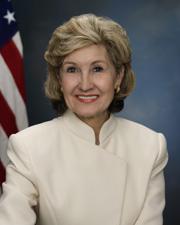
Mr. President, I rise today with Senator Nelson to introduce an important piece of legislation that will dramatically improve the quality of diabetes care under the Medicare program. Diabetes is a…
Mr. President, I rise today with Senator Nelson to introduce an important piece of legislation that will dramatically improve the quality of diabetes care under the Medicare program.
Diabetes is a serious, debilitating chronic illness that afflicts more than 18 million Americans, including eight million Medicare beneficiaries. An additional eight million seniors suffer from a condition known as ``pre-diabetes'' that, when left untreated, will develop into diabetes. Diabetes' devastating complications--kidney failure, blindness, lower extremity amputation, heart disease and stroke--result in significant costs to the program. Although beneficiaries with diabetes comprise only 20 percent of the Medicare population, diabetes related complications account for more than 30 percent of medicare expenditures.
This is indeed troubling, and there is much that can be done to reduce the burden of diabetes and prevent these costly complications. Diabetes self-management training, DSMT, helps people with diabetes learn the skills they need to manage the daily regimen of diet, exercise, meal planning, medication and monitoring necessary to keep blood sugar under control. Certified Diabetes Educators, CDEs, are highly trained healthcare professionals--often nurses, pharmacists, or dieticians--who specialize in helping people with diabetes develop these skills. A CDE must be a licensed health care professional, possess a minimum of two years of professional practice experience in DSMT, have provided a minimum of 1,000 hours of DSMT to patients in the past five years, and have passed a rigorous national examination.
The value of DSMT is well documented. The Diabetes Prevention Program study of 2002 demonstrated that participants, all of whom were at increased risk for developing type 2 diabetes, were able to reduce that risk by implementing the lifestyle changes taught as part of DSMT. Additional studies have found that patients with diabetes achieved significantly better outcomes when taking part in comprehensive diabetes management programs.
Congress recognized the value of DSMT when it provided for this benefit under the Balanced Budget Act of 1997. At that time, CDEs were able to provide DSMT through hospital-based programs, billing under the hospital's provider number. Unfortunately, hospital-based DSMT programs are closing at a rate of two to five per month, leaving people with diabetes without access to this life-saving benefit. Our legislation would correct this problem by allowing CDEs to be recognized as providers under the Medicare program for the purposes of providing DSMT. This would provide CDEs with the flexibility they need to ensure that beneficiaries can access these critical services.
As it is, the Centers for Medicaid and Medicare Services, CMS, estimates that only 30 percent of beneficiaries are utilizing the benefit. More must be done to increase access to life-saving DSMT programs. Our legislation will help to accomplish that goal.
Diabetes already poses a serious burden for the Medicare program. As the 76 million baby-boomers age into the Medicare program, the cost of diabetes related complications could seriously undermine the financial stability of the Medicare program. We must act now to strengthen Medicare to ensure that beneficiaries with diabetes have the tools they need to prevent diabetes complications.
Show 6 more

Mr. President, I rise today to proudly introduce the Commodity Assessment Protection and Reform Act. This legislation fixes a potential problem for our wheat producers in the State of Oklahoma as…
Mr. President, I rise today to proudly introduce the Commodity Assessment Protection and Reform Act.
This legislation fixes a potential problem for our wheat producers in the State of Oklahoma as well as other wheat producing states.
As Government encourages agricultural producers to become more responsible for their own marketing and research programs, it is vital that we give producers the ability to do just that.
To enhance marketing and research of agricultural commodities, farm programs for many years have authorized the use of marketing loans for some commodities. Producers receive cash loans using the commodity as collateral. Marketing loans allow the producer to market crops while also providing cash to pay outstanding bills.
These marketing and research programs provide many benefits: increasing commodity category sales; creating a viable, thriving marketplace for individual businesses; providing greater opportunity for brands and businesses to compete for their share of the category; protecting small producers from being severely disadvantaged against large competitors that could undermine industry growth; building a more favorable economic environment--better prices for producers, more revenue growth for processors; reducing dependence on taxpayer dollars for support payments and government administration in times of economic hardship; providing an open, free flow of consumer information to help consumers make informed choices about purchasing these commodities; and providing ongoing investments in research to ensure product quality, safety and nutrition expectations.
For wheat, this program is administered by the individual State wheat commissions and is not a national program. In Oklahoma, wheat producers have the option to opt out of the program if they choose.
Wheat producers in Oklahoma, and in many other States, have supported this system for collecting assessments on the commodities they produce. For wheat placed under loan with the United States Department of Agriculture, USDA, Commodity Credit Corporation, CCC, the CCC has collected these grower-funded assessments. Again, these assessments are used to fund research and marketing programs.
The loan placement is considered to occur at the first point of sale. The CCC has supported State commissions in the collection of grower- funded assessments for many years. These State assessments have been collected under a cooperative agreement defined in a Memoranda of Understanding between individual State commodity commissions and the
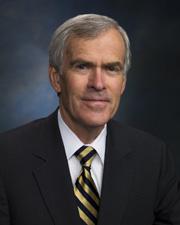
Mr. President, today my colleague, Senator Thomas, and I are introducing the ``Equity for Our Nation's Self-Employed Act of 2004.'' This legislation would reduce the cost of health insurance for the…
Mr. President, today my colleague, Senator Thomas, and I are introducing the ``Equity for Our Nation's Self-Employed Act of 2004.'' This legislation would reduce the cost of health insurance for the self-employed by allowing these workers to exclude the cost of their health insurance from their income for purposes of calculating their payroll taxes. Although the self-employed are now allowed an income tax deduction for the amount they pay for health insurance, they must still calculate their payroll taxes as if they were not allowed this income tax deduction. Essentially, the self-employed are paying payroll taxes on the amount they pay for health insurance. The legislation we are introducing today would stop this inequitable tax treatment and allow the self-employed to deduct the amount they pay for health insurance from their calculation of payroll taxes.
This problem affects all self-employed who provide health insurance to their families. According to the Census Bureau, there are almost 74,000 self-employed workers in New Mexico. While we have no idea how many of these people in New Mexico have health insurance, we do know that roughly 3.6 million working families in the United States paid self-employment tax on their health insurance premiums. Estimates indicate that roughly 60 percent of our Nation's uninsured are either self-employed or work for a small business. According to the Kaiser Family Foundation, self-employed workers spend more than $9,000 per year to provide health insurance for their family. Because they cannot deduct this as an ordinary business expense, those that spend this amount will pay a 15.3 percent payroll tax on their premiums resulting in almost $1,400 of taxes annually.
This problem was identified by the National Taxpayer Advocate in several of her annual reports to Congress and is supported by a variety of groups including the National Association for the Self-employed, the National Small Business Association, the National Federation of Independent Businesses, the U.S. Chamber of Commerce, the U.S. Hispanic Chamber of Commerce, and the Small Business Legislative Council.
I look forward to working with my colleagues to get this important legislation passed.

Mr. President, every 18 seconds a fire department somewhere in America responds to a fire. And sadly, in 2001, not including those killed in the terrorist attacks on September 11, there were almost…
Mr. President, every 18 seconds a fire department somewhere in America responds to a fire. And sadly, in 2001, not including those killed in the terrorist attacks on September 11, there were almost 4,000 deaths in America resulting from fires, including the deaths of 99 firefighters. Obviously, the Government cannot prevent every tragedy. But when we can help, we ought to. That is why I am proud to introduce legislation today with my friend from Pennsylvania, Senator Santorum, that will create incentives for the installation of fire sprinkler systems, which are indisputably effective in limiting death and destruction by fires. The Fire Sprinkler Incentive Act of 2004 will make retrofit installation of fire sprinklers more affordable.
The National Fire Protection Association has no record of a fire killing more than two people in a building that had a properly installed and functioning sprinkler system. Less important than saving lives, but still important, sprinklers can dramatically reduce the property damage caused by fires. Because sprinkler systems are so successful, many jurisdictions require that newly constructed buildings be built with proper fire suppression technology.
Unfortunately, building codes for new construction cannot protect the many people who are living, working, or meeting in older buildings that do not have sprinklers. And because retrofitting buildings is so expensive few property owners can reasonably afford the upgrade. The legislation that the Senator from Pennsylvania and I are introducing today will provide some tax relief to property owners who are willing to make the investment in sprinkler systems that can save lives.
A business that operates nursing homes, for example, may not be able to afford to retrofit its older facilities without charging residents insupportable fees. The Fire Sprinkler Incentive Act will help ameliorate the costs of sprinkler installation by enabling property owners to depreciate the investment over a five-year period. This small change to the Tax Code can result in lives saved and property preserved.
I look forward to working with my colleagues to get this important legislation enacted.

Mr. President, I rise to introduce a bill to reauthorize the Native American Programs Act. This act is administered by the Administration for Native Americans within the Department of Health and…
Mr. President, I rise to introduce a bill to reauthorize the Native American Programs Act.
This act is administered by the Administration for Native Americans within the Department of Health and Human Services. Funds appropriated for the Administration for Native Americans enable the provision of grants for social and economic development initiatives addressing the needs of Native communities, for Native language preservation, and to provide support for environmental initiatives.
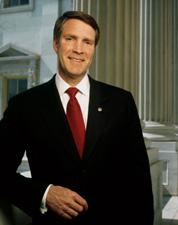
I ask unanimous consent the Judiciary Committee be discharged from further consideration of S. 2435 and the Senate proceed to its immediate consideration. I ask unanimous consent the bill be read a…
I ask unanimous consent the Judiciary Committee be discharged from further consideration of S. 2435 and the Senate proceed to its immediate consideration.
I ask unanimous consent the bill be read a third time and passed, the motion to reconsider be laid upon the table with no intervening action or debate, and any statements be printed in the Record.

Mr. President, I ask unanimous consent that the text of the bill be printed in the Record.
Mr. President, I ask unanimous consent that the text of the bill be printed in the Record.
Bill Text
3 versions available
        [Congressional Bills 108th Congress]
[From the U.S. Government Publishing Office]
[S. 2435 Referred in House (RFH)]

2d Session
S. 2435

_______________________________________________________________________

IN THE HOUSE OF REPRESENTATIVES

October 4, 2004

Referred to the Committee on Government Reform

_______________________________________________________________________

AN ACT

To permit Inspectors General to authorize staff to provide assistance
to the National Center for Missing and Exploited Children, and for
other purposes.

Be it enacted by the Senate and House of Representatives of the
United States of America in Congress assembled,

SECTION 1. SHORT TITLE.

This Act may be cited as the ``Missing Child Cold Case Review Act
of 2004''.

SEC. 2. AUTHORITY OF INSPECTORS GENERAL.

Title XXXVII of the Crime Control Act of 1990 (42 U.S.C. 5779 et
seq.) is amended by inserting after section 3701 the following:

``SEC. 3701A. AUTHORITY OF INSPECTORS GENERAL.

``(a) In General.--An Inspector General appointed under section 3
or 8G of the Inspector General Act of 1978 (5 U.S.C. App.) may
authorize staff to assist the National Center for Missing and Exploited
Children--
``(1) by conducting reviews of inactive case files to
develop recommendations for further investigations; and
``(2) by engaging in similar activities.
``(b) Limitations.--
``(1) Priority.--An Inspector General may not permit staff
to engage in activities described in subsection (a) if such
activities will interfere with the duties of the Inspector
General under the Inspector General Act of 1978 (5 U.S.C.
App.).
``(2) Funding.--No additional funds are authorized to be
appropriated to carry out this section.''.

Passed the Senate October 1, 2004.

Attest:

EMILY J. REYNOLDS,

Secretary.