Servicemembers' Health Insurance Protection Act of 2005
Legislative Activity
Stay on top of the latest movement without scrolling through every action
Received in the Senate and Read twice and referred to the Committee on Veterans' Affairs.
May 24, 2005
View full timeline
Introduced in House
May 3, 2005
Sponsor introductory remarks on measure. (CR E855)
May 3, 2005
Referred to the House Committee on Veterans' Affairs.
May 3, 2005
Referred to the Subcommittee on Economic Opportunity.
May 4, 2005
Subcommittee Consideration and Mark-up Session Held.
May 5, 2005
Forwarded by Subcommittee to Full Committee by Voice Vote.
May 5, 2005
Provisions of H.R. 1292 Incorporated in This Measure, Section 4.
May 11, 2005
Committee Consideration and Mark-up Session Held.
May 11, 2005
Ordered to be Reported in the Nature of a Substitute (Amended) by Voice Vote.
May 11, 2005
Reported (Amended) by the Committee on Veterans' Affairs. H. Rept. 109-88.
May 19, 2005
Placed on the Union Calendar, Calendar No. 45.
May 19, 2005
Mr. Boozman moved to suspend the rules and pass the bill, as amended.
May 23, 2005 • 5:16 PM
Considered under suspension of the rules. (consideration: CR H3740-3743)
May 23, 2005 • 5:16 PM
DEBATE - The House proceeded with forty minutes of debate on H.R. 2046.
May 23, 2005 • 5:16 PM
Passed/agreed to in House: On motion to suspend the rules and pass the bill, as amended Agreed to by voice vote.(text: CR H3740-3741)
May 23, 2005 • 5:29 PM
On motion to suspend the rules and pass the bill, as amended Agreed to by voice vote. (text: CR H3740-3741)
May 23, 2005 • 5:29 PM
Motion to reconsider laid on the table Agreed to without objection.
May 23, 2005 • 5:29 PM
Received in the Senate and Read twice and referred to the Committee on Veterans' Affairs.
May 24, 2005
Floor Debate
17 membersWhat members said about H.R. 2046 on the floor
 JMSB
JMSB LEC
LEC JTS
JTS JES+12
Floor Debate
17 membersWhat members said about H.R. 2046 on the floor
Mr. Speaker, I move to suspend the rules and pass the Senate bill (S. 1235) to amend title 38, United States Code, to extend the availability of $400,000 in life insurance coverage to servicemembers…
Mr. Speaker, I move to suspend the rules and pass the Senate bill (S. 1235) to amend title 38, United States Code, to extend the availability of $400,000 in life insurance coverage to servicemembers and veterans, to make a stillborn child an insurable dependent for purposes of the Servicemembers' Group Life Insurance program, to make technical corrections to the Veterans Benefits Improvement Act of 2004, to make permanent a pilot program for direct housing loans for Native American veterans, and to require an annual plan on outreach activities of the Department of Veterans Affairs, as amended.
Mr. Speaker, I yield myself such time as I may consume.
(Mr. MILLER of Florida asked and was given permission to revise and extend his remarks.)
Mr. Speaker, I rise in support of S. 1235, as amended, the Veterans' Housing Opportunity and Benefits Improvement Act of 2006.
S. 1235, as amended, the Veterans' Housing Opportunity and Benefits Improvement Act of 2006, reflects a compromise agreement that has been reached by the Senate and House Committees on Veterans' Affairs on the following bills:
S. 1235, as amended, which passed the Senate on September 28, 2005; H.R. 1220, as amended, which passed the House on July 13, 2005; H.R. 2046, as amended, which passed the House on May 23, 2005; and H.R. 3665, as amended, which passed the House on November 10, 2005.
Mr. Speaker, I will insert at this point in the Record for the benefit of my colleagues a joint explanatory statement describing the compromise agreement we have reached with the other body.
Explanatory Statement on Amendment to Senate Bill, S. 1235, as Amended
S. 1235, as amended, the Veterans' Housing Opportunity and
Benefits Improvement Act of 2006, reflects a Compromise
Agreement reached by the Senate and House Committees on
Veterans' Affairs (the Committees) on the following bills
reported during the 109th Congress: S. 1235, as amended
(Senate Bill), H.R. 1220, as amended, H.R. 2046, as amended,
and H.R. 3665, as amended (House Bills). S. 1235, as amended,
passed the Senate on September 28, 2005; H.R. 2046, as
amended, passed the House on May 23, 2005; H.R. 3665, as
amended, passed the House on November 10, 2005.
The Committees have prepared the following explanation of
S. 1235, as further amended to reflect a compromise agreement
between the Committees (Compromise Agreement). Differences
between the provisions contained in the Compromise Agreement
and the related provision of the Senate Bill and the House
Bills are noted in this document, except for clerical
corrections, conforming changes made necessary by the
Compromise Agreement, and minor drafting, technical, and
clarifying changes.
title i--housing matters
Adapted Housing Assistance for Disabled Veterans Residing in
Housing Owned by Family Member
Current Law.--Chapter 21 of title 38, United States Code,
authorizes the Secretary to provide grants to adapt or
acquire suitable housing for certain severely disabled
veterans. The grant amounts are limited to $50,000 for
severely disabled veterans with impairments of locomotion or
loss of function of both arms described in section 2101(a) of
title 38, United States Code, and $10,000 to severely
disabled veterans with loss of vision or loss of function of
both hands as described in section 2101(b) of title 38,
United States Code. Currently a veteran may receive a grant
for specially adapted housing only once. However, a veteran
who has qualified for the smaller grant may nonetheless
receive a higher grant if disabilities under that provision
later develop.
Senate Bill.--The Senate Bill contains no comparable
provision.
House Bills.--Section 101 (a) through (e) of H.R. 3665, as
amended, would amend chapter 21 of title 38, United States
Code, by inserting a new section 2102A. Subparagraph (a)
would authorize the Secretary of Veterans Affairs to conduct
a program providing a partial adapted housing grant to
severely injured veterans residing temporarily in housing
owned by a family member. Subparagraph (b) would authorize
the Secretary to provide up to a $10,000 grant for such
veterans with disabilities involving impairments of
locomotion and up to a $2,000 grant for such veterans with
visual impairments or loss of function of both hands.
Subparagraph (c) would limit the assistance to one family
residence. Subparagraph (d) would require the Secretary
to issue relevant regulations. Finally, subparagraph (e)
would limit the program to 5 years after enactment.
Section 101(b) of H.R. 3665, as amended, would amend
section 2102 of title 38, United States Code, to allow a
veteran to receive no more than three grants of assistance
under chapter 21 of title 8, United States Code. The total
value of all grants would not exceed $50,000 for the most
severely disabled veterans and $10,000 for less severely
disabled veterans. However, a veteran who receives a grant
under section 2102(b) of title 38, United States Code, would
still be allowed to receive grants under section 2102(a) of
title 38, United States Code, if he or she becomes eligible.
Section 101(c) would amend chapter 21 of title 38, United
States Code, by adding at the end a new section 2107 to
provide that the Secretary shall coordinate the
administration of programs to provide specially adapted
housing that are administered by both the Under Secretary for
Health and the Under Secretary for Benefits under chapters
17, 21, and 31 of title 38, United States Code.
Compromise Agreement.--Section 101 of the Compromise
Agreement generally follows the House language except in the
case of veterans residing temporarily in housing owned by a
family member, veterans with disabilities involving
impairments of locomotion may receive up to $14,000. Section
101 would also increase the funding fee for a subsequent use
of the VA home loan guaranty with no money down by 5 basis
points for the period October 1, 2006 through September 30,
2007.
Adjustable Rate Mortgages
Current Law.--Section 3707A(c)(4) of title 38, United
States Code, limits the maximum increase or decrease of any
single annual interest rate adjustment after the initial
contract interest rate adjustment to 1 percentage point.
Senate Bill.--Section 201 of the Senate Bill would give VA
the flexibility to prescribe an appropriate annual rate
adjustment cap for VA hybrid Adjustable Rate Mortgage loans
with an initial rate of interest fixed for 5 or more years.
House Bills.--The House Bills contain no comparable
provision.
Compromise Agreement.--Section 102 of the Compromise
Agreement follows the Senate language.
Permanent Authority To Make Direct Housing Loans to Native
American Veterans
Current Law.--Section 3761 of title 38, United States Code,
establishes a pilot program to make direct housing loans to
Native American veterans for homes on tribal lands. The
authorization expires on December 31, 2008. Section 3762 of
title 38, United States Code, describes the administration
of the program and limits the maximum loan amount to
$80,000, unless the Secretary allows a larger amount due
to higher housing costs in a particular geographic area.
Senate Bill.--Section 203 of the Senate Bill contains a
similar provision.
House Bills.--Section 102 of H.R. 3665, as amended, would
make permanent the Native American Veteran Housing Loan
Program. It would also limit the Secretary's discretion in
approving a loan large than $80,000 to the loan limitation
amount provided by the Federal Home Loan Mortgage Corporation
Act for a single-family residence.
Compromise Agreement.--Section 103 of the Compromise
Agreement follows the House language.
Extension of Eligibility for Direct Loans for Native American
Veterans to a Veteran Who Is The Spouse of a Native
American
Current Law.--Section 3761 of title 38, United States Code,
limits loans under the
Native American Home Loan Program to veterans who are Native
Americans. Under current law, a veteran residing on tribal
lands with a Native American spouse is not eligible to
receive a home loan under this program.
Senate Bill.--The Senate Bill contains no comparable
provision.
House Bills.--Section 103 of H.R. 3665, as amended, would
extend eligibility for the Native American Veteran Housing
Loan Program to non-Native American veterans who are spouses
of Native American eligible to be housed on tribal land. The
non-Native American veteran must be able to acquire a
meaningful interest in the property under tribal law.
Compromise Agreement.--Section 104 of the Compromise
Agreement follows the House language.
Technical Corrections to Veterans' Benefit Improvement Act of
2004
Current Law.--Section 2101 of title 38, United States Code,
provides for grants to adapt or acquire suitable housing for
certain severely disabled veterans. Section 401 of Public Law
108-183 amended section 2101 to authorize the Secretary of
Veterans Affairs to provide adapted housing assistance to
certain disabled servicemembers who have not yet been
processed for discharge from military service, but who will
qualify for the benefit upon discharge due to the severity
of their disabilities. However, this provision was
inadvertently omitted from section 2101 of title 38,
United States Code when changes to that section were made
by P.L. 108-454.
Senate Bill.--Section 202 of S. 1235 would amend section
2101 of title 38, United States Code, to reinstate the
authority of the Secretary to provide adapted housing
assistance to certain members of the armed services and make
other conforming amendments. The amendments made by this
provision would take effect on December 10, 2004, immediately
after the enactment of Public Law 108-454.
House Bill.--Section 4 of H.R. 2046, as amended, contains a
similar provision.
Compromise Agreement.--Section 105 of the Compromise
Agreement contains this provision.
title ii--employment matters
Additional Duty for the Assistant Secretary of Labor for
Veterans' Employment and Training To Raise Awareness of
Skills of Veterans and of the Benefits of Hiring Veterans
Current Law.--Subsection (b) of section 4102A of title 38,
United States Code, describes the duties to be carried out by
the Assistant Secretary of Labor for Veterans' Employment and
Training.
Senate Bill.--The Senate Bill contains no comparable
provision.
House Bills.--Section 202(a) of H.R. 3665, as amended,
would add a new duty for the Assistant Secretary of Labor for
Veterans' Employment and Training (ASVET) under section 4102A
of title 38, United States Code, to furnish information to
employers (through meetings with hiring executive of
corporations and otherwise) concerning the training and
skills of veterans and disabled veterans, and the advantages
of hiring veterans. The ASVET would also be required to
facilitate employment of veterans and disabled veterans
through participation in labor exchanges (Internet-based and
otherwise), and by other means.
Section 202(b) of H.R. 3665, as amended, would require the
Secretary of Labor, acting through the ASVET, to develop a
transition plan for the ASVET to assume certain duties and
functions of the President's National Hire Veterans Committee
and transmit the plan to the House and Senate Veterans'
Affairs Committees not later than July 1, 2006.
Compromise Agreement.--Section 201 of the Compromise
Agreement generally follows the House language, but does not
include the requirement that the Secretary of Labor develop
and transmit a transition plan.
Modifications to the Advisory Committee on Veterans
Employment and Training
Current Law.--Section 4110 of title 38, United States Code,
establishes the Advisory Committee on Veterans employment and
Training, its membership, and its duties. The Advisory
Committee advises the ASVET on the employment and training
needs of veterans and how the Department of Labor is meeting
those needs. No outreach efforts are required of the Advisory
Committee in current law.
Senate Bill.--The Senate Bill contains no comparable
provision.
House Bills.--Section 203(a) of H.R. 3665, as amended,
would amend section 4110 of title 38, United States Code, by
renaming the ``Advisory Committee on Veterans Employment and
Training'' to ``Advisory Committee on Veterans Employment,
Training, and Employer Outreach''.
Section 203(b) would modify the duties of the Advisory
Committee to include assisting and advising the Assistant
Secretary of Labor for Veterans' Employment and Training
(ASVET) in carrying out outreach to employers.
Section 203(c) would modify the membership of the Advisory
Committee to include representatives from the National
Society of Human Resource Managers, The Business Roundtable,
the National Association of State Workforce Agencies, the
United States Chamber of Commerce, the National Federation of
Independent Business, a nationally recognized labor union or
organization, veterans service organizations that have a
national employment program, and recognized authorities in
the fields of business, employment, training, rehabilitation,
or labor. Section 203(c) would also retain six nonvoting ex
officio members of the Advisory Committee: Secretary of
Veterans Affairs, Secretary of Defense, Director of the
Office of Personnel Management, Assistant Secretary of Labor
for Veterans' Employment and Training, Assistant Secretary of
Labor for Employment and Training, and the Administrator of
the Small Business Administration.
Setion 203(d) of H.R. 3665, as amended, would require the
Advisory Committee to submit a report to the Secretary of
Labor on the employment and training needs of veterans for
the previous fiscal year. The report would include a
description of the activities of the Advisory Committee
during that fiscal year as well as suggested outreach
activities to be carried out by the Secretary of Labor to
employers with respect to the training and skills of veterans
and the advantage afforded employers by hiring veterans.
Compromise Agreement.--Section 202 of the Compromise
Agreement follows the House language.
Reauthorization of Appropriations for Homeless Veterans
Reintegration Programs
Current Law.--Section 2021 of title 38, United States Code,
authorizes appropriations for the Homeless Veterans
Reintegration Programs (HVRP) through fiscal year 2006.
Senate Bill.--The Senate Bill contains no comparable
provision.
House Bills.--Section 301 of H.R. 3665, as amended, would
reauthorize HVRP for fiscal years 2007 through 2009, and
retain the maximum authorization of $50 million per year.
Compromise Agreement.--Section 203 of the Compromise
Agreement follows the House language.
The provisions in this bill will directly or indirectly impact the lives of servicemembers, veterans, and their survivors. Several of them fall within the jurisdiction of the Subcommittee on Disability Assistance and Memorial Affairs, which I chair.
The other provisions fall within the jurisdiction of the Subcommittee on Economic Opportunity, which is chaired by Mr. Boozman. Mr. Boozman is currently conducting a roundtable on employment in Michigan, so I will describe his subcommittee's provisions as well.
In title I of the bill, we provide additional flexibility to the Adapted Housing Grant program and the Native American Home Loan program. These provisions were originally in H.R. 3665, introduced by Mr. Boozman, and H.R. 1773, introduced by Ms. Herseth.
Mr. Speaker, some of those wounded in Iraq and Afghanistan return home with significant disabilities. Many severely disabled servicemembers spend much of their convalescence at a family home before moving on to a home of their own. Under current rules, VA cannot help adapt family homes to the veteran's disability unless the veteran has an ownership interest in that property.
Section 101 would eliminate the ownership requirement and would also provide a partial Adaptive Housing Assistance grant, ranging from $2,000 to $13,000 depending on the level of disability to veterans temporarily in housing owned by a family member.
It would also authorize up to three separate specially adaptive housing grants within the current maximum amounts.
Section 102 of this bill would give the Secretary of Veterans Affairs the authority to prescribe an appropriate annual rate adjustment cap for the VA Hybrid Adjustable Rate Mortgage Loan program. This provision brings VA ARMs in line with the mortgage industry and improves their value on the secondary market.
Mr. Speaker, this bill would also make permanent the Pilot Program for Housing Loans to Native American Veterans; extend the eligibility for Native American loans to certain non-Native American veterans who have a meaningful interest in the property under tribal law and are the spouses of a Native American; and, finally, adjust the maximum loan to conform to the Freddie Mac limits, similar to other VA loans currently at $359,650.
Title II of the bill would transition some of the President's National Hire Veterans Committee's duties to the Assistant Secretary of Labor for Veterans' Employment and Training, and modifies the title of the Assistant Secretary's advisory committee to the Advisory Committee on Veterans Employment, Training, and Employer Outreach, its membership and its duties to improve employer outreach activities.
Taxpayers made a significant investment in the work of the President's National Hire Veterans Committee, and we feel strongly that some of the duties and products of the committee should be adopted by the Veterans Employment and Training Service at the Department of Labor.
Section 203 would reauthorize the Homeless Veterans Reintegration Programs for fiscal years 2007 through 2009, and retain the maximum authorization of $50 million per year. Mr. Speaker, we recognize that homelessness among veterans continues to be a problem. While there are varying estimates about the total number of homeless veterans and the causes for homelessness, there is no disagreement that a job is one of the keys to breaking the cycle of homelessness and that the Homeless Veterans Reintegration Programs remain a valuable tool to assist homeless veterans in finding gainful employment.
I do want to emphasize that this is an employment program managed by the Veterans Employment and Training Service at the Department of Labor, and it is not a housing program.
Title III of the bill would amend the Servicemembers Civil Relief Act and the Uniformed Services Employment and Reemployment Rights Act to provide additional protections to servicemembers. Section 302 and 303 originated in H.R. 2046, introduced by Chairman Buyer.
Under current law, when a member is rated totally disabled at the time of separation, Servicemembers' Group Life Insurance coverage is provided for 1 year free of charge. Section 301 of the bill would extend this coverage to 2 years through September 30, 2011, and 18 months as of October 1, 2011.
Members then may convert to Veterans' Group Life Insurance or a commercial policy. Section 302 would prohibit any increase in premiums for health insurance after reinstatement except for any general increase in the premiums being charged by the carrier for persons similarly covered.
Currently, a servicemember who is ordered to active duty and terminated their health insurance, employer-sponsored insurance coverage upon release from active duty is entitled to reinstatement of their previous health insurance coverage.
Section 303 closes a current gap in health insurance coverage for those Reservists who elect TRICARE coverage in advance of activation and allows them to retain reinstatement rights under their employer- sponsored health plan, even if they do not eventually report to active duty.
Since members of the Reserve component play such an important role in today's military, these important changes to the law will protect the members and their families from loss of coverage and unwarranted cost increases.
Section 401 of the bill would codify a June 2005 Department of Veterans Affairs regulation to add heart disease and ensuing complications and stroke to the list of diseases presumed service- connected for former prisoners of war that were interned for at least 30 days.
Section 402 would revise and consolidate VA outreach activities into a new chapter of title 38, United States Code, to ensure that servicemembers, veterans, and their survivors are aware of the benefits and services to which they may be entitled.
This section would further require VA to prepare a biennial outreach plan, as well as report to Congress every 2 years on the execution of that plan. I held a committee hearing on March 16 of this year, and I was disappointed to learn that VA was no longer filing an annual outreach report as mandated by law.
It is our interpretation that by creating this chapter, VA will put more of an emphasis on its outreach activities.
Mr. Speaker, I reserve the balance of my time.
Mr. Speaker, I have no further requests for time, and I reserve the balance of my time.
Mr. Speaker, I want to thank Chairman Buyer, Ranking Member Evans, Chairman Boozman, Ranking Member Berkley and Ranking Member Herseth for their leadership on crafting this bill. I also want to recognize Chairman Craig and Ranking Member Akaka of the Senate Veterans' Affairs Committee and the staff on both sides of the aisle for their hard work.
Mr. Speaker, I urge my colleagues to support Senate bill 1235, as amended.
Mr. Speaker, I yield back the balance of my time.
Mr. Speaker, on that I demand the yeas and nays.
Madam Speaker, I move to suspend the rules and pass the bill (H.R. 3200) to amend title 38, United States Code, to enhance the Servicemembers' Group Life Insurance program, and for other purposes.…
Madam Speaker, I move to suspend the rules and pass the bill (H.R. 3200) to amend title 38, United States Code, to enhance the Servicemembers' Group Life Insurance program, and for other purposes.
Madam Speaker, I yield myself such time as I may consume.
Madam Speaker, on July 14, 2005, the Committee on Veterans' Affairs reported H.R. 3200, the Servicemembers' Group Life Insurance Enhancement Act of 2005. Among other things, this bill would provide a permanent authorization for increases in maximum life insurance coverage under the Servicemembers' Group Life Insurance, referred to as the SGLI program, and the Veterans' Group Life Insurance, referred to as the VGLI program from $250,000 to $400,000.
Public Law 109-113, the Emergency Supplemental Appropriations Act For Defense, the Global War on Terror, and Tsunami Relief of 2005, increased the maximum coverage to $400,000 under these programs. However, the authorization expires on September 30, 2005.
It is my understanding that the Senate included the termination date, which was approved in the conference report, to afford the legislative committees the jurisdiction and opportunity to hold public hearings and further consider the specifics of the emergency authorization before it could be made permanent.
The increased level of coverage was requested by the President because of concerns over death benefits for the survivors of servicemembers being inadequate as our Nation fights the global war on terrorism. H.R. 3200 would also repeal the provision of Public Law 109- 13 which prevents a married servicemember from declining SGLI coverage, or opting for an amount less than the maximum, without the written consent of the spouse. Public Law 109-13 mandates spousal consent, even in cases where the couple is estranged, as long as they are legally married.
The committee does not believe providing a spouse such veto authority over life insurance elections is good public policy. The spousal consent requirement could also result, for example, in a servicemember's spouse excluding stepchildren as beneficiaries. The government should not interfere legally in a servicemember's highly personal choices about such family matters.
H.R. 3200 would instead require the military service Secretary concerned to provide written notification to the spouse or the next of kin of an unmarried servicemember as to the servicemember's insurance election.
The committee believes that this is the preferable way of ensuring that the spouse or beneficiary is informed about this important financial decision, while preserving the individual right of the servicemember to make decisions about life insurance coverage.
Finally, Public Law 109-13 also provides for a new traumatic injury program. The traumatic injury program provides financial assistance in the amounts from $25,000 to $100,000 to servicemembers who suffer certain traumatic injuries.
The traumatic injury protection under current law is mandatory for servicemembers who elect SGLI coverage with premiums paid by the servicemember. No hearing had been held on this new program until June 16 of 2005, when the Veterans' Affairs Subcommittee on Disability Assistance and Memorial Affairs held a hearing on H.R. 3200 in its draft form and on the traumatic injury protection program.
H.R. 3200 would allow a servicemember to decline traumatic injury coverage. This program authorization will be effective December 1, 2005, for servicemembers, but it is retroactive to October 7, 2001, when Operation Enduring Freedom began, for qualifying losses that are a direct result of injuries incurred in Operation Enduring Freedom and/or Operation Iraqi Freedom
Madam Speaker, I reserve the balance of my time.
Madam Speaker, I yield myself such time as I may consume.
I would like to acknowledge the contributions of the gentleman from Arizona (Mr. Renzi) for his hard work on this legislation. On April 16, 2005, Mr. Renzi introduced H.R. 1618, which would create a traumatic injury protection program similar to what was enacted in Public Law 109-13.
On June 16, the gentleman from Arizona (Mr. Renzi) testified before the Subcommittee on Disability Assistance and Memorial Affairs, and his comments helped shape the bill which we are currently considering today. The gentleman from Arizona (Mr. Renzi) is a strong supporter of our Nation's servicemen and women, and I appreciate his input.
I would also note that I have had continuous dialogue with the gentleman from Arizona (Mr. Renzi), and I deeply appreciate his passion. In having grown up in a military family, he has great understanding of the sacrifices of the men and women who wear the uniform.
Madam Speaker, I yield 3 minutes to the gentleman from Arizona (Mr. Renzi).
Madam Speaker, at this time I yield 2 minutes to the gentleman from New Hampshire (Mr. Bradley), a member of the committee.
Madam Speaker, I yield myself the balance of my time.
Madam Speaker, I would like to commend the gentleman from New York (Mr. Walsh) and the ranking member, the gentleman from Texas (Mr. Edwards), of the Subcommittee on Military Quality of Life and Veterans Affairs, and Related Agencies of the Committee on Appropriations when they took up this matter at the request of the President.
I also would like to commend the hard work of the gentleman from Florida (Mr. Miller), the chairman of the Subcommittee on Disability Assistance and Memorial Affairs of the Committee on Veterans' Affairs, in the consideration of this bill in a timely fashion and ensuring that the Servicemember Group Life Insurance Enhancement Act of 2005 was quickly passed.
I also want to note that the gentleman has been actively involved in these insurance provisions since we were first made aware of them. Following the submission of the supplemental, he convened a roundtable with the administration officials, and he has taken a lead on the crafting of this bill; and I want to thank him for his efforts.
I also want to commend the gentlewoman from Nevada (Ms. Berkley), the ranking member, for working with the gentleman from Florida (Mr. Miller) on this legislation. Her input was valuable, and we appreciate her efforts on behalf of men and women who wear the uniform and our veterans.
I also again want to commend the gentleman from Arizona (Mr. Renzi)
for his contributions to this legislation. I also reserve the last of my thanks to the gentleman from Illinois (Mr. Evans), the ranking member of full committee, for his good work.
Congress must act promptly to ensure permanent SGLI authorization is enacted before September 30 of 2005, or the coverage levels for servicemember life insurance will revert to $250,000 on October 1 of 2005. I do not believe any Member of this body would want to see that happen. I strongly urge my colleagues to give favorable consideration to H.R. 3200.
Mr. Speaker, I yield back the balance of my time.
Mr. Speaker, on that I demand the yeas and nays.
Mr. Speaker, I move to suspend the rules and concur in the Senate amendment to the bill (H.R. 3200) to amend title 38, United States Code, to enhance the Servicemembers' Group Life Insurance program,…
Mr. Speaker, I move to suspend the rules and concur in the Senate amendment to the bill (H.R. 3200) to amend title 38, United States Code, to enhance the Servicemembers' Group Life Insurance program, and for other purposes.
Mr. Speaker, I yield myself such time as I may consume.
(Mr. MILLER of Florida asked and was given permission to revise and extend his remarks.)
Mr. Speaker, on July 14 of this year, the Committee on Veterans' Affairs reported H.R. 3200, the Servicemembers' Group Life Insurance Enhancement Act of 2005. On July 26 of this year, the House passed the bill by a vote of 424-0.
Among other things, this bill would provide a permanent authorization for increases in maximum life insurance covered under the Servicemembers' Group Life Insurance Program and the Veterans Group Life Insurance Program from $250,000 to $400,000.
Public Law 109-13, the Emergency Supplemental Appropriations Act For Defense, the Global War on Terror, and the Tsunami Relief, 2005, increased the maximum coverage to $400,000 under these programs; however, the authorization expires in just 2 days, that is, September 30.
It is my understanding that during negotiations on the supplemental that the Senate included the termination date which was approved in the conference report to afford the legislative committees of jurisdiction the opportunity to hold hearings and further consider the specifics of the emergency authorization before it was made permanent.
The increased level of coverage was requested by the President because of concerns that death benefits for survivors of servicemembers were inadequate as our Nation fights the global war on terrorism. Further, Public Law 109-13 mandated spousal consent even in cases where the couple is estranged, as long as they are still legally married. The committee does not believe providing the spouse such a ``veto'' authority over life insurance elections is good public policy. The spousal consent requirement could also result, for example, in a servicemember's spouse excluding stepchildren as beneficiaries. The government should not interfere legally in a servicemember's highly personal choices about such family matters as this.
H.R. 3200, as amended, which the Senate passed yesterday, would instead require the military service secretary concerned to provide written notification to the spouse.
In an effort to expedite the passage of this bill as amended, we concur with the Senate's decision to drop the provisions stating that in cases of an unmarried servicemember, or a servicemember who marries while on active duty, notification be made to the next of kin or new spouse as to their insurance election.
The Committee believes notification is the preferable way of ensuring that the spouse is informed about this important financial decision while preserving the individual right of the servicemember to make decisions about life insurance coverage themselves.
Finally, Public Law 109-13 also provided for a new Traumatic Injury Protection program which goes into effect on the 1st of December this year. The committee has agreed to review this proposal in the coming year after having an opportunity to monitor the existing program. As amended, H.R. 3200 does not include this provision.
Mr. Speaker, I reserve the balance of my time.
Mr. Speaker, I yield myself such time as I may consume.
Mr. Speaker, like my colleague, I would like to say thank you to the gentleman from Indiana (Mr. Buyer), the chairman of the committee, and the gentleman from Illinois (Mr. Evans), the ranking member, for their cooperation in this legislation. I also commend the gentlewoman from Nevada (Ms. Berkley), the ranking member on our subcommittee, as well as the gentleman from New Hampshire (Mr. Bradley), for working with me and drafting this compromise agreement.
I particularly want to thank those on the Senate side, Senator Craig and Senator Akaka, for ensuring that this important legislation was considered in the Senate and returned to the House to allow for final passage.
Congress has to act promptly to ensure permanent SGLI authorization is enacted before September 30, or else insurance coverage levels will revert to $250,000 on the 1st of October of this year. I do not think any Member of this body wants to see this happen.
Mr. Speaker, I strongly urge my colleagues to support H.R. 3200, as amended.
For the benefit of my colleagues, the following is a joint explanatory statement describing the compromise agreement which we have reached with the other body.
Joint Explanatory Statement on Senate Amendments to H.R. 3200
H.R. 3200, as amended, the Servicemembers' Group Life
Insurance Enhancement Act of 2005, reflects a Compromise
Agreement reached by the House and Senate Committees on
Veterans' Affairs (the Committees) on the following bills
considered in the House and Senate during the 109th Congress:
H.R. 2046, as amended; H.R. 3200 (House Bills); and S. 1235,
as amended (Senate Bill). H.R. 2046, as amended, passed the
House on May 23, 2005; H.R. 3200 passed the House on July 26,
2005; and S. 1235, as amended, reported to the Senate on
September 21, 2005.
The Committees have prepared the following explanation of
H.R. 3200, as amended (Compromise Agreement). Differences
between the provisions contained in the Compromise Agreement
and the related provisions of H.R. 2046, as amended; H.R.
3200; and S. 1235, as amended, are noted in this document,
except for clerical corrections, conforming changes made
necessary by the Compromise Agreement, and minor drafting,
technical, and clarifying changes.
Mr. Speaker, I have no further requests for time, and I yield back the balance of my time.
Mr. Speaker, I offer this statement in support of S. 1235, as amended, the Veterans' Housing Opportunity and Benefits Improvement Act of 2006. Working together with the Senate Committee on Veterans'…
Mr. Speaker, I offer this statement in support of S. 1235, as amended, the Veterans' Housing Opportunity and Benefits Improvement Act of 2006.
Working together with the Senate Committee on Veterans' Affairs, we have reached a compromise that will provide significant improvements in veterans' benefits, for those who have served this country and for those who will follow in their footsteps.
Under title one, this bill will increase the flexibility enjoyed by the Adapted Housing Grant Program and the Native American Home Loan Program. I commend Mr. Boozman and Ms. Herseth for their leadership in originally introducing these provisions, in H.R. 3665 and H.R. 1773, respectively.
As they return home to convalesce from medical care, many injured or wounded servicemembers spend time in a family member's home before returning to their own home. This legislation authorizes the Department of Veterans Affairs to equip a family member's home with necessary adaptive equipment. Further, it provides a partial adaptive housing allowance grant of between $2,000 and $14,000 to accomplish that adaptation.
This bill also helps Native American veterans and their families by making it easier for them to own their own home. We do that by making permanent a housing loan pilot program for Native American veterans and extend eligibility for Native American loans to non-native American veterans who are spouses of a Native American and who have a meaningful interest in the property under tribal law. We also increase the maximum loan amount available on tribal lands from $80,000 to the maximum limit used for Freddie Mac loans, now over $417,00.
Finally, under title one, we authorize the Secretary of Veterans Affairs to prescribe annual rate adjustment caps for VA's hybrid adjustable rate mortgage loans, thus bringing these ARMs into line with the mortgage industry and enhancing their value on the secondary market.
Mr. Speaker, title two of the bill would migrate some of the sunsetted President's National Hire Veterans Committee duties to the Veterans' Employment and Training Service of the Assistant Secretary of Labor. Further, to improve employer outreach, the bill modifies membership and duties to the Department of Labor's newly named Advisory Committee on Veterans Employment, Training and Outreach.
Title two also reauthorizes the Homeless Veterans Reintegration Program for fiscal years 2007 through 2009, retaining the maximum authorization of $50 million per year. Winning the fight against homelessness means finding homeless veterans good jobs, and that is what this program, managed by the Department of Labor, is intended to do. It is therefore a critical component of our program to end chronic homelessness among veterans.
Members of the Reserve and National Guard today play roles of unprecedented importance in our national security and must be accorded commensurate protections.
In provisions originally introduced by H.R. 2046, which I sponsored, title three of the bill increases job security among veterans by improving the Servicemembers' Civil Relief Act, SCRA, and the Uniformed Services Employment and Reemployment Rights Act, USERRA. Servicemembers who are activated and drop their commercial health insurance are now entitled to reinstatement of that policy upon their return from active duty. This bill prohibits premium increases after reinstatement other than such increases charged by that insurer for other policy holders similarly covered.
Some reservists choose to enroll in TRICARE before they are activated, for example in anticipation of activation; and S. 1235 as amended preserves their reinstatement rights under the provision detailed in the preceding paragraph, even if they ultimately do not serve on active duty.
Section 301 of the bill would, until September 30, 2011, double to 2 years the provision of Servicemembers' Group Life Insurance coverage free of charge when a member is rated totally disabled at separation. From October 2001 forward, the limit will be 18 months of free SGLI coverage.
Former prisoners of war experience great hardships that often manifest themselves in ailments years after interment. Section 401 of the bill would codify the VA's June 2005 regulation that added heart disease and ensuing complications, as well as stroke, to those diseases presumptively service-connected for former prisoners of war who were captive for at least 30 days.
Outreach to veterans is a perennial criticism leveled at VA by the Congress. Veterans cannot access benefits they don't know about. This bill will increase accountability by causing outreach activities to be collected into a discrete chapter of title 38, facilitating management and oversight of outreach and require VA to prepare a biennial outreach plan and report to Congress on its performance of that plan every two years.
Mr. Speaker, I commend and thank Ranking Member Lane Evans, Chairman Boozman, Chairman Miller, Ranking Member Berkley, and Ranking Member Herseth for their work bringing in this legislation to the Congress an ultimately to the cause of service to our veterans. I also recognize my counterpart, Senator Larry Craig, chairman of the Senate Committee on Veterans' Affairs, and Ranking Member Akaka, for their leadership on this important legislation.
Mr. President, I have sought recognition to comment on S. 1235, the Veterans' Housing Opportunity and Benefits Act of 2006. This legislation is the product of a compromise agreement reached between…
Mr. President, I have sought recognition to comment on S. 1235, the Veterans' Housing Opportunity and Benefits Act of 2006. This legislation is the product of a compromise agreement reached between the Senate and House Committees on Veterans' Affairs. The legislation cleared the House on Monday by a unanimous vote of 372 to 0. Its passage today in the Senate will continue the tradition of cooperation between the two Houses of Congress and among all political parties when it comes to legislation to improve the benefits and services available for our nation's veterans.
Before I thank my colleagues on both sides of the aisle who worked diligently on the provisions of this bill, I would like to take a few moments to comment on provisions that I was particularly interested in seeing enacted in that they will impact the lives of servicemembers returning from the global war on terrorism who have severe disabilities.
It is quite natural, and in many cases necessary for therapeutic or rehabilitative reasons, for a young servicemember who is severely wounded to spend some time convalescing at the home of his or her family before moving on to live a fully independent life. The nature of some severely wounded servicemembers' wounds require adaptations to the homes in which they live--such as larger doorways, ramps, hand rails, and other modifications. VA has a grant program to assist servicemembers and veterans with expenses associated with these modifications, but the program needs greater flexibility to address the reality of how young wounded warriors convalesce. Section 101 of the legislation provides that flexibility. It authorizes VA to equip a family member's home using a partial grant--with some portion, or all, of the remainder of the grant available for later use--of between $2,000 and $14,000. I was proud to join Senator John Sununu on an amendment that cleared the Senate earlier this year that contained this provision. I am even prouder that we were able to include it in the final bill.
Section 301 of S. 1235 is another provision that makes a reasonable accommodation in a benefit program to meet the realities faced by convalescing, severely disabled servicemembers. Servicemembers adjudicated as totally disabled at the time of their separation from service have up to one year after separation to apply to receive premium-free Servicemembers' Group Life Insurance coverage during the 1-year, post separation period, and to convert their coverage to Veterans' Group Life Insurance, or an individual plan or policy. Taking advantage of the conversion option is especially critical for totally disabled veterans who, because of their disabilities, may not be insurable at competitive commercial rates after military service. Through a targeted outreach effort to this population, VA learned that many totally disabled veterans do not convert their coverage to VGLI because they may have neglected post-separation financial planning due to the effects of their disabilities, or because they were simply unaware of the extension option. To give these convalescing servicemembers as much time as possible to make informed decisions about their future financial security, section 301 would extend from 1 to 2 years the available conversion period.
There are many other enhancements contained in this legislation. They cover housing, insurance, employment and other miscellaneous benefit programs. And, not a small point in this time of fiscal austerity, the legislation is budget neutral.
I would like to take a moment to thank those who are responsible for bringing this compromise agreement to the brink of enactment. First, the committee's ranking member, Senator Daniel Akaka, provided his customary--and indispensable--cooperation and leadership. He and his staff worked very closely with me and my staff to shepherd the original legislation through the Senate, and then to work together with my House colleagues on this compromise. Veterans in Hawaii should be proud to have Senator Akaka at the helm. And I am proud to have him as the committee's ranking member.
I salute Chairman Steve Buyer and Ranking Member Lane Evans of the House Veterans' Committee; Subcommittee on Disability Assistance and Memorial Affairs Chairman Jeff Miller and Ranking Member Shelley Berkley; and Subcommittee on Economic Opportunity Chairman John Boozman and Ranking Member Stephanie Herseth for their work and for their spirit of accommodation. They and their staffs are to be commended for a job well done.
Yesterday, the Congress sent bipartisan legislation, the Respect for America's Fallen Heroes Act, to the President for his signature. Today, I am also asking my colleagues in the Senate to send the Veterans' Housing Opportunity and Benefits Act of 2006, to the President. I am thankful that our celebration of Memorial Day on Monday coincides with the Congress sending so strong a message of support to those who have worn the uniform.
Mr. President, I ask unanimous consent that the text of the attached joint explanatory statement be printed in the Record.
Show 8 more
Mr. Speaker, I yield myself such time as I may consume. Mr. Speaker, I rise today in strong support of Senate bill 1235, as amended, the Veterans' Housing Opportunity and Benefits Improvement Act of…
Mr. Speaker, I yield myself such time as I may consume.
Mr. Speaker, I rise today in strong support of Senate bill 1235, as amended, the Veterans' Housing Opportunity and Benefits Improvement Act of 2006. This bipartisan and bicameral benefit package incorporates a number of important measures aimed at improving the quality of life for our servicemembers, veterans, and military families.
I would like to thank Chairman Buyer and Ranking Member Lane Evans for their leadership on the full committee and for their assistance in moving this bill to the floor today.
I also want to express my appreciation to the chairman and ranking member of the Economic Opportunity Subcommittee, John Boozman and Stephanie Herseth, respectively, for their hard work and bipartisan leadership in this legislative package.
Additionally, I would like to thank the chairman and ranking member of the Disability Assistance and Memorial Affairs Subcommittee, Jeff Miller and Shelley Berkley, for their diligence and hard work on this bill.
Our Nation's servicemembers and veterans have earned and their families deserve all of the benefits and opportunities provided under Senate bill 1235. In fact, they deserve much more. I am pleased, however, that this legislative package takes a strong step in the right direction, and I am sure the veterans and military families in my home State of Colorado will appreciate their efforts.
Mr. Speaker, Senate bill 1235, as amended, will enable severely disabled veterans to make necessary adaptations to homes in which they are temporarily residing, and it will give totally disabled veteran servicemembers who are leaving military service an additional year of Servicemembers' Group Life Insurance coverage and limit unjustified health premium increases on activated National Guard members and Reservists. It will extend the Homeless Veterans Reintegration Program which provides employment opportunities for homeless veterans and improve the Department of Labor's Veterans Employment and Training Service.
In addition, the bill includes language from H.R. 1773, the Native American Veterans Home Loan Act, a measure introduced by Representative Stephanie Herseth of South Dakota. This bill will make permanent the Native American Housing Loan Program so that veterans residing on tribal land can obtain an appropriate home loan.
It will also provide housing opportunities for veterans who are residing on tribal land with Native American spouses.
By all accounts, the pilot program has been a great success and, in fact, has a negative subsidy; that is, it actually pays for itself. That is something that is rarely done here at the Federal level. Making this program permanent is the right thing to do for Native American veterans and their families.
Mr. Speaker, we also know that veterans who are former prisoners of war have been found to have disproportionate rates of heart disease and stroke. This bill will assure that they will be compensated for these conditions by codifying a current regulation.
Finally, this bill will improve the Department of Veterans Affairs' outreach to veterans and their families in an organized fashion.
Mr. Speaker, the servicemembers, veterans and military families of this Nation have earned and deserve our best efforts here in Congress. As we approach Memorial Day today, I am very proud to support this long overdue legislation, and I am confident that it will benefit the veterans of my home State of Colorado as well as other veterans around this country.
I fully support Senate bill 1235, as amended, and urge my colleagues to do the same. But before I reserve the balance of my time, I would like to bring attention to a matter of deep concern. We learned today of the theft of 26.5 million veterans' records from the home of a career VA employee. I am very concerned about this theft because the records include the name, Social Security number and date of birth of every veteran in this country.
I would like to encourage veterans to visit www.firstgov.gov or call 1-800-FED-INFO, 333-4636.
Mr. Speaker, I reserve the balance of my time.
Mr. Speaker, I yield 5 minutes to the gentleman from California (Mr. Filner).
Mr. Speaker, I yield 3 minutes to the gentleman from American Samoa, Eni Faleomavaega.
(Mr. FALEOMAVAEGA asked and was given permission to revise and extend his remarks.)
Mr. Speaker, I would like today to let folks know that this is a great step in the right direction in making sure that we keep our promise to our veterans.
Mr. Speaker, I have no further requests for time, and I yield back the balance of my time.
Mr. President, today I rise in strong support of S. 1235, the Veterans' Housing Opportunity and Benefits Improvement Act of 2006. This legislation passed the House unanimously on Monday, and I urge…
Mr. President, today I rise in strong support of S. 1235, the Veterans' Housing Opportunity and Benefits Improvement Act of 2006. This legislation passed the House unanimously on Monday, and I urge my Senate colleagues to do the same.
S. 1235 contains many important provisions, but I would like to focus my remarks on section 101 of the bill, which deals with adaptive housing grants. Section 101 upgrades eligibility criteria for housing assistance grants to better reflect the needs of today's veteran community and will help all disabled veterans move home from medical facilities sooner. The language in section 101 is almost identical to my bipartisan legislation, S. 1947, The Specially Adapted Housing Improvements Grants Act and a bi-partisan amendment I introduced to S. 1932, the Deficit Reduction Act, which passed the Senate unanimously by voice vote.
First, I want to acknowledge my House colleague, Representative John Boozman of Arkansas, who serves as Chairman of the Veterans' Affairs Subcommittee on Economic Opportunity and has demonstrated real leadership on this issue. I am grateful to him for his considerable efforts to advance this measure in the House and I am happy to do so here in this Chamber. I also appreciate the hard work of the Chairman of the Veterans' Affairs Committee here in the Senate, Senator Craig, and the bipartisan group of Senators who cosponsored both my bill and amendment. The broad support of S. 1235 and its provisions represent a bipartisan belief on Capitol Hill that Congress must constantly evaluate veterans programs to make certain that our Nation provides responsive support to veterans.
While representing New Hampshire in the House and Senate, I have worked to ensure that those who served in our armed services receive their hard-earned benefits quickly and in full. Too often, out-of-date and burdensome regulations deny qualified veterans from receiving the benefits to which they are entitled. Whenever possible, it is imperative that we remove red tape that does not take into account the realities faced by today's veterans.
That is why I introduced legislation to reform rules that determine requirements for a Department of Veterans Affairs, VA, grant program that helps many disabled veterans make their
homes suitable for occupancy. Currently, a disabled veteran must at least partly own his or her residence to receive VA housing assistance grants to perform necessary residence modifications, such as installing wheelchair ramps or railings. However, many younger veterans returning from Iraq and Afghanistan have not yet had the opportunity to become homeowners. Being ineligible for VA funding assistance to modify their homes, these veterans and their families often are compelled to either shoulder the costs of retrofitting their residences or face extended stays in VA medical facilities.
Section 101 of S. 1235 will establish a 5-year pilot program to allow severely disabled veterans who live temporarily with family to receive up to $10,000 in adaptive housing assistance; less severely disabled veterans could receive a maximum of $2,000. This grant money will help ensure that all disabled veterans--regardless of whether they own property--are able to leave hospitals and return home as quickly as possible.
Also, mindful that these individuals will likely purchase their own residence, the bill will allow disabled veterans to receive two additional specially adaptive housing grants to be used for homes that they own in the future. Severely disabled veterans could receive a total of $50,000 to modify residences; less severely disabled veterans would be eligible for a total of $10,000. Only one of the three total grants could be used for a temporary residence, such as a family-owned home.
America's veterans have made enormous sacrifices to protect our Nation and the ideals for which it stands. Our country owes a special obligation to those men and women who have become disabled as a result of their service. Under no circumstances should these American heroes be divided into groups of ``haves'' and ``have nots.''
This Nation must do no less than to ensure that all disabled veterans are returned to the normalcy of home life as quickly and comfortably as possible. The common sense changes put forth in section 101 of S. 1235 do just that, and I urge my colleagues in the Senate to send this bill to President Bush to sign in to law in time, fittingly, for Memorial Day.

Mr. Speaker, I thank the gentleman for yielding me time, and I thank Mr. Miller of Florida. I rise in strong support of this Veterans' Housing Opportunity and Benefits Improvement Act that is before…
Mr. Speaker, I thank the gentleman for yielding me time, and I thank Mr. Miller of Florida.
I rise in strong support of this Veterans' Housing Opportunity and Benefits Improvement Act that is before us. This is bipartisan legislation and includes several provisions introduced by both Democrats and Republicans. It demonstrates what can be accomplished when we work together to deliver the best to our Nation's veterans, and again, I thank Chairman Miller and all the Members on his side for bringing to us this bipartisan legislation.
One of the most important parts of the bill is the reauthorization of appropriations for the Labor Department's Homeless Veterans Reintegration Program (HVRP), through fiscal year 2009 with a maximum level of $50 million per year. This program has proven to be very successful in providing job training and other services that help our Nation's veterans get back into productive lives.
Mr. Speaker, together with the ranking member, Mr. Evans, I convened a homeless veterans forum just last Thursday, May 18. We heard some very tough statistics, hard-to-hear statistics about our Nation's veterans. Each night as many as 200,000 veterans are sleeping in a doorway, under a bridge, in an alley, in a box, in a barn or a car or homeless shelter. In fact, one out of every three homeless males is a veteran, most of those from Vietnam. A hard-to-believe fact is that the number of homeless Vietnam-era veterans is greater, Mr. Speaker, than the number of servicemembers who died during that war. This is almost unbelievable, and Congress must renew efforts to fight this plague.
Women veterans, unfortunately, are also joining the ranks of the homeless. According to the National Coalition for Homeless Veterans, a survey of their members revealed that the percentage of women among homeless vets rose from 2 percent in 1966 to 7 percent at the end of 2005. Women who have served in the military are up to four times more likely to become homeless when compared with their peers in the general population. These statistics demonstrate the importance of passing S. 1235.
At the forum last week, we heard from a woman veteran, formerly homeless. Her story is one of a courageous person who fought for years to overcome the problems that kept her homeless. At the Mary E. Walker House on the grounds of the VA Coatesville Medical Center in Pennsylvania, she finally was able to get the assistance she needed to reestablish her life, regain her children and begin again. While testifying, tears came to her eyes. She said they were tears of joy at what the VA program had helped her accomplish.
We heard also about the success of the Stand Downs, which began in my home town of San Diego in 1988 and provide a one-stop 3-day event to provide all the services needed by homeless vets; that is, counseling, clothing, food, medical and dental, assistance with job applications.
We know how to help our vets. We have to bring together all these services in one place. And rather than have 3-day Stand Downs around the country, we ought to have these services available to our veterans everyday. In addition, the Homeless Court Program, which began a few years ago, brings the court to homeless shelters to assist homeless defendants in resolving outstanding cases that prevent them from getting jobs and moving forward.
I would also like to call attention to another important successful program not in this bill before us today, the VA Homeless Grant and Per Diem program which directs funding to providers of housing and traditional services for homeless vets. I believe this program should be given an authorized annual spending level of $130 million for the next 5 years. This would mean that the funding level would increase each year to reach by increments the $130 million level.
Our colleagues on the Appropriations Committee have authorized this program through September of 2007. I suggest our committee take steps to continue the authorization of this program through 2012.
Mr. Speaker, we have heard of other important components of this bill, improvements in employment, life and health insurance, adapted housing, and housing loans to Native American veterans. I would like to thank Chairman Buyer, Ranking Member Evans, and the chairman and ranking members of the subcommittees and their staff who diligently worked to make this bill a reality. I urge the passage of this bill.
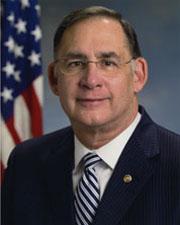
Mr. Speaker, I move to suspend the rules and pass the bill (H.R. 2046) to amend the Servicemembers Civil Relief Act to limit premium increases on reinstated health insurance on servicemembers who are…
Mr. Speaker, I move to suspend the rules and pass the bill (H.R. 2046) to amend the Servicemembers Civil Relief Act to limit premium increases on reinstated health insurance on servicemembers who are released from active military service, and for other purposes, as amended.
Mr. Speaker, I yield myself such time as I may consume.
Mr. Speaker, H.R. 2046, as amended, the Servicemembers' Health Insurance Protection Act of 2005, provides several improvements to the Servicemembers' Civil Relief Act and the Uniformed Services Employment and Reemployment Rights Act.
Mr. Speaker, this is a bipartisan bill and was passed by unanimous consent in both the Subcommittee on Economic Opportunity and the full Committee on Veterans Affairs. I am delighted to bring this important piece of legislation before the House.
The bill has several components. Section 2 of the bill would amend section 704 of the Servicemembers Civil Relief Act, otherwise known as the SCRA, to limit premium increases on reinstated health insurance coverage of servicemembers who are released from active duty. Section 704 provides that a servicemember who is ordered to active duty is entitled, upon release, to reinstatement of any health insurance in effect on the day before actually beginning active duty.
This amendment would prohibit any increase in individual health insurance premiums from the period of time for which coverage would have been continued, had the coverage not been terminated due to military service. However, a health care insurance carrier would be allowed to increase the servicemember's premium if the general premium increase was implemented for all persons similarly covered during the period between the termination and the reinstatement.
Section 704 of the SCRA currently contains no express provision regarding premium increases. This amendment to the SCRA would ensure that servicemembers are treated fairly upon reinstatement of their health insurance and are not discouraged by premium increases from exercising their reinstatement entitlement rights.
Section 3 of the bill would amend section 4317 of the Uniformed Services Employment and Reemployment Rights Act, better known as USERRA, to preserve employer-sponsored health plan reinstatement rights for certain Reservists who, prior to entering active duty, acquire TRICARE coverage under Title X. This TRICARE option only became available by an amendment to the TRICARE authority enacted in the National Defense Authorization Act for fiscal year 2004 on November 24, 2003.
Under existing law, an employer is only required to provide employees returning from active duty with the same employer-sponsored health benefits they had when they reported for active duty. Unless the employer voluntarily chooses to allow immediate reinstatement of coverage, an employee would be required to wait for the next open enrollment opportunity provided by the employer.
Section 3 would confirm the health insurance reinstatement rights under USERRA to the change in TRICARE. This amendment to section 4317 of USERRA would protect both employees who did not actually report because
of cancellation of active duty orders and employees who served a period of active duty.
Section 4 of the bill would make a technical correction to the Public Law 108-454 regarding the VA's adaptive housing grant program.
Finally, section 5 of the bill would make a correction to the servicemembers' group life insurance provisions of H.R. 1268 regarding spousal notification for servicemembers' elections of coverage and designation of beneficiaries.
Mr. Speaker, I reserve the balance of my time.
Mr. Speaker, I yield 3 minutes to the gentlewoman from Florida (Ms. Ginny Brown-Waite).
Mr. Speaker, I yield myself such time as I may consume.
Mr. Speaker, I want to thank the gentleman from Indiana (Chairman Buyer); the gentleman from Illinois (Mr. Evans), our full committee ranking member; and the gentlewoman from South Dakota (Ms. Herseth), the Economic Opportunities Subcommittee ranking member, for their leadership and hard work on this bill. And, again, as was noted, I especially want to thank the staff.
Once again, this is a bipartisan bill, and I urge all Members to support the Servicemembers Health Insurance Protection Act of 2005.
Mr. Speaker, I have no further requests for time, and I yield back the balance of my time.

Mr. President, as ranking member of the Committee on Veterans' Affairs, I urge my colleagues to support our current servicemembers, veterans, and their families by supporting the pending measure, the…
Mr. President, as ranking member of the Committee on Veterans' Affairs, I urge my colleagues to support our current servicemembers, veterans, and their families by supporting the pending measure, the final agreement on the Veterans' Housing Opportunity and Benefits Improvement Act of 2006. This is a vital and timely piece of legislation that has already passed the House of Representatives. With Senate passage today and the President's signature it will quickly become public law.
Mr. President, this measure, which I shall refer to as the ``Compromise Agreement,'' will improve and expand a wide variety of veterans benefits and programs, including, among others, housing benefits for Native American veterans and severely disabled servicemembers; insurance benefits for certain disabled veterans; compensation benefits for former prisoners of war; and programs that provide assistance to homeless veterans.
This legislation is appropriate at a time when our servicemembers are in harm's way. We must always remember the sacrifices that our servicemembers, both past and present, have made on behalf of this great Nation and we must do our part to respond to their service by improving and expanding veterans benefits.
In 1992, I authored the legislation that established a pilot program to make direct housing loans to Native American veterans for homes on tribal lands. As of the end of April, VA had made 504 loans to this group of veterans. Under this program, VA offers loan guarantees that protect lenders against loss up to the amount of the guaranty if the borrower fails to repay the loan. Prior to the enactment of this law, Native American veterans residing on tribal lands were unable to qualify for VA home loan benefits. With the Native American Veteran Housing Loan Program indigenous peoples residing on trust lands are now able to use this very important VA benefit. I am pleased that the Compromise Agreement contains a provision derived from legislation I offered, S. 917, that would make this pilot program, which was set to expire on December 31, 2008, permanent.
The Compromise Agreement also extends, from 1 to 2 years, the amount of time a disabled servicemember has to convert his or her Servicemembers' Group Life Insurance coverage into Veterans' Group Life Insurance coverage. This change is being made so that veterans may concentrate on recovering from their injuries or conditions, and not on meeting deadlines for life insurance conversion.
Under current law, former prisoners of war have to been held for a minimum of 30 days before they can benefit from a presumption that certain diseases are linked to their service. The Compromise Agreement also would add heart disease and stroke to presumptive conditions for service-connection for former prisoners of war.
Homelessness among veterans is a critical problem. It is particularly troubling to me that an estimated 56 percent of today's homeless veterans are minorities. The homeless rate in my home state of Hawaii has nearly doubled since early 2000, with the majority of Hawaii's new homeless being Native Hawaiians. The city of Honolulu has a tremendous problem with affordable housing, increasing the possibility of becoming homeless for those who already struggle to make ends meet. The Compromise Agreement would reauthorize through fiscal year 2009 the Homeless Veterans Reintegration Programs, which are the only Federal programs dedicated wholly to providing employment services to homeless veterans.
Also included in the Compromise Agreement is my provision that would make a technical change to the specially adapted housing grant program. Last session, the law that allows severely disabled members of the Armed Forces to receive specially adapted housing grants from VA, while still on active duty, was inadvertently repealed. My provision would correct this and restore the grant to its original intent.
In conclusion, I thank Senator Craig and the benefits staff on the majority for their work on this comprehensive bill, especially Jon Towers, Amanda Meredith, and Lupe Wissel and, on the Democratic staff Dahlia Melendrez, Pat Driscoll, and Noe Kalipi for their hard work on this legislation.
Mr. President, I urge my colleagues to support this legislation on behalf of America's veterans and their families.
Mr. Speaker, Public Law 109-13, the Emergency Supplemental, included provisions which made changes to VA's insurance program for active duty servicemembers. However, these changes expire on September…
Mr. Speaker, Public Law 109-13, the Emergency Supplemental, included provisions which made changes to VA's insurance program for active duty servicemembers. However, these changes expire on September 30, 2005.
H.R 3200 would:
Repeal section 1012 of the Supplemental, the section dealing with the insurance changes, and replace it with the text of H.R. 3200. This will reduce the administrative burden on the Department of Veterans Affairs and the Department of Defense who are currently promulgating regulations that are to be in effect for one month before the law expires;
Make permanent the increase from $250,000 to $400,000 in maximum Servicemembers' Group and Veterans' Group Life Insurance coverage;
Make permanent the increments of SGLI coverage from $10,000 to $50,000; and
Require the military service Secretary concerned to notify a servicemember's spouse or unmarried servicemember's next-of-kin, in writing, if the servicemember declines SGLI or chooses an amount less than the maximum, and also require the military service Secretary concerned to notify a spouse if someone other than the spouse or child is designated as the policyholders' beneficiary.
This language was included in H.R. 2046, which passed the House on May 23: Clarify that spousal notification requirement does not apply to Veterans' Group Life Insurance; and Permit a servicemember to decline Traumatic Injury Protection coverage established by section 1032 of Public Law 109-13.
There were no public hearings regarding the servicemembers' and veterans' insurance changes prior to House and Senate passage of the defense emergency supplemental. However, on March 6, 2005, the Veterans' Affairs Subcommittee on Disability Assistance and Memorial Affairs held a roundtable briefing on these provisions with officials from the Department of Veterans Affairs, the Department of Defense, and private sector insurance representatives. Last month, the Subcommittee held a hearing on these proposals and this bill is a response to issues and concerns I and others had with the insurance provisions contained in the Supplemental.
In addition to the provisions noted above, the Supplemental also provided for a new Traumatic Injury Protection program.
As Chairman Buyer indicated in his opening statement, this program-- which goes into effect on December 1 of this year but is retroactive to October 7, 2001--will provide financial assistance from $25,000 to $100,000 to servicemembers who suffer certain traumatic injuries.
Under current law, participation in the new program is mandatory and those covered must pay premiums. Although the Department of Veterans Affairs estimate the premium to be as Iowa $1 a month, I do not believe Congress should be making financial decisions for the men and women who serve in our armed forces, Coast Guard, National Oceanic and Atmospheric Administration, and the Public Health Service--all of whom are covered under this new program.
Therefore, section 6 of H.R. 3200 would allow a servicemember to decline traumatic injury coverage. I view our role as ensuring that our servicemembers have a variety of options to assist them in planning for the future. If at a later date someone wants to participate, they would be able to elect coverage upon written application, and coverage would apply with respect to injuries occurring after the subsequent election.
Mr. Speaker, I applaud Ms. Berkley, the ranking member of the Subcommittee on Disability Assistance and Memorial Affairs, for her active participation in crafting this bill, as well as the subcommittee vice chairman, Jeb Bradley, and a former member of the Committee, Rick Renzi. This has indeed been a team effort.
I also want to thank the subcommittee staffs on both sides of the aisle, and the Office of Legislative Counsel for their technical assistance.
Finally, I commend Chairman Buyer and Ranking Member Evans for their continuing leadership.
Mr. Speaker, I urge my colleagues to support the Servicemembers' Group Life Insurance Enhancement Act.
Madam Speaker, I rise in support of H.R. 3200. Earlier this year, Congress increased the amount of SGLI available to servicemembers up to $400,000. That provision is scheduled to expire as of…
Madam Speaker, I rise in support of H.R. 3200.
Earlier this year, Congress increased the amount of SGLI available to servicemembers up to $400,000. That provision is scheduled to expire as of September 30, 2005.
We need to make this increase permanent. The costs for this increase would be borne by the men and women who are covered under the SGLI program. SGLI is an insurance program paid by the men and women who are insured. Only in times of war when there is a marked increase in servicemember deaths does the government contribute payments for extra hazards.
H.R. 3200 will receive my full support, and it deserves the support of all Members of this House.
Madam Speaker, I rise in strong support of H.R. 3200, the Servicemembers' Group Life Insurance Enhancement Act of 2005.
Earlier this year, in Public Law 109-13, Congress increased the amount of Servicemembers' Group Life Insurance, SGLI, available to servicemembers. That provision is scheduled to expire as of September 30, 2005. This bill would make the $400,000 of coverage provided on a temporary basis in Public Law 109-13, permanent.
The costs for this increased amount of insurance would be borne by the men and women who are covered under the SGLI program. We must never forget that SGLI is an insurance program, paid for by the men and women who are insured.
Only in times of war when there is a marked increase in servicemember deaths, is the government charged for the ``extra hazards'' of this insurance. No government payments were made between the end of the Vietnam era and 2003. During the last 3 years, the military services have contributed to the cost of payments for ``excess deaths'', the number of deaths which exceed the expected death rate by more than 8 percent, resulting primarily from military operations in Afghanistan and Iraq.
H.R. 3200 also establishes criteria for notification to the spouse or next of kin when a servicemember elects less than the maximum amount of SGLI and notification to a spouse when a servicemember names a beneficiary who is neither the spouse nor child.
Generally, I would expect that a servicemember would discuss his or her financial decisions with persons who may be beneficiaries of a life insurance policy. The notice provisions may be helpful in those situations where a servicemember inadvertently fails to inform their next of kin or spouse of these decisions.
I am strongly opposed to the provision included in Public Law 109-13 which would require a married servicemember to obtain the consent of their spouse, even in situations where the spouses are estranged, if less than the maximum amount of coverage is selected. I am pleased that that provision would be repealed by this bill.
I also believe that no notice should be provided when a servicemember names a child or children rather than their current spouse as the beneficiary of a SGLI policy. Servicemembers are in the best position to determine whether a spouse or child, or some combination of spouse and child should receive the proceeds of their SGLI in the event of the servicemember's death.
Finally, the bill would allow a servicemember to decline coverage under the traumatic injury protection of Public Law 109-13. This insurance, like SGLI, is paid for by the servicemembers with extra hazards coverage for excess traumatic injuries in wartime paid by the military services.
I urge all members to support this bill, so that enhanced coverage currently provided under SGLI will not lapse on September 30, 2005.
H.R. 3200 will receive my full support and it deserves the support of all Members of this House.

Mr. Speaker, I yield myself such time as I may consume. Mr. Speaker, I rise today in strong support of H.R. 2046, as amended, the Servicemembers' Health Insurance Protection Act of 2005. I would like…
Mr. Speaker, I yield myself such time as I may consume.
Mr. Speaker, I rise today in strong support of H.R. 2046, as amended, the Servicemembers' Health Insurance Protection Act of 2005.
I would like to thank the gentleman from Indiana (Chairman Buyer) and the gentleman from Illinois (Ranking Member Evans) for their leadership on the full committee and for their good work in shepherding this bill to the floor today. I would also like to personally thank the gentleman from Arkansas (Chairman Boozman) of the Subcommittee on Economic Opportunity for his steady bipartisan leadership on the subcommittee.
Mr. Speaker, I support this legislation and am an original cosponsor of the bill. This legislation is aimed at improving the quality of life of our servicemembers, veterans, and military families. It is very important for the increasingly activated National Guard and Reserve components, our citizen-soldiers who leave behind their families, employment, and comforts of home to defend this Nation.
The State of South Dakota has had and continues to have National Guard units activated and serving in the Middle East. This legislation will protect them and their families as they return home to civilian life and seek to reinstate their private or employer-sponsored health insurance coverage.
Mr. Speaker, this legislation also includes two corrective provisions, as the gentleman from Arkansas (Chairman Boozman) described, which amend and improve the administration of the disabled veteran adaptive housing grant program and the servicemembers' group life insurance program respectively. I am pleased we were able to include these important corrective measures.
Mr. Speaker, the servicemembers, military families and veterans of this Nation have earned and deserve our best efforts here in Congress. Indeed, they deserve so much more. I am proud to support this legislation, and I am confident it will benefit the veterans of my home State of South Dakota, as well as the other veterans across the country.
I fully support H.R. 2046, as amended, and urge my colleagues to do the same.
Mr. Speaker, I reserve the balance of my time.
Mr. Speaker, I yield 2 minutes to the gentleman from Illinois (Mr. Evans), the ranking member of the Committee on Veterans' Affairs.
Mr. Speaker, I yield 3 minutes to the gentleman from California (Mr. Filner).
Mr. Speaker, I yield myself such time as I may consume.
Mr. Speaker, I have no further requests for time. I would just like to reiterate my appreciation for the leadership of the full committee, the gentleman from Arkansas (Chairman Boozman), and his leadership on the subcommittee, of course the efforts of committee staff and all of their hard work in advancing this important legislation, as well as those that were in hearings with the chairman and me and other members of the subcommittee, those from the Department
of Labor, the Department of Defense, the Department of Veterans Affairs, as well as many veterans organizations serving as advocates for veterans and their families across the country and servicemembers as they return.
Mr. Speaker, I yield back the balance of my time.
Show 11 more
Mr. Speaker, I rise in full support of S. 1235, the Veterans' Benefits Act, which addresses a multitude of important issues facing our nation's veterans: life and health insurance, housing for our…
Mr. Speaker, I rise in full support of S. 1235, the Veterans' Benefits Act, which addresses a multitude of important issues facing our nation's veterans: life and health insurance, housing for our disabled and Native American veterans, adjustable rate mortgages, POW diseases, Tricare, homeless veterans, and veterans outreach.
Section 104 of S. 1235 provides permanent authority for the Native American Direct Home Loan Program and extends eligibility for such loans to non-Native American spouses of Native Americans living on Native American trust lands. H.R. 3665, which I cosponsored and which passed the House last November, also contained this important provision.
The Native American Direct Home Loan Program has been a highly successful veterans effort, particularly in my Hawaii where it applies to veterans living on lands held in trust under this Congress' Hawaiian Homes Commission Act of 1920.
The majority of these Hawaiian home lands are in my 2nd Congressional District, on the islands of Oahu, Kauai, Molokai, Maui, Hawaii, and Lanai.
Since the inception of this program, which was spearheaded by Hawaii Senator Spark Matsunaga, and continued by Senator Daniel Akaka, Native Hawaiian veterans have successfully utilized this direct home loan program for their acute housing needs, and, I am proud to say, with nominal delinquency. Over $20 million has been approved for over 200 loans in Hawaii, with 106 loans, totaling $7.5 million, pending.
This is an incredible help not only with the needs of many veterans who would likely otherwise be precluded from quality housing, but with Hawaii's overall housing crisis.
Due to its success over the last 13 years, the Native American Direct Home Loan Program, which initially started out as a pilot program, was twice extended by Congress, but is currently set to expire on December 31, 2005.
It is vital to understand why this program is so important to our Native American veterans and why we should make the program permanent, as S. 1235 purposes.
Of course, the most basic reason is the success of the overall program in honoring our commitment to our nation's veterans.
Beyond that, Congress found some years ago that, during the entire history to that date of the program, not a single Native American veteran living on Indian trust lands or Hawaiian home lands had received a VA home loan under the VA's traditional home loan program.
The reason for that was that the unique trust status of native lands did not lend itself to conventional lending practices because banks and other financial institutions did not recognize those lands as valid collateral.
As part of our obligation to all of our Nation's veterans is to ensure that they are all able to tap fully into VA programs, the Native American Direct Home Loan Program addressed this unique and discrete challenge facing many Native American veterans and afforded them the same opportunity of homeownership availed their comrades-in-arms.
This bill recognizes and improves upon the clear success of this effort, and I ask my colleagues to vote in favor of S. 1235.
Mahalo.
Madam Speaker, I want to thank the Chairman very much for the opportunity to speak on this legislation, for his leadership, and for the time that he has spent in mentoring me, particularly on this…
Madam Speaker, I want to thank the Chairman very much for the opportunity to speak on this legislation, for his leadership, and for the time that he has spent in mentoring me, particularly on this piece of legislation.
The bill that we are considering today, the Servicemembers' Group Life Enhancement Act of 2005, makes permanent and improves a significant change which passed a few months ago. In May, as part of the Emergency Wartime Supplemental Act, Congress passed the provision that allows the armed services and members of the armed services to purchase insurance coverage to protect against traumatic disabling injuries. This new traumatic injury protection program will be up and running in December, and will protect our servicemen and women against the economic consequences of severe disabilities while suffered on Active Duty. It will greatly assist our Armed Forces and their families during a servicemember's hospitalization time and their rehabilitation period, as well as their transition back to full employment.
At a time injured servicemembers and their family need to concentrate on physical recovery and emotional well-being, they are too often burdened with mounting financial debt, and this program goes a long way to help them.
Hospitalization following a traumatic injury often requires the servicemember's family members to leave work for an extended period of time to be with their loved ones, thus potentially losing a source of income. They incur tremendous costs, such as travel and living expenses, at a very stressful time. Travel, housing, food and child care costs can often amount to tens of thousands of dollars, and this insurance program will provide up to $100,000 to these servicemembers to help pay for these indirect costs.
We ask our young people to volunteer their service, and they serve with distinction. This program will be especially important to members of our National Guard and Reserve in which we have a moral obligation to provide the necessary means for our servicemember to transition back to civilian life.
Medical technology has made great gains in the past years. Many of our soldiers who would have been killed in battle now come home with severe disabilities. We need to continue to assist these wounded warriors as they adjust to life with their new disabilities. Therefore, it is vital that we recognize the difficult sacrifices made by our military and their families, and we do all that we can to assist them when they need it most. Our Nation must never forget our wounded warriors, and this legislation goes a long way to help them and to recognize that we care.
I thank the committee. I thank the gentleman from Indiana (Chairman Buyer) and the gentlewoman from Nevada (Ms. Berkley) for their approval, and I especially thank the gentleman from Florida (Mr. Miller), the chairman of the subcommittee, for his help.
Madam Speaker, I urge my colleagues to pass this important legislation.

Madam Speaker, I yield myself such time as I may consume. I would like to thank the gentleman from Indiana (Mr. Buyer), the gentleman from Illinois (Mr. Evans) and the gentleman from Florida (Mr.…
Madam Speaker, I yield myself such time as I may consume.
I would like to thank the gentleman from Indiana (Mr. Buyer), the gentleman from Illinois (Mr. Evans) and the gentleman from Florida (Mr. Miller) for bringing this bill to the floor before the August recess.
H.R. 3200 would make the maximum amount of $400,000 in the Servicemembers Group Life Insurance program permanent. In May of this year, Congress acted to increase the maximum amount of SGLI available to the men and women who are currently serving in the Armed Forces from $250,000 to $400,000. However, without passage of H.R. 3200, the increase in SGLI benefits will expire on September 30, 2005, prior to the time we return from our recess. This legislation is necessary in order to prevent any gaps in servicemembers' coverage under the SGLI program.
I appreciate the gentleman from Florida (Chairman Miller's) cooperation in addressing my concerns that spousal consent not be a part of this SGLI program. The VA is already hearing from servicemembers who are upset that they must seek to obtain the consent of an estranged spouse before selecting less than the maximum amount of life insurance. We on the subcommittee have worked together in a bipartisan way on this matter.
I support the provision to eliminate the spousal consent requirement contained in Public Law 109-13. I also support the provision to eliminate the requirement that notice be sent to a current spouse if a servicemember elects to name a child or children as beneficiaries of their SGLI.
I believe we need to allow servicemembers to make decisions on the beneficiaries of their life insurance without any pressure to ignore their financial responsibility to their children, particularly from a prior marriage.
This bill is urgently needed to provide continuous coverage to our servicemen and women. I know that the men and women from Nevada who are currently serving will benefit from this bill. I urge all Members to support H.R. 3200.
Madam Speaker, I reserve the balance of my time.
Madam Speaker, I would also like to thank the gentleman from Arizona (Mr. Renzi) for his leadership on this issue.
Madam Speaker, I yield 4 minutes to the gentleman from California (Mr. Filner).
Madam Speaker, I yield 3 minutes to the gentleman from Texas (Mr. Edwards).
Madam Speaker, I yield 2 minutes to the gentleman from Illinois (Mr. Evans), a former Marine, a true warrior on behalf of our Nation's veterans, and the ranking Democratic member of the committee.
Madam Speaker, I yield myself the balance of my time. I urge all of my colleagues to support H.R. 3200. I am absolutely delighted we were able to do this prior to the August recess so that we can assure continuity for our veterans.
Madam Speaker, I yield back the balance of my time.
Madam Speaker, I, too, rise to speak about improvements in insurance for veterans and their families. This bill, H.R. 3200, will permanently, as we have heard, increase the amount of Servicemembers'…
Madam Speaker, I, too, rise to speak about improvements in insurance for veterans and their families.
This bill, H.R. 3200, will permanently, as we have heard, increase the amount of Servicemembers' Group Life Insurance from $250,000 to $400,000 if a servicemember is killed in the line of duty.
It would also provide the same permanent increase in the Veterans' Group Life Insurance program. These changes, of course, make the insurance more in line with today's economy, and we all should support the passage of H.R. 3200.
But I think there are other changes beyond what is in this bill that we also should take before this Congress ends. These changes would, first of all, affect the Service-Disabled Veterans Insurance, the SDVI program. When this insurance program began in 1951, the premiums were based on a 1940 mortality rate. Current standard life insurance policies have premiums based on a 2001 mortality rate, except for this program, which still charges premiums based on a table that is 60 years out of date, which results in higher premiums.
The Independent Budget, that document prepared and endorsed by many veterans service organizations, has recommended that the mortality table be updated. I have introduced a bill, H.R. 2747, the Disabled Veterans Life Insurance Enhancement Act, that would make this important change and decrease this premium payment for disabled veterans.
A second part of my bill affects the mortgage life insurance for severely disabled veterans. Currently this insurance covers only about 55 percent of outstanding mortgage balances. We know how the cost of housing has skyrocketed in most areas of our Nation. In May of 2001, an evaluation by the Department of Veterans Affairs recommended increased coverage. And my bill, H.R. 2747, implements these recommendations by increasing the maximum which would be expected to cover 94 percent of mortgage balances.
Finally, military families are currently provided with $10,000 of life insurance for each child when the servicemember is covered by the program. Some military families have been denied this benefit because their child was stillborn. My bill, H.R. 2747, would extend the $10,000 benefit to those families to help pay for funeral and burial expenses. I note that the Senate Veterans Affairs Committee has taken up this issue in their June 23 hearing.
Let us begin to update and fix the insurance for our servicemembers and our veterans by passing the bill before us, H.R. 3200. But I also encourage my colleagues to cosponsor and support my insurance bill, H.R. 2747, which expands what we are doing here today to additional insurance provisions and programs to support all of our Nation's veterans.
Madam Speaker, there is no way our Nation can fully repay military widows and their children who have lost their loved ones in service to our country. However, at the very least we should see that…
Madam Speaker, there is no way our Nation can fully repay military widows and their children who have lost their loved ones in service to our country. However, at the very least we should see that the burden that these families bear is not made heavier by financial difficulties in the wake of their deep personal losses.
That is what this legislation is all about. And I want to congratulate the gentleman from Arizona (Mr. Renzi) and the gentlewoman from Nevada (Ms. Berkley) for their authorship and leadership on this bill. I want to salute my colleague and leader on the Committee on Veterans' Affairs, the gentleman from Indiana (Mr. Buyer), for his work in bringing this together on a bipartisan basis. I salute my Democratic colleague, the gentleman from Illinois (Mr. Evans).
When we work on things, important legislation, together on a bipartisan basis, the press galleries are always empty. But that is not a reflection on the importance this legislation, because it will make a true difference in the lives of great American citizens and families who have sacrificed so much for all of us.
Congress with this bill has taken the first step in the right direction by increasing the death gratuity from $12,420, a paltry amount, to a more significant $100,000 in the 2006 defense authorization bill. I want to emphasize we must absolutely pass that increase this year and make it permanent.
In this bill, H.R. 3200, by increasing life insurance from $250,000 to $400,000 for servicemembers' families, we take an important step forward in helping our military families and loved ones who have paid such a dear price and sacrifice to our Nation. If fully enacted, the increase in death gratuity to $100,000 and the availability of relatively low-cost life insurance up to $400,000 should make it difficult if not impossible for anyone to try to take advantage of our military families by selling them outdated, over-priced life insurance policies.
As our Nation asks more and more from our military families and our war on terrorism, Congress has a moral obligation to provide all of our military families with quality education, housing, and health care. And when a service man or woman has paid the ultimate price, we have a moral responsibility to provide financial security to their widow and their children.
This bill is not the final fulfillment to our obligation to our service men and women and veterans, but it certainly takes us in the right direction. It is a good bill. I salute all of those who had a hand in making it possible for its passage today.
Mr. Speaker, I yield myself such time as I may consume. Mr. Speaker, I would like to thank Chairman Buyer, ranking member Evans, and subcommittee chairman Miller as well as Senator Craig and Senator…
Mr. Speaker, I yield myself such time as I may consume.
Mr. Speaker, I would like to thank Chairman Buyer, ranking member Evans, and subcommittee chairman Miller as well as Senator Craig and Senator Akaka on the Senate side for moving forward on this bill.
As a result of our mutual cooperation, the men and women currently serving in the military will be able to retain insurance coverage of $400,000 on October 1 of 2005.
H.R. 3200, as amended, would make permanent the increase in maximum Servicemembers' Group Life Insurance, SGLI, to $400,000 passed earlier this year. That increase was provided as the gentleman from Florida has stated by Public Law 109-13, but is set to expire on September 30, 2005. Immediate passage of this legislation is necessary in order to prevent any gaps in coverage under the SGLI program.
I truly appreciate the cooperation of the gentleman from Florida as well as that of the Senate Committee on Veterans' Affairs in addressing my concerns that spousal consent not be a part of this SGLI program.
We have heard time and time again from estranged spouses throughout the country that they were upset that under current law they must seek to obtain the consent of an estranged spouse before selecting less than the maximum amount of life insurance. I am also pleased that the compromise bill recognizes the importance of allowing service men and women to name a child as a beneficiary of their SGLI policy without notification of a present spouse. I believe we need to allow service men and women to make such decisions without any pressure to ignore the financial responsibility to their children of prior marriages.
The bill under consideration today strikes the right balance, in my opinion, for notification to spouses who would potentially be affected by the servicemembers' coverage and beneficiary decisions. This bill is urgently needed to provide continuous coverage to our service men and women. It will benefit the Nevadans that I represent as well as all Americans who are currently serving in the Armed Forces and their families.
I urge all Members to support H.R. 3200.
Mr. Speaker, I yield 2 minutes to the gentleman from Illinois (Mr. Evans), the wonderful ranking Democratic member on the committee.
Mr. Speaker, I thank the gentleman from Florida (Mr. Miller) for his extraordinary cooperation on this legislation.
Mr. Speaker, I have no further requests for time, and I yield back the balance of my time.
Mr. Speaker, I am pleased we are considering this bill today. As my colleagues are aware, Public Law 109-13, the Emergency Supplemental, included provisions which made changes to VA's insurance…
Mr. Speaker, I am pleased we are considering this bill today. As my colleagues are aware, Public Law 109-13, the Emergency Supplemental, included provisions which made changes to VA's insurance program for active duty servicemembers and veterans. However, these changes expire on September 30, 2005.
H.R. 3200, as amended, would: Repeal section 1012 of the Supplemental, the section dealing with the insurance changes, and replace it with the text of H.R. 3200, as amended; make permanent the increase from $250,000 to $400,000 in maximum Servicemembers' Group and Veterans' Group Life Insurance coverage; make permanent the increments of SGLI coverage from $10,000 to $50,000; and require the military service Secretary concerned to notify a servicemember's spouse, in writing, if the servicemember declines SGLI or chooses an amount less than the maximum, as well as notify the spouse if someone other than the spouse or child is designated as the policyholders' beneficiary.
Similar language was included in H.R. 2046, which passed the House on May 23rd of this year.
The spousal notification language does not apply to the Veterans' Group Life Insurance program.
There were no public hearings prior to House and Senate passage of the defense emergency supplemental. In June, the Subcommittee on Disability Assistance and Memorial Affairs, chaired by Jeff Miller of Florida, held a hearing on the provisions included in today's bill, and it is supported by the Administration and veterans groups.
H.R. 3200, as amended, will ensure the current $400,000 maximum level of insurance coverage is available to millions of active duty servicemembers, Reservists, and veterans, as well as commissioned members of the National Oceanic and Atmospheric Administration and the Public Health Service. I cannot underestimate the impact of this legislation.
Mr. Speaker, I applaud Chairman Miller and Ms. Berkley, the ranking member of the Subcommittee on Disability Assistance and Memorial Affairs, for their hard work and active participation in crafting this bill, as well as the subcommittee vice chairman, Jeb Bradley. This has indeed been a team effort.
I also want to thank the subcommittee staffs on both sides of the aisle--Paige McManus, Chris McNamee, and Mary Ellen McCarthy.
Mr. Speaker, as the original increase in SGLI and VGLI expire at midnight this Friday, I urge my colleagues to support the Servicemembers' Group Life Insurance Enhancement Act.
Mr. Speaker, today I am introducing H.R. 2046, the Servicemembers' Health Insurance Protection Act of 2005, to strengthen the rights of men and women serving in the Reserve components of our armed…
Mr. Speaker, today I am introducing H.R. 2046, the Servicemembers' Health Insurance Protection Act of 2005, to strengthen the rights of men and women serving in the Reserve components of our armed forces when they seek to have their health insurance reinstated upon release from active military duty. As Chairman of the Committee on Veterans' Affairs, I am pleased that Mr. Evans, Ranking Minority Member of our Committee; Mr. Boozman, Chairman of the Committee's Economic Opportunity Subcommittee; and Ms. Herseth, the Subcommittee's Ranking Minority Member, have joined me as original cosponsors in introducing this legislation.
Frequently, members of the National Guard and Reserve drop their health insurance coverage upon their mobilization, because they and their families have become eligible for the Department of Defense TRICARE health care system. Under the Servicemembers Civil Relief Act (SCRA), a servicemember ordered to active duty who terminates health insurance coverage is entitled to reinstatement of coverage after returning to civilian life, but the SCRA does not currently expressly protect the servicemember against a premium increase upon reinstatement. This measure would prohibit a premium increase upon reinstatement if it affects only the individual servicemember, but it would allow general increases in premiums if they apply to other persons with similar coverage.
Also, under a change to TRICARE eligibility in 2003, members of the National Guard and Reserve are allowed to begin their TRICARE coverage in advance of actually reporting for active duty. However, under existing provisions of the Uniformed Services Employment and Reemployment Rights Act (USERRA), if reservists elect TRICARE coverage prior to departing for active duty and do not continue their employer- sponsored health care insurance until they have begun active duty, they may lose their right to reinstatement of coverage. This measure would conform the USERRA health care insurance reinstatement right to the change in TRICARE eligibility and ensure no loss of coverage.
Mr. Speaker, these improvements in our laws would further protect members of the National Guard and Reserve who so willingly make great personal sacrifices in the defense of our Nation. I urge my colleagues to support H.R. 2046, the Servicemembers' Health Insurance Protection Act of 2005, to provide new health insurance protections for these guardians of freedom.

Mr. Speaker, I rise today in support of H.R. 3200 because of the importance of making permanent the provisions included in P.L. 109-13, the War Supplemental, related to the Servicemembers' Group Life…
Mr. Speaker, I rise today in support of H.R. 3200 because of the importance of making permanent the provisions included in P.L. 109-13, the War Supplemental, related to the Servicemembers' Group Life Insurance (SGLI) Program.
SGLI is an important benefit offered to America's servicemembers particularly during this time of war. Prior to passage of P.L. 109-13, SGLI provided inadequate life insurance coverage to American servicemen and women. This inadequacy became intolerable when juxtaposed with the sacrifices of servicemembers in the War on Terror. With the former maximum coverage level set at $250,000, a servicemember could not ensure that his or her family would have sufficient resources to endure a catastrophic loss. In the 2005 War Supplemental, Congress increased coverage to $400,000, and, importantly, applied the provision retroactively in order to provide relief to the many families that had already lost a loved one in combat. However, the provisions included in the supplemental will expire in September 2005. H.R. 3200 is important because it makes permanent the supplemental's provisions on SGLI including increasing life insurance coverage to $400,000.
America asks her sons and daughters in the Armed Services to make extreme sacrifices to protect our liberties, our freedom and our way of life. Tragically, in the prosecution of the War on Terror many of our Soldiers have made the ultimate sacrifice. We have an obligation to those fallen heroes to protect the families they left behind. By providing for SGLI coverage that reflects the degree of our Soldiers' sacrifices and the needs of families when faced with the loss of a breadwinner, we are moving a step closer to fully and properly caring for America's heroes. This is not an option, but an obligation.
I am pleased that the over one hundred thousand troops now deployed into combat zones in support of the War on Terror can rest easier knowing they will permanently have access to affordable and sufficient life insurance. While they protect all of us from duty stations overseas, today we are helping protect them here at home.
Mr. Speaker, I rise today in support of Senate bill 1235, the Veterans Housing Opportunity and Benefits Improvement Act of 2006, and I thank my colleagues for including my provision which makes it…
Mr. Speaker, I rise today in support of Senate bill 1235, the Veterans Housing Opportunity and Benefits Improvement Act of 2006, and I thank my colleagues for including my provision which makes it possible for Samoan or Hawaiian or Native American veterans to qualify for VA home loans.
In 1992, as a result of the leadership of the chairman and ranking members of the Veterans' Affairs Committee of both Houses, we were able to establish a pilot program in 1992 which became Public Law 102-547, making it possible for Native Americans, Native Hawaiians and American Samoans to qualify for VA home loans.
One of the problems that was encountered by the thousands of Native Americans, Native Hawaiians and American Samoans was the fact that they were not able to get any commercial loans because they lived in reservations for Native Americans; they lived in reservations for Native Hawaiians. They lived in homestead lands. For my people, they lived in communally owned lands. What this legislation does is it simply allows these people to participate in this important program. I especially want to thank Chairman Steve Buyer and Ranking Member Lane Evans of the Committee on Veterans' Affairs and also Chairman John Boozman and Ranking Member Stephanie Herseth of the Subcommittee on Economic Opportunity, and Mary Ellen McCarthy, Democratic Staff Director for Disability Assistance and Memorial Affairs, for their support and tireless efforts in making this possible.
I also want to thank the VA for assisting the Veterans' Affairs Committee and my office in drafting the appropriate language to make this a go.
Mr. Speaker, as we approach Memorial Day to remember and honor our military men and women who have died in serving our Nation during a time of war, I believe Senate bill 1235 is a fitting tribute to the veterans who are still with us. And I am especially pleased that this legislation provides my district's veterans with the housing opportunities and other benefits that they deserve. For this reason, I again thank my colleagues and I sincerely ask my colleagues to approve this legislation.
Madam Speaker, I want to thank the gentleman from Indiana (Mr. Buyer) for the leadership that he has shown on this issue as well as the gentlewoman from Nevada (Ms. Berkley), the gentleman from…
Madam Speaker, I want to thank the gentleman from Indiana (Mr. Buyer) for the leadership that he has shown on this issue as well as the gentlewoman from Nevada (Ms. Berkley), the gentleman from California (Mr. Filner), and the gentleman from Illinois (Mr. Evans) and others.
It is not often that we have the opportunity to come together to do the right thing, to do it in a bipartisan fashion. It is a tribute to the gentleman from Indiana (Mr. Buyer's) leadership and to our friends on the other side of the aisle, and all of the leadership of the committee deserve great credit for doing this.
The details of this bill have been discussed by the chairman and others. I do not need to go through the details. What I want my colleagues to understand is the importance of this bill and why we are doing this bill, why we are increasing the SGLI benefit, the death benefit, and instituting an insurance benefit for injuries.
Most of us have had the opportunity to visit our troops in Iraq, in Afghanistan, and in many other countries around the world, as we are fighting and prevailing in this war on terrorism. And what we have seen when we have visited our troops is the dedication, the sacrifice, the American grit and courage to get the job done to win this battle against terrorism.
And when things happen, when people pay the ultimate sacrifice, when they return with disabling injuries, our country has to make sure that we match their commitment so that they are able to, if they paid the ultimate sacrifice, know that their families will have an increased death benefit; or if they have traumatic injuries, realize that there is help for their recovery and for their family.
This bill does it. It is a major step in the right direction. It is one that has been done in a bipartisan fashion. And I salute the leadership on both sides of the aisle of the committee for getting the job done.
Bill Text
4 versions available
        [Congressional Bills 109th Congress]
[From the U.S. Government Publishing Office]
[H.R. 2046 Referred in Senate (RFS)]

1st Session
H. R. 2046

_______________________________________________________________________

IN THE SENATE OF THE UNITED STATES

May 24, 2005

Received; read twice and referred to the Committee on Veterans' Affairs

_______________________________________________________________________

AN ACT

To amend the Servicemembers Civil Relief Act to limit premium increases
on reinstated health insurance on servicemembers who are released from
active military service, and for other purposes.

Be it enacted by the Senate and House of Representatives of the
United States of America in Congress assembled,

SECTION 1. SHORT TITLE.

This Act may be cited as the ``Servicemembers' Health Insurance
Protection Act of 2005''.

SEC. 2. LIMITATION ON PREMIUM INCREASES FOR REINSTATED HEALTH INSURANCE
OF SERVICEMEMBERS RELEASED FROM ACTIVE MILITARY SERVICE.

(a) Premium Protection.--Section 704 of the Servicemembers Civil
Relief Act (50 U.S.C. App. 594) is amended by adding at the end the
following new subsection:
``(e) Limitation on Premium Increases.--
``(1) Premium protection.--The amount of the premium for
health insurance coverage that was terminated by a
servicemember and required to be reinstated under subsection
(a) may not be increased, for the balance of the period for
which coverage would have been continued had the coverage not
been terminated, to an amount greater than the amount
chargeable for such coverage before the termination.
``(2) Increases of general applicability not precluded.--
Paragraph (1) does not prevent an increase in premium to the
extent of any general increase in the premiums charged by the
carrier of the health care insurance for the same health
insurance coverage for persons similarly covered by such
insurance during the period between the termination and the
reinstatement.''.
(b) Technical Amendment.--Subsection (b)(3) of such section is
amended by striking ``if the'' and inserting ``in a case in which
the''.

SEC. 3. PRESERVATION OF EMPLOYER-SPONSORED HEALTH PLAN COVERAGE FOR
CERTAIN RESERVE-COMPONENT MEMBERS WHO ACQUIRE TRICARE
ELIGIBILITY.

(a) Continuation of Coverage.--Subsection (a)(1) of section 4317 of
title 38, United States Code, is amended by inserting after ``by reason
of service in the uniformed services,'' the following: ``or such person
becomes eligible for medical and dental care under chapter 55 of title
10 by reason of subsection (d) of section 1074 of that title,''.
(b) Reinstatement of Coverage.--Subsection (b) of such section is
amended--
(1) in paragraph (1)--
(A) by inserting after ``by reason of service in
the uniformed services,'' the following: ``or by reason
of the person's having become eligible for medical and
dental care under chapter 55 of title 10 by reason of
subsection (d) of section 1074 of that title,''; and
(B) by inserting ``or eligibility'' before the
period at the end of the first sentence; and
(2) by adding at the end the following new paragraph:
``(3) In the case of a person whose coverage under a health plan is
terminated by reason of the person having become eligible for medical
and dental care under chapter 55 of title 10 by reason of subsection
(d) of section 1074 of that title but who subsequently does not
commence a period of active duty under the order to active duty that
established such eligibility because the order is canceled before such
active duty commences, the provisions of paragraph (1) relating to any
exclusion or waiting period in connection with the reinstatement of
coverage under a health plan shall apply to such person's continued
employment, upon the termination of such eligibility for medical and
dental care under chapter 55 of title 10 that is incident to the
cancellation of such order, in the same manner as if the person had
become reemployed upon such termination of eligibility.''.

SEC. 4. TECHNICAL CORRECTIONS TO VETERANS BENEFITS IMPROVEMENT ACT OF
2004.

(a) Corrections.--Section 2101 of title 38, United States Code, as
amended by section 401 of the Veterans Benefits Improvement Act of 2004
(Public Law 108-454; 118 Stat. 3614), is amended--
(1) by redesignating subsection (c) as subsection (d);
(2) by inserting after subsection (b) a new subsection (c)
consisting of the text of subsection (c) of such section 2101
as in effect immediately before the enactment of such Act,
modified--
(A) in paragraph (1)--
(i) in the first sentence, by striking
``paragraph (1), (2), or (3)'' and inserting
``subparagraph (A), (B), (C), or (D) of
paragraph (2)''; and
(ii) in the second sentence, by striking
``the second sentence'' and inserting
``paragraph (3)''; and
(B) in paragraph (2)--
(i) in the first sentence, by striking
``paragraph (1)'' and inserting ``paragraph
(2)''; and
(ii) in the second sentence, by striking
``paragraph (2)'' and inserting ``paragraph
(3)''; and
(3) in subsection (a)(3), by striking ``subsection (c)'' in
the matter preceding subparagraph (A) and inserting
``subsection (d)''.
(b) Effective Date.--The amendments made by subsection (a) shall
take effect as of December 10, 2004, as if enacted immediately after
the enactment of the Veterans Benefits Improvement Act of 2004 on that
date.

SEC. 5. NOTIFICATION TO MEMBER'S SPOUSE OR NEXT OF KIN OF CERTAIN
ELECTIONS UNDER SERVICEMEMBERS' GROUP LIFE INSURANCE
PROGRAM.

(a) Repeal.--Subsections (f) and (g) of section 1012 of division A
of the Emergency Supplemental Appropriations Act for Defense, the
Global War on Terror, and Tsunami Relief Act, 2005 (Public Law 109-13),
and the amendments made by those subsections, are repealed, and
sections 1967 and 1970 of title 38, United States Code, shall be
applied as if those subsections had not been enacted.
(b) Notification Required.--Section 1967 of title 38, United States
Code, is amended by adding at the end the following new subsection:
``(f)(1)(A) Whenever a member who is eligible for insurance under
this subchapter executes a life insurance option specified in
subparagraph (B), the Secretary concerned shall notify the member's
spouse or, if the member is unmarried, the member's next of kin, in
writing, of the execution of that option.
``(B) A life insurance option referred to in subparagraph (A) is
any of the following:
``(i) An election under subsection (a)(2)(A) not to be
insured under this subchapter.
``(ii) An election under subsection (a)(3)(B) for insurance
of the member in an amount that is less than the maximum amount
provided under subsection (a)(3)(A)(i).
``(iii) An application under subsection (c) for insurance
coverage under this subchapter or for a change in the amount of
such insurance coverage.
``(iv) In the case of a married member, a designation under
section 1970(a) of this title of any person other than the
spouse or a child of the member as the beneficiary of the
member for any amount of insurance under this subchapter.
``(2) Whenever an unmarried member who is eligible for insurance
under this subchapter marries, the Secretary concerned shall notify the
member's spouse in writing as to whether the member is insured under
this subchapter. In the case of a member who is so insured, the
Secretary shall include with such notification--
``(A) if the member has made an election described in
paragraph (1)(B)(ii), notice that the amount of such insurance
is less than the maximum amount provided under subsection
(a)(3)(A)(i); and
``(B) if the member has designated a beneficiary other than
the spouse or a child of the member for any amount of such
insurance, notice that such a designation has been made.
``(3)(A) Notification of a spouse under paragraph (1) or (2), or of
any other person under paragraph (1), for purposes of this subsection
shall consist of a good faith effort to provide information to the
spouse or other person at the last address of the spouse or other
person known to the Secretary concerned.
``(B) Failure to provide such notification, or to provide such
notification in a timely manner, does not affect
the validity of any life insurance option referred to in paragraph
(1)(B).''.

Passed the House of Representatives May 23, 2005.

Attest:

JEFF TRANDAHL,

Clerk.