Senior Independence Act of 2006
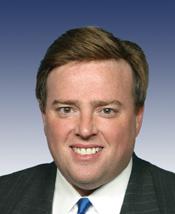
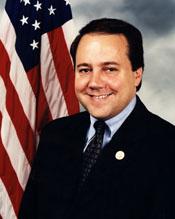 Rep. Patrick J. Tiberi (R-OH)
Legislative Activity
Stay on top of the latest movement without scrolling through every action
Received in the Senate and Read twice and referred to the Committee on Health, Education, Labor, and Pensions.
June 22, 2006
View full timeline
Introduced in House
May 4, 2006
Referred to the House Committee on Education and the Workforce.
May 4, 2006
Referred to the Subcommittee on Select Education.
May 5, 2006
Subcommittee on Select Education Discharged.
May 17, 2006
Committee Consideration and Mark-up Session Held.
May 17, 2006
Ordered to be Reported (Amended) by Voice Vote.
May 17, 2006
Reported (Amended) by the Committee on Education and the Workforce. H. Rept. 109-493.
June 8, 2006
Placed on the Union Calendar, Calendar No. 275.
June 8, 2006
Mr. McKeon moved to suspend the rules and pass the bill, as amended.
June 21, 2006 • 11:12 AM
Considered under suspension of the rules. (consideration: CR H4340-4357)
June 21, 2006 • 11:12 AM
DEBATE - The House proceeded with forty minutes of debate on H.R. 5293.
June 21, 2006 • 11:12 AM
Passed/agreed to in House: On motion to suspend the rules and pass the bill, as amended Agreed to by voice vote.(text: CR H4340-4352)
June 21, 2006 • 11:57 AM
On motion to suspend the rules and pass the bill, as amended Agreed to by voice vote. (text: CR H4340-4352)
June 21, 2006 • 11:57 AM
Motion to reconsider laid on the table Agreed to without objection.
June 21, 2006 • 11:57 AM
Received in the Senate and Read twice and referred to the Committee on Health, Education, Labor, and Pensions.
June 22, 2006
Floor Debate
14 membersWhat members said about H.R. 5293 on the floor


 +9
+9
Floor Debate
14 membersWhat members said about H.R. 5293 on the floor
Mr. Speaker, I always tell constituents back home when they ask me what the most important part of my job is, I tell them it is about helping people. This legislation today is really all about…
Mr. Speaker, I yield myself such time as I may consume. I am proud to rise in support of H.R. 5293, the Senior Independence Act. I would like to thank Chairman McKeon, Subcommittee Chairman Tiberi,…
Mr. Speaker, I move to suspend the rules and pass the bill (H.R. 5293) to amend the Older Americans Act of 1965 to authorize appropriations for fiscal years 2007 through 2011, and for other purposes,…
Mr. Speaker, I want to thank my colleague from Texas (Mr. Hinojosa) for his great leadership on this bill, and applaud Chairman McKeon for his leadership as well, and also Representative Miller from…
Mr. Speaker, I want to thank the gentleman from Texas who serves ably on the Committee. And it is a good demonstration here of bipartisan support, and I certainly want to add to it by supporting the…
Show 8 more
Mr. Speaker, I rise in strong support of the Senior Independence Act of 2006. The Older Americans Act was enacted in 1965 to establish the Administration on Aging to institute and support Federal…

Mr. Speaker, I rise today in strong support for H.R. 5293, the Senior Independence Act of 2006. This important piece of legislation includes two amendments I authored along with my friend and…

Mr. Speaker, I rise in support of providing the social and nutritional support that older Americans need, and in support of the Seniors Independence Act of 2006. Since originally enacted in 1965, the…
Mr. Speaker, as an older American, I rise in strong support of H.R. 5293, the Senior Independence Act, which reauthorizes the Older American Act. And I want to congratulate Chairman Tiberi, who is…
Mr. Speaker, I want to thank the gentleman for yielding. Mr. Speaker, I have been told that you can measure the greatness of a society by how well it treats its young, how well it treats its old, and…

Mr. Speaker, I rise in support of H.R. 5293, the ``Senior Independence Act of 2006,'' reauthorizing the Older Americans Act. This is an important measure for our Nation's seniors in delivering…
Mr. Speaker, I introduced the following amendment to H.R. 5293 on May 17, 2006 and made the following statement afterward. Page 22, after line 12, insert the following (and make such technical and…
Mr. Speaker, I would like to thank the chairman for his hard work in building a coalition to put this bill together, and particularly I rise in strong support of the provisions reauthorizing the…
Show 2 more
Mr. Speaker, I rise in strong support of the Senior Independence Act. I commend Congressman Tiberi and Chairman McKeon for their work on this bill. I especially thank Chairman McKeon, Congressman…
Mr. Speaker, I thank the chairman for yielding. Mr. Speaker, I rise today in strong support of H.R. 5293, the Senior Independence Act of 2006. This bipartisan legislation would renew the Older…
Bill Text
4 versions available
        [Congressional Bills 109th Congress]
[From the U.S. Government Publishing Office]
[H.R. 5293 Referred in Senate (RFS)]

109th CONGRESS
2d Session
H. R. 5293

_______________________________________________________________________

IN THE SENATE OF THE UNITED STATES

June 22, 2006

Received; read twice and referred to the Committee on Health,
Education, Labor, and Pensions

_______________________________________________________________________

AN ACT

To amend the Older Americans Act of 1965 to authorize appropriations
for fiscal years 2007 through 2011, and for other purposes.

Be it enacted by the Senate and House of Representatives of the
United States of America in Congress assembled,

SECTION 1. SHORT TITLE; TABLE OF CONTENTS.

(a) Short Title.--This Act may be cited as the ``Senior
Independence Act of 2006''.
(b) Table of Contents.--The table of contents of this Act is as
follows:

Sec.  1. Short title; table of contents.
Sec.  2. Definitions.
Sec.  3. Establishment of Administration on Aging.
Sec.  4. Functions of the Assistant Secretary.
Sec.  5. Federal agency consultation.
Sec.  6. Administration.
Sec.  7. Evaluation.
Sec.  8. Reports.
Sec.  9. Contractual, commercial and private pay relationships;
appropriate use of Act funds.
Sec.  10. Nutrition education.
Sec.  11. Pension counseling and information programs.
Sec.  12. Authorization of appropriations.
Sec.  13. Purpose; administration.
Sec.  14. Authorization of appropriations; uses of funds.
Sec.  15. Organization.
Sec.  16. Area plans.
Sec.  17. State plans.
Sec.  18. Payments.
Sec.  19. Nutrition services incentive program.
Sec.  20. Consumer contributions.
Sec.  21. Supportive services and senior centers program.
Sec.  22. Nutrition service.
Sec.  23. Congregate nutrition program.
Sec.  24. Home delivered nutrition services.
Sec.  25. Criteria.
Sec.  26. Nutrition.
Sec.  27. Evaluation of nutrition projects.
Sec.  28. Improving indoor air quality to buildings where seniors
congregate.
Sec.  29. Caregiver support program definitions.
Sec.  30. Caregiver support program.
Sec.  31. Activities of national significance.
Sec.  32. Title IV grant programs.
Sec.  33. Career preparation for the field of aging.
Sec.  34. Health care service demonstration projects in rural areas.
Sec.  35. Demonstration projects for multigenerational activities.
Sec.  36. Native American programs.
Sec.  37. Multidisciplinary centers.
Sec.  38. Responsibilities of Assistant Secretary.
Sec.  39. Community service employment-based training for older
Americans.
Sec.  40. Native Americans caregiver support program.
Sec.  41. Vulnerable elder rights protection activities.
Sec.  42. Native American organization provisions.
Sec.  43. Elder abuse, neglect, and exploitation prevention.
Sec.  44. Technical amendments.

SEC. 2. DEFINITIONS.

Section 102 of the Older Americans Act of 1965 (42 U.S.C. 3002) is
amended--
(1) by amending paragraph (10) to read as follows:
``(10) The terms `assistive device', `assistive
technology', and `assistive technology service' have the
meanings given such terms in section 3 of the Assistive
Technology Act of 1998 (29 U.S.C. 3002).'',
(2) by amending paragraph (12)(D) to read as follows:
``(D) evidence-based health promotion programs,
including programs related to the prevention and
mitigation of the effects of chronic disease (including
osteoporosis, hypertension, obesity, diabetes, and
cardiovascular disease), alcohol and substance abuse
reduction, smoking cessation, weight loss and control,
stress management, falls prevention, physical activity,
and improved nutrition through the consumption of a
healthful diet and multivitamin-mineral
supplementation;'',
(3) in paragraph (29)(E)--
(A) in clause (i) by striking ``and'' at the end,
(B) in clause (ii) by striking the period at the
end and inserting ``; and'' , and
(C) by adding at the end the following:
``(iii) older individuals at risk for
institutional placement.'',
(4) by amending paragraph (24) to read as follows:
``(24) The term `exploitation' means the fraudulent or
otherwise illegal, unauthorized, or improper act or process of
an individual that uses the resources of an older individual
for monetary or personal benefit, profit, or gain, or that
results in depriving an older individual of rightful access to,
or use of, benefits, resources, belongings, or assets.'',
(5) by amending paragraph (34) to read as follows:
``(34) The term `neglect' means--
``(A) the failure of a caregiver or fiduciary to
provide goods or services that are necessary to
maintain the health or safety of an elder; or
``(B) self neglect.'',
(6) by redesignating paragraphs (1) through (43) as
paragraphs (43), (7), (48), (37), (25), (26), (52), (13), (46),
(8), (28), (12), (1), (2), (3), (5), (6), (10), (24), (35),
(11), (14), (15), (17), (19), (20), (21), (22), (27), (29),
(30), (32) (33), (36), (38), (39), (40), (41), (42), (49),
(51), (18), and (47), respectively,
(7) by transferring such paragraphs so as to arrange them
in numerical order as so redesignated,
(8) by inserting after paragraph (3), as so redesignated
the following:
``(4) The term `Aging and Disability Resource Center' means
a program established by a State as part of the State's system
of long-term care, to provide a coordinated system for
providing--
``(A) comprehensive information on available public
and private long-term care programs, options, and
resources;
``(B) personal counseling to assist individuals in
assessing their existing or anticipated long-term care
needs, and developing and implementing a plan for long-
term care designed to meet their specific needs and
circumstances; and
``(C) consumer access to the range of publicly-
supported long-term care programs for which they may be
eligible, by serving as a convenient point of entry for
such programs.'',
(9) by inserting after paragraph (8), as so redesignated,
the following:
``(9) The term `at risk for institutional placement' means,
with respect to an older individual, that such individual is
unable to perform at least two activities of daily living
without substantial human assistance (including verbal
reminding, physical cuing, or supervision) and is determined by
the State to be in need of placement in a long-term care
facility.'',
(10) by inserting after paragraph (15), as so redesignated,
the following:
``(16) The term `elder justice' means efforts to prevent,
detect, treat, intervene in, and respond to elder abuse,
neglect, and exploitation and to protect elders with diminished
capacity while maximizing their autonomy.'',
(11) by inserting after paragraph (22), as so redesignated,
the following:
``(23) The term `Hispanic serving institution' has the
meaning as defined in section 502 of the Higher Education Act
of 1965 (20 U.S.C. 1101A).'',
(12) by inserting after paragraph (30), as so redesignated,
the following:
``(31) The term `long-term care' means any services, care,
or items (including assistive devices), including disease
prevention and health promotion services, in-home services, and
case management service--
``(A) intended to assist individuals in coping
with, and to the extent practicable compensate for,
functional impairments in carrying out activities of
daily living;
``(B) furnished at home, in a community care
setting (including a small community care setting as
defined in subsection (g)(1), and a large community
care setting as defined in subsection (h)(1), of
section 1929 of the Social Security Act (42 U.S.C.
1396t)), or in a long-term care facility; and
``(C) not furnished to prevent, diagnose, treat, or
cure a medical disease or condition.'',
(13) by inserting after paragraph (33), as so redesignated,
the following:
``(34) The term `multivitamin-mineral supplement' means a
dietary supplement that provides at least two-third's of the
essential vitamins and minerals at 100 percent of the daily
value levels as determined by the Food and Drug
Administration.'',
(14) by inserting after paragraph (43), as so redesignated,
the following:
``(44) The term `self-directed care' means an approach to
providing services (including programs, benefits, supports, and
technology) under this Act intended to an older individual to
assist such individual with activities of daily living, in
which
``(A) such services (including the amount,
duration, scope, provider, and location of such
services) are planned, budgeted, and purchased under
the direction and control of such individual;
``(B) such individual is provided with such
information and assistance as necessary and appropriate
to enable such individual to make informed decisions
about his or her care options;
``(C) the needs, capabilities, and preferences of
such individual with respect to such services, and such
individual's ability to direct and control his or her
receipt of such services, are assessed by the area
agency on aging (or other agency designated by the area
agency on aging);
``(D) based on the assessment made under
subparagraph (C), the area agency on aging (or other
agency designated by the area agency on aging) develops
together with such individual and his or her family,
caregiver, or legal representative--
``(i) a plan of services for such
individual that specifies which services such
individual will be responsible for directing;
``(ii) a determination of the role of
family members (and others whose participation
is sought by such individual) in providing
services under such plan; and
``(iii) a budget for such services; and
``(E) the area agency on aging or State agency
provides for oversight of such individual's self-
directed receipt of services, including steps to ensure
the quality of services provided and the appropriate
use of funds under this Act.
``(45) The term `self-neglect' means an adult's inability,
due to physical or mental impairment or diminished capacity, to
perform essential self-care tasks including--
``(A) obtaining essential food, clothing, shelter,
and medical care;
``(B) obtaining goods and services necessary to
maintain physical health, mental health, or general
safety; or
``(C) managing one's own financial affairs.'', and
(15) by inserting after paragraph (49), as so redesignated,
the following:
``(50) The term `State system of long-term care' means the
Federal, State, and local programs and activities administered
by a State that provide, support, or facilitate access to long-
term care to individuals in such State.''.

SEC. 3. ESTABLISHMENT OF ADMINISTRATION ON AGING.

Section 201 of the Older Americans Act of 1965 (42 U.S.C. 3011) is
amended by adding at the end the following:
``(e)(1) The Assistant Secretary may designate within the
Administration responsibility for elder abuse prevention and services.
``(2) It shall be the duty of the assistant secretary, acting
through the person designated with responsibility for elder abuse
prevention and services, to develop objectives, priorities, policy, and
a long-term plan for--
``(A) carrying out elder justice programs and activities
relating to--
``(i) elder abuse prevention, detection, treatment,
and intervention, and response;
``(ii) training of individuals regarding the
matters described in clause (i); and
``(iii) the improvement of the elder justice system
in the United States;
``(B) collecting and disseminating data relating to the
abuse, neglect, and exploitation of older individuals;
``(C) disseminating information concerning best practices
regarding, and providing training on, carrying out activities
related to abuse, neglect, and exploitation of older
individuals;
``(D) conducting research related to abuse, neglect, and
exploitation of older individuals;
``(E) providing technical assistance to States and other
eligible entities under title VII;
``(F) assisting States and other eligible entities under
title VII to develop strategic plans to better coordinate elder
justice activities, research, and training; and
``(G) promoting collaborative efforts and diminishing
duplicative efforts in the development and carrying out of
elder justice programs at the Federal, State, and local levels.
``(f)(1) The Assistant Secretary may designate an officer or
employee who shall be responsible for the administration of mental
health services authorized under this Act;
``(2) It shall be the duty of the Assistant Secretary, acting
through the individual designated in paragraph (1), to develop
objectives, priorities, and a long-term plan for supporting State and
local efforts involving education, prevention, detection, and treatment
of mental disorders, including age-related dementia, depression, and
Alzheimer's disease and related neurological disorders.''.

SEC. 4. FUNCTIONS OF THE ASSISTANT SECRETARY.

Section 202 of the Older Americans Act of 1965 (42 U.S.C. 3012) is
amended--
(1) in subsection (a)--
(A) in paragraph (5) by inserting ``assistive
technology,'' after ``housing,'',
(B) in paragraph (12)--
(i) by striking ``(12)'' and inserting the
following:
``(12)(A) consult and coordinate activities with the
Centers for Medicare & Medicaid Services and other federal
entities to implement and build awareness of programs providing
benefits affecting older individuals; and
``(B)'',
(C) in paragraph (20)--
(i) by striking ``and area agencies on
aging'' and inserting ``, area agencies on
aging, and service providers'',
(ii) by striking ``and benefits'' and
inserting ``benefits'',
(iii) by inserting ``benefits under any
other applicable Federal program, or any other
service (including technology and internet-
based decision support tools) to assist
consumers to learn about, to receive benefits
under, and to participate in programs for which
they may be eligible'' after ``(7 U.S.C. 2011
et seq.),'',
(iv) by inserting ``(A)'' after ``(20)'',
and
(v) by adding at the end the following:
``(B) provide technical assistance and support for benefits
enrollment assistance and outreach to support efforts to inform
and enroll low-income older individuals who may be eligible to
participate, but who are not participating, in Federal and
State programs for which they are eligible, and may in
cooperation with Federal partners, make grants or contracts to
establish a National Center on Senior Benefits Outreach and
Enrollment, which shall--
``(i) maintain and update web-based decision
supports and enrollment tools and integrated, person-
centered systems designed to inform older individuals
about the full range of benefits for which they may be
eligible;
``(ii) utilize cost-effective strategies to find
and enroll those with greatest economic need;
``(iii) create and support efforts for Aging and
Disability Resource Centers, and other public and
private State and community-based organizations and
coalitions, including faith-based organizations, to
serve as enrollment benefit centers;
``(iv) develop and maintain an information
clearinghouse on best practices and cost-effective
methods for identifying and enrolling limited income
older Americans in benefits for which they are
eligible; and
``(v) provide, in collaboration with Federal
partners administering programs, training and technical
assistance on effective outreach, screening, enrollment
and follow-up strategies.'',
(D) in paragraph (26)--
(i) in subsection (D)--
(I) by striking ``gaps in'', and
(II) by inserting ``(including
services that would permit such
individuals to receive long-term care
in home and community-based settings)''
after ``individuals'', and
(ii) in subsection (E) by striking ``and''
at the end,
(E) in paragraph (27)--
(i) in subparagraph (B) by adding ``and''
at the end,
(ii) in subparagraph (C) by striking the
semicolon and inserting a period, and
(iii) by striking subparagraph (D), and
(F) by adding at the end the following:
``(28) make available to States, area agencies on aging,
and service providers information and technical assistance to
support the provision of evidence-based disease prevention and
health promotion services.'', and
(2) by striking subsections (b) and (c), and inserting the
following:
``(b) To promote the development and implementation of
comprehensive, coordinated systems at Federal, State, and local levels
for providing long-term care in home and community-based settings, in a
manner responsive to the needs and preferences of older individuals and
their family caregivers, the Assistant Secretary shall, consistent with
the applicable provisions of this title--
``(1) collaborate, coordinate, and consult with other
Federal agencies and departments responsible for formulating
and implementing programs, benefits, and services related to
providing long-term care, and may make grants, contracts, and
cooperative agreements with funds received from other Federal
entities;
``(2) conduct research and demonstration projects to
identify innovative, cost-effective strategies for modifying
State systems of long-term care to--
``(A) respond to the needs and preferences of older
individuals and family caregivers; and
``(B) target services to individuals at risk for
institutional placement, to permit such individuals to
remain in home and community-based care settings;
``(3) establish criteria and promote the implementation
(through area agencies on aging, service providers, and such
other entities as the Assistant Secretary determines to be
appropriate) of evidence-based programs to assist older
individuals and their family caregivers in learning about and
making behavioral changes intended to reduce the risk of
injury, disease, and disability among older individuals;
``(4) facilitate, in coordination with the Centers for
Medicare & Medicaid Services, the Cash and Counseling National
Program Office, and other Federal entities as appropriate, the
provision of long-term care in home and community-based
settings, including the provision of self-directed care models
that--
``(A) provide for the assessment of the needs and
preferences of an individual at risk for institutional
placement to help such individual avoid unnecessary
nursing home placement and depletion of income and
assets to qualify for Medicaid eligibility;
``(B) respond to the needs and preferences of such
individual and provide the option for the individual
(or representative, as appropriate) to direct and
control the receipt of support services provided;
``(C) assist an older individual (or a
representative, as appropriate) develop a plan for
long-term support, including the selecting, budgeting,
and purchasing of home and community-based long-term
care and supportive services;
(for purposes of this paragraph, the term `representative'
means a person appointed by the eligible individual, or legally
acting on the individual's behalf, to represent or advise the
individual in financial or service coordination matters);
``(5) provide for the Administration to play a lead role
with respect to issues concerning home and community-based
long-term care, including--
``(A) directing (as the Secretary or the President
determines to be appropriate) or otherwise
participating in departmental and interdepartmental
activities concerning long-term care;
``(B) reviewing and commenting on departmental
rules, regulations, and policies related to providing
long-term care; and
``(C) making recommendations to the Secretary with
respect to home and community-based long-term care,
including recommendations based on findings made
through projects conducted under paragraph (2);
``(6) promote, in coordination with other appropriate
Federal agencies, enhanced awareness by the public of the
importance of planning in advance for long-term care and the
availability of information and resources to assist in such
planning;
``(7) implement in all States Aging and Disability Resource
Centers--
``(A) to serve as visible and trusted sources of
information on the full range of long-term care options
that are available in the community, including both
institutional and home and community-based care;
``(B) to provide personalized and consumer friendly
assistance to empower people to make informed decisions
about their care options;
``(C) to provide coordinated and streamlined access
to all publicly supported long-term care options so
that consumers can obtain the care they need though a
single intake, assessment and eligibility determination
process;
``(D) to help people to plan ahead for their future
long-term care needs; and
``(E) to assist, in coordination with the State
Health Insurance Assistance Program, Medicare
beneficiaries in understanding and accessing the
Prescription Drug Coverage and preventative health
benefits available under the Medicare Modernization
Act;
``(8) establish, either directly or through grants or
contracts, national technical assistance programs to assist
State agencies, area agencies on aging, and community-based
service providers funded under this Act in implementing--
``(A) such home and community-based long-term care
systems, including evidence-based programs; and
``(B) such evidence-based health promotion and
disease prevention programs;
``(9) develop, in collaboration with the Administrator of
the Centers for Medicare & Medicaid Services, performance
standards and measures for use by States to determine the
extent to which their systems of long-term care fulfill the
objectives described in this subsection; and
``(10) conduct such other activities as the Assistant
Secretary determines to be appropriate.
``(c) The Assistant Secretary, in consultation with the Corporation
for National and Community Service, shall--
``(1) encourage and permit voluntary groups active in
supportive services and civic engagement, including youth
organizations active at the secondary or postsecondary levels,
to participate and be involved individually or through
representative groups, in such programs or activities to the
maximum extent feasible;
``(2) develop a comprehensive strategy for utilizing older
individuals to address critical local needs of national
concern, including the engagement of older individuals in the
activities of public and nonprofit organizations such as
community-based and faith-based organizations; and
``(3) encourage other community capacity building
initiatives involving older individuals, with particular
attention to initiatives that demonstrate the effectiveness and
cost savings in meeting critical needs.''.

SEC. 5. FEDERAL AGENCY CONSULTATION.

Section 203 of the Older Americans Act of 1965 (42 U.S.C. 3013) is
amended--
(1) in subsection (a)(3)(A) by striking ``(with particular
attention to low-income minority older individuals and older
individuals residing in rural areas)'' and inserting ``(with
particular attention to low-income older individuals, including
low-income minority older individuals, older individuals with
limited English proficiency, and older individuals residing in
rural areas)'', and
(2) in subsection (b)--
(A) in paragraph (17) by striking ``and'' at the
end,
(B) in paragraph (18) by striking the period at the
end and inserting ``; and'', and
(C) by adding at the end the following:
``(19) sections 4 and 5 of the Assistive Technology Act of
1998 (29 U.S.C. 3003-3004).''.

SEC. 6. ADMINISTRATION.

Section 205 of the Older Americans Act of 1965 (42 U.S.C. 3016) is
amended--
(1) in subsection (a)--
(A) in paragraph (1)--
(i) in subparagraph (C) by adding ``and''
at the end,
(ii) in subparagraph (D) by striking the
semicolon at the end and inserting a period,
and
(iii) by striking subparagraph (E), and
(B) in paragraph (2)--
(i) in subparagraph (A)--
(I) by amending clause (i) to read
as follows:
``(i) designing, implementing, and evaluating evidence-
based programs to support improved nutrition and regular
physical activity for older individuals;'',
(II) by amending clause (iii) to
read as follows:
``(iii) conducting outreach and disseminating evidence-
based information to nutrition service providers about the
benefits of healthful diets and regular physical activity,
including information about the most current Dietary Guidelines
for Americans published under section 301 of the National
Nutrition Monitoring and Related Research Act of 1990 (7 U.S.C.
5341), the Food Guide Pyramid published jointly by the
Secretary and the Secretary of Agriculture, and advances in
nutrition science;'',
(III) in clause (vii) by striking
``and'' at the end, and
(IV) by striking clause (viii) and
inserting the following:
``(viii) disseminating guidance that describes strategies
for improving the nutritional quality of meals provided under
title III, particularly strategies for increasing the
consumption of whole grains, lowfat dairy products, fruits and
vegetables;
``(ix) developing and disseminating guidelines for
conducting nutrient analyses of meals provided in subparts 1
and 2 of part C, including guidelines for averaging key
nutrients over an appropriate period of time; and
``(x) providing technical assistance to the regional
offices of the Administration with respect to each duty
described in clauses (i) through (viii).'', and
(ii) by amending subparagraph (C)(i) to
read as follows:
``(i) have expertise in nutrition, energy balance, and meal
planning; and''.

SEC. 7. EVALUATION.

The 1st sentence of section 206(g) of the Older Americans Act of
1965 (42 U.S.C. 3017(g)) is amended to read as follows:
``From the total amount appropriated for each fiscal year to carry out
title III, the Secretary may use such sums as may be necessary, but not
to exceed \1/2\ of 1 percent of such amount, for purposes of conducting
evaluations under this section, either directly or through grants or
contracts.''.

SEC. 8. REPORTS.

Section 207(b)(2) of the Older Americans Act of 1965 (42 U.S.C.
3018(b)(2)) is amended--
(1) in subparagraph (B) by striking ``Labor'' and inserting
``the Workforce'', and
(2) in subparagraph (C) by striking ``Labor and Human
Resources'' and inserting ``Health, Education, Labor, and
Pensions''.

SEC. 9. CONTRACTUAL, COMMERCIAL AND PRIVATE PAY RELATIONSHIPS;
APPROPRIATE USE OF ACT FUNDS.

(a) Private Pay Relationships; Appropriate Use of Act Funds.--
Section 212 of the Older Americans Act of 1965 (42 U.S.C. 3020c) is
amended to read as follows:

``SEC. 212. CONTRACTING AND GRANT AUTHORITY; PRIVATE PAY RELATIONSHIPS;
APPROPRIATE USE OF FUNDS.

``(a) In General.--Subject to subsection (b), this Act shall not be
construed to prevent a recipient of a grant or a contract from entering
into an agreement--
``(1) with a profitmaking organization;
``(2) under which funds provided under such grant or
contract are used to pay part or all of a cost (including an
administrative cost) incurred by such recipient to carry out a
contract or commercial relationship for the benefit of older
individuals or their family caregivers, whether such
relationship is carried out to implement a provision of this
Act or to conduct activities inherently associated with
implementing such provision; or
``(3) under which any individual, regardless of age or
income (including the family caregiver of such individual), who
seeks to receive 1 or more services pays, at their own private
expense, to receive such services based on the fair market
value of such services.
``(b) Ensuring Appropriate Use of Funds.--An agreement described
under subsection (a) may not--
``(1) be made without the prior approval of the State
agency (or, in the case of a grantee under title VI, without
the prior recommendation of the Director of the Office for
American Indian, Alaska Native, and Native Hawaiian Aging and
the prior approval of the Assistant Secretary);
``(2) directly or indirectly provide for, or have the
effect of, paying, reimbursing, or otherwise compensating an
entity under such agreement in an amount that exceeds the fair
market value of the goods or services furnished by such entity
under such agreement;
``(3) result in the displacement of services otherwise
available to an older individual with the greatest social need,
an older individual with greatest economic need, or an older
individual who is at risk for institutional placement; or
``(4) in any other way compromise, undermine, or be
inconsistent with the objective of serving the needs of older
individuals, as determined by the Assistant Secretary.''.

SEC. 10. NUTRITION EDUCATION.

Section 214 of the Older Americans Act of 1965 (42 U.S.C. 3020e) is
amended to read as follows:

``SEC. 214. NUTRITION EDUCATION.

``The Assistant Secretary, in consultation with the Secretary of
Agriculture, shall conduct outreach and provide technical assistance to
agencies and organizations that serve older individuals to assist such
agencies and organizations to carry out integrated health promotion and
disease prevention programs that are designed for older individuals and
that include nutrition education, physical activity, and other
activities to modify behavior and to improve health literacy (including
information on optimal nutrient intake) through education and
counseling in accordance with section 339(2)(J).''.

SEC. 11. PENSION COUNSELING AND INFORMATION PROGRAMS.

Section 215 of the Older Americans Act of 1965 (42 U.S.C. 3020e-1)
is amended--
(1) in subsection (e)(1)(J) by striking ``and low-income
retirees'' and inserting ``, low income retirees, and older
individuals with limited English proficiency'',
(2) in subsection (f) by amending paragraph (2) to read as
follows:
``(2) The ability of the entity to perform effective
outreach to affected populations, particularly populations with
limited English proficiency and other populations that are
identified in need of special outreach.'', and
(3) in subsection (h)(2) by inserting ``(including
individuals with limited English proficiency)'' after
``individuals''.

SEC. 12. AUTHORIZATION OF APPROPRIATIONS.

Section 216 of the Older Americans Act of 1965 (42 U.S.C. 3020f) is
amended--
(1) in subsection (a) by striking ``2001, 2002, 2003, 2004,
and 2005'' and inserting ``2007, 2008, 2009, 2010, and 2011.'',
and
(2) in subsections (b) and (c) by striking ``year'' and all
that follows through ``years'', and inserting ``years 2007,
2008, 2009, 2010, and 2011''.

SEC. 13. PURPOSE; ADMINISTRATION.

Section 301(a)(2) of the Older Americans Act of 1965 (42 U.S.C.
3021(a)(2)) is amended--
(1) in subparagraph (D) by striking ``and'' at the end,
(2) in subparagraph (E) by striking the period at the end
and inserting ``; and'', and
(3) by adding at the end the following:
``(F) organizations with experience in providing senior
volunteer services, such as Federal volunteer programs
administered by the Corporation for National and Community
Service designed to provide training, placement, and stipends
for volunteers in community service settings.''.

SEC. 14. AUTHORIZATION OF APPROPRIATIONS; USES OF FUNDS.

Section 303 of the Older Americans Act of 1965 (42 U.S.C. 3023) is
amended--
(1) in subsections (a)(1), (b), and (d) by striking ``year
2001'' and all that follows through ``years'' each place it
appears, and inserting ``years 2007, 2008, 2009, 2010, and
2011'', and
(2) in subsection (e)--
(A) by striking paragraph (1),
(B) in paragraph (2)--
(i) by striking ``(2)'' and inserting
``(1)'', and
(ii) by striking ``each of the 4 succeeding
fiscal years'' and inserting ``for fiscal years
2007, 2008, 2009, 2010, and 2011'', and
(C) in paragraph (3)--
(i) by striking ``(3)'' and inserting
``(2)'', and
(ii) by striking ``paragraphs (1) and (2)''
and inserting ``paragraph (1)''.

SEC. 15. ORGANIZATION.

Section 305(a) of the Older Americans Act of 1965 (42 U.S.C.
3025(a)) is amended--
(1) in paragraph (1)(E) by striking ``(with particular
attention to low-income minority individuals and older
individuals residing in rural areas)'' each place it appears
and inserting ``(with particular attention to low-income older
individuals, including low-income minority older individuals,
older individuals with limited English proficiency, and older
individuals residing in rural areas)'',
(2) in paragraph (2)(E) by striking ``with particular
attention to low-income minority individuals and older
individuals residing in rural areas'' and inserting ``with
particular attention to low-income older individuals, including
low-income minority older individuals, older individuals with
limited English proficiency, and older individuals residing in
rural areas'', and
(3) by adding at the end the following:
``(3) the State agency shall, consistent with this section,
promote the development and implementation of a comprehensive,
coordinated system in such State for providing long-term care
in home and community-based settings, in a manner responsive to
the needs and preferences of older individuals and their family
caregivers, by--
``(A) collaborating, coordinating, and consulting
with other agencies in such State responsible for
formulating, implementing, and administering programs,
benefits, and services related to providing long-term
care;
``(B) participating in any State government
activities concerning long-term care, including
reviewing and commenting on any State rules,
regulations, and policies related thereto;
``(C) conducting analyses and making
recommendations, and implementing programs and
strategies to modify the State's system of long-term
care to better--
``(i) respond to the needs and preferences
of older individuals and family caregivers;
``(ii) facilitate the provision of long-
term care in home and community-based settings
through service providers; and
``(iii) target services to individuals at
risk for institutional placement, to permit
such individuals to remain in home and
community-based care settings;
``(D) implement (through area agencies on aging,
service providers, and such other entities as the State
determines to be appropriate) evidence-based programs
to assist older individuals and their family caregivers
in learning about and making behavioral changes
intended to reduce the risk of injury, disease, and
disability among older individuals; and
``(E) providing for the availability and
distribution (through public education campaigns, aging
and disability resource centers, area agencies on
aging, and other appropriate means) of information
relating to--
``(i) the need to plan in advance for long-
term care; and
``(ii) the range of available public and
private long-term care programs, options, and
resources.''.

SEC. 16. AREA PLANS.

Section 306 of the Older Americans Act of 1965 (42 U.S.C. 3026) is
amended--
(1) in subsection (a)--
(A) in paragraph (1)--
(i) by striking ``(with particular
attention to low-income minority individuals
and older individuals residing in rural
areas)'' each place it appears and inserting
``(with particular attention to low-income
older individuals, low-income minority older
individuals, older individuals with limited
English proficiency, and older individuals
residing in rural areas)'', and
(ii) by inserting ``the number of older
individuals at risk for institutional placement
residing in such area,'' after ``individuals)
residing in such area,'',
(B) in paragraph (4)--
(i) in subparagraph (A)--
(I) by amending clause (i) to read
as follows:
``(i) provide assurances that the area agency on aging
will--
``(I) set specific objectives, consistent with
State policy, for providing services to older
individuals with greatest economic need, older
individuals with greatest social need, and older
individuals at risk for institutional placement;
``(II) include in the area plan specific objectives
for providing services to low-income minority older
individuals and older individuals residing in rural
areas; and
``(III) include in the area plan proposed methods
to achieve such objectives;'', and
(II) in clause (ii) by inserting
``(including older individuals with
limited English proficiency)'' after
``low income minority individuals''
each place it appears; and
(ii) in subparagraph (B)--
(I) by moving the left margin of
each of subparagraph (B), clauses (i)
and (ii), and subclauses (I) through
(VI) of clause (i), 2 ems to the left,
(II) in clause (i)--
(aa) in subclause (V) by
striking ``and'' at the end;
and
(bb) by adding at the end
the following:
``(VI) older individuals at risk for
institutional placement; and'', and
(III) by striking ``(VI)'' and
inserting ``(VII)'',
(C) in paragraph (5) by inserting ``and individuals
at risk for institutional placement'' after ``severe
disabilities'',
(D) in paragraph (6)--
(i) in subparagraph (C)--
(I) in clause (i) by striking
``and'' at the end,
(II) in clause (ii) by adding
``and'' at the end, and
(III) by inserting after clause
(ii) the following:
``(iii) make use of trained volunteers in providing
direct services delivered to elderly and disabled
individuals needing such care and, if possible, work in
coordination with volunteer programs (including
programs administered by the Corporation for National
Service) designed to provide training, placement, and
stipends for volunteers in community service
settings.'',
(ii) in subparagraph (D)--
(I) by inserting ``family
caregivers of such individuals,'' after
``Act,'', and
(II) by inserting ``service
providers, the business community,''
after ``individuals,'', and
(iii) by amending subparagraph (F) to read
as follows:
``(F) in coordination with the State unit on aging
and the State agency responsible for mental health
services, increase public awareness of mental health
disorders, remove barriers to diagnosis and treatment,
and coordinate mental health services provided
(including mental health screenings) with funds
expended by the area agency on aging with mental health
services provided by community health centers and by
other public agencies and nonprofit private
organizations;'',
(E) by amending paragraph (7) to read as follows:
``(7) provide that the area agency on aging shall,
consistent with this section, facilitate the area-wide
development and implementation of a comprehensive, coordinated
system for providing long-term care in home and community-based
settings, in a manner responsive to the needs and preferences
of older individuals and their family caregivers, by--
``(A) collaborating, coordinating, and consulting
with other local public and private agencies and
organizations responsible for administering programs,
benefits, and services related to providing long-term
care;
``(B) conducting analyses, making recommendations,
and implementing programs with respect to strategies
for modifying the local system of long-term care to
better--
``(i) respond to the needs and preferences
of older individuals and family caregivers;
``(ii) facilitate the provision, through
service providers, of long-term care in home
and community-based settings; and
``(iii) target services to older
individuals at risk for institutional
placement, to permit such individuals to remain
in home and community-based care settings;
``(C) implement, through the agency or service
providers, evidence-based programs to assist older
individuals and their family caregivers in learning
about and making behavioral changes intended to reduce
the risk of injury, disease, and disability among older
individuals; and
``(D) provide for the availability and distribution
(through public education campaigns, aging and
disability resource centers, and other appropriate
means) of information relating to--
``(i) the need to plan in advance for long-
term care; and
``(ii) the range of available public and
private long-term care programs, options, and
resources;'',
(F) by striking paragraph (14) and the 2 paragraphs
(15),
(G) by redesignating paragraph (16) as paragraph
(14), and
(I) by adding at the end the following:
``(15) provide assurances that funds received under this
title will be used--
``(A) in a manner, consistent with paragraph (4),
that gives priority in furnishing benefits and services
to older individuals with greatest economic need, older
individuals with greatest social need, and older
individuals at risk for institutional placement; and
``(B) in compliance with the assurances specified
in paragraph (13) and the limitations specified in
section 212(b); and
``(16) provide, to the maximum extent feasible, for the
furnishing of services under this Act consistent with self-
directed care.'',
(2) by redesignating subsections (b), (c), (d), and (e) as
subsections (c), (d), (e), and (f), and
(3) by inserting after subsection (a) the following:
``(b)(1) An area agency on aging may include in the area plan an
assessment of how prepared the planning and service area is for any
anticipated change in the number of older individual during the 10-year
period following the fiscal year for which the plan is submitted. Such
assessment may include--
``(A) the projected change in the number of older
individuals in the planning and service area;
``(B) an analysis of how such change may affect such
individuals, including such individuals with low incomes, such
individuals with greatest economic need, minority older
individuals, older individuals residing in rural areas, and
older individuals with limited English proficiency;
``(C) an analysis of how the programs, policies, and
services provided in the planning and service area can be
improved, and how resource levels can be adjusted, to meet the
needs of the changing population of older individuals in such
area; and
``(D) an analysis of how the change in the number of
individuals 85 years of age and older is expected to affect the
need for supportive services.
``(2) An area agency on aging, in cooperation with government
officials, State agencies, tribal organizations, or local entities, may
make recommendations to government officials in the planning and
service area and the State, on actions determined by the area agency to
build the capacity in the planning and service area to meet the needs
of older individuals for--
``(A) health and human services;
``(B) land use;
``(C) housing;
``(D) transportation;
``(E) public safety;
``(F) workforce and economic development;
``(G) recreation;
``(H) education;
``(I) civic engagement; and
``(J) any other service as determined by such agency.''.

SEC. 17. STATE PLANS.

Section 307(a) of the Older Americans Act of 1965 (42 U.S.C.
3027(a)) is amended--
(1) in paragraph (4) by striking ``with particular
attention to low-income minority individuals and older
individuals residing in rural areas'' and inserting ``low-
income minority older individuals, older individuals with
limited English proficiency, and older individuals residing in
rural areas'',
(2) by striking paragraph (15),
(3) by redesignating paragraph (14) as paragraph (15),
(4) by inserting after paragraph (13) the following:
``(14) The plan shall, with respect to the fiscal year
preceding the fiscal year for which such plan is prepared--
``(A) identify the number of low-income minority
older individuals in the State, including the number of
low-income older individuals with limited English
proficiency; and
``(B) describe the methods used to satisfy the
service needs of such minority older individuals,
including the plan to service the needs of older
individuals with limited English proficiency.'',
(5) in clauses (ii) and (iii) of paragraph (16)(A) by
striking ``(with particular attention to low-income minority
individuals and older individuals residing in rural areas)''
each place it appears and inserting ``(with particular
attention to low-income older individuals, low-income minority
older individuals, older individuals with limited English
proficiency, and older individuals residing in rural areas)'',
and
(6) by adding at the end the following:
``(27) The plan shall provide assurances that area agencies
on aging will, to the maximum extent feasible, provide for the
furnishing of services under this Act consistent with self-
directed care.
``(28)(A) The plan shall include, at the election of the
State, an assessment of how prepared the State is, under the
State's statewide service delivery model, for a change in the
number of older individuals during the 10-year period following
the fiscal year for which the plan is submitted.
``(B) Such assessment may include--
``(i) the projected change in the number of older
individuals in the State;
``(ii) an analysis of how such change may affect
such individuals, including individuals with low
incomes,  individuals with great economic need,
minority older individuals, older individuals residing
in rural areas, and older individuals with limited
English proficiency;
``(iii) an analysis of how the programs, policies,
and services provided by the State can be improved,
including coordinating with area agencies on aging, and
how resource levels can be adjusted to meet the needs
of the changing population of older individuals in the
State; and
``(iv) an analysis of how the change in the number
of individuals 85 years of age and older in the State
is expected to affect the need for supportive
services.''.

SEC. 18. PAYMENTS.

Section 309(b)(2) of the Older Americans Act of 1965 (42 U.S.C.
3029(b)(2)) is amended by striking ``the non-Federal share required
prior to fiscal year 1981'' and inserting ``10 percent of the cost of
the services specified in such section 304(d)(1)(D)''.

SEC. 19. NUTRITION SERVICES INCENTIVE PROGRAM.

(a) Cash Only Program; Authority To Use Program Funds To Purchase
Food Through School Food Authorities.--Section 311 of the Older
Americans Act of 1965 (42 U.S.C. 3030a) is amended--
(1) in subsection (b) by adding at the end the following:
``(3) Each State agency shall promptly and equitably disburse
amounts received under this subsection to recipients of grants and
contracts.'',
(2) in subsection (c)--
(A) in paragraph (1) by inserting ``(including
bonus commodities)'' after ``commodities'',
(B) in paragraph (2) by inserting ``(including
bonus commodities)'' after ``commodities'',
(C) in paragraph (3) by inserting ``(including
bonus commodities)'' after ``products'', and
(D) by adding at the end the following:
``(4) Among the commodities delivered under this subsection, the
Secretary of Agriculture shall give special emphasis to high protein
foods. The Secretary of Agriculture, in consultation with the Assistant
Secretary, is authorized to prescribe the terms and conditions
respecting the donation of commodities under this subsection.'',
(3) by amending subsection (d) to read as follows:
``(d)(1) Amounts provided under subsection (b) to State grantees
and contractors, and to title VI grantees, shall be available only for
the purchase by such entities of United States agricultural commodities
and other foods for their respective nutrition projects, subject to
paragraph (2).
``(2) Part or all of the amounts received by an entity specified in
paragraph (1) may be used to pay a school food authority (as referred
to under the Richard B. Russell National School Lunch Act (42
U.S.C.1751 et seq.) to obtain United States agricultural commodities
for such entity's nutrition projects, in accordance with an agreement
between the entity and the school food authority, under which such
payments--
``(A) shall cover the cost of such commodities; and
``(B) may cover related expenses incurred by the school
food authority, including the cost of transporting,
distributing, processing, storing, and handling such
commodities.'',
(4) in subsection (e) by striking ``2001'' and inserting
``2007'',
(5) in subsection (f)--
(A) in the matter preceding paragraph (1) by
striking ``the Secretary of Agriculture and the
Secretary of Health and Human Services'' and inserting
``the Assistant Secretary and the Secretary of
Agriculture'', and
(B) by amending paragraphs (1) and (2) to read as
follows:
``(1) school food authorities participating in programs
authorized under the Richard B. Russell National School Lunch
Act within the geographic area served by each such State
agency; and
``(2) the donated foods available to such State agencies,
area agencies on aging, and providers under subsection (c).''.

SEC. 20. CONSUMER CONTRIBUTIONS.

Section 315 of the Older Americans Act of 1965 (42 U.S.C. 3030c-2)
is amended--
(1) in subsection (b)--
(A) in paragraph (1) by striking ``provided that''
and inserting ``, and such contributions shall be
encouraged for individuals whose self-declared income
is at or above 125 percent of the poverty line and may
be requested at contribution levels based on the actual
cost of services, if'', and
(B) in paragraph (4)(E) by inserting ``and to
supplement (not supplant) funds received under this
Act'' after ``given'',
(2) in subsection (c)(2) by striking ``(with particular
attention to low-income minority individuals and older
individuals residing in rural areas)'' and inserting ``(with
particular attention to low-income older individuals, including
low-income minority older individuals, older individuals with
limited English proficiency, and older individuals residing in
rural areas)'', and
(3) in subsection (d) by striking ``with particular
attention to low-income and minority individuals and older
individuals residing in rural areas'' and inserting ``, with
particular attention to low-income older individuals, including
low-income minority older individuals, older individuals with
limited English proficiency, and older individuals residing in
rural areas''.

SEC. 21. SUPPORTIVE SERVICES AND SENIOR CENTERS PROGRAM.

Section 321(a) of the Older Americans Act of 1965 (42 U.S.C.
3030d(a)) is amended--
(1) in paragraph (8) by inserting ``(including mental
health screening)'' after ``screening'',
(2) in paragraph (11) by inserting ``(including assistive
technology devices and assistive technology services)'' after
``services'',
(3) in paragraph (14)(B) by inserting ``(including mental
health)'' after ``health'',
(4) in paragraph (21)--
(A) by striking ``school-age children'' and
inserting ``students'', and
(B) by inserting ``services to older individuals
with limited English proficiency and'' after
``including'',
(5) in paragraph (22) by striking the period at the end and
inserting a semicolon,
(6) by redesignating paragraph (23) as paragraph (25), and
(7) by inserting after paragraph (22) the following:
``(23) services designed to support States, area agencies
on aging, and local service providers carry out and coordinate,
with respect to mental health services, activities including
outreach, education, screening, and referral for treatment of
older individuals;
(24) activities to promote and disseminate information
about life-long learning programs, including opportunities for
distance teaching; and''.

SEC. 22. NUTRITION SERVICE.

After the heading of part C of title III of the Older Americans Act
of 1965 (42 U.S.C. 3030e-3030g-22), insert the following:

``SEC. 330. PURPOSE.

``It is the purpose of this part to promote socialization and the
health and well-being of older individuals by assisting such
individuals to gain access to disease prevention and health promotion
services (including information, nutrition services, and programs of
physical activity) to delay the onset of health conditions resulting
from poor nutritional health or sedentary behavior.''.

SEC. 23. CONGREGATE NUTRITION PROGRAM.

Section 331 of the Older Americans Act of 1965 (42 U.S.C. 3030e) is
amended--
(1) by striking ``projects--'' and inserting ``projects
that--'',
(2) in paragraph (1) by striking ``which,'',
(3) in paragraph (2)--
(A) by striking ``which'' the last place it
appears, and
(B) by striking ``and'' at the end, and
(4) by striking paragraph (3) and inserting the following:
``(3) provide nutrition education, nutrition counseling,
and other nutrition services, as appropriate, based on the
needs of meal participants; and
``(4) may provide along with a meal described in (1), a
multivitamin-mineral supplement as an addition to such meal.''.

SEC. 24. HOME DELIVERED NUTRITION SERVICES.

Section 336 of the Older Americans Act of 1965 (42 U.S.C. 3030f) is
amended to read as follows:

``SEC. 336. PROGRAM AUTHORIZED.

``The Assistant Secretary shall establish and carry out a program
to make grants to States under State plans approved under section 307
for the establishment and operation of nutrition projects for older
individuals which provide, on 5 or more days a week (except in a rural
area where such frequency is not feasible (as defined by the Assistant
Secretary by rule) and a lesser frequency is approved by the State
agency)--
``(1) at least 1 home delivered meal per day consisting of
hot, cold, frozen, dried, canned, fresh, or supplemental foods
and any additional meals that the recipient of a grant or
contract under this subpart elects to provide; and
``(2) nutrition education, nutrition counseling, and other
nutrition services as appropriate, based on the needs of meal
recipients.''.

SEC. 25. CRITERIA.

Section 337 of the Older Americans Act of 1965 (42 U.S.C. 3030g) is
amended to read as follows:

``SEC. 337. CRITERIA.

``The Assistant Secretary, in consultation with experts in the
field of nutrition science, dietetics, meal planning and food service
management, and aging, shall develop minimum criteria of efficiency and
quality for the furnishing of home delivered meal services for projects
described in section 336.''.

SEC. 26. NUTRITION.

Section 339 of the Older Americans Act of 1965 (42 U.S.C. 3030g-21)
is amended--
(1) by amending paragraph (1) to read as follows:
``(1) solicit the expertise of a dietitian or other
individual with equivalent education and training in nutrition
science, or if such an individual is not available, an
individual with comparable expertise in the planning of
nutritional services, and'', and
(2) in paragraph (2)--
(A) in subparagraph (A)--
(i) by amending clause (i) to read as
follows:
``(i) comply with the most recent Dietary
Guidelines for Americans, published by the
Secretary and the Secretary of Agriculture,
and'', and
(ii) in clause (ii) by striking ``daily
recommended dietary allowances as'' and
inserting ``dietary reference intakes'',
(B) in subparagraph (D)--
(i) by inserting ``joint'' after
``encourages'', and
(ii) by inserting ``shared'' after
``promote'',
(C) by amending subparagraph (G) to read as
follows:
``(G) ensures that local meal providers solicit the
advice and expertise of--
``(i) a dietitian or, if a dietitian is not
available, an individual with comparable
expertise in the planning of nutrition and food
services,
``(ii) meal participants, and
``(iii) other individuals knowledgeable
with regard to the needs of older
individuals,'',
(D) in subparagraph (H) by striking ``and
accompany'',
(E) by amending subparagraph (J) to read as
follows:
``(J) provides for nutrition screening and
nutrition education, and nutrition assessment and
counseling if appropriate, and'', and
(F) by adding at the end the following:
``(K) encourages professionals who distribute
nutrition assistance under subpart 2 to provide
information to homebound seniors on how to get an
influenza vaccination in their local areas.''.

SEC. 27. EVALUATION OF NUTRITION PROJECTS.

(a) Study.--The Assistant Secretary for Aging shall use funds
allocated in section 206(g) of the Older Americans Act of 1965 to enter
into a contract with the Food and Nutrition Board of the Institute of
Medicine, for the purpose of establishing an independent panel of
experts that will conduct an evidence-based evaluation of the nutrition
projects authorized in such Act. Such study shall, to the extent data
are available, include--
(1) an evaluation of the effect of nutrition projects
authorized by such Act on--
(A) health status of participants, including
nutritional status,
(B) prevention of participant hunger and food
insecurity, and
(C) ability of participants to remain living
independently,
(2) a cost-benefit analysis of nutrition projects
authorized by such Act, including the potential to affect costs
of Federal programs under title XIX of the Social Security Act,
and
(3) recommendations for how nutrition projects authorized
by such Act may be modified to improve the outcomes described
in paragraph (1), including recommendations for improving the
nutritional quality of meals and other potential strategies to
improve the nutritional status of participants, including
vitamin-mineral supplementation.
(b) Timing.--The Institute of Medicine shall establish an
independent panel of experts not later than 90 days after the date of
the enactment of this Act. The panel shall submit to the Assistant
Secretary the report described in subsection (a) not later than 24
months after the date of the enactment of this Act. The Assistant
Secretary shall submit a report on the findings of the evidence-based
study described in such subsection to the Committee on Education and
the Workforce of the House of Representatives and the Committee on
Health, Education, Labor and Pensions of the Senate.

SEC. 28. IMPROVING INDOOR AIR QUALITY IN BUILDINGS WHERE SENIORS
CONGREGATE.

Section 361 of the Older Americans Act of 1965 (42 U.S.C. 3030m) is
amended by adding at the end the following:
``(c) The Assistant Secretary shall work in consultation with
qualified experts to provide information on methods of improving indoor
air quality in buildings where seniors congregate.''.

SEC. 29. CAREGIVER SUPPORT PROGRAM DEFINITIONS.

Section 372 of the National Family Caregiver Support Act (42 U.S.C.
3030s) is amended--
(1) in paragraph (1) by inserting ``or who is an individual
with a disability'' after ``age'',
(2) in paragraph (2) by inserting ``or an individual with
Alzheimer's disease or a related disorder with neurological and
organic brain dysfunction'' before the period at the end, and
(3) in paragraph (3) by striking ``60'' and inserting
``55''.

SEC. 30. CAREGIVER SUPPORT PROGRAM.

Section 373 of the National Family Caregiver Support Act (42 U.S.C.
3030s-1) is amended--
(1) in subsection (b)(3) by striking ``caregivers to
assist'' and all that follows through the end and inserting the
following: ``assist the caregivers in addressing caregiver
issues related to the areas of health, nutrition, and financial
literacy, and in making decisions and solving problems relating
to their caregiving roles;'',
(2) by amending subsection (d) to read as follows:
``(d) Use of Volunteers.--In carrying out this subpart, each area
agency on aging shall encourage the use of trained volunteers to expand
the available services described in subsection (b) and shall, if
possible, coordinate with volunteer programs (including programs
administered by the Corporation for National Service) designed to
provide training, placement, and stipends for volunteers in community
service settings.'',
(3) in subsection (e)(3) by adding at the end the
following: ``The reports shall describe any mechanisms used in
the State to provide family caregivers of an older individual
and relative caregivers of a child or an adult child with a
disability, information about and access to various services so
that caregivers can better carry out their care
responsibilities.'',
(4) in subsection (f)(1) by striking ``2001 through 2005''
and inserting ``2007, 2008, 2009, 2010, and 2011'', and
(5) in subsection (g)(2)(C) by inserting ``of a child who
is not more than 18 years of age'' before the period at the
end.

SEC. 31. ACTIVITIES OF NATIONAL SIGNIFICANCE.

Section 376 of the National Family Caregiver Support Act (42 U.S.C.
3030s-12) is repealed.

SEC. 32. TITLE IV GRANT PROGRAMS.

Section 411 of the Older Americans Act of 1965 (42 U.S.C. 3032) is
amended--
(1) in subsection (a)--
(A) in paragraph (8) by striking ``and'' at the
end,
(B) by redesignating paragraph (9) as paragraph
(13), and
(C) by inserting after paragraph (8) the following:
``(9) planning activities to prepare communities for the
aging of the population, which include--
``(A) efforts to assess the aging population;
``(B) activities to coordinate State and local
agencies in order to meet the needs of older
individuals; and
``(C) training and technical assistance to support
States, area agencies on aging, and tribal
organizations receiving a grant under title VI, engage
in community planning activities; and
``(10) the development, implementation, and assessment of
technology-based service models and best practices, to support
the use of health monitoring and assessment technologies,
communication devices, assistive technologies, and other
technologies that may remotely connect family and professional
caregivers to frail elderly residing in home- and community-
based settings or rural areas;
``(11) conducting activities of national significance to
promote quality and continuous improvement in the support
provided to family and other informal caregivers of older
individuals through activities that include program evaluation,
training, technical assistance, and research, including--
``(A) intergenerational programs--
``(i) providing support to grandparents and
other older relatives raising children (such as
kinship navigator programs); and
``(ii) involving senior volunteers who
provide support and information to families who
have a child with a disability or chronic
illness, or other families in need of such
family support;
``(B) programs addressing unique issues faced by
rural caregivers;
``(C) programs focusing on the needs of older
individuals with cognitive impairment such as
Alzheimer's disease and other dementias, and their
caregivers;
``(D) programs supporting caregivers in the role
they play in health promotion and disease prevention;
``(12)(A) building public awareness of cognitive impairment
such as Alzheimer's disease and related disorders with
neurological and organic brain dysfunction, depression, and
mental disorders; and
``(B) developing and enhancing multidisciplinary systems
for the delivery of mental health screening and treatment
referral services to improve access to community-based mental
health services for older individuals; and'', and
(2) in subsection (b) by striking ``year'' and all that
follows through ``years'', and inserting ``years 2007, 2008,
2009, 2010, and 2011''.

SEC. 33. CAREER PREPARATION FOR THE FIELD OF AGING.

Section 412(a) of the Older Americans Act of 1965 (42 U.S.C.
3032a(a)) is amended by amending subsection (a) to read as follows:
``(a) Grants.--The Assistant Secretary shall make grants to
institutions of higher education, including historically Black colleges
or universities, Hispanic serving institutions, and Hispanic Centers of
Excellence in Applied Gerontology, to provide education and training
that prepares students for careers in the field of aging.''.

SEC. 34. HEALTH CARE SERVICE DEMONSTRATION PROJECTS IN RURAL AREAS.

Section 414 of the Older Americans Act of 1965 (42 U.S.C. 3032d) is
amended--
(1) in subsection (a) by inserting ``mental health
services,'' after ``care,'', and
(2) in subsection (b)(1)(B)(i) by inserting ``mental
health,'' after ``health,''.

SEC. 35. DEMONSTRATION PROJECTS FOR MULTIGENERATIONAL ACTIVITIES.

Section 417(c)(2) of the Older Americans Act of 1965 (42 U.S.C.
3032f(c)(2)) is amended by striking ``(with particular attention to
low-income minority individuals and older individuals residing in rural
areas)'' and inserting ``(with particular attention to low-income older
individuals, including low-income minority older individuals, older
individuals with limited English proficiency, and older individuals
residing in rural areas)''.

SEC. 36. NATIVE AMERICAN PROGRAMS.

Section 418(a)(2)(B)(i) of the Older Americans Act of 1965 (42
U.S.C. 3032g(a)(2)(B)(i)) is amended by inserting ``(including mental
health)'' after ``problems''.

SEC. 37. MULTIDISCIPLINARY CENTERS.

Section 419 of the Older Americans Act of 1995 (42 U.S.C. 3032h) is
amended--
(1) in subsection (a) by inserting ``diverse populations of
older individuals residing in urban communities,'' after
``minority populations,'', and
(2) in subsection (b)(2)--
(A) in subparagraph (E) by inserting ``, including
information about best practices in long-term care
service delivery, housing, and transportation'' before
the semicolon at the end,
(B) in subparagraph (F)--
(i) by striking ``consultation and'',
(ii) by inserting ``and other technical
assistance'' after ``information'', and
(iii) by striking ``and'' at the end,
(C) in subparagraph (G) by striking the period at
the end and inserting ``; and'', and
(D) by adding at the end the following:
``(H) provide training and technical
assistance to support the provision of
community-based mental health services for
older individuals.''.

SEC. 38. RESPONSIBILITIES OF ASSISTANT SECRETARY.

Section 432(c)(2)(B) of the Older Americans Act of 1965 (42 U.S.C.
3033a(c)(2)(B)) is amended by inserting ``, including preparing an
analysis of such services, projects, and programs, and of how the
evaluation relates to improvements in such services, projects, and
programs and in the strategic plan of the Administration'' before the
period at the end.

SEC. 39. COMMUNITY SERVICE EMPLOYMENT-BASED TRAINING FOR OLDER
AMERICANS.

Title V of the Older Americans Act of 1965 (42 U.S.C. 3056 et seq.)
is amended to read as follows:

``TITLE V--COMMUNITY SERVICE EMPLOYMENT-BASED TRAINING FOR OLDER
AMERICANS

``SEC. 501. SHORT TITLE.

``This title may be cited as the `Older American Community Service
Employment-Based Training Act'.

``SEC. 502. OLDER AMERICAN COMMUNITY SERVICE EMPLOYMENT-BASED TRAINING
PROGRAM.

``(a) To foster individual economic self-sufficiency and to
increase the number of individuals who may enjoy the benefits of
unsubsidized employment in both the public and private sectors, the
Secretary of Labor (hereafter in this title referred to as the
`Secretary') may establish an older American community service
employment-based training program to foster and promote useful part-
time public and private-sector employment-based training opportunities
for unemployed low-income eligible individuals who have poor employment
prospects and to provide vital social and human services to communities
by providing work experience to eligible individuals in public
agencies, community-based and faith-based organizations.
``(b)(1) To carry out this title, the Secretary may make grants to
public and nonprofit agencies and organizations, agencies of a State,
and tribal organizations to carry out the program established under
subsection (a). Such grants may provide for the payment of costs, as
provided in subsection (c), of projects developed by such organizations
and agencies in cooperation with the Secretary in order to make such
program effective or to supplement such program. No payment shall be
made by the Secretary toward the cost of any project established or
administered by any organization or agency unless the Secretary
determines that such project--
``(A) shall provide authorized activities only for eligible
individuals, and that not less than 50 percent of hours worked
(in the aggregate) shall be in community service employment-
based training provided by a grantee in a program year;
``(B)(i) shall provide authorized activities for eligible
individuals in the community in which such individuals reside,
or in nearby communities, and that not less than 50 percent of
hours worked (in the aggregate) shall be in community service
employment-based training provided by a grantee in a program
year; or
``(ii) if such project is carried out by a tribal
organization that receives a grant under this subsection or
receives assistance from a State that receives a grant under
this subsection, will provide authorized activities, including
community service employment-based training for such
individuals, including those who are Indians residing on an
Indian reservation, as defined in section 2601(2) of the Energy
Policy Act of 1992 (25 U.S.C. 3501(2));
``(C) together with all the projects carried out under this
title in each program year by a grantee, will not provide for
participation under this title by eligible individuals (in the
aggregate) for an average period per capita that exceeds 24
months (whether or not consecutive) during the period including
the program year for which the determination under this
subparagraph is made and the previous program years in which
such grantee carried out projects under this title;
``(D) will provide employment-based training to eligible
individuals in service related to publicly owned and operated
facilities and projects, or projects sponsored by profitmaking
or nonprofit organizations (excluding political parties exempt
from taxation under section 501(c)(3) of the Internal Revenue
Code of 1986), but excluding projects involving the
construction, operation, or maintenance of any facility used or
to be used as a place for sectarian religious instruction or
worship;
``(E) will contribute to the general welfare of the
community, which may include support for children, youth, and
families;
``(F) is intended to result in unsubsidized employment for
eligible individuals after completion of such program;
``(G)(i) will not reduce the number of job opportunities or
vacancies that would otherwise be available to individuals not
participating in such program;
``(ii) will not displace currently employed workers
(including partial displacement, such as a reduction in the
hours of non-overtime work, wages, or employment benefits);
``(iii) will not impair existing contracts or result in the
substitution of Federal funds for other funds in connection
with work that would otherwise be performed; and
``(iv) will not place an eligible individual in employment-
based training to perform work the same or substantially the
same work as that performed by any other individual who is on
layoff;
``(H) will coordinate with training and other services
provided under title I of the Workforce Investment Act,
including utilizing the One-Stop delivery system to recruit
eligible individuals to ensure that the maximum number of
eligible individuals will have an opportunity to participate in
the project;
``(I) will include such training (such as community service
employment-based training, work experience, on-the-job
training, and classroom training) as may be necessary to make
the most effective use of the skills and talents of those
individuals who are participating;
``(J) will ensure that safe and healthy conditions of the
employment-based training facility or other training facility
will be provided, and will ensure that individuals employed in
community service and other jobs assisted under this title
shall be paid wages that shall not be lower than whichever is
the highest of--
``(i) the minimum wage that would be applicable to
the employee under the Fair Labor Standards Act of
1938, if section 6(a)(1) of such Act applied to the
participant and if the participant were not exempt
under section 13 thereof;
``(ii) the State or local minimum wage for the most
nearly comparable covered employment; or
``(iii) the prevailing rates of pay for individuals
employed in similar occupations by the same employer;
``(K) will be established or administered with the advice
of persons competent in the field of service in which job
training is being provided, and of persons who are
knowledgeable about the needs of older individuals;
``(L) will authorize payment for necessary supportive
services costs, (including transportation costs) of eligible
individuals that may be incurred in training in any project
funded under this title, in accordance with rules issued by the
Secretary;
``(M) will ensure that, to the extent feasible, such
project will serve the needs of minority, limited English-
speaking, and Indian eligible individuals, and eligible
individuals who have the greatest economic need, at least in
proportion to their numbers in the State and take into
consideration their rates of poverty and unemployment;
``(N)(i) will prepare an assessment of the participants'
skills and talents and their needs for services, except to the
extent such project has, for the participant involved, recently
prepared an assessment of such skills and talents, and such
needs, pursuant to another employment or training program (such
as a program under the Workforce Investment Act of 1998 (29
U.S.C. 2801 et seq.), the Carl D. Perkins Vocational and
Technical Education Act of 1998 (20 U.S.C. 2301 et seq.), or
part A of title IV of the Social Security Act (42 U.S.C. 601 et
seq.));
``(ii) will provide training and employment counseling to
eligible individuals based on strategies that identify
appropriate employment objectives and the need for supportive
services, developed as a result of the assessment and service
strategy provided for in clause (i), and provide other
appropriate information regarding such program; and
``(iii) will provide counseling to participants on their
progress in meeting such objectives and satisfying their need
for supportive services;
``(O) will provide appropriate services for participants
through the One-Stop delivery system as established under
section 134(c) of the Workforce Investment Act of 1998 (29
U.S.C. 2864(c)), and will be involved in the planning and
operations of such system pursuant to a memorandum of
understanding with the local workforce investment board in
accordance with section 121(c) of such Act (29 U.S.C. 2841(c));
``(P) will post in such project workplace a notice, and
will make available to each person associated with such project
a written explanation--
``(i) clarifying the law with respect to political
activities allowable and unallowable under chapter 15
of title 5, United States Code, applicable to the
project and to each category of individuals associated
with such project; and
``(ii) containing the address and telephone number
of the Inspector General of the Department of Labor, to
whom questions regarding the application of such
chapter may be addressed;
``(Q) will provide to the Secretary the description and
information described in--
``(i) paragraph (8), relating to coordination with
other Federal programs, of section 112(b) of the
Workforce and Investment Act of 1998; and
``(ii) paragraph (14), relating to implementation
of One-Stop delivery systems, of section 112(b) of the
Workforce Investment Act of 1998; and
``(R) will ensure that entities that carry out activities
under the project (including State agencies, local entities,
subgrantees, subcontractors) and affiliates of such entities
receive an amount of the administrative cost allocation
determined by the Secretary to be sufficient.
``(2) The Secretary may establish, issue, and amend such
regulations as may be necessary to effectively carry out this title.
``(3)(A) An assessment and service strategy required by paragraph
(1) to be prepared for an eligible individual shall satisfy any
condition for an assessment and service strategy or individual
employment plan for an adult participant under subtitle B of title I of
the Workforce Investment Act of 1998 (29 U.S.C. 2811 et seq.), in order
to determine whether such eligible individual also qualifies for
intensive or training services described in section 134(d) of such Act
(29 U.S.C. 2864(d)).
``(B) An assessment and service strategy or individual employment
plan prepared under subtitle B of title I of the Workforce Investment
Act of 1998 (29 U.S.C. 2811 et seq.) for an eligible individual may be
used to comply with the requirement specified in subparagraph (A).
``(c)(1) The Secretary may pay a share not to exceed 90 percent of
the cost of any project for which a grant is made under subsection (b),
except that the Secretary may pay all of such cost if such project is--
``(A) an emergency or disaster project; or
``(B) a project located in an economically depressed area,
as determined by the Secretary in consultation with the
Secretary of Commerce and the Secretary of Health and Human
Services.
``(2) The non-Federal share shall be in cash or in kind. In
determining the amount of the non-Federal share, the Secretary may
attribute fair market value to services and facilities contributed from
non-Federal sources.
``(3) Of the amount to be paid under this subsection by the
Secretary for a project, not to exceed 13.5 percent shall be available
for any fiscal year to pay the administrative costs of such project,
except that--
``(A) the Secretary may increase the amount available to
pay administrative costs to an amount not to exceed 15 percent
of the cost of such project if the Secretary determines, based
on information submitted by the grantee under subsection (b),
that such increase is necessary to carry out such project; and
``(B) if the grantee under subsection (b) demonstrates to
the Secretary that--
``(i) major administrative cost increases are being
incurred in necessary program components, including
liability insurance, payments for workers'
compensation, costs associated with achieving
unsubsidized placement goals, and other operation
requirements imposed by the Secretary;
``(ii) the number of positions in the project or
the number of minority eligible individuals
participating in the project will decline if the amount
available to pay administrative costs is not increased;
or
``(iii) the size of the project is so small that
the amount of administrative costs incurred to carry
out the project necessarily exceeds 13.5 percent of the
cost of such project;
the Secretary shall increase the amount available for such
fiscal year to pay administrative costs to an amount not to
exceed 15 percent of the cost of such project.
``(4) Administrative costs are the costs, both personnel and non-
personnel and both direct and indirect, associated with the following:
``(A) The costs of performing general administrative
functions and of providing for the coordination of functions,
such as--
``(i) accounting, budgeting, financial, cash
management and related data processing;
``(ii) quality assurance;
``(iii) preparing program plans;
``(iv) procurement and purchasing;
``(v) property management;
``(vi) personnel management, including personnel
administration, administration of affirmative action
plans, and training and staff development;
``(vii) administrative salaries, including clerical
and other support staff salaries;
``(viii) payroll functions;
``(ix) coordinating the resolution of findings
arising from audits, reviews, investigations, and
incident reports;
``(x) audit;
``(xi) general legal services;
``(xii) developing systems and procedures,
including information systems, required for
administrative functions;
``(xiii) preparing reports; and
``(xiv) other activities necessary for the general
administration of government funds and associated
programs.
``(B) The costs of performing oversight and monitoring
responsibilities.
``(C) The costs of goods and services required for
administrative functions of such program, including goods and
services such as rental or purchase of equipment, utilities,
office supplies, postage, and rental and maintenance of office
space.
``(D) The travel costs incurred for official business in
carrying out such program, excluding travel costs related to
providing services.
``(E) The costs of information systems related to
personnel, procurement, purchasing, property management,
accounting, and payroll systems), including the purchase,
systems development, and operating costs of such systems.
``(F) The costs of technical assistance, professional
organization membership dues, removal of architectural
barriers, operating and maintaining assistive technology, and
evaluating program results against stated objectives.
``(5) To the extent practicable, an entity that carries out a
project under this title shall provide for the payment of the expenses
described in paragraph (4) from non-Federal sources.
``(6)(A) Amounts made available for a project under this title that
are not used to pay for the administrative costs shall be used to pay
for the costs of programmatic activities, including--
``(i) participant wages, such benefits as are required by
law (such as workers compensation or unemployment
compensation), the costs of physical examinations, compensation
for scheduled work hours during which an employer is closed for
a Federal holiday, and necessary sick leave that is not part of
an accumulated sick leave program, except that no amounts
provided under this title may be used to pay the cost of
pension benefits, annual leave, accumulated sick leave, or
bonuses;
``(ii) participant training (including the payment of
reasonable costs of instructors, classroom rental, training
supplies, materials, equipment, and tuition) which may be
provided prior to or subsequent to placement and which may be
provided on the job, in a classroom setting or pursuant to
other appropriate arrangements;
``(iii) job placement assistance, including job development
and job search assistance;
``(iv) participant supportive services to enable a
participant to successfully participate in a project under this
title, which may include the payment of reasonable costs of
transportation, special job-related or personal counseling,
incidentals (such as work shoes, badges, uniforms, eyeglasses,
and tools), child and adult care, temporary shelter, and
follow-up services; and
``(v) outreach, recruitment, and selection, intake,
orientation, and assessments.
``(B) Not less than 65 percent of the funds made available under a
grant made under this title (excluding a grant made under subsection
(d)) shall be used to pay wages and benefits for eligible individuals
who are employed under projects carried out under this title.
``(d) Pilot, Demonstration, and Evaluation Projects.--The Secretary
shall use funds reserved under section 506(a)(1) to carry out
demonstration projects, pilot projects, and evaluation projects, for
the purpose of developing and implementing techniques and approaches,
and demonstrating the effectiveness of the specialized methods, in
addressing the employment and training needs of eligible individuals.
Such projects may include--
``(1) activities linking businesses and eligible
individuals, including assistance to participants transitioning
from subsidized activities to private-sector employment; and
``(2) demonstration projects and pilot projects designed
to--
``(A) attract more eligible individuals into the
labor force;
``(B) improve the provision of services to eligible
individuals under the One-Stop delivery system
established in accordance with title I of the Workforce
Investment Act of 1998;
``(C) enhance the technological skills of eligible
individuals; and
``(D) provide incentives to grantees under this
title for exemplary performance and incentives to
businesses to promote their participation in the
program under this title;
``(3) demonstration projects and pilot projects, as
described in paragraph (2), for older workers only if such
demonstration projects and pilot projects are designed to
assist in developing and implementing techniques and approaches
in addressing the employment and training needs of eligible
individuals;
``(4) training and technical assistance to support any
project funded under this title;
``(5) dissemination of best practices; and
``(6) evaluation of the activities authorized under this
title.

``SEC. 503. ADMINISTRATION.

``(a) State Plan.--
``(1) Chief executive officer submits plan.--For a State to
be eligible to receive an allotment under section, 506, the
chief executive officer of the State shall submit to the
Secretary for consideration and approval, a single State plan
(referred to in this title as the `State plan') that outlines a
3-year strategy for the statewide provision of training and
related activities for eligible individuals under this title.
The plan shall contain such provisions as the Secretary may
require, consistent with this title, including a description of
the process used to ensure the participation of individuals
described in paragraph (2).
``(2) Recommendations.--In developing the State plan prior
to its submission to the Secretary, the chief executive officer
of the State shall seek the advice and recommendations of--
``(A) individuals representing the State agency and
the area agencies on aging in the State, and the State
and local workforce investment boards established under
title I of the Workforce Investment Act of 1998 (29
U.S.C. 2801 et seq.);
``(B) individuals representing public and nonprofit
private agencies and organizations providing employment
services, including each grantee operating a project
under this title in the State; and
``(C) individuals representing social service
organizations providing services to older individuals,
grantees under title III of this Act, affected
communities, unemployed older individuals, community-
based organizations serving the needs of older
individuals, business organizations, and labor
organizations.
``(3) Comments.--Any State plan submitted by the chief
executive officer in accordance with paragraph (1) shall be
accompanied by copies of public comments relating to the plan
received pursuant to paragraph (4) and a summary thereof.
``(4) Plan provisions.--The State plan shall identify and
address--
``(A) the relationship that the number of eligible
individuals in each area bears to the total number of
eligible individuals, respectively, in the State;
``(B) the relative distribution of eligible
individuals residing in rural and urban areas in the
State; and
``(C) the relative distribution of--
``(i) eligible individuals who are
individuals with greatest economic need;
``(ii) eligible individuals who are
minority individuals, including individuals who
are limited English proficient; and
``(iii) eligible individuals who are
individuals with greatest social need;
``(D) the current and projected employment
opportunities in the State, by occupation, and the type
of skills possessed by local eligible individuals;
``(E) the localities and populations for which
projects of the type authorized by this title are most
needed; and
``(F) plans for facilitating the coordination of
activities of grantees in the State under this title
with activities carried out in the State under title I
of the Workforce Investment Act of 1998.
``(5) Chief executive officer's recommendations on grant
proposals.--Before a proposal for a grant under this title for
any fiscal year is submitted to the Secretary, the chief
executive officer of each State in which projects are proposed
to be conducted under such grant shall be afforded a reasonable
opportunity to submit recommendations to the Secretary--
``(A) regarding the anticipated effect of each such
proposal upon the overall distribution of enrollment
positions under this title in the State (including such
distribution among urban and rural areas), taking into
account the total number of positions to be provided by
all grantees in the State;
``(B) any recommendations for redistribution of
positions to under served areas as vacancies occur in
previously encumbered positions in other areas; and
``(C) in the case of any increase in funding that
may be available for use in the State under this title
for any fiscal year, any recommendations for
distribution of newly available positions in excess of
those available during the preceding year to
underserved areas.
``(6) Disruptions.--In developing plans and considering
recommendations under this subsection, disruptions in the
provision of services for current participants shall be avoided
to the greatest possible extent.
``(7) Determination; review.--
``(A) Determination.--In order to effectively carry
out this title, each State shall make the State plan
available for public comment. The Secretary, in
consultation with the Assistant Secretary, shall review
the plan and make a written determination with findings
and a decision regarding the plan.
``(B) Review.--The Secretary may review, on the
Secretary's own initiative or at the request of any
public or private agency or organization or of any
agency of the State, the distribution of projects and
services under this title in the State including the
distribution between urban and rural areas in the
State. For each proposed reallocation of projects or
services in a State, the Secretary shall give notice
and opportunity for public comment.
``(8) Exemption.--The grantees that serve eligible
individuals who are older Indians with funds reserved under
section 506(a)(3) may not be required to participate in the
State planning processes described in this section but will
collaborate with the Secretary to develop a plan for projects
and services to eligible individuals who are Indians.
``(b) Coordination With Other Federal Programs.--
``(1) The Secretary and the Assistant Secretary shall
coordinate the program carried out under this title with
programs carried out under other titles of this Act, to
increase job opportunities available to older individuals.
``(2) The Secretary shall coordinate programs carried out
under this title with the program carried out under the
Workforce Investment Act of 1998, the Community Services Block
Grant Act, the Rehabilitation Act of 1973, the Carl D. Perkins
Vocational and Technical Education Act of 1998 (20 U.S.C. 2301
et seq.), the National and Community Service Act of 1990 (42
U.S.C. 12501 et seq.), and the Domestic Volunteer Service Act
of 1973 (42 U.S.C. 4950 et seq.). The Secretary shall
coordinate the administration of this title with the
administration of other titles of this Act by the Assistant
Secretary to increase the likelihood that eligible individuals
for whom employment opportunities under this title are
available and who need services under such titles receive such
services. Funds appropriated to carry out this title may not be
used to carry out any program under the Workforce Investment
Act of 1998, the Community Services Block Grant Act, the
Rehabilitation Act of 1973, the Carl D. Perkins Vocational and
Technical Education Act of 1998, the National and Community
Service Act of 1990, or the Domestic Volunteer Service Act of
1973. The preceding sentence shall not be construed to prohibit
carrying out projects under this title jointly with programs,
projects, or activities under any Act specified in such
sentence, or from carrying out section 512.
``(3) The Secretary shall distribute to grantees under this
title, for distribution to program participants, and at no cost
to grantees or participants, informational materials developed
and supplied by the Equal Employment Opportunity Commission and
other appropriate Federal agencies that the Secretary
determines are designed to help participants identify age
discrimination and to understand their rights under the Age
Discrimination in Employment Act of 1967.
``(c) In carrying out this title, the Secretary may use, with their
consent, the services, equipment, personnel, and facilities of Federal
and other agencies with or without reimbursement, and on a similar
basis to cooperate with other public and private agencies and
instrumentalities in the use of services, equipment, and facilities.
``(d) Payments under this title may be made in advance or by way of
reimbursement and in such installments as the Secretary may determine.
``(e) The Secretary shall not delegate any function of the
Secretary under this title to any other Federal officer or entity.
``(f)(1) The Secretary shall monitor projects for which grants are
made under this title to determine whether the grantees are complying
with rules and regulations issued to carry out this title (including
the statewide planning, consultation, and coordination requirements of
this title).
``(2) Each grantee that receives funds under this title shall
comply with the applicable uniform cost principles and appropriate
administrative requirements for grants and contracts that are
applicable to the type of entity that receives funds, as issued as
circulars or rules of the Office of Management and Budget.
``(3) Each grantee described in paragraph (2) shall prepare and
submit a report in such manner and containing such information as the
Secretary may require regarding activities carried out under this
title.
``(4) Each grantee described in paragraph (2) shall keep records
that--
``(A) are sufficient to permit the preparation of reports
required by this title;
``(B) are sufficient to permit the tracing of funds to a
level of expenditure adequate to ensure that the funds have not
been spent unlawfully; and
``(C) contain any other information that the Secretary
determines to be appropriate.
``(g) The Secretary shall establish by rule and implement a process
to evaluate, in accordance with section 513, the performance of
projects and services carried out under this title. The Secretary shall
report to the Congress, and make available to the public, the results
of each such evaluation and shall use such evaluation to improve
services delivered by, or the operation of, projects carried out under
this title.

``SEC. 504. PARTICIPANTS NOT FEDERAL EMPLOYEES.

``(a) Eligible individuals who are participants in authorized
activities in any project funded under this title shall not be
considered to be Federal employees as a result of such participation
and shall not be subject to part III of title 5, United States Code.
``(b) No grant, subgrant, contract or subcontract shall be entered
into under this title with an entity who is, or whose employees are,
under State law, exempted from operation of the State workers'
compensation law, generally applicable to employees unless the entity
shall undertake to provide either through insurance by a recognized
carrier or by self-insurance, as authorized by State law, that the
persons employed under the grant, contract, subgrant, or subcontract
shall enjoy workers' compensation coverage equal to that provided by
law for covered employment.

``SEC. 505. INTERAGENCY COOPERATION.

``(a) The Secretary shall consult with and obtain the written views
of the Assistant Secretary before issuing rules and before establishing
general policy in the administration of this title.
``(b) The Secretary shall consult and cooperate with the Director
of the Office of Community Services, the Secretary of Health and Human
Services, and the heads of other Federal agencies that carry out
related programs, in order to achieve optimal coordination with such
other programs. In carrying out this section, the Secretary shall
promote programs or projects of a similar nature. Each Federal agency
shall cooperate with the Secretary in disseminating information
relating to the availability of assistance under this title and in
promoting the identification and interests of individuals eligible for
employment in projects assisted under this title.
``(c)(1) The Secretary shall promote and coordinate carrying out
projects under this title jointly with programs, projects, or
activities carried out under other Acts, especially activities provided
under the Workforce Investment Act of 1998 (29 U.S.C. 2801 et seq.),
including activities provided through One-Stop delivery systems
established under section 134(c)) of such Act (29 U.S.C. 2864(c)), that
provide training and employment opportunities to eligible individuals.
``(2) The Secretary shall consult with the Secretary of Education
to promote and coordinate carrying out projects under this title
jointly with workforce investment activities in which eligible
individuals may participate that are carried out under the Carl D.
Perkins Vocational and Technical Education Act of 1998.

``SEC. 506. DISTRIBUTION OF ASSISTANCE.

``(a) Reservations.--
``(1) Reservation for national activities.--Of the funds
appropriated to carry out this title for each fiscal year, the
Secretary may first reserve up to 1.5 percent to carry out
demonstration projects, pilot projects, and evaluation projects
under section 502(d).
``(2) Reservation for territories.--Of the funds
appropriated to carry out this title for each fiscal year, the
Secretary shall reserve up to 0.75 percent, of which--
``(A) Guam, American Samoa, and the United States
Virgin Islands shall each receive 30 percent of the
funds so reserved; and
``(B) the Commonwealth of the Northern Mariana
Islands shall receive 10 percent of the funds so
reserved.
``(3) Reservation for organizations.--Of the funds
appropriated to carry out this title for each fiscal year, the
Secretary shall reserve such amount as may be necessary to make
national grants to public or nonprofit national Indian aging
organizations with the ability to provide authorized activities
for eligible individuals who are Indians and to national public
or nonprofit Pacific Island and Asian American aging
organizations with the ability to provide authorized activities
for eligible individuals who are Pacific Island and Asian
Americans.
``(b) State Allotments.--The allotment for each State shall be the
sum of the amounts allotted for national grants in such State under
subsection (d) and for the grant to such State under subsection (e).
``(c) Division Between National Grants and Grants to States.--The
funds appropriated to carry out this title for any fiscal year that
remain after amounts are reserved under paragraphs (1), (2), and (3) of
subsection (a), shall be divided by the Secretary between national
grants and grants to States as follows:
``(1) Reservation of funds for fiscal year 2006 level of
activities.--
``(A) The Secretary shall reserve the amount of
funds necessary to maintain the fiscal year 2006 level
of activities supported by grantees that operate under
this title under national grants from the Secretary,
and the fiscal year 2006 level of activities supported
by State grantees under this title, in proportion to
their respective fiscal year 2006 levels of activities.
``(B) If in any fiscal year for which the funds
appropriated to carry out this title are insufficient
to satisfy the requirement specified in subparagraph
(A), then the amount described in subparagraph (A)
shall be reduced proportionally.
``(2) Funding in excess of fiscal year 2006 level of
activities.--
``(A) Up to $35,000,000.--The amount of funds
remaining after the application of paragraph (1), but
not to exceed $35,000,000, shall be divided so that 75
percent shall be provided to State grantees and 25
percent shall be provided to grantees that operate
under this title under national grants from the
Secretary.
``(B) Over $35,000,000.--The amount of funds
remaining (if any) after the application of
subparagraph (A) shall be divided so that 50 percent
shall be provided to State grantees and 50 percent
shall be provided to grantees that operate under this
title under national grants from the Secretary.
``(d) Allotments for National Grants.--From funds available under
subsection (c) for national grants, the Secretary shall allot for
public and nonprofit private agency and organization grantees that
operate under this title under national grants from the Secretary in
each State, an amount that bears the same ratio to such funds as the
product of the number of individuals 55 years of age or older in the
State and the allotment percentage of such State bears to the sum of
the corresponding products for all States, except as follows:
``(1) Minimum allotment.--No State shall be provided an
amount under this subsection that is less than \1/2\ of 1
percent of the amount provided under subsection (c) for public
and nonprofit private agency and organization grantees that
operate under this title under national grants from the
Secretary in all of the States.
``(2) Hold harmless.--If the amount provided under
subsection (c) is--
``(A) equal to or less than the amount necessary to
maintain the fiscal year 2006 level of activities,
allotments for grantees that operate under this title
under national grants from the Secretary in each State
shall be proportional to their fiscal year 2006 level
of activities; or
``(B) greater than the amount necessary to maintain
the fiscal year 2006 level of activities, no State
shall be provided a percentage increase above the
fiscal year 2006 level of activities for grantees that
operate under this title under national grants from the
Secretary in the State that is less than 30 percent of
such percentage increase above the fiscal year 2006
level of activities for public and nonprofit private
agency and organization grantees that operate under
this title under national grants from the Secretary in
all of the States.
``(3) Reduction.--Allotments for States not affected by
paragraphs (1) and (2)(B) of this subsection shall be reduced
proportionally to satisfy the conditions in such paragraphs.
``(e) Allotments for Grants to States.--From the amount provided
for grants to States under subsection (c), the Secretary shall allot
for the State grantee in each State an amount that bears the same ratio
to such amount as the product of the number of individuals 55 years of
age or older in the State and the allotment percentage of such State
bears to the sum of the corresponding product for all States, except as
follows:
``(1) Minimum allotment.--No State shall be provided an
amount under this subsection that is less than \1/2\ of 1
percent of the amount provided under subsection (c) for State
grantees in all of the States.
``(2) Hold harmless.--If the amount provided under
subsection (c) is--
``(A) equal to or less than the amount necessary to
maintain the fiscal year 2006 level of activities,
allotments for State grantees in each State shall be
proportional to their fiscal year 2006 level of
activities; or
``(B) greater than the amount necessary to maintain
the fiscal year 2006 level of activities, no State
shall be provided a percentage increase above the
fiscal year 2006 level of activities for State grantees
in the State that is less than 30 percent of such
percentage increase above the fiscal year 2006 level of
activities for State grantees in all of the States.
``(3) Reduction.--Allotments for States not affected by
paragraphs (1) and (2)(B) of this subsection shall be reduced
proportionally to satisfy the conditions in such paragraphs.
``(f) Allotment Percentage.--For purposes of subsections (d) and
(e)--
``(1) the allotment percentage of each State shall be 100
percent less that percentage that bears the same ratio to 50
percent as the per capita income of such State bears to the per
capita income of the United States, except that--
``(A) the allotment percentage shall be not more
than 75 percent and not less than 33 percent; and
``(B) the allotment percentage for the District of
Columbia and the Commonwealth of Puerto Rico shall be
75 percent;
``(2) the number of individuals 55 years of age or older in
any State and in all States, and the per capita income in any
State and in all States, shall be determined by the Secretary
on the basis of the most satisfactory data available to the
Secretary; and
``(3) for the purpose of determining the allotment
percentage, the term `United States' means the 50 States and
the District of Columbia.
``(g) Definitions.--For purposes of this section:
``(1) Cost per authorized position.--The term `cost per
authorized position' means the sum of--
``(A) the hourly minimum wage rate specified in
section 6(a)(1) of the Fair Labor Standards Act of 1938
(29 U.S.C. 206(a)(1)), multiplied by the number of
hours equal to the product of 21 hours and 52 weeks;
``(B) an amount equal to 11 percent of the amount
specified under subparagraph (A), for the purpose of
covering Federal payments for fringe benefits; and
``(C) an amount determined by the Secretary, for
the purpose of covering Federal payments for the
remainder of all other program and administrative
costs.
``(2) Fiscal year 2006 level of activities.--The term
`fiscal year 2006 level of activities' means--
``(A) with respect to public and nonprofit private
agency and organization grantees that operate under
this title under national grants from the Secretary,
their level of activities for fiscal year 2006; and
``(B) with respect to State grantees, their level
of activities for fiscal year 2006.
``(3) Grants to states.--The term `grants to States' means
grants made under this title by the Secretary to the States.
``(4) Level of activities.--The term `level of activities'
means the number of authorized positions multiplied by the cost
per authorized position.
``(5) National grants.--The term `national grants' means
grants made under this title by the Secretary to public and
nonprofit private agency and organization grantees that operate
under this title under national grants from the Secretary.
``(6) State.--The term `State' does not include Guam,
American Samoa, the Commonwealth of the Northern Mariana
Islands, and the United States Virgin Islands.

``SEC. 507. EQUITABLE DISTRIBUTION.

``(a) Interstate Allocation.--In making grants under section 506,
the Secretary shall ensure, to the extent feasible, an equitable
distribution of activities under such grants, in the aggregate, among
the States, taking into account the needs of underserved States.
``(b) Intrastate Allocation.--The amount allocated for projects
within each State under section 506 shall be allocated among areas in
the State in an equitable manner, taking into consideration the State
priorities set out in the State plan in effect under section 503(a).

``SEC. 508. REPORT.

``To carry out the Secretary's responsibilities for reporting in
section 503(g), the Secretary shall require the State agency for each
State that receives funds under this title to prepare and submit a
report at the beginning of each fiscal year on such State's compliance
with section 507(b). Such report shall include the names and geographic
location of all projects assisted under this title and carried out in
the State and the amount allocated to each such project under section
506.

``SEC. 509. EMPLOYMENT ASSISTANCE AND FEDERAL HOUSING AND FOOD STAMP
PROGRAMS.

``Funds received by eligible individuals from projects carried out
under the program established in this title shall not be considered to
be income of such individuals for purposes of determining the
eligibility of such individuals, or of any other individuals, to
participate in any housing program for which Federal funds may be
available or for any income determination under the Food Stamp Act of
1977.

``SEC. 510. ELIGIBILITY FOR WORKFORCE INVESTMENT ACTIVITIES.

``Eligible individuals under this title may be considered by local
workforce investment boards established under title I of the Workforce
Investment Act of 1998 to satisfy the requirements for receiving
services under such title I that are applicable to adults.

``SEC. 511. TREATMENT OF ASSISTANCE.

``Assistance provided under this title shall not be considered to
be financial assistance described in section 245A(h)(1)(A) of the
Immigration and Nationality Act (8 U.S.C. 1255A(h)(1)(A)).

``SEC. 512. COORDINATION WITH THE WORKFORCE INVESTMENT ACT OF 1998.

``(a) Partners.--Grantees under this title shall be One-Stop
partners as described in subparagraphs (A) and (B)(vi) of section
121(b)(1) of the Workforce Investment Act of 1998 (29 U.S.C.
2841(b)(1)) in the One-Stop delivery system established under section
134(c)) of such Act (29 U.S.C. 2864(c))) for the appropriate local
workforce investment areas, and shall carry out the responsibilities
relating to such partners.
``(b) Coordination.--In local workforce investment areas where more
than 1 grantee under this title provides services, the grantees shall--
``(1) coordinate their activities related to the One-Stop
delivery system; and
``(2) shall be signatories of the memorandum of
understanding established under section 121(c) of the Workforce
Investment Act of 1998 (29 U.S.C. 2841(c)).

``SEC. 513. PERFORMANCE.

``(a) Measures.--
``(1) Establishment of measures.--The Secretary shall
establish, in consultation with grantees, subgrantees, and host
agencies under this title, States, older individuals, area
agencies on aging, and other organizations serving older
individuals, performance measures for each grantee for projects
and services carried out under this title.
``(2) Content.--
``(A) Composition of measures.--The performance
measures established by the Secretary in accordance
with paragraph (1) shall consist of--
``(i) core indicators of performance
specified in subsection (b)(1) and the expected
levels of performance applicable to each core
indicator of performance, and
``(ii) additional indicators of performance
specified in subsection (b)(2).
``(B) Continuous improvement.--The measures
described in subparagraph (A)(i) shall be designed to
promote continuous improvement in performance.
``(C) Expected levels of performance.--The
Secretary and each grantee shall reach agreement on the
expected levels of performance for each program year
for each of the core indicators of performance
specified in subsection (b)(1). The agreement shall
take into account the factors described in
subparagraphs (B) and (D) and other appropriate factors
as determined by the Secretary, and shall be consistent
with the requirements of subparagraph (E). Funds under
the grant may not be awarded until such agreement is
reached.
``(D) Adjustment.--The expected levels of
performance described in subparagraph (C) applicable to
a grantee shall be adjusted after the agreement under
subparagraph (C) has been reached only with respect to
the following factors:
``(i) High rates of unemployment or of
poverty or welfare participation, in the areas
served by a grantee, relative to other areas of
the State or Nation.
``(ii) Significant downturns in the areas
served by the grantee or in the national
economy.
``(iii) Significant numbers or proportions
of participants with 1 or more barriers to
employment served by a grantee relative to
grantees serving other areas of the State or
Nation.
``(iv) Changes in Federal, State, or local
minimum wage requirements.
``(E) Placement.--
``(i) Level of performance.--For all
grantees, the Secretary shall establish a level
of performance of not less than the percentage
specified in clause (ii) (adjusted in
accordance with subparagraph (D)) for the entry
into unsubsidized employment core indicator of
performance described in subsection (b)(1)(A).
If a grantee achieved a level of performance
less than the percentage specified in such
clause for the preceding fiscal year for which
results are available before the enactment of
the Senior Independence Act of 2006, the
Secretary shall provide technical assistance to
assist such grantee to achieve the applicable
percentage specified in such clause.
``(ii) Required placement percentages.--The
minimum percentage for the entry into
unsubsidized employment described in subsection
(b)(1)(A) is--
``(I) 22 percent in fiscal year
2007;
``(II) 24 percent in fiscal year
2008;
``(III) 26 percent in fiscal year
2009;
``(IV) 28 percent in fiscal year
2010; and
``(V) 30 percent in fiscal year
2011.
``(3) Performance evaluation of grantees.--The Secretary
shall annually establish national performance measures for each
grantee under this title, which shall be applicable to the
grantee without regard to whether such grantee operates such
program directly or through contracts, grants, or agreements
with other entities. The measures shall include the core
indicators of performance and expected level of performance for
each such indicator, and the additional indicators of
performance. In addition, the Secretary shall annually publish
the actual performance of each grantee with respect to--
``(A) the levels achieved for each of the core
indicators of performance, compared to expected levels
of performance under paragraph (2)(C) (including any
adjustments to such levels made in accordance with to
paragraph (2)(D)); and
``(B) the levels achieved for each of the
additional indicators of performance.
``(4) Limitation.--An agreement to be evaluated on the
performance measures shall be a requirement for application
for, and a condition of, all grants authorized by this title.
``(b) Indicators of Performance.--
``(1) Core indicators.--The core indicators of performance
described in subsection (a)(2)(A)(i) shall consist of--
``(A) entry into unsubsidized employment;
``(B) retention in unsubsidized employment for 6
months;
``(C) earnings; and
``(D) hours (in the aggregate) of community service
employment-based training pursuant to subparagraphs (A)
and (B)(I) of section 502(b)(1).
``(2) Additional indicators.--The additional indicators of
performance described in subsection (a)(2)(A)(ii) shall consist
of--
``(A) retention in unsubsidized employment for 1
year;
``(B) the number of eligible individuals served,
including the number of participating individuals
described in section 516(2)(A)(ii), and
``(C) any other indicators of performance that the
Secretary determines to be appropriate to evaluate
services and performance.
``(c) Definitions of Indicators.--The Secretary, after consultation
with national and State grantees, representatives of business and labor
organizations, and providers of services, shall issue rules that define
the indicators of performance described in subsection (b).
``(d) Corrective Efforts.--
``(1) National grantees.--
``(A) In general.--Not later than 120 days after
the end of each program year, the Secretary shall
determine if a national grantee awarded a grant under
section 514 has met the expected levels of performance
established under subsection (a)(2)(c) (including any
adjustments to such levels made in accordance with to
subsection (a)(2)(D)) for the core indicators of
performance described in subsection (b)(1).
``(B) Technical assistance and corrective action
plan.--
``(i) In general.--If the Secretary
determines that a grantee fails to meet the
expected levels of performance described in
paragraph (1), the Secretary shall provide
technical assistance and require such grantee
to submit a corrective action plan not later
than 160 days after the end of the program
year.
``(ii) Content.--The plan submitted under
subparagraph (A) shall detail the steps the
grantee will take to meet the national
performance measures in the next program year.
``(2) State grantees.--
``(A) In general.--Not later than 120 days after
the end of the program year, the Secretary shall
determine if a State grantee allotted funds under
section 506(e) has met the expected levels of
performance established under subsection (a)(2)(C)
(including any adjustments to such levels made in
accordance with to subsection (a)(2)(D)) for the core
indicators of performance described in subsection
(b)(1).
``(B) Technical assistance and corrective action
plan.--If a State fails to meet the levels of
performance described in subparagraph (A), the
Secretary shall provide technical assistance and
require the State to submit a corrective action plan
not later than 160 days after the end of the program
year.
``(C) Content.--The plan described in subparagraph
(B) shall detail the steps the State will take to meet
the standards.
``(D) Failure to meet performance measures for the
third year.--If the State fails to meet the levels of
performance described in subparagraph (A) for a third
consecutive program year, the Secretary shall provide
for the conduct by the State of a competition to award
the funds allocated to the State for the first full
program year following the Secretary's determination
that the State has not met the performance measures.

``SEC. 514. COMPETITIVE REQUIREMENTS RELATING TO GRANT AWARDS.

``(a) Program Authorized.--
``(1) Initial approval of grant applications.--From the
funds available for national grants under section 506(d), the
Secretary shall award grants to eligible applicants to carry
out projects under this title for a period of 3 years through a
competitive process except as provided in paragraph (2).
``(2) Continuation of approval based on performance.--If
the recipient of a grant made under paragraph (1) satisfies the
requirements of section 513 during such 3-year period (and the
succeeding 1-year period for which any grant is made under this
paragraph) with respect to a project, the Secretary may award
grants to such recipient to continue such project beyond such
3-year period for not to exceed 2 successive 1-year periods
without regard to such process.
``(b) Eligible Applicants.--An applicant shall be eligible to
receive a grant under subsection (a) in accordance with section
502(b)(1), and subsections (c) and (d).
``(c) Criteria.--The Secretary shall select the eligible applicants
to receive grants under subsection (a) based on the following:
``(1) The applicant's ability to administer a program that
serves the greatest number of eligible individuals, giving
particular consideration to individuals with greatest economic
need, greatest social need, poor employment history or
prospects, and over the age of 65.
``(2) The applicant's ability to administer a program that
provides employment for eligible individuals in the communities
in which such individuals reside, or in nearby communities,
that will contribute to the general welfare of the community.
``(3) The applicant's ability to administer a program that
moves eligible individuals into unsubsidized employment.
``(4) The applicant's prior performance, if any, in meeting
performance measures under this title and under other Federal
or State programs.
``(5) The applicant's ability to move individuals with
multiple barriers to employment into unsubsidized employment.
``(6) The applicant's ability to coordinate with other
organizations at the State and local level.
``(7) The applicant's plan for fiscal management of the
program to be administered with funds received under this
section.
``(8) Any additional criteria that the Secretary considers
to be appropriate in order to minimize disruption for current
participants.
``(d) Responsibility Tests.--
``(1) In general.--Before final selection of a grantee, the
Secretary shall conduct a review of available records to assess
the applicant's overall responsibility to administer Federal
funds.
``(2) Review.--As part of the review described in paragraph
(1), the Secretary may consider any information, including the
organization's history with regard to the management of other
grants.
``(3) Failure to satisfy test.--The failure to satisfy any
1 responsibility test that is listed in paragraph (4),
excluding those listed in subparagraphs (A) and (B), does not
establish that the organization is not responsible unless such
failure is substantial or persists for 2 or more consecutive
years.
``(4) Test.--The responsibility tests include review of the
following factors:
``(A) Unsuccessful efforts by the organization to
recover debts, after 3 demand letters have been sent,
that are established by final agency action, or a
failure to comply with an approved repayment plan.
``(B) Established fraud or criminal activity of a
significant nature within the organization.
``(C) Serious administrative deficiencies
identified by the Secretary, such as failure to
maintain a financial management system as required by
Federal rules or regulations.
``(D) Willful obstruction of the audit process.
``(E) Failure to provide services to applicants as
agreed to in a current or recent grant or to meet
applicable performance measures.
``(F) Failure to correct deficiencies brought to
the grantee's attention in writing as a result of
monitoring activities, reviews, assessments, or other
activities.
``(G) Failure to return a grant closeout package or
outstanding advances within 90 days of the grant
expiration date or receipt of closeout package,
whichever is later, unless an extension has been
requested and granted.
``(H) Failure to submit required reports.
``(I) Failure to properly report and dispose of
Government property as instructed by the Secretary.
``(J) Failure to have maintained effective cash
management or cost controls resulting in excess cash on
hand.
``(K) Failure to ensure that a subrecipient
complies with its Office of Management and Budget
Circular A-133 audit requirements specified at section
667.200(b) of title 20, Code of Federal Regulations.
``(L) Failure to audit a subrecipient within the
required period.
``(M) Final disallowed costs in excess of 5 percent
of the grant or contract award if, in the judgment of
the grant officer, the disallowances are egregious
findings.
``(N) Failure to establish a mechanism to resolve a
subrecipient's audit in a timely fashion.
``(5) Determination.--Applicants that are determined to be
not responsible shall not be selected as grantees.
``(6) Disallowed costs.--Interest on disallowed costs shall
accrue in accordance with the Debt Collection Improvement Act
of 1996.

``SEC. 515. AUTHORIZATION OF APPROPRIATIONS.

``(a) There is authorized to be appropriated to carry out this
title such sums as may be necessary for fiscal years 2007, 2008, 2009,
2010, and 2011.
``(b) Amounts appropriated under this section for any fiscal year
shall be available for obligation during the annual period that begins
on July 1 of the calendar year immediately following the beginning of
such fiscal year and that ends on June 30 of the following calendar
year. The Secretary may extend the period during which such amounts may
be obligated or expended in the case of a particular organization or
agency that receives funds under this title if the Secretary determines
that such extension is necessary to ensure the effective use of such
funds by such organization or agency.
``(c) At the end of the program year, the Secretary may recapture
any unexpended funds for the program year, and reobligate such funds
within the 2 succeeding program years for--
``(1) technical assistance; or
``(2) grants or contracts for any other program under this
title.

``SEC. 516. DEFINITIONS.

``For purposes of this title:
``(1) Community service employment-based training.--The
term `community service employment-based training' means work
experience that is related to providing social, health,
welfare, and educational services (including literacy
tutoring), legal and other counseling services and assistance,
including tax counseling and assistance and financial
counseling, and library, recreational, and other similar
services; conservation, maintenance, or restoration of natural
resources; community betterment or beautification;
antipollution and environmental quality efforts; weatherization
activities; economic development; and such other services
essential and necessary to the community as the Secretary
determines by rule.
``(2) Eligible individual.--The term `eligible individual'
means an individual who is 55 years of age or older and who has
a low income (including any such individual whose income is not
more that 125 percent of the poverty line), excluding any
income that is unemployment compensation, benefits received
under title XVI of the Social Security Act, veterans payments,
or 25 percent of the benefits received under title II of the
Social Security Act, but--
``(A) pursuant to regulations prescribed by the
Secretary, any such individual who meets one or more of
the following criteria shall have priority for the work
opportunities provided under this title--
``(i) is 65 years of age or older; or
``(ii) has one or more of the following
barriers to employment:
``(I) has a disability;
``(II) has limited English
proficiency or low literacy skills;
``(III) resides in a rural area;
``(IV) is a veteran;
``(V) has low employment prospects;
or
``(VI) has failed to find
employment after utilizing services
provided under title I of the Workforce
Investment Act of 1998; and
``(B) notwithstanding any other provision of this
paragraph, excludes--
``(i) an individual who has participated in
projects under this title for a period of 48
months in the aggregate (whether or not
consecutive) after the date of the enactment of
the Senior Independence Act of 2006; and
``(ii) an individual who has participated
in projects under this title for a period of 24
months in the aggregate (whether or not
consecutive) after the date of the enactment of
the Senior Independence Act of 2006 if such
individual participated more than 24 months in
the aggregate (whether or not consecutive)
under title V of this Act, as in effect before
the date of the enactment of the Senior
Independence Act of 2006.
``(3) Income.--The term `income' means income received
during the 12-month period (or, at the option of the grantee
involved, the 6-month period that is not multiplied) ending on
the date an eligible individual submits an application to
participate in the project carried out under this title by such
grantee.
``(4) Pacific island and asian americans.--The term
`Pacific Island and Asian Americans' means Americans having
origins in any of the original peoples of the Far East,
Southeast Asia, the Indian Subcontinent, or the Pacific
Islands.
``(5) Program.--The term `program' means the older American
community service employment-based training program established
under this title.
``(6) Supportive services.--The term `supportive services'
means services such as transportation, child care, dependent
care, housing, and needs-related payments, that are necessary
to enable an individual to participate in activities authorized
under this title, consistent with the provisions of this title.
``(7) Unemployed individual.--The term `unemployed
individual' means an individual who is without a job and who
wants and is available for work, including an individual who
may have occasional employment that does not result in a
constant source of income.''.

SEC. 40. NATIVE AMERICANS CAREGIVER SUPPORT PROGRAM.

Section 643 of the Older Americans Act of 1965 (42 U.S.C. 3057n) is
amended by striking ``title--'' and all that follows through the period
at the end, and inserting ``title such sums as may be necessary for
fiscal years 2007, 2008, 2009, 2010, and 2011.

SEC. 41. VULNERABLE ELDER RIGHTS PROTECTION ACTIVITIES.

Section 702 of the Older Americans Act of 1965 (42 U.S.C. 3058a) is
amended by striking ``2001'' each place it appears and inserting
``2007''.

SEC. 42. NATIVE AMERICAN ORGANIZATION PROVISIONS.

Section 751(d) of the Older Americans Act of 1965 (42 U.S.C.
3058aa(b)) is amended by striking ``2001'' and inserting ``2007''.

SEC. 43. ELDER ABUSE, NEGLECT, AND EXPLOITATION PREVENTION.

Section 721 (b) of the Older Americans Act of 1965 (42 U.S.C.
3058i(b)) is amended--
(1) by inserting after paragraph (1) the following new
paragraph:
``(2) providing for public education and outreach to
promote financial literacy and prevent identity theft and
financial exploitation of older individuals;''; and
(2) by redesignating paragraphs (2) through (8) as
paragraphs (3) through (9), respectively.

SEC. 44. TECHNICAL AMENDMENTS.

The Older Americans Act of 1965 (42 U.S.C. 2001 et seq.) is
amended--
(1) in section 202(e)(1)(A) by striking the semicolon at
the end and inserting a period, and
(2) by inserting before section 401 the following:

``TITLE IV--ACTIVITIES FOR HEALTH, INDEPENDENCE AND LONGEVITY''.

Passed the House of Representatives June 21, 2006.

Attest:

KAREN L. HAAS,

Clerk.