Waiving points of order against the further conference report to accompany the bill (H.R. 3010) making appropriations for the Departments of Labor, Health and Human Services, and Education, and Related Agencies for the fiscal year ending September 30, 2006, and for other purposes.
Legislative Activity
Stay on top of the latest movement without scrolling through every action
Motion to reconsider laid on the table Agreed to without objection.
December 14, 2005 • 11:03 AM
View full timeline
Introduced in House
December 13, 2005
The House Committee on Rules reported an original measure, H. Rept. 109-344, by Mrs. Capito.
December 13, 2005
Rule provides for consideration of the conference report to H.R. 3010 with 1 hour of general debate.
December 13, 2005 • 6:42 PM
Placed on the House Calendar, Calendar No. 130.
December 13, 2005
Considered as privileged matter. (consideration: CR H11512-11515)
December 14, 2005 • 10:37 AM
DEBATE - The House proceeded with one hour of debate on H. Res. 596.
December 14, 2005 • 10:38 AM
The previous question was ordered without objection. (consideration: CR H11515)
December 14, 2005 • 11:03 AM
Passed/agreed to in House: On agreeing to the resolution Agreed to by voice vote.(text: CR H11512)
December 14, 2005 • 11:03 AM
On agreeing to the resolution Agreed to by voice vote. (text: CR H11512)
December 14, 2005 • 11:03 AM
Motion to reconsider laid on the table Agreed to without objection.
December 14, 2005 • 11:03 AM
Floor Debate
19 membersWhat members said about H.Res. 596 on the floor
 RR
RR DROSMC
 CCK
CCK EJM+14
Floor Debate
19 membersWhat members said about H.Res. 596 on the floor
Mr. Speaker, pursuant to House Resolution 596, I call up the further conference report on the bill (H.R. 3010) making appropriations for the Departments of Labor, Health and Human Services, and…
Mr. Speaker, pursuant to House Resolution 596, I call up the further conference report on the bill (H.R. 3010) making appropriations for the Departments of Labor, Health and Human Services, and Education, and related agencies for the fiscal year ending September 30, 2006, and for other purposes.
Mr. Speaker, I yield myself such time as I may consume, and I would just like to say to my colleagues and friends on the other side of the aisle to take a second look at this bill. I know that, in our first iteration, they did not give us any votes, but let me point out to you that if the bill were to fail, we would end up with a CR, a full year's CR, because you know we are not going home without something in this field.
These are important programs, over 500 of them. What would happen with a CR? Well, there would be $800 million less for student aid, $278 million less for innovation and improvement programs, $178 million less for higher education programs, $94 million less for title I programs and $84 million less for special education programs. That would be a disastrous result that I do not think any of us on either side of the aisle would want to happen.
In addition, if we were to go to a CR, if this bill were to fail, LIHEAP funding would be reduced by $298 million, with no contingency for extreme weather. Community Services Block Grant would be cut $317 million. National Institutes of Health would be cut $198 million, with 200 fewer research grants.
Mr. Speaker, I want to say to all my colleagues that this is not something we want to make as a Christmas gift to the American people, a CR on this bill. This bill is a good bill. It reflects good management of what we had to work with.
I might say at the outset that there are no earmarks in the bill, none, for anyone, either side or any person. Absolutely no earmarks, and no earmarks for the Senate either. But I want to tell you what happened to the earmarked money, because we had $1 billion in the bill that originally passed the House back early on. Of that money, $100 million is going to title I to help our schools; $100 million is going to special education State grants to help the programs that help the disadvantaged students.
Mr. Speaker, $250 million is going to NIH for research, and we recognize that the challenge is great in that field to research medical issues. There is $317 million for Community Services Block Grant, and these help people with limited means. There is $176 million in LIHEAP and $66 million for community health centers, and community health centers obviously provide a place for people who do not have a family doctor and have limited means. It gives them a place to go. So these are good programs. These are good uses of the money, and I think we all understand that in this time of tight budgets and tight resources, we have to set priorities. In so doing, we set the priorities I just outlined rather than to go into earmarks.
I want to say at the outset that this program is $1.4 billion under 2005, and there is no increase from the bill we had 2 weeks ago. How did we manage to meet these program needs? We did it by managing carefully. We looked at the programs and the funds that were available.
I want to point out to my colleagues on the other side of the aisle that I do not think you want to go home and tell people in the education field that you voted against an increase, let me emphasize, an increase of $100 million over last year in title I. I do not think you want to tell the parents and families of children with special needs that you voted against an increase in special education of $100 million over last year. Head Start is up $6.8 million. Math and science partnerships, and we hear a lot about that today, these are up over last year. We have $100 million to develop teacher and principal programs, incentive programs, particularly at the elementary level.
TRIO and GEAR-UP, the President's budget had zero, and we put those back in because we think those are good programs. Again, they are well funded. Community health centers I mentioned are up $66 million. This is an important program. It is important in many communities, as is LIHEAP. Medicare modernization, we are rolling out the new program, and we have $980 million in this bill to assist in getting people informed to meet their desires in terms of prescription drugs. That would not be in a continuing resolution.
NIH is $107 million over the President's request. It is up this year $200-some million. People think of NIH being research at Bethesda. NIH is basically managing 40,000 grants going out to colleges, hospitals, medical services all over the country. I would guess that almost every Member has one or more research grants in his or her district that is funded out of NIH. That is very important, and we have an increase in that program. That is again part of the earmarked money, $28.6 billion.
Community Services Block Grant, a program that helps people get GEDs, is just one example of what is done with the community services. There are a whole host of things to help people with limited income and who need additional help.
In the Labor Department, we have $1.57 billion for Job Corps and $1.48 billion for dislocated workers.
How did we manage to increase a number of programs while at the same time keeping the total number under last year, $1.4 billion? Well, one of the ways that we have gotten the necessary funding to do the items that I mentioned in the way of increases was to eliminate 20 programs. We went through the whole list of programs, the 500, and said, Does this work? Is this a productive program?
The bill that left the House had about 48 programs terminated. The other body decided to put back some of those, but we still have 20 programs that have been discontinued or will be
discontinued because, again, we recognize that we have to manage the resources as carefully as possible to do the important things: education, research at NIH, the effort in CDC to deal with the avian flu issue. So we tried to manage the funds available as carefully as possible. I think the results of that are reflected in the increases I mentioned.
I might say between this and the bill we had previously, we added $90 million for rural health programs, very important programs, obviously; and we did this by reducing the avian flu number because we are going to deal with that in another bill that will be coming along shortly.
So all in all, I want to say again this is a very positive bill; it is a very responsible bill in terms of using the resources that are available.
It is something that every Member can support, every Member can go home and say with a measure of confidence and satisfaction, I did something to improve education, I did something to help the special needs programs, the special education program, I did something to expand the community services programs and the Community Health Centers, NIH, LIHEAP, things that are extremely important to people. This literally is a people's bill, but it is a people's bill, too, in the sense that we manage their tax dollars carefully and try to give them as much in the way of service as possible. I hope my colleagues on the other side of the aisle will take a second look at what we have tried to do in this bill.
I recognize, of course, that you get into the tax issues, you get into budget issues, but this is not a tax bill. It is not a budget bill. This is a bill about taking resources that are available and using them in the best possible way to serve the people.
We had many hearings in our subcommittee. My colleague from Wisconsin was very helpful in those hearings to try to find out what is important to people. We tried to reflect that in the bill given the fact that we had a limited amount of resources. I would love to have more, and I am sure everybody else would, but the facts were we had to work with what we had available. I think the bill reflects a responsible use of the resources that were made available. I think it is a bill that will serve the American public very well.
Mr. Speaker, I reserve the balance of my time.
Mr. Speaker, I yield 3 minutes to the gentleman from New York (Mr. Walsh), a fellow chairman on the Appropriations Committee and a member of our subcommittee.
Mr. Speaker, I yield 2 minutes to the gentleman from Florida (Mr. Weldon), a member of our subcommittee.
Mr. Speaker, I yield 2 minutes to the distinguished gentlewoman from Washington (Miss McMorris).
Miss McMORRIS. Mr. Speaker, I thank the chairman for yielding me this time.
I rise in support of House bill 3010, and I especially wanted to highlight the increased funding for critical rural health programs.
Access to quality and affordable health care is one of my top priorities, and in a district that stretches 23,000 square miles between the Canadian, Idaho, and Oregon borders, the distance creates considerable challenges to ensuring quality health care. We continue to see an increasing shortage of health care professionals. In towns like Odessa, Republic, Davenport, primary care coverage is sparse. Pregnant women must travel over 1 hour for care. In addition, it is becoming nearly impossible to retain primary care physicians and dentists, let alone specialists. I have said it before and I will say it again: this is unacceptable for 21st-century health care.
This conference report is an important step in turning this tide for rural health care by increasing funds for the Office of Rural Health and Research Policy, Rural Health Outreach Grants, and Area Health Education Centers. Training in primary care and dentistry will receive $13 million above the original conference report. These title VII funds have helped support Family Medicine Spokane's rural training efforts, which is still producing family practice doctors who want to stay in practice in rural areas like Washington, Wyoming, Alaska, Montana, Idaho. Training and recruitment of health professional students remains an important priority.
When this bill was addressed on the floor in June, I spoke of the need for additional rural health care funds, and Chairman Regula assured me that he would consider increasing those funds in the conference report. I thank him for helping to preserve the Federal rural health infrastructure and increasing funding for these necessary programs. I appreciate his leadership on this issue.
We have made a solid step, and I urge my colleagues to support this legislation as we continue to advance legislation that will strengthen America's rural health infrastructure.
Mr. Speaker, I yield myself such time as I may consume.
Mr. Speaker, I say to my colleague from Wisconsin, if you would give us a few votes, we would have an even merrier Christmas.
Well, I am not too sure about that. I think it is going to be kind of tough to go home and explain how you are voting against an additional $100 million for title I, and I think you are going to have a tough time explaining to parents of children that have special needs that you voted against an additional $100 million for the programs for special needs kids. I think you are going to have a tough time explaining how you voted against adding $250 million in medical research at NIH to deal with the multitude of challenges, and to the communities that are earmarked for Community Health Centers, to help people without a doctor, without medical care. I am not sure how you explain to them they are going to have a merry Christmas when they are not getting their Community Health Centers and the Community Services Block Grants.
I want to say to my colleagues, this is a good bill. I recognize we had limited resources. There are a lot of things that were unusual this year with Katrina and with other challenges, and what we have tried to do is do the best we can with what was available; and I think we have done some pretty positive things.
I want to say to my colleagues on our side of the aisle, we are not getting any help from our friends on the minority side, so I would hope that we will have strong, strong support on our side to demonstrate that we can govern, that we can pass a very responsible bill with less money than the past because we have managed what we had in a more effective way.
But also I say to my colleagues that we want to say to the public that we do care about education, that we do care about the teachers, that we do care about the students who will benefit from that extra $100 million in title I. We want to say to the families of special needs children, we do care about your problem, and we want to support that extra $100 million that is in this bill. And we want to say to people who are confronted with the whole myriad
of challenging medical problems, such as juvenile diabetes, that we want to help and we want to support an additional $250 million for NIH.
We want to say to those that need Community Health Centers, where they do not have access to medical care, we want to help you with $66 million additional, and with LIHEAP, with the Northeast in particular, and with the Community Services Block Grants.
This is a bill that is caring about people. I would suggest to my colleagues on this side that we need to demonstrate with a very strong vote that even though our friends on the other side think it is not enough that it is going to have problems involving reconciliation; but this is not a Ways and Means bill, this is not a Budget bill, this is the people's bill with people's programs. It is not the reconciliation bill. That is another topic, and people will have their opportunity to vote on that.
But I simply want to say that given the resources that we have, given the times that we are confronted with, that we have done a very responsible job, even to the point that Members have sacrificed their earmarks. They have sacrificed $1 billion worth of earmarks in order to do the things that I outlined before, to do more education, to do more health research, to do more Community Health Centers. So this is something that all of us are taking part in trying to serve the needs of the American people as effectively as possible. This is a lot of money, $142.5 billion, and this literally is the people's bill.
I want to point out to my friends on the other side that when the Republicans became the majority party, this bill was $69 billion. Today, it is $142 billion, more than double what it was in 1994. That is pretty substantial dedication to education, to health research, to a whole host of things.
I would point out in the last 10 years we have increased title I aid to disadvantaged students by 91 percent. We have increased special education by 380 percent. That is a dramatic increase. I think it is great that we, and I want to say historically that has had strong bipartisan support, that we care about people who have needs.
I was once an elementary principal in a public school, and we did not have any special education program. That was the problem of the families. Today, we have billions of dollars spent on these programs. That is a credit to America, that people do care about each other; and it is demonstrated by the support we have for IDEA, with an increase of 380 percent. That has been bipartisan. We have tripled the Federal funding for reading programs. I think we are more and more aware that learning to read early in your education experience is vitally important.
Today, we are faced within the United States with a dropout rate of over 30 percent. That is a terrible waste of human talent. One of the things that causes that, I think, is inadequate reading programs early on. We are trying to address that problem. We have addressed that problem.
We are also recognizing in this bill that the key to a good public education system is a good teacher, a good principal, a good superintendent, caring people. So we put in this bill some additional money to recruit and retrain quality public school teachers and principals. Parents who have worked with principals in the school system know how important that is.
Pell grants, we have gone up 64 percent in the last 10 years. Again, we want to help those students who want to get an education who have limited economic resources to get an opportunity to participate in the American Dream. We have done this with America's Historically Black Colleges. We have increased their funding 182 percent. That is a dramatic commitment on the part of the Federal Government.
All in all, I think we as a Congress can take some pride. This is not the back of the bus when you spend $142 billion. Anything but. This is a front-row seat. And we have tried to make sure that every American, every American, could be in that front-row seat on the education bus, on the health research bus, on the Labor Department programs for job retraining bus. I think this is a bill we can take pride in.
My colleagues on my side, since we cannot get any help from our friends on the minority side for whatever reason, I have not quite figured that out, but I think our Members need to strongly support this bill and continue the pride we can take in our accomplishments since we became a majority, since 1994, as I have outlined, and particularly in the last 10 years.
This is a bill that is responsible, it is a bill that reflects good management of resources, it is a bill that we should all support strongly. I hope my colleagues on the majority side will come in and vote in a positive way to increase education, to increase medical research, to increase a whole host of things that will serve our people throughout this land effectively.
Mr. Speaker, I yield back the balance of my time.
Mr. Speaker, I yield myself 10 minutes. Mr. Speaker, let me stipulate from the outset that the gentleman from Ohio is a good man, and I think, with some exceptions, he and I have priorities in this…
Mr. Speaker, I yield myself 10 minutes.
Mr. Speaker, let me stipulate from the outset that the gentleman from Ohio is a good man, and I think, with some exceptions, he and I have priorities in this bill that are pretty much the same. What I say is not in any way designed to be an attack upon him or his leadership of the subcommittee; but the fact is that this subcommittee has been given an inadequate allocation and as a result, this Congress is about to make a large mistake if it passes this bill because it will be shortchanging this country in terms of the long-term investments that we should be making in America's working families and programs that are focused on the needs of America's working families.
The gentleman argues that we ought to vote for this bill because if we do not, then the majority will bring forth a continuing resolution which will do certain bad things. That is like saying, ``Save us before we are irresponsible again.'' I really think we understand that what needs to happen to this bill is that it needs to be repaired, not further savaged; and that is what we want to see done.
The reason we are in this fix is because the majority, just in the last week and a half, passed almost $70 billion in tax cuts and a very large percentage, approaching 50 percent, went into the pockets of the most well-off 1 percent of people in this country, people who make over $400,000 a year. And then they pay for it, partially, by squeezing bills like this one.
Let me make clear, this bill is virtually identical to the bill that the House rejected just a few days ago by a 209-224 vote on a bipartisan basis. It has moved around a small amount of money in hopes of picking up a few votes because of an improvement in rural health care, but outside of that the bill is virtually the same.
I want to make clear when we vote against this bill today, we will be voting against it not just because we are unhappy with the $1.6 billion cut below last year that this bill represents. To understand what this bill is doing, you must look at it in conjunction with the next step that the Republican leadership of this Congress has already announced that they intend to take, which is to further cut this bill by 1 percent across the board as they cut the entire discretionary budget 1 percent across the board.
That means that this bill will have a double hit. That means in the end this bill, for 1 year alone, will be $3 billion less than was provided for these same programs last year. Over a 5-year period, because this sets us on a course, over a 5-year period if we pass this bill, we will wind up spending $15 billion less for programs in this bill than we would otherwise spend if we simply stuck to last year's baseline.
In addition to that, 2 weeks ago our Republican friends pushed through a package of rescissions and reconciliation actions which cut $33 billion out of programs that benefit the same people who are benefited by this bill. They, for instance, cut $5 billion out of child support enforcement which will result in women in this country over the next 5 years getting $24 billion less in child support money than they are entitled to.
They are cutting over 200,000 kids off health care screening and cutting well over 200,000 families off food stamps. They are saying to people on disabilities, ``Sorry, but you are not going to get your full entitlement in your first check after you are declared eligible for disability.'' Right now the law says that if you apply for disability and if you are adjudged to be eligible, when you get your first check, you will be paid retroactive to the date of application.
The bill that passed 2 weeks ago on this floor, the reconciliation bill, said, ``Sorry, folks, if you are declared eligible, you will get only the first 2 months' entitlement in that check; the rest will be strung out over a period of months.'' The only reason the government saves money under that plan is because people will die before they get what they are entitled to get.
So this House has already taken all of those actions which will cut the assistance to middle-income families and poor families in this country by $33 billion, and then this bill over the next 5 years will wind up imposing an additional $15 billion cut in resources provided over that time.
And as far as I am concerned, it is ironic that this is happening at Christmastime. Usually, Mr. Speaker, at Christmastime, we fill children's stockings. This time around, in sort of ``Scroogenomics'' fashion, we are emptying those children's stockings and instead moving that money into the pockets of some of the wealthiest people in this country. I do not think that is a way to live up to the Christmas spirit.
I want to point out what some of the real reductions will be. We have 55 million children in public schools. State budgets are stretched thin. And yet, No Child Left Behind funding in this bill is cut $779 million and would be cut $1 billion after the 1 percent across-the- board cut is imposed.
Pell grants: Both parties go home and tell people how much we want to help families who are trying to send their kids to colleges. The College Board spelled out that in the last 5 years, the cost of a 4- year public education has increased by $3,100. The President's response to that was to add $100 to the Pell Grant maximum grant. So he proposed a $100 solution to a $3,100 problem. House Republicans said, ``Oh, no, that is too much.'' So, originally, this bill cut that to $50, and then the conference came back with nothing, zippo. So the Congress is doing nothing to ease the squeeze on families trying to send their kids to college.
And in the reconciliation bill which they passed just 2 weeks ago, they are making that problem, over the next 5 years, $12 billion worse or, I am sorry, $8 billion worse for those same families by raising fees, raising interest rates on student loans. And then they say that they are friends of education.
If you take a look at education technology, this bill cuts that program by $221 million or 45 percent. If you take a
look at low-income heating assistance, we have a need to at least double that program, given the fact that we have these huge increases in natural gas prices and home heating-oil prices. In fact, this bill freezes low-income heating assistance. And with the 1 percent across the board that is contemplated that will be on top of this freeze, you will wind up actually reducing money for low-income heating assistance.
Our Republican friends say, ``Oh, well, we are going to try to add $1 billion in the reconciliation bill.'' But we are already told that there is less than a 50/50 chance that reconciliation bill will even be passed before Congress leaves here for the holidays.
Then if you take a look at the International Labor Affairs Program, the program which is supposed to protect American workers' wages by seeing to it that they do not have to compete internationally against slave and child labor, that program is being cut by $21 million or 22 percent by this bill and the across-the-board cut that will shortly follow.
Community health centers: Everybody on both sides of the aisle talks about how important they are. But there is virtually no funding for new community health centers beyond those approved last year. And the majority, in this bill, eliminates the Healthy Communities Access Program, $83 million gone that helps provide health care to persons who do not have any or who do not have health care.
So I would say simply, Mr. Speaker, this bill is highly inadequate. It short sheets America's future. It does not make the investments in health research, in education, in worker training that any civilized, healthy leading society would make.
We do not meet our obligations in this bill, and I would urge a no vote. And I would urge that the majority go back to the drawing board, give this bill a better allocation and live up to the expectations of the American people.
Mr. Speaker, I yield myself 30 seconds. Let me simply say with respect to IDEA, aid to the disabled children, the fact is, this bill cuts the Federal share of that program from 18.6 percent to 18 percent. And under the across-the-board cut that will be coming shortly, it drops further to 17.8 percent. In all, the bill will provide $4 billion less than the glide path to full funding that the Republican budget resolution promised just 2 years ago.
Mr. Speaker, I yield 3 minutes to the gentlewoman from Connecticut (Ms. DeLauro).
Mr. Speaker, I yield 3 minutes to the gentleman from Rhode Island (Mr. Kennedy).
Mr. Speaker, I yield 5 minutes to the gentleman from Maryland (Mr. Hoyer), the distinguished minority whip.
(Mr. HOYER asked and was given permission to revise and extend his remarks.)
Mr. Speaker, I yield myself 4 minutes.
Mr. Speaker, one of the previous speakers on the majority side of the aisle said that we have limited resources, we have to make priority choices. That is absolutely right. The problem is with the priority choices that the majority has made.
They are fond of pointing to the fact that we have had extraneous expenses such as Katrina, and they say that is why we have to squeeze bills like this. But, in fact, under actions already taken by the majority party in this Congress, over the next decade they will provide $1.2 trillion in tax cuts for persons who make more than $400,000 a year, the top 1 percent of earners; and they have done virtually all of it by borrowing money to provide those tax cuts. I would point out that that $1.2 trillion is more than five times as much as the Federal Government will spend by anybody's estimate on repairing Katrina.
I would say that also the actions of the last week, when they added $70 billion to the tax breaks that they are providing, again with 50 percent going to the top 1 percent, demonstrate what the values and what the priorities of the majority party would be.
If we ask the average family in this country what they need in order to be able to deal with their own problems, I think what they would say is they need help to see to it that they have adequate access to education for their children. I think they would say that if somebody loses a job, they need help to get decent retraining. I think they would ask for fair treatment in the workplace. I think they would ask that their family have decent health care. And I think seniors would ask that they be provided a secure retirement with adequate medical care and help to pay their drug costs. The fact is that this bill fails on virtually all tests.
I would say also, as the gentleman from Maryland indicated, we did try to do one additional thing for senior citizens. Because of the incredibly confusing prescription drug program which seniors are being asked to sign up for, because that program is so incredibly confusing, we tried to get the majority to consider a 6-month delay in the deadline that seniors have to meet in signing up for that program. That motion failed on a party-line vote, unfortunately, on a 7-7 vote.
I would hope that before this Congress ends, the Congress will recognize that that program is so incredibly convoluted that there must be a delay in the sign-up deadline so that seniors have more time to make what could be a very confusing and devastating choice if they make the wrong choice.
Having said that, Mr. Speaker, I want to thank the staff on both sides of the aisle for the work that they have done on this bill. It has taken a good number of good people to produce what I think is a bad product because of the allocation; but, nonetheless, I appreciate the hard work and I appreciate the enduring friendships that we have across the aisle.
Mr. Speaker, I assume this is the last time I will speak on the floor before Christmas, so I want to wish everyone Merry Christmas and a happy new year, and enough blessings so that you will reconsider some of the mistakes in this bill.
Mr. Speaker, I yield back the balance of my time.
Unfortunately, our constituents would not.
Mr. Speaker, by direction of the Committee on Rules, I call up House Resolution 596 and ask for its immediate consideration. Mr. Speaker, for purposes of debate only, I yield the customary 30 minutes…
Mr. Speaker, by direction of the Committee on Rules, I call up House Resolution 596 and ask for its immediate consideration.
Mr. Speaker, for purposes of debate only, I yield the customary 30 minutes to my friend and colleague from California (Ms. Matsui), pending which I yield myself such time as I may consume. During consideration of this resolution, all time yielded is for the purpose of debate only.
Mr. Speaker, H. Res. 596 is a rule waiving all points of order against the conference report accompanying H.R. 3010 and against its consideration. This rule provides that the conference report shall be considered as read.
Mr. Speaker, the underlying legislation is one of the most important measures we consider each year. The underlying legislation will fund a broad array of programs improving the health, education and lifestyle of many Americans. I would like to congratulate the chairman and ranking member of the full committee and subcommittee for their hard work on this essential spending bill.
Mr. Speaker, the future of America hinges on the success of our future generations and their ability to compete with the rest of the world. In order for our children to succeed, they must be equipped with a high-quality education. I am happy to say that since Republicans took control of Congress, funding for the Department of Education has doubled; more recently, over the last 5 years, total education spending has increased by nearly 50 percent. Our children will benefit from an improved educational system that will enhance their ability to succeed and better prepare that next generation of workers.
The fundamental root of all education is reading. As we enter the holiday season, many families will join together in reading holiday stories providing wonderful memoirs for years to come. Unfortunately, some children are not able to read at the appropriate grade level. Included in this legislation is $1 billion for reading programs that will enable States to eliminate the reading deficit through science- and research-based reading programs.
I am also very pleased that the TRIO and GEAR UP programs are included in this all-important funding package. These programs assist low-income, first-generation college students in their transition from high school to college. This is a difficult transition for any student, but especially those who are the first in their family to attend college. We must continue to support programs like TRIO and GEAR UP so that these students will continue to flourish.
Mr. Speaker, another important responsibility we have is to ensure that our citizens have access to health care facilities and treatments. Included in this legislation is a $66 million increase in funding for community health centers that are so vitally important across this Nation, but especially in rural States, much like my home State of West Virginia. In the last 5 years, Congress has increased funding for these critical components of our health care delivery system by 48 percent.
I am especially pleased with the increased rural health funding included in this conference report. Millions of Americans across the country, including a majority of my West Virginia constituents, are faced with drastically different health care challenges because they reside in rural areas. This conference report includes a $90 million increase in funding for rural health programs. Included in this package are funds for the Office of Rural Health and
Research Policy, Rural Health Outreach Grants, Area Health Education Centers, and Medical Training.
These programs will improve rural health care delivery through continued research, improved technology, and development of health care professionals in rural America.
The National Institutes of Health, NIH, continues to serve our Nation well by developing new treatments and cures for the many diseases that plague our society. With a total funding level of the $28.6 billion, the researchers at NIH will be able to continue this mission so we may become a healthier Nation and global society.
A key aspect of a healthier society is one where all citizens have access to prescription drugs; and I am proud to say since November 15, Medicare-eligible beneficiaries have been able to sign up for a prescription drug benefit under Medicare. The resources provided in the underlying legislation will allow the Centers for Medicaid and Medicare Services to properly conduct that outreach effort that is so important that will hopefully enroll every senior that stands to benefit from this program.
Mr. Speaker, we are all aware of the challenges that can potentially face all Americans this coming winter, so the high cost of natural gas is something we are very concerned about. In this bill, the State formula grants for the Low Income Home Energy Assistance Program, LIHEAP, are funded at over $2 billion; and we fund an additional billion dollars included in the House-passed Deficit Reduction Act passed earlier this month.
As with any appropriation legislation, we had tough choices to make. These choices are particularly difficult when dealing with the sensitive health and education issues like the ones in this bill. The Committee on Appropriations allocated the available resources in this bill in a manner that emphasizes those programs most important to our Nation.
Mr. Speaker, this is solid legislation that I believe all Members will be able to support.
Mr. Speaker, I reserve the balance of my time.
Mr. Speaker, I yield myself such time as I may consume.
I would like to respond to the gentlewoman's assertion that this is the second time around, which it most certainly is. Adjustments were made. There were many folks on our side of the aisle who had concerns about the rural health provisions, I among those folks, because we are heavily reliant on our community health centers. Many adjustments were made, as I mentioned in my opening statement, to address some of the issues of rural health.
When we talk about priorities, this bill is chock full of America's priorities, and certainly education is one of them. I would like to review that in this bill there is $100 million more for those special education needs. As I said 3 weeks ago, is this going to solve the problem? Is this enough money to meet every need for every challenged child and every family of a challenged child? Certainly not. But we are getting there and working towards that.
In terms of Pell grants and affordability of higher education, it is at an all-time high, $4,050; and there is an additional $812 million to meet those challenges for those seeking higher education.
There is a particular emphasis in this bill for math and science. We hear about our students who cannot compete in the global economy, how students are not going into the math and science fields and we are getting left behind by those around the world. This will strengthen the K-12 math and science education.
Again, I would like to mention the TRIO and GEAR-UP programs because they are particularly significant in my State, very effective and long- standing, and I am pleased they are going to be there to help that first-time college student meet the challenges as they move towards higher education.
Another important program is Job Corps. It is a labor program that helps those students transition and move from education to the workforce in a very forceful way and a very successful way.
I realize that choices have to be made in these difficult areas of health, education and labor; but the choices we have made here I think are good solid choices, and I support the rule and the underlying legislation.
Mr. Speaker, I reserve the balance of my time.
Mr. Speaker, I yield myself such time as I may consume.
Mr. Speaker, I would like to respond. I have been in Congress for 5 years, and I have great respect for my colleague who has many more years and much experience, much more experience than I do. But my understanding of a conference report, which we are addressing now, it cannot be amended, it cannot be attached to and it cannot have any spending cut attached to it. He is leading me and others to believe that when we step up to vote for this, we will be voting for an across- the-board 1 percent cut. I find that incredulous because I know there will be no such vote placed on this bill. I want the general public viewing this to realize we are voting on a tough bill.
The appropriation is for labor and education and health services, but we are not voting on an across-the-board cut when we vote for this bill. We have made several choices here. We have put more money into reading which I think is vital. Over the past 5 years, incredible amounts of money have been put into pulling the reading skills up in elementary school and improving that vital part of our educational system.
We have worked on increasing special ed funding. I think we can all agree that the needs there are tremendously important across the country. We have improved that as well.
So I think for the understanding to be that this bill is going to be coupled with an across-the-board cut that means this is less than what it is, I find that to be disingenuous; and, quite frankly, I do not think that is quite actually what is going to occur.
Mr. Speaker, I reserve the balance of my time.
Mr. Speaker, I continue to reserve the balance of my time.
Mr. Speaker, I urge all of my colleagues to support this fair rule and the underlying legislation, where critical dollars will fund our Nation's education system, health care delivery system and numerous other benefits. With this funding, low-income Americans will be better prepared for a long cold winter with the $2 billion funding in LIHEAP. Our seniors will greatly benefit from the money provided allowing CMS to conduct outreach to our Medicare beneficiaries to sign up for the new prescription drug benefit. The $90 million included for Rural Health Delivery is vitally important to rural America. These are all important programs that will improve the way of life for countless Americans.
Mr. Speaker, I yield back the balance of my time, and I move the previous question on the resolution.
The previous question was ordered.
Mr. Speaker, I rise in opposition to the conference report on H.R. 3010, Labor, Health and Human Services and Education Appropriations bill for fiscal year 2006. Like the version rejected by the…
Mr. Speaker, I rise in opposition to the conference report on H.R. 3010, Labor, Health and Human Services and Education Appropriations bill for fiscal year 2006. Like the version rejected by the House last month, the revised version still slashes health, education and jobs programs by $1.6 billion below the FY 2005 enacted level.
Mr. Speaker, this is the second time the House has considered the LHHS conference report. Sadly, a second look at the conference report is not better. On November 17, the conference report was rejected because the bill showed that the Republican-led Congress was out of touch with the priorities and needs of the American people.
The bill before us today does not change the core principles rejected in the first conference report. The second conference report still underfunds key programs because of the Republican-led Congress and the Administration's fiscally irresponsible budget priorities, continued insistence on large additional tax cuts for the super rich, and the wars in Iraq and Afghanistan. Although appropriators must make tough choices because of these extraordinarily tight budget constraints, programs that help millions of Americans should not be on the chopping block.
With a record 55 million children in public schools and state budgets stretched thin, No Child Left Behind (NCLB) funding is cut by $779 million. Title I, which is the core of NCLB's efforts to improve reading and math skills, receives the smallest increase for Title I in 8 years--only $100 million--which means 3.1 million low-income children will be left behind.
Even as the cost of a 4-year public college education has increased by 34 percent since 2001, the maximum Pell Grant is frozen for the fourth straight year at $4,050, and no new funding for all other student financial aid and support programs is provided in this conference report.
This conference report will actually cut the federal share of special education costs from 18.6 percent in FY 2005 to 18.0 percent by providing the smallest increase for the Individuals with Disabilities Act in a decade. The bill provides $4 billion less than what was promised for IDEA.
With 7.6 million Americans out of work, Republicans cut the Community College Initiative's, which trains workers for high skill, high paying jobs by $125 million-rescinding funds provided last year and denying this assistance to 100,000 Americans.
Republicans also cut job search assistance through the Employment Service by 11 percent and cut State Unemployment Insurance
and Employment Service Offices by 7 percent, eliminating help for 1.9 million people.
Consumers are expected to pay 52 percent more for natural gas, 11 percent more for electricity, and 24 percent more for home heating oil this winter, yet this conference report failed to increase funding for LIHEAP home heating assistance, which helps keep the heat on for low- income seniors and families with children.
Nearly 46 million Americans are without health insurance yet this conference report provides almost no funding for new Community Health Centers beyond those approved last year and eliminates the Healthy Communities Access Program and state planning grants to improve health care coverage.
Preventive Health Block Grants to state health departments help address critical public health problems. The bill provides less for responding to disease outbreaks, immunizing children, and improving care for people with chronic diseases, when it cuts these grants by $31 million.
This conference report reflects the priorities of this Republican-led Congress and not those of Democrats and most Americans. The country's priorities should be based on the shared sacrifice of all Americans, not just sacrifices for the poor, working class, students and seniors.
The Labor-HHS-Education bill should fund significant health, education, job assistance, training and research programs that impact every American. This conference report is way short in meeting the needs of Americans. Congress is walking away from our commitment to equal opportunity and a better quality of life for all Americans. Greater access to employment training, jobs, affordable healthcare, quality education, and ending disparities should be our goal.
This bill falls short of achieving those goals.
Mr. Speaker, despite the addition of modest funding increases for certain rural health programs, this bill still dramatically cuts the core principles and programs that are important to Americans.
I oppose this LHHS conference report and urge all of my colleagues to reject this bill full of misguided priorities.
Mr. Speaker, I rise today to oppose the second FY 2006 Labor, Health Human Services and Education Conference Report. I opposed the first conference report last month because it inadequately funded…
Mr. Speaker, I rise today to oppose the second FY 2006 Labor, Health Human Services and Education Conference Report.
I opposed the first conference report last month because it inadequately funded virtually every area of need and slashed $1.5 billion from our country's critical health, human services, education and labor programs. This new, but definitely not improved conference report slashes $1.6 billion from these programs actually increasing the total cuts to these agencies by $90 million.
While I was pleased to see increases in the Title VII programs and other important health programs, this bill did not provide new funds for these programs, it simply robbed Peter to pay Paul. In this case, the Republican leadership has apparently decided that its more important to provide federal funding for Viagra and other erectile dysfunction drugs than it is to fully prepare ourselves for the threat of a pandemic flu, such as the Asian bird flu.
The new conference report eliminates $120 million for pandemic flu preparedness in order to fund these increases with the promise that they will make up for it in other bills. However, you can't cram for a pandemic. We need to have the funds in place to prepare our public health system for the threat of pandemic influenza now.
Further, the Republicans have been considering making an additional 1 percent cut to all of the programs funded by this bill. If they do that, it will double the cuts in the bill, bringing the total cuts to $3 billion. That is $3 billion less for critical education, job training, health, and energy assistance programs. When you combine these cuts with the Republican spending cuts bill that they passed as a part of Reconciliation, programs that help the poor, the sick, the elderly and other Americans who need our help the most will be cut by $48 billion over the next 5 years.
When you compare these massive cuts for the most vulnerable to the incredible $56 billion Republican tax cut giveaway for millionaires that Republicans passed last week, there is no question where the Republicans priorities are.
When in the span of 2 weeks, the Republicans give the top 1 percent of Americans
who are millionaires an extra $32,000 a year and cut unemployment insurance and employment service offices to help the unemployed by $229 million and cut Head Start by $11.2 million and cut Community College training grants by 50 percent and cut the international assistance grants to eradicate child labor by $20 million it is clear what the Republican priorities are.
While the Bush administration has never fully funded the No Child Left Behind Act, this bill goes a step further by actually cutting total federal education funding for the first time in a decade--cutting No Child Left Behind so that it is now $14 billion below the authorized level, slashing special education, safe and drug free schools, education technology grants and freezing the maximum Pell grant award for the fourth year in a row despite rising tuition costs.
At a time when we are trying to prepare our country for the aging of the baby boomers and threat of pandemic flu, this bill cuts funding for healthcare. It cuts the CDC's budget by $249 million and provides the smallest percentage increase to NIH in three decades. And if the Republicans make a 1 percent cut to all of the programs, NIH will get a real cut.
The bill before us today would also freeze funding for the Low-Income Home Energy Assistance, LIHEAP, at $2.18 billion, counting both basic formula grants and emergency grants--the FY 2005 level. LIHEAP serves about 5 million households, the majority of which have at least one member who is elderly, disabled, or a child under age 5. The conference report is freezing LIHEAP even though consumers are expected to pay 52 percent more for natural gas, 30 percent more for home heating oil, and 11 percent more for electricity this winter.
The Republicans won't fully fund LIHEAP because they have other priorities. Their budget makes that quite clear. Tax cuts for millionaires, tax cuts for the giant oil companies, weakening environmental regulations for their business cronies. Those are the priorities for the Republican-controlled Congress. Funding for education, health care and low-income home energy assistance so that seniors on fixed incomes, and poor families can heat their homes this winter, are not their priorities.
I urge a ``no'' vote on this bill.
Show 8 more
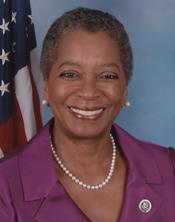
Mr. Speaker, I rise today to express my opposition to H.R. 3010--the Labor-HHS-Education Appropriations bill for FY 2006. Just like the conference report that preceded it, and was rejected in the…
Mr. Speaker, I rise today to express my opposition to H.R. 3010--the Labor-HHS-Education Appropriations bill for FY 2006. Just like the conference report that preceded it, and was rejected in the House on November 17, 2005, H.R. 3010 finances tax cuts for this Nation's millionaires and billionaires--those who have the most--on the backs of those who have the absolute least. We, as a Nation, can and should do better.
H.R. 3010 strips critically important dollars from education, health care, job training and social programs--the very same programs that already were underfunded, and the very same programs that help our most vulnerable residents and those who have fallen on hard times have a chance to achieve the American dream.
Mr. Speaker, H.R. 3010 undermines the value and importance of education by cutting No Child Left Behind by $779 million. What's worse, the revised version will leave 3.1 million children without adequate reading and math help and instruction--two academic subjects that are among the most important and
in areas where the United States lags behind other countries. H.R. 3010 will leave 6.9 million children without adequate special education services, and cuts safety and drug-free programs by 20 percent! Additionally, H.R. 3010 breaks its promise to low-income students who achieved what some may have thought impossible: working extremely hard to earn acceptance into college. The revised version does not increase the Pell Grant. Instead, it freezes it for the 4th year in a row, all while tuition at public colleges and universities has increased 34 percent in the last 4 years. Furthermore, H.R. 3010 freezes all other student financial aid support and programs. Well, Mr. Speaker, as a parent and as someone who deeply values education, I am not willing to tell hard working kids who are using education as a vehicle to better their situations and their futures that I did not hold up my end of the deal.
Mr. Speaker, I am obviously disheartened by the disastrous cuts to education programs that are included in H.R. 3010. However, as a physician who knows--first hand--how important health care access is to health and well being, and how beneficial health professions training programs are to diversifying the rising pipeline of health care providers, I am horrified at the extensive cuts to health care programs, which include the following:
Cutting $153 million from Title VII health professions training programs;
Putting an essential end to the President's community health center initiative;
Freezing most Ryan White CARE Act programs that provide medical and dental care, and extend often life-saving support service programs to people living with HIV/AIDS and the families who care for them;
Eliminating the Healthy Communities Access Program, a program that was designed to meet the health care needs of this nation's ever- growing uninsured citizens; and
Cutting the Maternal and Child Health Block Grant--which helps states provide mothers with important prenatal care and offer preventive health care and medical treatment to children, including those with disabilities and special needs--by $24 million.
Mr. Speaker, I know what these cuts to health care programs will do: they will increase the already unacceptably high numbers of uninsured Americans; create insurmountable barriers to necessary health care services and treatments for our most medically-needy and medically- underserved citizens; exacerbate the racial and ethnic as well as the rural health disparities that plague and cost our health care system; and leave hundreds of thousands of hard working and decent men, women and children in poorer health with less access to health care.
And, Mr. Speaker, all of this just to finance tax cuts for the wealthiest people in this country.
As a physician, as the Chair of the Congressional Black Caucus Health Braintrust and as a parent and grandparent, these funding cuts to education, health care, job training and other important social programs have me convinced that if we do not change our funding priorities, then we--as a Congress--will be playing an instrumental role in sending this Nation down the wrong path. And, Mr. Speaker, that is not a legacy that I am interested in leaving, and I encourage my colleagues--on both sides of the aisle--to oppose H.R. 3010.

Mr. Speaker, I thank the ranking member for yielding me this time. This is not Mr. Regula's bill. I do not really believe it is Mr. Lewis' bill. It is the bill that is the result of the fiscal…
Mr. Speaker, I thank the ranking member for yielding me this time.
This is not Mr. Regula's bill. I do not really believe it is Mr. Lewis' bill. It is the bill that is the result of the fiscal policies we have been pursuing for the last 5 years, however.
And let us be clear. The so-called new and improved Labor-HHS bill is virtually identical to the conference report that the House rejected on November 17 in a bipartisan way. There is no reason for any Member to vote for it today, in my opinion. It is just like the flawed first version. This conference report betrays our Nation's values and, I think, investment in our future.
Last week, this House majority passed more than $94 billion in additional tax cuts, the benefits of which go mostly to the wealthiest in America. This week with this bill, we are slashing discretionary spending for education, health care programs, worker training, and assistance to the most vulnerable of Americans. That is just half of it. If the Republican leadership gets its way, it will impose an across-the-board cut that nearly doubles the cuts in this bill to some $3 billion.
Let no one be mistaken. When push comes to shove, this majority without fail puts its friends ahead of our Nation's future. I do not refer to the chairman of the committee or the chairman of the subcommittee.
Now, our colleagues on the other side of the aisle can claim there is little they can do to improve the funding levels in this bill, because the fiscal policies they have pursued have put them
in a position where we have insufficient funds to fund the priorities of this Nation.
They say they have no options, no alternatives. They say they are only complying with funding levels dictated by the Republican budget resolution. One of my Republican predecessors, Mr. Regula's Republican predecessor, refused to vote for the budget simply for that reason a number of years ago. He said, I cannot do this bill within the context of the budget that is presented.
Now they want to conveniently ignore the undeniable truth. They voted for that budget resolution, which put them in the straits they now find themselves. They want to vote for draconian cuts in April and proclaim that they are getting tough on spending and then 8 months later they want to disclaim responsibility when those cuts are enacted.
The inappropriate funding levels in this conference report are the inevitable consequence of the most irresponsible fiscal policies in the history of our Nation that we are pursuing, of policies that have spawned record deficits. This administration started with a $5.6 trillion surplus. It is now confronted with a $4 trillion deficit. There are no fiscal conservatives on that side of the aisle, I tell my friends, of policies that this Republican majority and the administration have enacted to deliberately deprive our government of the resources that it needs and that our people know our country needs.
Finally, Mr. Speaker, let me say that I am particularly incensed that at a time of record heating costs, the subcommittee defeated Mr. Obey's amendment to provide an additional $2 billion for the Low Income Home Energy Assistance Program.
I predict to you today, just as when we rejected funding for the veterans that we said was necessary and their health care, you are going to be back here with a supplemental funding additional energy costs for seniors.
And, by the way, let me also say Mr. Obey had an amendment which was going to give to seniors an additional 6 months to make a determination to figure out this incredibly complex prescription drug bill that we have put on their doorstep, and that was rejected unanimously by Republicans while it was unanimously supported by Democrats.
The message here, Mr. Speaker, is unmistakable and sad. While the wealthy have money to burn, the poor get to shiver in silence. I simply do not understand why the majority refused to adopt a second amendment, as I said, to extend time for seniors. We all know the reality. The Republican prescription drug plan is so complicated and confusing that millions of seniors need and deserve more time to weigh their options.
I urge my colleagues to vote against their conference report. I regrettably say that, but I think the failures contained in it compel that conclusion.
Mr. Speaker, I thank the gentlewoman for the time. Let me simply make a couple of comments in response to assertions made by the gentlewoman from West Virginia. She caught my attention when she said,…
Mr. Speaker, I thank the gentlewoman for the time.
Let me simply make a couple of comments in response to assertions made by the gentlewoman from West Virginia. She caught my attention when she said, and made much of the fact, that since the Republicans have taken control of the House, education funding has essentially doubled. Let me put that in perspective and challenge that statement. This bill is part of a three-part strategy which over the next 5 years will cut funding for education, for social services, for health care, for the people targeted by this bill by $48 billion over a 5-year period.
With respect to education, this bill is the first time in 10 years that the Congress will actually have cut education. With the across- the-board cut which is going to be attached to this bill before
the week is over, we will wind up cutting education by over $600 million below last year.
Now, the Republicans say, ``Oh, that is okay because we added so much money over the last 10 years.'' With all due respect, that is rewriting history. The Republican majority in this House had to be dragged kicking and screaming into supporting education at all. They came to power with the demand to abolish the Department of Education. Their very first action rescinded billions of dollars including education funding. They tried three out of the next 4 years to make deep cuts in education. Each time they were blocked by the Democratic minority and by some assistance that we got from the Republican majority in the Senate and from the White House then occupied by Bill Clinton.
Today the fact is that over the past 10 years we have had $18 billion more in education than would have been there if we had passed the Republican House education and labor appropriation bill. So for the Republicans to claim that they have added money to education is a joke.
It reminds me of the orphan who kills his parents and then throws himself on the mercy of the court because he is an orphan. The fact is, if the Republican majority in this House had their way, education would have been funded $18 billion less than it has been funded over the previous decade.
With respect to some of the other claims that have been made this morning, with respect to title I, we are going to have an actual reduction in title I by the time the across-the-board cut actually passes. No Child Left Behind programs have been cut by $779 million.
The gentlewoman mentioned NIH. The fact is that with the across-the- board cut that is going to be attached to this bill, NIH funding will decline by $129 million, there will be fewer research grants provided there than we had 2 years ago.
She mentioned community health centers. The fact is that this bill contains $238 million less than the amount requested by the Bush administration, and this bill totally terminates the entire community- access program to provide health care to people who do not have insurance.
So all I would say is, if you vote for this bill, if you vote for the across-the-board cut, and if you voted for the Republican reconciliation action last week, you will have cut support for people who are helped by this bill by $48 billion over the next 5 years, and you will have used 50 percent of that money to put in the pockets of the richest 1 percent of the people by way of tax cuts. It is an outrageous piece of legislation.
Mr. Speaker, let me simply say in response to the gentlewoman's comments, the Republican leadership and the Republican caucus has already made clear that they intend to attach a further 1 percent across-the-board cut in all discretionary spending before we leave here for the Christmas holidays. The fact is that the bill before us today is just for openers. And when you put this bill together with the 1 percent cut that they intend to make across the board, and then when you add that to the humongous cuts that they made over the next 5 years in the reconciliation bill last week, they are already on the hook for that. That means, over the next 5 years, there will be a cumulative cut in programs to help the people targeted by this bill of $48 billion.
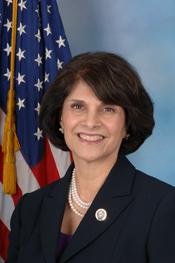
Mr. Speaker, I regrettably rise in opposition to the Labor-HHS-Education Appropriations Conference Report, because it grossly under funds the essential programs in education, health and human…
Mr. Speaker, I regrettably rise in opposition to the Labor-HHS-Education Appropriations Conference Report, because it grossly under funds the essential programs in education, health and human services that help improve the quality of life of the American people.
Chairman Regula has done his best to meet the needs of the most vulnerable in our society with the very limited resources he was given. Ironically, these inadequate resources are a direct result of his own Republican leadership putting tax cuts for the wealthiest in our country before the needs of working and middle-class Americans.
This is the second time that the Labor-HHS Conference Report is before this House. Three weeks ago, Republicans and Democrats defeated the original conference report in a rare show of bipartisanship. Members on both sides of the aisle voted against the injustices of this bill, and refused to allow this 109th Congress to be defined by a Labor-HHS-Education bill that turned its back on the American people. This revised Conference Report continues the policy of shortchanging the needs and priorities of the majority of Americans.
There are, however, two incremental improvements in this revised Conference Report. The report restores $37 million to rural health outreach grants and rural health research, bringing them back to last year's funding levels. It also adds $53 million to bring four of the Health Professions Training Programs back to FY 2005 levels. Nevertheless, these modest changes will have little impact on rectifying the enormous gaps created by the funding cuts in this bill. It is simply another version of misguided priorities and unacceptable choices.
If we pass this conference report, the Departments of Labor, Education and Health and Human Services (HHS) will all receive less funding next year than they did in FY 2005. For example, the Department of Labor will receive $430 million less than in FY 2005, resulting in the elimination of skills training for 100,000 personnel in growth industries, and the abolishment of job search assistance for 1.9 million unemployed workers. These are two critical programs that benefit the 7.6 million Americans who remain out of work. The Department of Education will receive $59 million less than it did in 2005, and contrary to the administration's professed commitment to leave no child behind, this second conference report will reduce the ``Even Start'' program for low-literate and low-income families by 56 percent, freeze the English Language Training program, and fund IDEA with the smallest increase in over a decade. In addition, at a time when 45 million Americans are without health insurance, the Department of Health and Human Services will receive $1.1 billion less than the FY 2005 appropriation. The result is that this revised conference report will further erode the health care safety net by terminating the Healthy Communities Access Program, cutting $24 million out of the Maternal and Child Health Block Grant, and eliminating the Health Care Planning Access Grants that help states expand health coverage to the uninsured.
The revised Labor-HHS-Education Conference Report does not even come close to meeting the health and social welfare needs of our families, the educational requirements of our children, and the responsibilities we have to our most vulnerable citizens. Mr. Speaker, this country was built on a promise of hope and equal opportunity for all of its people. If the majority continues to ignore these values that have set our country apart and contributed to its greatness, we will lose our moral high ground and jeopardize our place as the most powerful country in the world. Our children will then be forced to live with the consequences of an undereducated workforce, a weak economy, and a society where good health and social justice are only afforded to the most privileged. Mr. Speaker, I urge my colleagues to reject this still ill conceived, unacceptable and unnecessarily under funded conference report.

Mr. Speaker, I yield myself such time as I may consume, and thank the gentlewoman from West Virginia (Mrs. Capito) for yielding me this time. (Ms. MATSUI asked and was given permission to revise and…
Mr. Speaker, I yield myself such time as I may consume, and thank the gentlewoman from West Virginia (Mrs. Capito) for yielding me this time.
(Ms. MATSUI asked and was given permission to revise and extend her remarks.)
Mr. Speaker, today we consider House Resolution 596, the rule allowing consideration of the conference report accompanying the fiscal year 2006 Labor-HHS and Education appropriations bill. If the debate looks familiar to our constituents watching from home, it should. Just before Thanksgiving, the House considered a conference agreement almost exactly like the one before the House this morning. The House voted to reject that shortsighted agreement. It was a striking rebuke of a majority out of touch with concerns of average Americans, and yet here we are again with an agreement that is almost word for word the exact agreement from 3 weeks ago. This new version simply moves around a small amount of money, robbing Peter to pay Paul.
What seems to have been skipped was a discussion of the fundamentally flawed priorities, and there was no discussion of what the American people need, merely what it would take for a few more votes. This means that No Child Left Behind funding is still cut by $779 million, a maximum Pell grant award is still frozen for the fourth straight year, and there is still no new funding for student financial aid and support programs. The bill still provides $4 billion less than Republicans promised for special education through IDEA.
Further, this agreement provides only thin and shortsighted support for innovative research going on today on universities and colleges across the Nation. Hardworking families rely on these advances to ease the suffering or even cure a loved one's illness, but this agreement threatens this hope.
Earlier this month, the UC Davis Cancer Center, the only federally designated cancer center in the central valley of California, discovered a way to improve early detection of breast cancer. And just before Thanksgiving, UC Davis research shed light on how some cancer patients contract chemotherapy-induced leukemia.
These are two examples of living-saving advances among dozens in the University of California system. And they are a reality because of Federal investment. Two out of every three research dollars to the UC system are from the Federal Government. Sadly, misguided priorities, like the ones contained in this conference report, threaten to limit these types of advances.
Mr. Speaker, my local newspaper, the Sacramento Bee, noted earlier this month that today's challenges demand shared sacrifice and better priorities. The paper argued, rightly so, that ``the majority in Congress is more intent on locking in President Bush's tax cuts than paying for war, natural disaster, and essential public services for the Nation's most vulnerable people.'' I could not agree more.
Mr. Speaker, I urge my colleagues once again to reject this conference report.
Mr. Speaker, I reserve the balance of my time.
Mr. Speaker, I yield 4 minutes to the distinguished gentleman from Wisconsin (Mr. Obey).
Mr. Speaker, I yield 2 minutes to the gentleman from Wisconsin (Mr. Obey) to respond.
Mr. Speaker, I yield 3 minutes to the gentleman from Ohio (Mr. Kucinich).
Mr. Speaker, I would just urge my colleagues once again to reject this conference report, and I yield back the balance of my time.
Mr. Speaker, I rise in strong opposition to the newer, but not better, Labor-HHS-Education appropriations conference report. Less than a month ago, the Members of this House rightfully defeated the…
Mr. Speaker, I rise in strong opposition to the newer, but not better, Labor-HHS-Education appropriations conference report.
Less than a month ago, the Members of this House rightfully defeated the previous version of this conference bill. Unfortunately, the Republican Majority did not get the message that Americans do not want Congress to cut $1.5 billion in critical programs.
Like their previous bill, the Republicans continue their assault on health care programs. Even with nearly 46 million uninsured Americans, 800,000 of whom were added last year alone, the Republicans provide virtually no funding for new Community Health Centers beyond those approved last year. They also propose cutting grants for immunizing children, responding to disease outbreaks and improving care for people with chronic diseases.
Unbelievably, the Republicans did not stop there. Just one year after failing to have enough flu vaccine available and with the impending pandemic of avian flu, this bill cuts $100 million of funding for flu preparedness. Also, just one day after President Bush acknowledged that the current Medicare prescription drug benefit was confusing, this bill ensures that help will be even more difficult to come by. It cuts by $60 million the funding used to pay for helping seniors' choosing their new Medicare prescription drug benefit.
Cuts were not limited to health care programs. This bill also cuts No Child Left Behind funding, education technology programs and special education programs. The Education for the Disadvantaged Program receives the smallest increase it has ever received in 8 years, negatively affecting 3.1 million low-income children. It is no wonder Republicans pushed so hard to privatize Social Security earlier this year. With the poorly educated workforce the Republicans are surely creating, there may be too few highly-trained workers to pay into Social Security to take care of my Republican colleagues and me in our retirement.
Beyond education, this bill will literally leave people out in the cold. Consumers are expected to pay 44 percent more for natural gas and 24 percent more for home heating oil this winter, yet Republicans failed to increase funding for programs that provide home heating assistance for low-income seniors and children.
There are, regrettably, many more worthwhile programs the Republicans have targeted. Programs to train workers for high skill, high paying jobs are cut $125 million; job search assistance is cut $89 million; state unemployment insurance and employment service offices are cut $245 million eliminating help for 1.9 million people. The International Labor Affairs Bureau, tasked with protecting American workers from being undercut by child and slave labor abroad, is being cut $20 million. Based on the Republican efforts to cut employment services, you'd never know this Administration has overseen the lowest rate of job growth since Herbert Hoover.
America can do better than a bill that cuts education, health care and labor programs especially while Republicans work to propose tax breaks for the wealthiest among us. This bill clearly shows the misguided priorities of the Republican Majority. I urge my colleagues to join me in voting ``no'' on this harmful and dishonorable bill.
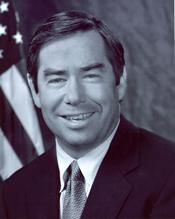
Mr. Speaker, I would like to thank Chairman Regula for his leadership on this bill. This bill, of all bills, has a very, very strong history of bipartisanship. One of the predecessor chairmen of this…
Mr. Speaker, I would like to thank Chairman Regula for his leadership on this bill. This bill, of all bills, has a very, very strong history of bipartisanship. One of the predecessor chairmen of this bill was a fellow named Bill Natcher who served with great distinction in this House for 40 years. Never missed a vote. And when he would get up and ask for bipartisan support for this bill, he would get it. As a member of the minority, for year after year I voted for this bill because it is the people's bill, because the needs of the American public are met by this bill. And the people who pay the taxes benefit in large part from the services and support programs provided in this bill. There are over 500 programs in this bill. It is a very complex bill, something that our chairman, Mr. Regula, understands better than anyone. And he knows this bill inside and out. So I would appeal to my colleagues on the other side of the aisle to provide the same level of nonpartisanship that we did when we were in the minority.
The American public is very concerned about the level of acrimony and partisanship here in Washington today. Here is a day, here is a bill where we can set that aside and work together to provide a bipartisan vote to support this bill. Is it a perfect bill? No. But it is a good bill. And there is an old saying: Do not let the perfect be the enemy of the good. And this is a very good bill.
We do not have unlimited resources in this country. We have to make priorities. And Chairman Regula has done that. Under his leadership, and since our party became the majority party, we have doubled--doubled the amount of Federal aid to public education. We have doubled. That is an astounding number. And there is an even better one. We have tripled the funding for the National Institutes of Health, the institute that provides the research, that supports the research done at American colleges and research institutions around the country, that gives us, this country, the level of quality of health care that it has, the best in the world. So we not only have set these priorities in a very tough budget year, but he has increased funding. By making further changes in the bill, Chairman Regula has provided an additional $100 million for funding for special education to States.
Now, again, both parties have been very supportive over the years of the Individuals in Education Act. We, our party, I think, to our credit, have dramatically increased the level of funding in IDEA. The Democrats did their part. We are doing our part.
We have, again, increased LIHEAP, which is very important in my part of the country, in the Northeast. And community health centers, for the people who do not have health insurance in this country, here is an opportunity to help them, to provide health care, good solid health care that we all need. So I just hope that we can set partisanship and some of that acrimony that we all have to deal with on a daily basis down here; let us set it aside on this really good, solid effort, and let us all support this bill.
And I thank Chairman Regula for his leadership, and I am proud to be a member of this subcommittee.
Mr. Speaker, I thank the gentlewoman, and I want to thank the gentleman from Wisconsin for pointing out to this House that the across-the-board cut which he speaks about is going to only exacerbate…
Mr. Speaker, I thank the gentlewoman, and I want to thank the gentleman from Wisconsin for pointing out to this House that the across-the-board cut which he speaks about is going to only exacerbate the underfunding, which already exists in this particular bill. And I thank the gentleman for that point.
I also want to state that this House, at the request of the administration, over the last few years has passed massive tax cuts that have helped to accelerate the wealth of this country upward, while when it comes to social programs, we are looking at cuts.
I want to speak to education. The education cuts brought before us today in this new conference report are not any better for students than those that were voted down by the House on November 17. Like that conference agreement, the bill before us today demonstrates that education is not a priority for this House's majority. This conference agreement provides a mere $11 million increase for Head Start.
I will bet, Mr. Speaker, that there are some of our wealthiest citizens who are achieving tax breaks in the millions, who together, pooling their tax breaks, would exceed the amount of money being given to Head Start that they call an increase. The fact of the matter is that Head Start is a pivotal program for preschool age children in low- income families across this country. And at current funding levels, it, unfortunately, serves about only half of the children eligible for its services. Now, this is not adequate, and it is not right. This program, which has been repeatedly found to have dramatically increased the academic performance of students, deserves more than a piddling $11 million when you compare it to where the money is going in this budget and in the fiscal policies of this administration.
This conference agreement cuts school improvement funding by 6 percent and flat funds teacher quality grants. These grants, which are used to recruit qualified teachers and support teacher development, are critically important to efforts to improve student achievement.
Rather than strengthening the Pell Grant program and increasing access to higher education for low-income students, the conference agreement maintains the current maximum Pell Grant at $4,050. At this level, the maximum Pell Grant only covers 39 percent of the tuition of the average 4-year public college, making a mockery of its status as the foundation of student aid for the poorest students.
What are our priorities? The votes Members cast today on this conference agreement will show our priorities. Our priorities ought to be education, and they ought to be doing something about adult training grants which, unfortunately, have been cut in this conference report, and youth training grants, which, unfortunately, have been cut in this conference report.
What are our priorities? To continue the acceleration of wealth upwards in this country, or to make sure that all Americans get a chance to be recognized in this budget?
It is time to say no to this policy.
Show 7 more
Mr. Speaker, to my colleague on the other side of the aisle, I just might add that this is the people's bill. But, unfortunately, this particular bill is not meeting the needs of the American public…
Mr. Speaker, to my colleague on the other side of the aisle, I just might add that this is the people's bill. But, unfortunately, this particular bill is not meeting the needs of the American public as has been aptly pointed out by my colleague from Wisconsin.
I also might say that there has been bipartisan support in the past because together we could come together and increase the opportunity, whether it was IDEA, whether it was for low-income assistance, whether it was for education, and it was a rallying point on a bipartisan basis to do something for the American people.
Mr. Speaker, when we defeated this bill in November, it cut health research, college loans and low-income energy assistance. It cut assistance to working families and the unemployed by almost 4 percent. And at a time when America is falling behind competitors like China, whose economy is growing three times as fast as ours, it cut worker training. That bill failed by a bipartisan vote of 209 to 224.
What about the bill is so different this time that it warrants passage? Very little. Indeed, this bill is at the same funding level, simply shifting money from one underfunded priority to another. If anything, once you consider the additional $1.4 billion in cuts that the Republican leadership intends to impose with a 1 percent government-wide across-the-board cut, this bill is worse.
I understand that the chairman and his staff are doing their best. I do recognize that this bill includes many programs that the President had slated for elimination, especially in the area of education and community services block grants. But his is an impossible mission. He has been asked to craft a spending bill with resources that do not even allow for us to meet last year's levels with inflation. And why? And why? Not because America cannot fund these priorities. We are the richest country in the world. Rather, it is because the Republican leadership has chosen to use the funds we have for tax cuts that only impact Americans earning over $200,000 per year. I might add that 53 percent of those tax cuts will go to people who make over $1 million a year. That is the real story behind this so-called budget crunch. That is what is preventing us from providing so many needed resources to help the good people of this country, the good people in our communities to look to government in times of need, and they are looking to government today, and we are saying to them, what government says is: Later for you. Forget it. We are not there when you need it.
As I said in November, ask any middle class family today what is important to them, tax cuts for wealthy Americans or things like lowering the cost of health care, of heating their
homes this winter or sending their kids to college? They will tell you every time that all they want is something that makes a difference in their lives and in their family's lives. This bill fails the test. I urge my colleagues to oppose it.

Mr. Speaker, I thank the ranking member, Mr. Obey, and I thank him and applaud him for his steadfast voice on behalf of those who need a voice on the hill, who always speaks up on behalf of those…
Mr. Speaker, I thank the ranking member, Mr. Obey, and I thank him and applaud him for his steadfast voice on behalf of those who need a voice on the hill, who always speaks up on behalf of those without a voice. And I want to thank the chairman for his steadfast work trying to make the best of a bad situation.
You know, Mr. Chairman, I think that when you got on to that Republican bus and you were trying to find a seat up front for the people's bill, a seat up front for education, a seat up front for health care, a seat up front for human services, all the front row seats were already taken.
They were taken by the tax cut bill, they were taken by the corporate loophole bill for energy companies, and they were taken by the big pharmaceutical giveaways.
I tell the chairman, in many respects, just like Rosa Parks, whose life we celebrated just recently, you were told to take your people's bill to the back of the bus.
Right now, Mr. Speaker, that is just where all of our Nation's priorities are, at the back of the bus. These are priorities that ought to be at the front. These are priorities, like education, that are going to lead our country to the future.
We are talking about a war now in the Middle East. We are going to have another war on our hands. It is an economic war. We used to use our military for political and military hegemony. Now, for us to have political hegemony, we need intellectual power. Our military analogy is our young people need to have textbooks, not tanks. They need to have pencils. They need to have schools that are not falling down on them. They need to be able to go on to higher education.
But, unfortunately, Mr. Speaker, this bill represents the single biggest cut in higher education that we have ever seen in the history of this country. Imagine that at a time when our Nation's economy demands that our soldiers, our men and women who were trying to make a living for themselves, are being taken hostage because they do not have all the protective gear that they need. They do not have an education to wrap themselves around so that they can go out into that economic workforce and be protected and know that they can make a living for themselves in this new-world economy.
So I thank the chairman for doing the best job that he could; but I am sure, as he knows, the people's bill, unfortunately, in this budget took a back seat to many other bills that, unfortunately, I do not believe it should have taken a back seat to.
Mr. Speaker, I rise today in opposition to the Labor, Health and Human Services and Education Appropriations conference report before us. One month ago, the House of Representatives voted this bill…
Mr. Speaker, I rise today in opposition to the Labor, Health and Human Services and Education Appropriations conference report before us. One month ago, the House of Representatives voted this bill down because it failed to address the priorities of the American people. I am disappointed that the conferees have sent it back to us without significant changes.
Before we voted on this bill in November, my constituents told me what was important to them. Rhode Islanders, like all Americans, are concerned about health care and the economy. I believe the public sentiment on these issues accounted for the failure of this bill last month. With more than 45 million uninsured Americans and 7.4 million unemployed Americans, now is not the time to cut health professions training grants by 51 percent or take $229 million away from the unemployment insurance and service programs. Yet, this second conference agreement once again proposes to do just that.
The consequences of ignoring these societal problems are far- reaching. Major cutbacks in the areas of education and health care will have a tremendous economic impact on our Nation. However, the Republican leadership set the stage for cuts in these critical programs. When Congress passed H. Con. Res. 95, the Budget Conference Report, they made it clear that tax cuts for the wealthy will continue to be paid for by slashing programs that Rhode Islanders depend on.
Last month, I outlined my concerns about specific aspects of this bill--cuts for No Child Left Behind, an already underfunded mandate; the failure to increase the maximum Pell Grant as included in the original House bill; and providing insufficient funding for the National Institutes of Health, which would decrease the number of federal research grants for the second year in a row. As these concerns have not been addressed in the second conference report, I urge my colleagues to reject H.R. 3010--again.

Mr. Speaker, I rise in opposition to this FY 2006 Labor-HHS Conference Report. Almost a month ago, this House rejected an earlier version of this legislation by a vote of 209-224 because it…
Mr. Speaker, I rise in opposition to this FY 2006 Labor-HHS Conference Report.
Almost a month ago, this House rejected an earlier version of this legislation by a vote of 209-224 because it shortchanged the nation's critical education, health care and job training priorities.
Today we are being asked to pass judgment again on a virtually identical piece of legislation--as if shuffling $180 million between accounts in a $602 billion conference report can begin to compensate for the deficiencies in the underlying bill.
Mr. Speaker, the Labor-HHS Appropriations bill used to be called ``the people's bill.'' So what are the people getting today? Here's a sample from this legislation's hall of shame:
There are $779 million in cuts for No Child Left Behind, meaning 3.1 million kids won't get the reading and math help they were promised.
A freeze in the Low-Income Home Energy Assistance Program, LlHEAP-- despite the 44 percent increase in natural gas prices and 24 percent increase in home heating oil prices expected this winter. This House has refused to provide sufficient help to families in need despite the fact that it voted a few months ago to give the oil and gas industry a $14 billion tax subsidy.
A cut in real terms from the National Institutes of Health that will result in NIH funding 505 fewer research grants than it did just two years ago.
A 5 percent cut in critical services for the 7.4 million unemployed and displaced workers left behind by our increasingly globalized economy.
Mr. Speaker, the list goes on and on.
While this conference report is not completely without merit--ranging from its increased funding for rural health to the reinstatement of the Bureau of Labor Statistics' women worker survey--its overarching trajectory falls far short of what our nation and its people deserve. I do not believe that it reflects the values and priorities of the American people.
Mr. Speaker, I thank the chairman for yielding, and I want to commend him for producing a very good bill, and I want to commend the full committee chairman, Mr. Lewis. I came to Congress 11 years…
Mr. Speaker, I thank the chairman for yielding, and I want to commend him for producing a very good bill, and I want to commend the full committee chairman, Mr. Lewis.
I came to Congress 11 years ago, and over that 11-year time period, I have seen the size of this bill more than double. The working families in my congressional district have not seen their incomes double in that time period.
We have seen unprecedented challenges that we have had to face this year, Hurricane Katrina, recovery from that, Hurricane Wilma, which significantly affected my district and the State I live in, and then, of course, we are fighting a war, a war on terror in this country.
This is a very, very responsible bill. It is a good bill. I just ask all Members to keep in mind, you will hear statements that this bill is going to devastate health care in America. We have an over $13 trillion economy. We spend more than 17 percent on health care. The discretionary accounts in this bill represent less than one-tenth of 1 percent of total health care expenditures.
This is a very, very good bill. It is a very responsible bill, and it is good policy.
I am a conservative. I came here to act in a responsible fashion, and that is what this bill does. I encourage all my colleagues to vote for it. And I again commend the chairman.
Mr. Speaker, I rise in strong opposition to this conference report and thank Mr. Obey, Ranking Member of Approps Committee, for the time. This morning I greeted hundreds of faith leaders on the steps…
Mr. Speaker, I rise in strong opposition to this conference report and thank Mr. Obey, Ranking Member of Approps Committee, for the time.
This morning I greeted hundreds of faith leaders on the steps of the Cannon building. They gathered from across the country to march together and pray together and to deliver a message to Congress. Their message was simple: The budget is a moral document and we have a moral obligation to ensure its priorities reflect our values.
Mr. Speaker, I have to ask why aren't we listening to them?
Who better than faith leaders, who serve on the front lines, who feed the hungry, who clothe the naked, who house the homeless, to tell Congress about the impact of this immoral budget on our families and our communities?
They recognize that the priorities reflected in our budget are not a partisan issue, but an issue of who we are as a Nation, and what our values are.
We know that the Republican budget cuts and this conference report, which is a critical part of their budget, is nothing more than an assault on the least among us--and it does not reflect our values.
That is why I encourage my colleagues to vote with their values and let's defeat this bill just like we did a month ago.
Don't tell me we can't do better.
Mr. Speaker, a month ago, I voted against H.R. 3010, the Labor, Health and Human Services, Education and Related Agencies first conference report, which failed in the House with 22 Republicans also…
Mr. Speaker, a month ago, I voted against H.R. 3010, the Labor, Health and Human Services, Education and Related Agencies first conference report, which failed in the House with 22 Republicans also voting against the bill. Today, a similar bill with some minor tweaks to gain a few more votes for a narrow passage is before the House again.
While I am glad to see $90 million restored to rural health programs, the overall bill is still bad. It is irresponsible to raid from one program to pay for another program. This bill contains $1.6 billion in cuts from FY 2005 to important labor, health, social services, and education services.
It is unfortunate that Republicans in Congress are choosing to strip away essential safeguards for families in order to implement tax cuts benefiting the wealthiest Americans. I am voting against this bill because Americans deserve better.
Bill Text
2 versions available
        [Congressional Bills 109th Congress]
[From the U.S. Government Publishing Office]
[H. Res. 596 Engrossed in House (EH)]

H. Res. 596

In the House of Representatives, U.S.,

December 14, 2005.
Resolved, That upon adoption of this resolution it shall be in order to
consider the further conference report to accompany the bill (H.R. 3010) making
appropriations for the Departments of Labor, Health and Human Services, and
Education, and Related Agencies for the fiscal year ending September 30, 2006,
and for other purposes. All points of order against the conference report and
against its consideration are waived. The conference report shall be considered
as read.

Attest:

Clerk.