Circuit Court of Appeals Restructuring and Modernization Act of 2005
Legislative Activity
Stay on top of the latest movement without scrolling through every action
Committee on the Judiciary. Hearings held. Hearings printed: S.Hrg. 109-1035.
September 20, 2006
View full timeline
Introduced in Senate
October 6, 2005
Read twice and referred to the Committee on the Judiciary. (text of measure as introduced: CR 10/7/2005 S11231-11232)
October 6, 2005
Committee on the Judiciary Subcommittee on Administrative Oversight and the Courts. Hearings held. With printed Hearing: S.Hrg. 109-190.
October 26, 2005
Committee on the Judiciary. Hearings held. Hearings printed: S.Hrg. 109-1035.
September 20, 2006
Floor Debate
18 membersWhat members said about S. 1845 on the floor
 JD
JD JMJ
JMJ JW
JW JB
JB JT+13
JT+13
Floor Debate
18 membersWhat members said about S. 1845 on the floor
Mr. President, I ask unanimous consent that the Subcommittee on Forestry, Conservation, and Rural Revitalization of the Committee on Agriculture, Nutrition and Forestry be authorized to conduct a…
Mr. President, I ask unanimous consent that the Subcommittee on Forestry, Conservation, and Rural Revitalization of the Committee on Agriculture, Nutrition and Forestry be authorized to conduct a hearing during the session of the Senate on July 27, 2006, at 10 a.m. in SR-328A, Russell Senate Office Building. The purpose of this subcommittee hearing will be to conduct an oversight hearing on the U.S. Department of Agriculture use of technical service providers.
Mr. President, I ask unanimous consent that the Committee on Armed Services be authorized to meet during the session of the Senate on July 27, 2006, at 10 a.m., in open session to consider the following nomination: Lieutenant General James T. Conway, USMC, for appointment to the grade of General and to be Commandant of the Marine Corps.
Mr. President, I ask unanimous consent that the Senate Committee on Commerce, Science, and Transportation meet to consider the following nominations on Thursday, July 27, 2006, at 11 a.m.:
Charles Nottingham to be a Member of the Surface Transportation Board; Robert Sumwalt to be a Member of the National Transportation Safety Board; Nathaniel Wienecke to be Assistant Secretary for Legislative and Intergovernmental Affairs, Department of Commerce; Jay Cohen to be Under Secretary for Science and Technology, Department of Homeland Security; and Sean Connaughton to be Administrator of the Maritime Administration, Department of Transportation.
Mr. President, I ask unanimous consent that on Thursday, July 27th, 2006, at 9:30 a.m. the Committee on Environment and Public
Works be authorized to hold a hearing to discuss the Stafford Act: A Path Forward for the Nation's Emergency Preparedness and Response System.
Mr. President, I ask unanimous consent that the Committee on Finance be authorized to meet during the session on Thursday, July 27, 2006, at 10 a.m. in 215 Dirksen Senate Office Building, to review and make recommendations on proposed legislation implementing the U.S.- Peru Trade Promotion Agreement, and to consider favorably reporting S. 3495, to authorize the extension of nondiscriminatory treatment (normal trade relations treatment) to the products of Vietnam.
Mr. President, I ask unanimous consent that the Committee on Foreign Relations be authorized to meet during the session of the Senate on Thursday, July 27, 2006, at 9:30 a.m. to hold a nominations hearing.
Mr. President, I ask unanimous consent that the Committee on Foreign Relations be authorized to meet during the session of the Senate on Thursday, July 27, 2006, at 2:30 p.m. to hold a nominations hearing.
Mr. President, I ask unanimous consent that the Committee on Health, Education, Labor, and Pensions be authorized to hold a hearing during the session of the Senate on Thursday, July 27, 2006, at 10 a.m. in SD-430.
Mr. President, I ask unanimous consent that the Committee on Homeland Security and Governmental Affairs be authorized to meet on Thursday, July 27, 2006, at 10 a.m. for a business meeting to consider pending committee business.
Agenda
Legislation
1. S. 2590, Federal Funding Accountability and Transparency Act of 2006;
2. S. , Post-Katrina Emergency Management Reform Act of 2006;
3. S. 1838, Federal and District of Columbia Government Real Property Act of 2005;
4. S. 3492, Federal Workforce Performance Appraisal and Management Improvement Act of 2006;
5. S. 3584, Federal Supervisor Training Act of 2006.
Post Office Naming Bills
1. S. 3613, to designate the facility of the USPS located at 2951 New York Highway 43 in Averill Park, New York, as the ``Major George Quamo Post Office Building;''
2. H.R. 4246, to designate the facility of the USPS located at 8135 Forest Lane in Dallas, Texas, as the ``Dr. Robert E. Price Post Office Building;''
3. H.R. 5104, to designate the facility of the USPS located at 1750 16th Street South in St. Petersburg, Florida, as the ``Morris W. Milton Post Office;''
4. H.R. 5169, to designate the facility of the USPS located at 1310 Highway 64 NW in Ramsey, Indiana, as the ``Wilfred Edward `Cousin Willie' Sieg, Sr. Post Office;''
5. H.R. 5540, to designate the facility of the USPS located at 217 Southeast 2nd Street in Dimmitt, Texas, as the ``Sergeant Jacob Dan Dones Post Office.''
Post Office Naming Bills--Tentative
1. H.R. 4646, to designate the facility of the U.S. Postal Service located at 7320 Reseda Boulevard in Reseda, California, as the ``Coach John Wooden Post Office Building;''
2. S. 2555, to designate the facility of the U.S. Postal Service located at 2633 11th Street in Rock Island, Illinois, as the ``Lane Evans Post Office Building;''
3. S. 2719/H.R. 5107, to designate the facility of the U.S. Postal Service located at 1400 West Jordan Street in Pensacola, Florida, as the ``Earl D. Hutto Post Office Building.''
Nominations
1. Paul A. Denett to be Administrator for Federal Procurement Policy, Office of Management and Budget;
2. The Honorable Anna Blackburne-Rigsby to be Associate Judge, District of Columbia Court of Appeals;
3. Phyllis D. Thompson to be Associate Judge, District of Columbia Court of Appeals;
4. Jennifer M. Anderson to be Associate Judge, Superior Court of the District of Columbia;
5. The Honorable Mickey D. Barnett to be Governor, U.S. Postal Service;
6. Katherine C. Tobin to be Governor, U.S. Postal Service;
7. Ellen C. Williams to be Governor, U.S. Postal Service.
Mr. President, I ask unanimous consent that the Committee on the Judiciary be authorized to meet to conduct a markup on Thursday, July 27, 2006, at 10:45 a.m. in Senate Dirksen Building Room 226.
Tentative Agenda
I. Nominations
Kimberly Ann Moore, to be U.S. Circuit Judge for the Federal Circuit; Frances M. Tydingco-Gatewood, to be Judge for the District Court of Guam; Steven G. Bradbury, to be an Assistant Attorney General for the Office of Legal Counsel; R. Alexander Acosta, to be U.S. Attorney for the Southern District of Florida.
II. Bills
S. 2453, National Security Surveillance Act of 2006, Specter;
S. 2455, Terrorist Surveillance Act of 2006, DeWine, Graham;
S. 2468, A bill to provide standing for civil actions for declaratory and injunctive relief to persons who refrain from electronic communications through fear of being subject to warrantless electronic surveillance for foreign intelligence purposes, and for other purposes, Schumer;
S. 3001, Foreign Intelligence Surveillance Improvement and Enhancement Act of 2006, Specter, Feinstein;
S. 2831, Free Flow of Information Act of 2006, Lugar, Specter, Graham, Schumer, Biden, Grassley;
S. 155, Gang Prevention and Effective Deterrence Act of 2005, Feinstein, Hatch, Grassley, Cornyn, Kyl, Specter;
S. 1845, Circuit Court of Appeals Restructuring and Modernization Act of 2005, Ensign, Kyl;
S. 2679, Unsolved Civil Rights Crime Act, Talent, DeWine, Cornyn.
III. Matters
Subpoenas Relating to ABA Reports.
Mr. President, I ask unanimous consent that the Committee on Small Business and Entrepreneurship be authorized to meet during the session of the Senate for a markup on ``The Small Business Reauthorization and Improvements Act of 2006,'' on Thursday, July 27, 2006, beginning at 10 a.m., in room 428A of the Russell Senate Office Building.
Mr. President, I ask unanimous consent that the Committee on Veterans' Affairs be authorized to meet during the session of the Senate on Thursday, July 27, 2006, to hold a hearing to consider the nominations of Patrick W. Dunne to be Assistant Secretary for Policy & Planning and Thomas E. Harvey to be Assistant Secretary for Congressional Affairs, Department of Veterans' Affairs. The hearing will take place in room 418 of the Russell Senate Office Building at 10 a.m.
Mr. President, I ask unanimous consent that the Committee on Veterans' Affairs be authorized to meet during the session of the Senate on Thursday, July 27, 2006, to hold a markup to consider the nominations of Patrick W. Dunne to be Assistant Secretary for Policy & Planning and Thomas E. Harvey to be Assistant
Secretary for Congressional Affairs, Department of Veterans' Affairs.
The meeting will take place in the Reception Room off the Senate floor in the Capitol following the first rollcall of the Senate after 1 p.m.
Mr. President, I ask unanimous consent that the Select Committee on Intelligence be authorized to meet during the session of the Senate on July 27, 2006, at 2:30 p.m., to hold a closed meeting.
Mr. President, I ask unanimous consent that the Special Committee on Aging be authorized to meet tomorrow, July 27, 2006, from 10 a.m.-1 p.m. in Dirksen 106 for the purpose of conducting a hearing.
Mr. President, I ask unanimous consent that the Committee on Homeland Security and Governmental Affairs' Subcommittee on Federal Financial Management, Government Information, and International Security be authorized to meet on Thursday, July 27, 2006, at 2:30 p.m., for a hearing regarding ``Responsible Resource Management at the Nation's Health Access Agency''.
Mr. President, I ask unanimous consent that the Committee on the Judiciary Subcommittee on Terrorism, Technology and Homeland Security be authorized to meet to conduct a hearing on ``Detecting Smuggled Nuclear Weapons'' on Thursday, July 27, 2006, at 2:30 p.m. in Dirksen 226. The witness list will be provided when it becomes available.
Mr. President, I ask unanimous consent that the Subcommittee on Water and Power of the Committee on Energy and Natural Resources be authorized to meet during the session of the Senate on Thursday, July 27, 2006, at 2:30 p.m.
The purpose of the hearing is to receive testimony on S. 3638, to encourage the Secretary of the Interior to participate in projects to plan, design, and construct water supply projects and to amend the Reclamation Wastewater and Groundwater Study and Facilities Act to encourage the design, planning, and construction of projects to treat impaired surface water, reclaim, and reuse impaired groundwater, and provide brine disposal in the State of California; S. 3639, to amend the Reclamation Wastewater and Groundwater Study and Facilities Act to authorize the Secretary of the Interior to participate in the Prado Basin Natural Treatment System Project, to authorize the Secretary to carry out a program to assist agencies in projects to construct regional brine lines in California, to authorize the Secretary to participate in the Lower Chino Dairy Area Desalination Demonstration and Reclamations Project, and for other purposes; H.R. 2341, to amend the Reclamation Wastewater and Goundwater Study and Facilities Act to authorize the Secretary of the Interior to participate in the design, planning, and construction of a project to reclaim and reuse wastewater within and outside of the service area of the City of Austin Water and Wastewater Utility, Texas; and H.R. 3418, to amend the Reclamation Wastewater and Groundwater Study and Facilities Act to authorize the Secretary of the Interior to participate in the central Texas water recycling and reuse project, and for other purposes.
Mr. President, over the past several weeks, in the wake of two hurricanes, we have felt the heartbreak of Americans forced from their homes with no return in sight. Safe and affordable housing is not…
Mr. President, over the past several weeks, in the wake of two hurricanes, we have felt the heartbreak of Americans forced from their homes with no return in sight. Safe and affordable housing is not something we should take for granted.
Today I am introducing the Affordable Housing Preservation Act of 2005. I am proud to be joined by my colleagues, Senators Paul Sarbanes and Mark Dayton. This bill provides federal matching funds for the acquisition and rehabilitation of existing federally-assisted or - insured affordable housing properties that are in danger of being lost from the affordable housing inventory.
There is a great need for affordable housing. All across the country, housing is becoming less attainable for more and more families. In my own State of Vermont, renting--let alone owning--a home is becoming difficult if not impossible for many families. The minimum wage in Vermont is seven dollars. However, a family must earn almost $28,000 in yearly income to afford a two-bedroom apartment, which requires a wage of over $13 per hour. For example, in Vermont, a two-bedroom apartment costs about $698 per month, and a minimum wage earner can afford no more than $364 for rent. This trend is not unique to Vermont. Nationwide, the wage needed to afford a two-bedroom apartment is over $15 an hour. Approximately one-quarter of the U.S. earns less than $10 per hour. There are some communities where affordable housing was never a concern before, but are now facing a shortage growing ever more severe. I ask unanimous consent to have a chart compiled by the National Low Income Housing Coalition (NLIHC), ``State Ranks Based on Two Bedroom Housing Wage'', inserted in the Record. As my colleagues read this chart, I encourage them to refer to the NLIHC report issued last year, ``Out of Reach'', for a more comprehensive overview of housing prices and diminishing affordability. I found this report particularly alarming and eye-opening.
There are several strategies to consider in combating the affordable housing crisis. A comprehensive plan of economic and community development and revitalization--from public and private sector sources--is one strategy that has proved successful. Some of the increasing need for affordable housing is met with the construction of new units. But in many communities, a stock of affordable housing already exists, and there is a desire among local leaders to preserve it. My bill helps States, localities, and other entities do just that.
The bill I am introducing today, the Affordable Housing Preservation Act of 2005, represents an effort to complement the good work being done throughout the country on Section 8 initiatives, and it strives to preserve existing affordable housing. Specifically, this legislation would conserve federally-subsidized housing units by providing matching grants to states and localities, who then may work with other housing entities, seeking to preserve privately owned, affordable housing.
The Secretary of Housing and Urban Development, HUD, would make determinations for the grants based on a number of factors, including the number of affordable housing units at risk of being lost and the local market conditions in which displaced residents would have to find comparable new housing options. States and localities could use the funds to acquire or rehabilitate housing, which may be done by working with established not-for-profit organizations that specialize in providing affordable housing. They could use the funds, in part, for administrative and operating expenses. Properties with mortgages insured by HUD, Section 8 project-based assisted housing, and properties that are being purchased by residents would all be eligible for the matching grant funds. I believe that flexibility with the funding would make this program more efficient and cost effective, and, most importantly, more helpful to the recipients themselves.
What's more important to a family than a place to call home? Affordable, quality, and safe housing is the foundation, literally and figuratively, that communities are built upon. As the Senate crafts a comprehensive federal response to the housing crisis, including emergency housing assistance for those affected by the hurricanes Katrina and Rita, I am eager to work with my colleagues to integrate the principles of housing preservation into affordable housing, economic and community development and revitalization initiatives.
Mr. President, I rise today to introduce the Gulf Coast Infrastructure Redevelopment and Recovery Act of 2005 on behalf of the minority side of the EPW Committee. We have introduced three bi- partisan bills to date in our committee's jurisdiction. One of them even passed the Senate last week. Those bills, which I would characterize as tweaks to existing authorities, were good first steps and are included in the package we introduce today.
But, we feel that the breadth and the magnitude of the damage after Hurricane Katrina demands a more significant response. As I look at the pictures of the damage in the areas hit hardest by Hurricane Katrina, I think of the visitors from Terrebonne Parish that visited me in my office to seek support for flood control projects in Louisiana. At the time, I was struck by the vulnerability of this community to the effects of nature. Today, we are seeing those effects firsthand. I have thought
often in the past month of the strong spirit shown by those who visited my office, and I know, that while it is almost unimaginable today, in a few years, there will be thriving communities in Louisiana, Mississippi, and Alabama once again.
The bill I am introducing today is not intended to address every need of every person in the Katrina-affected area. It is a bill that seeks to take action for those agencies within the jurisdiction of the EPW Committee to ensure that they have the authority and the direction they need. I am a big believer in a single coordinated Federal disaster response process through the Stafford Act. Our bill complements the single, coordinated approach, yet recognizes the unique conditions in this case.
FEMA has shown itself to be ineffective, in my opinion, largely due to the bureaucracy of the Department of Homeland Security and FEMA's lack of independence. At the time of the creation of DHS, I said: I cannot understand why, after years of frustration and failure, we would jeopardize the Federal government's effective response to natural disasters by dissolving FEMA into this monolithic Homeland Security Department. I fear that FEMA will no longer be able to adequately respond to hurricanes, fires, floods, and earthquakes, begging the question, who will? (November 20, 2002)
Today, unfortunately, we know the answer--no one.
The Federal aid provided for Katrina must be coordinated in a wise, targeted manner. To perform this task, our bill creates a Federal infrastructure Task Force to make spending decisions and establish Federal investment standards.
There have been large storms before--in 1965 Hurricane Betsy hit almost this same area. There will be large storms again. This bill recognizes that and establishes National Preparedness Grants and several readiness studies to update emergency response plans, resolve inadequacies, and identify infrastructure vulnerabilities.
To speed economic recovery, the bill provides 200M to both the Economic Development Administration and the Delta Regional Authority.
Part of the long-term recovery of the region will be the clean-up of the environmental damage. Our bill provides direction to EPA to ensure that adequate sampling is performed, that the public knows the results, that drinking water and wastewater services are restored, and that cleanups are prioritized.
The Army Corps of Engineers has a lot of explaining to do after the levee failure in New Orleans. The Corps also has a lot of clean up to do and a lot of rebuilding to do. The flood control system in place today was built in the wake of the damage caused by Hurricane Betsy in 1965. I believe it is critical that we fully evaluate the entire Corps process to determine what changes should be made. This bill takes only a first step to be sure that we don't simply rebuild what was already in New Orleans without thinking. The bill requires the Corps to assess all projects in the area and repair or modify them with one comprehensive approach.
We establish a National Levee Safety Program in this bill, similar to the Dam Safety Program to be sure our nation's levees can be counted on.
Finally, our bill allows communities that provide incentives for the use of public transportation or ridesharing after a disaster to seek Federal reimbursement.
What doesn't our bill do? Our bill does not waive environmental statutes. Since the Stafford Act was passed in 1974, there have been thousands of declared disasters. Never before have we faced a proposal to haphazardly waive environmental statutes across the Nation in the name of economic recovery in one devastated area. In the last few weeks several proposals have been introduced to give the President or EPA broad waiver authority in the wake of Hurricane Katrina. These proposals put human health and the environment at risk throughout the Nation by allowing permanent waivers to environmental or other laws, anywhere in the Nation, to be granted with few or no criteria, and no public involvement.
The consequences of such an action could be significant. For example, new refineries or power generating facilities could be built while exempt from the Clean Air Act, causing long-term air quality impacts. Congressional offshore drilling bans could be waived to alleviate a fuel shortage. Safe Drinking Water Act regulations could be changed to waive limits on pollutant levels in an effort to speed reoccupancy of hurricane-affected areas, putting public health at risk. Protections for minorities or low-income people such as OSHA safety regulations or the minimum wage could be waived.
I want to help the people of Louisiana, Mississippi, and Alabama. The people of my home State of Vermont are appalled at the state of affairs there and want to help. But, I cannot accept a proposal this broad which will put human health and the environment throughout the Nation at the mercy of one President or appointed official with no time limits, no consideration of human health or the environment, no public participation, and no guidance. Such as effort will only hurt the people of an already devastated region in the long run, not help them.
We must not just act to help the victims of Katrina. We must act in a thoughtful, meaningful, positive way.
The Gulf Coast Infrastructure Redevelopment and Recovery Act of 2005 meets that test. I urge my colleagues to co-sponsor this legislation.
Mr. President, I ask unanimous consent that the Committee on Banking, Housing, and Urban Affairs be authorized to meet during the session of the Senate on June 22, 2006, at 3:30 p.m., to conduct a…
Mr. President, I ask unanimous consent that the Committee on Banking, Housing, and Urban Affairs be authorized to meet during the session of the Senate on June 22, 2006, at 3:30 p.m., to conduct a hearing on ``Reauthorization of the Iran Libya Sanctions Act.''
Mr. President, I ask unanimous consent that the Senate Committee on Commerce, Science, and Transportation be authorized to hold an Executive Session to begin at 2 p.m. on Thursday, June 22, 2006.
THE PRESIDING OFFICER. Without objection, it is so ordered.
Committee on Energy and Natural Resources
Mr. President, I ask unanimous consent that the Committee on Energy and Natural Resources be authorized to meet during the session of the Senate on Thursday, June 22, 2006, at 10 a.m. The purpose of
this hearing is to receive testimony on S. 2747, to enhance energy efficiency and conserve oil and natural gas, and for other purposes.
Mr. President, I ask unanimous consent that the Committee on Foreign Relations be authorized to meet during the session of the Senate on Thursday, June 22, 2006, at 9:30 a.m., to hold a hearing on Energy Security in Latin America.
Mr. President, I ask unanimous consent that the Committee on Foreign Relations be authorized to meet during the session of the Senate on Thursday, June 22, 2006, at 2 p.m., to hold a hearing on a nomination.
Mr. President, I ask unanimous consent that the Committee on Health, Education, Labor, and Pensions be authorized to hold a hearing during the session of the Senate on Thursday, June 22, 2006, at 10 a.m., in SD-430.
Mr. President, I ask unanimous consent that the Committee on Indian Affairs be authorized to meet on Thursday, June 22, 2006, at 9:30 a.m. in Room 485 of the Russell Senate Office Building to conduct a business meeting voting out the report on the Indian Lobbying Misconduct Investigation, and other pending matters.
Mr. President, I ask unanimous consent that the Committee on the Judiciary be authorized to meet to conduct a markup on Thursday, June 22, 2006, at 9:30 a.m in the Dirksen Senate Office Building Room 226. The agenda will be provided when it becomes available.
I. Nominations: Brett L. Tolman, to be U.S. Attorney for the District of Utah.
II. Bills: S. 2453, National Security Surveillance Act of 2006, [Specter]; S. 2455, Terrorist Surveillance Act of 2006, [De Wine, Graham]; S. 2468, A bill to provide standing for civil actions for declaratory and injunctive relief to persons who refrain from electronic communications through fear of being subject to warrantless electronic surveillance for foreign intelligence purposes, and for other purposes, [Schumer]; S. 3001, Foreign Intelligence Surveillance Improvement and Enhancement Act of 2006, [Specter, Feinstein]; S. 2831, Free Flow of Information Act of 2006, [Lugar, Specter, Graham, Schumer, Biden]; H.R. 1036, Copyright Royalty Judges Program Technical Corrections Act, [Smith-TX]; S. 155, Gang Prevention and Effective Deterrence Act of 2005, [Feinstein, Hatch, Grassley, Cornyn, Kyl, Specter]; S. 2703, Fannie Lou Hamer, Rosa Parks, and Coretta Scott King Voting Rights Act Reauthorization and Amendments Act of 2006 [Specter, Leahy, Grassley, Kennedy, DeWine, Feinstein, Brownback, Durbin, Schumer, Kohl, Biden, Feingold]; and S. 1845, Circuit Court of Appeals Restructuring and Modernization Act of 2005, [Ensign, Kyl].
Mr. President, I ask unanimous consent that the Committee on Veterans' Affairs be authorized to meet during the session of the Senate on Thursday, June 22, 2006, to mark up pending VA legislation:
The markup will take place in room 418 of the Russell Senate Office Building at 10 a.m.
The bills to be considered are:
S. 2562 (Chairman Larry E. Craig), the ``Veterans' Compensation Cost- of-Living Adjustment Act of 2006'';
S. 3421 (Chairman Larry E. Craig), A bill to authorize major medical facility projects and major medical facility leases for the Department of Veterans Affairs for fiscal years 2006 and 2007.
Committee Print of S. 2694 (Chairman Larry E. Craig), the ``Veterans' Choice of Representation and Benefits Enhancement Act of 2006''. The Committee Print contains the following provisions:
From S. 2694, as introduced: Attorney representation in veterans benefits cases before the Department of Veterans Affairs;
From S. 2659 (Ranking Member Daniel K. Akaka): Eligibility of Indian tribal organizations for grants for the establishment of veterans cemeteries on trust lands;
From S. 1759 (Chairman Larry E. Craig): Requiring the Secretary of the Army to remove the remains of Russell Wayne Wagner from Arlington National Cemetery;
From S. 3069 (Senator Christopher Dodd): Extending the provision of government grave markers;
From S. 2416 (Senator Conrad Burns): Expansion of education programs eligible for accelerated payment of educational assistance under the Montgomery GI Bill;
From S. 3363 (Senator Mike DeWine): Accelerated payment of survivors' and dependents' educational assistance for certain programs of education;
Original Provision (from Chairman Larry E. Craig): Extend reporting requirement on the operation of the Montgomery GI Bill program;
Original Provision (from Chairman Larry E. Craig): Reducing amounts available for State Approving Agencies in fiscal years 2010 and 2011 paid from VA's readjustment benefit account;
From S. 2121 (Senator Charles Schumer): Residential cooperative housing units;
From S. 1252 (Ranking Member Daniel K. Akaka): Supplemental insurance for totally disabled veterans;
Original Provision (from Chairman Larry E. Craig): Reauthorization for use of certain information from other agencies;
Original Provision (from Chairman Larry E. Craig): Clarification of correctional facilities covered by certain provisions of law.
From S. 1537 (Ranking Member Daniel K. Akaka): Establishment of Parkinson's Disease and Multiple Sclerosis Centers of Excellence.
From S. 2634 (Chairman Larry E. Craig): Sections (a)(1) and (b)(1) of it the bill pertaining to Term Limits for the Positions of Under Secretary for Health and Under Secretary for Benefits.
From S. 2762 (Ranking Member Daniel K. Akaka): Requirement for VA to pay full costs for certain service-connected veterans residing in state homes, provide medications for certain service-connected conditions to veterans residing in state homes, and create a limited authority for the Secretary to designate certain beds in non-state facilities as state homes for purposes of per diem payments.
From S. 2433 (Senator Ken Salazar): A provision to create an Office of Rural Health in the Office of the Under Secretary for Health at the Department of Veterans Affairs.
From S. 2753 (Ranking Member Daniel K. Akaka): A provision to authorize a pilot program to provide care-giver assistance and noninstitutional care services.
From S. 3545 (Chairman Larry E. Craig, Ranking Member Akaka, Senators Burr and Obama):
Improvements to services, housing, and assistance provided to homeless veterans.
Mr. President, I ask unanimous consent that the Select Committee on Intelligence be authorized to meet during the session of the Senate on June 22, 2006, at 2:30 p.m. to hold a closed briefing.
Mr. President, I ask unanimous consent that the Senate Committee on the Judiciary Subcommittee on Antitrust, Competition Policy and Consumer Rights be authorized to meet on Thursday, June 22, 2006 at 3 p.m. to conduct a hearing on ``The AT&T and BellSouth Merger: What Does it Mean for Consumers?'' in room 226 of the Dirksen Senate Office Building. The witness list is attached.
Panel I: Edward E. Whitacre Jr., Chairman and CEO, AT&T Inc., San Antonio, TX; F. Duane Ackerman,
Chairman and CEO, BellSouth Corporation, Atlanta, GA; James F. Geiger, President and CEO, Cbeyond Communications, Atlanta, GA; and Jonathan L. Rubin, Senior Research Fellow, American Antitrust Institute, Washington, DC.
Subcommittee on Clean Air, Climate Change, and Nuclear Safety
Mr. President, I ask unanimous consent that on Thursday, June 22, 2006, at 9:30 a.m. the Subcommittee on Clean, Air, Climate Change, and Nuclear Safety be authorized to hold an oversight hearing on the regulatory processes for new and existing nuclear plants.
Mr. President, I ask unanimous consent that the Committee on Homeland Security and Governmental Affairs' Subcommittee on Federal Financial Management, Government Information, and International Security be authorized to meet on Thursday, June 22, 2006, at 2:30 p.m. for a field hearing regarding ``Lessons Learned? Assuring Healthy Initiatives in Health Information Technology.''
Mr. President, I ask unanimous consent that the Subcommittee on National Parks of the Committee on Energy and Natural Resources be authorized to meet during the session of the Senate on Thursday, June 22, 2006 at 2:30 p.m.
The purpose of the hearing is to receive testimony on the following bills: S. 574, a bill to amend the Qunebaug and Shetucket Rivers Valley National Heritage Corridor Act of 1994 to increase the authorization of appropriations and modify the date on which the authority of the Secretary of the Interior terminates under the Act; S. 1387, a bill to provide for an update of the Cultural Heritage and Land Management Plan for the John H. Chafee Blackstone River Valley National Heritage Corridor, to extend the authority of the John H. Chafee Blackstone River Valley National Heritage Corridor Commission, to authorize the undertaking of a special resource study of sites and landscape features within the corridor, and to authorize additional appropriations for the corridor; S. 1721, a bill to amend the Omnibus Parks and Public Lands Management Act of 1996 to extend the authorization for certain national heritage areas, and for other purposes; S. 2037, a bill to establish the Sangre De Cristo National Heritage Area in the State of Colorado, and for other purposes; and S. 2645, a bill to establish the journey through Hallowed Ground National Heritage Area and for other purposes.
Mr. President. I ask unanimous consent that the Senate Committee on Commerce, Science, and Transportation Subcommittee on Trade, Tourism, and Economic Development be authorized to meet on Thursday, June 22, 2006, at 10 a.m. on the state of the U. S. Tourism Industry.
Mr. President, today I join my colleague and the chairman of the Committee on Energy and Natural Resources, Senator Domenici, in introducing three bills, by request, to make necessary changes to law…
Mr. President, today I join my colleague and the chairman of the Committee on Energy and Natural Resources, Senator Domenici, in introducing three bills, by request, to make necessary changes to law regarding the U.S.-affiliated islands. As chairman and ranking minority member of this committee, Senator Domenici and I have a special responsibility for matters relating to our fellow U.S. citizens who live in the territories of the United States. While the people
of the territories are U.S. citizen or nationals, they lack full voting representation in the U.S. Congress. Their problems and concerns are just as deserving of attention as are those of U.S. citizens who live in the 50 States, and it is the committee on Energy and Natural Resources which has the responsibility for considering island issues that are brought to our attention, and for making recommendations, as appropriate, to the full Senate.
The committee is also responsible for authorization and oversight of U.S. financial assistance to the freely associated states of the Republic of Palau, the Federated States of Micronesia, and the Republic of the Marshall Islands--three sovereign nations that were formerly administered by the U.S. as districts of the United Nations Trust Territory of the Pacific Islands. While not under U.S. sovereignty, these nations enjoy a unique relationship with the U.S. which developed following the Pacific battles of World War II and which continues to be based on our mutual interest in security, democracy, and economic development.
The first bill being introduced, the Compacts of Free Association Amendments Act of 2005, would make several changes to the Compact of Free Association Amendments Act, CFAAA, of 2003, (Public Law 108-188) which was enacted in December 2003. That law continued the close relationships that were established in 1986 between the U.S. and the Federated States of Micronesia, FSM, and between the U.S. and the Republic of the Marshall Islands, RMI by revising and extending U.S. financial and program assistance until 2023. Final consensus was not reached in 2003, however, on continuation of U.S. disaster assistance programs and services to the FSM and RMI. Instead, section 105(f)(1)(A) of the CFAAA directed the Secretary of State, in consultation with FEMA, to negotiate disaster assistance agreements with the FSM and RMI, report to Congress on the outcome of the negotiations, and make recommendations to Congress on any necessary changes to law.
On August 19, 2004, the State Department transmitted new agreements regarding disaster assistance to Congress along with the legislative language needed to bring them into effect. Generally, these agreements provide that FEMA and USAID will jointly consult on disaster damage assessments and on disaster declaration recommendations; FEMA will provide all disaster recovery funding consistent with past policy and practice and transfer those funds to USAID which will then administer all disaster response and recovery activities. In addition to approving these new disaster assistance agreements, this bill would make several other conforming, clarifying, and technical amendments to the CFAAA of 2003. The second bill being introduced today would convey submerged lands, out to 3 miles, to the Commonwealth of the Northern Mariana Islands, CNMI, and hopefully resolve a long standing dispute between the U.S. and the CNMI over the extent of the CNMI's territorial limit.
The CNMI became a U.S. territory in 1976 pursuant to the covenant between the U.S. and CNMI, as approved by Public Law 94-241. However, interpretation of the covenant regarding the CNMI's territorial limit came into dispute, and then became the subject of discussions under the formal government-to-government consultation procedures of the covenant. The U.S. executive branch took the position that the CNMI had the same territorial limit as the other territories--that is 3 miles-- while the CNMI claimed a 200-mile exclusive economic zone. After discussions deadlocked, the CNMI pursued their claim in Federal court. Earlier this year, the Federal Appeals court upheld, in Northern Mariana Islands v. United States, 399 F. 3d 1057, the district court decision that the CNMI not only did not have 200-mile jurisdiction but did not have a 3-mile limit either. Establishing Federal ownership up to the mean high-water mark has compromised local authority to manage activities in the near-shore areas, such as shoreline permitting activities that are normally handled by State and local authorities. The District Court is allowing the local government to continue to exercise near-shore jurisdiction temporarily.
On June 6, 2005, the attorney general of the CNMI wrote to Chairman Domenici and myself requesting that legislation be enacted to establish a 3-mile territorial limit for the CNMI--the same distance granted the other territories. This bill would grant the CNMI's request without prejudice to their right to further appeal their claim, and would allow the local government to continue management of near-shore areas.
A second provision in this bill, also requested by the attorney general of the CNMI, would support an alternative process for the resolution of disputes between the U.S. and the CNMI. As mentioned above, there is an existing, but very formal, consultation process established under the covenant which requires the President and the Governor to designate official representatives to hold formal meetings. These procedures have generally been ineffective because their formality makes compromise difficult, particularly for those representing the CNMI. This proposed provision would offer a less formal alternative by indicating that Congress expects the Secretary of the Interior to take initial responsibility for seeking to resolve disputes. It would encourage the Secretary, in consultation with the other agencies involved, to settle any claim arising under the covenant, and it authorizes appropriations for any settlement. It would also allow the Secretary to use other funds that may have been appropriated under the covenant for the settlement of a dispute, if agreed to by the CNMI. For example, article VII of the covenant provides annual direct spending for capital construction projects. Disputes that may arise and be addressed under this new less-formal process include those relating to leases of land for defense purposes, construction of infrastructure, eligibility for Federal programs, or payments due the CNMI.
The third bill being introduced today is requested by the delegate from the United States Virgin Islands, USVI, Donna Christensen, on behalf of herself and the Governor of the USVI. This bill would repeal sections of the United States Code that were enacted in 1936 to determine how real property taxes would be assessed in the USVI. These sections were thought to have been effectively repealed in 1954 with enactment of the Virgin Islands Organic Act--a law that substantially expanded the scope of local self-government. Last year, however, the Third Circuit Court of Appeals ruled that the 1936 law remains in effect. The court ruling has, therefore, effectively overturned 50 years of local tax law. The simple solution to this situation, which this bill proposes, is to repeal the 1936 provisions as soon as possible. This approach is consistent with the intent of the 1954 law, and it is consistent with our general Federal territorial policy of delegating local real property tax policy to the local government.
Consideration of these bills is important to meeting our Nation's responsibilities to the governments and residents of the islands. I look forward to working with Chairman Domenici, the representatives of the island governments, the administration, and the other members of the committee in considering these bills and reporting our recommendations to the Senate.
Mr. President, I ask unanimous consent that the Committee on Banking, Housing, and Urban Affairs be authorized to meet during the session of the Senate on Thursday, September 21, 2006, at 10 a.m. to…
Mr. President, I ask unanimous consent that the Committee on Banking, Housing, and Urban Affairs be authorized to meet during the session of the Senate on Thursday, September 21, 2006, at 10 a.m. to mark up an original bill entitled the Export-Import Bank Reauthorization Act of 2006.
Mr. President, I ask unanimous consent that the Committee on Commerce, Science, and Transportation be authorized to hold a full committee hearing on pending nominations on Thursday, September 21, 2006 at 2:30 p.m.
President, I ask unanimous consent that the Committee on Energy and Natural Resources be authorized to meet during the session of the Senate on Thursday, September 21 at 10 a.m. The purpose of the hearing is to consider the nomination of Mary Amelia Bomar, of Pennsylvania, to be Director of the National Park Service, Vice Frances P, Mainella, resigned.
Mr. President: I ask unanimous consent that on Thursday, September 21st, 2006 at 10:15 a.m. the Committee on Environment and Public Works be authorized to hold a Business Meeting to consider the following agenda:
Legislation:
H.R. 1463, To designate a portion of the Federal building located at 2100 Jamieson Avenue, in Alexandria, VA, as the `Justin W. Williams United States Attorney's Building.'
Nominations:
Roger Romulus Martella, Jr. to be Assistant Administrator of the Environmental Protection Agency
Alex A. Beehler to be Assistant Administrator of the Environmental Protection Agency
William H. Graves to be a Member of the Board of Directors of the Tennessee Valley Authority
Brigadier General Bruce Arlan Berwick to be a Member of the Mississippi River Commission
Colonel Gregg F. Martin to be a Member of the Mississippi River Commission
Brigadier General Robert Crear to be a Member of the Mississippi River Commission
Rear Admiral Samuel P. DeBow, Jr. to be a Member of the Mississippi River Commission
Resolutions:
6 Committee resolutions authorizing prospectuses from GSA's fiscal year 2007 Capital Investment and Leasing Program
Committee resolution to direct GSA to prepare a Report of Building Project Survey
Mr. President, I ask unanimous consent that the Committee on Foreign Relations be authorized to meet during the session of the Senate on Thursday, September 21, 2006, at 9:30 a.m. to hold a hearing on Afghanistan.
Mr. President, I ask unanimous consent that the Committee on the Judiciary be authorized to meet to conduct a markup on Thursday, September 21, 2006, at 9:30 a.m. in the Dirksen Senate Office Building Room 226.
Agenda
I. Nominations
Terrence W. Boyle, to be U.S. Circuit Judge for the Fourth Circuit; William James Haynes II, to be U.S. Circuit Judge for the Fourth Circuit; Kent A. Jordan, to be U.S. Circuit Judge for the Third Circuit; Peter D. Keisler, to be U.S. Circuit Judge for the District of Columbia Circuit; William Gerry Myers III, to be U.S. Circuit Judge for the Ninth Circuit; Norman Randy Smith, to be U.S. Circuit Judge for the Ninth Circuit; Valerie L. Baker, to be U.S. District Judge for the Central District of California; Francisco Augusto Besosa, to be U.S. District Judge for the District of Puerto Rico; Nora Barry Fischer, to be U.S. District Judge for the Western District of Pennsylvania; Gregory Kent Frizzell, to be U.S. District Judge for the Northern District of Oklahoma; Philip S. Gutierrez, to be U.S. District Judge for the Central District of California; Marcia Morales Howard, to be U.S. District Judge for the Middle District of Florida; John Alfred Jarvey, to be U.S. District Judge for the Southern District of Iowa; Sara Elizabeth Lioi, to be U.S. District Judge for the Northern District of Ohio; Lawrence Joseph O'Neill, to be U.S. District Judge for the Eastern District of California; Lisa Godbey Wood; to be U.S. District Judge for the Southern District of Georgia.
II. Bills
S. 2831, Free Flow of Information Act of 2006, Lugar, Specter, Schumer, Graham, Biden, Grassley;
S. 155, Gang Prevention and Effective Deterrence Act of 2005, Feinstein,
Hatch, Grassley, Cornyn, Kyl, Specter;
S. 1845, Circuit Court of Appeals Restructuring and Modernization Act of 2005, Ensign, Kyl;
S. 394, Open Government Act of 2005, Cornyn, Leahy, Feingold;
S. 3880, Animal Enterprise Terrorism Act, Inhofe, Feinstein;
S. 2644, Perform Act of 2006, Feinstein, Graham, Biden;
S. 3818, Patent Reform Act of 2006, Hatch, Leahy.
Mr. President, I ask unanimous consent that the Subcommittee on Corrections and Rehabilitation be authorized to meet to conduct a hearing on ``Oversight of Federal Assistance for Prisoner Rehabilitation and Reentry in Our States'' on Thursday, September 21, 2006, at 2:30 p.m. in SD226.
Witness List:
Panel I: Mason Bishop, Deputy Assistant Secretary, Employment and Training Administration, U.S. Department of Labor, Washington, DC, Regina Schofield, Assistant Attorney General, Office of Justice Programs, U.S. Department of Justice, Washington, DC, Robert Bogart, Director, Center for Faith Based and Community Initiatives, U.S. Department of Housing and Urban Development, Washington, DC, Cheri Nolan, Senior Policy Advisor, Criminal and Juvenile Justice at the Substance Abuse and Mental Health Administration, Department of Health and Human Services, Washington, DC.
Panel II: Roger Werholtz, Secretary of Corrections, Kansas Department of Corrections, Topeka, KS, Diane Williams, President and CEO, Safer Foundation, Chicago, IL.
Mr. President, I ask unanimous consent that the Select Committee on Intelligence be authorized to meet during the session of the Senate on September 21, 2006 at 2:30 p.m to hold a closed hearing.
Mr. President, I ask unanimous consent that the Special Committee on Aging be authorized to meet Thursday, September 21, 2006 from 10 a.m.-12 p.m. in Dirksen 562 for the purpose of conducting a hearing.
Mr. President, I ask unanimous consent that the Subcommittee on Water and Power be authorized to meet during the session of the Senate on Thursday, September 21 at 2:30 p.m.
The purpose of the hearing is to receive testimony on S. 1106, to authorize the construction of the Arkansas Valley conduit in the State of Colorado, and for other purposes; S. 1811, to authorize the Secretary of the Interior to study the feasibility of enlarging the Argur V. Watkins Dam Weber Basin Project, UT, to provide additional water for the Weber Basin Project to fulfill the purposes for which that project was authorized; S. 2070, to provide certain requirements for hydroelectric projects on the Mohawk River in the State of New York; S. 3522, to amend the Bonneville Power Administration portions of the Fisheries Restoration and Irrigation Mitigation Act of 2000 to authorize appropriations for fiscal years 2006 through 2012, and for other purposes; S. 3832, to direct the Secretary of the Interior to establish criteria to transfer title to reclamation facilities, and for other purposes; S. 3851, to provide for the extension of preliminary permit periods by the Federal Energy Regulatory Commission for certain hydroelectric projects in the State of Alaska; S. 3798, to direct the Secretary of the Interior to exclude and defer from the pooled reimbursable costs of the unused capacity of the Folsome South Canal, Auburn-Folsom South Unit, Central Valley Project, and for other purposes; H.R. 2563, to authorize the Secretary of the Interior to conduct feasibility studies to address certain water shortages within the Snake, Boise, and Payette River systems in Idaho, and for other purposes; and H.R. 3897, to authorize the Secretary of the Interior, acting through the Bureau of Reclamation to enter into a cooperative agreement with the Madera Irrigation District for purposes of supporting the Madera Water Supply Enhancement Project.
Show 8 more
Mr. President, I ask unanimous consent that the Committee on Armed Services be authorized to meet during the session of the Senate on July 13, 2006, at 10 a.m. in open session to receive testimony on…
Mr. President, I ask unanimous consent that the Committee on Armed Services be authorized to meet during the session of the Senate on July 13, 2006, at 10 a.m. in open session to receive testimony on military commissions in light of the Supreme Court decision in Hamdan v. Rumsfeld.
Mr. President, I ask unanimous consent that the Senate Committee on Commerce, Science, and Transportation be authorized to hold a Full Committee Hearing on Unmanned Aircraft Systems in Alaska and the Pacific Region: A Framework for the Nation, on Thursday, July 13, 2006, at 2:30 p.m.
Mr. President, I ask unanimous consent that the Committee on Energy and Natural Resources be authorized to meet during the session of the Senate on Thursday, July 13, 2006, at 10 a.m. the purpose of this hearing is to receive testimony on H.R. 5254, the Refinery Permit Process Schedule Act.
ThE PRESIDING OFFICER. Without objection, it is so ordered.
committee on Finance
Mr. President, I ask unanimous consent that the Committee on Finance be authorized to meet during the session on Thursday, July 13, 2006, at 10 a.m., in 215 Dirksen Senate Office Building, to consider the nomination of Mr. Eric Solomon, to be Assistant Secretary of the Treasury for Tax Policy, U.S. Department of the Treasury, vice Pamela Olson, resigned.
Mr. President, I ask unanimous consent that the Committee on Foreign Relations be authorized to meet during the session of the Senate on Thursday, July 13, 2006, at 9:30 a.m. to hold a hearing on Iraq.
Mr. President, I ask unanimous consent that the Committee on Homeland Security and Governmental Affairs be authorized to meet on Thursday, July 13, 2006, at 2:30 p.m. to consider the nomination of Stephen S. McMillin to be Deputy Director, Office of Management and Budget.
Mr. President, I ask unanimous consent that the Committee on the Judiciary be authorized to meet to conduct a markup on Thursday, July 13, 2006, at 9:30 a.m. in the Dirksen Senate Office Building Room 226.
I. Nominations
Neil M. Gorsuch, to be U.S. Circuit Judge for the Tenth Circuit; Jerome A. Holmes, to be U.S. Circuit Judge for the Tenth Circuit; Kimberly Ann Moore, to be U.S. Circuit Judge for the Federal Circuit; Bobby E. Shepherd, to be U.S. Circuit Judge for the Eighth Circuit; Gustavo Antonio Gelpi, to be U.S. District Judge for the District of Puerto Rico; Daniel Porter Jordan, III, to be U.S. District Judge for the Southern District of Mississippi; Steven G. Bradbury, to be an Assistant Attorney General for the Office of Legal Counsel; R. Alexander Acosta, to be U.S. Attorney for the Southern District of Florida; Martin J. Jackley, to be U.S. Attorney for the District of South Dakota; Brett L. Tolman, to be U.S. Attorney for the District of Utah.
II. Bills
S. 2453, National Security Surveillance Act of 2006, Specter;
S. 2455, Terrorist Surveillance Act of 2006, DeWine, Graham;
S. 2468, A bill to provide standing for civil actions for declaratory and injunctive relief to persons who refrain from electronic communications through fear of being subject to warrantless electronic surveillance for foreign intelligence purposes, and for other purposes, Schumer;
S. 3001, Foreign Intelligence Surveillance Improvement and Enhancement Act of 2006, Specter, Feinstein;
S. 2831, Free Flow of Information Act of 2006, Lugar, Specter, Graham, Schumer, Biden, Grassley;
H.R. 1036, Copyright Royalty Judges Program Technical Corrections Act, Smith--TX;
S. 155, Gang Prevention and Effective Deterrence Act of 2005, Feinstein, Hatch, Grassley, Cornyn, Kyl, Specter;
S. 2703, Fannie Lou Hamer, Rosa Parks and Coretta Scott King Voting Rights Act Reauthorization and Amendments Act of 2006, Specter, Leahy, Grassley, Kennedy, DeWine, Feinstein, Brownback, Durbin, Schumer, Kohl, Biden, Feingold;
S. 1845, Circuit Court of Appeals Restructuring and Modernization Act of 2005, Ensign, Kyl;
S. 2679, Unsolved Civil Rights Crime Act, Talent, De Wine, Cornyn.
Mr. President, I ask unanimous consent that the Committee on Veterans' Affairs be authorized to meet during the session of the Senate on Thursday, July 13, 2006, to hold a hearing titled ``Battling the Backlog Part II: Challenges Facing the U.S. Court of Appeals for Veterans' Claims''. The hearing will take place in room 418 of the Russell Senate Office Building at 10 a.m.
Mr. President, I ask unanimous consent that the Select
Committee on Intelligence be authorized to meet during the session of the Senate on July 13, 2006, at 2:30 p.m., to hold a closed business meeting.
Mr. President, I ask unanimous consent that the Special Committee on Aging be authorized to meet tomorrow, July 13, 2006, from 10 a.m. to noon in Dirksen 106 for the purpose of conducting a hearing.
Mr. President: I would like to ask unanimous consent that on Thursday, July 13, 2006, at 9:30 a.m. the Subcommittee on Clean Air, Climate Change, and Nuclear Safety be authorized to hold a hearing on the Environmental Protection Agency's proposed revisions to the particulate matter air quality standards.
Mr. President, I ask unanimous consent that the Senate Committee on the Judiciary Subcommittee on the Constitution, Civil Rights and Property Rights be authorized to meet on Thursday, July 13, 2006, at 2:30 p.m. to conduct a hearing on ``Renewing the Temporary Provisions of the Voting Rights Act: Legislative Options after LULAC v. Perry'' in Room 226 of the Dirksen Senate Office Building.
Panel I: Michael Carfin, Partner, Jones Day, Washington, DC;
Abigail Thernstrom, Vice Chairman, U.S. Commission on Civil Rights, Lexington, MA;
Roger Clegg, President and General Counsel, Center for Equal Opportunity, Sterling, VA;
Joaquin G. Avila, Assistant Professor of Law, Seattle University School of Law, Seattle, WA;
Nina Perales, Regional Counsel, MALDEF, San Antonio, TX;
Sherrilyn Ifill, Associate Professor of Law, University of Maryland Law School, Baltimore, MD.
Mr. President, I am pleased to be introducing the Influenza Vaccine Security Act with Senator Clinton today because I believe this legislation is critical to strengthening our public health…
Mr. President, I am pleased to be introducing the Influenza Vaccine Security Act with Senator Clinton today because I believe this legislation is critical to strengthening our public health preparedness here in the U.S. The experiences of the flu vaccine shortage last year made us all aware that our system needs improvement. This legislation takes a comprehensive approach to addressing the root causes of seasonal flu vaccine shortages by creating stability in the U.S. vaccine market.
Our legislation requires the Department of Health and Human Services to set annual production targets for the flu vaccine, to stockpile up to 10 percent of the vaccine each year in the event of a shortage, and to create a vaccine buyback program to provide market guarantees for our vaccine manufacturers. This legislation also provides a much-needed framework for public health officials to track vaccines and provides increased education and outreach about getting an annual flu vaccine.
I now want to turn to some of the provisions in this legislation that deal with an issue I believe deserves our utmost attention: pandemic influenza. I think we can agree that we all learned a good lesson from Hurricane Katrina: government at all levels must be prepared to deal with a large-scale public health emergency. Unfortunately, our government is not currently not prepared to deal with pandemic influenza. Our legislation seeks to address this by strengthening the underlying public health infrastructure to heighten our ability to respond to both seasonal and pandemic flu.
As Chairman of the Senate Intelligence Committee and a member of both the Senate Agriculture Committee and Senate Health, Education, Labor and Pensions (HELP), I take the threat of an influenza pandemic very seriously. I view it as not only a public health concern, but a national security concern. The timing for a large-scale worldwide influenza outbreak is ripe. Many experts believe the next flu pandemic will come in the form of avian flu.
Unlike the seasonal flu, humans have no natural immunity to avian flu. A routine flu shot for more common influenza viruses won't protect against the deadly avian flu. The Department of Health and Human Services is working with vaccine manufacturers to develop a vaccine, but it is unclear when and how many doses will be ready.
Other than a vaccine, the only defense against a new flu strain such as avian flu is an antiviral medication such as Tamiflu. Currently, the United States currently only has enough pills to treat less than one percent, or about 2.3 million people.
This is why experts believe the effects of avian flu in the U.S. and around the world could be devastating. Some have predicted the loss of life could reach as high as 160-200 million. A pandemic might infect a third of the U.S. population and cost more than $100 billion alone in medical treatments. A pandemic of this sort could also have catastrophic economic or social effects.
It is for these reasons I am pleased our legislation addresses some of the underlying public health infrastructure concerns that can help us effectively respond to pandemic flu. Our vaccine industry here in the U.S. is extremely fragile and our manufacturers need the necessary tools to effectively produce and deliver vaccines in the event of either seasonal or pandemic flu. First and foremost, our legislation ensures vaccine manufacturers and health care providers are not held liable in the event of a public health emergency involving pandemic influenza. Without this necessary liability protection, the ability to develop or deliver a vaccine during an outbreak could be significantly hampered.
Our legislation also encourages improved technologies for influenza vaccine development by providing additional funding for NIH research into alternative methods of vaccine development, such as cell-based cultures and a permanent flu vaccine. Currently, flu vaccine production is a strenuous process and takes several months, leaving us extremely vulnerable in the event of a large-scale outbreak and a subsequent need for a mass production of vaccines.
Our legislation encourages more companies to enter the U.S. market with domestic-based production facilities and to improve the ability of the current manufacturers to remain in the market. Manufacturers currently do not have the capacity to simultaneously produce enough flu vaccine for seasonal flu and an avian flu vaccine in the event of an outbreak. We must assist our manufacturers in increasing production capacity.
Aside from vaccines, our legislation also requires the government to purchase and store additional antiviral medications, such as Tamiflu, to protect against an influenza epidemic.
Finally, our legislation provides a framework to identify public health professionals that can provide services in the event of a public health emergency through the use of a medical personnel registry linked at the Federal, State and local levels.
I am pleased to introduce the Influenza Vaccine Security Act with Senator Clinton today. We need to fix our seasonal flu vaccine production and distribution problems not only to prevent future shortages, but also to strengthen our public health infrastructure in case of pandemic.
As Senator Clinton knows, the HELP Committee will soon be considering legislation to develop countermeasures to protect the U.S. from deliberate and natural public health threats. This legislation, known as Bioshield II, will present a great opportunity to build on the first steps we take in this legislation to protect against pandemic flu. I look forward to working with Senator Clinton and my other colleagues on the committee to deliver a comprehensive package to ensure we are prepared and can respond to all types of public health threats.
Mr. President, I rise today to discuss an issue that will greatly affect our Nation's aging population, workforce, and economy: the need to expand opportunities for older Americans to continue…
Mr. President, I rise today to discuss an issue that will greatly affect our Nation's aging population, workforce, and economy: the need to expand opportunities for older Americans to continue working into their later years if they so choose.
As older Americans live longer and healthier lives, many are planning to work longer. According to a recent survey, 80 percent of baby boomers expect to work past traditional retirement age. Some may recognize the physical and mental benefits of work, while some may need the additional income to remain financially secure. Whatever the reason people decide to stay on the job, it's time to change the way our Nation thinks about retirement. A one-size-fits-all retirement will no longer match the very different plans that seniors and baby boomers have for their later years.
Rethinking retirement is also vital to our Nation's economic future. By 2030, businesses could face a labor force shortage of 35 million workers, and the projected slowdown in labor force growth could translate into lower economic growth and living standards. However, we can soften the potentially serious impact of these trends if we develop policies that expand opportunities for older Americans to work longer.
Today, we are taking a first step by introducing The Older Worker Opportunity Act. This legislation addresses a variety of issues that affect older workers and employers: workplace flexibility, pensions, health insurance coverage, job training, and caregiving needs. Back in April, as ranking member of the Aging Committee, I chaired a hearing on older workers which identified barriers and disincentives to working longer. This legislation specifically targets those.
First, today's workplace rarely offers flexible and part-time work arrangements for older workers. Most older workers would choose to work past traditional retirement age, but would prefer to gradually transition into retirement instead of fully retiring at a traditional retirement age.
To encourage employers to offer flexible and part-time work arrangements, we propose a tax credit for employers that give their older workers such opportunities while protecting them from the loss of health or pension benefits. Our aim is to encourage more workplace flexibility, which would benefit both older workers and employers through increased productivity and job retention.
Second, the bill provides an extra safety net for older workers who reduce their work but whose employers do not keep them on their health plan. In those cases, of course, the employer would not qualify for the tax credit we are offering. However, we would extend COBRA coverage from 18 to 36 months for their workers from the age of 62 until they are eligible for Medicare.
Third, one major reason why older workers exit the workforce is the need to care for aging family members. Older workers who are also caregivers often face a significant loss of earnings and retirement income, and their employers lose up to $29 billion per year in lost work time and productivity. To help older workers balance the demands of work and caregiving, and to help employers by increasing productivity and reducing turnover costs, we propose expanding the dependent care credit to cover the care of chronically ill family members.
Fourth, as GAO has found, job training programs are often discouraged
from enrolling older workers because their effectiveness is measured in part by participants' earnings. Older workers tend to seek part-time work and receive lower earnings when they get new jobs. As a result, older workers do not have access to the training services they need to develop their technological skills and increase their productivity. We propose adjusting older workers' lower earnings when measuring the success of job training programs in order to more accurately reflect the value of job training programs to the older workforce. We also ask states to collect more data on the success of our current job training programs in meeting the unique needs of older workers.
Fifth, it is clear that the barriers this bill addresses are not the only barriers facing older workers. This bill is just the beginning. Therefore, we propose a ``Task Force on Older Workers,'' composed of experts from all relevant federal agencies, to further identify barriers and disincentives in current law, and recommend solutions.
We face an historic challenge, and with it, an historic opportunity. We need a 21st century workplace that is a win-win for both older workers and their employers--and an effective strategy for retaining our competitive advantage against other countries facing the same demographic tidal wave. We need to usher in a new age of work and retirement in which seniors are not limited to a choice between one or the other. We need to empower seniors to make the continued contributions we all know they can to our economy and our communities.
Many older Americans and employers have already begun to pave the way. More older Americans are willing and able to continue making a contribution to the workplace and our economy, and more employers are beginning to recognize the value of older workers. We must incorporate this new mindset into our national culture, and develop policies that reflect this reality. Our seniors deserve it, and our economic future may well depend on it.
Mr. President, I ask unanimous consent that the text of the bill be printed in the Record, and that the attached letters of endorsement also be printed in the Record.

Mr. President, I ask unanimous consent that the committee on Banking, Housing, and Urban Affairs be authorized to meet during the session of the Senate on June 29, 2006, immediately following the…
Mr. President, I ask unanimous consent that the committee on Banking, Housing, and Urban Affairs be authorized to meet during the session of the Senate on June 29, 2006, immediately following the first rollcall vote of the day's session, to vote on the nomination of Mr. James S. Simpson, of New York, to be Federal Transit Administrator, Department of Transportation.
Mr. President, I ask unanimous consent that the Committee on Finance be authorized to meet during the session on Thursday, June 29, 2006, at 10 a.m., in 215 Dirksen Senate Office Building, to hear testimony on ``The U.S.-Peru Trade Promotion Agreement''.
Mr. President, I ask unanimous consent that the Committee on Finance be authorized to meet during the session on Thursday, June 29, 2006, at 2:30 p.m., in 215 Dirksen Senate Office Building, to hear testimony on ``Small Business Pension Plans: How Can We Increase Worker Coverage?''
Mr. President, I ask unanimous consent that the Committee on Foreign Relations be authorized to meet during the session of the Senate on Thursday, June 29, 2006, at 9:30 p.m. to hold a hearing on Russia.
Mr. President, I ask unanimous consent that the Committee on Foreign Relations be authorized to meet during the session of the Senate on Thursday, June 29, 2006, at 11 a.m. to hold a Business Meeting.
Mr. President, I ask unanimous consent that the Committee on the Judiciary be authorized to meet to conduct a markup on Thursday, June 29, 2006, at 9:30 a.m. in the Dirksen Senate Office Building Room 226.
Tentative agenda
I. Nominations: Neil M. Gorsuch to be U.S. Circuit Judge for the Tenth Circuit; Jerome A. Holmes to be U.S. Circuit Judge for the Tenth Circuit; Gustavo Antonio Gelpi to be U.S. District Judge for the District of Puerto Rico; Daniel Porter Jordan III to be U.S. District Judge for the Southern District of Mississippi; R. Alexander Acosta to be U.S. Attorney for the Southern District of Florida; Martin J. Jackley to be U.S. Attorney for the District of South Dakota; Brett L. Tolman to be U.S. Attorney for the District of Utah.
II. Bills: S. 2453--National Security Surveillance Act of 2006 [Specter]; S. 2455--Terrorist Surveillance Act of 2006 [DeWine, Graham]; S. 2468--A bill to provide standing for civil actions for declaratory and injunctive relief to persons who refrain from electronic communications through fear of being subject to warrantless electronic surveillance for foreign intelligence purposes, and for other purposes [Schumer]; S. 3001--Foreign Intelligence Surveillance Improvement and Enhancement Act of 2006 [Specter, Feinstein]; S. 2831-- Free Flow of Information Act of 2006 [Lugar, Specter, Graham, Schumer, Biden, Grassley]; H.R. 1036--Copyright Royalty Judges Program Technical Corrections Act [Smith--TX]; S. 155--Gang Prevention and Effective Deterrence Act of 2005 [Feinstein, Hatch, Grassley, Cornyn, Kyl, Specter]; S. 2703--Fannie Lou Hamer, Rosa Parks, and Coretta Scott King Voting Rights Act Reauthorization and Amendments Act of 2006 [Specter, Leahy, Grassley, Kennedy, DeWine, Feinstein, Brownback, Durbin, Schumer, Kohl, Biden, Feingold]; S. 1845--Circuit Court of Appeals Restructuring and Modernization Act of 2005 [Ensign, Kyl]; S. 2679-- Unsolved Civil Rights Crime Act [Talent, DeWine, Cornyn].
III. Matters: Subpoenas Relating to OPR Investigation.
Mr. President, I ask unanimous consent that the Committee on Small Business and Entrepreneurship be authorized to meet during the session of the Senate to consider the Nomination of Steven C. Preston to be the Administrator of the U.S. Small Business Administration, on Thursday, June 29, 2006.
Mr. President, I ask unanimous consent that the Select Committee on Intelligence be authorized to meet during the session of the Senate on June 29, 2006, at 2:30 p.m. to hold a closed briefing.
Mr. President, I ask unanimous consent that the Senate Committee on the Judiciary Subcommittee on Administrative Oversight and the Courts be authorized to meet to conduct a hearing on ``The Multidistrict Litigation Restoration Act'' on Thursday, July 29, 2006, at 2:30 p.m. in room 226 of the Dirksen Senate Office Building.
Witness list
Panel I: The Honorable Wm. Terrell Hodges, Senior United States District Judge, United States District Court for the Middle District of Florida, Chairman, Judicial Panel on Multidistrict Litigation, Ocala, FL and The Honorable Thomas W. Thrash, Jr., United States District Judge, United States District Court for the Northern District of Georgia, Atlanta, GA.
Mr. President, I ask unanimous consent that the Committee on Homeland Security and Governmental Affairs' Subcommittee on Federal Financial Management, Government Information, and International Security be authorized to meet on Thursday, June 29, 2006, at 2:30 p.m. for a hearing regarding ``Community Development Block Grants: the Case for Reform.''
Mr. President, I ask unanimous consent that the Committee on Homeland Security and Governmental Affairs' Subcommittee on Oversight of Government Management, the Federal Workforce and the District of Columbia be authorized to meet on Thursday, June 29, 2006, at 9:30 a.m. for a hearing entitled, ``Enhancing Employee Performance: A Hearing on Pending Legislation.''

Mr. President, I ask unanimous consent that the committee on agriculture, nutrition and forestry be authorized to conduct a hearing during the session of the Senate on Thursday, July 20, 2006 at 10…
Mr. President, I ask unanimous consent that the committee on agriculture, nutrition and forestry be authorized to conduct a hearing during the session of the Senate on Thursday, July 20, 2006 at 10 a.m. in 328A, Senate Russell Office Building. The purpose of this committee hearing will be review United States Department of Agriculture dairy programs.
Mr. President, I ask unanimous consent that the Committee on Armed Services be authorized to meet during the session of the Senate on Thursday, July 20, 2006, at 9:30 a.m., in closed session, to receive a classified briefing on overhead imagery systems.
Mr. President, I ask unanimous consent that the Committee on Energy and Natural Resources be authorized to meet during the Session of the Senate on Thursday, July 20, 2006, at 10 a.m. The purpose of this meeting is to consider the nomination of John Ray Correll, of Indiana, to be Director of the Office of Surface Mine Reclamation and Enforcement, Department of the Interior, vice Jeffery D. Jarrett. Mark Myers, of Alaska, to be Director of the United States Geological Survey, Department of the Interior, vice Charles G. Groat, resigned. Drue Pearce, of Alaska, to be Federal Coordinator for Alaska Natural Gas Transportation Projects for the term prescribed by law (New position).
Mr. President, I ask unanimous consent that the Committee on Foreign Relations be authorized to meet during the session of the Senate on Thursday, July 20, 2006, at 9:30 a.m. to hold a hearing on North Korea.
Mr. President, I ask unanimous consent that the Committee on the Judiciary be authorized to meet to conduct a markup on Thursday, July 20, 2006, at 9:30 a.m in the Dirksen Senate Office Building Room 226.
Agenda
I. Nominations
Kimberly Ann Moore, to be U.S. Circuit Judge for the Federal Circuit; Frances M. Tydingco-Gatewood, to be Judge for the District Court of Guam; Steven G. Bradbury, to be an Assistant Attorney General for the Office of Legal Counsel; R. Alexander Acosta, to be U.S. Attorney for the Southern District of Florida.
II. Bills
S. 2453, National Security Surveillance Act of 2006, Specter;
S. 2455, Terrorist Surveillance Act of 2006, De Wine, Graham
S. 2468, A bill to provide standing for civil actions for declaratory and injunctive relief to persons who refrain from electronic communications through fear of being subject to warrantless electronic surveillance for foreign intelligence purposes, and for other purposes, Schumer;
S. 3001, Foreign Intelligence Surveillance Improvement and Enhancement Act of 2006, Specter, Feinstein;
S. 2831, Free Flow of Information Act of 2006, Lugar, Specter, Graham, Schumer, Biden, Grassley;
S. 155, Gang Prevention and Effective Deterrence Act of 2005, Feinstein, Hatch, Grassley, Cornyn, Kyl, Specter;
S. 2703, Fannie Lou Hamer, Rosa Parks, and Coretta Scott King Voting Rights Act Reauthorization and Amendments Act of 2006, Specter, Leahy, Grassley, Kennedy, De Wine, Feinstein, Brownback, Durbin, Schumer, Kohl, Biden, Feingold;
S. 1845, Circuit Court of Appeals Restructuring and Modernization Act of 2005, Ensign, Kyl;
S. 2679, Unsolved Civil Rights Crime Act, Talent, De Wine, Cornyn.
III. Matters
Subpoenas Relating to ABA Reports.
Mr. President, I ask unanimous consent that the Committee on Veterans' Affairs be authorized to meet during the session of the Senate on Thursday, July 20, 2006, to hold a hearing titled ``VA Data Privacy Breach: Twenty-Six Million People Deserve Assurance of Future Security''. The hearing will take place in room 418 of the Russell Senate Office Building at 10 a.m.
Mr. President, I ask unanimous consent that the Select Committee on Intelligence be authorized to meet during the session of the Senate on July 20, 2006, at 2:30 p.m. to hold a closed briefing.
Mr. President, I ask unanimous consent that the Special Committee on Aging be authorized to meet tomorrow, July 20, 2006, from 10 a.m.-12 p.m. in Dirksen 106 for the purpose of conducting a hearing.
Mr. President, I ask unanimous consent that the Committee on Homeland Security and Governmental Affairs' Subcommittee on Federal Financial Management, Government Information, and International Security be authorized to meet on Thursday, July 20, 2006, at 11 a.m. for a briefing on Iran from the State Department.
Mr. President, I ask unanimous consent that the Committee on Homeland Security and Governmental Affairs' Subcommittee on Federal Financial Management, Government Information, and International Security be authorized to meet on Thursday, July 20, 2006, at 1:30 p.m. for a hearing regarding ``Iran's Nuclear Impasse: Next Steps''.
Mr. President, I ask unanimous consent that the Committee on Armed Services be authorized to meet during the session of the Senate on September 14, 2006, at 10:30 a.m., in closed session to mark up…
Mr. President, I ask unanimous consent that the Committee on Armed Services be authorized to meet during the session of the Senate on September 14, 2006, at 10:30 a.m., in closed session to mark up the Military Commissions Act of 2006.
Mr. President, I ask unanimous consent that the Committee on Banking, Housing, and Urban Affairs be authorized to meet during the session of the Senate on September 14, 2006, at 10 a.m., to conduct a hearing on ``A Review of the Department of Defense's Report on Predatory Lending Practices Directed at Members of the Armed Forces and Their Dependents.''
Mr. President, I ask unanimous consent that the Committee on Energy and Natural Resources be authorized to meet during the session of the Senate on Thursday, September 14, at 10 a.m. The purpose of the hearing is to consider the nomination of C. Stephen Allred, of Idaho, to be an Assistant Secretary of the Interior, Vice Rebecca W. Watson, resigned; and Robert W. Johnson, of Nevada, to be Commissioner of Reclamation, Vice John W. Keys, III, resigned.
Mr. President, I ask unanimous consent that the Committee on Health, Education, Labor, and Pensions be authorized to hold a hearing during the session of the Senate on Thursday, September 14, 2006, at 10:30 a.m. in SD-430.
Mr. President, I ask unanimous consent that the Committee on Indian Affairs be authorized to meet on Thursday, September 14, 2006, at 9:30 a.m. in room 485 of the Russell Senate Office Building to conduct a hearing on the nomination of Carl J. Artman to be Assistant Secretary for Indian Affairs, U.S. Department of the Interior, Washington, DC, to be followed immediately by a business meeting to approve the nomination of Carl J. Artman.
Mr. President, I ask unanimous consent that the Committee on the Judiciary be authorized to meet to conduct a markup on Thursday, September 14, 2006, at 9:30 a.m in the Dirksen Senate Office Building, Room 226.
Agenda
I. Nominations
Terrence W. Boyle, to be U.S. Circuit Judge for the Fourth Circuit; William James Haynes II, to be U.S. Circuit Judge for the Fourth Circuit; Peter D. Keisler, to be U.S. Circuit Judge for the District of Columbia Circuit; William Gerry Myers III, to be U.S. Circuit Judge for the Ninth Circuit; Norman Randy Smith, to be U.S. Circuit Judge for the Ninth Circuit; Valerie L. Baker, to be U.S. District Judge for the Central District of California; Francisco Augusto Besosa, to be U.S. District Judge for the District of Puerto Rico; Philip S. Gutierrez, to be U.S. District Judge for the Central District of California; Marcia Morales Howard, to be U.S. District Judge for the Middle District of Florida; John Alfred Jarvey, to be U.S. District Judge for the Southern District of Iowa; and Sara Elizabeth Lioi, to be U.S. District Judge for the Northern District of Ohio.
II. Bills
S. 2831, Free Flow of Information Act of 2006, Lugar, Specter, Schumer, Graham, Biden, Grassley; S. 155, Gang Prevention and Effective Deterrence Act of 2005, Feinstein, Hatch, Grassley, Cornyn, Kyl, Specter; S. 1845, Circuit Court of Appeals Restructuring and Modernization Act of 2005, Ensign, Kyl; S. 394, OPEN Government Act of 2005, Cornyn, Leahy, Feingold; and S. 2644, Perform Act of 2006, Feinstein, Graham, Biden.
III. Other Matters
Changes to 18 U.S.C. 2441, War Crimes.
Mr. President, I ask unanimous consent that the Special Committee on Aging be authorized to meet Thursday, September 14, 2006 from 10 a.m.-12 p.m. in Dirksen 562 for the purpose of conducting a hearing.
Mr. President, I ask unanimous consent that the Subcommittee on Aviation be authorized to hold a hearing at 10 a.m. on Thursday, September 14, 2006 to discuss rural air service.
Mr. President, I ask unanimous consent that on Thursday, September 14, 2006 at 9:30 a.m. the Subcommittee on Clean Air, Climate Change, and Nuclear Safety be authorized to hold an oversight hearing on the NRC's responsibility and capability for long- and short-term spent fuel storage programs.
Mr. President, I ask unanimous consent that the subcommittee on Federal Financial Management, Government Information, and International Security be authorized to meet on Thursday, September 14, 2006, at 2:30 p.m. for a hearing regarding ``Part Two: Federal Agencies and Conference Spending''.
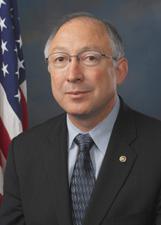
Mr. President, I rise to make a statement regarding an important bill I am introducing today. It is a bill that is meant to provide a straightforward and commonsense fix to a nettlesome problem that…
Mr. President, I rise to make a statement regarding an important bill I am introducing today. It is a bill that is meant to provide a straightforward and commonsense fix to a nettlesome problem that plagues communities throughout the west: pollution from abandoned mines.
The bill simply says that we should make life easier for Good Samaritans. Surprisingly, that is not currently the case.
The Western United States is pockmarked with old mines and mining residues, and many of these sites continuously pollute the water, the land, and the air. Our rivers and streams suffer particularly from this type of pollution.
In many cases, no one alive is legally responsible for cleaning these sites. In other cases, those who are legally responsible lack the money or other resources necessary to clean them up, and the pollution continues.
Fortunately, some people and some companies are willing to clean up mine sites in whole or in part, even though they are not legally responsible. These are Good Samaritans.
They act for many reasons. Some are people who live nearby and suffer directly from the pollution. Others are companies that want to perform a service to the community and to address less fortunate aspects of the history of the mining industry. Still others act for other reasons.
Unfortunately, though, our environmental laws create great risks of broad, long term, and very expensive liabilities for anyone who acts at a mine site, even if they act only as Good Samaritans. This problem understandably dissuades Good Samaritans from cleaning mine sites.
My bill is designed to fix this problem. It is written to encourage meritorious projects to proceed provided they have the full approval of the governments involved and full participation by the public--all to benefit the environment.
This bill intentionally is simple and intentionally straightforward. No Good Samaritan project will proceed unless it creates a true, overall environmental benefit. No project will gain approval unless the U.S. Environmental Protection Agency, the state involved, and local authorities affected agree that it is a good thing. The public will be fully involved in the process from the very beginning.
And, finally, the permit system and the standards in the bill are intentionally uncomplicated, so that permits for simple projects can be issued using simple proceedings.
My idea is to make clear that the work of Good Samaritans is very welcome. Some cleanup of the environment in these circumstances is far better than none at all.
The bill encourages Good Samaritans to clean pollution by freeing them from the large environmental liabilities that ordinarily burden anyone who acts to fix the pollution.
The bill applies to the cleanup of non-coal inactive and abandoned mines anywhere in the United States.
Its approach--which wraps all environmental requirements for a Good Samaritan project into a single permit that must be agreed to first by the Federal Government, the affected State, and local communities--is straightforward.
Its inclusion of the states and local communities as well as the affected publics--including by assuring that State and local authorities have a say in the provision of any permit--are based on the best traditions of the west.
And its impact is clear--only projects that benefit the environment will be permitted, and the work done pursuant to that permit will be afforded clear legal protection.
I am proud of this bill. It is the result of a series of meetings I held around my state earlier this year. And it is endorsed by the National Mining Association, the Colorado Mining Association, and the Great State of Colorado.
It is the right thing to do, and I look forward to working with my colleagues to ensure its enactment.
I ask unanimous consent that the text of my bill be printed in the Record.
Mr. President, I ask unanimous consent that the text of the bills be printed in the Record.
Mr. President, the rising cost of prescription drugs has squeezed not only the budgets of American consumers but also the budgets of America's health care providers. The rural hospitals in my State…
Mr. President, the rising cost of prescription drugs has squeezed not only the budgets of American consumers but also the budgets of America's health care providers. The rural hospitals in my State of South Dakota serve as a lifeline to thousands of constituents living in medically underserved areas. They cannot afford to have the cost of their inpatient and outpatient drugs rising faster than the rate of inflation.
In 1992, Congress created the 340B program to lower the cost of drugs purchased by a limited number of entities serving a high number of low- income and uninsured individuals, such as federally qualified health care centers and nonprofit hospitals providing care to a disproportionate share of Medicaid patients.
Under the 340B program, pharmaceutical manufacturers are required to provide eligible 340B entities discounts on outpatient drugs as part of the manufacturers' Medicaid participation agreement. The rising cost of prescription drugs has created the need to modify the 340B program and extend these discounts to the inpatient side of disproportionate share hospitals, as well as to critical access hospitals.
Today, I and my colleague from New Mexico, Mr. Bingaman, are providing relief on the cost of drugs purchased by America's health care providers by introducing the Safety Net Inpatient Drug Affordability Act.
Our bill extends the 340B discounted drug prices to inpatient drug purchases of disproportionate share hospitals and allows critical access hospitals to participate in the 340B program. This not only saves hospitals money on the cost of drugs, it relieves them from the burden of carrying two different inventories for inpatient and outpatient drugs.
Our legislation also generates savings for the Medicaid program by requiring hospitals that participate in the 340B program to rebate Medicaid a percentage of their 340B savings on inpatient drugs administered to Medicaid patients. Specifically, the Safety Net Inpatient Drug Affordability Act would require disproportionate share and critical access hospitals to determine the acquisition cost of drugs used on Medicaid patients and apply the minimum Medicaid rebate percentages applicable to outpatient-dispensed brand name and generic drugs.
Extending the 340B program to critical access hospitals also helps reduce expenditures in the Medicare Program. Critical access hospitals are a vital part of the rural health care delivery
system. They provide emergency outpatient and limited inpatient care to individuals in remote rural areas. Out of the 61 hospitals in my State of South Dakota, 37 qualify as critical access hospitals.
Outpatient care in critical access hospitals is reimbursed by Medicare at 101 percent of reasonable costs. Allowing critical access hospitals to participate in the 340B program will lower the cost of drugs in the outpatient setting and ultimately lower the cost of care provided by these hospitals. Decreasing the cost of care in critical access hospitals lowers the amount the Medicare Program expends on reimbursement.
The Safety Net Inpatient Drug Affordability Act is commonsense legislation that reduces the cost of drugs for health care providers serving society's most vulnerable citizens. Lowering the cost of care in these settings means lowering the cost of health care for all American taxpayers. I look forward to working with my colleagues on both sides of the aisle in getting this bipartisan legislation passed and signed into law.
Show 8 more
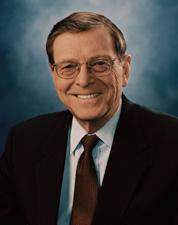
Mr. President, today I join my colleague, the Ranking member of the Committee on Energy and Natural Resources, Senator Bingaman, in introducing three bills, by request, to make necessary changes to…
Mr. President, today I join my colleague, the Ranking member of the Committee on Energy and Natural Resources, Senator Bingaman, in introducing three bills, by request, to make necessary changes to law regarding the U.S.-affiliated islands.
Briefly, the bills include: First, legislation requested by the Attorney General of the Commonwealth of the Northern Mariana Islands (CNMI). This bill accomplishes two objectives--to provide the Commonwealth with the same ownership and jurisdiction over offshore submerged lands as has been provided to other United States territories and to provide a less formal mechanism for the Governor of the CNMI to raise issues with the Federal Government than the procedures under section 902 of the Covenant that established the Commonwealth in political union with the United States.
The legislation also provides a general authorization for the Commonwealth to raise issues arising under provisions of the Covenant with the Secretary and for the Secretary to resolve those issues with assistance from other agencies as appropriate. This would provide a less formal approach than the more elaborate procedures for issue resolution set forth under section 902 of the Covenant which require, among other items, the formal appointment of negotiators. Section 902 is unique to the Commonwealth and legislative approval of a less formal approach may serve to improve Federal-commonwealth relations and the ability of both sides to reach agreements. As with the submerged lands issue, further legislation may be required, but such legislation will likely be easier to achieve if both sides are not either tied up in the processes of 902 or at opposite sides in court.
The second bill, requested by the House Delegate from the United States Virgin Islands, Representative Donna M. Christensen, came as a result of Federal court rulings which invalidated many of the Real Property tax provisions of the Virgin Islands Code. The bill would repeal sections l401-l401e of Title 48, of the United States Code to provide the Government of the United States Virgin Islands the ability to fully regulate real property tax matters in the territory.
Finally, the last bill would make several changes to the Compact of Free Association Amendments Act (CFAAA) of 2003 P.L. 108-188, which was enacted in December, 2003. Because of the 2003 deadline on the term of the original Compact assistance, several issues were left unresolved. One of these unresolved issues was whether the Republic of the Marshall Islands (RMI) and the Federated States of Micronesia (FSM) would continue to receive disaster assistance from FEMA. Since the passage of P.L. 108-188, the Administration has transmitted language to Congress that would provide authority for the RMI and FSM to obtain disaster assistance. In addition to this new authority, the bill makes several technical changes to P.L. 108-188
I look forward to working with my colleagues, the Administration, and officials from the RMI, FSM, and the U.S. Virgin Islands to move these bills through the process.
I ask unanimous consent that the text of the bills, be printed in the Record.

Mr. President, I am pleased to be joined by my colleagues and cosponsors Senators Stabenow and Harkin as we introduce the Medicare Informed Choice Act of 2005. This bill provides additional essential…
Mr. President, I am pleased to be joined by my colleagues and cosponsors Senators Stabenow and Harkin as we introduce the Medicare Informed Choice Act of 2005. This bill provides additional essential protections for Medicare beneficiaries during the first year of implementation of the new Medicare prescription drug benefit.
Medicare beneficiaries are understandably concerned and confused about the new benefit. They face a number of private plan options and sorting through these plans will be complicated. Medicare beneficiaries will have to make many difficult decisions about what is the best course of action for them.
Choosing the right plan will be a challenge for all beneficiaries, but it will be most difficult for those who are frail and living with problems like dementia. The task will be virtually impossible for Hurricane Katrina victims who do not have permanent addresses and, therefore, won't even be able to obtain Part D materials. Yet, beneficiaries who do not act by the May 15, 2006 deadline and who enroll at a later date will face a substantial financial penalty.
In response, we are introducing this legislation which will provide added protections for beneficiaries during the first year of the new program. By delaying late enrollment penalties and giving every beneficiary a chance to change plans once during the first year, we can make sure that our constituents are not forced to make hasty decisions they may later regret.
The Medicare Informed Choice Act of 2005 contains three important protections:
1. Delays late enrollment penalties: The bill expands the existing six-month open enrollment period to the entire year of 2006. This will give people added time to do the research and make the best decisions for themselves.
2. Protections against bad choices: The bill gives every Medicare beneficiary the opportunity to make a one-time change in plan enrollment at any point in 2006. Given the importance of the decision they make, it is appropriate to give beneficiaries a one-time chance to correct an initial mistake made during the first year of implementation.
3. Protections for employer-provided retiree benefits: This provision would protect employees from being dropped by their former employer's plan during the first year of implementation, so that beneficiaries have time to correct enrollment mistakes.
The Medicare Informed Choice Act is a small, time-limited step that would help ease the pressure of the first year of this new drug program. It is also critical for all those beneficiaries who face hurdles in obtaining Medicare Part D materials or are unaware that they will be penalized by failure to act. We urge all of our colleagues to join us in this effort to help protect Medicare beneficiaries during the benefit's implementation period.
I ask unanimous consent that the text of the bill be printed in the Record.
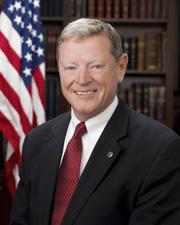
Mr. President, today I proudly rise to introduce the ``Fort Reno Mineral Leasing Act''. Fort Reno was established as a frontier cavalry post in 1874, and it played a key role in the settlement of the…
Mr. President, today I proudly rise to introduce the ``Fort Reno Mineral Leasing Act''.
Fort Reno was established as a frontier cavalry post in 1874, and it played a key role in the settlement of the west. It is a historic site of National significance and it is listed on the National Register of Historic places. Over 9,000 visitors view the fort each year.
In 1948 the U.S. Army turned its lands and buildings, at Fort Reno, over to the U.S. Department of Agriculture. Today, the original site remains intact as a complete frontier post. Dozens of buildings constructed by the military, as early as the 1880's, still stand around the Historic District.
The Agricultural Research Service administers the fort site which includes the Grazinglands Research Facility, the Fort Reno Historic District, and the Fort Reno Science Park.
Many of the historic buildings are in desperate need of restoration. A small agency like the Agricultural Research Service is not financially able to keep up with the continued costs of maintenance of so much aged infrastructure. Independent studies show that over $18 million is now needed to restore the most important of the many old officers' quarters and other key buildings.
I have been an active supporter of Fort Reno and its facilities. For instance, several years ago I helped secure a Save America's Treasures Grant of $300,000 to assist a local historical organization with the costs of stabilization of exteriors on those deteriorating buildings that are most in need of renovation. In fiscal year 2004, I arranged for an appropriation of $2.1 million for construction of two greenhouses for use in research on forage grasses that is conducted by the Agricultural Research Service at the Fort Reno site.
The legislation I am introducing today will provide a revenue- neutral, non-appropriated source of funding which will be adequate to restore the historical buildings of Fort Reno, so that they will be here for future generations.
In addition, this bill authorizes the development of the oil and gas that lies beneath Fort Reno's 6,737 acres and places those funds in a special account in the U.S. Treasury that will be utilized for restoration and maintenance of those facilities. These funds will also be used to assist with handling visitors to the fort, historic interpretation and related activities. The remaining funds will be used to pay down the national debt.
The Fort Reno Mineral Leasing Act is fully supported by State legislators, local municipalities, the Chamber of Commerce, farm groups, the USDA, and the ARS Administrator at Fort Reno.
I look forward to seeing this Oklahoma-specific legislation enacted and am proud to have Senator Coburn as my original cosponsor.
I ask unanimous consent that letters of support be printed in the Record.
Mr. President, today I introduce the Rhode Island Fishermen's Fairness Act of 2005. This legislation would address a serious flaw in our Nation's regional fisheries management system by adding Rhode…
Mr. President, today I introduce the Rhode Island Fishermen's Fairness Act of 2005. This legislation would address a serious flaw in our Nation's regional fisheries management system by adding Rhode Island to the Mid-Atlantic Fishery Management Council (MAFMC), which currently consists of representatives from New York, New Jersey, Delaware, Pennsylvania, Maryland, Virginia, and North Carolina.
The MAFMC manages the following 13 species, all of which are landed in Rhode Island: Illex squid, loligo squid, Atlantic mackerel, black sea bass, bluefish, butterfish, monkfish, scup, spiny dogfish, summer flounder, surfclam, ocean quahog, and tilefish.
In 2003, the most recent year for which final data are available, Rhode Island fishermen brought in 30 percent of MAFMC landings by weight--more than any of the MAFMC member States except New Jersey, which is responsible for about 60 percent of total MAFMC landings.
If Rhode Island fishermen are responsible for a large percentage of overall MAFMC landings, these species make up an even larger proportion of landings within Rhode Island every year. Between 1995 and 2003, MAFMC species represented between 32 percent and 56 percent of all finfish landed in Rhode Island annually, for an average of 44 percent of total landings by weight. In eight of the years between 1990 and 2003, squid, Illex and loligo, was the number one marine species landed in Rhode Island, with a value of between $11.6 million and $20.1 million annually.
Yet Rhode Island has no voice in the management of these species.
Following council tradition and Federal fisheries law, the Rhode Island Fishermen's Fairness Act would create two seats on the MAFMC for Rhode Island: one seat nominated by the Governor of Rhode Island and appointed by the Secretary of Commerce, and a second seat filled by Rhode Island's principal State official with marine fishery management responsibility. The MAFMC would increase in size from 21 voting members to 23.
There is a precedent for this proposed legislation. In 1996, North Carolina's representatives in Congress succeeded in adding that state to the MAFMC through an amendment to the Sustainable Fisheries Act. Like Rhode Island, a significant proportion of North Carolina's landed fish species were managed by the MAFMC, yet the State had no vote on the council. Today, Rhode Island's share of total landings for species managed by the MAFMC is more than six times greater than that of North Carolina.
I look forward to working with my colleagues to restore a measure of equity to the fisheries management process by passing the Rhode Island Fishermen's Fairness Act. I ask unanimous consent that the text of the legislation be printed in the Record.
Mr. President, I rise today to offer a bill that would require hospitals to disclose their charges for the most common procedures and drugs. This bill recognizes that consumers seeking routine…
Mr. President, I rise today to offer a bill that would require hospitals to disclose their charges for the most common procedures and drugs.
This bill recognizes that consumers seeking routine hospital services need to know what they are paying so they can make educated decisions about their own health care. This legislation aims to give Americans that information in a user friendly format.
Specifically, the bill would require hospitals to regularly report to the Secretary of U.S. Department of Health and Human Services the amount they charge for the 25 most commonly performed inpatient procedures, the 25 most common outpatient procedures, and the 50 most frequently administered medications. The Department would then post this information on the Internet for easy access.
Under the current system, patients often have no idea what they will be charged until they receive a bill. This is a problem because hospital charges vary significantly based on facility and procedure. Some hospitals charge one-hundred and twenty dollars for a chest x-ray while others charge more than fifteen hundred. Uninsured patients and those who pay with cash are often surprised with unexpected hospital charges because there is no way for them to know what they will be charged up front.
No other industry expects consumers to commit to buying before they know the true cost. Patients should have access to price information before they commit to a procedure.
This bipartisan bill is good for the uninsured and for consumer driven healthcare. Individuals cannot be expected to get comfortable making their own health care decisions unless they know how much they will be expected to pay for different services.
I am grateful to Senators Richard Durbin and John Cornyn for joining me as original cosponsors of this bi-partisan legislation. I am also pleased that Representatives Bob Inglis and Dan Lipinski have introduced companion legislation in the House. They recognize that information is power, and this bill is an important step in empowering Americans with the tools to be smart consumers. I urge my Senate colleagues to support this bill.
I ask unanimous consent that the text of the bill be printed in the Record.
Mr. President, today I rise to introduce the ``Federal and District of Columbia Government Real Property Act of 2005,'' a bill to authorize the exchange of certain land parcels between the Federal…
Mr. President, today I rise to introduce the ``Federal and District of Columbia Government Real Property Act of 2005,'' a bill to authorize the exchange of certain land parcels between the Federal Government and the District of Columbia. This proposal was submitted to Congress by the administration with support of the District.
As Chairman of the Subcommittee on Oversight of Government Management, the Federal Workforce and the District of Columbia, I understand the special relationship shared with the Federal Government and the District. Because of this relationship, Congress shares in the responsibility of ensuring that the Nation's capital remains a socially, economically, and culturally vibrant city.
Under this legislation, the Federal properties to be transferred to the District of Columbia will be put to better use. This will free up tax dollars being used to maintain the underutilized land to be spent on more important needs facing our Nation. The vast majority of the conveyance is contained in three large properties at or near the Anacostia River: Popular Point, Reservation 13, and several acres of National Park Service land near Robert F. Kennedy Stadium. The bill also would transfer buildings and property located on the west campus of St. Elizabeth's Hospital and several smaller properties from the District of Columbia to the Federal Government.
Conveying these properties will allow the Federal Government to better manage its properties. Additionally, the District gains the ability to spur economic development in Southeast Washington, better address the needs of its citizens, and increase the local tax base. I urge all of my colleagues to support this legislation and I am confident that it can be enacted this year.
I ask unanimous consent that the text of the bill be printed in the Record.
Mr. President, I ask unanimous consent that the text of the bill be printed in the Record.
Mr. President, I ask unanimous consent that the text of the bill be printed in the Record.
Mr. President, I ask unanimous consent that the text of the bill be printed in the Record.
Mr. President, I ask unanimous consent that the text of the bill be printed in the Record.
Bill Text
Latest available legislative text
        [Congressional Bills 109th Congress]
[From the U.S. Government Publishing Office]
[S. 1845 Introduced in Senate (IS)]

109th CONGRESS
1st Session
S. 1845

To amend title 28, United States Code, to provide for the appointment
of additional Federal circuit judges, to divide the Ninth Judicial
Circuit of the United States into 2 circuits, and for other purposes.

_______________________________________________________________________

IN THE SENATE OF THE UNITED STATES

October 6, 2005

Mr. Ensign (for himself, Ms. Murkowski, Mr. Burns, Mr. Craig, Mr.
Crapo, Mr. Inhofe, Mr. Kyl, Mr. Smith, and Mr. Stevens) introduced the
following bill; which was read twice and referred to the Committee on
the Judiciary

_______________________________________________________________________

A BILL

To amend title 28, United States Code, to provide for the appointment
of additional Federal circuit judges, to divide the Ninth Judicial
Circuit of the United States into 2 circuits, and for other purposes.

Be it enacted by the Senate and House of Representatives of the
United States of America in Congress assembled,

SECTION 1. SHORT TITLE.

This Act may be cited as the ``The Circuit Court of Appeals
Restructuring and Modernization Act of 2005''.

SEC. 2. DEFINITIONS.

In this Act:
(1) Former ninth circuit.--The term ``former ninth
circuit'' means the ninth judicial circuit of the United States
as in existence on the day before the effective date of this
Act.
(2) New ninth circuit.--The term ``new ninth circuit''
means the ninth judicial circuit of the United States
established by the amendment made by section 3(2)(A).
(3) Twelfth circuit.--The term ``twelfth circuit'' means
the twelfth judicial circuit of the United States established
by the amendment made by section 3(2)(B).

SEC. 3. NUMBER AND COMPOSITION OF CIRCUITS.

Section 41 of title 28, United States Code, is amended--
(1) in the matter preceding the table, by striking
``thirteen'' and inserting ``fourteen''; and
(2) in the table--
(A) by striking the item relating to the ninth
circuit and inserting the following:

``Ninth........................
California, Guam, Hawaii,
Northern Mariana
Islands.'';
and
(B) by inserting after the item relating to the
eleventh circuit the following:

``Twelfth......................
Alaska, Arizona, Idaho,
Montana, Nevada,
Oregon, Washington.''.

SEC. 4. JUDGESHIPS.

(a) New Judgeships.--The President shall appoint, by and with the
advice and consent of the Senate, 5 additional circuit judges for the
new ninth circuit court of appeals, whose official duty station shall
be in California.
(b) Temporary Judgeships.--
(1) Appointment of judges.--The President shall appoint, by
and with the advice and consent of the Senate, 2 additional
circuit judges for the former ninth circuit court of appeals,
whose official duty stations shall be in California.
(2) Effect of vacancies.--The first 2 vacancies occurring
on the new ninth circuit court of appeals 10 years or more
after judges are first confirmed to fill both temporary circuit
judgeships created by this subsection shall not be filled.
(c) Effective Date.--This section shall take effect on the date of
the enactment of this Act.

SEC. 5. NUMBER OF CIRCUIT JUDGES.

The table contained in section 44(a) of title 28, United States
Code, is amended--
(1) by striking the item relating to the ninth circuit and
inserting the following:

``Ninth.....................................................      20'';
and
(2) by inserting after the item relating to the eleventh
circuit the following:

``Twelfth...................................................      14''.

SEC. 6. PLACES OF CIRCUIT COURT.

The table contained in section 48(a) of title 28, United States
Code, is amended--
(1) by striking the item relating to the ninth circuit and
inserting the following:

``Ninth........................
Honolulu, Pasadena, San
Francisco.'';
and
(2) by inserting after the item relating to the eleventh
circuit the following:

``Twelfth......................
Las Vegas, Missoula, Phoenix,
Portland, Seattle.''.

SEC. 7. LOCATION OF TWELFTH CIRCUIT HEADQUARTERS.

The offices of the Circuit Executive of the Twelfth Circuit and the
Clerk of the Court of the Twelfth Circuit shall be located in Phoenix,
Arizona.

SEC. 8. ASSIGNMENT OF CIRCUIT JUDGES.

Each circuit judge of the former ninth circuit who is in regular
active service and whose official duty station on the day before the
effective date of this Act--
(1) is in California, Guam, Hawaii, or the Northern Mariana
Islands shall be a circuit judge of the new ninth circuit as of
such effective date; and
(2) is in Alaska, Arizona, Idaho, Montana, Nevada, Oregon,
or Washington shall be a circuit judge of the twelfth circuit
as of such effective date.

SEC. 9. ELECTION OF ASSIGNMENT BY SENIOR JUDGES.

Each judge who is a senior circuit judge of the former ninth
circuit on the day before the effective date of this Act may elect to
be assigned to the new ninth circuit or the twelfth circuit as of such
effective date and shall notify the Director of the Administrative
Office of the United States Courts of such election.

SEC. 10. SENIORITY OF JUDGES.

The seniority of each judge--
(1) who is assigned under section 8, or
(2) who elects to be assigned under section 9,
shall run from the date of commission of such judge as a judge of the
former ninth circuit.

SEC. 11. APPLICATION TO CASES.

The following apply to any case in which, on the day before the
effective date of this Act, an appeal or other proceeding has been
filed with the former ninth circuit:
(1) Except as provided in paragraph (3), if the matter has
been submitted for decision, further proceedings with respect
to the matter shall be had in the same manner and with the same
effect as if this Act had not been enacted.
(2) If the matter has not been submitted for decision, the
appeal or proceeding, together with the original papers,
printed records, and record entries duly certified, shall, by
appropriate orders, be transferred to the court to which the
matter would have been submitted had this Act been in full
force and effect at the time such appeal was taken or other
proceeding commenced, and further proceedings with respect to
the case shall be had in the same manner and with the same
effect as if the appeal or other proceeding had been filed in
such court.
(3) If a petition for rehearing en banc is pending on or
after the effective date of this Act, the petition shall be
considered by the court of appeals to which it would have been
submitted had this Act been in full force and effect at the
time that the appeal or other proceeding was filed with the
court of appeals.

SEC. 12. TEMPORARY ASSIGNMENT OF CIRCUIT JUDGES AMONG CIRCUITS.

Section 291 of title 28, United States Code, is amended by adding
at the end the following:
``(c) The chief judge of the Ninth Circuit may, in the public
interest and upon request by the chief judge of the Twelfth Circuit,
designate and assign temporarily any circuit judge of the Ninth Circuit
to act as circuit judge in the Twelfth Circuit.
``(d) The chief judge of the Twelfth Circuit may, in the public
interest and upon request by the chief judge of the Ninth Circuit,
designate and assign temporarily any circuit judge of the Twelfth
Circuit to act as circuit judge in the Ninth Circuit.''.

SEC. 13. TEMPORARY ASSIGNMENT OF DISTRICT JUDGES AMONG CIRCUITS.

Section 292 of title 28, United States Code, is amended by adding
at the end the following:
``(f) The chief judge of the United States Court of Appeals for the
Ninth Circuit may in the public interest--
``(1) upon request by the chief judge of the Twelfth
Circuit, designate and assign 1 or more district judges within
the Ninth Circuit to sit upon the Court of Appeals of the
Twelfth Circuit, or a division thereof, whenever the business
of that court so requires; and
``(2) designate and assign temporarily any district judge
within the Ninth Circuit to hold a district court in any
district within the Twelfth Circuit.
``(g) The chief judge of the United States Court of Appeals for the
Twelfth Circuit may in the public interest--
``(1) upon request by the chief judge of the Ninth Circuit,
designate and assign 1 or more district judges within the
Twelfth Circuit to sit upon the Court of Appeals of the Ninth
Circuit, or a division thereof, whenever the business of that
court so requires; and
``(2) designate and assign temporarily any district judge
within the Twelfth Circuit to hold a district court in any
district within the Ninth Circuit.
``(h) Any designations or assignments under subsection (f) or (g)
shall be in conformity with the rules or orders of the court of appeals
of, or the district within, as applicable, the circuit to which the
judge is designated or assigned.''.

SEC. 14. ADMINISTRATION.

The court of appeals for the ninth circuit as constituted on the
day before the effective date of this Act may take such administrative
action as may be required to carry out this Act and the amendments made
by this Act. Such court shall cease to exist for administrative
purposes 2 years after the date of enactment of this Act.

SEC. 15. AUTHORIZATION OF APPROPRIATIONS.

There are authorized to be appropriated such sums as may be
necessary to carry out this Act, including funds for additional court
facilities.

SEC. 16. EFFECTIVE DATE.

Except as provided in section 4(c), this Act and the amendments
made by this Act shall take effect 12 months after the date of
enactment of this Act.
<all>