Sunshine in the Courtroom Act of 2005

Legislative Activity
Stay on top of the latest movement without scrolling through every action
Placed on Senate Legislative Calendar under General Orders. Calendar No. 383.
March 30, 2006
View full timeline
Introduced in Senate
April 18, 2005
Sponsor introductory remarks on measure. (CR S3822-3823)
April 18, 2005
Read twice and referred to the Committee on the Judiciary. (text of measure as introduced: CR S3823)
April 18, 2005
Committee on the Judiciary. Hearings held. Hearings printed: S.Hrg. 109-331.
November 9, 2005
Committee on the Judiciary. Ordered to be reported without amendment favorably.
March 30, 2006
Committee on the Judiciary. Reported by Senator Specter without amendment. Without written report.
March 30, 2006
Placed on Senate Legislative Calendar under General Orders. Calendar No. 383.
March 30, 2006
Floor Debate
10 membersWhat members said about S. 829 on the floor
 TL
TL JK
JK LECCG
LECCG NC+5
NC+5
Floor Debate
10 membersWhat members said about S. 829 on the floor
Mr. President, I ask unanimous consent that the Committee on Armed Services be authorized to meet during the session of the Senate on March 8, 2006, at 2:30 p.m., to receive testimony on the…
Mr. President, I ask unanimous consent that the Committee on Armed Services be authorized to meet during the session of the Senate on March 8, 2006, at 2:30 p.m., to receive testimony on the Department of Defense Quadrennial Defense Review.
Mr. President, I ask unanimous consent that the Committee on Energy and Natural Resources be authorized to meet during the session of the Senate, on Wednesday, March 8 at 10:00 a.m. to consider pending calender business.
Agenda
Agenda Item 3: S. 476--To authorize the Boy Scouts of America to exchange certain land in the State of Utah acquired under the Recreation and Public Purposes Act.
Agenda Item 8: S. 1131--To authorize the exchange of certain Federal land within the State of Idaho, and for other purposes.
Agenda Item 9: S. 1288--To authorize the Secretary of the Interior to enter into cooperative agreements to protect natural resources of units of the National Park System through collaborative efforts on land inside and outside of units of the National Park System.
Agenda Item 10: S. 1346--To direct the Secretary of the Interior to conduct a study of maritime sites in the State of Michigan.
Agenda Item 11: S. 1378--To amend the National Historic Preservation Act to provide appropriation authorization and improve the operations of the Advisory Council on Historic Preservation.
Agenda Item 13: S. 1913--To authorize the Secretary of the Interior to lease a portion of the Dorothy Buell Memorial Visitor Center for use as a visitor center for the Indiana Dunes National Lakeshore, and for other purposes.
Agenda Item 14: S. 1970--To amend the National Trails System Act to update the feasibility and suitability study originally prepared for the Trail of Tears National Historic Trail and provide for the inclusion of new trail segments, land components, and campgrounds associated with that trail, and for other purposes.
Agenda Item 15: S. 2197--To improve the global competitiveness of the United States in science and energy technology, to strengthen basic research programs at the Department of Energy, and to provide support for mathematics and science education at all levels through the resources available through the Department of Energy, including at the National Laboratories.
Agenda Item 16: S. 2253--To require the Secretary of the Interior to offer the 181 Area of the Gulf of Mexico for oil and gas leasing.
Agenda Item 17: S. Con. Res. 60--Designating the Negro Leagues Baseball Museum in Kansas City, MO, as America's National Negro Leagues Baseball Museum.
Agenda Item 18: S.J. Res. 28--Approving the location of the commemorative work in the District of Columbia honoring former President Dwight D. Eisenhower.
Agenda Item 19: H.R. 318--To authorize the Secretary of the Interior to study the suitability and feasibility of designating Castle Nugent Farms located on St. Croix, Virgin Islands, as a unit of the National Park System, and for other purposes.
Agenda Item 20: H.R. 326 (S. 505)--To amend the Yuma Crossing National Heritage Area Act of 2000 to adjust the boundary of the Yuma Crossing National Heritage Area.
Agenda Item 21: H.R. 409 (S. 179)--To provide for the exchange of land within the Sierra National Forest, CA, and for other purposes.
Agenda Item 23: H.R. 1129 (S. 100)--To authorize the exchange of certain land in the State of Colorado.
Agenda Item 24: H.R. 1728 (S. 323)--To authorize the Secretary of the Interior to study the suitability and feasibility of designating the French Colonial Heritage Area in the State of Missouri as a unit of the National Park System, and for other purposes.
Agenda Item 25: H.R. 2107--To amend Public Law 104-329 to modify authorities for the use of the National Law Enforcement Officers Memorial Maintenance Fund, and for other purposes.
Agenda Item 26: H.R. 3443 (S. 1498)--To direct the Secretary of the Interior to convey certain water distribution facilities to the Northern Colorado Water Conservancy District.
In addition, the Committee may turn to any other measures that are ready for consideration.
Mr. President, I ask unanimous consent that the Committee on
Finance be authorized to meet during the session on Wednesday, March 8, 2006, at 10 a.m., in 215 Dirksen Senate Office Building, to hear testimony on ``Taking a checkup on the nation's health care tax policy: a prognosis''.
Mr. President, I ask unanimous consent that the Committee on Foreign Relations be authorized to meet during the session of the Senate on Wednesday, March 8, 2006, at 10 a.m. to hold a hearing on Nominations.
Mr. President, I ask unanimous consent that the Committee on Foreign Relations' Subcommittee on Western Hemisphere, Peace Corps, and Narcotics Affairs be authorized to meet during the session of the Senate on Wednesday, March 8, 2006, at 2:30 p.m. to hold a hearing on The Impact on Latin America of the American Servicemembers' Protection Act.
Mr. President, I ask unanimous consent that the Committee on Health, Education, Labor, and Pensions meet in executive session during the session of the Senate on Wednesday, March 8, 2006, at 10 a.m. in SD-430.
Mr. President, I ask unanimous consent that the Committee on Homeland Security and Governmental Affairs be authorized to meet on Wednesday, March 8, 2006, at 9:30 a.m. for a hearing titled, ``Hurricane Katrina: Recommendations for Reform.''
Mr. President, I ask unanimous consent that the Committee on Indian Affairs be authorized to meet on Wednesday, March 8, 2006, at 9:30 a.m. in Room 485 of the Russell Senate Office Building to conduct a hearing on S. 2078, Indian Gaming Regulatory Act Amendments of 2005.
Mr. President, I ask unanimous consent that the Committee on the Judiciary be authorized to meet to conduct a markup on Wednesday, March 8, 2006, at 9:30 a.m. in Senate Dirksen Building Room 226.
Agenda
I. Nominations: Steven G. Bradbury to be an Assistant Attorney General for the Office of Legal Counsel; John F. Clark to be Director of the United States Marshals Service; Donald J. DeGabrielle, Jr. to be U.S. Attorney for the Southern District of Texas; John Charles Richter to be U.S. Attorney for the Western District of Oklahoma; Amul R. Thapar to be U.S. Attorney for the Eastern District of Kentucky; Mauricio J. Tamargo to be Chairman of the Foreign Claims Settlement Commission of the United States.
II. Bills: S. , Comprehensive Immigration Reform [Chairman's Mark]; S. 1768, a bill to permit the televising of Supreme Court proceedings; Specter, Leahy, Cornyn, Grassley, Schumer, Feingold, Durbin; S. 829, Sunshine in the Courtroom Act of 2005; Grassley, Schumer, Cornyn, Leahy, Feingold, Durbin, Graham, DeWine, Specter; S. 489, Federal Consent Decree Fairness Act; Alexander, Kyl, Cornyn, Graham, Hatch; S. 2039, Prosecutors and Defenders Incentive Act of 2005; Durbin, Specter, DeWine, Leahy, Kennedy, Feinstein, Feingold; S. 2292, A bill to provide relief for the Federal judiciary from excessive rent charges; Specter, Leahy, Cornyn, Feinstein, Biden.
III. Matters: S.J. Res. 1, Marriage Protection Amendment; Allard, Sessions, Kyl, Hatch, Cornyn, Coburn, Brownback.
Mr. President, I ask unanimous consent that the Select Committee on Intelligence be authorized to meet during the session of the Senate on March 8, 2006 at 2:30 p.m. to hold a closed briefing.
Mr. President, I ask unanimous consent that the Subcommittee on Federal Financial Management, Government Information, and International Security be authorized to meet on Wednesday, March 8, 2006, at 2:30 p.m. for a hearing regarding ``Crime Victims Fund Rescission: Real Savings or Budget Gimmick?''
Mr. President, I ask unanimous consent that the Subcommittee on International Trade and Finance be authorized to meet during the session of the Senate on March 8, 2006, at 10 a.m., to conduct a hearing on ``Reauthorization of the Export-Import Bank of the United States.''
Mr. President, I ask unanimous consent that the subcommittee on Trade, Tourism, and Economic Development be authorized to meet on Wednesday, March 8, 2006, at 2:30 p.m., on the ``Impact of Piracy and Counterfeiting of American Goods and Intellectual Property in China.''
Mr. President, I ask unanimous consent that the Committee on Banking, Housing, and Urban Affairs be authorized to meet during the session of the Senate on Thursday, March 30, 2006, at 10 a.m. to mark…
Mr. President, I ask unanimous consent that the Committee on Banking, Housing, and Urban Affairs be authorized to meet during the session of the Senate on Thursday, March 30, 2006, at 10 a.m. to mark up an original bill entitled ``Foreign Investment and National Security Act of 2006.''
Mr. President, I ask unanimous consent that the Committee on Banking, Housing, and Urban Affairs be authorized to meet during the session of the Senate on March 30, 2006, at 2:30 p.m. to conduct a hearing on ``McKinney-Vento Act Reauthorization and Consolidation of HUD's Homeless Programs.''
Mr. President, I ask unanimous consent that the Committee on Commerce, Science, and Transportation be authorized to meet on Thursday, March 30, 2006, at 10 a.m., on pending Committee business.
Mr. President. I ask unanimous consent that the Committee on Commerce, Science, and Transportation be authorized to meet on Thursday, March 30, 2006, at 2:30 p.m., on Competition and Convergence.
Mr. President, I ask unanimous consent that the Committee on Foreign Relations be authorized to meet during the session of the Senate on Thursday, March 30, 2006, at 9:30 a.m. to hold a hearing on The Hidden Cost of Oil.
Mr. President, I ask unanimous consent that the Committee on the Judiciary be authorized to meet to conduct a markup on Thursday, March 30, 2006, at 9:30 a.m. in the Dirksen Senate Office Building Room 226.
Agenda
I. Nominations: Norman Randy Smith to be U.S. Circuit Judge for the Ninth Circuit; Michael A. Chagares to be United States Circuit Judge for the Third Circuit; Patrick J. Schiltz to be U.S. District Court Judge for the District of Minnesota; Gray Hampton Miller to be United States District Judge
for the Southern District of Texas; Steven G. Bradbury to be an Assistant Attorney General for the Office of Legal Counsel; Sharee M. Freeman to be Director, Community Relations Service, U.S. Department of Justice; Jeffrey L. Sedgwick to be Director of the Bureau of Justice Statistics, U.S. Department of Justice.
II. Bills: S. 1768, A bill to permit the televising of Supreme Court proceedings--Specter, Leahy, Cornyn, Grassley, Schumer, Feingold, Durbin; S. 829, Sunshine in the Courtroom Act of 2005--Grassley, Schumer, Cornyn, Leahy, Feingold, Durbin, Graham, DeWine, Specter; S. 489, Federal Consent Decree Fairness Act--Alexander, Kyl, Cornyn, Graham, Hatch; S. 2039, Prosecutors and Defenders Incentive Act of 2005--Durbin, Specter, DeWine, Leahy, Kennedy, Feinstein, Feingold, Schumer; S. 2292, A bill to provide relief for the Federal judiciary from excessive rent charges--Specter, Leahy, Cornyn, Feinstein, Biden; S. 2453, National Security Surveillance Act of 2006--Specter; S. 2455, Terrorist Surveillance Act of 2006--DeWine, Graham.
III. Matters: S.J. Res. 1, Marriage Protection Amendment--Allard, Sessions, Kyl, Hatch, Cornyn, Coburn, Brownback; S. Res. 398, A resolution relating to the censure of George W. Bush; Feingold.
Mr. President, I ask unanimous consent that the Committee on Veterans' Affairs be authorized to meet during the session of the Senate on Thursday, March 30, 2006, to hear the legislative presentations of the National Association of State Directors of Veterans Affairs, the AMVETS, the American Ex-Prisoners of War and the Vietnam Veterans of America. The hearing will take place in room 106 of the Dirksen Senate Office Building at 10 a.m.
Mr. President, I ask unanimous consent that the Permanent Subcommittee on Investigations be authorized to meet on Thursday, March 30, 2006, at 10 a.m., for a hearing entitled ``Neutralizing The Nuclear and Radiological Threat: Securing the Global Supply Chain (Part Two).''
The PRESIDING, OFFICER. Without objection, it is so ordered.
select committee on intelligence
Mr. President, I ask unanimous consent that the Select Committee on Intelligence be authorized to meet during the session of the Senate on March 30, 2006 at 2:30 p.m. to hold a closed hearing.
Mr. President. I ask unanimous consent that the Subcommittee on Disaster Prevention and Prediction be authorized to meet on Thursday, March 30, 2006, at 11 a.m., on National Polar-Orbiting Operational Environmental Satellite System (NPOESS) Oversight.
Mr. President, I ask unanimous consent that the Subcommittee on Oversight of Government Management, the Federal Workforce and the District of Columbia be authorized to meet on Thursday, March 30,2006 at 2:30 p.m, for a hearing entitled, ``Fulfilling the Promise? A Review of Veterans' Preference in the Federal Government?''
Mr. President, I ask unanimous consent that the Subcommittee on Personnel be authorized to meet during the session of the Senate on March 30, 2006, at 2 p.m., in open session to receive testimony on reserve component personnel policies in review of the Defense authorization request for fiscal year 2007.
Mr. President, I ask unanimous consent that the Subcommittee on Water and Power be authorized to meet during the session of the Senate on Thursday, March 30 at 2:30 p.m.
The purpose of the hearing is to receive testimony on S. 1577, to facilitate the transfer of Spearfish Hydroelectric Plant Number 1 to the city of Spearfish, SD; S. 1962 and H.R. 4000, bills to authorize the Secretary of the Interior to revise certain repayment contracts with the Bostwick Irrigation District in Nebraska, the Kansas Bostwick Irrigation District No. 2, the Frenchman-Cambridge Irrigation District, and the Webster Irrigation District No. 4, all a part of the Pick-Sloan Missouri Basin Program; S. 2028, to provide for the reinstatement of a license for a certain Federal Energy Regulatory Commission Project; S. 2035, to extend the time required for construction of a hydroelectric project in the State of Idaho; S. 2054, to direct the Secretary of the Interior to conduct a study of water resources in the State of Vermont; S. 2205, to direct the Secretary of the Interior to convey certain parcels of land acquired for the Blunt Reservoir and Pierre Canal features of the initial stage of the Oahe Unit, James Division, SD, to the Commission of Schools and Public Lands and the Department of Game, Fish, and Parks of the State of South Dakota for the purpose of mitigating lost wildlife habitat, on the condition that the current preferential leaseholders shall have an option to purchase the parcels from the Commission; and H.R. 3812, to authorize the Secretary of the Interior to prepare a feasibility study with respect to the Mokelumne River, and for other purposes.
Mr. President, I ask unanimous consent that the Committee on Armed Services be authorized to meet during the session of the Senate on February 16, 2006, at 9:30 a.m., in open session to receive…
Mr. President, I ask unanimous consent that the Committee on Armed Services be authorized to meet during the session of the Senate on February 16, 2006, at 9:30 a.m., in open session to receive testimony on the priorities and plans for the atomic energy defense activities of the Department of Energy and to review the fiscal year 2007 President's budget request for atomic energy defense activities of the Department of Energy and the National Nuclear Security Administration.
Mr. President, I ask unanimous consent that the Committee on Banking, Housing, and Urban Affairs be authorized to meet during the session of the Senate on Wednesday, February 16, 2006, at 10 a.m. to conduct an oversight hearing on the semi-annual monetary policy report of the Federal Reserve.
Mr. President, I ask unanimous consent that the Committee on Energy and Natural Resources be authorized to meet during the session of the Senate on Thursday, February 16 at 10 a.m. The purpose of this hearing is to receive testimony regarding S. 2253, to require the Secretary of the Interior to offer certain areas of the 181 areas of the Gulf of Mexico for oil and gas leasing.
Mr. President, I ask unanimous consent that the Committee on Energy and Natural Resources be authorized to meet during the session of the Senate on Thursday, February 16 at 2:30 p.m. The purpose of this hearing is to discuss the Energy Information Administration's 2006 annual energy outlook on trends and issues affecting the United States energy market.
Mr. President, I ask unanimous consent that the Committee on Finance be authorized to meet during the session on Thursday, February 16, 2006, at 10:30 a.m., in 215 Dirksen Senate Office Building, to hear testimony on ``Administration's Trade Agenda for 2006''.
Mr. President, I ask unanimous consent that the Committee on Foreign Relations be authorized to meet during the session of the Senate on Thursday, February 16, 2006, at 10 a.m. to hold a hearing on Nominations.
Mr. President, I ask unanimous consent that the Committee on Health, Education, Labor, and Pensions be authorized to hold a hearing during the session of the Senate on Thursday, February 16, 2006 at 10 a.m. in SD-G50.
Mr. President, I ask unanimous consent that the Committee on the Judiciary be authorized to meet to conduct a markup on Thursday, February 16, 2006, at 9:30 a.m. in the Senate Dirksen Building Room 226.
Agenda
I. Nominations: Timothy C. Batten, Sr. to be U.S. District Judge for the Northern District of Georgia; Thomas E. Johnston to be U.S. District Judge for the Southern District of West Virginia; Aida M. Delgado-Colon to be U.S. District Judge for the District of Puerto Rico; Leo Maury Gordon to be a Judge of the United States Court of International Trade; Carol E. Dinkins to be Chairman of the Privacy and Civil Liberties Oversight Board; Alan Charles Raul to be Vice Chairman of the Privacy and Civil Liberties Oversight Board; Paul J. McNulty to be Deputy Attorney General; Steven G. Bradbury to be an Assistant Attorney General for the Office of Legal Counsel; Reginald Lloyd to be U.S. Attorney for the District of South Carolina; Stephen King to be a Member of the Foreign Claims Settlement Commission of the United States.
II. Bills: H.R. 683, Trademark Dilution Revision Act of 2005 Smith-- TX; S. 1768, A bill to permit the televising of Supreme Court proceedings Specter, Leahy, Cornyn, Grassley, Schumer, Feingold, Durbin; S. 829, Sunshine in the Courtroom Act of 2005 Grassley, Schumer, Cornyn, Leahy, Feingold, Durbin; Graham, DeWine;
S.__, Comprehensive Immigration Reform [Chairman's Mark]; S. 489, Federal Consent Decree Fairness Act Alexander, Kyl, Cornyn, Graham, Hatch.
III. Matters: S.J. Res. 1, Marriage Protection Amendment Allard, Sessions, Kyl, Hatch, Cornyn, Coburn, Brownback.
Mr. President, I ask unanimous consent that the Committee on Veterans' Affairs be authorized to meet during the session of the Senate on Thursday, February 16, 2006, for a committee hearing on the Administration's proposed fiscal year 2007 Department of Veterans Affairs budget. The hearing will take place in room 418
of the Russell Senate Office Building at 10:30 a.m.
Mr. President, I ask unanimous consent that the Select Committee on Intelligence be authorized to meet during the session of the Senate on February 16, 2006 at 2:30 p.m. to hold a closed business meeting.
Mr. President, I ask unanimous consent that the subcommittee on National Parks of the Committee on Energy and Natural Resources be authorized to meet during the session of the Senate on Thursday, February 16 at 1:30 p.m.
The purpose of the hearing is to receive testimony on the following bills: S.J. Res. 28, a joint resolution approving the location of the commemorative work in the District of Columbia honoring former President Dwight D. Eisenhower; S. 1870, a bill to clarify the authorities for the use of certain National Park Service properties within Golden Gate National Recreation Area and San Francisco Maritime National Historical Park, and for other purposes; S. 1913, a bill to authorize the Secretary of the Interior to lease a portion of the Dorothy Buell Memorial Visitor Center for use as a visitor center for the Indiana Dunes National Lakeshore, and for other purposes; S. 1970, a bill to amend the National Trials System Act to update the feasibility and suitability study originally prepared for the Trail of Tears National Historic Trail and provide for the inclusion of new trail segments, land components, and campgrounds associated with that trail, and for other purposes; H.R. 562, a bill to authorize the Government of Ukraine to establish a memorial on Federal land in the District of Columbia to honor the victims of the manmade famine that occurred in Ukraine in 1932-1933; and H.R. 318, a bill to authorize the Secretary of the Interior to study the suitability and feasibility of designating Castle Nugent Farms located on St. Croix, Virgin Islands, as a unit of the National Park System, and for other purposes.
Mr. President, I ask unanimous consent that the National Ocean Policy Study be authorized to meet on Thursday, February 16, 2006, at 2:30 p.m., on the NOAA Budget.
Mr. President, I rise today to introduce the ``Sunshine in the Courtroom Act.'' This bill will give Federal judges the discretion to allow for the photographing, electronic recording, broadcasting…
Mr. President, I rise today to introduce the ``Sunshine in the Courtroom Act.'' This bill will give Federal judges the discretion to allow for the photographing, electronic recording, broadcasting and televising of Federal court proceedings. The Sunshine in the Courtroom Act will help the public become better informed about the judicial process. Moreover, this bill will help produce a healthier judiciary. Increased public scrutiny will bring about greater accountability and help judges to do a better job. The sun needs to shine in on the Federal courts.
Allowing cameras in the Federal courtrooms is consistent with our Founding Fathers' intent that trials be held in front of as many people as choose to attend. I believe that the First Amendment requires that court proceedings be open to the public and, by extension, the news media. The Constitution and Supreme Court have said, ``what transpires in the courtroom is public property.'' Clearly, the American values of openness and education
are served by using electronic media in Federal courtrooms.
There are many benefits and no substantial detrimental effects to allowing greater public access to the inner workings of our Federal courts. Fifteen States conducted studies aimed specifically at the educational benefits derived from camera access courtrooms. They all determined that camera coverage contributed to greater public understanding of the judicial system.
Moreover, the widespread use in State court proceedings show that still and video cameras can be used without any problems, and that procedural discipline is preserved. According to the National Center for State Courts, all 50 states allow for some modern audio-visual coverage of court proceedings under a variety of rules and conditions. My own State of Iowa has operated successfully in this open manner for over 20 years. Further, at the Federal level, the Federal Judicial Center conducted a pilot program in 1994 which studied the effect of cameras in a select number of Federal courts. That study found ``small or no effects of camera presence on participants in the proceeding, courtroom decorum, or the administration of justice.''
I would like to note that even the Supreme Court has recognized that there is a serious public interest in the open airing of important court cases. At the urging of Senator Schumer and myself, Chief Justice Rehnquist allowed the delayed audio broadcasting of the oral arguments before the Supreme Court in the 2000 presidential election dispute. The Supreme Court's response to our request was an historic, major step in the right direction. Since then, the Supreme Court has allowed for audio broadcasting in other landmark cases. Other courts have followed suit, such as the live audio broadcast of oral arguments before the D.C. Circuit in the Microsoft antitrust case and the televising of appellate proceedings before the Ninth Circuit in the Napster copyright case. The public wants to see what is happening in these important judicial proceedings, and the benefits are significant in terms of public knowledge and discussion.
We've introduced the Sunshine in the Courtroom Act with a well- founded confidence based on the experience of the States as well as State and Federal studies. However, in order to be certain of the safety and integrity of our judicial system, we have included a 3-year sunset provision allowing a reasonable amount of time to determine how the process is working before making the provisions of the bill permanent.
It is also important to note that the bill simply gives judges the discretion to use cameras in the courtroom. It does not require judges to have cameras in their courtroom if they do not want them. The bill also protects the anonymity of non-party witnesses by giving them the right to have their voices and images obscured during testimony.
So, the bill does not require cameras, but allows judges to exercise their discretion to permit camera in appropriate cases. The bill protects witnesses and does not compromise safety. The bill preserves the integrity of the judicial system. The bill is based on the experience of the States and the Federal courts. And the bill's net result will be greater openness and accountability of the nation's Federal courts. The best way to maintain confidence in our judicial system, where the Federal judiciary holds tremendous power, is to let the sun shine in by opening up the Federal courtrooms to public view through broadcasting. And allowing cameras in the courtroom will bring the judiciary into the 21st century. I urge my colleagues to join me in supporting the Sunshine in the Courtroom Act.
I ask unanimous consent that the text of the bill be printed in the Record.
Mr. President, I rise today to introduce the ``Sunshine in the Courtroom Act.'' This bill will give Federal judges the discretion to allow for the photographing, electronic recording, broadcasting…
Mr. President, I rise today to introduce the ``Sunshine in the Courtroom Act.'' This bill will give Federal judges the discretion to allow for the photographing, electronic recording, broadcasting and televising of Federal court proceedings. The Sunshine in the Courtroom Act will help the public become better informed about the judicial process. Moreover, this bill will help produce a healthier judiciary. Increased public scrutiny will bring about greater accountability and help judges to do a better job. The sun needs to shine in on the Federal courts.
Allowing cameras in the Federal courtrooms is consistent with our Founding Fathers' intent that trials be held in front of as many people as choose to attend. I believe that the First Amendment requires that court proceedings be open to the public and, by extension, the news media. The Constitution and Supreme Court have said, ``what transpires in the courtroom is public property.'' Clearly, the American values of openness and education
are served by using electronic media in Federal courtrooms.
There are many benefits and no substantial detrimental effects to allowing greater public access to the inner workings of our Federal courts. Fifteen States conducted studies aimed specifically at the educational benefits derived from camera access courtrooms. They all determined that camera coverage contributed to greater public understanding of the judicial system.
Moreover, the widespread use in State court proceedings show that still and video cameras can be used without any problems, and that procedural discipline is preserved. According to the National Center for State Courts, all 50 states allow for some modern audio-visual coverage of court proceedings under a variety of rules and conditions. My own State of Iowa has operated successfully in this open manner for over 20 years. Further, at the Federal level, the Federal Judicial Center conducted a pilot program in 1994 which studied the effect of cameras in a select number of Federal courts. That study found ``small or no effects of camera presence on participants in the proceeding, courtroom decorum, or the administration of justice.''
I would like to note that even the Supreme Court has recognized that there is a serious public interest in the open airing of important court cases. At the urging of Senator Schumer and myself, Chief Justice Rehnquist allowed the delayed audio broadcasting of the oral arguments before the Supreme Court in the 2000 presidential election dispute. The Supreme Court's response to our request was an historic, major step in the right direction. Since then, the Supreme Court has allowed for audio broadcasting in other landmark cases. Other courts have followed suit, such as the live audio broadcast of oral arguments before the D.C. Circuit in the Microsoft antitrust case and the televising of appellate proceedings before the Ninth Circuit in the Napster copyright case. The public wants to see what is happening in these important judicial proceedings, and the benefits are significant in terms of public knowledge and discussion.
We've introduced the Sunshine in the Courtroom Act with a well- founded confidence based on the experience of the States as well as State and Federal studies. However, in order to be certain of the safety and integrity of our judicial system, we have included a 3-year sunset provision allowing a reasonable amount of time to determine how the process is working before making the provisions of the bill permanent.
It is also important to note that the bill simply gives judges the discretion to use cameras in the courtroom. It does not require judges to have cameras in their courtroom if they do not want them. The bill also protects the anonymity of non-party witnesses by giving them the right to have their voices and images obscured during testimony.
So, the bill does not require cameras, but allows judges to exercise their discretion to permit camera in appropriate cases. The bill protects witnesses and does not compromise safety. The bill preserves the integrity of the judicial system. The bill is based on the experience of the States and the Federal courts. And the bill's net result will be greater openness and accountability of the nation's Federal courts. The best way to maintain confidence in our judicial system, where the Federal judiciary holds tremendous power, is to let the sun shine in by opening up the Federal courtrooms to public view through broadcasting. And allowing cameras in the courtroom will bring the judiciary into the 21st century. I urge my colleagues to join me in supporting the Sunshine in the Courtroom Act.
I ask unanimous consent that the text of the bill be printed in the Record.
Show 8 more
Mr. President, I ask unanimous consent that the Committee on Armed Services be authorized to meet during the session of the Senate on March 15, 2006, at 9:30 a.m., in open session to continue to…
Mr. President, I ask unanimous consent that the Committee on Armed Services be authorized to meet during the session of the Senate on March 15, 2006, at 9:30 a.m., in open session to continue to receive testimony on the Joint Strike Fighter F136 Alternative Engine Program in review of the Defense Authorization request for fiscal year 2007 and the future years Defense Program.
Mr. President, I ask unanimous consent that the Committee on Commerce, Science, and Transportation be authorized to meet on Wednesday, March 15, 2006, at 1:30 p.m., on Innovation and Competitiveness.
Mr. President, I ask unanimous consent that the Committee on Energy and Natural Resources be authorized to meet during the session of the Senate on Wednesday, March 15 at 11:30 a.m. The purpose of this meeting is to consider pending nominations and any other pending calendar business of the Committee which may be ready for consideration.
Mr. President, I ask unanimous consent that the Committee on Foreign Relations be authorized to meet during the session of the Senate on Wednesday, March 15, 2006, at 9:30 a.m. to hold a hearing on Post-Palestinian Election Challenges in the Middle East.
Mr. Enzi. Mr. President, I ask unanimous consent that the Committee on Health, Education, Labor and Pensions be authorized to meet on Wednesday, March 15, 2006, at 9 a.m. on legislative items.
Mr. President, I ask unanimous consent that the Committee on Indian Affairs be authorized to meet on Wednesday, March 15, 2006, at 9:30 a.m. in Room 485 of the Russell Senate Office Building to conduct a hearing on S. 1899, the Indian Child Protection and Family Violence Prevention Act Amendments of 2005.
Mr. President, I ask unanimous consent that the Committee on the Judiciary be authorized to meet to conduct a markup on Wednesday, March 15, 2006, at 9 a.m. in The Mansfield Room, S-207 The Capitol.
Agenda
I. Nominations: Norman Randy Smith, to be U.S. Circuit Judge for the Ninth Circuit; Patrick J. Schiltz, to be U.S. District Court Judge for the District of Minnesota; Steven G. Bradbury, to be an Assistant Attorney General for the Office of Legal Counsel; John F. Clark, to be Director of the United States Marshals Service.
II. Bills: S. , Comprehensive Immigration Reform; Chairman's Mark; S. 1768, A bill to permit the televising of Supreme Court proceedings: Specter, Leahy, Cornyn, Grassley, Schumer, Feingold, Durbin; S. 829, Sunshine in the Courtroom Act of 2005: Grassley, Schumer, Cornyn, Leahy, Feingold, Durbin, Graham, DeWine, Specter; S. 489, Federal Consent Decree Fairness Act: Alexander, Kyl, Cornyn, Graham, Hatch; S. 2039, Prosecutors and Defenders Incentive Act of 2005: Durbin, Specter, DeWine, Leahy, Kennedy, Feinstein, Feingold; S. 2292, A bill to provide relief for the Federal judiciary from excessive rent charges: Specter, Leahy, Cornyn, Feinstein, Biden.
III. Matters: S.J. Res. 1, Marriage Protection Amendment: Allard, Sessions, Kyl, Hatch, Cornyn, Coburn, Brownback.
Mr. President, I ask unanimous consent that the Select Committee on Intelligence be authorized to meet during the session of the Senate on March 15, 2006 at 2:30 p.m. to hold a closed briefing.
Mr. President, I ask unanimous consent that the Special Committee on Aging be authorized to meet tomorrow, March 15, 2006 from 10 a.m.-12 p.m. in Dirksen 106 for the purpose of conducting a hearing.
Mr. President, I ask unanimous consent that the Subcommittee on Antitrust, Competition Policy and Consumer Rights be authorized to meet on Wednesday, March 15, 2006 at 2:30 p.m. to conduct a hearing on ``Hospital Group Purchasing: Are the Industry's Reforms Sufficient to Ensure Competition?'' in Room 226 of the Dirksen Senate Office Building.
Witness List
Panel I: Richard J. Bednar, Coordinator, Healthcare Group Purchasing Industry Initiative, Washington, DC; Mark B. Leahey, Executive Director, Medical Device Manufacturers Association, Washington, DC; S. Prakash Sethi, Professor, Baruch College, The City University of New York, New York, NY; and Mina Ubbing, President and CEO, Fairfield Medical Center, Lancaster, OH.
Mr. President, I ask unanimous consent that the Subcommittee on Oversight of Government Management, the Federal Workforce and the District of Columbia be authorized to meet on Wednesday, March 15, 2006, at 2:30 p.m., for a hearing entitled, ``The GAO High-Risk List: An Update.''
Mr. President, I ask unanimous consent that the Subcommittee on Readiness and Management Support be authorized to meet during the session of the Senate on March 15, 2006, at 9:30 a.m., in open session to receive testimony on ground forces readiness in review of the Defense authorization request for fiscal year 2007.
Mr. President, I ask unanimous consent that the Committee on Armed Services be authorized to meet during the session of the Senate on March 2, 2006, at 9:30 a.m., in open session to receive testimony…
Mr. President, I ask unanimous consent that the Committee on Armed Services be authorized to meet during the session of the Senate on March 2, 2006, at 9:30 a.m., in open session to receive testimony on the Defense authorization request for fiscal year 2007 and the future years Defense program.
Mr. President, I ask unanimous consent that the Committee on Banking, Housing, and Urban Affairs be authorized to meet during the session of the Senate on March 2, 2006, at 10 a.m. to conduct a hearing on ``Continued Examination of Implementation of the Exon-Florio Amendment: Focus on Dubai Ports World's Acquisition of P&O.''
Mr. President. I ask unanimous consent that the Committee on Commerce, Science, and Transportation be authorized to meet on Thursday, March 2, 2006, at 10 a.m., on USF Distributions.
Mr. President, I ask unanimous consent that the Committee on Energy and Natural Resources be authorized to meet during the session of the Senate on Thursday, March 2, at 10 a.m. The purpose of this hearing is to review the proposed fiscal year 2007 Department of Interior budget.
Mr. President, I ask unanimous consent that the Committee on Foreign Relations be authorized to meet during the session of the Senate on Thursday, March 2, 2006, at 9 a.m., to hold a closed briefing on A Nuclear Iran: Challenges and Responses.
Mr. President, I ask unanimous consent that the Committee on Foreign Relations be authorized to meet during the session of the Senate on Thursday, March 2, 2006, at 10:30 a.m., to hold a hearing on A Nuclear Iran: Challenges and Responses.
Mr. President, I ask unanimous consent that the Committee on Health, Education, Labor, and Pensions be authorized to hold a hearing during the session of the Senate on Thursday, March 2, 2006, at 10 a.m. in SD-430.
Mr. President, I ask unanimous consent that the Committee on Homeland Security and Governmental Affairs be authorized to meet on Thursday, March 2, 2006, at 10 a.m. for a business meeting to consider pending committee business.
Agenda
Legislation
1. S. 2128, Lobbying Transparency and Accountability Act of 2005.
Mr. President, I ask unanimous consent that the Committee on the Judiciary be authorized to meet to conduct a markup on Thursday, March 2, 2006, at 9:30 a.m. in Senate Dirksen Office Building room 226.
I. Nominations
Jack Zouhary, to be U.S. District Judge for the Northern District of Ohio; Stephen G. Larson, to be U.S. District Judge for the Central District of California; Steven G. Bradbury, to be an Assistant Attorney General for the Office of Legal Counsel; John F. Clark, to be Director of the United States Marshals Service; and Terrance P. Flynn, to be U.S. Attorney for the Western District of New York.
II. Bills
S. 1768--A bill to permit the televising of Supreme Court proceedings, Specter, Leahy, Cornyn, Grassley, Schumer, Feingold, Durbin; S. 829--Sunshine in the Courtroom Act of 2005, Grassley, Schumer, Cornyn, Leahy, Feingold, Durbin, Graham, DeWine, Specter; S. --Comprehensive Immigration Reform, Chairman's Mark; S. 489, Federal Consent Decree Fairness Act, Alexander, Kyl, Cornyn, Graham, Hatch; S. 2178--Consumer Telephone Records Protection Act of 2006, Schumer, Specter, Cornyn, DeWine, Feinstein, Feingold, Kyl, Kohl, Durbin; S. 2039--Prosecutors and Defenders Incentive Act of 2005, Durbin; Specter, DeWine, Leahy, Kennedy, Feinstein, Feingold; and S. 2292--A bill to provide relief for the Federal judiciary from excessive rent charges, Specter, Leahy, Cornyn, Feinstein.
III. Matters
S.J. Res. 1--Marriage Protection Amendment, Allard, Sessions, Kyl, Hatch, Cornyn, Coburn, Brownback.
Mr. President, I ask unanimous consent that the Committee on Veterans' Affairs be authorized to meet during the session of the Senate on Thursday, March 2, 2006, to hear the legislative presentations of the Fleet Reserve Association, the Air Force Sergeants Association, the Retired Enlisted Association, the Gold Star Wives of America, and the Military Officers Association of America. The hearing will take place in room 106 of the Dirksen Senate Office Building at 10 a.m.
Mr. President, I ask unanimous consent that the Select Committee on Intelligence be authorized to meet during the session of the Senate on March 2, 2006 at 2:30 p.m. to hold a closed briefing.
Mr. President, I ask unanimous consent that the Subcommittee on Readiness and Management Support be authorized to meet during the session of the Senate on March 2, 2006, at 2 p.m., in open session to receive testimony on military installations, military construction, environmental programs, and base realignment and closure programs, in review of the defense authorization request for fiscal year 2007.
Mr. President, I ask unanimous consent that the Committee on Agriculture, Nutrition, and Forestry be authorized to conduct a hearing during the session of the Senate on Thursday, March 9, 2006, at…
Mr. President, I ask unanimous consent that the Committee on Agriculture, Nutrition, and Forestry be authorized to conduct a hearing during the session of the Senate on Thursday, March 9, 2006, at 10:30 a.m. in SR328A, Senate Russell Office Building. The purpose of this committee hearing will be to review the United States Department of Agriculture's Management and Oversight of the Packers and Stockyards Act
The PRESIDING, OFFICER. Without objection, it is so ordered.
committee on armed services
Mr. President, I ask unanimous consent that the Committee on Armed Services be authorized to meet during the session of the Senate on March 9, 2006, at 9:30 a.m., in open session to receive testimony on the defense authorization request for fiscal year 2007 and the future year's defense program.
Mr. President, I ask unanimous consent that the Committee on Banking, Housing, and Urban Affairs be authorized to meet during the session of the Senate on March 9, 2006, at 10 a.m., to conduct a hearing on ``A Review of Self-Regulatory Organizations in the Securities Markets.''
Mr. President, I ask unanimous consent that the Committee on Commerce, Science, and Transportation be authorized to meet on Thursday, March 9, 2006, at 3:15 p.m., on Nominations.
Mr. President, I ask unanimous consent that the Committee on Energy and Natural Resources be authorized to meet during the session of the Senate on Thursday, March 9 at 10 a.m. The purpose of this hearing is to consider the pending nominations of Raymond L. Orbach, of California, to be under Secretary for Science, Department of Energy; Alexander A. Karsner, of Virginia, to be an Assistant Secretary of Energy (Energy Efficiency and Renewable Energy); Dennis R. Spurgeon, of Florida, to be Assistant Secretary of Energy (Nuclear Energy); and David Longly Benhardt, of Colorado, to be solicitor of the Department of the Interior.
Mr. President, I ask unanimous consent that the Committee on the Judiciary be authorized to meet to conduct a markup on Thursday, March 9, 2006, at 9 a.m. in Senate Dirksen Building Room 226.
Agenda
I. Nominations: Steven G. Bradbury, to be an Assistant Attorney General for the Office of Legal Counsel; John F. Clark, to be Director of the United States Marshals Service; Donald J. DeGabrielle, Jr., to be U.S. Attorney for the Southern District of Texas; John Charles Richter, to be U.S. Attorney for the Western District of Oklahoma; Amul R. Thapar, to be U.S. Attorney for the Eastern District of Kentucky; Mauricio J. Tamargo, to be Chairman of the Foreign Claims Settlement Commission of the United States.
Mr. President, I ask unanimous consent that the Committee on Small Business and Entrepreneurship be authorized to meet during the session of the Senate for a hearing entitled, ``The President's FY2007 Budget Request and Legislative Proposals for the SBA'' on Thursday, March 9, 2006, beginning at 10 a.m. in room 428A of the Russell Senate Office Building.
Mr. President, I ask unanimous consent that the Committee on Veterans' Affairs be authorized to meet during the session of the Senate on Thursday, March 9, 2006, to hear the legislative presentation of the Paralyzed Veterans of America, the Blinded Veterans of America, the Non-Commissioned Officers Association, the Military Order of the Purple Heart, and the Jewish War Veterans.
Mr. President, I ask unanimous consent that the Select Committee on Intelligence be authorized to meet during the session of the Senate on March 9, 2006 at 2:30 p.m. to hold a closed business meeting.
Mr. President, I as unanimous consent that the Specia1 Committee on Aging be authorized to meet Thursday, March 9, 2006 from 10 a.m.-12 p.m. in Dirksen 138 for the purpose of conducting a hearing.
Mr. President, I ask unanimous consent that the Subcommittee on Clean Air, Climate Change, and Nuclear Safety be authorized to hold a hearing on Thursday, March 9th at 9:30 a.m. to conduct oversight of the Nuclear Regulatory Commission.
Mr. President, I ask unanimous consent that the Subcommittee on Constitution, Civil Rights and Property Rights be authorized to meet to conduct a markup to
consider S.J. Res. 12, The Flag Desecration Resolution on Thursday, March 9, 2006 at 1:30 p.m. in Dirksen Senate Office Building Room 226.
Mr. President, I ask unanimous consent that the Subcommittee on Federal Financial Management, Government Information, and International Security be authorized to meet on Thursday, March 9, 2006, at 2:30 p.m. for a hearing regarding ``Reporting Improper Payments: A Report Card on Agencies' Progress''

Mr. President, I am pleased to re-introduce the Quality Cheese Act of 2005. This legislation will protect the consumer, save taxpayer dollars and provide support to America's dairy farmers, who have…
Mr. President, I am pleased to re-introduce the Quality Cheese Act of 2005. This legislation will protect the consumer, save taxpayer dollars and provide support to America's dairy farmers, who have taken a beating in the marketplace in recent years.
When Wisconsin consumers have the choice, they will choose natural Wisconsin cheese. But some in the food industry have pushed the Food and Drug Administration (FDA) to change current law, which would leave consumers not knowing whether cheese is really all natural or not.
If the Federal Government creates a loophole for imitation cheese ingredients to be used in U.S. cheese vats, some cheese labels saying ``domestic'' and ``natural'' will no longer be truly accurate.
If USDA and FDA allow a change in Federal rules, imitation milk proteins known as milk protein concentrate, casein, or dry ultra filtered milk could be used to make cheese in place of the wholesome natural milk produced by cows in Wisconsin or other parts of the U.S.
I was deeply concerned by these efforts to change America's natural cheese standard. This effort to allow milk protein concentrate and casein into natural cheese products flies in the face of logic and could create a loophole that could allow unlimited amounts of substandard imported milk proteins to enter U.S. cheese vats.
While the industry proposal was withdrawn, my legislation would permanently prevent a similar back-door attempt to allow imitation milk as a cheese ingredient and ensure that consumers could be confident that they were buying natural cheese when they saw the natural label.
Over the past decade, cheese consumption has risen at a strong pace due in part to promotional and marketing efforts and investments by dairy farmers across the country. Year after year, per capita cheese consumption has risen at a steady rate.
These proposals to change our natural cheese standards, however, could decrease consumption of natural cheese by raising concerns about the origin of casein and milk protein concentrate. Use of such products could significantly tarnish the wholesome reputation of natural cheese in the eyes of the consumer and have unknown effects on quality and flavor.
This change could seriously compromise decades of work by America's dairy farmers to build up domestic cheese consumption levels. It is simply not fair to America's farmers or to consumers. After all, consumers have a right to know if the cheese that they buy is unnatural. And by allowing milk protein concentrate milk into supposedly natural cheese, we are denying consumers the entire picture.
Allowing MPCs or dry ultra-filtered milk into natural cheeses would also harm dairy producers throughout the United States. Some estimate that the annual effect of the change on the dairy farm sector of the economy could be more than $100 million.
The proposed change to our natural cheese standard would also harm the American taxpayer. If we allow MPCs to be used in cheese, we will effectively permit unrestricted importation of these ingredients into the United States. Because there are no tariffs and quotas on these ingredients, these heavily subsidized products would quickly displace natural domestic dairy ingredients.
These unnatural domestic dairy products would enter our domestic cheese market and could depress dairy prices paid to American dairy producers. Low dairy prices, in turn, could result in increased costs to the dairy price support program as the federal government is forced to buy domestic milk products when they are displaced in the market by cheap imports. So, at the same time that U.S. dairy farmers would receive lower prices, the U.S. taxpayer would pay more for the dairy price support program.
This change does not benefit the dairy farmer, consumer or taxpayer. Who then is it good for?
It would benefit only the subsidized foreign MPC producers out to make a fast buck by exploiting a system put in place to support our dairy farmers.
This legislation addresses the concerns of farmers, consumers and taxpayers by prohibiting dry ultra-filtered milk, casein, and MPCs from being included in America's natural cheese standard.
Congress must shut the door on any backdoor efforts to undermine America's dairy farmers. I urge my colleagues to pass my legislation and prevent a loophole that would allow changes that hurt the consumer, taxpayer, and dairy farmer.
I ask unanimous consent that the text of the bill be printed in the Record.
Mr. President, today I am introducing the Senior Elder Care Relief and Empowerment Act--the SECURE Act. The SECURE Act would provide eligible taxpayers with a nonrefundable tax credit equal to 50…
Mr. President, today I am introducing the Senior Elder Care Relief and Empowerment Act--the SECURE Act.
The SECURE Act would provide eligible taxpayers with a nonrefundable tax credit equal to 50 percent of qualified expenses incurred on behalf of senior citizens above a $1,000 spending floor.
The Senate Special Committee on Aging, which I chaired in the 108th Congress and of which I remain a member, held several hearings over the last couple years on different facets of the growing long-term care crisis in this country. A major concern of mine is that the Federal long-term care policy mix may not have the right incentives--especially when it comes to the tough choices faced by families who want to care for their frail and aging relatives.
More and more families are facing the stress and financial difficulties that come with caring for their aging parents.
It is critical to note that families, not government, provide 80 percent of long-term care for older persons in the United States. This is an enormous strength of our long-term care system. The U.S. Administration on Aging reports that about 22 million people serve as informal caregivers for seniors with at least one limitation on their activities of daily living.
These caregivers often face extreme stress and financial burden-- especially those we call the sandwich generation. The sandwich generation refers to those sandwiched between caring for their aging parents and caring for their own children.
It is difficult for families to balance caring for children and saving or paying for college, while at the same time struggling with financing care for frail and aging parents.
Many caregivers forgo job promotions, reduce their hours on the job, cut back to part-time, or take extended leaves of absence to stay at home and care for their aging family members. Direct expenses include the cost of prescription drugs, durable medical equipment, home modifications, and physical therapy.
Caregivers also endure emotional and personal health strains.
The average age of a caregiver is 57, with one-third over age 65 themselves. Caregivers suffer from higher rates of depression or anxiety. These conditions often lead to higher risk of heart disease, cancer, diabetes, or other chronic conditions.
For many families, the nursing home is the only solution for providing long-term care, and that can be a good choice. For other families, keeping aging and vulnerable relatives in their own home or in the caregiver's home makes sense.
Family caregiving for aging and vulnerable relatives requires a flexible national response to ensure seniors and their families have the most appropriate high quality choices.
That is why I am introducing the SECURE Act. This legislation would help reduce the financial strain and related emotional and medical stress faced by family caregivers, as they care for their frail and aging parents, by providing much-needed tax relief for qualified expenses.
The SECURE Act would increase the eldercare choices available to families and has the potential to reduce the number of seniors forced to spend down their nest-egg in order to qualify for Medicaid services.
Qualified expenses include costs that are not reimbursable--those not covered by Medicare or other insurance--for physical assistance with essential daily activities to prevent injury; long-term care expenses, including normal household services; architectural expenses necessary to modify the senior's residence; respite care; adult daycare; assisted living services that are non-housing related expenses; independent living; home care; and home health care.
Seniors with long-term care needs also would be able to use the tax credit on their own behalf.
The SECURE Act should not preclude seniors or those near retirement from purchasing long-term care insurance. The Act would provide tax relief for high-risk seniors who cannot qualify for long-term care insurance policies.
I invite my colleagues to cosponsor this compassionate legislation.
I ask unanimous consent that the text of the bill and a brief description be printed in the Record.
Mr. President, I ask unanimous consent that the Committee on Armed Services be authorized to meet during the session of the Senate on March 16, 2006, at 8:30 a.m., to receive testimony from combatant…
Mr. President, I ask unanimous consent that the Committee on Armed Services be authorized to meet during the session of the Senate on March 16, 2006, at 8:30 a.m., to receive testimony from combatant commanders on their military strategy and operational requirements, in review of the defense authorization request for Fiscal Year 2007 and the future years defense program.
Mr. President. I ask unanimous consent that the Subcommittee on Disaster Prediction and Prevention be authorized to meet on Thursday, March 16, 2006, at 10 a.m. on Volcanic Hazards.
Mr. President. I ask unanimous consent that the Committee on Commerce, Science, and Transportation be authorized to meet on Thursday, March 16, 2006 at 3 p.m. on pending Committee business.
Mr. President. I ask unanimous consent that the Committee on Environment and Public Works be authorized to hold a hearing on Thursday, March 16, 2006 at 10 a.m. on the Great Lakes Regional Collaboration's strategy to restore and protect the Great Lakes.
Mr. President. I ask unanimous consent that the Committee on Finance be authorized to meet during the session on Thursday, March 16, 2006 at 9:30 a.m., in 215 Dirksen Senate Office Building, to hear testimony on ``Cuno and Competitiveness: Where to draw the line''.
Mr. President, I ask unanimous consent that the Committee on Health, Education, Labor, and Pensions be authorized to hold a hearing during the session of the Senate on Thursday, March 16, 2006 at 9:15 a.m. in SD-430.
Mr. President, I ask unanimous consent that the Committee on the Judiciary be authorized to meet to conduct a markup on Wednesday, March 16, 2006, at 9 a.m. in The Mansfield Room, S-207 The Capitol.
Agenda
I. Nominations: Norman Randy Smith, to be U.S. Circuit Judge for the Ninth Circuit; Patrick J. Schiltz, to be U.S. District Court Judge for the District of Minnesota; Steven G. Bradbury, to be an Assistant Attorney General for the Office of Legal Counsel; John F. Clark to be Director of the United States Marshals Service.
II. Bills: S. , Comprehensive Immigration Reform; Chairman's Mark; S. 1768. A bill to permit the televising of Supreme Court proceedings; Specter, Leahy, Cornyn, Grassley, Schumer, Feingold, Durbin; S. 829, Sunshine in the Courtroom Act of 2005; Grassley, Schumer, Cornyn, Leahy, Feingold, Durbin, Graham, DeWine, Specter; S. 489, Federal Consent Decree Fairness Act; Alexander, Kyl, Cornyn, Graham, Hatch; S. 2039, Prosecutors and Defenders Incentive Act of 2005; Durbin, Specter, DeWine, Leahy, Kennedy, Feinstein, Feingold; S. 2292, A bill to provide relief for the Federal judiciary
from excessive rent charges; Specter, Leahy, Cornyn, Feinstein, Biden.
III. Matters: S.J. Res. 1, Marriage Protection Amendment; Allard, Sessions, Kyl, Hatch, Cornyn, Coburn, Brownback.
Mr. President, I ask unanimous consent that the Committee on Veterans' Affairs be authorized to meet during the session of the Senate on Thursday, March 16, 2006, for a committee hearing titled ``Looking At Our Homeless Veterans' Programs: How Effective Are They?'' The hearing will take place in room 418 of the Russell Senate Office Building at 10 a.m.
Mr. President, I ask unanimous consent that the Subcommittee on Federal Financial Management, Government Information, and International Security be authorized to meet on Thursday, March 16, 2006, at 9:30 a.m. for a hearing regarding ``Earmark Reform: Understanding the Obligation of Funds Transparency Act''.
Mr. President, I ask unanimous consent that the Subcommittee on Constitution, Civil Rights and Property Rights be authorized to meet to conduct a markup on Thursday, March 16, 2006 at 1:30 p.m. in Dirksen Senate Office Building Room 226 on S.J. Res. 12, the Flag Desecration Resolution.
Mr. President. I ask unanimous consent that the Subcommittee on Strategic Forces be authorized to meet during the session of the Senate on March 16, 2006 at time 3:30 p.m., in open session to receive testimony on global strike plans and programs in review of the defense authorization request for fiscal year 2007.

Mr. President, I rise today to introduce legislation that will help address the devastating health workforce shortages we will be facing in this country. Health care expenditures represent 15.3…
Mr. President, I rise today to introduce legislation that will help address the devastating health workforce shortages we will be facing in this country. Health care expenditures represent 15.3 percent of U.S. gross domestic product. These expenditures are expected to rise to l8.7 percent by 2014. As health care needs grow, society faces increasing challenges related to the health care workforce. By 2020, 29 percent nursing positions are projected to be vacant. From 2000-2010, an additional 1.2 million aides will be needed to cover projected growth in long-term care positions and replacement of departing workers. An aging health care workforce means that by 2008, almost half of the workforce will be 45 years of age and older. Currently, U.S. providers rely on international medical graduate and foreign trained nurses to fill some critical roles, while continuing to face a shortage of providers in health professional shortage areas. Health workforce challenges need to analyzed, understood, and alleviated, to ensure better access and better quality of care.
The Health Workforce Advisory Commission Act of 2005 will help to create a national vision to serve as a roadmap for investing in the health workforce. Through analysis and recommendation, an 18 member commission of national workforce and health experts will provide insight regarding the solutions necessary to enhance our health workforce. Key areas for commission focus will include forecasting of supply and distribution of physicians, nurses and other health professionals, studying the national and global impact of workforce policies related to the utilization of internationally trained practitioners, and developing appropriate measures to ensure diversity of the U.S. health workforce. The commission will make recommendations to Congress on health workforce policy.
It is vital that the U.S. take new measures to ensure that workforce challenges are met and overcome for current and future generations. By undertaking and overcoming the challenges before us, we will enhance both the quality of healthcare and the quality of life, provide access nationwide, and build a health care system that is consistent with our current and future health and economic needs. The Health Workforce Advisory Commission can serve a new and integral role for our health care system and our society, now and in the future.
I ask unanimous consent that the text of this bill be printed in the Record.
Mr. President, I ask unanimous consent that the text of the bills be printed in the Record.
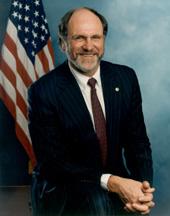
Mr. President, today, along with Senator Lautenberg, I am introducing legislation, the Crossroads of the American Revolution National Heritage Area Act, to establish the Crossroads of the American…
Mr. President, today, along with Senator Lautenberg, I am introducing legislation, the Crossroads of the American Revolution National Heritage Area Act, to establish the Crossroads of the American Revolution National Heritage Area in the State of New Jersey. I am proud to be joining my New Jersey colleagues, Representatives Rodney Frelinghuysen and Rush Holt, who have introduced this legislation in the House of Representatives, with the support of the entire New Jersey delegation.
This legislation recognizes the critical role that New Jersey played during the American Revolution. In fact, New Jersey was the site of nearly 300 military engagements that helped determine the course of our history as a Nation. Many of these locations, like the site where George Washington made his historic crossing of the Delaware River, are well known and preserved. Others, such as the Monmouth Battlefield State Park in Manalapan and Freehold, and New Bridge Landing in River Edge, are less well known and are threatened by development or in critical need of funding for rehabilitation.
To help preserve New Jersey's Revolutionary War sites, this legislation would establish a Crossroads of the American Revolution National Heritage Area, linking about 250 sites in 15 counties. This designation would authorize $10 million to assist preservation, recreational and educational efforts by the State, county and local governments as well as private cultural and tourism groups. The program would be managed by the non-profit Crossroads of the American Revolution Association.
Simply put, we are the Nation that we are today because of the critical events that occurred in New Jersey during the American Revolution and the many who died fighting there. By enacting the Crossroads of the American Revolution National Heritage Area Act of 2005, we will pay tribute to the patriots who fought and died in New Jersey so that we might become a Nation free from tyranny.
In the 107th Congress, I was proud to see the Senate approve this legislation as part of a bipartisan package of heritage area bills. Unfortunately, the bill was not approved in the House of Representatives. I will work even harder in the 109th Congress to see that this important legislation passes both houses and goes to the President's desk for his signature. I hope my colleagues will support this legislation, and I ask unanimous consent that the text of the bill be printed in the Record.
Show 2 more
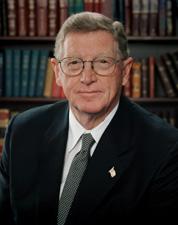
Mr. President, I take the floor today to ask that we finally help the town of Conrad, MT continue its successful program of providing affordable housing for our seniors. I renew my commitment to…
Mr. President, I take the floor today to ask that we finally help the town of Conrad, MT continue its successful program of providing affordable housing for our seniors. I renew my commitment to making sure this occurs.
In the defense authorization act of 1994, the Air Force conveyed an unused 42-acre parcel of land to the city of Conrad, which then built a retirement home for Montana seniors. The home has been a great success, and the city of Conrad has begun the process of expanding the facility.
When the city proposed using the land as collateral for the home, it ran into a problem. In the quitclaim deed where we conveyed the land to the city, we included a customary reversion clause that would transfer the property back to the Department of Defense in the event that the land stopped being used for the purpose of housing or public recreation.
While the intent of this clause is and will continue to be met, a small city like Conrad must use the title to the land to secure construction loans, rather than issuing a municipal bond or some other measure to raise funds used by larger cities. The reversion clause prevents banks from using the land to secure the loan, as the city does not have clear title to the land.
Therefore, I ask the Senate to approve this modification to public law 103-160, section 2816 regarding the 42 acre site of the Blue Sky Villa, which removes the reversion clause for this
land, giving the city of Conrad clear title. I thank the Senate for it's consideration of this important matter for our senior citizens in Montana.
Mr. President, I ask unanimous consent that the Committee on the Judiciary be authorized to meet to conduct a markup on Monday, March 27, 2006, at 10 a.m. in the Dirksen Senate Office Building Room…
Mr. President, I ask unanimous consent that the Committee on the Judiciary be authorized to meet to conduct a markup on Monday, March 27, 2006, at 10 a.m. in the Dirksen Senate Office Building Room 226.
Agenda
I. Nominations: Norman Randy Smith, to be U.S. Circuit Judge for the Ninth Circuit; Patrick J. Schiltz, to be U.S. District Court Judge for the District of Minnesota; Steven G. Bradbury, to be an Assistant Attorney General for the Office of Legal Counsel.
Bill Text
2 versions available
        [Congressional Bills 109th Congress]
[From the U.S. Government Publishing Office]
[S. 829 Reported in Senate (RS)]

Calendar No. 383
109th CONGRESS
2d Session
S. 829

To allow media coverage of court proceedings.

_______________________________________________________________________

IN THE SENATE OF THE UNITED STATES

April 18, 2005

Mr. Grassley (for himself, Mr. Schumer, Mr. Cornyn, Mr. Leahy, Mr.
Craig, Mr. Feingold, Mr. Allen, Mr. Durbin, Mr. Graham, Mr. DeWine, Mr.
Allard, and Mr. Specter) introduced the following bill; which was read
twice and referred to the Committee on the Judiciary

March 30, 2006

Reported by Mr. Specter, without amendment

_______________________________________________________________________

A BILL

To allow media coverage of court proceedings.

Be it enacted by the Senate and House of Representatives of the
United States of America in Congress assembled,

SECTION 1. SHORT TITLE.

This Act may be cited as the ``Sunshine in the Courtroom Act of
2005''.

SEC. 2. DEFINITIONS.

In this Act:
(1) Presiding judge.--The term ``presiding judge'' means
the judge presiding over the court proceeding concerned. In
proceedings in which more than 1 judge participates, the
presiding judge shall be the senior active judge so
participating or, in the case of a circuit court of appeals,
the senior active circuit judge so participating, except that--
(A) in en banc sittings of any United States
circuit court of appeals, the presiding judge shall be
the chief judge of the circuit whenever the chief judge
participates; and
(B) in en banc sittings of the Supreme Court of the
United States, the presiding judge shall be the Chief
Justice whenever the Chief Justice participates.
(2) Appellate court of the united states.--The term
``appellate court of the United States'' means any United
States circuit court of appeals and the Supreme Court of the
United States.

SEC. 3. AUTHORITY OF PRESIDING JUDGE TO ALLOW MEDIA COVERAGE OF COURT
PROCEEDINGS.

(a) Authority of Appellate Courts.--Notwithstanding any other
provision of law, the presiding judge of an appellate court of the
United States may, in the discretion of that judge, permit the
photographing, electronic recording, broadcasting, or televising to the
public of court proceedings over which that judge presides.
(b) Authority of District Courts.--
(1) In general.--Notwithstanding any other provision of
law, any presiding judge of a district court of the United
States may, in the discretion of that judge, permit the
photographing, electronic recording, broadcasting, or
televising to the public of court proceedings over which that
judge presides.
(2) Obscuring of witnesses.--
(A) In general.--Upon the request of any witness in
a trial proceeding other than a party, the court shall
order the face and voice of the witness to be disguised
or otherwise obscured in such manner as to render the
witness unrecognizable to the broadcast audience of the
trial proceeding.
(B) Notification to witnesses.--The presiding judge
in a trial proceeding shall inform each witness who is
not a party that the witness has the right to request
that the image and voice of that witness be obscured
during the witness' testimony.
(c) Advisory Guidelines.--The Judicial Conference of the United
States may promulgate advisory guidelines to which a presiding judge,
in the discretion of that judge, may refer in making decisions with
respect to the management and administration of photographing,
recording, broadcasting, or televising described under subsections (a)
and (b).

SEC. 4. SUNSET.

The authority under section 3(b) shall terminate 3 years after the
date of the enactment of this Act.
Calendar No. 383

109th CONGRESS

2d Session

S. 829

_______________________________________________________________________

A BILL

To allow media coverage of court proceedings.

_______________________________________________________________________

March 30, 2006

Reported without amendment