Montana Cemetery Act of 2006

Legislative Activity
Stay on top of the latest movement without scrolling through every action
Held at the desk.
December 8, 2006 • 12:43 PM
View full timeline
Introduced in Senate
May 11, 2005
Sponsor introductory remarks on measure. (CR S4940)
May 11, 2005
Read twice and referred to the Committee on Energy and Natural Resources. (text of measure as introduced: CR S4940)
May 11, 2005
Committee on Energy and Natural Resources Subcommittee on Public Lands and Forests. Hearings held. With printed Hearing: S.Hrg. 109-157.
July 20, 2005
Committee on Energy and Natural Resources. Ordered to be reported with an amendment in the nature of a substitute favorably.
May 24, 2006
Committee on Energy and Natural Resources. Reported by Senator Domenici with an amendment in the nature of a substitute and an amendment to the title. With written report No. 109-299.
July 31, 2006
Placed on Senate Legislative Calendar under General Orders. Calendar No. 542.
July 31, 2006
Passed Senate with an amendment and an amendment to the Title by Unanimous Consent. (consideration: CR S11537-11542; text as passed Senate: CR S11537)
December 7, 2006
Received in the House.
December 8, 2006 • 10:18 AM
Message on Senate action sent to the House.
December 8, 2006
Held at the desk.
December 8, 2006 • 12:43 PM
Floor Debate
18 membersWhat members said about S. 997 on the floor
 MB
MB JB
JB CSB
CSB DF
DF JM+13
JM+13
Floor Debate
18 membersWhat members said about S. 997 on the floor
Mr. President, I rise today to join Chairman Grassley in introducing the Hospital Fair Competition Act of 2005. This bill, based primarily on recommendations of the Medicare Payment Advisory…
Mr. President, I rise today to join Chairman Grassley in introducing the Hospital Fair Competition Act of 2005.
This bill, based primarily on recommendations of the Medicare Payment Advisory Commission (MedPAC), will improve the accuracy of Medicare's inpatient hospital prospective payment system (PPS); prevent the establishment of new specialty hospitals to which physician-owners can self-
refer, while allowing existing physician-owned specialty hospitals to continue with restrictions; and allow ``gainsharing'' arrangements to foster improved physician-hospital efficiency. This legislation is important for patients, taxpayers, and the Medicare program, and I urge my colleagues to support it.
About 17 months ago, Congress passed the Medicare Modernization Act-- the MMA. This 400-page bill included many important provisions, including long-awaited outpatient drug benefits under Medicare.
The MMA also included a small provision--Section 507--related to the construction of physician-owned specialty hospitals. These facilities specialize in cardiac, orthopedic or general surgical care, and are partly- or wholly-owned by physicians. The provision was a response to growing concerns over physician self-referral, and placed a moratorium on the construction of new, physician-owned specialty hospitals, while ``grandfathering'' existing facilities and those in development.
Having reviewed several independent analyses on this issue, I believe Congress was right to place a moratorium on specialty hospital construction. And I also believe that moratorium should effectively be extended permanently, while allowing existing facilities to continue operating in their current capacity.
Some view specialty hospitals as innovative, focused factories for high-quality, specialized care. Advocates for these facilities say that by focusing on a limited number of services, specialty hospitals provide excellent care at a good price, while adding competition to the health care marketplace.
Others say specialty hospitals flourish because they exploit a Medicare loophole allowing physician-owners to select patients who are healthier and, therefore, more profitable.
For my part, I don't want to stand in the way of innovation or competition. For example, I'm glad that Congress brought innovation to Medicare in the form of outpatient drug benefits. That was long overdue.
And hospitals and physicians should work together in innovative ways to improve efficiency in health care. The U.S. spends twice as much--or more--per-person on health care compared to any other developed country. And yet, our health outcomes are worse than theirs. We should get a better bang for our health-care buck, and we can take steps to that end by encouraging quality and accountability in health care.
That's why I am pushing to advance incentives for quality improvement in Medicare, so patients--and taxpayers--get the most for their money. I introduced legislation last year to require that Medicare pay dialysis providers and Medicare managed care plans based on the quality of care they provide. And I am working on legislation to extend these principles of paying for quality to other parts of Medicare.
As for competition, I'm all for it--as long as it's carried out on a level playing field. But when it comes to physician ownership of specialty hospitals, I'm not convinced the playing field is level. That's because physicians alone choose where patients go on the playing field--either to community hospitals or specialty hospitals. Some liken physician-owners of specialty hospitals to coaches who choose the starting lineup for both teams--in this case, the specialty hospital team and the community hospital team.
And for the third time, a Federal agency has told us that the healthiest teams, that is, the most profitable patients, end up at physician-owned specialty hospitals.
In 2003, the non-partisan Government Accountability Office (GAO) reported that, by and large, specialty hospitals care for relatively healthier patients than their community hospital counterparts. GAO surveyed 25 specialty hospitals, and found that 21 of the 25 had a less acute mix patients than community hospitals. GAO determined that of the hospitals studied, 17 percent cardiac patients seen by specialty hospitals could be classified as severe cases, compared with 22 percent in general hospitals. And about 5 percent of orthopedic cases in specialty hospitals were severe, compared with 8 percent in community hospitals.
Earlier this year, on March 8, MedPAC issued its MMA-mandated report on specialty hospitals, and arrived at findings similar to those of the GAO. MedPAC found that despite shorter lengths of stay, physician-owned specialty hospitals are not more cost efficient than community hospitals. MedPAC found that specialty hospitals tend to treat lower shares of Medicaid patients than community hospitals. And, just as GAO did, MedPAC found that specialty hospitals treat patients who are generally less sick--and therefore, more profitable--compared to community hospitals.
And while the Department of Health and Human Services has not officially issued its MMA-mandated report on the topic--but is expected to shortly--HHS reported on March 8 that, based on the small number of facilities it studied, specialty hospitals tend to care for a healthier patient population than their community hospital counterparts.
I believe the phenomenon of specialty hospitals treating healthier patients is the result of a loophole in the Stark self-referral law. This loophole--related to the ``whole hospital exception''--is one that should be closed. If it is not closed, Congress will effectively sanction the practice of physician self-referral that has been prohibited for years.
In 1989, the HHS Inspector General reported that patients of referring physicians who owned or invested in independent clinical labs received 45% more lab services than Medicare patients in general.
In 1992, a study found that physical therapy visits per patient were 39% to 45% higher in facilities with physician ownership compared to those without. In short, the authors of the study found that utilization and charges per-patient were higher when facilities were owned by physicians with an ownership interest.
In response to these studies and others like them, Congress passed the Stark laws, to prevent physician self-referral, first in the area of clinical labs, and subsequently in 10 other areas, including physical therapy and certain imaging procedures.
But the Stark laws did not address the issue of physician self- referral to specialty hospitals. In part, that's because there weren't many specialty hospitals at the time. As the GAO pointed out in its 2003 report, the vast majority of specialty hospitals were built in 1992 or later.
Instead, the Stark law included a provision that has come to be known as the ``whole hospital exception.'' While the Stark law prohibits physicians with ownership interest in only a hospital department from referring patients to that department, the law does allow physicians to refer to a facility they partially own, under two conditions. First, the physician must have admitting privileges in that hospital. Second, the physician must have a financial interest in the ``whole hospital,'' not just a department of the hospital.
As the GAO explained in 2003:
``The premise [of the whole hospital exception] is that any
referral or decision made by a physician who has a stake in
an entire hospital would produce little personal economic
gain because hospitals tend to provide a diverse and large
group of services. However, the Stark law does prohibit
physicians who have ownership interest only in a hospital
subdivision from referring patients to that subdivision. With
respect to specialty hospitals, the concern exists that, as
these hospitals are usually much smaller in size and scope
than general hospitals and closer in size to hospital
departments, the exception to Stark could allow physician
owners to influence their hospitals'--and therefore their own
financial gain through practice patterns and referrals.''
The problem with the ``whole hospital'' loophole is that it treats a 10-bed surgical facility the same as a 500-bed community hospital, even though that 10-bed facility more resembles a department of the 500-bed hospital than it does the hospital itself. This loophole is unfair, and our bill closes it, by preventing the establishment of new specialty hospitals to which physician-owners can self-refer.
Let me note that our bill does nothing to prevent the construction of new specialty hospitals--as long as self-referral is not part of the business model. Hospitals specializing in one type of care or another have existed in this country for years, and should be encouraged--as long as their owners and referrers are not one and the same.
Opponents of this bill will likely make at least three claims. First, they
will state that preventing the construction of new, physician-owned specialty hospitals is anticompetitive. Second, they will suggest that since the average physician-owner's share in a specialty hospital is small, economic incentives to self-refer are minimal. Third, they will claim the bill thwarts health care quality. Let me take these claims in turn.
As I stated previously, I am all for competition--as long as it's fair. But I don't think it's fair to further a system in which physician-owners can send healthier and more profitable patients to facilities they own, while sending sicker, less-profitable ones to hospitals they don't own. There's a reason Congress acted to mitigate the effects of physician self referral over 15 years ago, and I see no reason why that principle should not be extended to the specialty hospital setting.
On the issue of economic incentives, some argue that physician self- referral to specialty hospitals is a non-issue, since physicians typically own a very small share of a particular facility. In fact, MedPAC found that in about one-third of specialty hospitals they surveyed, the largest share owned by a single physician was just two percent. And as a group, physicians own just over a third of the typical heart hospital. But MedPAC also pointed out that about one- third of orthopedic and surgical hospitals were owned almost entirely by their physicians. Perhaps more important, MedPAC showed that even a relatively small ownership interest can reap large profits for an individual physician investor. Page 21 of MedPAC's March report on specialty hospitals says:
What is the order of magnitude of physicians financial
incentives to increase utilization when they own a hospital?
What follows is a hypothetical example of the marginal profit
associated with a group of cardiologists each referring just
one additional patient (above the current patient load) for
coronary artery bypass graft (CABG) surgery. In fiscal year
2002, the base payment for CABG surgery with cardiac
catheterization (DRG 107) was roughly $24,000. Our
examination of Medicare cost reports and hospital financial
statements suggests that variable costs equal approximately
60 percent of the DRG payment, roughly $14,400. Hence the
marginal profit--payments minus variable cost--would be
$9,600 per patient ($24,000-$14,400). If 10 cardiologists
owned a 3 percent interest each and they all induced one
additional surgery per year, each cardiologist's income would
increase by $2,880 ($9,600 3% 10).''
In other words, even a small ownership share--just three percent--can provide a strong profit motive--and a strong incentive toward self- referral.
Finally, let me address the third claim that will likely be made against this bill--that it thwarts the provision of quality care. Specialty hospital advocates claim that due to the focused nature of their mission, physician-owned specialty hospitals provide better quality and outcomes than their community hospital counterparts. But recently the New England Journal of Medicine published a study showing that patients undergoing certain heart procedures in specialty hospitals were less likely to have coexisting conditions than those being treated at general hospitals. The authors of the study stated, ``. . . given that we found no significant differences in outcomes between specialty and general hospitals with similar volumes or between specialty cardiac hospitals and specialized general hospitals, it could be argued that the specialty-hospital model itself does not yield better outcomes.'' They also said, ``. . . our study provides no definitive evidence that cardiac specialty hospitals provide better or more efficient care than general hospitals with similar procedural volumes.''
In short, there is solid evidence that despite being less efficient, physician-owned specialty hospitals care for healthier, more-profitable patients, leaving community hospitals to care for sicker, less- profitable ones. Economic incentives toward physician self-referral in specialty hospitals are significant. And there is slim evidence that specialty hospitals provide better care than community hospitals.
Given this evidence, it's clear that Congress should not facilitate the construction of more physician-owned specialty hospitals. And while we support ``grandfathering'' existing facilities, let me make clear that we do not intend to create another grandfathering period if the legislation is not enacted before June 8, 2005. The intent of this bill, even if it passes after June 8, is to effectively make permanent the MMA-mandated moratorium.
But this bill does more than simply prevent the establishment of new, physician-owned specialty hospitals. It also takes steps to mitigate ill incentives in the inpatient PPS, by making the PPS more accurate for all providers of hospital care--community hospitals and `grandfathered' specialty hospitals alike.
Medicare spends about $100 billion per year on inpatient hospital services, and it's important that this system be accurate. Accordingly, MedPAC recommended a number of steps to improve the accuracy of the Medicare inpatient payment system. These recommendations should mitigate incentives for all hospitals to choose healthy patients over sick ones, and to focus on some diagnoses at the expense of others.
Medicare pays hospitals for inpatient services based on roughly 500 Diagnosis Related Groups (DRGs), which bundle services needed to treat a patient with a particular disease. DRGs cover most routine operating costs attributable to patient care, including routine nursing services, room and board, and diagnostic and ancillary services. Under current law, just over five percent of the base payment for all DRGs is set aside for inpatient outlier payments, even though some DRGs have almost no outlier cases. The Hospital Fair Competition Act directs the Secretary to adjust the DRG relative weights to account for differences in the prevalence of high-cost outlier cases, thereby removing their disproportionate impact on the payment system.
The bill also improves accuracy of the DRG weights. Currently DRG weights are based on the national average of hospital charges for a particular DRG. The rate of growth for these charges may vary dramatically, depending on the service. For example, MedPAC has found that hospital markups for ancillary services (e.g., supplies, operating room time) tend to be higher than those of routine services (e.g., room and board, nursing care). As these ancillary and routine charges grow at different rates, the DRGs reflect that growth, gradually skewing the system away from the true costs of providing care. In short, a charge- based system causes Medicare to pay too much for some services, not enough for others. The Hospital Fair Competition Act directs the Secretary to substitute the charge-based system with one based on hospitals' costs, as well as base the DRG weights on the national average of hospitals' relative values in each DRG.
Mind you, we believe that the Secretary currently has the authority to make the payment changes outlined above. The Hospital Fair Competition Act simply directs the Secretary to do so. We also believe the Secretary has the authority to promulgate regulations defining what a ``whole hospital'' is. When Congress passed the ``whole hospital exception'', it did not intend to allow self-referral to facilities that are effectively the equivalent of a hospital wing or department. We believe the Secretary can and should exercise his authority to close the ``whole hospital'' loophole by regulation.
Mr. President, some say that the proliferation of physician-owned specialty hospitals is a function of physicians' desire for control over their workplace. They argue that physicians typically have no say in day-to-day hospital operations, and thus little incentive to improve the quality or efficiency of the care they provide in the hospital. MedPAC's recommendations for ``gainsharing'' stand to alleviate some of that concern, by giving physicians more control over their workplace.
Gainsharing arrangements allow physicians and hospitals to improve hospital efficiency without the undesirable effects of physician self- referral. In a gainsharing arrangement, hospitals and physicians share cost-savings gained by means such as streamlining the purchase of medical devices, substituting less-costly items used in surgical procedures, and maximizing operating room efficiency. While gainsharing arrangements must be developed carefully so as not to compromise quality of patient care, gain sharing has the potential to align physician-hospital incentives so that care
can be delivered in the most cost-effective manner.
I realize that gainsharing arrangements are not a panacea toward improving physician-hospital relations. We can and should do more to give providers of all types a better stake in improving their workplace and the quality of care they provide. That's why I am pushing initiatives to tie Medicare payment to quality, so that--unlike the current system--the best providers are not paid the same rates as mediocre ones. This system of paying for quality stands to improve accountability across the spectrum of Medicare provider types, and give both patients and the government more for their money.
We all know that Medicare's long-term fiscal future is much in doubt. Hardly a day passes without a warning about Medicare's finances and the retirement of the Baby Boom generation that will complicate the long- term financial picture of the program.
Given these warnings, it's imperative that we make the most of the resources at hand, and--where possible--make Medicare a better more responsible buyer of health care. By leveling the playing field regarding patient referrals; improving the accuracy of Medicare's inpatient hospital payments; and giving physicians a larger stake in their hospital workplaces, this bill stands to do that.
Chairman Grassley and I believe these changes will go a long way toward improving much of what ails hospital payment under Medicare, and we urge our colleagues' support for this important legislation.
Mr. President, today I am introducing legislation with Senators Snowe, Rockefeller, Hutchison, Reid, and Jeffords that would increase Medicaid Federal matching payments to 28 States by addressing a…
Mr. President, today I am introducing legislation with Senators Snowe, Rockefeller, Hutchison, Reid, and Jeffords that would increase Medicaid Federal matching payments to 28 States by addressing a problem with the Medicaid funding formula that is expected to result in a majority of States in the country having their Federal matching rate drop this coming fiscal year.
Our legislation, the ``Medicaid Formula Fairness Act of 2005,'' would protect these 28 States from decreases in the amount of Federal funding they can expect to receive in fiscal year 2006. For the vulnerable low- income children, pregnant women, disabled, and senior citizens that the Medicaid programs in those 28 States serve. This legislation may be the only thing preventing them from losing their health benefits and joining the ranks of our Nation's uninsured, which is already at 45 million people.
In New Mexico, more than one-in-five or over 400,000 New Mexicans are uninsured and the State is facing a $78 million reduction in the federal Medicaid matching rate for fiscal year 2006. This is not the result of a dramatic upswing in the economy in New Mexico. The most recent poverty data from the U.S. Census Bureau actually indicates an upswing in the percentage of New Mexicans in poverty at 18 percent--the second highest poverty rate in the country.
Thus, at the very time when there are more people in need of medical care through the Medicaid program, the Federal Government is apparently reducing its assistance through Medicaid. So how is this possible?
The first problem is with the Medicaid matching formula itself. It is based on per capita income, which was established as a proxy for both need and State capacity many years ago. We now have much better data on what should be the factors in the Medicaid formula, including poverty and total taxable resource measures, but the old proxy of per capita income remains.
Despite numerous reports from the General Accounting Office, the HHS inspector general, and outside organizations calling for such an update to the Federal Medicaid formula, nothing has happened over the years. Rather than fighting that battle again, our legislation acknowledges that we are stuck with per capita income as the formula factor. Instead, we take issue with how that factor is dropping Federal matching rates across the Nation while the national poverty rate continues to rise. Again, how is this possible?
In the fall of 2004, the Centers for Medicare and Medicaid Services, CMS, published the Federal Medical Assistance Percentage, or FMAP, for fiscal year 2006 based on per capital income, PCI, data from 2001, 2002, and 2003. According to the Federal Funds Information for States, FFIS, Issue Brief in September 2004, changes in the FMAP will cause States to lose a net $527 million in Federal matching funds in the Medicaid Program with decreases of $867 million to 29 States partially offset by increases for 9 States.
CMS acknowledges that 29 States will lose Federal funding, nine States will gain, and the balance of the States will not be impacted by the Medicaid changes because the latter group of 12 States are already at the statutory minimum FMAP of 50 percent.
Federal law dictates that the FMAP is determined based on the ``three most recent calendar years for which satisfactory data are available from the Department of Commerce.'' Thus, for fiscal year 2006, the PCI data used is from the years 2001, 2002, and 2003. The Federal intent of a 3-year rolling average is to limit the fluctuations that States might experience since only one-third of the formula is changed on a yearly basis. In other words, Congress felt it important enough to limit the fluctuations in the matching rate through the 3-year rolling average of PCI data that the result is the use of data from 2001 for the calculation of the fiscal year 2006 FMAP.
However, as analysis by the Oklahoma Health Care Authority indicates, in the case of the calculation, of the fiscal year 2006 FMAP, the U.S. Department of Commerce's Bureau of Economic Analysis, BEA, performed a comprehensive revision of its calculation of PCI in 2003, as it does every 4 to 5 years, and provided revised data for previous years as well. As a result, CMS changed the 2001 and 2002 PCI data for States in the calculation, Consequently, all 3 years of the PCI data were being changed rather than just one-third.
The result is rather dramatic fluctuations--mostly negative--to State FMAP calculations, As the FFIS Issue Brief indicated, ``Fifteen States are projected to have changes of greater than one percentage point in fiscal year 2006, compared to only three for FY 2005.'' Not since 1998 have the fluctuations been this dramatic.
According to the Congressional Research Service (CRS), the average change in the FMAP between fiscal year 2001 and fiscal year 2002 was -0.26 percentage points, for fiscal year 2003 it was +0.32, for fiscal year 2004 it was +0.12, and for fiscal year 2005 it was -0.09. Thus, over this 4-year period, the average change in the national FMAP was less than 0.2 percentage points. However, due in part to the rebenchmarking of data by BEA, the fiscal year 2006 change in the FMAP will be -0.55 percentage points. Compared to average change over the preceeding 4 years, the fiscal year 2006 FMAP change will be almost three times as dramatic.
As a result, 29 States will absorb a decline in the FMAP for fiscal year 2006. The Oklahoma Health Care Authority estimates that this will cost those States $860 million. The largest projected percentage point decreases are for Alaska, -7.42, Wyoming, -3.67, New Mexico, -3.15, Oklahoma, -2.27, Maine, -1.99, West Virginia, -1.66, North Dakota, -1.64, Vermont, -1.62, Utah, -1.38, Montana, -1.36, Alabama, -1.32, Louisiana, -1.25, Nevada, -1.14, and Mississippi, -1.08.
The largest dollar declines would be experienced by the states of New Mexico, -$79 million, Louisiana, -$72 million, Alaska, -$69 million, Tennessee, -$68 million, Oklahoma, -$66 million,
Alabama, -$55 million, and Maine, -$47 million.
FFIS adds, ``While the changes in FY 2006 are significant, for many states they only add to previous reductions. Thirteen states (Alaska, Kentucky, Louisiana, Maine, Montana, New Mexico, North Dakota, Oklahoma, Rhode Island, Vermont, West Virginia, Wisconsin, and Wyoming) will experience three consecutive reductions--from the fiscal relief FMAP to the base FMAP in FY 2004 to a second reduction in FY 2005 and a third in FY 2006. The cumulative 5-year reduction for a number of States is large, and for many unprecedented--Wyoming (-10.37), Alaska (-9.97), North Dakota (-4.14), Vermont (-3.91), Oklahoma (-3.33), Maine (-3.22), and South Dakota (-3.24).''
The loss in funds to these 29 States is already resulting in planned cuts in benefits and services to Medicaid eligible recipients, such as low-income children, pregnant women, the elderly and disabled, and decreased reimbursement to Medicaid providers, including physicians, hospitals, nursing homes, community health centers, etc.
In an effort to minimize the dramatic fluctuations in the Fiscal Year 2006 FMAP, this legislation would limit the loss of States in the FMAP to 0.5 percentage points, which restores $442 million of the lost Medicaid dollars to 18 States. The bill would also give 10 additional States a higher FMAP if changes to PCI for 2001 and 2002 were not retroactively applied by CMS. This translates to approximately $229 million for a total of $671 million. This is still far less than the $860 million lost to the 29 States by FMAP reductions.
Therefore, this legislation I am introducing with Senator Snowe and others does not hold States entirely harmless. However, it does limit the losses in Federal Medicaid matching funds that States are expected to absorb due to problems with the use of per capita income as a factor in the Medicaid formula but also in how it is used. Our legislation mitigates those problems, and does so with the expressed intent of preventing millions of additional Americans from joining the ranks of the uninsured as many of our States will be forced to undertake cuts to the Medicaid program to make up for lost Federal funding.
Specifically, the bill allows States to get the better of: 1. the FMAP as calculated by CMS; 2. a recalculated FMAP without retroactively changing the 2001 and 2002 per capita income data; or, 3. a hold harmless limiting the reduction in the FMAP to 0.5 percentage points.
In New Mexico, for example, the ``Medicaid Formula Fairness Act of 2005'' would restore $66 million of the $78 million that New Mexico is scheduled to lose due to the drop in the Federal Medicaid matching rate. The other 27 States that would benefit from the legislation and the estimated amount they would receive are as follows: Texas--$113 million, New Mexico--$66 million, Alaska--$64 million, Oklahoma--$52 million, Louisiana--$43 million, Maine--$35 million, Alabama--$34 million, West Virginia--$27 million, Tennessee--$27 million, Florida-- $25 million, Mississippi--$22 million, Arizona--$22 million, Nevada-- $17 million, Arkansas--$14 million, Utah--$14 million, North Carolina-- $14 million, Wyoming--$13 million, Vermont--$10 million, Wisconsin--$9 million, Rhode Island--$8 million, Georgia--$8 million, Oregon--$6 million, North Dakota--$6 million, Montana--$6 million, South Carolina--$6 million, Idaho--$5 million, South Dakota--$3 million, and Kansas--$2 million.
I would like to thank the Oklahoma Health Care Authority, including Mike Fogarty and Stephen Weiss, for their outstanding work in analyzing the problem with the Fiscal Year 2006 FMAP and for their technical assistance and counsel toward the introduction of this legislation. I would also like to thank Senators Snowe, Rockefeller, Hutchison, Reid, and Jeffords for providing bipartisan support as original cosponsors of this important legislation.
I ask unanimous consent that the text of the bill and a letter be printed in the Record.
There be no objection, the material was ordered to be printed in the Record.
I rise today to introduce legislation with Senators Mikulski, Talent, Harkin, Roberts and Coleman to establish a division of food and agricultural science within the National Science Foundation to…
I rise today to introduce legislation with Senators Mikulski, Talent, Harkin, Roberts and Coleman to establish a division of food and agricultural science within the National Science Foundation to support fundamental agricultural research of the highest quality. I present this to begin a critical discussion that I believe we must have over the next several months about how we are going to ensure we capitalize on the technology to maximize the benefits and minimize the costs of our agricultural production.
We remain the world leader in food and fiber production. We do it safely and through technology and the hard work of the American farmer. In the past half century, the number of people fed by a single U.S. farm has grown from 19 to 129. We have a tremendously innovative agricultural research program. Our farmers, our farm leaders are on the cutting edge of developing new technology. And we have seen the innovations continue to come down the pike. This has made it possible for one farmer to feed 129 people.
In addition, we export $60 billion worth of agricultural products, and we do so at less cost and at less harm to the environment than any of our competitors around the world, again, because of new practices, diligence on the part of farmers, and new technology.
In a world that has a decreasing amount of soil available for cultivation, we have a growing population and we still have 800 million children who are hungry or malnourished throughout the world. As some have said: A person who is well fed can have many problems. A person who is hungry has but one problem. Unless we maximize technology and new practices, production will continue to overtax the world's natural resources.
Many people legitimately have raised concerns regarding new diseases and pests and related food safety issues. And they are growing. The leading competitiveness of our U.S. producers is only as solid as our willingness to invest in forward-looking investments and build upon our historic successes.
Now, we also know from past experience that with new technology the doors are being opened to novel new uses of renewable agricultural products in the fields of energy, medicine, and industrial products. In the future, we can make our farm fields and farm animals factories for everyday products, fuels, and medicines in a way that is efficient and better preserves our natural resources. Advances in the life sciences have come about, such as genetics, proteomics, and cell and molecular biology. They are providing the base for new and continuing agricultural innovations.
It was only about a dozen years ago that farmers in Missouri came to me to tell me about the potential that genetic engineering and plant biotechnology had for improving the production of food, and doing so with less impact on the environment, providing more nutritious food. Since that time, I have had a wonderful, continuing education, not in how it works but what it can do.
We know now, for example, that in hungry areas of the world as many as half a million children go blind from vitamin A deficiency, and maybe a million die from vitamin A deficiency. Well, through plant biotechnology, the International Rice Research Institute in the Philippines and others have developed Golden Rice, taking a gene from the sunflower, a beta-carotene gene, and they enrich the rice. The Golden Rice now has that vitamin A, and that is going to make a significant difference in dealing with malnutrition.
We also know that in many areas of the world, where agricultural production has overtaxed the land, where drought has cut the production, where virus has plagued production, the way we can make farmers self-sufficient, where we can restore the farm economy in many of these countries, is through plant biotechnology.
But this is just the beginning. This legislation I am introducing today seeks to lay the foundation for tremendous advances in the future.
This legislation stems from findings and recommendations produced by a distinguished group of scientists working on the Agricultural Research, Economics and Education Task Force, which I was honored to be able to include in the 2002 farm bill. The distinguished task force was led by Dr. William H. Danforth, of St. Louis, the brother of our former distinguished colleague, Senator Jack Danforth. Dr. Bill Danforth has a tremendous reputation in science and in education, with a commitment to human welfare and is known worldwide. He was joined by Dr. Nancy Betts, the University of Nebraska; Mr. Michael Bryan, president of BBI International; Dr. Richard Coombe, the Watershed Agricultural Council; Dr. Victor Lechtenbert, Purdue University; Dr. Luis Sequeira, the University of Wisconsin; Dr. Robert Wideman, the University of Arkansas; and Dr. H. Alan Wood, Mississippi State University.
I extend my congratulations and my sincere gratitude to Dr. Danforth and his team for providing the basis and the roadmap to ensure we have the mechanisms in place to solve the problems and capitalize on the opportunities in agricultural research. The full report of the task force can be found at www.ars.usda.gov/research.htm.
In summary, that study concludes that it is absolutely necessary we reinvigorate and forward focus our technology to meet the responsibilities of our time. New investment is critical for the world's consumers, the protection of our natural resources, the standard of living for Americans who labor in rural America, and for the well-being of the hungry people and the needy people throughout the world.
This legislation is supported by the some 22 Member and Associate Member Societies of the Federation of American Societies for Experimental Biology, as well as the Institute of Food Technologists, American Society of Agronomy, Crop Science Society of America, Soil Science Society of America, the Council for Agricultural Research, the National Coalition for Food and Agricultural Research, the American Soybean Association, National Cattlemen's Beef Association, National Chicken Council, National Corn Growers Association, National Farmers Union, National Milk Producers Federation, National Pork Producers Council, National Turkey Federation, Association of American Veterinary Medical Colleges and the United Fresh Fruit and Vegetable Association.
I look forward to pursuing this vision in the 109th Congress. I invite my colleagues who are interested in science and research to review this report, to look at this measure, to join with me and my cosponsors in the next session of Congress to talk about moving forward on what I think will be a tremendous opportunity to improve agriculture and its benefits to all our populations.
Madam President, this, I hope, will be the start of something really big. Today, Congressman Gutknecht is offering companion legislation in the House. I congratulate him on his leadership in promoting science and I am pleased to be working on this with him.
I ask unanimous consent that the text of the bill be printed in the Record.
Mr. President, I rise today along with Senators Hutchison, Durbin, Snowe, Leahy and Feingold to reintroduce the ``Family Abduction Prevention Act of 2005,'' a bill to help the thousands of children…
Mr. President, I rise today along with Senators Hutchison, Durbin, Snowe, Leahy and Feingold to reintroduce the ``Family Abduction Prevention Act of 2005,'' a bill to help the thousands of children who are abducted by a family member each year. We introduced this legislation last Congress, but it is just as needed today as it was then.
Family abductions are the most common form of abduction, yet they receive little attention, and law enforcement often doesn't treat them as the serious crimes that they are.
The Family Abduction Prevention Act of 2005 would provide grants to States for costs associated with family abduction prevention. Specifically, it would assist States with: costs associated with the extradition of individuals suspected of committing the crime of family abduction; costs borne by State and local law enforcement agencies to investigate cases of missing children; training for local and State law enforcement agencies in responding to family abductions; outreach and media campaigns to educate parents on the dangers of family abductions; and assistance to public schools to help with costs associated with ``flagging'' school records.
Each year, over 200,000 children--78 percent of all abductions in the United States--are kidnapped by a family member, usually a non- custodial parent.
More than half of abducting parents have a history of domestic violence, substance abuse, or a criminal record.
Most State and local law enforcement agencies do not treat these abductions as serious crimes. Approximately 70 percent of law enforcement agencies do not have written guidelines on responding to family abduction and many are not informed about the Federal laws available to help in the search and recovery of an abducted child.
Many people believe that a child is not in grave danger if the abductor is a family member. Unfortunately, this is not true, and this assumption can endanger a child's life. Research shows that the most common motive in family abduction cases is revenge against the other parent--not love for the child.
The effects of family abduction on children are very traumatic. Abducted children suffer from severe separation anxiety. To break emotional ties with the left-behind parent, some family abductors will coach a child into falsely disclosing abuse by the other parent to perpetuate their control during or after abduction. The child is often told that the other parent is dead or did not really love them.
As the child adapts to a fugitive's lifestyle, deception becomes a part of life. The child is taught to fear those that one would normally trust, such as police, doctors, teachers and counselors. Even after recovery, the child often has a difficult time growing into adulthood.
Let me give an illustrative example about a girl named Rebekah. On Takeroot.org, a website devoted to victims of family abductions, Rebekah told the story of when her mother kidnapped her.
Her mother was diagnosed as manic and was verbally abusive to her children and husband. Rebekah's father was awarded full custody of her and her brothers. However, one weekend, when Rebekah was 4-years-old, her mother took her to Texas.
Her mother had all Rebekah's moles and distinguishing marks removed from her body and she had fake birth certificates made for Rebekah and herself. As Rebekah grew up, she was told that her father didn't love her and that her siblings didn't want to see her. When the FBI finally found Rebekah, she didn't remember her father and felt very alone.
In addition, in many family abduction cases, children are given new identities at an age when they are still developing a sense of who they are. In extreme cases, the child's sexual identity is covered up to avoid detection.
Abducting parents often deprive their children of education and much- needed medical attention to avoid the risk of being tracked via school or medical records.
In some cases, the abducting parent leaves the child with strangers at an underground ``safe house'' where health, safety, and other basic needs are extremely compromised.
For example, in Lafayette, CA, two girls were abducted by their mother and moved from house to house under the control of a convicted child molester. Kelli Nunez absconded with her daughters, 6-year-old Anna and 4-year-old Emily in violation of court custody orders. Nunez drove her daughters cross-country, and then returned by plane to San Francisco, where she handed the children to someone holding a coded sign at the airport.
The person holding the sign belonged to an underground vigilante group called the California Family Law Center led by Florencio Maning, a convicted child molester. For six months, Maning orchestrated the concealment of the Nunez girls with help from other people. Luckily, police were able to track down the girls, and they were successfully reunited with their father.
California has been the Nation's leader in fighting family abduction. In my State, we have a system that places the responsibility for the investigation and resolution of family abduction cases with the County District Attorney's Office. Each California County District Attorney's Office has an investigative unit that is focused on family abduction cases. These investigators only handle family abduction cases and become experts in the process.
However, most States lack the training and resources to effectively recover children who are kidnapped by a family member. According to a study conducted by Plass, Finkelhor and Hotaling, 62 percent of parents surveyed said they were ``somewhat'' or ``very'' dissatisfied with police handling of their family abduction cases.
The ``Family Abduction Prevention Act of 2005'' would be an important first step in addressing this serious issue.
I urge my colleagues to quickly act on this important legislation.
I ask unanimous consent that the text of the bill be printed in the Record.
Mr. President, today I am introducing legislation to amend the Navajo-Hopi Land Settlement Act of 1974 in order to bring the relocation process to an orderly conclusion. I look forward to working…
Mr. President, today I am introducing legislation to amend the Navajo-Hopi Land Settlement Act of 1974 in order to bring the relocation process to an orderly conclusion. I look forward to working with all affected parties on this bill and will work with them to ensure it takes into account their views. This bill will phase out the Navajo-Hopi relocation program by September 30, 2008, and at that time transfer all remaining responsibilities to the Secretary of the Interior. It provides a time certain for eligible Navajo and Hopi individuals to apply for and receive relocation benefits and after that time the Federal Government will no longer be obligated to provide replacement homes for those individuals. Under this legislation, the funds that would have been used to provide replacement homes to such individuals will be held in trust by the Secretary for distribution to the individual or their heirs.
The Navajo-Hopi Land Settlement Act of 1974 was enacted to resolve longstanding disputes that have divided the Navajo and Hopi Indian Tribes for over a century. The origins of this dispute can be traced directly to the creation of the 1882 reservation for the Hopi Tribe and the subsequent creation of the 1934 Navajo Reservation. At the time these reservations were established, Navajo families lived within the lands set aside for the Hopi Tribe and Hopi families lived within lands set aside for the Navajo Nation and tensions between the two tribes continued to heighten. In 1958 Congress, in an effort to resolve this dispute, passed legislation that authorized the tribes to file suit in Federal court to quiet title the 1882 reservation and to their respective claims and rights. That legislation gave rise to over 35 years of continuous litigation between the tribes in an effort to resolve their respective rights and claims to the land.
In 1974, Congress enacted the Navajo-Hopi Land Settlement Act which established Navajo and Hopi negotiating teams under the auspices of a Federal mediator to negotiate a settlement to the 1882 reservation land dispute. The act also authorized the tribes to file suit in Federal court to quiet title the 1934 reservation and to file claims for damages arising out of the dispute against each other or the United States. The act also established a three member Navajo-Hopi Indian Relocation Commission to oversee the relocation of members of the Navajo Nation who were living on lands partitioned to the Hopi Tribe and members of the Hopi Tribe who were living on lands partitioned to the Navajo Nation. Since its establishment, the relocation program has been an extremely difficult and contentious process.
When this program was first established, the estimated cost of providing relocation benefits to approximately 6,000 Navajos estimated eligible for relocation was roughly $40 million. These figures woefully underestimated the number of families impacted by relocation and the tremendous delays that have plagued this program. By 1996, the United States had expended over $350 million to relocate more than 11,000 Navajo and Hopi tribal members. At that time, there remained over 640 eligible families who had never received relocation benefits and an additional 50 to 100 families who had never applied for relocation benefits. There were also over 130 eligibility appeals pending. Without question, the funding for this settlement has far exceeded the original cost estimates by more than 1000 percent. Since 1975, Congress has appropriated over $440 million for this program.
At its inception, the relocation program was intended to be a temporary program that was established to fulfill a specific mission and we cannot continue to fund it with no end in sight. Moreover, I am convinced that our current Federal budgetary pressures require us to ensure that the Navajo-Hopi relocation housing program is brought to an orderly and certain conclusion. It is for that reason that I am introducing the Navajo-Hopi Land Settlement Act Amendments of 2005. This legislation will phase out the Navajo-Hopi Indian relocation program by September 30, 2008, and transfer the remaining responsibilities under the act to the Secretary of the Interior. Under the bill, the relocation commissioner shall transfer to the Secretary such funds as are necessary to construct replacement homes for any eligible head of household who has left the Hopi partitioned land but who has not received a replacement home by September 30, 2008. These funds will be held in trust by the Secretary of the Interior for distribution to such individual or their heirs. In addition, the bill includes provisions establishing an expedited procedure for handling appeals of final eligibility determinations.
This bill is similar to the legislation I introduced during the 104th Congress. S. 1111 proposed to phase out the relocation program by September 2001. A hearing was held on that bill and comments were received from the affected parties. At that time, many of the witnesses stated that with limited exception, the program could come to a resolution under the time line proposed in S. 1111. Opposition to passing the legislation was based in part on the incomplete process of approval of the accommodation lease agreements between the Hopi Tribe and individual Navajos who were still living on the Hopi partitioned lands. That action has since occurred and the Commission has had eight additional years to conclude its responsibilities. Therefore, it is now time for the Congress to act to bring the long and difficult process of relocation to an orderly conclusion.
I ask unanimous consent that the full text of the bill be printed in the Record.
Show 8 more

Mr. President, I rise today to introduce, along with Senator Durbin, an important bipartisan bill related to education and our national, homeland, and economic security. My good friend and colleague…
Mr. President, I rise today to introduce, along with Senator Durbin, an important bipartisan bill related to education and our national, homeland, and economic security. My good friend and colleague in the U.S. House of Representatives, Congressman Frank Wolf, is introducing the same legislation today in the House.
Without a doubt, our ability to remain ahead of the curve in scientific and technological advancements is a key component to ensuring America's national, homeland and economic security in the post 9/11 world of global terrorism.
Yet alarmingly, the bottom line is that America faces a huge shortage of home-grown, highly trained scientific minds.
The situation America faces today is not unlike almost 50 years ago. On October 4, 1957, the Soviet Union successfully launched the first man-made satellite into space, Sputnik. The launch shocked America, as many of us had assumed that we were preeminent in the scientific fields. While prior to that unforgettable day America enjoyed an air of post World War II invincibility; afterwards our Nation recognized that there was a cost to its complacency. We had fallen behind.
In the months and years to follow, we would respond with massive investments in science, technology and engineering. In 1958, Congress passed legislation creating the National Defense Education Act, which was designed to stimulate advancement in science and mathematics. In addition, President Eisenhower signed into law legislation that established the National Aeronautics and Space Administration (NASA). And a few years later, in 1961, President Kennedy set the Nation's goal of landing a man on the moon within the decade.
These investments paid off. In the years following the Sputnik launch, America not only closed the scientific and technological gap with the Soviet Union, we surpassed them. Our renewed commitment to science and technology not only enabled us to safely land a man on the moon in 1969, it spurred research and development which helped ensure that our modern military has always had the best equipment and technology in the world. These post-Sputnik investments also laid the foundation for the creation of some of the most significant technologies of modern life, including personal computers and the Internet.
Why is any of this important to us today? Because, as the old saying goes--he or she who fails to remember history is bound to repeat it.
The truth of the matter is that today America's education system is coming up short in training the highly technical American minds that we now need and will continue to need far into the future.
The 2003 Program for International Student Assessment found that the math, problem solving, and science skills of fifteen year old students in the United States were below average when compared to their international counterparts in industrialized countries. While a little bit better news was presented by the recently released 2003 Trends in International Mathematics and Science Study (TIMSS), it is still nothing we should cheer about. TIMSS showed that eighth grade students in the U.S. had lower average math scores than fifteen other participating countries. U.S. science scores weren't much better.
Our colleges and universities are not immune to the waning achievement in math and science education. The National Science Foundation reports the percentage of bachelor degrees in science and engineering have been declining in the U.S. for nearly two decades. In fact, the proportion of college-age students earning degrees in math, science, and engineering was substantially higher in 16 countries in Asia and Europe than it was in the United States.
In the past, this country has been able to compensate for its shortfall in homegrown, highly trained, technical and scientific talent by importing the necessary brain power from foreign countries. However, with increased global competition, this is becoming harder and harder. More and more of our imported brain power is returning home to their native countries. And regrettably, as they return home, many American high tech jobs are being outsourced with them.
Moreover, in the post 9/11 era, it is more important than ever from a security perspective to have American citizens performing certain tasks. We cannot run the risk of having to out-source the security of this country simply because we don't have enough highly trained U.S. citizens to meet our America's needs.
The legislation we are introducing today is a targeted measure that will help America meet its needs by providing strong incentives to students and graduates to pursue studies and careers in these important scientific and technical fields.
Our bill simply allows the Federal Government to pay the interest on undergraduate student loans for certain graduates of math, science, or engineering programs who agree to work in the United States in these fields for 5 consecutive years. Priority will be given to those students with degrees in majors that are key to protecting our national, homeland and economic security as a nation.
Almost 50 years ago our Nation learned a lesson about the cost of complacency in science and technology. While we responded with immediate vigor and ultimately prevailed, today, new dangers are upon us.
Once again, America must rise to meet a new challenge. In my view, this initiative is an important step forward that will encourage Americans to enter important fields of study that are crucial to the national, homeland, and economic security of this country.

Mr. President, I am pleased to join Senator Bingaman today, along with Senators Rockefeller, Hutchison, Reid, and Jeffords, in introducing the Medicaid Formula Fairness Act of 2005. This legislation…
Mr. President, I am pleased to join Senator Bingaman today, along with Senators Rockefeller, Hutchison, Reid, and Jeffords, in introducing the Medicaid Formula Fairness Act of 2005. This legislation will provide a temporary increase in Medicaid Federal matching payments to 28 States and thereby avoid a significant loss funds which would otherwise occur due to a precipitous and unpredicted drop in the Federal matching rate for these States next year.
Medicaid provides essential medical care to low-income children, pregnant women, parents of dependent children, senior citizens, and people with disabilities and functions as a critical safety net for our most vulnerable populations. Enrollment in the Medicaid program has grown by nearly one-third since the beginning of 2001, as the numbers of those in poverty and individuals without private health insurance continues to increase. In Maine, where we have an older and less wealthy population, more than 300,000 people were enrolled in Medicaid last year. One in five individuals in the State now receives health care services through MaineCare, the State's Medicaid program.
States have experienced severe fiscal stress during the last few years, with sharp declines in revenues and budget shortfalls. This economic downturn, from which many States are only now emerging, has continued to leave many families jobless and without health insurance, forcing to turn to Medicaid. This has put an enormous strain on the States such as Maine which are already strapped with budget shortfalls. Many States reduced Medicaid benefits last year and even more restricted Medicaid eligibility in an effort to satisfy their budgetary obligations.
The formula for calculating the Federal matching rate, known as the Federal Medical Assistance Percentage, FMAP, which determines the Federal Government's share of Medicaid expenditures, has contributed to the Medicaid problems that States are facing. The FMAP formula is designed so that the Federal Government pays a larger portion of Medicaid costs in States with a per capita income lower than the national average. Since Maine is a relatively poor State with a disproportionately large low-income elderly population, it has had a favorable Federal-State match in recent years, 66 percent in 2004. This translated to $1.4 billion in Federal dollars last year--two-thirds of MaineCare's $2 billion in Medicaid spending.
The size of Maine's Medicaid population means that any change in the FMAP has a disproportionately significant impact on Maine's budget. This year, Maine's Federal matching rate decreased from 66.01 percent to 64.89 percent, a drop of more than one percent. The change in FMAP for FY2006 is even greater and will cause 28 States, including Maine, to lose a significant amount of Federal matching funds next year. Maine's Federal matching rate will drop nearly two points, from 64.89 percent to 62.9 percent next year, which will result in Maine losing $46.7 million in Federal matching funds.
Under existing Federal law, the FMAP is determined based on the three most recent calendar years for which data is available from the Department of Commerce. This 3 year ``look back'' captures a period of time that is not necessarily reflective of a State's current financial situation. The FMAP for FY 2003, for example, was calculated in 2001 for the fiscal year beginning October 2002. The FY 2003 FMAP was determined on the basis, of State per capita income over the 3 year period of 1998 through 2000, when State economies were growing significantly. Yet in 2003, when this matching rate was in effect, a serious economic downturn was affecting many State budgets, and that downturn has contributed greatly to the growth of Medicaid for several years now.
We recognized this situation in the last Congress and provided for State fiscal relief by providing a temporary increase in the Federal Medicaid matching rate, which provided $10 billion in fiscal relief to States during fiscal 2003 and 2004, when we passed the Jobs and Growth Tax Relief Reconciliation Act of 2003 but that temporary Federal fiscal relief has now ended.
This Congress has reached a budget agreement which, among its terms, calls for reductions of $10 billion in Medicaid spending over the next 5 years. At this time, therefore, it is especially crucial that we continue to provide sufficient Federal matching funds for Medicaid, which has worked so well over the last 40 years. Our legislation is intended to be just a short term fix, for fiscal year 2006. It is my hope that we will see the creation of a Medicaid Commission to undertake a comprehensive review of the Medicaid program and make recommendations on how to make Federal matching payments more equitable with respect to the States and the populations they serve, as well as how to make them more responsive to changes in States' economic conditions.
However, today, states such as Maine are facing dramatic and unpredictable fluctuations to their State FMAP formulas. This legislation would limit the percentage decrease to a half percentage point for fiscal year 2006 and help mitigate the drastic effects that a severe loss Federal funding would have on our Medicaid population next year.
I therefore urge my colleagues to join us supporting this legislation to help sustain funding for Medicaid in fiscal year 2006 to help ensure that this critical health care safety net remains intact next year for those who need it most.
Mr. President, I ask unanimous consent that the Committee on Agriculture, Nutrition and Forestry be authorized to conduct a hearing during the session of the Senate on Wednesday, July 20, 2005 at 10…
Mr. President, I ask unanimous consent that the Committee on Agriculture, Nutrition and Forestry be authorized to conduct a hearing during the session of the Senate on Wednesday, July 20, 2005 at 10 a.m. in SR-328A, Russell Senate office building. The purpose of this hearing will be to review bio-security preparedness and efforts to address agroterrorism threats.
Mr. President, I would like to ask unanimous consent that the Committee on Environment and Public Works be authorized to meet to hold a Business Meeting on July 20, 2005 at 9:30 a.m. on the following agenda:
Resolutions: To authorize GSA's fiscal year 06 Capital Investment and Leasing Program; to authorize a lease prospectus for the General Services Administration headquarters; committee resolution on the Delaware River and its Tributaries, New Jersey, New York, and Pennsylvania; committee resolution on the Beneficial Use of Dredged Material on the Delaware River, Delaware, New Jersey, and Pennsylvania; committee resolution on the South Fork of the South Branch of the Chicago River, IL; and committee resolution on the Grand and Tiger Passes and Baptiste Collette Bayou, LA.
Nominations: Marcus A. Peacock, of Minnesota, to be Deputy Administrator of the Environmental Protection Agency; and Granta Y. Nakayama, of Virginia, to be Assistant Administrator, Office of Enforcement & Compliance Assurance, Environmental Protection Agency.
Legislation: H.R. 1428 National Fish and Wildlife Foundation Reauthorization Act of 2005; S. 1250 Great Apes Bill; S. 1409 Alaska Native Villages reauthorization; S. 1265 Diesel Emissions Reduction Act of 2005; S. 1339 Duck Stamp bill; S. 1340 Pittman-Robertson extension; S. 158 Long Island Sound; S. 1410 Neotropical Birds reauthorization; S. 1415 Lacey Act technical correction; and S. 1400 Water Infrastructure Bill.
Mr. President, I ask unanimous consent that the Committee on Finance be authorized to meet during the session on Wednesday, July 20, 2005, at 10 a.m., in 215 Dirksen Senate Office Building, to consider the nominations of Robert M. Kimmitt, to be Deputy Secretary of the Treasury, U.S. Department of the Treasury; Randal Quarles, to be Under Secretary of the Treasury, Domestic Finance, U.S. Department of the Treasury; Sandra L. Pack, to be Assistant Secretary of the Treasury, Management, U.S. Department of the Treasury; Kevin I. Fromer, to be Deputy Under Secretary of the Treasury, Legislative Affairs, U.S. Department of the Treasury.
THE PRESIDING OFFICER. Without objection, it is so ordered.
committee on foreign relations
Mr. President, I ask unanimous consent that the Committee on Foreign Relations be authorized to meet during the session of the Senate on Wednesday, July 20, 2005, at 10:15 a.m. to hold a hearing on Accelerating Economic Progress in Iraq.
Mr. President, I ask unanimous consent that the Committee on Health, Education, Labor, and Pensions be authorized to meet in executive session during the session of the Senate on Wednesday, July 20, 2005 at 9:30 a.m. in SD-430.
Mr. President, I ask unanimous consent that the Committee on the Judiciary be authorized to meet to conduct a hearing on Reporters' Privilege Legislation: Issues and Implications'' on Wednesday, July 20, 2005 at 9:30 a.m. in Dirksen Senate Office Building Room 226.
Panel I: The Honorable James Comey, Deputy Attorney General, U.S. Department of Justice, Washington, DC.
Panel II: Matthew Cooper, White House Correspondent, Time Magazine Inc., Washington, DC.
Norman Pearlstine, Editor-in-Chief, Time Inc., New York City, NY.
William Safire, Political Columnist, New York Times Company, New York City, NY.
Floyd Abrams, Partner, Cahill Gordon and Reindel LLP, New York City,
Mr. President, I ask unanimous consent that the Select Commmittee on Intelligence be authorized to meet during the session of the Senate on July 20, 2005 at 2:30 p.m. to hold a briefing.
Mr. President, I ask unanimous consent that the Special Commmittee on Aging be authorized to meet Wednesday, July 20, 2005 at 2:30 p.m.-5 p.m. in Dirksen 106 for the purpose of conducting a hearing.
Mr. President, I ask unanimous consent that the Subcommittee on Global Climate Change and Impacts be authorized to meet on Wednesday, July 20, 2005 at 10 a.m. on A Review of United States Climate Policy and the $5 Billion Budget Request for Climate Related Science and Technology in fiscal year 2006.
Mr. President, I ask unanimous consent that the Subcommittee on Public Lands and Forests be authorized to meet during the session of the Senate on Wednesday, July 20, 2005 at 2 p.m.
The purpose of the hearing is to receive testimony on S. 703, to provide for the conveyance of certain Bureau of Land Management land in the State of Nevada to the Las Vegas Motor Speedway, and for other purposes; S. 997, to direct the Secretary of Agriculture to convey certain land in the Beaverhead-Deerlodge Forest, MT, to Jefferson County, MT, for use as a cemetery; S. 1131, to authorize the exchange of certain Federal land within the State of Idaho, and for other purposes; S. 1170, to establish the Fort Stanton-Snowy River National Cave Conservation area; S. 1238, to amend the Public Lands Corps Act of 1993 to provide for the conduct of projects that protect forests, and other purposes; and H.R. 1101, to revoke a public land order with respect to certain lands erroneously included in the Cibola National Wildlife Refuge, CA.
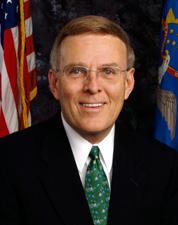
Mr. President, today I am introducing bipartisan legislation to address improvements that need to be made to the Nation's rail tracks and tank cars. I am very pleased to be joined on this bill by…
Mr. President, today I am introducing bipartisan legislation to address improvements that need to be made to the Nation's rail tracks and tank cars. I am very pleased to be joined on this bill by Senator Kay Bailey Hutchison.
It is vital that we address this issue of track and tank car safety. Rail accidents occur in our Nation too frequently, and can cause devastating harm, ranging from economic loss, environmental or health hazards, or the worst tragedy, the loss of human life.
In my own State of North Dakota a terrible derailment took place in Minot, ND in January of 2002. At approximately 1:37 a.m. on January 18, 2002, an eastbound Canadian Pacific Railway freight train, derailed 31 of its 112 cars about \1/2\ mile west of the city limits of Minot, ND.
Five tank cars carrying anhydrous ammonia, a liquefied compressed gas, catastrophically ruptured, and a vapor plume covered the derailment site and surrounding area. About 146,700 gallons of anhydrous ammonia were released from the five cars, and a cloud of hydrolyzed ammonia formed almost immediately. This plume rose an estimated 300 feet and gradually expanded 5 miles downwind of the accident site and over a population of about 11,600 people. One resident was fatally injured, and 60 to 65 residents of the neighborhood nearest the derailment site had to be rescued. Over the next 5 days, another 74,000 gallons of anhydrous ammonia were released from six other anhydrous ammonia tank cars.
As a result of the accident, 11 people sustained serious injuries, and 322 people, including the 2 train crewmembers, sustained minor injuries. Damages exceeded $2 million, and more than $8 million was been spent for environmental remediation. Imagine the devastation that could have occurred if this accident had happened in a more populated area.
The National Transportation Safety Board (NTSB) investigated this terrible derailment, and in its report issued important safety recommendations on track inspections and tank car crashworthiness. The findings by the NTSB raised great concern. NTSB estimated that the pre- 1989 tank cars were insufficiently crashworthy. The cars were estimated to make up approximately 60 percent of the pressure tank cars in the rail system, and with a 50-year lifespan, could continue operating until 2039. The risks posed by these cars are significant, and the NTSB set forth recommendations on addressing these safety issues.
Of further concern is the fact that statistics show that there were more than 1.23 million tank car shipments of hazardous materials in 2000, the last year for which the study had data available, in the United States and Canada. Of the top 10 hazardous materials transported by tank car, 5 were class 2 liquefied compressed gases, LPG, anhydrous ammonia, chlorine, propane, and vinyl chloride, that together accounted for more than 246,600 tank car shipments, or about 20 percent of all hazardous materials shipments by tank car.
Consequently, the NTSB specifically stated concerns about continued transportation of class 2 hazardous materials in pre-1989 tank cars. Because of the high volume of liquefied gases transported in these tank cars and the cars' lengthy service lives, the NTSB concluded that using these cars to transport DOT class 2 hazardous materials under current operating practices poses an unquantified but real risk to the public. The NTSB also concluded that research was needed on improving the crashworthiness of all tank cars.
With regards to track safety, the NTSB also found that improved track inspection, such as visual inspections, and additional oversight by the FRA was necessary. The accident was caused in part because of undetected cracks in the rail tracks, and NTSB concluded that track inspections to identify and remove cracked rail components before the cracks grow to critical size are the primary preventive measure to ensure safety.
The findings from the NTSB's report are extremely troubling, and require immediate action by the Federal Railroad Administration (FRA) to implement the safety recommendations. Our legislation incorporates these recommendations and others on track safety, and sets forth time frames for the FRA to act so that we ensure that these critical and potentially life-saving recommendations will move forward.
It is important to note that the terrible tragedy that took place in Madrid last year demonstrates that tank and track safety are vital to prevent not only against rail accidents, but also against terrorist attacks against our rail system. We cannot delay on investigating improvements to tank cars that travel every day across this country, often carrying dangerous loads of hazardous material. This is a necessary step in improving rail security.
We will now work with the Senate Commerce Committee and the Senate leadership to speed enactment of this important legislation. Last year similar provisions were included in a larger rail security bill that passed the Senate, and I am hopeful that we can proceed along the same route this year, as both measures are vital to protect our rail system. I invite my colleagues to join me in cosponsoring this bill.
I ask unanimous consent that the text of this bill be printed in the Record.
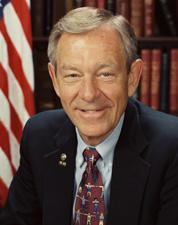
Mr. President, I rise today to introduce the Highway Funding Equity Act of 2005. I am joined on a bipartisan basis by Senators Levin, DeWine, Stabenow, Cornyn, Alexander, DeMint, Dole, Vitter,…
Mr. President, I rise today to introduce the Highway Funding Equity Act of 2005. I am joined on a bipartisan basis by Senators Levin, DeWine, Stabenow, Cornyn, Alexander, DeMint, Dole, Vitter, Martinez, Isakson, Nelson of Florida, Lugar, Burr, Cochran, Lott, Hutchison, Chambliss, Bayh, Allen, and Landrieu.
The Transportation Equity Act for the 21st Century, TEA-21 authorized more than $218 billion for transportation programs and expired in September 2003, but has been extended through May 2005. TEA-21 requires certain States, known as donor States, to transfer to other States a percentage of the revenue from federal highway user fees. Several of these donor States transfer more than 10 percent of every federal highway user fee dollar to other States. As a result, donor States receive a significantly lower rate-of-return on their transportation tax dollars being sent to Washington. Currently, over 25 States, including my State of Ohio, contribute more money to the Highway Trust Fund than they receive back.
My State of Ohio has the Nation's 10th largest highway network, the 5th highest volume of traffic, the 4th largest interstate highway network, and the 2nd largest inventory of bridges in the country. Ohio is a major manufacturing State and is within 600 miles of 50 percent of the population of North America. The interstate highways throughout Ohio and all the donor States provide a vital link to suppliers, manufacturers, distributors, and--consumers.
Maintaining our Nation's highway infrastructure is essential to a robust economy and increasing Ohio's share of federal highway dollars has been a longtime battle of mine. One of my goals when I became Governor 14 years ago was to increase our rate-of-return from 79 percent to 87 percent in the Intermodal Surface Transportation Efficiency Act of 1991, ISTEA. Then, in 1998, as chairman of the National Governors Association, I lobbied Congress to increase the minimum rate-of-return to 90.5 percent. The goal of the Highway Funding Equity Act of 2005 is to increase the minimum guaranteed rate-of-return to 95 percent.
The Highway Funding Equity Act of 2005 has two components. First, the bill would increase the minimum guaranteed rate-of-return in TEA-21 from 90.5 percent of a State's share of contributions to the Highway Trust Fund to 95 percent. The Minimum Guarantee under TEA-21 includes all major Core highway programs: Interstate Maintenance, National Highway System, Bridge, Surface Transportation Program, Congestion Mitigation and Air Quality, Metropolitan Planning, Recreational Trails, and any funds provided by the Minimum Guarantee itself.
Second, the bill uses the table of percentages now in Section 105 of Title 23 to guarantee States with a population density of less the 50 people per square mile a minimum rate-of-return that may exceed 95 percent of that State's share of Highway Account contributions. This provision is intended to ensure that every State is able to provide the quality of road systems needed for national mobility, economic prosperity, and national defense. Under the 2000 Census, this provision would benefit 15 States: Alaska, Arizona, Colorado, Idaho, Kansas, Maine, Montana, Nebraska, Nevada, New Mexico, North Dakota, Oregon, South Dakota, Utah, and Wyoming.
Increasing donor States' rate of return to 95 percent will send more than $60 million back to Ohio for road improvements we sorely need. The interstate system was built in the 1950s to serve the demands and traffic of the 1980s. Today, Ohio's infrastructure is functionally obsolete. Nearly every central urban interstate in Ohio is over capacity and plagued with accidents and congestion. Ohio's critical roadways are unable to meet today's traffic demands, much less future traffic which is expected to grow nearly 70
percent in the next 20 years. Like all the donor states, we need these funds in Ohio.
States can no longer afford to support others that are already self- sufficient. Each State has its own needs that far outweigh total available funding, especially in light of the so called ``mega projects'' coming due in the next decade. For example, the Brent Spence Bridge that carries Interstates 71 and 75 across the Ohio River into Kentucky is in need of replacement within the next 10 years at a cost of about $500 million. With the inclusion of the approach work, the total project could cost close to $1 billion.
The goal of this legislation is to improve the rate-of-return on donor States' dollars to guarantee that Federal highway program funding is more equitable for all States. Donor States seek only their fair share, and I look forward to working with my colleagues to improve highway funding equity during the upcoming surface transportation reauthorization process. I am pleased with the strong bipartisan support this legislation has received. In addition, I am hopeful that the highway bill will be brought to the Senate floor quickly, so that we can move to a conference. It is vital that our Nation's highway infrastructure needs be properly addressed to ensure continued economic growth.
I ask unanimous consent that the text of the bill be printed in the Record.
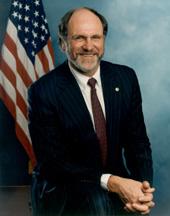
Mr. President, I rise today along with my colleague, Senator Lautenberg, to introduce legislation, the Preserving Access to Affordable Drugs (PAAD) Act. This legislation is essential to ensuring that…
Mr. President, I rise today along with my colleague, Senator Lautenberg, to introduce legislation, the Preserving Access to Affordable Drugs (PAAD) Act. This legislation is essential to ensuring that our most vulnerable seniors who have existing prescription drug coverage do not see a reduction or disruption in their coverage once the Medicare prescription drug program goes into effect.
Hundreds of thousands of seniors, including 190,000 in my State, currently enrolled in state pharmacy assistance programs (SPAPs) will be forced out of those programs and into a private drug plan under the Medicare prescription drug benefit. Additionally, approximately six million seniors, including 140,000 in New Jersey, who are dually eligible for Medicare and Medicaid will lose access to their Medicaid prescription drug benefits, which are more generous and provide greater access to a variety of drugs than the Medicare benefit will.
No senior should be made worse off by the new Medicare law. The law should expand benefits--not reduce them. The PAAD Act will make critical changes to the Medicare law to ensure that the above-mentioned benefits are safeguarded.
The PAAD Act will allow States to automatically enroll SPAP and dually eligible Medicaid beneficiaries into one or more preferred prescription drug plans to ensure that these beneficiaries are enrolled in a Medicare drug plan that maximizes both their Federal and State prescription drug coverage and ensures for a seamless transition to the new Medicare Part D drug benefit.
The PAAD Act will ensure that New Jersey seniors who currently receive prescription drug benefits under PAAD or through the State's Medicaid program are not made worse off by the new Medicare law.
The PAAD Act will allow New Jersey to provide supplemental Medicaid prescription drug benefits to low-income seniors and disabled who currently receive generous prescription drug benefits under the Medicaid program and who will now receive their prescription drug benefits through Medicare.
One of the goals of medicine is to do no harm. The manner in which the Bush Administration has chosen to implement the Medicare law violates that tenet. The Medicare legislation signed by the President created the State Pharmaceutical Assistance Transition Commission specifically to address the coordination of benefits between SPAPS, State Medicaid drug programs, and the new Medicare drug plan. The Commission was explicit in its recommendation to CMS that states be permitted to automatically enroll these beneficiaries in preferred prescription drug plans to ``enhance benefits to enrollees, encourage enrollment, and promote coordination between Medicare Part D and [states].'' Members of the Commission recognized that many blind, disabled, and aged beneficiaries, those who most need coverage, would not be able to navigate the plan selection process and could face gaps in coverage. Yet, CMS recently denied New Jersey's request to automatically enroll those Medicare beneficiaries currently enrolled in New Jersey's PAAD and Medicaid programs into a preferred Medicare prescription drug plan. This ruling effectively blocks New Jersey's efforts to preserve the generous prescription drug coverage the state currently provides to the 190,000 seniors enrolled in New Jersey's PAAD program and the 140,000 seniors and disabled enrolled in the state's Medicaid program when the new Medicare prescription drug benefit goes into effect on January 1, 2006.
Yesterday, I was joined by Senator Lautenberg in writing to the President to express our sincere dismay over the recent CMS ruling. It is clear that permitting states to automatically enroll these beneficiaries would guarantee that these seniors continue to receive the same level of prescription drug coverage, which is more generous than the coverage that will be available under the new Medicare benefit. Furthermore, auto enrollment would relieve beneficiaries from the anxiety of selecting the appropriate plan to ensure that their drug coverage is maximized. Certainly, beneficiaries who prefer to select their own prescription drug plan should have that choice, but those who want the state to act on their behalf to ensure that they receive the most comprehensive and seamless coverage should be afforded that option.
This legislation is critical to preserving and protecting existing prescription drug coverage while expanding it to those who currently lack such coverage. States like New Jersey, Pennsylvania, and New York, States that have well-established, generous prescription drug plans for seniors and the disabled, should not be prevented from continuing to provide the same level of coverage under the new Medicare law. I look forward to working with my colleagues to pass this legislation and preserve prescription drug benefits for all seniors.
Mr. President, I ask unanimous consent that the text of the bill be printed in the Record.
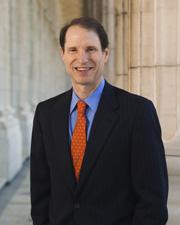
Mr. President, several weeks ago, I outlined what I believed this country needs to do in order to address the true issues related to how we care for those who are dying. Today, I am introducing 3…
Mr. President, several weeks ago, I outlined what I believed this country needs to do in order to address the true issues related to how we care for those who are dying. Today, I am introducing 3 bills to improve access to pain management, increase the number of providers trained to care for those with life-threatening illness, and improve the Medicare hospice benefit.
Our medical system is geared towards curing patients, and gives short shrift to those we cannot cure. Modern advances in technology allow us to live longer, but that also means that many of us will live longer with chronic diseases including pain.
The Conquering Pain Act will help those patients living and dying in pain, support their families and assist providers in getting information and guidance. This legislation will provide an opportunity for the country to develop and test different ways of providing pain management to patients 24 hours a day, seven days a week. It would create and fund regional networks to assist patients so they would not have to wait until normal business hours to get relief and help providers receive timely information and guidance as they treat difficult cases. This bill would create a website and require access to it in health care settings so families, patients and providers can have instant information. In addition, the bill requires several studies so we can better understand the other roadblocks for patients seeking pain management. These roadblocks include the lack of health insurance coverage for pain management and the interaction of the enforcement of laws concerning controlled substances and the delivery of appropriate pain management. I am pleased that my colleague from Oregon is cosponsoring the Conquering Pain Act.
Another aspect of our health care system that needs strengthening, is in assuring that we have providers who know how to provide support and comfort care to the dying. The Palliative Care Training Act will increase the number of providers trained in palliative care. Palliative care is an approach that improves the quality of life of patients and their families facing the problems associated with life-threatening illness. It does so through the prevention and relief of suffering by early identification, assessment and treatment of pain and other problems. Palliative care affirms life and regards dying as a normal process. It neither hastens nor postpones death and is applicable early in the course of illness, in conjunction with other therapies that are intended to prolong life, such as chemotherapy or radiation therapy, and offers a support system to help patients live as actively as possible until death.
My legislation provides grants to individuals with appointments as junior faculty at accredited medical schools so they will teach other providers palliative care. This is modeled after existing awards for the training of other specialties. When it comes down to it, assuring there is faculty in schools to teach this area of medicine, is an inexpensive way of strengthening the health care system in providing this needed care. I am pleased to note that when the National Hospice and Palliative Care Association recently testified before the Senate Health, Education and Labor Committee, they identified this legislation as addressing an important need.
As we look at how to better care for those at the end of life, Medicare's hospice benefit bears examination. When the benefit was added to Medicare, it was hailed as a cost effective benefit that would assist many. In truth, few Americans know what hospice really is and the benefits it can provide. Too often seniors are advised of the benefits too late to get the full effect of the medical, social and spiritual support this benefit can provide. Part of the reason for this is Medicare requires the patient to choose between continuing to seek ``curative'' care or hospice and palliative care. This means that literally the patient must choose between the hope of a cure and accepting that they are dying. Not many of us would want to give up seeking a cure or want to give up hope. However, that is what the Medicare program requires now. The Medicare Hospice Demonstration Act tests the idea that patients would not have to give up seeking ``curative'' care, to get hospice. It is my belief that as people experience what hospice can do for them and for their families, they will find they can accept living the end of their lives with hospice and palliative care instead of seeking less effective care that will not cure them or enhance the quality of their life.
It the U.S. Senate is going to examine end of life issues, we should not just look at legal issues. I believe these proposals are essential elements of the health care system that need to be supported and strengthened.
I ask unanimous consent that the text of the bills be printed in the Record.
Mr. President, I am introducing the ``Good Samaritan Volunteer Firefighter Assistance Act of 2005.'' Amazingly, every year quality firefighting equipment worth millions of dollars is wasted. In order…
Mr. President, I am introducing the ``Good Samaritan Volunteer Firefighter Assistance Act of 2005.'' Amazingly, every year quality firefighting equipment worth millions of dollars is wasted. In order to avoid civil liability lawsuits, heavy industry and wealthier fire departments destroy surplus equipment, including hoses, fire trucks, protective gear and breathing apparatus, instead of donating it to volunteer fire departments.
The basic purpose of this legislation is to induce donations of surplus firefighting equipment by reducing the threat of civil liability for organizations, most commonly heavy industry, and individuals who wish to make these donations. The bill eliminates civil liability barriers to donations of surplus firefighting equipment by raising the liability standard for donors from ``negligence'' to ``gross negligence.'' By doing this, the legislation saves taxpayer dollars by encouraging donations, thereby reducing the taxpayers' burden of purchasing expensive equipment for volunteer fire departments.
The Good Samaritan Volunteer Firefighter Assistance Act of 2005 is modeled after a bill passed by the Texas state legislature in 1997 and signed into law by then-Governor George W. Bush which has resulted in more than $10 million in additional equipment donations from companies and other fire departments for volunteer departments which may not be as well equipped. Now companies in Texas can donate surplus equipment to the Texas Forest Service, which then certifies the equipment and passes it on to volunteer fire departments that are in need. The donated equipment must meet all original specifications before it can be sent to volunteer departments. Alabama, Arizona, Arkansas, California, Florida, Illinois, Indiana, Missouri, Nevada, South Carolina, and Pennsylvania have passed similar legislation at the State level.
In the 108th Congress, Representative Castle introduced the Good Samaritan Volunteer Firefighter Assistance Act, which had 64 bipartisan cosponsors in the House of Representatives. It is also supported by the National Volunteer Fire Council, the Firemen's Association of the State of New York, and a former director of the Federal Emergency Management Agency, FEMA, James Lee Witt. The legislation passed overwhelmingly in the House by a vote of 397-3. The bill has been reintroduced as H.R. 1088 in the 109th Congress and already has garnered 64 cosponsors. I introduced the Good Samaritan Volunteer Firefighter Assistance Act of 2004 in the 108th Congress that also enjoyed support from the National Volunteer Fire Council.
Federally, precedent for similar measures includes the Bill Emerson Good Samaritan Food Act, Public Law 104-210, named for the late Representative Bill Emerson, which encourages restaurants, hotels and businesses to donate millions of dollars worth of food. The Volunteer Protection Act of 1997, Public Law 105-101, also immunizes individuals who do volunteer work for non-profit organizations or governmental entities from liability for ordinary negligence in the course of their volunteer work. I have also previously introduced three Good Samaritan measures in the 106th Congress, S. 843, S. 844 and S. 845. These provisions were also included in a broader charitable package in S. 997, the Charity Empowerment Act, to provide additional incentives for corporate in-kind charitable contributions for motor vehicle, aircraft, and facility use. The same provision passed the House of Representatives in the 107th Congress as part of H.R. 7, the Community Solutions Act, in July of 2001, but was not signed into law.
Volunteers comprise approximately 73 percent of firefighters in the United States. Of the total estimated 1,078,300 firefighters across the country, 784,700 are volunteers. Of the more than 30,000 fire departments in the country, approximately 22,600 are all volunteer; 4,800 are mostly volunteer; 1,600 are mostly career; and 2,000 are all career. In 2000, 58 of the 103 firefighters who died in the line of duty were volunteers.
This legislation provides a commonsense incentive for additional contributions to volunteer fire departments around the country and would make it more attractive for corporations to give equipment to fire departments in other States. All of America has witnessed the heroic acts of selflessness and sacrifice of firefighters in New York City, Northern Virginia, and Pennsylvania. I urge my colleagues to join me in supporting this incentive for the provision of additional safety equipment for volunteer firefighters who put their lives on the line every day throughout this great Nation.
Show 7 more
Mr. President, today I join Senator Voinovich in introducing the Highway Funding Equity Act of 2005. Our bill will allow States to get back a fairer share of what they contribute in gas taxes to the…
Mr. President, today I join Senator Voinovich in introducing the Highway Funding Equity Act of 2005.
Our bill will allow States to get back a fairer share of what they contribute in gas taxes to the highway trust fund. We do this by increasing the Federal minimum guaranteed funding level for highways to 95 percent from the current 90.5 percent of a State's share of contributions made to the Federal Highway Trust Fund in gas tax payments.
Increasing this minimum guarantee to 95 percent will bring us one step closer to achieving fairness in the distribution of Federal highway funds to States.
Historically about 20 States, including Michigan, known as ``donor'' States, have sent more gas tax dollars to the Highway Trust Fund in Washington than were returned in transportation infrastructure spending. The remaining 30 States, known as ``donee'' States, have received more transportation funding than they paid into the Highway Trust Fund.
This came about in 1956 when a number of small States and large Western States banded together to develop a formula to distribute Federal highway dollars that advantaged themselves over the remaining States. They formed a coalition of about 30 States that would benefit from the formula and, once that formula was in place, have tenaciously defended it.
At the beginning there was some legitimacy to the large low- population predominately Western States getting more funds than they contributed to the system in order to build a national interstate highway system. Some arguments remain for providing additional funds to those States to maintain the national system and our bill will do that. However, there is no justification for any State getting more than its fair share.
Each time the highway bill is reauthorized the donor States that have traditionally subsidized other States' road and bridge projects have fought to correct this inequity in highway funding. It has been a long struggle to change these outdated formulas. Through these battles, some progress has been made. For instance, in 1978, Michigan was getting around 75 cents on our gas tax dollar. The 1991 bill brought us up to approximately 80 cents per dollar and the 1998 bill guaranteed a 90.5 cent minimum return for each State.
We still have a long way to go to achieve fairness for Michigan and other States on the return on our Highway Trust Fund contributions. At stake are tens of millions of dollars a year in additional funding to pay for badly needed transportation improvements in Michigan alone and the jobs that go with it. Based on FHWA data, we calculate that Michigan would have received over $55 million in additional funds in FY 2004 under the Voinovich-Levin 95 percent minimum guarantee bill. That's a critically important difference for Michigan each year. The same is true for other donor States that stand to get back millions more of their gas tax dollars currently being sent to other States. There's no logical reason for some States to be forced to continue to send that money to other states to subsidize their road and bridge projects and to perpetuate this imbalance is simply unfair and unjustifiable.
With the national interstate system completed, the formulas used to determine how much a State will receive from the Highway Trust Fund are antiquated and do not relate to what a State's real needs or contributions are.
The Voinovich-Levin bill is a consensus bill developed with the help of donor State Department of Transportation agencies and their coalition working group. This legislation would increase the minimum guarantee from 90.5 percent to 95 percent for all States. With this legislation, we intend to send a strong message to our colleagues and the authorizing Committee about the need to address the equity issue in the highway reauthorization bill. We are determined to make progress in this bill to distribute the highway funds in a more equitable manner so that every State gets its fair share.
This is simply an issue of fairness and we will not be satisfied until we achieve it.
Mr. President, in the 1950s and 1960s, this country was in the midst of a cold war and arms race, a race to perfect the hydrogen bomb. To win the race, nuclear weapons technology was developed using…
Mr. President, in the 1950s and 1960s, this country was in the midst of a cold war and arms race, a race to perfect the hydrogen bomb. To win the race, nuclear weapons technology was developed using above ground testing in Idaho's neighbor to the south, Nevada. During these tests, Idahoans recount going outside in the evenings to look at the beautiful sunsets caused by the testing. Unfortunately and unbeknown to them, these skies were filled with dangerous radiation that very much elevated their exposure and subsequent risk of developing cancer.
I will not debate whether government authorities adequately knew the extent of the long-term dangers to radiation exposure. However, after a long and protracted discussion in this very chamber, Congress did recognize that what had occurred during this time of nuclear testing and rightly came forward providing for compensation through the Radiation Exposure Compensation Act of 1990 (RECA). This bill said that if you lived in certain counties in certain States during a certain period of time and had specified diseases, you were eligible for compensation. It is now time to review that program and make it work for everyone who may have become ill because of radiation fall-out exposure.
The criteria established in the Act were driven by limited scientific knowledge and political expediency. This was recognized in 1999, when a group of Senators, led by Senator Hatch, amended RECA to include additional counties in Arizona. During the floor debate at the time, Senator Hatch said, ``Through advances in science, we now know so much more about the effects of radiation than we did in the late 1950s and 1960s. Our current state of scientific knowledge allows us to pinpoint with more accuracy which diseases are reasonably believed to be related to radiation exposure, and that is what necessitated the legislation we are considering today.''
But the truth is even more encompassing than a few more counties. According to a report from the National Academies of Sciences, a report commissioned by Congress, radiation fall-out didn't know any arbitrary geographic boundaries. It didn't stop because it crossed a State or county line. The NAS report, released last month, clearly demonstrated that we continue to be wide of the mark in who is eligible for compensation and that is why I am introducing legislation today to bring RECA back on course. Information used to establish who would be eligible for compensation failed to recognize that four counties in Idaho ranked in the top five in having the highest per capita thyroid dosage of radiation in the nation, more than any county currently recognized by RECA for eligibility. This clear inequity must be rectified; Idaho has a documented history of high cancer rates in people who lived in these areas during testing.
At this time I would like to thank people like Sheri Garmon, Kathy Skippen, Tona Henderson, and so many others who have spent time and energy on this issue. Some like Sheri are fighting multiple cancers and yet have taken the time to pursue their belief that they to deserved to be eligible for the RECA program. The NAS report recognizes that the RECA program needs revamping, but Idahoans deserve equal treatment with those in Utah, Arizona, and Nevada now. They should not have to wait while Congress comes up with a better way to administer this program. That is why I am introducing legislation today that will extend the present program to cover the full State of Idaho. And I am encouraging my colleagues to work with me on making the entire RECA program more comprehensive for the future.
It is the right thing to do.
Mr. President, I rise today in strong support of the Veterans Road to Health Care Act of 2005 that I introduced with my colleagues Senator Burns and Senator Thune. This legislation would raise the…
Mr. President, I rise today in strong support of the Veterans Road to Health Care Act of 2005 that I introduced with my colleagues Senator Burns and Senator Thune. This legislation would raise the travel reimbursement rate for veterans who must travel to Department of Veterans Affairs' hospitals for treatment. The current reimbursement rate is 11 cents per mile. This bill would raise that figure to match the Federal employees travel reimbursement rate which is 40.5 cents per mile.
The average price for gas in Wyoming right now is $2.20 per gallon. The current rate of 11 cents per mile barely makes a dent in the expenses incurred by veterans who have no choice but to travel by automobile for health care. I have received numerous letters from veterans in Wyoming describing how difficult it is to work into their budget the money necessary to travel between their hometown and the VA hospital. Being able to access health care is vital; veterans should not have to choose between driving to receive needed treatment and being able to afford other necessities.
In Wyoming, we have two VA Medical Centers, one in Cheyenne and one in Sheridan. Veterans have to travel to one of these facilities to be treated for health conditions and be covered by the health care plan that the government provides for them. This poses a serious problem in terms of travel expense, especially with the rise in gasoline prices. Some towns in Wyoming are over 300 miles away from the nearest VA facility. A veteran living in Riverton must drive 215 miles to the Sheridan facility or nearly 300 to the Cheyenne facility. This problem is then compounded when these facilities, which provide great service for our veterans, must refer the veterans to a larger hospital in Salt Lake City or Denver for additional treatment or procedures.
This bill addresses the health care of veterans who have special needs. It would allow veterans who have been referred to a special care center by their VA physician to be reimbursed under
the Travel Beneficiary Program for their travel to the specialized facility. This applies only to those veterans who cannot receive adequate care at their VA facility.
This legislation is important to all veterans, but it is especially significant to those veterans who live in rural states, like my home State of Wyoming. Rural States are less populated; there is greater distance between towns and far fewer options for transportation. Wyoming has miles and miles of miles and miles. Cars are the main mode of transportation and many times the only option.
It is our duty to compensate our servicemen and women for the sacrifices that they made defending the freedoms of this country. With our current recruitment and retention problems in the military, it is our Nation's responsibility to give veterans the kind of access to healthcare they have earned through their service to our country. The rising cost of gasoline should not be a factor for veterans to ignore their health concerns because they cannot afford to travel to the nearest veterans' clinic. I strongly urge my colleagues to support this important bill.
Mr. President, today, I join my colleagues, Senator Enzi and Senator Thune in introducing ``The Veterans Road to Health Care Act of 2005.'' Montana veterans are often forced to travel hundreds of…
Mr. President, today, I join my colleagues, Senator Enzi and Senator Thune in introducing ``The Veterans Road to Health Care Act of 2005.''
Montana veterans are often forced to travel hundreds of miles throughout our great State to receive the healthcare they need. Whether traveling to the only Veterans' Administration (VA) hospital located just outside of Helena at Fort Harrison, or to one of the eight Community Based Outpatient Clinics, CBOCs, the distances traveled by our veterans is great. We have a lot of dirt between light bulbs in Montana. This distance, combined with the increase in gas prices and the cost of lodging for veterans and their families adds up quickly. Many of these folks do not have any other option for their health care, and I think that anything which can be done to help those who are travel eligible would be appreciated.
The Veterans Road to Health Care Act of 2005 would help ease this burden by raising the travel reimbursement rate for veterans who must travel to VA facilities for treatment. The current reimbursement rate of 11 cents per mile would be increased to the Federal rate of 40.5 cents per mile. It seems only fair that veterans who have sacrificed so much for this country receive the same compensation as Federal employees.
My bill would also allow payment under the Travel Beneficiary Program to veterans who cannot receive adequate care at their VA facility and are thereby forced to travel to another care center for specialized treatment. This referral to another facility for additional treatment often increases the costs for veterans from rural States like Montana, who must make another trip and sometimes travel even longer distances, for medical assistance.
It is important that veterans in rural areas receive fair compensation, as they travel to obtain healthcare. I want to acknowledge Senators Enzi and Thune for joining me in support of this bill. Their work on this and all other veterans' issues is to be commended, and I look forward to working with them and my other Senate colleagues to pass this important piece of legislation. We need to do this for veterans in Montana and other rural areas across the country.
Mr. President, this bill conveys 3.4 acres on the Beaverhead-Deerlodge National Forest to Jefferson County, MT for continued use as a cemetery.
The Elkhorn Cemetery in Jefferson County has been used as a cemetery since the 1860's. Due to surveying errors and limited information when the National Forest boundaries were surveyed in the early 1900's, the cemetery was included as National Forest lands. The cemetery is still in use by local families who homesteaded and worked the mines in the area. However, Forest Service manual direction strongly discourages burials on National Forest lands, placing both the families and Forest Service in an awkward position.
It is clear the cemetery should not have been included as part of the National Forest. The County Commissioners and the local public strongly support the conveyance.
I ask unanimous consent that the text of the bill be printed in the Record.

Mr. President, I rise today to introduce, along with my colleague, Mr. Crapo, a bill to rename a National Conservation Area in the State of Idaho after the late Morley Nelson. This bill renames it…
Mr. President, I rise today to introduce, along with my colleague, Mr. Crapo, a bill to rename a National Conservation Area in the State of Idaho after the late Morley Nelson. This bill renames it the Morley Nelson Snake River Birds of Prey National Conservation Area.
After returning home as a decorated veteran of World War II, having served with the famed 10th Mountain Division in Italy, Morley Nelson recognized the unique importance of the Snake River area for birds of prey. He worked for its protection and various designations, culminating in its establishment by Congress as a National Conservation Area.
Starting in the 1950s, Morley Nelson spent decades convincing ranchers and farmers not to shoot raptors, but rather to accept them as an integral part of the ecosystem.
Morley Nelson raised public awareness about birds of prey through scores of speeches with an eagle on his fist, and through dozens of movies and TV specials starring his eagle or hawks, including seven films for Disney.
Morley Nelson recognized the long-standing problem with raptor electrocution from power lines and the associated power outages and even resulting wildfires. In cooperation with Idaho Power, and later with other utilities, he helped develop guards and redesigned power transmission lines to reduce raptor electrocution. This technology has since spread throughout the world.
Morley Nelson once said, ``This is where the wind and the cliffs and the birds are. This is where I'll always be.'' It seems only fitting that the Snake River Birds of Prey National Conservation Area should bear his name.
I ask unanimous consent that the text of the bill be printed in the Record.
Mr. President, I would like to announce for the information of the Senate and the public that a hearing has been scheduled before the Subcommittee on Public Lands and Forests of the Committee on…
Mr. President, I would like to announce for the information of the Senate and the public that a hearing has been scheduled before the Subcommittee on Public Lands and Forests of the Committee on Energy and Natural Resources.
The hearing will be held on Wednesday, July 20, 2005, at 2:30 P.M. in Room SD-366 of the Dirksen Senate Office Building.
The purpose of the hearing is to receive testimony on S. 703, to provide for the conveyance of certain Bureau of Land Management land in the State of Nevada to the Las Vegas Motor Speedway, and for other purposes; S. 997, to direct the Secretary of Agriculture to convey certain land in the Beaverhead-Deerlodge Forest, MT, to Jefferson County, MT; for use as a cemetery; S. 1131, to authorize the exchange of certain Federal land within the State of Idaho, and for other purposes; S. 1170, to establish the Fort Stanton-Snowy River National Cave Conservation Area; S. 1238, to amend the Public Lands Corps Act of 1993 to provide for the conduct of projects that protect forests, and other purposes; and H.R. 1101, to revoke a Public Land Order with respect to certain lands erroneously included in the Cibola National Wildlife Refuge, California.
Because of the limited time available for the hearing, witnesses may testify by invitation only. However, those wishing to submit written testimony for the hearing record should send two copies of their testimony to the Committee on Energy and Natural Resources, United States Senate, Washington, D.C. 20510-6150.
Mr. President, this bill conveys 3.4 acres on the Beaverhead-Deerlodge National Forest to Jefferson County, MT for continued use as a cemetery. The Elkhorn Cemetery in Jefferson County has been used…
Mr. President, this bill conveys 3.4 acres on the Beaverhead-Deerlodge National Forest to Jefferson County, MT for continued use as a cemetery.
The Elkhorn Cemetery in Jefferson County has been used as a cemetery since the 1860's. Due to surveying errors and limited information when the National Forest boundaries were surveyed in the early 1900's, the cemetery was included as National Forest lands. The cemetery is still in use by local families who homesteaded and worked the mines in the area. However, Forest Service manual direction strongly discourages burials on National Forest lands, placing both the families and Forest Service in an awkward position.
It is clear the cemetery should not have been included as part of the National Forest. The County Commissioners and the local public strongly support the conveyance.
I ask unanimous consent that the text of the bill be printed in the Record.
Bill Text
3 versions available
        [Congressional Bills 109th Congress]
[From the U.S. Government Publishing Office]
[S. 997 Engrossed in Senate (ES)]

109th CONGRESS
2d Session
S. 997

_______________________________________________________________________

AN ACT

To direct the Secretary of Agriculture to convey certain land in the
Beaverhead-Deerlodge National Forest, Montana, to Jefferson County,
Montana, for use as a cemetery.

Be it enacted by the Senate and House of Representatives of the
United States of America in Congress assembled,

SECTION 1. SHORT TITLE.

This Act may be cited as the ``Montana Cemetery Act of 2006''.

SEC. 2. DEFINITIONS.

In this Act:
(1) County.--The term ``County'' means Jefferson County,
Montana.
(2) Map.--The term ``map'' means the map that is--
(A) entitled ``Elkhorn Cemetery'';
(B) dated May 9, 2005; and
(C) on file in the office of the Beaverhead-
Deerlodge National Forest Supervisor.
(3) Secretary.--The term ``Secretary'' means the Secretary
of Agriculture.

SEC. 3. CONVEYANCE TO JEFFERSON COUNTY, MONTANA.

(a) Conveyance.--Not later than 180 days after the date of
enactment of this Act and subject to valid existing rights, the
Secretary (acting through the Regional Forester, Northern Region,
Missoula, Montana) shall convey by quitclaim deed to the County for no
consideration, all right, title, and interest of the United States,
except as provided in subsection (e), in and to the parcel of land
described in subsection (b).
(b) Description of Land.--The parcel of land referred to in
subsection (a) is the parcel of approximately 9.67 acres of National
Forest System land (including any improvements to the land) in the
County that is known as the ``Elkhorn Cemetery'', as generally depicted
on the map.
(c) Use of Land.--As a condition of the conveyance under subsection
(a), the County shall--
(1) use the land described in subsection (b) as a County
cemetery; and
(2) agree to manage the cemetery with due consideration and
protection for the historic and cultural values of the
cemetery, under such terms and conditions as are agreed to by
the Secretary and the County.
(d) Easement.--In conveying the land to the County under subsection
(a), the Secretary, in accordance with applicable law, shall grant to
the County an easement across certain National Forest System land, as
generally depicted on the map, to provide access to the land conveyed
under that subsection.
(e) Reversion.--In the quitclaim deed to the County, the Secretary
shall provide that the land conveyed to the County under subsection (a)
shall revert to the Secretary, at the election of the Secretary, if the
land is--
(1) used for a purpose other than the purposes described in
subsection (c)(1); or
(2) managed by the County in a manner that is inconsistent
with subsection (c)(2).

Passed the Senate December 7, 2006.

Attest:

Secretary.
109th CONGRESS

2d Session

S. 997

_______________________________________________________________________

AN ACT

To direct the Secretary of Agriculture to convey certain land in the
Beaverhead-Deerlodge National Forest, Montana, to Jefferson County,
Montana, for use as a cemetery.