To authorize the National Park Service to pay for services rendered by subcontractors under a General Services Administration Indefinite Deliver/Indefinite Quantity Contract issued for work to be completed at the Grand Canyon National Park.
Legislative Activity
Stay on top of the latest movement without scrolling through every action
Indefinitely postponed by Senate by Unanimous Consent. (consideration: CR S5530)
June 11, 2008
View full timeline
Introduced in House
February 27, 2007
Referred to the House Committee on Natural Resources.
February 27, 2007
Referred to the Subcommittee on National Parks, Forests and Public Lands.
March 1, 2007
Mr. Grijalva moved to suspend the rules and pass the bill, as amended.
April 17, 2007 • 1:22 PM
Considered under suspension of the rules. (consideration: CR H3416-3417)
April 17, 2007 • 1:23 PM
DEBATE - The House proceeded with forty minutes of debate on H.R. 1191.
April 17, 2007 • 1:23 PM
Passed/agreed to in House: On motion to suspend the rules and pass the bill, as amended Agreed to by voice vote.(text: CR H3416)
April 17, 2007 • 1:29 PM
On motion to suspend the rules and pass the bill, as amended Agreed to by voice vote. (text: CR H3416)
April 17, 2007 • 1:29 PM
Motion to reconsider laid on the table Agreed to without objection.
April 17, 2007 • 1:29 PM
Received in the Senate and Read twice and referred to the Committee on Energy and Natural Resources.
April 18, 2007
Committee on Energy and Natural Resources Senate Subcommittee on National Parks. Hearings held.
November 8, 2007
Committee on Energy and Natural Resources. Ordered to be reported without amendment favorably.
January 30, 2008
Committee on Energy and Natural Resources. Reported by Senator Bingaman without amendment. With written report No. 110-319.
April 10, 2008
Placed on Senate Legislative Calendar under General Orders. Calendar No. 671.
April 10, 2008
Indefinitely postponed by Senate by Unanimous Consent. (consideration: CR S5530)
June 11, 2008
Floor Debate
15 membersWhat members said about H.R. 1191 on the floor
 RDF
RDF CJD
CJD TH
TH EMK
EMK JES+10
Floor Debate
15 membersWhat members said about H.R. 1191 on the floor
Mr. President, today I will introduce the End Racial Profiling Act of 2007. Ending racial profiling in America has been a priority for me for many years. I worked with the senior Senator from New…
Mr. President, today I will introduce the End Racial Profiling Act of 2007.
Ending racial profiling in America has been a priority for me for many years. I worked with the senior Senator from New Jersey, Senator Lautenberg, back in 1999 on a bill to collect statistics on traffic stops, which is where the problem of racial profiling was first revealed. Many studies from around the country now confirm that racial profiling is indeed a real problem that wastes police resources and diminishes trust between police departments and the communities they protect.
In 2001, in his first State of the Union address, President Bush told the American people that ``racial profiling is wrong and we will end it in America.'' He asked the Attorney General to implement a policy to end racial profiling. The Department of Justice released a Fact Sheet and Policy Guidance addressing racial profiling in 2003, stating that racial profiling is wrong and ineffective and perpetuates negative racial stereotypes in our country. Though these guidelines are helpful, they do not end racial profiling and they do not have the force of law. Unfortunately, more than 6 years after the President's promise to the country, we have not yet ended racial profiling in this country.
The End Racial Profiling Act of 2007 will do what the President promised; it will help America achieve the goal of bringing an end to racial profiling. This bill bans racial profiling and requires Federal, State, and local law enforcement officers to take steps to end this practice.
Racial profiling is the practice by which some law enforcement agents treat differently African Americans, Latinos, Asian Americans, Arab Americans and others simply because of their race, ethnicity, national origin, or perceived religion. I have the utmost respect for law enforcement agents, and I believe that most of them do not engage in this practice. Nonetheless, reports in States from New Jersey to Florida, and Maryland to Texas all show that African Americans, Hispanics, and members of other minority groups were stopped by some police far more often than their share of the population and the crime rates for those racial categories.
Passing this bill is even more urgent after 9/11, as we have seen racial profiling used against Arab and Muslim Americans or Americans perceived to be Arab or Muslim. The 9/11 attacks were horrific, and I share the determination of many Americans that finding those responsible and preventing future attacks should be this Nation's top priority. This is a challenge that our country can and must meet. But to do that we need improved intelligence and law enforcement. Making assumptions based on racial, ethnic, or religious stereotypes will not protect our nation from crime or from future terrorist attacks.
A report released in May by the Department of Justice's Bureau of Justice Statistics, covering 2005 data, found that while an African American person is now almost equally likely to be stopped as a white person, he or she is more than two and a half times more likely to be searched, more than twice as likely to be arrested, and more than three and a half times more likely to experience the use of force. Yet, according to studies from multiple police jurisdictions, these encounters with law enforcement are less likely to reveal criminal activity on the part of African Americans than whites. The flagrancy of this flawed and irrational practice has led Harvard Law School professor Charles Ogletree to observe, ``If I'm dressed in a knit cap and hooded jacket, I'm probable cause.''
The disparities outlined above, which also apply to other ethnic groups, have led the International Association of Chiefs of Police to call for an end to racial profiling. In addition, police departments around the country have independently developed programs and policies to prevent racial profiling and comply with the Department of Justice's policy guidance. In my own State of Wisconsin, law enforcement officials have taken steps to train police officers, improve academy training, establish model policies prohibiting racial profiling, and improve relations with our State's diverse communities. I applaud the efforts of Wisconsin law enforcement. This is excellent progress and shows widespread recognition that racial profiling harms our society. But like the DOJ policy guidance, local programs don't have the force of law behind them. The Federal government must step up, as President Bush promised. It must play a vital role in protecting civil rights and acting as a model for State and local law enforcement.
Now, perhaps more than ever before, our Nation cannot afford to waste precious law enforcement resources or alienate Americans by tolerating discriminatory practices. The mass detention of hundreds of Middle Eastern and Arab men on minor violations after 9/11, for example, resulted in not a single terrorism charge. These detentions did, however, shatter the lives of many people with no connection to terrorism whatsoever through lengthy disappearances, detentions, and deportations.
Similarly, when the Federal Government required the registration of individuals from Arab or Muslim countries in 2002, between 500 and 1,000 registrants who voluntarily complied were detained in the Los Angeles/Orange County area alone. Such heavy-handed tactics do not help us in fighting terrorism--they shut off dialogue and make good people unwilling to risk interaction with their Government. Treating sympathetic communities as suspicious ones is counterproductive, and it is wrong.
It is past time for Congress and the President to enact comprehensive Federal legislation that will end racial profiling once and for all. In clear language, the End Racial Profiling Act of 2007 bans racial profiling. It defines racial profiling in terms that are consistent with the Department of Justice's Policy Guidance. But this bill does more than prohibit and define racial profiling--it gives law enforcement agencies and officers the tools necessary to end the harmful practice. For that reason, the End Racial Profiling Act of 2007 is a pro-law enforcement bill.
This bill would allow the Justice Department or individuals to enforce the prohibition by filing a suit for injunctive relief. The bill would also require Federal, State, and local law enforcement agencies to adopt policies prohibiting racial profiling, implement effective complaint procedures or create independent auditor programs, implement disciplinary procedures for officers who engage in the practice, and collect data on routine and spontaneous investigatory activities. In addition, it requires the Attorney General to report to Congress so Congress and the American people can monitor whether the steps outlined in the bill to prevent and end racial profiling have been effective.
This bill also authorizes the Attorney General to provide incentive grants to help law enforcement comply with the ban on racial profiling, including funds to conduct training of police officers or purchase in- car video cameras.
Like the bill I introduced in 2005, this year's bill contains a significant improvement over previous versions. In some early proposals, DOJ grants for State and local law enforcement agencies were tied to the agency having some kind of procedure for handling complaints of racial profiling. At the suggestion of experts in the field, the bill now requires law enforcement agencies to adopt either an administrative complaint procedure or an independent auditor program to be eligible for DOJ grants. The Attorney General must promulgate regulations that set out the types of procedures and audit programs that will be sufficient. We believe that the independent auditor option will be preferable for many local law enforcement agencies, and such programs have proven to be an effective way to discourage racial profiling. Also, the Attorney General is required to conduct a 2-year demonstration project to help law enforcement agencies with data collection.
Let me emphasize that local, State, and Federal law enforcement agents play a vital role in protecting the public from crime and protecting the Nation from terrorism. The vast majority of law enforcement agents nationwide discharge their duties professionally and without bias and we are all indebted to them for their courage and dedication. This bill should not be misinterpreted as a criticism of those who
put their lives on the line for the rest of us each and every day. Rather, it is a statement that the use of race, ethnicity, religion, or national origin in deciding which persons should be subject to traffic stops, stops and frisks, questioning, searches, and seizures is wrong and ineffective, except where there is specific information linking persons of a particular race, ethnicity, religion, or national origin to a crime.
The provisions in this bill will help restore the trust and confidence of the communities that our law enforcement have pledged to serve and protect. That confidence is crucial to our success in stopping crime and in stopping terrorism. The End Racial Profiling Act of 2007 is good for law enforcement and good for America.
I urge the President to make good on his pledge to end racial profiling, and I urge my colleagues to join me in supporting the End Racial Profiling Act of 2007.
Mr. President, I ask unanimous consent that the text of the bill be printed in the Record.
Mr. President, I am pleased to rise today with my colleague Senator Gordon Smith to introduce the Global Pediatric HIV/AIDS Prevention and Treatment Act. Millions across the world recently observed…
Mr. President, I am pleased to rise today with my colleague Senator Gordon Smith to introduce the Global Pediatric HIV/AIDS Prevention and Treatment Act. Millions across the world recently observed the 20th World AIDS Day on December 1, a day of mourning, solidarity, and hope: mourning for the more than 25 million killed already in the AIDS pandemic; solidarity with the 33.2 million living with HIV today; and hope that this plague will be conquered in our time--with an achievable goal of realizing the birth of an HIV-free generation.
In the U.S., we have reached a point where a child living with HIV/ AIDS no longer faces certain death. Thanks to anti-retroviral, ARV, therapy, many children born infected with HIV/AIDS now have the opportunity to grow up healthy. However, long-term survival is a dream that eludes most of the 2.5 million HIV-infected children around the world.
Of the more than 2.5 million new HIV infections in 2007, more than 420,000 were in children. But while children account for almost 16 percent of all new HIV infections, they make up only 9 percent of those on treatment under the President's Emergency Plan for AIDS Relief, PEPFAR. Without proper care and treatment, half of these newly-infected children will die before their second birthday and 75 percent will die before their fifth.
Every day, approximately 1,100 children across the globe are infected with HIV, the vast majority through mother-to-child transmission during pregnancy, labor or delivery or soon after through breastfeeding. Approximately 90 percent of these infections occur in Africa. With no medical intervention, HIV-positive mothers have a 25 to 30 percent chance of passing the virus to their babies during pregnancy and childbirth. Yet, a single dose of an ARV drug given once to the mother at the onset of labor and once to the baby during the first three days of life reduces transmission of HIV by approximately 50 percent. Providing the full range of interventions, as is the standard of care in the U.S., can further reduce the rate of mother-to-child transmission of HIV to as little as 2 percent. However, according to UNAIDS, the Joint United Nations Programme on HIV/AIDS, less than 10 percent of pregnant women with HIV in resource-poor countries have access to prevention of mother-to-child transmission, PMTCT, services.
Significant barriers to PMTCT and the equal care and treatment of HIV-infected children continue to exist. Among the barriers to PMTCT services is their poor integration into the healthcare system, the lack of infrastructure and poor quality health facilities, low utilization of pre-natal services, and a high percentage of unattended at-home births. Because children are not just small adults, providing care and treatment presents special challenges such as limited access to reliable HIV testing for the youngest children, a shortage of providers trained in delivering pediatric care, weak linkages between services to prevent mother-to-child transmission and care and treatment programs, and the need for additional, low-cost formulations of HIV/AIDS medications.
The unfortunate reality of current HIV/AIDS treatment programs is that they will become unsustainable in the long-term unless the number of new HIV infections is reduced globally. The importance of PMTCT for the prevention of the spread of HIV cannot be overstated. According to UNAIDS, prevention of mother-to-child HIV transmission requires a comprehensive package of services that includes preventing primary HIV infection in
women, preventing unintended pregnancies in women with HIV infection, preventing transmission from HIV-infected pregnant women to their infants, and providing care, treatment and support for HIV-infected women and their families. A 2003 study found that by adding family planning through PMTCT services in 14 high prevalence countries, more than 150,000 unintended pregnancies were averted, child infections averted nearly doubled, and child deaths averted nearly quadrupled. Studies also show that current levels of contraceptive use in sub- Saharan Africa are already preventing an estimated 22 percent of HIV- positive births.
For many pregnant mothers, PMTCT services may be the only entry point for health care services for themselves and their families. That is why it is essential that PMTCT services be integrated with prevention, care and treatment services. With adequate integration of those services and strategies to ensure successful follow-up and continuity of care, we can significantly improve the outcomes for HIV-affected women and families.
The legislation I am introducing today, the Global Pediatric HIV/AIDS Prevention and Treatment Act, will help prevent thousands of new pediatric HIV infections in the years to come and improve the treatment of children living with HIV/AIDS throughout the world. The legislation will bring our international HIV/AIDS efforts in line with the infection rate of children, by establishing a target that, within 5 years, 15 percent of those receiving care and treatment under PEPFAR should be children.
The legislation establishes another 5-year target to help prevent mother-to-child transmission of HIV. In those countries most affected, 80 percent of pregnant women should receive HIV counseling and testing, with all those testing positive receiving anti-retroviral medication for the prevention of mother-to-child transmission of HIV.
Under the legislation, the U.S. comprehensive, 5-year global strategy to combat global HIV/AIDS must also integrate prevention, care and treatment with prevention of mother-to-child transmission programs, as soon as feasible and consistent with the national government policies of the foreign countries of PEPFAR countries in order to improve outcomes for HIV-affected women and families and to promote follow-up and continuity of care.
Lastly, the legislation authorizes the creation of a Prevention of Mother-to-Child Transmission Expert Panel to provide an objective review of PMTCT activities funded under PEPFAR and to provide recommendations to the Office of the Global AIDS Coordinator for scale- up of mother-to-child transmission prevention services under PEPFAR in order to reach the newly-established target for PTMCT. The Panel consists of no more than 15 members, to be appointed by the coordinator, and will terminate once it submits its report containing recommendations, findings and conclusions to the coordinator, Congress, and is made public.
To be clear, this legislation does not establish any earmarks within PEPFAR. It does not dictate how much money should be spent on specific activities. I, for one, oppose the current policy under PEPFAR which dictates that one-third of all prevention funds be reserved for abstinence-until-marriage programs, to the detriment of other more effective programs that are producing better results. Certainly abstinence programs have a role to play in PEPFAR, but they should not draw funding away from other, more effective programs. Therefore, it is my hope that Congress does away with that earmark when it reauthorizes PEPFAR, and instead allows for flexibility within PEPFAR.
Instead, the legislation sets 5-year targets that are focused on those receiving services without specifying how much money any given country should spend on specific services to reach the target. I believe this approach is consistent with the April 2007 Institute of Medicine report on PEPFAR which called on Congress to replace arbitrary budget directives with specific targets accounting for the unique epidemics in specific countries, as well as existing available resources. Removal of budget restrictions and the implementation of program targets, such as those authorized under this legislation, would allow local providers to invest in the services and activities most needed to achieve national goals for prevention, care, and treatment.
The struggle against this disease continues on all fronts. Just recently, a report showed that right here in Washington, D.C., the city is in the grip of a ``modern epidemic,'' with one in 20 residents HIV- infected, a rate ten times the national average. In my own State of Connecticut, the need for care and treatment services is at an all time high, while the funding to meet this increased need has declined.
As we take stock of the HIV/AIDS pandemic and our progress against it, we must bear in mind the special vulnerability of the world's children. With this legislation we can increase the number of children receiving care and treatment under PEPFAR and expand access to PMTCT services in order to prevent thousands of new pediatric HIV infections.
I urge my colleagues to support this important legislation.
Mr. President, I ask unanimous consent that the text of the bill be printed in the Record.
Mr. President, I am here today to introduce, along with Senator Kohl, the Defined Contribution Fee Disclosure Act. This legislation is designed to address what may seem at first glance like a small…
Mr. President, I am here today to introduce, along with Senator Kohl, the Defined Contribution Fee Disclosure Act. This legislation is designed to address what may seem at first glance like a small issue, but in fact has a dramatic impact on the retirement security of millions of Americans who have 401(k) plans. Not many people realize this, but the Employee Retirement Income Security act, ERISA, does not require plan sponsors to provide participants with information on the level of fees that participants are charged by the various plans they have to choose between.
The number of people participating in defined contribution plans grows every year, and unfortunately, these plans are a bigger part of their nest egg as employers freeze their defined benefit plans. One of the key challenges as we move away from guaranteed benefits is making sure people have all the relevant information to help them decide which plan will best serve their needs. Recently, AARP conducted a survey in which it asked individuals with 401(k) plans if they even knew what they paid each year in fees. Only 17 percent of people asked said that they know what their fee levels were.
This is far from an academic matter. In fact, this could be disastrous for folks when they reach retirement. One person--who wishes to remain anonymous--recently shared with me a story that highlights what's at stake. She noticed one day that her 401(k) wasn't actually earning anything at all. After some examination, she found that the agent who set up the plan for the company received a fee of 2 percent annually for the first five years, reduced to .25 percent after that, paid by the employees and not the company. The investment firm charged a fee of 1.25 percent which they said was standard for companies with under $1 million in their 401ks. So, last year, she was paying 3.25 percent in fees and earning less than 4 percent from her money market fund. She didn't have a clue about the fees until she inquired after she realized she wasn't making any money on the fund.
So looking back at this AARP survey, of those 17 percent who said they knew what their fees were, 33 percent thought they weren't being charged any fees at all. Some companies will even tell people they are not being charged fees. While it is true that in some cases, employers pay fees, that is hardly the norm. And investment managers don't do their jobs for charity. These fees that people don't know about can have a big effect on what they end up with at retirement.
The U.S. Government Accountability Office recently estimated that a 45 year old with $20,000 in his 401(k) would have $70,555 at age 65 for his retirement, assuming he was getting a 6.5 percent return and only paying 0.5 percent in fees. But that figure decreases dramatically if the fees are increased by just a single percentage point, to 1.5 percent. At that figure the same individual, investing the same amount of money, would have only $58,400 for his retirement, or more than $12,000 less.
AARP took the GAO assumptions and created some additional examples. Consider this case: if a 35 year old invested $20,000 in a 401(k) plan over 30 years, paying 0.5 percent in fees, that individual would have $132,287 for retirement. But increase the fees to 1.5 percent, and the amount available for retirement is only $99,679--that is a 25 percent reduction in the account balance. Even if the fee only increased from 0.5 percent to 1 percent, the value of the retirement account would be reduced by $17,417, or a little over 13 percent over the 30-year period.
If you awoke one day to find that your bank account, or your retirement account, had declined in value by 25 percent, you would understandably be alarmed, and you would act quickly to fix the problem. But with high 401(k) fees, the reduction in benefits isn't immediately obvious. It happens slowly, over time, and often flies under people's radar screens because they are not told the level of fees they are paying, or they don't understand that some 401(k) plans charge far lower fees for providing the same amount of services. It is that problem--that information gap--that the Defined Contribution Fee Disclosure Act is designed to fix.
My bill would provide participants with easily understandable information about the fees that they are paying. This information will be provided to them before they pick which plans they want to invest in, and again, regularly, on their quarterly statements.
In addition, this bill does something even more important: it would require companies to disclose more information to plan sponsors. Right now, if you provide your workers with a 401(k) plan, you are required to act prudently and in their sole interest in your fiduciary duties. However, there are hidden fees that are sometimes not disclosed even to plan sponsors, and sometimes those sponsors also are not told about business arrangements between service providers to steer participants into investment options in which they have a stake, a classic conflict of interest.
To fix this, the bill would require 401(k) plan providers to disclose all fees and relationships between service providers to the people selecting the plan a company will ultimately offer. The bottom line is that we want to create a situation where companies are picking several good options for their employees that all have decent reliable returns and fair fees.
One thing my bill does not do is set a limit on fees that can be charged. As I have noted, high fees can make a real difference in account balances at retirement, but so can high returns, in a more positive direction, obviously. Sometimes, it is well worth paying higher fees if a small increase in fees will have a big effect on returns. In addition, some people want to purchase insurance products so that every month, they are buying a more secure piece of retirement. That is just fine, and my bill doesn't touch that. People who fully understand the real cost of a guaranteed return at retirement are the kind of people who appreciate, and will push for, more defined benefit plans. But they can't do that if they don't know what it costs.
The bottom line is that people need to be investing more, and more confidently, in the 401(k) plans they are being offered. This is especially critical in a world where defined benefit plans are increasingly being slashed and frozen. For a growing number of workers, their only source of retirement income is their 401(k).
Congress needs to focus more squarely on how we get workers to participate in the plans they have available, and what we can do to make sure the savings they grow in them are adequate. When people know they are being given all the facts in an easy-to-understand manner, they are more likely to contribute. And when the fiduciaries who are supposed to be looking out for them make sure all of their
options are good, they end up saving more money at the end of the day.
This bill is a win for companies who want to provide their workers with a secure retirement, it is a win for 401(k) providers who have been providing reasonable fees all along, and it is a win for every American who has one of these plans. My colleagues and I introducing this measure have worked with interested parties on every side of this issue to make sure we're taking into account everyone's views. We also intend to work closely with the Department of Labor on their proposed regulations on this issue. While we believe that Congress has an obligation to address this issue, if we can all work together to develop regulations that address this issue in a way that will truly help participants and beneficiaries get a good deal, I am certainly not opposed to getting this done administratively. I strongly encourage my colleagues to cosponsor this measure.
Mr. President, since the terrorist attacks of 9/11, more than 1.5 million of our servicemen and women have been sent to Iraq, Afghanistan, and other nations. We have mobilized more than 630,000…
Mr. President, since the terrorist attacks of 9/11, more than 1.5 million of our servicemen and women have been sent to Iraq, Afghanistan, and other nations. We have mobilized more than 630,000 members of the National Guard and Reserves, including 92,000 who are on active duty right now.
These service men and women have courageously defended our country overseas, but tens of thousands of them have come home to find that they have lost their employment benefits or even their jobs, and the Government has failed to defend their rights.
Today, Senator Daniel Akaka and I are introducing legislation to guarantee that veterans won't have to wait years for the Government to act to restore their benefits or return to work.
Thirteen years ago, Congress enacted the Uniformed Services Employment and Reemployment Rights Act, specifically to protect our servicemembers when they return home. We understood that, to maintain strong focus and a strong National Guard and Reserves, servicemembers needed confidence that they could return to their civilian jobs when they came home from their tours of duty. That legislation was a clear promise that the Federal Government would step in and defend servicemembers who were wrongly denied their jobs or benefits. We pledged that the Department of Labor would investigate violations of the act, and that if employers refused to follow the law, the Attorney General would take employers to court to protect our servicemembers' rights.
Today, however, the administration has clearly broken that promise to enforce the law and get our veterans back to work.
Last month, during a Senate Committee hearing, I released a Department of Defense survey showing that for tens of thousands of veterans, their service to our country has cost them the salary they deserve, their health care, their pensions, or even their jobs. Among members of the Reserves and National Guard, nearly 11,000 were denied prompt reemployment. More than 22,000 lost seniority and rightful pay. Nearly 20,000 had their pensions reduced. More than 15,000 did not receive the training they needed to resume their former jobs. Nearly 11,000 did not get their health insurance back.
The problem is that employers aren't following the law, and Federal agencies aren't effectively enforcing it. Mr. President, 38 percent of servicemembers who asked the Department of Labor to defend their rights did not receive a prompt response. Servicemembers are forced to wait months or years even to find out whether the Government will agree to represent them and defend their rights. One veteran waited 7 years before the Department of Labor told him whether it would take his case to court. No veteran can afford to wait seven months to return to work or have his health insurance reinstated, let alone wait 7 years.
With these unbelievable delays, it is not surprising that 44 percent of servicemembers who asked the Department of Labor for help said that they were dissatisfied with the assistance they received. When servicemen and women hear about these delays, they ask themselves, ``Why should I even bother to ask for help.''
In fact, the Pentagon tells us that 77 percent of servicemembers whose rights are violated don't contact anyone to defend their rights. They simply give up. Nearly half of them say that they have no confidence that the Government will resolve their problems, or that it is just not worth the effort.
Even worse, a quarter of them don't even know where they can go for help. It is beyond dispute that the administration has broken its promise to help them.
Our veterans deserve better than this. They deserve to know that their Government is working as quickly as possible to get them back to work and restore their benefits.
The current law needs reform as well. It makes no sense to have four different agencies tracking the problems of our servicemembers in four different ways. We also need to know whether disabled veterans are being properly assisted in making their own difficult transition back to work.
It is time for the administration to keep its promise, and end the long delays for veterans who need help in defending their rights. The bill that Senator Akaka and I are introducing imposes timely and reasonable deadlines on Federal agencies to investigate complaints, to attempt to resolve them, and, if necessary, to refer them for litigation.
The legislation also makes the Federal enforcement of the law more transparent and responsive to the needs of veterans. It assures veterans that they won't have to wait years for an answer about whether they will receive the help they deserve.
By imposing timely deadlines on the Federal agencies, we are also stepping up the pressure on employers that violate the rights of our brave soldiers. With these new deadlines, employers won't be able to drag their heels as the Department of Labor spends months or years investigating violations. They will know that they have to settle each veteran's case quickly and fairly, or else face the U.S. Government in court.
The legislation also implements a number of reforms recommended by the Government Accountability Office--reforms that have received bipartisan support in the House of Representatives. In particular, our bill requires agencies to gather and report information on these cases in a uniform manner, so that we can understand trends and better address the needs of each servicemember. Agencies will also be required to report on cases involving veterans with disabilities, so that we have accurate information on the reemployment problems of our wounded soldiers.
Enacting this legislation alone obviously won't end the job discrimination that too many servicemembers face when they come home. But it will certainly improve the assistance they receive in obtaining the help they have earned and deserve.
Our legislation has the support of the Nation's largest veterans' organization, the American Legion, which emphasizes that the ``enforcement of veterans' employment and reemployment rights . . . can only be achieved through aggressive oversight and timely investigation.'' This legislation, the American Legion says, will ``strengthen veterans' employment and reemployment rights'' by imposing ``timely, realistic deadlines on Federal agencies to process'' their claims. We are proud to have the American Legion's support for this legislation.
We know we can never truly repay our veterans for their immense sacrifices. They have fought hard for our country, and it is up to us to fight just as hard for them when they return home to the heroes' welcome they so justly deserve. An important part of that welcome is keeping the promise that we made to them to protect their employment rights when they return.
That is what this legislation seeks to do, and I urge my colleagues to enact it as soon as possible.
Mr. President, on behalf of Hampstead, NH, middle school students, school board officials, board of selectmen, and residents, I rise to honor a fallen hero, U.S. Army Ranger CAPT Jonathan David…
Mr. President, on behalf of Hampstead, NH, middle school students, school board officials, board of selectmen, and residents, I rise to honor a fallen hero, U.S. Army Ranger CAPT Jonathan David Grassbaugh, by introducing a bill to designate the United States Postal Service facility at 59 Colby Corner in East Hampstead, NH, as the Captain Jonathan D. Grassbaugh Post Office.
Jon, as he was called by his family and friends, moved to East Hampstead, NH, from St. Marys, OH, in 1989. He attended Hampstead Central Elementary School and Hampstead Middle School, where his mother, Patricia, is principal.
Jon graduated high school from Phillips Exeter Academy, in Exeter, NH, where he was a 4-year honor student in the Class of 1999. Jon left a remarkable impression on the Phillips Exeter community; remembered for his manifestation of the motto ``Non Sibi'' or ``Not for Oneself,'' a Latin phrase inscribed on the Academy's seal. Jon exemplified his passion for life through his persistent dedication to his studies, tireless volunteer efforts in school and the local community, commitment to the academy's radio station, Grainger Observatory, and the school's Washington internship program.
Jon's illustrious high school years were prologue to a promising future, full of infinite potential. Jon enrolled at Johns Hopkins University, where he graduated in 2003, earning a bachelors degree in computer science from the renowned Whiting School of Engineering.
At a young age, Jon's family instilled in him the importance of volunteerism and service to the U.S. Jon's father, Mark, proudly served 3\1/2\ years as an Army Ranger during Vietnam, and his older brother, West Point alum and Dartmouth Medical School graduate, Army Captain Dr. Jason Grassbaugh, is currently serving as an orthopedic surgeon in Fort Lewis, WA. Jon continued this family tradition of service, joining the Johns Hopkins Army ROTC program, and eventually becoming battalion commander his senior year. He also became a proud member of the Pershing Rifles fraternal organization, captained the Ranger Challenge Team, and won the national two-man duet drill team competition.
In a storybook setting, Jon met Jenna Parkinson, a freshman ROTC cadet from Boxborough MA, during his senior year. Jon and Jenna slowly grew closer, watching movies together during spring break, sharing flights to and from school, and attending the military ball. A few short years later, Jon proposed to Jenna on April 30, 2005, and the young couple subsequently married on June 9, 2006, in a Cape Cod ceremony. Prior to their wedding day, Jon and Jenna filled out a questionnaire for their officiate, which asked, ``Where is a sacred spot, a place where you feel most connected, most at peace and most inspired?'' Jon's answer came in three loving words: ``With my wife.''
Following graduation, Jon completed U.S. Army Ranger School in April 2004 and served his country both at home and abroad. He was assigned to the 7th Cavalry in the Republic of South Korea and served as a member of the Army Hurricane Katrina Relief Team. Later, Jon was assigned to the 5th Squadron, 73rd Cavalry Regiment, 3rd Brigade Combat Team, 82nd Airborne Division in Fort Bragg, NC, where he and the now U.S. Army 2nd Lieutenant Jenna Grassbaugh would reside.
Shortly after Jon and Jenna were married, he was deployed for a second tour of duty, in Iraq. Tragically, on April 7, 2007, Jon was one of four soldiers who died while conducting a combat logistics patrol in Zaganiyah, Iraq. Throughout Jon's distinguished military service, he received a number of accolades and commendations, including: the Bronze Star Medal, Purple Heart Medal, Meritorious Service Medal, Army Commendation Medal, Joint Service Achievement Medal, Army Achievement Medal, National Defense Service Medal, Iraqi Campaign Medal, Global War on Terrorism Service Medal, Korean Defense Service Medal, Humanitarian Service Medal, Army Service Ribbon, Ranger Tab, Combat Action Badge, and Parachutist Badge.
Jon is remembered as a confident and mentally strong leader, whose poise under pressure, intelligence, compassion, and love for God, country and family transcends his passing. His valor on the field of battle was equally as impressive as his undying loyalty to and love for his squadron. One well-known anecdote recalls a combat operation in which Jon had pizza flown by helicopter from 100 kilometers away to where his troops were conducting combat operations in an effort to lift morale. Jon left a legacy that continues to inspire our Nation's future leaders from Hampstead and Exeter, NH, Johns Hopkins, and those he proudly served beside in Iraq.
On a deep and personal note, for those who had the sincere privilege and honor to meet Jon, it was evident his exuberance for life and new experiences, ingenuity, and academic acumen destined him for greatness. By the time of his death, Jon had achieved more than most individuals do in a lifetime, a testimonial to his family's love and guidance through his young life, and Jenna's warmth and support as he fought for our Nation.
Today, Jonathan Grassbaugh rests in peace at one of our Nation's most hallowed and sacred grounds, Arlington National Cemetery--his rightful place among generations of brave Americans who sacrificed their lives in defense of this country. His loved ones will forever remember him as a loving husband, son, brother, and friend. Let it be known, the citizens of New Hampshire and our Nation are eternally in debt to Jonathan David Grassbaugh, an honorable son of New Hampshire, an American Patriot, and a guardian of liberty.
Mr. President, I ask unanimous consent that a letter of support be printed in the Record.
Show 8 more
Mr. President, I ask unanimous consent that the Committee on Commerce, Science, and Transportation be authorized to meet during the session of the Senate on Thursday, November 8, 2007, at 10 a.m., in…
Mr. President, I ask unanimous consent that the Committee on Commerce, Science, and Transportation be authorized to meet during the session of the Senate on Thursday, November 8, 2007, at 10 a.m., in room 253 of the Russell Senate Office Building, in order to conduct a hearing. This hearing will focus on issues related to media consolidation, pending proposals to change the Federal Communications Commission's media ownership rules, and government efforts to promote localism and diversity in the media marketplace.
Mr. President, I ask unanimous consent that the Committee on Environment and Public Works be authorized to meet during the session of the Senate on Thursday, November 8, 2007 at 9:30 a.m. in room 406 of the Dirksen Senate Office Building in order to conduct a hearing entitled, ``Legislative Hearing on America's Climate Security Act of 2007, S. 2191.''
Mr. President, I ask unanimous consent that the Committee on Foreign Relations be authorized to meet during the session of the Senate on Thursday, November 8, 2007, at 2:30 p.m. in order to hold a hearing on Syria.
Mr. President, I ask unanimous consent that the Committee on Health, Education, Labor, and Pensions be authorized to meet during the session of the Senate in order to conduct a hearing entitled ``Protecting the Employment Rights of Those Who Protect the United States'' on Thursday, November 8, 2007 at 10 a.m. in room 430 of the Dirksen Senate Office Building.
Mr. President, I ask unanimous consent that the Senate Committee on the Judiciary be authorized to meet during the session of the Senate in order to conduct an Executive Business Meeting on Thursday, November 8, 2007, at 10 a.m. in room 226 of the Dirksen Senate Office Building.
Agenda
I. Bills: S. 352, Sunshine in the Courtroom Act of 2007 (Grassley, Schumer, Leahy, Specter, Graham, Feingold, Cornyn, Durbin); S. 2135, Child Soldiers Accountability Act of 2007 (Durbin, Coburn, Feingold, Brownback); S. 2248, Foreign Intelligence Surveillance Act of 1978 Amendments Act of 2007.
II. Nominations: Michael J. Sullivan to be Director, Bureau of Alcohol, Tobacco, Firearms, and Explosives, Department of Justice; Joseph N. Laplante to be United States District
Judge for the District of New Hampshire; Reed Charles O'Connor to be United States District Judge for the Northern District of Texas, Dallas Division; Thomas D. Schroeder to be United States District Judge for the Middle District of North Carolina; Amul R. Thapar to be United States District Judge for the Eastern District of Kentucky.
Mr. President, I ask unanimous consent that the Joint Economic Committee be authorized to meet during the session of the Senate in order to conduct a hearing entitled, ``The Economic Outlook,'' in room 216 of the Hart Senate Office Building, on Thursday, November 8, 2007, from 10:00 a.m. to 12:30 p.m.
Mr. President, I ask unanimous consent that the Subcommittee on National Parks of the Committee on Energy and Natural Resources be authorized to meet during the session of the Senate on Thursday, November 8, 2007, at 2:30 p.m. in room SD-366 of the Dirksen Senate Office Building, in order to conduct a hearing.
The purpose of the hearing is to receive testimony on the following bills: S. 86, to designate segments of Fossil Creek, a tributary to the Verde River in the State of Arizona, as wild and scenic rivers; S. 1365, to amend the Omnibus Parks and Public Lands Management Act of 1996 to authorize the Secretary of the Interior to enter into cooperative agreements with any of the management partners of the Boston Harbor Islands National Recreation Area, and for other purposes; S. 1449, to establish the Rocky Mountain Science Collections Center to assist in preserving the archeological, anthropological, paleontological, zoological, and geological artifacts and archival documentation from the Rocky Mountain region through the construction of an on-site, secure collections facility for the Denver Museum of Nature & Science in Denver, Colorado; S. 1921, to amend the American Battlefield Protection Act of 1996 to extend the authorization for that Act, and for other purposes; S. 1941, to direct the Secretary of the Interior to study the suitability and feasibility of designating the Wolf House located in Norfolk, Arkansas, as a unit of the National Park System, and for other purposes; S. 1961, to expand the boundaries of the Little River Canyon National Preserve in the State of Alabama; S. 1991, to authorize the Secretary of the Interior to conduct a study to determine the suitability and feasibility of extending the Lewis and Clark National Historic Trail to include additional sites associated with the preparation and return phases of the expedition, and for other purposes; S. 2098, to establish the Northern Plains Heritage Area in the State of North Dakota; S. 2220, to amend the Outdoor Recreation Act of 1963 to authorize certain appropriations; and H.R. 1191, to authorize the National Park Service to pay for services rendered by subcontractors under a General Services Administration Indefinite Deliver/Indefinite Quantity Contract issued for work to be completed at the Grand Canyon National Park.
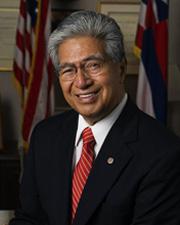
Mr. President, I am pleased to join with my good friend and distinguished colleague from Massachusetts, Senator Kennedy, in introducing S. 2471, the proposed USERRA Enforcement Improvement Act of…
Mr. President, I am pleased to join with my good friend and distinguished colleague from Massachusetts, Senator Kennedy, in introducing S. 2471, the proposed USERRA Enforcement Improvement Act of 2007. This measure is intended to make substantial improvements in the manner in which claims made under the Uniformed Services Employment and Reemployment Rights Act of 1994--USERRA--are processed and to help ensure that individuals' complaints are addressed in a prompt and efficient manner.
Our troops are returning home from battle, and many of them seek to return to the jobs that they held prior to their military service, particularly those serving in Guard and Reserve units. USERRA, which is set forth in chapter 43 of title 38, U.S. Code, provides these servicemembers with certain protections. USERRA also sets out certain responsibilities for employers, including to reemploy returning veterans in their previous jobs.
As Chairman of the Senate Veterans' Affairs Committee, I held two hearings earlier this year on issues relating to veterans' employment, including one focusing exclusively on the pilot project for processing USERRA claims in the Federal sector and the jurisdictional questions involving the Department of Labor and the Office of Special Counsel. I must admit to being particularly upset with the volume of USERRA claims related to Federal service. It is simply wrong that individuals who were sent to war by their Government should, upon their return, be put in the position of having to do battle with that same Government in order to regain their jobs and benefits.
Out of those hearings, and an oversight hearing held by the Senate Health, Education, Labor, and Pension Committee, chaired by Senator Kennedy, we have learned a great deal about the manner in which USERRA claims are investigated, resolved, or referred to other appropriate entities for enforcement actions. By and large, the process is seamless and frequently involves employer education in terms of helping them understand their obligations under the law. Still too often, many claims are quite complicated and involve what are sometimes called ``escalator claims,'' where an individual is seeking to be re-instated in a position with quite complicated benefits, seniority, health care and fiduciary issues. I believe that anytime an individual is denied their USERRA rights is one time too many. However, I understand that the confusion and misunderstanding that can exist for the employer-- particularly a small employer or one who may only have one employee who is a member of the Guard or reserve--can be frustrating.
The legislation we are introducing today seeks to establish reasonable time frames for the USERRA process. When veterans turn to the government to protect their employment rights, they deserve solutions, not delays. It is my hope that this legislation will assist the federal government in protecting the employment rights of veterans.
Our legislation would, in brief, require those filing complaints to be notified within 5 days of the establishment of a claim, require that complaints be investigated and a decision made with respect to the need for further referral within 90 days, and require prompt referral to other agencies. The Government Accountability Office would be required to submit quarterly reports on the processing of claims. Finally, data collected by the Employers' Support of the Guard and Reserve, a voluntary organization within the Department of Defense, would be required to be included in the Secretary of Labor's annual report on USERRA. With respect to this ESRG reporting requirement, it should be noted that this provision has already passed both bodies in the context of the pending conference agreement on the National Defense Authorization Act for fiscal year 2008, and it is included here in the event that legislation is not enacted.
I stress that our goal is to improve the current process. We want in no way to place strictures on the program that might result in less than satisfactory consideration and pursuit of claims. I intend to pursue the concerns of all of those involved in these claims--the Departments of Labor, Defense, and Justice, the Office of Personnel Management and the Office of the Special Counsel--through the legislative process in the next session. Should the need for refinements in the measure as it is introduced today become apparent, they will be carefully considered. I know that the Senator from Massachusetts will join me in that endeavor.
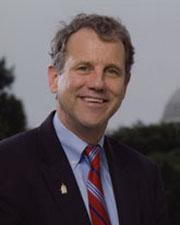
Mr. President, today, I am introducing, along with Senator Cornyn, an important bill--the Catalyst for Better Diabetes Care Act-- that will enhance and better coordinate our Nation's fight against…
Mr. President, today, I am introducing, along with Senator Cornyn, an important bill--the Catalyst for Better Diabetes Care Act-- that will enhance and better coordinate our Nation's fight against diabetes.
It is estimated that one out of every three Americans born after the year 2000 will develop diabetes in their lifetime. This startling statistic should be reason enough for this body to act swiftly and decisively on this issue. We must increase our investment into this deadly and costly disease before the epidemic reaches overwhelming proportions. The Catalyst for Better Diabetes Care Act marks an important step in this effort by focusing the government's attention on specific areas in diabetes care that can and must be improved.
First, we must ensure that all Americans are aware of the importance and availability of diabetes screening. Like any preventable and manageable disease, early diagnosis of diabetes is key. Yet millions of Americans--nearly a third of the 20-plus million Americans with diabetes--have diabetes but don't know it. Recognizing the enormity of this problem, many of us in Congress fought hard in recent years to include a diabetes screening benefit in Medicare, a program that already spends a third of its total budget on diabetes patients. Now the challenge is to ensure that Americans are fully utilizing this and other screening opportunities, which is exactly what this bill aims to do. By establishing a collaboration and outreach program within the Department of Health and Human Services, HHS, this act would help reduce the number of Americans with diabetes who remain undiagnosed.
The private sector also has a role to play in this fight. Thankfully, many companies have already started investing in employee wellness programs that reward pro-active, preventative care. With chronic diseases like diabetes driving up health insurance costs for individuals and employers, it is critical that new, pre-emptive approaches to health care are encouraged. This bill would create an advisory group in HHS to determine which wellness programs work and which do not, information that will encourage employers to provide effective diabetes prevention programs.
It is also critical to carefully monitor our effectiveness in combating diabetes and the impact of this disabling and deadly condition on our nation. With that information in hand, we will be far better equipped to determine the nature and scope of diabetes prevention and treatment strategies. The bill includes two key provisions to address this need. It would create a National Diabetes Report Card that provides crucial information on diabetes' impact on the nation. The report card would be published every 2 years. It would also take steps to ensure accurate data on diabetes morbidity and mortality. Diabetes is often not listed anywhere on death certificates as a cause of death. This bill would ensure the training of physicians on properly completing birth and death certificates and improving the collection of diabetes data.
Finally, this act would commission an Institute of Medicine study on diabetes medical education to ensure that physician training--which currently requires less than four hours of diabetes education--is keeping pace with the growing threat diabetes poses to the public's health. The study would make a recommendation as to the appropriate level of diabetes medical education that should be required prior to licensure, board certification, and board recertification.
Our country faces a tremendously challenging fight against diabetes, but it is one we can and will win. The Catalyst for Better Diabetes Care Act is a targeted and cost-effective bill that will push us toward victory. Let us act quickly and pass this bill.
Mr. Speaker, I want to thank my chairman and colleague from Arizona (Mr. Grijalva) and my neighbor from New Mexico (Mr. Pearce) for their assistance and support in helping us find a solution finally…
Mr. Speaker, I want to thank my chairman and colleague from Arizona (Mr. Grijalva) and my neighbor from New Mexico (Mr. Pearce) for their assistance and support in helping us find a solution finally today.
It has been 4 years in the making. I thank you, Mr. Grijalva and Mr. Pearce, for being a part of pushing this across the finish line.
Our intention today is to provide legislation to fix a problem that affects almost 40 small business men and women throughout Arizona, Utah, New Mexico and the Southwest who are devastated by this unfortunate contract mismanagement that the National Park Service and Pacific General, Inc. were involved in.
I know, Mr. Pearce, you remember from last Congress, in helping us finish on this, that many of these businesses are bankrupt today. Many of their sons and daughters aren't able to go to college because the Federal Government owes them money for work that they performed in the Grand Canyon. So today, we find a way to fix that with a technical correction in order for these subcontractors to get paid.
Mike Richardson, who is the owner of Southwest Water Works, located in Phoenix, Arizona, came before Congress, before your subcommittee last session. He testified, and he was able to bring this problem to the forefront. His dedicated assistance to bringing this matter before Congress should be commended.
After this time, the Washington Contracting and Procurement Office of the National Park Service performed an acquisition management review. In this review, the National Park Service discovered that the park had failed to ensure that PGI obtained the proper payments and performance bonds required by the National Park Service under the Miller Act. Then on February 6, 2004, the National Park Service suspended further payments to PGI, issued a suspension notice, and ceased activities with the contractor.
Unfortunately, as stated, the subcontractors were not paid for the work that they provided to the Federal Government. They fall into two categories. The first category consists of subcontractors that performed work on various projects where the National Park Service had already paid PGI for their work. Up to $1.3 million PGI did not pay to subcontractors. I think, as Congressman Grijalva talked about, there were $17 million paid overall to the contractor; $1.3 million never made its way down to these subcontractors.
The second category is composed of subcontractors who performed work on various projects where the National Park Service failed to pay PGI. The National Park Service has been unable to pay these contractors who performed the work at Grand Canyon because Federal law prohibits payments directly to subcontractors due to a lack of direct contractual relationship between the parties.
This bill today that Mr. Grijalva has championed, and Mr. Pearce, fixes this grave inequity.
I thank you so very much for your leadership, Mr. Grijalva and Mr. Pearce. I appreciate your service, and understanding these are small business men and women, Arizona, New Mexico and Utah, that will benefit from your leadership on this bill.
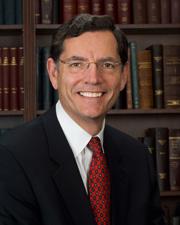
I am proud to introduce the Wyoming Forest and Watershed Restoration Act of 2007. This legislation authorizes cooperative action between the U.S. Forest Service and the State of Wyoming to complete…
I am proud to introduce the Wyoming Forest and Watershed Restoration Act of 2007. This legislation authorizes cooperative action between the U.S. Forest Service and the State of Wyoming to complete forest health projects on private, State and Federal lands.
Almost half of Wyoming's lands are controlled by Federal agencies. We have over 9 million acres of National Forest lands in Wyoming, including seven National Forests. Our State has a long history of forestry, grazing and multiple use of public lands. Recreation and tourism on our public lands is a pillar of our economy. The people of Wyoming are stewards of our public lands and our State depends on the public lands for our future.
It is my goal to enact common-sense policies that address the needs of Wyoming and sustainable management of our Federal lands. Our forests, like those of all States across the West, are facing management challenges. We have an opportunity to set policies that will encourage forest health.
We face an urgent problem with bark beetle infestation. Forests between Interstate 70 in Colorado and Interstate 80 in Wyoming are being killed by these beetles. We have thousands upon thousands of acres that are dying. On the Medicine-Bow Forest, for instance, over 75,000 acres of trees are infected by bark beetles. Forest Service analysis shows the epidemic could grow to 350,000 acres and cover approximately \1/3\ of the forest in the next few years.
We can stem the spread of this infestation and save our forests, with quick action on thousands of acres. That kind of response will take coordinated management among all partners private, State, and Federal. Preventing forest fires, addressing watershed health and conserving wildlife habitat require the same ``big picture'' thinking. We have to address threats like bark beetles by taking on forest health projects on a landscape level.
Resource issues don't stop at fencelines, and neither should our policy.
The Wyoming Forest and Watershed Restoration Act of 2007 would set in place a comprehensive management policy. This act would allow the State of Wyoming to go forward with forest health projects as agreed to by the Forest Service. The agencies can cooperatively pursue projects that address our landscape needs. Private, State, and Federal lands can get the on-the-ground management they desperately need.
I am pleased to introduce this legislation today. It is of great importance to the people of Wyoming. I hope my colleagues will proceed quickly with its passage to enhance our State's response to the growing forest health problems. The people of Wyoming demand on-the-ground results. This legislation can deliver those results. I hope we can pass it expediently.
Mr. President, I ask unanimous consent that the text of the bill be printed in the Record.

Mr. President, I would like to announce for the information of the Senate and the public that a hearing has been scheduled before Committee on Energy and Natural Resources Subcommittee on National…
Mr. President, I would like to announce for the information of the Senate and the public that a hearing has been scheduled before Committee on Energy and Natural Resources Subcommittee on National Parks.
The hearing will be held on November 8, 2007, at 2:30 p.m. in room SD-366 of the Dirksen Senate Office Building.
The purpose of the hearing is to receive testimony on the following bills: S. 86, to designate segments of Fossil Creek, a tributary to the Verde River in the State of Arizona, as wild and scenic rivers; S. 1365, to amend the Omnibus Parks and Public Lands Management Act of 1996 to authorize the Secretary of the Interior to enter into cooperative agreements with any of the management partners of the Boston Harbor Islands National Recreation Area, and for other purposes; S. 1449, to establish the Rocky Mountain Science Collections Center to assist in preserving the archeological, anthropological, paleontological, zoological, and geological artifacts and archival documentation from the Rocky Mountain region through the construction of an on-site, secure collections facility for the Denver Museum of Nature & Science in Denver, Colorado; S. 1921, to amend the American Battlefield Protection Act of 1996 to extend the authorization for that Act, and for other purposes; S. 1941, to direct the Secretary of the Interior to study the suitability and feasibility of designating the Wolf House, located in Norfolk, Arkansas, as a unit of the National Park System, and for other purposes; S. 1961, to expand the boundaries of the Little River Canyon National Preserve in the State of Alabama; S. 1991, to authorize the Secretary of the Interior to conduct a study to determine the suitability and feasibility of extending the Lewis and Clark National Historic Trail to include additional sites associated with the preparation and return phases of the expedition, and for other purposes; S. 2098, to establish the Northern Plains Heritage Area in the State of North Dakota; S. 2220, to amend the Outdoor Recreation Act of 1963 to authorize certain appropriations; and H.R. 1191, to authorize the National Park Service to pay for services rendered by subcontractors under a General Services Administration Indefinite Deliver/Indefinite Quantity Contract issued for work to be completed at the Grand Canyon National Park.
Because of the limited time available for the hearing, witnesses may testify by invitation only. However, those wishing to submit written testimony for the hearing record should send it to the Committee on Energy and Natural Resources, United States Senate, Washington, DC 20510-6150, or by email to rachel<pasternack@energy.senate .gov.
For further information, please contact David Brooks at (202) 224- 9863 or Rachel Pasternack at (202) 224-0883.
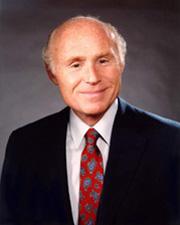
Mr. President, I rise today to bring attention to the hidden fees associated with 401(k) plans, an important issue affecting the retirement security of millions of Americans. These fees, currently…
Mr. President, I rise today to bring attention to the hidden fees associated with 401(k) plans, an important issue affecting the retirement security of millions of Americans. These fees, currently not disclosed to plan participants, can have a drastic effect on one's retirement savings.
More and more Americans are relying on defined contribution plans, such as 401(k) plans, to provide their retirement income. Although these plans have only been in existence since the 1980s, they now cover over 50 million people and exceed $2.5 trillion in total assets. Of those private sector workers with any type of retirement benefit; two thirds have only their 401(k) savings to secure their financial wellbeing in retirement.
Although 401(k)s have become the primary pension fund for most Americans, there are few requirements for fee disclosure to fund managers, and there are absolutely no regulations requiring that plan participants be notified about how much they are paying in fees. Most fees are either absent or obscured in participant statements and investment reports. Not surprisingly, studies have shown that fewer than one in five participants know the fees they are paying. Unfortunately, this lack of disclosure and lack of understanding can have serious consequences on an individual's retirement savings.
The slightest difference in fees can translate into a staggering depletion in savings, greatly affecting one's ability to build a secure retirement. According to the Congressional Research Service, families who save their retirement funds in high-fee accounts could have one- quarter less in retirement than those who work for employers who offer low-fee accounts. For couples who save over their entire lifetime, the CRS study found that an annual fee of 2 percent could reduce savings by nearly $130,000, compared to a more reasonable fee of 0.4 percent.
Today, Senators Harkin and I are introducing the Defined Contribution Fee Disclosure Act of 2007. We believe consumers have the right to clearly know how much products and services are costing them. Our bill will help shed some light on these fees by requiring complete transparency to both employers and participants. This will allow employers to negotiate with pension fund managers, in order to get the lowest possible fees for their employees. Participants will be able to make informed choices between investment options and potentially increase their retirement savings by thousands of dollars. Ultimately, this legislation will help lower costs for everyone by fostering competition among pension managers.
I strongly encourage my colleagues to cosponsor this measure.
Mr. Speaker, I rise today in strong support of H. Res. 726, to prevent and respond to acts of rape and sexual violence in the Darfur conflict region. This resolution calls on the President and the…
Mr. Speaker, I rise today in strong support of H. Res. 726, to prevent and respond to acts of rape and sexual violence in the Darfur conflict region. This resolution calls on the President and the international community to recognize and respond to the horrific acts of sexual violence that are being committed by the Sudanese armed forces, the associated Janjaweed militia, and other armed combatants with alarming regularity. Women and girls in the crisis-affected region currently lack the medical and psychological services necessary to survive and recover from these personal atrocities. Today, Congress seeks to provide them with these basic services, and states our belief that the U.S. and the international community must continue applying pressure to the government in Khartoum to stop the use of rape and sexual violence as a tool of war.
The United Nations has recognized that rape is being used as a systematic weapon of war and that combatants are encouraged to employ it as yet another way to brutally terrorize a population. The impact on the individual, however, must not be forgotten. Rape not only brutalizes the woman, it can also rob her of her dignity and privacy, often leading to her being shunned by her family and community. The international community has thus far been unable to prevent sexual violence from becoming an almost daily event in many conflicts, including the one in Darfur. So when Congress has an opportunity to protect and aid the victims of these attacks, we must do so.
This bill calls on the President and international community to develop the Women and Girls of Darfur Initiative that would provide health care services, medical supplies, and psychological counseling to women in the conflict-affected region. The resolution also calls for preventative measures such as ensuring that a hybrid United Nations- African Union peacekeeping force is deployed to protect women and girls from acts of rape and sexual violence. Since the Sudanese Government refuses to provide its own women this protection, the hybrid peacekeeping force must be accorded all the necessary resources, including the $724 million that the U.S. has pledged to fund the U.N.'s mission in Darfur.
I sincerely hope my colleagues will join me and over 100 other cosponsors of this bill in fulfilling our moral obligation to protect the basic human rights of the women and girls in Darfur and the surrounding region.
Show 4 more
Mr. Speaker, I move to suspend the rules and pass the bill (H.R. 1191) to authorize the National Park Service to pay for services rendered by subcontractors under a General Services Administration…
Mr. Speaker, I move to suspend the rules and pass the bill (H.R. 1191) to authorize the National Park Service to pay for services rendered by subcontractors under a General Services Administration Indefinite Deliver/Indefinite Quantity Contract issued for work to be completed at the Grand Canyon National Park, as amended.
Mr. Speaker, I ask unanimous consent that all Members have 5 legislative days to revise and extend and include extraneous material on the bill under consideration.
Mr. Speaker, during fiscal years 2002 and 2003, Grand Canyon National Park entered into construction contracts worth $17 million with a general contractor called Pacific General, Incorporated, known as PGI.
In January 2004, numerous subcontractors employed by PGI notified National Park Service that they were not receiving payment. After an investigation, it was discovered that PGI was diverting Federal funds which should have gone to the subcontractors. PGI eventually declared bankruptcy.
It was further discovered that in a clear violation of Federal policies, the park had failed to require PGI to post a surety bond as a condition of the contract. The agency is now prohibited from paying the subcontractors directly because the funds appropriated for those contracts have already been paid to PGI. Overall, the subcontractors are owed about $1.3 million. H.R. 1191 authorizes the Secretary to use $1.3 million in available funds from Grand Canyon National Park to pay the subcontractors. Applicants for the funds would have to verify the amount they are owed, demonstrate that they have exhausted all reasonable legal avenues to recoup amounts owed to them by PGI, and provide written statements that the amount they are seeking represents payment in full.
Mr. Speaker, this is an imperfect solution to a difficult problem. However, these small business owners who provided quality services to the Federal Government in good faith should not have to wait any longer to receive payment.
My colleague from Arizona, Representative Renzi, is to be commended for his efforts on behalf of these small business people. Similar legislation
was approved by the House in the 109th Congress, and we urge its passage today.
Mr. Speaker, I reserve the balance of my time.
Mr. Speaker, again let me commend the gentleman from Arizona (Mr. Renzi) for this legislation.
Mr. Speaker, I yield back the balance of my time.
Mr. President, I rise today to offer legislation to allow seven States to more aggressively address the health and safety issues that threaten the citizens in their State, and do so immediately. I…
Mr. President, I rise today to offer legislation to allow seven States to more aggressively address the health and safety issues that threaten the citizens in their State, and do so immediately. I commend my fellow Kansas colleague, Congresswoman Nancy Boyda, for introducing similar legislation in the House.
Last December, Congress passed amendments to the Surface Mining Control and Reclamation Act in the Tax Relief and Health Care Act of 2006 to extend the Abandoned Mines Land Trust Fund for 15 additional years. These amendments established a new distribution formula that works through a 4 year,program that phases in funding. Unfortunately, there are currently seven States that do not meet the active mining threshold to meet the minimum funding threshold. Today, I offer legislation that would allow ``minimum program states'' like Kansas to receive their full funding levels of $3 million starting in the fiscal year 2008, instead of requiring the minimum States to follow the percentage distribution formula. This legislation will assist several other States including Missouri, Iowa, Arkansas, Oklahoma, Alaska, and Maryland. With this funding, States can begin to protect their residents from the dangers of abandoned mines sooner rather than later.
Mr. President, today I am introducing the National Forests, Parks, Public Land, and Reclamation Project Authorization Act of 2007, a collection of approximately 50 individual bills under the…
Mr. President, today I am introducing the National Forests, Parks, Public Land, and Reclamation Project Authorization Act of 2007, a collection of approximately 50 individual bills under the jurisdiction of the Committee on Energy and Natural Resources. All of the individual provisions included in this bill have been passed by the House of Representatives, and most have also been favorably reported from the Energy and Natural Resources Committee. I believe everything included within this bill is non-controversial and it is my hope that the Senate will pass this bill expeditiously.
Mr. President, I ask unanimous consent that a table listing the various measures included in this bill be printed in the Record.
Mr. Speaker, I rise to thank the majority, Mr. Grijalva, for his support of H.R. 1191, and I would yield such time as he may consume to the distinguished author of the bill, the gentleman from…
Mr. Speaker, I rise to thank the majority, Mr. Grijalva, for his support of H.R. 1191, and I would yield such time as he may consume to the distinguished author of the bill, the gentleman from Arizona (Mr. Renzi), who has worked tirelessly for 4 years on this bill.
Mr. Speaker, I would yield back the balance of my time.
Bill Text
4 versions available
        [Congressional Bills 110th Congress]
[From the U.S. Government Printing Office]
[H.R. 1191 Reported in Senate (RS)]

Calendar No. 671
110th CONGRESS
2d Session
H. R. 1191

[Report No. 110-319]

_______________________________________________________________________

IN THE SENATE OF THE UNITED STATES

April 18, 2007

Received; read twice and referred to the Committee on Energy and
Natural Resources

April 10, 2008

Reported by Mr. Bingaman, without amendment

_______________________________________________________________________

AN ACT

To authorize the National Park Service to pay for services rendered by
subcontractors under a General Services Administration Indefinite
Deliver/Indefinite Quantity Contract issued for work to be completed at
the Grand Canyon National Park.

Be it enacted by the Senate and House of Representatives of the
United States of America in Congress assembled,

SECTION 1. DEFINITIONS.

As used in this Act, the following definitions apply:
(1) IDIQ.--The term ``IDIQ'' means an Indefinite Deliver/
Indefinite Quantity contract.
(2) Park.--The term ``park'' means Grand Canyon National
Park.
(3) PGI.--The term ``PGI'' means Pacific General, Inc.
(4) Secretary.--The term ``Secretary'' means the Secretary
of the Interior, acting through the Director of the National
Park Service.

SEC. 2. AUTHORIZATION.

The Secretary is authorized, subject to the appropriation of such
funds as may be necessary, to pay the amount owed to the subcontractors
of PGI for work performed at the park under an IDIQ with PGI between
fiscal years 2002 and 2003, provided that--
(1) the primary contract between PGI and the National Park
Service is terminated;
(2) the amount owed to the subcontractors is verified;
(3) all reasonable legal avenues or recourse have been
exhausted by the subcontractors to recoup amounts owed directly
from PGI; and
(4) the subcontractors provide a written statement that
payment of the amount verified in paragraph (2) represents
payment in full by the United States for all work performed at
the park under the IDIQ with PGI between fiscal years 2002 and
2003.
Calendar No. 671

110th CONGRESS

2d Session

H. R. 1191

[Report No. 110-319]

_______________________________________________________________________

AN ACT

To authorize the National Park Service to pay for services rendered by
subcontractors under a General Services Administration Indefinite
Deliver/Indefinite Quantity Contract issued for work to be completed at
the Grand Canyon National Park.

_______________________________________________________________________

April 10, 2008

Reported without amendment