Snoqualmie Pass Land Conveyance Act

Legislative Activity
Stay on top of the latest movement without scrolling through every action
Placed on Senate Legislative Calendar under General Orders. Calendar No. 811.
June 16, 2008
View full timeline
Introduced in House
March 1, 2007
Referred to the House Committee on Natural Resources.
March 1, 2007
Referred to the Subcommittee on National Parks, Forests and Public Lands.
March 5, 2007
Committee Consideration and Mark-up Session Held.
June 28, 2007
Ordered to be Reported (Amended) by Voice Vote.
June 28, 2007
Subcommittee on National Parks, Forests, and Public Lands Discharged.
June 28, 2007
Reported (Amended) by the Committee on Natural Resources. H. Rept. 110-249.
July 23, 2007
Placed on the Union Calendar, Calendar No. 158.
July 23, 2007
Mr. Grijalva moved to suspend the rules and pass the bill, as amended.
July 23, 2007 • 12:21 PM
Considered under suspension of the rules. (consideration: CR H8194-8195)
July 23, 2007 • 12:21 PM
DEBATE - The House proceeded with forty minutes of debate on H.R. 1285.
July 23, 2007 • 12:21 PM
Passed/agreed to in House: On motion to suspend the rules and pass the bill, as amended Agreed to by voice vote.(text as passed in House: CR H8194)
July 23, 2007 • 12:23 PM
On motion to suspend the rules and pass the bill, as amended Agreed to by voice vote. (text as passed in House: CR H8194)
July 23, 2007 • 12:23 PM
Motion to reconsider laid on the table Agreed to without objection.
July 23, 2007 • 12:23 PM
Received in the Senate and Read twice and referred to the Committee on Energy and Natural Resources.
July 24, 2007
Committee on Energy and Natural Resources Subcommittee on Public Lands and Forests. Hearings held.
February 27, 2008
Committee on Energy and Natural Resources. Ordered to be reported without amendment favorably.
May 7, 2008
Committee on Energy and Natural Resources. Reported by Senator Bingaman without amendment. With written report No. 110-379.
June 16, 2008
Placed on Senate Legislative Calendar under General Orders. Calendar No. 811.
June 16, 2008
Floor Debate
21 membersWhat members said about H.R. 1285 on the floor
 SJL
SJL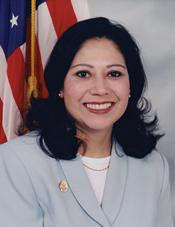 HLS
HLS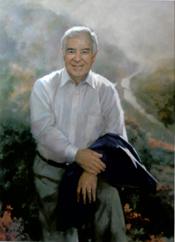 NJR
NJR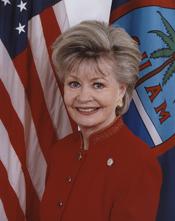 MZB
MZB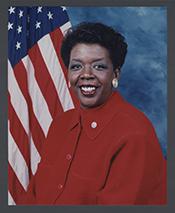 STJ+16
Floor Debate
21 membersWhat members said about H.R. 1285 on the floor
Let me thank my distinguished colleague from Cleveland, Ohio, the chairwoman of the Ethics Committee, and as well the first African American woman, only African American woman on the Ways and Means…
Let me thank my distinguished colleague from Cleveland, Ohio, the chairwoman of the Ethics Committee, and as well the first African American woman, only African American woman on the Ways and Means Committee. These two distinctive positions are so important, one, for the health of this body, the Ethics Committee, and two, for the great city that she represents. And I might compete with her, she has the Cleveland Clinic; I have the Texas Medical Center. And I know that we have had the opportunity to work with each other, and I want to thank her for what I think is an enormously important Special Order.
I want to begin, as many of my colleagues have begun, and I want to acknowledge the chairwoman of the Congressional Black Caucus, Congresswoman Kilpatrick, for the importance of putting a face on the issue of disparities in health care.
In doing that, I'm reminded of the language in the beginning of the Constitution that the Founding Fathers organized to create a more perfect Union. But as they struck out on faith to establish this fledgling United States of America, only 13 colonies, feeling the redcoats breathing down their backs, afraid that at any moment this very fragile government might be toppled, they had enough courage to declare some words that I believe, if this Congress would use it as a moral compass, these issues of Congresswoman Stephanie Tubbs Jones would be very clear, and those are the words of the Declaration of Independence that said we all are created equal with certain inalienable rights; the right to pursue life, liberty and the pursuit of happiness. We are all created equal with certain inalienable rights; the rights of life, liberty and the pursuit of happiness.
Clearly, health care is intimately involved in life and the pursuit of happiness. And so in actuality, the Founding Fathers put down a marker of what kind of Nation they wanted this to be. Tragically, over the last years, when our good friends were involved, many of the serious issues of health care were diminished in terms of care and funding. And so it is important that we stand here tonight to be able to lay down the challenge and the charge that we are here to fix it up. We are here to make it right. We are here to correct some of the ills, governmental ills, budgetary ills that have caused health care to be diminished.
And let me cite some important statistics that represent the districts of individuals in this body coming from the south, coming from the midwest, coming from the far west, next to Texas, and parts of the mountain area.
The cost of the war in one district is costing $1 million. And out of that waste of money in the Iraq war, we would be able to provide people with health care: 336,000 adults and 527,000 children, plus, with health care.
Another district, the war is costing them $1.2 million, plus. We would be able to provide 420,000 people with health care if that war was ended, 758,000 children.
Another district, the war is costing them $1.1 million--755,000 people would be able to have health care and 633,000 children. Another district, $812,000 it's costing them, and we would be able to provide 310,000 adults with health care, and children, 502,000.
So, we can already see that we would be able to provide thousands, hundreds of thousands of Americans with health care and hundreds of thousands of children with health care if we, first of all, brought our troops home and ended the Iraq war.
Now, why should we be concerned with that? And the Congressional Black Caucus has gone on the record on questions of disparities in health care. And I might say that this whole issue of disparities is not just an issue of race; it's an issue of dealing with economics. It is the kind of health care that poor people are able to manage to get versus those who are covered, who have means. Some people have means where they pay outright for the care. The Texas Medical Center, for example, has long-time hosted international patients who outright pay for good care. We don't have that luxury here in the United States for many of those who are struggling.
And I might give you just a real-life example, Mr. Speaker, having left my home district and had the challenge and the desire to visit constituents who were ailing. They are now surviving because they happen to be individuals who had the care and the sophistication of family members who could get them to a spot that would, in fact, determine what was the final need of their care. Mr. Speaker, they had a disastrous cancerous organ that was not initially found, and they could have died. But because they had the means, they were able to go through test after test, and one expensive test that is rarely given, an MRI, was able to find that cancerous organ, their life has been saved. Another person with a severe injury or severe disease was able to be cared for and is in the best of care because of means. They live today. But that is not the case in the question of disparities on economics, what you make, and also on race.
I'm very glad to be part of the CBC effort and Health Task Force to focus on ensuring that the Ryan White CARE Act is passed with language that emphasizes minority HIV organizations.
I believe in fixing health care disparities on the ground. I have organized a series of testing activities or actions to engage the community in being tested. Our first effort with a church, 245 persons were tested. And our message is that HIV testing is not a one-shot deal. Just recently, a good friend, Representative Borris Miles, was able to get 7,000, or thousands of persons tested, possibly 7,000 persons, for HIV. We are going to launch another effort of testing and a campaign that says ``HIV testing is not a one-shot deal.''
I am a strong supporter of believing in the Health Centers Renewal Act of 2006. For the time that I have been here, I have emphasized that we have not enough community-based health clinics that were privately owned in neighborhoods accessible to grandmothers and young mothers with children. And we have worked hard to ensure that more community health centers come to Houston, Texas.
I'm proud that in my own congressional district we've opened one in Fifth Ward. We've opened two that are under the auspices of the Martin Luther King Community Center that I worked with and kept their doors open with a $400,000 grant from HHS in the early years of my congressional career. This is a stopgap to the disparities in health care, allowing those in the community to have immediate access to health care.
Then, of course, one of the largest, if I might use the term, Mr. Speaker, ``elephants'' in the room, is the question of obesity in America. As the cochair of the Congressional Children's Caucus, we have worked on the issue of obesity in children. I was very proud to join Congressman Donald Payne for a very thoughtful, forward-thinking session on obesity in New Jersey, and providing remarks dealing with the question of obesity in our children. And it is a disparity in health care as it relates to Hispanic and African American children who are victimized, if you will, in large numbers by the lack of nutritious food that generates an overweight child. That turns into hypertension as an adult, type II diabetes, coronary heart disease, stroke, gallbladder disease, asthma, bronchitis, sleep apnea, and other respiratory diseases.
There are also increases in overweight among children and teens. For
children age 2 to 5, the prevalence of overweight increased from 5 percent to 13 percent; 6 to 11 years, prevalence increased from 6.5 percent to 18.8 percent; and for age 12 to 19 years, 5 percent to 17.4 percent.
We're working to ensure in the agricultural reauthorization bill that's coming forward that school lunches and school breakfasts are nutritious. That has to be for those children who are poor and are dependent upon those meals as sometimes their only meal.
I passed legislation that involved the creation of an Office of Minority Populations that still stands today, and the idea is to keep the question of disparities in health care before Health and Human Services regardless of who the Secretary is. We can do better in this Congress.
And there are issues dealing with our veterans. I'm very pleased that my VISTA bill was marked up in the veterans which provides added resources for visually impaired veterans in order to assist them in the care of those who are impaired by their recent, if you will, deployment to Iraq and those who are veterans who have suffered injury or have lost their sight.
But we come now to the issue of the SCHIP, which is in the process of being reauthorized. And the difficulty, of course, is that we need to emphasize the crucialness of SCHIP in the Nation and in our States. I believe that the work of the Congressional Black Caucus and all of us in our respective States is a telling answer to health care for children who are at a certain economic level.
Tragically, the State of Texas, after the passage of the 1997 budget resolution which created SCHIP, was one of those States that turned back $400 million because they could not enroll the children. As we move forward, I want to make sure that we move forward on the package that will cover 6 million children. I would like to see us go up to 9 million, but I think we need to look at process. I hope that we do not privatize and make this a market-based program so that people can stuff their pockets with money.
This should be a program that goes directly to these families. Any State that fails to enroll should be penalized by the State's having to refund their own tax dollars, not the money sent for the children. Let us not penalize the children, but let us cause those States to pay fines for their inertia and their inability to enroll these children. I hope that we will have that kind of reform.
Let me close by suggesting that we have an enormous road to take on health care. I am gratified that I hear more African Americans and Hispanics and others of a certain economic level who are prone to these disparities in health care talking about eating right, talking about an intake of less red meat. For those who are on the ranches, and I am from Texas, a good steak is a good thing to have. But to focus on vegetables, and some people have become vegetarians and are drinking water. These are elements that can encourage good health care.
For those of us who have our schedule here in Washington, D.C., a little walking, a little exercise would be good as well. We should probably look at ourselves in the mirror and try to improve our own health status. We have the capability and capacity if and when some health matter would come to our attention, that is a personal matter, but we must speak for the millions of Americans, 44 million, that are uninsured, that do not have access to health care. I do believe that it is time to move for universal access to health care.
So as we move in the 110th Congress and complete this session, I would say to all of my colleagues, be reminded of the Declaration of Independence; we all are created equal with certain inalienable rights of life, liberty and the pursuit of happiness. Health care has to be a constitutional issue and a right for Americans.
Certainly for the least of those we must stand ready to provide them with a strong and forceful statement and action on health care in America. We should have the SCHIP passed without hindrance and without a market-based approach. We should pass universal access to health care so that all Americans, all Americans, can have the ability to be blessed with the virtues of the pursuit of happiness and have good health care.
Mr. Speaker, let me thank my colleague for yielding. Might I also suggest that we have our marching orders at this point, that we will not take a ``no'' on passage of the SCHIP out of this House. We want to see universal access to health care come to the floor.
On the disparity question, I am looking forward to the Congressional Black Caucus and the Tri-Caucus health disparity bill being made in regular order and being brought to this floor as soon as possible.
Mr. Speaker, we must save lives. We must.
Mr. Speaker, I rise in support of Special Order to recognize the importance of closing the racial and ethnic health disparities in this country. It is crucial that we continue to bring awareness to the many health concerns facing minority communities and to acknowledge that we need to find solutions to address these concerns. My colleagues in the Congressional Black Caucus and I understand the very difficult challenges facing us in the form of huge health disparities among our community and other minority communities. We will continue to seek solutions to those challenges. It is imperative for us to improve the prospects for living long and healthy lives and fostering an ethic of wellness in African-American and other minority communities. I wish to pay special tribute to my colleague, Congresswoman Donna Christensen, the Chair of the CBC Health Braintrust, for leading the Congressional Black Caucus in its efforts to bring attention to the health challenges facing minority communities. I thank all of my CBC colleagues who have been toiling in the vineyards for years developing effective public policies and securing the resources needed to eradicate racial and gender disparities in health and wellness.
Let me focus these brief remarks on what I believe are three of the greatest impediments to the health and wellness of the African-American community and other minority communities. The first challenge is to provide everyone access to healthcare. This includes supporting the reauthorization and expansion of the State Children's Heath Insurance Program (SCHIP) so that all of our children who need health insurance will receive it. The second challenge is combating the scourge of HIV/ AIDS. The third challenge is to reverse the dangerous trend of increasing obesity in juveniles and young adults.
differential access may lead to disparities in quality; support for
healthcare legislation--h.r. 676
Across this great Nation the health disparities between minority and majority populations are staggering. Most major diseases--diabetes, heart disease, prostate cancer, HIV/AIDS, low-birth weight babies--all hit minority communities harder. As minorities, we constantly have had to endure decreased access to care, and often of lesser quality care, than do members of the majority race in America.
h.r. 676, ``the united states national health insurance act''
Earlier this year, I was proud to be an original cosponsor of H.R. 676, ``The United States National Health Insurance Act.'' This Act would allow for every American to receive heath insurance. You, the American people called for universal health care, as it was one of the most prominent issues for Americans in the 2006 election.
The need for a high-quality, accessible and affordable health care system has never been more urgent. There are currently 47 million uninsured Americans, 8 million of whom are children. Another 50 million are underinsured. Although the U.S. spends twice as much on health care per capita as countries with universal coverage, the World Health Organization ranks us 37th in overall health system performance. Major American corporations such as General Motors bear the brunt of an outdated health care system because they are at a competitive disadvantage relative to their international counterparts who pay less for health care. A Harvard study found that almost half of all bankruptcies are partially or fully related to health care bills.
Our plan, H.R. 676, ``The United States National Health Insurance Act,'' guarantees every resident of the United States access to a full range of medically necessary services, including primary care, prescription drugs, mental health care and long term care. The role of the government would be limited to collecting revenues and disbursing payments; care would continue to be delivered privately. Patients could continue to use the same hospital, physician or health clinic from which they currently receive services. H.R. 676 is supported by over 210 labor unions and more than 100 grassroots groups across the country. The former editor of the New England Journal of Medicine, two former U.S. Surgeons General and 14,000 physicians support national health insurance.
health equity and accountability act of 2007
I also strongly support the Health Equity and Accountability Act of 2007, an important bill that my colleague Congresswoman Donna Christensen has crafted to address the health disparities we face in our community. This bill will provide for:
Creation of Regional Minority Centers of Excellence Programs in medically underserved regions of the country
Creation of Health Information Technology Zones
Data Collection and Analysis Grants for Historically Black Colleges and Universities, Hispanic Services Institutions, and Tribal Colleges and Universities, and Asian American and Pacific Islander-serving institutions with accredited public health, health policy or health services research programs
Reauthorization of the National Center for Minority Health and Health Disparities
Expansion of funding the Minority AIDS Initiative ($610 million)
Grants for Racial and Ethnic Approaches to Community Health
Access to programs and activities and establishes support center to those with limited English proficiency and ensures antidiscrimination provisions and sets standards for these services, such as hiring bilingual staff and informing patients of their rights in their primary language.
Federal agencies that carry out health related activities are mandated to adopt a guidance model on language services.
The Secretary is required to conduct a demonstration project in no less than 30 states or territories showing the impact of costs and health outcomes to those with limited English proficiency.
Grants to improve healthcare for those with communities with low functional literacy.
The preparation and publication of a report that describes government efforts to provide access to culturally and linguistically appropriate healthcare services including an evaluation of activities and an explanation of best practices and models.
DHHS will be responsible for submitting a report on health workforce diversity with descriptions of any grant support provided for workforce diversity initiatives.
Establishment of a technical clearinghouse for health workforce diversity with statistical information, model health workforce programs, admissions policies, etc.
Evaluation of workforce diversity initiatives, data collection and reporting by health professional schools, and supporting institutions committed to workforce diversity.
Providing career development for scientists and researchers and for those non-research health professionals.
Provide cultural competence training for health care professionals.
To increase the number of individuals from disadvantaged backgrounds in health professions by enhancing their academic skills and supporting them in training.
Examination of providers and the delivery of culturally and linguistically appropriate services in geographic areas
Makes public the data collected and analyzed.
Grants to eligible institutions to conduct and coordinate research on the built environment and its influence on individual and population- based health.
Such a bill will go a long way in providing for the healthcare needs of minorities and will help to narrow the health disparity gap.
There is no reason why this country should continue down a dreadfully deleterious road of denying healthcare to any citizen of this country who needs it. Many of the health conditions, such as diabetes, obesity, kidney failure, cancer, hypertension and HIV/AIDS, the prevalence of which plagues our community the most, could be curtailed or even prevented if everyone had access to health insurance. I will continue to fight hard for the most effective policy measures that aim to narrow the racial health disparity gap.
It is a misconception that minority healthcare is just about helping minorities. Keeping Americans healthy ensures that children can stay in school and that their parents can go to work. It ensures that our emergency rooms are not glutted. It ensures that our hospitals are not wasting time and money chasing the uninsured with massive bills they cannot afford to pay anyway. Keeping Americans healthy ensures that all of our friends, neighbors, and loved ones can have longer, more productive lives to contribute to our communities and to our economy.
We all pay the cost of leaving people in America without health coverage. We cannot afford to pay that high cost any longer. The time for health equality is now. We need to work to improve access to care for people, in general, but there are also areas where more specific interventions are necessary.
I have worked to improve awareness on prostate cancer, and have worked with MD Anderson to help start clinics in Houston that will open access to quality affordable prostate screening and care. I have worked with Hepatitis C advocates in Houston, and across the Nation, to spread the word that Hep C is a silent killer that is cutting down our minority communities and our veterans. There is so much misinformation out there about Hep C. I am pushing the Government Accountability Office to do a full report on the Hep C problem so that we can work to stop this epidemic.
There is also a significant shortage of minority doctors, dentists, and health professionals of all sorts; a shortage that contributes significantly to quality healthcare access. It has been shown that people tend to seek care from people who look like them, and share similar backgrounds. So, the lack of diversity is not just a civil rights issue, it is an issue of health access. We need to boost minority enrollment in health professional programs.
Success will require young people to redouble their efforts to pursue their scholarly pursuits with a renewed commitment to health and medical research. I am very bullish on academic achievement. That is one reason why I was so interested in securing increased funding for science, technology, engineering, and mathematics education and research.
There are so many areas in which we need to work together and address the critical needs of the people who are being left out of our health care system. Putting energy and resources into decreasing health disparities is a solid investment, one that will reduce unnecessary suffering, and make our workforce and our society stronger. I pledge to you that I will continue to do my part. By your presence here today, I have no doubt you will continue to do yours. And together, we will see the eradication of serious health inequalities in our lifetimes.
We must ensure that all Americans have access to healthcare. Access to healthcare is an important prerequisite to obtaining quality care. Some access barriers, whether perceived or actual, can result in adverse health outcomes. Patients may perceive barriers to delay seeking needed care, resulting in presentation of illness at a later, less treatable stage of illness. For example, a usual source of care can serve as a navigator to the healthcare system and an advocate to obtain needed evidence-based preventive and health care services. Of the major measures of access, the lack of health insurance has significant consequences. Avoidable hospitalizations are a good example of the link between access and disparities in quality of care. These hospitalizations may reflect, in part, the adequacy of primary care. When health care needs are not met by the primary health care system, rates of avoidable admissions may rise. Many racial and ethnic minorities and individuals of lower socioeconomic status are less likely to have a usual source of care. As a result:
Hispanics and people of lower socioeconomic status are more likely to report unmet health care needs.
While most of the population has health insurance, racial and ethnic minorities are less likely to report health insurance compared with whites. Lower income persons are also less likely to report insurance compared with higher income persons.
Higher rates of avoidable admissions by blacks and lower socioeconomic position persons may be explained, in part, by lower receipt of routine care by these populations.
Many of these circumstances are the direct result of lack of heathcare coverage.
Mr. Speaker, I ask unanimous consent that all Members have 5 legislative days within which to revise and extend their remarks on the subject of my special order. Mr. Speaker, I thank the Speaker for…
Mr. Speaker, I ask unanimous consent that all Members have 5 legislative days within which to revise and extend their remarks on the subject of my special order.
Mr. Speaker, I thank the Speaker for the opportunity to serve as moderator for this special designated time for recognition under Special Orders for celebration of health care, and, in particular, the uninsured.
Tonight I have several colleagues who will be joining me to speak on different topics with respect to health care issues affecting minority communities. Just to give you a brief summary of some of the topics we will touch on, obviously reauthorization of SCHIP, language access, obesity, diabetes, cancer, tobacco, HIV and AIDS, health professions, community health workers, environmental health and Medicaid citizenship.
Mr. Speaker, tonight I rise to recognize National Minority Health Month. This week is Covering the Uninsured Week. Tonight you are going to hear from some of my colleagues representing the Congressional Black Caucus, the Congressional Hispanic Caucus and the Congressional Asian Pacific Islander Caucus and their efforts to improve health care in our communities.
Did you know that life expectancy and overall health have improved in recent years for large numbers of Americans due to an increase in and focus on preventive medicine and new advances in medical technology? However, not all Americans are faring that well, particularly communities of color, which continue to suffer from significant disparities in overall rate of disease incidence, prevalence, morbidity, mortality and survival rates in the population, as compared to the health status of the general population.
The National Minority Health Month was launched in an effort to eliminate health disparities and to improve health status of minority populations across the country. This month was created in response to Healthy People 2010, a set of comprehensive health objectives established by the U.S. Department of Health and Human Services. Disparities continue to persist, and we must eliminate health disparities by identifying significant opportunities to improve health care.
There are disparities in the burden of illness and death experienced by African Americans, Hispanic Americans, Asian Americans, Pacific Islanders, and American Indian and Alaskan Natives as compared to the U.S. population as a whole.
I am pleased to once again be working with my colleagues in the Congressional Black Caucus, the Hispanic Caucus, and the Congressional Asian Pacific Islander Caucus to develop a comprehensive tri-caucus health disparities bill. Our bill will address the importance of language access, health professions, training, data collection and health coverage for immigrants. Our colleagues in the Senate are also working on a disparities bill, and I hope that they too will pass legislation that will truly save the lives of millions of minorities. We must do more to better the health of our population, which includes all communities of color.
With that, I want to just briefly touch on this issue of the uninsured. Today marks the start of the fifth year of Covering the Uninsured Week. Although the United States has one of the best health care systems in the world, not everyone has the means to access our health care system. The number of uninsured people affects us all and is a national problem that needs a national solution.
We all know that lack of health insurance results in reduced access to care. Access can be defined as the ability to get to health services, receive service at the right time, and obtain the appropriate services necessary to promote the best health outcomes possible.
Reduced access could mean that someone is less likely to have regular sources of care, less likely to receive preventive services and more likely to use emergency departments as primary sources of care. The long-term consequences of reduced access to care include lower quality of life, higher mortality rates and the decline of the population's overall health.
Despite the growth of our economy, the number of uninsured persons continues to increase. In 2005, more than 44 million people were uninsured, and of that number, 14 million were Latinos.
The cost of private health insurance continues to rise astronomically, and we hear that every single day when we go back home to our districts. Health insurance premiums continue to rise by double- digit rates each year, and over 80 percent of the uninsured come from working families, people who are working and getting a paycheck. While two-thirds of uninsured children are eligible for public programs such as Medicaid and the SCHIP program, most are still uninsured.
These adults also are low-income populations who are not eligible for public programs but have incomes below 200 percent of the Federal poverty level. This group is composed predominantly of parents and childless adults who work but may have difficulty in obtaining and affording coverage. Due to the low Medicaid eligibility level for parents, many uninsured parents have children who qualify for public coverage but do not qualify, themselves, as parents. What an irony.
Members of racial and ethnic minority groups make up a large number, a disproportionate share, of the uninsured population. The uninsured rate for Latinos was 33 percent in 2005, 20 percent for African Americans and 18 percent for Asians and 30 percent for Native Americans. They lack health care coverage.
In addition to impacting health and the finances of the uninsured themselves, the lack of health care coverage has had repercussions for all of us in America. Many hospitals, as you know, are currently struggling under the strain of providing uncompensated emergency care to uninsured individuals.
In my own district in California, community health centers bear the brunt of responsibility for treating the uninsured. These community health centers are often the first place that the uninsured turn to when seeking health care services. These community health centers are a vital part of our health care safety net.
Poor health leads to poor financial status, and a never-ending cycle of low socioeconomic status often leads to poor health. The core values for a strong and secure America should include the right to universal access to affordable, high-quality health care for all.
In a country that prides itself on equality, it is evident that our health
care system is broken when people suffer from a lack of access to health insurance and to quality care. We must make health care services affordable and provide quality through linguistically and culturally competent services for all Americans. That must be our national priority.
I want to refer myself to the State Children's Health Insurance program, known by many as SCHIP, which covers currently 6 million children, building on Medicaid's coverage of 28 million children. However, statistically speaking, 9 million children remain uninsured.
Over the past decade, SCHIP and Medicaid together have reduced the uninsured rate among low-income children by one-third. We know that uninsured children are more likely to receive cost-effective preventive services and are healthier, which leads to greater success in school and life. Although programs such as SCHIP and Medicaid have decreased the number of uninsured children, the lack of funding and outreach efforts have left millions of those children ineligible without any coverage. Reducing disparities in children's access to health care is extremely important and should be one of our biggest priorities here in Congress.
For example, uninsured African American and Latino children are less likely to have a personal doctor and are more likely to forego needed medical care than any other group of uninsured children. More than half of insured African American children, 51 percent, and insured Latino children, 50 percent, are covered by Medicaid and SCHIP. Nearly 95 percent of eligible but uninsured children live in families with incomes below 200 percent of the Federal poverty level, which is $33,200 for a family of three, and over 40 percent of this population is Latino.
Enrollment in SCHIP has proven to reduce disparities in access to health care services as well as reducing the coverage gap for minority children. More than 80 percent of African American children and 70 percent of uninsured Latino children appear to be eligible for this public coverage, but currently are not enrolled.
Additional funding for SCHIP, as you know, is necessary for the coverage of all uninsured. SCHIP plays a critical role for children of color. After SCHIP was created back in 1997, the percent of uninsured children steadily declined from a high of 15.4 percent in 1998 to a low of 10 percent in 2004, and for racial and ethnic minorities the decline was remarkable. In 1998, roughly 30 percent of Latino children, 20 percent of African American, and 18 percent of Asian Pacific Islander children were uninsured. In 2004, those numbers had dropped to about 21 percent, 12 percent and 8 percent respectively.
In addition to reducing the coverage gap for minority children, SCHIP enrollment has helped to reduce disparities in access to health care services. For example, a study of children enrolled in New York's SCHIP program for one year found an almost complete elimination of these disparities and the number of children with unmet health care needs decreased. A study from California's SCHIP population confirmed those results as well. Across racial and ethnic groups, SCHIP enrollment was associated with a significant reduction in disparities and access to needed care.
We need adequate SCHIP reauthorization. Currently there is insufficient Federal funding for SCHIP to cover the children currently enrolled. We need additional money to cover them and to expand coverage to uninsured children who are eligible.
In order to expand health coverage for minority children, we also need to address the underlying barriers to enrollment in Medicaid and SCHIP that minorities are more likely to face; as an example, the distrust of government and a health care system where language may not be spoken adequately to the different groups that are affected. And misinformation about eligibility rules is often complicating the process for many who don't understand the paperwork.
Enrollment strategies targeted to minority communities, including the use of community health workers, known as promotoras, could help guide families through the enrollment process and have been proven to increase enrollment and reduce disparities. We must improve outreach efforts and simplify enrollment in order to reach the millions of unenrolled children from communities of color who are eligible for Medicaid and the SCHIP program. This year, with the reauthorization of SCHIP, this is an opportunity for us to address racial and ethnic disparities in children's access to health care. I hope that we can work together with our colleagues across the aisle to begin the debate and see that we reauthorize these programs that are so vitally needed.
I am very pleased this evening to have one of my colleagues, the gentlewoman from Guam, who has chaired the Congressional Asian Pacific Islander Caucus Task Force on Health who has joined me this evening. She has been a pioneer on health care access and will give us, I am sure, very informative data regarding the problems that are faced currently in the Asian Pacific Islander community. I welcome her this evening.
I gladly yield to the gentlewoman.
I thank the gentlewoman from Guam, and I would like to at this time thank her for her hard work and deliberations in the past few years as a strong member of the tri-caucus working on health care issues. I know she is going to continue to lead and be a voice for those underrepresented communities.
I would like to now recognize a very special individual who is Chair of our Subcommittee on Health on Energy and Commerce, but also plays a very important role in representing the Native Americans in our great country and that is the gentleman from New Jersey (Mr. Pallone).
I thank the gentleman from New Jersey for his kind words and knowledge and always helping Members to better organize their messages, particularly when it comes to health care and the need to improve access for all people in our great country.
As the gentleman says, the fact is that we are undergoing a change where our populations are exploding, our minority populations have increased, and we don't see more services provided, one of which is the Native American population. I have a significant Native American population in L.A. County and there is one center available for them. It is just horrifying to think that people have to travel so many counties just to get there. Lord help them if they have an episode of some sort, that they get there in time to receive the necessary care. To know that this is not a priority with the administration is very alarming. We need to prioritize this issue.
I again want to recognize my colleague from Guam to talk about some other very pressing health care issues that affect not just Asian Pacific Islanders but these other minority populations. So I would yield to her.
Mr. Speaker, I thank the gentlewoman for joining us this evening and representing the caucus so well, the Asian Pacific Islander Caucus, and demonstrating a willingness to work across the aisle and in a coalition so that we can better improve access to health care for all underrepresented groups.
I want to talk very briefly before I recognize one of our other colleagues who has joined us here from the Congressional Black Caucus, Sheila Jackson-Lee.
I want to talk about diabetes because diabetes, in my opinion, is one of the major chronic illnesses. It does not just affect ethnic minority or underrepresented groups, but many, many people in our country.
One of the goals that I mentioned earlier of the Healthy People 2010 program, a campaign underway, by the way, by the Department of Health and Human Services, is to reduce the disease and economic burden of diabetes and to improve the quality of life for all people who have or are at risk of getting diabetes.
Diabetes, as you know, is a chronic disease affecting both children, Type I, and adults, Type II. The number of people with diabetes has increased steadily in the past decade, and the increase has occurred within certain racial and ethnic groups.
Today, approximately 20.8 million Americans have diabetes, and of these people, an estimated 6.2 million individuals have not even been diagnosed. According to the Centers for Disease Control and Prevention, another 54 million people have pre-diabetes.
Complications of diabetes include heart disease, stroke, blindness, kidney
failure, dental disease, pregnancy complications and amputations. These are very serious illnesses, and diabetes is now the sixth leading cause of death in the United States and costs the Nation over $132 billion per year in direct and indirect costs.
Diabetes, as you know, is the leading cause of nontraumatic amputations, and about 150 amputations per day are due to diabetes.
Two million Latinos have been diagnosed with diabetes, and Latinos are 1.5 times more likely to have diabetes than whites, on the average, and many children with Type II diabetes are Latino or African American.
Reducing the incidence of diabetes and thus reducing racial and ethnic disparities involves diet and lifestyle changes. However, strategies to manage the disease and prevent the disease also need to be culturally sensitive and targeted to specific populations.
The number of overweight minority children has increased in recent years, and more of them are being diagnosed with adult-type diabetes. It is estimated that now at least 40,000 children now have Type II diabetes, which is the type of diabetes associated with adult obesity.
Regular diets of low-cost, high-calorie fast food and sodas, in addition to inadequate daily physical activity, have contributed to the prevalence of diabetes. Health education, as you know, is extremely important, and we need to teach people how to prevent diabetes because it is preventable. For people who already have diabetes, we need to teach them how to manage that disease.
In order to prevent or delay complications and early death from diabetes, patients need to understand the disease, take charge of blood glucose management, comfortably talk to their provider about diabetes care, and have access to equipment, supplies and prescriptions. Cultural competence and access to health care play a very large role in preventing deaths due to diabetes.
Sixty percent of my district, as you know, is Latino, and I have seen firsthand the community clinics that have helped my constituents who are diagnosed with this deadly but preventable disease. A large proportion of the people who visit these clinics in my district are uninsured. When I see the packed waiting rooms, I understand how hard it is to manage this chronic illness. Even with appointments, people can have waiting times of several hours, resulting in loss of work.
A 2005 Commonwealth Fund study of public hospitals also found that African American and Latino patients were less likely than their white counterparts to have well-controlled diabetes, and uninsured patients received even less care. Public hospitals serve a high number of patients at high risk for not receiving access to needed health care. In the study, about two out of five patients with diabetes were uninsured, and two-thirds were members of racial and ethnic minority groups, and up to two-thirds of patients primarily spoke a language other than English.
Insurance status and race influences health care use and outcomes for diabetes patients. Uninsured patients have the worst diabetes control, and 33 percent do not have their condition under control now, which is almost double the rate for Medicare patients.
The routine costs for managing diabetes, to test and control glucose levels, can reach hundreds of dollars per month. Uninsured patients have difficulties paying for equipment to effectively manage their treatment. Consequently, the higher prevalence of diabetes and the inability to manage diabetes leads to more diabetes-related deaths in communities of color.
This is just one example of how social determinants impact our health care status, and I wanted to draw your attention to that.
This evening we have been joined by two members of the Congressional Black Caucus, and I would first like to recognize the gentlewoman from Texas (Ms. Jackson-Lee). Thank you for joining us this evening.
I thank the gentlewoman from Texas for joining us this evening.
Before I conclude with our discussion on the uninsured and celebrating, actually, a call to action, a call to action
for all people of color and all Americans, that we have a balanced health care system that serves all of us, one last item I would like to bring up, before I recognize the gentlewoman from the Virgin Islands for the last 5 minutes is to talk a little bit about one of the biggest killers in our community, and it is about tobacco. Each year tobacco use kills more than 400,000 Americans and costs our country more than $96 billion in health care costs.
According to the Centers for Disease Control and Prevention, tobacco use by pregnant women alone costs at least $400 million per year due to complications such as low birth weight, premature birth and sudden infant death syndrome. Every day, 1,000 kids become regular smokers, one-third of whom will die prematurely as a result. Smoking is responsible for 87 percent of lung cancer deaths in the U.S.
Tobacco-related cancers are disproportionately higher among low- income and ethnic-minority communities. Because these groups have been repeatedly targeted by the tobacco industry, they unfairly carry a greater weight of the health and economic burden tobacco has in our country. For communities of color, tobacco addiction brings a disproportionate amount of death and disease to communities with low rates of health insurance coverage. Lung cancer is the leading cause of cancer among Latino men and second leading cause of death among Latinas.
Approximately 25,000 Latinos will die from smoking-related illnesses this year, surpassing all other causes of cancer. Each year, approximately 45,000 African Americans die from smoking-caused illness.
Native American adults have the highest tobacco use rates for all major ethnic groups. The prevalence of smoking is 37.5 percent among Native American, 26.7 among African American, and 24 percent among white men. This year it is expected that the rate of lung and cancer deaths for white males will be 73.8 per 100,000, while for African Americans it will be 98.4 per 100,000. Tobacco use is an important risk factor for coronary heart disease, the leading cause of death among Latinos.
Unfortunately, tobacco companies have increased their marketing to our minority communities, and I have seen advertisements in magazines popular with Latino youth. RJ Reynolds is running ads for Kool cigarettes with images that appeal to Latinos.
I recently learned that the Kool Mixx campaign focused its marketing images around music and hip-hop, which appeals to African American and Latino youth. The Kool Mixx campaign included 14 music concerts around the country and a DJ competition, as well as a special theme park with cartons displayed on them.
In addition, the tobacco company placed advertisements in publications popular with Latino youth, like this one here, including ``Latina'' and ``Cosmopolitan en Espanol.'' The ads include slogans like: ``It's about pursuing your ambitions and staying connected to your roots.'' To reach everybody in our community, they not only use attractive Latino models, but they also make sure ads are in English and Spanish.
The cigarette companies have focused on African American populations as well. One company created a line of cigarette flavors like Caribbean Chill and Mocha Taboo and used images of African Americans to promote their cigarettes. This targeted marketing is having an impact on the rates that we are seeing, higher number of people smoking. In 2005, 22 percent of Latino high school students smoked, a 19 percent increase over 2003, when the smoking rate was down to 18 percent.
Smoking continues to be a huge public health risk for us, and we must not tolerate it in our communities. We have to stand up to these big corporations and say, enough advertising, let's speak the truth, let's talk about prevention, let's talk about awareness, let's talk about alternative lifestyles so we can have healthier communities.
I am pleased that we were able to entertain this discussion on the uninsured, the celebration of Uninsured Week and to talk about the disparities that exist in our communities and communities of color.
I am pleased to give the remainder of my time to the distinguished woman from the Virgin Islands, who is chairperson of the task force for the Black Caucus, the Congressional Black Caucus.
Mr. Speaker, I move to suspend the rules and pass the Senate bill (S. 2739) to authorize certain programs and activities in the Department of the Interior, the Forest Service, and the Department of…
Mr. Speaker, I move to suspend the rules and pass the Senate bill (S. 2739) to authorize certain programs and activities in the Department of the Interior, the Forest Service, and the Department of Energy, to implement further the Act approving the Covenant to Establish a Commonwealth of the Northern Mariana Islands in Political Union with the United States of America, to amend the Compact of Free Association Amendments Act of 2003, and for other purposes.
Mr. Speaker, I ask unanimous consent that all Members may have 5 legislative days in which to revise and extend their remarks and include extraneous material on the resolution under consideration.
Mr. Speaker, I am pleased to call up this legislation which is comprised of 61 separate measures that were already considered by this body, packaged by the Senate, and sent back to us for further and final consideration. This is a bipartisan package, almost evenly split between bills sponsored by Democrats and Republicans.
Further, I would note that 57 of the measures included in this package originated in the Committee on Natural Resources. In this regard, I salute the committee's Chairs who worked so hard on this legislation:
Raul Grijalva, chairman of the Subcommittee on National Parks, Forests and Public Lands; Grace Napolitano, chairwoman of the Subcommittee on Water and Power, and Donna Christensen, chairwoman of the Subcommittee on Insular Affairs.
In this body, these three Members did all of the heavy lifting, the hearings, the managing of the individual bills on the floor, the listening from other Members of this body that helped to make the package we are considering today possible.
The pending measures include new protections for wilderness, national parks, historic sites and trails, and precious water resources from sea to shining sea.
I will not speak to each and every provision of this legislation today but would like to highlight two in particular.
This bill will finally designate the long-awaited Wild Sky Wilderness in Washington State, championed by our colleague, Rick Larsen. As I noted last week when the House considered wilderness legislation for my home State of West Virginia, to be in a wilderness area is truly a humbling experience. To be part of designating the wilderness is even more humbling because wilderness is an effort to retain the landscape as God created it. And as with God's good graces, we are working toward designating new wilderness areas in West Virginia today.
Let this be the next-to-last action, other than the President's signature, on establishing the Wild Sky Wilderness in the State of Washington.
The other measure I would like to highlight would finally bring badly needed immigration, national security and labor protections for the Commonwealth of the Northern Mariana Islands. Further, this legislation would also grant a nonvoting delegate to the U.S. House of Representatives to the Northern Mariana Islands.
For too long, abuses took place in the CNMI, and for too long remedial legislation was held hostage in this body. Let this legislation bring forth a new dawn, the start of a new era with a delegate to this body, that the people of the CNMI's voices be heard.
Again, I want to thank the gentlelady from the Virgin Islands, the chairman of the Subcommittee on Insular Affairs, Dr. Donna Christensen, for her great work on this matter.
There are other issues of note in this bill. It would expand parks in Maine, Massachusetts, North Carolina, Washington and Idaho. It would improve visitor transportation options at Denali National Park and Acadia National Park. And it would expand and increase the authorization for the National Underground Railroad Network to Freedom. Three new national heritage areas and nine existing areas will receive Federal assistance under this measure. Seven other areas will be examined as possible new park units.
This bill would also authorize Federal participation in new and expanded water recycling projects around the west, projects which will provide an estimated 52,600 acre-feet of water annually in an area experiencing severe drought.
It's a good bill, Mr. Speaker. I urge all Members to vote for this package.
Mr. Speaker, I reserve the balance of my time.
Mr. Speaker, I yield 3 minutes to a senior member of our Committee on Natural Resources, Mr. DeFazio from Oregon.
Mr. Speaker, I have already commended her profusely, but I want to once again thank the chairwoman of our Subcommittee on Insular Affairs, Donna Christensen, from the Virgin Islands for the hard work and long hours that she has put in on this legislation. I now yield her 3 minutes.
Mr. Speaker, I want to yield 2 minutes to another of our subcommittee chairwomen who has put in long hours and very hard work on this legislation, the chairwoman of the Subcommittee on Fisheries, Wildlife and Oceans (Ms. Bordallo).
Mr. Speaker, I yield 2 minutes to a member of our Committee on Natural Resources, the gentleman from Washington (Mr. Inslee).
(Mr. INSLEE asked and was given permission to revise and extend his remarks.)
Mr. Speaker, I have commended this gentleman in my opening remarks because he truly has worked hard over a number of years for a major part of this package. It is a highlight of the package, and I yield 2 minutes to the gentleman from Washington (Mr. Larsen) to explain it.
Mr. Speaker, a simple response to the gentleman who just spoke. There's no eminent domain authority whatsoever granted in this legislation.
Mr. Speaker, I yield 2 minutes to the gentleman from Connecticut, a very valued Member that has worked hard on this bill and has done a superb job, and I want to commend Mr. Courtney for his leadership and work on this legislation.
I am prepared to close on this side, Mr. Speaker.
Mr. Speaker, I yield myself such time as I may consume.
Mr. Speaker, as I mentioned in my opening remarks, this is 60-some pieces of legislation in this bill, and it may not be perfect, but it's the nature of the beast, as the process is. Of the 60-some measures in this legislation, 57 that went through our committee on
Natural Resources were pretty well examined. They weren't just thrown into this bill without any consideration whatsoever. Either in this Congress or the previous Congress, these bills have had hearings on them. I mentioned the subcommittee process that worked its will in our Committee on Natural Resources. So this bill has had pretty careful scrutiny.
I'd like to conclude by commending the majority leader of the other body, Mr. Reid. He has called me on this legislation. It passed through the other body after a tortuous process. The final vote over there was 91-4. I also want to commend the Chairman of the Energy and Natural Resources Committee on the other side, Mr. Bingaman, for his work and his tenacity.
Again, I commend my ranking member, the gentleman from Alaska (Mr. Young) and the subcommittee ranking member, Mr. Bishop, and the staffs on both sides of our committee on Natural Resources for the long hours that they have put in on this legislation. It is indeed, as the process goes, an excellent piece of legislation, and I am very proud and highly commend it to my colleagues for passage and on to the President for his signature.
Mr. UDALL of Colorado, Mr. Speaker, I rise in support of this Senate- passed bill, and urge that it be passed and sent to the President for signing into law.
It gathers into one omnibus measure some 60 bills--dealing with various public land, national park, water, and territorial issues--that have already been passed by the House but on which the Senate has not taken separate action. To expedite their consideration, Senator Bingaman, the Chairman of the other body's Committee on Energy and Natural Resources, gathered them into one package after most if not all of them had been favorably reported by that committee and been pending on the Senate calendar for some time. Each part of the package is important, but I want to highlight three.
produced water legislation
Section 514, entitled ``More Water, More Energy, Less Waste,'' is based on my bill, H.R. 902, the ``More Water and More Energy Act,'' which passed the House last year.
Its purpose is to facilitate the use of water produced in connection with development of energy resources for irrigation and other uses in ways that will not adversely affect water quality or the environment.
I think there is a possibility that it can help change an energy- industry problem into an opportunity, not just for oil and gas producers but for everyone else who would benefit from increased supplies of useable water. And especially in the arid west, that covers everyone--not least our hard-pressed ranchers and farmers.
The focus of the section is the underground water extracted in connection with development of energy sources like oil, natural gas or coalbed methane. It would do two things:
First, it would direct the Bureau of Reclamation and the USGS to identify the obstacles to greater use of produced water and how those obstacles could be reduced or eliminated without adversely affecting water quality or the environment.
Second, it would provide for Federal help in building pilot plants to demonstrate ways to treat produced water to make it suitable for irrigation or other uses, again without adversely affecting water quality or the environment. At least one of these pilot plants would be in each of the States in the Upper Basin of the Colorado River--that is, Colorado, New Mexico, Utah, and Wyoming--and at least one would be in one of the States in the Colorado River's lower basin--Arizona, California, and Nevada. This is to assure that, together, the plants would demonstrate techniques applicable to a variety of geologic and other conditions. The Federal Government could pay up to half the cost of building each plant, but no more than $1 million for any one plant. No Federal funds could be used for operating the plants.
The extent of the potential benefits was shown by the testimony of Mr. David Templet at a hearing on the similar bill of mine the House considered in the 109th Congress.
Testifying on behalf of the Domestic Petroleum Council and several other groups, including the Colorado Oil & Gas Association, he noted that produced water is the most abundant byproduct associated with the production of oil and gas, with about 18 billion barrels being generated by onshore wells in 1995. And he pointed out that if only an additional 1 percent of that total could be put to beneficial use, the result would be to make over 75 billion gallons annually available for use for irrigation or other agriculture, municipal purposes, or to benefit fish and wildlife.
Now, remember that in the west we usually measure water by the acre- foot--the amount that would cover an acre to the depth of one foot--and an acre-foot is about 328,560 gallons, so an additional 75 billion gallons is more than 230,000 acre feet--more water, indeed.
And at the same time making produced water available for surface uses, instead of just reinjecting it into the subsurface, can help increase the production of oil and gas.
At the hearing, this was illustrated by the testimony of Dr. David Stewart, a registered professional engineer from Colorado. He cited the example of an oil field in California from which an estimated additional 150 million barrels of oil could be recovered if water were removed from the subsurface reservoir. And he pointed out that where oil recovery is thermally enhanced, a reduced amount of underground water means less steam--and so less cost--is needed to recover the oil.
The potential for having both more water and more energy is also illustrated by the example of a project near Wellington, Colorado, that treats produced water as a new water resource. I had the opportunity to visit it last year, and found it very interesting. An oil company is embarking on the project to increase oil production while a separate company will purchase the produced water to supplement existing supplies, eventually allowing the town of Wellington and other water users in the area to have increased water for drinking and other purposes.
In view of its potential for leading to both ``more water'' and ``more energy'' as well as ``less waste,'' I was pleased but not surprised that the Administration, through the Interior Department, has testified that it ``agrees that the goals of the bill are commendable and the needs that could be addressed are real.'' So, I welcome the fact that the Senate has followed the lead of the House in approving this legislation, and I look forward to its enactment.
platte river recovery implementation legislation
Section 515 of this Senate-passed bill is also based on a bill (H.R. 1462) I introduced last year. It will authorize the Interior Department to participate in the implementation of the Platte River Recovery Implementation Program for Endangered Species in the Central and Lower Platte River Basin.
As I said when the House debated that bill, I consider myself fortunate to have the honor of introducing it, and am gratified that it was cosponsored by my Colorado colleagues, Representatives DeGette, Salazar, and Perlmutter, as well as the entire House delegations of our neighboring States of Wyoming and Nebraska.
Its purpose is to continue a cooperative effort involving the Federal Government and the States of Colorado, Nebraska, and Wyoming (and other entities and groups) aimed at recovery of endangered species in ways that will not involve the creation of Federal water rights or requiring the grant of water rights to Federal entities. It is the result of 14 years of negotiations that culminated in 2006 when the Governors of Colorado, Wyoming, and Nebraska joined Secretary Kempthorne in signing the agreement.
The program is modeled after a somewhat similar program for the recovery of several endangered species of fish in the upper basin of the Colorado River. I have strongly supported that program because it has enabled us in Colorado and other participating States to meet the requirements of the Endangered Species Act while allowing continued development and use of water for other purposes as well. While such arrangements are not easy to work out, I think doing so is far better than alternative approaches that are more likely to be marked by conflicts or litigation. So, I think all concerned in the negotiation of this important agreement are to be congratulated.
The Program has three main elements--(1) increasing stream flows in the central Platte River during relevant periods through retiming and water conservation/supply projects; (2) enhancing, restoring and protecting habitat lands for the target bird species; and (3) accommodating certain new water related activities. Its purpose is to benefit three endangered species (interior least tern, whooping crane, and pallid sturgeon) and one threatened species (piping plover) referred to as the ``target species.'' The Federal Government is to pay half the cost, for which the total authorization would be $157.14 million plus any needed inflation adjustments. Implementation of the Program will mitigate the adverse impacts of certain new water related activities through the implementation of state and federal depletions plans. This will allow continued growth and water development to occur in the Platte River basin along with improving conditions for the target species.
The legislation is important for Colorado and our neighbors in Wyoming and Nebraska. I am glad that the Senate has approved it and look forward to its becoming law.
Northern Marianas Legislation
Finally, Mr. Speaker, I want to note that Title VII of the bill before us includes important provisions related to the Commonwealth of the Northern Mariana Islands, or CNMI.
Subtitle A of that Title responds to longstanding Federal concerns regarding immigration, labor, and law enforcement in the CNMI.
Its enactment will bring completion, at long last, to more than a decade of congressional and executive branch efforts to extend the U.S. immigration laws to the CNMI including the establishment of Federal border control as anticipated by the 1976 covenant agreement between the CNMI and the United States.
And Subtitle B will enable the citizens of the CNMI--who have been U.S. citizens and members of the U.S. family for over 20 years--to elect a Delegate to the House of Representatives, a necessary step if we are to keep faith with our Nation's founding principle of representative government.
The CNMI, a U.S. Territory located in the western Pacific Ocean, is an archipelago comprised of fourteen islands. The majority of CNMI's population lives on three of the most southern islands: its capital Saipan, Rota, and Tinian. At the end of World War II, along with most of the other islands in the Micronesian region, they were included in a United Nations Strategic Trust Territory administered by the United States. In the early 1970's, the Northern Marianas sought greater self- government, and in 1975 submitted a ``Covenant'' proposal to the U.S. for final approval. After favorable consideration by Congress, that Covenant, which established the Commonwealth of the Northern Mariana Islands in political union with the United States, was signed into law in 1976 by President Gerald Ford.
During the negotiations over the Covenant, island officials expressed concern about possible adverse effects on their culture and economic development that could come from application of certain U.S. laws. In response, the Marianas government was given temporary responsibility for determining minimum wage laws, immigration standards, and an income tax system.
Beginning in the late 1980s, the CNMI focused on developing a garment industry and used its local control of immigration policy to allow for the recruitment and importation of foreign guest workers. But there were increasing reports of abuses.
For example, after visiting the islands in July, 1997, the U.S. Commission on Immigration Reform reported it had found problems ``ranging from bureaucratic inefficiencies to labor abuses to an unsustainable economic, social and political system that is antithetical to most American values,'' including exploitation of foreign workers with retaliation against protesters, suppression of basic freedoms, and flagrant abuses of household workers, agricultural workers, and bar girls. The Commission said the CNMI's guest-worker policy had created major policy problems and resulted in a two-class system where the majority of workers were denied political and social rights.
That and similar reports prompted efforts to achieve reforms through Federal legislation, and both the George H. W. Bush Administration and the Clinton Administration were concerned about repeated allegations that foreign guest workers were being mistreated and exploited. Both Administrations supported addressing the problem through legal reforms.
I have long supported those reforms. In 1999--my first year as a Representative from Colorado--I joined as a cosponsor of a bill a bill entitled the ``United States-Commonwealth of the Northern Marianas Human Dignity Act'' to bar use of the ``Made in the USA'' label on textiles produced in the CNMI unless they were produced in plants that conformed with American labor laws, including those aimed at protecting health and safety and guarding against exploitation.
And ever since, I have supported similar legislation, including the bill (H.R. 3079, the ``Northern Mariana Islands Immigration, Security, and Labor Act'') which passed the House last year and which is the basis for Subtitle A of Title VII of the bill before us today.
I did so, in part, because in September, 1999, the Committee on Resources (as it was then named) held an oversight hearing regarding the enforcement of federal laws and the use of federal funds in the CNMI at which officials of the Interior Department and the Departments of Justice and Labor, testified that reform legislation was needed.
As the witness from the Justice Department put it, ``in order to control crime in the CNMI, the U.S. government must be able to prevent criminals from gaining unlimited access to the islands. We cannot expect to stop the flow of drugs, or guns, or trafficking in women and forced prostitution, unless we keep out the people who we know are already committing these crimes'' and ``the only way to fight effectively the larger crime problem on the CNMI is to apply the Act as it is applied in other U.S. jurisdictions with appropriate transitional phase-in provisions to prevent avoidable adverse impacts on the economy.'' And the witness from the Labor Department told our committee that ``there are extremely serious, pervasive, and stubbornly persist[ing] immigration, labor, and human rights problems in the Commonwealth of the Northern Marianas'' which ``derive from systematic, structural weaknesses in the legal framework in the Commonwealth and any solution to these problems demands a comprehensive, structural solution.''
In short, in the words of the witness from the Interior Department, ``current Federal law is insufficient to correct the continuing inadequacies caused by CNMI immigration and labor policy'' and ``the need to apply . . . Federal immigration, wage, and trade standards is inescapable.''
Unfortunately Mr. Speaker, while responsible Federal officials saw the need as inescapable, for too long Congress did not act to meet that need. In part, that was because those responsible for some of the worse abuses had friends in powerful positions here in the House of Representatives.
That evidently was why the then-leadership of the House refused to even allow the House to debate a reform bill (S. 1052 of the 106th Congress) sponsored by the Republican Senator who chaired the Committee on Energy and Natural Resources that passed the Senate without dissent in 2000.
Instead of being brought to the House floor, like this bill, that measure was bottled up in the Resources Committee and Jack Abramoff, the lobbyist who represented some of its most important opponents, reportedly informed his clients that ``We erected a roadblock in the House to stop the bill from moving.''
But now that roadblock is gone, and today we can write an end to that sad chapter by approving reforms that have been delayed far too long.
Mr. Speaker, this is a good bill that deserves enactment, and I urge the House to approve it.
I yield back the balance of my time.
Mr. Speaker, I rise today in strong support of H. Con. Res. 35 supporting the goals and ideals of National Black HIV/AIDS Awareness. Established in February 2000, National Black HIV/ AIDS Awareness…
Mr. Speaker, I rise today in strong support of H. Con. Res. 35 supporting the goals and ideals of National Black HIV/AIDS Awareness. Established in February 2000, National Black HIV/ AIDS Awareness and Information Day, NBHAAD, is an annual observance day that was created to raise awareness among African-Americans about HIV/ AIDS and its devastating impact on African-American communities.
There is no question that we must continue to mount a massive campaign to support the mission of National Black HIV/AIDS Awareness Day, NBHAAD to build the capacity and increase awareness, participation and support for HIV prevention, care and treatment among African- Americans. February 7, 2007 marks the seventh year of this annual event. The day is part of a national mobilization effort to get African-Americans to learn more about the threat posed by the disease, get tested, get treated and make a commitment to fight HIV/AIDS. For this day and everyday forward we must raise our voices to volumes that can be heard across the globe. Unfortunately, for too long we have settled for surviving our tragic losses in silence. But listen to these screaming statistics:
According to CDC estimates, at the end of 2005, African-Americans accounted for 44 percent of all individuals living with AIDS--188,000.
In 2005, African-Americans accounted for nearly 50 percent of all new HIV infections, despite representing only about 12.3 percent of the population, according to the 2000 Census.
In 2005, African-American women represented 66 percent of all new HIV/AIDS cases among women, and were 25 times more likely to be infected than White women.
CDC estimates that 73 percent of all children born to HIV infected mothers in 2004 were African-American.
With an estimated 38.6 million people worldwide living with HIV at the end of 2005, and more than 25 million people having died of AIDS since 1981, NBHAAD serves to remind everyone that action makes a difference in the fight against HIV/AIDS. Let there be no mistake; we are here to acknowledge that AIDS is a deadly enemy against which we must join all our forces to fight and eliminate.
Though I stand here today in recognition of National Black HIV/AIDS Awareness Day, Americans should be reminded that HIV/AIDS does not discriminate. With an estimated 1,039,000 to 1,185,000 HIV-positive individuals living in the U.S., and approximately 40,000 new infections occurring every year, the U.S., like other nations around the world is deeply affected by HIV/AIDS.
Mr. Speaker, there is no doubt that AIDS is devastating the African- American community. As of February 2006, African-Americans represented only 13 percent of the U.S. population, but accounted for 40 percent of the 944,306 AIDS cases diagnosed since the start of the epidemic and approximately half, 49 percent of the 42,514 cases diagnosed in 2004 alone. African-Americans also account for half of new HIV/AIDS diagnoses in the 35 States/areas with confidential name-based reporting.
The AIDS case rate per 100,000 population among African-American adults/adolescents was nearly 10.2 times that of Whites in 2004. African-Americans accounted for 55 percent of deaths due to HIV in 2002 and their survival time after an AIDS diagnosis is lower on average than it is for other racial/ethnic groups. HIV was the third leading cause of death for African-Americans, ages 25-34, in 2002 compared to the sixth leading cause of death for Whites and Latinos in this age group.
African-American women and children have been disproportionately victimized by this deadly disease. African-American women account for the majority of new AIDS cases among women--67 percent in 2004; White women account for 17 percent and Latinas 15 percent. Among African- Americans, African-American women represent more than a third, 36 percent of AIDS cases diagnosed in 2004. Although African-American teens, ages 13-19, represent only 15 percent of U.S. teenagers, they accounted for 66 percent of new AIDS cases reported among teens in 2003. We must continue to forge a tough fight to reverse all of these costly trends.
Mr. Speaker, combating this crisis will take a team effort. All of us--researchers, legislators, clergy, community organizers and activists and others--must work tirelessly to find solutions and to help so that our work will bring forth a wealth of wisdom that creates a climate of compassionate care and healing.
Let us go forth as warriors, renewed in our commitment to stand in solidarity with everyone who has been affected by HIV and AIDS, and let us be encouraged in our efforts to comfort the afflicted and confront the passiveness of so many who contribute to the spread of this deadly disease; and let us be
emboldened to speak out in our own communities so that silence may no more mask the ringing alarms of rapidly rising infection rates.
I hope that our inner human spirits will move us to a place and time where we no longer turn our heads and close our eyes to those communities who need our help the most. We must find the strength to look past our fears and find compassion to create a world where no man, woman or child is confronted with the perils of this current AIDS crisis.
Mr. Speaker, I strongly support the goal of NBHAAD to motivate African-Americans to get tested and know their HIV status; get educated about the transmission modes of HIV/AIDS; get involved in their local community; and get treated if they are currently living with HIV or are newly diagnosed.
Let me take this moment to recognize a major inspiration for NBHAAD, Mr. Louis E. Harris, 1947-2003, who passed away in January 2003 due to complications with bladder cancer. Mr. Harris served as the executive director of Concerned Black Men, Inc. of Philadelphia during NBHAAD's conception. His work and dedication will be missed along with his kind and warm words of encouragement. It is hoped that NBHAAD will continue to build the capacity of community based organizations, CBOs, as well as community stake holders to increase awareness, prevent HIV and get those who need treatment into care. I applaud the efforts of NBHAAD advocates to:
1. Increase reporting of accurate up-to-date statistics on the HIV and AIDS epidemic among Blacks by electronic and print media, radio and television stations;
2. Increase collaboration and sharing of resources at the national and local levels;
3. Increase resources and support including capacity building assistance for health departments, community based organizations and stakeholders serving Black communities; and
4. Increase the number of Blacks at high risk for acquiring HIV that receive HIV counseling, testing and other HIV prevention, treatment and care services.
Observance of this day provides an opportunity for governments, national AIDS programs, churches, community organizations and individuals to demonstrate the importance of the fight against HIV/ AIDS. Though funding for research is an important key to tackling the tragic devastation of HIV/AIDS in our communities, I realize that providing funding for research alone is simply not sufficient to eradicate the high rates of HIV/AIDS cases within the African-American community. We must also provide funding for prevention and education.
Billions and billions of private and Federal dollars have been poured into drug research and development to treat and ``manage'' infections, but the complex life cycle and insane mutation rates of HIV strains have made these efforts futile in the fight to remove HIV/AIDS as a global public health threat. Though the drugs we currently have are effective in managing infections and reducing mortality by slowing the progression to AIDS in an individual, they do little to reduce disease prevalence and prevent new infections.
A thousand drugs that ``manage'' infection will not suffice. We can make and market drugs until we have 42 million individually tailored treatments, but so long as a quarter of those infected remain detached from the importance of testing, we have no chance of ending or even ``managing'' the pandemic. Currently, the only cure we have for HIV/ AIDS is prevention. While we must continue efforts to develop advanced treatment options, it is crucial that those efforts are accompanied by dramatic increases in public health education and prevention measures.
During my time in office, I have fully and eagerly supported all legislation that has given increased attention to HIV/AIDS, including the Ryan White CARE Act, which is currently slated to receive about $2.2 billion in funding for FY2007. I have supported legislation to reauthorize funding for community health centers--H.R. 5573, Health Centers Renewal Act of 2006--including the Montrose and Fourth Ward clinics right here in Houston, as well as supported legislation to provide more nurses for the poor urban communities in which many of these centers are located--H.R. 1285, Nursing Relief Act for Disadvantaged Areas. I have also supported and introduced legislation aimed to better educate our children--H.R. 2553, Responsible Education About Life Act in 2006) and eliminate health disparities--H.R. 3561, Healthcare Equality and Accountability Act and the Good Medicine Cultural Competency Act in 2003, H.R. 90. And I will continue to endorse and push for similar legislation.
Twenty-five years from now, I hope that we will not be discussing data on prevalence and mortality, but rather how our sustained efforts at elimination have come into fruition. But if we are ever to have that discussion, there are a number of actions that we must take right now. We must continue research on treatments and antiretroviral therapies, as well as pursue a cure. And we absolutely have to ensure that everyone who needs treatment receives it. In order to do this, we have to increase awareness of testing, access to testing, and the accuracy of testing. How can we stop this pandemic if we are unable to track it?
We must also increase funding for local health departments and community health clinics, as well as fully fund the Ryan White CARE Act. Lastly, but perhaps most importantly, it is imperative that we work to increase funding for HIV prevention and education, so that our children will be equipped with sufficient and appropriate knowledge of this growing threat within our communities, especially within our Black communities and among Black women. If Blacks are 11 times as likely to acquire infection, then we need to make 11 times the effort to educate. And we need to apply similar efforts in every community until HIV/AIDS becomes a memory. If not, our friends and family will be memories instead.
I would like to take a moment to applaud the enormous efforts of community volunteers from churches and other organizations which have done commendable work across our Nation. I think everyone can learn something from their selflessness and their will to serve their communities. We need more people to follow their lead. We do not have time for excuses or hesitation. We have the passion and dedication, and we are securing more and more resources. It is up to us to get the resources where they are needed. I know a lot of people don't want to take things seriously until it hits home; until a brother or a sister or a son or a daughter falls victim to our blithe and ignorance. We cannot afford nor do we want to bear that cost; however, if we continue to sit by and wait for the next person to act, we may all have brothers and sisters and sons and daughters with HIV/AIDS.
We need to be proactive and act with unprecedented urgency. Now is not the time to get comfortable. If you feel like you're getting comfortable, just remember that there is a face to every number, to every statistic. This is not a hypothetical or theoretical or metaphysical phenomenon. There are no imaginary numbers in this equation; only real people. And I am confident that we can protect and save real people with increased efforts.
I will continue work tirelessly to keep the spotlight on this dark disease that is devastating many people in the African-American community, United States and around the world. My hope is that all of our efforts will lead to the elimination of HIV and AIDS not just from the African-American community but from every community. I urge my colleagues to support H. Con. Res. 35 supporting the goals of National Black HIV/AIDS Awareness Day.
Mr. Speaker, I want to thank my colleague and good friend, Hilda Solis, for bringing this forum together. Tonight I come to the floor to take part in a very important dialogue about National Health…
Mr. Speaker, I want to thank my colleague and good friend, Hilda Solis, for bringing this forum together.
Tonight I come to the floor to take part in a very important dialogue about National Health Month that has been organized, as I said earlier, by my colleague from California, Congresswoman Hilda Solis. Congresswoman Solis' leadership in the area of minority health disparities, particularly with regard to environmental health factors, is strong and it has raised awareness of these issues on Capitol Hill.
I thank her for yielding me the time, and I commend her for her efforts, along with those of the members of the Congressional Hispanic Caucus, the Congressional Black Caucus, and my colleagues in the Congressional Asian Pacific American Caucus, in ensuring that minority health disparities are on the national agenda.
I am here tonight as the Chair of the Congressional Asian Pacific American Caucus Health Task Force to recognize April as National Minority Health Month. Designated in 2001, National Minority Health Month is sponsored by the National Minority Quality Forum, an organization dedicated to addressing and eliminating the disparity in care, treatment, and access faced by racial and ethnic minority populations.
The National Minority Quality Forum has been a leader in addressing these disparities and since 2004 has hosted a national summit each year to address these issues. Because the fourth annual summit began today in Washington, D.C., this is an opportune time to bring further awareness of the increasing need to address health disparities. It is very important that within this dialogue surrounding minority health disparities, that the needs of Asian American and Pacific Islanders are included. Asian Americans and Pacific Islanders face a number of hurdles towards receiving adequate health care stemming from linguistic and cultural challenges, and a lack of data collection.
Based on the following statistics, the health care disparities in the Asian American and Pacific Islander community become readily apparent, according to the President's Advisory Commission on Asian American and Pacific Islanders.
Ms. Solis covered in detail the lack of insurance coverage. I am here to give statistics on the diseases prevalent among minorities.
Asian American and Pacific Islander women have the lowest rate of cancer screening compared to other ethnic groups. Asian Americans and Pacific Islanders make up over half of the cases of chronic hepatitis B. Asian Americans and Pacific Islanders make up 20 percent of all cases of tuberculosis; and Vietnamese Americans are 13 times more likely to die of liver cancer than Caucasians.
There are many diseases and illnesses that disproportionately affect communities of color, ranging from HIV/AIDS to diabetes. Hepatitis B, which disproportionately affects the Asian American and Pacific Islander community, is often overlooked.
Today as we recognize National Minority Health Month, I would like to take this opportunity to raise awareness about this deadly disease. Hepatitis B is an infection caused by the
hepatitis B virus. Usually, people infected with the disease do not show early symptoms. But if left undetected, it may lead to cirrhosis of the liver, liver failure, and liver cancer. The statistics regarding hepatitis B are alarming. According to the Asian and Pacific Islander American Health Forum, one in 10 Asian Americans and Pacific Islanders are chronically infected with hepatitis B.
And of all those infected with hepatitis B in the United States, 50 percent are Asian Americans and Pacific Islanders, and liver cancer is the leading cause of death for Laotian American men in California.
The promising thing with hepatitis B is there is a three-shot vaccination series that can prevent hepatitis B and its dire consequences. Unfortunately, only one in 10 Asian American and Pacific Islander children have received the vaccination series. So with the proper education, outreach, and funding, I hope that we can address the killer disease within the Asian-American and Pacific Islander community, increase the vaccination rate, address the need for early detection and monitoring, and improve the quality of life for the people and families that live with hepatitis B.
Additionally, I hope we take this opportunity during National Minority Health Month to strengthen data collection and dissemination that will lead to improved access to health care for all racial and ethnic minority communities across the United States.
Again, as the Chair of the Health Care Task Force for the Congressional Asian Pacific American Caucus, I want to thank my colleague, Ms. Solis, for organizing tonight's Special Order speech on the occasion of National Minority Health Month and for the purposes of generating greater attention and raising awareness to the disparities in access to quality health care that our minority communities face and that deserve to be eliminated.
Mr. Speaker, I thank the gentlewoman from California (Ms. Solis) for organizing this forum, and I would also like to thank my colleague from New Jersey (Mr. Pallone) who joined us on the floor tonight to discuss this very important issue.
I am to cover cancer, and today is a very sad day for the House of Representatives. We have lost a dear colleague to cancer, and this is the second cancer-related passing this year in the House of Representatives.
Cancer is the second most common cause of death in the United States and accounts for one out of every four deaths. Unfortunately, health disparities in cancer continue to persist. Minority groups face unique problems and concerns about cancer, including higher rates of developing some cancers and barriers to early detection.
In 2001, the National Cancer Institute formed the Center to Reduce Cancer Health Disparities. In 2005, the center launched a new program to reduce cancer deaths among minority and underserved populations through $95 million in grants that funded community-based projects in geographically and culturally diverse areas of our country.
Dr. Harold Freeman, a leader in reducing cancer health disparities, and former surgeon at Harlem Hospital, said that cancer disparities are attributable to three interacting factors: first, low socioeconomic status; second, culture; and third, social injustice.
Low socioeconomic status and lack of health insurance lead to disparities. Lack of coverage prevents many Americans from receiving optimal health care. Frequently, people are not getting screened and treated because they feel they cannot afford to pay for a test if they are uninsured. The same populations also express concern that if they are diagnosed with cancer they will not be able to get the care they need.
Culture also plays a role. Some Native American tribes do not use the word ``cancer.'' When asked why they cannot discuss this disease, they say that in their culture, if they say the word ``cancer,'' it will bring disease to all of their families.
It is necessary to understand the cultural beliefs of different populations when talking about diseases. According to Dr. Freeman, much of the disparity in cancer outcomes is a result of the cancer type, the time of diagnosis, and the continuity of cancer care, not the disease itself.
Screening and early detection are extremely important to avoiding cancer-related deaths. Many deaths from breast, colon and cervical cancer could be prevented by increased usage of established screening tests.
Although white and African American women aged 40 and older had the same prevalence of mammography use, other racial and ethnic groups of women were less likely to have had a mammogram. The lowest prevalence of mammography use occurred among women who lacked health insurance and by immigrant women who lived in the United States for less than 10 years.
The incidence of some cancers is much higher in communities of color. For example, African American men are at least 50 percent more likely to develop prostate cancer than men of any other racial or ethnic group in the United States.
Latino males have the third highest incidence rate for prostate cancer after African Americans and whites. Death rates for Latino males reveal that they have the third highest death rates from prostate and colon and rectal cancer after African Americans and whites.
Asian Pacific Islander males have the third highest rate for lung and bronchus cancer and colon and rectal cancer.
Cervical cancer occurs most often in Latinas; the incidence rate is more than twice the rate for non-Latina white women. Among Latinas in the United States, cervical cancer ranks as the fourth most common type of cancer.
Although African American women are less likely to develop breast cancer than other women, those who do are about twice as likely to die from it.
Consequently, programs such as the National Breast and Cervical Cancer Early Detection Program are essential for low-income, uninsured and underserved women.
Although breast cancer is the leading cause of cancer death for Latina women, cancer screening rates are lower for Latinas.
Providing culturally appropriate health education and health services is so essential to preventing and treating cancer.
Again, I want to thank Congresswoman Solis for providing and organizing this forum.
Show 8 more
Mr. Speaker, let me thank the gentlewoman from California for convening us this evening and providing such leadership to the issue of health disparities. And also I believe it is enormously important…
Mr. Speaker, let me thank the gentlewoman from California for convening us this evening and providing such leadership to the issue of health disparities. And also I believe it is enormously important to emphasize the collaborative work between the Asian Pacific Caucus, of which I am a member, the Hispanic Caucus, of which I am an adopted daughter, and the Congressional Black Caucus.
I am also very pleased to be on the floor with our chair of the Congressional Black Caucus health brain trust, which I have been a Member on, I believe, for as long as I can remember, to join us for what is really an indictment of American society. It is an indictment of this government, frankly, and the correction that is due is long overdue. That is the whole question of health disparities.
We have heard an eloquent presentation by Hilda Solis on the question of diabetes. We heard from the distinguished gentlewoman from Guam who spoke about the Pacific illnesses that impact the Asian Pacific community, and I rise to speak holistically about the health crisis in America that does not address the longstanding question of disparities in health care.
I am reminded of an African American gentleman in a Florida hospital just a few years ago who was to go into surgery and hopefully had all the T's crossed and I's dotted. Lo and behold, the wrong leg was amputated. He obviously suffered from, as we call in our community, sugar diabetes, and rather than be cured, unfortunately, his situation was made worse by amputating the wrong leg.
There is extensive documentation that indicates that the question of health access or access to health care falls heavily on minorities, and particularly African Americans. In fact, there is data to suggest that African Americans, when given access to the Nation's hospitals and other health facilities, that the care is less than it is for other populations. That, in itself, does not speak to the greatness of this Nation and the fact that this Nation is considered a world power.
If you want to speak to inequities of language, you will find in Hispanic communities, in particular, that before we started moving on community health clinics and really making a push to have culturally sensitive treatment, you will find in many instances that there was a lack of ability to communicate with Hispanic populations because of the language barrier. These, my friends, were citizens, people who were permanent legal residents, who could not get the proper health care.
Today, I rise to acknowledge the importance of National Minority Health Month, but really to give us a challenge that we maybe have come this far by faith, as many of us have been known to say, but we have a mighty long way.
Let me just share some of the indictments of poor health care in America. African American adolescents accounted for 65 percent of new AIDS cases reported among teens in 2002, although they only account for 15 percent of American teenagers.
We also recognize that the leading cause of death of young African American males between the ages of 15 and 24, that cause is not disease or accidental death, but homicide.
We recognize, as has been already noted, that obesity is an increasing dilemma for America. It certainly is a dilemma for minority populations and African Americans.
Let me express appreciation for joining Congressman Donald Payne a few weeks ago for a very exciting conference on obesity, so much so that it was contagious. Those of us, as Members of Congress who were able to attend, with the University of New Jersey medical and dental school, are going to repeat that conference around the country. I know that we in Houston look forward to hosting a conference on obesity.
A few weeks ago, the Congressional Children's Caucus hosted, with the Congressional Black Caucus Foundation, a briefing on obesity, where we focused on what happens to obese children and obese infants as well.
Just a couple of days ago, I believe Friday, I was very gratified to participate with the Congressional Black Caucus Foundation and the CBC Health Brain Trust on the status of African American men, questions of mental health, the question of homicide, HIV/AIDS, domestic violence, abuse, and the preservation of the good health of African American men.
Every time I rise to speak about this question, I pay tribute to my father,
my late father, a man who worked hard for his family, who believed that no job was beneath him to support his family, a man who was a brilliant artist. But because of segregation, the work that he had, he was, if you will, replaced when men came back who happened to be white, from World War II.
But even with all of those trials and tribulations, he kept his hand involved in art, and in the later part of his life, he got another chance to work 10 years for one of the comic book companies in New York. Who would have thought that he would have been a victim of prostate cancer. When I say a victim, not diagnosed, so much so that ultimately it metastasized to his lung and his brain. My most visual memory of him was him laying in a fetal position in a hospital bed, way before the time, and he died of that dastardly disease.
But I think one of the challenges was that in the male line of our family, that cancer is prevalent, but not being diagnosed, or having access to health care that would inform us, we saw uncles pass without really knowing what they were dying of.
So today, now, 2007, a tribute to my father, Ezra Jackson, and relatives across America who have died undiagnosed, whose families were not aware of, maybe, the DNA or their characteristics for these diseases, because of the poor access to health care. We stand today, one, wanting a universal access to health care system; two, passing the Congressional Black Caucus and the bill that went to the Senate, dealing with disparities in health care, that, as I understand, Dr. Christensen, we never got passed. We need to get it passed in this Congress.
Then I would just simply say that each of us must hold forums in our districts on the question of disparities in health care. As I do the obesity one, we look forward to putting together an advisory committee on black males that talks about health care as well.
Let me close by simply saying that I could recount for you any number of statistics on health care. I think my colleagues have accurately pronounced these challenges. But let me give a roll call to show you where we have these devastating, if you will, disparities, so that you won't think that we are limited, hypertension, high cholesterol, type 2 diabetes, coronary heart disease, stroke, gall bladder disease, osteoarthritis, asthma, bronchitis, sleep apnea and other respiratory problems, cancer, which is breast, colon and endometrial.
We expect that we will do a better job of trying, if you will, of trying to improve the health conditions in America. We must do so. It is a civil rights issue. I want to thank you so much for highlighting and provoking us to be part of the change of creating opportunities for better health for all Americans, and particularly those experiencing these health disparities.
Mr. Speaker, I rise to honor and recognize the importance of National Minority Health Month. National Minority Health Month is a very important time to bring awareness to the many health concerns facing minority communities. My colleagues in the Congressional Black Caucus and I understand the very difficult challenges facing us in the form of huge health disparities among our community and other minority communities. We will continue to seek solutions to those challenges. It is imperative for us to improve the prospects for living long and healthy lives and fostering an ethic of wellness in African-American and other minority communities. I wish to pay special tribute to my colleague, Congresswoman Donna Christensen, the Chair of the CBC Health Braintrust, for organizing an important conference last week on the health and wellness of African-American males. I thank all of my CBC colleagues who been toiling in the vineyards for years developing effective public policies and securing the resources needed to eradicate racial and gender disparities in health and wellness.
Let me focus these brief remarks on what I believe are three of the greatest impediments to the health and wellness of the African-American community and other minority communities. The first challenge is combating the scourge of HIV/AIDS. Second, we must reverse the dangerous trend of increasing obesity in juveniles and young adults. Finally, we must confront the leading cause of death of young African- American males between the ages of 15-24; that cause is not disease or accidental death, but homicide.
Mr. Speaker, tonight I'm joined by members of the Congressional Black Caucus on the first of what will be many CBC message hours. This evening we will be discussing health care disparities, as well…
Mr. Speaker, tonight I'm joined by members of the Congressional Black Caucus on the first of what will be many CBC message hours. This evening we will be discussing health care disparities, as well as the SCHIP program, which is the State insurance health program.
But before I get into it, I need to ask unanimous consent that all Members may have 5 legislative days in which to revise and extend their remarks and include extraneous material on the subjects that I just mentioned, that of health care disparity and the State Children's Health Insurance Program.
For the past few Congresses, the CBC has made confronting health disparities one of its major initiatives. We have been champions for access to affordable health care, meaningful coverage for prescription medications for every American, and increased representation of African Americans across all health care professions.
The health care statistics are staggering in the African American community. While African Americans comprise approximately 12 percent of the U.S. population, in 2000 they represented 19.6 percent of the uninsured. The African American AIDS diagnosis rate was 11 times that of the White diagnosis rate, 23 times more for women and nine times more for men.
African Americans are two times more likely to have diabetes than whites, four times more likely to see their diabetes progress to end- stage renal disease, and four times more likely to have a stroke. And African Americans are only 2.9 percent of the doctors, 9.2 percent of the nurses, 1.5 percent of dentists, and 0.4 percent of health care administrators. Yet African Americans comprise 12 percent of our population.
These problems are just the tip of the iceberg. Tonight, along with my colleagues, we will outline some of the various health issues that currently impact the African American community. Additionally, many of us have legislation that we are working to have passed to provide necessary care and resources to the African American community.
I want to thank the Chair of the Congressional Black Caucus, Congresswoman Carolyn Cheeks Kilpatrick, and our executive director, Dr. Joe Leonard, for their assistance and work in this effort, and for the record, my communications director Nicole Williams.
At this point I'd like to yield 5 minutes to the gentleman from Virginia, Mr. Bobby Scott.
Mr. Scott, thank you very much for your leadership on that issue.
Let me speak for a moment about another piece of legislation that I've introduced with regard to health care disparities. About 7 years ago, one of my staffers approached me with an idea for a piece of legislation. He told me a story of one of his female friends who had been suffering from uterine fibroids. Her condition had taken a tremendous toll on both her and her family, mainly because she was unsure of her options.
This young lady is not alone. There are many women across this country who are silently dealing with this painful, sometime deadly, disease.
Uterine fibroids are noncancerous tumors that form within a woman's uterine lining. It is estimated that three in every four American women have uterine fibroids, with one in four women seeking medical care for the condition. African American women are three to nine times more likely to develop uterine fibroids.
Uterine fibroids can be hard diseases to combat, given the fact that women are diagnosed with the disease at various stages and physical conditions. While the fibroids may develop slowly in some women, others may develop more aggressively.
Right now, hysterectomy is the most common treatment for uterine fibroids, accounting for 200,000, or 30 percent, of all hysterectomies in the United States. It is for this reason that I have reintroduced the Uterine Fibroid Research and Education Act to find new and better ways to treat, or even cure, uterine fibroids.
The Uterine Fibroid Research and Education Act would double Federal funding for uterine fibroid research and fund a public education campaign on the condition. Senator Barbara Mikulski of Maryland introduced companion legislation in the Senate, and we introduced identical legislation in the 109th Congress, but neither received a floor vote.
Even though an estimated three-quarters of all reproductive-age women have uterine fibroids, little is known about them, and there are still few good treatment options available. Women deserve better. I have made it a priority to make sure women are not left out or left behind when it comes to health care.
This legislation would authorize $30 million in Federal funding for uterine fibroid research each year for 5 years, doubling the budget from last year's $15 million. Research is needed to find out what causes uterine fibroids, why African American women are disproportionately affected, and what can be done to prevent and treat the condition.
It is time that we put the health of the women of America in the forefront of our agenda. Therefore, I'm asking all to be supportive on this crucial issue.
Right now I'd like to yield such time as she may consume to Representative Donna Christensen, who is, in fact, a medical doctor; and she chairs the Congressional Black Caucus Health Disparities Health Brain Trust. And this weekend in the Virgin Islands you're hosting a health care health disparities conference, correct?
Thank you, Dr. Christensen, for your leadership not only this year but every year that I have been in Congress on the health disparities issue and health care on behalf of all Americans while particularly focused on African Americans.
Mr. Speaker, it gives me great pleasure at this time to yield to my colleague and good friend Danny Davis from Illinois.
I want to say to you, Mr. Davis, also your leadership on the Second Chance Act, you and I have been working on that issue for several years, and, hopefully, it will come to fruition in the next couple, 3 weeks. I look forward to working with you on that and discussing that issue with you.
Thank you very much.
Mr. Speaker, it gives me great pleasure at this time to have the opportunity to yield to the awesome Chair of the Congressional Black Caucus. She has shown such great leadership not only in this role but as Chair of so many other events that the Congressional Black Caucus has done.
I yield to my sister, the Congresswoman from the great State of Michigan, Carolyn Cheeks Kilpatrick.
Thank you, Madam Chair, for that great presentation and for your leadership.
Being uninsured means going without needed care. It means minor illnesses become major ones because care is delayed. Tragically, it also means that one significant medical expense can wipe out a family's life savings.
There are millions of working uninsured Americans who go to bed worrying about what will happen to them and their families if a major illness or injury strikes.
In my home State of Ohio, there are currently 1,362,000 uninsured, an increase of 18,000 people since 2003. We've also seen the strain on many of the local hospitals in my district when people are forced to use emergency rooms as their source of primary care. The problem is getting worse. As the price of health care continues to rise, fewer individuals and families can afford to pay for the coverage. Fewer small businesses are able to provide coverage for their employees, and those that do are struggling to hold on to the coverage they offer. It is a problem that affects all of us, and we cannot sit idly by while the people of this country continue to go without health insurance.
I am pleased at this juncture to yield such time as she may consume to my colleague and good friend from the great State of Texas, Congresswoman Sheila Jackson-Lee.
Mr. Speaker, the State Children's Health Insurance Program is one of the most important priorities for the Congressional Black Caucus. Let me give you some information about
Mr. Speaker, I yield back the balance of my time.

Mr. President, I rise today to introduce legislation to help millions of Americans overcome a deadly addiction: the addiction to tobacco. The Medicare, Medicaid and MCH Smoking Cessation Promotion…
Mr. President, I rise today to introduce legislation to help millions of Americans overcome a deadly addiction: the addiction to tobacco. The Medicare, Medicaid and MCH Smoking Cessation Promotion Act of 2008 will help make smoking cessation therapy available to recipients of Medicare, Medicaid, and the Maternal and Child Health, MCH, Program.
More than 45 million adults in the United States smoke cigarettes. Approximately 90 percent started smoking before the age of 14. Despite the fact that we have known for decades that cigarette smoking are the leading preventable cause of death, 1,600 adults become regular smokers each day, including 4,000 kids. Depending on your race/ethnicity, socioeconomic status, even where you live, the likelihood that you are a smoker varies greatly. African-Americans are twice as likely as the general population to smoke. Communities in the South are more likely to be smoker-friendly than other communities in the U.S. While 22.5 percent of the general adult population in the U.S. are current smokers, the percentage is about 50 percent higher among Medicaid recipients. Thirty-six percent of adults covered by Medicaid smoke.
We have a moral argument and an economic argument to end the addiction to nicotine. Morally, how do we ignore the deaths of 438,000 smokers or 8.6 million Americans living with serious smoking-related illnesses? Smoking causes virtually all cases of lung cancer and contributes to primary heart disease, peripheral vascular disease, chronic obstructive pulmonary disease, COPD, and other deadly health ailments. It is too often a bleak future for smokers and their families. An American Legacy Foundation report reminds us that second- hand smoke in children of smokers leads to asthma and chronic ear infections in children but also that 43,000 children are orphaned every year because of tobacco-related deaths.
We are not only paying a heavy health toll, but an economic price as well. According to the Campaign for Tobacco Free Kids, health care expenditures caused by smoking is approaching $100 billion. Our federal government pays $17.6 billion in smoking-caused Medicaid payments and $27.4 billion in smoking-caused Medicare expenditures.
Ironically, we do not hear that much about how many smokers America-- 70 percent--want to quit. Unfortunately, they face long odds--in 2000, only about 5 percent of smokers were successful in quitting long-term. Overcoming an addiction to tobacco is arguably one of the single most important lifestyle changes that can improve and extend lives. However, most smokers who want to quit don't appreciate how hard it really is to break an addition to nicotine.
This is why it is essential that we make this decision and the courage that it takes as easy as possible. States are already stepping up to the plate when it comes to smoking cessation. Last year in my home State of Illinois, a record-breaking 36 cities and counties enacted smoke-free laws, more than any other State in the Nation. More and more Illinoisans and Americans nationwide are realizing that life without smoking is possible. And the support for cessation does not end there. In fact, in 2003, 37 States had some form of coverage under Medicaid for at least one evidence-based treatment for smoking addiction. States like New Jersey and Oregon now have some of the lowest smoking-related Medicaid costs.
Studies have shown that reducing adult smoking through tobacco use treatment pays immediate dividends, both in terms of health improvements and cost savings. Shortly after quitting smoking, blood circulation improves, carbon monoxide levels in the blood decrease, the risk of heart attack decreases, lung function and breathing are improved, and coughing decreases.
Pregnant women who quit smoking before their second trimester decrease the chances that they will give birth to a low-birth-weight baby. Over the long term, quitting will reduce a person's risk of heart disease and stroke, improve symptoms of COPD, reduce the risk of developing smoking-caused cancer, and extend life expectancy.
We are fortunate to have identified clinically proven, effective strategies to help smokers quit. Advancements in treating tobacco use and nicotine addiction using pharmacotherapy and counseling have helped millions kick the habit. An updated clinical practice guideline released in May of 2008 by the U.S. Public Health Service urges health care insurers and purchasers to include counseling and FDA-approved pharmacologic treatments as a covered benefit. The Guideline also emphasizes the role that counseling, especially in conjunction with medication, increases the odds of success in quitting. As we urge healthcare insurers and purchasers to offer this important benefit, so too should our government sponsored health programs keep pace.
I am proud to be joined by my colleagues Senators Kennedy and Lautenberg to introduce the Medicare, Medicaid and MCH Smoking Cessation Promotion Act of 2008 and require government-sponsored health programs to cover this important benefit. The Medicare, Medicaid, and MCH Smoking Cessation Promotion Act of 2008 makes it easier for people to have access to smoking cessation treatment therapies. It does three meaningful things.
First, this bill adds a smoking cessation counseling benefit and coverage of FDA-approved tobacco cessation drugs to Medicare. By 2020, 17 percent of the U.S. population will be 65 years of age or older. It is estimated that Medicare will pay $800 billion to treat tobacco related diseases over the next 20 years.
Second, this bill provides coverage for counseling, prescription and non-prescription smoking cessation drugs in the Medicaid program. The bill eliminates the provision in current federal law that allows States to exclude FDA-approved smoking cessation therapies from coverage under Medicaid. Despite the fact that the States have received payments from their successful Federal lawsuit against the tobacco industry, less than half the States provide coverage for smoking cessation in their Medicaid program. Even if Medicaid covered cessation products and services exclusively to pregnant women, we would see significant cost savings and health improvements. Children whose mothers smoke during pregnancy are almost twice as likely to develop asthma as those whose mothers did not. Over 7 years, reducing smoking prevalence by just one percentage point among pregnant women would prevent 57,200 low birth weight births and save $572 million in direct medical costs.
Third, this bill ensures that the Maternal and Child Health Program recognizes that medications used to promote smoking cessation and the inclusion of anti-tobacco messages in health promotion are considered part of quality maternal and child health services.
As Congress begins to examine more closely the impact of tobacco on our country--considering regulation by the FDA or raising taxes to pay for public health priorities--we must make sure we assist those fighting this deadly addiction. I hope my colleagues will join me in cosponsoring this legislation and taking a stand for the public health of our Nation.
Mr. President, I ask unanimous consent that the text of the bill be printed in the Record.
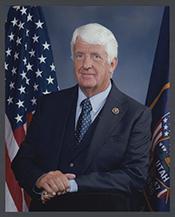
Mr. Speaker, I yield myself such time as I may consume. Mr. Speaker, Senate bill 2739 contains around 62 provisions, and I am pleased to see that they're finally on their way to the President's desk.…
Mr. Speaker, I yield myself such time as I may consume.
Mr. Speaker, Senate bill 2739 contains around 62 provisions, and I am pleased to see that they're finally on their way to the President's desk. However, this bill is also a testament to the dysfunction of a certain body on the other side of this Rotunda.
Many of the sections of this bill are unable to stand on their own and have subsequently been bundled into a $300 million brew to avoid individual scrutiny. To solve the problem and avoid the discomfort of saying ``no,'' this omnibus was created with enough prizes that inevitably the bad will be overlooked and everything, the good, the bad and the ugly, will be able to cross the finish line.
Many of these provisions were passed by this House last year, so it's nice to say that finally something is coming out of the Senate, even if it's coming in this very poor form. But in other ways this bill is also symbolic of this session. We have wasted time and then glob everything together and throw it together with one fell swoop without the ability of scrutinizing it as individual issues, and at the same time miss essential bills that address critical needs.
This legislation deals with land where energy opportunities do exist, and yet once again we are moving forward with gas approaching $4 a gallon. Today, the average price of gasoline in the United States was $3.61. That's $1.28 for gasoline, $1.57 for diesel, 55 and 59 percent above what it was at the beginning of the 110th Congress. And still, with no plan to solve this issue, we pass bills that exacerbate this conundrum.
This particular bill is full of new designations intended to draw tourists, but the only sightseeing that's going to be done in this country will be from the couch watching the Travel Channel if we don't address our fuel crisis. Every time we pass feel-good natural resource legislation with warm and fuzzy titles, we must consider the damage being done to our ability to provide for ourselves. We have locked up so much of our public land from energy development that we are now seeing the results at the pump, and these are our priorities.
What else do we do? Our solution is to offer biofuels; in other words, we want to burn food to power cars. Not only is this immoral, it is devastating Third World countries now unable to afford food to feed their starving children. These are our priorities.
We could have used forest mass that's dead every year, it would have been perfect cellulose for production of energy and at the same time save our forests from catastrophic fires, but such was specifically prohibited in the ``no energy'' bill that passed this Congress recently. So, these are our consequences.
We discussed many of the sections in this bill individually when they first came to the House floor in 2007. We did it the right way, even if I disagreed with some of the outcomes we decided. Unfortunately, they are back without improvements that would have made them palatable.
I don't believe private property rights are adequately protected in any of the heritage areas in this bill. And I question why the amendment to protect second amendment rights, which was overwhelmingly passed on the House floor, was stripped from this package. It is flat out wrong to have done that. It is almost unfathomable that the Senate would do such a thing and that we would consider passing this bill with that significant provision not there. Yet again, the second amendment and property rights take a back seat to misguided priorities of the other body.
As I stated earlier, there are a few positives I am pleased to support. Congressmen Wilson and Brown of South Carolina have worked to get the ``Swamp Fox'' General Francis Marion Memorial to the President. I congratulate them. Minority Whip Blunt has labored to authorize the Newtonia Civil War Battlefields study that we will move today. I thank him for his fine work. My Resource Committee colleague, Congressman Louis Gohmert from Texas, has an important study to honor the Space Shuttle, Columbia, and I'm pleased that this is included in Senate 2739. Resource Committee Ranking Member Don Young has several provisions that will benefit the country and his constituents in Alaska, and I thank him for his tireless efforts and advocacy on their behalf.
Finally, of all the provisions, probably the best one is a dam bill provision for my congressional district. This
provision would authorize the Bureau of Reclamation to do a feasibility study on raising the height of the Arthur V. Watkins Dam in Box Elder County. And given the shortage of water in the West, by increasing storage capacity of this vital reservoir, the residents of my congressional district will have a more secure water supply and water future.
Having already spent too many hours debating these bills when they came before us that now make up this legislative Frankenstein, I see no need to prolong this much longer.
I will reserve the balance of my time.
Mr. Speaker, I am pleased to yield 5 minutes to the gentlelady from Illinois (Mrs. Biggert).
Mr. Speaker, I am pleased to yield 1\1/2\ minutes to the gentleman from Virginia (Mr. Wolf).
(Mr. WOLF asked and was given permission to revise and extend his remarks.)
Mr. Speaker, I continue to reserve the balance of my time.
Mr. Speaker, I reserve the balance of my time.
Mr. Speaker, I am pleased to yield 5 minutes to the gentleman from Georgia (Mr. Broun).
(Mr. BROUN of Georgia asked and was given permission to revise and extend his remarks.)
I continue to reserve.
Mr. Speaker, this Frankenstein bill that we have before us has a whole lot of good stuff in it. It also has a whole lot of bad stuff in there, things that could be cataclysmic consequences to this particular country.
One of the things that is so sad is the process in which we are involved. I realize it's regular order, but it's still a sad process. We have germaneness rules that are very loose. The Senate has germaneness rules that are even looser. Former Senator Gene McCarthy said, The Senate has rules, but no one knows what they are so it doesn't really matter.
Bringing a bill in this pattern with these many provisions over here is something that would never be allowed in most legislative bodies within our States. One of the things we should learn as a body is sometimes it is best if we actually deal with bills on an individual basis in a timely manner. I realize part of this problem cannot be laid at the hands of the chairman of our committee because it's actually dealing with the other body on the other side, which decided to lump everything together as a big glob and just throw it at us.
At the same time, it should be a lesson for us to learn that if we really want to reform the system so that we have actual input on bills in a timely fashion and timely manner, we should have one issue, one bill, one vote, and plumping everything together is simply poor parts of legislation. For all the good that is in this bill, and there is much good, as well as the bad, and there is some bad, it still is the wrong process that we should be engaged.
With that, Mr. Speaker, I yield back the balance of my time.

Mr. President, I rise today on behalf of myself and Senator Martinez to introduce legislation that takes a major step forward in curbing the abusive lending practices which contributed to the…
Mr. President, I rise today on behalf of myself and Senator Martinez to introduce legislation that takes a major step forward in curbing the abusive lending practices which contributed to the subprime mortgage crisis. With foreclosures at record levels, the housing market in steady decline, a global credit crunch, and the economy nearing recession, it is imperative that we act quickly to restore confidence in the American dream of home ownership.
Our legislation will eliminate bad actors from the mortgage business, and require that brokers and lenders meet minimum national standards which ensure they are professional, competent, and trustworthy.
First, it would create a comprehensive database of all residential mortgage loan originators. This includes mortgage brokers and lenders, as well as loan officers of national banks and their subsidiaries.
Second, it would establish national licensing standards to ensure that mortgage brokers and lenders are trained in legal aspects of lending, ethics, and consumer protection.
Our bill is similar to H.R. 3012, introduced in the House by Representative Spencer Bachus, the Ranking Member of the House Committee on Financial Services. The national licensing concept for loan originators has enjoyed bipartisan support and was included in the comprehensive mortgage reform bill, H.R. 3915, which recently passed the House.
A combination of low interest rates and sophisticated mortgage products, among other factors, helped increase home ownership to record levels just 3 years ago.
Subprime and exotic mortgages allowed millions of Americans--many with little or no down payment and questionable credit--to purchase homes by using adjustable-rate products with low initial monthly payments.
There was explosive growth in the use of these sub-prime loans: in just 2 years, from 2004 to 2006, the number of subprime mortgages in California increased 110 percent, from 273,000 to 573,000--29.4 percent of total mortgages in the State.
While the majority of lenders and brokers offered these mortgages in a responsible fashion, many others relied upon predatory lending tactics to place unsuspecting borrowers in mortgages they could not afford. Competitive pressures and lax oversight resulted in loans of increasingly poor quality being written.
To make matters worse, consumers were not adequately protected from bad actors in the mortgage industry.
The FBI recently reported that complaints of mortgage fraud have skyrocketed over the last few years.
In 2003, the number of suspicious activity reports reviewed by the FBI economic crimes unit numbered 3,000. The number of mortgage fraud complaints increased to 48,000 last year, representing a jump of 1500 percent.
Most mortgage brokers and non-bank lenders are only lightly regulated by State agencies. Standards of accountability have not kept pace with the increasing sophistication of the mortgage industry.
As adjustable-rate mortgages reset to higher rates, many American families find themselves in homes they can no longer afford. The percentage of homeowners currently behind on their mortgage payments is at its highest level in 21 years.
Mr. President, 2.2 million homeowners filed for foreclosure last year and many lenders have gone out of business or sought bankruptcy protection.
It is projected that as many as 2 million Americans will be forced to file for foreclosure before this crisis abates, representing $160 billion in lost equity. The Center for Responsible Lending has projected that one out of every five subprime loans issued between 2005 and 2006 will fail.
California has been especially hard hit. Mr. President, 5 of the 10 metropolitan areas with the highest foreclosure rate in the Nation are in California. The foreclosure rate in California is roughly twice the national average, with 1 foreclosure filing for every 258 households in the State.
Lenders repossessed 84,375 California homes last year, a sixfold increase from 12,672 in 2006. Default notices--the initial step in the foreclosure process--increased 143 percent between 2006 and 2007, rising from 104,977 in 2006 to 254,824 in 2007. In San Diego County alone, foreclosures were up 353 percent in 2007.
According to the FBI economic crimes unit, California has been identified as one of the top 10 ``mortgage fraud hot spots'' in the Nation.
American families are hurting, and Californians are at the center of the storm. With close to 500,000 adjustable-rate mortgages scheduled to reset in California over the next 2 years, the situation is likely to worsen in 2008.
The subprime mortgage crisis has threatened both the global economy and the American dream of home ownership. Accountability, professional standards, and oversight must be enhanced for everyone in the mortgage industry.
This bill will make it so, and will help to ensure such a crisis never happens again.
Specifically, the S.A.F.E. Mortgage Licensing Act would require that all residential mortgage loan originators are licensed, providing fingerprints, a summary of work experience, and consent for a background check to authorities.
Additionally, minimum criteria are established that individuals must meet to obtain a license, including: no felony
convictions; no similar license revoked; a demonstrated record of financial responsibility; successful completion of education requirements, 20 hours of approved courses, to include at least 3 hours related to Federal laws, 4 hours on ethics and consumer protection in mortgage lending, and 2 hours on the subprime mortgage marketplace; and, passage of a written exam, the exam must be at least 100 questions and a minimum score of 75 percent is required to pass.
The Federal Reserve, Treasury, and Federal Deposit Insurance Corporation must also register all residential mortgage loan originators employed by national banks.
Lastly, State regulators must develop a satisfactory licensing system within 1 year following enactment of this legislation.
If this does not occur, the Housing and Urban Development Secretary is empowered to develop the national registry and license, generating revenue for its implementation through fees to license applicants.
The subprime mortgage crisis is wreaking havoc on American homeowners and the national economy. The damage is truly staggering--more than 2 million foreclosure filings last year and another 2 million expected before this year is over.
Many Americans simply cannot keep pace with adjustable-rate mortgages that are resetting, and some were steered into these obligations by unscrupulous actors.
It is essential that this body take action to address some of the factors that got us here.
This legislation does not assign blame, but rather provides a workable solution to protect homebuyers and begin to restore confidence in the American dream of homeownership.
I hope that my colleagues will join us in moving this important bill through the Senate quickly.
Mr. President, I ask unanimous consent that the text of the bill be printed in the Record.
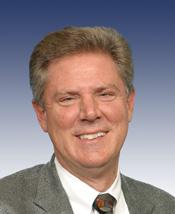
Thank you. I want to thank my colleague from California and also my colleague from Guam. I know that for a number of years now they have both been involved in the health care disparities issue, and…
Thank you. I want to thank my colleague from California and also my colleague from Guam. I know that for a number of years now they have both been involved in the health care disparities issue, and have actually put together legislation that we have tried to get passed for several years. It was a little difficult with the Republican majority. And hopefully now with the Democratic majority, we can address those health disparities and concerns.
I would like to talk about the Native American aspect of this. And I also want to mention that addressing the concerns of minority health care is important in my district because we do have many Asian Americans. We have the largest number of Indian Americans of any congressional district, and by that I mean Asian Indian Americans, and also a large Latino and African American population in my district.
I just know when I go and visit some of the hospitals or community health centers, many times the issue is brought to my attention, whether it is data collection which has already been mentioned tonight, or it is the need for more minority health care professionals, be they doctors, nurses or whatever, or even that more research attention needs to be paid to diseases or afflictions that basically impact the minority communities in disproportionate ways.
It is very important that we address this and we need legislation, and we will move forward with the health care disparities legislation that my colleagues have really championed over the last few years.
I want to talk about Native Americans. I actually don't have any federally enrolled Native American tribes in my district or even in New Jersey. We have quite a few, we just don't have any recognized tribes at a Federal level. We have five that are State recognized. Unless you are federally recognized and enrolled with the Department of the Interior, you are not for the most part eligible for the health service.
American Indians are a little unique in that unlike most Americans, they have a right pursuant to their treaties and the Constitution to health care. When they gave their lands up to the Federal Government by treaty, they were given the right to health care. That, of course, doesn't necessarily mean they can all access it because a lot of them don't necessarily live on the reservation, and that is one of the reasons why we have urban health centers around the country, including several in California, because many Native Americans now do live in L.A. and in some of the larger cities, and don't necessarily live on their homelands on the reservations.
So we need to address their concerns in not only providing hospitals and clinics in their homelands, on the reservations, but also in the urban areas where many now reside.
Unfortunately, in the last few years, and I know I sound so partisan and I don't mean to be, but the amount of money that was made available in the last 12 years under the Republican Congress was really not sufficient. There is a need for a lot more dollars. This year we did budget significantly more for the Indian Health Service, but we also need to reauthorize the Indian Health Service because it hasn't been reauthorized since 2000.
I have sponsored legislation called the Indian Health Care Improvement Act which will be marked up in the Resources Committee this year and will come to the Energy and Commerce Committee and the Health Subcommittee, and we will try to get it passed in this Congress.
When you talk about Native Americans and the disparities, the disparities are just incredible. When we had a hearing on the Indian Health Care Improvement Act in the Resources Committee a few weeks ago, I asked a question about how many American Indian or Native American doctors there were in the United States. I could not believe the number. There are less than 500, somewhere between 400 and 500 Native American physicians for a Native American population that is probably over 2 million. I don't know what that works out to percentage-wise, but there is clearly a need for scholarship and grant and loan programs that would specifically target the Native American community so we can have not 400 doctors but at least 4,000 or maybe 40,000 when you talk about a community that has over 2 million people.
And the same is true, and I don't have the statistics for nurses or other health care professionals, but there are really very few Native American health care providers, and we need to boost those numbers up and allow for opportunities to get more health care professionals.
With regard to actual treatment, if they are not on the reservation and able to access the Indian health care hospital or clinic, it is very difficult. There is a huge unemployment rate. Even if you are on a reservation, sometimes distances are great because many Native Americans live in rural areas where health care is simply not available.
We also have the phenomenon of diseases or aflictions that target that community. The incidence of diabetes, juvenile or type 2 diabetes, is for many tribes over 50 percent. I have been to some where the numbers are over 60 percent. We need a lot more research into the reasons why, in the example of diabetes, but I could talk about other diseases or health care problems, why the incidence is so high and what could be done.
For example, there has been some effort to look at nutrition as an answer, the feeling that many Native Americans, for example, used to live on a subsistence diet. If they were a desert people, they would eat foods that they gathered in a desert. Or they may have lived on a ranch or in a situation where they were getting a lot more natural foods, and now as those opportunities have eased to exist and they are eating processed foods, there is a lot of evidence to suggest that is a major reason
for diabetes. This is the type of thing we need. We need research into those kinds of afflictions as to what is causing a better than 60 percent diabetes situation for a number of tribes.
Even transportation needs are there because of many of the problems that are in rural areas.
So I just wanted to say when you talk about the Native American population in this country, the disparities problem is so great that it has actually gotten to the point of crisis, in my opinion; and that is why we need legislation to deal with these disparity issues, and we need to reauthorize the Indian Health Service through the Indian Health Care Improvement Act.
And to the extent that we are looking at this from the Asian population, the Latino population, or whatever population, this type of initiative is very important. I just want to commend my colleagues again for being here tonight and speaking out because I do think we need to speak out. In many cases we are talking about people who don't have people to speak out for them other than a few of us. Thank you again.
Mr. Speaker, I rise today in support of S. 2739, the Consolidated Natural Resources Act of 2008. This measure, recently approved by the Senate, includes a number of measures that earlier had been…
Mr. Speaker, I rise today in support of S. 2739, the Consolidated Natural Resources Act of 2008. This measure, recently approved by the Senate, includes a number of measures that earlier had been approved by the House of Representatives, including H.R. 2094, a bill that I sponsored with Representatives Jerry Moran, Todd Tiahrt, Nancy Boyda, Leonard Boswell, and Mac Thornberry. As an Executive Committee member of the Dwight D. Eisenhower Memorial Commission, I know that this legislation is important to our continuing efforts to establish a National, permanent memorial to President Eisenhower. H.R. 2094 would make important amendments to the statute establishing the Eisenhower Memorial Commission, so that it can more effectively discharge its duties.
Congress created the Eisenhower Memorial Commission in 1999 and charged the Commission with establishing a National memorial to Dwight David Eisenhower to honor his memory and commemorate his contributions to the nation. The Commission is completely bipartisan, consisting of four Senators, four Representatives, and four private citizens. The Commission keeps an office in Washington, DC, with four full-time staff, including an Executive Director and Executive Architect.
Since determining a preferred site in June 2005, the Commission has worked tirelessly to speed the progress of the memorialization. In September 2006, only fifteen months later, the Commission received final site approval from the National Capital Planning Commission and the Commission of Fine Arts. The National Eisenhower Memorial will be located across the street from the National Air and Space Museum at the intersection of Maryland and Independence Avenues, SW. The site is surrounded by institutions Ike either created or profoundly influenced, including the Department of Education.
The Commission is now engaged in Pre-Design Programming, a concerted effort to determine what the memorial should be. Eisenhower family members, Eisenhower contemporaries, historians, Kansans, and many others have been interviewed on their vision for the memorial. A voluntary online questionnaire is available to the public. Although there are many diverse opinions on Ike's greatest achievement and the appropriate focus for his memorial, all agree that Eisenhower is, as Michael Korda presents in his new biography, ``an American hero.''
I am particularly proud to claim one of the greatest 20th-century Americans as a fellow Kansan. He ranks as one of the preeminent figures in the global history of the 20th century. Dwight Eisenhower spent his entire life in public service. His most well-known contributions include serving as Supreme Commander of the Allied Expeditionary Forces in World War II and as 34th President of the United States, but Eisenhower also served as the first commander of NATO and as President of Columbia University. Dramatic changes occurred in America during his lifetime, many of which he participated in and influenced through his extraordinary leadership as President. Although Ike grew up before automobiles existed, he created the Interstate Highway System and took America into space. He created NASA, the Department of Health, Education, and Welfare, and the Federal Aviation Administration. He added Hawaii and Alaska to the United States and ended the Korean War. President Eisenhower desegregated the District of Columbia and sent federal troops into Little Rock, Arkansas, to enforce school integration. He defused international crises and inaugurated the national security policies that guided the nation for the next three decades, leading to the peaceful end of the Cold War. A career soldier, Eisenhower championed peace, freedom, justice and security, and as President he stressed the interdependence of those goals. He spent a lifetime fulfilling his duty to his country, always remembering to ask what's best for America.
The development of the Pre-Design Program will produce three books to serve as an information packet for potential designers and the eventual design team for the memorial. The reasons for building a memorial to Eisenhower are only one part of the challenge set out in the Pre-Design Program. Technical considerations and guidance from the National Park Service are also included. Issues from preserving the historic view to the U.S. Capitol to providing a National Park Service Ranger station at the site are presented. This stage is the last major step prior to procuring a design team.
While the Eisenhower Memorial Commission has so far been able to efficiently manage the memorialization process, the tasks involved in design and construction require revised administrative and operational authority. H.R. 2094 provides the needed revisions and will enable the Commission to work more efficiently and effectively during design and construction when quick turnaround times are vital and daily decisions must be made. The authority provided in this legislation is based on the authority given to temporary commissions in existence for up to three years. The Eisenhower Memorial Commission has similar needs, but exists for no set time period. The Commission will exist until the completion of the memorial.
For example, H.R. 2094 will enable the Commission to hire temporary federal employees instead of contract consultants, simplifying administration of staffing and covering the liability of its employees. H.R. 2094 will also provide for the Executive Architect to represent the Commission on the panels that will select the design team for the memorial. As currently written, the Commission's legislation prohibits its staff or members from participating in the determination of the design team.
H.R. 2094 will enable the Commission to continue working not only to ensure that the National Eisenhower Memorial is an inspiration to future generations, but also to ensure that the memorialization process is an example of responsible public work. I urge my colleagues to support passage of S. 2739 today, and with it, the language included in
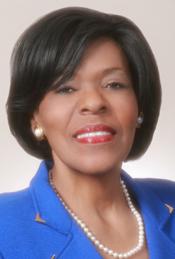
I thank you, Madam Chair, for yielding. I certainly appreciate your leadership and all that you do for this body. I thank you for being the coordinator for this Special Order as we move through this…
I thank you, Madam Chair, for yielding. I certainly appreciate your leadership and all that you do for this body. I thank you for being the coordinator for this Special Order as we move through this 110th session. We thank you for your leadership, delta woman. We appreciate you.
Mr. Speaker, I am honored to stand here tonight as chairperson of the Congressional Black Caucus. We are from 26 States. We are 43 Members. We represent over 40 million Americans. Eighteen of our Members have less than 50 percent populations of African Americans. The highest percentage that any Member represents is 61 percent African Americans. So we represent all ethnicities of America: Latino Americans, Asian Americans, Native Americans, Arab Americans, Italian Americans, European, and the whole conglomerate. So we call ourselves the conscience of the Congress because we are they, 43 of us, 26 States, representing over 40 million Americans who can speak and represent all ethnicities in America.
Disparities in health care is real. It's alive. And it is really determined by how you live, where you live, what economic standards are you able to afford with you and your family, from generations yet unborn. So we are here tonight to talk about how do we close that gap? What ought to be the policies of our United States government to take care of American citizens, 300 million of us, from disparate backgrounds? What can we do to close the gap?
One thing we can do is to make sure that education, quality education, is had for every American; that they may compete not against Ohio or Michigan or California and New York, but to compete in the world, China, India, other countries of the world who revere, and in knowing that education is the key not only to a successful life but a key to adequate health care opportunities.
Number two, that we invest in those communities so that we put the dollars where they are necessary, so that we don't have underserved communities as we have today across America, underserved as it relates to health care, their access to quality health care. Can they really participate in programs that make their lives better?
When we have a healthy America, then we have healthier families, we have healthier cities, and then, of course, our country is one of health.
We talk about disparities of health care, and it refers to the difference between two or more population groups, the outcomes and the prevalence of certain illnesses, heart disease, diabetes, access to quality health care, are we really providing what is necessary for America's families? And we, the members of the Congressional Black Caucus, don't believe that we do.
Our Federal budget is 2.9 trillion of your tax dollars. We round that off and say $3 trillion in this 2008 budget that we are dealing with. Of that budget three entitlements: Medicare, health insurance for 44 million American seniors; Medicaid, over 40 million low-income, disabled, and children's programs; and then our veterans, our proud veterans, who have fought in our wars ever since the beginning, some in battle, some in theater, some not, but defending our country.
When you take out the main three entitlements, our Appropriations Committee handled 600 to $800 billion. Two-thirds of those monies goes to the entitlements, as was mentioned, and a few others handled by the Ways and Means Committee, where some of those health programs were had. And the other, what we call discretionary funding, is what is handled in the Appropriations Committee.
Of the $800 billion in 2008, $600 billion of that is going to defense, to defense. Proud that we are of our Defense Committee, but never is it intended that two-thirds of that budget, three-fourths in many instances, will go to defend the country. We have to end the war. We've got to bring our soldiers home. We have to invest in American families.
I believe that health care, education, housing, environment and access to capital are those things that this Congress must fund. That's why we have disparities, because many families start at a disadvantage; low income, poor schools, health crisis, unable to get quality health care.
So as we come to you tonight as members of the Congressional Black Caucus, we ask you, America, stand up for what you believe. If you want a strong family, if you want strong opportunities, if you want investment in your children and in your families, speak to that.
Our theme for the Congressional Black Caucus is ``Change Course.'' Do something different, America. Join. Speak out. Donate. Volunteer. Be a part of something that you believe in that will make America stronger. Health care, we believe, is one of those things that you will find yourself participating in.
Change course and then confront the crisis. Confront the crisis of education. Why is it that our schools can't compete with schools around the world? Confront the crisis of the war. And yes, confront the crisis of the disparities in health that we find ourselves in today. We can do better. We can be better. Make sure you're a part of that equation.
And then let us all rise up and continue the legacy. Change course, confront crises, and continue the legacy that all of us have put together as members of the African American Congressional Black Caucus, Latino Caucus, Tri-Caucus, the Asian Caucus as well. We work together to make sure that we begin to address some of the disparities that we see.
So, Madam Chair, thank you for your leadership. Thank you as we try to talk to America to become involved, to change course, to confront crises, to continue the legacy that so many have given their lives and time that we might be on this floor tonight.
This is the greatest country in the world. Let's eliminate the health disparities. Let's make our families stronger. Provide better education opportunities, better work opportunities and, yes, access to capital. When we do that, we will eliminate the disparities that we find now in our health system.
With that, Madam Chair, I yield back the balance of my time.
Show 11 more
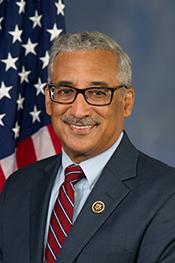
Mr. Speaker, I rise today to stress the importance of health care to the well-being of our children and to our Nation. In 2003, a report was released by the National Academy of Science entitled…
Mr. Speaker, I rise today to stress the importance of health care to the well-being of our children and to our Nation. In 2003, a report was released by the National Academy of Science entitled ``Unequal Treatment: Confronting Racial and Ethnic Disparities in Health Care.'' It
confirmed what many of us have known for a long time, that even when African Americans and other minorities have equal insurance and equal access to physicians, their outcomes are different.
Minority populations just don't get the same health care and are not offered the same treatments. Unfortunately, we're foundering under the constraints of a profit-driven, multi-tiered health care where racial and ethnic stereotypes often distort the decision-making process by many health care providers.
The situation becomes even more critical when we realize that over 20 percent of all African Americans do not have health insurance. Those who do are more likely to have public insurance or Medicaid, which, unfortunately, often does not command the full measure of services available in private insurance.
Every day, more and more African Americans are diagnosed with life- threatening illnesses which can be avoided with proper care and prevention. The diagnosis of illnesses such as diabetes, high blood pressure, heart disease and HIV/AIDS continues to increase among African Americans in the African American culture as access to health care becomes more and more elusive.
It is no surprise that when it comes to taking care of our medical needs, many of us and our Hispanic, Native American and Asian Pacific Islanders are slipping through the safety nets available to other Americans.
Mr. Speaker, the total number of uninsured has actually increased from 41 million, just a few years ago, to 46 million by the most recent numbers. In the country where we pride ourselves as being the world's leading and most prosperous democracy, we have millions of children and young adults walking around without health insurance.
A sad reflection of how ominous the absence of health care insurance can be is the death of a 16-year-old boy in Maryland who died from infections caused by an abscessed tooth because his family had no health insurance to seek medical care.
Mr. Speaker, in the next few weeks, we'll address the reauthorization of the State Children's Health Insurance Program, or SCHIP, which is a vital Federal program which allows States to target and cover low- income children with no health insurance and families with incomes above the Medicaid eligibility levels.
Almost 90 percent of these children live in households with a working parent. More than half live in two-family households. Many of these children are actually eligible for coverage under SCHIP or Medicaid but are not enrolled due in large part to barriers to enrollment in programs and complex eligibility rules that make it difficult to obtain or keep coverage. Millions more children are underinsured or at risk of losing coverage if their parents change jobs or if employers drop health coverage for families.
Mr. Speaker, we need to do more than just renew SCHIP. We need to expand it so that it adequately covers every uninsured child living in the United States.
Early and preventive screening, diagnosis and treatment, EPSDT, which would include services such as dental, vision and mental health services should be available to all children. EPSDT is the current requirement under Medicaid to make sure that the health needs of children are being met, and we should bring this requirement to SCHIP.
Coverage for low-income pregnant women. We need to make sure that women are receiving the necessary prenatal care needed to ensure that infants have a healthy start in life.
Presumptive eligibility. We need a unified application system for SCHIP. There are many social services programs, such as reduced or free school lunch, that have eligibility requirements clearly more restrictive than SCHIP. So if a child is eligible for such a program, it is a virtual certainty that he's also eligible for SCHIP.
The problem arises that States do not presume eligibility, and parents are required to fill out different applications in different offices, often with the exact same information, just to access the services they obviously qualify for.
A commonsense solution would be to streamline the application process for SCHIP and other programs so that if you're enrolled in another social service program, you should not have to fill out another application just to get health care benefits. Money to promote the streamlining of this process should be included in the reauthorization of SCHIP.
Mr. Speaker, there is an urgent need for expanded health care coverage for children, and that's why I introduced H.R. 1688, the All Healthy Children's Act. That act has been endorsed by the Children's Defense Fund. It's a logical, smart, and achievable incremental next step to close the child coverage gap and guarantees that all children will have access to health care coverage that they need to survive, thrive, and learn.
This proposal will ensure that all children are covered by expanding the coverage of both Medicaid and SCHIP programs, while eliminating the procedural red tape that currently prevents children from being covered by either program. The comprehensive program would include all basic health care, as well as coverage for mental health and prenatal care.
Mr. Speaker, the United States health care system has yet to solve the fundamental challenge, delivering health care coverage to all Americans at an affordable price. The tragedy is that we know what to do to fix the problem once and for all. And what is required is a national health care system with universal access to comprehensive prevention-oriented benefits. And it is time to take action, and we should start with our children by passing the All Healthy Children's Act.
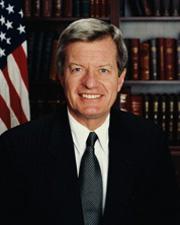
Mr. President, I ask unanimous consent that the Committee on Armed Services be authorized to meet during the session of the Senate on Wednesday, February 27, 2008, at 9:30 a.m., in open session, and…
Mr. President, I ask unanimous consent that the Committee on Armed Services be authorized to meet during the session of the Senate on Wednesday, February 27, 2008, at 9:30 a.m., in open session, and possibly closed session, to receive testimony on the current and future worldwide threats to the national security of the United States.
Mr. President, I ask unanimous consent that the Committee on Commerce, Science, and Transportation be authorized to meet during the session of the Senate on Wednesday, February 27, 2008, at 2:30 p.m., in room 253 of the Russell
Senate Office Building, in order to conduct a hearing.
The hearing will focus on the National Aeronautics and Space Administration's fiscal year 2009 budget proposal.
Mr. President, I ask unanimous consent that the Committee on Energy and Natural Resources be authorized to meet during the session of the Senate in order to conduct a hearing on Wednesday, February 27, 2008, at 9:45 a.m., in room SD366 of the Dirksen Senate Office Building. At this hearing, the Committee will hear testimony to consider two nominations: Stanley C. Suboleski, of Virginia, to be an Assistant Secretary of Energy (Fossil Energy), vice Jeffrey D. Jarrett, resigned; and, J. Gregory Copeland, of Texas, to be General Counsel of the Department of Energy, vice David R. Hill.
Mr. President, I ask unanimous consent that the Committee on Environment and Public Works be authorized to meet during the session of the Senate on Wednesday, February 27, 2008 at 10:00 a.m. in room 406 of the Dirksen Senate Office Building in order to conduct a hearing entitled, ``Hearing on the President's Proposed EPA Budget for
Mr. President, I ask unanimous consent that the Committee on Health, Education, Labor, and Pensions be authorized to meet in executive session during the session of the Senate on Wednesday, February 27, 2008 at 10 a.m. in SD-430.
Agenda
S. 579, Breast Cancer and Environmental Research Act of 2007; S. 1810, Prenatally and Postnatally Diagnosed Conditions Awareness Act; S. 999, Stroke Treatment and Ongoing Prevention Act of 2007; S. 1760, Healthy Start Reauthorization Act of 2007; H.R. 20, Melanie Blocker- Stokes Postpartum Depression Research and Care Act; and S. 1042, Consistency, Accuracy, Responsibility, and Excellence in Medical Imaging and Radiation Therapy Act of 2007.
National Board for Education Sciences: Jonathan Baron, Frank Handy, Sally Shaywitz.
National Foundation on the Arts and Humanities: Jamsheed Choksy, Gary Glenn, David Hertz, Marvin Scott, Carol Swain.
National Museum and Library Science Board: Julia Bland, Jan Cellucci, William Hagenah, Mark Herring,
Truman Scholarship Foundation: Javaid Anwar, and Assistant Secretary of Labor ODEP: Neil Romano.
Mr. President, I ask unanimous consent that the Committee on Homeland Security and Governmental Affairs be authorized to meet during the session of the Senate on Wednesday, February 27, 2008, at 10 a.m. in order to conduct a hearing entitled ``An Uneasy Relationship: U.S. Reliance on Private Security Firms in Overseas Operations.''
Mr. President, I ask unanimous consent that the Committee on Indian Affairs be authorized to meet during the session of the Senate on Wednesday, February 27, at 9:30 a.m. in room 485 of the Russell Senate Office Building in order to conduct a hearing on S. 2232, the Foreign Aid Lessons for Domestic Economic Assistance Act of 2007.
Mr. President, I ask unanimous consent that the Senate Committee on the Judiciary be authorized to meet during the session of the Senate, in order to conduct a hearing entitled ``The False Claims Act Correction Act (S. 2041): Strengthening the Government's Most Effective Tool Against Fraud for the 21st Century'' on Wednesday, February 27, 2008 at 10 a.m. in room SD-226 of the Dirksen Senate Office Building.
Witness List
Michael F. Hertz, Deputy Assistant Attorney General, Civil Division, U.S. Department of Justice, Washington, DC.
Panel II: Tina M. Gonter, Jacksonville, FL; The Honorable John E. Clark, Of Counsel, Goode, Casseb, Jones, Riklin, Choate & Watson, P.C., San Antonio, TX; John T. Boese, Partner, Fried, Frank, Harris, Shriver & Jacobson LLP, Washington, DC; and Pamela H. Bucy, Bainbridge Professor of Law, University of Alabama School of Law, Tuscaloosa, AL.
Mr. President, I ask unanimous consent that the Committee on Rules and Administration be authorized to meet during the session of the Senate on Wednesday, February 27, 2008, at 10:00 a.m., in order to hear testimony on Protecting Voters at Home and at the Polls: Limiting Abusive Robocalls and Vote Caging Practices.
Mr. President, I ask unanimous consent that the Committee on Small Business and Entrepreneurship be authorized to meet during the session of the Senate in order to conduct a hearing entitled ``The President's FY2009 Budget Request for the Small Business Administration on Wednesday, February 27, 2008, beginning at 10:00 a.m., in room 428A of the Russell Senate Office Building.
Mr. President, I ask unanimous consent for the Committee on Veterans' Affairs to be authorized to meet during the session of the Senate on Wednesday, February 27, 2008, in order to conduct an oversight hearing entitled ``Review of Veterans' Disability Compensation: Expert Reports on PTSD and other issues.'' The Committee will meet in room 216 of the Hart Senate Office Building, at 9:30 a.m.
Mr. President, I ask unanimous consent that the Personnel Subcommittee of the Committee on Armed Services be authorized to meet during the session of the Senate on Wednesday, February 27, 2008, at 3:00 p.m., in open session to receive testimony on active component, reserve component, and civilian personnel programs in review of the defense authorization request for Fiscal Year 2009 and the Future Years Defense Program.
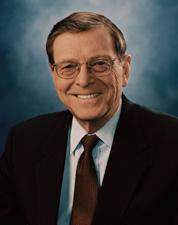
Mr. President, I rise today to introduce, on behalf of myself and Senators Sessions, Murkowski, and Landrieu, a bill that establishes the foundation for a sustainable nuclear fuel cycle for the U.S.…
Mr. President, I rise today to introduce, on behalf of myself and Senators Sessions, Murkowski, and Landrieu, a bill that establishes the foundation for a sustainable nuclear fuel cycle for the U.S. A sustainable nuclear fuel cycle is the key to nuclear energy reaching its full potential to provide the large scale base load electrical generating capacity our country needs, while reducing greenhouse gas emissions. Today, nuclear energy provides nearly 20 percent of our electricity generation capacity and does so more reliably, and with a lower cost per kilowatt hour than coal, with essentially no greenhouse gas emissions. In the decades to come, we will need nuclear energy to play an even greater role, not only in electrical generation, but also in the transportation and industrial sectors, if we are to achieve the reductions in greenhouse gas emissions needed to address the challenge of global climate change. The Strengthening Management of Advanced Recycling Technologies Act, or SMART Act, represents the first important step in building the bridge to that future.
The SMART Act promotes the establishment of privately owned and operated used nuclear fuel storage and recycling facilities. These facilities will help resolve the current deadlock in spent nuclear fuel management while providing a means to extract additional energy from used nuclear fuel. I believe that a commercially viable used fuel recycling strategy, combined with a responsible waste disposition strategy, will enable the expansion of nuclear energy necessary to meet all our goals for the future of nuclear energy. The SMART Act advances this vision through incentives--rather than mandates--for both industry and local communities.
The SMART Act establishes a competitive 50-50 cost share program between the Department of Energy and private industry to finance engineering and design work and the development of license applications for up to 2 spent fuel recycling facilities. The SMART Act restricts facility designs to commercial scale facilities that do not separate pure plutonium. The recycling technology must also reduce the burden on geologic repositories used for ultimate disposal of waste and promote extraction of additional energy from used fuel stocks. Beyond these restrictions, the choice of recycling technology is left up to industry.
The resulting reference licenses for recycling facilities may then be used by industry to construct domestic used nuclear fuel recycling capacity. To assist industry in securing the necessary financing for these facilities, the SMART Act authorizes DOE to offer long term contracts for spent fuel recycling services. All construction and financing costs, however, would be born by industry.
Although ultimate geologic disposition of waste will always be needed, interim storage of used nuclear fuel is a
necessary component of the nuclear fuel cycle infrastructure. To encourage development of interim storage facilities the SMART Act establishes an economic incentive program for communities and states that wish to host a facility within their jurisdiction. All interim storage facilities would be privately owned and operated and licensed by the Nuclear Regulatory Commission. The SMART Act incentives are designed to encourage the development of two large scale facilities with enough capacity to accommodate our annual domestic used nuclear fuel generation.
As with the used fuel recycling facilities, the SMART act authorizes the Department of Energy to enter into long term contracts with storage facility operators. In addition, the SMART Act allows the Department of Energy to enter into agreements with utilities for the settlement of all future claims against the department for failure to take title to spent nuclear fuel by 1998.
Currently, the Nuclear Waste Fund established by the Nuclear Waste Policy Act of 1982 has a balance of approximately $20 billion and is growing by nearly $1.8 billion annually from fees paid by the utilities and interest on the fund. Unfortunately, this fund is currently ``on budget'' and amounts to little more than an IOU to the U.S. ratepayers. The SMART Act will allow access to a small portion of this fund so that it can begin working to resolve the nuclear waste issue as it was intended.
The SMART Act establishes a revolving fund from $1 billion of the current waste fund as well as the annual interest on the fund. The remaining 95 percent of the current waste fund, as well as all future fees, would be placed in a legacy fund for the purposes of constructing a geologic repository. Expenditures from the revolving fund for the provisions of the act could be made without further appropriations but would be subject to limitations in appropriations acts. In this way the revolving fund could be put to use without being subject to the uncertainty of the annual appropriations process while still retaining the authority of Congress to oversee the fund.
The resolution of the used nuclear fuel issue has been deadlocked for decades. Fortunately time has been on our side since nuclear energy produces so little waste. For example the nuclear waste generated by a family of four during their entire lives is only a couple of pounds. Some have even said that we do not need to begin recycling used nuclear fuel for 30 or 40 years. I do not believe we can wait that long before we resolve the used nuclear fuel issue, however. We must begin taking steps today that will place us on the path to a secure and sustainable nuclear energy industry in the future. We must demonstrate to industry and financial institutions the Government's commitment to resolving the used nuclear fuel issue. The SMART bill will place us on that path to the future.
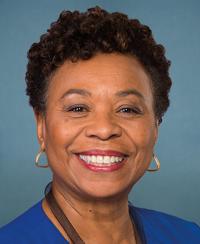
Mr. Speaker, first let me thank the gentleman from New York for yielding, Mr. Towns, for your leadership, and for managing this bill today, which is very important for not only my community but for…
Mr. Speaker, first let me thank the gentleman from New York for yielding, Mr. Towns, for your leadership, and for managing this bill today, which is very important for not
only my community but for your community and for all our communities throughout the country. And I want to thank Mr. Dingell, also Mr. Burgess, for your leadership and for your support for this effort.
Also let me thank our staff for helping us bring this bill to the floor. Especially I want to thank our leadership's staff, Mr. Towns's, Mr. Burgess's, Mr. Dingell's staff, Mr. Barton's staff; as well as my staff, Christos Tesentas, for their very competent and their very effective work. This is not a Democratic or a Republican issue. It is a bipartisan issue. And our staffs have really exemplified, I think, the best of what staff can do to work together on something this important.
Two days from now, on February 7, we will commemorate, and it is unfortunate that we have to commemorate this, the seventh National Black HIV/AIDS Awareness Day, a day when we urge African Americans to get educated, to get involved, and to get tested.
The numbers are startling, Mr. Speaker, especially for African American women. According to the CDC, in 2005 African American women accounted for 66 percent of all new HIV/AIDS cases among women, and this is climbing as we speak. It is probably now closer to 70 percent. And we are 25 times more likely to be infected than white women. Today, AIDS is the number one cause of death among African American women between the ages of 25 and 34. Think about that for a minute. The number one cause of death. Young women.
Black gay men are also affected by this disease. A recent CDC study found, and this was in 2005 again, that 46 percent, 46 percent, of black gay men in five U.S. cities were HIV positive.
This is simply outrageous. These statistics are quite staggering.
At the end of last year, we took a positive bipartisan step forward to address the spread of HIV and AIDS among the African American community by ensuring the Minority AIDS Initiative, initiated by a great leader on this issue, Congresswoman Maxine Waters, and Donna Christensen in 1999. We were able to finally formally include this in the Ryan White CARE Act. Now we really do have a responsibility to go even further. We could start by funding the Minority AIDS Initiative at a minimum of $610 million and by fully funding the Ryan White Treatment Modernization Act.
But we must also go beyond the money and get at the factors that are ultimately driving this epidemic among African American people, African American men and women. Poverty and discrimination, the lack of affordable housing, the unequal impact of the disproportionate rates of incarceration among black men, poor access to care, limited cultural competency for health workers, all of these deserve our attention and deserve action.
Mr. Speaker, the color of our skin really should never determine our health status or the quality of care we receive. Unfortunately, today to be black is to be at greater risk of HIV and AIDS. And, unfortunately, this disease is really increasing among Latinos and the Asian Pacific American community. So we must do much more for everyone.
As Members of Congress, we have a responsibility to do just that, to change these statistics. It is not an ideological issue, and, Mr. Towns, you know this is not an ideological issue. It is a moral and humanitarian call for equality and for justice.
So I urge my colleagues to join us in stopping the spread of this global pandemic, a priority not only throughout the world but also here at home. In Toronto, Canada Congresswomen Waters, Christensen, and myself, we participated in a very effective and very profound international AIDS conference this past year. There were pledges made to make HIV and AIDS a priority with civil rights groups. The NAACP and many of our organizations that have been working for justice and civil rights for many years now understand and are on the front lines in terms of making HIV and AIDS a major, major priority.
So let me just say it is a very important day. This is a very important resolution, and I urge both sides of the House to vote for H. Con. Res. 35.
Again, I want to thank Mr. Burgess and Mr. Towns for your leadership and for yielding the time today.
Mr. Speaker, will the gentleman yield?
Mr. Speaker, I thank the gentleman for yielding. And I am delighted that we have a chance to have this colloquy because I would like to highlight the importance of getting tested.
Congresswoman Waters and I and others last year, actually approximately 16 Members of Congress, were tested publicly. The importance of members of the clergy and Members of Congress and leadership getting tested, showing our communities that it is the correct thing to do, there is a large percentage of individuals living with HIV and AIDS who don't know they have the virus, and in fact, once tested the results are confidential.
There are several tests, but one is a swab test where you get the results back within 20 to 30 minutes. Again, the results of those tests are very confidential. It is important that ministers and, Mr. Towns, you are a great member of the clergy as well as a Member of Congress, and your voice in this entire effort is so important because once people eliminate that fear, then, in fact, they can move forward and get tested and begin to help reduce this pandemic, which is what it is.
So I want to thank you for giving us a chance to talk about this, about getting tested also, because this is one way you actually can have a reduction of the incidences of HIV and AIDS very quickly.
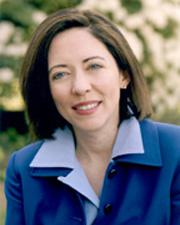
Mr. President, today I am introducing the Snoqualmie Pass Land Conveyance Act, together with Senator Murray. This bill would transfer an acre and a half of Forest Service land to the King and…
Mr. President, today I am introducing the Snoqualmie Pass Land Conveyance Act, together with Senator Murray. This bill would transfer an acre and a half of Forest Service land to the King and Kittitas Counties Fire District No. 51, also known as Snoqualmie Pass Fire and Rescue. This land would be conveyed at no cost, but would have to be used by the Fire District specifically for the construction of a new fire station or it would revert back to the Federal Government.
Snoqualmie Pass Fire and Rescue serves a portion of two counties on both sides of the Cascade Mountains along Interstate 90, a community of 350 full-time residents that peaks to 1,500 during the ski season. Additionally, the ski area estimates 20,000 patrons on a busy weekend, and the Department of Transportation estimates that up to 60,000 vehicles travel through the fire district on a busy day making it the busiest mountain highway in the country.
This area is also the major transportation corridor for goods and services between eastern and western Washington. The all-volunteer Fire Department averages over 300 calls a year with about a 10 percent annual increase in call volumes, which is more than triple the amount of calls a typical all-volunteer fire department would respond to in a year. Mr. Presdient, 84
percent of those incidents are for non-tax paying residents. Consequently, the Fire Department has the characteristics of a large city with the limited resources of a small community.
In recent years, this area has been the scene of major winter snowstorms, multi-vehicle accidents, and even avalanches. The Fire District is often the first responder to incidents in the area, which is prone to rock slides and avalanches and it is not uncommon for this community to be isolated for hours or even days at a time. Several thousand people can be stranded at the Pass during those periods when the Pass is closed and while the Department of Transportation works quickly to get the roads back open, it can be very taxing on local resources.
For decades, the Fire District has been leasing its current site from the Forest Service. They operate out of an aging building that was not designed to be a fire station. Through their hard work and dedication, they have served their community ably despite this building's many shortcomings. However, with traffic on the rise and the need for emergency services in the area growing, the Fire District needs to move to a true fire station.
The Fire District has identified a nearby site that would better serve the public safety needs at the Pass. This location would provide easy access to the interstate in either direction, reducing emergency response times. The parcel is on Forest Service property, immediately adjacent to a freeway interchange, between a frontage road and the interstate itself. The parcel was formerly a disposal site during construction of the freeway and is now a gravel lot.
I recognize that the Forest Service does not normally support conveyances of land free of charge. However, I believe an exception should be made in this particular circumstance because of the important public service provided by the Fire District, the heavy traffic and emergency calls created by nonresidents in the area, the distance of Snoqualmie Pass from other communities with emergency services, and because of the high amount of federal land ownership in the area, which severely limits the local tax base. In fact, the Forest Service has acquired 20,000 acres in King and Kittitas counties at a cost of more than $52 million over just the last 10 years.
Passage of this legislation would not guarantee that a new station would be built. The Fire District would have to work hard to gather the financing that would be required from State and local sources, as well as any applicable Federal grants or loans. However, the conveyance of this site at no cost would help this Fire District hold down the overall cost of this project.
I am confident this can be done with little or no impact to the environment. Over the last year, following the introduction of this legislation in the House of Representatives, H.R. 1285, there were ongoing discussions in Washington State to address some lingering issues related to this conveyance. I am pleased those discussions reached resolution. I am also pleased that discussions with my staff, Senator Murray's staff, and staff of Energy and Natural Resources Committee led to an amendment to H.R. 1285 before it passed the House of Representatives that would better tailor the conveyance to both the environmental and the emergency response needs at the Pass by reducing the amount of land to be conveyed from 3 acres to 1.5 acres.
It is my understanding that there are offers of support to construct a new fire station from state and local officials, and to mitigate any effects of construction, and I support those efforts. To offset any potential impacts from construction of a new fire station and to improve wildlife connectivity at the pass, I encourage the Forest Service to work in collaboration with state and local officials, the Cascade Land Conservancy, Snoqualmie Fire District, Sierra Club, and Conservation Northwest to identify opportunities for off-site habitat acquisition.
I appreciate the efforts of Senator Murray and my colleagues on the Energy and Natural Resources Committee to review this issue and bring this bill forward. I look forward to continuing to work with the community at the Pass and my colleagues to improve public safety in the area.
Mr. President, I ask unanimous consent that the text of the bill be printed in the Record.
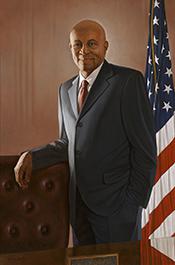
Mr. Speaker, I move to suspend the rules and agree to the concurrent resolution (H. Con. Res. 35) supporting the goals and ideals of National Black HIV/AIDS Awareness Day, as amended. Mr. Speaker, I…
Mr. Speaker, I move to suspend the rules and agree to the concurrent resolution (H. Con. Res. 35) supporting the goals and ideals of National Black HIV/AIDS Awareness Day, as amended.
Mr. Speaker, I ask unanimous consent that all Members may have 5 legislative days to revise and extend their remarks and include extraneous material on the resolution under consideration.
Mr. Speaker, this is a healing moment in the long struggle for full and fair recognition for the African American victims of HIV and AIDS. I am proud that the Congress and our Nation continues to recognize the changing face of the HIV and AIDS. And I urge you to unanimously support this resolution.
In the previous Congress, we spent much time and energy on the issue of HIV and AIDS, and rightfully so. I am glad that the Nation and the Congress have come together today to support a House resolution that recognizes the importance of supporting awareness in African American communities across this Nation.
This is a special moment for me, because the HIV/AIDS crisis has hit the national African American community, and my own district in Brooklyn, New York has been hit real hard. So it is critical for Congress today to say to the Nation that this issue at this time is important, just as we did in the last session when we included for the first time the Minority AIDS Initiative in the Ryan White reauthorization.
I am particularly pleased that today's Congress is recognizing the goals and ideals of National Black HIV/AIDS Awareness Day. The importance of prevention and testing in African American communities is very, very important, the need for full and equitable treatment of the disease in communities of color.
My colleagues will speak to other aspects of the resolution. However, we are united in our support for strengthening the public health infrastructure to assist African American communities in fighting this epidemic.
I urge my colleagues to vote for this critical resolution.
Mr. Speaker, I reserve the balance of my time.
Mr. Speaker, I would be happy to yield 4 minutes to the gentlewoman from California (Ms. Lee), who has been fighting on this issue from the day that she arrived in the United States Congress.
Mr. Speaker, I would like to yield 3 minutes to the gentlewoman from California (Ms. Waters), who has really been involved in this issue, and I have worked very closely with her.
Mr. Speaker, how much time is remaining?
Mr. Speaker, I yield myself such time as I may consume. I must admit I don't plan to take it all.
But let me just say I would like to thank the staff members. I would like to thank the leadership of the committees, who, of course, have been very involved in this issue because this is a very serious issue.
People are dying because of the fact that we are not paying enough attention to this disease. So I want to thank people like Congresswoman Barbara Lee from California, Congresswoman Maxine Waters, and, of course, many others who have been there in the forefront indicating the fact that the time to do something is now.
This resolution sort of highlights how important this issue is and that we must begin to address it. So I am hoping that the Members of the United States Congress will join us in supporting this resolution and not only that but to help us get information out to people.
People need to be tested but not only to be tested. When they are tested, they need to have treatment. It is one
thing to test; it is another thing to have treatment. Just a test to be testing does not make a lot of sense. But when you test and then you have a treatment program and you get education out, then it makes a lot of sense.
I would be delighted to yield to the gentlewoman from California.
No doubt about it. Reclaiming my time, Mr. Speaker, let me say that I think that we need to involve our churches in this battle. Not only our churches but also our 501(c)(3) organizations. They need to be involved in this as well because we are talking about life and death. And the fact is that if we get involved, I think that we can begin to turn this around.
Right now we are not winning the battle, and I think that we need to win. In order to win, we have to get all the soldiers involved. And I think that the church is crucial. They need to be involved in this issue. So we need to try to get the word out to them and hope that they will respond in a major kind of way because people are dying that really don't have to die if we get this information to them.
Mr. Speaker, reclaiming my time, let me say that I want to salute both of you. Ron Dellums, when he was here in the Congress, Ron, of course, was really in the forefront of the fighting to get additional resources for AIDS patients and AIDS victims, and, of course, now you have picked it up and Congresswoman Maxine Waters from California. I want to let you know that we really appreciate your voices, and I want to let you know that I look forward to working with you in the days and months ahead to make certain that we get this information out to people that need to have this information because a lot of people don't know, and if they don't know, then they don't do anything about it. So I want to say to you thank you for helping to get the word out to make certain that they do know. I want to thank both of you for your hard work in this effort.
Mr. Speaker, I yield back the balance of my time.
Mr. Speaker, on that I demand the yeas and nays.
Madam Speaker, the surge of HIV/AIDS is on. And although we have had an extensive decades-long effort to overcome the devastation of HIV/AIDS, I believe it is appropriate to again declare not only a…
Madam Speaker, the surge of HIV/AIDS is on. And although we have had an extensive decades-long effort to overcome the devastation of HIV/AIDS, I believe it is appropriate to again declare not only a national emergency but a concern for the international crisis.
Madam Speaker, you have heard my colleagues tonight, and I thank you for your presence and leadership here tonight to listen to many of our Members who have raised the question of the epidemic of HIV/AIDS. We have raised it because we have been in our districts on World AIDS Day, and I spent 24 hours, maybe 48 hours, 2 days visiting with a number of community groups meeting on the topic of HIV/AIDS. Domestically we still have a crisis, and certainly internationally.
I joined the first Presidential mission to Zambia, Zimbabwe, and South Africa a few years ago to look at the rising crisis in Africa. Now we know that thousands upon thousands, millions of children have been orphaned by both parents, single parents, or having one parent being afflicted and then losing their life with HIV/AIDS. We know that it is prevalent in Africa to have grandmothers who are taking care of six and seven and eight and nine and ten grandchildren because of the loss of their parents. I am very gratified to see the work of the Gates Foundation, the Clinton Foundation that have brought necessary medicines to those who now can live with HIV/AIDS.
But the key for us around the world and here in the United States is prevention. The largest percentage of those infected with HIV/AIDS today find themselves in the African American population. It is not just a disease that plagues the homosexual community, but it is a heterosexual disease as well. People who are hemophiliacs may be succumbed by HIV/AIDS. So the issue, as I said, is prevention, and we must work collectively together.
I believe it is important to continue research to find a cure, a vaccine for HIV/AIDS. But as well, I believe it's important to continue to educate about how the disease is transmitted, how it can be transmitted from mother to infant, and how it can be stopped.
Interestingly enough, we believe when we don't hear something, something has passed. But I will never forget going into a hut and seeing on the floor an afflicted man. He had both HIV/AIDS and tuberculosis. And who was caring for him? A 4-year-old. The only remaining healthy person in that whole area, that whole compound in Africa, was a 4-year-old taking care of an elderly dying man. When we in this world have come to that, there is a reason to raise our voices.
So I salute the various institutions in my own community, the Harris County Hospital District, Ben Taub Hospital and the researchers and doctors who are there, the Thomas Street Clinic, who are continuing to care for those who are in need, the City of Houston's Health Department, the great program that they had at Texas Southern University, along with the hip-hop community, to emphasize the need for testing and prevention. I myself have held testing events with the faith community. We intend to hold more, and the emphasis is faith, hip-hop, whoever is willing to collaborate to ensure that people are tested.
I advocate for testing to be part of everyone's physical examination, that insurance companies should pay for those tests to be diagnosed. A $2 test means you get a mail-back; a $10 test means right on the spot you get a diagnosis. That's what we should be doing to help those here in America.
I also believe that we should test persons who have been incarcerated, men and women. Those going into the prison should be tested; those coming out of the prison should be tested, for that is how in many instances, besides drug utilization, that many of the HIV/ AIDS individuals who receive it are infected.
Madam Speaker, this issue of HIV/AIDS is a family affair; it is a Nation's affair, and in order to save lives, we have to stand up and be counted. We cannot allow the stigma of HIV/AIDS to dominate our reason and our hearts. We must embrace those who have it and help them live the best quality of life that they can. More funding for community health clinics that will treat people with HIV/AIDS. But at the same time, we must wage a major campaign for those who are intravenous drug users, that we have clean needles; for those who have been incarcerated, that they be tested; for young people who are frivolous and believe that promiscuity is the way of life, we have to say ``no.'' And, frankly, we have to say that testing is not a shame. It is an honor to be tested to find out, one, that you're healthy, and to be tested to find out that you need treatment and you need to be careful.
I hope, as we commemorate World AIDS Day, we recognize that it is an international circle, and that circle must never end until we find the cure for HIV/AIDS, we stamp it up, and provide people with a better quality of life.
Madam Speaker, I stand here today to recognize the importance and significance of World AIDS Day.
about world aids day--december 1st
Established by the World Health Organization in 1988, World AIDS Day serves to focus global attention on the devastating impact of the HIV/ AIDS epidemic. Observance of this day provides an opportunity for governments, national AIDS programs, churches, community organizations and individuals to demonstrate the importance of the fight against HIV/
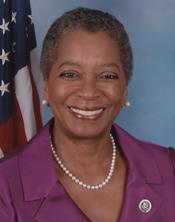
Mr. Speaker, I came to the floor to speak on another issue, but let me say a few words about health disparities before I do. Health disparities is one of the remaining issues and causes of our civil…
Mr. Speaker, I came to the floor to speak on another issue, but let me say a few words about health disparities before I do.
Health disparities is one of the remaining issues and causes of our civil rights struggle. And because our country does not recognize health care as a right, African Americans, Latino Americans, Native Americans, Alaskan natives, and other people of color, poor and rural people, do not receive the same kind of health care, prevention, or health maintenance. And because of that, you will find that in this country more than half of the uninsured are people of color.
We have two times more diabetes than the white population, and all people of color suffer from more complications.
African Americans have higher rates of death from heart disease and several cancers, prostate, colon, lung, and breast. We are over 50 percent of all new HIV cases and over 50 percent of new AIDS cases. African American and Latino women are 70 to 80 percent of all AIDS cases among women. Hypertension we find is becoming a worldwide epidemic, and African American women are the most impacted by hypertension; however, more African American men die from hypertension.
Our infant mortality is twice as much as our white counterparts, and the New York Times yesterday reported that it is growing in the southeast region of our country. So we really have an obligation in this Congress to address the health care disparities and the health disparities and the lack of coverage in this country to ensure that health care is provided equally to every American.
And so, Mr. Speaker, I want to pay tribute to a woman who was a champion of health for minorities and other people of color. The extremely sad news of Congresswoman Millender-McDonald's death came as a shock to all of us, and it is with a deep sense of loss that I join my colleagues who were here earlier in mourning her passing. Not only have I lost a colleague, but also a mentor, a sister, and a friend.
I am honored to work alongside Congresswoman Millender-McDonald as members of the Congressional Black Caucus together, and the Small Business Community. Juanita was a true champion for minority and women- owned small businesses, and played a pivotal role in proposing and passing legislation to expand financing and contracting opportunities for our Nation's small businesses. Her dedication to helping women- owned businesses was evident in her dedication to increasing funding to expand women's business centers throughout our Nation.
Her commitment to improving the lives of minorities is reflected in her lifelong work in affiliations with organizations such as the NAACP, Alpha Kappa Alpha, and a number of other organizations devoted to the advancement of minorities. She will also be remembered for her outstanding stewardship in the areas of transportation, education, health, and FEMA legislation.
We are grateful for the leadership and the innovation that she brought to the Committee on House Administration, which led to her historic achievement as the first African American woman to chair a committee in Congress.
I know that the House staff and all of the Members appreciate her role in establishing the House Fitness Center and creating an outlet for mental and physical activity. She has truly left a legacy for all of us through her distinguished service on this important committee.
Juanita will also be remembered for her passion for education, which was evident in her many eloquent speeches on the floor. She was truly a gifted and skilled orator. Juanita had the distinct ability to captivate and engage her audiences. Although she possessed strong and determined qualities, she personified grace, compassion, and beauty both inside and out.
On a more personal note, it was through Juanita, a minister's daughter, that I began attending Thursday morning prayer breakfast when I first
came to Congress. Her godliness was seen in all that she did.
Juanita championed the cause of AIDS long before it was fashionable to do so. Every year she held a race in her district. And while I could never get away to attend, she always had all of our support, and we never missed a t-shirt or any of the other paraphernalia that she gave out each year.
Juanita always spoke of her district with great affection and dedication. She frequently remarked that she had the most diverse district in the country, that she was able to bring them together. And to be reelected over and over is a testament to her leadership and her abiding belief that we are all children of God, equal in His sight and made in His image. Her mission was one of justice, fairness, and opportunity for all.
One cannot speak of Juanita Millender-McDonald without remarking on her exquisite taste and her unequaled sense of style. She was always dressed to the nines and was always the epitome of elegance and grace.
Mr. Speaker, although her passing leaves a void in the halls of Congress, her spirit and legacy will forever be with us. Words are not enough to express our profound sorrow. On behalf of my family, staff, and the people of the U.S. Virgin Islands, my deepest sympathy goes out to her husband, James McDonald, their children, grandchildren, extended family, and dedicated staff. May God bless and comfort them at this time in grief as we know He is welcoming our sister home.
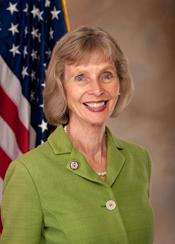
Mr. Speaker, I rise in strong support of S. 2739, the Consolidated Natural Resources Act of 2008. This bipartisan legislation consists of 61 measures that previously passed the House earlier in the…
Mr. Speaker, I rise in strong support of S. 2739, the Consolidated Natural Resources Act of 2008. This bipartisan legislation consists of 61 measures that previously passed the House earlier in the 110th Congress. Among the bill's provisions is Section 201, which incorporates H.R. 276, the Piedras Blancas Historic Light Station Outstanding Natural Area Act of 2007, a bill I sponsored and was approved by the House on March 5, 2007, by voice vote.
First, I want to thank the chairman of the Natural Resources Committee, Mr. Rahall, and chairman of the Subcommittee on National Parks, Forests and Public Lands, Mr. Grijalva, as well as the ranking members of the full Committee and Subcommittee for expediting the consideration of this legislation and for bringing S. 2739 before us today. I also want to thank Senator Bingaman, the chairman of the Energy and Natural Resources Committee, as well as Senator Feinstein and Senator Boxer for their support of the Consolidated Natural Resources Act.
Section 201 of S. 2739 would designate the Piedras Blancas Historic Light Station--located in my congressional district--as an Outstanding Natural Area within the BLM's National Landscape Conservation System.
The Piedras Blancas Light Station is located on an 18-acre parcel of BLM-administered land along the Pacific Coast in San Luis Obispo County. The property is adjacent to Pacific Coast Highway and the Hearst Castle State Historic Monument, and it looks over a pristine coastal area that includes the southern portion of the Monterey Bay National Marine Sanctuary and California Coastal National Monument. It is also nationally recognized as an important monitoring point for migrating whales, and is used by the U.S. Geological Survey, the National Marine Fisheries Service and a number of universities and colleges for marine wildlife and plant research.
The Light Station and the surrounding area are also important for tourism. For example, the national historic Light House--built in 1879--is a main destination focal point on the Central Coast, and the peninsula is very popular for viewing sea otters, elephant seals, and sea lions from shore. The elephant seal colony at Piedras Blancas attracts an estimated 400,000 visitors annually.
In 2001, BLM assumed ownership and management of the Light Station from the U.S. Coast Guard. Since then, BLM, State and local agencies, community stakeholders and conservation groups have developed a very successful partnership to preserve the Light Station.
Some of these partners include: the Piedras Blancas Light Station Association; California State Parks; San Luis Obispo County; the cities of Cambria and San Simeon; the California Coastal Conservancy and Coastal Commission; NOAA; and the Hearst Corporation.
As a result of their hard work, the site was re-opened to public tours in 2003--for the first time in 128 years! These partners continue to work together on a series of environmental education, historical restoration and resource protection programs. And I'm confidant they will each support and showcase this national designation if enacted.
Mr. Speaker, I also want to acknowledge the second and third-graders at Grover Heights Elementary school in my congressional district for their support of this Light Station. In 2006, these students began the ``Pennies for Piedras'' campaign to raise money toward restoration of the lighthouse. By the end
of the school year, the students had raised $1337.30 in pennies to repair Piedras Blancas. I'm happy to report the students at Grover Heights continue this wonderful effort to protect and enhance one of the Central Coast's crown jewels.
As you know, my legislation tracks the successful model of designating the Oregon Coast's Yaquina Head as an Outstanding Natural Area, which was signed into law in 1980. Yaquina Head was later included in the National Landscape Conservation System.
Like Yaquina Head, the addition of the Piedras Blancas Light Station to the NLCS would be an important step in protecting and preserving this valuable natural and historic resource. It will also focus attention on the restoration of the Light Station and surrounding area, specifically the three on-site National Register properties. And, it will serve as a means to increase public awareness of the Light Station's scientific, cultural and educational values.
Specifically, Section 201 stresses long-term conservation of the Light Station by requiring timely completion of a management plan. The management plan would be developed through a public process and include guidelines for restoration of the National Register of Historic Places buildings, including the Light House; public access; ecological and cultural resource management; and, fostering scientific study and research opportunities.
Mr. Speaker, the Piedras Blancas Light Station is a wonderful resource. It has the potential to serve as a model for future resource management, and therefore would be an appropriate addition to the BLM's National Landscape Conservation System.
Again, I would like to thank the Committee on Natural Resources for supporting this bill, which among other things, will designate the Piedras Blancas Historic Light Station as an Outstanding Natural Area, and urge its immediate passage.
Mr. President, I rise today to introduce legislation designed to extend permanent normal trade relations to Moldova. Moldova is still subject to the provisions of the Jackson-Vanik amendment to the…
Mr. President, I rise today to introduce legislation designed to extend permanent normal trade relations to Moldova. Moldova is still subject to the provisions of the Jackson-Vanik amendment to the Trade Act of 1974, which sanctions nations for failure to comply with freedom of emigration requirements. This bill would repeal permanently the application of Jackson-Vanik to Moldova.
Moldova is a small country located between Ukraine and Romania. Throughout the Cold War it was a part of the Soviet Union. It gained its independence from the Soviet Union on August 27, 1991. The U.S. has supported Moldova in its journey toward democracy and sovereignty.
The U.S. enjoys good relations with Moldova and has encouraged Moldovan efforts to integrate with Euro-Atlantic institutions. Moldova is an active participant in Guam, Georgia, Ukraine, Azerbaijan and Moldova, a group of countries that has recently concluded a new trade agreement with the EU.
Since declaring independence from the Soviet Union in 1992, Moldova has enacted a series of democratic and free market reforms. In 2001, Moldova became a member of the World Trade Organization. Until the U.S. terminates application of Jackson-Vanik on Moldova, the U.S. will not benefit from Moldova's market access commitments nor can it resort to WTO dispute resolution mechanisms. While all other WTO members currently enjoy these benefits, the U.S. does not.
The Republic of Moldova has been evaluated every year and granted normal trade relations with the U.S. through annual presidential waivers from the effects of Jackson-Vanik. The Moldovan constitution guarantees its citizens the right to emigrate and this right is respected in practice. Most emigration restrictions were eliminated in 1991 and virtually no problems with emigration have been reported in the 16 years since independence. More specifically, Moldova does not impose emigration restrictions on members of the Jewish community. Synagogues function openly and without harassment. As a result, the Administration finds that Moldova is in full compliance with Jackson- Vanik's provisions.
Since declaring independence from the Soviet Union in 1992, Moldova has enacted a series of democratic and free market reforms. Parliamentary elections in 2005 and local elections in 2007 generally complied with international standards for democratic elections. Moldova has also contributed constructively towards a resolution of the long- standing separatist conflict in the country's Transniestria region, most recently by proposing a series of confidence-building measures and working groups.
The U.S. and Moldova have established a strong record of achievement in security cooperation. In 1997 the Nunn-Lugar Cooperative Threat Reduction Program responded to a Moldovan request for assistance. The U.S. purchased and secured 14 nuclear-capable MiG-29Cs from Moldova. These fighter aircraft were built by the former Soviet Union to launch nuclear weapons. Moldova expressed concern that these aircraft were unsecure due to the lack of funds and equipment necessary to ensure they were not stolen or smuggled out of the country. Specifically, emissaries from Iran had shown great interest and had attempted to acquire the aircraft. These planes were not destroyed. They were disassembled and shipped to Wright Patterson Air Force Base because they can be used by American experts for research purposes.
Moldova has made small, but important, troop contributions in Iraq. These contributions include significant demining capabilities and contingents of combat troops. I am pleased that the U.S. remains prepared to assist in weapons and ammunition disposal and force relocation assistance to help deal with the costs of military realignments in Moldova and to assist with military downsizing and reforms.
One of the areas where we can deepen U.S.-Moldovan relations is bilateral trade. In light of its adherence to freedom of emigration requirements, compliance with threat reduction and cooperation in the global war on terrorism, the products of Moldova should not be subject to the sanctions of Jackson-Vanik. The U.S. must remain committed and engaged in assisting Moldova in pursuing economic and development reforms. The government in Chisinau still has important work to do in these critical areas. The support and encouragement of the U.S. and the international community will be key to encouraging the Government of Moldova to take the necessary steps to initiate reform. The permanent waiver of Jackson-Vanik and establishment of permanent normal trade relations will be the foundation on which further progress in a burgeoning economic and energy partnership can be made.
I am hopeful that my colleagues will join me in supporting this important legislation. It is essential that we act promptly to bolster this important relationship and promote stability in this region.
Mr. President, today I am pleased to introduce the Strategic Petroleum Reserve Fill Suspension and Consumer Protection Act of 2007. This bill directs the Secretary of Energy to suspend filling of the…
Mr. President, today I am pleased to introduce the Strategic Petroleum Reserve Fill Suspension and Consumer Protection Act of 2007. This bill directs the Secretary of Energy to suspend filling of the U.S. Strategic Petroleum Reserve, SPR, for 1 year. I appreciate that Senators Bingaman, Levin, Kerry, Collins, Lieberman, and Wyden have joined me as original cosponsors of this legislation. This bill directs the Secretary to stop filling the reserve through direct purchase, royalty-in-kind or any other measures. The secretary may only resume filling if the price of a barrel of crude oil drops below $50 per barrel during the remainder of 2008.
The price of a barrel of oil is reaching record highs and global supplies of oil continue to shrink. During this period of volatile markets and short supply, it makes no sense to me for the U.S. Government to continue to take highly valuable crude oil, especially light sweet crude, off the market to store underground in a reserve that is at least 96 percent full. Continuing to
``top off'' the Strategic Petroleum Reserve with highly valuable crude oil is putting upward pressure on oil prices and raising energy prices for consumers.
I believe that we must take a ``time out'' from filling the reserve in order to send a signal to the market to reduce rising energy prices that are hitting American consumers' pocketbooks. Lowering energy costs will put additional money back into consumers' hands and will help provide a real stimulus to our economy in my judgment.
Historically, the average price of oil used to fill the Strategic Petroleum Reserve has been about $27 per barrel. The Administration is now filling the Reserve with oil that averages over $90 per barrel, including highly sought after light sweet crude. This is a bad deal for American taxpayers and consumers.
On January 8, 2008, the Secretary of Energy sent me a letter stating that our Strategic Petroleum Reserve contains only 57 days of import protection and that the 50,000 barrels per day they are filling with is a small amount of the oil used on the global market daily. This is only part of the story. The fact is that the SPR, combined with our private oil stocks and refining inventories, total more than 118 days of import protection. The current levels in our strategic petroleum stocks are more than adequate to meet our international treaty obligations requiring 90 days of import protection for all OECD countries. I also disagree that taking 50,000 barrels per day off the market, especially light sweet crude, has no impact on energy prices. During the Clinton administration, Congress signaled that it wanted more than $200 million sold from the SPR in 1996, the price of oil dropped precipitously in the market. The market looks at many factors, including our filling of the SPR. This is another reason we can afford to temporarily suspend filling the Strategic Petroleum Reserve.
Further, the Energy Policy Act of 2005 provides directional guidance to expand the Strategic Petroleum Reserve. The provision in law clearly states that filling the reserve must be achieved ``without incurring excessive cost or appreciably affecting the price of petroleum products to consumers.'' I think filling the Strategic Petroleum Reserve in today's environment is indeed impacting the price of petroleum so that we must defer filling for now to ease pressure on the market.
Finally, the Congress enacted and the President signed historic legislation in December 2008--the Energy Independence and Security Act of 2007. That legislation established a strong foundation to put our Nation on an alternative energy security pathway. This includes strong fuel economy standards and an expanded renewable fuels standard. Conservative estimates provided by the Securing America's Future Energy Coalition show that the new legislation would reduce net oil imports by 1.75 million barrels per day by 2020, increasing to 2.26 million barrels per day in 2022 and rising thereafter. These estimates represent roughly half of the theoretical SPR drawdown capacity of 4.4 million barrels per day. They also increase the number of days of protection afforded by a given quantity of oil in the SPR. Thus, our enactment of historic Energy legislation will, over time, increase the insurance value of the SPR, even if the actual inventory level is frozen or slightly decreased.
Let me be clear. I believe maintaining a Strategic Petroleum Reserve is in the economic and national security interests of this country. However, during this time of record oil prices, rising energy costs for consumers, economic downturn and tight global oil supplies, the U.S. Government should suspend taking highly valuable oil off the market to store underground in the Strategic Petroleum Reserve.
Mr. President, I ask unanimous consent that the text of the bill be printed in the Record.
Bill Text
5 versions available
        [Congressional Bills 110th Congress]
[From the U.S. Government Printing Office]
[H.R. 1285 Reported in Senate (RS)]

Calendar No. 811
110th CONGRESS
2d Session
H. R. 1285

[Report No. 110-379]

_______________________________________________________________________

IN THE SENATE OF THE UNITED STATES

July 24, 2007

Received; read twice and referred to the Committee on Energy and
Natural Resources

June 16, 2008

Reported by Mr. Bingaman, without amendment

_______________________________________________________________________

AN ACT

To provide for the conveyance of a parcel of National Forest System
land in Kittitas County, Washington, to facilitate the construction of
a new fire and rescue station, and for other purposes.

Be it enacted by the Senate and House of Representatives of the
United States of America in Congress assembled,

SECTION 1. SHORT TITLE.

This Act may be cited as the ``Snoqualmie Pass Land Conveyance
Act''.

SEC. 2. LAND CONVEYANCE, NATIONAL FOREST SYSTEM LAND, KITTITAS COUNTY,
WASHINGTON.

(a) Conveyance Required.--The Secretary of Agriculture shall
convey, without consideration, to the King and Kittitas Counties Fire
District #51 of King and Kittitas Counties, Washington (in this section
referred to as the ``District''), all right, title, and interest of the
United States in and to a parcel of National Forest System land in
Kittitas County, Washington, consisting of approximately 1.5 acres
within the SW\1/4\ of the SE\1/4\ of section 4, township 22 north,
range 11 east, Willamette meridian, for the purpose of permitting the
District to use the parcel as a site for a new Snoqualmie Pass fire and
rescue station.
(b) Reversionary Interest.--If the Secretary determines at any time
that the real property conveyed under subsection (a) is not being used
in accordance with the purpose of the conveyance specified in such
subsection, all right, title, and interest in and to the property shall
revert, at the option of the Secretary, to the United States, and the
United States shall have the right of immediate entry onto the
property. Any determination of the Secretary under this subsection
shall be made on the record after an opportunity for a hearing.
(c) Survey.--If necessary, the exact acreage and legal description
of the lands to be conveyed under subsection (a) shall be determined by
a survey satisfactory to the Secretary. The cost of a survey shall be
borne by the District.
(d) Additional Terms and Conditions.--The Secretary may require
such additional terms and conditions in connection with the conveyance
under subsection (a) as the Secretary considers appropriate to protect
the interests of the United States.
Calendar No. 811

110th CONGRESS

2d Session

H. R. 1285

[Report No. 110-379]

_______________________________________________________________________

AN ACT

To provide for the conveyance of a parcel of National Forest System
land in Kittitas County, Washington, to facilitate the construction of
a new fire and rescue station, and for other purposes.

_______________________________________________________________________

June 16, 2008

Reported without amendment