Dignified Treatment of Wounded Warriors Act
 Rep. Ike Skelton (D-MO)
Legislative Activity
Stay on top of the latest movement without scrolling through every action
Senate ordered measure printed as passed.
September 5, 2007
View full timeline
Introduced in House
March 15, 2007
Referred to the Committee on Armed Services, and in addition to the Committee on Veterans' Affairs, for a period to be subsequently determined by the Speaker, in each case for consideration of such provisions as fall within the jurisdiction of the committee concerned.
March 15, 2007
Committee Consideration and Mark-up Session Held.
March 20, 2007
Ordered to be Reported (Amended) by the Yeas and Nays: 59 - 0.
March 20, 2007
Reported (Amended) by the Committee on Armed Services. H. Rept. 110-68, Part I.
March 23, 2007
Placed on the Union Calendar, Calendar No. 39.
March 23, 2007
Rules Committee Resolution H. Res. 274 Reported to House. Rule provides for consideration of H.R. 1538 with 1 hour and 20 minutes of general debate. Previous question shall be considered as ordered without intervening motions except motion to recommit with or without instructions.
March 27, 2007 • 10:40 PM
Rule H. Res. 274 passed House.
March 28, 2007 • 1:20 PM
Considered under the provisions of rule H. Res. 274. (consideration: CR H3206-3228; text of measure as reported in House: CR H3219-3224)
March 28, 2007 • 1:28 PM
Rule provides for consideration of H.R. 1538 with 1 hour and 20 minutes of general debate. Previous question shall be considered as ordered without intervening motions except motion to recommit with or without instructions.
March 28, 2007 • 1:28 PM
House resolved itself into the Committee of the Whole House on the state of the Union pursuant to H. Res. 274 and Rule XVIII.
March 28, 2007 • 1:29 PM
The Speaker designated the Honorable Xavier Becerra to act as Chairman of the Committee.
March 28, 2007 • 1:29 PM
GENERAL DEBATE - The Committee of the Whole proceeded with one hour and twenty minutes of general debate on H.R. 1538.
March 28, 2007 • 1:29 PM
DEBATE - Pursuant to the provisions of H.Res. 274, the Committee of the Whole proceeded with 10 minutes of debate on the Barrow amendment.
March 28, 2007 • 2:57 PM
DEBATE - Pursuant to the provisions of H.Res. 274, the Committee of the Whole proceeded with 10 minutes of debate on the Skelton amendment.
March 28, 2007 • 3:05 PM
DEBATE - Pursuant to the provisions of H.Res. 274, the Committee of the Whole proceeded with 10 minutes of debate on the Kline amendment.
March 28, 2007 • 3:07 PM
DEBATE - Pursuant to the provisions of H.Res. 274, the Committee of the Whole proceeded with 10 minutes of debate on the Kennedy amendment.
March 28, 2007 • 3:13 PM
DEBATE - Pursuant to the provisions of H.Res. 274, the Committee of the Whole proceeded with 10 minutes of debate on the Corinne Brown (FL) amendment.
March 28, 2007 • 3:18 PM
DEBATE - Pursuant to the provisions of H.Res. 274, the Committee of the Whole proceeded with 10 minutes of debate on the Sestak amendment.
March 28, 2007 • 3:21 PM
On agreeing to the Sestak amendment (A006) Agreed to by voice vote.
March 28, 2007 • 3:29 PM
(At 3:50 p.m. a unanimous consent request was agreed to which vitiated the foregoing voice vote and put into place a demand for a recorded vote on the Sestak amendment.)
March 28, 2007 • 3:29 PM
Mr. Skelton moved that the Committee rise.
March 28, 2007 • 3:30 PM
On motion that the Committee rise Agreed to by voice vote.
March 28, 2007 • 3:30 PM
Committee of the Whole House on the state of the Union rises leaving H.R. 1538 as unfinished business.
March 28, 2007 • 3:31 PM
ORDER OF PROCEDURE - During further consideration of H.R. 1538 pursuant to H. Res. 274, Mr. Skelton asked unanimous consent that the remaining amendments made in order by the rule may be offered in any order. Agreed to without objection.
March 28, 2007 • 3:31 PM
Considered as unfinished business. (consideration: CR H3228-3236)
March 28, 2007 • 3:32 PM
The House resolved into Committee of the Whole House on the state of the Union for further consideration.
March 28, 2007 • 3:32 PM
DEBATE - Pursuant to the provisions of H.Res. 274, the Committee of the Whole proceeded with 10 minutes of debate on the Eddie Bernice Johnson (TX) amendment, as modified.
March 28, 2007 • 3:34 PM
DEBATE - Pursuant to the provisions of H.Res. 274, the Committee of the Whole proceeded with 10 minutes of debate on the Hooley amendment.
March 28, 2007 • 3:44 PM
VITIATION OF EARLIER PROCEEDINGS - Mr. Kennedy of Rhode Island asked unanimous consent that he be allowed to request a recorded vote on the question of adoption of amendment numbered 7 printed in House Report 110-78 offered by Mr. Sestak, notwithstanding the previous adoption of the amendment by a voice vote. Agreed to without objection. Subsequently, the Chair announced that further proceedings on the amendment would be postponed.
March 28, 2007 • 3:50 PM
DEBATE - Pursuant to the provisions of H.Res. 274, the Committee of the Whole proceeded with 10 minutes of debate on the Hensarling amendment.
March 28, 2007 • 3:50 PM
DEBATE - Pursuant to the provisions of H.Res. 274, the Committee of the Whole proceeded with 10 minutes of debate on the Bilirakis amendment.
March 28, 2007 • 3:57 PM
DEBATE - Pursuant to the provisions of H.Res. 274, the Committee of the Whole proceeded with 10 minutes of debate on the Buchanan amendment.
March 28, 2007 • 4:01 PM
DEBATE - Pursuant to the provisions of H.Res. 274, the Committee of the Whole proceeded with 10 minutes of debate on the Welch amendment.
March 28, 2007 • 4:04 PM
The House rose from the Committee of the Whole House on the state of the Union to report H.R. 1538.
March 28, 2007 • 4:36 PM
The previous question was ordered pursuant to the rule. (consideration: CR H3234)
March 28, 2007 • 4:37 PM
The House adopted the amendment in the nature of a substitute as agreed to by the Committee of the Whole House on the state of the Union.
March 28, 2007 • 4:54 PM
Passed/agreed to in House: On passage Passed by the Yeas and Nays: 426 - 0 (Roll no. 208).
March 28, 2007 • 5:12 PM
On passage Passed by the Yeas and Nays: 426 - 0 (Roll no. 208).
March 28, 2007 • 5:12 PM
Motion to reconsider laid on the table Agreed to without objection.
March 28, 2007 • 5:12 PM
The Clerk was authorized to correct section numbers, punctuation, and cross references, and to make other necessary technical and conforming corrections in the engrossment of H.R. 1538.
March 28, 2007 • 5:12 PM
Received in the Senate and Read twice and referred to the Committee on Armed Services.
March 29, 2007
Referred to the Subcommittee on Military Personnel.
April 3, 2007
Senate Committee on Armed Services discharged by Unanimous Consent.
July 25, 2007
Measure laid before Senate by unanimous consent. (consideration: CR S9857-9860)
July 25, 2007
Passed Senate with an amendment by Unanimous Consent. (text: CR 7/30/2007 S10320-10335)
July 25, 2007
Message on Senate action sent to the House.
July 26, 2007
Senate ordered measure printed as passed.
September 5, 2007
Voting History
3 votes recorded • Roll call available
HOUSE
Roll Call AvailableMarch 28, 2007 at 5:11 PM
On Passage
Majority required: 1/2 (50%)
426 - 0
HOUSE
Roll Call AvailableMarch 28, 2007 at 4:54 PM
On Agreeing to the Amendment
Majority required: 1/2 (50%)
426 - 0
HOUSE
Roll Call AvailableMarch 28, 2007 at 4:35 PM
On Agreeing to the Amendment
Majority required: 1/2 (50%)
434 - 0
Amendments
13 amendmentsOffered to this bill
Amendments
13 amendmentsOffered to this bill
No matches
In the nature of a substitute.
Amendment SA 2402 agreed to in Senate by Unanimous Consent. · Sponsored by Carl Levin
An amendment numbered 12 printed in House Report 110-78 to require that the Secretary concerned provide the medical care managers and service member advocates with all the resources they need to expeditiously carry out their work. The amendment would also require the Department of Defense to conduct outreach to inform all service members and their families about the existence of and services available to them by the medical care managers and service member advocates contained in the bill.
On agreeing to the Welch (VT) amendment (A012) Agreed to by voice vote. · Sponsored by Peter Welch
An amendment numbered 11 printed in House Report 110-78 to direct the Secretary of Defense to submit to Congress a report on the feasibility of a Soldier Patient Tracking System so any patient can be located in the medical holdover (MHO) process.
On agreeing to the Buchanan amendment (A011) Agreed to by voice vote. · Sponsored by Vern Buchanan
An amendment numbered 10 printed in House Report 110-78 to.
On agreeing to the Bilirakis amendment (A010) Agreed to by voice vote. · Sponsored by Gus M. Bilirakis
An amendment numbered 9 printed in House Report 110-78 to direct the Secretary of Veterans Affairs to conduct a study to determine what the average length of time is between the date for which a veteran requests an appointment and the date he is able to receive care. This amendment also requires that the Secretary report back to Congress within 180 days with recommendations as to how this time could be decreased to 15 days.
On agreeing to the Hensarling amendment (A009) Agreed to by voice vote. · Sponsored by Jeb Hensarling
An amendment numbered 8 printed in House Report 110-78 to give members of the Reserve Component the option to use Military Medical Treatment Facilities closest to home for treatment on an outpatient basis of injuries sustained in theater.
On agreeing to the Hooley amendment (A008) Agreed to by voice vote. · Sponsored by Darlene Hooley
An amendment numbered 6 printed in House Report 110-78 to strengthen language that professionals' training be `improved' rather than `modified,' and it also places greater emphasis on adequate training to detect mental health conditions among recovering service members.
On agreeing to the Johnson, E. B. amendment (A007) as modified Agreed to by voice vote. (text as modified: CR H3229) · Sponsored by Eddie Bernice Johnson
An amendment numbered 7 printed in House Report 110-78 to require the Secretary of the Department of Defense to develop and implement a plan to help prevent Post-Traumatic Stress Disorder and other stress-related psychopathologies (including substance abuse conditions) from developing in our military service members. In addition, this amendment would establish a new Peer-Reviewed research program within the Defense Health Program's research and development function to research the prevention of Post-Traumatic Stress Disorder and how to best strengthen the psychological resiliency of our military service members.
On agreeing to the Sestak amendment (A006) Agreed to by the Yeas and Nays: 426 - 0 (Roll no. 207). · Sponsored by Joe Sestak
An amendment numbered 5 printed in House Report 110-78 to ensure confidentiality for members of the military who call the hotline for help.
On agreeing to the Brown, Corrine amendment (A005) Agreed to by voice vote. · Sponsored by Corrine Brown
An amendment numbered 4 printed in House Report 110-78 to add a definition to Sec.2 to clarify that`medical care' includes mental health care.
On agreeing to the Kennedy amendment (A004) Agreed to by voice vote. · Sponsored by Patrick J. Kennedy
An amendment numbered 3 printed in House Report 110-78 to direct the Secretary of Defense to ensure that $10,000,000 is directed to support programs, activities, and facilities associated with the Marine Corps Wounded Warrior Regiment program from the Medical Support Fund created by this bill.
On agreeing to the Kline (MN) amendment (A003) Agreed to by voice vote. · Sponsored by John Kline
An amendment numbered 2 to make technical changes in section 101 to clarify the qualification of military officers who may supervise medical care case managers and in section 107 to require that the tracking system for reports to medical authorities regarding wounded warrior symptoms of post-traumatic stress disorder or suicidal tendencies be developed not later than 180 days after the date of enactment and that the results be included in the Congressional reporting requirement.
On agreeing to the Skelton amendment (A002) Agreed to by voice vote. · Sponsored by Ike Skelton
An amendment numbered 1 printed in House Report 110-78 to eliminate the deductible and changes the method of determining the mileage reimbursement rate under the beneficiary travel program administered by the Secretary of Veterans' Affairs. The reimbursement rate will be increased to the level at which Government employees are reimbursed for the use of privately owned vehicles on official business.
On agreeing to the Barrow amendment (A001) Agreed to by voice vote. · Sponsored by John Barrow
Floor Debate
24 membersWhat members said about H.R. 1538 on the floor



 +19
+19
Floor Debate
24 membersWhat members said about H.R. 1538 on the floor
Mr. Speaker, by direction of the Committee on Rules, I call up House Resolution 274 and ask for its immediate consideration. Mr. Speaker, for the purpose of debate only, I yield the customary 30…
Mr. Chairman, I yield myself such time as I might consume. Mr. Chairman, I am pleased to bring forward for consideration this bill, H.R. 1538, the Wounded Warrior Assistance Act of 2007. This bill is…
Mr. Chairman, I want to add my voice to the eloquent voice of the chairman, Mr. Skelton. I want to thank him, and thank also Dr. Snyder and John McHugh, the chairman and ranking member of Personnel,…
Mr. Chairman, as the chairman of the Veterans Affairs Committee, I rise in strong support of the Wounded Warrior Assistance Act; and I yield to myself what time I might consume. I want to thank…
Mr. Chairman, I yield myself 5 minutes. I rise in favor of this bill, the Wounded Warrior Assistance Act. For over 15 years, whether it was on the House Armed Services Committee or chairman of the…
Show 8 more

Mr. Chairman, I rise in strong support of H.R. 1538, the ``Wounded Warrior Assistance Act of 2007.'' The news of the horrible living conditions at Walter Reed Army Medical Center raised our national…

Mr. Chairman, I offer an amendment. Mr. Chairman, I rise to offer this amendment with my colleague Mr. Sestak. This amendment, Mr. Chairman, would amend the definition of medical care under the…

Mr. Speaker, I thank the gentlewoman from Florida for yielding me the customary 30 minutes; and, Mr. Speaker, I yield myself as much time as I may consume. (Mr. HASTINGS of Washington asked and was…

Mr. Speaker, I thank my friend for yielding. Mr. Speaker, on Monday, the House will meet at 12:30 p.m. for morning hour business and 2 p.m. for legislative business. We will consider several bills…
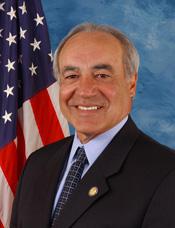
Mr. Chairman, I rise today in support of H.R. 1538, the Wounded Warrior Assistance Act. I voted against this war 5 years ago and believe we should never have gone into Iraq. But as a veteran, I stand…

I thank the gentleman both for yielding and for his very, very gracious comments, and I thank Mr. Chairman. I want to begin by giving thanks where thanks are certainly due. I want to express my…
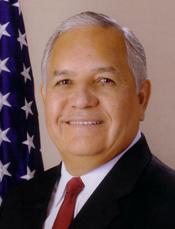
Mr. Chairman, I rise today to express my strong support for the Wounded Warrior Assistance Act. While I am pleased that we are taking swift action on this important bill, I am woefully disappointed…

Mr. Chairman, I offer an amendment. Mr. Chairman, this amendment addresses the situation that we are facing on the ground overseas and at home. The United States Marine Corps is suffering a little…
Show 11 more

Mr. Chairman, I offer an amendment. Mr. Chairman, with four in 10 members of the military in Iraq and Afghanistan serving in the Reserve component, it is clear that our National Guard is no longer a…

Mr. Chairman, I offer an amendment. Mr. Chairman, I yield myself such time as I may consume. Mr. Chairman, as someone who wore the cloth of this Nation for 31 years, few things are as important to me…

Mr. Chairman, I ask to claim the time allotted for debate of the amendment offered by Ms. Johnson, although I do not oppose the amendment. Mr. Chairman, I certainly support this and so many other…

Mr. Chairman, it's unfortunate that we even have to consider this bill. Proper care of our military wounded should be the top priority of our military medical establishment. As we know now, it was…

Mr. Chairman, I offer an amendment. Mr. Chairman, I yield myself as much time as I may consume. Mr. Chairman, first, I want to thank the chairman of the committee, and I want to thank all those who…

Mr. Speaker, I yield to my good friend, the majority leader, for the purpose of inquiring about next week's schedule. The gentleman said he expected that budget resolution to be on Friday? Does the…
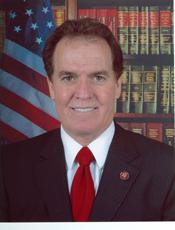
Mr. Chairman, I rise today in strong support of H.R. 1538, the Wounded Warrior Assistance Act. This bipartisan bill was reported unanimously by the Armed Services Committee, and I am a proud, proud…

Mr. Chairman, I rise today in support of this and other efforts to correct deficiencies in our military health care system and to ensure that the men and women of our Armed Forces get the attention…

Mr. Chairman, I offer an amendment. Mr. Chairman, I ask unanimous consent that my amendment be modified with the text that I have at the desk that proposes text changes in section 107 of the bill.…

Mr. Chairman, I thank the gentleman from San Diego for yielding me this time. I rise in support of this legislation and want to highlight two key components of the Wounded Warrior Assistance Act that…

I thank the gentleman from Indiana for yielding time to me. I express my appreciation to the Chair for recognizing me. Mr. Chairman, I am here today in support of this legislation, but I think this…
Bill Text
6 versions available
        [Congressional Bills 110th Congress]
[From the U.S. Government Publishing Office]
[H.R. 1538 Public Print (PP)]

September 5, 2007

Ordered to be printed as passed

In the Senate of the United States,

July 25, 2007.
Resolved, That the bill from the House of Representatives (H.R.
1538) entitled ``An Act to amend title 10, United States Code, to
improve the management of medical care, personnel actions, and quality
of life issues for members of the Armed Forces who are receiving
medical care in an outpatient status, and for other purposes.'', do
pass with the following

AMENDMENT:

Strike out all after the enacting clause and insert:

SECTION 1. SHORT TITLE; TABLE OF CONTENTS.

(a) Short Title.--This Act may be cited as the ``Dignified
Treatment of Wounded Warriors Act''.
(b) Table of Contents.--The table of contents for this Act is as
follows:

Sec. 1. Short title; table of contents.

TITLE I--WOUNDED WARRIOR MATTERS

Sec. 101. General definitions.

Subtitle A--Policy on Care, Management, and Transition of
Servicemembers With Serious Injuries or Illnesses

Sec. 111. Comprehensive policy on care, management, and transition of
members of the Armed Forces with serious
injuries or illnesses.
Sec. 112. Consideration of needs of women members of the Armed Forces
and veterans.

Subtitle B--Health Care

PART I--Enhanced Availability of Care for Servicemembers

Sec. 121. Medical care and other benefits for members and former
members of the Armed Forces with severe
injuries or illnesses.
Sec. 122. Reimbursement of certain former members of the uniformed
services with service-connected
disabilities for travel for follow-on
specialty care and related services.

PART II--Care and Services for Dependents

Sec. 126. Medical care and services and support services for families
of members of the Armed Forces recovering
from serious injuries or illnesses.
Sec. 127. Extended benefits under TRICARE for primary caregivers of
members of the uniformed services who incur
a serious injury or illness on active duty.

PART III--Traumatic Brain Injury and Post-Traumatic Stress Disorder

Sec. 131. Comprehensive plans on prevention, diagnosis, mitigation, and
treatment of traumatic brain injury and
post-traumatic stress disorder in members
of the Armed Forces.
Sec. 132. Improvement of medical tracking system for members of the
Armed Forces deployed overseas.
Sec. 133. Centers of excellence in the prevention, diagnosis,
mitigation, treatment, and rehabilitation
of traumatic brain injury and post-
traumatic stress disorder.
Sec. 134. Review of mental health services and treatment for female
members of the Armed Forces and veterans.
Sec. 135. Funding for improved diagnosis, treatment, and rehabilitation
of members of the Armed Forces with
traumatic brain injury or post-traumatic
stress disorder.
Sec. 136. Reports.

PART IV--Other Matters

Sec. 141. Joint electronic health record for the Department of Defense
and Department of Veterans Affairs.
Sec. 142. Enhanced personnel authorities for the Department of Defense
for health care professionals for care and
treatment of wounded and injured members of
the Armed Forces.
Sec. 143. Personnel shortages in the mental health workforce of the
Department of Defense, including personnel
in the mental health workforce.

Subtitle C--Disability Matters

PART I--Disability Evaluations

Sec. 151. Utilization of veterans' presumption of sound condition in
establishing eligibility of members of the
Armed Forces for retirement for disability.
Sec. 152. Requirements and limitations on Department of Defense
determinations of disability with respect
to members of the Armed Forces.
Sec. 153. Review of separation of members of the Armed Forces separated
from service with a disability rating of 20
percent disabled or less.
Sec. 154. Pilot programs on revised and improved disability evaluation
system for members of the Armed Forces.
Sec. 155. Reports on Army action plan in response to deficiencies in
the Army physical disability evaluation
system.

PART II--Other Disability Matters

Sec. 161. Enhancement of disability severance pay for members of the
Armed Forces.
Sec. 162. Traumatic Servicemembers' Group Life Insurance.
Sec. 163. Electronic transfer from the Department of Defense to the
Department of Veterans Affairs of documents
supporting eligibility for benefits.
Sec. 164. Assessments of temporary disability retired list.

Subtitle D--Improvement of Facilities Housing Patients

Sec. 171. Standards for military medical treatment facilities,
specialty medical care facilities, and
military quarters housing patients.
Sec. 172. Reports on Army action plan in response to deficiencies
identified at Walter Reed Army Medical
Center.
Sec. 173. Construction of facilities required for the closure of Walter
Reed Army Medical Center, District of
Columbia.

Subtitle E--Outreach and Related Information on Benefits

Sec. 181. Handbook for members of the Armed Forces on compensation and
benefits available for serious injuries and
illnesses.

Subtitle F--Other Matters

Sec. 191. Study on physical and mental health and other readjustment
needs of members and former members of the
Armed Forces who deployed in Operation
Iraqi Freedom and Operation Enduring
Freedom and their families.

TITLE II--VETERANS MATTERS

Sec. 201. Sense of Congress on Department of Veterans Affairs efforts
in the rehabilitation and reintegration of
veterans with traumatic brain injury.
Sec. 202. Individual rehabilitation and community reintegration plans
for veterans and others with traumatic
brain injury.
Sec. 203. Use of non-Department of Veterans Affairs facilities for
implementation of rehabilitation and
community reintegration plans for traumatic
brain injury.
Sec. 204. Research, education, and clinical care program on severe
traumatic brain injury.
Sec. 205. Pilot program on assisted living services for veterans with
traumatic brain injury.
Sec. 206. Research on traumatic brain injury.
Sec. 207. Age-appropriate nursing home care.
Sec. 208. Extension of period of eligibility for health care for combat
service in the Persian Gulf war or future
hostilities.
Sec. 209. Mental health: service-connection status and evaluations for
certain veterans.
Sec. 210. Modification of requirements for furnishing outpatient dental
services to veterans with a service-
connected dental condition or disability.
Sec. 211. Demonstration program on preventing veterans at-risk of
homelessness from becoming homeless.
Sec. 212. Clarification of purpose of the outreach services program of
the Department of Veterans Affairs.

TITLE III

Sec. 301. Fiscal year 2008 increase in military basic pay.

TITLE I--WOUNDED WARRIOR MATTERS

SEC. 101. GENERAL DEFINITIONS.

In this title:
(1) The term ``appropriate committees of Congress'' means--
(A) the Committees on Armed Services and Veterans'
Affairs of the Senate; and
(B) the Committees on Armed Services and Veterans'
Affairs of the House of Representatives.
(2) The term ``covered member of the Armed Forces'' means a
member of the Armed Forces, including a member of the National
Guard or a Reserve, who is undergoing medical treatment,
recuperation, or therapy, is otherwise in medical hold or
medical holdover status, or is otherwise on the temporary
disability retired list for a serious injury or illness.
(3) The term ``family member'', with respect to a member of
the Armed Forces or a veteran, has the meaning given that term
in section 411h(b) of title 37, United States Code.
(4) The term ``medical hold or medical holdover status''
means--
(A) the status of a member of the Armed Forces,
including a member of the National Guard or Reserve,
assigned or attached to a military hospital for medical
care; and
(B) the status of a member of a reserve component
of the Armed Forces who is separated, whether pre-
deployment or post-deployment, from the member's unit
while in need of health care based on a medical
condition identified while the member is on active duty
in the Armed Forces.
(5) The term ``serious injury or illness'', in the case of
a member of the Armed Forces, means an injury or illness
incurred by the member in line of duty on active duty in the
Armed Forces that may render the member medically unfit to
perform the duties of the member's office, grade, rank, or
rating.
(6) The term ``TRICARE program'' has the meaning given that
term in section 1072(7) of title 10, United States Code.

Subtitle A--Policy on Care, Management, and Transition of
Servicemembers With Serious Injuries or Illnesses

SEC. 111. COMPREHENSIVE POLICY ON CARE, MANAGEMENT, AND TRANSITION OF
MEMBERS OF THE ARMED FORCES WITH SERIOUS INJURIES OR
ILLNESSES.

(a) Comprehensive Policy Required.--
(1) In general.--Not later than January 1, 2008, the
Secretary of Defense and the Secretary of Veterans Affairs
shall, to the extent feasible, jointly develop and implement a
comprehensive policy on the care and management of members of
the Armed Forces who are undergoing medical treatment,
recuperation, or therapy, are otherwise in medical hold or
medical holdover status, or are otherwise on the temporary
disability retired list for a serious injury or illness
(hereafter in this section referred to as a ``covered
servicemembers'').
(2) Scope of policy.--The policy shall cover each of the
following:
(A) The care and management of covered
servicemembers while in medical hold or medical
holdover status or on the temporary disability retired
list.
(B) The medical evaluation and disability
evaluation of covered servicemembers.
(C) The return of covered servicemembers to active
duty when appropriate.
(D) The transition of covered servicemembers from
receipt of care and services through the Department of
Defense to receipt of care and services through the
Department of Veterans Affairs.
(3) Consultation.--The Secretary of Defense and the
Secretary of Veterans Affairs shall develop the policy in
consultation with the heads of other appropriate departments
and agencies of the Federal Government and with appropriate
non-governmental organizations having an expertise in matters
relating to the policy.
(4) Update.--The Secretary of Defense and the Secretary of
Veterans Affairs shall jointly update the policy on a periodic
basis, but not less often than annually, in order to
incorporate in the policy, as appropriate, the results of the
reviews under subsections (b) and (c) and the best practices
identified through pilot programs under section 154.
(b) Review of Current Policies and Procedures.--
(1) Review required.--In developing the policy required by
this section, the Secretary of Defense and the Secretary of
Veterans Affairs shall, to the extent necessary, jointly and
separately conduct a review of all policies and procedures of
the Department of Defense and the Department of Veterans
Affairs that apply to, or shall be covered by, the policy.
(2) Purpose.--The purpose of the review shall be to
identify the most effective and patient-oriented approaches to
care and management of covered servicemembers for purposes of--
(A) incorporating such approaches into the policy;
and
(B) extending such approaches, where applicable, to
care and management of other injured or ill members of
the Armed Forces and veterans.
(3) Elements.--In conducting the review, the Secretary of
Defense and the Secretary of Veterans Affairs shall--
(A) identify among the policies and procedures
described in paragraph (1) best practices in approaches
to the care and management described in that paragraph;
(B) identify among such policies and procedures
existing and potential shortfalls in such care and
management (including care and management of covered
servicemembers on the temporary disability retired
list), and determine means of addressing any shortfalls
so identified;
(C) determine potential modifications of such
policies and procedures in order to ensure consistency
and uniformity among the military departments and the
regions of the Department of Veterans Affairs in their
application and discharge; and
(D) develop recommendations for legislative and
administrative action necessary to implement the
results of the review.
(4) Deadline for completion.--The review shall be completed
not later than 90 days after the date of the enactment of this
Act.
(c) Consideration of Findings, Recommendations, and Practices.--In
developing the policy required by this section, the Secretary of
Defense and the Secretary of Veterans Affairs shall take into account
the following:
(1) The findings and recommendations of applicable studies,
reviews, reports, and evaluations that address matters relating
to the policy, including, but not limited, to the following:
(A) The Independent Review Group on Rehabilitative
Care and Administrative Processes at Walter Reed Army
Medical Center and National Naval Medical Center
appointed by the Secretary of Defense.
(B) The Secretary of Veterans Affairs Task Force on
Returning Global War on Terror Heroes appointed by the
President.
(C) The President's Commission on Care for
America's Returning Wounded Warriors.
(D) The Veterans' Disability Benefits Commission
established by title XV of the National Defense
Authorization Act for Fiscal Year 2004 (Public Law 108-
136; 117 Stat. 1676; 38 U.S.C. 1101 note).
(E) The President's Commission on Veterans'
Pensions, of 1956, chaired by General Omar N. Bradley.
(F) The Report of the Congressional Commission on
Servicemembers and Veterans Transition Assistance, of
1999, chaired by Anthony J. Principi.
(G) The President's Task Force to Improve Health
Care Delivery for Our Nation's Veterans, of March 2003.
(2) The experience and best practices of the Department of
Defense and the military departments on matters relating to the
policy.
(3) The experience and best practices of the Department of
Veterans Affairs on matters relating to the policy.
(4) Such other matters as the Secretary of Defense and the
Secretary of Veterans Affairs consider appropriate.
(d) Particular Elements of Policy.--The policy required by this
section shall provide, in particular, the following:
(1) Responsibility for covered servicemembers in medical
hold or medical holdover status or on temporary disability
retired list.--Mechanisms to ensure responsibility for covered
servicemembers in medical hold or medical holdover status or on
the temporary disability retired list, including the following:
(A) Uniform standards for access of covered
servicemembers to non-urgent health care services from
the Department of Defense or other providers under the
TRICARE program, with such access to be--
(i) for follow-up care, within 2 days of
request of care;
(ii) for specialty care, within 3 days of
request of care;
(iii) for diagnostic referrals and studies,
within 5 days of request; and
(iv) for surgery based on a physician's
determination of medical necessity, within 14
days of request.
(B) Requirements for the assignment of adequate
numbers of personnel for the purpose of responsibility
for and administration of covered servicemembers in
medical hold or medical holdover status or on the
temporary disability retired list.
(C) Requirements for the assignment of adequate
numbers of medical personnel and non-medical personnel
to roles and responsibilities for caring for and
administering covered servicemembers in medical hold or
medical holdover status or on the temporary disability
retired list, and a description of the roles and
responsibilities of personnel so assigned.
(D) Guidelines for the location of care for covered
servicemembers in medical hold or medical holdover
status or on the temporary disability retired list,
which guidelines shall address the assignment of such
servicemembers to care and residential facilities
closest to their duty station or home of record or the
location of their designated caregiver at the earliest
possible time.
(E) Criteria for work and duty assignments of
covered servicemembers in medical hold or medical
holdover status or on the temporary disability retired
list, including a prohibition on the assignment of duty
to a servicemember which is incompatible with the
servicemember's medical condition.
(F) Guidelines for the provision of care and
counseling for eligible family members of covered
servicemembers in medical hold or medical holdover
status or on the temporary disability retired list.
(G) Requirements for case management of covered
servicemembers in medical hold or medical holdover
status or on the temporary disability retired list,
including qualifications for personnel providing such
case management.
(H) Requirements for uniform quality of care and
administration for all covered servicemembers in
medical hold or medical holdover status or on the
temporary disability retired list, whether members of
the regular components of the Armed Forces or members
of the reserve components of the Armed Forces.
(I) Standards for the conditions and accessibility
of residential facilities for covered servicemembers in
medical hold or medical holdover status or on the
temporary disability retired list who are in outpatient
status, and for their immediate family members.
(J) Requirements on the provision of transportation
and subsistence for covered servicemembers in medical
hold or medical holdover status or on the temporary
disability retired list, whether in inpatient status or
outpatient status, to facilitate obtaining needed
medical care and services.
(K) Requirements on the provision of educational
and vocational training and rehabilitation
opportunities for covered servicemembers in medical
hold or medical holdover status or on the temporary
disability retired list.
(L) Procedures for tracking and informing covered
servicemembers in medical hold or medical holdover
status or on the temporary disability retired list
about medical evaluation board and physical disability
evaluation board processing.
(M) Requirements for integrated case management of
covered servicemembers in medical hold or medical
holdover status or on the temporary disability retired
list during their transition from care and treatment
through the Department of Defense to care and treatment
through the Department of Veterans Affairs.
(N) Requirements and standards for advising and
training, as appropriate, family members with respect
to care for covered servicemembers in medical hold or
medical holdover status or on the temporary disability
retired list with serious medical conditions,
particularly traumatic brain injury (TBI), burns, and
post-traumatic stress disorder (PTSD).
(O) Requirements for periodic reassessments of
covered servicemembers, and limits on the length of
time such servicemembers may be retained in medical
hold or medical holdover status or on the temporary
disability retired list.
(P) Requirements to inform covered servicemembers
and their family members of their rights and
responsibilities while in medical hold or medical
holdover status or on the temporary disability retired
list.
(Q) The requirement to establish a Department of
Defense-wide Ombudsman Office within the Office of the
Secretary of Defense to provide oversight of the
ombudsman offices in the military departments and
policy guidance to such offices with respect to
providing assistance to, and answering questions from,
covered servicemembers and their families.
(2) Medical evaluation and physical disability evaluation
for covered servicemembers.--
(A) Medical evaluations.--Processes, procedures,
and standards for medical evaluations of covered
servicemembers, including the following:
(i) Processes for medical evaluations of
covered servicemembers that are--
(I) applicable uniformly throughout
the military departments; and
(II) applicable uniformly with
respect to such servicemembers who are
members of the regular components of
the Armed Forces and such
servicemembers who are members of the
National Guard and Reserve.
(ii) Standard criteria and definitions for
determining the achievement for covered
servicemembers of the maximum medical benefit
from treatment and rehabilitation.
(iii) Standard timelines for each of the
following:
(I) Determinations of fitness for
duty of covered servicemembers.
(II) Specialty consultations for
covered servicemembers.
(III) Preparation of medical
documents for covered servicemembers.
(IV) Appeals by covered
servicemembers of medical evaluation
determinations, including
determinations of fitness for duty.
(iv) Uniform standards for qualifications
and training of medical evaluation board
personnel, including physicians, case workers,
and physical disability evaluation board
liaison officers, in conducting medical
evaluations of covered servicemembers.
(v) Standards for the maximum number of
medical evaluation cases of covered
servicemembers that are pending before a
medical evaluation board at any one time, and
requirements for the establishment of
additional medical evaluation boards in the
event such number is exceeded.
(vi) Uniform standards for information for
covered servicemembers, and their families, on
the medical evaluation board process and the
rights and responsibilities of such
servicemembers under that process, including a
standard handbook on such information.
(B) Physical disability evaluations.--Processes,
procedures, and standards for physical disability
evaluations of covered servicemembers, including the
following:
(i) A non-adversarial process of the
Department of Defense and the Department of
Veterans Affairs for disability determinations
of covered servicemembers.
(ii) To the extent feasible, procedures to
eliminate unacceptable discrepancies among
disability ratings assigned by the military
departments and the Department of Veterans
Affairs, particularly in the disability
evaluation of covered servicemembers, which
procedures shall be subject to the following
requirements and limitations:
(I) Such procedures shall apply
uniformly with respect to covered
servicemembers who are members of the
regular components of the Armed Forces
and covered servicemembers who are
members of the National Guard and
Reserve.
(II) Under such procedures, each
Secretary of a military department
shall, to the extent feasible, utilize
the standard schedule for rating
disabilities in use by the Department
of Veterans Affairs, including any
applicable interpretation of such
schedule by the United States Court of
Appeals for Veterans Claims, in making
any determination of disability of a
covered servicemember.
(iii) Standard timelines for appeals of
determinations of disability of covered
servicemembers, including timelines for
presentation, consideration, and disposition of
appeals.
(iv) Uniform standards for qualifications
and training of physical disability evaluation
board personnel in conducting physical
disability evaluations of covered
servicemembers.
(v) Standards for the maximum number of
physical disability evaluation cases of covered
servicemembers that are pending before a
physical disability evaluation board at any one
time, and requirements for the establishment of
additional physical disability evaluation
boards in the event such number is exceeded.
(vi) Procedures for the provision of legal
counsel to covered servicemembers while
undergoing evaluation by a physical disability
evaluation board.
(vii) Uniform standards on the roles and
responsibilities of case managers,
servicemember advocates, and judge advocates
assigned to covered servicemembers undergoing
evaluation by a physical disability board, and
uniform standards on the maximum number of
cases involving such servicemembers that are to
be assigned to such managers and advocates.
(C) Return of covered servicemembers to active
duty.--Standards for determinations by the military
departments on the return of covered servicemembers to
active duty in the Armed Forces.
(D) Transition of covered servicemembers from dod
to va.--Processes, procedures, and standards for the
transition of covered servicemembers from care and
treatment by the Department of Defense to care and
treatment by the Department of Veterans Affairs before,
during, and after separation from the Armed Forces,
including the following:
(i) A uniform, patient-focused policy to
ensure that the transition occurs without gaps
in medical care and the quality of medical
care, benefits, and services.
(ii) Procedures for the identification and
tracking of covered servicemembers during the
transition, and for the coordination of care
and treatment of such servicemembers during the
transition, including a system of cooperative
case management of such servicemembers by the
Department of Defense and the Department of
Veterans Affairs during the transition.
(iii) Procedures for the notification of
Department of Veterans Affairs liaison
personnel of the commencement by covered
servicemembers of the medical evaluation
process and the physical disability evaluation
process.
(iv) Procedures and timelines for the
enrollment of covered servicemembers in
applicable enrollment or application systems of
the Department of Veterans with respect to
health care, disability, education, vocational
rehabilitation, or other benefits.
(v) Procedures to ensure the access of
covered servicemembers during the transition to
vocational, educational, and rehabilitation
benefits available through the Department of
Veterans Affairs.
(vi) Standards for the optimal location of
Department of Defense and Department of
Veterans Affairs liaison and case management
personnel at military medical treatment
facilities, medical centers, and other medical
facilities of the Department of Defense.
(vii) Standards and procedures for
integrated medical care and management for
covered servicemembers during the transition,
including procedures for the assignment of
medical personnel of the Department of Veterans
Affairs to Department of Defense facilities to
participate in the needs assessments of such
servicemembers before, during, and after their
separation from military service.
(viii) Standards for the preparation of
detailed plans for the transition of covered
servicemembers from care and treatment by the
Department of Defense to care and treatment by
the Department of Veterans Affairs, which plans
shall be based on standardized elements with
respect to care and treatment requirements and
other applicable requirements.
(E) Other matters.--The following additional
matters with respect to covered servicemembers:
(i) Access by the Department of Veterans
Affairs to the military health records of
covered servicemembers who are receiving care
and treatment, or are anticipating receipt of
care and treatment, in Department of Veterans
Affairs health care facilities.
(ii) Requirements for utilizing, in
appropriate cases, a single physical
examination that meets requirements of both the
Department of Defense and the Department of
Veterans Affairs for covered servicemembers who
are being retired, separated, or released from
military service.
(iii) Surveys and other mechanisms to
measure patient and family satisfaction with
the provision by the Department of Defense and
the Department of Veterans Affairs of care and
services for covered servicemembers, and to
facilitate appropriate oversight by supervisory
personnel of the provision of such care and
services.
(3) Report on reduction in disability ratings by the
department of defense.--The Secretary of Defense shall submit a
report to the Committees on Armed Services of the Senate and
House of Representatives on the number of instances in which a
disability rating assigned to a member of the Armed Forces by
an informal physical evaluation board of the Department of
Defense was reduced upon appeal, and the reasons for such
reduction. Such report shall cover the period beginning October
7, 2001, and ending September 30, 2006, and shall be submitted
to the appropriate committees of Congress by February 1, 2008.
(e) Reports.--
(1) Report on policy.--Upon the development of the policy
required by this section but not later than January 1, 2008,
the Secretary of Defense and the Secretary of Veterans Affairs
shall jointly submit to the appropriate committees of Congress
a report on the policy, including a comprehensive and detailed
description of the policy and of the manner in which the policy
addresses the findings and recommendations of the reviews under
subsections (b) and (c).
(2) Reports on update.--Upon updating the policy under
subsection (a)(4), the Secretary of Defense and the Secretary
of Veterans Affairs shall jointly submit to the appropriate
committees of Congress a report on the update of the policy,
including a comprehensive and detailed description of such
update and of the reasons for such update.
(f) Comptroller General Assessment of Implementation.--Not later
than six months after the date of the enactment of this Act and every
year thereafter, the Comptroller General of the United States shall
submit to the appropriate committees of Congress a report setting forth
the assessment of the Comptroller General of the progress of the
Secretary of Defense and the Secretary of Veterans Affairs in
developing and implementing the policy required by this section.

SEC. 112. CONSIDERATION OF NEEDS OF WOMEN MEMBERS OF THE ARMED FORCES
AND VETERANS.

(a) In General.--In developing and implementing the policy required
by section 111, and in otherwise carrying out any other provision of
this title or any amendment made by this title, the Secretary of
Defense and the Secretary of Veterans Affairs shall take into account
and fully address any unique specific needs of women members of the
Armed Forces and women veterans under such policy or other provision.
(b) Reports.--In submitting any report required by this title or an
amendment made by this title, the Secretary of Defense and the
Secretary of Veterans Affairs shall, to the extent applicable, include
a description of the manner in which the matters covered by such report
address the unique specific needs of women members of the Armed Forces
and women veterans.

Subtitle B--Health Care

PART I--ENHANCED AVAILABILITY OF CARE FOR SERVICEMEMBERS

SEC. 121. MEDICAL CARE AND OTHER BENEFITS FOR MEMBERS AND FORMER
MEMBERS OF THE ARMED FORCES WITH SEVERE INJURIES OR
ILLNESSES.

(a) Medical and Dental Care for Members and Former Members.--
(1) In general.--Effective as of the date of the enactment
of this Act and subject to regulations prescribed by the
Secretary of Defense, any covered member of the Armed Forces,
and any former member of the Armed Forces, with a severe injury
or illness is entitled to medical and dental care in any
facility of the uniformed services under section 1074(a) of
title 10, United States Code, or through any civilian health
care provider authorized by the Secretary to provide health and
mental health services to members of the uniformed services,
including traumatic brain injury (TBI) and post-traumatic
stress disorder (PTSD), as if such member or former member were
a member of the uniformed services described in paragraph (2)
of such section who is entitled to medical and dental care
under such section.
(2) Period of authorized care.--(A) Except as provided in
subparagraph (B), a member or former member described in
paragraph (1) is entitled to care under that paragraph--
(i) in the case of a member or former member whose
severe injury or illness concerned is incurred or
aggravated during the period beginning on October 7,
2001, and ending on the date of the enactment of this
Act, during the three-year period beginning on the date
of the enactment of this Act, except that no
compensation is payable by reason of this subsection
for any period before the date of the enactment of this
Act; or
(ii) in the case of a member or former member whose
severe injury or illness concerned is incurred or
aggravated on or after the date of the enactment of
this Act, during the three-year period beginning on the
date on which such injury or illness is so incurred or
aggravated.
(B) The period of care authorized for a member or former
member under this paragraph may be extended by the Secretary
concerned for an additional period of up to two years if the
Secretary concerned determines that such extension is necessary
to assure the maximum feasible recovery and rehabilitation of
the member or former member. Any such determination shall be
made on a case-by-case basis.
(3) Integrated care management.--The Secretary of Defense
shall provide for a program of integrated care management in
the provision of care and services under this subsection, which
management shall be provided by appropriate medical and case
management personnel of the Department of Defense and the
Department of Veterans Affairs (as approved by the Secretary of
Veterans Affairs) and with appropriate support from the
Department of Defense regional health care support contractors.
(4) Waiver of limitations to maximize care.--The Secretary
of Defense may, in providing medical and dental care to a
member or former member under this subsection during the period
referred to in paragraph (2), waive any limitation otherwise
applicable under chapter 55 of title 10, United States Code, to
the provision of such care to the member or former member if
the Secretary considers the waiver appropriate to assure the
maximum feasible recovery and rehabilitation of the member or
former member.
(5) Construction with eligibility for veterans benefits.--
Nothing in this subsection shall be construed to reduce, alter,
or otherwise affect the eligibility or entitlement of a member
or former member of the Armed Forces to any health care,
disability, or other benefits to which the member of former
member would otherwise be eligible or entitled as a veteran
under the laws administered by the Secretary of Veterans
Affairs.
(6) Sunset.--The Secretary of Defense may not provide
medical or dental care to a member or former member of the
Armed Forces under this subsection after December 31, 2012, if
the Secretary has not provided medical or dental care to the
member or former member under this subsection before that date.
(b) Rehabilitation and Vocational Benefits.--
(1) In general.--Effective as of the date of the enactment
of this Act, a member of the Armed Forces with a severe injury
or illness is entitled to such benefits (including
rehabilitation and vocational benefits, but not including
compensation) from the Secretary of Veterans Affairs to
facilitate the recovery and rehabilitation of such member as
the Secretary otherwise provides to members of the Armed Forces
receiving medical care in medical facilities of the Department
of Veterans Affairs facilities in order to facilitate the
recovery and rehabilitation of such members.
(2) Limitations.--The provisions of paragraphs (2) through
(6) of subsection (a) shall apply to the provision of benefits
under this subsection as if the benefits provided under this
subsection were provided under subsection (a).
(3) Reimbursement.--The Secretary of Defense shall
reimburse the Secretary of Veterans Affairs for the cost of any
benefits provided under this subsection in accordance with
applicable mechanisms for the reimbursement of the Secretary of
Veterans Affairs for the provision of medical care to members
of the Armed Forces.
(c) Recovery of Certain Expenses of Medical Care and Related
Travel.--
(1) In general.--Commencing not later than 60 days after
the date of the enactment of this Act, the Secretary of the
military department concerned may reimburse covered members of
the Armed Forces, and former members of the Armed Forces, with
a severe injury or illness for covered expenses incurred by
such members or former members, or their family members, in
connection with the receipt by such members or former members
of medical care that is required for such injury or illness.
(2) Covered expenses.--Expenses for which reimbursement may
be made under paragraph (1) include the following:
(A) Expenses for health care services for which
coverage would be provided under section 1074(c) of
title 10, United States Code, for members of the
uniformed services on active duty.
(B) Expenses of travel of a non-medical attendant
who accompanies a member or former member of the Armed
Forces for required medical care that is not available
to such member or former member locally, if such
attendant is appointed for that purpose by a competent
medical authority (as determined under regulations
prescribed by the Secretary of Defense for purposes of
this subsection).
(C) Such other expenses for medical care as the
Secretary may prescribe for purposes of this
subsection.
(3) Amount of reimbursement.--The amount of reimbursement
under paragraph (1) for expenses covered by paragraph (2) shall
be determined in accordance with regulations prescribed by the
Secretary of Defense for purposes of this subsection.
(d) Severe Injury or Illness Defined.--In this section, the term
``severe injury or illness'' means any serious injury or illness that
is assigned a disability rating of 30 percent or higher under the
schedule for rating disabilities in use by the Department of Defense.

SEC. 122. REIMBURSEMENT OF CERTAIN FORMER MEMBERS OF THE UNIFORMED
SERVICES WITH SERVICE-CONNECTED DISABILITIES FOR TRAVEL
FOR FOLLOW-ON SPECIALTY CARE AND RELATED SERVICES.

(a) Travel.--Section 1074i of title 10, United States Code, is
amended--
(1) by redesignating subsection (b) as subsection (c); and
(2) by inserting after subsection (a) the following new
subsection (b):
``(b) Follow-on Specialty Care and Related Services.--In any case
in which a former member of a uniformed service who incurred a
disability while on active duty in a combat zone or during performance
of duty in combat related operations (as designated by the Secretary of
Defense), and is entitled to retired or retainer pay, or equivalent
pay, requires follow-on specialty care, services, or supplies related
to such disability at a specific military treatment facility more than
100 miles from the location in which the former member resides, the
Secretary shall provide reimbursement for reasonable travel expenses
comparable to those provided under subsection (a) for the former
member, and when accompaniment by an adult is determined by competent
medical authority to be necessary, for a spouse, parent, or guardian of
the former member, or another member of the former member's family who
is at least 21 years of age.''.
(b) Effective Date.--The amendments made by subsection (a) shall
take effect January 1, 2008, and shall apply with respect to travel
that occurs on or after that date.

PART II--CARE AND SERVICES FOR DEPENDENTS

SEC. 126. MEDICAL CARE AND SERVICES AND SUPPORT SERVICES FOR FAMILIES
OF MEMBERS OF THE ARMED FORCES RECOVERING FROM SERIOUS
INJURIES OR ILLNESSES.

(a) Medical Care.--
(1) In general.--A family member of a covered member of the
Armed Forces who is not otherwise eligible for medical care at
a military medical treatment facility or at medical facilities
of the Department of Veterans Affairs shall be eligible for
such care at such facilities, on a space-available basis, if
the family member is--
(A) on invitational orders while caring for the
covered member of the Armed Forces;
(B) a non-medical attendee caring for the covered
member of the Armed Forces; or
(C) receiving per diem payments from the Department
of Defense while caring for the covered member of the
Armed Forces.
(2) Specification of family members.--Notwithstanding
section 101(3), the Secretary of Defense and the Secretary of
Veterans Affairs shall jointly prescribe in regulations the
family members of covered members of the Armed Forces who shall
be considered to be a family member of a covered member of the
Armed Forces for purposes of paragraph (1).
(3) Specification of care.--(A) The Secretary of Defense
shall prescribe in regulations the medical care and counseling
that shall be available to family members under paragraph (1)
at military medical treatment facilities.
(B) The Secretary of Veterans Affairs shall prescribe in
regulations the medical care and counseling that shall be
available to family members under paragraph (1) at medical
facilities of the Department of Veterans Affairs.
(4) Recovery of costs.--The United States may recover the
costs of the provision of medical care and counseling under
paragraph (1) as follows (as applicable):
(A) From third-party payers, in the same manner as
the United States may collect costs of the charges of
health care provided to covered beneficiaries from
third-party payers under section 1095 of title 10,
United States Code.
(B) As if such care and counseling was provided
under the authority of section 1784 of title 38, United
States Code.
(b) Job Placement Services.--A family member who is on invitational
orders or is a non-medical attendee while caring for a covered member
of the Armed Forces for more than 45 days during a one-year period
shall be eligible for job placement services otherwise offered by the
Department of Defense.
(c) Report on Need for Additional Services.--Not later than 90 days
after the date of the enactment of this Act, the Secretary of Defense
shall submit to the congressional defense committees a report setting
forth the assessment of the Secretary of the need for additional
employment services, and of the need for employment protection, of
family members described in subsection (b) who are placed on leave from
employment or otherwise displaced from employment while caring for a
covered member of the Armed Forces as described in that subsection.

SEC. 127. EXTENDED BENEFITS UNDER TRICARE FOR PRIMARY CAREGIVERS OF
MEMBERS OF THE UNIFORMED SERVICES WHO INCUR A SERIOUS
INJURY OR ILLNESS ON ACTIVE DUTY.

(a) In General.--Section 1079(d) of title 10, United States Code,
is amended--
(1) by redesignating paragraphs (2) and (3) as paragraphs
(3) and (4), respectively; and
(2) by inserting after paragraph (1) the following new
paragraph (2):
``(2)(A) Subject to such terms, conditions, and exceptions as the
Secretary of Defense considers appropriate, the program of extended
benefits for eligible dependents under this subsection shall include
extended benefits for the primary caregivers of members of the
uniformed services who incur a serious injury or illness on active
duty.
``(B) The Secretary of Defense shall prescribe in regulations the
individuals who shall be treated as the primary caregivers of a member
of the uniformed services for purposes of this paragraph.
``(C) For purposes of this section, a serious injury or illness,
with respect to a member of the uniformed services, is an injury or
illness that may render the member medically unfit to perform the
duties of the member's office, grade, rank, or rating and that renders
a member of the uniformed services dependant upon a caregiver.''.
(b) Effective Date.--The amendments made by subsection (a) shall
take effect on January 1, 2008.

PART III--TRAUMATIC BRAIN INJURY AND POST-TRAUMATIC STRESS DISORDER

SEC. 131. COMPREHENSIVE PLANS ON PREVENTION, DIAGNOSIS, MITIGATION, AND
TREATMENT OF TRAUMATIC BRAIN INJURY AND POST-TRAUMATIC
STRESS DISORDER IN MEMBERS OF THE ARMED FORCES.

(a) Plans Required.--Not later than 180 days after the date of the
enactment of this Act, the Secretary of Defense shall, in consultation
with the Secretary of Veterans Affairs, submit to the congressional
defense committees one or more comprehensive plans for programs and
activities of the Department of Defense to prevent, diagnose, mitigate,
treat, and otherwise respond to traumatic brain injury (TBI) and post-
traumatic stress disorder (PTSD) in members of the Armed Forces.
(b) Elements.--Each plan submitted under subsection (a) shall
include comprehensive proposals of the Department on the following:
(1) The designation by the Secretary of Defense of a lead
agent or executive agent for the Department to coordinate
development and implementation of the plan.
(2) The improvement of personnel protective equipment for
members of the Armed Forces in order to prevent traumatic brain
injury.
(3) The improvement of methods and mechanisms for the
detection and treatment of traumatic brain injury and post-
traumatic stress disorder in members of the Armed Forces in the
field.
(4) The requirements for research on traumatic brain injury
and post-traumatic stress disorder, including (in particular)
research on pharmacological approaches to treatment for
traumatic brain injury or post-traumatic stress disorder, as
applicable, and the allocation of priorities among such
research.
(5) The development, adoption, and deployment of diagnostic
criteria for the detection and evaluation of the range of
traumatic brain injury and post-traumatic stress disorder in
members of the Armed Forces, which criteria shall be employed
uniformly across the military departments in all applicable
circumstances, including provision of clinical care and
assessment of future deployability of members of the Armed
Forces.
(6) The development and deployment of effective means of
assessing traumatic brain injury and post-traumatic stress
disorder in members of the Armed Forces, including a system of
pre-deployment and post-deployment screenings of cognitive
ability in members for the detection of cognitive impairment,
as required by the amendments made by section 132.
(7) The development and deployment of effective means of
managing and monitoring members of the Armed Forces with
traumatic brain injury or post-traumatic stress disorder in the
receipt of care for traumatic brain injury or post-traumatic
stress disorder, as applicable, including the monitoring and
assessment of treatment and outcomes.
(8) The development and deployment of an education and
awareness training initiative designed to reduce the negative
stigma associated with traumatic brain injury, post-traumatic
stress disorder, and mental health treatment.
(9) The provision of education and outreach to families of
members of the Armed Forces with traumatic brain injury or
post-traumatic stress disorder on a range of matters relating
to traumatic brain injury or post-traumatic stress disorder, as
applicable, including detection, mitigation, and treatment.
(10) The assessment of the current capabilities of the
Department for the prevention, diagnosis, mitigation,
treatment, and rehabilitation of traumatic brain injury and
post-traumatic stress disorder in members of the Armed Forces.
(11) The identification of gaps in current capabilities of
the Department for the prevention, diagnosis, mitigation,
treatment, and rehabilitation of traumatic brain injury and
post-traumatic stress disorder in members of the Armed Forces.
(12) The identification of the resources required for the
Department in fiscal years 2009 thru 2013 to address the gaps
in capabilities identified under paragraph (11).
(13) The development of joint planning among the Department
of Defense, the military departments, and the Department of
Veterans Affairs for the prevention, diagnosis, mitigation,
treatment, and rehabilitation of traumatic brain injury and
post-traumatic stress disorder in members of the Armed Forces,
including planning for the seamless transition of such members
from care through the Department of Defense care through the
Department of Veterans Affairs.
(14) A requirement that exposure to a blast or blasts be
recorded in the records of members of the Armed Forces.
(15) The development of clinical practice guidelines for
the diagnosis and treatment of blast injuries in members of the
Armed Forces, including, but not limited to, traumatic brain
injury.
(16) A program under which each member of the Armed Forces
who incurs a traumatic brain injury or post-traumatic stress
disorder during service in the Armed Forces--
(A) is enrolled in the program; and
(B) receives, under the program, treatment and
rehabilitation meeting a standard of care such that
each individual who is a member of the Armed Forces who
qualifies for care under the program shall--
(i) be provided the highest quality of care
possible based on the medical judgment of
qualified medical professionals in facilities
that most appropriately meet the specific needs
of the individual; and
(ii) be rehabilitated to the fullest extent
possible using the most up-to-date medical
technology, medical rehabilitation practices,
and medical expertise available.
(17) A requirement that if a member of the Armed Forces
participating in a program established in accordance with
paragraph (16) believes that care provided to such participant
does not meet the standard of care specified in subparagraph
(B) of such paragraph, the Secretary of Defense shall, upon
request of the participant, provide to such participant a
referral to another Department of Defense or Department of
Veterans Affairs provider of medical or rehabilitative care for
a second opinion regarding the care that would meet the
standard of care specified in such subparagraph.
(18) The provision of information by the Secretary of
Defense to members of the Armed Forces with traumatic brain
injury or post-traumatic stress disorder and their families
about their rights with respect to the following:
(A) The receipt of medical and mental health care
from the Department of Defense and the Department of
Veterans Affairs.
(B) The options available to such members for
treatment of traumatic brain injury and post-traumatic
stress disorder.
(C) The options available to such members for
rehabilitation.
(D) The options available to such members for a
referral to a public or private provider of medical or
rehabilitative care.
(E) The right to administrative review of any
decision with respect to the provision of care by the
Department of Defense for such members.
(c) Coordination in Development.--Each plan submitted under
subsection (a) shall be developed in coordination with the Secretary of
the Army (who was designated by the Secretary of Defense as executive
agent for the prevention, mitigation, and treatment of blast injuries
under section 256 of the National Defense Authorization Act for Fiscal
Year 2006 (Public Law 109-163; 119 Stat. 3181; 10 U.S.C. 1071 note)).
(d) Additional Activities.--In carrying out programs and activities
for the prevention, diagnosis, mitigation, and treatment of traumatic
brain injury and post-traumatic stress disorder in members of the Armed
Forces, the Secretary of Defense shall--
(1) examine the results of the recently completed Phase 2
study, funded by the National Institutes of Health, on the use
of progesterone for acute traumatic brain injury;
(2) determine if Department of Defense funding for a Phase
3 clinical trial on the use of progesterone for acute traumatic
brain injury, or for further research regarding the use of
progesterone or its metabolites for treatment of traumatic
brain injury, is warranted; and
(3) provide for the collaboration of the Department of
Defense, as appropriate, in clinical trials and research on
pharmacological approaches to treatment for traumatic brain
injury and post-traumatic stress disorder that is conducted by
other departments and agencies of the Federal Government.

SEC. 132. IMPROVEMENT OF MEDICAL TRACKING SYSTEM FOR MEMBERS OF THE
ARMED FORCES DEPLOYED OVERSEAS.

(a) Protocol for Assessment of Cognitive Functioning.--
(1) Protocol required.--Subsection (b) of section 1074f of
title 10, United States Code, is amended--
(A) in paragraph (2), by adding at the end the
following new subparagraph:
``(C) An assessment of post-traumatic stress disorder.'';
and
(B) by adding at the end the following new
paragraph:
``(3)(A) The Secretary shall establish for purposes of
subparagraphs (B) and (C) of paragraph (2) a protocol for the
predeployment assessment and documentation of the cognitive (including
memory) functioning of a member who is deployed outside the United
States in order to facilitate the assessment of the postdeployment
cognitive (including memory) functioning of the member.
``(B) The protocol under subparagraph (A) shall include appropriate
mechanisms to permit the differential diagnosis of traumatic brain
injury in members returning from deployment in a combat zone.''.
(2) Pilot projects.--(A) In developing the protocol
required by paragraph (3) of section 1074f(b) of title 10,
United States Code (as amended by paragraph (1) of this
subsection), for purposes of assessments for traumatic brain
injury, the Secretary of Defense shall conduct up to three
pilot projects to evaluate various mechanisms for use in the
protocol for such purposes. One of the mechanisms to be so
evaluated shall be a computer-based assessment tool.
(B) Not later than 60 days after the completion of the
pilot projects conducted under this paragraph, the Secretary
shall submit to the appropriate committees of Congress a report
on the pilot projects. The report shall include--
(i) a description of the pilot projects so
conducted;
(ii) an assessment of the results of each such
pilot project; and
(iii) a description of any mechanisms evaluated
under each such pilot project that will incorporated
into the protocol.
(C) Not later than 180 days after completion of the pilot
projects conducted under this paragraph, the Secretary shall
establish a mechanism for implementing any mechanism evaluated
under such a pilot project that is selected for incorporation
in the protocol.
(D) There is hereby authorized to be appropriated to the
Department of Defense, $3,000,000 for the pilot projects
authorized by this paragraph. Of the amount so authorized to be
appropriated, not more than $1,000,000 shall be available for
any particular pilot project.
(b) Quality Assurance.--Subsection (d)(2) of section 1074f of title
10, United States Code, is amended by adding at the end the following
new subparagraph:
``(F) The diagnosis and treatment of traumatic brain injury
and post-traumatic stress disorder.''.
(c) Standards for Deployment.--Subsection (f) of such section is
amended--
(1) in the subsection heading, by striking ``Mental
Health''; and
(2) in paragraph (2)(B), by striking ``or'' and inserting
``, traumatic brain injury, or''.

SEC. 133. CENTERS OF EXCELLENCE IN THE PREVENTION, DIAGNOSIS,
MITIGATION, TREATMENT, AND REHABILITATION OF TRAUMATIC
BRAIN INJURY AND POST-TRAUMATIC STRESS DISORDER.

(a) Center of Excellence on Traumatic Brain Injury.--Chapter 55 of
title 10, United States Code, is amended by inserting after section
1105 the following new section:
``Sec. 1105a. Center of Excellence in Prevention, Diagnosis,
Mitigation, Treatment, and Rehabilitation of Traumatic
Brain Injury
``(a) In General.--The Secretary of Defense shall establish within
the Department of Defense a center of excellence in the prevention,
diagnosis, mitigation, treatment, and rehabilitation of traumatic brain
injury (TBI), including mild, moderate, and severe traumatic brain
injury, to carry out the responsibilities specified in subsection (c).
The center shall be known as a `Center of Excellence in Prevention,
Diagnosis, Mitigation, Treatment, and Rehabilitation of Traumatic Brain
Injury'.
``(b) Partnerships.--The Secretary shall ensure that the Center
collaborates to the maximum extent practicable with the Department of
Veterans Affairs, institutions of higher education, and other
appropriate public and private entities (including international
entities) to carry out the responsibilities specified in subsection
(c).
``(c) Responsibilities.--The Center shall have responsibilities as
follows:
``(1) To direct and oversee, based on expert research, the
development and implementation of a long-term, comprehensive
plan and strategy for the Department of Defense for the
prevention, diagnosis, mitigation, treatment, and
rehabilitation of traumatic brain injury.
``(2) To provide for the development, testing, and
dissemination within the Department of best practices for the
treatment of traumatic brain injury.
``(3) To provide guidance for the mental health system of
the Department in determining the mental health and
neurological health personnel required to provide quality
mental health care for members of the armed forces with
traumatic brain injury.
``(4) To establish, implement, and oversee a comprehensive
program to train mental health and neurological health
professionals of the Department in the treatment of traumatic
brain injury.
``(5) To facilitate advancements in the study of the short-
term and long-term psychological effects of traumatic brain
injury.
``(6) To disseminate within the military medical treatment
facilities of the Department best practices for training mental
health professionals, including neurological health
professionals, with respect to traumatic brain injury.
``(7) To conduct basic science and translational research
on traumatic brain injury for the purposes of understanding the
etiology of traumatic brain injury and developing preventive
interventions and new treatments.
``(8) To develop outreach strategies and treatments for
families of members of the armed forces with traumatic brain
injury in order to mitigate the negative impacts of traumatic
brain injury on such family members and to support the recovery
of such members from traumatic brain injury.
``(9) To conduct research on the unique mental health needs
of women members of the armed forces with traumatic brain
injury and develop treatments to meet any needs identified
through such research.
``(10) To conduct research on the unique mental health
needs of ethnic minority members of the armed forces with
traumatic brain injury and develop treatments to meet any needs
identified through such research.
``(11) To conduct research on the mental health needs of
families of members of the armed forces with traumatic brain
injury and develop treatments to meet any needs identified
through such research.
``(12) To conduct longitudinal studies (using imaging
technology and other proven research methods) on members of the
armed forces with traumatic brain injury to identify early
signs of Alzheimer's disease, Parkinson's disease, or other
manifestations of neurodegeneration in such members, which
studies should be conducted in coordination with the studies
authorized by section 721 of the John Warner National Defense
Authorization Act for Fiscal Year 2007 (Public Law 109-364; 120
Stat. 2294) and other studies of the Department of Defense and
the Department of Veterans Affairs that address the connection
between exposure to combat and the development of Alzheimer's
disease, Parkinson's disease, and other neurodegenerative
disorders.
``(13) To develop and oversee a long-term plan to increase
the number of mental health and neurological health
professionals within the Department in order to facilitate the
meeting by the Department of the needs of members of the armed
forces with traumatic brain injury until their transition to
care and treatment from the Department of Veterans Affairs.
``(14) To develop a program on comprehensive pain
management, including management of acute and chronic pain, to
utilize current and develop new treatments for pain, and to
identify and disseminate best practices on pain management.
``(15) Such other responsibilities as the Secretary shall
specify.''.
(b) Center of Excellence on Post-Traumatic Stress Disorder.--
Chapter 55 of such title is further amended by inserting after section
1105a, as added by subsection (a), the following new section:
``Sec. 1105b. Center of Excellence in Prevention, Diagnosis,
Mitigation, Treatment, and Rehabilitation of Post-
Traumatic Stress Disorder
``(a) In General.--The Secretary of Defense shall establish within
the Department of Defense a center of excellence in the prevention,
diagnosis, mitigation, treatment, and rehabilitation of post-traumatic
stress disorder (PTSD), including mild, moderate, and severe post-
traumatic stress disorder, to carry out the responsibilities specified
in subsection (c). The center shall be known as a `Center of Excellence
in Prevention, Diagnosis, Mitigation, Treatment, and Rehabilitation of
Post-Traumatic Stress Disorder'.
``(b) Partnerships.--The Secretary shall ensure that the Center
collaborates to the maximum extent practicable with the National Center
for Post-Traumatic Stress Disorder of the Department of Veterans
Affairs, institutions of higher education, and other appropriate public
and private entities (including international entities) to carry out
the responsibilities specified in subsection (c).
``(c) Responsibilities.--The Center shall have responsibilities as
follows:
``(1) To direct and oversee, based on expert research, the
development and implementation of a long-term, comprehensive
plan and strategy for the Department of Defense for the
prevention, diagnosis, mitigation, treatment, and
rehabilitation of post-traumatic stress disorder.
``(2) To provide for the development, testing, and
dissemination within the Department of best practices for the
treatment of post-traumatic stress disorder.
``(3) To provide guidance for the mental health system of
the Department in determining the mental health and
neurological health personnel required to provide quality
mental health care for members of the armed forces with post-
traumatic stress disorder.
``(4) To establish, implement, and oversee a comprehensive
program to train mental health and neurological health
professionals of the Department in the treatment of post-
traumatic stress disorder.
``(5) To facilitate advancements in the study of the short-
term and long-term psychological effects of post-traumatic
stress disorder.
``(6) To disseminate within the military medical treatment
facilities of the Department best practices for training mental
health professionals, including neurological health
professionals, with respect to post-traumatic stress disorder.
``(7) To conduct basic science and translational research
on post-traumatic stress disorder for the purposes of
understanding the etiology of post-traumatic stress disorder
and developing preventive interventions and new treatments.
``(8) To develop outreach strategies and treatments for
families of members of the armed forces with post-traumatic
stress disorder in order to mitigate the negative impacts of
traumatic brain injury on such family members and to support
the recovery of such members from post-traumatic stress
disorder.
``(9) To conduct research on the unique mental health needs
of women members of the armed forces, including victims of
sexual assault, with post-traumatic stress disorder and develop
treatments to meet any needs identified through such research.
``(10) To conduct research on the unique mental health
needs of ethnic minority members of the armed forces with post-
traumatic stress disorder and develop treatments to meet any
needs identified through such research.
``(11) To conduct research on the mental health needs of
families of members of the armed forces with post-traumatic
stress disorder and develop treatments to meet any needs
identified through such research.
``(12) To develop and oversee a long-term plan to increase
the number of mental health and neurological health
professionals within the Department in order to facilitate the
meeting by the Department of the needs of members of the armed
forces with post-traumatic stress disorder until their
transition to care and treatment from the Department of
Veterans Affairs.
``(13) To develop a program on comprehensive pain
management, including management of acute and chronic pain, to
utilize current and develop new treatments for pain, and to
identify and disseminate best practices on pain management.
``(14) Such other responsibilities as the Secretary shall
specify.''.
(c) Clerical Amendment.--The table of sections at the beginning of
chapter 55 of such title is amended by inserting after the item
relating to section 1105 the following new items:

``1105a. Center of Excellence in Prevention, Diagnosis, Mitigation,
Treatment, and Rehabilitation of Traumatic
Brain Injury.
``1105b. Center of Excellence in Prevention, Diagnosis, Mitigation,
Treatment, and Rehabilitation of Post-
Traumatic Stress Disorder.''.
(d) Report on Establishment.--Not later than 180 days after the
date of the enactment of this Act, the Secretary of Defense shall
submit to Congress a report on the establishment of the Center of
Excellence in Prevention, Diagnosis, Mitigation, Treatment, and
Rehabilitation of Traumatic Brain Injury required by section 1105a of
title 10, United States Code (as added by subsection (a)), and the
establishment of the Center of Excellence in Prevention, Diagnosis,
Mitigation, Treatment, and Rehabilitation of Post-Traumatic Stress
Disorder required by section 1105b of title 10, United States Code (as
added by subsection (b)). The report shall, for each such Center--
(1) describe in detail the activities and proposed
activities of such Center; and
(2) assess the progress of such Center in discharging the
responsibilities of such Center.
(e) Authorization of Appropriations.--There is hereby authorized to
be appropriated for fiscal year 2008 for the Department of Defense for
Defense Health Program, $10,000,000, of which--
(1) $5,000,000 shall be available for the Center of
Excellence in Prevention, Diagnosis, Mitigation, Treatment, and
Rehabilitation of Traumatic Brain Injury required by section
1105a of title 10, United States Code; and
(2) $5,000,000 shall be available for the Center of
Excellence in Prevention, Diagnosis, Mitigation, Treatment, and
Rehabilitation of Post-Traumatic Stress Disorder required by
section 1105b of title 10, United States Code.

SEC. 134. REVIEW OF MENTAL HEALTH SERVICES AND TREATMENT FOR FEMALE
MEMBERS OF THE ARMED FORCES AND VETERANS.

(a) Comprehensive Review.--The Secretary of Defense and the
Secretary of Veterans Affairs shall jointly conduct a comprehensive
review of--
(1) the need for mental health treatment and services for
female members of the Armed Forces and veterans; and
(2) the efficacy and adequacy of existing mental health
treatment programs and services for female members of the Armed
Forces and veterans.
(b) Elements.--The review required by subsection (a) shall include,
but not be limited to, an assessment of the following:
(1) The need for mental health outreach, prevention, and
treatment services specifically for female members of the Armed
Forces and veterans.
(2) The access to and efficacy of existing mental health
outreach, prevention, and treatment services and programs
(including substance abuse programs) for female veterans who
served in a combat zone.
(3) The access to and efficacy of services and treatment
for female members of the Armed Forces and veterans who
experience post-traumatic stress disorder (PTSD).
(4) The availability of services and treatment for female
members of the Armed Forces and veterans who experienced sexual
assault or abuse.
(5) The access to and need for treatment facilities
focusing on the mental health care needs of female members of
the Armed Forces and veterans.
(6) The need for further clinical research on the unique
needs of female veterans who served in a combat zone.
(c) Report.--Not later than 90 days after the date of the enactment
of this Act, the Secretary of Defense and the Secretary of Veterans
Affairs shall jointly submit to the appropriate committees of Congress
a report on the review required by subsection (a).
(d) Policy Required.--Not later than 120 days after the date of the
enactment of this Act, the Secretary of Defense and the Secretary of
Veterans Affairs shall jointly develop a comprehensive policy to
address the treatment and care needs of female members of the Armed
Forces and veterans who experience mental health problems and
conditions, including post-traumatic stress disorder. The policy shall
take into account and reflect the results of the review required by
subsection (a).

SEC. 135. FUNDING FOR IMPROVED DIAGNOSIS, TREATMENT, AND REHABILITATION
OF MEMBERS OF THE ARMED FORCES WITH TRAUMATIC BRAIN
INJURY OR POST-TRAUMATIC STRESS DISORDER.

(a) Authorization of Appropriations.--
(1) In general.--Funds are hereby authorized to be
appropriated for fiscal year 2008 for the Department of Defense
for Defense Health Program in the amount of $50,000,000, with
such amount to be available for activities as follows:
(A) Activities relating to the improved diagnosis,
treatment, and rehabilitation of members of the Armed
Forces with traumatic brain injury (TBI).
(B) Activities relating to the improved diagnosis,
treatment, and rehabilitation of members of the Armed
Forces with post-traumatic stress disorder (PTSD).
(2) Availability of amount.--Of the amount authorized to be
appropriated by paragraph (1), $17,000,000 shall be available
for the Defense and Veterans Brain Injury Center of the
Department of Defense.
(b) Supplement Not Supplant.--The amount authorized to be
appropriated by subsection (a) for Defense Health Program is in
addition to any other amounts authorized to be appropriated by this Act
for Defense Health Program.

SEC. 136. REPORTS.

(a) Reports on Implementation of Certain Requirements.--Not later
than 90 days after the date of the enactment of this Act, the Secretary
of Defense shall submit to the congressional defense committees a
report describing the progress in implementing the requirements as
follows:
(1) The requirements of section 721 of the John Warner
National Defense Authorization Act for Fiscal Year 2007 (Public
Law 109-364; 120 Stat. 2294), relating to a longitudinal study
on traumatic brain injury incurred by members of the Armed
Forces in Operation Iraqi Freedom and Operation Enduring
Freedom.
(2) The requirements arising from the amendments made by
section 738 of the John Warner National Defense Authorization
Act for Fiscal Year 2007 (120 Stat. 2303), relating to enhanced
mental health screening and services for members of the Armed
Forces.
(3) The requirements of section 741 of the John Warner
National Defense Authorization Act for Fiscal Year 2007 (120
Stat. 2304), relating to pilot projects on early diagnosis and
treatment of post-traumatic stress disorder and other mental
health conditions.
(b) Annual Reports on Expenditures for Activities on Tbi and
Ptsd.--
(1) Reports required.--Not later than March 1, 2008, and
each year thereafter through 2013, the Secretary of Defense
shall submit to the congressional defense committees a report
setting forth the amounts expended by the Department of Defense
during the preceding calendar year on activities described in
paragraph (2), including the amount allocated during such
calendar year to the Defense and Veterans Brain Injury Center
of the Department.
(2) Covered activities.--The activities described in this
paragraph are activities as follows:
(A) Activities relating to the improved diagnosis,
treatment, and rehabilitation of members of the Armed
Forces with traumatic brain injury (TBI).
(B) Activities relating to the improved diagnosis,
treatment, and rehabilitation of members of the Armed
Forces with post-traumatic stress disorder (PTSD).
(3) Elements.--Each report under paragraph (1) shall
include--
(A) a description of the amounts expended as
described in that paragraph, including a description of
the activities for which expended;
(B) a description and assessment of the outcome of
such activities;
(C) a statement of priorities of the Department in
activities relating to the prevention, diagnosis,
research, treatment, and rehabilitation of traumatic
brain injury in members of the Armed Forces during the
year in which such report is submitted and in future
calendar years;
(D) a statement of priorities of the Department in
activities relating to the prevention, diagnosis,
research, treatment, and rehabilitation of post-
traumatic stress disorder in members of the Armed
Forces during the year in which such report is
submitted and in future calendar years; and
(E) an assessment of the progress made toward
achieving the priorities stated in subparagraphs (C)
and (D) in the report under paragraph (1) in the
previous year, and a description of any actions planned
during the year in which such report is submitted to
achieve any unfulfilled priorities during such year.

PART IV--OTHER MATTERS

SEC. 141. JOINT ELECTRONIC HEALTH RECORD FOR THE DEPARTMENT OF DEFENSE
AND DEPARTMENT OF VETERANS AFFAIRS.

(a) In General.--The Secretary of Defense and the Secretary of
Veterans Affairs shall jointly--
(1) develop and implement a joint electronic health record
for use by the Department of Defense and the Department of
Veterans Affairs; and
(2) accelerate the exchange of health care information
between the Department of Defense and the Department of
Veterans Affairs in order to support the delivery of health
care by both Departments.
(b) Department of Defense-Department of Veterans Affairs
Interagency Program Office for a Joint Electronic Health Record.--
(1) In general.--There is hereby established a joint
element of the Department of Defense and the Department of
Veterans Affairs to be known as the ``Department of Defense-
Department of Veterans Affairs Interagency Program Office for a
Joint Electronic Health Record'' (in this section referred to
as the ``Office'').
(2) Purposes.--The purposes of the Office shall be as
follows:
(A) To act as a single point of accountability for
the Department of Defense and the Department of
Veterans Affairs in the rapid development, test, and
implementation of a joint electronic health record for
use by the Department of Defense and the Department of
Veterans Affairs.
(B) To accelerate the exchange of health care
information between Department of Defense and the
Department of Veterans Affairs in order to support the
delivery of health care by both Departments.
(c) Leadership.--
(1) Director.--The Director of the Department of Defense-
Department of Veterans Affairs Interagency Program Office for a
Joint Electronic Health Record shall be the head of the Office.
(2) Deputy director.--The Deputy Director of the Department
of Defense-Department of Veterans Affairs Interagency Program
Office for a Joint Electronic Health Record shall be the deputy
head of the office and shall assist the Director in carrying
out the duties of the Director.
(3) Appointments.--(A) The Director shall be appointed by
the Secretary of Defense, with the concurrence of the Secretary
of Veterans Affairs, from among employees of the Department of
Defense and the Department of Veterans Affairs in the Senior
Executive Service who are qualified to direct the development
and acquisition of major information technology capabilities.
(B) The Deputy Director shall be appointed by the Secretary
of Veterans Affairs, with the concurrence of the Secretary of
Defense, from among employees of the Department of Defense and
the Department of Veterans Affairs in the Senior Executive
Service who are qualified to direct the development and
acquisition of major information technology capabilities.
(4) Additional guidance.--In addition to the direction,
supervision, and control provided by the Secretary of Defense
and the Secretary of Veterans Affairs, the Office shall also
receive guidance from the Department of Veterans Affairs-
Department of Defense Joint Executive Committee under section
320 of title 38, United States Code, in the discharge of the
functions of the Office under this section.
(5) Testimony.--Upon request by any of the appropriate
committees of Congress, the Director and the Deputy Director
shall testify before such committee regarding the discharge of
the functions of the Office under this section.
(d) Function.--The function of the Office shall be to develop and
prepare for deployment, by not later than September 30, 2010, a joint
electronic health record to be utilized by both the Department of
Defense and the Department of Veterans Affairs in the provision of
medical care and treatment to members of the Armed Forces and veterans,
which health record shall comply with applicable interoperability
standards, implementation specifications, and certification criteria
(including for the reporting of quality measures) of the Federal
Government.
(e) Schedules and Benchmarks.--Not later than 30 days after the
date of the enactment of this Act, the Secretary of Defense and the
Secretary of Veterans Affairs shall jointly establish a schedule and
benchmarks for the discharge by the Office of its function under this
section, including each of the following:
(1) A schedule for the establishment of the Office.
(2) A schedule and deadline for the establishment of the
requirements for the joint electronic health record described
in subsection (d), including coordination with the Office of
the National Coordinator for Health Information Technology in
the development of a nationwide interoperable health
information technology infrastructure.
(3) A schedule and associated deadlines for any acquisition
and testing required in the development and deployment of the
joint electronic health record.
(4) A schedule and associated deadlines and requirements
for the deployment of the joint electronic health record.
(5) Proposed funding for the Office for each of fiscal
years 2009 through 2013 for the discharge of its function.
(f) Pilot Projects.--
(1) Authority.--In order to assist the Office in the
discharge of its function under this section, the Secretary of
Defense and the Secretary of Veterans Affairs may, acting
jointly, carry out one or more pilot projects to assess the
feasability and advisability of various technological
approaches to the achievement of the joint electronic health
record described in subsection (d).
(2) Treatment as single health care system.--For purposes
of each pilot project carried out under this subsection, the
health care system of the Department of Defense and the health
care system of the Department of Veterans Affairs shall be
treated as a single health care system for purposes of the
regulations promulgated under section 264(c) of the Health
Insurance Portability and Accountability Act of 1996 (42 U.S.C.
1320d-2 note).
(g) Staff and Other Resources.--
(1) In general.--The Secretary of Defense and the Secretary
of Veterans Affairs shall assign to the Office such personnel
and other resources of the Department of Defense and the
Department of Veterans Affairs as are required for the
discharge of its function under this section.
(2) Additional services.--Subject to the approval of the
Secretary of Defense and the Secretary of Veterans Affairs, the
Director may utilize the services of private individuals and
entities as consultants to the Office in the discharge of its
function under this section. Amounts available to the Office
shall be available for payment for such services.
(h) Annual Reports.--
(1) In general.--Not later than January 1, 2009, and each
year thereafter through 2014, the Director shall submit to the
Secretary of Defense and the Secretary of Veterans Affairs, and
to the appropriate committees of Congress, a report on the
activities of the Office during the preceding calendar year.
Each report shall include, for the year covered by such report,
the following:
(A) A detailed description of the activities of the
Office, including a detailed description of the amounts
expended and the purposes for which expended.
(B) An assessment of the progress made by the
Department of Defense and the Department of Veterans
Affairs in the development and implementation of the
joint electronic health record described in subsection
(d).
(2) Availability to public.--The Secretary of Defense and
the Secretary of Veterans Affairs shall make available to the
public each report submitted under paragraph (1), including by
posting such report on the Internet website of the Department
of Defense and the Department of Veterans Affairs,
respectively, that is available to the public.
(i) Comptroller General Assessment of Implementation.--Not later
than six months after the date of the enactment of this Act and every
six months thereafter until the completion of the implementation of the
joint electronic health record described in subsection (d), the
Comptroller General of the United States shall submit to the
appropriate committees of Congress a report setting forth the
assessment of the Comptroller General of the progress of the Department
of Defense and the Department of Veterans Affairs in developing and
implementing the joint electronic health record.
(j) Funding.--
(1) In general.--The Secretary of Defense and the Secretary
of Veterans Affairs shall each contribute equally to the costs
of the Office in fiscal year 2008 and fiscal years thereafter.
The amount so contributed by each Secretary in fiscal year 2008
shall be up to $10,000,000.
(2) Source of funds.--(A) Amounts contributed by the
Secretary of Defense under paragraph (1) shall be derived from
amounts authorized to be appropriated for the Department of
Defense for the Defense Health Program and available for
program management and technology resources.
(B) Amounts contributed by the Secretary of Veterans
Affairs under paragraph (1) shall be derived from amounts
authorized to be appropriated for the Department of Veterans
Affairs for Medical Care and available for program management
and technology resources.
(k) Joint Electronic Health Record Defined.--In this section, the
term ``joint electronic health record'' means a single system that
includes patient information across the continuum of medical care,
including inpatient care, outpatient care, pharmacy care, patient
safety, and rehabilitative care.

SEC. 142. ENHANCED PERSONNEL AUTHORITIES FOR THE DEPARTMENT OF DEFENSE
FOR HEALTH CARE PROFESSIONALS FOR CARE AND TREATMENT OF
WOUNDED AND INJURED MEMBERS OF THE ARMED FORCES.

(a) In General.--Section 1599c of title 10, United States Code, is
amended to read as follows:
``Sec. 1599c. Health care professionals: enhanced appointment and
compensation authority for personnel for care and
treatment of wounded and injured members of the armed
forces
``(a) In General.--The Secretary of Defense may, in the discretion
of the Secretary, exercise any authority for the appointment and pay of
health care personnel under chapter 74 of title 38 for purposes of the
recruitment, employment, and retention of civilian health care
professionals for the Department of Defense if the Secretary determines
that the exercise of such authority is necessary in order to provide or
enhance the capacity of the Department to provide care and treatment
for members of the armed forces who are wounded or injured on active
duty in the armed forces and to support the ongoing patient care and
medical readiness, education, and training requirements of the
Department of Defense.
``(b) Recruitment of Personnel.--(1) The Secretaries of the
military departments shall each develop and implement a strategy to
disseminate among appropriate personnel of the military departments
authorities and best practices for the recruitment of medical and
health professionals, including the authorities under subsection (a).
``(2) Each strategy under paragraph (1) shall--
``(A) assess current recruitment policies, procedures, and
practices of the military department concerned to assure that
such strategy facilitates the implementation of efficiencies
which reduce the time required to fill vacant positions for
medical and health professionals; and
``(B) clearly identify processes and actions that will be
used to inform and educate military and civilian personnel
responsible for the recruitment of medical and health
professionals.''.
(b) Clerical Amendment.--The table of sections at the beginning of
chapter 81 of such title is amended by striking the item relating to
section 1599c and inserting the following new item:

``1599c. Health care professionals: enhanced appointment and
compensation authority for personnel for
care and treatment of wounded and injured
members of the armed forces.''.
(c) Reports on Strategies on Recruitment of Medical and Health
Professionals.--Not later than six months after the date of the
enactment of this Act, each Secretary of a military department shall
submit to the congressional defense committees a report setting forth
the strategy developed by such Secretary under section 1599c(b) of
title 10, United States Code, as added by subsection (a).

SEC. 143. PERSONNEL SHORTAGES IN THE MENTAL HEALTH WORKFORCE OF THE
DEPARTMENT OF DEFENSE, INCLUDING PERSONNEL IN THE MENTAL
HEALTH WORKFORCE.

(a) Recommendations on Means of Addressing Shortages.--
(1) Report.--Not later than 45 days after the date of the
enactment of this Act, the Secretary of Defense shall submit to
the Committees on Armed Services of the Senate and the House of
Representatives a report setting forth the recommendations of
the Secretary for such legislative or administrative actions as
the Secretary considers appropriate to address shortages in
health care professionals within the Department of Defense,
including personnel in the mental health workforce.
(2) Elements.--The report required by paragraph (1) shall
address the following:
(A) Enhancements or improvements of financial
incentives for health care professionals, including
personnel in the mental health workforce, of the
Department of Defense in order to enhance the
recruitment and retention of such personnel, including
recruitment, accession, or retention bonuses and
scholarship, tuition, and other financial assistance.
(B) Modifications of service obligations of health
care professionals, including personnel in the mental
health workforce.
(C) Such other matters as the Secretary considers
appropriate.
(b) Recruitment.--Commencing not later than 180 days after the date
of the enactment of this Act, the Secretary of Defense shall implement
programs to recruit qualified individuals in health care fields
(including mental health) to serve in the Armed Forces as health care
and mental health personnel of the Armed Forces.

Subtitle C--Disability Matters

PART I--DISABILITY EVALUATIONS

SEC. 151. UTILIZATION OF VETERANS' PRESUMPTION OF SOUND CONDITION IN
ESTABLISHING ELIGIBILITY OF MEMBERS OF THE ARMED FORCES
FOR RETIREMENT FOR DISABILITY.

(a) Retirement of Regulars and Members on Active Duty for More Than
30 Days.--Clause (i) of section 1201(b)(3)(B) of title 10, United
States Code, is amended to read as follows:
``(i) the member has six months or more of
active military service and the disability was
not noted at the time of the member's entrance
on active duty (unless compelling evidence or
medical judgment is such to warrant a finding
that the disability existed before the member's
entrance on active duty);''.
(b) Separation of Regulars and Members on Active Duty for More Than
30 Days.--Section 1203(b)(4)(B) of such title is amended by striking
``and the member has at least eight years of service computed under
section 1208 of this title'' and inserting ``, the member has six
months or more of active military service, and the disability was not
noted at the time of the member's entrance on active duty (unless
evidence or medical judgment is such to warrant a finding that the
disability existed before the member's entrance on active duty)''.

SEC. 152. REQUIREMENTS AND LIMITATIONS ON DEPARTMENT OF DEFENSE
DETERMINATIONS OF DISABILITY WITH RESPECT TO MEMBERS OF
THE ARMED FORCES.

(a) In General.--Chapter 61 of title 10, United States Code, is
amended by inserting after section 1216 the following new section:
``Sec. 1216a. Determinations of disability: requirements and
limitations on determinations
``(a) Utilization of VA Schedule for Rating Disabilities in
Determinations of Disability.--(1) In making a determination of
disability of a member of the armed forces for purposes of this
chapter, the Secretary concerned--
``(A) shall, to the extent feasible, utilize the schedule
for rating disabilities in use by the Department of Veterans
Affairs, including any applicable interpretation of the
schedule by the United States Court of Appeals for Veterans
Claims; and
``(B) except as provided in paragraph (2), may not deviate
from the schedule or any such interpretation of the schedule.
``(2) In making a determination described in paragraph (1), the
Secretary concerned may utilize in lieu of the schedule described in
that paragraph such criteria as the Secretary of Defense and the
Secretary of Veterans Affairs may jointly prescribe for purposes of
this subsection if the utilization of such criteria will result in a
determination of a greater percentage of disability than would be
otherwise determined through the utilization of the schedule.
``(b) Consideration of All Medical Conditions.--In making a
determination of the rating of disability of a member of the armed
forces for purposes of this chapter, the Secretary concerned shall take
into account all medical conditions, whether individually or
collectively, that render the member unfit to perform the duties of the
member's office, grade, rank, or rating.''.
(b) Clerical Amendment.--The table of sections at the beginning of
chapter 61 of such title is amended by inserting after the item
relating to section 1216 the following new item:

``1216a. Determinations of disability: requirements and limitations on
determinations.''.

SEC. 153. REVIEW OF SEPARATION OF MEMBERS OF THE ARMED FORCES SEPARATED
FROM SERVICE WITH A DISABILITY RATING OF 20 PERCENT
DISABLED OR LESS.

(a) Board Required.--
(1) In general.--Chapter 79 of title 10, United States
Code, is amended by inserting after section 1554 adding the
following new section:
``Sec. 1554a. Review of separation with disability rating of 20 percent
disabled or less
``(a) In General.--(1) The Secretary of Defense shall establish
within the Office of the Secretary of Defense a board of review to
review the disability determinations of covered individuals by Physical
Evaluation Boards. The board shall be known as the `Physical Disability
Board of Review'.
``(2) The Board shall consist of not less than three members
appointed by the Secretary.
``(b) Covered Individuals.--For purposes of this section, covered
individuals are members and former members of the armed forces who,
during the period beginning on September 11, 2001, and ending on
December 31, 2009--
``(1) are separated from the armed forces due to unfitness
for duty due to a medical condition with a disability rating of
20 percent disabled or less; and
``(2) are found to be not eligible for retirement.
``(c) Review.--(1) Upon its own motion, or upon the request of a
covered individual, or a surviving spouse, next of kin, or legal
representative of a covered individual, the Board shall review the
findings and decisions of the Physical Evaluation Board with respect to
such covered individual.
``(2) The review by the Board under paragraph (1) shall be based on
the records of the armed force concerned and such other evidence as may
be presented to the Board. A witness may present evidence to the Board
by affidavit or by any other means considered acceptable by the
Secretary of Defense.
``(d) Authorized Recommendations.--The Board may, as a result of
its findings under a review under subsection (c), recommend to the
Secretary concerned the following (as applicable) with respect to a
covered individual:
``(1) No recharacterization of the separation of such
individual or modification of the disability rating previously
assigned such individual.
``(2) The recharacterization of the separation of such
individual to retirement for disability.
``(3) The modification of the disability rating previously
assigned such individual by the Physical Evaluation Board
concerned, which modified disability rating may not be a
reduction of the disability rating previously assigned such
individual by that Physical Evaluation Board.
``(4) The issuance of a new disability rating for such
individual.
``(e) Correction of Military Records.--(1) The Secretary concerned
may correct the military records of a covered individual in accordance
with a recommendation made by the Board under subsection (d). Any such
correction may be made effective as of the effective date of the action
taken on the report of the Physical Evaluation Board to which such
recommendation relates.
``(2) In the case of a member previously separated pursuant to the
findings and decision of a Physical Evaluation Board together with a
lump-sum or other payment of back pay and allowances at separation, the
amount of pay or other monetary benefits to which such member would be
entitled based on the member's military record as corrected shall be
reduced to take into account receipt of such lump-sum or other payment
in such manner as the Secretary of Defense considers appropriate.
``(3) If the Board makes a recommendation not to correct the
military records of a covered individual, the action taken on the
report of the Physical Evaluation Board to which such recommendation
relates shall be treated as final as of the date of such action.
``(f) Regulations.--(1) This section shall be carried out in
accordance with regulations prescribed by the Secretary of Defense.
``(2) The regulations under paragraph (1) shall specify reasonable
deadlines for the performance of reviews required by this section.
``(3) The regulations under paragraph (1) shall specify the effect
of a determination or pending determination of a Physical Evaluation
Board on considerations by boards for correction of military records
under section 1552 of this title.''.
(2) Clerical amendment.--The table of sections at the
beginning of chapter 79 of such title is amended by inserting
after the item relating to section 1554 the following new item:

``1554a. Review of separation with disability rating of 20 percent
disabled or less.''.
(b) Implementation.--The Secretary of Defense shall establish the
board of review required by section 1554a of title 10, United States
Code (as added by subsection (a)), and prescribe the regulations
required by such section, not later than 90 days after the date of the
enactment of this Act.

SEC. 154. PILOT PROGRAMS ON REVISED AND IMPROVED DISABILITY EVALUATION
SYSTEM FOR MEMBERS OF THE ARMED FORCES.

(a) Pilot Programs.--
(1) In general.--The Secretary of Defense shall, in
consultation with the Secretary of Veterans Affairs, carry out
pilot programs with respect to the disability evaluation system
of the Department of Defense for the purpose set forth in
subsection (d).
(2) Required pilot programs.--In carrying out this section,
the Secretary of Defense shall carry out the pilot programs
described in paragraphs (1) through (3) of subsection (c). Each
such pilot program shall be implemented not later than 90 days
after the date of the enactment of this Act.
(3) Authorized pilot programs.--In carrying out this
section, the Secretary of Defense may carry out such other
pilot programs as the Secretary of Defense, in consultation
with the Secretary of Veterans Affairs, considers appropriate.
(b) Disability Evaluation System of the Department of Defense.--For
purposes of this section, the disability evaluation system of the
Department of Defense is the system of the Department for the
evaluation of the disabilities of members of the Armed Forces who are
being separated or retired from the Armed Forces for disability under
chapter 61 of title 10, United States Code.
(c) Scope of Pilot Programs.--
(1) Disability determinations by dod utilizing va assigned
disability rating.--Under one of the pilot programs under
subsection (a), for purposes of making a determination of
disability of a member of the Armed Forces under section
1201(b) of title 10, United States Code, for the retirement,
separation, or placement of the member on the temporary
disability retired list under chapter 61 of such title, upon a
determination by the Secretary of the military department
concerned that the member is unfit to perform the duties of the
member's office, grade, rank, or rating because of a physical
disability as described in section 1201(a) of such title--
(A) the Secretary of Veterans Affairs shall--
(i) conduct an evaluation of the member for
physical disability; and
(ii) assign the member a rating of
disability in accordance with the schedule for
rating disabilities utilized by the Secretary
of Veterans Affairs based on all medical
conditions (whether individually or
collectively) that render the member unfit for
duty; and
(B) the Secretary of the military department
concerned shall make the determination of disability
regarding the member utilizing the rating of disability
assigned under subparagraph (A)(ii).
(2) Disability determinations utilizing joint dod/va
assigned disability rating.--Under one of the pilot programs
under subsection (a), in making a determination of disability
of a member of the Armed Forces under section 1201(b) of title
10, United States Code, for the retirement, separation, or
placement of the member on the temporary disability retired
list under chapter 61 of such title, the Secretary of the
military department concerned shall, upon determining that the
member is unfit to perform the duties of the member's office,
grade, rank, or rating because of a physical disability as
described in section 1201(a) of such title--
(A) provide for the joint evaluation of the member
for disability by the Secretary of the military
department concerned and the Secretary of Veterans
Affairs, including the assignment of a rating of
disability for the member in accordance with the
schedule for rating disabilities utilized by the
Secretary of Veterans Affairs based on all medical
conditions (whether individually or collectively) that
render the member unfit for duty; and
(B) make the determination of disability regarding
the member utilizing the rating of disability assigned
under subparagraph (A).
(3) Electronic clearing house.--Under one of the pilot
programs, the Secretary of Defense shall establish and operate
a single Internet website for the disability evaluation system
of the Department of Defense that enables participating members
of the Armed Forces to fully utilize such system through the
Internet, with such Internet website to include the following:
(A) The availability of any forms required for the
utilization of the disability evaluation system by
members of the Armed Forces under the system.
(B) Secure mechanisms for the submission of such
forms by members of the Armed Forces under the system,
and for the tracking of the acceptance and review of
any forms so submitted.
(C) Secure mechanisms for advising members of the
Armed Forces under the system of any additional
information, forms, or other items that are required
for the acceptance and review of any forms so
submitted.
(D) The continuous availability of assistance to
members of the Armed Forces under the system (including
assistance through the caseworkers assigned to such
members of the Armed Forces) in submitting and tracking
such forms, including assistance in obtaining
information, forms, or other items described by
subparagraph (C).
(E) Secure mechanisms to request and receive
personnel files or other personnel records of members
of the Armed Forces under the system that are required
for submission under the disability evaluation system,
including the capability to track requests for such
files or records and to determine the status of such
requests and of responses to such requests.
(4) Other pilot programs.--Under any pilot program carried
out by the Secretary of Defense under subsection (a)(3), the
Secretary shall provide for the development, evaluation, and
identification of such practices and procedures under the
disability evaluation system of the Department of Defense as
the Secretary considers appropriate for purpose set forth in
subsection (d).
(d) Purpose.--The purpose of each pilot program under subsection
(a) shall be--
(1) to provide for the development, evaluation, and
identification of revised and improved practices and procedures
under the disability evaluation system of the Department of
Defense in order to--
(A) reduce the processing time under the disability
evaluation system of members of the Armed Forces who
are likely to be retired or separated for disability,
and who have not requested continuation on active duty,
including, in particular, members who are severely
wounded;
(B) identify and implement or seek the modification
of statutory or administrative policies and
requirements applicable to the disability evaluation
system that--
(i) are unnecessary or contrary to
applicable best practices of civilian employers
and civilian healthcare systems; or
(ii) otherwise result in hardship,
arbitrary, or inconsistent outcomes for members
of the Armed Forces, or unwarranted
inefficiencies and delays;
(C) eliminate material variations in policies,
interpretations, and overall performance standards
among the military departments under the disability
evaluation system; and
(D) determine whether it enhances the capability of
the Department of Veterans Affairs to receive and
determine claims from members of the Armed Forces for
compensation, pension, hospitalization, or other
veterans benefits; and
(2) in conjunction with the findings and recommendations of
applicable Presidential and Department of Defense study groups,
to provide for the eventual development of revised and improved
practices and procedures for the disability evaluation system
in order to achieve the objectives set forth in paragraph (1).
(e) Utilization of Results in Updates of Comprehensive Policy on
Care, Management, and Transition of Covered Servicemembers.--The
Secretary of Defense and the Secretary of Veterans Affairs shall
jointly incorporate responses to any findings and recommendations
arising under the pilot programs required by subsection (a) in updating
the comprehensive policy on the care and management of covered
servicemembers under section 111.
(f) Construction With Other Authorities.--
(1) In general.--Subject to paragraph (2), in carrying out
a pilot program under subsection (a)--
(A) the rules and regulations of the Department of
Defense and the Department of Veterans Affairs relating
to methods of determining fitness or unfitness for duty
and disability ratings for members of the Armed Forces
shall apply to the pilot program only to the extent
provided in the report on the pilot program under
subsection (h)(1); and
(B) the Secretary of Defense and the Secretary of
Veterans Affairs may waive any provision of title 10,
37, or 38, United States Code, relating to methods of
determining fitness or unfitness for duty and
disability ratings for members of the Armed Forces if
the Secretaries determine in writing that the
application of such provision would be inconsistent
with the purpose of the pilot program.
(2) Limitation.--Nothing in paragraph (1) shall be
construed to authorize the waiver of any provision of section
1216a of title 10, United States Code, as added by section 152
of this Act.
(g) Duration.--Each pilot program under subsection (a) shall be
completed not later than one year after the date of the commencement of
such pilot program under that subsection.
(h) Reports.--
(1) Initial report.--Not later than 90 days after the date
of the enactment of this Act, the Secretary of Defense shall
submit to the appropriate committees of Congress a report on
the pilot programs under subsection (a). The report shall
include--
(A) a description of the scope and objectives of
each pilot program;
(B) a description of the methodology to be used
under such pilot program to ensure rapid identification
under such pilot program of revised or improved
practices under the disability evaluation system of the
Department of Defense in order to achieve the
objectives set forth in subsection (d)(1); and
(C) a statement of any provision described in
subsection (f)(1)(B) that shall not apply to the pilot
program by reason of a waiver under that subsection.
(2) Interim report.--Not later than 150 days after the date
of the submittal of the report required by paragraph (1), the
Secretary shall submit to the appropriate committees of
Congress a report describing the current status of such pilot
program.
(3) Final report.--Not later than 90 days after the
completion of all the pilot programs described in paragraphs
(1) through (3) of subsection (c), the Secretary shall submit
to the appropriate committees of Congress a report setting
forth a final evaluation and assessment of such pilot programs.
The report shall include such recommendations for legislative
or administrative action as the Secretary considers appropriate
in light of such pilot programs.

SEC. 155. REPORTS ON ARMY ACTION PLAN IN RESPONSE TO DEFICIENCIES IN
THE ARMY PHYSICAL DISABILITY EVALUATION SYSTEM.

(a) Reports Required.--Not later than 30 days after the date of the
enactment of this Act, and every 120 days thereafter until March 1,
2009, the Secretary of Defense shall submit to the congressional
defense committees a report on the implementation of corrective
measures by the Department of Defense with respect to the Physical
Disability Evaluation System (PDES) in response to the following:
(1) The report of the Inspector General of the Army on that
system of March 6, 2007.
(2) The report of the Independent Review Group on
Rehabilitation Care and Administrative Processes at Walter Reed
Army Medical Center and National Naval Medical Center.
(3) The report of the Department of Veterans Affairs Task
Force on Returning Global War on Terror Heroes.
(b) Elements of Report.--Each report under subsection (a) shall
include current information on the following:
(1) The total number of cases, and the number of cases
involving combat disabled servicemembers, pending resolution
before the Medical and Physical Disability Evaluation Boards of
the Army, including information on the number of members of the
Army who have been in a medical hold or holdover status for
more than each of 100, 200, and 300 days.
(2) The status of the implementation of modifications to
disability evaluation processes of the Department of Defense in
response to the following:
(A) The report of the Inspector General on such
processes dated March 6, 2007.
(B) The report of the Independent Review Group on
Rehabilitation Care and Administrative Processes at
Walter Reed Army Medical Center and National Naval
Medical Center.
(C) The report of the Department of Veterans
Affairs Task Force on Returning Global War on Terror
Heroes.
(c) Posting on Internet.--Not later than 24 hours after submitting
a report under subsection (a), the Secretary shall post such report on
the Internet website of the Department of Defense that is available to
the public.

PART II--OTHER DISABILITY MATTERS

SEC. 161. ENHANCEMENT OF DISABILITY SEVERANCE PAY FOR MEMBERS OF THE
ARMED FORCES.

(a) In General.--Section 1212 of title 10, United States Code, is
amended--
(1) in subsection (a)(1), by striking ``his years of
service, but not more than 12, computed under section 1208 of
this title'' in the matter preceding subparagraph (A) and
inserting ``the member's years of service computed under
section 1208 of this title (subject to the minimum and maximum
years of service provided for in subsection (c))'';
(2) by redesignating subsection (c) as subsection (d); and
(3) by inserting after subsection (b) the following new
subsection (c):
``(c)(1) The minimum years of service of a member for purposes of
subsection (a)(1) shall be as follows:
``(A) Six years in the case of a member separated from the
armed forces for a disability incurred in line of duty in a
combat zone (as designated by the Secretary of Defense for
purposes of this subsection) or incurred during the performance
of duty in combat-related operations as designated by the
Secretary of Defense.
``(B) Three years in the case of any other member.
``(2) The maximum years of service of a member for purposes of
subsection (a)(1) shall be 19 years.''.
(b) No Deduction From Compensation of Severance Pay for
Disabilities Incurred in Combat Zones.--Subsection (d) of such section,
as redesignated by subsection (a)(2) of this section, is further
amended--
(1) by inserting ``(1)'' after ``(d)'';
(2) by striking the second sentence; and
(3) by adding at the end the following new paragraphs:
``(2) No deduction may be made under paragraph (1) in the case of
disability severance pay received by a member for a disability incurred
in line of duty in a combat zone or incurred during performance of duty
in combat-related operations as designated by the Secretary of Defense.
``(3) No deduction may be made under paragraph (1) from any death
compensation to which a member's dependents become entitled after the
member's death.''.
(c) Effective Date.--The amendments made by this section shall take
effect on the date of the enactment of this Act, and shall apply with
respect to members of the Armed Forces separated from the Armed Forces
under chapter 61 of title 10, United States Code, on or after that
date.

SEC. 162. TRAUMATIC SERVICEMEMBERS' GROUP LIFE INSURANCE.

(a) Designation of Fiduciary for Members With Lost Mental Capacity
or Extended Loss of Consciousness.--The Secretary of Defense shall, in
consultation with the Secretary of Veterans Affairs, develop a form for
the designation of a recipient for the funds distributed under section
1980A of title 38, United States Code, as the fiduciary of a member of
the Armed Forces in cases where the member is medically incapacitated
(as determined by the Secretary of Defense in consultation with the
Secretary of Veterans Affairs) or experiencing an extended loss of
consciousness.
(b) Elements.--The form under subsection (a) shall require that a
member may elect that--
(1) an individual designated by the member be the recipient
as the fiduciary of the member; or
(2) a court of proper jurisdiction determine the recipient
as the fiduciary of the member for purposes of this subsection.
(c) Completion and Update.--The form under subsection (a) shall be
completed by an individual at the time of entry into the Armed Forces
and updated periodically thereafter.

SEC. 163. ELECTRONIC TRANSFER FROM THE DEPARTMENT OF DEFENSE TO THE
DEPARTMENT OF VETERANS AFFAIRS OF DOCUMENTS SUPPORTING
ELIGIBILITY FOR BENEFITS.

The Secretary of Defense and the Secretary of Veterans Affairs
shall jointly develop and implement a mechanism to provide for the
electronic transfer from the Department of Defense to the Department of
Veterans Affairs of any Department of Defense documents (including
Department of Defense form DD-214) necessary to establish or support
the eligibility of a member of the Armed Forces for benefits under the
laws administered by the Secretary of Veterans Affairs at the time of
the retirement, separation, or release of the member from the Armed
Forces.

SEC. 164. ASSESSMENTS OF TEMPORARY DISABILITY RETIRED LIST.

Not later than 180 days after the date of the enactment of this
Act, the Secretary of Defense and the Comptroller General of the United
States shall each submit to the congressional defense committees a
report assessing the continuing utility of the temporary disability
retired list in satisfying the purposes for which the temporary
disability retired list was established. Each report shall include such
recommendations for the modification or improvement of the temporary
disability retired list as the Secretary or the Comptroller General, as
applicable, considers appropriate in light of the assessment in such
report.

Subtitle D--Improvement of Facilities Housing Patients

SEC. 171. STANDARDS FOR MILITARY MEDICAL TREATMENT FACILITIES,
SPECIALTY MEDICAL CARE FACILITIES, AND MILITARY QUARTERS
HOUSING PATIENTS.

(a) Establishment of Standards.--The Secretary of Defense shall
establish for the military facilities referred to in subsection (b)
standards with respect to the matters set forth in subsection (c). The
standards shall, to the maximum extent practicable--
(1) be uniform and consistent across such facilities; and
(2) be uniform and consistent across the Department of
Defense and the military departments.
(b) Covered Military Facilities.--The military facilities referred
to in this subsection are the military facilities of the Department of
Defense and the military departments as follows:
(1) Military medical treatment facilities.
(2) Specialty medical care facilities.
(3) Military quarters or leased housing for patients.
(c) Scope of Standards.--The standards required by subsection (a)
shall include the following:
(1) Generally accepted standards for the accreditation of
medical facilities, or for facilities used to quarter
individuals that may require medical supervision, as
applicable, in the United States.
(2) To the extent not inconsistent with the standards
described in paragraph (1), minimally acceptable conditions for
the following:
(A) Appearance and maintenance of facilities
generally, including the structure and roofs of
facilities.
(B) Size, appearance, and maintenance of rooms
housing or utilized by patients, including furniture
and amenities in such rooms.
(C) Operation and maintenance of primary and back-
up facility utility systems and other systems required
for patient care, including electrical systems,
plumbing systems, heating, ventilation, and air
conditioning systems, communications systems, fire
protection systems, energy management systems, and
other systems required for patient care.
(D) Compliance with Federal Government standards
for hospital facilities and operations.
(E) Compliance of facilities, rooms, and grounds,
to the maximum extent practicable, with the Americans
with Disabilities Act of 1990 (42 U.S.C. 12101 et
seq.).
(F) Such other matters relating to the appearance,
size, operation, and maintenance of facilities and
rooms as the Secretary considers appropriate.
(d) Compliance With Standards.--
(1) Deadline.--In establishing standards under subsection
(a), the Secretary shall specify a deadline for compliance with
such standards by each facility referred to in subsection (b).
The deadline shall be at the earliest date practicable after
the date of the enactment of this Act, and shall, to the
maximum extent practicable, be uniform across the facilities
referred to in subsection (b).
(2) Investment.--In carrying out this section, the
Secretary shall also establish guidelines for investment to be
utilized by the Department of Defense and the military
departments in determining the allocation of financial
resources to facilities referred to in subsection (b) in order
to meet the deadline specified under paragraph (1).
(e) Report.--
(1) In general.--Not later than December 30, 2007, the
Secretary shall submit to the congressional defense committees
a report on the actions taken to carry out this section.
(2) Elements.--The report under paragraph (1) shall include
the following:
(A) The standards established under subsection (a).
(B) An assessment of the appearance, condition, and
maintenance of each facility referred to in subsection
(a), including--
(i) an assessment of the compliance of such
facility with the standards established under
subsection (a); and
(ii) a description of any deficiency or
noncompliance in each facility with the
standards.
(C) A description of the investment to be allocated
to address each deficiency or noncompliance identified
under subparagraph (B)(ii).

SEC. 172. REPORTS ON ARMY ACTION PLAN IN RESPONSE TO DEFICIENCIES
IDENTIFIED AT WALTER REED ARMY MEDICAL CENTER.

(a) Reports Required.--Not later than 30 days after the date of the
enactment of this Act, and every 120 days thereafter until March 1,
2009, the Secretary of Defense shall submit to the congressional
defense committees a report on the implementation of the action plan of
the Army to correct deficiencies identified in the condition of
facilities, and in the administration of outpatients in medical hold or
medical holdover status, at Walter Reed Army Medical Center (WRAMC) and
at other applicable Army installations at which covered members of the
Armed Forces are assigned.
(b) Elements of Report.--Each report under subsection (a) shall
include current information on the following:
(1) The number of inpatients at Walter Reed Army Medical
Center, and the number of outpatients on medical hold or in a
medical holdover status at Walter Reed Army Medical Center, as
a result of serious injuries or illnesses.
(2) A description of the lodging facilities and other forms
of housing at Walter Reed Army Medical Center, and at each
other Army facility, to which are assigned personnel in medical
hold or medical holdover status as a result of serious injuries
or illnesses, including--
(A) an assessment of the conditions of such
facilities and housing; and
(B) a description of any plans to correct
inadequacies in such conditions.
(3) The status, estimated completion date, and estimated
cost of any proposed or ongoing actions to correct any
inadequacies in conditions as described under paragraph (2).
(4) The number of case managers, platoon sergeants, patient
advocates, and physical evaluation board liaison officers
stationed at Walter Reed Army Medical Center, and at each other
Army facility, to which are assigned personnel in medical hold
or medical holdover status as a result of serious injuries or
illnesses, and the ratio of case workers and platoon sergeants
to outpatients for whom they are responsible at each such
facility.
(5) The number of telephone calls received during the
preceding 60 days on the Wounded Soldier and Family hotline (as
established on March 19, 2007), a summary of the complaints or
communications received through such calls, and a description
of the actions taken in response to such calls.
(6) A summary of the activities, findings, and
recommendations of the Army tiger team of medical and
installation professionals who visited the major medical
treatment facilities and community-based health care
organizations of the Army pursuant to March 2007 orders, and a
description of the status of corrective actions being taken
with to address deficiencies noted by that team.
(7) The status of the ombudsman programs at Walter Reed
Army Medical Center and at other major Army installations to
which are assigned personnel in medical hold or medical
holdover status as a result of serious injuries or illnesses.
(c) Posting on Internet.--Not later than 24 hours after submitting
a report under subsection (a), the Secretary shall post such report on
the Internet website of the Department of Defense that is available to
the public.

SEC. 173. CONSTRUCTION OF FACILITIES REQUIRED FOR THE CLOSURE OF WALTER
REED ARMY MEDICAL CENTER, DISTRICT OF COLUMBIA.

(a) Assessment of Acceleration of Construction of Facilities.--The
Secretary of Defense shall carry out an assessment of the feasibility
(including the cost-effectiveness) of accelerating the construction and
completion of any new facilities required to facilitate the closure of
Walter Reed Army Medical Center, District of Columbia, as required as a
result of the 2005 round of defense base closure and realignment under
the Defense Base Closure and Realignment Act of 1990 (part A of title
XXIX of Public Law 101-510; U.S.C. 2687 note).
(b) Development and Implementation of Plan for Construction of
Facilities.--
(1) In general.--The Secretary shall develop and carry out
a plan for the construction and completion of any new
facilities required to facilitate the closure of Walter Reed
Army Medical Center as required as described in subsection (a).
If the Secretary determines as a result of the assessment under
subsection (a) that accelerating the construction and
completion of such facilities is feasible, the plan shall
provide for the accelerated construction and completion of such
facilities in a manner consistent with that determination.
(2) Submittal of plan.--The Secretary shall submit to the
congressional defense committees the plan required by paragraph
(1) not later than September 30, 2007.
(c) Certifications.--Not later than September 30, 2007, the
Secretary shall submit to the congressional defense committees a
certification of each of the following:
(1) That a transition plan has been developed, and
resources have been committed, to ensure that patient care
services, medical operations, and facilities are sustained at
the highest possible level at Walter Reed Army Medical Center
until facilities to replace Walter Reed Army Medical Center are
staffed and ready to assume at least the same level of care
previously provided at Walter Reed Army Medical Center.
(2) That the closure of Walter Reed Army Medical Center
will not result in a net loss of capacity in the major military
medical centers in the National Capitol Region in terms of
total bed capacity or staffed bed capacity.
(3) That the capacity and types of medical hold and out-
patient lodging facilities currently operating at Walter Reed
Army Medical Center will be available at the facilities to
replace Walter Reed Army Medical Center by the date of the
closure of Walter Reed Army Medical Center.
(4) That adequate funds have been provided to complete
fully all facilities identified in the Base Realignment and
Closure Business Plan for Walter Reed Army Medical Center
submitted to the congressional defense committees as part of
the budget justification materials submitted to Congress
together with the budget of the President for fiscal year 2008
as contemplated in that business plan.
(d) Environmental Laws.--Nothing in this section shall require the
Secretary or any designated representative to waive or ignore
responsibilities and actions required by the National Environmental
Policy Act of 1969 (42 U.S.C. 4321 et seq.) or the regulations
implementing such Act.

Subtitle E--Outreach and Related Information on Benefits

SEC. 181. HANDBOOK FOR MEMBERS OF THE ARMED FORCES ON COMPENSATION AND
BENEFITS AVAILABLE FOR SERIOUS INJURIES AND ILLNESSES.

(a) Information on Available Compensation and Benefits.--The
Secretary of Defense shall, in consultation with the Secretary of
Veterans Affairs, the Secretary of Health and Human Services, and the
Commissioner of Social Security, develop and maintain in handbook and
electronic form a comprehensive description of the compensation and
other benefits to which a member of the Armed Forces, and the family of
such member, would be entitled upon the member's separation or
retirement from the Armed Forces as a result of a serious injury or
illness. The handbook shall set forth the range of such compensation
and benefits based on grade, length of service, degree of disability at
separation or retirement, and such other factors affecting such
compensation and benefits as the Secretary of Defense considers
appropriate.
(b) Update.--The Secretary of Defense shall update the
comprehensive description required by subsection (a), including the
handbook and electronic form of the description, on a periodic basis,
but not less often than annually.
(c) Provision to Members.--The Secretary of the military department
concerned shall provide the descriptive handbook under subsection (a)
to each member of the Armed Forces described in that subsection as soon
as practicable following the injury or illness qualifying the member
for coverage under that subsection.
(d) Provision to Representatives.--If a member is incapacitated or
otherwise unable to receive the descriptive handbook to be provided
under subsection (a), the handbook shall be provided to the next of kin
or a legal representative of the member (as determined in accordance
with regulations prescribed by the Secretary of the military department
concerned for purposes of this section).

Subtitle F--Other Matters

SEC. 191. STUDY ON PHYSICAL AND MENTAL HEALTH AND OTHER READJUSTMENT
NEEDS OF MEMBERS AND FORMER MEMBERS OF THE ARMED FORCES
WHO DEPLOYED IN OPERATION IRAQI FREEDOM AND OPERATION
ENDURING FREEDOM AND THEIR FAMILIES.

(a) Study Required.--The Secretary of Defense shall, in
consultation with the Secretary of Veterans Affairs, enter into an
agreement with the National Academy of Sciences for a study on the
physical and mental health and other readjustment needs of members and
former members of the Armed Forces who deployed in Operation Iraqi
Freedom or Operation Enduring Freedom and their families as a result of
such deployment.
(b) Phases.--The study required under subsection (a) shall consist
of two phases:
(1) A preliminary phase, to be completed not later than 180
days after the date of the enactment of this Act--
(A) to identify preliminary findings on the
physical and mental health and other readjustment needs
described in subsection (a) and on gaps in care for the
members, former members, and families described in that
subsection; and
(B) to determine the parameters of the second phase
of the study under paragraph (2).
(2) A second phase, to be completed not later than three
years after the date of the enactment of this Act, to carry out
a comprehensive assessment, in accordance with the parameters
identified under the preliminary report required by paragraph
(1), of the physical and mental health and other readjustment
needs of members and former members of the Armed Forces who
deployed in Operation Iraqi Freedom or Operation Enduring
Freedom and their families as a result of such deployment,
including, at a minimum--
(A) an assessment of the psychological, social, and
economic impacts of such deployment on such members and
former members and their families;
(B) an assessment of the particular impacts of
multiple deployments in Operation Iraqi Freedom or
Operation Enduring Freedom on such members and former
members and their families;
(C) an assessment of the full scope of the
neurological, psychiatric, and psychological effects of
traumatic brain injury (TBI) on members and former
members of the Armed Forces, including the effects of
such effects on the family members of such members and
former members, and an assessment of the efficacy of
current treatment approaches for traumatic brain injury
in the United States and the efficacy of screenings and
treatment approaches for traumatic brain injury within
the Department of Defense and the Department of
Veterans Affairs;
(D) an assessment of the effects of undiagnosed
injuries such as post-traumatic stress disorder (PTSD)
and traumatic brain injury, an estimate of the long-
term costs associated with such injuries, and an
assessment of the efficacy of screenings and treatment
approaches for post-traumatic stress disorder and other
mental health conditions within the Department of
Defense and Department of Veterans Affairs;
(E) an assessment of the particular needs and
concerns of female members of the Armed Forces and
female veterans;
(F) an assessment of the particular needs and
concerns of children of members of the Armed Forces,
taking into account differing age groups, impacts on
development and education, and the mental and emotional
well being of children;
(G) an assessment of the particular needs and
concerns of minority members of the Armed Forces and
minority veterans;
(H) an assessment of the particular educational and
vocational needs of such members and former members and
their families, and an assessment of the efficacy of
existing educational and vocational programs to address
such needs;
(I) an assessment of the impacts on communities
with high populations of military families, including
military housing communities and townships with
deployed members of the National Guard and Reserve, of
deployments associated with Operation Iraqi Freedom and
Operation Enduring Freedom, and an assessment of the
efficacy of programs that address community outreach
and education concerning military deployments of
community residents;
(J) an assessment of the impacts of increasing
numbers of older and married members of the Armed
Forces on readjustment requirements;
(K) the development, based on such assessments, of
recommendations for programs, treatments, or policy
remedies targeted at preventing, minimizing or
addressing the impacts, gaps and needs identified; and
(L) the development, based on such assessments, of
recommendations for additional research on such needs.
(c) Populations To Be Studied.--The study required under subsection
(a) shall consider the readjustment needs of each population of
individuals as follows:
(1) Members of the regular components of the Armed Forces
who are returning, or have returned, to the United States from
deployment in Operation Iraqi Freedom or Operation Enduring
Freedom.
(2) Members of the National Guard and Reserve who are
returning, or have returned, to the United States from
deployment in Operation Iraqi Freedom or Operation Enduring
Freedom.
(3) Veterans of Operation Iraqi Freedom or Operation
Enduring Freedom.
(4) Family members of the members and veterans described in
paragraphs (1) through (3).
(d) Access to Information.--The National Academy of Sciences shall
have access to such personnel, information, records, and systems of the
Department of Defense and the Department of Veterans Affairs as the
National Academy of Sciences requires in order to carry out the study
required under subsection (a).
(e) Privacy of Information.--The National Academy of Sciences shall
maintain any personally identifiable information accessed by the
Academy in carrying out the study required under subsection (a) in
accordance with all applicable laws, protections, and best practices
regarding the privacy of such information, and may not permit access to
such information by any persons or entities not engaged in work under
the study.
(f) Reports by National Academy of Sciences.--Upon the completion
of each phase of the study required under subsection (a), the National
Academy of Sciences shall submit to the Secretary of Defense and the
Secretary of Veterans Affairs a report on such phase of the study.
(g) DoD and VA Response to NAS Reports.--
(1) Preliminary response.--Not later than 45 days after the
receipt of a report under subsection (f) on each phase of the
study required under subsection (a), the Secretary of Defense
and the Secretary of Veterans Affairs shall jointly develop a
preliminary joint Department of Defense-Department of Veterans
Affairs plan to address the findings and recommendations of the
National Academy of Sciences contained in such report. The
preliminary plan shall provide preliminary proposals on the
matters set forth in paragraph (3).
(2) Final response.--Not later than 90 days after the
receipt of a report under subsection (f) on each phase of the
study required under subsection (a), the Secretary of Defense
and the Secretary of Veterans Affairs shall jointly develop a
final joint Department of Defense-Department of Veterans
Affairs plan to address the findings and recommendations of the
National Academy of Sciences contained in such report. The
final plan shall provide final proposals on the matters set
forth in paragraph (3).
(3) Covered matters.--The matters set forth in this
paragraph with respect to a phase of the study required under
subsection (a) are as follows:
(A) Modifications of policy or practice within the
Department of Defense and the Department of Veterans
Affairs that are necessary to address gaps in care or
services as identified by the National Academy of
Sciences under such phase of the study.
(B) Modifications of policy or practice within the
Department of Defense and the Department of Veterans
Affairs that are necessary to address recommendations
made by the National Academy of Sciences under such
phase of the study.
(C) An estimate of the costs of implementing the
modifications set forth under subparagraphs (A) and
(B), set forth by fiscal year for at least the first
five fiscal years beginning after the date of the plan
concerned.
(4) Reports on responses.--The Secretary of Defense and the
Secretary of Veterans Affairs shall jointly submit to Congress
a report setting forth each joint plan developed under
paragraphs (1) and (2).
(5) Public availability of responses.--The Secretary of
Defense and the Secretary of Veterans Affairs shall each make
available to the public each report submitted to Congress under
paragraph (4), including by posting an electronic copy of such
report on the Internet website of the Department of Defense or
the Department of Veterans Affairs, as applicable, that is
available to the public.
(6) GAO audit.--Not later than 45 days after the submittal
to Congress of the report under paragraph (4) on the final
joint Department of Defense-Department of Veterans Affairs plan
under paragraph (2), the Comptroller General of the United
States shall submit to Congress a report assessing the contents
of such report under paragraph (4). The report of the
Comptroller General under this paragraph shall include--
(A) an assessment of the adequacy and sufficiency
of the final joint Department of Defense-Department of
Veterans Affairs plan in addressing the findings and
recommendations of the National Academy of Sciences as
a result of the study required under subsection (a);
(B) an assessment of the feasibility and
advisability of the modifications of policy and
practice proposed in the final joint Department of
Defense-Department of Veterans Affairs plan;
(C) an assessment of the sufficiency and accuracy
of the cost estimates in the final joint Department of
Defense-Department of Veterans Affairs plan; and
(D) the comments, if any, of the National Academy
of Sciences on the final joint Department of Defense-
Department of Veterans Affairs plan.
(h) Authorization of Appropriations.--There is hereby authorized to
be appropriated to the Department of Defense such sums as may be
necessary to carry out this section.

TITLE II--VETERANS MATTERS

SEC. 201. SENSE OF CONGRESS ON DEPARTMENT OF VETERANS AFFAIRS EFFORTS
IN THE REHABILITATION AND REINTEGRATION OF VETERANS WITH
TRAUMATIC BRAIN INJURY.

It is the sense of Congress that--
(1) the Department of Veterans Affairs is a leader in the
field of traumatic brain injury care and coordination of such
care;
(2) the Department of Veterans Affairs should have the
capacity and expertise to provide veterans who have a traumatic
brain injury with patient-centered health care, rehabilitation,
and community integration services that are comparable to or
exceed similar care and services available to persons with such
injuries in the academic and private sector;
(3) rehabilitation for veterans who have a traumatic brain
injury should be individualized, comprehensive, and
interdisciplinary with the goals of optimizing the independence
of such veterans and reintegrating them into their communities;
(4) family support is integral to the rehabilitation and
community reintegration of veterans who have sustained a
traumatic brain injury, and the Department should provide the
families of such veterans with education and support;
(5) the Department of Defense and Department of Veterans
Affairs have made efforts to provide a smooth transition of
medical care and rehabilitative services to individuals as they
transition from the health care system of the Department of
Defense to that of the Department of Veterans Affairs, but more
can be done to assist veterans and their families in the
continuum of the rehabilitation, recovery, and reintegration of
wounded or injured veterans into their communities;
(6) in planning for rehabilitation and community
reintegration of veterans who have a traumatic brain injury, it
is necessary for the Department of Veterans Affairs to provide
a system for life-long case management for such veterans; and
(7) in such system for life-long case management, it is
necessary to conduct outreach and to tailor specialized
traumatic brain injury case management and outreach for the
unique needs of veterans with traumatic brain injury who reside
in urban and non-urban settings.

SEC. 202. INDIVIDUAL REHABILITATION AND COMMUNITY REINTEGRATION PLANS
FOR VETERANS AND OTHERS WITH TRAUMATIC BRAIN INJURY.

(a) In General.--Subchapter II of chapter 17 of title 38, United
States Code, is amended by inserting after section 1710B the following
new section:
``Sec. 1710C. Traumatic brain injury: plans for rehabilitation and
reintegration into the community
``(a) Plan Required.--The Secretary shall, for each veteran or
member of the Armed Forces who receives inpatient or outpatient
rehabilitation care from the Department for a traumatic brain injury--
``(1) develop an individualized plan for the rehabilitation
and reintegration of such individual into the community; and
``(2) provide such plan in writing to such individual
before such individual is discharged from inpatient care,
following transition from active duty to the Department for
outpatient care, or as soon as practicable following diagnosis.
``(b) Contents of Plan.--Each plan developed under subsection (a)
shall include, for the individual covered by such plan, the following:
``(1) Rehabilitation objectives for improving the physical,
cognitive, and vocational functioning of such individual with
the goal of maximizing the independence and reintegration of
such individual into the community.
``(2) Access, as warranted, to all appropriate
rehabilitative components of the traumatic brain injury
continuum of care.
``(3) A description of specific rehabilitative treatments
and other services to achieve the objectives described in
paragraph (1), which description shall set forth the type,
frequency, duration, and location of such treatments and
services.
``(4) The name of the case manager designated in accordance
with subsection (d) to be responsible for the implementation of
such plan.
``(5) Dates on which the effectiveness of the plan will be
reviewed in accordance with subsection (f).
``(c) Comprehensive Assessment.--
``(1) In general.--Each plan developed under subsection (a)
shall be based upon a comprehensive assessment, developed in
accordance with paragraph (2), of--
``(A) the physical, cognitive, vocational, and
neuropsychological and social impairments of such
individual; and
``(B) the family education and family support needs
of such individual after discharge from inpatient care.
``(2) Formation.--The comprehensive assessment required
under paragraph (1) with respect to an individual is a
comprehensive assessment of the matters set forth in that
paragraph by a team, composed by the Secretary for purposes of
the assessment from among, but not limited to, individuals with
expertise in traumatic brain injury, including the following:
``(A) A neurologist.
``(B) A rehabilitation physician.
``(C) A social worker.
``(D) A neuropsychologist.
``(E) A physical therapist.
``(F) A vocational rehabilitation specialist.
``(G) An occupational therapist.
``(H) A speech language pathologist.
``(I) A rehabilitation nurse.
``(J) An educational therapist.
``(K) An audiologist.
``(L) A blind rehabilitation specialist.
``(M) A recreational therapist.
``(N) A low vision optometrist.
``(O) An orthotist or prostetist.
``(P) An assistive technologist or rehabilitation
engineer.
``(Q) An otolaryngology physician.
``(R) A dietician.
``(S) An opthamologist.
``(T) A psychiatrist.
``(d) Case Manager.--(1) The Secretary shall designate a case
manager for each individual described in subsection (a) to be
responsible for the implementation of the plan, and coordination of
such care, required by such subsection for such individual.
``(2) The Secretary shall ensure that such case manager has
specific expertise in the care required by the individual to whom such
case manager is designated, regardless of whether such case manager
obtains such expertise through experience, education, or training.
``(e) Participation and Collaboration in Development of Plans.--(1)
The Secretary shall involve each individual described in subsection
(a), and the family or legal guardian of such individual, in the
development of the plan for such individual under that subsection to
the maximum extent practicable.
``(2) The Secretary shall collaborate in the development of a plan
for an individual under subsection (a) with a State protection and
advocacy system if--
``(A) the individual covered by such plan requests such
collaboration; or
``(B) in the case such individual is incapacitated, the
family or guardian of such individual requests such
collaboration.
``(3) In the case of a plan required by subsection (a) for a member
of the Armed Forces who is on active duty, the Secretary shall
collaborate with the Secretary of Defense in the development of such
plan.
``(4) In developing vocational rehabilitation objectives required
under subsection (b)(1) and in conducting the assessment required under
subsection (c), the Secretary shall act through the Under Secretary for
Health in coordination with the Vocational Rehabilitation and
Employment Service of the Department of Veterans Affairs.
``(f) Evaluation.--
``(1) Periodic review by secretary.--The Secretary shall
periodically review the effectiveness of each plan developed
under subsection (a). The Secretary shall refine each such plan
as the Secretary considers appropriate in light of such review.
``(2) Request for review by veterans.--In addition to the
periodic review required by paragraph (1), the Secretary shall
conduct a review of the plan of a veteran under paragraph (1)
at the request of such veteran, or in the case that such
veteran is incapacitated, at the request of the guardian or the
designee of such veteran.
``(g) State Designated Protection and Advocacy System Defined.--In
this section, the term `State protection and advocacy system' means a
system established in a State under subtitle C of the Developmental
Disabilities Assistance and Bill of Rights Act of 2000 (42 U.S.C. 15041
et seq.) to protect and advocate for the rights of persons with
development disabilities.''.
(b) Clerical Amendment.--The table of sections at the beginning of
chapter 17 of such title is amended by inserting after the item
relating to section 1710B the following new item:

``1710C. Traumatic brain injury: plans for rehabilitation and
reintegration into the community.''.

SEC. 203. USE OF NON-DEPARTMENT OF VETERANS AFFAIRS FACILITIES FOR
IMPLEMENTATION OF REHABILITATION AND COMMUNITY
REINTEGRATION PLANS FOR TRAUMATIC BRAIN INJURY.

(a) In General.--Subchapter II of chapter 17 of title 38, United
States Code, is amended by inserting after section 1710C, as added by
section 202 of this Act, the following new section:
``Sec. 1710D. Traumatic brain injury: use of non-Department facilities
for rehabilitation
``(a) In General.--Subject to section 1710(a)(4) of this title and
subsection (b) of this section, the Secretary shall provide
rehabilitative treatment or services to implement a plan developed
under section 1710C of this title at a non-Department facility with
which the Secretary has entered into an agreement for such purpose, to
an individual--
``(1) who is described in section 1710C(a) of this title;
and
``(2)(A) to whom the Secretary is unable to provide such
treatment or services at the frequency or for the duration
prescribed in such plan; or
``(B) for whom the Secretary determines that it is optimal
with respect to the recovery and rehabilitation of such
individual .
``(b) Standards.--The Secretary may not provide treatment or
services as described in subsection (a) at a non-Department facility
under such subsection unless such facility maintains standards for the
provision of such treatment or services established by an independent,
peer-reviewed organization that accredits specialized rehabilitation
programs for adults with traumatic brain injury.
``(c) Authorities of State Protection and Advocacy Systems.--With
respect to the provision of rehabilitative treatment or services
described in subsection (a) in a non-Department facility, a State
designated protection and advocacy system established under subtitle C
of the Developmental Disabilities Assistance and Bill of Rights Act of
2000 (42 U.S.C. 15041 et seq.) shall have the authorities described
under such subtitle.''.
(b) Clerical Amendment.--The table of sections at the beginning of
chapter 17 of such title is amended by inserting after the item
relating to section 1710C, as added by section 202 of this Act, the
following new item:

``1710D. Traumatic brain injury: use of non-Department facilities for
rehabilitation.''.
(c) Conforming Amendment.--Section 1710(a)(4) of such title is
amended by inserting ``the requirement in section 1710D of this title
that the Secretary provide certain rehabilitative treatment or
services,'' after ``extended care services,''.

SEC. 204. RESEARCH, EDUCATION, AND CLINICAL CARE PROGRAM ON SEVERE
TRAUMATIC BRAIN INJURY.

(a) Program Required.--Subchapter II of chapter 73 of title 38,
United States Code, is amended by inserting after section 7330 the
following new section:
``Sec. 7330A. Severe traumatic brain injury research, education, and
clinical care program
``(a) Program Required.--The Secretary shall establish a program on
research, education, and clinical care to provide intensive neuro-
rehabilitation to veterans with a severe traumatic brain injury,
including veterans in a minimally conscious state who would otherwise
receive only long-term residential care.
``(b) Collaboration Required.--The Secretary shall establish the
program required by subsection (a) in collaboration with the Defense
and Veterans Brain Injury Center and other relevant programs of the
Federal Government (including other Centers of Excellence).
``(c) Education Required.--As part of the program required by
subsection (a), the Secretary shall, in collaboration with the Defense
and Veterans Brain Injury Center and any other relevant programs of the
Federal Government (including other Centers of Excellence), conduct
educational programs on recognizing and diagnosing mild and moderate
cases of traumatic brain injury.
``(d) Authorization of Appropriations.--There is authorized to be
appropriated to the Secretary for each of fiscal years 2008 through
2012, $10,000,000 to carry out the program required by subsection
(a).''.
(b) Clerical Amendment.--The table of sections at the beginning of
chapter 73 is amended by inserting after the item relating to section
7330 the following new item:

``7330A. Severe traumatic brain injury research, education, and
clinical care program.''.
(c) Report.--Not later than 18 months after the date of the
enactment of this Act, the Secretary of Veterans Affairs shall submit
to Congress a report on the research to be conducted under the program
required by section 7330A of title 38, United States Code, as added by
subsection (a).

SEC. 205. PILOT PROGRAM ON ASSISTED LIVING SERVICES FOR VETERANS WITH
TRAUMATIC BRAIN INJURY.

(a) Pilot Program.--Not later than 90 days after the date of the
enactment of this Act, the Secretary of Veterans Affairs shall, in
collaboration with the Defense and Veterans Brain Injury Center, carry
out a pilot program to assess the effectiveness of providing assisted
living services to eligible veterans to enhance the rehabilitation,
quality of life, and community integration of such veterans.
(b) Duration of Program.--The pilot program shall be carried out
during the five-year period beginning on the date of the commencement
of the pilot program.
(c) Program Locations.--
(1) In general.--The pilot program shall be carried out at
locations selected by the Secretary for purposes of the pilot
program. Of the locations so selected--
(A) at least one shall be in each health care
region of the Veterans Health Administration that
contains a polytrauma center of the Department of
Veterans Affairs; and
(B) any other locations shall be in areas that
contain high concentrations of veterans with traumatic
brain injury, as determined by the Secretary.
(2) Special consideration for veterans in rural areas.--
Special consideration shall be given to provide veterans in
rural areas with an opportunity to participate in the pilot
program.
(d) Provision of Assisted Living Services.--
(1) Agreements.--In carrying out the pilot program, the
Secretary may enter into agreements for the provision of
assisted living services on behalf of eligible veterans with a
provider participating under a State plan or waiver under title
XIX of such Act (42 U.S.C. 1396 et seq.).
(2) Standards.--The Secretary may not place, transfer, or
admit a veteran to any facility for assisted living services
under this program unless the Secretary determines that the
facility meets such standards as the Secretary may prescribe
for purposes of the pilot program. Such standards shall, to the
extent practicable, be consistent with the standards of
Federal, State, and local agencies charged with the
responsibility of licensing or otherwise regulating or
inspecting such facilities.
(e) Continuation of Case Management and Rehabilitation Services.--
In carrying the pilot program under subsection (a), the Secretary shall
continue to provide each veteran who is receiving assisted living
services under the pilot program with rehabilitative services and shall
designate Department health-care employees to furnish case management
services for veterans participating in the pilot program.
(f) Report.--
(1) In general.--Not later than 60 days after the
completion of the pilot program, the Secretary shall submit to
the congressional veterans affairs committees a report on the
pilot program.
(2) Contents.--The report required by paragraph (1) shall
include the following:
(A) A description of the pilot program.
(B) An assessment of the utility of the activities
under the pilot program in enhancing the
rehabilitation, quality of life, and community
reintegration of veterans with traumatic brain injury.
(C) Such recommendations as the Secretary considers
appropriate regarding the extension or expansion of the
pilot program.
(g) Definitions.--In this section:
(1) The term ``assisted living services'' means services of
a facility in providing room, board, and personal care for and
supervision of residents for their health, safety, and welfare.
(2) The term ``case management services'' includes the
coordination and facilitation of all services furnished to a
veteran by the Department of Veterans Affairs, either directly
or through contract, including assessment of needs, planning,
referral (including referral for services to be furnished by
the Department, either directly or through a contract, or by an
entity other than the Department), monitoring, reassessment,
and followup.
(3) The term ``congressional veterans affairs committees''
means--
(A) the Committee on Veterans' Affairs of the
Senate; and
(B) the Committee on Veterans' Affairs of the House
of Representatives.
(4) The term ``eligible veteran'' means a veteran who--
(A) is enrolled in the Department of Veterans
Affairs health care system;
(B) has received treatment for traumatic brain
injury from the Department of Veterans Affairs;
(C) is unable to manage routine activities of daily
living without supervision and assistance; and
(D) could reasonably be expected to receive ongoing
services after the end of the pilot program under this
section under another government program or through
other means.
(h) Authorization of Appropriations.--There is authorized to be
appropriated to the Secretary of Veterans Affairs to carry out this
section, $8,000,000 for each of fiscal years 2008 through 2013.

SEC. 206. RESEARCH ON TRAUMATIC BRAIN INJURY.

(a) Inclusion of Research on Traumatic Brain Injury Under Ongoing
Research Programs.--The Secretary of Veterans Affairs shall, in
carrying out research programs and activities under the provisions of
law referred to in subsection (b), ensure that such programs and
activities include research on the sequelae of mild to severe forms of
traumatic brain injury, including--
(1) research on visually-related neurological conditions;
(2) research on seizure disorders;
(3) research on means of improving the diagnosis,
rehabilitative treatment, and prevention of such sequelae;
(4) research to determine the most effective cognitive and
physical therapies for the sequelae of traumatic brain injury;
and
(5) research on dual diagnosis of post-traumatic stress
disorder and traumatic brain injury.
(b) Research Authorities.--The provisions of law referred to in
this subsection are the following:
(1) Section 3119 of title 38, United States Code, relating
to rehabilitation research and special projects.
(2) Section 7303 of such title, relating to research
programs of the Veterans Health Administration.
(3) Section 7327 of such title, relating to research,
education, and clinical activities on complex multi-trauma
associated with combat injuries.
(c) Collaboration.--In carrying out the research required by
subsection (a), the Secretary shall collaborate with facilities that--
(1) conduct research on rehabilitation for individuals with
traumatic brain injury; and
(2) receive grants for such research from the National
Institute on Disability and Rehabilitation Research of the
Department of Education.
(d) Report.--Not later than 90 days after the date of the enactment
of this Act, the Secretary shall submit to the Committee on Veterans'
Affairs of the Senate and the Committee on Veterans' Affairs of the
House of Representatives a report describing in comprehensive detail
the research to be carried out pursuant to subsection (a).

SEC. 207. AGE-APPROPRIATE NURSING HOME CARE.

(a) Finding.--Congress finds that young veterans who are injured or
disabled through military service and require long-term care should
have access to age-appropriate nursing home care.
(b) Requirement To Provide Age-Appropriate Nursing Home Care.--
Section 1710A of title 38, United States Code, is amended--
(1) by redesignating subsection (c) as subsection (d); and
(2) by inserting after subsection (b) the following new
subsection (c):
``(c) The Secretary shall ensure that nursing home care provided
under subsection (a) is provided in an age-appropriate manner.''.

SEC. 208. EXTENSION OF PERIOD OF ELIGIBILITY FOR HEALTH CARE FOR COMBAT
SERVICE IN THE PERSIAN GULF WAR OR FUTURE HOSTILITIES.

Section 1710(e)(3)(C) of title 38, United States Code, is amended
by striking ``2 years'' and inserting ``5 years''.

SEC. 209. MENTAL HEALTH: SERVICE-CONNECTION STATUS AND EVALUATIONS FOR
CERTAIN VETERANS.

(a) Presumption of Service-Connection of Mental Illness for Certain
Veterans.--Section 1702 of title 38, United States Code, is amended--
(1) by striking ``psychosis'' and inserting ``mental
illness''; and
(2) in the heading, by striking ``psychosis'' and inserting
``mental illness''.
(b) Provision of Mental Health Evaluations for Certain Veterans.--
Upon the request of a veteran described in section 1710(e)(3)(C) of
title 38, United States Code, the Secretary shall provide to such
veteran a preliminary mental health evaluation as soon as practicable,
but not later than 30 days after such request.

SEC. 210. MODIFICATION OF REQUIREMENTS FOR FURNISHING OUTPATIENT DENTAL
SERVICES TO VETERANS WITH A SERVICE-CONNECTED DENTAL
CONDITION OR DISABILITY.

Section 1712(a)(1)(B)(iv) of title 38, United States Code, is
amended by striking ``90-day'' and inserting ``180-day''.

SEC. 211. DEMONSTRATION PROGRAM ON PREVENTING VETERANS AT-RISK OF
HOMELESSNESS FROM BECOMING HOMELESS.

(a) Demonstration Program.--The Secretary of Veterans Affairs shall
carry out a demonstration program for the purpose of--
(1) identifying members of the Armed Forces on active duty
who are at risk of becoming homeless after they are discharged
or released from active duty; and
(2) providing referral, counseling, and supportive
services, as appropriate, to help prevent such members, upon
becoming veterans, from becoming homeless.
(b) Program Locations.--The Secretary shall carry out the
demonstration program in at least three locations.
(c) Identification Criteria.--In developing and implementing the
criteria to identify members of the Armed Forces, who upon becoming
veterans, are at-risk of becoming homeless, the Secretary of Veterans
Affairs shall consult with the Secretary of Defense and such other
officials and experts as the Secretary considers appropriate.
(d) Contracts.--The Secretary of Veterans Affairs may enter into
contracts to provide the referral, counseling, and supportive services
required under the demonstration program with entities or organizations
that meet such requirements as the Secretary may establish.
(e) Sunset.--The authority of the Secretary under subsection (a)
shall expire on September 30, 2011.
(f) Authorization of Appropriations.--There are authorized to be
appropriated $2,000,000 for the purpose of carrying out the provisions
of this section.

SEC. 212. CLARIFICATION OF PURPOSE OF THE OUTREACH SERVICES PROGRAM OF
THE DEPARTMENT OF VETERANS AFFAIRS.

(a) Clarification of Inclusion of Members of the National Guard and
Reserve in Program.--Subsection (a)(1) of section 6301 of title 38,
United States Code, is amended by inserting ``, or from the National
Guard or Reserve,'' after ``active military, naval, or air service''.
(b) Definition of Outreach.--Subsection (b) of such section is
amended--
(1) by redesignating paragraphs (1) and (2) as paragraphs
(2) and (3), respectively; and
(2) by inserting before paragraph (2) the following new
paragraph (1):
``(1) the term `outreach' means the act or process of
reaching out in a systematic manner to proactively provide
information, services, and benefits counseling to veterans, and
to the spouses, children, and parents of veterans who may be
eligible to receive benefits under the laws administered by the
Secretary, to ensure that such individuals are fully informed
about, and assisted in applying for, any benefits and programs
under such laws;''.

TITLE III

SEC. 301. FISCAL YEAR 2008 INCREASE IN MILITARY BASIC PAY.

(a) Waiver of Section 1009 Adjustment.--The adjustment to become
effective during Fiscal year 2008 required by section 1009 of title 37,
United States Code, in the rates of monthly basic pay authorized for
members of the uniformed services shall not be made.
(b) Increase in Basic Pay.--Effective on January 1, 2008, the rates
of monthly basic pay for members of the uniformed services are
increased by 3.5 percent.

Attest:

Secretary.
110th CONGRESS

1st Session

H. R. 1538

_______________________________________________________________________

AMENDMENT

_______________________________________________________________________

September 5, 2007

Ordered to be printed as passed