OPEN Government Act of 2007

Legislative Activity
Stay on top of the latest movement without scrolling through every action
Held at the desk.
September 4, 2007 • 5:59 PM
View full timeline
Introduced in Senate
March 13, 2007
Sponsor introductory remarks on measure. (CR S3066)
March 13, 2007
Read twice and referred to the Committee on the Judiciary.
March 13, 2007
Committee on the Judiciary. Ordered to be reported without amendment favorably.
April 12, 2007
Committee on the Judiciary. Reported by Senator Leahy without amendment. With written report No. 110-59. Additional views filed.
April 30, 2007
Placed on Senate Legislative Calendar under General Orders. Calendar No. 127.
April 30, 2007
Measure laid before Senate by unanimous consent. (consideration: CR S10986-10991)
August 3, 2007
Passed Senate with amendments by Unanimous Consent. (text: CR 9/4/2007 S11071-11073)
August 3, 2007
Message on Senate action sent to the House.
August 6, 2007
Received in the House.
September 4, 2007 • 2:03 PM
Held at the desk.
September 4, 2007 • 5:59 PM
Floor Debate
19 membersWhat members said about S. 849 on the floor
 BLD
BLD JFKPJL
 JS
JS LG+14
LG+14
Floor Debate
19 membersWhat members said about S. 849 on the floor
Mr. President, I ask for the regular order. I send an amendment to the desk. I ask unanimous consent the reading of the amendment be dispensed with. Mr. President, I have sent a second-degree…
Mr. President, I ask for the regular order. I send an amendment to the desk.
I ask unanimous consent the reading of the amendment be dispensed with.
Mr. President, I have sent a second-degree amendment to the desk to the Landrieu amendment. My second degree will not strike her amendment. As a matter of fact, it will add at the end of her amendment the provisions of an amendment I had offered on Defense authorization. I am to chair the Democratic Policy Committee luncheon in a few minutes so I am not able to speak at length about this amendment. I intend to do that at some later point.
I wish to mention what Senator Landrieu has described in her first- degree amendment, the interest in having as our major policy goal here with respect to the fight against terrorism, the destruction of and elimination of the leadership of al-Qaida, Osama bin Laden. My amendment is one I had offered, as I said, to the Defense authorization bill, previously. It is an amendment that requires a quarterly classified report to be offered to the Congress that would tell us what is being done to bring to justice the leadership of al-Qaida.
The reason for offering that is quite simple. A week ago, we had a new National Intelligence Estimate, an NIE, given to the Congress in classified and unclassified form; an NIE that was reported to the American people. The reports were not particularly surprising but in some ways stunning. The report says the greatest terrorist threat to our homeland, in this country--the greatest terrorist threat to our homeland is al-Qaida and its leadership. It also says al-Qaida and its leadership is in a secure hideaway or safe harbor.
I ask the question for which there is no answer: Why, nearly 6 years after 9/11/2001, in which Osama bin Laden boasted about engineering the murder of thousands of innocent Americans--why, after 6 years, is there a safe harbor or secure hideaway anywhere on this planet for the leadership of al-Qaida and for Osama bin Laden? That, in my judgment, is a failure.
We have a lot of briefings in this Congress; some of them classified, top secret briefings. There are no briefings
that I am aware of on what is being done or what has not been done to bring to justice, to apprehend, and eliminate the leadership of al- Qaida. Those briefings do not exist. One of the reasons that perhaps we have not seen progress in bringing to justice and eliminating the leadership of al-Qaida is the President himself said: I don't think much about that. I don't think much, don't care much about Osama bin Laden.
If you believe the intelligence estimates, they are today planning additional attacks against this country. Yesterday, we woke up to the news that there are apparently dry runs, they think--our intelligence people think there are dry runs being made in our airports with various things packed in luggage by terrorists who want to do potential attacks later. We hear all these reports and the question remains: Why is it the leadership of the organization that poses the greatest terrorist threat to this country has a secure hideaway somewhere or a safe haven somewhere? There ought not be a square inch of ground on this planet that is safe for those who murdered Americans on 9/11, for those who pose the greatest threat to this country. That is intolerable.
The Defense authorization bill will come back to the floor of the Senate, I guess. This amendment I have offered is in that piece of legislation. But to make certain this amendment becomes law and gets to the desk of the President for signature, I have offered it to this appropriations bill. I understand it fits better on Defense authorization. My hope is that is where it will wind up on the President's desk.
It seems to me we went through agonizing debates and passionate debates on the floor of the Senate about the war in Iraq. I respect everybody's opinion on those issues. But while we have soldiers who got up this morning and strapped on body armor and got in humvees and then went and knocked door to door in Baghdad in the middle of a civil war, where Shias are killing Sunnis and Sunnis are killing Shias and Shias and Sunnis are both killing Americans--while that happened this morning in the middle of a civil war, we have the greatest terrorist threat to this country apparently in a safe harbor or secure hideaway. That ought not exist. First things first. Let's fight the terrorists first and defeat the terrorists first. That ought to be the first and most important priority and responsibility. If they are the greatest threat to this country, let's eliminate that threat. That ought to be the goal of this country. That is why I offer this amendment.
Mr. President, this amendment has two parts to it. No. 1, it increases the reward for the elimination of the al-Qaida leadership and Osama bin Laden, and, No. 2, it required a quarterly classified report to be made to the Congress, every quarter, from this administration and from any administration, to say what they are doing, to tell us what they have been doing to try to apprehend and bring to justice and eliminate the leadership of the greatest terrorist threat to this country.
Is it too much to ask that we ought to be informed?
We ought to understand what is being done or what is not being done. I think the American people have a reason to ask the question: Why, nearly 6 years later, do we now read--and I have read it on a number of occasions in unclassified versions of classified reports that say--there is a secure hideaway for Osama bin Laden and the leadership of al-Qaida?
There is a secure hideaway. There is safe haven. Now, why should any place on this Earth be secure or safe for those who would attack this country?
Well, the intelligence reports indicate that somewhere between Pakistan and Afghanistan, in the tribal-controlled mountainous regions, there is some sort of safe hideaway or secure hideaway or safe haven, as they call it. I have flown over this region. I have looked down, and I know there is no border. You cannot tell what country you are in. I have flown over the region that they call tribal-controlled between Afghanistan and Pakistan. There is no evidence of a country boundary. It is a tough country, tough region, I understand that.
But if we now have al-Qaida reconstituting and rebuilding training camps, which they are doing--they are recruiting new recruits, they are building training camps, they are planning attacks against the West, planning attacks against the United States of America, and doing so in a secure hideaway or safe haven--then I say that is wrong. It ought to be job No. 1 for this country to eliminate the leadership of al-Qaida that represents the greatest threat to our country.
That is the purpose of this amendment, to say we want that to be the overriding and overarching goal, and we want reports, classified reports every single quarter of what has been done or what has not been done because I do not believe, frankly, this has been a significant priority.
It certainly should have been. If it has not been in the past, at least let's make it so in the future.
I want to say that Senator Conrad joins me in this amendment. I ask unanimous consent that Senator Byrd be added as a cosponsor as well.
As I said, I have to chair the Democratic policy committee luncheon in just a moment. I wanted to make a comment on the amendments that have been offered, and perhaps after the policy committee luncheon, if these issues are still pending, I will be able to comment.
Senator Vitter has offered an amendment dealing with prescription drugs. Senator Cochran has second-degreed that amendment, as I understand it. I believe we ought to have access to lower priced prescription drugs, FDA-approved prescription drugs.
Lower priced prescription drugs exist in virtually every other country of the world. Why should the American consumer not have the capability to acquire them under our current rules? I would say that we already have a circumstance where we are allowed about a 90-day supply of drugs, if someone walks across the border or drives across and comes back with a personal use, 90-day supply. Very few Americans live close enough to the border to be able to do that. But we have an amendment that is a broad bipartisan amendment; 30-some Members of the Senate have worked on it, cosponsored it. This will not be the legislation in which we consider that amendment, I do not expect.
The amendment that Senator Vitter has offered, as second-degreed by Senator Cochran, would simply restate current rules; that is, currently what is allowed. It would simply restate current rules, which I assume offends no one but accomplishes nothing as well.
I yield the floor.
Would the Senator yield for a question?
Let me say that on the amendment I just offered, I would be glad to a 10-minute time agreement when we get ready. I expect we will not need a recorded vote on that. But I know, as the Senator from Nevada is pointing out, we had an objection to even the motion to proceed on this bill, which was strange to me. Why would anybody have objected to proceeding?
Now we get a bill on the floor, and Senator Byrd, Senator Cochran, the chairman and ranking member, I know they want to get this done. I believe we ought to get these appropriations bills through and out of here. This is a good bill.
I hope this afternoon Senators can come and offer the amendments. I hope we can get this bill done today. It is not just this bill, we have got a lot of appropriations bills we have to do. So the Senator from Nevada, the majority leader, has an important message: We need to get this appropriations bill done. It deals with homeland security after all.
Mr. President, my understanding is that by unanimous consent, we have a vote scheduled at 2 o'clock.
I know of no opposition to the amendment I have offered. Are there those on the minority side seeking to use time against the amendment?
Mr. President, I ask unanimous consent that Senator Conrad be recognized for 4 minutes.
I ask unanimous consent to use the remaining time.
Mr. President, my understanding is that we have a 2 o'clock vote on this amendment. This amendment is one Senator Conrad and I had offered on the Defense authorization bill. That bill, as you know, is no longer on the floor of the Senate. So we offer it now to this legislation. Just as my colleague from Louisiana has previously offered an amendment with respect to the objective and the priority of eliminating the leadership of al-Qaida, this amendment we offered about 2 weeks ago would do two things: increase the reward for Osama bin Laden and the leaders of al-Qaida; No. 2, and most important, it would require quarterly top-secret classified briefings to this Congress every quarter about what is or is not being done to bring to justice, to capture, or kill the leadership of al-Qaida.
Why do we want to do this? It has been nearly 6 years since thousands of Americans were murdered--innocent Americans murdered by Osama bin Laden and al-Qaida. They boasted about engineering the murder of innocent Americans.
Here is what last week's National Intelligence Estimate says:
Al-Qaida is and will remain the most serious terrorist
threat to the homeland.
That doesn't need much interpretation. The most serious threat to our homeland is al-Qaida.
We assess the group has protected or regenerated key
elements of its homeland attack capability, including a safe
haven in the Pakistan federally administered tribal areas,
operational lieutenants, and its top leadership.
Does anybody in this country believe there ought to be a safe haven on this
planet for those who boasted about murdering thousands of innocent Americans? Does anybody believe there ought to be secure hideaways or a safe haven for the leadership of al-Qaida that, today, in the mountains somewhere, are planning attacks against this country?
Why, after 6 years, are we not successful in bringing to justice and limiting the leadership of al-Qaida? It is not as if we don't know all of this.
This is in June:
Al-Qaida regroups in new sanctuary on the Pakistan border.
While the U.S. presses on in its war against insurgents
linked to al-Qaida in Iraq, bin Laden's group is recruiting,
regrouping, and rebuilding in a new sanctuary. . . .
This is from the New York Times in February:
Terror officials see al-Qaida chiefs regaining power.
Senior leaders from al-Qaida are operating from Pakistan
near the Afghan border, according to American intelligence
and counterterrorism officials.
How much more do we need to understand? We have soldiers in Iraq going door to door in Baghdad in the middle of a civil war, where Sunni and Shia are killing each other and Sunni and Shia are both killing American soldiers. In the middle of a civil war, we have soldiers going door to door in Baghdad and, in the meantime, we have al-Qaida building training camps in a secure hideaway between Pakistan and Afghanistan. And today, this afternoon, they are planning additional attacks against our country. That is unbelievable to me.
Mr. President, in August 2001, the Presidential daily briefing given to this President said the following:
Bin Laden Determined to Strike in the U.S.
That was the title. Nearly 6 years later, we now have intelligence assessments with this title:
Al-Qaida better positioned to strike the West.
That is what I call failure.
We must succeed. That is why we ask with this amendment for quarterly classified top-secret briefings to this Congress to tell us what they are doing or what they are not doing to bring to justice and to eliminate the leadership of al-Qaida. It is unbelievable to me that Osama bin Laden, who boasted of attacking this country, now apparently is in a secure hideaway or a safe haven. Nowhere on this small planet should there be somewhere safe for the leader of the organization or the leadership of the organization that launched the attack on this country in 2001. It is unbelievable to me that we are in this situation.
Now, the President said this when asked about it:
I don't know where bin Laden is. I have no idea and really
don't care. It is not that important and it is not our
priority.
Those are the words of President Bush.
Let me read the words of the National Intelligence Estimate of last week that came out from this administration:
Al-Qaida is and will remain the most serious terrorist
threat to the homeland.
Maybe we ought to modify that statement of the President because it ought to be our priority. That is what this amendment is about. It should have been our priority 4 years ago, 5 years ago. It ought to be our priority today. I know of no more important priority for this country than dealing with the leadership of al-Qaida and eliminating the greatest political threat and the most serious terrorist threat to our homeland. That is what our amendment does.
I hope the Senate will once again agree to this amendment and establish this as a preeminent priority for this country.
Mr. President, how much time remains?
Mr. President, it is my understanding no time remains and we will go to a vote immediately; is that correct?
What is the Senator's request?
Mr. President, I ask unanimous consent that we consider the amendment I have offered, notwithstanding rule XVI.
Madam President, last November was one of those truly rare moments in the short history of our country and our democracy. Any political science student taking a freshman lecture, of course, will hear…
Madam President, last November was one of those truly rare moments in the short history of our country and our democracy. Any political science student taking a freshman lecture, of course, will hear how incredibly hard it is to remove entrenched congressional majorities. They know the statistics about how hard it is to defeat incumbents around here. It doesn't happen that often. But sometimes, the American people rise up in one moment, as they did last November, and they make history. Just six times in our 230-year history has one party lost both Houses of Congress, and 2006 was the first time the Republican Party failed to win a single House, Senate, or gubernatorial office previously held by the Democrats.
We Democrats have been in that predicament. In 1994, Democrats woke up to a landslide defeat some people thought would never come. It wasn't always easy, it wasn't always collegial, but we listened and we learned. Together, we reached across the aisle to balance the budget and reform welfare. We wrestled with why we had lost, and we wrestled with what we had to do in order to come together--not just as a party but as a country.
Evidently, some people still haven't wrestled with what happened last November 7.
Last November, Americans were appropriately angry. They saw our young men and women in uniform paying the ultimate sacrifice in Iraq for a failed policy that was stuck on autopilot. They saw the number of Americans without health insurance skyrocket to 45 million, with more hard-working Americans joining them every day. They saw record-high oil prices and global climate change--a reality denied and deferred and no serious national effort to address these issues. They saw staggering corruption and no accountability for the way the people's House had been turned into a refuge for the special interests. Americans saw a politics and a party that was broken, and they rejected the stubbornness, cynicism, corruption, and failed policies that made ``Washington'' a dirty word. They voted for a change.
President Bush seemed to get the message the day after the 2006 election when he said to America:
The message yesterday was clear. The American people want
their leaders in Washington to set aside partisan
differences, conduct ourselves in an ethical manner, and work
together to address the challenges facing our Nation.
The President said he got the message, but the question has to be asked: What have Republicans done since then? Where are they 6 months after their worst electoral defeat in 50 years? What happened to the President's postelection statements when measured against the President's actions and those of the Republican minority in the Senate? Those actions tell a very different story. Before the dust had settled, before defeated Republicans had even cleaned out their offices, this President and his remaining allies in Congress have made a calculation, on issue after issue, that they would just set out to stop everything from happening and then they would turn
around and they would ask: Why is nothing happening under the Democrats? This is a pure political calculation. It is wrong for the country, and I respectfully would suggest, ultimately, it will be wrong for the party. They would rather spend their time attacking Harry Reid than attacking the Nation's problems. Delay is no longer just a former Republican leader; it has become a Republican way of life.
We have been busy debating progress in Iraq around here and measuring benchmarks. I can't help but think as we talk about measuring benchmarks that pretty soon the Iraqi Government is going to wonder whether the Republican caucus is going to meet any of its benchmarks or any of the country's benchmarks.
For 6 months now, the Democratic majority has worked in good faith to deliver on our promises to the American people. Because of the Democratic majority, the minimum wage earner in America now makes 70 cents an hour more than they did under a Republican Congress--and soon they will be making $2 more. The longest streak without a raise in the minimum wage in the history of the minimum wage has ended but not before 4 months of Republican obstruction cost each minimum wage earner in America around $500 in earnings.
We passed legislation to make college more affordable and cut interest rates in half for millions of Americans with student loans. We stood up to powerful special interests and raised the fuel efficiency of our automobiles by 10 miles per gallon. Twenty years had passed since Washington raised the fuel standards, but Democrats took on the special interests and got it passed. We passed funding for stem cell research. We passed the 9/11 Commission recommendations. We passed ethics and lobbying reforms.
Just yesterday, we passed legislation that will fix many of the shortfalls in our care for injured troops and veterans, and, over yet another White House veto threat, we also passed a 3.5-percent raise for members of the military. Most importantly, we passed legislation demanding that the President face reality and begin redeploying troops from Iraq.
Regrettably, there is, on almost every one of these issues, today as I stand here a gap between how many of those policies that are aimed to help everyday Americans, which enjoy the majority support of the Senate, and how many have actually been signed into law. Why? One simple reason: The President and his allies in Congress have decided to use every means at their disposal just to slow it down and block it, to stand for a policy of obstruction and obstruction and obstruction, not accomplishment for the American people. They have vetoed and filibustered and killed bills in conference. They have wasted days and days with procedural motions and delays that have nothing more to do in their purpose than to waste time and squander the trust and patience of the American people and, ultimately, to hope to be able to blame it on the Democrats.
Just look at what they have blocked. They vetoed a Senate bill demanding a new strategy in Iraq. They vetoed a stem cell research bill, science that could prove crucial to cures for 100 million Americans with Alzheimer's or Parkinson's or diabetes or other diseases. Now, another veto is threatened on children's health care--of all things, children's health care--a veto threat on a bill the President hasn't even read, because he was worried about the price tag. Well, we are talking about our children's health, and the bill offered just $7 billion each year for uninsured children, while we spend 1\1/2\ times that amount every month in Iraq. Those are just the bills which made it to the President's desk.
Senate Republicans blocked a vote on a bill to allow the Federal Government to negotiate lower prescription drug prices for 43 million Americans on Medicare. Republicans are blocking the passage of a bill that would provide crucial funding for the intelligence community. They are blocking ethics bills that would mark the most sweeping ethics reform since Watergate. They don't have the votes to stop it, so they are pulling a procedural maneuver and refusing to appoint conferees in order to hammer out the final details of the bill.
The Republicans are now setting records for filibusters and obstruction. The Senate record for filibusters is being set already, and it is only halfway through this term. To paraphrase Winston Churchill: Never, in the field of Senate legislation, was so much progress blocked for so many by so few.
Actually, they have made history, I suppose, because thanks to the Senate Republicans, L.A. is no longer the center of gridlock in America--it is right here. On issue after issue, the Republicans have chosen to filibuster--and to do so just 2 short years after they declared the filibuster, as their then-leader, Bill Frist, said in late 2004, ``nothing less than the tyranny of the minority.'' After expressing outrage at the mere hint of a Democratic filibuster last session, the Republicans have suddenly become the principled champions of so-called minority rights in the Senate, but minority rights apply to legitimate filibusters for legitimate issues, not a policy of obstruction to stop everything that comes along.
After threatening the so-called ``nuclear option'' when Democrats stood up to defend the Arctic National Wildlife Refuge, they have introduced a filibuster to stop everyday business in the Senate. Almost everything the majority leader tries to do here now requires us having a cloture vote in order to prevent a filibuster. In fact, the rubberstamp Republicans of the previous 7 years have now become the roadblock Republicans. The party of Abraham Lincoln has become the party of redtape--vetoes, filibusters--any means necessary to deny the will of the majority of the Senate and the vast majority of the American people.
If you don't believe me, listen to what the minority whip, Senator Trent Lott, told a reporter just this April. He said:
The strategy of being obstructionists can work or fail, and
so far, it is working for us--
The ``us'' being the Republican Party and the minority in the Senate.
Well, I think the Senator is looking at it the wrong way. The question isn't, Is it working for Republicans, is it working for Democrats? The question is, Is it working for the American people? Is it working for the millions of low-income children whose health care funding the President has threatened to veto? Is it making us safer when you block the funding for the intelligence agencies? Is this obstructionist strategy working for the 12 million Americans forced to live in the shadows of American life while our borders stay broken? Is it working for the 554 soldiers who have died in Iraq since Republicans first blocked a measure to redeploy troops last February?
Instead of the Senate's highest shared principles of consensus and bipartisan accomplishment, the Republicans have chosen the lowest common denominator--a zero sum game in which they are willing to gamble the American people's loss for Republican gain. The Republican strategy seems to be to slash the tires of the Senate and then wonder why we are still stuck on the side of the road and blame somebody else for that problem.
Let me be clear what I am criticizing here. I support the right of the minority to filibuster. In fact, I have done so myself. Every Senator in this body has that right. I support that right. But when filibustering not for the principle of the issue at hand but for the generic, broad strategy of stopping what happens here so you can blame the party in charge for not being able to finish the work, that is unacceptable.
The rights of the minority in the Senate ought to be protected, but they also ought to be used responsibly too. Do I have a problem with time?
I ask unanimous consent for a few more minutes.
Mr. President, obstruction for obstruction's sake is not in the best traditions of this great institution. It is the worst kind of cynical political calculation. I think all of us on our side would join in voting to protect the right of the minority to be able to filibuster. We all understand that what goes around comes around, and the time may come when we again may be in the minority. We Democrats don't want to use the nuclear option. We are
not even talking about it. We want to pass bills. We want to pass bills that are supported by a majority of people in the Senate, including Republicans, and certainly supported by the majority of Americans.
I say to my Republican colleagues that there is a better way to do business. We can work together and actually do something positive for the American people. All of us know this is a uniquely challenging moment for this country. We face new threats and hurdles no generation has faced before. We ought to be working together to solve those problems. The only chance this Senate has to make a real contribution to history is to make a bipartisan contribution. That is the only way the Senate meets its own expectations.
Some of the great legislative accomplishments in recent memory came under mixed Government, when both sides of the aisle came together.
In 1981, Ronald Reagan saw that Social Security was in danger of going bankrupt and placed a call to the Democratic speaker of the House, Tip O'Neill. They realized that at the end of the day, nobody would solve it if they didn't. So they got together and took the politics out of a tough and unpopular vote. The deal they struck kept Social Security afloat. Neither man could have done it without the other. Neither party could have done it without the other.
We all know the limits of a politics of division, of partisan sectarianism. A politics of division can rush our country into war, but it cannot sustain our trust or the war itself. A politics of division has no answer for 12 million undocumented workers in our houses, fields, and factories. It has no answer for 45 million Americans with no health insurance, no answer for icecaps that are melting or a failed policy in Iraq. The politics of division is bad for America--from the Parkinson's patient to the undocumented immigrant to the soldier in Iraq. Nobody is benefiting from Republican obstructionism.
It is also bad for the Senate. This Senate has been known as the greatest deliberative body in the world. But there is nothing deliberative about partisan sabotage. There is nothing deliberative about blind obstructionism.
The ongoing debate we have here is about much more than Senate procedure. At its core is a debate, really, about where we are headed in our relationship with each other, Republicans and Democrats. All of us go home and hear from our constituents about how they have lost faith in Washington. All of us want to do right by the people who elected us and try to make life better for the American people.
Any Senator who has been here for a period of time has watched the decline of the quality of the exchange on both sides of the aisle in this institution. I have seen colleagues stand up against it. I remember when Senator Gordon Smith, in the middle a painful debate on Iraq, said:
My soul cries out for something more dignified.
I think a lot of Senators on both sides of the aisle are concerned for the Senate. Voters want a debate over ideas, not a war of words; a choice of direction, not a clash of cloture votes. The stalemate we have now is not what the Senate is renowned for. This is called, as I said, the greatest deliberative body in the world, a place where people on both sides can find common ground and get good things done for other people.
Ultimately, we are accountable to the American people--accountable for false promises, accountable for failure to address issues we promised to address, whether it is energy independence or military families who lose their benefits. We are accountable.
Mr. President, a filibuster to stop all progress, then claim Democrats aren't doing anything, is a failed strategy. It is a failure because it doesn't put the American people first. I believe the American people will hold a party of obstruction accountable. I hope that will change.
I yield the floor.
Mr. President, today the Senate Judiciary Committee is issuing subpoenas to political operatives at the White House for documents and testimony related to the committee's ongoing investigation into…
Mr. President, today the Senate Judiciary Committee is issuing subpoenas to political operatives at the White House for documents and testimony related to the committee's ongoing investigation into the mass firings of U.S. attorneys and the politicization of hiring and firing within the Department of Justice. This is not a step I take lightly. For over 4 months I have exhausted every avenue seeking the voluntary cooperation of Karl Rove and J. Scott Jennings but to no avail. They and the White House have stonewalled every request. Indeed, the White House is choosing to withhold documents and is instructing witnesses who are former officials--not current officials but former officials--to refuse to answer questions and provide relevant information and documents.
We have now reached a point where accumulated evidence shows that political considerations factored into the unprecedented firing of at least nine U.S. attorneys last year. Testimony and documents show that the list was compiled based on input from the highest political ranks in the White House, including Mr. Rove and Mr. Jennings. And today I will subpoena Mr. Rove and Mr. Jennings. The evidence shows that senior officials were apparently focused on the political impact of Federal prosecutions and whether Federal prosecutors were doing enough to bring partisan voter fraud and corruption cases. It is obvious that the reasons given for these firings were contrived as part of a coverup and that the stonewalling by the White House is part and parcel of that same effort. Just this week, during his sworn testimony, Mr. Gonzales contrasted these firings with the replacement of other U.S. attorneys for ``legitimate cause.''
The White House has asserted blanket claims of executive privilege, despite testimony under oath and on the record that the President was not involved. The White House refuses to provide a factual basis for its blanket claims. The White House has instructed former White House officials not to testify about what they know and instructed Harriet Miers to refuse even to appear as required by a House Judiciary Committee subpoena. The White House has withheld relevant documents and instructed other witnesses not to produce relevant documents to the Congress but only to the White House.
Last week, the White House did much to substantiate the evidence that it is intent on reducing U.S. attorneys and Federal law enforcement to merely another partisan political aspect of its efforts when it dispatched an anonymous senior official to take the position that the U.S. attorney for the District of Columbia would not be permitted to follow the statutory mechanism to test White House assertions of executive privilege by prosecuting contempt of Congress. In essence, this White House asserts its claim of privilege is the final word, that Congress may not review it, that no court can review it and that this White House, unlike any White House in history, is above the law.
Two days ago, during an oversight hearing with Mr. Gonzales, the senior Senator from Pennsylvania, the ranking Republican on the Senate Judiciary Committee, rightly asked:
Mr. Attorney General, do you think constitutional
government in the United States can survive if the President
has unilateral authority to reject congressional inquiries on
grounds of executive privilege and the President then acts to
bar the Congress from getting a judicial determination as to
whether that executive privilege is properly invoked?
There can be no more conclusive demonstration of this administration's partisan intervention in Federal law enforcement than if this administration were to instruct the Justice Department not to pursue congressional contempt citations and intervene to prevent a U.S. attorney from fulfilling his sworn constitutional duty. In other words, telling the U.S. attorney: Violate your oath of office; don't carry out your sworn constitutional duty to faithfully execute the laws and proceed pursuant to section 194 of title 2 of the United States Code. The President recently abused the pardon power to forestall Scooter Libby from ever serving a
single day of his 30-month sentence for conviction before a jury on multiple counts of perjury, lying to a grand jury, and obstruction of justice. Stonewalling this congressional investigation is further demonstration that this administration refuses to abide by the rule of law.
This stonewalling is a dramatic break from the practices of every administration since World War II in responding to congressional oversight. In that time, Presidential advisers have testified before congressional committees 74 times voluntarily or compelled by subpoenas. During the Clinton administration, White House and administration advisers were routinely subpoenaed for documents or to appear before Congress. For example, in 1996 alone, the House Government Reform Committee issued at least 27 subpoenas to White House advisers. The veil of secrecy this administration has pulled over the White House is unprecedented and damaging to the tradition of open government by and for the people that has been a hallmark of the Republic.
The investigation into the firing for partisan purposes of U.S. attorneys, who had been appointed by this President, along with an ever-growing series of controversies and scandals have revealed an administration driven by a vision of an all-powerful Executive over our constitutional system of checks and balances, one that values loyalty over judgment, secrecy over openness, and ideology over competence.
What the White House stonewalling is preventing is conclusive evidence of who made the decisions to fire these Federal prosecutors. We know from the testimony that it was not the President. Everyone who has testified has said that he was not involved. None of the senior officials at the Department of Justice could testify how people were added to the list or the real reasons that people were included among the Federal prosecutors to be replaced. Indeed, the evidence we have been able to collect points to Karl Rove and the political operatives at the White House.
A former political director at the White House made a revealing admission in her recent testimony before the Senate Judiciary Committee when she refused to answer questions citing the oath she took to the President. In this constitutional democracy, the oath taken by public officials is to the Constitution, not any particular President of any particular party. The Constitution itself provides the oath of office of the President. Every President since George Washington has shown to ``preserve, protect and defend the Constitution of the United States.'' The oath for other Federal official is prescribed by Congress through statute and provides that every Federal officer's duty is not to support and defend any particular President or administration but ``to support and defend the Constitution of the United States'' and ``to bear true faith and allegiance'' to our founding principles and law.
I will. The witness testified that she had taken an oath to the President. I reminded her the oath is to the Constitution, not to any particular President.
The distinguished Senator from West Virginia, the constitutional authority in this body, knows that every President since George Washington has sworn to preserve, protect, and defend the Constitution of the United States.
`` . . . to support and defend the Constitution of the United States'' and ``to bear truth fair and allegiance'' to our founding principles and law, not to a particular political party or to a President.
I pointed out to Ms. Taylor that the oath I have been privileged to take as a U.S. Senator is likewise to the Constitution. I proudly represent the people of Vermont. I know it is a privilege to serve as a temporary steward of the Constitution and the values and protections for the rights and liberties of the American people that it embodies. My oath is not to a political party and not even to the great institution of the U.S. Senate but to the Constitution and the rule of law. As a former prosecutor, I feel strongly that independent law enforcement is an essential component of our democratic government, and that no one is above the law.
Despite the constitutional duty of all members of the executive branch to ``take Care that the Laws be faithfully executed,'' the message from this White House is that the President, Vice President, and their loyal aides are above the law. No check. No balance. No accountability.
The law says otherwise. The criminal contempt statute, 2 U.S.C. Sec. 194, provides that if a House of Congress certifies a contempt citation, the U.S. attorney to whom it is sent has a ``duty'' and ``shall'' ``bring it before the grand jury for its action.'' For this White House to threaten to intervene in an effort to preempt further investigation, cover up the truth and avoid accountability is an insult to the rule of law. This law was duly passed by both Houses of Congress and signed by a duly elected President of the United States. It is derived from law that has been on the books since 1857, for 150 years.
The Bush-Cheney White House continues to place great strains on our constitutional system of checks and balances. Not since the darkest days of the Nixon administration have we seen efforts to corrupt federal law enforcement for partisan political gain and such efforts to avoid accountability.
Given the stonewalling by this White House, the American people are left to wonder: What is it that the White House is so desperate to hide? As more and more stories leak out about the involvement of Karl Rove and his political team in political briefings of what should be nonpartisan government offices, I think we have a better sense of what they are trying to hide. We have learned of political briefings at over 20 government agencies, including briefings attended by Justice Department officials. This week, the news was that Mr. Rove briefed diplomats on vulnerable Democratic districts before mid-term elections. Why, Senator Whitehouse properly asked at our hearing yesterday, were members of our foreign service being briefed on domestic political contests? Mr. Gonzales had no answer. Similarly, why were political operatives giving such briefings to the Government Services Administration, which rents government property and buys supplies? In her testimony before the Senate Judiciary Committee, the former political director at the White House ultimately had to concede that her briefings included specific political races and particular candidates being targeted.
In this context, is anyone surprised that the evidence in our investigation of the firings of U.S. attorneys for political purposes points to Mr. Rove and his political operations in the White House? Despite the initial White House denials, Mr. Rove's involvement in these firings is indicated by the Department of Justice documents we have obtained and from the testimony of high-ranking Department officials. This evidence shows that he was involved from the beginning in plans to remove U.S. attorneys. E-mails show that Mr. Rove initiated inquiries at least by the beginning of 2005 as to how to proceed regarding the dismissal and replacement of U.S. attorneys. The evidence also shows that he raised political concerns, including those of New Mexico Republican leaders, about New Mexico U.S. Attorney David Iglesias that may have led to his dismissal. He was fired a few weeks after Mr. Rove complained to the Attorney General about the lack of purported ``voter fraud'' enforcement cases in his jurisdiction.
We have learned that Mr. Rove raised similar concerns with the Attorney General about prosecutors not aggressively pursuing voter fraud cases in several districts and that prior to the 2006 mid-term election he sent the Attorney General's chief of staff a packet of information containing a 30-page report concerning voting in Wisconsin in 2004. This evidence points to his role and the role of those in his office in removing or trying to remove prosecutors not considered sufficiently loyal to Republican electoral prospects. Such manipulation shows corruption of Federal law enforcement for partisan political purposes.
Documents and testimony also show that Mr. Rove had a role in the shaping the administration's response to congressional inquiries into these dismissals, which led to inaccurate and misleading testimony to Congress and statements to the public. This response included an attempt to cover up the role that he and other White House officials played in the firings.
Despite the stonewalling and obstruction, we have learned that Todd Graves, U.S. attorney in the Western District of Missouri, was fired after he expressed reservations about a lawsuit that would have stripped many African-American voters from the rolls in Missouri. When the Attorney General replaced Mr. Graves with Bradley Schlozman, the person pushing the lawsuit, that case was filed and ultimately thrown out of court. Once in place in Missouri though, Mr. Schlozman also brought indictments on the eve of a closely contested election, despite the Justice Department policy not to do so. This is what happens when a responsible prosecutor is replaced by a ``loyal Bushie'' for partisan, political purposes.
Mr. Schlozman also bragged about hiring ideological soulmates. Monica Goodling likewise admitted ``crossing the line'' when she used a political litmus test for career prosecutors and immigration judges. Rather than keep Federal law enforcement above politics, this administration is more intent on placing its actions above the law.
The Senator from Washington has been very good to let me have this time. With our service of these subpoenas, I hope that the White House takes this opportunity to reconsider its blanket claim of executive privilege, especially in light of the testimony that President was not involved in the dismissals of these U.S. attorneys. I hope that the White House steps back from this constitutional crisis of its own making so that we can begin to repair the damage done by its untoward interference with federal law enforcement. That interference has threatened our elections and seriously undercut the American people's confidence in the independence and evenhandedness of law enforcement. Mr. Rove and the White House must not be allowed to continue manipulating our justice system to pursue a partisan political agenda. Apparently, this White House would rather precipitate an unnecessary constitutional confrontation than do what every other administration has done and find an accommodation with the Congress. If there are any cooler or wiser heads at the White House, I urge them to reconsider the course they have chosen.
There is a cloud over this White House and a gathering storm. I hope they will reconsider their course and end their cover up so that we can move forward together to repair the damage done to the Department of Justice and the American people's trust and confidence in Federal law enforcement.
Mr. McCONNELL addressed the Chair.
Mr. President, I am pleased to introduce today the Emergency and Disaster Assistance Fraud Penalty Enhancement Act of 2007. The bill creates a specific crime of fraud in connection with major…
Mr. President, I am pleased to introduce today the Emergency and Disaster Assistance Fraud Penalty Enhancement Act of 2007. The bill creates a specific crime of fraud in connection with major disasters or emergency benefits and increases the penalties currently available for such acts. I am happy my good friends and colleagues, Senators Landrieu, Vitter, Cornyn, and Grassley have joined me in this important effort. I commend them for their leadership on this issue and look forward to working with them to pass this important piece of legislation.
As a former Federal prosecutor myself for 12 years on the gulf coast of Alabama, and one who has been involved in prosecuting fraud in the aftermath of hurricanes, I can tell you that it goes on, unfortunately, and there are some weaknesses in our laws that we can fix.
The ideas in my bill have received strong congressional support. In fact, the House of Representatives passed this same bill last Congress, H.R. 4356. Last March, the House Judiciary Committee approved the Emergency and Disaster Assistance Fraud Penalty Enhancement Act because both Democrats and Republicans wanted to move as quickly as possible against disaster assistance fraud. The committee submitted a report expressing its favor for the bill and recommended it be passed without amendment.
Last June, the Department of Justice sent a letter to members of the Senate Judiciary Committee in strong support of the bill, noting that it would ``provide important prosecutorial tools in the government's efforts to combat fraud associated with natural disasters and other emergencies.''
The goal of my bill is to protect the real victims of disasters such as Hurricane Katrina by specifically making it a crime, under the existing fraud chapter of title 18, USC chapter 47, to fraudulently obtain emergency disaster funds.
After an emergency or disaster, such as the recent tornadoes that devastated the city of Enterprise in my home State, we should do everything we can to make sure 100 percent of the relief funds gets into the hands of real victims. Taxpayers should not sustain a financial loss at the hands of scam artists, and these wrongdoers should not profit from exploiting the victims of horrific events. Common sense requires that those who deceive the government and obtain emergency disaster funds by fraud be subject to criminal punishment.
I want to share some thoughts about the scope of the problem. Hurricane Katrina produced one of the most extraordinary displays of loss, pain, and suffering, and of scams and schemes that we have ever seen. The scope of the fraud and the audacity of the schemers was astonishing.
One of the most heinous examples is a woman who tried to collect Federal benefits by claiming she watched her two daughters drown in the rising New Orleans waters. In truth, she did not even have children and she was living in Illinois at the time of the hurricane. Her outrageous claims are an affront to the many people who actually did lose loved ones in that terrible storm.
Another example of blatant and widespread fraud after Katrina include, in Texas, a hotel owner who submitted bills for phantom victims who never stayed at his hotel. Across the gulf coast, roughly 1,100 prison inmates collected more than $10 million in rental and disaster relief assistance by claiming they were displaced by the storm. People in jail were being sent checks.
You say: How can that happen? Well, they are trying to get money out to people in a hurry. I think they could do a better job, frankly. I think FEMA could do a better job in analyzing these claims. But the truth is, in the rush to make sure that people who have lost everything have money to find a room to stay in so they are not out on the streets, it does require them to take more risk than normally would be the case. People who take advantage of that to defraud the taxpayers and to rip off the system ought to go to jail for it.
In California, a couple posed as Red Cross workers and fraudulently obtained donations, saying they were working for the Red Cross. Also, in California, 75 workers at a Red Cross call center were charged in a scheme to steal hundreds of thousands of dollars from the Red Cross. One individual received 26 Federal disaster relief payments by using 13 different Social Security numbers. In my home State of Alabama, FEMA, the Federal Emergency Management Agency, paid $2,748 to an individual who listed a P.O. box as his damaged property.
As of January 3, the Hurricane Katrina Fraud Task Force has charged 525 individuals in 445 indictments brought in 35 judicial districts around the country. These numbers continue to grow every day. The Justice Department is aggressively prosecuting these
crooks, but they have asked us for this additional tool. They have asked us to pass this legislation so that the Federal statute adequately addresses and deters fraud in connection with emergency disaster assistance.
The fact is, some people think in a disaster they can run in and make any kind of bogus claim they desire--that money will be given to them and people will be too busy to check. And if they do, nothing is ever going to happen to them. We need to completely reverse that mentality. We need to create a mindset on the part of everybody that these disaster relief funds are sacred; that they are for the benefit of people who have suffered loss, and only people who have suffered loss should gain benefit of it. We need to make it clear that those who steal that money are going to be prosecuted more vigorously and punished more severely than somebody who commits some other kind of crime because I think it is worse to steal from the generosity of the American people who intended to help those in need.
The total price tag for the fraud committed after Hurricanes Katrina and Rita is not yet known, but the Government Accountability Office investigators have testified that it will, at the very least, be in the billions of dollars. I am not talking about millions. This is the GAO saying it will be, at the very least, in the billions of dollars.
Now I have seen people, I have been down to Bayou La Batre and Coden and areas in my home area of Alabama who were devastated by this storm, and it is heartbreaking to see people who have lost everything. The day after the storm, my wife and I were there. The Salvation Army showed up and it was the only group there providing meals. There was a long line, and we walked down the line and just talked to the people about what had happened to them. Repeatedly, we were told:
Senator, all I have is what is on my back.
Now we want to help people like that, but we don't want to help people who are somewhere unaffected in Illinois or somewhere in jail claiming they deserve displaced housing money.
So it is an insult to the victims of these natural disasters and an insult to the ultimate victim in this fraud, the American taxpayer. Natural disasters and emergency situations often create an opportunity for unscrupulous individuals to take advantage of both the immediate victims of the disaster or emergency, as well as those who offer financial and other assistance to the victims. The American people are extremely generous in responding to disasters, but they should not be expected to tolerate the fraud of those who deceitfully exploit their generosity.
In addition to creating a new Federal crime that specifically prohibits fraud in connection with any emergency or disaster benefit-- including Federal assistance or private charitable contributions--my bill would also update the current mail and wire fraud statutes found in chapter 63 of title 18--title 18 sections 1341, 1343. Those are the bread-and-butter criminal statutes for most frauds. My bill, though, changes the Federal mail and wire fraud statutes by adding emergency or disaster benefits fraud to the 30-year maximum penalties that are currently reserved for cases involving fraud against banks or financial institutions.
My bill is timely. Just this month we have seen tornadoes that killed at least 20 people in the Southeast and Midwest and damaged or destroyed hundreds of homes from Minnesota to the gulf coast. I recently toured many of the areas hit by the storms, and I was shocked by the devastation. The loss of eight Alabama schoolchildren at Enterprise High School was especially heartbreaking.
I had the opportunity to be with President Bush on the second day I was there. He came down and met with the families of those eight young people who were killed. He spent almost an hour with them--almost 10 minutes a person. It was a moving experience to be a part of that. I talked with each one of those families and felt the pain and loss they suffered.
Of course, money is not an answer to their pain. But I would say this: People do want to help. If people take advantage and steal from those who want to help families like that, who are in pain and loss, it is a despicable crime, to me.
The President has declared Enterprise and several other Alabama localities Federal disaster areas, including Millers Ferry, AL, in my home county, where one individual was killed. I knew him and his family, and saw the people there who I knew who suffered a total loss of their homes, caused by this incredibly powerful tornado. Being declared a disaster area means victims will be eligible to receive Federal financial aid. It is my responsibility to make sure the money goes to the right people and is not scammed off by criminals posing as victims.
I know my colleagues share my deep sympathy for the families who lost loved ones and suffered injuries last week, but it is simply not enough to have sympathy. We must ensure the full resources of the Federal Government are quickly deployed to the affected States, and we must ensure these resources are protected and distributed only to real victims, not individuals seeking to take advantage of the disaster.
It is disheartening that there was so much fraud associated with the relief following Hurricanes Katrina and Rita, but it is not surprising. I have been there in the aftermath of hurricanes as a prosecutor. I have seen such fraud and abuse firsthand.
Our resources are not unlimited, and it is critical that we ensure that every relief dollar goes to legitimate victims. It is important we give prosecutors the tools they need to protect legitimate victims and to protect American taxpayers.
By passing this legislation, the Senate will send a strong signal that exploiting the kindness of the American people in times of crisis is a serious crime that will be treated with appropriate severity. We will not tolerate criminals stealing from the pockets of disaster victims. A vote for this bill is a vote to ensure that victims and the generous members of the American public are not preyed upon by criminals attempting to profit from these disasters and emergencies.
I think it is a reasonable piece of legislation. We worked hard, on a bipartisan basis, with members of the Senate Judiciary Committee and the Department of Justice. Senator Leahy has indicated he will bring the bill up in the Judiciary Committee this week. We are looking forward to an analysis of it.
We will be glad to listen to any suggestions for improvements that may be made, and I think it is a piece of legislation we should move forward with.
Mr. President, consistent with the unanimous consent agreement, we will be talking about an amendment that was discussed last night. Senator Cornyn had some language changes to the amendment that…
Mr. President, consistent with the unanimous consent agreement, we will be talking about an amendment that was discussed last night. Senator Cornyn had some language changes to the amendment that have now been adopted. I believe it makes it a much stronger, better amendment.
What we are trying to do here is add $3 billion to go toward securing the border, and I believe that is a homeland security event. So it is certainly an amount of money that is large in nature but goes to something that is large in nature in terms of our national security needs.
In terms of Senator Voinovich and his concerns about spending--I admire him greatly. He has been a constant, serious, thoughtful voice about controlling spending. This is an emergency designation, which means it is an off-budget item. I think Senator Voinovich has every right in the world to be concerned about how the Congress is spending money in a way for the next
generation to pick up the bill, but I would argue there is a time for emergencies in business life and personal life and legislative life, and this is one of those times.
This is an emergency kind of manufactured by Washington. It is something that should have been done 20 years ago. Now we have taken up immigration in a serious way. We had an extensive debate not long ago, and we were not able to get comprehensive immigration reform, but I think most Americans believe losing operational control of the U.S.- Mexican border is a national security issue of a serious nature, and they applaud our efforts to put money into securing the border between the United States and Mexico. That is exactly what this amendment does.
If there were ever a legitimate emergency in this country, I think this would be one of those times because we have lost control of our border. In the age of terrorism, what does it mean for a nation like the United States, which is being pursued by a vicious enemy that knows no boundaries, to lose control of its border?
It means that you are opening yourself up to attack. Now, most of the people who come across the border come here to work. This amendment does not deal with that. Hopefully, it will slow down how you get into the country. Hopefully, it will control who comes into the country-- people coming to work illegally or people coming across the border to do us harm, it would make it more difficult.
But the idea of employment and the magnet of employment is not addressed by this amendment. We need a temporary worker program. We need employer verification systems so people cannot come here and fraudulently get jobs. That is not dealt with in this amendment. But this amendment is a great first step to controlling people coming across our border and overstaying their visas. I think it is a step that will get a large bipartisan vote.
What does it do? The $3 billion in emergency spending will allow us to hire 23,000 Border Patrol agents to go report for duty; more boots on the ground, more people patrolling our border making it harder for somebody to come across illegally. We should have done this a long time ago.
This amendment allows the hiring of a substantially larger number of Border Patrol agents, four unmanned aerial vehicles that will allow us to patrol isolated areas of the border by having new technology in place--the unmanned aerial vehicle has been a very effective tool in controlling illegal border crossings--one hundred and five ground-based radar and camera towers. We need walls along the border in urban areas where you can walk across the street, but technology in the desert and other areas of the border has proven to be a good investment. This amendment seriously increases the amount of technology to detect illegal border crossings; 300 miles of vehicle barriers, where people can drive up and down the border with vehicle lanes, where the Border Patrol can patrol that area in question and make it a more effective policing regime; 700 miles of border fence. We have approved the fencing. This would actually completely fund 700 miles of fencing. The border is, I believe, over 2,000 miles. Why 700 miles? Seven hundred miles would allow us to control crossings where you can literally walk across the street. The technology we are putting into place through this amendment will control other areas. The additional boots on the ground will help in all phases.
On the catch-and-release program, where you catch someone, turn them loose, and they come right back, well, we are trying to deal with that problem by increasing detention beds to 45,000, so when we catch someone, we can detain them and deport them--without them never showing up to their hearing.
The Cornyn addition will allow this $3 billion to be used in interior enforcement in a way to go after people who have absconded, who have been deported, who have been issued orders but have left and they are on the run. We can track them down and bring them to justice.
Overall, this amendment is money well spent. I am sorry it has to be spent in an emergency fashion, but it is an emergency. The reason this is an emergency, we have let it get out of hand. The goal of this amendment is operational control of the U.S.-Mexican border.
Mr. President, I call up amendment No. 2480 and ask for its immediate consideration.
Mr. President, I ask unanimous consent that the reading of the amendment be dispensed with.
Mr. President, I ask unanimous consent to add Senator Hutchison as a cosponsor.
I yield to Senator Cornyn to speak on this topic for 5 minutes.
I ask unanimous consent that the order for the quorum call be rescinded.
Mr. President, I understand Senator Sessions wishes to speak. He is on the way. As soon as he gets here, we will gladly yield back any time that is remaining. I wish to make a couple comments about the amendment.
No. 1, in terms of spending, it is one of those situations where the country finds itself in an emergency that maybe shouldn't have been an emergency to begin with because we have neglected our border security obligations.
I ask unanimous consent to add Senators Specter, Coleman, and Lincoln as cosponsors of the amendment.
We are where we are as a nation. We have a porous border. Every time a supplemental bill comes through on Iraq, it gets the votes from this body that it needs to become law, because all of us understand, whether we disagree with the policies in Iraq, that once the soldiers and warfighters are there, our troops are there, there are certain things that have to flow from their presence, and we designate a lot of money for the Iraqi operation as emergency spending; I believe rightfully so.
Well, I would argue to anybody, Republican or Democrat, that one of the big chinks in our national security armor is a porous border between the United States and Mexico, and this $3 billion will really help in a serious way. It is serious money to deal with a serious problem that is truly an emergency. It will add more boots on the
ground. It will add agents for there to be a total of 23,000 border security agents on the border, which is a tremendous increase over what we have now. I think it is like 13,000 or 14,000.
But the technology in this bill will be a force multiplier. The technology we spend money to secure will allow the force in place to be multiplied by a factor of many because the technology literally leverages the boots on the ground in a tremendous way.
The 45,000 additional bedspaces will stop a program that is really the wrong message to send--catch and release: We catch you. We release you back. You come again. Now we have bedspace to detain people to make sure they do not flee, and they are deported for coming across the borders illegally.
It is an effort to basically deal with a problem that has been a long time in the making. There is money that will have a beneficial consequence to securing our borders. The term ``operational control'' is a military term. I look at this effort to secure our borders in many ways as a military operation.
I hope this amendment gets a strong bipartisan vote. I understand Senator Voinovich's concern about the emergency designation in spending money offline, but this is one of those times I think it is justified.
To the administration, I understand your concerns about spending, but you have sent hundreds of millions of dollars in requests over-- billions of dollars--to the Congress to make sure we have the money necessary to secure Iraq for our troops' point of view. Now it is time to spend $3 billion to secure our borders here at home.
I hope the body will understand this is a step forward. It does not solve the problem. We still have a magnet of employment that has to be dealt with. We need a temporary worker program. We need a lot of things this amendment does not cover. But this is a great start in providing operational security to a porous border that in the age of terrorism is really not only an emergency but a national disgrace.
I hope the taxpayers at large will see this as a serious effort to do something about a problem which has huge consequences over time if left unaddressed. So I appreciate Senator Reid working with us and Senator Cornyn making it better and my good friend from Arkansas, Senator Pryor, for helping us move the ball down the road.
If this bill ever gets to conference, which I hope it will, I hope this provision is left standing as is because if there is a retreat from this, from the money, and from the designations in this amendment, I think it would be considered a retreat in terms of regaining operational control of our borders.
So with that, I believe Senator Pryor wishes to be recognized.
Mr. President, I think the Senator from New Hampshire and the Senator from Alabama would like to speak. We have until 11:35.
I ask the Senator from New Hampshire, would you like 5 minutes?
To be followed by the Senator from Alabama.
Mr. President, I ask unanimous consent that it be evenly divided.
Mr. President, I ask unanimous consent to add as cosponsors Senators Alexander, Dole, Domenici, and Vitter.
Absolutely. The Senator from Alabama, Mr. Sessions, and Senator Coburn from Oklahoma also.
Mr. President, I would like to thank my good friend from Arkansas. It has been a pleasure working with him and all of my colleagues. Senator Gregg has been working on this issue for many years. Senator Cornyn's addition to the amendment last night has made it far better. If no one else would like to speak----
Show 8 more

Mr. President, I rise today to reintroduce a series of bills that are important to economic development along our long coastline. Most of these bills were either included in the Water Resources…
Mr. President, I rise today to reintroduce a series of bills that are important to economic development along our long coastline. Most of these bills were either included in the Water Resources Development Act (WRDA) of 2006 or has passed the Senate as a stand-alone bill. Unfortunately, much to my great disappointment, the larger Corps of Engineers reauthorization legislation did not see action before the Senate adjourned the 109th Congress. My hope is that all of these noncontroversial bills will be included in the WRDA legislation in the 110th Congress.
Importantly, all of my bills are supported by the various townspeople and their officials, and State officials, who view these harbor deauthorizations and river improvements as engines for economic development. The bills also have the support of the New England District of the Corps of Engineers.
The first bill pertains to Tenants Harbor, St. George, ME. Deauthorizing the Federal Navigation Channel (FNC) would be of great help to the town in appropriately managing the Harbor to maximize mooring areas. Over the years there have been mounting problems with the Army Corps of Engineers' mooring permit process as people seeking permits for moorings that have existed for 30 years continue to be notified that the mooring locations are prohibited because they fall within the federal navigational channel.
My second bill concerns Northeast Harbor in Mt. Desert, ME. The language will not only allow for more recreational moorages and commercial activities, it will also be an economic boost to Northeast Harbor, which is surrounded by Acadia National Park, one of the Nation's most visited parks--both by land and by water. The removal of the harbor from the FNC will allow the town to adapt to the high demand for moorings and will allow residents to obtain moorings in a more timely manner. The Harbor has now reached capacity for both moorings and shoreline facilities and has a waiting list of over sixty people, along with commercial operators who have been waiting for years to obtain a mooring for their commercial vessels.
My third bill addresses the Union River in Ellsworth, ME. The bill supports the city of Ellsworth's efforts to revitalize the Union River navigation channel, harbor, and shoreline. The modification called for in my legislation will redesignate a portion of the Union River as an anchorage area. This redesignation will allow for a greater number of moorings in the harbor without interfering with navigation and will further improve the City's revitalization efforts for the harbor area.
My fourth bill, that passed the Senate as a stand-alone bill last year, will make the mooring of an historic windjammer fleet in Rockland Harbor a reality. Originally a strong fishing port, Rockland retains its rich marine heritage, and it is one of the fastest growing cities in the Mid-coast area. Like many of the port cities on the eastern seaboard, Rockland has been forced to confront an assortment of financial and environmental changes, but happily, the city has been able to respond to these challenges in positive and productive ways.
The City of Rockland has hosted the Windjammer fleet since 1955, earning a well-deserved reputation as the Windjammer Capital of the World. Rockland's Windjammers are now National Historic Landmarks, and as such, are vitally important to both the city and the State. The image of The Victory Chimes, one of five vessels slated to be berthed at the new wharf and a vessel whose historical designation I supported, graces the Maine quarter. This beautiful fleet of windjammers symbolizes the great seagoing history of Maine as well as the sense of adventure that we have come to associate so closely with the American experience.
Lermond Cove is perfectly situated in the Rockland Harbor to be the new and permanent home for these cherished vessels. The proposed Windjammer Wharf will also provide a safe harbor from storms, as it is tucked nicely near the Maine State Ferry and Department of Marine Resources piers.
The State of Maine capitalizes on the visual impact of the Windjammers to promote tourism, working waterfronts and the natural beauty that distinguishes our landscape. Over $300,000 is spent yearly by the Maine Windjammer Association to advertise and promote these businesses. Deauthorizing that part of the Federal navigational channel will clearly trigger significant and unrealized economic benefits for the region, providing many beneficial dollars to the local area and the State of Maine. According to the Longwood study, which uses a multiplier of 1.5, the economic impact of this spending is 3.8 million dollars a year. Conservatively, the Windjammers spend over 2.5 million dollars a year in the state.
I want to thank the New England Corps of Engineers for their help in drafting the language and working with the Maine Department of Transportation, which runs the ferry line, and also the Rockland city officials, the Rockland Port District, and the Captains of the Windjammer vessels--Mainers and business people with the vision and commitment needed to complete Windjammer Wharf and create a permanent home for this historic fleet of windjammers in Rockland Harbor.
I am reintroducing my fifth bill for the Town of Rockport--this request came in after the Environment and Public Works Committee passed out the WRDA bill in the last Congress. It would deauthorize a part of the Federal Navigation Channel in Rockport Harbor. The town, located on the active Mid-Coast of Maine, has requested that Congress decommission a 35 foot by 275 foot area directly adjacent to the bulkhead at Marine Park. With this deauthorization, the Town will be able to install permanent pilings to secure a set of new municipal floats, which would replace the current temporary float system.
My sixth bill for reintroduction today is a bill for the City of Saco, Maine that concerns the town's ability to allow the mooring of boats on the Saco River. The bill changes the turning basin into an anchorage while managing a 50-foot channel within the anchorage. The town was not aware that it was in violation because of 21 moorings located in the Saco River Federal Navigational Project. In an effort to eliminate this encroachment, city officials have requested a modification or de-authorization of the Federal Navigational Project to resolve the issue.
The US Army Corps of Engineers suggested language that re-designates the maneuvering basin into an anchorage area that will meet the needs of the community. The language will allow for the legal moorage of boats, the fairway for which would be maintained by the city of Saco as is customary for towns with Federal anchorages. The two mayors of the cities involved along with the Saco Yacht Club have agreed to the Corps' language.
It is my hope that all of these non-controversial provisions will be included in the Water Resources Development Act of 2007 and I am writing Senator Boxer, the new Chairwoman of the EPW Committee requesting inclusion of my bills in the upcoming WRDA bill. I am pleased to hear that she is also anxious for the WRDA bill to move forward just as quickly as possible. It has been six long years since our last WRDA bill was signed into law--much too long even for the patient people in Maine who want to urgently move forward on economic development for their coastal communities.
Also, I am pleased to be cosponsoring a bill with Senator Collins that addresses the project for the mitigation of shore damage at Camp Ellis, ME. The bill authorizes the Secretary of the Army to carry out the project, under the River and Harbor Act of 1968, to mitigate shore damage attributable to the Saco River navigational project, waiving the funding cap requirement for congressional authorization set forth in that Act. The legislation is needed to complete the project as it will cost more than authorized under current law, and is the preferred project by non-Federal interests.
Studies have shown that the Army Corps jetty, built over 100 years ago, has contributed to beach erosion and the loss of more than thirty houses to the sea. The houses in danger currently were once six rows back from the water. When the mitigation project is completed, it is hoped that it will protect the residents, households, and businesses along the shoreline adjacent to the Army Corps jetty in Saco.
I thank the Chair. Mr. President, the Senate yesterday attempted to add $3 billion in emergency spending to secure our borders. I supported that effort. Unfortunately, rather than voting on the…
I thank the Chair.
Mr. President, the Senate yesterday attempted to add $3 billion in emergency spending to secure our borders. I supported that effort. Unfortunately, rather than voting on the substance of the amendment, it was necessary for the Senate to vote on a procedural matter. In order to provide for the orderly processing of appropriations bills in the Senate, it was essential to vote to sustain the ruling of the Chair under rule XVI. However, I still believe it is important that we not miss this opportunity to provide robust funding to secure our borders and to enforce our immigration law. Therefore, I support the amendment providing $3 billion--that is $3 for every minute since Jesus Christ was born--get that, hear me, $3 for every minute since Jesus Christ was born--in emergency spending to hire, train, and equip Border Patrol agents and immigration enforcement officials, procure additional detention beds, expand our immigration enforcement efforts on the interior, construct border fencing infrastructure, and technology, and other steps to secure our borders.
This $3 billion will not be encumbered by controversial legislative and policy issues. Instead, it will be used in support of already authorized activities such as hiring Border Patrol agents, building fencing and other border technology, and enforcing the immigration laws already on the books.
Specifically, this amendment will hire, train, and equip at least 5,000 new Border Patrol agents, in addition to the 3,000 new agents funded in the underlying bill. It will procure more than 4,000 additional detention beds, in addition to the 4,000 new beds funded in the underlying bill. It will hire more than 1,000 new immigration investigators and detention and removal personnel to perform interior enforcement activities such as expanding the work site enforcement investigation. It will increase the number of Criminal Alien Program and Fugitive Operations teams to locate and remove the over 630,000 fugitive alien absconders whom a judge has already ordered to be removed. It provides an additional $1 billion for border fencing, infrastructure, and technology.
Finally, it provides funds to procure additional helicopters, fixed- wing aircraft, marine vessels, and other border surveillance equipment, as well as funds to construct additional border stations in which our Border Patrol agents work. This amendment is balanced, and it is focused on meeting the immediate border security needs while enforcing our current immigration law.
I urge my colleagues on my left and my colleagues on my right to support the amendment.
I thank all Senators, and I yield the floor.
Mr. President, may we have order so that the Senator can be heard?
I hope the Senator will say that again.
Yes.
Mr. President, will the distinguished Senator yield just for a second? The Senator said ``for a few moments.'' How long is that?
That is fine. I have no objection.
Mr. President, I ask unanimous consent that the order for the quorum call be rescinded.
Mr. President, Senator Landrieu joined me in including important language in the Senate report that accompanies the Homeland Security Appropriations Act for Fiscal Year 2008. This language addresses a serious trade problem that is affecting the United States and many of its most critical industries. Our report language directs U.S. Customs and Border Protection to undertake a more vigorous approach to collecting unpaid antidumping and countervailing duties which are owed the United States under the U.S. trade laws.
In our report language, the Appropriations Committee directs CBP to work with the Departments of Commerce and Treasury and the Office of the U.S. Trade Representative to increase the collection of duties owed on unfairly traded U.S. imports. CBP--Customs and Border Protection--is directed to provide an annual report to the committee within 30 days of each year's distributions under the Continued Dumping and Subsidies Offset Act. The CBP report must summarize the Agency's efforts to collect past-due amounts and to increase current collections, particularly with respect to cases involving unfairly traded U.S. imports from China.
The Continued Dumping and Subsidy Act--also known as the Byrd amendment--was enacted on October 28 in the year of our Lord 2000. It provides that assessed duties received pursuant to either an antidumping or a countervailing duty order must be distributed by Customs to affected domestic producers for certain expenditures that the producers incurred after the order was put in place.
On June 4, 2007, CBP transmitted to Congress a fiscal year 2006 report on annual antidumping and countervailing duties collected on a case-by-case basis. The report stated that while CBP distributed nearly $400 million to more than 1,700 affected domestic producers in fiscal year 2006, a whopping--hear me--a whopping $146,391,239.89 was due but never--never--collected. Astoundingly, the amount of uncollected antidumping and countervailing duties not collected since 2000 is approaching $700 million.
Let me read that again. Hear me now. Astoundingly, the amount of uncollected antidumping and countervailing duties not collected since the year 2000 is approaching $700 million, with the largest uncollected amount, over $400 million, owed in a single case: dumped crawfish tail meat from China.
On June 20, 2007, CBP advised that, since October 1, 2001, CBP has simply ``written off'' $30.3 million in uncollected antidumping and countervailing duties. The greatest amount written off, again, was in the case of crawfish meat from China, where CBP wrote off nearly $7.5 million. That is a lot of money. This is money that otherwise would have been distributed directly to eligible U.S. crawfish producers. This means these funds will never be distributed to the hundreds of deserving American families to whom they are owed. What a shame.
Have Senators heard of Moon Landrieu? That was this Senator's father, Senator Landrieu. I would like to ask my esteemed colleague from Louisiana, Senator Landrieu, if she is similarly concerned about our Government's failure to collect these funds, recompense which is now lost--to whom? To Louisiana's honest and hard-working crawfish farmers and processors.
Senator, tell the Senate about his amendment again. Let me hear about the amendment again.
No.
Where? Where? Where is that, Senator?
I compliment the Senator on his statement. Am I a cosponsor of this amendment?
Mr. President, I would like for our majority leader to say that again.
Madam President, I ask unanimous consent that the order for the quorum call be rescinded.
Madam President, I rise to express my disappointment with where we find ourselves on the pending bill. We are debating the Homeland Security appropriations bill. The bill includes over $14 billion--spelled with a ``b''--for border security. By a vote of 89 to 1, we just approved $3 billion in emergency funding for border security. I note that the bill also includes $1.7 billion for FEMA disaster relief to help fund the response to Hurricane Katrina.
The Senator from Louisiana--where is he? Do you want to hear me? Come on out. I want to say it in front of you.
The Senator from Louisiana is now holding up this bill over a legislative matter that is not germane to the measure. As the manager of the bill, I thought we had reached an accommodation on how to dispose of the matter.
Instead, the Senator from Louisiana--where is he? He was here a moment ago.
I thought we reached an accommodation on how to dispose of the matter. Instead, the Senator from Louisiana offered a new amendment--a new amendment.
Is he here? All right. I want to say it in his presence.
Instead, the Senator from Louisiana offered a new amendment. I am disappointed that the Senator from Louisiana has decided to delay consideration of a bill that includes critical funds for aiding the victims of Hurricane Katrina.
Did you hear me? Where is that Senator?
I am disappointed----
Yes, I yield.
Madam President, we have not seen any amendment.
Spell it out on the floor in front of everybody. What is the amendment?
Madam President, I suggest the absence of a quorum so that we may be able to see the amendment.

Mr. President, it is my understanding there are 11 amendments pending on this bill. There are points of order that lie against several of them. And the managers will make those whenever they see fit.…
Mr. President, it is my understanding there are 11 amendments pending on this bill. There are points of order that lie against several of them. And the managers will make those whenever they see fit. I hope that those people who have other amendments pending would agree to short time agreements on them and accept a time for voting. Maybe the managers can even accept some of them.
This is a bill we want to finish today. It is an important piece of legislation. It has been improved in many different ways, not the least of which is this border security legislation that was passed earlier today. So I hope that Democrats and Republicans who offered these amendments will contact the managers and agree on a reasonable period of time so we can vote. It is 1 o'clock in the afternoon. It is important we do this.
I do not want to sound like a stuck record, but we have to finish this legislation before we go home in August. We have to finish the SCHIP bill before we go home in August. We have a 9/11 conference report we have to finish before we go home in August. We have the ethics and lobbying reform we have to finish before we go home in August. We are going to do that.
Everybody should understand--and, of course, I mentioned on the floor about the bill that Senators Boxer and
Inhofe have worked on dealing with WRDA, which is so important to the whole country, but certainly important to the western part of the United States.
I would be happy to yield.
That is a really good example to set for the other people offering amendments. I would also say, as I said on the Senate floor this morning, there is an extremely important congressional delegation that is scheduled to be in Greenland this weekend. I would really like--first of all, I would like to have gone on the trip. But there are 10 or 11 Senators scheduled to go on that trip. I hope that trip can take place. But we are going to have to get this legislation done.
If we get some idea that there is a real stall going on here, we will have to file cloture on the conference report dealing with homeland security, the 9/11 Commission recommendations, and that vote would not take place until Saturday. So we are doing our best to work through all of this. But I want everyone to know, as I have said here so many times, we have a very few things to do, but we are going to do them. And it is no bluff. We have a whole month to complete everything in August. I hope people will help us work through that so that is not necessary.
I would be happy to do that for my distinguished friend, the senior Senator from the State of West Virginia, of the West Virginia hills.
We have four things to do for sure: the bill we are on now, this appropriations bill, children's health, the conference report on the 9/ 11 Commission recommendations, and the message that we are going to get from the House on ethics and lobbying reform. Those four things are essential.
The luxury we would have is also to complete WRDA. The conference report is important. We should be able to do that quickly. We got a huge vote when it came out of here.
These are the things that we must do before we leave. This is not anything new that I just sprung on anybody. That is something that I have been saying for a long time. We have made great progress. I am very happy with it. We were able to get Wounded Warriors done. We were able to get the pay raise for the soldiers, sailors, airmen, and marines. We were also able to pass for the first time in 3 years the higher education bill--that is important--reconciliation, getting the biggest change in how students are able to go to our schools in our country since the GI bill. We have a few things we need to do, and we really need to do it.
I repeat, it is almost 1 o'clock on Thursday. I will be happy to work into the night to complete this bill. I say that the managers of the bill says it all, Senator Byrd and Senator Cochran. They are the best we have.
Madam President, I gave a talk a week ago tomorrow to a group of people. It was a church meeting. There were adults and young adults there. I told them about my experience serving in the Congress. I have served in the House, and I have served in the Senate. It is not like when I practiced law.
When I practiced law, you put everything in writing. We do not do that in the Congress. We do not do that in the Senate. Your word is your bond. If a Republican Senator or a Democratic Senator--it does not matter--if you tell them you are going to do something, that is the way it is.
To show how powerful and important that is, Alan Bible was a Senator from Nevada who served 20 years and became ill. He retired. When he passed away--there was a plane that was always available to take Senators to funerals. The plane was scheduled to go to Nevada so Senators could attend Alan Bible's funeral.
There was a Republican on that airplane, Ted Stevens. The reason he was on that airplane was there was a vote very important to Ted Stevens dealing with Alaskan oil. Alan Bible had given his word he was going to vote with Ted Stevens. There was tremendous pressure on Alan Bible. Alan Bible's vote was the essential vote, and he withstood all the pressure and voted with Ted Stevens. That is the reason Ted Stevens went to Reno, NV: to honor the life of Alan Bible because he kept his word.
That is what we do in this Senate. We keep our word. It does not matter with whom you make an arrangement; if you tell him you are going to do something, if you tell her you are going to do something, that is the way it is.
So my disappointment in what has happened in the last few minutes is--it appears Senator Murray said it in a more discreet fashion than I am going to say it. Somebody did not keep their word. And that, I suggest, should be worked out. I think if someone in this body is known to have broken their word--and I was part of the little conversation right here--you do not take advantage of people. There are a lot of rules that allow you to take advantage of people, but you cannot do that.
So this is not appropriate. This is wrong. And I would hope that the Senator from Louisiana would kind of retrace his steps and back off and put us back where we should be. If that is not the case, and he chooses not to do that, I think it is going to be a difficult time, I would suggest, for him making other arrangements with Senators in the future because that is how we do business here.
Madam President, if the Republican floor staff would check to find out if we could do the vote at 1:50, 2 o'clock. Two o'clock is fine? Two o'clock.
Madam President, are we in a quorum call?
Madam President, I ask unanimous consent that the 15 minutes prior to the vote be equally divided between those in favor of the amendment and those opposed to it. Senator Dorgan is in favor of it, so he would get 7\1/2\ minutes. Is that appropriate?
Mr. President, I suggest the absence of a quorum and ask unanimous consent that the time be equally divided. Mr. President, I suggest the absence of a quorum and ask unanimous consent that the time…
Mr. President, I suggest the absence of a quorum and ask unanimous consent that the time be equally divided.
Mr. President, I suggest the absence of a quorum and ask unanimous consent that the time in the quorum call be evenly divided.
Mr. President, I ask for the yeas and nays.
Mr. President, I move to reconsider the vote.
Would the Senator repeat his request?
What is the number of the amendment?
Mr. President, I would object at this time and suggest the absence of a quorum.
Mr. President, I call for the regular order with respect to the Landrieu amendment.
I suggest the absence of a quorum.
I ask unanimous consent that the order for the quorum call be rescinded.
Madam President, I wish to take a few minutes to walk everyone through where we are right now.
About 15 or 20 minutes ago, the majority leader came over to the Senate to talk to us about moving quickly through the Homeland Security appropriations bill that is now on the floor because, as he described, we have many
items of business that need to be accomplished before the Senate goes into recess for the August break. He asked the managers of this legislation, Senators Byrd and Cochran, to work with Senators who have pending amendments to move them through in an orderly fashion so we could possibly finish this bill by tonight and go on to the rest of the business that needs to be completed.
In complying with that, Senator Byrd and Senator Cochran and myself worked out an agreement to begin to deal with some of those amendments. That is how we work in the Senate. We would never finish everything if we didn't take some time to have conversations to figure out how we can work through amendments in an orderly fashion.
There are 11 amendments currently pending that we are trying to work our way through. One of those amendments is an amendment offered by the Senator from Louisiana, Mr. Vitter, which he had a right to come and offer. It was not the pending matter. The pending matter was the Landrieu amendment, second degreed by the Dorgan amendment.
In order to get to the amendment offered by Senator Vitter, we had to agree by unanimous consent to set that aside. We talked to the Senator and agreed on a process to dispose of his amendment. Senator Byrd, Senator Cochran, Senator Vitter, and I were here to come to an agreement that Senator Vitter would offer his amendment. He understood that a point of order lay against that regarding whether it was a rule XVI. He understood that Senator Cochran's second-degree amendment also was in the same procedural difficulty.
The agreement was that we would agree to lay the amendment aside, Senator Vitter would set aside the amendment, go to his amendment, and a point of order would lie against it, as well as a point of order against the second degree offered by Senator Cochran. It sounds complex, but the upshot was, it would dispose of the amendment, a point of order would lie against it, and we would move on to the other numerous amendments that now lay before the Senate.
In this body, it is extremely important that we all have the opportunity to work out these agreements so we can work through bills in an orderly fashion. I assumed that would be the case, that we had all agreed upon that and that would be the order this would go to.
Unfortunately, when the Senator rose to ask to set aside the amendment, according to the agreement we agreed to, I did not object. The Senator went to his amendment, and instead of going through the process we had all agreed upon, he sent a modification to the desk that changed his underlying amendment and meant that it no longer had a point of order lying against it.
That is a difficult position it puts us all in because we have 11 amendments, possibly more, to get through. If we can't come to an agreement and trust each other on how the process is going to move forward and go outside that, we are not going to be able to get through these amendments, because this Senate really is based on trust.
So, Madam President, we are now in the parliamentary position where we have gone back to the regular order. Another amendment is pending. If we move through these in proper fashion, the amendment offered by Senator Vitter will now be at the end of 12 amendments that are now in order. At some point we will get to it, but we now are in a difficult position of: How do we move through all these other amendments that are being offered? How do we deal with all the other Senators who are going to come to the floor and ask us to work through these amendments, if we cannot have an agreement that this Senate--when Senators stand on the floor and agree to it--knows that is what will occur? So we find ourselves in a very difficult position.
I see the majority leader is on the Senate floor and will yield to him if he would like to make a statement.
Madam President--while the majority leader is here, and the managers of the bill--the parliamentary position in which we now find ourselves is that the amendment that is now before the Senate under the regular order is the Dorgan amendment to the Landrieu amendment.
Senator Dorgan was on the floor a few minutes ago and said he would be willing to agree to a 10-minute debate time and a vote. I know the majority leader has several issues that are going on. I would like to ask the managers of the amendment how they would like to proceed at this point.
Madam President, I ask unanimous consent that the Senate vote at 2 o'clock on or in relationship to the Dorgan amendment to the Landrieu amendment that is currently pending, with the time equally divided between now and 2 o'clock.
Madam President, I suggest the absence of a quorum and
ask unanimous consent that the time be equally divided.
Madam President, I ask unanimous consent that the order for the quorum call be rescinded.
Madam President, on behalf of the Senator from New York, Mr. Schumer, I ask unanimous consent to withdraw amendment No. 2448.
Madam President, I suggest the absence of a quorum and ask unanimous consent that the time be equally divided.
Again, I would remind my colleagues that we are currently debating the Dorgan amendment to the Landrieu amendment. Senator Kerry is on the floor and wishes to speak. I yield him the time until 1:45 when it will be equally divided at that time. So the Senator has 10 minutes.
Mr. President, I would like to outline some of the legislative activities of the Senate Judiciary Committee. Some would rather pick fights about controversial judicial nominees. The disappointing…
Mr. President, I would like to outline some of the legislative activities of the Senate Judiciary Committee.
Some would rather pick fights about controversial judicial nominees. The disappointing decisions from this year's Supreme Court term remind us that this President has been quite successful in moving the Federal courts to the right. This President has not only appointed two members of the Supreme Court but has also already appointed almost one-third of the 871-member Federal judiciary. When the appointments of his father and other Republican Presidents are considered, more than two-thirds of all current Federal judges were appointed by Republican Presidents.
Of course, the Judiciary Committee has been engaged in oversight efforts this year with regard to the U.S. attorney scandal and other examples of White House interference with Federal law enforcement. Despite the attitude of the current administration, our Constitution does not include the phrase ``unitary executive'' or ``executive privilege.'' What the U.S. Constitution does provide in the oath of office is that the President must swear to ``faithfully execute the Office of President of the United States'' and ``preserve, protect and defend the Constitution of the United States.'' His essential duties require him to ``take care that the Laws be faithfully executed.'' I have great concern with regard to how this administration is fulfilling those essential duties. The political intrusion into the law enforcement functions of the Government through the scheme to fire and replace our U.S. attorneys is most troubling.
The recent decision to override a prosecution, jury trial, conviction and prison sentence for one of his aides, to excuse his lying to Federal investigators and a grand jury and his perjury, and to reward his silence and purportedly bad memory seems an abuse of the constitutional pardon power. The lack of accountability for anyone in the Bush administration has reached new heights--or depths.
The secret determination to ignore our surveillance laws and engage in years of warrantless wiretapping of Americans is another instance we are investigating that appears at odds with the Constitution's directive to ``take care that the Laws be faithfully executed'' and that the liberties of the American people secured by the Constitution be protected.
While our oversight efforts have taken a good deal of time and effort, we have simultaneously succeeded in an ambitious legislative agenda. That is what I would like to focus on for a few minutes. While the committee has been productive in reporting a number of bipartisan measures to the Senate, Republican holds have to date been blocking Senate action on these measures.
Republican holds and filibusters have not been limited to obstructing our efforts to support our troops, rebuild our National Guard, and bring an end to the failed policies that have led to the deaths of so many in a civil war in Iraq.
Let me mention a few examples of beneficial legislation that are being stalled, as well:
We just observed the 41st anniversary of the Freedom of Information Act ``FOIA'' on July 4. An important bipartisan FOIA reform measure-- the Openness Promotes Effectiveness in our National Government Act, the OPEN Government Act, S. 849,--was favorably reported in April. Its consideration has been blocked by a Republican objection.
The OPEN Government Act promotes and enhances the public disclosure of government information pursuant to FOIA. This legislation will also provide much-needed reforms to strengthen FOIA by, among other things, helping Americans to obtain timely responses to their FOIA requests and improving transparency in the Federal Government's FOIA process.
This bill is cosponsored by a bipartisan group of 14 Senators, including my lead Republican cosponsor Senator Cornyn. The OPEN Government Act is also supported by more than 115 open government, business and news media organizations from across the political and ideological spectrum, including, the American Library Association, the U.S. Chamber of Commerce, OpenTheGovernment.org, Public Citizen, the Republican Liberty Caucus, the Sunshine in Government Initiative and the Vermont Press Association.
The passage and enactment of this important FOIA reform legislation will improve government transparency and openness for all Americans. The bill has now been stalled by Republican objection for several weeks.
A second measure the committee reported months ago that has been stalled by unspecified objection from the other side of the aisle is The War Profiteering Prevention Act of 2007, S. 119. This bill provides a significant new tool for Federal law enforcement to combat the scourge of war profiteering, which is needed now more than ever given the ongoing reports of rampant fraud, waste, and abuse in Iraq and Afghanistan. The bill now has the support of Senator Sessions, after being modified to eliminate potential objections to specific language in the bill and we have circulated an amendment to combine it with the Sessions-Landrieu Emergency and Disaster Assistance Fraud Penalty Enhancement Act of 2007, S. 863, to be a legislative package that should win overwhelming bipartisan Senate support. Passage of this measure is long overdue and is being blocked by unspecified Republican objection.
A third measure that the Judiciary Committee unanimously reported was the Emmett Till Unsolved Civil Rights Crimes Act, S. 535. This is a good bill, authored by Senator Dodd and Representative John Lewis in the House. The Senate bill and Senate consideration of the House-passed companion measure have been blocked by yet another Republican objection.
These are just three examples of matters currently being delayed and obstructed by unspecified objection from the other side of the aisle. The American people may begin to see a pattern.
Each of these measures should command majority support in the Senate. They may be able to command supermajority support on their merits. If we could only get to their merits. So while the Judiciary Committee has remained productive, its efforts to enact helpful, remedial legislation continue to be thwarted by Republican objections.
Mr. President, I am very pleased that Senator Graham and others have come together to increase and enhance our border security in this country. We all know in this Chamber we have tried very hard to…
Mr. President, I am very pleased that Senator Graham and others have come together to increase and enhance our border security in this country. We all know in this Chamber we have tried very hard to reform our immigration system that we have on the books.
In fact, I have been very vocal saying I am for immigration reform. I think we need to do that. But so far we have not been able to get that done in the Senate. I believe, honestly, we need more involvement with the White House in trying to get that done.
But regardless of that, today one of the things that came through to me loudly and clearly from the people in Arkansas is we need to secure our border. People do not want to wait 2 years, 3 years, 5 years, whatever it may be, to have border security; they want us to start working on that now.
That is what we are trying to accomplish with this amendment today. Again, I am very pleased that Senator Graham, a true South Carolina conservative Member of this body, someone whom we all respect, someone who, even though he has impeccable conservative and Republican credentials, is willing to reach across the aisle to work with others to try to get good things done for his State and for our country. He and Senator Cornyn of Texas and many others have worked on this issue. I am very pleased to be part of a bipartisan solution on border security.
One of the things I like about this legislation is it adds $3 billion for border security. That means we will get 23,000 additional full-time border agents, we will get new border-monitoring technology, we will get 300 miles of vehicle barriers, we will get 700 miles of fence. That is funded by this amendment. We will get 105 radar and camera towers, and we will get resources to detain an additional 45,000 illegal immigrations who are in this country right now.
It also includes money to help with some internal matters in this country, to help do some processing and look at employee issues and employer issues, et cetera.
This is a good amendment. I think one of the things I heard loudly and clearly from the immigration debates we had on the Senate floor was people in Arkansas want us to secure the border first, let's enforce the laws we have on the books. They have been on the books for a long time, and we have not done a very good job of enforcing those laws.
When I say ``we,'' I mean the administration. The will to try to enforce the laws we have on the books has not been there. I am not trying to point fingers. It is not only this administration; we can go back for a couple of decades.
Regardless of that, I am not trying to point fingers. Right now I want to look forward. I want to add to this amendment an additional $3 billion for border enforcement to enhance this Nation's security.
I encourage my colleagues to look at this, give it very strong consideration, and support this amendment. It is bipartisan. We have a number of Senators who were on it originally, a number more have been added as we go today. So I would, in closing, recommend to my colleagues that they give this very strong consideration. It will allow us to enforce the laws we have on the books, it allows us to enhance our border security in very real and very meaningful ways. I think it is what the American public wants.
I yield the floor and suggest the absence of a quorum and ask that the time be equally divided.
Mr. President, I ask unanimous consent to add Senator Byrd as a cosponsor to this amendment.
Mr. President, I suggest the absence of a quorum.
Mr. President, I ask unanimous consent that Senators Lincoln, Baucus, and Webb be added as cosponsors to this amendment.
Mr. President, I would like to pick up on some of the comments my colleagues on the Republican side have made on this amendment. One of the things Senator Sessions just mentioned is that this is a concrete proposal. I know he didn't intend the play on words, but this is concrete. We are talking about adding real border enforcement. It is real. It is bricks and mortar. It is physical barriers. It will definitely slow the influx of people coming into this country who are not playing by the rules.
Again, I want to thank my colleagues, both Democrats and Republicans. We have been adding cosponsors this morning to this legislation. I want to thank all of my colleagues who participated. I need to give a special thanks to Senator Harry Reid who helped pull this amendment together. To put $3 billion on border enforcement on the Homeland Security appropriations makes perfect sense. It makes perfect sense in terms of good government, and it makes perfect sense to the people all across this Nation.
One of the messages I heard loudly and clearly during the immigration debate which we finished a few weeks ago is, people want more border enforcement. They want the U.S. Government to secure our border. There is no doubt about that; this is something the Federal Government has failed to do or has been pretty lax in trying to do over the last several years. Again, this didn't start with the Bush administration. I think it has probably gotten worse during this time, but it goes back several administrations. I am not here to point fingers today.
By voting for this amendment today, Senators would add 23,000 additional full-time border agents. We would add new border monitoring technology. We would add 300 miles of vehicle barriers, 700 miles of fence, 105 radar and camera towers. We would add resources to detain 45,000 illegal immigrants.
So this is, as Senator Sessions said, a concrete step in the right direction. This is good public policy. I know we have broad bipartisan support for this legislation. I want to thank my colleagues for giving this strong consideration, and I ask that they look at this legislation before we vote in just a few minutes.
Before I sit down, I ask unanimous consent that Senator Landrieu and
Senator McCaskill be added as cosponsors to this amendment.
Mr. President, I ask unanimous consent to add Senator Feinstein as a cosponsor of this amendment.
Mr. President, today I am introducing the Ethanol Infrastructure Expansion Act of 2007. This bill directs the Department of Energy, DOE, to study and evaluate the feasibility of transporting ethanol…
Mr. President, today I am introducing the Ethanol Infrastructure Expansion Act of 2007. This bill directs the Department of Energy, DOE, to study and evaluate the feasibility of transporting ethanol by pipeline. I am pleased that my colleague, Senator Lugar of Indiana, is joining me as a cosponsor of this bill.
There is broad recognition that we need to reduce our almost-complete dependence on oil for energy in our transportation sector. We also understand that there is not a single, simple solution to this dependence. I believe that we need to use energy more efficiently and promote alternatives to petroleum-based fuels in transportation.
The most promising liquid fuel alternative to conventional gasoline today is ethanol. Use of ethanol as an additive in gasoline and in the form of E85 is expanding rapidly, and for good reasons. First of all, as a domestically-produced fuel, ethanol contributes to our national energy security. As a gasoline additive, ethanol provides air quality benefits by reducing auto tailpipe emissions of air pollutants. Because ethanol is biodegradable, its use poses no threat to surface water or groundwater. Finally, the production of ethanol provides national and regional economic and job-growth benefits by using local resources and labor to contribute to critical national transportation energy needs.
My Congressional colleagues and I have recognized the benefits and potential of ethanol and have promoted its expanded production and use in numerous bills, including most recently in the 2005 energy bill. A key provision in that legislation is the renewable fuels standard under which motor vehicle fuel sold in the United States is required to contain increasing levels of renewable fuels. Several other provisions promote the production of ethanol from a broad variety of plentiful and low-cost biomass including corn stover, wheat straw, forest industry wastes woody municipal wastes and dedicated energy crops.
The viability of ethanol is reflected in the rapid expansion of its production
and use, which has increased by more than 20 percent annually for the past several years. Moreover, ethanol's longer-term potential to become a very significant energy source for transportation is gaining attention. A number of studies have concluded that ethanol can contribute 20 to 30 percent or more of our transportation fuel in the future. Several of my Senate colleagues have joined me to introduce S. 23, the Biofuels Security Act of 2007, which calls for increased access to ethanol at the pump and greatly expanded production of flexible-fuel vehicles. The Act also provides a directive for domestic production of renewable fuels to reach 60 billion gallons a year by 2030. I am especially proud of the leadership role that my State of Iowa and communities across rural America are going to play in this expansion.
Given this outlook, it is time for us to consider the full implications of such a transition. One issue that deserves prompt attention is that of ethanol transport. The volumes of ethanol to be shipped in the future strongly suggest that pipeline transport should be considered due to the potential economic and environmental advantages this alternative might offer as compared to shipment by highway, rail tanker, or barge. As production volumes increase, especially in the Midwest, it is likely to be more economical to pump ethanol through pipelines than to ship it in containers across the country. Pipeline shipping could provide for reduced vehicle emissions and superior energy efficiency compared to rail or tanker shipment.
For all of these reasons, we should begin to consider development of an ethanol pipeline network. Given the pace of ethanol's growth, it is likely that our Nation could begin to benefit from pipeline transport of ethanol as early as 2015. The current state of knowledge regarding transport of ethanol by pipeline is limited. Although it is being done in Brazil, a world leader in the production and use of ethanol, challenges remain. The water solubility of ethanol introduces technical and operational issues that affect the shipment of ethanol in multi- product pipelines. Thus, the largest associated research costs will be in the planning, siting, design, financing, permitting and construction of the first ethanol pipelines. This work may well take as long as a decade, perhaps longer. For that reason, we need to begin now to develop a solid understanding of this ethanol transport option.
This bill initiates that process by directing the Department of Energy to conduct ethanol pipeline feasibility studies. It calls for analyses of the technological, economic, regulatory, financial and siting issues related to transporting ethanol via pipelines. A systematic analysis of these issues will provide the substantive information necessary to assess the costs and benefits of this transport alternative. The Act would allow DOE the option of funding private sector studies or conducting the studies on its own. The results of these studies will provide a clearer picture of the benefits and challenges of pipeline transport of ethanol. They will provide critical information, both for the ethanol industry as it contemplates ethanol transport alternatives, and for policy-makers seeking to understand what policies or programs might be appropriate to promote the most cost-effective and environmentally sound ethanol transport into the future.
We have broad agreement on the need to do all that we can to reduce our dependence on oil. We are promoting expanding production and use of renewable fuels in many ways, but we need to take into account the full range of infrastructure issues that broader ethanol use entails. The rapid growth of ethanol production and use necessitates the very near- term study of transporting ethanol by pipeline. I urge my Senate colleagues to join me in passing this important and timely legislation. I ask unanimous consent that the text of the bill be printed in the Record.
Mr. President, on July 4, the Nation will celebrate the 41st anniversary of the Freedom of Information Act, FOIA, landmark legislation that has guaranteed the public's ``right to know'' for…
Mr. President, on July 4, the Nation will celebrate the 41st anniversary of the Freedom of Information Act, FOIA, landmark legislation that has guaranteed the public's ``right to know'' for generations of Americans. Regrettably, the Senate will mark this very important anniversary without having passed the Openness Promotes Effectiveness in Our National Government Act, the OPEN Government Act, S. 849, comprehensive legislation that Senator Cornyn and I introduced earlier this year to strengthen and reinvigorate FOIA for all Americans.
Responsive government and transparent decisionmaking are bedrock American values. FOIA honors and helps translate those values into practice, and the OPEN Government Act will help FOIA work better in serving the public's interest.
The Judiciary Committee favorably reported this bipartisan legislation in April. But a Republican hold is delaying consideration of this important FOIA reform bill. The Senate Republican leadership has also ignored requests to debate this bill on the Senate floor, needlessly stalling these long-overdue, bipartisan reforms to strengthen FOIA.
For more than four decades, FOIA's timeless values of openness and transparency in government have ensured access to Government information. Just this week, we witnessed the great value of FOIA in shedding light on a controversial policy within the Office of the Vice President regarding the handling of classified information, with news reports that a FOIA request to the Justice Department first revealed that the Attorney General may have delayed a review into the legality of this troubling policy.
Although FOIA remains an indispensable tool in shedding light on bad policies and Government abuses, this open Government law is being hampered by excessive delays and lax FOIA compliance. Today, Americans who seek information under FOIA remain less likely to obtain it than during any other time in FOIA's 40-plus year history. According to the National Security Archive, an independent research institute, the oldest outstanding FOIA requests date back to 1989, before the collapse of the Soviet Union.
Moreover, more than a year after the President's FOIA Executive order to
improve agency FOIA performance, FOIA backlogs are at an alltime high. According to a recent report by the Government Accountability Office, Federal agencies had 43 percent more FOIA requests pending and outstanding in 2006 than in 2002. In addition, the percentage of FOIA requestors who obtained at least some of the information that they requested from the Government declined by 31 percent in 2006, according to a study by the Coalition of Journalists for Open Government.
As the first major reform to FOIA in more than a decade, the OPEN Government Act would help to reverse these troubling trends and to restore the public's trust in their Government. In so doing, this bill is a fitting tribute to FOIA and a wise investment in our American democracy.
The OPEN Government Act promotes and enhances public disclosure of Government information under FOIA by helping Americans to obtain timely responses to their FOIA requests. This bill also improves transparency in the Federal Government's FOIA process by restoring meaningful deadlines for agency action under FOIA; imposing real consequences on Federal agencies for missing FOIA's 20-day statutory deadline; clarifying that FOIA applies to Government records held by outside private contractors; establishing a FOIA hotline service for all Federal agencies; and creating a FOIA Ombudsman to provide FOIA requestors and Federal agencies with a meaningful alternative to costly litigation.
Let me also be clear about what this bill does not do. This bill does not harm or impede in any way the Government's ability to withhold or protect classified information. Classified, national security and homeland security-related information are all expressly exempt from FOIA's disclosure mandate, and this bill does nothing to alter these important exemptions. Senator Cornyn and I have also offered an amendment to this bill that would preserve the right of Federal agencies to assert these and other FOIA exemptions, even if agencies miss the 20-day statutory deadline under FOIA.
The OPEN Government Act is cosponsored by a bipartisan group of 13 Senators, including the bill's lead Republican cosponsor, Senator Cornyn. This bill is also endorsed by more than 115 business, public interest, and news organizations from across the political and ideological spectrum, including the American Library Association, the U.S. Chamber of Commerce, OpenTheGovernment.org, Public Citizen, the Republican Liberty Caucus, the Sunshine in Government Initiative, and the Vermont Press Association. I thank all of the cosponsors of this bill for their commitment to open government. I also thank the many organizations that have endorsed the OPEN Government Act for their support of this legislation.
The OPEN Government Act is a good-government bill that Democrats and Republicans alike can and should work together to enact. If there are legitimate concerns with this bill, those concerns should be openly debated and the Senate should promptly pass this legislation.
Senator Cornyn and I both know that open government is not a Democratic issue or a Republican issue. It is an American issue. It is in this bipartisan spirit that I urge the Senate to promptly consider the OPEN Government Act and that I encourage all Senators to support this important FOIA reform legislation.
I ask unanimous consent to have printed in the Record a list of the bill's supporters following my remarks.
Show 11 more
Mr. President, I ask unanimous consent that the Committee on Armed Services be authorized to meet during the session of the Senate on Thursday, March 29, 2007, AT 9:30 a.m., to receive testimony on…
Mr. President, I ask unanimous consent that the Committee on Armed Services be authorized to meet during the session of the Senate on Thursday, March 29, 2007, AT 9:30 a.m., to receive testimony on the posture of the Department of the Navy in review of the defense authorization request for fiscal year 2008 and the future years defense program.
Mr. President, I ask unanimous consent that the Committee on Commerce, Science, and Transportation be authorized to hold a hearing during the session of the Senate on Thursday, March 29, 2007, at 10 a.m., in room 253 of the Russell Senate Office Building. The hearing is on the nomination of David James Gribbin IV to be the General Counsel for the U.S. Department of Transportation.
Mr. President, I ask unanimous consent that the Committee on Environment and Public Works be authorized to meet for a business meeting on Thursday, March 29, 2007, at 10:00 a.m. in S-211. The Business Meeting will consider the following agenda:
Nominations
Nomination of Bradley Udall to be a member of the Board of Trustees of the Morris K. Udall Scholarship and Excellence in National Environmental Policy Foundation, reappointment.
Nomination of Roger Romulus Martella, Jr. to be an Assistant Administrator of the Environmental Protection Agency, General Counsel.
Legislation
S. 801, a bill to designate a United States courthouse in Fresno, CA, as the Robert E. Coyle United States Courthouse.
S. 521, a bill to designate the Federal building and courthouse in Duluth, MN, as the Gerald W. Heaney Federal Building and United States Courthouse and Customhouse.
S. 992, The Public Buildings Cost Reduction Act of 2007.
Mr. President, I ask unanimous consent that the Committee on Finance be authorized to meet during the Session of the Senate on Thursday, March 29, 2007, at 10 a.m., in 215 Dirksen Senate Office Building, to hear testimony on ``Clean Energy: From the Margins to the Mainstream.''
President, I ask unanimous consent that the Committee on Foreign Relations be authorized to meet during the session of the Senate on Thursday, March 29, 2007, at 9:30 a.m. to hold a hearing on Iran.
Mr. President, I ask unanimous consent that the Committee on Indian Affairs be authorized to meet on Thursday, March 29, 2007, at 9:15 a.m. in room 485 of the Russell Senate Office Building to conduct an oversight hearing on Indian trust fund litigation.
Those wishing additional information may contact the Indian Affairs Committee at 224-2251.
Mr. President, I ask unanimous consent that the Committee on the Judiciary be authorized to meet to conduct a hearing on ``Preserving Prosecutorial Independence: Is the Department of Justice Politicizing the Hiring and Firing of U.S. Attorneys?--Part III'' on Thursday, March 29, 2007 at 10 a.m. in Dirksen Senate Office Building Room 226.
Witness:
D. Kyle Sampson, Former Chief of Staff to the Attorney General of the United States.
Mr. President, I ask unanimous consent that the Committee on the Judiciary be authorized to meet to conduct a markup on Thursday, March 29, 2007, at 2 p.m. in Dirksen Room 226.
Agenda
I. Committee Authorization: Authorization of Subpoenas in Connection with Investigation into Replacement of U.S. Attorneys.
II. Bills: S. 236. Federal Agency Data Mining Reporting Act of 2007, Feingold, Sununu, Leahy, Kennedy, Cardin; S. 376. Law Enforcement Officers Safety Act of 2007, Leahy, Specter, Grassley, Kyl, Sessions, Cornyn; S. 849. OPEN Government Act, Leahy, Cornyn, Specter, Feingold; S. 119. War Profiteering Prevention Act of 2007, Leahy, Feinstein, Feingold, Schumer, Durbin; S. 621. Wartime Treatment Study Act of 2007, Feingold, Grassley, Kennedy.
III. Resolutions: S. Res. 108. Designating the first week of April 2007 as ``National Asbestos Awareness Week,'' Baucus, Leahy, Kennedy, Feinstein, Durbin.
Mr. President, I ask unanimous consent that the Committee on Small Business and Entrepreneurship be authorized to meet during the session of the Senate for a markup entitled, ``Small Business Disaster Response and Loan Improvements Act of 2007''on Thursday, March 29, 2007, beginning at 9:30 a.m. in room 428A of the Russell Senate Office Building.
Mr. President, I ask unanimous consent that the Committee on Veterans' Affairs be authorized to meet during the session of the Senate on Thursday, March 29, 2007 at 9:30 a.m. in room 226 of the Dirksen Senate Office
Building, to hear the legislative presentation of the AMVETS, American Ex-Prisoners of War, Military Order of the Purple Heart, Gold Star Wives of America, Fleet Reserve Association, The Retired Enlisted Association, Military Officers Association of America, and the National Association of State Directors of Veterans Affairs.
Mr. President, I ask unanimous consent that the Select Committee on Intelligence be authorized to meet during the session of the Senate on March 29, 2007 at 2:30 p.m. to hold a closed hearing.
Mr. President, I ask unanimous consent that the Subcommittee on Federal Financial Management, Government Information, Federal Services and International Security be authorized to meet on Thursday, March 29, 2007 at 10 a.m. for a hearing entitled, Eliminating and Recovering Improper Payments.
Mr. President, I ask unanimous consent that the Committees on Armed Services and Veterans' Affairs be authorized to meet during the session of the Senate on Thursday, April 12, 2007, at 9:30 a.m., in…
Mr. President, I ask unanimous consent that the Committees on Armed Services and Veterans' Affairs be authorized to meet during the session of the Senate on Thursday, April 12, 2007, at 9:30 a.m., in open session to receive testimony on the Departments of Defense and Veterans Affairs disability rating systems and the transition from the Department of Defense to the Department of Veterans Affairs.
Mr. President, I ask unanimous consent that the Committee on Commerce, Science, and Transportation be authorized to hold a hearing during the session of the Senate on Thursday, April 12, 2007, at 10 a.m., in room 253 of the Russell Senate Office Building. The purpose of this hearing is to examine the implementation of the Transportation Worker Identification Credential (TWIC) Program.
Mr. President, I ask unanimous consent that the Committee on Energy and Natural Resources be authorized to hold a hearing
during the session of the Senate on Thursday, April 12, 2007, at 10 a.m. in room SD-366 of the Dirksen Senate Office Building. The purpose of the hearing is to receive testimony on S. 987, the Biofuels for Energy Security and Transportation Act.
Mr. President, I ask unanimous consent that the Committee on Finance be authorized to meet during the session of the Senate on Thursday, April 12, 2007, at 10 a.m., in G50 Dirksen Senate Office Building, to hear testimony on ``Filing Your Taxes: An Ounce of Prevention is Worth a Pound of Cure.''
Mr. President, I ask unanimous consent that the Committee on Finance be authorized to meet during the Session of the Senate on Thursday, April 12, 2007, at 2:15 p.m., in 215 Dirksen Senate Office Building, to hear testimony on ``International Perspectives on Alternative Energy Policy: Incentives and Mandates and their Impacts.''
Mr. President, I ask unanimous consent that the Committee on Finance be authorized to meet during the Session of the Senate on Thursday, April 12, 2007, at 6:40 p.m., in 215 Dirksen Senate Office Building, to consider a substitute to S. 3, the Medicare Prescription Drug Price Negotiation Act of 2007.
Mr. President, I ask unanimous consent that the Committee on Health, Education, Labor, and Pensions be authorized to hold a hearing on equal pay for women workers during the session of the Senate on Thursday, April 12, 2007 at 2 p.m. in SD-628.
Mr. President, I ask unanimous consent that the Committee on Indian Affairs be authorized to meet on Thursday, April 12, 2007, at 9:30 a.m. in Room 485 of the Russell Senate Office Building to conduct a business meeting to consider pending legislation, to be followed immediately by an Oversight Hearing on Tribal Colleges and Universities.
Mr. President, I ask unanimous consent that the Committee on the Judiciary be authorized to meet to conduct a markup on Thursday, April 12, at 10 a.m. in Dirksen Room 226.
Agenda
I. Committee Authorization, Authorization of Subpoenas in Connection with Investigation into Replacement of U.S. Attorneys.
II. Bills, S. 236, Federal Agency Data Mining Reporting Act of 2007, Feingold, Sununu, Leahy, Kennedy, Carin; S. 376, Law Enforcement Officers Safety Act of 2007, Leahy, Specter, Grassley, Kyl, Sessions, Cornyn; S. 849, OPEN Government Act, Leahy, Cornyn, Specter, Feingold; S. 119, War Profiteering Prevention Act of 2007, Leahy, Feinstein, Feingold, Schumer, Durbin; S. 621, Wartime Treatment Study Act of 2007, Feingold, Grassley, Kennedy; S. 798, Star-Spangled Banner and War of 1812 Bicentennial Commission Act, Cardin, Warner, Kennedy; S. 735, Terrorist Hoax Improvements Act of 2007, Kennedy, Kyl, Coleman, Schumer; H.R. 740, Preventing Harassment through Outbound Number Enforcement (PHONE) Act of 2007, Scott, Conyers, Forbes, Boucher, Jackson-Lee, Gutierrez, Sherman.
III. Nominations, Robert Gideon Howard, Jr., to be United States Marshall for the Eastern District of Arkansas; Frederick J. Kapala, to be United States District Judge for the Northern District of Illinois; Halil Suleyman Ozerden, to be United States District Judge for the Southern District of Mississippi; Benjamin Hale Settle, to be United States District Judge for the Western District of Washington.
IV. Resolutions, S. Res. 112, designating April 6, 2007, as ``National Missing Person's Day,'' Schumer, Crapo, Feinstein.
Mr. President, I ask unanimous consent that the Select Committee on Intelligence be authorized to meet during the session of the Senate on April 12, 2007 at 2:30 p.m. to hold a closed hearing.
Mr. President, I ask unanimous consent that the Ad Hoc Subcommittee on Disaster Recovery be authorized to meet on Thursday, April 12, 2007, at 2 p.m. for a hearing titled ``GAO's Analysis of the Gulf Coast Recovery: A Dialogue on Removing Obstacles to the Recovery Effort.''
Mr. President, I ask unanimous consent that the Subcommittee on Security and International Trade and Finance be authorized to meet during the session of the Senate on April 12, 2007, at 2 p.m., to conduct a hearing on ``Pirating the American Dream: Intellectual Property Theft's Impact on America's Place in the Global Economy and Strategies for Improving Enforcement.''
Mr. President, I rise today to introduce the Early Treatment for HIV Act, or ETHA. I ask unanimous consent that the full text of this bill, along with the numerous letters of support I have received…
Mr. President, I rise today to introduce the Early Treatment for HIV Act, or ETHA. I ask unanimous consent that the full text of this bill, along with the numerous letters of support I have received from advocacy organizations, be printed in the Record. I am pleased that Senator Clinton is joining me once again to introduce ETHA. I thank her for the steadfast support she has shown people living with HIV. This terrible illness knows no party affiliation, and I am pleased to say that ETHA's 20 cosponsors span both sides of the aisle.
ETHA provides States the ability to extend Medicaid coverage to low- income, HIV-positive individuals before they develop full-blown AIDS. Today, the unfortunate reality is that most patients must become disabled before they can qualify for Medicaid. Nearly 50 percent of people living with AIDS who know their status lack ongoing access to treatment. In my home State of Oregon, there are approximately 5,700 persons living with HIV/AIDS. It is estimated that approximately 40 percent of these Oregonians are not receiving care for their HIV disease. I believe it is our moral responsibility to do everything we can to ensure that all people living with HIV--regardless of their income or their insurance status--have access to timely, effective treatment.
Unfortunately, safety net programs across the country are running out of money, and as a consequence, they are generally unable to cover all of the people who need assistance paying for their medical care. For instance, Oregon's Ryan White funded AIDS Drug Assistance Program (ADAP) is experiencing significant financial hardship due to years of inadequate funding. As a consequence, the program has been forced to impose burdensome cost-sharing requirements and limit the scope of drugs it covers on its formulary. Fortunately, Oregon's ADAP has not had to resort to service waiting lists, a cost control mechanism that many States have been forced to adopt. As safety net programs like ADAP continue to struggle, ETHA gives States another way to reach out to low-income, HIV-positive individuals.
I believe ETHA represents a promising opportunity to turn the tide against this devastating epidemic. In 2005, there were 220 newly infected HIV cases reported in my home State of Oregon. If we were able to provide even a fraction of those individuals access to early treatment, we could prevent the progression of their condition to full- blown AIDS. Experience has shown that current HIV treatments are very successful in delaying the progression from HIV infection to AIDS, and help improve the health and quality of life for millions of people living with the disease.
Studies conducted by Pricewaterhouse Cooper (PWC) support providing early healthcare to individuals diagnosed with HIV because it has both the potential to save lives and control costs. Specifically, providing individuals coverage through ETHA could reduce the death rate of persons living with HIV by more than half. Similarly encouraging is the potential cost-savings ETHA could generate in the Medicaid program. Due to its preventive aim, ETHA is estimated to begin saving the Medicaid program $31.7 million each year after the effects of expanded access to care are fully realized.
I believe ETHA is a key example of the type of reform Congress needs to be implementing to the federal entitlements. The short term investment required to expand Medicaid coverage will ultimately result in significant long-term savings to the program--at no harm to the beneficiary. But most importantly, ETHA takes an important step toward ensuring that all Americans living with HIV can get the medical care they need to lead healthy, productive lives for as long as possible.
One of the strongest features of ETHA is the enhanced Federal Medicaid match rate it provides to encourage States to expand coverage to individuals diagnosed with HIV. This provision closely models the successful Breast and Cervical Cancer Treatment and Prevention Act of 2000, which allows States to provide early Medicaid intervention to women with breast and cervical cancer. We can build upon this success by passing ETHA and extending similar early intervention treatments to people with HIV.
HIV/AIDS touches the lives of millions of Americans from a variety of backgrounds. Some get the proper medications they need to keep healthy, but far too many do not. The inability to access life-saving treatment literally creates a ``life and death'' situation for many of our most vulnerable citizens. Fortunately, ETHA can give those individuals access to the care they need so they can look forward to a long, healthy life.
I again want to thank the strong group of bipartisan Senators that is joining me as original cosponsors of ETHA. I also wish to thank all of the organizations around the country that have expressed support for this bill, in particular, Oregon's Cascade AIDS Project. The work they do on behalf of individuals living with HIV/AIDS in my home State is truly commendable, and I appreciate the support they have shown ETHA over the years.
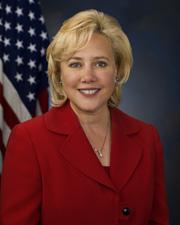
I thank Senator Byrd, because I am extremely concerned about this situation and hope we could find a remedy. I commend the Senator for his work over many years, to try to make sure our trade laws are…
I thank Senator Byrd, because I am extremely concerned about this situation and hope we could find a remedy. I commend the Senator for his work over many years, to try to make sure our trade laws are fairly enforced and that agreements we have entered into, with countries such as China and others, are followed. But in this instance, as the Senator has so eloquently stated in this discussion this morning on the floor, this situation is not being handled correctly. Our industries, particularly in Louisiana, that he has mentioned, our crawfish producers have lost more money from the failure of U.S. importers to pay duties owed by China than any industry in our Nation. In Louisiana alone--I know it might be hard for people to believe this, but as spring rolls around, it will become quite evident--we have 3,300 crawfish farmers in our State and over 40 processors who employ a tremendous number of people and contribute hundreds of millions of dollars to our economy. The Senator from West Virginia understands our Government has failed to collect almost $70 million for this industry alone. This is antidumping duties on crawfish tail meat from China owed to the processors in my State and to our crawfish
farmers. There are additional funds that are owed.
It is my understanding--and the Senator from West Virginia is very aware--that our Customs officials are required to collect these duties, but they are not being collected. Many of these importers simply close up shop, they change their names, they move offshore, they reorganize, and evidently we are not able to collect the money that is owed to us. It is a great detriment to this particular industry and to others.
I have expressed concern over the years. We are going to continue to press this issue. We will continue in Congress to work to solve this problem. I feel very strongly that our U.S. Secretary of Commerce, Secretary Gutierrez, and the U.S. Trade Ambassador, Susan Schwab, should take this up directly with the China Ministry of Foreign Trade and Economic Cooperation. China sought to become a WTO member. It is my firm belief, if China wants to receive the benefits that accrue to them through WTO, they should enforce them and help us, and we should do a better job of making sure the importers abide by the rules we have agreed to.
I was very pleased to see in response to concerns raised by the Senate, GAO recently announced it has begun an indepth investigation as to why our Government cannot seem to collect duties owed to U.S. industries on goods imported from China.
Since 2003, the total amount of uncollected duties on all antidumping countervailing duty orders for all countries totaled $630 million. Of this amount, $485 million, or 77 percent of the total, relates to 34 specific antidumping and countervailing duty orders that have been imposed by the United States on agriculture and aquacultural imports from all countries. Of that $485 million, 73 percent relate to six antidumping orders that have been imposed on U.S. agricultural and aquacultural imports from China alone.
While the biggest duty noncollection problem in my State relates to the crawfish industry, as the Senator from West Virginia most certainly knows, Louisiana also is experiencing a problem with our catfish farmers. I see the senior Senator from Mississippi. This affects Mississippi, it affects Arkansas, it affects Alabama. We were unable to collect almost one-third of the fees that are owed to our catfish farmers.
These are hard-working businesspeople who work long hours, who are trying to run these industries and abide by all environmental regulations, pay their taxes, abide by all the wage and hour laws in this country. When we enter into trade agreements, the least our Government can do is enforce them. That is what I come to the floor to express my concern about, through this colloquy with the distinguished Senator from West Virginia.
I commend the Senator for his tireless work. We are going to press on this issue of noncollection. I hope, even if this Subsidy Offset Act expires, our Government will continue to collect the money that is owed to us during the time this act was in effect. It means a great deal to the small businesses in my State, to crawfishers and catfish producers equally. I am hoping we can make some progress and do not continue to have our trade laws undermined in this way.
I thank the Senator for this time on the floor and I thank him for his continued work on this issue.
Mr. President, I ask unanimous consent for 2 more minutes on this subject, and then we can go to the vote.
I withdraw my request.

Mr. President, about the most red, white and blue, patriotic action our Nation could take is to develop a new energy policy that reduces our Nation's dependence on foreign oil. And the biggest source…
Mr. President, about the most red, white and blue, patriotic action our Nation could take is to develop a new energy policy that reduces our Nation's dependence on foreign oil. And the biggest source of our oil dependence is transportation--the cars, trucks and sport utility vehicles (SUVs) that our citizens drive every day.
That's why I am pleased to be introducing a bill that will help citizens who want to do their part to reduce oil dependence by commuting to work by bicycle. I am joined in sponsoring the Bicycle Commuters Benefits Act of 2007 by Senators Snowe, Collins, Durbin, Menendez, Inouye, Enzi and Sanders.
I know that many people in our country want to do something concrete about our Nation's dependence on oil and gas. As gas prices continue to climb again this spring, more and more people are going to be looking for actions that they can take to free themselves from this dependency. The bill I am introducing today gives Americans more incentive to give up the cars and trucks that they drive to and from work every day and get on their bicycles instead.
According to recent Census reports, more than 500,000 people throughout the United States commute to work by bicycle. They are freeing themselves from sitting in traffic. They are saving energy and overcoming their dependence on oil and gas. They are getting exercise; avoiding obesity and helping us keep our air clean and safe to breathe.
Yet, they are commuting by bicycle at their own expense. Their fellow employees who take mass transit to and from work have an incentive created in the Transportation Equity Act for the 21st Century that enables their employers to pay for their bus or subway ride. And those who commute to work by car or truck can receive tax-free parking benefits provided by their employers. These incentives are great for mass transit commuters or those who drive to work. But they also create a financial disincentive for those riding their bikes to and from their jobs. The Bicycle Commuters Benefits Act of 2007 will eliminate this financial disincentive and level the commuting field for bicyclists.
The bill extends the fringe benefits that employers can offer their employees for commuting by public transit, car or truck to those who ride their bicycles to and from their jobs. Our bill amends the tax code so that public and private employers can offer their employees a monthly benefit payment that will help them cover the costs of riding their bikes, instead of driving and parking their cars where they work. The bill also provides employers the flexibility to set their own level of benefit payment up to a specified amount. That way, employers and their employees can decide how much of an incentive they need to stop driving and start riding their bikes. Those who currently ride the bus and/or subway to work would also gain an extra incentive to ride their bikes. Employers can deduct the cost of their benefit payments from their taxable income. This reduces the taxes that they pay to the Federal Government. And, in turn, employees will receive anywhere from $40-$110 per month as a non-taxable benefit, to help them pay for the costs of riding their bikes.
This is a fair and modest proposal that will reward employees who ride their bikes to and from their jobs.
Our Senate bill is a companion bill to a bill being introduced by my fellow Oregonian, Congressman Earl Blumenauer. He has dozens of co- sponsors from both sides of the aisle and every part of the United States eager to offer bicycle commuters the same incentive that I want to offer to those who take mass transit or drive.
In addition, our bill is supported by many regional and national bicycling organizations such as Bikes Belong, Cycle Oregon, the Bicycle Transportation Alliance, the League of American Bicyclists, the Washington Area Bicyclist Association, Transportation Alternatives and hundreds of Capitol Hill employees who commute by bike to work every day.
When you look around our cities, the taxpayers have paid millions of dollars for bike trails in all of America's urban areas and major job markets. Now, bicycle commuters will have an extra incentive to make greater use of this public investment to commute to and from their jobs.
I look forward to working with our colleagues to enact this legislation to reward citizens doing their part to put us on the road to oil independence by biking to work.
I ask unanimous consent that the text of the bill be printed in the Record.
Mr. President, I am pleased to join Senator Cornyn in reintroducing the Openness Promotes Effectiveness in our National Government Act'', the ``OPEN Government Act''. This bill contains commonsense…
Mr. President, I am pleased to join Senator Cornyn in reintroducing the Openness Promotes Effectiveness in our National Government Act'', the ``OPEN Government Act''. This bill contains commonsense reforms to update and strengthen the Freedom of Information Act (FOIA) for all Americans.
Last year, the Senate Judiciary Committee favorably reported an essentially identical bill. Sadly, the full Senate did not consider this legislation before it adjourned last year. But, I hope that the Senate will do its part to reinvigorate FOIA this year, by promptly passing this bill.
During my three decades in the Senate, I have devoted a considerable portion of my work to improving government openness, to make our government work better for the American people. At times, this has been a lonely effort. But, for the past 4 years, I have been delighted to have Senator Cornyn as a partner on this important issue. I thank him for his leadership on preserving and strengthening FOIA.
Now in its fourth decade, the Freedom of Information Act remains an indispensable tool in shedding light on bad policies and government abuses. But, today, FOIA also faces challenges like never before. During the past 6 years, the Bush administration has allowed lax FOIA enforcement and a near obsession with secrecy to undercut the public's right to know. As we celebrate Sunshine Week this week, there is urgent need to update and strengthen our FOIA law.
Chief among the problems with FOIA is the major delays encountered by FOIA requestors. According to a report by the National Security Archive, an independent nongovernmental research institute, the oldest outstanding FOIA requests date back to 1989--before the collapse of the Soviet Union. And, while the number of FOIA requests submitted each year continues to rise, our Federal agencies remain unable--or unwilling--to keep up with the demand. Just recently, the Government Accountability Office found that Federal agencies had 43 percent more FOIA requests pending and outstanding in 2006, than they had in 2002.
Although the Bush administration has taken modest steps to address the growing problem with FOIA delays, that effort has not done nearly enough to correct lax FOIA enforcement by Federal agencies. More than a year after the President's directive to Government agencies to improve their FOIA services, Americans who seek information under FOIA remain less likely to obtain it. For example, a recent study by the Coalition of Journalists for Open Government found that the percentage of FOIA requestors who obtained at least some of the information that they requested from the Government fell by 31 percent last year. These and other shortcomings with the President's FOIA policy demonstrate that the Congress must play an important role in preserving and strengthening FOIA.
The legislation that Senator Cornyn and I introduce today takes several important steps to help Americans obtain timely responses to their FOIA requests and to provide government officials with the tools that they need to ensure that our government remains open and accessible. First, our bill restores meaningful deadlines for agency action by ensuring that the 20-day statutory clock runs immediately upon the receipt of the request and the bill impose real consequences on Federal agencies for missing statutory deadlines. Our bill also clarifies that FOIA applies to agency records that are held by outside private contractors, no matter where these records are located.
In addition, our bill establishes a FOIA hotline service for all Federal agencies, either by telephone or on the Internet, to enable requestors to track the status of their FOIA requests. Finally, our bill enhances the agency reporting requirements under FOIA and improves personnel policies for FOIA officials to enhance agency FOIA performance.
This legislation was drafted after a long and thoughtful process of consultation with individuals and organizations that rely on FOIA to obtain information and share it with the public, including the news media, librarians, and public interest organizations representing all facets of the political spectrum.
This legislation also reaffirms the fundamental premise of FOIA--that government information belongs to all Americans. Again, I thank Senator Cornyn for the time and effort that he has devoted to reinvigorating FOIA, and I urge all Senators to join us in supporting this important open government legislation.
Mr. President, I am pleased to join Senator Cornyn in reintroducing the Openness Promotes Effectiveness in our National Government Act'', the ``OPEN Government Act''. This bill contains commonsense…
Mr. President, I am pleased to join Senator Cornyn in reintroducing the Openness Promotes Effectiveness in our National Government Act'', the ``OPEN Government Act''. This bill contains commonsense reforms to update and strengthen the Freedom of Information Act (FOIA) for all Americans.
Last year, the Senate Judiciary Committee favorably reported an essentially identical bill. Sadly, the full Senate did not consider this legislation before it adjourned last year. But, I hope that the Senate will do its part to reinvigorate FOIA this year, by promptly passing this bill.
During my three decades in the Senate, I have devoted a considerable portion of my work to improving government openness, to make our government work better for the American people. At times, this has been a lonely effort. But, for the past 4 years, I have been delighted to have Senator Cornyn as a partner on this important issue. I thank him for his leadership on preserving and strengthening FOIA.
Now in its fourth decade, the Freedom of Information Act remains an indispensable tool in shedding light on bad policies and government abuses. But, today, FOIA also faces challenges like never before. During the past 6 years, the Bush administration has allowed lax FOIA enforcement and a near obsession with secrecy to undercut the public's right to know. As we celebrate Sunshine Week this week, there is urgent need to update and strengthen our FOIA law.
Chief among the problems with FOIA is the major delays encountered by FOIA requestors. According to a report by the National Security Archive, an independent nongovernmental research institute, the oldest outstanding FOIA requests date back to 1989--before the collapse of the Soviet Union. And, while the number of FOIA requests submitted each year continues to rise, our Federal agencies remain unable--or unwilling--to keep up with the demand. Just recently, the Government Accountability Office found that Federal agencies had 43 percent more FOIA requests pending and outstanding in 2006, than they had in 2002.
Although the Bush administration has taken modest steps to address the growing problem with FOIA delays, that effort has not done nearly enough to correct lax FOIA enforcement by Federal agencies. More than a year after the President's directive to Government agencies to improve their FOIA services, Americans who seek information under FOIA remain less likely to obtain it. For example, a recent study by the Coalition of Journalists for Open Government found that the percentage of FOIA requestors who obtained at least some of the information that they requested from the Government fell by 31 percent last year. These and other shortcomings with the President's FOIA policy demonstrate that the Congress must play an important role in preserving and strengthening FOIA.
The legislation that Senator Cornyn and I introduce today takes several important steps to help Americans obtain timely responses to their FOIA requests and to provide government officials with the tools that they need to ensure that our government remains open and accessible. First, our bill restores meaningful deadlines for agency action by ensuring that the 20-day statutory clock runs immediately upon the receipt of the request and the bill impose real consequences on Federal agencies for missing statutory deadlines. Our bill also clarifies that FOIA applies to agency records that are held by outside private contractors, no matter where these records are located.
In addition, our bill establishes a FOIA hotline service for all Federal agencies, either by telephone or on the Internet, to enable requestors to track the status of their FOIA requests. Finally, our bill enhances the agency reporting requirements under FOIA and improves personnel policies for FOIA officials to enhance agency FOIA performance.
This legislation was drafted after a long and thoughtful process of consultation with individuals and organizations that rely on FOIA to obtain information and share it with the public, including the news media, librarians, and public interest organizations representing all facets of the political spectrum.
This legislation also reaffirms the fundamental premise of FOIA--that government information belongs to all Americans. Again, I thank Senator Cornyn for the time and effort that he has devoted to reinvigorating FOIA, and I urge all Senators to join us in supporting this important open government legislation.
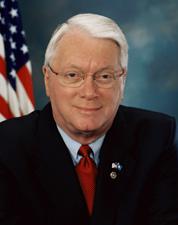
Mr. President, today I am introducing the Access to Competitive Power Act of 2007 with my friend and colleague, Senator Mitch McConnell. I have spent years negotiating and working with the Tennessee…
Mr. President, today I am introducing the Access to Competitive Power Act of 2007 with my friend and colleague, Senator Mitch McConnell.
I have spent years negotiating and working with the Tennessee Valley Authority. I have long believed we could work together to address the problems facing my customers in Kentucky. But every time I think I see the light at the end of the tunnel, representatives of TVA change their offer or make up a new rule.
I was optimistic that the expanded Board of Directors of the TVA Congress authorized last session would be able to change the problems of the past. But after many meetings and negotiations, I am convinced that TVA believes it has monopoly status and does not answer to anyone.
Today, I am telling TVA that the people of Kentucky deserve better.
For too long the TVA has acted against the best interests of the people of Kentucky. Five electric distributors, Paducah, Princeton, Warren County, Glasgow and Monticello, gave their notice to TVA to leave the system when they realized they could get cheaper electricity on the open market--and save their customers millions of dollars.
During the past few years, they have negotiated in good faith for basic services that are considered routine in the utility industry. But unfortunately, the electric customers of Kentucky are stuck on the TVA island. We forced them onto that island 75 years when we created the Tennessee Valley Authority. Their options are limited and they
are wholly reliant on TVA for generation and transmission service. TVA knows this--and that is why they have continued to stall on providing reasonable services.
But the distributors who still intend to leave will now build hundreds of miles of new high voltage power lines to get access to the national electric grid. One may even need to run the city on diesel generators. Despite these costs, the numbers show that their customers will still save money.
The legislation I am introducing today, with Senator Mitch McConnell, will give FERC full jurisdiction in relation to the Tennessee Valley Authority--the same jurisdiction that FERC has over utilities throughout the country.
Let me be clear--this legislation does not mandate contract language. It simply requires TVA to negotiate these services in good faith.
It defines the rights of two classes of TVA distributors--those who provided notice of termination prior to calendar year 2007 and those who did not provide notice.
For distributors in Kentucky and Tennessee who have previously given notice that they would like to leave TVA service, this legislation would put their rights into law.
Specifically, it would allow them to negotiate partial requirements services--making sure that TVA is not an all or nothing deal. For some customers it may make sense to get some power from TVA and some power from another generator.
It also requires TVA to provide transmission service for these customers. Because of Federal law, TVA is their only access point to the national electric grid. As such, they should provide reasonable transmission service.
It prevents TVA from charging these customers for stranded costs or imposing a reintegration fee and provides the customers the right to rescind their notice of termination if they ultimately decide they would like to stay with TVA.
And lastly, it allows everyone who enjoys the benefits of cheap, Federal power from the Power Marketing Administrations to retain a right to that power regardless of whether or not they choose to be a customer of TVA.
For all those customers who would like to stay in TVA, this legislation would give them the right to get partial requirements service from outside of TVA in an amount equal to TVA load growth.
I also believe that it is time the Government looks closely at the Tennessee Valley Authority. That is why my legislation asks for two important G.A.O. studies. First, it commissions a comprehensive study on the privatization the Tennessee Valley Authority. Second, it requests an analysis of the debt level of the Tennessee Valley Authority.
All Kentuckians deserve to choose where they receive their power. This bill will not only give them that choice, but it will also create a more competitive environment among Kentucky distributors and allow our businesses and residential consumers to keep more money in their pockets.
I ask unanimous consent that the text of the bill be printed in the Record.
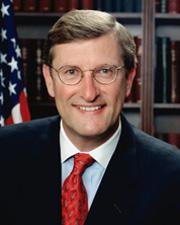
Mr. President, I ask unanimous consent that the Committee on Armed Services be authorized to meet during the session of the Senate on Thursday, March 22, 2007, at 9:30 a.m., in open session to…
Mr. President, I ask unanimous consent that the Committee on Armed Services be authorized to meet during the session of the Senate on Thursday, March 22, 2007, at 9:30 a.m., in open session to receive testimony on U.S. Southern Command, U.S. Northern Command, and U.S. Joint Forces Command in review of the defense authorization request for fiscal year 2008 and the Future Years Defense Program.
Mr. President, I ask unanimous consent that the Committee on Armed Services be authorized to meet during the session of the Senate on Thursday, March 22, 2007, at 2 p.m., in closed session to receive a briefing on detention and judicial capacity in Iraq.
Mr. President, I ask unanimous consent that the Committee on Banking, Housing, and Urban Affairs be authorized to meet during the session of the Senate on March 22, 2007, at 10 a.m., to conduct a hearing on ``Mortgage Market Turmoil: Causes and Consequences.''
Mr. President, I ask unanimous consent that the Committee on Commerce, Science, and Transportation be authorized to hold a hearing during the session of the Senate on Thursday, March 22, 2007, at 10 a.m., in room 253 of the Russell Senate Office Building. The purpose of the hearing is to discuss Federal Aviation Administration modernization proposals.
Mr. President, I ask unanimous consent that the Committee on Energy and Natural Resources be authorized to hold a hearing during the session of the Senate on Thursday, March 22, 2007, at 2:30 p.m., in room SD-366 of the Dirksen Senate Office Building.
The purpose of the hearing is to receive testimony on the ``Future of Coal'' report recently published by the Massachusetts Institute of Technology.
Mr. President, I ask unanimous consent that the Committee on Finance be authorized to meet during the session on Thursday, March 22, 2007, at 10 a.m., in 215 Dirksen Senate Office Building, to hear testimony on ``Keeping America's Promise: Health Care and Child Welfare Services for Native Americans.''
Mr. President, I ask unanimous consent that the Committee on Foreign Relations be authorized to meet during the session of the Senate on Thursday, March 22, 2007, at 10:30 a.m., to hold a nomination hearing.
Mr. President, I ask unanimous consent that the Committee on Homeland Security and Governmental Affairs be authorized to meet on Thursday, March 22, 2007, at 10 a.m., for a hearing titled ``Deconstructing Reconstruction: Problems, Challenges, and the Way Forward in Iraq and Afghanistan.''
Mr. President, I ask unanimous consent that the Committee on Indian Affairs be authorized to meet on Thursday, March 22, 2007, at 9:45 a.m. in Room 485 of the Russell Senate Office Building to conduct an oversight hearing on Indian Housing.
Mr. President, I ask unanimous consent that the Committee on the Judiciary be authorized to meet to conduct a markup on Thursday, March 22, 2007, at 10:00 a.m. in Dirksen Room 226.
Agenda
I. Committee Authorization: Authorization of Subpoenas in Connection with Investigation into Replacement of U.S. Attorneys.
II. Bills: S. 236, Federal Agency Data Mining Reporting Act of 2007, Feingold, Sununu, Leahy, Kennedy, Cardin; S. 376, Law Enforcement Officers Safety
Act of 2007, Leahy, Specter, Kyl, Cornyn, Grassley, Sessions; S. 849, OPEN Government Act, Leahy, Cornyn, Feingold, Specter.
Mr. President, I ask unanimous consent that the Select Committee on Intelligence be authorized to meet during the session of the Senate on March 22, 2007 at 2:30 p.m. to hold a closed hearing.
Mr. President, I ask unanimous consent that the Subcommittee on Oversight of Government Management, the Federal Workforce and the District of Columbia be authorized to meet on Thursday, March 22, 2007 at 2:30 p.m. for a hearing entitled, Safeguarding the Merit System Principals: A Review of the Merit Systems Protection Board and the Office of the Special Counsel.
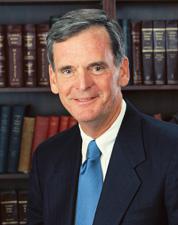
Thank you. Mr. President, I congratulate the Senator from South Carolina for reaching this understanding on how to proceed relative to making sure our borders are secure. The language in this…
Thank you.
Mr. President, I congratulate the Senator from South Carolina for reaching this understanding on how to proceed relative to making sure our borders are secure.
The language in this amendment, which adds a significant amount of money to support the expansion of the boots on the ground and the technology on the border, is critical to the
first step--which has been related here by a number of individuals--of securing the border as part of our effort to get comprehensive immigration reform.
I think we all understand the American people are asking the question, Why isn't the border secure? This has been an effort that has been ongoing for a number of years now, to make the border secure. But this amendment we are taking up now would be the final downpayment on what is necessary to accomplish that goal.
We know what we need in order to secure the border. It is more border agents, it is more physical fencing but a lot more virtual fencing, it is more detention beds, and it is more ICE agents. It is also necessary to have in place the law these individuals need in order to enforce the border and pursue people who come into this country illegally and who may be inappropriately here and who are committing crimes here. Unfortunately, that language was not included in this amendment. That language was stripped out yesterday. But still, getting the resources in place in order to support the border is the first critical step, and this bill does that.
I have been working on this issue for a long time, both as past chairman of the Homeland Security Appropriations Subcommittee and as past chairman of the Commerce, State, Justice Appropriations Subcommittee in the Appropriations Committee, as have Senator Cochran and Senator Byrd. There has been a strong commitment on the part of the Appropriations Committee to accomplish these goals. But there has always been additional resources needed in order to fully fund border security. Now, with this amendment, we will actually put in place those additional resources.
I congratulate the Senator from South Carolina for bringing this process to closure. I congratulate the majority leader for reaching a consensus here that could be bipartisan. As Senator McConnell said last night, this is a positive, bipartisan effort to try to step forward on one of the most critical issues we have as a nation, which is making sure the people who come into this country come into the country legally.
So it is the end of a long road, quite honestly, relative to the responsibility of Congress. We will now have put in place the necessary resources to secure the border. The question now becomes whether those resources will be effectively used. Certainly, we will have to use all our oversight capability to ensure that occurs, but at least we have addressed our responsibility of making sure the funds are there to support the necessary additional boots on the ground, the additional expansion of security along the border in the form of virtual fencing and in the form of physical fencing, and the additional detention beds necessary to make sure that when someone is apprehended for coming into the country illegally, they are not simply set off on their own recognizance to appear in court someday but are actually restrained in a place so they can be returned back to the nation they came from in an orderly manner, which is critical.
So this is a good bill and good language. I am glad we are making this progress on it.
Mr. President, I yield the floor.
Mr. President, I ask unanimous consent that I be able to proceed for a few moments as in morning business. Probably about 5 minutes. Mr. President, let me notify all Members of the Senate that…
Mr. President, I ask unanimous consent that I be able to proceed for a few moments as in morning business.
Probably about 5 minutes.
Mr. President, let me notify all Members of the Senate that Senator Norm Coleman's father passed away this morning. Therefore, he missed the vote that we just had and will be missing votes for the remainder of this week. I know I speak for all Members of the Senate in sending our condolences to Senator Coleman and his family at this very sad time. We look forward to having him back in the Senate in due time.
Nomination of Judge Leslie Southwick
Mr. President, I wish to make a few observations about the nomination of Judge Leslie Southwick to the Fifth Circuit Court of Appeals. Over the past few days, members of the Democratic leadership have commented about Judge Southwick's nomination. These comments have, in my view, mischaracterized his record and his service to the people of his State. Worse still, some of our Democratic colleagues have made insinuations about the commitment of this fine man to the principle of equal justice for all. These gross insinuations are, of course, at odds with the views of his peers and his home State Senators, both of whom actually know him.
So over the next several days, we will continue to set the record straight, as the ranking member did so ably yesterday, to ensure that the Senate does not treat dishonorably an honorable man, a fine judge, and a courageous war veteran. Judge Southwick deserves more from this country than insinuation and innuendo. This leads me to a much broader point.
My friend, the majority leader, and I have an understanding--at least I believe we had an understanding--as to how this Senate would treat judicial nominees in general. A fundamental component of that understanding is that individual nominees will be treated fairly. That commitment to fair treatment may be in serious jeopardy with the Southwick nomination.
I remind my colleagues that the Judiciary Committee unanimously approved Judge Southwick for a lifetime appointment to the district court just last fall, but it is now threatening to kill his nomination on a party-line vote in committee. The only material change in Judge Southwick's qualifications between last fall and now is the rating of the American Bar Association, the Democrats' gold standard for judicial nominees. The ABA has actually increased its rating of Judge Southwick. In other words, they have given him a higher rating for the circuit court than for the district court. Judge Southwick was rated ``well qualified'' for the district court. He is now rated ``unanimously well qualified,'' which means every single member of the committee who took a look at his credentials for the circuit court found Judge Southwick well qualified. That is the highest possible rating one can achieve for a judicial nomination from the American Bar Association.
It goes without saying that for committee Democrats to oppose Judge Southwick for the circuit court after having supported him for the district without any change in the man's record would certainly fall far short of treating the man fairly.
I encourage my Democratic colleagues to think hard about the implications of unfair treatment for Judge Southwick for this Congress and, for that matter, for future Congresses.
I thank the Chair, and I yield the floor.
Bill Text
3 versions available
        [Congressional Bills 110th Congress]
[From the U.S. Government Publishing Office]
[S. 849 Engrossed in Senate (ES)]

110th CONGRESS
1st Session
S. 849

_______________________________________________________________________

AN ACT

To promote accessibility, accountability, and openness in Government by
strengthening section 552 of title 5, United States Code (commonly
referred to as the Freedom of Information Act), and for other purposes.

Be it enacted by the Senate and House of Representatives of the
United States of America in Congress assembled,

SECTION 1. SHORT TITLE.

This Act may be cited as the ``Openness Promotes Effectiveness in
our National Government Act of 2007'' or the ``OPEN Government Act of
2007''.

SEC. 2. FINDINGS.

Congress finds that--
(1) the Freedom of Information Act was signed into law on
July 4, 1966, because the American people believe that--
(A) our constitutional democracy, our system of
self-government, and our commitment to popular
sovereignty depends upon the consent of the governed;
(B) such consent is not meaningful unless it is
informed consent; and
(C) as Justice Black noted in his concurring
opinion in Barr v. Matteo (360 U.S. 564 (1959)), ``The
effective functioning of a free government like ours
depends largely on the force of an informed public
opinion. This calls for the widest possible
understanding of the quality of government service
rendered by all elective or appointed public officials
or employees.'';
(2) the American people firmly believe that our system of
government must itself be governed by a presumption of
openness;
(3) the Freedom of Information Act establishes a ``strong
presumption in favor of disclosure'' as noted by the United
States Supreme Court in United States Department of State v.
Ray (502 U.S. 164 (1991)), a presumption that applies to all
agencies governed by that Act;
(4) ``disclosure, not secrecy, is the dominant objective of
the Act,'' as noted by the United States Supreme Court in
Department of Air Force v. Rose (425 U.S. 352 (1976));
(5) in practice, the Freedom of Information Act has not
always lived up to the ideals of that Act; and
(6) Congress should regularly review section 552 of title
5, United States Code (commonly referred to as the Freedom of
Information Act), in order to determine whether further changes
and improvements are necessary to ensure that the Government
remains open and accessible to the American people and is
always based not upon the ``need to know'' but upon the
fundamental ``right to know''.

SEC. 3. PROTECTION OF FEE STATUS FOR NEWS MEDIA.

Section 552(a)(4)(A)(ii) of title 5, United States Code, is amended
by adding at the end the following:
``The term `a representative of the news media' means any person or
entity that gathers information of potential interest to a segment of
the public, uses its editorial skills to turn the raw materials into a
distinct work, and distributes that work to an audience. The term
`news' means information that is about current events or that would be
of current interest to the public. Examples of news-media entities are
television or radio stations broadcasting to the public at large and
publishers of periodicals (but only if such entities qualify as
disseminators of `news') who make their products available for purchase
by or subscription by or free distribution to the general public. These
examples are not all-inclusive. Moreover, as methods of news delivery
evolve (for example, the adoption of the electronic dissemination of
newspapers through telecommunications services), such alternative media
shall be considered to be news-media entities. A freelance journalist
shall be regarded as working for a news-media entity if the journalist
can demonstrate a solid basis for expecting publication through that
entity, whether or not the journalist is actually employed by the
entity. A publication contract would present a solid basis for such an
expectation; the Government may also consider the past publication
record of the requester in making such a determination.''.

SEC. 4. RECOVERY OF ATTORNEY FEES AND LITIGATION COSTS.

Section 552(a)(4)(E) of title 5, United States Code, is amended--
(1) by inserting ``(i)'' after ``(E)''; and
(2) by adding at the end the following:
``(ii) For purposes of this section, a
complainant has substantially prevailed if the
complainant has obtained relief through
either--
``(I) a judicial order, or an enforceable written
agreement or consent decree; or
``(II) a voluntary or unilateral change in position
by the agency, provided that the complainant's claim is
not insubstantial.''.

SEC. 5. DISCIPLINARY ACTIONS FOR ARBITRARY AND CAPRICIOUS REJECTIONS OF
REQUESTS.

Section 552(a)(4)(F) of title 5, United States Code, is amended--
(1) by inserting ``(i)'' after ``(F)''; and
(2) by adding at the end the following:
``(ii) The Attorney General shall--
``(I) notify the Special Counsel of each civil action
described under the first sentence of clause (i); and
``(II) annually submit a report to Congress on the number
of such civil actions in the preceding year.
``(iii) The Special Counsel shall annually submit a report to
Congress on the actions taken by the Special Counsel under clause
(i).''.

SEC. 6. TIME LIMITS FOR AGENCIES TO ACT ON REQUESTS.

(a) Time Limits.--
(1) In General.--Section 552(a)(6)(A)(i) of title 5, United
States Code, is amended by striking ``determination;'' and
inserting ``determination. The 20-day period shall commence on
the date on which the request is first received by the
appropriate component of the agency, but in any event no later
than ten days after the request is first received by any
component of the agency that is designated in the agency's FOIA
regulations to receive FOIA requests. The 20-day period shall
not be tolled by the agency except--
``(I) that the agency may make one request to the requester
for information and toll the 20-day period while it is awaiting
such information that it has reasonably requested from the FOIA
requester; or
``(II) if necessary to clarify with the requester issues
regarding fee assessment. In either case, the agency's receipt
of the requester's response to the agency's request for
information or clarification ends the tolling period;''.
(2) Effective date.--The amendment made by this subsection
shall take effect 1 year after the date of enactment of this
Act.
``(b) Compliance with Time Limits.--
(1)(A) Section 552(a)(4)(A) of title 5, United States Code,
is amended by adding at the end the following:
``(viii) an agency shall not assess search
fees under this subparagraph if the agency
fails to comply with any time limit under
paragraph (6), provided that no unusual or
exceptional circumstances (as those terms are
defined for purposes of paragraphs (6)(B) and
(C), respectively) apply to the processing of
the request.''.
(B) Section 552(a)(6)(B)(ii) of title 5, United States
Code, is amended by inserting between the first and second
sentences the following: ``To aid the requester, each agency
shall make available its FOIA Public Liaison, who shall assist
in the resolution of any disputes between the requester and the
agency.''.
(2) Effective date and application.--The amendment made by
this subsection shall take effect 1 year after the date of
enactment of this Act and apply to requests for information
under section 552 of title 5, United States Code, filed on or
after that effective date.

SEC. 7. INDIVIDUALIZED TRACKING NUMBERS FOR REQUESTS AND STATUS
INFORMATION.

(a) In General.--Section 552(a) of title 5, United States Code, is
amended by adding at the end the following:
``(7) Each agency shall--
``(A) establish a system to assign an individualized
tracking number for each request received that will take longer
than ten days to process and provide to each person making a
request the tracking number assigned to the request; and
``(B) establish a telephone line or Internet service that
provides information about the status of a request to the
person making the request using the assigned tracking number,
including--
``(i) the date on which the agency originally
received the request; and
``(ii) an estimated date on which the agency will
complete action on the request.''.
(b) Effective Date and Application.--The amendment made by this
section shall take effect 1 year after the date of enactment of this
Act and apply to requests for information under section 552 of title 5,
United States Code, filed on or after that effective date.

SEC. 8. SPECIFIC CITATIONS IN EXEMPTIONS.

Section 552(b) of title 5, United States Code, is amended by
striking paragraph (3) and inserting the following:
``(3) specifically exempted from disclosure by statute
(other than section 552b of this title), provided that such
statute--
``(A) if enacted prior to the date of enactment of
the OPEN Government Act of 2007, requires that the
matters be withheld from the public in such a manner as
to leave no discretion on the issue, or establishes
particular criteria for withholding or refers to
particular types of matters to be withheld; or
``(B) if enacted after the date of enactment of the
OPEN Government Act of 2007, specifically cites to the
Freedom of Information Act.''.

SEC. 9. REPORTING REQUIREMENTS.

(a) In General.--Section 552(e)(1) of title 5, United States Code,
is amended--
(1) in subparagraph (B)(ii), by inserting after the first
comma ``the number of occasions on which each statute was
relied upon,'';
(2) in subparagraph (C), by inserting ``and average'' after
``median'';
(3) in subparagraph (E), by inserting before the semicolon
``, based on the date on which the requests were received by
the agency'';
(4) by redesignating subparagraphs (F) and (G) as
subparagraphs (N) and (O), respectively; and
(5) by inserting after subparagraph (E) the following:
``(F) the average number of days for the agency to
respond to a request beginning on the date on which the
request was received by the agency, the median number
of days for the agency to respond to such requests, and
the range in number of days for the agency to respond
to such requests;
``(G) based on the number of business days that
have elapsed since each request was originally received
by the agency--
``(i) the number of requests for records to
which the agency has responded with a
determination within a period up to and
including 20 days, and in 20-day increments up
to and including 200 days;
``(ii) the number of requests for records
to which the agency has responded with a
determination within a period greater than 200
days and less than 301 days;
``(iii) the number of requests for records
to which the agency has responded with a
determination within a period greater than 300
days and less than 401 days; and
``(iv) the number of requests for records
to which the agency has responded with a
determination within a period greater than 400
days;
``(H) the average number of days for the agency to
provide the granted information beginning on the date
on which the request was originally filed, the median
number of days for the agency to provide the granted
information, and the range in number of days for the
agency to provide the granted information;
``(I) the median and average number of days for the
agency to respond to administrative appeals based on
the date on which the appeals originally were received
by the agency, the highest number of business days
taken by the agency to respond to an administrative
appeal, and the lowest number of business days taken by
the agency to respond to an administrative appeal;
``(J) data on the 10 active requests with the
earliest filing dates pending at each agency, including
the amount of time that has elapsed since each request
was originally received by the agency;
``(K) data on the 10 active administrative appeals
with the earliest filing dates pending before the
agency as of September 30 of the preceding year,
including the number of business days that have elapsed
since the requests were originally received by the
agency;
``(L) the number of expedited review requests that
are granted and denied, the average and median number
of days for adjudicating expedited review requests, and
the number adjudicated within the required 10 days;
``(M) the number of fee waiver requests that are
granted and denied, and the average and median number
of days for adjudicating fee waiver determinations;''.
(b) Applicability to Agency and Each Principal Component of the
Agency.--Section 552(e) of title 5, United States Code, is amended--
(1) by redesignating paragraphs (2) through (5) as
paragraphs (3) through (6), respectively; and
(2) by inserting after paragraph (1) the following:
``(2) Information in each report submitted under paragraph
(1) shall be expressed in terms of each principal component of
the agency and for the agency overall.''.
(c) Public Availability of Data.--Section 552(e)(3) of title 5,
United States Code, (as redesignated by subsection (b) of this section)
is amended by adding after the period ``In addition, each agency shall
make the raw statistical data used in its reports available
electronically to the public upon request.''.

SEC. 10. OPENNESS OF AGENCY RECORDS MAINTAINED BY A PRIVATE ENTITY.

Section 552(f) of title 5, United States Code, is amended by
striking paragraph (2) and inserting the following:
``(2) `record' and any other term used in this section in
reference to information includes--
``(A) any information that would be an agency
record subject to the requirements of this section when
maintained by an agency in any format, including an
electronic format; and
``(B) any information described under subparagraph
(A) that is maintained for an agency by an entity under
Government contract, for the purposes of records
management.''.

SEC. 11. OFFICE OF GOVERNMENT INFORMATION SERVICES.

(a) In General.--Section 552 of title 5, United States Code, is
amended by adding at the end the following:
``(h) There is established the Office of Government lnformation
Services within the National Archives and Records Administration. The
Office of Government Information Services shall review policies and
procedures of administrative agencies under section 552, shall review
compliance with section 552 by administrative agencies, and shall
recommend policy changes to Congress and the President to improve the
administration of section 552. The Office of Government Information
Services shall offer mediation services to resolve disputes between
persons making requests under section 552 and administrative agencies
as a non-exclusive alternative to litigation and, at the discretion of
the Office, may issue advisory opinions if mediation has not resolved
the dispute.
``(i) The Government Accountability Office shall conduct audits of
administrative agencies on the implementation of section 552 and issue
reports detailing the results of such audits.
``(j) Each agency shall--
``(1) Designate a Chief FOIA Officer who shall be a senior
official of such agency (at the Assistant Secretary or
equivalent level).
``(a) General Duties.--The Chief FOIA Officer of each agency shall,
subject to the authority of the head of the agency--
``(A) have agency-wide responsibility for efficient
and appropriate compliance with the FOIA;
``(B) monitor FOIA implementation throughout the
agency and keep the head of the agency, the chief legal
officer of the agency, and the Attorney General
appropriately informed of the agency's performance in
implementing the FOIA;
``(C) recommend to the head of the agency such
adjustments to agency practices, policies, personnel,
and funding as may be necessary to improve its
implementation of the FOIA;
``(D) review and report to the Attorney General,
through the head of the agency, at such times and in
such formats as the Attorney General may direct, on the
agency's performance in implementing the FOIA; and
``(E) facilitate public understanding of the
purposes of the FOIA's statutory exemptions by
including concise descriptions of the exemptions in
both the agency's FOIA handbook issued under section
552(g) of title 5, United States Code, and the agency's
annual FOIA report, and by providing an overview, where
appropriate, of certain general categories of agency
records to which those exemptions apply.
``(2) Designate one or more FOIA Public Liaisons who shall
be appointed by the Chief FOIA Officer.
``(b) General Duties.--FOIA Public Liaisons shall report to the
agency Chief FOIA Officer and shall serve as supervisory officials to
whom a FOIA requester can raise concerns about the service the FOIA
requester has received from the FOIA Requester Center, following an
initial response from the FOIA Requester Center Staff. FOIA Public
Liaisons shall be responsible for assisting in reducing delays,
increasing transparency and understanding of the status of requests,
and assisting in the resolution of disputes.
``(c) Effective Date.--The amendments made by this section shall
take effect on the date of enactment of this Act.''.

SEC. 12. REPORT ON PERSONNEL POLICIES RELATED TO FOIA.

Not later than 1 year after the date of enactment of this Act, the
Office of Personnel Management shall submit to Congress a report that
examines--
(1) whether changes to executive branch personnel policies
could be made that would--
(A) provide greater encouragement to all Federal
employees to fulfill their duties under section 552 of
title 5, United States Code; and
(B) enhance the stature of officials administering
that section within the executive branch;
(2) whether performance of compliance with section 552 of
title 5, United States Code, should be included as a factor in
personnel performance evaluations for any or all categories of
Federal employees and officers;
(3) whether an employment classification series specific to
compliance with sections 552 and 552a of title 5, United States
Code, should be established;
(4) whether the highest level officials in particular
agencies administering such sections should be paid at a rate
of pay equal to or greater than a particular minimum rate; and
(5) whether other changes to personnel policies can be made
to ensure that there is a clear career advancement track for
individuals interested in devoting themselves to a career in
compliance with such sections; and
(6) whether the executive branch should require any or all
categories of Federal employees to undertake awareness training
of such sections.

Passed the Senate August 3, 2007.

Attest:

Secretary.
110th CONGRESS

1st Session

S. 849

_______________________________________________________________________

AN ACT

To promote accessibility, accountability, and openness in Government by
strengthening section 552 of title 5, United States Code (commonly
referred to as the Freedom of Information Act), and for other purposes.