H.R. 1305House115th Congress (2017-2019)In Committee

American Community Survey Act

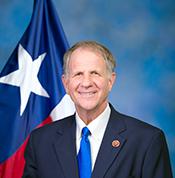
Sponsored by Ted PoeRep. Ted Poe (R-TX)
Introduced March 2, 2017

AI-Generated Summary

Updated April 15, 2026 at 1:11 PM UTC

The American Community Survey Act would make answering most questions on the U.S. Census Bureau’s American Community Survey optional for adults, while still requiring responses to a few basic items. It also bars the government from forcing anyone to reveal their religious beliefs or to pay fines for refusing to answer most survey questions. The changes affect anyone over 18 who is asked to complete the survey.

Key Provisions

  • Adds a statement in the survey instructions that answering any question beyond the basic ones listed in the law is optional.
  • Amends the law to remove mandatory participation language for adults, allowing them to refuse non‑basic questions.
  • Prohibits compelling disclosure of religious beliefs and bars fines for refusing most survey questions, except for name, contact info, response date, and household size.
  • Specifies that the penalty waiver does not apply to conduct described elsewhere in the law.

Legislative Activity

Stay on top of the latest movement without scrolling through every action

1 earlier action
HouseIntro Referral Latest Action

Referred to the House Committee on Oversight and Government Reform.

March 2, 2017

View full timeline
HouseIntro Referral

Introduced in House

March 2, 2017

HouseIntro Referral

Referred to the House Committee on Oversight and Government Reform.

March 2, 2017

Floor Debate

1 member

What members said about H.R. 1305 on the floor

1 Republican
Ted Poe
Rep. Ted PoeR-TX-2 · Mar 7, 2017

Madam Speaker, the census counts the population every 10 years, but the Census Bureau also sends out a mandatory, intrusive personal and more time-consuming, 28-page document called the American…

Bill Text

Latest available legislative text

Reading Mode
Latest
Introduced in HouseIssued March 2, 2017

I

115th CONGRESS

1st Session

H. R. 1305

IN THE HOUSE OF REPRESENTATIVES

March 2, 2017

Mr. Poe of Texas (for himself, Mr. Massie, Mr. Duncan of South Carolina, Mr. Luetkemeyer, Mr. Marchant, Mr. Olson, Mr. Bishop of Michigan, and Ms. Jenkins of Kansas) introduced the following bill; which was referred to the Committee on Oversight and Government Reform

A BILL

To make participation in the American Community Survey voluntary, except with respect to certain basic questions, and for other purposes.

1.

Short title

This Act may be cited as the American Community Survey Act.

2.

Participation in American Community Survey

(a)

Optional questions

Section 193 of title 13, United States Code, is amended by adding at the end the following: The Secretary shall include, in the instructions for completing any survey authorized under this section, a statement indicating that answering any question other than questions that solicit the information described in section 221(c)(2)(A) is optional..

(b)

Refusal To participate

Section 221 of title 13, United States Code, is amended—

(1)

in subsection (a), by striking Whoever, being over eighteen years of age, and inserting Except as provided in subsection (c), any person older than 18 years of age who; and

(2)

by amending subsection (c) to read as follows:

(c)
(1)

Notwithstanding any other provision under this title—

(A)

no person may be compelled to disclose information relative to the person's religious beliefs or to membership in a religious body; and

(B)

except as provided in paragraph (2), no person may be fined or otherwise compelled to answer questions in connection with the survey, conducted by the Secretary of Commerce, which is commonly referred to as the American Community Survey.

(2)

Paragraph (1)(B)—

(A)

shall not apply to any question that elicits—

(i)

the name of the respondent;

(ii)

contact information for the respondent;

(iii)

the date of the response; or

(iv)

the number of people living or staying at the same address; and

(B)

does not waive any penalty imposed for conduct described in subsection (b).

.