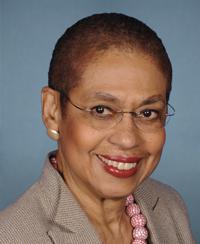
Mr. Speaker, I move to suspend the rules and pass the bill (H.R. 2196) to amend title 5, United States Code, to allow whistleblowers to disclose information to certain recipients, as amended. Mr.…
Mr. Speaker, I move to suspend the rules and pass the bill (H.R. 2196) to amend title 5, United States Code, to allow whistleblowers to disclose information to certain recipients, as amended.
Mr. Speaker, I ask unanimous consent that all Members may have 5 legislative days in which to revise and extend their remarks and include extraneous material on the bill under consideration.
Mr. Speaker, I yield myself such time as I may consume.
Mr. Speaker, I speak in support of H.R. 2196, a bill I introduced with Ranking Member Cummings, Mr. Lynch, and Mr. Farenthold from Texas earlier this year to allow whistleblowers to disclose information to certain recipients.
Whistleblowers in the Federal Government should be able to tell their supervisors when something is wrong. That is true no matter what, but especially so in cases involving classified information, which implies a matter of national security.
If whistleblowers cannot make a protected disclosure to their supervisors, they are more likely to make an illegal disclosure to people or entities without the proper security clearances.
Under current law, whistleblowers in the intelligence community can make protected disclosures to their supervisors. However, whistleblowers dealing with classified information outside the intelligence community do not have that same protection.
Federal employees inside the intelligence community can blow the whistle to their supervisors, to the appropriate inspector general, and to Congress. Employees outside the intelligence community do not have those protections when it comes to classified information, and they have fewer options when it comes to blowing the whistle, except to put it in the hands of those who have no clearances.
Federal employees outside the intelligence community must be reassured that they can report wrongdoing to the appropriate people, including their supervisors. With this protection, whistleblowers will be less likely to disclose potentially sensitive information on waste, fraud, and abuse to the media, or other entities or individuals without the proper security clearance.
This bill allows whistleblowers to make protected disclosures of classified information to individuals within their chain of command. There are very few conceivable circumstances in which a whistleblower complaint to a supervisor would jeopardize national security, but such disclosures are not currently protected, as strange as that may seem.
There is no reasonable basis for concern about giving whistleblowers throughout the Federal Government the right to contact those individuals about waste, fraud, or abuse of a classified nature. These additional protections will make it easier for these employees to do the responsible thing when it comes to classified disclosures.
Mr. Speaker, I reserve the balance of my time.
Mr. Speaker, I would like to thank Ranking Member Cummings, Mr. Farenthold of Texas, and Mr. Lynch of Massachusetts for their great bipartisan support in this needed reform, and I urge my colleagues to support my bill.
Mr. Speaker, I yield back the balance of my time.