Mr. Speaker, I move to suspend the rules and pass the bill (H.R. 2200) to reauthorize the Trafficking Victims Protection Act of 2000, and for other purposes, as amended. Mr. Speaker, I ask unanimous…
Mr. Speaker, I move to suspend the rules and pass the bill (H.R. 2200) to reauthorize the Trafficking Victims Protection Act of 2000, and for other purposes, as amended.
Mr. Speaker, I ask unanimous consent that all Members have 5 legislative days to revise and extend their remarks and to include any extraneous material in the Record.
Mr. Speaker, I yield myself such time as I may consume.
Mr. Speaker, the right word for the type of slavery we see today, the type of human trafficking that is slavery, is to focus on the fact that this is indentured servitude. This is human slavery, and traffickers around the world increasingly exploit over a million individuals--I am talking about women and children--in sex trafficking for commercial gain.
According to credible estimates, if we add to that those who are engaged in forced labor, that number that are actually enslaved is some 20 million. It is a coercive, multibillion-dollar industry that destroys families, destroys communities, strengthens brutal criminal networks, and tramples human dignity.
This plague is really global. It is not limited to the developing world. At a regular meeting of the Human Trafficking Congressional Advisory Committee I set up in southern California
nearly 4 years ago, I have met with brave survivors who endured forced labor and commercial sexual exploitation in my home State of California.
I think of Angela Guanzon locked into her abusive workplace, sleeping on the hallway floor. I think of Carissa Phelps being sold on the streets of Fresno at the age of 12 by a very violent pimp.
Meeting them and having them testify showed me and many others that the horror of trafficking lies not in statistics, but in stolen lives. In the words of the great abolitionist, Frederick Douglass, enslavement is such an affront to human conscience that, in his words, `` . . . to expose it, is to kill it. Slavery is one of those monsters of darkness to whom the light of truth is death.''
Exposing the harsh reality of human trafficking to international daylight is a central tenet of the legislation here that we are reauthorizing today.
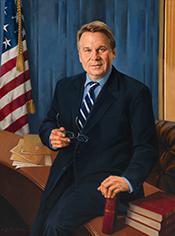
In the late 1990s, under the leadership of Congressman Chris Smith, the author of today's bill, the Foreign Affairs Committee initiated the Trafficking Victims Protection Act, which became law in 2000. That law created the annual Trafficking in Persons Report and the country tier rankings that put the issue on the radar screens of world governments for the first time and every year thereafter.
I was proud to have supported that legislation. It created the possibility of sanctions against the worst offenders. It also established law enforcement and other domestic initiatives to combat trafficking within the United States, which have been refined in the multiple reauthorizations that have followed.
The law has produced notable successes. More than 120 countries, in fact, have now enacted antitrafficking laws, and many are improving their prosecution and conviction of those who are involved in trafficking. Countless lives have been improved and have been saved as a result.
In the TIP Report released 2 weeks ago, 27 countries were upgraded to a higher tier, and that is progress. But sustained pressure and scrutiny are needed. Enacting a law is not the same thing as enforcing it, and, unfortunately, 21 countries slipped to a lower tier in last year's report.
I am proud to be an original cosponsor of H.R. 2200, the Frederick Douglass Trafficking Victims Prevention and Protection Reauthorization Act, which continues and updates our fight against human trafficking. It extends until 2021 the current authorizations for our international and domestic programs, which expire at the end of September. It also contains multiple reforms and refinements to U.S. programs, and it strengthens the annual TIP Report and tier rankings.
I am pleased that this bill incorporates the text of a bill of mine, H.R. 1625, the TARGET Act, which I introduced earlier this year and the House passed in March. This important provision turns the tables on international traffickers by authorizing the State Department to offer and publicize bounties for their arrest and for their conviction.
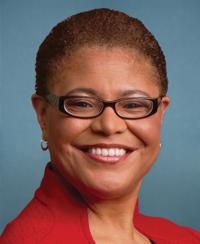
I again want to thank the gentleman from New Jersey (Mr. Smith) and the gentlewoman from California (Ms. Bass) for introducing this strong, bipartisan bill. I also want to thank the other seven committees of referral for the input and assistance they provided on the portions of the bill within their jurisdiction.
H.R. 2200 is a critical contribution to the cause of human freedom and the cause of human dignity. It deserves our unanimous support.
Mr. Speaker, I reserve the balance of my time.
Committee on Foreign Affairs,
Washington, DC, July 10, 2017.
Hon. William M. ``Mac'' Thornberry,
Chairman, House Armed Services Committee,
Washington, DC.
Dear Chairman Thornberry: Thank you for consulting with the
Foreign Affairs Committee and agreeing to be discharged from
further consideration of H.R. 2200, the Frederick Douglass
Trafficking Victims Prevention and Protection Reauthorization
Act of 2017, so that the bill may proceed expeditiously to
the House floor.
I agree that your forgoing further action on this measure
does not in any way diminish or alter the jurisdiction of
your committee, or prejudice its jurisdictional prerogatives
on this resolution or similar legislation in the future. I
would support your effort to seek appointment of an
appropriate number of conferees from your committee to any
House-Senate conference on this legislation.
I will seek to place our letters on H.R. 2200 into the
Congressional Record during floor consideration of the bill.
I appreciate your cooperation regarding this legislation and
look forward to continuing to work together as this measure
moves through the legislative process.
Sincerely,
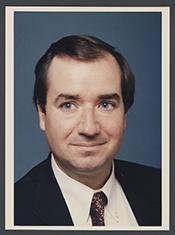
Edward R. Royce,
Chairman.
Mr. Speaker, I yield 5 minutes to the gentleman from New Jersey (Mr. Smith). He is the chairman of the Foreign Affairs Subcommittee on Africa, Global Health, Global Human Rights, and International Organizations, and, of course, he is the author of the original Trafficking Victims Protection Act. He is also the author of this bill today.
Mr. Speaker, I yield an additional 2 minutes to the gentleman.
Mr. Speaker, I yield 2 minutes to the gentleman
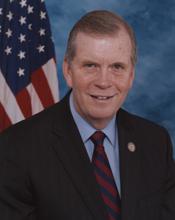
from Ohio (Mr. Chabot), a senior member of the Committee on Foreign Affairs.
Mr. Speaker, I continue to reserve the balance of my time.
Mr. Speaker, I yield myself such time as I may consume.
I would just mention, Mr. Speaker, that 20 years ago, human trafficking was unknown, I think, to most Americans and there was little public awareness of the severity of what we are calling here today modern-day slavery.
Seventeen years ago, Congress led on this issue by passing the Trafficking Victims Protection Act. We had very strong bipartisan support, and the rankings, the sanctions, the programs created by that law have been instrumental in building the momentum and awareness that exists out there today. And with each reauthorization, those laws have been fine-tuned, they have been strengthened. This bill continues that tradition. It is time to recommit ourselves to this noble fight against slave-like labor and sexual exploitation of underage children.
I have asked some of the victims why it is that so many of these criminal gangs move from drug running and other kinds of activity into this kind of behavior, and part of the response is: Because, you know, in a drug war, a gang member can get himself killed, but it is a lot easier to exploit a 14-year-old underage girl, it is a lot easier to be in that kind of business than it is in the more dangerous business.
We have got to overcompensate for this reality by passing legislation which allows these additional tools to be used to close down these criminal syndicates and to create real deterrence for those gang members who consider going into this line of work.
So I thank Mr. Smith, Congresswoman Karen Bass, and all my fellow cosponsors on this bill. It deserves our strong support.
Mr. Speaker, I yield back the balance of my time.