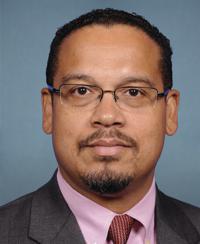
Mr. Speaker. I oppose this bill. It would remove consumer protections put in place by the Consumer Financial Protection Bureau. H.R. 1699 would weaken Home Ownership and Equity Protection Act (HOEPA)…
Mr. Speaker. I oppose this bill. It would remove consumer protections put in place by the Consumer Financial Protection Bureau. H.R. 1699 would weaken Home Ownership and Equity Protection Act (HOEPA) requirements for people who buy manufactured homes. HOEPA requires additional disclosures to people taking out a loan to buy a home when the interest rate is 6.5 percent or 8.5 percent above the annual percentage rate (APR) for the average Prime Offer Rate (APOR). Those disclosures include: Explaining the consequences of default, disclosing loan terms and monthly payments, and ensuring the borrower receives homeownership counseling.
In addition, the Consumer Financial Protection Bureau, under Regulation Z, forbids firms selling manufactured homes from steering buyers into loans. This bill would remove these protections.
Manufactured homes are the biggest source of unsubsidized affordable housing in the country. More than 17 million people live in manufactured homes. If you removed manufactured housing, our national homeownership rate would fall 6 percent. The homes are of good quality.
Thanks to the Dodd Frank Wall Street Reform and Consumer Protection Act, high-cost loans to manufactured homeowners are rare. Wednesday, we received updated Duty-to-Serve requirements from the Federal Housing Finance Agency which will provide even more affordable financing to these buyers.
Before Democrats enacted the Dodd Frank Wall Street Reform and Consumer Protection Act, the financing for manufactured homes was notoriously predatory. If you want to see how badly manufactured homebuyers used to be treated, read the award-winning series of articles in the Seattle Times. The investigation showed that the main seller of manufactured homes--Clayton Homes--steered borrowers to lenders like Vanderbilt Mortgage and 21st Mortgage which Clayton actually owned.
Clayton's loans are particularly expensive compared with those of its peers. The company locks buyers in loans at interest rates that can exceed 15 percent. If this bill, H.R. 1699 was enacted, borrowers could again be asked to pay 14 or 15 percent without being told that there might be cheaper options.
I've also introduced bills to help manufactured home buyers:
The Energy Efficient and Manufactured Home Act (H.R. 515) helps manufactured home buyers replace their outdated homes.
Two bills--the Frank Adelmann Manufactured Housing Community Sustainability Act, (H.R. 3296) and the Fair Tax Treatment for Manufactured Home Communities (H.R. 3399)--help residents of mobile home parks buy the land and run their community as a cooperative.
Let's bring those bills to the House floor. Not this bill which would steer borrowers to high-cost lenders. Now is the time to keep hard fought protections for manufactured home buyers so they re can buy homes they can afford. People who work with manufactured homebuyers oppose this bill. Therefore, I include in the Record letters of opposition from the Housing Assistance Council, Americans for Financial Reform and MHAction.
Protect homebuyers. Oppose H.R. 1699.
Housing Assistance Council,
Washington, DC, November 27, 2017.
Hon. Keith Ellison,
House of Representatives,
Washington, DC.
Dear Representative Ellison: As a national voice for
affordable rural housing, the Housing Assistance Council
(HAC) opposes HR 1699. HR 1699 would eliminate reasonable
safeguards for consumers of manufactured homes put in place
by the Consumer Protection Financial Bureau (CPFB). Examples
include protections against high-interest loans when lower
cost options are available.
Manufactured homes are an important source of housing for
millions of Americans, especially those with low-incomes and
in rural areas. While the physical quality of manufactured
homes continues to progress. the basic delivery system of how
these homes are sold and financed needs improvement. HAC
continues to work with manufactured housing stakeholders--
including the
industry, housing finance entities. and consumer-focused
groups--to improve the system, starting with improved data
collection. Moreover, ``Duty to Serve'' requirements of
Fannie Mae and Freddie Mac represent an important infusion of
capital into the manufactured housing market. HR 1699's
enactment could undermine such progress.
As housing costs rise for poor rural Americans--exacerbated
by recent natural disasters--it is important that Congress
seek opportunities to make housing for the rural poor more
accessible and fair. HR 1699 is a step in the opposite
direction.
Sincerely,
David Lipsetz,
Executive Director.