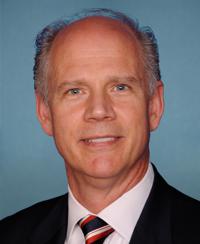
Mr. Speaker, I thank the chairman for yielding. Mr. Speaker, I am proud to sponsor the RAWR Act, Rescuing Animals With Rewards, H.R. 6197. The RAWR Act will help ensure that taking down terrorists…
Mr. Speaker, I thank the chairman for yielding.
Mr. Speaker, I am proud to sponsor the RAWR Act, Rescuing Animals With Rewards, H.R. 6197.
The RAWR Act will help ensure that taking down terrorists and transnational criminal organizations engaged in wildlife trafficking and poaching will be a top Rewards priority.
Combating terrorism is of the utmost importance, not just to my constituents, not just to New Yorkers, but to the entire Nation. It is an issue that transcends party lines.
Mr. Speaker, I include in the Record a letter of support from the Wildlife Conservation Society and a letter of
support and endorsement from the Humane Society of the United States, the Humane Society Legislative Fund, and Humane Society International.
Wildlife Conservation Society,
Bronx, NY, September 12, 2018.
Hon. Daniel M. Donovan, Jr.,
House of Representatives,
Washington, DC.
Dear Congressman Donovan: The Wildlife Conservation Society
writes to express our support for H.R. 6197, the RAWR Act, as
a way to help crack down on the destabilizing criminal
trafficking that threatens both wildlife and U.S. economic
and security interests.
The RAWR Act would allow the U.S. Department of State to
add wildlife trafficking, as defined by the END Wildlife
Trafficking Act, to the list of transnational criminal
activities for which it may provide monetary rewards to
informants and tipsters. As the founders of the 96 Elephants
campaign, dedicated to stopping the killing, trafficking and
demand for illegal wildlife, we would applaud this change.
Wildlife trafficking is a serious national security issue.
The transnational organized criminal groups that profit from
illegal wildlife products are the same ones trafficking in
weapons, narcotics and people. This activity destabilizes
regions important for U.S. economic interests and undermines
the good governance and the rule of law.
Targeting wildlife trafficking is essential if we want
future generations to live in a world that is still home to
our most iconic animals. The demand for ivory, rhino horn,
tiger skins, and other products is causing those endangered
species and many others to rapidly diminish.
WCS works globally to disrupt wildlife trafficking networks
and the criminals that run them, creating and sharing
intelligence products with government enforcement agencies,
and improving communications at the national and
international scale to implement proactive enforcement
activities. The passage of the RAWR Act would add an
effective new tactic to the efforts to stop wildlife
trafficking.
We appreciate all your work on international conservation
issues, from taking part in last year's ivory crush in New
York's Central Park to leading on the push for U.S.
government investments in global anti-trafficking programs,
which has been of invaluable assistance in securing the
world's endangered wildlife.
Mr. Speaker, yesterday was the 17th anniversary of September 11. It was a stark reminder of the danger terrorism poses to the Nation every single day.
The district I represent, Staten Island and South Brooklyn, which is home to many of New York's bravest and finest, suffered hundreds of casualties on September 11. Since then, New York remains the world's number one target for terrorism.
As a nation, we have become a more resilient and determined nation to mitigate threats against us; but as we have choked off other resources of money, terrorists have increasingly turned to wildlife trafficking as a way to fund their heinous endeavors. Any step that we can take that will lead to the capture and conviction of anyone engaged in wildlife trafficking, especially terrorists, is a step in the right direction.
Reports indicate that crimes related to illegal wildlife trafficking generate billions of dollars a year. These illicit funds turn into terrorist financing, fuel instability, and help arm groups in Africa.
The prices that wildlife traffickers can fetch for hunting and ruthlessly killing animals are staggering. Conservation groups estimate that a kilogram of raw ivory can be worth as much as $2,100, while a kilogram of rhino horn can be worth $65,000.
I am confident that the Foreign Affairs Committee and the House of Representatives will continue to fight against this problem.
Mr. Speaker, I want to thank my chairman, Chairman Royce, for his support on this bill and the ranking member and my colleague from New York, Eliot Engel. I thank my friend, Congressman Castro, for co- leading with me, and I thank the House leadership for bringing this bill to the floor.
Mr. Speaker, I would also like to thank the staff of the Foreign Affairs Committee, especially Meg Gallagher and Sean O'Neill, who put much work into this act.