Madam Speaker, I move to suspend the rules and pass the bill (H.R. 6411) to amend title 38, United States Code, to make certain improvements in the mental health care provided by the Department of…
Madam Speaker, I move to suspend the rules and pass the bill (H.R. 6411) to amend title 38, United States Code, to make certain improvements in the mental health care provided by the Department of Veterans Affairs, and for other purposes, as amended.
Madam Speaker, I ask unanimous consent that all Members may have 5 legislative days in which to revise and extend their remarks and to insert extraneous material on H.R. 6411, as amended.
Madam Speaker, I yield myself such time as I may consume.
Madam Speaker, I rise today in support of H.R. 6411, as amended, the Support The Resilience of Our Nation's Great Veterans Act, or STRONG Veterans Act.
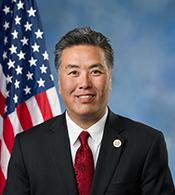
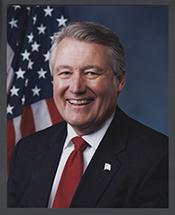
Chairman Takano introduced this bill with Ranking Member Bost, and we are grateful to them and their staff for working together over many months to bring this vital package to the House floor. This represents a true bipartisan effort to address a pressing issue.
Although we all were glad to see the veteran suicide rate drop in the last year for which we have data, one death is one too many, and suicide is preventable. We must honor our veterans' service by getting them the care they have earned and deserve now.
Preventing veteran suicide and strengthening veterans' mental health and well-being remains a top priority not only of the Biden administration and the Department of Veterans Affairs but also of our committee. There are prevention approaches and treatments that work, and we must expand all veterans' access to these lifesaving and life- improving services.
Madam Speaker, while we are talking about access, I want to make sure everyone listening today has the Veterans Crisis Line phone number. If you or somebody you care about is in distress, call 1-800-273-TALK-- that is 1-800-273-8255--and press 1 for responders with military and veteran expertise. There is no reason to suffer alone.
Along with our colleagues in the Senate, we have advanced bipartisan bills over the past year that now make up the 22 sections of the STRONG Veterans Act.
I want to especially thank our colleagues both on and off the committee for their individual legislative contributions to this omnibus package.
Congresswoman Brownley, who chairs our Veterans' Affairs Health Subcommittee, introduced what we consider a cornerstone of STRONG--her American Indian and Alaska Native Veterans Mental Health Act. This provision mandates that VA hire full-time minority veteran coordinators at every VA medical center to provide culturally competent mental health and suicide prevention outreach to our Tribal veterans.
Congresswoman Slotkin's Solid Start Act is included in STRONG and will ensure that VA continues to contact and check in with veterans following their transition from Active Duty during what we know is a very high-risk time for stress, mental health challenges, and even suicide.
The committee also was pleased to include the Veteran Peer Specialist Act from Congressman Scott Peters. This is an important provision directing VA to expand its peer specialist program which is extremely popular with veterans.
Although our colleague, former Congressman Delgado, recently left the House to become Lieutenant Governor of New York, I thank him for introducing the REACH for Veterans Act in the House. It is a critical component of STRONG and will strengthen VA's Veterans Crisis Line.
Finally, Chairman Takano's bill in STRONG, the VA Governor's Challenge Expansion Act, mandates, for the first time, VA-included Tribes in addition to States in the successful Governors' Challenge program to prevent veteran suicide. No sovereign nation should have to wait to be invited to a State Governor's Challenge team. Instead, Tribes selected for the program will work directly with VA to tailor innovative suicide prevention ideas to the needs of their own Native veterans.
Overall, STRONG will give VA important new authorities and resources to support veterans' mental health and well-being through increased training, outreach, mental health care delivery, and research in line with the committee's public health approach and President Biden's strategy to address veteran suicide.
It addresses gaps along the spectrum of prevention and care by expanding mental health outreach to traditionally underserved veterans, developing and delivering the most effective treatments, better equipping VA's workforce to provide care, and further strengthening VA's crisis response system.
With this legislation, we will help VA better meet veterans where they are--literally. STRONG directs VA to hire more mental health staff at vet centers close to where veterans live and work.
STRONG also directs VA to assess and improve how well it serves veterans on college campuses. It requires VA to more consistently and comprehensively reach out and provide mental health services to veterans who have been involved with the criminal justice system.
STRONG mandates that as the new three-digit crisis hotline number goes live across the country in July, VA further strengthen its Veterans Crisis Line to meet the predicted surge in demand for emergency care and followup.
STRONG lays out important guidance for VA's research program related to suicide, substance use challenges, and other mental health issues. While caring for veterans today, VA must always be investing in science and looking for tomorrow's innovative solutions to improve veterans' lives.
STRONG and its component bills are endorsed by too many veterans service organizations and health organizations to list, but, Madam Speaker, let me leave you with these words from Andrew Marshall, National Commander of Disabled American Veterans, ``There is simply no greater or more urgent challenge within the veteran community right now than addressing mental health concerns and ensuring our Nation's heroes have access to the support they need to both prevent and mitigate crisis.
``DAV is pleased to support the STRONG Veterans Act, and we urge its swift passage and signing into law.''
In closing, Madam Speaker, Chairman Takano and I support this important piece of legislation, and we urge our colleagues to support H.R. 6411, as amended.
Madam Speaker, I reserve the balance of my time.
Madam Speaker, I have no further speakers, and I am prepared to close. I reserve the balance of my time.
Madam Speaker, I reserve the balance of my time.
Madam Speaker, I am prepared to close. I reserve the balance of my time.
Madam Speaker, again, I ask all of my colleagues to join me in passing H.R. 6411, as amended, and I yield back the balance of my time.