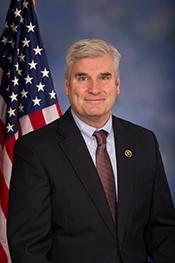
Mr. Speaker, I move to suspend the rules and pass the bill (H.R. 4256) to amend the Small Business Investment Act of 1958 to increase the amount that certain banks and savings associations may invest…
Mr. Speaker, I move to suspend the rules and pass the bill (H.R. 4256) to amend the Small Business Investment Act of 1958 to increase the amount that certain banks and savings associations may invest in small business investment companies, subject to the approval of the appropriate Federal banking agency, and for other purposes, as amended.
Mr. Speaker, I ask unanimous consent that all Members may have 5 legislative days in which to revise and extend their remarks and to include any extraneous material on the measure under consideration.
Mr. Speaker, I yield myself such time as I may consume.
Mr. Speaker, I rise in support of the bill before us today, H.R. 4256, the Investing in Main Street Act of 2021.
Since 1958, the Small Business Investment Company program, also known as the SBIC program, has been an integral part of SBA's mission to provide small businesses with capital and create jobs. It achieves this purpose by partnering private and public investments in early-stage startup businesses. In fact, in 2020, the SBIC program provided almost $5 billion in financing for 1,063 small businesses and helped sustain almost 92,000 jobs.
This program gives America's small, high-growth companies an opportunity to fund and grow their innovative ideas and create jobs. Just look at companies like Apple, Tesla, or FedEx. Each has achieved what we all hope for every small business, extraordinary growth and success. And each of them received early-stage financing from SBICs.
One of the strengths of this program is the hands-off approach SBA takes with respect to individual investments, giving fund managers the flexibility to invest in almost any business or sector they choose as it fits their fund's investment strategy.
This freedom, combined with decades of sound investment strategy, has led to its success. The SBIC program has helped increase the flow of patient capital to small, high-growth companies, but we can do more to ensure the program continues to meet demand.
Ms. Chu and Mr. Garbarino's bill will strengthen and grow the SBIC program by allowing banks and Federal savings associations to invest up to 15 percent of their capital and surplus into SBICs. This increase in capital, which comes at no cost to the taxpayer, offers entrepreneurs the financing necessary to grow their businesses and continue to innovate.
I applaud Ms. Chu and Mr. Garbarino for identifying this issue and finding a sensible solution. I ask all of my colleagues to support this bill, and I reserve the balance of my time.
Mr. Speaker, I yield 3 minutes to the gentlewoman from California (Ms. Chu), a sponsor of the bill.
Mr. Speaker, I have no further speakers, and I am prepared to close. I reserve the balance of my time.
Mr. Speaker, I yield myself the balance of my time.
As the small business economy recovers from the COVID-19 pandemic, entrepreneurs will need as many options for affordable capital as possible. The SBIC program fills the gap between the availability of venture and private equity capital and the needs of small businesses in startup and growth situations.
For decades, this program has channeled patient capital to leading- edge, high-growth companies. Some of our Nation's most successful corporations received early-stage funding from SBICs. Without it, they would not be the companies they are today. The bill we are considering today will lead to additional investment by SBICs, which will, in turn, lead to strong economic growth in our local communities.
The Investing in Main Street Act has bipartisan support, and it is endorsed by the Small Business Investor Alliance.
I want to applaud Ms. Chu and Mr. Garbarino for their bipartisan work on this SBIC program. I urge my colleagues to vote ``yes,'' and I yield back the balance of my time.