Mr. Speaker, I move to suspend the rules and pass the bill (S. 1910) to authorize major medical facility projects of the Department of Veterans Affairs for fiscal year 2021. Mr. Speaker, I ask…
Mr. Speaker, I move to suspend the rules and pass the bill (S. 1910) to authorize major medical facility projects of the Department of Veterans Affairs for fiscal year 2021.
Mr. Speaker, I ask unanimous consent that all Members may have 5 legislative days in which to revise and extend their remarks and to insert extraneous material on S. 1910.
Mr. Speaker, I yield myself such time as I may consume.
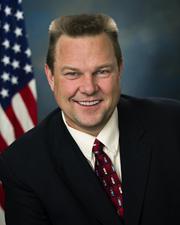
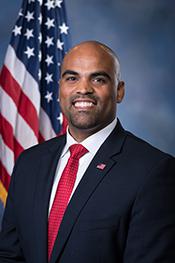
Mr. Speaker, I rise today in support of Senator Tester's S. 1910, the Major Medical Facility Authorization Act of 2021. I also thank my good friend and a valued member of the House Committee on Veterans' Affairs, Representative Colin Allred, for introducing the House companion to this vital and important piece of legislation.
Mr. Speaker, each year, the Department of Veterans Affairs submits an annual budget request to Congress, and then it is our job to authorize and appropriate the funding that VA needs to care for America's veterans and their families. Within that larger funding request is VA's request for funds to replace and modernize its medical facilities.
This year's major construction request totals just over $2 billion and will build a much-needed spinal cord injury center in Dallas, Texas; erect a community living center and renovate domiciliary and outpatient facilities in Canandaigua, New York; construct an outpatient clinic and a national cemetery in Alameda, California; and allow for the construction of a new specialty care building in American Lake, Washington, among other things.
Mr. Speaker, this Congress, our committee has highlighted VA's aging infrastructure. It might surprise some Members to learn the median age of VA medical centers is 58 years old. In the private sector, it is about 11 years.
Delivering 21st century healthcare in buildings that were built during the latter half of the 19th century is far from ideal and certainly not what our veterans deserve.
Despite outdated facilities, RAND and other academic entities have found VA provides better care than private options, in most cases. That is right. The VA provides better care even though it is working from outdated facilities. Imagine what those findings would look like if VA was competing with a modern infrastructure.
During our oversight efforts, the committee has learned that in order to fully recapitalize the Department's portfolio, VA would need roughly $100 billion. The Biden administration's $18 billion proposal to enhance VA's physical infrastructure is a downpayment in ensuring veterans have access to the most advanced healthcare and most robust infrastructure that we can provide.
My colleagues across the aisle may argue that potentially spending $18 billion on VA's infrastructure is premature because it fails to consider existing reform efforts already underway, alluding to the AIR Commission. They will argue that we should wait for the Commission's findings. Given the severity of underfunding as it relates to VA's capital assets, we cannot afford to
wait until the AIR Commission provides recommendations to Congress and the White House.
Life safety and seismic issues across the portfolio must be addressed now. Regular maintenance should not be delayed because of budgetary concerns, nor should we delay retrofitting facilities to meet the needs of VA's fastest growing population--women veterans--or delay addressing the lessons learned from this Nation's first pandemic in more than 100 years.
If we are going to build back better, if we are going to build back trust in VA, we have to start making serious investments in the outdated infrastructure meant to serve them, and nearly three-fourths of Americans agree.
Mr. Speaker, that is why I support S. 1910, and I thank Senator Tester, the chairman of the Senate Committee on Veterans' Affairs, for prioritizing and passing this legislation.
Mr. Speaker, I reserve the balance of my time.
Mr. Speaker, I yield such time as he may consume to the gentleman from Texas (Mr. Allred), my good friend and a member of the House Committee on Veterans' Affairs, where he is an active member of the Subcommittee on Health.
(Mr. ALLRED asked and was given permission to revise and extend his remarks.)
Mr. Speaker, I ask all my colleagues to join me in passing S. 1910, the Major Medical Facility Authorization Act of 2021, and I yield back the balance of my time.