
II
Calendar No. 32
118th CONGRESS
1st Session
S. 326
IN THE SENATE OF THE UNITED STATES
February 9, 2023
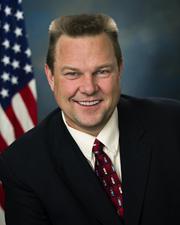
Mr. Tester (for himself, Mr. Sullivan, and Ms. Duckworth) introduced the following bill; which was read twice and referred to the Committee on Veterans' Affairs
March 23, 2023
Reported by Mr. Tester, without amendment
A BILL
To direct the Secretary of Veterans Affairs to carry out a study and clinical trials on the effects of cannabis on certain health outcomes of veterans with chronic pain and post-traumatic stress disorder, and for other purposes.
Short title
This Act may be cited as the VA Medicinal Cannabis Research Act of 2023
.
Definitions
In this Act:
Covered veteran
The term covered veteran means a veteran who is enrolled in the patient enrollment system of the Department of Veterans Affairs established and operated under section 1705(a) of title 38, United States Code.
Secretary
The term Secretary means the Secretary of Veterans Affairs.
Department of Veterans Affairs large-scale, mixed methods, retrospective qualitative study on the effects of cannabis on certain health outcomes of veterans with chronic pain and post-traumatic stress disorder
Study required
In general
The Secretary, through the Office of Research and Development of the Department of Veterans Affairs, shall carry out a large-scale, mixed methods, retrospective, and qualitative study on the effects of cannabis on the health outcomes of covered veterans diagnosed with chronic pain and covered veterans diagnosed with post-traumatic stress disorder.
Observational study
The study required by paragraph (1) shall be conducted as an observational study on the effects of cannabis use on the health of covered veterans.
Elements
In general
The study required by paragraph (1) shall—
triangulate a range of data sources;
compare the positive and negative health outcomes of covered veterans who use cannabis, utilizing outcomes that can be measured in an electronic health record of the Department and through data sets of the Department relating to claims for benefits under the laws administered by the Secretary;
elicit the positive and negative outcomes of cannabis use for covered veterans through semi-structured interviews;
estimate current and future health system needs to address positive and negative outcomes of cannabis use for covered veterans;
include a qualitative, open-ended survey provided to covered veterans who have sought care from the Department for chronic pain or post-traumatic stress disorder during the five-year period preceding the survey; and
include an assessment of—
all records within the Veterans Health Administration for covered veterans participating in the study; and
all records within the Veterans Benefits Administration for covered veterans participating in the study.
Health outcomes
A comparison of health outcomes under subparagraph (A)(ii) shall include an assessment of the following:
The reduction or increase in opiate use or dosage.
The reduction or increase in benzodiazepine use or dosage.
The reduction or change in use of other types of medication.
The reduction or increase in alcohol use.
The reduction or increase in the prevalence of substance abuse disorders.
Sleep quality.
Osteopathic pain (including pain intensity and pain-related outcomes).
Agitation.
Quality of life.
Mortality and morbidity.
Hospital readmissions.
Any newly developed or exacerbated health conditions, including mental health conditions.
Implementation
Not later than 180 days after the date of the enactment of this Act, the Secretary shall commence the implementation of the study required by subsection (a)(1).
Duration of study
The study required by subsection (a)(1) shall be carried out for an 18-month period.
Report
In general
Not later than 90 days after the completion of the study required by subsection (a)(1), the Secretary shall submit to the Committee on Veterans’ Affairs of the Senate and the Committee on Veterans’ Affairs of the House of Representatives a report on the study.
Ability to conduct clinical trials
The Secretary shall include in the report required by paragraph (1) an assessment of whether the Secretary is able to meet the criteria necessary to conduct the clinical trials required under section 4, including consideration of subsection (e)(1) of such section.
Department of Veterans Affairs clinical trials on the effects of cannabis on certain health outcomes of veterans with chronic pain and post-traumatic stress disorder
Clinical trials required
In general
If the Secretary indicates in the report required by section 3(d) that the Secretary is able to meet the criteria necessary to proceed to clinical trials, commencing not later than 180 days after the submittal of that report, the Secretary shall carry out a series of clinical trials on the effects of cannabis appropriate for investigational use, as determined by the Food and Drug Administration under section 505(i) of the Federal Food, Drug, and Cosmetic Act (21 U.S.C. 355(i)), on the health outcomes of covered veterans diagnosed with chronic pain and covered veterans diagnosed with post-traumatic stress disorder.
Considerations
The clinical trials required by paragraph (1) shall include, as appropriate, an evaluation of key symptoms, clinical outcomes, and conditions associated with chronic pain and post-traumatic stress disorder, which may include—
with respect to covered veterans diagnosed with chronic pain, an evaluation of the effects of the use of cannabis on—
osteopathic pain (including pain intensity and pain-related outcomes);
the reduction or increase in opioid use or dosage;
the reduction or increase in benzodiazepine use or dosage;
the reduction or increase in alcohol use;
the reduction or increase in the prevalence of substance use disorders;
inflammation;
sleep quality;
agitation;
quality of life;
exacerbated or new mental health conditions; and
suicidal ideation.
with respect to covered veterans diagnosed with post-traumatic stress disorder, an evaluation of the effects of the use of cannabis on—
the symptoms of post-traumatic stress disorder (PTSD) as established by or derived from the clinician administered PTSD scale, the PTSD checklist, the PTSD symptom scale, the post-traumatic diagnostic scale, and other applicable methods of evaluating symptoms of post-traumatic stress disorder;
the reduction or increase in benzodiazepine use or dosage;
the reduction or increase in alcohol use;
the reduction or increase in the prevalence of substance use disorders;
mood;
anxiety;
social functioning;
agitation;
suicidal ideation; and
sleep quality, including frequency of nightmares and night terrors.
Optional elements
The clinical trials required by paragraph (1) may include, as appropriate, an evaluation of the effects of the use of cannabis to treat chronic pain and post-traumatic stress disorder on other symptoms, clinical outcomes, and conditions not covered by paragraph (2), which may include—
pulmonary function;
cardiovascular events;
head, neck, and oral cancer;
testicular cancer;
ovarian cancer;
transitional cell cancer;
intestinal inflammation;
motor vehicle accidents; or
spasticity.
Long-Term observational study
The Secretary may carry out a long-term observational study of the participants in the clinical trials required by subsection (a).
Type of cannabis
In general
In carrying out the clinical trials required by subsection (a), the Secretary shall study varying forms of cannabis, including whole plant raw material and extracts, and may study varying routes of administration.
Plant cultivars
Of the varying forms of cannabis required under paragraph (1), the Secretary shall study plant cultivars with varying ratios of tetrahydrocannabinol to cannabidiol.
Implementation
Not later than 18 months after the date of the enactment of this Act, the Secretary shall—
develop a plan to implement this section and submit such plan to the Committee on Veterans’ Affairs of the Senate and the Committee on Veterans’ Affairs of the House of Representatives; and
issue any requests for proposals the Secretary determines appropriate for such implementation.
Termination of clinical trials
Clinical guideline requirements or excessive risk
The Secretary may terminate the clinical trials required by subsection (a) if the Secretary determines that the Department of Veterans Affairs is unable to meet clinical guideline requirements necessary to conduct such trials or the clinical trials would create excessive risk to participants.
Completion upon submittal of final report
The Secretary may terminate the clinical trials required by subsection (a) upon submittal of the final report required under subsection (f)(2).
Reports
Periodic reports
During the five-year period beginning on the date of the commencement of clinical trials required by subsection (a), the Secretary shall submit periodically, but not less frequently than annually, to the Committee on Veterans’ Affairs of the Senate and the Committee on Veterans’ Affairs of the House of Representatives reports on the implementation of this section.
Final report
Not later than one year after the completion of the five-year period specified in paragraph (1), the Secretary shall submit to the Committee on Veterans’ Affairs of the Senate and the Committee on Veterans’ Affairs of the House of Representatives a final report on the implementation of this section.
Administration of study and clinical trials
Demographic representation
In carrying out the study required by section 3 and the clinical trials required by section 4, the Secretary shall ensure representation in such study and trials of demographics that represent the population of veterans in the United States, as determined by the most recently available data from the American Community Survey of the Bureau of the Census.
Data preservation
The Secretary shall ensure that the study required by section 3 and the clinical trials required by section 4 include a mechanism to ensure—
the preservation of all data, including all data sets and survey results, collected or used for purposes of such study and trials in a manner that will facilitate further research; and
registration of such data in the database of privately and publicly funded clinical studies maintained by the National Library of Medicine (or successor database).
Anonymous data
The Secretary shall ensure that data relating to any study or clinical trial conducted under this Act is anonymized and cannot be traced back to an individual patient.
Effect on other benefits
The eligibility or entitlement of a covered veteran to any other benefit under the laws administered by the Secretary or any other provision of law shall not be affected by the participation of the covered veteran in the study under section 3, a clinical trial under section 4(a), or a study under section 4(b).
Effect on other laws
Nothing in this Act shall affect or modify—
the Federal Food, Drug, and Cosmetic Act (21 U.S.C. 301 et seq.);
section 351 of the Public Health Service Act (42 U.S.C. 262); or
the authority of the Commissioner of Food and Drugs and the Secretary of Health and Human Services—
under—
the Federal Food, Drug, and Cosmetic Act (21 U.S.C. 301 et seq.); or
section 351 of the Public Health Service Act (42 U.S.C. 262); or
to promulgate Federal regulations and guidelines pertaining to cannabidiol, marijuana, or other subject matter addressed in this Act.
March 23, 2023
Reported without amendment