IA
119th CONGRESS
2d Session
H. J. RES. 216
IN THE HOUSE OF REPRESENTATIVES
September 15, 2026
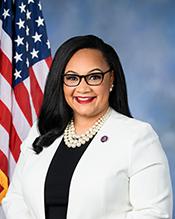
Ms. Williams of Georgia (for herself, Mr. Amo, Ms. Barragán, Mrs. Beatty, Mr. Bera, Mr. Beyer, Mr. Bishop, Mr. Carter of Louisiana, Mr. Casar, Ms. Chu, Mr. Cleaver, Mrs. Watson Coleman, Ms. Clarke of New York, Ms. Dean of Pennsylvania, Ms. DelBene, Ms. DeGette, Mr. Deluzio, Mr. DeSaulnier, Ms. Dexter, Mr. Frost, Mr. García of Illinois, Mr. Horsford, Mr. Huffman, Mr. Jackson of Illinois, Mr. Johnson of Georgia, Ms. Kamlager-Dove, Ms. Kelly of Illinois, Mr. Krishnamoorthi, Ms. Lee of Nevada, Ms. Lee of Pennsylvania, Mr. Lynch, Ms. Velázquez, Ms. McClellan, Ms. Moore of Wisconsin, Mr. Moulton, Ms. Norton, Ms. Omar, Mr. Panetta, Mr. Peters, Ms. Pingree, Ms. Pressley, Mr. Quigley, Mrs. Ramirez, Ms. Wilson of Florida, Ms. Scanlon, Ms. Schakowsky, Ms. Sewell, Ms. Simon, Ms. Stansbury, Mr. Takano, Ms. Tlaib, Mrs. Trahan, Ms. Underwood, Mr. Lieu, and Ms. Wasserman Schultz) submitted the following joint resolution; which was referred to the Committee on the Judiciary
JOINT RESOLUTION
Proposing an amendment to the Constitution of the United States to prohibit the use of slavery and involuntary servitude as a punishment for a crime.
Whereas the Constitution of the United States has prohibited slavery and involuntary servitude for many, but not all, people in the United States since December 6, 1865;
Whereas the Thirteenth Amendment to the Constitution of the United States, which barred slavery and involuntary servitude, included an exception that allowed for slavery and involuntary servitude to continue as punishment for a crime;
Whereas this exception resulted in hundreds of thousands of Black Americans being returned to slavery after implementation of the Thirteenth Amendment;
Whereas Congress finds the continued existence of slavery and involuntary servitude antithetical to the democratic values, norms, and mores of the United States and can undermine the moral credibility of our country on the global stage;
Whereas our criminal justice system has the means to ensure people who have committed crimes are appropriately sentenced without resorting to slavery or involuntary servitude;
Whereas Congress recognizes the value of high-quality work programs that provide useful skills and stability for people in correctional institutions, and it is not the intent of Congress to interfere with opportunities for incarcerated people to consent to work or to modify any employment protections currently available to people in correctional institutions; and
Whereas Congress additionally acknowledges the importance of sentencing alternatives, and it is not the purpose of this amendment to interfere with the discretion of a court to offer community service as an alternative to incarceration: Now, therefore, be it
That the following article is proposed as an amendment to the Constitution of the United States, which shall be valid to all intents and purposes as part of the Constitution when ratified by the legislatures of three-fourths of the several States:
Neither slavery nor involuntary servitude may be imposed as a punishment for a crime.
.